


March 16, 2025

Minister for Higher Education, Research, Science, and Technology, Hon. Kinoka Feo, has reaffirmed the government’s commitment to research-driven national development with the launch of the National Research Institute’s (NRI) Corporate Plan 2024-2028 and Revised Strategic Plan 2021-2030 last March 6.  

The Corporate Plan is linked to the PNGNRI Strategic Plan 2021-2030; the MTDP IV 2023-2027 and other relevant Government plans and policies.  

Speaking at the launch at Port Moresby, Minister Feo highlighted the vital role of the NRI in shaping evidence-based policies and fostering innovation.

He emphasized that the newly launched Corporate Plan serves as an operational roadmap for the revised Strategic Plan 2021-2030, ensuring the institute’s work aligns with the government’s key policies, including the Medium-Term Development Plan 2023-2027 and Vision 2050.

Describing the Plan as more than just a document, Minister Feo called it a "blueprint and a call to action" for the country's intellectual and policy development.

He stressed that strategic research and innovation are critical to driving sustainable progress, adding that the Marape-Rosso Government strongly supports the integration of science and technology into national planning.

“This plan is a product of collaboration between government, researchers, policymakers, and stakeholders. It is through this unity of purpose that we will achieve our national goals,” he said.

Minister Feo commended the NRI for being the intellectual backbone of policymaking in Papua New Guinea. He acknowledged the importance of research in addressing emerging global challenges, noting that in an era of rapid technological advancements, think tanks like the NRI play a crucial role in bridging academic research with practical governance.

“You, the researchers and staff, are not just scholars, you are architects of national strategy. This plan embodies our commitment to turning knowledge into action, ensuring that evidence-based solutions drive our nation’s progress,” he said.

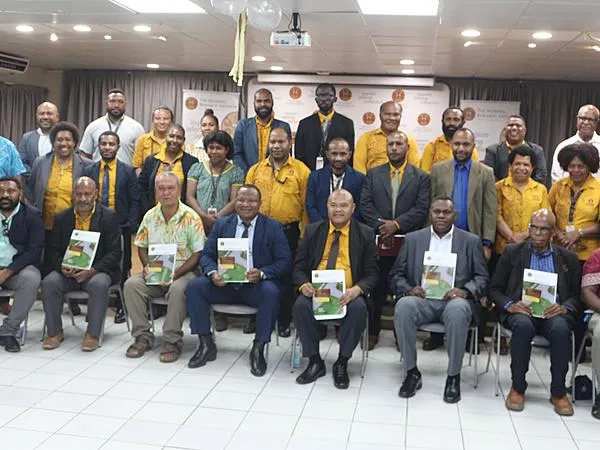
Attendees included the Council Members of the National Research Institute, Director of the National Research Institute, distinguished guests, management and staff of NRI, researchers, and members of the Council.

NRI Director Dr Osborne Sanida explained that the Institute has a motto of, “Inquire, Inform, Influence”, which is applicable across all research programs and non-research functions to ensure that it is the vision and underlying motto across its work.

The Corporate Plan is implemented through the development of Annual Work Plans, subject to financial and human resource constraints for each year. It covers the following key areas:

  • Mandate and governance of the Institute;
  • Vision, mission and core principles;
  • Management and operational areas of the Institute;
  • Organizational structure;
  • Research protocols and plan alignment;
  • Research Division Plan, comprising six research programs
  • Plans for cross-cutting initiatives;
  • Plans for hosted programs and projects;
  • Corporate Services Division Plan, comprising five sections;
  • Knowledge Management Division Plan, comprising two sections;
  • Plan for capital investments
  • Resourcing, assumptions and risk; and
  • Strategic Implementation Framework and Monitoring and Evaluation protocols.

“I thank everyone involved in the compilation of this document. The Corporate Plan would not have been possible without the direction and oversight of the PNGNRI Council and the collective contribution from the Institute’s senior executive management; research program leaders; and CSD and KMD section heads. It is a plan that we can all be proud of as we collectively developed it and now own the document and implement it as a team,” Dr Sanida said.

The Corporate Plan outlines key research priorities that will enhance national competitiveness. Minister Feo stated that expanding research capabilities, fostering interdisciplinary studies, and strengthening collaborative networks will be essential in positioning Papua New Guinea at the forefront of policy innovation.

“Our nation’s most valuable resource is its intellectual capital,” he noted. “From economic policy to social innovation, from technological advancement to sustainable development, the NRI will be at the center of strategic thinking.”

The plan also details specific objectives, including:

  • Defining critical research priorities,
  • Identifying necessary resources for implementation,
  • Establishing measurable performance indicators, and
  • Developing operational strategies for effective execution.

Minister Feo urged the NRI’s researchers, staff, and council members to embrace the Corporate Plan as a mission statement for national development, noting the institute’s role as a guiding force in policy decisions, using rigorous research to navigate the country through complex challenges and opportunities.

“As Nelson Mandela once said, ‘Education is the most powerful weapon which you can use to change the world.’ Today, we reaffirm our belief in the power of research, the strength of strategic thinking, and our collective ability to shape a brighter future,” he stated.

“Today, we make a commitment to the pursuit of knowledge, the advancement of innovation, and the realization of our shared vision for a prosperous and sustainable future,” he added.

March 14, 2025

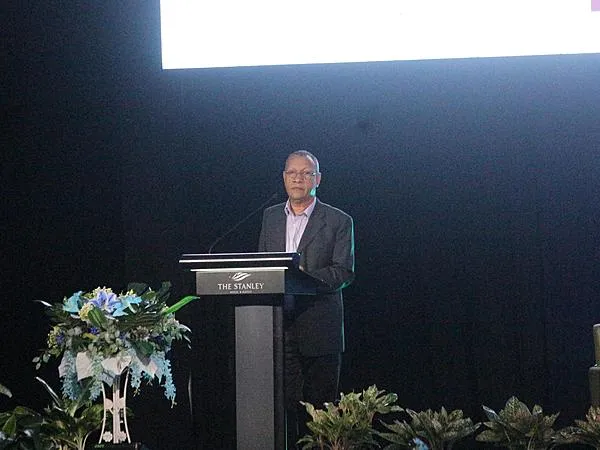
Sustainable agricultural growth in Papua New Guinea hinges on investing in people rather than just crops, Dr. Eric Omuru, Managing Director and Principal Consultant of E.E. Omuru Limited, said during his plenary keynote at the Central Province Investment Conference (CPIC) 2024.

The CPIC was co-hosted by the Central Chamber of Commerce and Industry Inc. (CCCI) and the Central Provincial Government with the theme “Investing in Central Province” on 27th to 28th February at the Stanley Hotel in Port Moresby.  

Omuru, who played a key role in developing PNG’s National Agriculture Sector Plan, opened his address by acknowledging the challenge of condensing such a critical discussion into a ten-minute speech.

His session presentation was titled “Transforming Agriculture and Commodities: Charting a Path Towards Enhanced Food Security, Mechanization, and Climate Resilience for Cash Crops and Value Chain Success.”

Despite last-minute program changes, Omuru highlighted fundamental issues affecting PNG’s agricultural sector.

Underperforming Despite Abundant Resources

Agriculture remains a cornerstone of PNG’s economy, yet its export revenue stands at a modest K4.5 billion, far below its potential, Omuru said. He argued that the sector’s underperformance is largely due to a long-standing focus on crops rather than the people cultivating them.

He said, “We need to shift from a commodity-focused approach to one that prioritizes the people who grow these crops. If we invest in people, we will see progress in agriculture.”

The statistics he presented painted a stark picture of Central Province’s struggles:

  • Coconut (copra) – No exports recorded since industry deregulation in 2002.
  • Cocoa – No exports in the past decade, though recent government partnerships offer hope.
  • Coffee – Contributes a mere 0.1% of national exports.
  • Oil palm – Minimal presence in the province.
  • Rubber – The only crop with a respectable share, benefiting from 74% of government subsidies in 2021.

Despite its limited market appeal, rubber is emerging as a viable opportunity. Omuru shared his personal experience of entering the trade, acknowledging the financial losses but also gaining firsthand insight into the hardships faced by rural farmers.

Food Security and the Growing Reliance on Imports

Omuru also raised concerns about PNG’s increasing dependence on imported staple foods. While the country’s annual rice consumption is estimated at 500,000 to 600,000 tons, local production remains minimal, with only about 13,000 smallholder farmers cultivating rice.

“We eat around 60 kilograms of rice per person each year, but we hardly grow enough to sustain ourselves,” he said.

The livestock sector faces similar challenges. Omuru said PNG consumes 16,000 tons of meat annually but produces only 2,000 tons, with the shortfall met by imports. He pointed out that Central Province has vast land resources suitable for livestock farming, yet efforts remain minimal.

Climate change is exacerbating agricultural challenges, as Omuru noting rising temperatures, erratic weather patterns, and increased pest infestations—including the coconut rhinoceros beetle and coffee berry borer—are threatening production.

“Agriculture in PNG remains largely traditional, with minimal mechanization. We need to modernize and prepare for these challenges to ensure long-term sustainability,” he noted.

Value Addition and Smart Investments

One of Omuru’s key recommendations was increasing downstream processing and value addition. Using rubber as an example, he highlighted the significant price difference between raw cup lump rubber (purchased at K1.50 per kg) and processed ribbed smoked sheets (RSS), which can fetch K6 per kg.

“If we focus on value addition, we lighten the crop’s weight and generate more income. This kind of smart thinking is necessary if we want agriculture to be a viable business,” he said.

He also urged the provincial government to improve infrastructure, particularly in rural areas, to help farmers transport their produce to market more efficiently.

Omuru emphasized that empowering farmers with training, access to finance, and better market opportunities would drive meaningful progress.

“The livelihoods of our people must be at the center of agricultural policies and investments. Only then will we see real, sustainable change,” he said, reminding all attendees that agriculture is not just about producing food, it’s about supporting the people who cultivate it.

CPIC Conference

The conference goes in line with the nation’s 50th Anniversary, reflecting on the province’s achievements and future aspirations. Featured keynotes and panel discussions to review Central Province history, and current initiatives and outline feature goals were key highlights to the two day conference.

The CPIC 2025 program included two days of dynamic activities:

  • Day 1 featured strategic speeches and interactive sessions on agriculture, tourism, fisheries, innovation, and creative industries to support economic diversification.
  • Day 2 focused on utilities, revenue generation, infrastructure land reforms and social development, including youth and women’s empowerment. The event concluded with the official launch of the CCCI and a gala celebration

The CCCI also hosted a business matching event on February 27 for investors and registered participants to exchange insights and foster partnership, providing further networking opportunities on February 28.

Hon. Rufina Peter, the Governor of Central Province, thanked all sponsors and stakeholders for their support. “Together we can unite stakeholders for this pivotal moment,” she added.

Linda Paru, President and Interim CEO of CCCI, reaffirmed the Chamber’s commitment to initiatives that stimulate economic growth and innovation, noting the event was a valuable platform for meaningful partnerships.

March 13, 2025

PNG's education sector now offers more opportunities for students to pursue affordable, high-quality tertiary education in their own country with the official opening of the Philippines Christian University (PCU) Papua New Guinea Campus.

This University is part of a broader vision of the founder and Director of Waigani Christian College and member for North Waghi, Hon. Benjamin Mul, to provide quality education for country’s growing population, recognizing PNG’s need for more higher education institutions.

This initiative is partnership between PNG Christian University Ltd and the Philippines Christian University, aiming to provide internationally accredited university courses to students in PNG.  

The official opening of the University on March 5th also saw the presentation of two new 25-seater buses to the new administration of PCU-PNG Campus and 14 new classrooms opened.

MP Mul said: “Philippines Christian University is 79 years old and is one of the oldest universities in the Philippines that enrolls 36,000 students annually with 8 campuses around the world offering internationally recognized courses.”

“The partnership with Philippines Christian University will allow students in PNG to receive internationally accredited programs through utilizing online technology without having to leave the country,” he added.

The University marks the growth of the Waigani Christian College, which provided education from kindergarten to Grade 12 and is now moving into tertiary education.

Waigani Christian College Principal, Mr. Abakure Kaupa, said the idea of establishing a university had been under discussion for some time.

The turning point came during the school’s 10th anniversary celebration, attended by Prime Minister James Marape, the Minister for Education, and the Ministry for Higher Education. During this event, the school made its intentions clear, receiving initial encouragement from government officials.

Following this, PNG Christian University Ltd was registered as a company, allowing it to legally engage in educational partnerships. A Memorandum of Understanding (MOU) was signed with PCU on December 17, 2024, establishing a four-year collaboration (2025–2028).

Under this agreement, PCU's internationally accredited courses will be offered at the PNG campus, while PNG Christian University works towards meeting full accreditation requirements under PNG’s higher education laws.

PCU-PNG Campus will primarily offer online courses through the Philippines Christian University, utilizing upgraded internet-equipped classrooms at the Waigani campus. Initial courses will exclude law, nursing, and medicine due to regulatory and facility constraints.

However, other undergraduate programs will be available, with a minimum enrollment requirement of 30 students per course for classes to commence.

The first intake was originally planned for March 2025 but has been delayed until June 2025 due to ongoing registration processes with the Department of Higher Education, Research, Science, and Technology (DHERST). The minimum GPA for admission will be 2.6 or higher, depending on the program.

To ensure accessibility, tuition fees will be structured to be affordable while maintaining quality standards, MP Mul said.

Discussions are underway with the Government's Higher Education Loan Program (HELP) to enable students to access financial support.

Beyond the university partnership, Waigani Christian College is also focusing on Early Childhood Teacher Education, a key initiative aligned with PNG’s 1-6-6 education policy.

This program will operate independently of PCU and will be guided by the PNG Department of Education curriculum.

The government has recognized only three institutions in PNG to offer early childhood teacher training:

  • University of Goroka (UOG)
  • PNG Education Institute (PNGEI)
  • YWCA Early Childhood Education College

Waigani Christian College is now set to become the fourth recognized higher education institution, following a PGK 5 million commitment from the Minister for Education, Lucas Dekena. The college has already engaged consultants from UOG to develop course materials, and lecturers are in place to commence training.

MP Mul emphasized that the goal is not just to provide higher education but to ensure high-quality standards. The university will work closely with DHERST and the Department of Education to ensure compliance with national regulatory frameworks.

Plans are also in place to expand infrastructure, including a multi-story university building to accommodate growing student numbers, he added.

With the University’s first-degree programs expected to launch by mid-2025, PCU-PNG Campus provides an alternative pathway for students who may not have secured placements in PNG’s existing universities.

Vice Chancellor for Philippines Christian University-PNG Campus Dr. Margie Dela Cruz said the partnership marked a promising journey of academic exchange, innovation, and challenges.

She said, “We will use technology to its fullest potential in providing quality education.

March 13, 2025

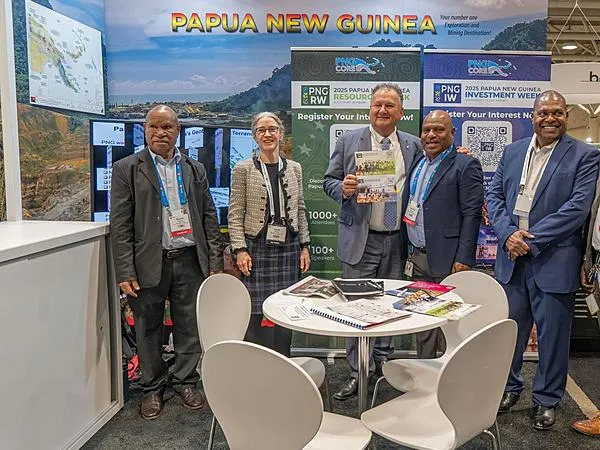
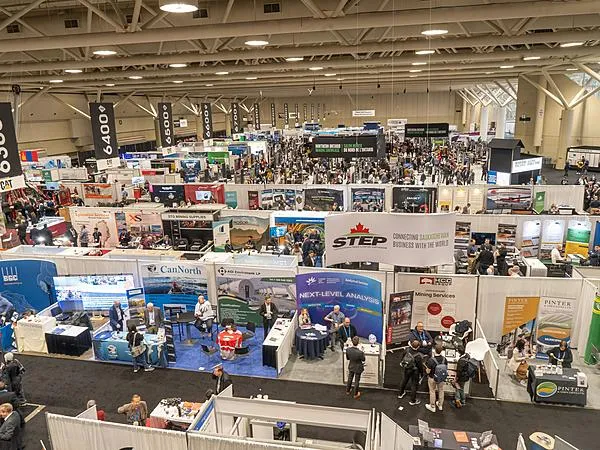
The PNG Chamber of Resources & Energy (PNG CORE), in collaboration with the Mineral Resources Authority (MRA), participated in the 2025 Prospectors & Developers’ Association of Canada (PDAC) convention, held in Toronto, Canada, from March 2-5.

PDAC is the world's largest mining conference, attracting over 27,000 delegates and featuring more than 1,100 exhibition booths.

The combined booth of MRA and PNG CORE was supported by expert geologists and industry executives who spent three and a half intense days engaging with the international investment community. They addressed concerns and attracted significant investment interest to Papua New Guinea.

PNG CORE is grateful for the participation of the Minister for Mining, Hon. Wake Goi (MP), and the Assistant Minister for Mining, who attended and participated in several government-to-government meetings, fostering mutually beneficial interests between respective countries.

"While it is impressive to attend the world's largest mining conference, I realise that the PNG Investment Week offers more engagement, networking, and relationship-building opportunities. This sentiment was shared by other participants who attended both events," said PNG CORE Events Chair and Councillor Mark McMonagle.

"We believe that many of these investors may attend the PNG Investment Week in Sydney in December this year to further explore their interest in investing in the PNG mining sector or servicing the mining sectors."

The industry acknowledges the challenges faced in recent years, including a decline in exploration activities and concerns over the depletion of mineral resources. These issues highlight the importance of attracting new investments and revitalising interest in PNG's mining sector. PNG CORE recognises the value of industry working closely with the government to address these challenges. Collaborative efforts are essential to overcoming obstacles and ensuring the sustainable development of the mining sector.

PNG CORE's participation in PDAC aligns with its strategic direction to promote investment through events, knowledge sharing, and convening. This initiative demonstrates the collaborative efforts of MRA and PNG CORE to show investors worldwide that industry and government are working together to promote the industry for the benefit of PNG's people and its investors.

March 13, 2025

Parliament recently (12.03.25) passed two laws for the establishment and operation of the National Petroleum Authority (NPA), a new body that will take over as the regulator of the petroleum sector in the country.

The National Petroleum Bill 2025 was voted 84 to 0 into law, while the Oil and Gas Act Amendment Bill 2025 was passed on voices. Both bills were presented to Parliament by Minister for Petroleum, Hon. Jimmy Maladina.

These Acts of Parliament now pave the way for the set-up and operation of NPA, which will take over from the Department of Petroleum and Energy as the administering arm of the petroleum sector under the Oil and Gas Act 1998.

Prime Minister Hon. James Marape, in a press conference after Parliament ses-sion, highlighted the importance in the role NPA would play in underpinning the country’s petroleum sector.

“The National Petroleum Authority will be the regulator of this big sector that contributes over 50 percent of the country’s GDP and economy.

“Petroleum is an important sector, but the Oil and Gas Act has carried us for the last 20 years, and so it is timely that we change to keep up with a bigger economy and a more robust hydrocarbon industry, petroleum, and gas pro-jects.

“Under this new framework and structure, regulations, licensing, administration of our petroleum and gas sector will be governed. This will give us a platform for us to move into hybrid production-sharing regime that has Papua New Guinean characteristics,” said Prime Minister Marape.

The Prime Minister gave the assurance that investors have nothing to fear but to have the confidence that their investments would be better protected un-der the revised mechanism.

“This work will include protecting the return on investors so that they too are making money at the same time but that we are clear on PNG’s entitlements in taxes, royalty, equity, levies and so on.

“So I give assurance to our industry stakeholders out there. The restructure hap-pening is not to diminish their presence or their value, but to ensure that we operate in clarity of regulation and the environment, and that their interest – in as far as return on investment is concerned – is secured.

“This authority will make it easier for all of us,” said PM Marape.

The Prime Minister said this work to set up NPA will continue into the country’s 50th year which begins on 16 September until 15 September 2026.

March 13, 2025

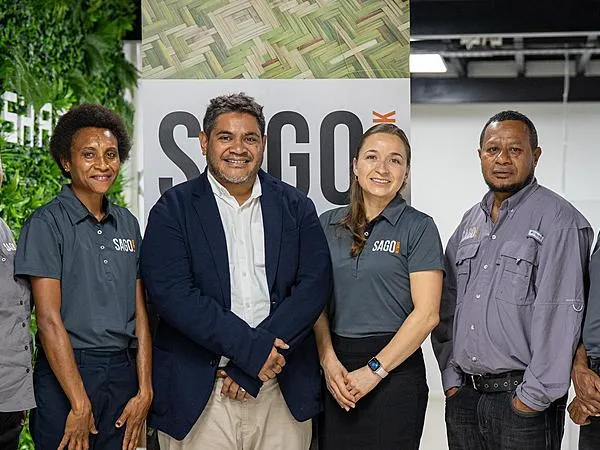
Sago Network announces the appointment of Mr Douveri Henao as Patron for the community development organisation which has a focus on improving the health of PNG’s villages through water, sanitation and hygiene programmes. This announcement is made after Mr Henao officially agreed to the 2-year role on 25th February 2025.

Sago Network’s board of directors honours Douveri Henao with this unprecedented role of Patron, for his consistent support of Sago Network’s community work over the past 10 years. It was during the Barakau Sanitation Programme in 2015 that Sago Network first benefitted from Mr Douveri’s generosity, hospitality and wisdom. It was also during that programme that Mr Henao came to see, first hand, the love Sago Network has for the people of Papua New Guinea and its unyielding commitment to try and help lift standard of living through water and sanitation advancements.

“Sago network combines two important relationships. First: Smart people applying smart solutions. The combination of local knowledge and STEM skills in WASH is critical for nation building. Second: new generation of Australia - PNG professionals investing in our nations’ special relationship. Ideas, debates and laughs must be the focus, and this is what Sago Network inspires. I look forward enhancing these relationships vital for our livelihoods.”, said Mr Henao.

Since inception in 2008, Sago Network has partnered with 97 villages, providing safe sanitation options to approximately 7,500 individuals and safe drinking water to more than 35,000 people.

Mr Henao’s agreement to become Sago Network’s first Patron celebrates our shared commitment to improve lives for the people of Papua New Guinea. With Mr Henao’s support to promote the work of Sago Network, the organisation is energised to continue in its mission to improve health and wellbeing of the people of Papua New Guinea through water, sanitation and health initiatives in collaboration with rural and remote communities.

March 12, 2025

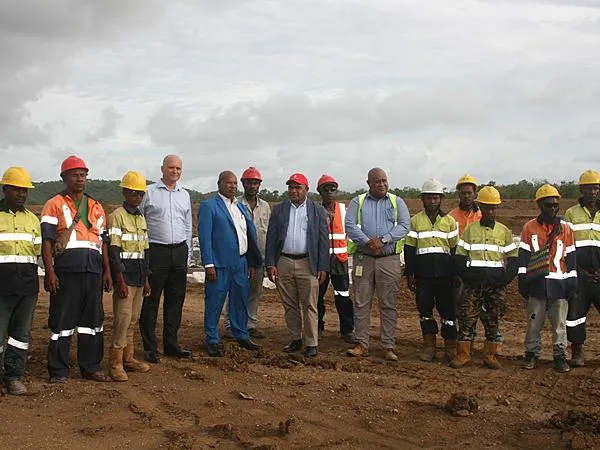
The Special Economic Zone (SEZ) of the Konebada Industrial Park project is underway with the establishment of a fabrication and training facility known as the Central Industrial Center, Portion 152.

This project is spearheaded by Kumul Petroleum Limited (KPL) and is expected to create thousands of jobs and significantly boost the country’s manufacturing capabilities in the oil, gas, and mining industries.

The Konebada park, seen as an exciting step into economic, business and human resource development for Papua New Guinea, will be officially announced once completed, KPL said in a statement.

During a recent project-site visit with PNG Business News, KPL Managing Director Wapu Sonk spoke of the project’s vision, emphasizing that PNG must take ownership of its industrial development.

“We saw in the PNG LNG project how foreign workers and prefabricated materials dominated the sector. This time, we are investing in a local fabrication facility to ensure that PNG workers and businesses play a meaningful role in major resource projects,” Sonk said.

The facility will include a steel fabrication plant, where components such as pipes, vessels, and other industrial materials will be manufactured locally.

“We want to fabricate what goes into an LNG plant right here in PNG. But to do that, we need highly skilled people, which is why we are also building a world-class training center,” he added.

Maru: SEZ Project a ‘Game Changer’

Trade and Investment Minister Richard Maru commended Kumul Petroleum’s initiative, describing it as a “game-changer” for PNG’s economic future. He stressed the importance of transitioning from reliance on foreign-made components to local manufacturing and workforce development.

“For too long, we have been exporting jobs and importing finished products. This project aligns with the government’s vision to create skilled employment, increase revenue, and position PNG as a competitive industrial hub in the region,” Maru said.

The government has endorsed the SEZ over the project site, providing tax and duty-free incentives to attract investors in manufacturing, energy, and resource-related industries. A National Executive Council (NEC) submission for the SEZ’s formal approval is currently underway, which Minister Maru has viewed and expressed confidence the project will change the country.

“This SEZ will be structured to make PNG competitive against regional players like Indonesia, the Philippines, and China. When investors come into PNG and we start fabricating steel, we will be producing for the big companies in the oil and gas industry, and we have to be competitive with our pricing,” he said.

“We are dealing with global companies who have been in the industry for a long time, which is why KPHL needs government support to be able to compete on a level playing field with other competitors and attract the business. Our biggest need is to generate revenue and create jobs for the local people which this project will provide,” Maru explained.

“We have a well-educated workforce with strong English proficiency and a lower labor cost, making us an attractive destination for industrial investment,” he added.

Minister Maru said the two declared SEZ include the Paga Hill SEZ in town and the Konebada Petroluem Park at Porebada in Central Province outside of Port Moresby. The project is set up similarly to SEZs in China, Dubai, Japan, and the Philippines.  

Maru emphasized the long-term potential of the project, comparing it to industrial hubs in Dubai, China, and Malaysia.

“The vision here is to develop a full-fledged industrial park where companies can manufacture, assemble, and export goods. This is the beginning of a new era for PNG’s industrial sector,” he said, noting that it will consist of the two projects: a training facility and the fabrication factory.

The training facility aims to upskill workers in specialized construction, mining, and marine industry skills. According to Sonk, the center will initially support 1,000 direct jobs, with numbers expected to rise to 3,000 to 4,000 as the facility expands and operates in multiple shifts.

The broader industrial ecosystem could generate over 10,000 jobs, including indirect employment in supporting services like transport, catering, and logistics, he added.

The project site spans approximately 300 hectares, with 140 hectares reserved for further industrial development. Plans also include a cement batching plant, road upgrades, and a dedicated wharf to facilitate exports and reduce logistics costs.

“We are planning for large-scale manufacturing,” Sonk stated. “The road will be expanded to 14 meters to accommodate heavy loads, and we are considering a rail system to transport fabricated components directly to the wharf.”

Sonk and Maru invited investors to take advantage of the SEZ incentives and be part of PNG’s industrial transformation.

“This project is not just about Kumul Petroleum, it’s about creating an ecosystem where multiple industries can thrive,” Sonk said.

Maru urged PNG’s youth to seize the opportunities offered by the training facility. “We want to train Papua New Guineans to be globally competitive, just like Filipino workers who are sought after worldwide. This is our chance to equip our people with the skills to work on major projects both locally and internationally.”

Additionally, about 20 locations have been identified as potential SEZ in the country with only four expected to be free trade zones.

March 11, 2025

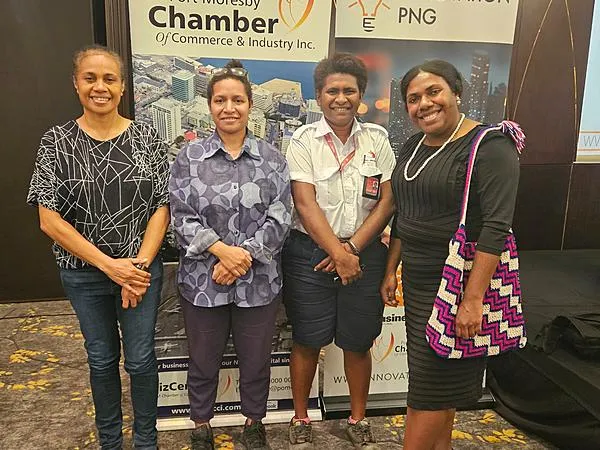
The Port Moresby Chamber of Commerce and Industry (POMCCI) and Business Advantage International recently hosted the “Women in Tech Business Breakfast,” part of the lead-up to Innovation PNG 2025.

The event showcased a distinguished panel of women excelling in the fields of finance, software development, aviation, and digital transformation.

 The event at the Lamana Hotel on February 27 recognised the achievements of women leading Papua New Guinea’s technology-driven sectors.

A highlight was the announcement of the shortlist for the 2025 Innovation PNG Awards, celebrating groundbreaking technological advancements in the country.

However, the real focus of the morning event was on the women driving innovation and their contributions to the country’s digital future.

The panel featured:

  • Keren Mahabi – Manager Strategic Intelligence, Kina Bank
  • Crystal Kewe – Founder & Chief Technology Officer, Crysan Technology
  • Priscilla Kevin – ICT ERP Consultant & President, PNG ICT Cluster
  • Lindah Eremas – Licensed Aircraft Maintenance Engineer, Air Niugini

Each panelist shared insights into their projects and the challenges and opportunities shaping their industries.

Pioneering Projects Driving Change

  1. Artificial Intelligence in Finance -- Keren Mahabi from Kina Bank highlighted how AI is transforming regulatory compliance, competition, and risk management in the financial sector. Her role involves tracking economic, social, and technological trends to provide strategic insights. She emphasized AI’s dual impact—creating new opportunities while introducing challenges that require proactive planning.
  2. Digital Health and Financial Inclusion -- Crystal Kewe discussed two major projects her company, Crysan Technology, is completing:
    1. A DFAT-funded Laboratory Information Management System for PNG’s Central Public Health Laboratory, streamlining testing for malaria, TB, HIV, and COVID-19. This project could lay the foundation for a nationwide public health information system.
    2. A personal finance app developed with the Centre for Excellence in Financial Inclusion (CEFI), designed to help over 300,000 graduates build financial literacy and a savings culture in PNG. Kewe also mentioned an upcoming digital transformation initiative in collaboration with the Department of Community Development, aligning with PNG’s national digital strateg
  3. Empowering Women and Protecting Innovation -- Priscilla Kevin of the PNG ICT Cluster emphasized the need for intellectual property protection for PNG innovators. She detailed efforts to establish technology transfer centers to support local inventions and prevent foreign entities from capitalizing on PNG’s ideas.

She also highlighted the digital literacy gap among women and youth, citing a 2022 initiative that trained 900 women entrepreneurs in ICT skills. Many participants lacked fundamental IDs, creating barriers to accessing digital services.

Additionally, the National ICT Incubation Program, a partnership with the Department of ICT, aims to fund local tech startups, ensuring PNG nurtures homegrown solutions instead of relying on mports.

  1. Aviation and STEM Careers -- Lindah Eremas, a licensed Aircraft Maintenance Engineer at Air Niugini, spoke about the rigorous training and high-pressure environment of aviation engineering. She leads a 14-person team in line maintenance, ensuring aircraft safety for hundreds of passengers daily.

She encouraged more young Papua New Guineans, especially women, to pursue careers in STEM, emphasizing the constant learning required in aviation as new aircraft and technologies emerge.

When asked what excites them about their industries, panelists pointed to AI, problem-solving, digital inclusion, and local innovation. Mahabi sees AI as a disruptive force, requiring creativity and courage to navigate uncertainty.

Kewe emphasized AI’s role in equalizing opportunities in software development, urging professionals to learn prompt engineering to work effectively with AI tools.

Kevin highlighted the potential of technology to improve government services and reduce costs for rural communities.

Eremas spoke about the sense of responsibility she feels ensuring aircraft are safe, recognizing the importance of air travel in a country with limited road connectivity.

The event reinforced a shared commitment to empowering women and youth in technology. From mentorship to education and digital inclusion, these female leaders are paving the way for a stronger, more innovative PNG. The event served as a powerful reminder of the vital role women play in shaping the country’s technological and economic future.  

Innovation PNG Awards Shortlist Announced

Towards the end of the meeting, the shortlist for the Innovation PNG Awards 2025 was announced.

PNG’s brightest minds in business and government were recognized, with the finalists selected for their groundbreaking solutions across various sectors, reflecting the country’s growing commitment to innovation and technological advancement.

The awards, now in their third year, celebrate creative problem-solving through new ideas and technology.

Among this year’s innovations are Artificial Intelligence (AI) applications for financial services, a new water system design for villages, climate-resilient engineering solutions, and a new machine for processing sago.

Winners will be announced at a Gala Awards Dinner on March 27 at The Stanley Hotel, Port Moresby, with the awards being held alongside the Innovation PNG 2025 conference on 28 March.

The Innovation PNG Awards are divided into three categories:

1. Small Business Award (Sponsored by Kina Bank)

  • Bright Horizon Solutions – Developed an app for creating ID cards, successfully trialed during the Pope’s visit to PNG.
  • Bobatom Tech and Consultancy – Created an online learning platform for Flexible Open and Distance Education.
  • Project Support Services / Productive Solar Solutions – Invented solar-powered mills for smallholder farmers, with export potential.
  • Environmental Health Development Agency – Designed a unique water station to assist village life.
  • Gotronical – Engineered a new sago extraction machine.
  • Apeketon Business Hub – Supports SMEs on Lihir Island in collaboration with Australian Business Volunteers.

2. Large Business Award (Sponsored by Remington Group)

  • Markham Culverts – Developed Geosynthetic Cementitious Composite Mats (GCCMs) as a sustainable alternative to concrete.
  • Kramer Asia-Pacific (PNG) Ltd – Integrating climate-resilient engineering solutions.
  • Nasfund – Using AI to improve back-office efficiencies.
  • CreditBank PNG – Implemented a tech-driven customer onboarding system.
  • TISA Bank – Introduced an instant account-opening solution for walk-in customers.
  • MiBank – Created a new agency model for financial services outreach.

3. Digital Government Award (Sponsored by Nasfund)

  • Green Finance Centre – Established under the Bank of PNG to facilitate green financing.
  • Department of ICT – Developed an online police clearance system with biometric integration.

In a media release, Mark Pesce, Chair of the awards judging panel, emphasised the impressive diversity of entries this year.

"The range of innovations was nothing short of breathtaking. Over half of the entries came from small businesses, proving that innovation is thriving at the grassroots level in PNG," said Pesce.

March 10, 2025

In a significant step toward improving early childhood education in Papua New Guinea, a brand-new Early Library Learning Central has officially opened through the generous support of Lae Biscuit Company Ltd through its charity arm, The Chow Foundation, in partnership with Buk Bilong Pikinini.

This initiative aims to provide young children with access to quality books, learning materials, and literacy programs, helping to lay a strong foundation for their future education.

The Early Library Learning Central located at the St Steven Catholic School in Lae will service the 3mile area for early childhood literacy, digital learning and interactive storytelling sessions, ensuring children develop a love for reading and learning from an early age.

Speaking at the opening, Mr John Chow, Managing Director of Lae Biscuit Company Ltd and The Chief Executive Officer of The Chow Foundation, emphasized the company’s commitment to community development:

“Education is a collective responsibility, and today, we celebrate the power of partnerships. This centre is not just a building—it represents hope, opportunity, and progress. It is a testament to what can be achieved when the government, the private sector, community organizations, and families work together towards a common goal. It is the key to a brighter future, and we are proud to support this initiative that will empower young minds. Through the Chow Foundation, we are dedicated to giving back to our communities and ensuring that every child has access to quality learning resources."

Buk Bilong Pikinini, a leading non-profit organization promoting literacy in PNG, expressed gratitude for the partnership, highlighting the importance of corporate support in bridging the education gap.

The Early Library Learning Central is part of an ongoing effort to enhance literacy rates and create opportunities for underprivileged children across the country. With continued support from the private sector and organizations like Buk Bilong Pikinini, the future of education in PNG looks promising.

March 09, 2025

Papua New Guinea’s mineral exploration and mining sectors are once again on display at the Prospectors & Developers’ Association of Canada (PDAC) 2025 convention, in Toronto Canada, this week (March 2-5).

The PDAC is the world’s premier mineral exploration and mining convention, that attracts about 30, 000 attendess from over 130 countries annually.

A team from the Mineral Resources Authority (MRA) and the Ministry of Mining, led by the Minister for Mining Hon Wake Goi (MP), and the MRA’s Managing Director Jerry Garry, are attending the convention. The team is purposely attending the convention to promote PNG’s vast mineral exploration and mining industry, to potential investors on this global platform.

PNG is showcasing advanced projects, projects that need financing and potential joint venture arrangements, current airborne geophysics and geochemical data sets.

Specific sessions that are being attended include:

  1. Driving responsible exploration, sustainability and climate leadership
  2. Investor grade sustainability disclosures: Why, what and how?
  3. Why we need to urgently simplify the responsible mining standards landscape: Update on Consolidated Mining Standard Initiative

Between 2012-2018, most of the country was taken up by companies exploring for mineral resources. However, since 2019, PNG has seen a decline in mineral exploration interest due to lack of geoscience data amongst other issues. Another major concern for the government has been the depletion of mineral resources, and the fact that most of the major operating mines will have closed down by 2060. This is a major concern for the government as over 60% of the country’s revenue is generated from the mining sector - No exploration means no mining hence a less revenue for the country.

It is therefore, anticipated that PNG’s participation in the convention, will be an opportunity to once again generate interest from global exploraton and mining industry players.

March 09, 2025

Papua New Guinea’s economy is set to continue its strong recovery in 2025, fueled by robust resource exports, a record trade surplus, and solid government spending, according to the latest PNG Westpac Wailis, a quarterly economic update providing in-depth insights into the country’s economy.

However, economic challenges remain, including persistent inflation, currency depreciation, and global trade uncertainties.

The National Statistical Office (NSO) revised PNG’s 2023 GDP growth from 3.0% to 3.8%, reflecting stronger-than-expected performance in crude oil and natural gas production. This revision has led to an upward adjustment in 2024 GDP growth to 4.3% from the previous estimate of 3.7%. For 2025, GDP is forecast to grow by 4.7%, slightly lower than the earlier 5.1% projection due to base effects.

Sectoral Growth Projections (2021-2027)

Data from Westpac’s forecast highlights the growth trends across primary, industrial, and service sectors:

  • Mining & Quarrying: After recovering from a -11.6% contraction in 2021, the sector grew 5.1% in 2022 and is projected to expand by 3.6% in 2025.
  • Construction: Buoyed by resource projects, the sector recorded 13.4% growth in 2022 and is expected to maintain momentum with a 5.0% expansion in 2025.
  • Telecommunications & ICT: One of the fastest-growing sectors, increasing by 15.5% in 2023, is set to continue double-digit growth as Vodafone and Starlink expand services.
  • Wholesale & Retail Trade: Forecast to grow 3.8% in 2025, reflecting higher consumer spending due to government expenditure and trade sector expansion.

Inflationary Pressures Persist Across Regions

PNG continues to battle persistent underlying inflation, which reached 5.4% year pace in the December 2024 quarter, up from 4.4% in September 2024. Headline inflation was just 0.7% in the year due to falling betal nut prices.  The underlying inflationary pressure largely stem from increases in:

  • Alcoholic Beverages & Tobacco (+6.4% year and +21.5% year respectively)
  • Transportation (+3.5%), with fuel prices being year volatile lifting 20.3% in the year to the June quarter before dropping 7.1% in the year to December.
  • Food & Beverages (+4.8% year), with cereal prices up 6.8% and dairy products rising by 5.0% in the year to December.

Inflation has varied significantly across PNG’s regions:

  • Goroka, Hagen and Madang recorded the highest inflation at 7.2% in the year to December, more than double the national average.
  • Lae experienced deflation (-4.3% year), continuing a downward trend from -6.3% in the year to September 2024.
  • Port Moresby saw almost stable prices at 0.5% in the year to December, demonstrating less price volatility than other provinces.

Trade Surplus Reaches Record High as Imports Decline

PNG’s trade balance reached an all-time high, with merchandise exports rising by 10% while imports fell by 20% in the first three quarters of 2024.

The September quarter alone recorded a trade surplus of K9.1 billion, driven by gold, copper, and agricultural exports.

Export Performance by Commodity (2024)

Gold exports surged by 47%, reaching K9.2 billion in the first three quarters of 2024, supported by high global gold prices and the reopening of the Porgera mine.

Cocoa and coffee prices hit record levels, but despite strong prices, coffee exports fell by 47% in volume due to  declining production by PNG producers.

Furthermore, agricultural exports rose by 13%, boosted by strong cocoa and marine product shipments. LNG exports declined 6% in the first three quarters of 2024 but rebounded in the last quarter, especially with Japan increasing its LNG purchases.

On the import side the 20% drop can be attributed to, at least in part, to foreign exchange shortages making it difficult for businesses to source international products. The largest declines were seen in:

  • Food & Live Animal imports (-30%)
  • Mineral fuels & lubricants (-37%)
  • Manufactured goods (-25%)

Westpac warns that unless foreign exchange liquidity improves, import constraints are likely to persist into 2025 affecting consumer and business supply chains.

Bank of PNG Holds Kina Facility Rate at 4.0% Due To inflation Concerns

The Bank of Papua New Guinea (BPNG) has decided to keep the Kina Facility Rate (KFR) unchanged at 4.0% following its February Monetary Policy Committee (MPC) meeting. The central bank had previously raised the KFR by one percentage point in September 2024 to curb inflationary pressures amid a sound economic outlook.

With inflation remaining persistently high, analysts anticipate the possibility of further interest rate hikes in the coming months. The next Monetary Policy Statement, scheduled for release on March 31, will provide an updated assessment of economic conditions, potential interest rate changes, and the overall outlook for the PNG economy.

The Bank of PNG has maintained its strategy of a managed depreciation of the Kina through its "crawling peg" exchange rate system. In December 2024, the Kina weakened from 0.2516 to 0.2500 against the US dollar, followed by further declines to 0.2494 in mid-January and 0.2492 in early February.

The Kina has appreciated against the Australian dollar and Japanese yen due to the strengthening of the US dollar, particularly after Donald Trump’s return to the US presidency. However, this appreciation has increased pressure on the Kina to depreciate further against the greenback.

January saw a notable increase in foreign exchange auction volumes conducted by the central bank, rising to K400 million, up from K259 million in December. This suggests an effort by BPNG to provide liquidity to the market while managing exchange rate fluctuations.

Westpac projects that the Kina will continue its gradual depreciation through the first half of 2025, reaching 0.2402 by mid-year. However, a potential appreciation is expected toward the end of 2025 as large-scale resource projects bring in significant foreign exchange inflows.  

The bank’s latest forecasts predict the Kina at 0.2450 by March 2025, falling to 0.2405 by mid-year, before stabilizing and strengthening in 2026, reaching 0.2600 by December 2026.

  • USD: Expected to depreciate to 0.2405 by June 2025, before stabilizing in late 2025.
  • AUD: Kina projected to fluctuate between 0.3879 - 0.4056 in 2025.
  • JPY: Kina remains stable, around 37.04-37.98 per 100 JPY.
  • Global Risks: US Tariff Threats and Commodity Price Volatility

Westpac highlights that the Trump administration’s new protectionist policies pose risks to global trade. While PNG’s direct exports to the US are minimal (less than 1% of total exports), the indirect impact on major trading partners (China, Japan, and Australia) could disrupt commodity markets and supply chains.

In response to US-imposed tariffs, China introduced a 15% tariff on US coal, LNG, and crude oil, which could affect global energy markets, potentially impacting PNG’s key resource exports.

With economic conditions evolving, stakeholders will closely watch the upcoming March 31 Monetary Policy Statement for further guidance on interest rates, currency stability, and the broader economic outlook for the country.

Commodity Price Forecasts (2025)

  • Gold prices to remain high at $2,870/oz in Q1 2025 before slightly easing to $2,850/oz by year-end.
  • Copper prices to remain above $9,100/t, benefiting PNG’s exports.
  • Brent crude oil to average $70-$75 per barrel, with potential fluctuations based on global trade policies and geopolitical events.

Moreover, the 2025 National Budget includes a 5.4% increase in government spending, aimed at boosting economic growth. Key focus areas include:

  • Education, Health, and Law & Justice: Increased funding for social sectors.
  • Infrastructure & Transport: Reduction in budget allocations, despite the need for improved connectivity.

Government revenue is expected to rise by 10.8% in 2025, supported by strong economic activity and tax collections. However, foreign exchange constraints remain a challenge, impacting the government’s ability to finance essential imports and projects.

Although the country faces challenges in inflation, currency depreciation, and global trade uncertainties, PNG’s economic outlook for 2025 remains positive with strong growth expected in mining, agriculture, telecommunications, and construction.

The trade surplus and strong commodity exports provide a buffer against external shocks, but economic policies must address inflationary pressures and foreign exchange liquidity to ensure sustainable long-term growth, as the report states.

PNG is well-positioned to continue its growth trajectory while being aware of global economic uncertainties, with careful economic management and policy interventions.

The full PNG Westpac Wallis report for February can be found HERE
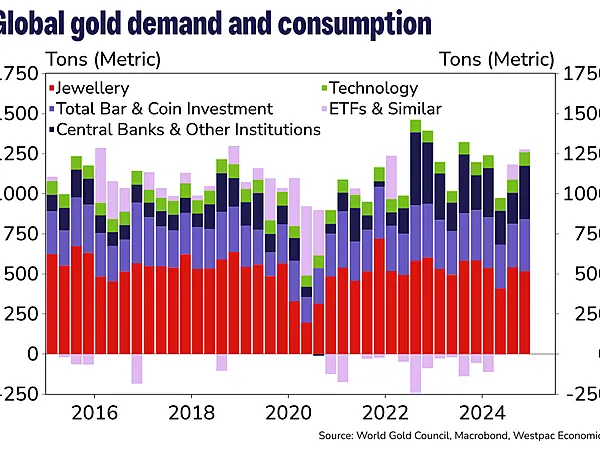
March 09, 2025

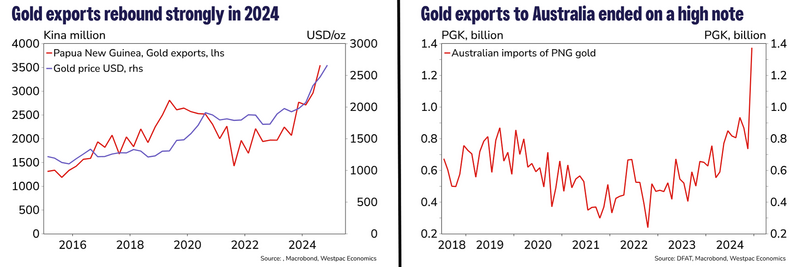
Papua New Guinea experienced a remarkable year for gold production in 2024, with exports soaring by 14.8% during the first three quarters compared to the same period in 2023. These is according to the latest PNG Westpac Wailis Economic for February 2025 Report.

Based on the report, PNG exported 34,200 tonnes of gold, with the export value increasing by an impressive 47% to K9.2 billion.

This surge in exports was driven by strong global gold prices and the revival of Porgera mine, which resumed production last year. December alone saw K1.4 billion worth of gold exported to Australia for refining, bringing PNG’s total gold exports to Australia in 2024 to K9.7 billion, a 50.8% increase from K6.4 billion in 2023.

Global gold prices surged to unprecedented levels in 2024, with analysts expecting this robust trend to continue into 2025. Westpac Economics forecasts gold to reach $2,870 per ounce in Q1 2025, with the possibility of short-term spikes higher before easing to $2,850 per ounce by year-end. Prices are expected to stabilize before climbing again in 2026.


The rise in gold prices has been fueled by global economic uncertainty, rising US tariffs, and unpredictable policy decisions from the Trump administration, making gold an increasingly attractive safe-haven asset.

Strong Global Demand for Gold

The World Gold Council reported that global gold demand (excluding over-the-counter transactions) rose by 1.4% in 2024 to 4,553.7 tonnes, with total demand including OTC transactions at 4,975 tonnes. Investment-related gold demand jumped by 24.7%, while central banks continued their strong purchasing trend, acquiring 1,044.6 tonnes last year.

Although demand for gold jewellery declined by 8.6% due to China's economic slowdown, India remained a strong buyer. Meanwhile, technology-related gold demand increased by 6.9%, with electronics demand rising 8.8% to 270.6 tonnes.

The report shows that the PNG’s gold sector remains well-positioned for another strong year in 2025, with global prices expected to remain high and an expansion of gold projects driving growth in this sector. As such, the performance of Porgera and other mining operations will be key determinate of the country’s export earnings and the overall economic contribution from gold production.

Economic analysts will be closely watching gold price movements and global market conditions as PNG continues to capitalize on the strong demand for its most valuable export commodity.

March 09, 2025

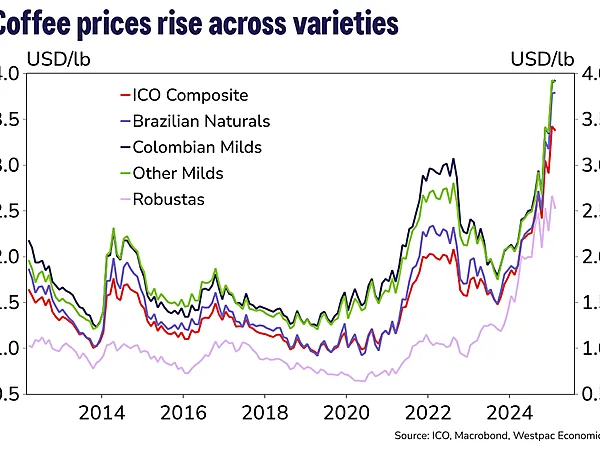
Global coffee and cocoa prices have soared to record levels, driven by severe supply disruptions and adverse weather conditions in key producing regions, according to the latest Papua New Guinea Westpac Wallis, February 2025 Report. Coffee prices jumped 94% over the past year, with a 13.6% increase in the last month alone. Meanwhile, cocoa prices are 133% higher compared to the same period last year due to declining global stockpiles and persistent production challenges.

Coffee markets worldwide are feeling the impact of a supply shortage, particularly due to below-average rainfall in Brazil, the world’s largest coffee producer. Ongoing drought conditions from last year have reduced production, leading traders to anticipate a continued supply crunch in 2025.

Arabica coffee futures have climbed to $3.45 per pound and could rise further in the medium term. The situation is further aggravated by the appreciation of the Brazilian real, which strengthened by 4.5% over the past month. This has made Brazilian coffee more expensive, pushing global buyers to look for alternative sources.

For PNG, coffee is a key export commodity, and the price rally should theoretically benefit local farmers and exporters. However, this has not translated into increased export revenue. In September 2024, PNG’s coffee exports dropped by 47% to 9,300 tonnes, while the value of exports declined by 42% over the year and 31% in the September quarter as PNG coffee producers face local production challenges.

Cocoa Prices Hit Record Highs

According to the report, cocoa prices have surged due to supply chain disruptions and worsening weather conditions in West Africa, the world’s top cocoa-producer. Côte d'Ivoire and Ghana, which together account for 60% of global cocoa supply have faced droughts and poor weather conditions causing production declines.

As a result, global cocoa stockpiles fell to 1.04 million metric tons in the 2023 and 2024 season, a sharp 36% year-on-year drop. Strong demand for cocoa has further driven up prices, with buyers scrambling to secure supply.

PNG’s cocoa export receipts increased in 2024, largely due to higher price per unit, benefiting local farmers and exporters. However, Westpac expects globl supply constraints to ease later in the year, as favorable weather conditions in major cocoa-growing regions lead to a rebound in production and a potential price correction.

The sharp rise in coffee and cocoa prices presents both challenges and opportunities for PNG’s export sector. While higher prices boost farmers' incomes, the decline in export volumes, particularly for coffee, highlights underlying domestic production issues that need to be addressed.

Market and economic analysts will be closely monitoring global production trends, weather conditions, and currency movements to assess the long-term sustainability of these record-high prices.

Based on the report and data presented, for PNG ensuring a consistent and competitive supply of coffee and cocoa will be critical in capitalizing on the current market conditions.

March 09, 2025

Westpac is proud to reaffirm its position as a pioneer in financial services across the Pacific by continuing its long-standing partnership with Verifone, a global leader in payment technology. This partnership, established in 2016, underscores Westpac's commitment to delivering innovative and efficient payment solutions to businesses in Papua New Guinea.

As the first to market with Verifone terminals, Westpac is already leading the way in the Pacific region. We will further enhance our offerings by introducing an uplifted version of our Point of Sale (POS) solutions, ensuring that our customers continue to benefit from the latest technology and innovations by the end of 2025.

This strategic move solidifies Westpac's leadership in the Pacific region, leveraging its extensive relationship with Verifone to deliver market-leading solutions. Westpac intends to uplift its financial offerings with these advanced technologies, ensuring businesses have access to the most sophisticated payment tools available. Westpac's investment in this partnership highlights its dedication to supporting local businesses by providing them with the tools they need to thrive in a competitive market.

The partnership with Verifone has enabled Westpac to offer a comprehensive suite of payment solutions that support multiple payment methods, including credit/debit cards and contactless payments. Verifone's mobile POS devices allow businesses to process payments on the go, making them ideal for retail spaces, restaurants, and other mobile environments. Westpac also offers multicurrency EFTPOS and settlement into foreign currency accounts, a market differentiator that supports Papua New Guinea's diverse business needs. Additionally, the Dynamic Currency Conversion (DCC) feature enhances the shopping experience for tourists and international clients.

In addition to the existing functionalities, Westpac is set to introduce enhanced POS integration capabilities and an online reporting portal as part of the upcoming uplifted functionalities. This will provide businesses with a more streamlined and efficient way to manage their transactions, access detailed reports, and optimise their operations. The integration will enable seamless communication between POS systems and Westpac's payment solutions, while the online portal will offer real-time insights and analytics to help businesses make informed decisions.

Westpac's Verifone solutions bring increased efficiency, enhanced security, and significant time savings to businesses. The company has listened to the needs of businesses and responded with valuable solutions that meet their evolving requirements. Westpac is committed to continuously improving and expanding its payment solutions, ensuring that businesses in Papua New Guinea remain competitive and thrive in the global market.

"We are proud of our long-standing partnership with Verifone, which has enabled us to bring marketleading technology to Papua New Guinea," said Warren Bobin, Westpac's Acting Chief Executive. "Our commitment to innovation and customer satisfaction drives our efforts to continuously improve and expand our payment solutions, ensuring that businesses in Papua New Guinea remain competitive and thrive in the global market."

By reinforcing its position as a trusted financial partner in the Pacific region, Westpac underscores its dedication to supporting the growth and success of local businesses through innovative payment solutions.

March 09, 2025

Prime Minister Hon. James Marape has issued a strong call to action for Papua New Guinea’s agriculture sector, urging an immediate shift from subsistence farming to commercial agriculture as a means of driving economic growth, job creation, and national self-sufficiency.

Speaking after a high-level meeting with agricultural leaders and key stakeholders, the Prime Minister underscored the urgent need to transform the agriculture sector into the backbone of PNG’s economy. He stressed that agriculture remains the most sustainable and inclusive path to national prosperity, given the country’s rich land, favorable climate, and natural resources.

Also present at the meeting were Agriculture Minister Hon. John Boito, Coffee Minister Hon. William Bando, Livestock Minister Hon. Sekie Agisa, and Oil Palm Minister Hon. Francis Maneke, all of whom pledged their support for the government’s renewed agricultural agenda.

Prime Minister Marape drew a powerful comparison to Israel, a nation with a landmass of just 21,671 square kilometres, which generates US$2.5 billion in agricultural exports annually. He challenged PNG’s policymakers and farmers to learn from global success stories and implement strategic policies that will unlock PNG’s full agricultural potential.

“If a small nation like Israel can generate US$2.5 billion in agricultural exports, there is no reason why PNG, with our vast landmass and abundant resources, cannot do the same,” he stated.

“We must empower our people to move beyond subsistence farming and embrace commercial agriculture as a pathway to economic independence.”

The Prime Minister directed agriculture sector leaders to prioritise lands near ports and major road networks, ensuring that production areas are well-connected to markets. He urged all provincial and local governments, including the Autonomous Bougainville Government, to identify suitable land for large-scale agricultural development. “Let us focus on areas that are well-connected by roads and ports, ensuring that we can move produce efficiently to both domestic and international markets,” Prime Minister Marape said.

The Prime Minister outlined a clear and practical economic vision, stating that if one million families each earned a minimum of K10,000 annually from agriculture, the sector alone could contribute K10 billion to PNG’s economy.

“A single bag of coffee sells for K700. If we help a farmer produce 10 to 20 bags per year, they can earn between K10,000 and K14,000 annually. Multiply that by one million families, and the economic impact is transformative,” he explained.

Prime Minister Marape stressed that the focus must be on exportable crops such as coffee, cocoa, oil palm, and spices, as well as livestock, fisheries, and other high-value agricultural products.

A major theme of the Prime Minister’s address was the need to transition one million families from subsistence farming to cash-based agriculture. He lamented that too many Papua New Guineans still operate at a basic survival level, depending on small-scale farming without access to market opportunities or financial support.

“Many of our people are already planting taro, yam, cocoa, coconut, and other crops, but they remain in subsistence mode,” he said.

“Our job is to migrate them into commercial farming by providing market access, price incentives, and freight support.”

Prime Minister Marape warned government departments and public servants that inefficiency and bureaucratic delays would no longer be tolerated. He urged those working in the agriculture sector to embrace urgency and innovation, stating:

“If you are sitting in a fortnightly-paid job and not delivering results, you are in the wrong job. Agriculture is not just about paperwork—it is about making real change in people’s lives.”

The Prime Minister set a 10-year transformation goal, calling for structured policy reforms, increased investment in agro-processing, and the establishment of export-driven supply chains.

“This is our opportunity to rewrite PNG’s economic story. By 2045, when PNG marks 70 years of independence, we must be a self-sufficient and food-exporting nation,” he stated.

He directed agriculture, fisheries, and forestry ministries to integrate their efforts, ensuring that policies drive investment in primary production, processing facilities, and export markets.

Drawing inspiration from South Korea’s economic rise, Marape reminded Papua New Guineans that in 1953, South Korea was one of the poorest nations in the world, with a GDP per capita lower than PNG’s at the time. Today, South Korea is one of the top 15 global economies, thanks to a strong national work ethic, strategic planning, and investment in key industries.

“South Korea in 1953 was one of the poorest nations on earth,” he said.

“Today, they have a GDP per capita of over US$33,000,while we are still struggling to fully utilise the wealth in our land.”

The Prime Minister called on all Papua New Guineans, particularly the younger generation, to embrace this transformation.

“Are we just going to sit in our government offices, talking about policies without implementing them? Or are we going to be the generation that transforms PNG into a food-exporting nation?” he challenged.

Prime Minister Marape concluded with a direct challenge to agricultural leaders, policymakers, and businesses, urging them to take immediate action to increase production and drive exports.

“This is not just an academic exercise. It is the future of our economy,” he said. “We have a clear strategy, we have the land, and we have the people. Now, we must execute the plan and get to work.”

The government will now accelerate agricultural investment, promote technology-driven farming, and establish strong export markets, ensuring that agriculture becomes the leading driver of PNG’s economy in the coming decade.

March 09, 2025

Prime Minister Hon. James Marape has commended the Ministry of Coffee, Ministry of Livestock, and Ministry of Oil Palm for their outstanding performance in 2024, highlighting their contributions to economic growth, rural development, and Papua New Guinea’s agriculture sector.

Speaking after a meeting with Agriculture Minister Hon. John Boito, Coffee Minister Hon. William Bando, Livestock Minister Hon. Sekie Agisa, Oil Palm Minister Hon. Francis Maneke, and their agency heads on Tuesday, March 4, 2025, PM Marape acknowledged the tangible progress made since the creation of these ministries following the 2022 National General Election.

Coffee Industry: A Year of Growth and Expansion

The Coffee Ministry and Coffee Industry Corporation (CIC) delivered key projects in 2024 under Medium Term Development Plan IV (MTDP IV), including:

  • Large Plantation Rehabilitation: K25 million allocated, with work commenced on seven plantations.
  • National Coffee Development Programme: Over 2.5 million seedlings planted, supporting 87 coffee grower groups and facilitating international exports to Dubai, South Korea, and Australia.
  • Infrastructure Investment: Upgrading 20km of coffee commodity roads and constructing key bridges.
  • Green Gold Card System: Digital payment platform introduced to ensure direct price support payments to farmers.

PM Marape praised the ministry’s efforts in policy reform, including the National Coffee Policy and the upcoming Coffee Industry Act 2024.

Livestock Development: Reviving PNG’s Meat Industry

The Livestock Development Corporation (LDC) achieved significant milestones in 2024:

  • Ranch Rehabilitation: Five cattle ranches and two abattoirs restored.
  • National Cattle Breeding Programme: Over 1,700 cattle restocked across PNG, with new buying points established to support smallholder farmers.
  • Honeybee Industry Support: Expansion of beekeeping initiatives, benefiting Eastern Highlands, Chimbu, Jiwaka, Western Highlands and Enga farmers.
  • International Partnerships: Strengthening ties with overseas investors to boost PNG’s self-sufficiency in meat production.

PM Marape reiterated his government’s commitment to reducing meat imports by expanding local production and ensuring long-term sustainability in the livestock sector.

Oil Palm: Strengthening One of PNG’s Largest Export Commodities

The Oil Palm Industry Corporation (OPIC) continued its vital role in 2024, contributing to the government’s goal of doubling oil palm production to 1.3 million tonnes by 2027. Key achievements included:

  • Smallholder Farmer Support: Expansion of replanting programmes and delivery of extension services.
  • Infrastructure Development: 200km of smallholder oil palm access roads upgraded and rehabilitated.
  • Downstream Processing: Establishment of oil palm industrial hubs to increase value-added exports.
  • Policy Reform: NEC approval of the National Oil Palm Policy and steps toward creating the National Oil Palm Authority.

PM Marape commended Minister Francis Maneke and OPIC for ensuring that PNG’s K5.3 billion oil palm industry remains a cornerstone of the national economy. He reaffirmed his government’s commitment to agriculture-driven economic growth, stating:

“Since 2022, we have elevated the agriculture sector by creating dedicated ministries for Coffee, Livestock, and Oil Palm. These results show that we are making the right investments, supporting our farmers, and growing our economy.”

He assured that funding for agriculture will remain a priority in 2025, encouraging the ministries to build on their successes and further empower farmers, SMEs, and rural communities.

March 06, 2025

Ok Tedi Mining Limited’s (OTML) Senior Aquatic Ecologist, Gilton Alimaka, recently participated in an intensive 24-day training in Perth Western Australia, conducted by Sustainable Leaders in Resources (SLR) Consulting.

The training was focused on laboratory processing, taxonomic identification, and statistical methods for assessing aquatic organisms (micro and macro invertebrates) and ecosystem.

The training was aimed at enhancing OTML’s ecological team’s skills in analysing macroinvertebrate samples, accurately identifying species, and using statistical tools to assess environmental data.

This acquired knowledge is crucial for monitoring water quality and ecosystem health, particularly in areas affected by mining.

OTML Manager Environment Department, Erizo Kepe said, “Aquatic macroinvertebrates, such as mayflies and snails, are vital indicators of water quality. The ability to identify these species accurately helps in assessing environmental health, especially in ecosystems impacted by mining.”

The training included hands-on exercises with real data, teaching participants statistical methods like Principal Component Analysis (PCA) and Non-metric Multidimensional Scaling (NMDS) to analyse ecological patterns and track environmental changes.

Ms Kepe said, “This training strengthens OTML’s ability to monitor the environmental impact of mining, assess water quality, and predict long-term effects. The new skills also support OTML’s commitment to scientific accuracy, regulatory compliance, and environmental best practices.”

By sharing this knowledge with colleagues, the training creates a culture of continuous learning thus improving the team’s overall capability to address environmental challenges. OTML’s enhanced ecological expertise contributes to better decision-making, sustainable practices, and a stronger reputation in the industry.

The training is part of the Environment Department’s ongoing effort to upskill its team in their specialised scientific fields to operate more efficiently while reducing dependency on external expertise.

March 06, 2025

Ok Tedi Mining Limited (OTML) has launched its University Talent Management (UTM) Application, designed to streamline the process for students intending to participate in OTML’s University Internship Program.

This new application managed by OTML’s Training & Capability Development (T&CD) Department, aims to enhance the management of the University Student Industrial Training Program, supporting placements at the mid-year and end-of-year intervals.

All Industrial Training applications will be submitted through the UTM Application.

This centralisation will ensure that no applications will be processed outside of the UTM system, maintaining a streamlined, transparent, and efficient process for both students and the respective departments within OTML.

The system will allow eligible students from OTML’s partner universities, including Unitech, UPNG, DWU, and PAU, to express their interest and apply directly through the platform.

The Application Link and the QR Code will be made available through their respective universities’ websites and managed by the respective Scholarship and Students Career Affairs Teams for eligible students to express their interest.

The program will primarily focus on third-year students who maintain a GPA of 3.5 or higher, with second and fourth-year students considered based on operational needs and availability of accommodation. Students from Western Province, with a GPA of 3.0 or above, are encouraged to apply, increasing opportunities available for local talent.

Manager Training & Capability Development Ian Strachan said, “We are excited to roll out the University Talent Management Application, which will significantly enhance how we connect the requirements for the University Internship Program from OTML Departments to eligible students.”

The UTM application will play a crucial role in aligning OTML’s Industrial Training Program with the needs of both the business and the students. It reflects OTML’s commitment to supporting the development of Papua New Guinea’s future workforce while nurturing partnerships with local universities.

March 06, 2025

Ok Tedi Mining Limited (OTML) progressed its Community Mine Continuation Agreement (CMCA) Review Extension Process on February 17th 2025 with the continuation of its scheduled Regional Meeting #3 in Tabubil, Kiunga and Daru concurrently.

The first week of the Regional Meetings #3 featured Lower Ok Tedi leaders in Tabubil, Suki Fly Gogo leaders in Kiunga, and Dudi leaders in Daru. Week two (February 24–26) will focus on North Ok Tedi, Highway, and Manawete leaders, while week three (March 3–5) will include Mine villages, Middle Fly, and Kiwaba leaders.

These meetings are a continuation of last year’s village, regional and working group meetings per OTML’s schedule of the CMCA Review Process.

According to the review process schedule, a new compensation package and CMCA agreement is expected to be finalised by August 2025, followed by village-level endorsements of the package in October.

The updated CMCA will secure a renewed social license for OTML to operate while driving socio-economic development in Western Province and Papua New Guinea.

The Tabubil meetings from February 17th to 19th recorded a first for key Western Provincial Government dignitaries attending in unison. These included Governor Toboi Awi Yoto, Administrator Robert Alphonse Kaiyun, and North Fly MP James Donald. The North Fly MP and WP Administrator Robert Alphonse Kaiyun were able to address the Suki Fly Gogo leaders in Kiunga too.

OTML Managing Director and CEO Kedi Ilimbit, expressed his appreciation for the presence of the dignitaries stating, “It is the first time I’ve seen all of you attending together, and it is truly appreciated,” he said.

OTML’s General Manager for Social Performance and Sustainability, Jesse Pile, also thanked the government delegation for attending, capturing the importance of a Free, Prior and Informed Consent (IFPC) principle, providing an avenue for the CMCA leaders to express their views directly.

MP James Donald emphasised the importance of attending these meetings to hear directly from the people to address their concerns at the government level.

The review meetings are also attended by Shareholders such as MRDC as trustee for the three (3) Western Province entities ( MRCMCA, MRSM, MROT2) and Kumul Minerals Holding Limited (KMHL). State agencies such as MRA, PM & NEC, Office of State solicitors, CEPA, DNPM and DLPP are represented by their officers at the regional meetings.

The meetings at the three (3) venues have progressed well as expected and six (6) of the regions have completed their review engagements as of 28th February 2025. The engagement meetings are facilitated by Tanorama PNG Ltd as Interdependent Facilitators and the engagement process are observed by three highly esteemed PNGean.

OTML is committed to transparency, collaboration, and delivering on its promises to the people of Western Province and other stakeholders.

March 06, 2025

Digicel PNG recently announced a major milestone in its mission to enhance connectivity across Papua New Guinea. Since April 2022, Digicel PNG has significantly expanded its network, reaching all 21 provinces and the Autonomous Region of Bougainville, enabling more Papua New Guineans to get connected.

Over the past two years, Digicel PNG has built 115 new mobile towers and upgraded 96 mobile towers to 4G LTE, achieving a 20% increase in its 4G LTE coverage, thereby solidifying its position as the largest 4G network in the country. This expansion has resulted in the network covering over 80% of the population of Papua New Guinea, including both rural areas and major urban centers such as Port Moresby, Lae, Mt Hagen, Wewak, and Kokopo.

"This expansion underscores Digicel PNG’s dedication to bridging the digital divide and fostering economic and social development across Papua New Guinea," said Tarik Boudiaf, CEO of Digicel PNG. "By extending our mobile network to all 21 provinces and the Autonomous Region of Bougainville, we are making significant strides towards enabling every Papua New Guinean to get access to reliable and high-speed internet. Digicel has the largest network coverage in the country."

The deployment of new towers has been strategically balanced across the Highlands region, in Momase, in NGI, and in the Southern region, bringing the new coverage to almost a million people.

"We recognize the critical role that connectivity plays in today’s digital age," continued Tarik Boudiaf. "Our new builds and upgrades, especially targeting rural areas, help to ensure that remote communities are not left behind. In fact, the majority of our mobile network upgrades have been concentrated in the Momase and Southern regions, with the New Guinea Islands and Highlands regions also benefiting significantly."

"By investing in our network infrastructure, we are not just improving connectivity; we are contributing to the overall development of Papua New Guinea," added Tarik Boudiaf. "Whether it’s through facilitating better communication, supporting remote education, or enabling digital commerce, our network plays a vital role in the nation’s progress."

This expansion is part of Telstra’s commitment to Papua New Guinea, following its acquisition of Digicel Pacific in July 2022. This acquisition reflects Telstra’s dedication to supporting sustainable economic growth in the Pacific region.

March 06, 2025

Steamships Limited is proud to announce its continued support as a Gold Sponsor of the Hiri Moale Festival, scheduled to take place from April 3-6th 2025. The company has again pledged K100,000.00 to assist in the celebration of this iconic cultural event in the Capital City.

The Hiri Moale Festival is an annual celebration that honours the rich heritage and traditions of the Motuan and Koitabuan people. Steamships is deeply committed to supporting initiatives that promote cultural preservation and community development. This sponsorship is part of the company’s ongoing dedication to supporting Papua New Guinea’s communities as well as the causes that our employees hold dear.

In addition to financial support, Steamships will continue to provide the Hanenamo contestants an opportunity to join the company in a specialised work-experience program. This initiative aims to empower young talents by offering them hands-on experience and exposure to various aspects of the company’s operations, helping to nurture the next generation of professionals.

“We are proud to continue our support for the Hiri Moale Festival,” said Vele Rupa, Steamships General Manager Corporate Affairs. “The festival is a vital cultural celebration in the nations capital, and we are pleased to be support and honour the traditions of the Motuan and Koitabuan people and Hiri Trade. Our successful work-experience program is in its fifth year and has seen many of the Henanamo’s progress to full-time employment with the business.”

Chair of the Hir Moale Organising Committee , Molly O’Rourke, expressed her appreciation for Steamships’ commitment: “Steamships’ generous contribution as a Gold Sponsor demonstrates their dedication to preserving and celebrating our cultural heritage. It is a long-term partnership which we value, as Steamships is a business with a long-shared history with the Motu-Koitabuans.”

March 06, 2025

Weir has entered into a binding agreement to acquire Mining Software Holdings Pty Ltd (“Micromine”), a company based in Perth, Australia, for a sterling equivalent enterprise value of £657m1 (A$1,310m). Micromine is a top-tier global software provider to the mining industry, with comprehensive solutions across the upstream mining value chain. It supports critical mining operations from exploration through mine design and planning, operational scheduling and mining operations in hard ore, soft ore and underground applications.

A digital optimisation platform to deliver productivity and sustainability in mining

  • Micromine brings a proven suite of mission-critical digital solutions from exploration through mine operations
  • Significant opportunity to leverage Weir’s direct global distribution channels to accelerate growth
  • Creates the platform to integrate domain knowledge to optimise the end-to-end mining value chain

An established top-tier business of scale

  • Micromine has a record of delivering consistently high growth, with a revenue CAGR of c. 25%2
  • Industry leading recurring software-as-a-service (SaaS) subscription income c.90% of revenue
  • Sector-leading operating margins and cash generation is additive to Weir’s aftermarket-focused model

A compelling value creation opportunity, immediately accretive to Weir’s growth and margins

  • Enterprise value (EV) of £657m1 (A$1,310m), to be paid in cash; expected to close in Q2 2025
  • c.10x December 2025 EV / revenue and c.20x December 2025 EV / EBITDA excluding synergies
  • EPS expected to be accretive in the first full year of ownership3 and ROIC >WACC in 2028

Funding includes a combination of existing cash resources and new debt facilities

  • Weir’s net debt at 31 December 2024 was £535m, reflecting free operating cash conversion of 102%
  • Net debt to EBITDA4 of 0.7x at 31 December 2024
  • Post acquisition, net debt to EBITDA4 expected to be <2.0x at December 2025 and <1.5x by year end 2026

Jon Stanton, Chief Executive Officer said:

“The acquisition of Micromine is a significant step in our strategy of investing in technology to accelerate smart, efficient and sustainable mining. The combined force of Micromine and Weir will create a sector-leading globally scaled platform to optimise performance across the mining process.

In Micromine, we are adding an established, high-quality business and proven performer that is complementary to Weir’s aftermarket-focused business model and current digital solutions. This acquisition provides a compelling opportunity for strong value creation in the immediate and longer term.

The Micromine team are experts in their field and share Weir’s innovative mindset and customer focus. We look forward to welcoming them to Weir and working with them to provide customers with unparalleled technology and insights to enhance their operations.

Today is an important and exciting day. Combining Weir’s engineering technology expertise and customer networks with Micromine’s leading software solutions and diversified customer base will allow us to further harness digital technology to drive productivity and sustainability for the global mining industry.”

Andrew Gray, Managing Partner of Potentia Capital, said:

“We are thrilled that Micromine will be joining the Weir family of businesses which we think is the perfect home for the business. I feel the addition of Micromine’s solutions, in particular its suite of AI offerings, will allow Weir’s customers to rapidly capitalise on their digital futures.”

Micromine - A high quality, high growth and highly profitable business

Micromine is a leading software provider to the mining industry with comprehensive solutions across the upstream mining value chain from exploration through mine design and planning, operational scheduling and mining operations in hard ore, soft ore and underground applications.

The business is established and highly successful to date. It’s calendar 2025 revenues are expected to be c. £68m, having grown at 25% CAGR2 over the past few years, and largely arise from recurring SaaS subscription income. Micromine is achieving sector-leading operating margins and is highly cash generative.

Accelerating Weir’s strategy for sustainable digital mining

Micromine is regarded as one of the most comprehensive dedicated software businesses in the mining industry and brings complementary domain expertise to Weir. Under Weir’s ownership, Micromine will leverage the Company's global direct distribution channels in mining to further accelerate its growth.

The acquisition will ultimately combine with Weir’s MOTION METRICSTM and NEXT intelligent solutions and accelerate its vision for a digital platform using data from across the mining value chain to optimise resource planning, mine design and operations, and processing activities. With this acquisition, Weir’s strategy is to become an end-to-end software segment leader in the mining industry with solutions for process optimisation and clear competitive differentiation in line with Weir’s existing business model.

Value creation opportunity for Weir

A sterling equivalent enterprise value of £657m1 (A$1,310m), implies a revenue multiple of c.10x at December 2025, and EBITDA multiple of c.20x at December 2025, excluding the impact of synergies. The deal is accretive to Weir’s revenue growth and operating margin profile.

The deal is expected to be EPS accretive in the first full year of ownership3 with ROIC expected to exceed WACC in 2028.

Post acquisition, net debt to EBITDA4 is expected to be below 2.0x at December 2025 and below 1.5x by year end 2026, in line with our capital allocation policy. The acquisition debt is underwritten for 24 months from the announcement date and will be refinanced in due course.

Integration and leadership

The transaction is expected to complete in Q2 2025, subject to clearance by the Foreign Investment Review Board of Australia (FIRB).

Post completion, Weir intends to initially run Micromine independently, while reporting externally under the ESCO Division. In due course, we intend to integrate the business with MOTION METRICSTM and NEXT intelligent solutions, to create a combined digital optimisation platform.

This business will be led by Kristen Walsh, currently Managing Director of Minerals Division APAC region, who will join the Group Executive reporting to Jon Stanton. Andrew Birch, the current CEO of Micromine, will remain with Weir for up to 12 months supporting Kristen in an advisory capacity.

March 04, 2025

The Minister for International Trade and Investment, Hon. Richard Maru, announced the acquisition of majority shares in the Sepik Fresh Poultry Farm by the Australian company Taylor Pacific.

The investment, worth K30 million, marks an important expansion in Papua New Guinea’s poultry industry and strengthens the country’s goal of achieving self-sufficiency in chicken production, he said.

Minister Maru made the announcement on February 28, with John Taylor Director, owner of Taylor Pacific, and the Sepik Farm Manager, Mr Chris Prestwood.

Taylor Pacific’s acquisition includes the buyout of shares previously held by Israeli company Innovative Agro Industries Limited.

The investment will enable the completion of Stage 2 of the farm’s expansion, which includes constructing five additional broiler sheds and increasing the weekly supply of day-old chicks from 10,000 to 20,000.

The farm will also significantly boost egg production to meet the growing demand in the Greater Sepik Region, the company said in a statement.

Minister Maru stressed Sepik Farm’s importance in reducing PNG’s reliance on imported chicken products.

"This investment will ensure we meet the high poultry demand of the Sepik people while keeping prices affordable for them," he said.

Prestwood, also President of the Poultry Association of PNG, highlighted the positive outlook for PNG’s poultry industry.

"We are in a very good position. Biosecurity measures have improved, and this has given confidence to investors. The expansion of Sepik Fresh will not only increase production but also ensure affordability and availability of poultry across the region," he said.

Prestwood noted that boosting local production has already had a direct economic impact.

"For the first time, all poultry consumed in PNG is produced locally. Previously, a carton of day-old chicks in East Sepik cost K550 due to high transportation costs. Today, with local production, that price has dropped to K270, significantly benefiting SMEs and small-scale poultry farmers," he said.

Following the success of Sepik Fresh, Taylor Pacific is also planning to develop a major chicken farm in Vanapa, Central Province, to supply poultry to NCD, Central, and Gulf provinces.

Minister Maru indicated that this project could expand further into cattle farming and the production of stock feed.

"The Vanapa farm will help us replace expensive imported chicken and beef. The government is also keen on investing in the feed industry by producing wheat, maize, and sorghum locally. This will reduce chicken feed costs and ultimately lower the price of poultry for consumers," he stated.

Taylor Pacific, which recently acquired Hugo Canning -- the manufacturer of Ox & Palm corned beef -- for K100 million, sees PNG as a long-term investment destination.

Taylor, the company’s director, reaffirmed their commitment, saying: "We have invested K100 million in the last year and are looking at similar numbers for our upcoming projects. Our goal is to domesticate protein production, ensuring affordability while keeping factories open and employment strong in PNG."

Minister Maru assured investors that the government is providing the necessary infrastructure and policy support to encourage private sector growth. The government has already invested in a 10-kilometer sealed road and power infrastructure to support the Sepik farm, he added.

Plans are also underway to designate both the Sepik and Vanapa farms as Special Economic Zones, which would provide tax incentives and other benefits to investors.

"Our biggest risk is disease, and we are committed to working closely with the Agriculture Minister to maintain strict biosecurity measures. We have also banned the import of uncooked chicken from Australia and New Zealand to protect our local industry from disease outbreaks," Minister Maru stated.

"Once we meet our domestic demand, we want to export chicken and feed to other countries. This investment by Taylor Pacific is a step in that direction," he said, noting the government’s vision for PNG to become a major exporter of poultry and poultry feed.

March 04, 2025

Papua New Guinea is set to showcase its trade and investment potential, cultural heritage, and tourism opportunities at the Osaka World Expo 2025, which will take place in Kansai, Japan, from April 13 to October 13, 2025.

The Minister for International Trade and Investment, Hon. Richard Maru, announced this on February 28th in Port Moresby, emphasizing the importance of the Expo’s theme, “Designing Future Society for Our Lives.”

The event will address eight key thematic areas focused on global challenges and serve as a strategic platform for PNG to attract investment and expand trade opportunities, MP Maru said.

The Osaka World Expo 2025 will feature a range of activities, including thematic weeks and over 50 business events across Tokyo, Kansai, and Osaka.

In addition to these official events, the PNG Government is organizing independent but complementary initiatives to maximize engagement with international investors, including a commercial facility for exhibitions and trade and investment roadshows in Osaka and Tokyo.

PNG’s participation is strategically focused on attracting investment in key sectors such as energy, mining, agriculture, fisheries, forestry, and tourism, the Minister said.

Japan remains one of PNG’s top trading partners, and the Expo will provide an opportunity to strengthen economic ties, particularly in areas such as liquefied natural gas (LNG) supply, downstream processing of natural resources, and agribusiness partnerships, Maru added.

The Expo will provide a unique platform for PNG businesses to gain international exposure, attract investment, and increase trade opportunities, Minister Maru said, as PNG will highlight key export products, including, coffee and cocoa, seafood, and other agricultural commodities.

“By promoting these products, PNG aims to establish new trade connections and expand market access to Japan, Asia, and beyond. The Expo will also highlight priority investment sectors such as agriculture, fisheries, mining, energy, tourism, and manufacturing to attract foreign direct investment (FDI),” he said.

PNG businesses will have an opportunity to adopt innovative practices and digital solutions through knowledge transfer at the Expo, enhancing their competitiveness on the global stage, Maru said.

The event will also showcase PNG’s rich cultural heritage and tourism potential, opening doors for investment in the hospitality and tourism sectors, he added.

PNG National Day at the Expo

A significant highlight of PNG’s participation will be its National Day event on July 21, 2025, which will feature an official flag-raising ceremony, a joint luncheon hosted by the Japanese Government, and a cultural performance showcasing PNG’s traditions, Maru said.

Additionally, Prime Minister Hon. James Marape is expected to host a dinner reception at the Expo site, where he will address Japanese investors, dignitaries, and representatives from participating countries.

As part of his official visit, PM Marape is also expected to meet the Emperor of Japan and hold discussions with the Japanese Prime Minister Shigeru Ishiba to strengthen bilateral relations.

To ensure a well-coordinated participation, the PNG Government is hosting an official Osaka Expo Dinner on March 6, 2025, at the State Function Room in the National Parliament. Mr. Marape is expected to officially launch PNG’s Expo strategy and management approach during this event.

Minister Maru urged PNG businesses, Provincial Governments, private sector institutions, and entrepreneurs to actively engage in the Expo and capitalize on the opportunities it presents.

"The PNG Government, through my Ministry, is committed to ensuring the success of our participation in the Osaka Expo 2025 and delivering tangible benefits for the nation. As Minister responsible, I call on all stakeholders to prepare thoroughly and fully engage in this significant global platform," he said.

To support PNG’s participation, a dedicated Expo Secretariat Team, led by Ambassador Gabriel JK Dusava, along with representatives from key stakeholder agencies, will depart for Japan at the end of March 2025.

This team will oversee preparations for the Expo’s official opening on April 13, 2025, manage the PNG Pavilion, and coordinate PNG’s participation throughout the six-month event, Maru said.