
March 31, 2025

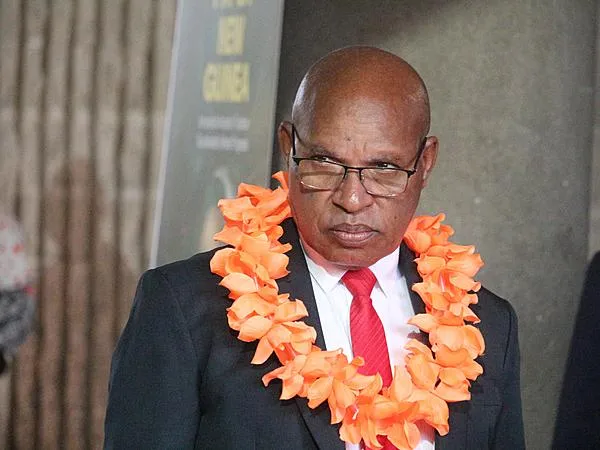
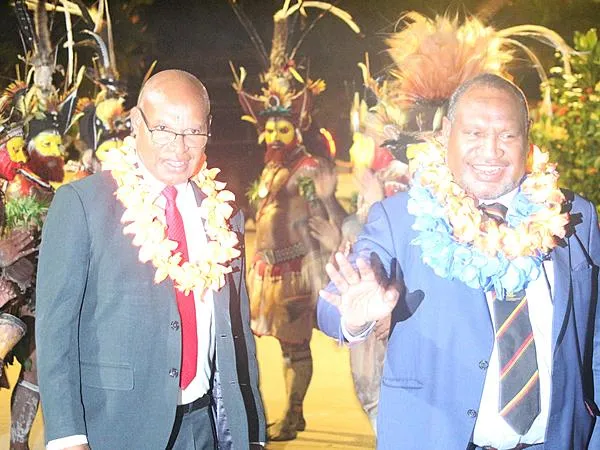
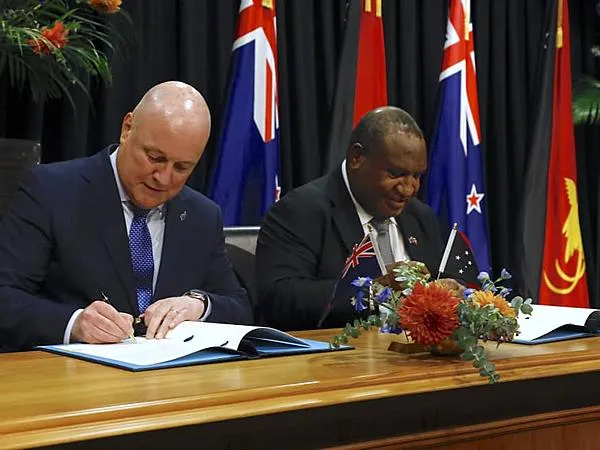
Papua New Guinea Prime Minister Hon. James Marape and New Zealand Prime Minister Rt. Hon. Christopher Luxon have signed the refreshed PNG-New Zealand Statement of Partnership 2025 – 2029 to reaffirm their countries’ bilateral relationship.

The signing took place at the New Zealand Parliament House Theatrette Room following the leaders’ bilateral meeting.

During the press stand-up, Prime Minister Luxon said that New Zealand deeply valued its friendship with Papua New Guinea, a crucial partner in the Pacific.

“We look forward to continuing to work alongside Papua New Guinea on issues facing the Pacific region, including climate change and upholding Pacific Is- lands Forum unity,” said Prime Minister Luxon.

In response, Prime Minister Marape said the Statement of Partnership by the leaders instilled a new desire to achieve practical and meaningful outcomes that would contribute to Papua New Guinea in the areas of education, public sector support, climate change, increased business, trade and investment and regional security.

“It is a two-way arrangement that is strategic, more focused, and of mutual benefit, particularly in developing stronger ties in agriculture and fisheries.

“It also increases and structures dialogue to be more frequent at Leaders’, Ministerial, and Officials levels,” said Prime Minister Marape.

Following the signing ceremony, Prime Minister Marape was hosted to an official dinner by Prime Minister Luxon at the PM’s official residence, the Premier House.

March 31, 2025

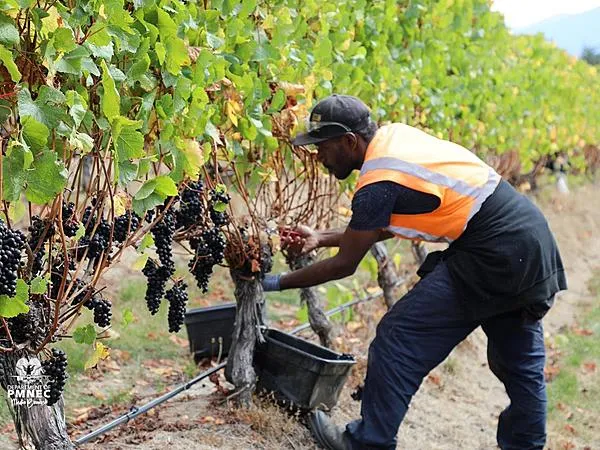
Prime Minister Hon. James Marape has thanked the New Zealand Government for the engage-ment of Papua New Guineans, who are currently working and living in Blenheim, New Zealand.

Prime Minister Marape expressed his appreciation to the Government of New Zealand and the employers especially Hortus Ltd for employing Papua New Guineans through the Recognised Seasonal Employer (RSE), a labour mobility scheme that allows New Zealand employers in the horticulture industry to re- cruit seasonal workers from Pacific Island nations like Papua New Guinea.

Speaking at the Hortus Ltd facilities today (26/03/25), Prime Minister said he was pleased to see PNG employees satisfied with what they have been taught and trained whilst employed at the facilities.

Prime Minister Marape also encouraged the employees to use the opportunity to improve their lives and become better men and women in the future.

“I am pleased to see all my sons who could have been back at home in PNG but are here, trying to find their way to survive. So, I want to appreciate you all and also thank Hortus Ltd for your engagement.

“We are pleased to see our people finding a safe haven in which they can progress in their lives,” he said.

The Prime Minister further encouraged the employees to use the opportunity to better their lives and continue to use the facilities to re-educate themselves for self-improvement.

“In the future, we want to use this batch not only for work under the seasonal workforce arrangement but also for them to gain education in New Zealand. So, we encourage the PNG High Commission to take stock of the progress of our RSE workers and through our High Commission, the PNG Government can interface and overlay skill-based education or higher education for their qual- ifications,” he said.

Prime Minister Marape said that from then on, the employers could reemploy them into skill-based employment in New Zealand, or they could return to PNG with their skills and knowledge to benefit them.

There is intention by the PNG Government to work with New Zealand in the future to open up trade and university study pathways for Grade 12 school leavers on the scheme to receive trade training or university education for the option for full employment in New Zealand or back in PNG, he said.

March 31, 2025

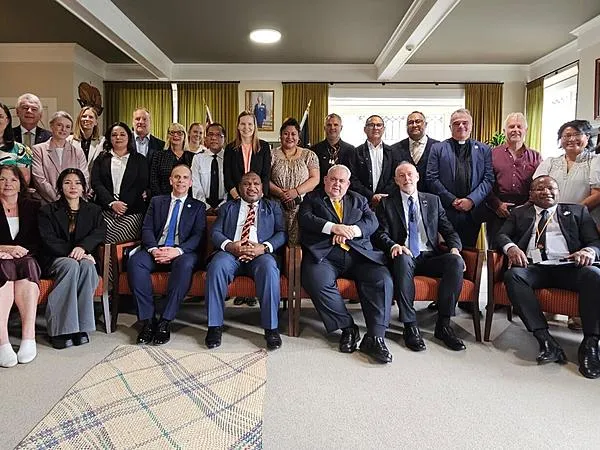
Prime Minister Hon. James Marape has expressed Papua New Guinea’s heartfelt gratitude to New Zealand-based non-government organisations who continue to support PNG’s development needs over the 50-year bilateral relationship the country has with New Zealand.

Prime Minister Marape was addressing the Council for International Development (CID) and the Adventist Development Relief Agency (ADRA) in Wellington this morning before his bilateral meeting with Deputy Prime Minister and Foreign Minister, the Rt. Hon. Winston Peters.

The CID comprises 12 New Zealand-based NGOs some of which include World Vision, Oxfam and Fred Hollows Foundation which are working in PNG delivering specific projects in the country with coordination done through CID. Funding support comes from the New Zealand Government, other international organisations as well as governments around the world.

ADRA, on the other hand, is the humanitarian arm of the Seventh Day Adventist Church. ADRA New Zealand is part of a global development and humanitarian network in 122 countries that leverages local expertise, international coordination and experience.

ADRA New Zealand has projects in West New Britain Province going for over five years; and working in Morobe, Madang, Eastern Highlands, Northen, Jiwaka, Southern Highlands and Western Province. ADRA NZ is also looking at extending into the Special Region of Bougainville.

At the meeting with the Prime Minister, representatives provided a brief on the work each of their organisations have been doing in PNG.

PM Marape was pleased to hear of these organisations reports and see their strong sense of community spirit, emphasizing how PNG, with all its challenges derived from its vast diversity, needed as much help as it can get.

He said, “What you do is God’s gift to humanity, friendship and kindness. Thank you for the service you render to PNG and people of the Pacific. It is unobligated help you give. You give from your a good place in your heart, and we sincerely appreciate all that you do. Each of you is a valued partner in the work we are doing in PNG and where our government can help, we are on standby to assist.

“PNG became independence in 1975. In the words of Sir Wallace, your 30th Prime Minister rings right through till today. Sir Wallace assured Sir Michael, my country’s first Prime Minister then that New Zealand – both government, business and people – will stand every step of the way through, and 50 years on, people, organisations, and government have stood with us all the way right through. And I want to say thank you very much.”

March 27, 2025

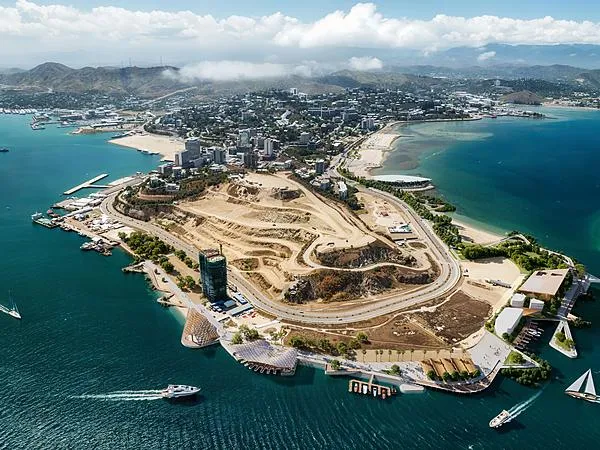
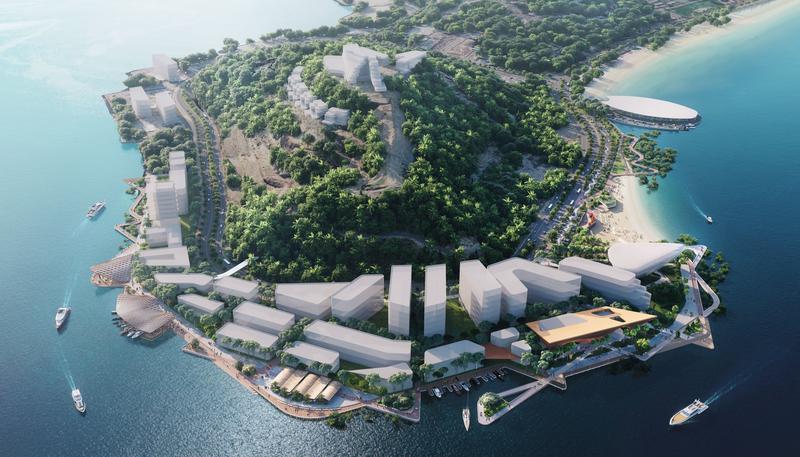
2025 marks a major phase of development, with Paga Hill Estate to take major steps in becoming PNG’s first true world-class tourism and business hub.

The project continues to make progressive transformation backed by the Marape-Rosso Government, the multi-billion-kina project has positioned itself as Papua New Guinea’s flagship SEZ, driving investment, job creation, and economic diversification. PNG has traditionally been heavily reliant on strong commodity export prices for economic prosperity, and the SEZ policy is about establishing industries that diversify PNG’s economy, with Paga Hill Estate primarily focused on tourism.

Paga Hill Development Company (PHDC) is leading the charge with Paga Hill Estate, ensuring the project meets stringent SEZ key performance indicators (KPIs) while attracting foreign and local investment. Since its designation as a SEZ, Paga Hill Estate has emerged as one of PNG’s most dynamic development projects which covers 25 hectares adjoining downtown Port Moresby.


SEZs in PNG are subject to rigorous performance standards, with license holders given 12 months to meet key KPIs or risk having their licenses revoked or suspended.

SEZ Authority Board Chairman Dr Lawrence Sause emphasised the importance of a SEZ delivering on its forecast goals as core requirements for maintaining SEZ status.

“Each SEZ is selected for its potential to deliver sustained economic diversification. For Paga Hill Estate, this is primarily through tourism, but it also aims to establish Port Moresby as regional hub for finance and trade.” Dr Sause said.

SEZ incentives are time-bound, with the intent they establish new industries and competitive advantages for PNG that are self-sustaining and lasting. Paga Hill Estate’s primary focus is tourism, delivering major tourism infrastructure with the likes of Radisson, but the project’s impact is expected to be even broader.

International Trade and Investment Minister Richard Maru has emphasised that SEZs are set to become economic drivers for PNG. The government encourages foreign investors to collaborate with local businesses and landowners, ensuring sustainable development.

SEZ incentive tax and other concessions extend to purchasers and tenants of completed development. Local and international organisations will therefore financially benefit from relocating to Paga Hill Estate. In its transformative vision for the city, a vibrant new downtown is envisaged that improves the visitor experience to Port Moresby, as well as the daily lives of residents and workers.

“Paga Hill Estate is about announcing to the region that we are open for business and we welcome your investment. Our SEZ incentives will reward those organisations who relocate to Paga Hill and is part of our goal to establish the city as the region’s new leader in finance and trade.” said Minister Maru.

Entire foreshore development


Paga Hill Estate is Port Moresby’s first officially designated Special Economic Zone (SEZ) and holds License Number One, according to Paga Hill Estate Chairman Peter Barge. Speaking at the PNG-Asia Investment Conference in Hong Kong on October 17, 2023, Barge outlined the ambitious vision for Paga Hill Estate, stating that it would give Port Moresby a new identity and announce PNG’s arrival to the world.

The 25 hectare development is set to reshape Port Moresby’s skyline, featuring:

  • 500,000 square meters of built infrastructure,
  • 13,000 square meters of green and open spaces,
  • Cultural and tourism attractions designed to enhance visitor experiences.

Barge emphasised that Paga Hill Estate would have an even greater impact on Port Moresby, doubling the size of the Central Business District (CBD) and offering much needed office, retail, and residential space.

With only 3% of PNG’s land available for development, Paga Hill Estate is a critical solution to the nation’s real estate constraints, accommodating the growing demand for commercial and residential space from multinational companies, embassies, and expatriates.

Major Infrastructure Developments, 2024-2025

Radisson Blu Hotel

On December 19, 2023, Paga Hill Estate and Radisson Hotel Group officially announced their partnership to develop a Radisson Blu-branded hotel at Paga Hill.

The luxury hotel will feature:

  • 229 hotel rooms and 20 luxury villas with access to exclusive amenities.
  • Infinity pools, restaurants, bars, executive lounges, a gym, and a health spa.
  • Port Moresby’s largest conference and event facility, with panoramic views of the harbor.
  • Long-stay apartments and boutique retail outlets.

According to Radisson Hotel Group’s Managing Director for Australasia, Lachlan Hoswell, the project aligns with PNG’s growing economy and increasing corporate and leisure tourism demand.

PHDC is pursuing the Radisson Blu as part of a broader precinct atop Paga Hill that features a range of residential elements. These include villas and a range of apartment types, with all benefiting from access to the Radisson’s amenities and services.

Radisson and PHDC are working with international and local financial institutions to working with international and local financial institutions to package the Radisson precinct as an investable product. Speaking on the matter to PNG Business News, PHDC Managing Director Gudmundur Fridriksson said “bringing Radisson to Paga Hill is a major coup for PNG tourism, and the design is something we’re extremely proud of. We see it becoming a new icon of Port Moresby, something everyone will be proud of, and the ability for mums & dads to invest gives everyone a chance be part of the city’s transformation and share in its benefits”.

Satellite and Permanent Casino: A Tourism Game-Changer

Following the Radisson Blu announcement, PHDC broke ground on October 11, 2024, for the construction of a satellite casino at Paga Hill’s waterfront. The casino is expected to:

  • Boost international tourism and prolong visitor stays.
  • Stimulate the local economy by creating demand for year-round entertainment.
  • Provide insight into market demand, informing plans for a permanent casino.

PHDC will not be involved in the casino itself. The land and licence are being transferred to specialist investors who are currently negotiating with a suitably credentialled and experienced casino operator, with an opening expected in the third quarter (Q3) of 2025. The scale of the eventual permanent casino will be informed by the Satellite Casino’s market response.

Foreshore Promenade

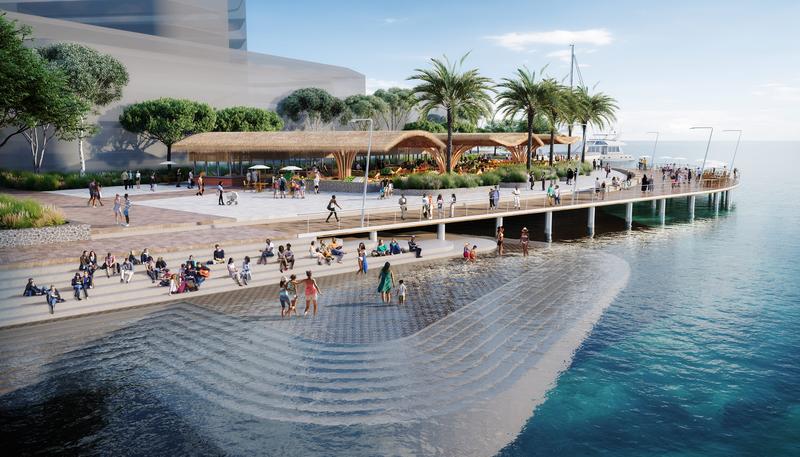
The Marape Government has approved a monumental contribution to the city’s public infrastructure. Spanning the entire 1.2-kilometre foreshore perimeter from APEC Haus and around Paga Hill Estate, a community-oriented foreshore promenade will be constructed, with Stage 1 expected to be delivered ahead of PNG’s 50th anniversary of Independence this September.

In an extension of Paga Hill Estate’s vision of a transformed capital city, the community-oriented design features a range of green and open space, public amenities, entertainment and recreation opportunities, commercial venues and social gathering spaces. Stage 1 primarily focuses on the area between APEC Haus and Paga Hill Estate, establishing a public beach, mangrove revegetation and boarded walkway, restaurant & bar, lookout and playground as it pans around to Paga Hill Estate.

Alfresco Dining & Sea Platform


The Government is eyeing a once-in-generation opportunity in delivering Stage 1 ahead of the nation’s 50th anniversary of Independence – with international dignitaries set to be present in the nation’s capital, with special guests, international media and world’s eyes upon us, the foreshore development provides an opportunity to showcase PNG’s progress, demonstrating PNG is a progressive nation and is well on its way to becoming a regional force in finance, trade and tourism.

PHDC is contributing land, development expertise and capability, with construction on Stage 1 about to commence. Subsequent stages will continue the promenade as it wraps around Paga Hill, developing a variety of public infrastructure that activates the foreshore and establishes a vibrant new focal point for the city.

Casino Regulations and Community Impact

Modelled after Singapore’s casino regulations, the Paga Hill casino will primarily target foreign nationals, with entry restrictions and high fees for PNG locals.

Additionally, 30% of all gaming revenue will go to the National Gaming Control Board (NGCB), supporting community programs, churches, and social initiatives.

PHDC is transferring the satellite casino site and licence to specialist investors, who are in the process of selecting a global casino operator to manage the facility, ensuring it meets international standards and operates responsibly within PNG’s regulatory framework.

Infrastructure Expansion and SEZ Incentives

As a flagship SEZ, Paga Hill Estate benefits from significant government incentives, including:

  • Customs duty and GST exemptions during construction.
  • Expedited approvals for development projects.
  • Corporate tax exemptions for commercial tenants.
  • Accelerated depreciation benefits for investors.

These incentives enhance profitability for investors and reduce construction costs, making Paga Hill Estate a highly attractive investment destination. Importantly, these incentives also extend to purchasers and tenants of completed development. In this way, operators of the likes of hospitality businesses, as well as commercial office tenants are all incentivised to relocate, supporting the SEZ’s goals of establishing a new regional hub of finance & trade.

The government is committed to improving infrastructure to support the SEZ, with:

  • Road expansions enhancing accessibility to Paga Hill.
  • Upgraded utilities, including reliable power, water, and telecommunications.
  • New public amenities, such as parks, waterfront promenades, and cultural spaces.

Under PNG’s strict SEZ regulations, license holders must meet their KPIs within 12 months or face license suspension or revocation.

Paga Hill Estate remains the leading SEZ, with continuous progress on:

  • Job creation in construction, hospitality, and tourism sectors.
  • Infrastructure completion for tourism, commercial, and residential developments.
  • Investment attraction, with global brands like Radisson Blu committing to long-term projects.

According to International Trade & Investment Minister Richard Maru, the project represents the future of Port Moresby, offering a diverse and sustainable economic foundation beyond PNG’s traditional resource sectors.

Paga Hill Estate is expected to reshape Port Moresby’s economic landscape and PNG’s profile on the global stage.

March 27, 2025

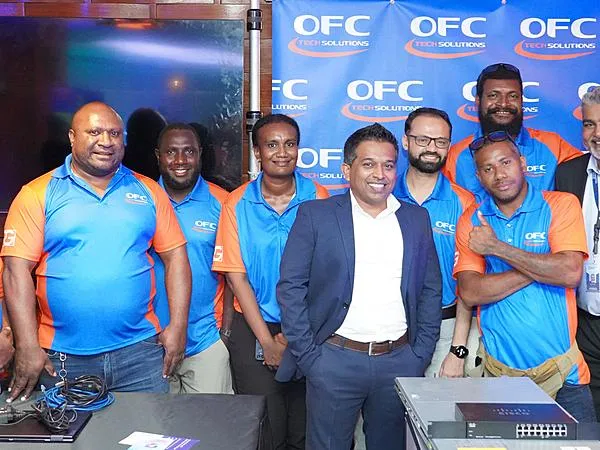
The Remington Group has officially launched OFC Tech Solutions, marking a new era of innovative ICT, telecommunications, and enterprise solutions for businesses across Papua New Guinea.

OFC Tech Solutions, a 100% PNG-owned company, specialises in high-speed internet, unified communications (NEC-certified PABX systems), cybersecurity, data analytics, and enterprise IT solutions, providing world-class technology tailored for PNG businesses.

The highly anticipated launch event, attended by industry leaders, business executives, and technology enthusiasts, took an exciting turn with a surprise product reveal—the introduction of MaxiNET, OFC Tech Solutions' new ISP brand. MaxiNET promises to deliver high-speed, low-price, best-value internet, addressing the growing demand for affordable and reliable connectivity across the country.

Remington Group CEO Navin Raju highlighted the significance of this milestone, stating:

"The launch of OFC Tech Solutions marks a bold step forward in Papua New Guinea’s digital transformation. For 78 years, the Remington Group has evolved with technology, and today, we further strengthen our commitment to innovation. OFC Tech Solutions is more than just an IT provider—we are a trusted partner, delivering cutting-edge solutions in unified communications, cybersecurity, data analytics, and enterprise IT. With the introduction of MaxiNET, we’re ensuring businesses and individuals in PNG have access to high-speed, affordable, and reliable internet. Together, we are shaping a smarter, more connected future for Papua New Guinea."

Industry experts also took the stage, with Kevin Jesop Subject Matter Expert from IBM speaking on unlocking the power of AI, while Dr. Amit Chaubey from NIAD Technologies shared insights into the future of cybersecurity.

With the launch of OFC Tech Solutions and MaxiNET, the Remington Group continues its commitment to driving PNG’s digital transformation, empowering businesses with cutting-edge solutions, and ensuring that technology is both accessible and impactful for Papua New Guineans.

March 26, 2025

Four young Solomon Islanders have been awarded maritime cadetship scholarships with PNG marine services company, Pacific Towing (PacTow).  Upon graduating as Officers of the Watch from the international program of theoretical as well as practical training, the awardees will initially be employed at PacTow’s tug base in Honiara.  PacTow anticipates offering additional scholarships to Solomon Islanders in its quest to bolster its own workforce in the region, as well as to help grow Solomon Islands’ next generation of seafaring professionals.  As an equal opportunity employer, the company is particularly keen to recruit additional female cadets.

Founded in PNG in 1977, PacTow introduced its first cadetship programme more than two decades ago.  In 2018 it invested in another programme focussed purely on fast tracking the seafaring careers of women.  The ‘Women in Maritime’ cadetship programme is in partnership with the Australian Government, Consort Express Lines, and Swire Shipping.  Both cadetship programmes take four years to complete.

The recently awarded Solomon Islander scholarship holders will undertake approximately eight months of preliminary study and work experience in Solomon Islands prior to embarking on their actual cadetships in January 2026.  This April will see the awardees commence nearly two months of basic seafaring training, including Safety of Life at Sea (SOLAS) training, at the Maritime College of Solomon Islands National University.  They will then gain valuable practical work experience at PacTow’s Honiara tugboat operation until the end of the year.

Early 2026 will see the awardees relocate to Fiji to undertake a full year of study at the National University’s Pacific Centre for Maritime Studies (PCMS). General Manager of Pacific Towing, Gerard Kasnari concedes that he had initially planned for the awardees to commence their Fiji studies this year.  However, he believes that “the preliminary study and practical experience they get in Honiara over the next eight months will be a great advantage to them in the classroom in Fiji.”

Upon successful completion of their studies at PCMS the cadets will undertake two years of sea-time training.  Consort Express Lines, one of PacTow’s sister companies and PNG’s largest coastal shipping operation, will provide the cadets with coastal shipping experience.  International experience, on considerably larger and more technically advanced vessels on some of the world’s busiest shipping routes, is slated to take place on Swire Shipping vessels.  The cadets will also work on PacTow’s fleet of tugs during this two-year period where they will assist vessels berth and unberth, as well as be exposed to emergency operations such as salvages and oil spill responses.

Once the cadets have completed their two years of sea-time they will return to PCMS in Fiji for additional study and their exams.  Upon graduating as ‘Officers of the Watch’ – either Deck or Engine – they will take up full time employment with PacTow.  However, their qualifications will also enable them to later secure employment across a broad spectrum of maritime operations throughout Melanesia, as well as much further afield.

Kasnari notes that “Melanesia has an aging seafaring workforce, the international standards which we operate to are getting higher, and vessels are becoming more sophisticated.  As a business we therefore need to be training a new generation of maritime professionals – men and women – to ensure that we not only have enough seafarers to operate, but that we also have the very best.  Also, as a good corporate citizen, and as a well-established and successful business that has prospered from our operations in the region, it is important for PacTow to ‘give back’.  Helping Solomon Islands grow its maritime workforce is just one of the ways we’re doing this.  We would also like to invest in maritime scholarships for young Fijians if our business expands further there as planned.”

***

PacTow has had a permanent business operation in Solomon Islands since 2012.  In addition to its core business of harbour towage it has conducted a number of salvages in Solomon Islands’ waters.  Likewise, it has conducted salvages in Fiji where it also has a registered business.

PacTow is Melanesia’s largest marine services business.  It employs more than 250 staff and has a fleet of 20 vessels.   It provides a broad spectrum of marine services including towage, emergency response, commercial diving, life raft services, and salvage.  PacTow is part of a larger sea and land logistics group wholly owned by Steamships Limited.  To learn more about PacTow:  www.pacifictowingmarineservices.com.

March 24, 2025

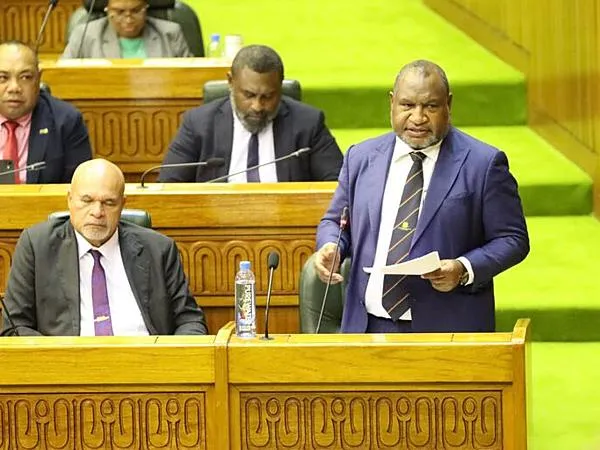
Prime Minister Hon. James Marape has underlined his government’s commitment to Infrastructure Development Grants (IDG), ensuring that mining and resource-hosting communities receive essential funding for infrastructure development in preparation for major resource projects.

Addressing Parliament today in response to Vice-Minister for Mining and Bulolo MP Hon. Sam Basil, on IDG, the Prime Minister emphasised that IDG funding is crucial to support key infrastructure such as roads, power supply, schools, and health facilities in communities that will host major mining developments, including Wafi-Golpu.

“Infrastructure Development Grants are designed to ensure that project areas and their surrounding districts are prepared for the impact of major resource developments. These funds must be used solely for infrastructure projects and nothing else,” Prime Minister Marape stated.

Since the introduction of IDG funding for Morobe Province, the government has allocated K100 million annually for infrastructure development in the project area. While the full amount may not always be remitted each year due to budget constraints, the Prime Minister confirmed that over K100 million has already been transferred to support infrastructure projects in Morobe.

“These funds are intended to improve access roads to the Wafi-Golpu project site, establish essential services, and enhance local economic activity before the actual mine construction begins,” he said.

Prime Minister Marape acknowledged concerns regarding the disbursement and utilisation of these funds, stating that the government will conduct a reconciliation of all IDG payments made to the Morobe Provincial Government.

The Prime Minister called on Morobe leaders, including Vice Minister Basil, and other provincial representatives, to work closely with the National Planning and Mining departments to ensure that IDG funds are transparently allocated and spent on critical infrastructure projects.

“I want to ask the Morobe Provincial Government to sit with me, the Planning and Mining departments, and all relevant stakeholders to reconcile exactly how much funding has been transferred and ensure that these funds are used for their intended purpose,” he said.

The Prime Minister outlined the priority areas where IDG funding should be directed, including:

  • Upgrading access roads to the Wafi-Golpu project site
  • Extending power supply to the mining areas
  • Developing schools and health facilities in project-affected communities
  • Supporting local businesses to prepare for participation in the mine’s construction and operational phases

“This government is already investing in the future of Wafi-Golpu and ensuring that the landowners and Morobe Province are ready to participate in the economic benefits of this project,” he emphasised.

Prime Minister Marape confirmed that an additional K100 million has been allocated in the 2025 budget to continue supporting infrastructure development in the Wafi-Golpu area.

The Community Benefit Agreement (CBA), which will be finalised once negotiations on Wafi-Golpu are concluded, will provide a clear framework for how IDG funds will be distributed and utilised. He called on all Morobe leaders to unite and collaborate to ensure IDG funds directly benefit landowners and project-affected communities.

March 24, 2025

Prime Minister Hon. James Marape has reinforced his government’s strong commitment to securing a fair and beneficial agreement for Papua New Guinea in the development of the Wafi-Golpu mine. Addressing Parliament, the Prime Minister provided an update on the status of negotiations, confirming that discussions are in the final stages, with only three key issues left to resolve.

The Mine Development Contract (MDC), a crucial agreement that determines the state’s benefit share, must be concluded before the Special Mining Lease (SML) is granted. The Prime Minister emphasised that since his administration took office, every major resource project negotiation has been driven by the principle that PNG beneficiaries must receive at least 55% of total benefits, ensuring greater economic returns to the state, landowners, and local businesses.

Prime Minister Marape explained that the negotiations with investors, particularly Harmony Gold and Newmont, have been detailed and, at times, challenging. While the investors seek to protect their financial interests, the government remains determined to ensure that PNG secures a fair deal over the expected 40-year lifespan of the mine.

“My government has made it clear that we will not sign an agreement that does not give Papua New Guinea the returns we deserve. This project is expected to operate for four decades, and we must secure the best possible deal for our country,” Prime Minister Marape stated.

He announced that he has directed the state negotiating team to finalise discussions as soon as possible, ensuring that the final agreement delivers at least 55% of total benefits to PNG. A formal letter will also be sent to the CEOs of Harmony Gold and Newmont, making it clear that the government will not compromise on the three remaining issues.

Reflecting on previous agreements, the Prime Minister highlighted concerns regarding the Lihir Gold Mine, where the government has received limited corporate tax revenue despite rising global gold prices exceeding USD 3,000 per ounce. He assured Parliament and the people of PNG that such historical oversights will not be repeated in Wafi-Golpu.

“As a nation governed by the rule of law, we respect agreements, even those that may not be favourable. However, we will not repeat past mistakes. That is why I have insisted that we take the time necessary to secure a fair agreement for Wafi-Golpu,” he said.

The Prime Minister also confirmed that he aims to finalise the Wafi-Golpu agreement by 16 September 2025, in time for PNG’s 50th Independence celebrations, alongside other major projects.

Prime Minister Marape acknowledged that delays in concluding the agreement have affected landowners, district leaders, and the Morobe Provincial Government, but assured them that these delays were necessary to ensure long-term benefits for all stakeholders.

“We will get there. I understand the concerns of landowners and the Morobe leadership, and I apologise for the delay. However, it is better to take time and secure the best deal than to rush into an agreement that does not maximise returns for our country,” he emphasised.

Once negotiations are concluded, the government will work closely with landowners and the provincial government to finalise the Community Benefit Agreement (CBA) and ensure that all relevant parties receive their fair share of project benefits.

The Prime Minister assured Parliament that if the remaining three issues are resolved promptly, the project will proceed to the final Community Benefit Sharing Agreement, which will outline the distribution of financial and development benefits for landowners, Morobe province, and PNG as a whole.

He encouraged all leaders in Morobe, particularly the Vice Minister for Mining and the Member for Bulolo, Hon. Sam Basil Jr, to work with the government in ensuring the project’s success.

March 24, 2025

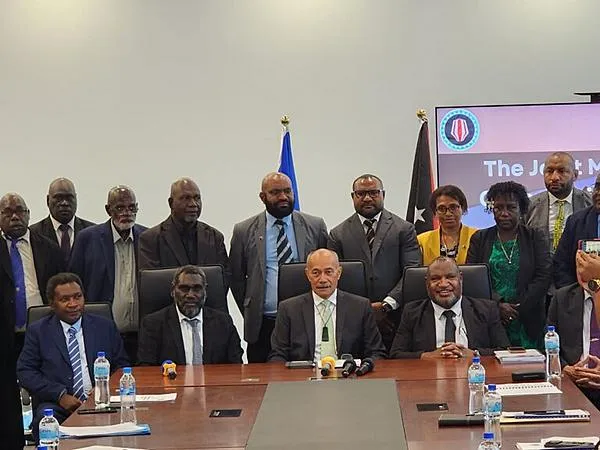
Prime Minister Hon. James Marape has reaffirmed his government’s unwavering commitment to the Bougainville peace process, emphasising the significance of the 2001 Bougainville Peace Agreement (BPA) and the necessity for continued dialogue between Papua New Guinea and Bougainville.

Speaking at the opening of the First Joint Consultation Meeting with Bougainville Moderator Sir Jerry Mateparae, Bougainville President Hon. Ismael Toroama, United Nations representatives, international stakeholders, and other distinguished leaders, Prime Minister Marape acknowledged the historical journey that has led to the current stage of the peace process.

“This process was born out of the sacrifices of many, and it is our duty to ensure that the intentions of the peace agreement remain the foundation for our discussions,” said Prime Minister Marape. “August 30 this year will mark 24 years since the signing of the agreement, and for 24 years, peace has been maintained without the firing of a single bullet. This in itself is an achievement that we must continue to build upon.”

Honouring the Bougainville Peace Agreement and Constitutional Process

The Prime Minister reaffirmed that the 2001 Bougainville Peace Agreement is now enshrined in Part XIV of the PNG Constitution, providing a legal framework for dialogue and post- referendum consultations. He recognised the dedication of those who negotiated the agreement, stating that their work continues to shape the ongoing discussions.

“I was not there in 2001 when the agreement was signed, but as Prime Minister, it is my duty to study the past records and ensure that we honour the spirit and intention of the peace agreement,” he said.

The Prime Minister acknowledged the results of the 2019 Bougainville Referendum, in which 97.7% of voters chose independence, and reaffirmed that Parliament will ultimately deliberate and decide on the matter.

“Let me make this absolutely clear – my government allowed the referendum to take place, and we stand by our commitment to the process,” Prime Minister Marape stated. “However, it is now a constitutional matter that requires Parliament’s deliberation and decision-making.”

He highlighted that Section 342 of the PNG Constitution explicitly calls for post-referendum consultations, ensuring that both parties engage in structured dialogue before a final decision is made.

“The wisdom of the 2001 peace agreement is that it does not impose a strict timeline for resolution, but it does outline the importance of consultation and agreement,” he explained.

Economic Independence Must Precede Political Independence

Prime Minister Marape urged Bougainville’s leadership to consider the importance of economic independence alongside political aspirations. He pointed out that 95% of Bougainville’s budget is currently reliant on external support, including funding from the PNG Government and international donors.

“Economic independence must precede political independence. The long-term sustainability of Bougainville must be factored into these discussions,” he added. “Today, as we speak, Bougainville generates only 5% of its own budget. This is a serious conversation that we must address as part of the broader negotiations.”

He acknowledged Bougainville’s resource potential but stressed that economic structures must be strengthened before full political independence can be realised.

“My duty as Prime Minister is not only to Bougainville but to the whole of Papua New Guinea. We must ensure that any decision we take is in the best interest of all parties,” he emphasised.

Addressing the Risks of Regional Fragmentation

The Prime Minister also highlighted the broader national implications of Bougainville’s push for independence, warning that other regions of PNG may also seek similar autonomy if the issue is not managed carefully. “Papua New Guinea is the most-diverse nation on earth. We have over 800 languages, 20 provinces, one National Capital District and Autonomous Bougainville Government. If we do not manage this process responsibly, we risk opening the door to similar movements in other parts of the country,” he cautioned.

He stressed that PNG must preserve national unity while respecting Bougainville’s aspirations, urging diplomatic partners and the United Nations to continue supporting a structured, peaceful transition.

Commitment to Continued Dialogue

Prime Minister Marape reassured all stakeholders that the PNG Government remains fully committed to dialogue and consultation, as stipulated in the Bougainville Peace Agreement.

“We have held multiple rounds of consultations, and we will continue these discussions in good faith. There is no rush, as the Constitution does not impose a deadline. Our goal must be to reach a decision that ensures peace, stability, and prosperity for both Bougainville and Papua New Guinea,” he said.

The PNG Government and Bougainville leadership are expected to continue consultations in the coming months, with further discussions on the political and economic future of Bougainville.

March 24, 2025

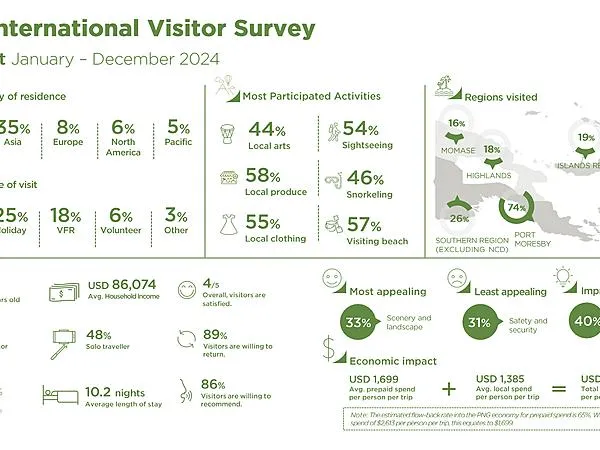
Four out of five tourists who visited Papua New Guinea in 2024 were satisfied and are willing to return to the country and would recommend it to other tourists, according to the annual PNG International Visitor Survey (IVS) Report released this month.

About 86 percent of the survey respondents recommended PNG and 89 percent said they were willing to come back, the Pacific Tourism Organisation (SPTO) said of the study.

It was made through SPTO’s Pacific Tourism Data Initiative (PTDI) and in collaboration with the Papua New Guinea Tourism Promotion Authority (TPA).

Visitors rated hospitality, tours, handicrafts, accommodation, and activities highly, the report said. Areas for improvement included safety, travel costs, domestic flights, infrastructure, cleanliness, and security.

The survey ran from January to December 2024, analyzing 3,701 responses from 3,775 collected, with a 24% response rate. Nearly half or 42% of respondents were first-time visitors, with an average household income of USD 86,074 (about 366,000 kina).

As expected, PNG’s next-door neighbor Australia recorded the highest visitor arrivals at 39%, followed by tourists from Asia at 35%, and Europe at 8%.

The dominant age group was 40-59 years old, as 48% traveled to PNG for business, 23% traveled for leisure, and 18% went to the country to visit friends and relatives, the report added.

Key attractions for tourists included nature, cultural heritage, business opportunities, and family visits. World War II heritage sites were a major draw for historical tourism, the report said. Visitors appreciated the warmth and hospitality of the local people.

The survey also noted that the average prepaid visitor spending was USD 2,613 (10,750 kina), with 65% (USD 1,699 or 6,990 kina) benefiting the local economy.

In-country spending averaged USD 1,385 (about 5,700 kina) per trip, with an average stay of 10.2 nights. Visitors contributed USD 309 million (1.27 billion kina) to PNG’s economy, a 9% increase from the previous year, the IVS added.

The IVS findings will support evidence-based planning and enhance PNG’s tourism offerings to align with evolving visitor expectations, the report proponents said.

SPTO Chief Executive Officer Christopher Cocker highlighted the significance of the PTDI in shaping sustainable tourism growth across the Pacific.

He said SPTO remains committed to working closely with TPA and other member countries to ensure the PTDI continues to deliver meaningful insights that drive sustainable tourism development across the Pacific.

“As the leading hub for Pacific tourism research, SPTO is committed to equipping our member countries, including PNG, with reliable data to inform strategic decisions. The PTDI is a vital resource that enables governments and industry stakeholders to make informed choices that strengthen regional tourism development,” he said.

TPA CEO Eric Mossman Uvovo acknowledged the value of the IVS findings, as the country seeks to improve visitor experiences and position PNG as a competitive destination.

“These insights are instrumental in shaping the future of tourism in PNG. We appreciate SPTO’s collaboration in delivering these reports, which will guide our strategies for sustainable tourism growth,” said Uvovo.

Since transitioning to SPTO’s management in October 2023, the PTDI continues to serve as an essential resource for tourism data across the Pacific.

Funded by the New Zealand Government, the PTDI supports ten Pacific Island nations—Cook Islands, Niue, PNG, Samoa, Solomon Islands, Vanuatu, Tonga, Kiribati, Timor Leste, and FSM-Yap—in evidence-based planning and decision-making.

The initiative produces the bi-annual IVS, an annual Business Confidence Index (BCI), and an annual Community Attitude Survey (CAS) report to strengthen regional tourism strategies.
March 24, 2025

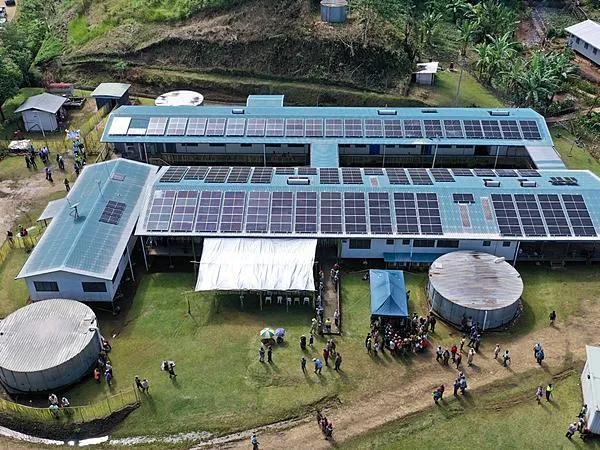
Ok Tedi Mining Limited (OTML) is encouraging its Business Partners, Trust and Royalty associations to invest back into OTML operations for the benefit of the people of Western Province, especially the impacted regions under the Mine Village communities and the Community Mine Continuation Agreement (CMCA) communities.

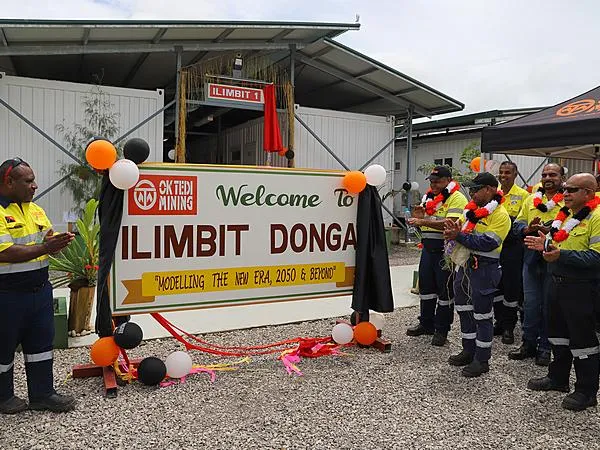
OTML Managing Director and CEO Kedi Ilimbit made this appeal during the opening of OTML’s new 150-self-contained accommodation units for its Bige Operations on Thursday 13th March.

“As part of OTML’s corporate social responsibility, we fulfil our obligation to support endeavours that positively impact and benefit the communities sustainably. But the yields will be bigger if our business partners, trust and royalty associations rally behind OTML and invest in OTML operations or other positive impact projects within the province,” Mr Ilimbit said.

“We need to reinvest either in Ok Tedi Operations as passive or active investors to retain monies back in the province to impact our communities with positive sustainable change. Do not take the money and invest elsewhere,” he said.

Mr Ilimbit said the dongas are one investment opportunity but there are other business opportunities that might arise that are just as lucrative as the dongas. These may come in the form of electrification, water, or road sealing projects, etc, emphasising the importance of ensuring money is being retained within the communities that OTML operates in.

“It’s time to give back to the province, particularly the CMCA regions, and OTML is committed to ensuring that its stakeholders expectations are met, while creating a sustainable change for its impacted communities and their future generations,” he said.

This 150-persons donga is co-owned by the LMP79 Trust (25%), the Alice River Trust (25%) and the CMCA Women and Children’s Trust (50%) at a total investment value of K10,563,380 for a 9-year period.

The units named ‘The Ilimbit Dongas’ cost OTML a total of K11.2 Million in its construction, installation and structural improvements.

Through this investment, OTML is offering a passive investment opportunity to the impacted communities with a guaranteed return of K23,503,964 after 9 years. OTML Bige operations will cover all maintenance costs for the 9-year contract period.

These new accommodation units will replace previous common-shared accommodation facilities; guaranteeing an improved living facility for the staff.

The Company has already progressed the foundation works of another 150 persons self-contained accommodation dongas at another location of its Bige Operations, thus providing additional investment opportunities for other stakeholders.

Mr Ilimbit congratulated all the stakeholders involved in the successful completion of this project and is hoping for more similar collaborations in the future.

March 24, 2025

Following the recent announcement of its Energy Transition Policy, the Papua New Guinea Chamber of Resources and Energy (PNG CORE) provides further details on this initiative, which focuses on promoting sustainable energy practices and addressing climate change.

This policy underscores PNG CORE's commitment to facilitating a just and equitable transition towards a more sustainable and resilient energy future for Papua New Guinea (PNG). Energy Transition is a strategic agenda for PNG CORE.

PNG CORE envisions a Papua New Guinea where clean, renewable energy powers sustainable development, enhances energy security, and fosters prosperity for all.

PNG CORE Sustainability and Climate Change Committee Chair Felix Kipalan states, “We are dedicated to promoting and facilitating the transition to a sustainable energy future in PNG by advocating for policies, fostering collaboration, and driving innovation within the energy and resources sector.”

“We aim to promote renewable energy by advocating for policies and incentives that encourage the development and deployment of renewable energy sources to diversify PNG's energy mix and reduce reliance on fossil fuels. Additionally, support efforts to improve energy efficiency across all sectors through the adoption of energy-efficient technologies, practices, and standards.”

“We also seek to foster innovation and research by promoting investment in research, development, and innovation to drive technological advancements in clean energy, energy storage, and energy management solutions tailored to PNG's unique context.”

PNG CORE also aims to strengthen the capacity and skills of Papua New Guineans to participate in and contribute to the energy transition, particularly in areas such as renewable energy development, energy management, and sustainable resource utilisation.

“PNG CORE advocates for the alignment of energy transition policies with broader national development goals, including poverty alleviation, rural development, and environmental conservation, to ensure a holistic and integrated approach to sustainable development.”

Engaging stakeholders is also a key objective, with PNG CORE fostering a collaborative approach by engaging with all relevant stakeholders, including government bodies, local communities, industry partners, and civil society, to ensure inclusivity in decision-making processes,” says PNG CORE Sustainability and Climate Change Committee Chair Felix Kipalan.

PNG CORE is committed to minimising environmental and social impacts by advocating energy transition projects in an environmentally responsible and socially equitable manner, ensuring that initiatives minimise adverse environmental impacts and respect community rights.

“We aim to adapt to climate change by aligning and incorporating climate adaptation strategies into energy transition efforts, recognising PNG's vulnerability to the impacts of climate change and ensuring resilience in energy infrastructure.”

“We will collaborate closely with our members, government agencies, industry stakeholders, and other pertinent entities. This includes establishing baselines and benchmarks, conducting sector assessments, and transparently reporting on progress towards promoting sustainable energy transition strategies and initiatives.”

PNG CORE remains committed to leading the charge in energy transition within PNG's resources and energy sectors, ensuring a sustainable and resilient future for all.

March 17, 2025

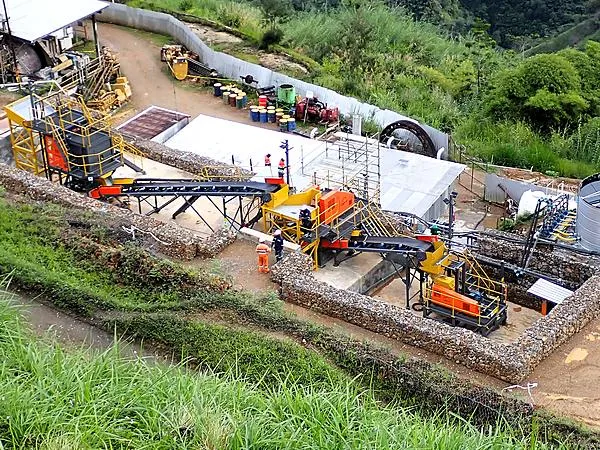
Tolu Minerals Limited is set to resume high-grade gold and silver production at the Tolukuma Gold Mine, located in Goilala District in Central Province, as it commenced final hot commissioning of its newly installed modular gravity recovery plant, with full production and revenue generation expected upon completion.

In a statement dated February 27, Tolu Minerals revealed that the plant installation and cold commissioning were successfully completed in December 2024.

The plant, designed in collaboration with South Africa’s Appropriate Process Technologies (APT), leverages advanced gravity concentration technology to optimize efficiency and reduce operating costs.

Managing Director and CEO Iain Macpherson described the hot commissioning phase as a "major milestone" for the company, the mining sector, and the region.

The modular plant will play a pivotal role in restarting operations at Tolukuma, targeting an initial production rate of approximately 2,000 ounces of gold per month by the end of 2025.

"The plant throughput and modular expansion capability are designed to match the mine’s production ramp-up schedule while enabling lower operating costs. Not only will it generate revenue, but it will also enable testing of more effective processing, including enhanced silver recovery," Macpherson stated.

The commissioning process, which is expected to take at least 15 days, involves running ore through the plant to evaluate material flow, plant functionality, and processing efficiency.

The process is being closely monitored by Mines Inspectorate representatives and APT commissioning engineers.

A key feature of the plant is its innovative approach to tailings management. The company is utilizing geotube tailings decant systems, which facilitate safe and efficient water decanting and provide insights into potential long-term tailings storage solutions. This method enhances environmental sustainability while ensuring regulatory compliance, Tolu said.

The tailings from the gravity recovery plant, which still contain residual gold, will be stockpiled for future reprocessing once the existing leaching plant is re-commissioned.

The new plant consists of five processing stages: scrubber, crushing, hammer milling, gravity centrifugal concentration, tabling and smelting. It currently operates at a capacity of six tonnes per hour (tph), approximately 25% of the mine’s previous capacity, with a phased ramp-up planned as production resumes.

To ensure smooth operations, Tolu Minerals is conducting staff training alongside commissioning activities. Management, operators, and maintenance personnel are receiving hands-on instruction from the experienced commissioning team.

The re-commissioning of the Tolukuma mine marks a revival of one of Papua New Guinea’s historically significant gold producers. The mine, known for its high-grade gold and silver deposits, had previously been a key contributor to the country's mineral sector.

March 17, 2025

Minister for International Trade and Investment, Hon. Richard Maru, has presented the final report on the government’s investigation into the business practices in the Oil Palm Industry on the floor of Parliament.

Addressing Parliament on March 13, Minister Maru spoke of the historical significance of this investigation. “This is the first time in the history of our country that a government is investigating the price of palm oil after receiving complaints from over 15,000 small oil palm growers in East New Britain Province,” he said.

The probe was initiated following complaints that East New Britain Palm Oil Limited had been fixing the price of oil palm at 13,000 kina per metric ton for over a decade, while growers in West New Britain Province were receiving 6,800 kina per metric ton.

The investigation was sanctioned under NEC Decision No. 192 of 2024, with a budget of 2 million kina. An independent oil palm expert led the inquiry.

Maru revealed that East New Britain Palm Oil Limited, part of the East New Britain Resource Group, manages 7,996 hectares of land with oil palms and sources from 36 smallholders cultivating an additional 245 hectares. The company operates a palm oil mill with a 16-ton-per-hour processing capacity.

The investigation expanded to other companies within the East New Britain area. Maru clarified that these companies are not interconnected through their ultimate shareholders but have common directors.

The findings also exposed unethical land acquisition practices. Mentioned persons and companies were found responsible for securing land through verbal agreements and alleged intimidation tactics.

Maru said: “No documented evidence of free, prior, and informed consent negotiations had been located by the investigation team.”

The inquiry estimated that East New Britain farmers suffered financial losses of 38 million kina due to price underpayments between 2009 and 2024.

Maru stated: “What our people lost in the 10 years behind the price shift is over 38 million kina.”

Lack of Industry Regulation

The investigation highlighted the absence of a regulatory framework governing PNG’s oil palm industry. Unlike coffee and cocoa, which have regulatory bodies, the oil palm sector operates without oversight.

Maru said: “This country does not have a national price formula for oil palm. These companies are setting prices and abusing our people.”

The investigation team proposed several recommendations to address these issues, including:

  1. Development of a new oil palm policy and legislation to prevent logging companies from exploiting Special Agricultural Business Leases (SABLs) under the pretext of agricultural development.
  2. Immediate review of oil palm grower concerns nationwide following similar complaints from other provinces.
  3. Compensation for landowners through options such as direct payments, share ownership in the company, or legal action against the company.
  4. Legal and criminal proceedings against those responsible, including possible deportation of foreign investors found guilty of exploitation.
  5. Establishment of a regulatory authority like those in other agricultural sectors.

Maru stated: “The government must act firmly to ensure our people are no longer exploited. We must put an end to foreign investors cheating and robbing our farmers of the fruits of their labor.”

The Minister highlighted the economic significance of the sector, noting that oil palm generates over 2.1 billion kina in export revenue annually, making it the most valuable agricultural commodity in the country. He contrasted this with coffee, which brings in only 510 million kina per year.

Maru pointed to Indonesia’s success in the oil palm industry, as it has over 13 million hectares of oil palm, contributing 1.6% of its GDP and generating more than 18 billion US dollars annually.

PNG must tap into its vast savannah lands for expansion, the Minister said.

He assured Parliament that this investigation would not be ignored, unlike past inquiries.

“This report will not gather dust in Waigani. We must secure bipartisan support for a total overhaul of the palm oil industry,” he said.

PNG stands at a turning point in reforming its oil palm industry, ensuring fair pricing, and preventing future exploitation of its farmers, Minister Maru stated.

March 17, 2025

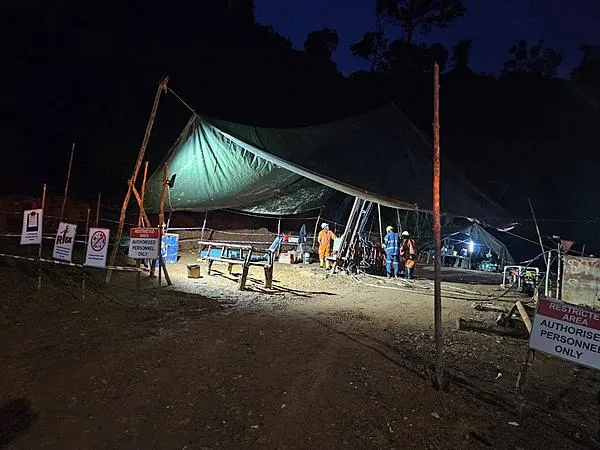
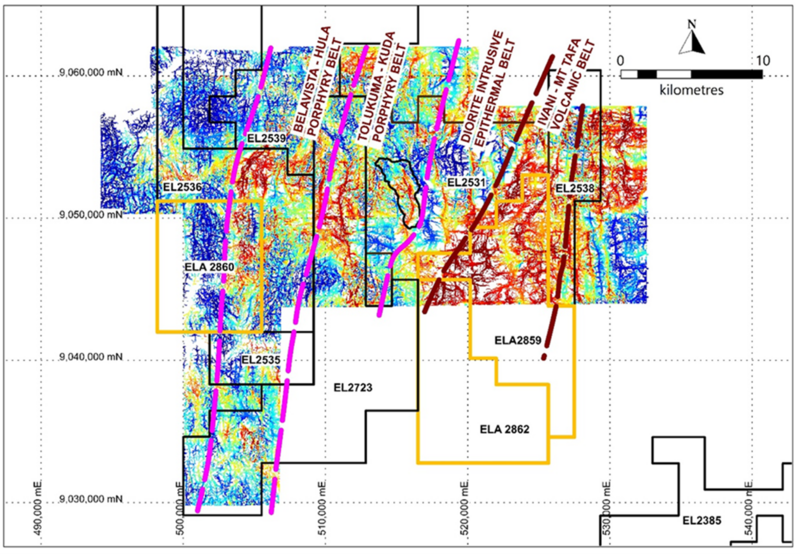
Tolu Minerals Limited has announced a series of mineral targets at its Tolukuma gold-copper project in Goilala, Central Province of Papua New Guinea, following a detailed Airborne Magneto Telluric (MT) survey covering 714km².

The survey identified a pipeline of high-priority exploration targets, including 38 priority mineral zones, with eight showing high priority, porphyry-style gold-copper geophysical signatures as well as numerous epithermal gold targets.

These discoveries position Tolu Minerals as a key player in what appears will become one of the world’s great gold-copper provinces, the company said in a statement.

The Airborne MT survey, using high-resolution geophysical technology, including ground breaking lineament analysis algorithms, has provided new insights into previously unexplored regions of the Tolukuma area.

Mineralogical Zones and Lineament Analysis


The survey results indicate near-surface epithermal gold targets, deep-seated high-sulphide gold-copper lodes, and key feeder zones that may significantly expand the current mine footprint.

Among the notable findings:

  • Idave epithermal gold target: This is a new epithermal gold target that emanates from the same deep seated porphyry source, potentially replicating the existing Tolukuma mineralised structures.
  • Karame epithermal target: an additional epithermal gold target that appears to also emanate from the same Tolukuma deep seated porphyry source. 
  • Belavista Porphyry Target: A high priority 4.5km diameter porphyry target with peripheral historical rock chip samples yielding up to 11.61g/t gold and 2800ppm copper, 1.02% lead and 2.63% Zinc.
  • The Airborne MT geophysical signatures have similar characteristics to the K92 Kora MT signatures and associated Inferred Resources of 2.5 moz at 9.5 g/t AuEq. Tolu will fast track its exploration efforts towards a potential new gold-copper discovery.
  • Tolukuma Porphyry: A conductivity anomaly extending beyond 1.5km depth, believed to be the heat and gold source for the existing Tolukuma mine as well as the Idave and Karame target areas.
  • Mt. Tafa Porphyry: A 2.7km diameter volcanic system with anomalous gold stream sediment samples.
  • Hula Porphyry: A significant conductor anomaly suggesting potential copper and base metal sulphides at depth.

Commenting on the discovery, Iain Macpherson, Managing Director and Chief Executive Officer of Tolu Minerals, said: “It is pleasing to see the modelled results from the Tolukuma Airborne MT survey producing a series of epithermal and porphyry mineral targets in previously underexplored areas, both in the mining lease and within our extensive portfolio of exploration licences.”

Macpherson told PNG Business News that the Idave and Karame epithermal gold targets are proximal to the existing mine infrastructure and could readily be exploited by the existing mine, which could have the impact of extending the scale and/or life of the mine dramatically.

The Airborne MT is proving to be an invaluable tool in defining high-priority targets to a level of detail that was previously not possible and will have a profound effect on Tolu’s exploration and growth strategies.

Numerous additional epithermal vein lineament targets have now been identified. In addition, high-sulphide style gold and base metal vein signatures have been identified beneath the existing mine.

“Tolu has applied for three additional exploration licences covering 258.44 km² over Airborne MT areas of interest, further demonstrating the effectiveness of this geophysical technique in rapidly and cost-effectively identifying areas for priority exploration and discovery of gold and base metal deposits,” Macpherson said.

“Tolu is now positioned as an important explorer and operator in what could be one of the great gold/copper provinces of the world. Tolu continues to assess these results and is in the process of finalising its exploration strategy and plans to accelerate targeted exploration, both on mine and regionally, to help define substantial gold/silver and gold/copper resources,” he added.

March 17, 2025

Papua New Guinea started its countdown for its participation in the Osaka World Expo, which is expected to attract up to 28 million visitors with more than 160 countries already confirming their participation.

Prime Minister James Marape commissioned the launch event for PNG and hosted it along with the Minister for International Trade and Investment, Hon. Richard Maru.

Key government leaders, diplomatic corps, stakeholders and business leaders gathered at the Parliament House State Function Room on March 6 to witness the nation’s preparations to strengthen its international trade, tourism, arts, and culture sectors through this global event.

The Expo, set to commence on April 13 and continue for six months, will offer PNG a platform to display its rich cultural diversity to a global audience. Additionally, it will provide a platform for PNG to engage Japanese businesses and attract investment in key sectors such as technology, energy, and agriculture.

Minister Maru said PNG is ready to participate in the Expo, and after 50 years of bilateral and diplomatic relationship between PNG and Japan, he said it is time “to expand connections.” He expressed his gratitude to the Marape government for accepting Japan’s invitation to participate despite challenges.

“Despite all our critics, there are also a lot of people wondering why we are going to Japan. After 50 years of political and diplomatic relations with Japan, it is time to showcase what we have achieved together as friends and partners,” he said.

The minister emphasized the importance of economic cooperation between the two nations, noting that Japan’s exports to Papua New Guinea amount to approximately $3 billion, while PNG exports just under $500 million worth of goods to Japan.

Maru stressed the need for a more balanced trade relationship and called for stronger market access.

“We do not have a trade and investment agreement with Japan. What do we do with the European Union? We don't have a policy agreement with Japan. It’s time to ask the question: Why?”

He highlighted Japan’s infrastructure contributions to PNG such as bridges, roads, and volunteer programs, but pointed out the lack of Japanese tourist arrivals in Papua New Guinea.

Maru said that while 300,000 Japanese tourists visit Australia annually, only 293 visited PNG last year. He stressed the need to tap into Japan’s tourism market, comparing figures with destinations such as Fiji, which attracts 20,000 Japanese tourists annually.

Maru acknowledged Japan as a major international investor but lamented that PNG had not fully leveraged this opportunity, citing Japan’s increasing investments in the Philippines and Thailand.

PNG is set to take an unprecedented approach by establishing a presence at both the Osaka Expo site and a dedicated commercial space in Tokyo. Maru explained that the Tokyo venue would be crucial for business engagements, particularly for promoting PNG’s coffee and seafood exports.

“The event should not just be about showcasing products but should lead to tangible economic benefits. We must reset and strengthen our relationship with Japan. This Expo is our opportunity to make a statement and secure a fairer and more equitable trade relationship,” Maru added.

Commitment to Strengthening Ties

PM Marape, in his keynote address, reiterated the nation's commitment to strengthening its economic and diplomatic relations with Japan as part of PNG’s participation in the Expo. He outlined the government’s strategic focus on expanding trade, investment, and tourism ties with Japan.

“Through this Expo, we aim to take our partnership to a new level and solidify the economic opportunities between our nations,” he added.

The PNG tourism sector will be showcased with a commitment from the Minister for Art, Culture, and Tourism, Hon. Beldan Namah, that Osaka is a “special ring” for tourism, arts, culture, and international trade.

Namah pointed out that Japan is renowned for promoting indigenous art and culture, making it an ideal venue for Papua New Guinea to highlight its diverse traditions and artistic heritage.

Namah noted that Japan's tourism sector is the 22nd largest in the world but stressed the importance of PNG having direct flight access to Japan to fully tap into this market. He urged the government to consider subsidizing flights between Japan and PNG to facilitate tourism and business exchange.

Namah also acknowledged Japan’s contributions to PNG’s infrastructure development, such as the Nadzab Tomodachi International Airport in Morobe Province.

The Minister noted that PNG’s tourism sector aligns with the theme of the Expo, as the event could elevate the country’s profile as a destination for tourists seeking cultural authenticity.

“We are a nation of incredible diversity, with rich traditions, languages, and tourist attractions that deserve to be showcased to the world. This is a pivotal moment for us to unite and show the world our journey as a nation, particularly in the tourism sector, which has become one of our most promising economic drivers,” Namah said.

“Tourism is at the heart of economic growth. It can be a powerful tool for alleviating the challenges faced by our country, including the current economic situation. Tourism, arts, and culture, together with international trade, will allow us to showcase the best of Papua New Guinea on the world stage,” he added.

March 17, 2025

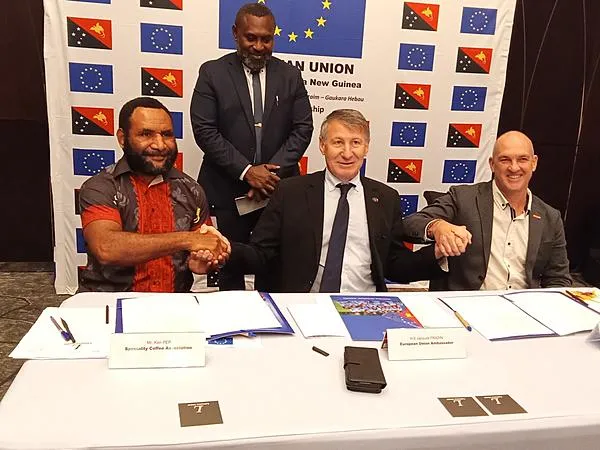
In celebration of International Women’s Day 2025, the European Union (EU) has signed two new Human Rights thematic grant contracts to support women’s economic empowerment in Papua New Guinea (PNG).

The initiative aligns with the United Nations’ global theme, “For ALL women and girls: Rights. Equality. Empowerment,” which aims to accelerate action toward gender equality.

The EU’s Roadmap for Women’s Rights serves as a strategic framework to combat gender-based violence, protect women’s and girls’ rights, and create equal opportunities in all sectors of society.

As part of this commitment, the EU exclusively funds PNG Civil Society Organizations (CSOs) to drive human rights and democracy, enhance economic participation, and support policy changes that promote equality.

Following a Call for Proposals in 2024, which focused on removing economic barriers for women and marginalized groups, the EU Delegation has awarded two key projects:

  • World Vision PNG – Receiving a 3.5-million-kina (€818,750) grant, this project, titled “Sapotim Strongpla Meri: Empowering AROB Women in Business” will assist 150 women entrepreneurs in Bougainville by enhancing their skills, knowledge, and access to market systems.
  • Specialty Coffee Association of PNG – Also receiving 3.5 million kina, this project will provide women and girls in the specialty coffee sector, particularly in the Highlands, with entrepreneurial training, financial services, and leadership development.

Speaking at the signing event, EU Ambassador Jacques Fradin praised the strong collaboration between the PNG Government, World Vision, the Specialty Coffee Association, and civil society in championing gender equality and human rights.

The event was attended by the Minister for Security and Bougainville Regional MP, Hon. Peter Tsiamalili Jr, along with representatives from civil society and the media.

March 17, 2025

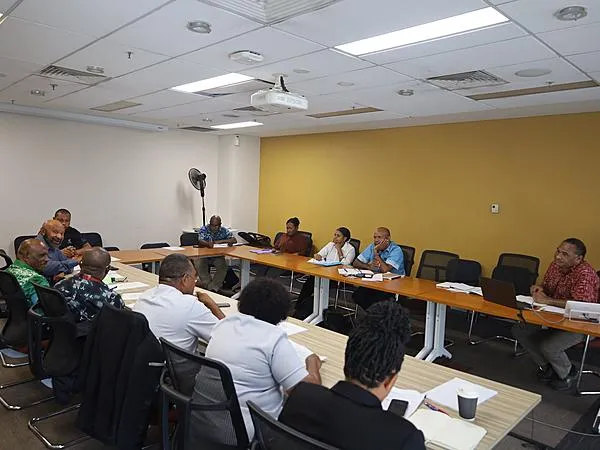
The Papua New Guinea Extractive Industries Transparency Initiative (PNGEITI) convened a Beneficial Ownership (BO) Technical Working Group meeting, bringing together key stakeholders to discuss strategies for enhancing BO transparency within the extractive sector. Representatives from the Bank of Papua New Guinea’s Financial Analysis and Supervision Unit (FASU), the Investment Promotion Authority (IPA), the Mineral Resource Authority (MRA) and Department of Petroleum participated in the discussions aimed at accelerating efforts towards full implementation of BO disclosure for the extractive industries sector in PNG.

The meeting provided an opportunity to update stakeholders on the progress made so far in advancing BO transparency and to outline the next steps necessary to further strengthen governance and accountability in the extractive industry.

Significant progress has been made in PNG’s efforts to enhance BO transparency, dating back to the initial scoping study in 2017. The study identified key challenges, including legal gaps, lack of awareness, and data collection difficulties. Key milestones achieved since then include:

  • Scoping Study and Roadmap Development (2017), this study assessed the state of BO transparency in PNG, leading to the development of a roadmap that outlined strategic steps for BO disclosure, including legal reforms, stakeholder engagement, and capacity building.
  • Implementation Phase (2019), the roadmap was put into action, involving stakeholder consultations, capacity building, and the development of systems for BO data collection and management.
  • BO Disclosure Report (2020), this report provided crucial insights into BO ownership in the extractive sector, highlighting both successes and challenges encountered in implementation.
  • Amendment of the IPA Companies Act (2022), where a key milestone in PNG’s BO journey, this amendment introduced a mandatory BO disclosure requirement, strengthening regulatory frameworks and increasing transparency.

A critical issue raised during the meeting by FASU concerned the scope of BO disclosure under Anti-Money Laundering (AML) standards. While AML regulations mandate BO disclosure to competent authorities such as law enforcement agencies, PNGEITI’s Standard 2023 and Requirement 2.5 calls for public disclosure of BO information in the extractive industries sector. The discussion underscored the need for a clear boundary of public access to BO data while ensuring compliance with both national and international standards.

Investment Promotion Authority (IPA) representative, Mr. Maru, highlighted that the Amended Companies Act 2022, specifically Section 72(a), mandates companies to provide Beneficial Ownership (BO) information and identify the beneficial owners of shares. He further noted that the IPA serves as the custodian of BO data.

PNGEITI Director for Projects and Procurement, Mr. Diclah Taureka, emphasized the need for a standardized BO disclosure framework, stating, “To progress beneficial ownership disclosure in line with PNGEITI requirements, we are proposing the development of a contextualized BO disclosure reporting template, which will be refined in consultation with key stakeholders.”

Supporting this, PNGEITI Director of Policy and Programs, George Kauli, reinforced that while PNG adheres to EITI Global Standards, implementation strategies must be tailored to the local context. He stated, “What is practiced in Papua New Guinea may differ from other EITI-implementing countries. The Companies Act 2022 provides the legal foundation for BO disclosure across all companies operating in PNG. For PNGEITI purposes, our focus for 2025 is to develop a contextualized BO disclosure template specifically focused on extractive industries.”

To further advance Beneficial Ownership (BO) transparency, the Papua New Guinea Extractive Industries Transparency Initiative (PNGEITI) and key stakeholders have outlined priority actions for 2025. These initiatives include conducting comprehensive training sessions for government officials, companies, and other stakeholders on BO requirements, disclosure processes, and compliance measures. Additionally, PNGEITI will develop and distribute guidance documents to assist companies in fulfilling their BO disclosure obligations.

A nationwide awareness campaign will also be launched, utilizing television, radio, print media, and social media platforms to educate the public on the importance of BO transparency. Furthermore, PNGEITI will host public forums and town hall meetings to facilitate open discussions among civil society, industry associations, and government agencies. Lastly, ongoing support will be provided to companies to strengthen their capacity in meeting BO requirements effectively.

PNGEITI remains committed to fostering transparency, accountability, and good governance within the extractive sector. The outcomes of the BO Technical Working Group meeting reaffirm Papua New Guinea’s dedication to implementing global best practices in BO disclosure while ensuring alignment with local regulatory frameworks.

March 17, 2025

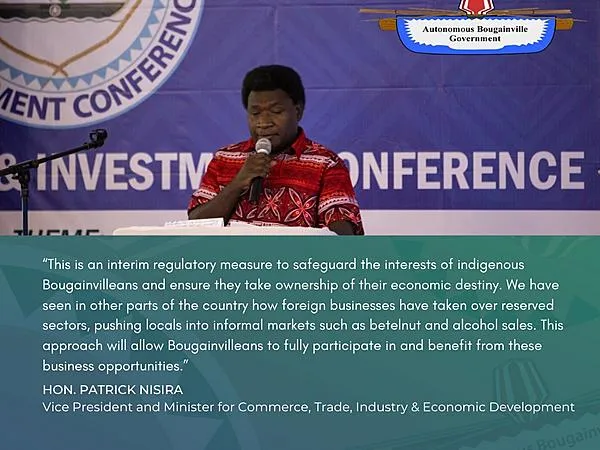
The Autonomous Bougainville Government (ABG) has imposed a moratorium on new foreign investments in business sectors reserved exclusively for indigenous Bougainvilleans.

This directive, issued under the authority of the Minister for Commerce, Trade, Industry and Economic Development, Hon. Patrick Nisira, is in line with Bougainville Executive Council (BEC) Decision No. 18 of 2024 on the Bougainville Indigenous Business Protection List.

The moratorium includes the following key directives:

  • Implementation of BEC Decision No. 18 of 2024 on the Bougainville Indigenous Business Protection List;
  • A moratorium on new foreign investment business activities reserved for local Bougainvilleans;
  • A total ban on new foreign investment in sectors reserved for Bougainvilleans, including retailing and wholesaling, whether through joint ventures or standalone businesses; and
  • A restriction on joint ventures and proposed investments through marriage, specifically involving Bougainvillean men and women with foreign spouses.

Minister Nisira in announcing the moratorium, emphasized the need to protect the growth of indigenous Bougainville businesses, particularly in the small and medium enterprise (SME) sector.

“This is an interim regulatory measure to safeguard the interests of indigenous Bougainvilleans and ensure they take ownership of their economic destiny,” Nisira said. “We have seen in other parts of the country how foreign businesses have taken over reserved sectors, pushing locals into informal markets such as betelnut and alcohol sales. This approach will allow Bougainvilleans to fully participate in and benefit from these business opportunities.”

He reiterated that his Ministry and Department remains committed to enforcing policies that support economic sector growth while protecting the rights of indigenous Bougainvilleans in business.

The Minister however reassured that the moratorium does not hinder Foreign Direct Investment (FDI) in unrestricted sectors and welcomed investors to explore opportunities in other industries within Bougainville.

“We welcome foreign businesses to invest in areas not included in the reserved list. This means the moratorium does not impede Foreign Direct Investment in unrestricted sectors. Therefore, on behalf of the Toroama-Nisira government, I welcome investors to invest in Bougainville.”

For further information or clarification on the Bougainville Indigenous Business Protection List, investors and stakeholders are advised to contact the Department of Commerce & Trade in Buka.

March 17, 2025

Prime Minister Hon. James Marape has announced that the National Executive Council (NEC) has approved the National Palm Oil Policy 2025-2030 during its meeting on Monday, 10 March 2025.

The Prime Minister commended the Minister for Oil Palm, Hon. Francis Maneke, and the Oil Palm Industry Corporation (OPIC) for their leadership in driving the policy forward. He also acknowledged the contributions of smallholder farmers, industry stakeholders, and development partners who played a role in shaping the policy.

The comprehensive policy framework provides a clear regulatory direction for Papua New Guinea’s (PNG) thriving oil palm industry, which contributes K2 billion annually to the national economy and employs thousands of Papua New Guineans.

Prime Minister Marape said the policy is a critical milestone in the government’s broader agenda to achieve a K200 billion economy by 2030, with K30 billion expected from the agriculture sector.

“For the first time in our nation’s history, the oil palm industry will have a structured national policy that ensures landowners, smallholders, and investors operate under a fair, transparent, and well-regulated framework. This is about putting Papua New Guineans at the centre of economic growth and ensuring that the wealth from our land stays with our people,” PM Marape stated.

Key Features of the Policy:

  • Empowering Landowners and Smallholders – Creates opportunities for greater equity participation and direct financial benefits from oil palm cultivation.
  • Stronger Regulation and Compliance – Establishes a dedicated regulatory authority to oversee industry operations, licensing, and environmental standards.
  • Fair Pricing and Market Stability – Introduces transparent pricing mechanisms to protect smallholder farmers from market fluctuations.
  • Investment in Infrastructure and Research – Implements levy collection reforms to fund smallholder support programmes, pest management, and rural infrastructure.
  • Sustainable and Inclusive Growth – Encourages responsible land use, conservation, and climate-smart practices for long-term industry sustainability.

PM Marape emphasised that this policy aligns with his “Take Back PNG” vision, ensuring that Papua New Guineans are the primary beneficiaries of the nation’s natural resources.

“This policy is a major step towards economic independence. It places resource owners in a stronger position within the industry, enabling them to participate as shareholders rather than just leaseholders. We are setting the foundation for PNG to become a leader in sustainable palm oil production while protecting our land and environment,” he said.

“As we celebrate 50 years of independence, this policy marks the beginning of a new era for Papua New Guinea’s palm oil industry—one built on inclusivity, sustainability, and shared prosperity,” PM Marape said.

“The Marape-Rosso Government remains committed to the successful implementation of the policy and will work closely with all stakeholders to ensure that PNG’s oil palm industry reaches its full economic potential.”

March 17, 2025

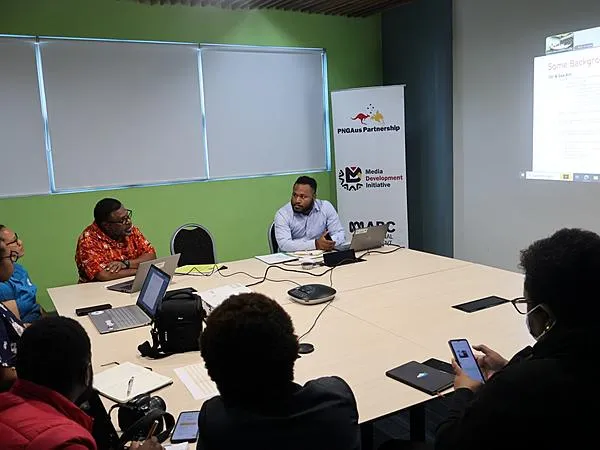
The Papua New Guinea Chamber of Resources & Energy (PNG CORE) successfully hosted a media briefing on Benefit Sharing Agreements in collaboration with ABC International Development - Media Development Initiative, PNG (ABC-MDI) on Friday, March 7, 2025, in Port Moresby.

This media briefing provided valuable insights on Benefit Sharing Agreements (BSAs) in the petroleum and energy development projects to more than 15 participants both in person and online.

Key Topics Covered:

  • Benefit Sharing Agreements or Development Agreements are a culmination of consultations between the National Government, Provincial Government, Local Level Government and Landowners.
  • What is a Benefit Sharing Agreement (BSA) and what are the Oil and Gas Act 1998 requirements?
  • At what stage of project development does a BSA come in?
  • Examples of current BSAs, such as the Umbrella Benefit Sharing Agreement related to the PNG LNG project.
  • Challenges faced with reaching an agreed distribution of benefits from the extractive industries in PNG.

PNG CORE’s Petroleum Industry Working Group Chair Mr. Sam Koyama led this briefing. With over 27 years of experience in the petroleum sector in Papua New Guinea, Mr. Koyama provided a comprehensive overview of the processes involved in a resource project development, from exploration to development and to production and with specific focus on the role of BSAs.

Additionally, the briefing explained the difference between BSAs and Development Agreements, as outlined in the Oil & Gas Act. Mr. Koyama clarified the terminologies used, explained the process and spent time delving into the discussion around the broader intention and scope of Development Forums, which included various aspects of resource development awareness beyond just the stitching together of a benefits package for a Project.

The media plays a crucial role in the development of Papua New Guinea, and PNG CORE is committed to supporting this through informative and engaging briefings. This initiative aligns with PNG CORE’s strategic direction on Communication and Stakeholder Engagements, highlighting the importance of industry collaboration for nation-building.

"At PNG CORE, we recognise that a well-informed media is crucial to fostering transparency and accountability within the industry," said PNG CORE Chief Operating Officer Mrs. Pansy Taueni-Sialis.

"Collaboration and knowledge sharing are at the heart of our mission, which is why we deeply value initiatives like the ABC-led Media Development Initiative. These efforts play an important role in equipping journalists with the insights they need to report accurately and effectively on critical topics such as Benefit Sharing Agreements.”

“This year, PNG CORE is committed to strengthening its engagement with the PNG media. We acknowledge the challenges facing mainstream media in covering industry-related issues, and we are actively developing internal programs to bridge these gaps."

This engagement follows up on PNG CORE’s 2024 briefing to the media on development processes for mining and energy projects in PNG.

March 17, 2025

Papua New Guinea’s PNGX Group Limited (“PNGX Group”) and Fiji’s South Pacific Stock Exchange Pte Limited (“SPX”) have together released a Request For Proposal (“RFP”) for an integrated Trading Platform and Central Securities Depository solution for the Pacific stock exchanges.

The release of the RFP follows PNGX and SPX entering into a Memorandum of Understanding (“MOU”) in January 2025 to explore technology sharing opportunities and reaffirming their commitment to fostering innovation and enhancing sustainability in the capital markets of Fiji, Papua New Guinea and the wider South Pacific region.

Under the MOU, SPX and PNGX Group agreed to explore:

  • Technology infrastructure development including joint initiatives to create integrated platforms for trading, clearing, settlement, registration, and websites.
  • Opportunities to operate the stock exchanges of Fiji and Papua New Guinea on shared technology platforms thereby capitalizing on synergies in operations to enhance efficiency, accessibility and the global appeal of the capital market in the South Pacific.

The focus of the RFP is the adoption of a single integrated, end-to-end trading platform and central securities depository solution from either a single provider or from a consortium of providers upon which both the PNGX and SPX markets can operate.

David Lawrence, PNGX Group Chairman said "PNGX and SPX are seeking to bring to reality the joint vision of the development of a regional capital market underpinned by proven, robust technology which is fit for purpose for our markets.”

Sheraj Obeyesekere, SPX CEO, said "This initiative represents a forward-looking approach to capital market development in the Pacific. A unified technology platform has the potential to reshape how our markets operate and engage with investors, both locally and globally."

Suitably qualified potential system providers can request a copy of the RFP by contacting PNGX or SPX.

March 16, 2025

The Mineral Resources Development Company (MRDC), through its subsidiary Gas Resources PNG LNG Plant Limited, has successfully delivered a K2-million infrastructure project to the Rearea Junior High School, benefiting communities affected by PNG LNG Plant.

The project, which took five months to complete, was funded through MRDC’s Community Infrastructure Trust Fund and facilitated by the Community Infrastructure Trust (CIT) Team.

It includes a 1-by-4-in-1 classroom building, three duplex staff houses for the school, and two 15-seater buses, one designated as a school bus and the other as a church bus.

The official launch and handover ceremony took place on March 7 at Lealea in the Hiri-Koiari District of Central Province, marking another milestone in MRDC’s ongoing commitment to supporting landowner beneficiaries.

Speaking at the event, MRDC Gas Resources Chair Lady, Ulato Avei, reaffirmed the company’s dedication to community development and long-term growth.

“As the chairperson of Gas Resources PNG LNG Plant Limited, my directors and I have a main objective: to create a foundation for a better future in the four villages. We have taken a deliberate approach to focus on education and health,” Avei said.

The Principal of Rearea Junior High, Morea Aia, expressed gratitude for MRDC’s investment in education, emphasizing the impact of infrastructure improvements on student learning and overall school development.

MRDC engaged four contractors to ensure the successful completion of the project:

  • Buria Tech Limited – Double classroom construction
  • Lau Ita Limited – Duplex staff house 1
  • Kalova A1 Construction – Duplex staff house 2
  • GN Contractors – Duplex staff house 3

In an exclusive interview with PNG Business News, MRDC’s Avei mentioned the commitment to funding the construction of new science laboratories for the school. While the cost of this project is yet to be determined, scoping and documentation preparations are currently underway.

This development is part of MRDC’s continuous partnership with landowner beneficiaries, ensuring that essential services such as education and health are prioritized. The company said it remains committed to enhancing infrastructure and creating long-term benefits for the PNG LNG Plant site villages.