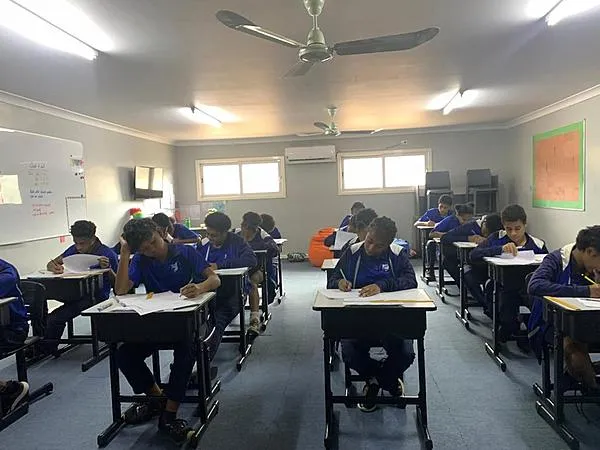
South Pacific International Academy (SPIA) has achieved great results in its first-ever Grade 8 national exams, with nearly half of its students earning Academic Excellence scores, the school said in a statement.
Out of the 17 students who sat for the exams, SPIA said eight were recognized for Academic Excellence, while the remaining students performed well within the Merit category.
“These results mark a proud moment for SPIA, as these students, many of whom have been part of the school for years, are the pioneers entering Grade 9 in 2025,” it added.
SPIA follows a rigorous international curriculum based on the American education system, and focused on providing education at the international scale, preparing students to be competitive at that level.
According to Pastor Matt Allen, the Chairman of the School Board at SPIA, the graduates of this curriculum have gone on to prestigious careers in the United States, including serving as senators, physicians, and nuclear scientists.
Pastor Allen shared: "These results were surprising to the Education Department because it was our first time to take the exams, and for that reason, they delayed giving the results back to us," he said.
The students found the exam to be quite easy, since they were already studying concepts beyond this level, he said. The school and administration plan to continue to push its students to the international level of education.
SPIA believes its students will continue to excel and make a significant impact in Papua New Guinea and beyond, with such a strong foundation.
"We are very proud of our students who undoubtedly will go on to be the best in the nation," Allen added.
Minister for Tourism, Arts, and Culture, Hon. Belden Namah, has launched the inaugural Papua New Guinea National Tourism Conference 2025, unveiling an ambitious vision to strengthen the country’s tourism industry through strategic investment, sustainability, and global promotion.
The Conference is scheduled from April 9 to 10, 2025, at APEC Haus in Port Moresby, under the theme “Celebrating Our Unity in Diversity to Inspire Our Future.”
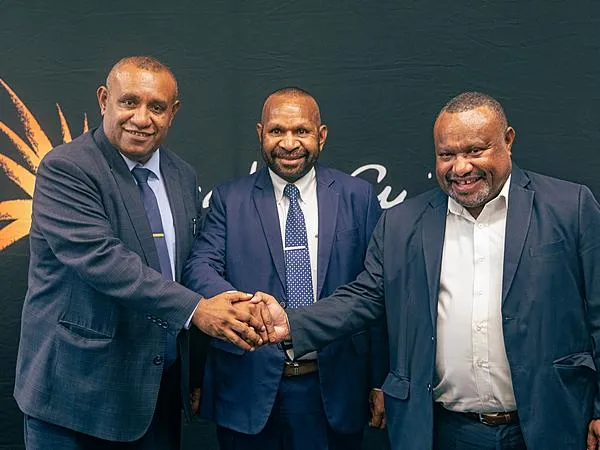
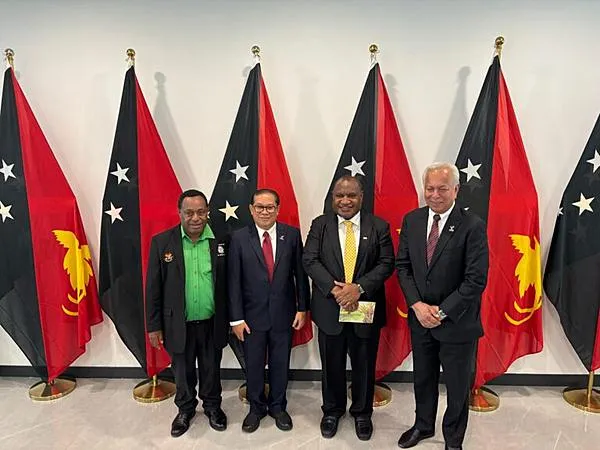
The announcement at the Hilton Hotel on February 27 brought together key stakeholders, government officials, industry leaders, and international partners, including PNG Tourism Promotion Authority (PNGTPA) CEO Eric Mossman Uvovo and Mineral Resources Development Company (MRDC) Managing Director Augustine Mano.
The Tourism Promotion Authority (TPA), in partnership with the Papua New Guinea Tourism Industry Association (PNGTIA), will host the event.
It aims to convene leading experts, industry stakeholders, and key decision-makers to explore critical issues, discuss emerging trends, and develop a sustainable roadmap for the future of tourism in PNG.
MRDC Commits K250,000 in Platinum Sponsorship
A highlight of the launch was the announcement of MRDC's Platinum Sponsorship, reinforcing its strong commitment to tourism and hospitality.
MRDC’s Mano announced the sponsorship, stating: “MRDC is contributing K250,000 towards hosting the conference as part of our long-term vision for a diversified economy beyond extractive industries.”
He emphasized MRDC’s role in tourism development, particularly through investments in infrastructure and hospitality, including the introduction of the International Hilton Brand to PNG.
“Tourism can complement extractive resources, as it offers a lasting benefit for our people. That’s why our investments in aviation, finance, healthcare, real estate, and power generation all contribute to building a foundation that supports and promotes tourism," Mr Mano added.
Namah: Tourism a Key Economic Driver
Minister Namah called the conference a vital part of the country’s long-term economic strategy. The Conference will also complement the country’s 50th Independence Jubilee Celebrations this year.
“This conference will serve as a catalyst, awakening the immense opportunities within the tourism industry and encouraging Papua New Guineans to recognize the ‘pot of gold’ that exists in this sector,” he said.
Sustainability was a key focus of the Minister’s address, with Namah stressing the need to balance tourism growth with environmental and cultural preservation.
“Our pristine rainforests, marine biodiversity, and rich traditions must be protected. We must ensure that tourism benefits local communities while preserving our heritage for generations to come,” he said.
Minister Namah highlighted ongoing efforts to promote eco-tourism, encourage responsible travel, and implement policies to prevent overexploitation of PNG’s natural and cultural assets.
Recognizing the need for stronger global marketing efforts, Minister Namah announced plans to enhance digital marketing strategies, collaborate with international travel agencies, and participate in major tourism expos.
“The world needs to hear Papua New Guinea’s story. From our adventure tourism to cultural festivals, we have so much to offer. It is time to make our presence known on the international stage,” he declared.
Commitment to Infrastructure
The Minister also outlined the government’s commitment to improving infrastructure, safety, and security to make PNG a more attractive destination for international visitors.
“For Papua New Guinea to compete on the global stage, we must improve our airports, roads, and accommodation facilities while ensuring that our country is safe and welcoming to all visitors,” he stated.
Namah reaffirmed the government’s commitment to working with the private sector and international partners to attract investment into the tourism industry.
He urged government agencies, provincial authorities, and private sector stakeholders to collaborate in advancing PNG’s tourism agenda, commending the PNGTPA for its efforts in promoting the industry.
“We must unite as a nation to unlock the full potential of our tourism industry. This is our opportunity to transform Papua New Guinea into a world-class destination,” he said.
Meanwhile, Uvovo said, “The PNG Tourism Industry Association represents over 60 members, including hoteliers, transport providers, tour operators, artisans, and trekking companies. This conference is a vital platform for knowledge exchange and the development of actionable strategies to promote sustainable growth.”
Uvovo added that the conference will feature a public exposition, allowing attendees to explore tourism products and experiences firsthand. Further details about the conference program, registration, and participation will be released in the coming weeks, he added.
A special audit into Papua New Guinea’s largest infrastructure initiative, the Connect PNG Programme, will commence in March following the signing of an agreement between the government and two independent firms.
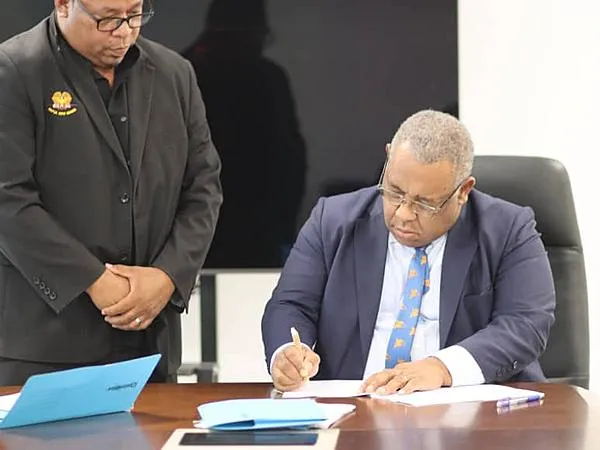
The agreement was signed on February 25 by Acting Chief Secretary to Government Ivan Pomaleu, Deloitte Touche Tohmatsu, and Norths Projects Limited for a comprehensive audit of the multi-billion-kina project.
Deloitte, a global professional services firm, and Norths Projects Ltd, a Brisbane-based engineering consultancy, will lead the review under the supervision of the Department of the Prime Minister and National Executive Council’s Internal Audit Branch.
Mr. Pomaleu expressed confidence in the independent assessment, emphasizing its importance in ensuring transparency and accountability in the massive 20-year road infrastructure program.
"I call for collaboration from all the respective agencies, provincial governments, project managers, and contractors concerned with the progress of this project for a successful outcome of this special audit work. The outcome of this work will not only benefit the government of the day but the people of Papua New Guinea as well," he stated.
The audit will involve physical inspections of Phase One projects across eight provinces, marking the first official review since work on the program began in 2022. Despite its significance, no formal audit has been conducted since its launch in 2020, the government said.
The audit will focus on key areas, including:
The findings from this review will provide crucial insights into the program’s management, effectiveness, and areas for improvement, Pomaleu said.
Papua New Guinea's mining sector is set for significant advancement as Mayur Resources Limited recently secured a substantial capital injection to propel the Central Lime Project (CLP) forward.
The latest AU$100 million (PGK 250 million) equity raise by Mayur signals strong investor confidence and underscores the Marape-Rosso Government’s vision for value-added resource development within PNG, the company said.
Mining Minister Hon. Wake Goi commented on this project’s success, emphasizing the government's proactive role in facilitating its progress. With the commitment of the government, the developer and stakeholders, efforts are underway to finalize all requisite approvals and agreements, including the Community Development Agreement, he noted.
This initiative “aligns seamlessly with the government and administration's strategy” to establish Special Economic Zones (SEZs) that foster industrialization, generate employment, and ensure long-term economic sustainability, MP Goi added.
Backed by Tier 1 Australian investment bank Barrenjoey, funds from all over the globe came in to participate in the equity raise, Mayur said in a statement.
This financing will fast-track the CLP, PNG’s first greenfield project that will commence construction 18 years since the last greenfield operations in Ramu Nico and Simberi.
The project diversifies the mining space by downstream processes, adding value to new products to be manufactured -- quicklime, clinker, and cement. This reduces reliance on higher-cost imports and supports industries such as mining, construction, and public works, and adds long-term jobs, the government said.
First production is anticipated to commence 18 months post financial close, Mayur said.
The CLP, strategically located within Mayur’s Single Factory Special Economic Zone in Port Moresby’s North-Western Growth Corridor, is set to become PNG's inaugural industrial downstream manufacturing processing hub.
Minister Goi said the government is actively supporting landowner participation, ensuring that local communities are integrally involved during the construction and operational phases of the project. He noted ongoing discussions with local miners to position them as primary customers for quicklime.
Additionally, government entities such as PNG Water and Public Works are exploring opportunities to source supplies from the CLP, aiming to replace imports entirely. This approach retains manufacturing employment benefits within PNG and also paves the way for more affordable cement production in subsequent phases, MP Goi added.
Plans are being examined to establish a PNG Cement Corporation, which would further process raw materials within the SEZ to produce building materials like bricks, pavers, pipes, and culverts. Surplus production is envisioned for export to markets such as Australia, increasing revenue streams.
“As PNG approaches its 50th anniversary of independence, initiatives like the CLP signify a transformative shift towards domestic processing of raw resources. This strategy aims to strengthen local industries, reduce reliance on imports, and secure sustainable economic benefits,” Goi noted.
The government's endorsement of this substantial capital raise reflects a broader policy of resource-driven industrialization, ensuring that PNG's abundant natural resources are harnessed for longer terms and benefits, he added.
The Minister for Mining Hon. Wake Goi on February 25 officially launched the Mining Bill 2025 for public consultation in Port Moresby at a formal event attended by members of parliament, government officials, industry stakeholders, landowner representatives, and the media.
Minister Goi emphasized the bill’s importance, calling it a “historic milestone” in Papua New Guinea’s mining industry. The government launched a six-week consultation period for the bill until April 4, 2025, inviting industry stakeholders, landowners, and citizens to provide feedback.
The bill represents a shift from the country’s current concessional regime to a hybrid production-sharing model, a key part of the Marape-Rosso Government’s “Take Back PNG” vision. This policy aims to ensure that PNG gains a greater share of the wealth generated from its rich mineral resources.
The Mining Bill 2025 introduces modern regulatory concepts aimed at securing a fairer share of mining revenues for Papua New Guineans while maintaining an attractive investment climate.
MP Goi reaffirmed that the government does not seek to discourage investment, but rather to create a framework that ensures certainty, fairness, and long-term sustainability.
The review of PNG’s mining laws began in 2009 and has spanned six previous Mining Ministers. As the seventh Minister responsible, Goi pledged to deliver the long-overdue reform, ensuring better regulation and greater national benefits from the mining sector.
He highlighted the significance of 2025, PNG’s 50th year of independence, as a year of renewal and transformation. This aligns with the government’s broader objective of economic growth, including its ambitious goal of achieving a K200-billion national budget by 2030.
While the bill is ready for parliamentary enactment, Minister Goi stressed the importance of public and industry participation before it becomes law. Stakeholders, including mining companies, landowners, and the general public, are encouraged to review the draft bill and provide feedback.
“This is a rare and historic opportunity to shape a law that will guide our nation’s resource management for decades,” he stated, assuring that all feedback would be considered.
Minister Goi made it clear that the time “for discussions and delays is over” and committed to taking the bill to Cabinet for endorsement, followed by Parliament for enactment, all before PNG’s 50th Independence anniversary later this year.
“This law has been in transition for 15 years. The time for action is now,” he declared.
DGMP Secretariat outlines bill’s key objectives
The Secretary for Mining Harry Kore presented the Mining Bill 2025 during the event, emphasizing maximizing national benefits, providing investor certainty, and ensuring sustainable resource management.
The proposed changes aim to strike a balance between economic growth, landowner rights, and regulatory oversight.
Key Features of the New Mining Bill:
Simplified Application & Tender Process
The government also set one standard mining lease classification to streamline project approvals and tendering of tenements for stranded deposits or areas of national interest, aligning with PNG’s National Procurement Act.
Review submissions can be sent to the DGMP or submitted in person at its Konedobu office in Port Moresby, Kore said. The revised bill will then be finalized before being presented to Cabinet and Parliament.
This new legislation is designed to prolong the lifespan of PNG’s resources, ensuring long-term benefits for both investors and the people of PNG, with the country's mining licenses set to expire by 2036, he noted
MRA Chief Calls for Balanced Mining Reforms
Prior to the official launch, the Managing Director of the Mineral Resources Authority (MRA), Jerry Garry, said there is a need for balanced reforms in PNG’s mining sector as the country prepares to replace its 33-year-old Mining Act.
At the event, Mr Garry called for stability in mining policies while ensuring the new legislation aligns with global industry trends.
Reflecting on the extensive consultations leading to the proposed reforms, Garry noted that discussions on amending the Mining Act 1992 have been ongoing for 15 years, making it a critical moment to finalize and enact a bill that serves all stakeholders.
"We have been operating on this legislation for 33 years, and I think that most of what’s in the Mining Act 1992 has been inherited from before the country’s independence. The fundamental question we must ask as stakeholders is whether this law still works for us. Does it address the changing business landscape?" he said.
Garry warned that frequent changes to mining laws could create uncertainty for investors and make PNG an unattractive destination for mining projects. He stressed that while the bill must modernize the legal framework, it must also maintain stability and predictability for industry players, as “the investment climate will suffer” with recurring changes.
Among the significant reforms Garry highlighted were Environmental, Social, and Governance (ESG) Compliance, stressing the growing global focus on carbon neutrality and corporate social responsibility (CSR) in mining projects.
The bill aims to domesticate ESG principles into PNG’s regulatory framework, ensuring companies address environmental and social impacts, he noted.
Garry also noted the key proposal of the introduction of a Social License Fee, requiring mining companies to invest directly in communities affected by their operations. This approach seeks to prevent project disruptions caused by landowner dissatisfaction and reduce reliance on the government’s Tax Credit Scheme for infrastructure development, he said.
The bill proposes a mineral tendering system to manage assets left undeveloped due to legal disputes, company liquidation, or license refusals. Instead of granting licenses on a first-come, first-served basis, the government would assess applicants based on their financial and technical capacity to develop these assets.
Streamlining Mining Lease Conversions
Garry discussed simplifying the process for expanding mining operations, particularly in cases where companies transition from a Mining Lease (ML) to a Special Mining Lease (SML).
He suggested that conversion thresholds be clearly defined, considering factors such as investment levels, production output, and employment figures.
The current 60-square-kilometer cap for SMLs is being reconsidered, as some projects such as Ramu Nickel Mine require larger areas due to their lateral mining techniques. The bill will explore whether land expansions should be processed through variations or new SML applications,
If enacted, the Mining Bill 2025 will require the MRA to restructure its regulatory processes to accommodate the changes. Garry acknowledged that implementation may take up to two years, but he assured stakeholders the transition would be managed smoothly.
Garry emphasized the long-term vision behind the proposed reforms, saying the Marape-Rosso Government aims to establish a legal foundation that supports PNG’s mining sector for the next 50 years.
"These changes are not just for us today. They are about setting the direction for our children and future generations. The laws we pass today must ensure that Papua New Guinea benefits from its mineral wealth in a sustainable and equitable way," he said.
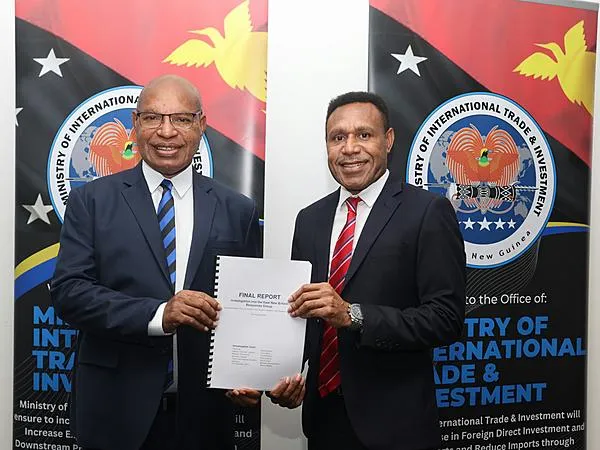
The team leading the investigation into East New Britain Palm Oil Limited (ENBPOL) submitted its final report on February 27 to the Minister for International Trade and Investment, Hon. Richard Maru, in Port Moresby, the ministry said in a statement.
The Deputy Chairman of the Investigation Team, Mr. Tony Waisi, handed over the report, marking the completion of a three-month inquiry into the company’s operations and the broader palm oil industry.
Minister Maru commended the investigation team, led by Chairman David Mather and Waisi, for completing their work within a record timeframe. After a review, they expect to submit the report to the Cabinet next week.
“The final report consists of the findings based on the Terms of Reference of the investigation and the recommendations arising from the investigation, including how the palm oil industry needs to be totally overhauled with new legislation, policy, and a new pricing formula,” MP Maru said.
He acknowledged the contributions of the East New Britain Provincial Government, its administration, landowners, ENBPOL, New Britain Palm Oil Limited, and other stakeholders who participated in the process.
The investigation was launched in November 2024 following growing concerns from landowners, industry stakeholders, and the East New Britain government regarding pricing structures, transparency, and the distribution of financial benefits in the sector.
At the time, Minister Maru highlighted complaints from smallholder farmers and landowners who claimed they were not receiving fair returns for their produce.
The investigation team was tasked to assess ENBPOL’s operations, review existing industry policies, and determine whether structural reforms were needed to create a more equitable system.
The team, which included experts in agriculture, economics, and law, also examined ENBPOL’s compliance with industry regulations and its impact on local communities.
Education is a key factor in breaking the cycle of poverty, leading to a stronger workforce and economic development in the long term, the Member for Kerowagi District, Hon. Francis Kikin Siune, said.
MP Siune said this on February 12 in unveiling a major education assistance initiative under the District Development Authority (DDA), committing K3.7 million to support students’ school fees in the District.
As part of the initiative, families must plant 300 coffee trees to qualify for assistance in the coming year, a move aimed at boosting both education and local economic sustainability.
The district’s focus is on human resources development by providing support and assistance to the people in education, training and business promotion, especially in agriculture and coffee planting.
MP Siune emphasized the government's commitment to free education and DDA support, while also highlighting the need for parents to contribute to their children’s schooling in other ways, such as purchasing school supplies and maintaining discipline at home.
“We are not just paying school fees; we are creating a future where students can sustain themselves beyond formal education. If a student does not continue in school, they will have their coffee trees to fall back on,” he said.
The support extends to students attending universities, colleges, TVET schools, and technical schools.
The program will cover 1,471 students from all the Local Level Governments in Kerowagi, including 48 students studying overseas, with each student receiving K2,500 to ease the financial burden on their parents. This marks an increase of K1.29 million from the 2024 allocation.
Conditional Assistance:
MP Siune stressed the importance of economic self-reliance and tied the school fee support to agricultural development.
“To be eligible next year, families must plant 300 coffee trees. This will increase the district’s coffee production, contribute to the economy, and provide long-term financial security for families,” he explained.
This strategy aligns with efforts to encourage agribusiness and entrepreneurship among young people, and the idea that employment is not limited to the formal sector.
Other conditions that will make students eligible to receive school-fee assistance are to engage in community education programs, support and promote church activities, help with maintenance, cleaning and beautification of Kerowagi township, and plant at least 500 coffee trees.
Law and Order Priorities
Addressing concerns about law and order, MP Siune revealed that K1 million, or 10% of the DDA’s budget, has been allocated to security initiatives, covering police operations, discipline forces, peace mediation, and community resettlement.
“My goal is to create a law-abiding citizenry where police only need to monitor, not constantly intervene,” he said.
MP Siune urged students to take their education seriously, maintain discipline, and contribute positively to their communities.
“You are the cream of this district. You must be role models and work toward building not just your future but the future of this nation,” he told students.
The school fee assistance program is expected to be disbursed before the end of the month, with funds paid directly to respective institutions. Families are encouraged to prepare for the coffee planting requirement to ensure eligibility in the next academic year.
MP Siune acknowledged his committees in the district for successfully implementing the program without any reported misuse of funds. The initiative, which he started in 2023, has continued due to its success.
K92 Mining Inc. has announced the latest results from its ongoing maiden surface diamond drill program at the Arakompa prospect in Papua New Guinea.
In a statement, the company said the drilling confirmed two significant high-grade gold veins, AR1 and AR2, along with extensions of a bulk tonnage zone, reinforcing the area’s potential for both underground and open-pit mining.
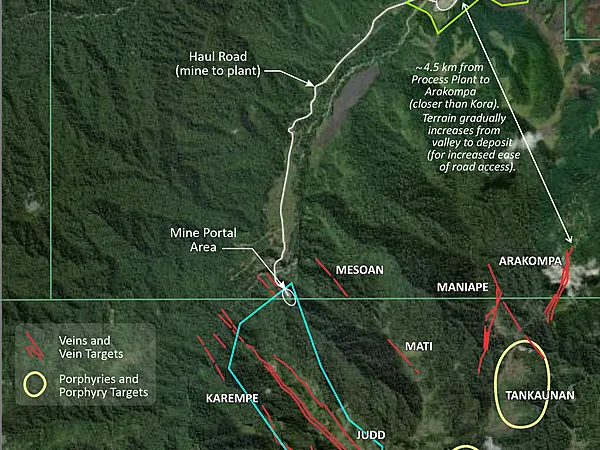
Arakompa, located 4.5 kilometers from the Kainantu Gold Mine process plant, has not been drilled in over three decades. K92 Mining has completed 43 holes to date, significantly expanding knowledge of the mineralized system. The latest drill results continue to highlight Arakompa’s strong gold potential the company said.
CEO and Director John Lewins said: "The Arakompa maiden drill program continues to make significant progress, with the latest results delivering multiple positives, including a 20% increase in bulk zone strike length to approximately 900 meters, and the delineation of two major subparallel veins over significant strike, AR1 and AR2."
‘Strong Continuity’
The AR1 and AR2 veins have been defined to depths exceeding 500 meters, with strike lengths of approximately 675 meters and 775 meters, respectively. Both veins remain open in multiple directions, demonstrating continuity and strong gold grades, K92 said.
Recent drilling, it said, yielded notable high-grade gold intercepts:
AR1 Vein:
KARDD0033: 11.10 meters at 5.93 g/t AuEq (5.37 g/t Au, 8 g/t Ag, 0.29% Cu), including 3.30 meters at 11.15 g/t AuEq (10.92 g/t Au, 3 g/t Ag, 0.12% Cu). KARDD0035: 11.10 meters at 4.93 g/t AuEq (4.50 g/t Au, 10 g/t Ag, 0.19% Cu), including 1.70 meters at 13.04 g/t AuEq (12.55 g/t Au, 15 g/t Ag, 0.19% Cu). KARDD0042: 2.60 meters at 11.91 g/t AuEq (9.06 g/t Au, 41 g/t Ag, 1.48% Cu).
AR2 Vein:
KARDD0038: 14.50 meters at 17.33 g/t AuEq (17.17 g/t Au, 4 g/t Ag, 0.07% Cu), including 6.90 meters at 34.99 g/t AuEq (34.73 g/t Au, 7 g/t Ag, 0.11% Cu). KARDD0044: 12.00 meters at 5.26 g/t AuEq (5.18 g/t Au, 2 g/t Ag, 0.03% Cu), including 3.40 meters at 10.01 g/t AuEq (9.91 g/t Au, 2 g/t Ag, 0.05% Cu).
Lewins emphasized the significance of these results. "Both AR1 and AR2 are high-grade and have recorded considerable thickness and strong observed continuity, demonstrating high potential for underground mining."
Bulk Zone Expansion Enhances Open-Pit Potential
K92 has also extended the interpreted bulk tonnage zone by 150 meters to the south, bringing the total defined strike length to 900 meters and a vertical depth of 650 meters. This zone has an average true thickness of 48 meters, reinforcing its potential for large-scale mining.
Key bulk zone drill results include:
KARDD0038: 65.00 meters at 4.15 g/t AuEq (4.04 g/t Au, 3 g/t Ag, 0.05% Cu). KARDD0035: 85.30 meters at 1.19 g/t AuEq (1.00 g/t Au, 4 g/t Ag, 0.08% Cu), including 29.90 meters at 2.49 g/t AuEq (2.09 g/t Au, 7 g/t Ag, 0.20% Cu). KARDD0042: 50.40 meters at 1.90 g/t AuEq (1.58 g/t Au, 6 g/t Ag, 0.15% Cu). Path Forward: Expanded Drilling and Resource Estimate
With only about half of the 1.7-kilometer-long mineralized corridor drill tested so far, K92 sees significant exploration upside. The company plans to deploy a new compact heli-portable drill rig by mid-2025 to explore northern extensions of Arakompa.
"We believe that we are only beginning to unlock Arakompa’s full potential," said Lewins. "A new drill rig will allow us to efficiently target the northern extension, effectively opening up a new front for exploration."
K92 aims to complete its maiden mineral resource estimate for Arakompa by mid-2025, which will provide further clarity on the project's scale and economic viability.
Arakompa’s Epithermal Gold System
Arakompa is interpreted as an intrusive-related gold-copper-silver epithermal vein system, similar to the producing Kora and Judd vein systems. However, unlike Kora and Judd, which are hosted in metasediments, Arakompa is hosted in tonalite and diorite rocks, K92 said.
Gold mineralization at Arakompa occurs in both high-grade vein lodes and a broader alteration envelope, suggesting bulk mining potential. The presence of porphyry-related alteration minerals and high-grade quartz-sulfide veins indicates a strong magmatic influence on gold deposition, it added.
Lewins said: "With a combination of high-grade veins, bulk mining potential, and strong geological continuity, Arakompa is shaping up as an exciting extension to our Kainantu operations."
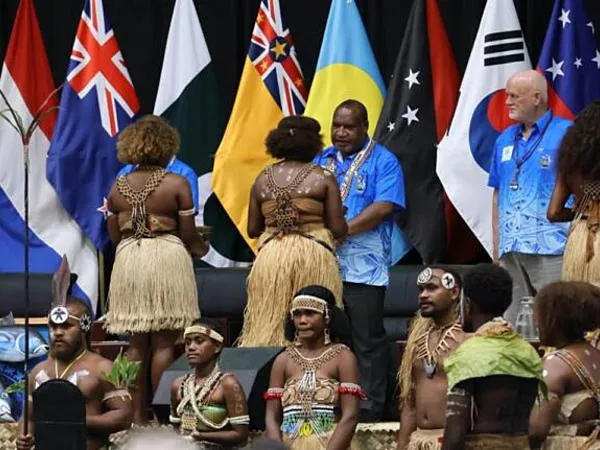
Prime Minister Hon. James Marape has called for urgent global action against illegal fishing and the exploitation of Pacific fisheries, emphasising that Pacific nations have been stewards of the ocean for centuries. Speaking at the Honiara Summit on Sustainable Fisheries, he urged major global powers to take responsibility for their role in sea pollution and sea temperature rise and also assist in marine resources management in the Pacific.
Under the theme “Iumi Tugeda Delivering on SDG 14.4: Achieving Sustainable Fisheries”, the summit brings together Pacific leaders, global experts, and representatives from 24 – 27 February 2025 to discuss sustainable fisheries management in the region.
In his address, Prime Minister Marape reaffirmed that Pacific Island nations have always practised sustainable fisheries, long before the introduction of Sustainable Development Goal (SDG) 14 in 2015. He challenged industrial nations to acknowledge their responsibility in driving overfishing and environmental degradation.
“No one needs to lecture us on fish sustainability—it is our lifestyle. This lecture should be taken to the big industrial polluters who continue to pollute our oceans,” he stated.
He called upon major partner nations to Pacific Island nations including the United States, China, Japan, India, and the European Union, to assist fight and stop illegal fishing activities in the Pacific.
“If there is any sense of morality left in you, take this message back to your countries. The ocean is a global asset, a carbon sink, a supermarket, and a superhighway for all your ships and submarines. It needs protection.”
Prime Minister Marape declared that Papua New Guinea would take stronger enforcement measures to combat illegal fishing, including sinking unauthorised vessels found in its Exclusive Economic Zone (EEZ).
“If I catch illegal fishing in my country, I will sink all the boats. I have signed defence cooperation agreements with the United States, to assist in stopping illegal fishing in our waters,” he warned.
He also called on the United Nations to advocate for a global crackdown on illegal fishing, which disproportionately affects Pacific nations while benefiting wealthier economies.
Despite having some of the largest EEZs in the world, Pacific nations receive little economic benefit from their fisheries. Prime Minister Marape questioned why nations such as Kiribati, with a vast ocean area of 3.5 million square kilometres, remain among the lowest in GDP per capita.
“Why are we amongst the poorest in the world when we hold some of the richest fisheries resources? We are not just Small Island Developing States—we are a Big Ocean Nation. We must rise and fight for our resources.”
He further announced that Papua New Guinea will soon introduce a policy prohibiting the export of unprocessed fish, ensuring that all catches are landed and processed within the country.
“From 16 September this year, no fish caught in Papua New Guinea’s waters will leave without being processed locally. This is the way forward for ensuring economic benefits remain in our region.”
Prime Minister Marape urged Pacific nations to strengthen cooperation in fisheries management and climate action, given that tuna and other fish species migrate across national borders.
“We are in this together. Fish do not belong to one country—they migrate. This is why we must work as one Pacific,” he emphasised.
Concluding his address, he reiterated the need for technological support, stronger enforcement against illegal fishing, and global commitment to addressing climate change, which threatens fish stocks and Pacific livelihoods.
“Let us not be lectured on sustainability—we are practitioners of it. It is time for the world to recognise our role and support our efforts.”
With the Honiara Summit set to shape future regional fisheries policies, Prime Minister Marape reaffirmed Papua New Guinea’s commitment to safeguarding the Pacific’s resources for future generations.
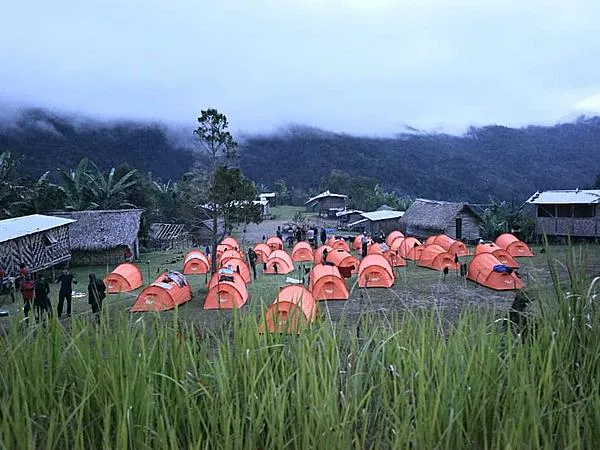
As Papua New Guinea approaches its 50th anniversary of Independence, the future development of the Kokoda Trail remains a hotly debated issue. At the center of the discussion is a government-backed initiative to construct 190 toilets along 95 campsites on the iconic trekking route.
While the Papua New Guinea Tourism Promotion Authority (TPA) argues the project will enhance tourism and benefit local communities, critics like Adventure Kokoda founder Charlie Lynn claim it fails to address key issues facing the trail.
Concerns Over the Project's Impact
Lynn, who has led over 100 treks along the Kokoda Trail over the past 32 years, has been vocal in his criticism of the project. He argues that the plan does little to improve the experience for trekkers or create sustainable economic opportunities for traditional landowners.
“The answer to both is a resounding ‘No,’” he stated, adding that the project “reflects poor planning and a lack of consultation” with local tour operators and landowners.
Citing a 2012 report by Eco-Sustainability Consultants, Lynn emphasized that trekkers have consistently prioritized campsite quality over toilet facilities. The report also highlighted an oversupply of campsites relative to demand, with an estimated occupancy rate as low as 7%.
Lynn further pointed to the 2013 Kokoda Track Guesthouse Audit Report, which warned of campsite overuse and identified many underutilized or abandoned campsites.
He warned that constructing toilets in these neglected sites would be a waste of resources.
“If TPA proceeds with building toilets at these neglected sites, many will never be used because tour companies have long stopped camping there,” he said.
Instead, he urged authorities to develop a comprehensive campsite management plan, prioritizing essential facilities such as kitchens, dining huts, and drying areas alongside sanitation improvements.
TPA Defends Tourism Strategy
In response, the TPA has strongly rejected the claims that the toilet construction project is misguided. TPA CEO Eric Mossman Uvovo reaffirmed the authority’s commitment to preserving and enhancing the Kokoda Trail for both local and international visitors.
“The recently signed MOA with Abt Associates under the Kokoda Initiative Partnership (KIP) is a proactive step towards strengthening tourism-related business along the Kokoda Track, improving essential amenities, and ensuring sustainable development for landowners and tour operators alike,” Uvovo said.
He dismissed allegations that the project was secretly drafted without consultation, stating that TPA had worked within established governance structures and engaged with relevant stakeholders, including landowners and tour operators.
Uvovo also refuted concerns the project would transfer control of the trail to foreign aid-funded entities, stressing it “is not only inaccurate but undermines the collaborative efforts we have taken to empower local stakeholders.”
Balancing Conservation, Tourism, and Local Livelihoods
While Lynn and other critics question the project’s priorities, the TPA maintains the sanitation project is part of a broader strategy to improve the trekking experience and ensure long-term economic benefits for the local communities along the trail.
Uvovo emphasized that all tourism developments along the Kokoda Track are conducted transparently and align with PNG’s national tourism strategy.
“I encourage continued dialogue and collaboration from operators. We will work together to ensure the best outcomes for all involved in our Kokoda Track,” he said.
The Hon. Jimmy Maladina, LLB, LLM, MP, Papua New Guinea’s Minister for Petroleum, has invited Italian energy giant Eni to explore investment opportunities in PNG’s petroleum sector, highlighting the country’s vast resource potential and upcoming licensing bid rounds for new exploration blocks.
As part of the ongoing Production Sharing Contract (PSC) feasibility consultations, Minister Maladina and his delegation engaged with a wide range of stakeholders, including existing contractors operating in the region. One such company was Eni Asia Pacific, a major player in deepwater exploration and development.
During discussions with Mr. Roberto Daniale, Head of Eni Asia Pacific, Minister Maladina emphasized PNG’s commitment to fostering a competitive and transparent investment environment. He noted that the government is working to unlock petroleum prospects along the Gulf of Papua and the Papua coastline, with several blocks soon to be tendered internationally through a bid process managed by the Department of Petroleum and Energy.
"PNG presents significant opportunities for responsible and well-capitalized investors. Given Eni’s expertise in deepwater exploration and development, we encourage them to consider expanding into PNG," Minister Maladina stated.
Mr. Daniale expressed interest on behalf of Eni, confirming that the company has been assessing potential opportunities in PNG. Eni has requested further details on the upcoming bid rounds once they are formally announced.
Minister Maladina reaffirmed that PNG is entering a new era of petroleum sector management, where license conditions will be strictly enforced and speculative warehousing of exploration rights will no longer be permitted. "We are committed to ensuring that only genuine investors with the financial and technical capability to develop our resources are awarded licenses," he added.
As PNG positions itself as a key player in the regional energy market, the government remains focused on attracting world-class investors to drive responsible resource development for long-term economic growth.
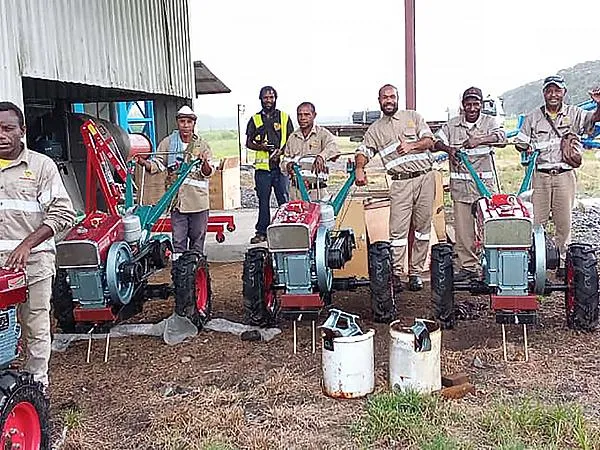
Six-model rice farmers have begun hands on training to become commercial rice farmers through Trukai Industries’ Smart Farmer Internship Program.
These farmers commenced their three-month internship training at Trukai’s Erap Farm in Lae, Morobe Province, on January 27 and are the first batch of interns in this quarterly program, with other batches scheduled to follow in April, July, and October 2025.
In total, 24 model rice farmers will undergo this intensive training this year, equipping them with skills sets needed to venture into commercial rice farming.
This three months program covers crop management and soil preparation; farm machinery operation and maintenance; efficient use of fertilizers, chemicals, and irrigation systems; and, seed production and post-harvest techniques.
In 2024, Trukai Industries chose the model farmers based on the following criteria: 1. Attended and completed Trukai’s Smart Farmer Program having undergone two weeks on campus training and 18 weeks knowledge transfer at their own locality; 2. Received a Certificate in Irrigated Rice Farming from either the PNG University of Technology in Lae or the Pacific Adventist University in Port Moresby; 3. Have demonstrated that they are self-starters and have taken ownership of their farming by continuing to grow rice up to one hectare or more and have organised and led their community in this venture with the seeds they have harvested.
John Gaif, President of the Markham Smart Farmers Association and a Trukai model rice farmer, is one of the six interns from this first batch.
He described the program as an eye-opener, adding that the Smart Farmer Internship program had broaden his understanding of commercial rice farming.
Gaif also added that the internship program provided valuable knowledge and practical experience to the model farmers, helping them understand the specific steps they needed to undertake when they return to their own farms and communities.
“Many of us thought planting rice on a large-scale was just another form of farming, but we now realise that it is far more complex and costly. The internship program has exposed us to the realities of commercial farming, including the use of machinery, chemicals, and the importance of following strict crop calendars,” said Gaif.
He further emphasized his goal of working with stakeholders to expand rice farming, while at the same time include other crops as well.
Trukai Industries’ Agriculture Manager, Aina Davis, noted that the internship program provided real commercial farming exposure ensuring that participants were well equipped with knowledge and skills to operate at a larger scale.
“This internship program is a step in preparing our farmers for commercial rice production. Through hands-on training, they gain experience in land preparation, planting, crop management, harvesting, farm upkeep, and machinery maintenance. Our goal is to inspire these farmers to invest in rice farming and to adopt this as part of their livelihood and contribute to the local economy,” said Davis.
Trukai Industries CEO, Alan Preston, said that the Smart Farmer Internship Program is the next stage in the company’s broader Smart Farmer initiative, which aims to develop subsistence farmer’s transition to semi-commercial and commercial rice farmers across Papua New Guinea.
“For decades, Trukai Industries has supported local rice farming in rural communities. This program demonstrates our ongoing commitment to building capacity, fostering innovation, and ensuring a sustainable future for PNG’s rice industry. By equipping local farmers with the right skills, we aim to empower them to grow rice and create economic opportunities for their families and communities,” said Preston.
By the end of the program, participants of the Trukai Smart Farmer Internship Program will have gained valuable experience in commercial rice farming, paving the way for a stronger, more resilient local rice industry.
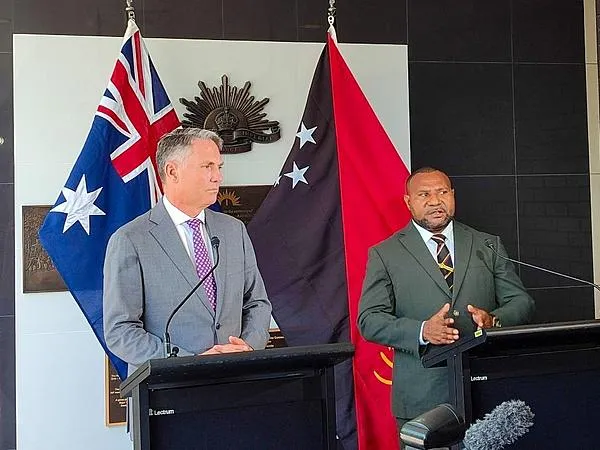
Minister for Defence Dr Billy Joseph recently hosted by the Australian Deputy Prime Minister (DPM) and Minister for Defence, Richard Marles for the 2025 Papua New Guinea-Australia Defence Ministers’ Meeting in Brisbane, Australia.
The two Ministers reaffirmed the defence relationship as a key pillar of the Comprehensive Strategic and Economic Partnership between the two countries and discussed an ambitious agenda to modernise the longstanding defence partnership.
Reflecting on Papua New Guinea’s 50 years of independence, the Ministers recalled the creation by PNG’s leaders of the PNG Defence Force (PNGDF) in 1975 from the Pacific Islands Regiment and the Australian Army. The closeness and respect between both forces was forged by standing shoulder to-shoulder during the darkest days of World War Two.
While much has changed in the 50 years since independence, the unique defence ties between PNG and Australia have only strengthened. The Ministers commended the strong record of bilateral defence cooperation and the substantial progress in recent times. The work of the Defence Cooperation Program is delivering tangible enhancements to PNGDF capabilities and bringing both forces closer together. The Ministers commended the integration between PNG and Australian forces, who proudly train, exercise, deploy and work alongside each other every day.
Both Ministers recognised the integration of the PNGDF in all major multi-national exercises in Australia. They noted the significant number of ADF personnel who visit PNG each year to conduct valuable training alongside their PNGDF counterparts – benefiting greatly from training in the country’s unique geography. They acknowledged the mutual readiness to support each other in times of need, including in response to Australia’s 2019-2020 Black Summer bushfires, and more recently, to the eruption of Mt Bagana in Bougainville and the devastating landslide in Enga Province.
Building on this unique history and closeness, the Ministers announced their shared commitment to negotiate a bilateral defence treaty. The Treaty would build on the historic Australia-PNG Bilateral Security Agreement signed by Prime Ministers Marape and Albanese in 2023, which provides the overarching framework for cooperation between Australia and PNG across all areas of security. The Ministers noted the shared geography, history and security interests make PNG and Australia natural partners.
The Ministers discussed their ambition for the Treaty, agreeing it would expand and modernise the defence relationship and facilitate deeper integration. They agreed the Treaty would make it easier for Australia and PNG to support each other’s security and contribute to the collective security of the region.
Recognising the growing capabilities of the PNGDF, the Ministers agreed PNG would host a component of Exercise Talisman Sabre in 2025. They value this proposal is an important demonstration of the deepening integration between the PNGDF and ADF, adding to the existing array of joint and multilateral exercises both nations share. The Ministers looked forward to marking PNG’s upcoming 50th anniversary of Independence and continuing to build a defence partnership for the future.
At the conclusion of the Defence Ministers’ Meeting, both Ministers acknowledged their support and commitment in strengthening the PNG-Australia defence partnership. “I would like to acknowledge my friend and counterpart, Dr Billy Joseph, for his vision and ambition for our defence partnership. I look forward to strengthening our defence relationship through a new defence treaty,” DPM Marles said.
Defence Minister Joseph acknowledged his Australian counterpart for sharing the same ambition and strategic vision for the mutual security of both nations.
“Our defence relationship was born out of conflict in the Pacific. It is fitting we pursue a defence treaty, based on the enduring nature of our defence relationship. “I want to thank DPM Marles for the opportunity to host a component of Exercise Talisman Sabre this year. This will enable us to train and affirm our interoperability. This is a natural progression and maturing of our defence relationship,” Dr Billy said.
Petroleum Minister Hon. Jimmy Maladina led a delegation of senior officials from the Department of Petroleum and the State Negotiating Team to undertake feasibility assessments on production sharing agreement (PSA) arrangements in Malaysia and Indonesia.
The delegation met with senior officials from Petronas Malaysia on the 22nd of February 2025 to discuss the regulatory frameworks and fiscal regimes in their energy and hydrocarbon sectors.
“Our purpose is to gain insight into regulatory frameworks, fiscal regimes, and institutional arrangements within the energy and hydrocarbon sectors.”
“These learnings will help us shape significant reforms in Papua New Guinea,” Minister Maladina said.
The visit follows the National Executive Council’s (NEC) approval of drafting instructions for the National Petroleum Authority (NPA) Bill and amendments to the Oil and Gas Act 1998.
Minister Maladina emphasized that these engagements are crucial to ensuring PNG adopts best practices in managing its oil and gas resources.
“We want to assess various production sharing arrangements and fiscal regimes in these countries to determine what could work best for PNG,” he stated.
“The insights gained from these discussions will be invaluable as we enhance our regulatory and fiscal frameworks.”
The Petroleum Minister reaffirmed the government’s commitment to thorough consultations with stakeholders to deliver effective reforms, including the establishment of the NPA in 2025.
“We will continue engaging with industry stakeholders to ensure the reforms including the establishment of the NPA in 2025, serve the best interest of PNG.” The Minister concluded.
Nick van Voorst is an Australian Registered Migration Agent (MARN: 0640648), a Registered Education Agent (M042), and the owner of Coral Coast Migration Service.
Nick studied Australian Migration Law at Griffith University in Brisbane and has been working as a Registered Migration Agent since 2006. He is a member of the Migration Institute of Australia and is based in Cairns.
The company provides professional advice for people wishing to apply for an Australian Visa, and specialises in Student, Tourist, Employer Sponsored, General Skilled, Partner and other Family Visas, as well as Australian Citizenship Applications.
Coral Coast Migration Service are also Registered Education Agents and represent Education Queensland International, Cairns College of Business and English, and can assist with enrolments in other colleges and universities around Australia.
A Registered Migration Agent will make sure that a person’s application is well presented, professionally prepared, and meets all requirements. The agent will assist with the completion of all necessary forms, collating of documents, preparation of submissions and the lodgement of your application.
The agent will likewise monitor the progress of the application and provide ongoing advice and liaise with the Department of Home Affairs on the client’s behalf.
All Australian Registered Migration Agents must have Immigration Law qualifications and must abide by a strict Code of Conduct. Coral Coast offers reasonable, fixed fees, agreed upon in advance, excellent, regular communication, support and feed-back.
Our Services:
Education Queensland International has schools in Cairns, Townsville, the Fraser Coast, the Gold Coast, the Sunshine Cost and Brisbane.
Trinity Bay State High School in Cairns provides some courses that may be of special interest to students from PNG.
Programs and Opportunities
With a commitment to academic, social, and personal development in junior and senior high school, Trinity Bay SHS is a place where every PNG student can thrive.
Excellence Programs: Trinity Bay SHS offers a range of specialised programs to nurture talent and support students’ unique interests:
Extracurricular Activities: Beyond the classroom, Trinity Bay SHS students thrive with opportunities to participate in the Cairns community.
World-Class Facilities: The Trinity Bay SHS campus boasts state-of-the-art facilities, including:
Pathways to Success
Trinity Bay SHS prepares students for bright futures, offering seamless transitions to tertiary education. Collaborations with James Cook University ensure students benefit from real-world science projects.
Trinity Bay State High RTO 30446 provides current vocational education in areas of interest to PNG students such as hospitality, business and financial services.
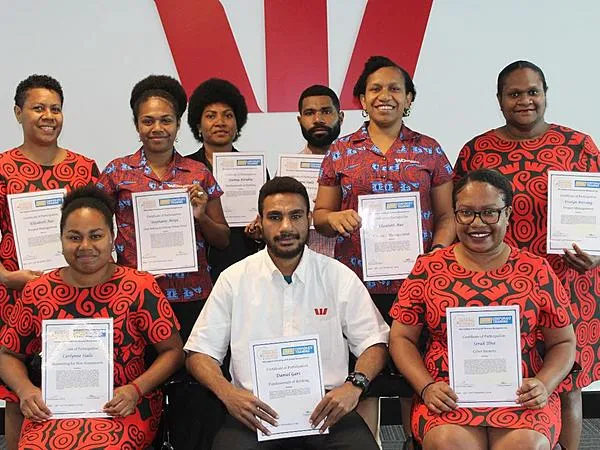
Westpac remains committed to supporting both graduates and employees new to the banking industry by providing opportunities to build essential banking knowledge. As part of this, ten staff members from various functions recently earned their Fundamentals of Banking certification from the Institute of Banking and Business Management (IBBM). The program provided essential training in banking principles, financial literacy, and customer service excellence, reinforcing Westpac’s commitment to building a knowledgeable and skilled workforce.
The Fundamentals of Banking course ensures employees have a strong foundation in key banking concepts, enabling them to deliver exceptional service and support financial inclusion efforts in Papua New Guinea.
Acting CEO Warren Bobin highlighted the importance of continuous learning in the banking industry. “At Westpac, learning is central to how we empower our people and serve our customers. Strengthening our employees’ knowledge helps us maintain high standards and drive meaningful financial progress.”
The initiative is part of Westpac’s broader strategy to develop industry-ready professionals capable of meeting the evolving needs of customers.
Westpac’s Senior Manager for Learning & Development, Iru Kali emphasised the value of banking fundamentals saying, “A solid understanding of banking principles is crucial across all roles. This program equips our employees with the confidence and expertise to navigate the complexities of financial services.”
Through Westpac’s effort in creating and encouraging a culture of learning, the bank continues to support both employee growth and the broader development of the banking sector in Papua New Guinea.
In an increasingly digital world, cyber security has become a top priority for businesses, especially in the banking sector, where protecting customer data and financial transactions is paramount. As cyber threats continue to evolve, it is crucial for banks to invest in the right skills and technologies to safeguard operations and maintain customer trust as according to Westpac’s Acting Chief Executive Officer – Warren Bobin.
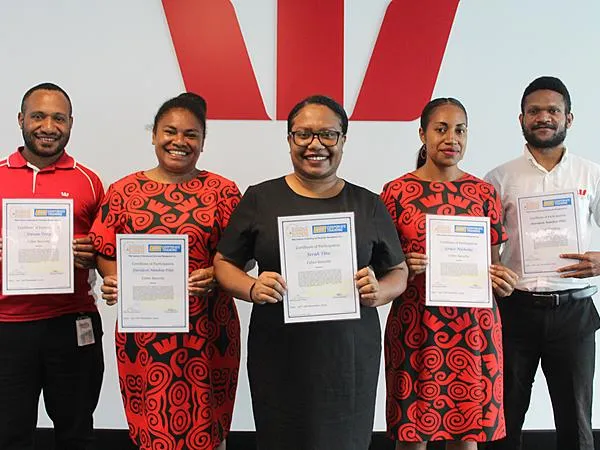
Westpac recognizes the growing importance of cyber security and is committed to strengthening its defenses by equipping employees with the necessary knowledge and expertise. As part of this commitment, six employees from various functions within the bank successfully earned a Certificate in Cyber Security from the Papua New Guinea Institute of Banking and Business Management (IBBM). This achievement reflects our dedication to developing talent and ensuring a secure banking environment for our customers.
Cyber security is essential for banks, as they manage vast amounts of sensitive information and financial transactions daily. The Certificate in Cyber Security provides critical training in risk management, fraud prevention, data protection, and secure banking practices. By investing in these skills across different areas of the bank, Westpac is reinforcing its ability to detect and respond to cyber threats, ensuring that customers’ information remains safe.
Acting CEO Warren Bobin emphasized the importance of this milestone, stating:
"Cyber security is at the heart of building a strong and trusted banking system. We are proud of our commitment to ensuring our people are equipped with the right skills. We are not only protecting our customers but also strengthening the financial sector in Papua New Guinea. I commend our graduates for their hard work and commitment to making Westpac a safer and more secure bank."
Westpac remains dedicated to professional development and innovation in cyber security, ensuring that we stay ahead of emerging threats and continue delivering safe and reliable banking services for all Papua New Guineans.
KPHL has just this month started gathering seismic data in its Barikewa petroleum retention licence in Gulf Province.
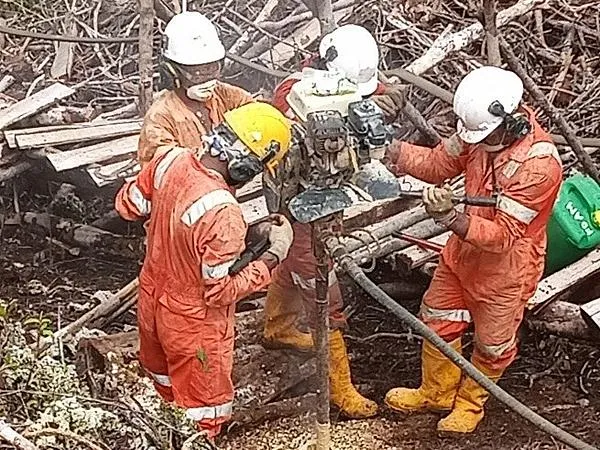
Kumul Petroleum Managing Director, Wapu Sonk explained, “Our contractor, OM Holdings Limited or OilMin, has for the last few months been engaged in landowner engagement, building camps, helipads and bridging, drilling holes for explosive charges, and laying out the recorders over approximately 80 kilometres in six seismic lines in our two licences, and this week we have started data collection.”
Mr Sonk explained that this was an historic moment – the first time a 100% national company had engaged in petroleum appraisal work in the country; and that the seismic work would gather additional information on gas already discovered in the two KPHL licences, to increase known volumes of oil and gas they contain, and improve targets for possible further drilling.
“From seismic results from the Barikewa field, and later in the Kimu field, we will have a better idea of the oil and gas volumes in these licences and be able to assess the economic feasibility of monetising the gas, and select a development path.”
Mr Sonk explained that the seismic work was in a remote area and helicopter-supported; that line cutting was a labour intensive activity and the OilMin managed operation employed more than 100 local casual employees. He noted that OilMin and Kumul Petroleum were also involved in small scale community development in communities close to the seismic work activities.
Mr Sonk explained further, “KPHL’s role is to maximise the financial returns that PNG receives from the natural resources it has been blessed with, supporting our economy and development as a country.”
“Now Kumul Petroleum Holdings is actively involved in upstream petroleum appraisal we can progress further commercialisation of PNG’s gas resources, in licences where these discoveries had previously been considered uneconomic and ‘stranded’ fields.”
Prime Minister Hon. James Marape has issued a strong call for urgent reforms in Papua New Guinea’s State-Owned Enterprises (SOEs), emphasising the need for greater efficiency, self-sustainability, and improved service delivery. He made these remarks following a high-level meeting with State Enterprises Minister Hon. William Duma, Kumul Consolidated Holdings Ltd (KCHL) Managing Director Prof. David Kavanamur, and the leadership of key SOEs, including PNG Power Ltd, Water PNG, Telikom PNG, Air Niugini, and Post PNG.
“Whilst acknowledging the leadership of Minister Duma and the progress made in strengthening state enterprises, it is important to recognise that there remains room for greater precaution and continuous improvement. The government remains committed to ensuring transparency, accountability, and the sustainable management of national assets. In this context, ongoing reforms and strategic initiatives will be pursued to enhance efficiency, governance, and long-term viability in key state enterprises,” Prime Minister Marape said.
The Prime Minister emphasised the critical role of SOEs in national development and challenged their leadership to break free from a cycle of inefficiency and financial dependence on the government. He made it clear that underperforming entities must change their approach or face restructuring.
“The operating environment in 2025 is vastly different from that of 1975. At independence, the government had no choice but to carry the burden of public service obligations because there were no alternative sources of revenue. But today, our SOEs must be able to stand on their own feet. We cannot continue to fund inefficiency,” Prime Minister Marape stated.
Prime Minister Marape emphasised that those appointed to lead SOEs must demonstrate the capability to drive profitability and efficiency. He said that board members and CEOs must possess the technical and strategic skills necessary to transform these entities into commercially viable enterprises. “If you are man enough to be on the board or hold the title of CEO, then you must be man enough to deliver results. The government cannot keep bailing out underperforming companies. We need leadership that will turn things around,” he said.
He further urged SOEs to rethink their strategies and leverage their existing advantages, such as monopoly status, to generate revenue and improve services rather than relying on continuous government subsidies.
“If you have a monopoly in a sector and are still struggling financially, then something is seriously wrong— either with management, operations, or the entire business model. This has to change,” the Prime Minister stressed.
Drawing comparisons to international success stories, Prime Minister Marape pointed to Singapore’s state- owned enterprises as a model that PNG could learn from. He highlighted how Singapore, despite lacking natural resources, transformed its SOEs into globally competitive corporations through strong leadership, sound governance, and strategic partnerships.
“Singapore’s success was not just about leadership at the top but about a strong team of technocrats, bureaucrats, and SOE executives who understood the importance of reform and worked together to make it happen. PNG must take the same approach,” he said.
Prime Minister Marape instructed SOEs to explore innovative financing models such as Public-Private Partnerships (PPP) and Build-Operate-Transfer (BOT) agreements, which allow private investors to participate in infrastructure development and operational management while ensuring long-term sustainability.
“We must move away from the traditional reliance on government funding and embrace alternative financing models. PPPs and BOT arrangements can bring in private capital, expertise, and efficiency without burdening the government’s budget,” he said.
He further urged SOEs to embrace modern technology, including artificial intelligence (AI) and smart systems, to enhance efficiency, cut costs, and improve service delivery.
The Prime Minister singled out PNG Power Ltd as the most pressing concern, calling it the “sickest” of the SOEs due to ongoing financial losses and operational inefficiencies. He directed its leadership to conduct an urgent review of its financial position and present a strategic turnaround plan by March 2025.
“PNG Power is struggling while many districts are looking at developing their own power generation models. If we do not fix this soon, the government will be forced to make some tough decisions,” he warned.
Prime Minister Marape reminded SOEs that the government has invested heavily in their operations, injecting over K500 million in funding over the past five years. He made it clear that this level of financial support is unsustainable without measurable improvements.
“The government has been patient, but we will not continue to pour money into SOEs if they cannot demonstrate a path to profitability and improved service delivery. The time for excuses is over,” he said. The Prime Minister urged SOEs to fast-track their reform efforts and adopt a results-driven approach. He warned that those unable to meet performance expectations would face leadership changes and possible restructuring.
Closing his address, Prime Minister Marape reaffirmed his vision for SOEs to become a driving force behind PNG’s economic development. He urged executives and board members to step up, think boldly, and act decisively to secure the future of these critical national assets.
“We are not here to maintain the status quo. We are here to transform our economy and deliver results for Papua New Guinea. Every one of you sitting in this room has a responsibility to make a difference,” he concluded.
Prime Minister Hon. James Marape has welcomed Papua New Guinea’s official membership in the Council of Palm Oil Producing Countries (CPOPC), marking a historic milestone for the nation’s oil palm industry. PNG joins Indonesia, Malaysia, and Honduras as the fourth member of the global palm oil organisation, strengthening the country’s position in international trade and sustainability advocacy.
Speaking at a high-level meeting attended by CPOPC Secretary-General Dr Rizal Affandi Lukman, Deputy Secretary-General Datuk Nageeb Wahab, PNG’s Oil Palm Minister Hon. Francis Maneke, Indonesian Ambassador His Excellency Andriana Supandy, Agriculture Secretary Dr Sergie Bang, and Oil Palm Industry Corporation General Secretary Kepson Pupita, Prime Minister Marape reaffirmed PNG’s commitment to responsible and sustainable palm oil production.
Prime Minister Marape emphasised PNG’s active role in past CPOPC discussions, highlighting the importance of joining as a full member. “This is a significant moment for our country. We appreciate Indonesia and Malaysia for embracing PNG into the CPOPC family. Together, we can strengthen our advocacy and ensure that the global palm oil market remains fair and sustainable,” he stated.
He noted that PNG has immense potential for growth, highlighting that over one million hectares of grassland can be utilised for palm oil cultivation. “As a major forest nation, we will ensure that our palm oil production meets international sustainability standards and that we counter any misleading narratives about deforestation,” he said.
The Prime Minister assured stakeholders that PNG is committed to enhancing investment opportunities and improving market access. “We must work together to ensure PNG’s palm oil meets the requirements of international markets, including compliance with European Union regulations. Our industry must align with global standards while also benefiting from the economic opportunities that palm oil provides,” he said.
He also highlighted PNG’s ambition to develop downstream processing and biofuel production, citing Indonesia’s progress in palm oil-based renewable energy. “We must explore palm oil as a fuel alternative, as Indonesia has done successfully. This will not only boost our economy but also position us as a key player in the green energy sector,” he stated.
CPOPC Secretary-General Dr Rizal Affandi Lukman welcomed PNG’s membership, stating, “Papua New Guinea’s entry into CPOPC strengthens our collective advocacy for fair trade and sustainable palm oil production. PNG’s involvement will bring significant contributions to the industry, particularly in expanding market access and reinforcing sustainable practices.”
Dr Lukman also emphasised that PNG’s inclusion in CPOPC aligns with global efforts to address regulatory challenges such as European Union deforestation compliance. “We have been engaging with European stakeholders to ensure that regulatory frameworks recognise sustainable palm oil production. PNG’s inclusion allows us to strengthen these discussions and present a united front,” he added.
Prime Minister Marape reaffirmed PNG’s commitment to strengthening advocacy efforts alongside Indonesia and Malaysia. “We must stand together to promote fair trade policies and counter any negative narratives surrounding palm oil. As major forest nations, we have the responsibility to present our case and showcase that we are sustainable producers,” he said.
Additionally, he reiterated the government’s intention to expand palm oil into biofuel production. “Palm oil is more than just an edible oil; it is a critical resource for the future of green energy. We need to ensure that we fully maximise its potential,” he said.
Recognising industry challenges such as high operational costs and investment hurdles, the Prime Minister reassured investors that PNG is taking steps to improve the business environment. “We are working on land mobilisation programmes and tax incentives to make PNG a more attractive investment destination,” he announced.
He also highlighted the government’s K100 million annual allocation for land acquisition and infrastructure support, ensuring long-term growth in the sector. “We are putting systems in place to encourage sustainable industry expansion and create more opportunities for our people,” he stated.
Prime Minister Marape proposed hosting a CPOPC Heads of Government Meeting, bringing together leaders from member nations to discuss trade, sustainability, and global market strategies.
“We are not alone in this industry. Through collaboration with Indonesia, Malaysia, and other producers, we can build a more equitable and sustainable palm oil market. We look forward to strengthening our role in CPOPC and working together for the benefit of all palm oil-producing nations,” he concluded.
A high-level meeting was held recently in Port Moresby between Prime Minister Hon. James Marape, Morobe Provincial MP Hon. Luther Wenge, and Chairman of the State Negotiating Team (SNT), Dairi Vele, to discuss the progress of the Wafi-Golpu Project. The Government reaffirmed its commitment to ensuring that the project proceeds in a manner that delivers maximum benefits for Papua New Guinea while addressing key outstanding issues.
Prime Minister Marape reiterated that all necessary processes must be completed before the second quarter of this year. He stressed the importance of securing the best possible terms for the country and ensuring that the project aligns with national priorities.
“I want us to finalise this within the next two to three weeks. We cannot lose time anymore. The project must move forward in a way that ensures a fair return for the state, landowners, and the people of Morobe.”
Chairman of the State Negotiating Team, Dairi Vele, provided an update on the negotiations.He further noted that previous agreements had not always maximised benefits for Papua New Guinea and that the Government is taking a firm stance to prevent similar issues.
Morobe Governor Hon. Luther Wenge strongly supported the need for the project to proceed without unnecessary delays, emphasising the rights of landowners and the people of Morobe.
“The land belongs to the people of PNG. We must ensure that they receive their rightful share through fair royalties and equity. We cannot keep delaying while our people wait.”
He urged all parties involved to resolve outstanding issues quickly so that the project can move into the development phase.
“The Government has directed that the remaining financial and regulatory matters be finalised in the coming weeks. Talks with project partners will continue to ensure that all necessary agreements are in place before the second quarter of 2025,” Prime Minister Marape said.
“Further updates will be provided as negotiations progress.”
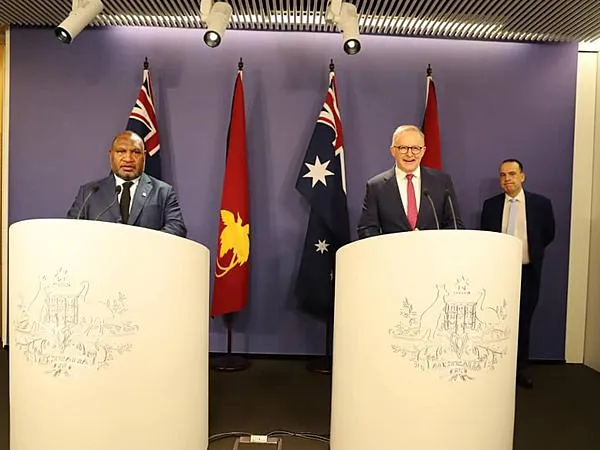
Prime Minister Hon. James Marape has reaffirmed the strong and enduring relationship between Papua New Guinea and Australia during a series of successful meetings in Sydney.
Prime Minister Marape paid a courtesy visit to the Australian Governor-General, Her Excellency the Honourable Ms. Sam Mostyn AC, where they engaged in discussions on the deep historical ties and shared future of both nations.
“I affirmed that our relationship with Australia is a valued and foundational one, dating back to Papua New Guinea’s sovereignty in 1975. Since then, Australia has stood with us every step of the way, contributing significantly to our progress over the past 49 years as we approach our 50th anniversary of independence,” Prime Minister Marape stated.
Prime Minister Marape acknowledged that Australia’s ties with Papua New Guinea extend far beyond 1975, with strong historical, economic, and security cooperation dating back to the colonial era. He emphasised that Australia has been a key partner in PNG’s development long before independence and remains committed to its progress today.
During the meeting, the Prime Minister also highlighted ongoing bilateral cooperation and discussed ways to strengthen PNG-Australia relations across key areas, including trade, investment, governance, and security.
A key highlight of the discussion was Prime Minister Marape’s invitation to the Governor-General to attend a special 50th-anniversary event in Papua New Guinea dedicated to honouring women and girls. This landmark event, scheduled within PNG’s 50th-anniversary celebrations (September 16, 2025 – September 15, 2026), will call upon all men and boys in the country to formally recognise and celebrate the contributions of women in Papua New Guinea.
“The Governor-General is a strong advocate for women’s rights, with a distinguished background as a businesswoman and community leader, and she has graciously accepted our invitation. She commended PNG on its progress and reiterated Australia’s continued commitment to supporting our development and aspirations,” Prime Minister Marape added.
The discussions also reinforced Australia’s long-standing support for PNG’s development, spanning infrastructure, education, healthcare, and economic growth. Prime Minister Marape acknowledged the critical role Australia has played—not just during his tenure as Prime Minister, but over the past five decades—in shaping PNG’s growth and transformation.
Furthermore, Prime Minister Marape highlighted PNG’s commitment to fostering a favourable environment for Australian investors, ensuring that trade and commerce between the two nations continue to expand and flourish.
“Australia remains PNG’s largest trading partner, and our people-to-people ties continue to grow. Our government-to-government relationships, institutional partnerships, and economic cooperation have never been stronger,” he said.
A notable milestone in this deepening partnership is the NRL’s official acceptance of Papua New Guinea as the 18th team in the National Rugby League from 2028. Prime Minister Marape described this as a powerful symbol of the strength of PNG-Australia relations at every level—from government and business to sports and culture.
“This is yet another step forward in our long-standing relationship, a sign of our growing integration and mutual progress,” he concluded.
On the afternoon of Friday, 21 February, 2025, Prime Minister Hon. James Marape held key discussions with Chairman of the Australian Rugby League Commission Peter V’landys in Sydney, Australia.
This is part of a brief visit by Prime Minister Marape to Australia that is focused on reflecting upon PNG-Australia relations that go back to PNG Independence in 1975 and the preceding colonial era, as the nation celebrates its 50th Independence Anniversary this year. The visit is also focused on deepening this unique relationship through the National Rugby League (NRL) Deal earmarked for PNG to join the elite competition in 2028.
“In my meeting with NRL Chairman Peter V’landys on Friday, I expressed gratitude on behalf of my government and the people of Papua New Guinea to him, thanking him for his visionary leadership in embracing an NRL team from PNG, which completes a three-nation presence in the NRL comprising of teams from Australia, New Zealand and of course now PNG.
“Whilst I forever appreciate Australian Prime Minister Hon. Anthony Albanese and his Government for supporting PNG’s NRL Bid and eventually making the official announcement last December in Sydney for PNG to join the NRL as the 18th team from 2028, I would also like to give my commendation to NRL Chairman Peter V’landys for the great leadership he has shown in accepting and allowing for a PNG team to join the NRL, an elite rugby league competition, which is a significant achievement for our country,” Prime Minister Marape stated.
Prime Minister Marape added that earlier in the week on Wednesday (19 February, 2025), PNG signed documents to formalise its NRL team to participate in the professional competition from March 2028, after the official announcement was made mid-December 2024.
“This week we officiated documents with the Australian Rugby League Commission and the NRL, signaling for our PNG team to enter the NRL competition, thus overcoming the PNG NRL Bid process and actually focusing now on the deal to prepare our PNG-based team leading up to 2028.
“So, our PNG NRL Bid Team executives met with Mr V’landys on Friday for the first time since the official announcement was made on December 12 last year, marking notable progress in our journey towards 2028,” he said.
The Prime Minister said his Government and the PNG NRL Bid Team including Chairman Wapu Sonk, CEO Andrew Hill and also Sports Minister Hon. Kinoka Feo, are giving their very best to ensure everything is ready for PNG’s NRL Team to play in their first game come March 2028, and progress smoothly from then onwards.
“Following the formalities on our PNG NRL Team over recent weeks and months, we are now looking at the team structure and all the related factors as we build up in the next few years. We want to ensure that we put in a strong and competitive team in 2028, and we endeavor to have all the commercial and physical aspects of our team to be organised and have a firm foundational basis. We don’t want to just make up the numbers; we want to be a competitive team on-field and we also want to be a competitivebusiness unit outfit,” stated Prime Minister Marape.
Prime Minister Marape also emphasised that PNG is excited about entering the NRL competition, and as part of the preparatory work, focus is being placed upon ensuring that the capital city Port Moresby is safe for both local and international visitors to move in and out, thus enabling an encouraging environment for sports tourism through the NRL.
Also, as part of plans for a PNG-based team competing in the NRL, Marape highlighted that his Government is working to enable ease of access and connectivity between Port Moresby and other centres of the country like Lae, Madang, Mt Hagen, Wewak, Vanimo, Popondetta, Alotau and the New Guinea Islands Region, as supporters from across the country are expected to move to the capital city to watch live NRL matches.
“Through our entry into the NRL, we want to not only form a support base in our country PNG but also have fans in Australia. From PNG perspective, this is a strategy for uniting our nation together in a ‘one team, one nation, one country, one people, one dream’ conversation. We want our people to work together into a prosperous nation.
“Having our PNG NRL Team participate in the elite competition from 2028 will promote unity and prosperity amongst us as we have people-to-people relations within ourselves and also with visitors from the international community.
“Therefore, this meeting with Mr V’landys is very important and it sets up our work on truly establishing our foundation in preparing our NRL Team,” Prime Minister Marape said.
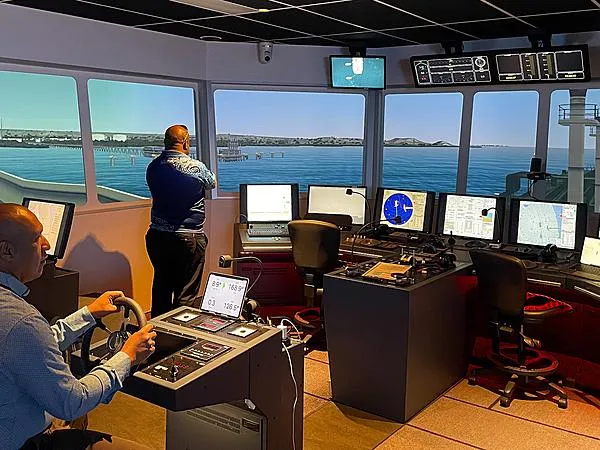
PNG Ports Corporation (PNG Ports), the dominant port operator and marine pilotage leader in Papua New Guinea, has raised the standard of PNG’s pilotage services following a programme of LNG tanker training undertaken in Port Moresby and Brisbane. Theoretical, practical, and simulator training finessed the skillsets of six of PNG Ports’ most experienced pilots, two of whom already pilot LNG tankers, and all of whom have vast experience on multiple vessel types.
PNG Ports’ pilots have serviced the Caution Bay LNG terminal operated by ExxonMobil PNG Limited since 2014 when the country first commenced its LNG exports. Crucial to PNG’s developing economy, the LNG sector contributes significantly to the nation’s GDP, with Caution Bay currently the sole terminal for this highly important export.
Under an MOU with ExxonMobil PNG Limited, PNG Ports is committed to training and certifying pilots through PNG’s National Maritime Safety Authority (NMSA) to meet regulatory standards.
The six pilots who’ve recently received training, constitute both a ‘pool’ and a ‘pipeline’ of LNG tanker pilotage talent. Two of the pilots are already experienced LNG tanker pilots and another two have received all necessary training and assessment and are just waiting to be signed off. The remaining two pilots, who have undertaken the first stage of the LNG training programme, are continuing to progress and are expected to achieve competency in the near future.
The LNG training programme was developed and overseen by McGuire Maritime. Chief Operating Officer of PNG Ports, Felix Bauri, described the simulator training component, conducted at the Smartship Australia simulator centre in Brisbane, as “especially critical for LNG pilotage and particularly so for a country like PNG which is so dependent on LNG exports.” He added that “simulator training is also the only way a pilot can be consistently trained in a range of contingencies and emergencies such as steering failure or tug error, as well as in adverse weather conditions.”
Bauri reported that additional pilots will continue to be identified for the LNG training in line with business continuity planning. This is timely given that the Nation’s LNG output (and therefore exports) is set to increase with the imminence of its second major LNG project, the Total led Papua LNG development, as well as the ExxonMobil led P’nyang LNG Project.
However, it’s not just an increase in LNG tankers that PNG Ports pilots will need to service but an increase in all manner of vessels. The construction phases of the P’nyang and Papua LNG projects will be associated with a steep increase in large cargo vessels in particular, given that nearly all equipment and materials required for construction needs to be imported by sea.
“The training our pilots undertake to qualify them for LNG tanker pilotage is of the highest possible international standard” said Bauri. “As such, it more than qualifies them to pilot any type of major vessel that services PNG, not just the LNG tankers. In other words, the LNG training our pilots receive isn’t just good for LNG operators but for any shipping company that calls into PNG because it provides them with a higher quality and safety assured pilotage experience, as well as one that is in full compliance with international maritime regulations.”
CEO Neil Papenfus is adamant that he doesn’t only want to raise the bar when it comes to the training PNG Ports’ pilots receive but all of the country’s pilots. The PNG and Australian governments signed off on a A$621.4 million ‘PNG Ports Infrastructure Programme in 2022, to repair and upgrade seven key ports. Papenfus believes that “one way to protect this investment is to prevent future damage from ship collision, and that this can in part be achieved by having better trained pilots, with improvements in training to be mandated by the NMSA and tied to licensing.” Another mechanism by which Papenfus says vital port infrastructure can be protected is to increase the number of pilotage mandated ports. Only six of PNG’s 23 declared ports are mandated.
Follow on LinkedIn:
PNG Business News
Be the "First" to get our exclusive Digital Magazine & Weekly Newsletter.