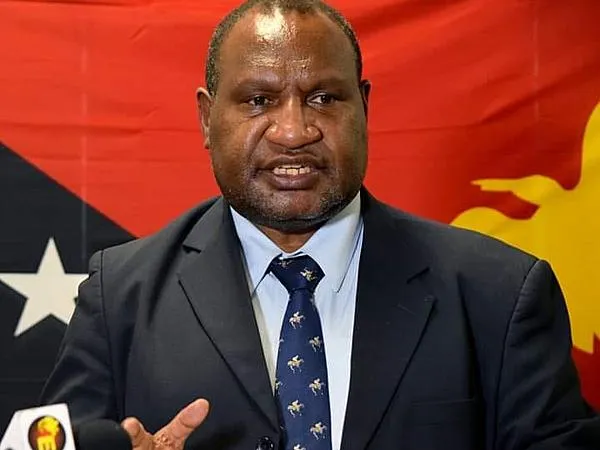
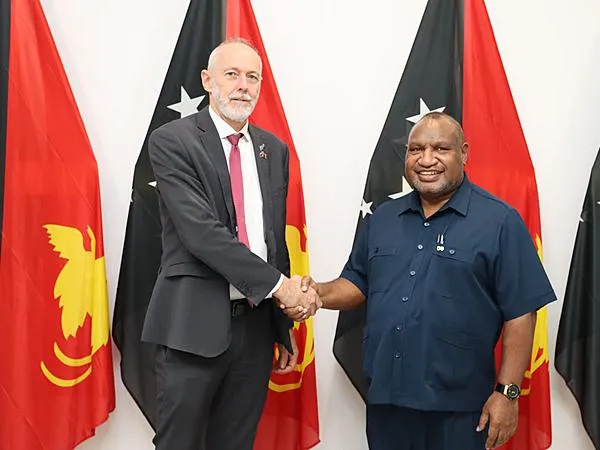
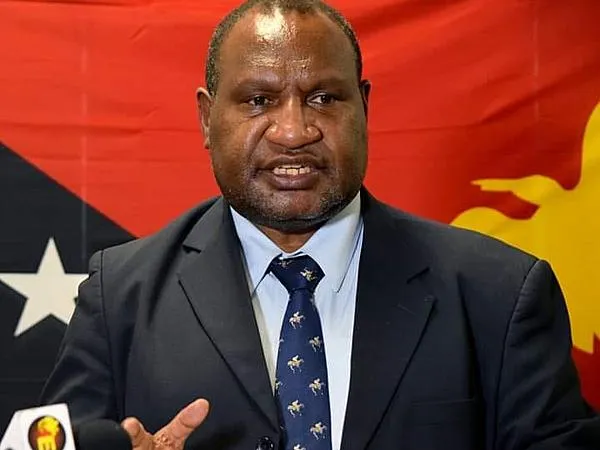
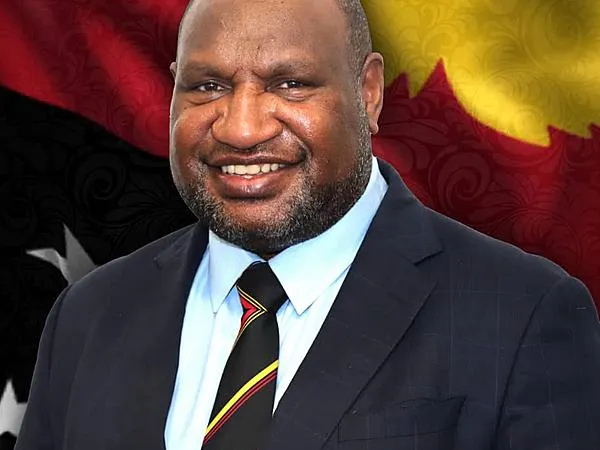
Papua New Guinea’s Minister for Petroleum, Jimmy Maladina, has unveiled sweeping legal and institutional reforms to modernise the country’s petroleum sector, with the formal introduction of a Production Sharing Act (PSA) that will serve as the legal and fiscal foundation for all new petroleum projects.
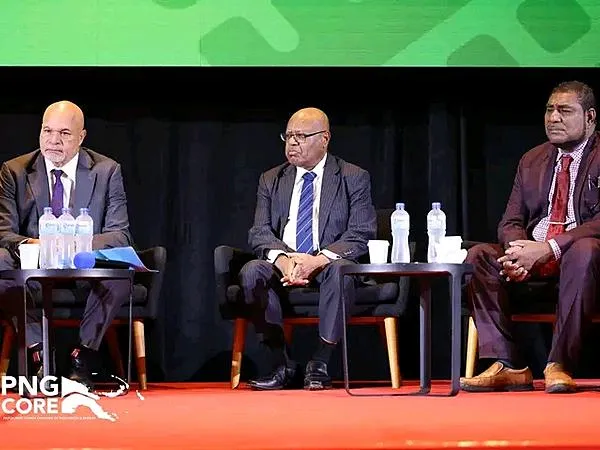
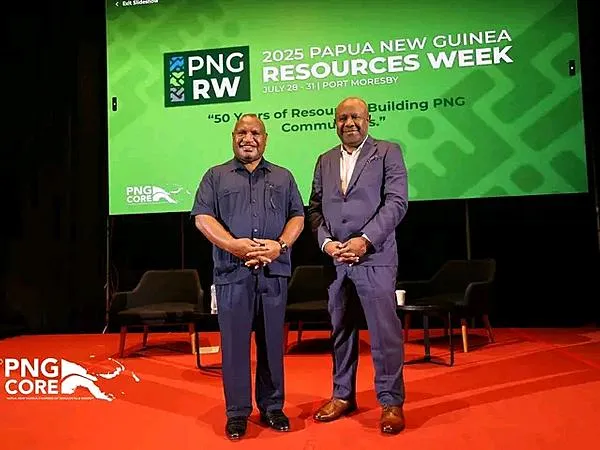
The announcement was made during the PNG Petroleum Sector Update at the 2025 PNG Resources Summit on 31 July at APEC Haus, Port Moresby, and signals a decisive policy shift aimed at improving state revenue, investor clarity, and regulatory oversight.
“Earlier this year, Parliament passed the National Petroleum Authority Act 2025, which established the National Petroleum Authority (NPA) as the new statutory authority to regulate the upstream petroleum sector in Papua New Guinea,” Maladina stated.
He clarified that the new PSA regime will operate independently of the existing Oil and Gas Act, and that it will apply only to future petroleum projects. Existing projects — including PNG LNG, Papua LNG, P’nyang LNG, and Pasca A — will continue to operate under the Oil and Gas Act, retaining their current licences and contractual terms.
National Petroleum Authority: New Central Regulator
The NPA replaces the former Department of Petroleum and will act as the single, dedicated regulator for upstream, midstream, and downstream activities in the petroleum sector. Minister Maladina said the transition to the NPA is currently under way, with the inaugural board undergoing vetting by the Public Services Commission.
“The NPA is designed to be technically strong, commercially responsive, and administratively independent,” he said. “It will be self-funded through a 0.5% levy on the total export value of petroleum products under the PSA regime, ensuring stability, autonomy, and sustainability.”
The NPA will focus on faster and more transparent decision-making, improved coordination between the state and operators, and more rigorous oversight of licensing and revenues. The authority will also work closely with other government bodies such as the Treasury, Internal Revenue Commission (IRC), and state nominees to ensure alignment on project development and revenue collection.
Key Fiscal and Ownership Features of the PSA Regime
The Minister outlined the core fiscal structure of the Production Sharing Framework. All petroleum resources and infrastructure developed under PSA terms will be owned by the state, with acreage awarded via competitive bidding rounds using a standardised PSA template adapted to PNG’s needs.
“Contractors will be entitled to full cost recovery from gross production. After this, the remainder of production becomes profit petroleum,” he noted.
The state will receive a First Petroleum Levy, a fixed share of gross revenue, paid directly into consolidated revenue.
Key features of the PSA regime include:
· Development levies to be paid to provincial and local governments.
· Landowners to receive royalties at 2% of gross sales, without deductions.
· The state’s share of profit petroleum to be paid at the gross level.
· The contractor’s share to be taxed at corporate rates likely between 20–25%, with deductions allowed for levies and qualifying costs.
“This model reflects global best practices. It aligns national interests with commercial incentives and delivers early, equitable, and transparent revenue to the state and the people.”
Tailored Approaches for Diverse Projects
Acknowledging Papua New Guinea’s complex geography and resource diversity, the Minister emphasised that flexibility will be a hallmark of the PSA regime.
“There will not be a one-size-fits-all approach to commercialising petroleum assets. This became very clear during recent due diligence visits to Indonesia and Malaysia,” he noted.
Each project will be assessed according to its specific technical and commercial context, the Minister said.
Among the key provisions to be embedded in future PSAs are:
· Clearly defined roles for contractors and state nominees.
· Mandatory social mapping and landowner identification.
· National content targets with enforceable penalties for non-compliance.
· Domestic market obligations to secure PNG’s energy supply.
· Decommissioning funds to manage end-of-life site obligations.
· Arbitration of disputes under PNG law, with proceedings to be held in Singapore, selected for its neutrality and global standing in commercial arbitration.
Licensing Rounds and White Paper Imminent
Minister Maladina confirmed that once the PSA framework is finalised, PNG will open competitive bidding rounds for new petroleum acreage.
“We aim to attract technically qualified, financially strong developers who can partner with the state to responsibly unlock our resource potential,” he said.
The NPA is expected to release an Industry White Paper shortly to support public and industry consultations. Finalisation of the PSA policy will precede the launch of bidding rounds, which will employ clear technical and financial evaluation criteria to assess bids.
Project Updates and Investment Pipeline
The Minister reaffirmed that several petroleum projects are progressing or entering new phases:
· Papua LNG continues to move forward with strong international support.
· P’nyang LNG negotiations remain active, with fiscal and social terms being aligned to ensure bankability.
· The Pasca A project is undergoing commercial restructuring, with renewed discussions between the state and the developer.
· Mailu Prospect, an offshore target, is scheduled for exploration drilling this year and is seen as a sign of renewed investor confidence in PNG’s frontier geology.
· Wildebeest Prospect, located in Western Province, is undergoing early-stage assessment and shows long-term potential.
· TWL Energy Ventures continues to advance the Western Energy Project, regarded as a new frontier for resource development.
“These projects reflect billions in potential investment and long-term value for Papua New Guinea,” the Minister said. “The message is clear — institutional reform is under way, fiscal reform is imminent, licensing discipline is being restored, and projects are advancing.”
Commitment to Transparency and Growth
Minister Maladina concluded by reaffirming the central role of the petroleum sector in PNG’s future and the government’s commitment to reforms that deliver greater national benefit.
“This government is building a modern, transparent, and investor-aligned petroleum sector,” he said.
He also thanked the PNG Chamber of Resources and Energy for convening PNG Resources Week and sustaining national dialogue on how to strengthen and grow the petroleum and energy sectors for the benefit of all Papua New Guineans.
The MAPEX Training Institute (MTI), a 100% nationally owned and privately registered higher education provider, has announced an ambitious five-year plan to transition into Papua New Guinea’s first nationally owned private university.
In an exclusive interview with PNG Business News during MTI’s 20th anniversary celebration on 16 July, MTI Chairman Dr. Solomon Awili outlined the vision for the institution’s future and issued a public appeal for government, industry and community support to help realise this transformation.
“In the next five years, we want to convert this institution into a private, nationally owned university,” Dr. Awili said.
“That is why, on behalf of the board of directors, I am appealing to the government, private industry players and the public to support MAPEX in whatever fundraising efforts we undertake,” he added.
Dr Awili said the institute continues to play a vital role in national development by creating over 100 jobs and fulfilling its tax obligations as a corporate entity, despite economic headwinds.
“If we are serious about taking back PNG—and that is the mantra of the current government—then this is the way to do it,” he said.
“Support MAPEX through our technical and vocational education programmes that empower Papua New Guineans not just for domestic employment but also for overseas opportunities, including work placements in Australia,” he added.
Dr Awili noted that MAPEX training programmes have received recognition and support from the Australian Defence Force (ADF), which works in partnership with the PNG Defence Force to promote lifelong skills development.
“If the Australian Government and ADF recognise MAPEX, then we are confident in our ability to continue delivering competency-based training to our people,” he said. “This is a national call to action—for everyone to contribute where they can.”
Academic Pathways and Programmes Offered
Currently, MAPEX Training Institute offers a range of diploma and certificate-level programmes through the Department of Higher Education’s Online Selection System. These include:
Grade 12 school leavers are encouraged to apply for the 2026 academic year and are advised to carefully consider their programme choices based on academic strengths and career interests.
20th Anniversary and Leadership Recognition
The 20th anniversary celebration brought together MAPEX staff, students, board members, business partners and families to mark the milestone. The event coincided with the birthday of MAPEX Chief Executive Officer, Mr Marcus Palem Kara, who turned 46 on the day.
“I thank our hardworking staff, management and board for their continued commitment and dedication to ensuring the smooth operation of MAPEX Training Institute,” Mr Kara said. “We’ve come a long way—and with your support, we can go even further.”
The institution aims to redefine higher education in Papua New Guinea by establishing a university born from local vision, sustained effort and collective backing from the community and nation.
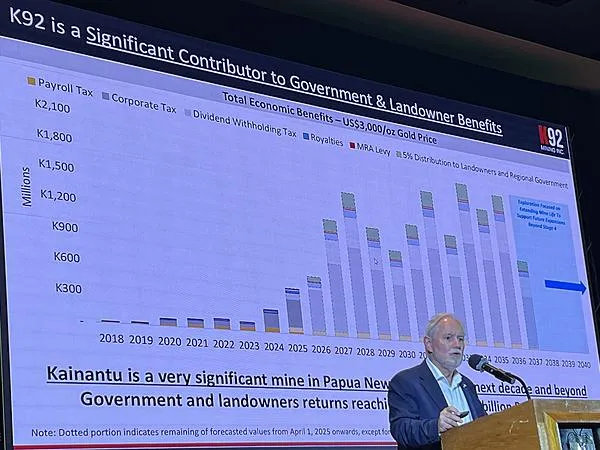
K92 Mining Ltd., operator of the Kainantu Gold Mine in Eastern Highlands Province, has paid PGK161 million (USD43.5 million) in corporate tax to Papua New Guinea’s Internal Revenue Commission (IRC), reinforcing its commitment to national economic development.
The payment, made on 25 July, is the company’s largest single corporate tax contribution this year and reflects the strong operational performance of the Kainantu mine. Since the beginning of 2025, K92 has made three corporate tax payments totalling PGK300 million (USD81 million).
“In light of our strong financial results, K92 has revised its 2025 corporate tax forecast to PGK378 million (USD102 million), up from the previous estimate of PGK274 million (USD73.9 million),” the company said. “In addition, PGK48 million (USD13 million) in corporate tax was paid in March 2025 as an additional tax payment, driven by record production in Q4 2024.”
Over the past five years, K92 has paid more than PGK597 million (USD161.2 million) in corporate tax, positioning it among PNG’s leading taxpayers in the mining sector.
Chief Executive Officer John Lewins described the latest payment as a milestone for the company.
“The PGK161 million corporate tax payment made in July marks a significant milestone for K92 and underscores our strong commitment to the economic prosperity and development of Papua New Guinea through responsible resource development,” Lewins said.
“With PGK300 million paid in corporate tax so far this year, we are proud to be a major contributor to the country’s economic strength. As commissioning of our new process plant progresses and expansion activities continue, we are well positioned to deliver sustained and growing benefits to PNG and our local communities.”
The company’s Stage 3 and Stage 4 expansion projects are expected to transform the Kainantu mine into a Tier-1, mid-tier gold producer, with projected corporate tax contributions exceeding PGK10 billion (USD2.7 billion) over the next 13 years.
Commissioning of the 1.2 million tonnes-per-annum Stage 3 process plant began in June and is on track to become fully operational by the fourth quarter.
In a related development, K92 announced that all resolutions at its 2025 Annual General Meeting (AGM) were passed with strong shareholder support. The meeting, held on 10 June both virtually and in person, saw 66.83% of issued shares voted.
All six director nominees were re-elected, including CEO John D. Lewins (99.96%). Other re-elected directors were Mark Eaton (97.81%), Anne E. Giardini (99.86%), Saurabh Handa (99.56%), Cyndi Laval (99.97%) and Nan Lee (99.98%).
Shareholders also approved setting the number of directors at six (99.85%), the reappointment of PricewaterhouseCoopers LLP as auditors (98.79%), and an advisory resolution on executive compensation (95.31%).
The results reflect continued shareholder confidence in the company’s governance and leadership.
K92 is advancing expansion plans at its high-grade Kainantu mine, aimed at boosting long-term production capacity and delivering sustainable economic benefits. The company also reaffirmed its commitment to delivering long-term positive impacts through responsible mining practices and continuous engagement with national and local stakeholders.
With reports from Roselyn Erehe
In a sector once dominated by foreign providers, the establishment of nationally owned Niugini Assurance Group Limited (NAGL) in 2019 reflects PNG’s economic maturity. NAGL is rewriting the script with locally driven leadership, tailored insurance solutions and a commitment to protect what matters most — the people.
NAGL is a response to the call for fresh, efficient and inclusive insurance models rooted in PNG's realities. The insurance company was established out of research that identified a need for new approaches in general insurance.
It has now reaffirmed its client-focused service philosophy, emphasising transparency, education and timely delivery of insurance solutions as key components of its business strategy in PNG's dynamic financial services sector.
With a strong commitment to helping clients understand their insurance needs and risks, NAGL positions itself not only as a policy provider but also as a trusted advisor in risk management. The company’s approach begins with gaining a deep understanding of each client’s business operations, followed by the design of tailored insurance solutions that address both current and future risk exposures.
At Niugini Assurance Group, their role is straightforward: to understand your business, help identify and quantify risks, provide ongoing technical advice and, most importantly, to settle claims promptly.
The company places value on open, honest relationships with clients and believes that education is a vital part of the process. NAGL goes beyond the transactional by ensuring clients are well informed about the fundamentals of insurance, including terms, conditions and claims procedures. This empowers clients to make informed decisions and take proactive steps to secure the best possible outcomes during critical times.
Upon appointment, the insurance company works closely with each client to establish a clear and achievable service timetable, guided by four key operational pillars:
As a 100% nationally owned and operated insurance group, Niugini Assurance Group Limited continues to raise the bar in PNG's insurance industry by delivering dependable, high-quality service that meets the diverse needs of its clients — from individuals to corporate and government agencies. This clear and proactive service model ensures peace of mind for policyholders and reinforces NAGL’s standing as a trusted, transparent and responsive insurance provider in the country.
What distinguishes Niugini Assurance is not just its local ownership but the depth of its local industry intelligence and operational efficiency. Built on a model that emphasises partnerships, customer service and effective delivery systems, NAGL aligns its goals with national development.
Key differentiators include a streamlined and automated service process, a client-first claims philosophy ensuring prompt and transparent handling, strong emphasis on relationship-building with customers and an understanding that service excellence drives profitability and national trust. Through risk education and claims responsiveness, NAGL empowers clients with both protection and understanding.
Products and services
Niugini Assurance Group Limited is providing a service based on its vision: “To be the most reliable and trusted provider of insurance services in Papua New Guinea.”
The company offers a broad and balanced portfolio designed to meet PNG's diverse needs across commercial, personal and SME sectors. This portfolio includes: Commercial & Business Insurance, Property Insurance, Construction & Erection, Public Liability, Workers’ Compensation, Marine Cargo, Marine Pleasure Craft, Personal Protection Plans, Home and Contents Insurance, Motor Vehicle Cover, Personal Accident, Medical/Life Insurance.
Tailored plans are available for small to medium enterprises seeking multiple coverage types under one plan. NAGL also benefits from a strong reinsurance programme, utilising rated international capacity with specific PNG experience to ensure risk resilience, catastrophe protection and compliance.
The insurance company has already made significant strides with a national footprint, trusted brand presence and operational automation for speed and accuracy. The company’s client education on insurance principles and policy clarity has seen clients prosper.
A dedicated and passionate team with deep insurance and finance backgrounds, combined with immediate support through a defined Service Timetable and Risk Review process, has made client service more reliable with Niugini Assurance Group Limited. Their commitment to relationship-building, accountability and client advocacy defines their growing reputation.
The company’s core values act as a guide to quality insurance service provision through integrity, teamwork, customer service excellence, insight and shareholder value. With both urban and rural clients, NAGL proudly delivers on its tagline: “Insurance for you in Papua New Guinea.”
“Niugini Assurance is proud to stand with Papua New Guinea as it celebrates 50 years of independence. Our journey as a company reflects the commitment of our people. As a 100% nationally owned insurer, we are not just operating in PNG — we are part of PNG. Our mission is to help build an independent, self-reliant nation by protecting the livelihoods and ambitions of our clients,” said Mr Opi Loi – Interim Chief Executive Officer & Director in his PNG 50th Anniversary message.
Vision for the next 50 years
A growing country comes with a growing population; therefore, the company is investing in youth training and graduate programmes.
Even though the base of NAGL is in the capital city, Port Moresby, the company is strengthening its network nationwide and hopes to increase regional partnerships to position PNG as a Pacific insurance hub.
A new global survey of mining executives has delivered a sobering outlook for Oceania, with several Pacific jurisdictions pegged at the lower end of global investment rankings despite their untapped mineral wealth.
The Fraser Institute’s 2024 Annual Survey of Mining Companies, which assessed 82 jurisdictions based on geological potential and government policy, ranked Fiji, New Zealand, Papua New Guinea (PNG) and the Solomon Islands in the lower half of its Investment Attractiveness Index.
The survey was conducted between August and December 2024, drawing 350 responses from industry leaders whose companies reported a combined US$6 billion in exploration spending that year. The rankings reflect both the quality of a jurisdiction’s mineral endowment and the effectiveness of its regulatory and policy environment.
Fiji Emerges, Solomon Islands Lags
Fiji was the best-performing country in Oceania, ranking 31st, followed by New Zealand at 43rd. Papua New Guinea placed 57th while the Solomon Islands came in last at 84th, due to tied scores despite only 82 jurisdictions being listed.
The Solomon Islands again ranked among the least attractive places for exploration, weighed down by concerns over infrastructure, legal enforcement, and lack of skilled labour. It was also one of the lowest scorers in the policy index.
The country’s poor showing echoes similar results in 2023 and highlights the continuing challenge of attracting foreign capital despite abundant nickel and gold reserves.
PNG: A mixed picture
Despite being home to large-scale operations like Ok Tedi, Porgera and Lihir, PNG continues to struggle with inconsistent regulatory frameworks, land access issues, and concerns about political and social stability.
In the Policy Perception Index—a key component of the survey that rates jurisdictions on transparency, taxation, infrastructure and land rights—PNG ranked below many African and Latin American countries. Respondents cited regulatory uncertainty and permitting delays as major deterrents to investment.
Still, the report acknowledged that PNG holds significant potential. With improved policy reforms, industry players believe the country could regain competitiveness.
The bigger picture
The Investment Attractiveness Index combines a jurisdiction’s geological appeal with its policy environment. According to the Fraser Institute, about 40 per cent of exploration investment decisions are influenced by public policy rather than geology alone.
This year’s global top three were Finland, Nevada and Alaska; while Ethiopia, Suriname and Niger occupied the bottom.
In contrast to Oceania’s mixed showing, North America and Europe dominated the top 10, driven by predictable regulatory systems, skilled workforces and favourable tax regimes.
A call for reform
While geologic and economic considerations are important factors in mineral exploration, a region’s policy climate is also an important investment consideration, Fraser Institute said. The Policy Perception Index (PPI), is a composite index that measures the overall policy attractiveness of the 82 jurisdictions in the survey. The index is composed of survey responses to policy factors that affect investment decisions. The policy factors we examined include uncertainty concerning the administration of current regulations, environmental regulations, regulatory duplication, the legal system and taxation regime, uncertainty concerning protected areas and disputed land claims, infrastructure, socioeconomic and community development conditions, trade barriers, political stability, labor regulations, quality of the geological database, security, and labor and skills availability.
For Oceania, where many economies rely heavily on extractive industries, these rankings reinforce the need to address longstanding policy and governance gaps.
Prime Minister James Marape has commended Lihir Gold Limited (LGL), a subsidiary of Newmont Corporation, for its substantial corporate tax payment of US$55.8 million (approximately K213 million) to the Internal Revenue Commission (IRC), highlighting its ongoing commitment to contributing meaningfully to the national economy.
The payment, made on 30 July, was remitted directly to the Bank of Papua New Guinea, with the IRC listed as the beneficiary. It represents the second instalment under LGL’s Additional Profits Tax (APT) obligations for the current fiscal year.
Prime Minister Marape praised LGL’s timely and transparent compliance, stating: “I commend Lihir Gold Limited for honouring its tax obligations with such a significant remittance.”
“This payment of over US$55 million in corporate tax reflects responsible corporate citizenship and shows what can be achieved when resource companies operate within our legal and fiscal framework,” he added.
Marape said that such revenues are critical to the government’s efforts to invest in infrastructure, education, health and rural development—especially as the nation marks its 50th year of independence. “This is the type of partnership we want with the resource sector—one that delivers for both shareholders and citizens,” he said.
The prime minister also highlighted the historic nature of how the payment was made:
“I’m happy that Newmont is now finally transferring corporate tax in actual cash to the IRC,” he said. “From what I have been advised, this marks a significant departure from previous practice.
“In the past, although some tax was paid, much of it was rebated through GST refunds. This payment is a positive step forward—particularly for a mine where the state does not hold equity and where all national revenue is derived from taxes, including corporate income tax, personal income tax, GST and employment-related levies. I look forward to more of such direct contributions.
The state has had no equity in this major gold project since its inception in 1997, Marape noted.
“My government made an amendment to the Mining Act in 2020, and since then, all production areas—including at Lihir—have in-built observation systems, allowing the state to know exactly how much gold is being produced.”
Marape also commended Newmont for demonstrating a greater willingness to cooperate with the government since assuming control of the mine.
“Since coming on board, Newmont has shown a stronger propensity to work with government. I want to sincerely thank them and acknowledge their corporate counsel and leadership for fostering this more transparent, constructive partnership with the state. This is the kind of engagement we welcome,” he said.
Marape reiterated his government’s commitment to fostering a fair and predictable fiscal regime that encourages investment while ensuring Papua New Guineans benefit equitably from the nation’s natural resources.
“We want to provide a stable and transparent environment for investment, but we also want a fair return to our people. I thank Newmont and Lihir Gold for their continued cooperation and look forward to further collaboration in advancing our shared development goals,” he said.
The Marape-Rosso Government continues to drive reforms aimed at increasing transparency, efficiency and equity in resource taxation, while encouraging reinvestment and sustainable development across Papua New Guinea.
Prime Minister James Marape has commended Deputy Prime Minister and Minister for Lands and Physical Planning John Rosso for spearheading historic reforms to Papua New Guinea’s land laws, describing them as essential to securing the country’s future and safeguarding landowners’ rights.
Speaking in Parliament during the tabling of amendments to six major pieces of land-related legislation, Marape underscored the significance of the reforms as PNG marks 50 years of independence. The legislation passed with strong bipartisan support and will be implemented in phases starting in 2025.
“In the face of our 50th anniversary, some of these corrective updates in our laws must be made so we may secure the future of our country,” Marape said.
“Land is our people’s greatest inheritance—our playground, our home, our heritage. Every Papua New Guinean is connected to a piece of land somewhere in this country. We must protect it. One of the greatest pains I live with is seeing Motu Koitabuans lose their land. This law secures what limited land remains and prevents further erosion. It ensures no one sells or loses their land forever," he added.
The prime minister reaffirmed his government’s commitment to digitising public services and using modern technology to improve transparency, efficiency and accountability.
“We’ve instructed the minister for finance, the minister for public services and others to ensure future recruitment, procurement and tender processes are ICT-based and assisted by AI,” he said. “We must eliminate the delays caused by walking office to office and remove personal preferences from the system.”
He also proposed forming a bipartisan committee to oversee the reform process and ensure inclusive, transparent review of the laws.
“This is not a political matter—it’s national. I thank the member for Hiri-Koiari for chairing the Lands Committee even though he sits opposite. Let’s work together to ensure our people’s rights are protected,” Marape said.
He further announced the government’s intention to allow properly registered customary land to be used as collateral—enabling citizens to access finance and unlock the value of their land.
“This is an important precursor to giving value to our people and the land they own as we celebrate 50 years of nationhood. Let’s get this done for them,” he said.
Deputy Prime Minister Rosso, who introduced the bills in Parliament, said the amendments to the Land Act 1996, Physical Planning Act 1989, Surveys Act 1969, Survey Coordination Act 1967, Land Registration Act 1981 and Valuation Act 1967 are designed to bring PNG’s land administration into the digital age.
He said each piece of legislation had specific business processes reworked to integrate ICT and improve service delivery.
“These laws have been modernised to cater for a new digital platform that will replace our outdated, cumbersome, paper-based processes,” Rosso said. “This is about ensuring land dealings, including communication with our people, are done in a timely, transparent and efficient manner.”
“The new digital system will enable us to manage, track and process land transactions with accuracy and speed. Whether it’s land registration, valuation or lease processing, we are moving into a fully electronic era,” he said.
Rosso added the reforms strike a balance between protecting customary land ownership and enabling development where necessary.
“This reform is about balance—protecting our people’s traditional ownership while allowing the state to plan, build infrastructure and develop the economy. We are not taking land away; we are protecting it and making it work for our people.”
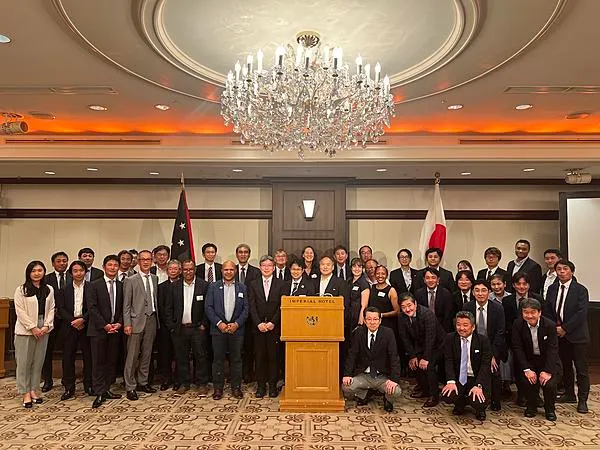
Ok Tedi Mining Limited (Ok Tedi) recently hosted a formal reception to acknowledge and celebrate its 40-year relationship with Japan. The reception was held at the Imperial Hotel, Tokyo, last week to commemorate the long-standing Japan–PNG collaboration.
The intimate event was attended by long-term customers, smelter partners and industry players from the Japanese mineral sector.
Ok Tedi Managing Director and Chief Executive Officer Kedi Ilimbit said it was an honour to celebrate the well-established mineral resource supply relationship with both long-standing partners and new friends.
“Ok Tedi began with a partnership with Japan, which has now developed into an enduring friendship of over 40 years. “If you want to do business in PNG, Ok Tedi is the natural partner of choice – we look forward to many years of future progress and partnership,” he said.
Guests were treated to an elegant dinner at the historic Imperial Hotel, demonstrating the high esteem in which Ok Tedi holds its Japanese partners.
Nobuhiro Takayanagi, managing executive officer and president of Mitsubishi Materials Corporation (MMC), also spoke at the event, sharing kind words about the successful past and fruitful future between the two companies.
“We are proud to be providing MMC and our other smelter partners with a quality, consistent supply, utilising the vast resources available in PNG,” said Ilimbit. “We are very thankful for the ongoing support from our Pacific neighbours and are glad to help strengthen their mineral security.”
Ok Tedi General Manager for Project Financing Catherine Costello reflected on the enduring strength of the Japan–PNG relationship, which extends beyond the mining and minerals trade.
“PNG and Ok Tedi have much to offer Japan, and Japan is capable of supporting PNG to achieve its own development goals. This is the first event of its kind Ok Tedi has hosted, and we hope to see this celebration of international collaboration become an annual event,” she said.
This reception marked a significant moment in Ok Tedi’s ongoing efforts to promote Papua New Guinea’s mining industry and the opportunities it presents for both national growth and sustainable investment.
The 2025 Community Affairs and National Content Conference and Exhibition (CANCONEX), held as part of PNG Resources Week, officially concluded at APEC Haus following three days of dynamic engagement, strategic dialogue and powerful storytelling.
Hosted by the PNG Chamber of Resources and Energy, CANCONEX 2025 brought together over 1,400 delegates, 78 exhibitors and 60 speakers representing national and provincial governments, landowner leaders, resource developers, civil society and the broader business community.
The conference was officially opened by Prime Minister James Marape, whose keynote address reaffirmed the government’s commitment to inclusive development and responsible resource management. His presence set a strong tone for the rest of the event, highlighting the transformative role of the resource sector in building schools, hospitals, roads and livelihoods across Papua New Guinea.
Reflecting on the event's momentum, PNG CORE Senior Vice President Richard Kassman said, “CANCONEX is not a side event; it is the heart of our national conversation on inclusive development. It brings together the voices that matter most: landowners, provincial leaders and communities whose futures are directly tied to the resource sector. This is where policy meets people, and where real progress begins.”
Throughout the conference, landowner companies and provincial representatives were acknowledged not only as stakeholders, but as rights-holders, custodians and builders of the nation’s future. The presence of the Autonomous Bougainville Government (ABG), with its own dedicated platform, underscored the importance of inclusivity and mutual respect in shaping national unity and economic participation.
A standout session led by East Sepik Governor Allan Bird focused on agriculture’s role in community resilience and economic diversification. His message underscored the transformative power of empowering local communities through sustainable farming practices and resource-linked agribusiness.
Key discussions centred on instruments such as Landowner Beneficiary Identification (LOBID), social mapping and identification programmes—critical tools for ensuring benefits reach the right people, in the right way, at the right time. The rise of landowner companies like KutMor Limited, Trans Wonderland Limited, PNG Mining and Petroleum Hospitality Services Ltd, and Turra Holdings Limited was celebrated, with their stories highlighting the role of family group businesses as social safety nets supporting clans and communities.
Delivering a compelling closing address, Kassman stated, “National content is not a box-ticking exercise. It is the single most powerful lever we have to build local capacity, retain value onshore, and deliver dignity to our people. The true prize is not the gold, gas or copper beneath the ground—but what we do with it to uplift those who live on the land above it.”
He emphasised Papua New Guinea’s unique constitutional recognition of customary land ownership—a global distinction that underpins local economies and empowers landowner-led development. He also shared moving stories of intergenerational impact, including a janitor at Santos who supported his daughter through university, and a Trans Wonderland employee whose son and grandson have built stable livelihoods within the same company.
Six strategic takeaways emerged from the conference: formalising landowner identification frameworks, scaling community-based enterprise models, improving transparency in benefit management, strengthening workforce development for women and youth, fostering long-term employment strategies and elevating CANCONEX as a central forum for shaping national content policy. From these, three core priorities were identified: empowering landowner-led enterprise development, ensuring inclusive benefit distribution and building systems for intergenerational transformation.
The Resources Summit—a high-level dialogue on finance, policy, infrastructure and innovation—and the Gala Dinner featuring the Legacy Awards capped the CANCONEX 2025, honouring excellence and leadership across the resource sector. Attendees and proponents were hopeful that these events will carry forward the spirit of CANCONEX, ensuring that technical discussions remain grounded in the human stories and community impact that define Papua New Guinea’s development journey.
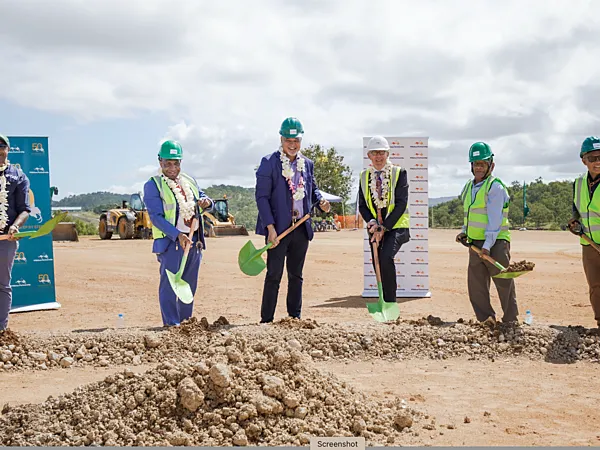
The Total Waste Management Group Ltd (TWM) has broken ground on Papua New Guinea’s first Resource Recovery Centre (RRC), a milestone in the country’s shift towards sustainable waste management. The groundbreaking ceremony was held on 16 June at TWM’s Integrated Waste Management Facility in Roku, Central Province, and marks a first-of-its-kind initiative in the Pacific.
The event was attended by Australian High Commissioner Ewen McDonald, Deputy Prime Minister John Rosso, Deputy Secretary and Officer-in-Charge of the Department of National Planning and Monitoring Michael Kumung, TWM Group Managing Director Kori Chan, and TWM Group Chief Executive Officer Michael Chan Jr.
The centre is being delivered under a landmark 50-50 cost-sharing arrangement between TWM Group and the Australian government through the Incentive Fund, under the PNG–Australia Partnership. The project is valued at PGK23.6 million (AUD10 million) and is the first time in the Incentive Fund’s 25-year history that the two governments have partnered directly with the private sector.
Part of Phase V of the Incentive Fund (2023–2031), the project supports the fund’s core goal of delivering competitive grants for small-scale infrastructure, valued between PGK3 million and PGK15 million. The fund is governed by a board of five prominent Papua New Guinean directors, with input from senior representatives of the Department of National Planning and Monitoring and the Australian High Commission. With a total investment of PGK406 million (AUD150 million), the current phase builds on two decades of partnership, having supported more than 80 projects across every province in PNG.
As a locally led solution grounded in global best practice, the new facility is designed to reuse, repurpose and recycle waste—diverting thousands of tonnes from landfill and generating new economic value from discarded materials.
Once operational in December 2026, the RRC will process up to 10,000 tonnes of construction, demolition, organic, plastic and other recyclable waste annually, with capacity to scale to 40,000 tonnes. It is expected to divert 70 to 80 percent of waste from landfills, significantly reducing unmanaged waste and environmental pollution.
By producing over 7,000 tonnes of recycled materials each year for use in infrastructure, agriculture and manufacturing, the centre will contribute to climate change mitigation. Emissions reductions are estimated at 28 million kilograms of carbon dioxide equivalent (CO₂e) per year—the equivalent of 53 long-haul jumbo jet round-trips from Port Moresby to London or 35,533 economy class flights between Port Moresby and Sydney.
Green Jobs, Local Innovation and Inclusive Development
The RRC will create more than 20 green jobs, with a strong emphasis on inclusion—prioritising opportunities for women, youth and persons with disabilities. It will also support green entrepreneurship, improve working conditions for informal waste workers and create new roles for small and medium enterprises (SMEs) within emerging waste value chains.
This builds on TWM’s 2024 milestone: the launch of PNG’s first hazardous waste landfill. The RRC completes Stage Two of the company’s integrated waste management strategy, transforming the site into a fully circular facility that prioritises reuse and recycling, with disposal as a last resort.
Education and Knowledge Hub
Beyond its technical capabilities, the centre will serve as a national Knowledge Hub for sustainable practice. It will offer training, mentoring and access to tools and data for schools, communities, businesses and government agencies. Through awareness campaigns and outreach, it aims to shift public attitudes on waste reduction and environmental protection and build sector-wide capacity for scaling sustainable solutions.
It will also promote community engagement through initiatives such as cash-for-scrap and support for local waste collection services.
Owned and operated by Papua New Guineans, TWM Group is spearheading homegrown solutions to one of the country’s most pressing environmental challenges. The project showcases the strength of national industry leadership when paired with international development cooperation.
The RRC reflects a shared PNG–Australia vision for sustainable development, inclusive growth and climate-resilient infrastructure. Operations are expected to commence in late 2026.
Through innovation, local leadership and partnership, TWM Group Ltd is helping reshape environmental stewardship across the Pacific—towards a cleaner, greener future.
Among the many voices advocating economic progress and regional cooperation at the 40th Australia–Papua New Guinea Business Forum and Trade Expo this year, Dr Ann Clarke and her team from the Businesses for Health: TB & HIV Project (B4H) used their platform to speak out on the ongoing public health crises of tuberculosis (TB) and HIV in Papua New Guinea.
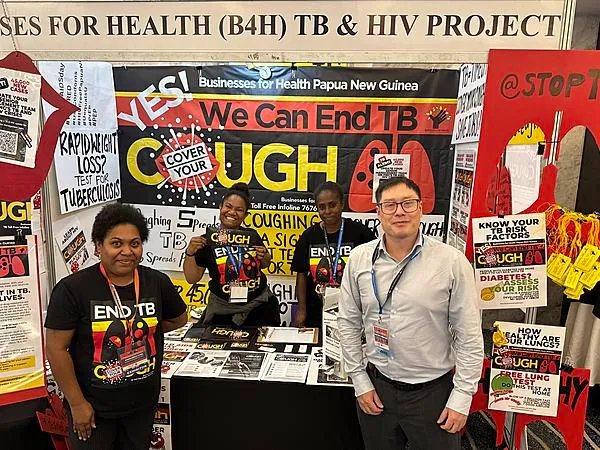
B4H had an information booth at the forum’s trade expo, held at The Stanley Hotel in Port Moresby from 23 to 25 June. The team engaged hundreds of business representatives in open, face-to-face conversations about the impact of TB and HIV in the workplace and the vital role businesses can play in reversing the trend.
“Thank you PNG Business Council and the Australia PNG Business Council,” said Clarke, who leads the B4H project.
“At this year’s forum and expo, the Businesses for Health: TB & HIV Project hosted a booth highlighting the role Australian and PNG companies can play in ending the worsening crises of tuberculosis and HIV in Papua New Guinea.”
Clarke emphasised that workplace engagement is both a social responsibility and a life-saving intervention.
“I have seen firsthand how sustained corporate responsibility and active workplace engagement directly change the course of these horrible but preventable and manageable infectious diseases,” she said.
She acknowledged the continued support of numerous companies. This year’s “star supporters of health” include Airways and the Constantinou Group, G4S and workplace trainees from Kenmore Group, Westpac, SP Brewery, PNG Business News, Hastings Deering, Atlas Steel, EFM, Trukai, IEA, iPi, IBS University, NSL, Air Niugini, Oilmin, Purewater, Brian Bell Group and PNG Motors.
“Their commitment to consistent training about TB and HIV equips employees not just to prevent, identify and manage disease but, importantly, to learn essential skills in social support—critical for overcoming the stigma and discrimination that still surrounds TB and HIV in our homes, workplaces, churches, sports teams and communities,” Clarke explained.
She said events like the trade expo offer a unique setting for authentic human interaction, crucial for confronting sensitive health issues often avoided in everyday conversations.
“Face-to-face engagement at events like the expo provides human and genuinely animated opportunities to openly discuss these sensitive issues, clarify misconceptions and reinforce positive messaging about infectious diseases. In an age increasingly dominated by screens and dodgy digital interactions, these personal exchanges help us build genuine relationships, essential for a collective response to PNG’s health crises.”
The B4H team—including Lorrie Tapora, Teresa, Sharlo, Lowen and colleagues—used the expo to invite every business to attend upcoming workplace training sessions in August and October 2025. These sessions are designed to empower employees with practical knowledge, empathy and leadership tools.
“I thank the PNG Business Council sincerely for their support in facilitating our participation. Their partnership enables us to maintain momentum in training, educating and empowering workplaces to end stigma, promote health and save lives,” she added.
Dr Clarke encouraged businesses to register early by calling the TB Info Line on 7676 2482.
The message from the B4H team is clear: business has a vital role to play not just in commerce but in building a healthier, more inclusive society.
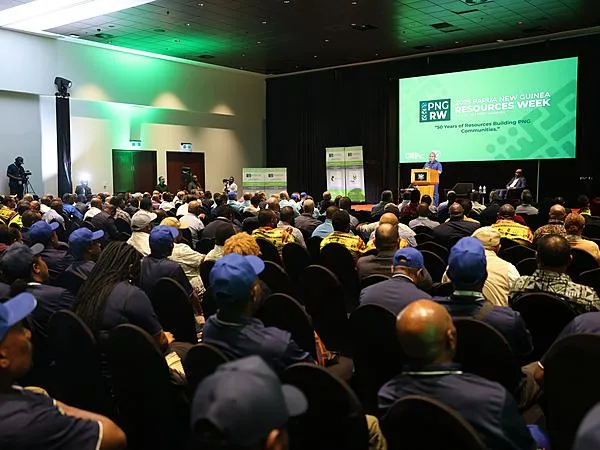
Papua New Guinea Resources Week celebrated the country’s legacy, progress, and future in the resource sector.
Hosted by the PNG Chamber of Resources and Energy (PNGCORE), the event brought together more than 1,000 delegates from government, industry, and communities. The week-long program began with the Community Affairs and National Content Conference and Exhibition (CANCONEX), held from 28 to 30 July, and concluded with the flagship PNG Resources Summit on 31 July at APEC Haus.
The opening day featured a keynote address by the Prime Minister, who reflected on the pivotal role of the extractive industries—mining, petroleum, and energy—in shaping Papua New Guinea’s development since independence.
“Today we looked back on the journey of a key sector in our country – the extractive sector. Mining, petroleum, and energy have been the driving force of our economy and will continue to do so into the future,” Marape said.
He highlighted the sector’s contributions to infrastructure, education, healthcare, and improved livelihoods across the country. His core message was that PNG’s future depended on inclusive growth, equitable partnerships, and shared prosperity.
PNGCORE President Anthony Smaré echoed the Prime Minister’s sentiments and opened the event by celebrating the success of landowner companies, or LandCos, over the past 50 years.
“The rise of PNG LandCos has been one of the greatest success stories of the last 50 years. Some of PNG’s best-run and most successful companies are LandCos—providing international-standard services to global icons, yet owned by thousands of our landowners and delivering benefits to grassroots families, communities, and the country,” Smaré said.
He also encouraged delegates to share their stories and celebrate those achievements. Prominent LandCos present at the event included Trans Wonderland Limited (TWL) Group, Turra Holdings, KutMor Limited, and Fubilan Catering Services.
The CANCONEX 2025 exhibition brought together more than 70 companies and organisations from the mining, petroleum, energy, logistics, finance, education, and government sectors. The exhibitions fostered meaningful conversations, challenged existing norms, and showcased the evolving landscape of PNG’s resource industry.
Themed “50 Years of Resources Building PNG Communities,” Resources Week highlighted how the sector had played a pivotal role in national development.
Day 1 attracted over 800 delegates to APEC Haus, where they gathered to honour the sector’s legacy and envision its future. The atmosphere was one of reflection, pride, and collective ambition.
Throughout the day, sessions spotlighted the achievements of LandCos and the positive impacts of local content initiatives. Key speakers from Santos, Trans Wonderland Ltd, and the PNG Mining & Petroleum Hospitality Services Training and Development Division shared powerful stories of empowerment, business growth, and community upliftment. Topics ranged from workforce training and SME development to security and sustainability in resource operations.
Breakout sessions under the CANCONEX banner focused on National Content, Community Investment, and Security in Resource Development, with strong engagement across all panels.
The energy and participation on Day 1 underscored a unified vision: that localisation, strong partnerships, and sustainable development were central to PNG’s continued growth.
PNG Resources Week 2025 began with strength and purpose, setting the stage for a future where the resource sector continues to build communities and shape the nation’s next 50 years.
As cyber threats continue to evolve in complexity and frequency, the imperative for robust information security across both government and private sectors in Papua New Guinea has never been more urgent.
In a recent interview with PNG Business News, Robert de Haan, founder and chief executive officer of Cypro Pty Ltd, outlined the growing need for proactive cyber risk management across the country.
“The finance sector is making progress to stay ahead,” de Haan remarked, “but there remains a significant journey ahead for broader business and government institutions. Information security awareness is rising, but it must be followed by decisive action. No organisation is too small to be targeted and the volume of attacks is increasing.”
Cypro: A Specialist Cybersecurity Partner for PNG Businesses
Cypro is an Australian-based cybersecurity consultancy focused on delivering high-quality, cost-effective services tailored to organisational needs.
Unlike traditional IT providers, Cypro does not resell third-party products. Instead, it develops and delivers in-house solutions that are practical, scalable and aligned with each client’s operational context.
For businesses in PNG seeking to better understand and manage their cybersecurity posture, Cypro provides clear, jargon-free advice backed by deep expertise.
Services include cyber maturity assessments, risk and compliance reviews, security policy development, ISO 27001 implementation, and ongoing governance assistance.
Cypro also specialises in human-centric cybersecurity, helping organisations reduce incidents caused by human error, insider threats or poor security culture through training, behavioural analysis, and human risk scoring.
Human risk scoring in cybersecurity measures how likely an employee is to cause or fall victim to a cyber threat — through mistakes, risky actions or malicious intent. It looks at things like password strength, phishing email clicks, access level, security training and device use. Based on these, a risk score is assigned. This helps organisations spot high-risk individuals and take steps like extra training, closer monitoring or limiting access to prevent security breaches.
“Our approach is different,” de Haan explained. “We don’t just send out checklists. We embed ourselves in our clients’ environments, learning their operations, understanding their people and processes, and delivering pragmatic security solutions that work in the real world.”
A Strong Message to PNG Businesses: Cybersecurity Is a Business Imperative
Mr de Haan’s message to Papua New Guinean organisations is clear: “Start focusing on cybersecurity. It’s not a tick-box exercise, it’s a critical business function. Every staff member must be security conscious. Something as simple as a misplaced full stop in an email address can have devastating consequences. Vigilance and awareness must become standard practice.”
What sets Cypro apart is its unwavering focus on helping clients build capability, not dependence. From regulatory compliance and critical infrastructure security to data protection and user awareness, Cypro offers a comprehensive, localised approach to cyber risk — which involves local staff, cultural adaptation, and training.
Partnering with the Mineral Resources Authority
In 2023, Cypro formalised a strategic partnership with the Papua New Guinea Mineral Resources Authority (MRA) to uplift the organisation’s cybersecurity maturity and achieve ISO/IEC 27001:2022 certification.
Speaking about the project, de Haan confirmed: “We officially commenced in late 2023 and formally launched the ISO 27001:2022 implementation in September 2024. Today, we are over 60% complete in the implementation process and the results are transformative.”
“ISO 27001 provides a globally recognised framework for securing information assets. Our work with MRA involves addressing physical, digital, process and human security controls and helping the agency transition towards paperless, modern and resilient operations.”
The partnership was driven by a clear demand from both internal and external stakeholders, including industry participants seeking confidence that MRA’s digital platforms are secure, reliable and aligned with international best practice.
MRA's Digital Future: Secure, Paperless and Trusted
Jerry Garry, managing director of MRA, described the collaboration with Cypro as a foundational element of the Authority’s broader digital transformation strategy.
“Our goal is to identify and resolve every potential risk, whether through improved policy or smarter systems,” Garry said. “We are on track to achieve ISO certification, which will validate the strength and resilience of our information security management system.”
MRA has already completed four of its major compliance deliverables with the remaining critical components — internal audit, management review, certification audit, and continual improvement — scheduled for completion in the coming months.
A key pillar of this transformation is the digital tenement application portal, which will allow licence holders to submit reports, applications and payments online. “We are currently doing the implementation and aiming to be finished by the end of 2025,” he said.
Another vital component is the live mineral data repository, an essential public resource that must be secured before public access can be enabled.
“Our aim is to become a fully digital, paperless agency,” Garry added. “But before we open our systems to external access, we must ensure they are robust, certified and protected against cyber threats.”
Cypro’s Commitment to PNG’s Cybersecurity Future
Cypro’s ongoing commitment to Papua New Guinea extends beyond individual engagements. The company is actively working to establish a local presence in Port Moresby and build long-term cybersecurity capacity within national institutions.
“Our work with MRA is setting a benchmark,” de Haan affirmed. “It demonstrates that public agencies in PNG can successfully partner with specialists to build secure, future-ready systems, and it highlights what can be achieved through leadership, collaboration and the right guidance.”
With proven expertise across governance, risk and compliance (GRC), critical infrastructure protection, and human risk management, Cypro stands ready to support PNG organisations of all sizes in strengthening their cybersecurity posture.
Prime Minister James Marape has announced that the National Government has received the preliminary findings of a major Cabinet-sanctioned review into Papua New Guinea’s development since Independence, with a focus on shaping the country’s future over the next two decades.
The 50-Year National Review Committee, chaired by former Deputy Prime Minister Charles Abel and deputised by Arthur Somare, presented its initial report to Marape and members of Cabinet on 28 July. The review was initiated by the National Executive Council to take an honest and independent assessment of the country’s progress since 1975 and chart a constructive path forward.
“This review is not about apportioning blame or celebrating blindly,” Marape said. “It is about critically analysing how far we have come in 50 years — identifying our weaknesses, recognising our strengths, and setting out what must be done to move forward with clarity and purpose.”
The report examined key performance areas including:
Human development indicators
Macroeconomic trends
Public service delivery
Governance and institutional reform
Youth demographics and social challenges
Data and statistics were sourced from credible institutions, including the National Research Institute (NRI) — which recently completed its own comprehensive PNG 1975–2025 Review — along with inputs from the Consultative Implementation and Monitoring Council (CIMC), UNDP, the Australian National University (ANU), and other local and international agencies.
“From 1975 to 2008, our economy grew below 1 percent annually while our population expanded by over 3 percent,” Marape noted. “This mismatch has contributed to the structural difficulties we face today — with half of our population under the age of 25. It is a wake-up call.”
The report further recommends priority areas for reform, including:
Accelerating economic diversification
Improving government efficiency and accountability
Tackling corruption and lawlessness
Investing in human capital and youth opportunities
The findings will feed directly into the Government’s current development planning, particularly:
The final five years of the National Strategic Plan 2010–2030
The remaining 25 years of Vision 2050
The operationalisation of the Medium-Term Development Plan IV (MTDP IV)
Marape reaffirmed that the review is being conducted at arm’s length from political interference, with the committee granted full independence to assess even the performance of his own government over the past six years.
“I have instructed the committee to be critical, to be honest, and to tell us what needs fixing — not just in my government, but in the previous two governments under Sir Michael Somare and Peter O’Neill,” he said. “Not to criticise for the sake of it, but to allow us to correct course as we move forward.”
The final report will be submitted to Cabinet for consideration and then tabled in Parliament, ensuring that all elected leaders participate in shaping PNG’s next 20 years.
“We are not reinventing the wheel,” Prime Minister Marape added. “We are building on the foundation of Vision 2050, ensuring we are strategic, focused, and efficient — with an eye toward 2045, when the next generation of leaders can assess and prepare for life beyond 2050.”
Prime Minister James Marape has officially announced that Papua New Guinea will host New Zealand Prime Minister Christopher Luxon for a high-level bilateral visit, 4-6 August, 2025. The visit comes ahead of Papua New Guinea’s 50th Independence Anniversary and underscores the strong and evolving relationship between the two Pacific nations.
“This visit by Prime Minister Luxon is both symbolic and strategic,” Marape said. “He is coming personally to convey his apology that he will not be able to attend our Independence Day celebrations in September due to parliamentary commitments in New Zealand. His early visit highlights the value he places on our bilateral relationship.”
The visit builds on the outcomes of Marape’s state visit to New Zealand in March 2025 and is part of the implementation of the Papua New Guinea–New Zealand Statement of Partnership 2025–2029, which was signed earlier this year. Officials from both countries are now finalising a Joint Economic Cooperation Plan to complement the partnership and align with PNG’s Vision 2050.
Prime Minister Luxon’s three-day visit will include:
Marape praised New Zealand as a long-standing and dependable partner in the Pacific.
“New Zealand has been a friend to PNG since the 1970s — from missionaries and public servants to direct development assistance, education opportunities and investment partnerships,” he said. “They have consistently supported our nation, including through streamlined migration and visa processes and expanded labour mobility schemes."
Prime Minister Marape also acknowledged New Zealand’s enduring role in peacebuilding, particularly in Bougainville. “They were instrumental in the Bougainville peace process, from the 1997 negotiations to the Burnham Declarations in 2000. Today, they remain involved as trusted partners as we conclude the next phase of the 2001 Bougainville Peace Agreement," he added.
As a senior member of the Pacific Islands Forum, Marape noted that New Zealand’s visit reaffirms its commitment to regional solidarity and deepens the bilateral ties as Papua New Guinea chart a new course for the next 50 years.
The Autonomous Bougainville Government (ABG) has reiterated that the harvesting and trading of beche-de-mer (sea cucumber) remains strictly prohibited across the region until further notice, despite recent confusion sparked by a national advertisement.
In a statement, Kenneth Dovaro, secretary of the ABG Department of Primary Industries and Marine Resources, confirmed that the five-year moratorium on beche-de-mer harvesting is still in effect and has not been lifted.
The clarification follows public concern after the National Fisheries Authority (NFA) published a notice in the Post-Courier on 9 July, titled “Call for Beche-de-Mer (BDM) Licence Application”. While the notice called on interested operators and businesses to apply for licences for future open seasons, it did not authorise any harvesting activity at present.
“The notice has unfortunately caused some confusion,” said Dovaro. “We wish to make it absolutely clear to all fishermen, women, youths, and coastal communities throughout Bougainville that the fishery remains closed. There should be no harvesting, processing, storing or trading of sea cucumbers at this time.”
He reminded the public that under the Fisheries Management Act 1998 and Fisheries Regulation 2000, engaging in any such activities before an official reopening is considered illegal and may attract serious penalties.
The Department is now appealing to all community government officials and leaders to help enforce the moratorium and ensure their communities comply with the directive.
“We’re relying on our community leaders to take charge and spread the word. This fishery is important to our people, and its sustainability depends on our collective discipline and cooperation,” Mr Dovaro said.
Ahead of the proposed open season, a joint awareness campaign will be rolled out by both ABG Fisheries and NFA teams. The sessions will cover licensing procedures, the fishery management plan, and guidelines on species protected under the Convention on International Trade in Endangered Species (CITES).
For further information, the public is encouraged to visit the Department of Primary Industries & Marine Resources office located on Haku Street, Buka Town.
Nick van Voorst is an Australian Registered Migration Agent (MARN: 0640648), a Registered Education Agent (M042) and the owner of Coral Coast Migration Service.
He has studied Australian Migration Law at Griffith University in Brisbane and has been working as a Registered Migration Agent since 2006. He is a member of the Migration Institute of Australia and is based in Cairns.
The company provides professional advice for people wishing to apply for an Australian Visa and specialises in Student, Tourist, Employer Sponsored, General Skilled, Partner and other Family Visas, as well as Australian Citizenship Applications.
We are also Registered Education Agents and represent Education Queensland International, Cairns College of Business and English, and can assist with enrolments in other colleges and universities around Australia.
A Registered Migration Agent will make sure that your application is well presented, professionally prepared and meets all requirements. The agent will assist with the completion of all necessary forms, collating of documents, preparation of submissions and the lodgement of your application. He will monitor the progress of your application and provide ongoing advice and liaise with the Department of Home Affairs on your behalf,
All Australian Registered Migration Agents must have Immigration Law qualifications and must abide by a strict Code of Conduct.
We offer reasonable, fixed fees, agreed upon in advance, excellent, regular communication, support and feed-back.
Our Services:
Education Queensland International (EQI) develops and promotes programs for international students who want to study at a Queensland Government primary or secondary school.
Education Queensland International has more than 95 schools in Cairns, Townsville, the Fraser Coast, the Gold Coast, the Sunshine Cost and Brisbane that welcome international students to study the Queensland curriculum.
This includes primary schools that offer programs from Prep to Year 6 and high schools that offer programs from Year 7 to 12, including the International Baccalaureate.
These schools provide an internationally recognised academic curriculum, and many offer vocational training and special programs. Extra-curricular activities are also available.
Most schools are close to universities and Technical and Further Education (TAFE) institutions, and many have partnerships with them that could benefit students. This includes an easy path to further study and future goals.
International students enrolled in primary school must stay with a parent or Department of Home Affairs (DHA) approved relative. If you are a high school student, you may choose to live with a parent or a close relative who lives in Queensland.
The alternative accommodation option for high school students is staying with a local Queensland family from your school. This is called a homestay. Staying with a local family is a great way to enjoy the Australian way of living.
Important: enrolment application deadlines:
For further inquiries, please visit our website: https://www.coralcoastmigrationservice.com.au/
A new 30-metre Bailey bridge was officially opened last Friday to connect and serve the people of Siara Korepovi and the entire West Coast of Bougainville.
The Mo’ove Bridge was inaugurated by the National Minister for Works and Highways Solan Mirisim and the National Minister for Police and Regional Member for Bougainville Peter Tsiamalili Jr.
The 30-metre Bailey bridge cost a total of K3.3 million (approximately US$850,000) and was funded through the PSIP funds of the Regional Member for the Autonomous Region of Bougainville (AROB), and constructed by Raibro Construction Limited.
Speaking at the event, ABG Member for Selau Constituency Paul Cheung described Mo’ove as a bridge that not only represents infrastructure, but also hope, access and progress for communities along the West Coast—a link to reach the unreachable, thanks to the Marape-Rosso Government.
“This bridge is more than just a lifeline – it connects us, not just physically but socially and economically,” Cheung said.
National Minister for Works and Highways Solan Mirisim commended Raibro Construction Ltd for delivering quality infrastructure that will serve the people of Bougainville in the West Coast, and said he looked forward to more such projects being built.
“The Marape-Rosso Government has a vision for all of Papua New Guinea (PNG) to be connected by roads within 20 years through its Connect PNG Programme, and the Mo’ove Bridge is the first of many to come,” he said.
“I look after all the roads under the Connect PNG Programme. We build roads to where people are, but we also open doors for economic opportunities,” he said, adding that the PNG Government has invested K400 million (approx. US$103 million) in roads in Bougainville.
Regional Member for Bougainville and National Minister for Police Peter Tsiamalili Jr, also acknowledged the Marape-Rosso Government for delivering such vital services to the people of Bougainville. He called on the citizens of the West Coast to take ownership of the bridge and safeguard it.
“My first and foremost responsibility is to make sure that the quality of life for my people of Bougainville is my number one priority. Today, my people of Selau, Mahari, Kunua and Kereaka—it is a privilege to witness the opening of this first bridge on the West Coast. This is our bridge. Look after it,” he said.
He also thanked Minister Mirisim for his leadership in the Ministry of Works and Highways, especially his drive to bring development to underdeveloped areas of PNG. Tsiamalili further assured the Kereaka community that before the end of the year, the missing link connecting the West Coast would be addressed.
“Within this 50 years of PNG independence, all bridges on the West Coast will be completed up to Korepovi. I am not biased—I am giving back your money through the taxes you pay, and I start with the West Coast and will move on to the rest of Bougainville,” he said.
The Mo’ove Bridge project was designed and supervised by the National Department of Works and Highways through its Bougainville office, with support from the ABG Department of Technical Services.
Minister Mirisim also announced that the Siara–Korepovi Road would soon be gazetted as a national highway, with paperwork currently underway for the construction and sealing of an additional 2.5 kilometres of road from Tonn to Chabai.
The celebration was witnessed by delegates from the National Department of Works and Highways, ABG Department of Technical Services, Selau Community Government Members, Chiefs, Bougainville Police Service, Raibro Construction Ltd and sub-contractors, and the people of Selau, Mahari, Kunua and Kereaka.
Prime Minister James Marape has praised New Porgera Ltd. (NPL) for its strong performance in the second quarter of 2025, while calling on the people of Enga Province to end violence, protect public infrastructure and commit to peace and development.
Marape noted that NPL had overcome a challenging restart in December 2023 and is now meeting production targets while delivering substantial economic returns to the state, shareholders and local communities.
“New Porgera is now performing exceptionally well,” he said. “In Q2 2025 alone, the company paid PGK 258 million (USD 62.8 million) in corporate tax to the Internal Revenue Commission, bringing its total tax contribution for the first half of the year to over PGK 456 million (USD 111 million).”
He also welcomed NPL’s declaration of a second interim dividend of PGK 617 million (USD 150 million), following an earlier dividend of USD 80 million in the first quarter.
“These outstanding results speak volumes about the value of this national project. With a workforce that is 97 percent Papua New Guinean, New Porgera is not only producing for shareholders, but is also lifting our national economy and supporting local livelihoods,” Marape said.
He expressed appreciation to NPL Chairman Sarimu Kanu, the board, management and staff, as well as key partners including operator Barrick Niugini, the Enga Provincial Government and Porgera and Hides landowners.
“As we mark 50 years of independence, New Porgera is a powerful symbol of how responsible investment, national ownership and strong leadership can work together to create real progress for our country.”
Marape said Kumul Minerals Holdings Ltd., representing the state’s equity in the project, is now well positioned to start receiving dividends.
“In terms of Porgera, Kumul Minerals may be in a position to receive dividends sooner rather than later. This is significant for us as a nation. I encourage everyone to continue supporting Porgera — a mine that was reopened under my government’s ‘Take Back PNG’ blueprint to secure greater benefits for our people. Given the current circumstances, we must ensure a stable and secure operating environment so the mine can continue to support our country, our province and our landowners.”
However, the prime minister raised serious concerns about escalating law and order issues in parts of Enga, including the destruction of vital infrastructure.
“While we celebrate economic success, I am also deeply concerned about growing violent activity and the destruction of key infrastructure. Roads and bridges are being deliberately damaged. These actions cut off communities, delay development and threaten operations like Porgera,” he said.
Referring to recent incidents in Mulitaka, Marape called on community leaders and citizens to reject violence and assist in restoring peace.
“When disaster struck Mulitaka, the nation stood with you. Now, as we try to rebuild that damaged bridge, I ask you to show the same unity. Report the culprits. These are not acts of strength — they are acts of sabotage that hurt your own people and children.”
He reminded landowners and impacted communities that benefit-sharing arrangements under the new Porgera deal have significantly improved.
“Previously, landowners received 5 percent equity and 2 percent royalty — a total of 7 percent. Today, you are receiving up to 18 percent — with 15 percent equity and 3 percent royalty, subject to the finalisation of the Community Development Agreement (CDA) with the state. This is real progress.”
Marape added that the benefits go beyond direct payments. New Porgera is creating more jobs for local people, generating more spin-off opportunities for SMEs and delivering more tax revenue to fund education, health, policing and development across Papua New Guinea.
“But peace is the foundation of progress,” he warned. “If lawlessness takes over, then all of these gains can be lost. Violence has no place in modern Papua New Guinea. Enga deserves better.”
He urged the people of Enga to take ownership of public assets and work together to protect the province’s future.
“Protect your roads. Protect your bridges. Safeguard your environment. This infrastructure belongs to you and to the generations who come after you. Let’s not burn down the future we’re building together.”
He concluded with a powerful appeal for unity: “Let’s build — not burn. Let’s unite — not divide. Let us stand together and show the nation that Enga is ready for peace, progress and pride.”
Prime Minister James Marape met with Japan Organisation for Metals and Energy Security (JOGMEC) Chairman and Chief Executive Officer Takahara Ichiro to discuss trade relations and investment opportunities between the two countries.
The meeting focused on strengthening bilateral relations, with particular emphasis on trade, natural resources, investment opportunities, clean energy and battery technology.
Prime Minister Marape proposed a trade relationship between PNG and Japan, where both countries would exchange goods and services with minimal tariffs, leveraging PNG’s abundant natural resources, including minerals and energy.
Marape invited Japanese companies to invest in PNG, particularly in downstream processing and manufacturing, highlighting the country’s carbon-negative status and significant capacity for clean energy production, including hydro, solar, and geothermal power. He also encouraged Japanese companies to explore research and development in battery technology, which could be used to store and transport clean energy.
A strengthened trade relationship between PNG and Japan could lead to increased investment and trade between the two countries. PNG’s clean energy resources and carbon-negative status make it an attractive location for companies seeking to invest in renewable energy.
The discussions on downstream processing highlighted PNG’s natural resources and strategic location, making it an ideal base for value-added processing and manufacturing.
However, challenges such as infrastructure development and the need to strengthen the regulatory framework must be addressed to support increased investment and trade. The country’s regulatory framework may require improvements to ensure a stable and predictable business environment.
Prime Minister Marape emphasised his government’s commitment to modernising the court system, introducing international arbitration, and establishing an independent and functional national court system to handle any disputes that may arise.
“We are restructuring our economy to make sure that the characteristics of a free-market economy remain the bigger and best business in the country,” he said.
The Prime Minister expressed enthusiasm for closer cooperation with JOGMEC and welcomed their support in promoting business opportunities in PNG.“I am looking forward to your support as your advocate in the business communities, and I want to give you my full commitment,” he said.
Prime Minister Hon. James Marape refreshed Papua New Guinea’s connection with key LNG partner Eneos Xplora Inc., formerly JX Nippon Oil and Gas Exploration Corporation.
Prime Minister Marape met with Representative Director and Chair of the company, Toshiya Nakahara, and his team in Tokyo this week as part of efforts to engage directly with Japanese companies operating in Papua New Guinea.
Eneos Xplora, which until recently was known as JX Nippon Oil and Gas Exploration Corporation, is a foundational partner in the PNG LNG project and continues to show interest in the upcoming Papua LNG project.
Marape used the opportunity to invite Eneos to consider business partnerships with state holding companies, Kumul Mineral Holdings Limited or Kumul Petroleum Holdings Limited.
“I want to ask you to be a good support to Kumul Petroleum Holdings and Kumul Minerals Holding. We are restructuring the companies to be major partners with investors overseas so that they bring to the table the security of the country," he said. “As we look forward to life beyond 50 years, we ask that you do not fear some of the reforms we do as we will make sure our investors make a return on their investments.”
The Prime Minister also reached out to other Japanese companies to partner in the Government’s subsidiary businesses, and to venture into the exploration of minerals and gas in the country.
He reassured investors of ongoing reforms aimed at securing the investment environment, including developments in the court system and the introduction of international arbitration to support independent dispute resolution.
PM Marape also mentioned current engagements with the Japan Bank for International Cooperation for additional support to Japanese investors, and encouraged Eneos Xplora to increase its involvement in PNG, given its longstanding presence in the country.
Eneos Xplora is involved in the development and production of oil and natural gas both domestically and internationally, serving as a core operating entity within the ENEOS Group – the largest energy, resources, and materials corporation in Japan.
Kumian, Eastern Highlands — The Conservation and Environment Protection Authority (CEPA) Environment Council conducted an official site visit to the K92 Mining operation on Thursday 17 July 2025.
The delegation underwent a site safety induction and received a comprehensive overview of K92’s operations presented by Chief Executive Officer John D. Lewins and Director of Sustainability and ESG Michael Flynn. The presentation covered the Stage 3 Expansion, which is scheduled to begin commissioning in the second half of Q2, the Stage 4 Expansion and ongoing exploration efforts to identify new deposits and resources.
Lewins reaffirmed K92’s commitment to sustainable growth, responsible resource development and meaningful community engagement. He also highlighted the Company’s significant economic contributions in 2024, which included:
PGK 155 million in corporate tax (approx. USD 41.9 million)
PGK 51 million in payroll tax (approx. USD 13.8 million)
PGK 34 million in royalties and MRA levies (approx. USD 9.2 million)
PGK 617 million in capital projects (approx. USD 166.6 million)
PGK 64 million in exploration (approx. USD 17.3 million)
PGK 11 million on community programmes (approx. USD 3 million)
PGK 372 million in local procurement (approx. USD 100.4 million)
These figures are expected to increase further in 2025, including over PGK 800 million (approx. USD 216 million) forecast in capital expenditure to complete the Stage 3 Expansion, which is anticipated to more than double gold and copper production.
The delegation toured the new processing facility where Lewins explained each stage of the mill’s operations. Helicopter tours led by Environment Manager Kapi Lumbi provided further insight into the Company’s activities. The visit also included a tour of the existing Tailings Storage Facility and associated infrastructure led by Michael Hawkins, Principal Sustainability.
K92 senior staff supporting the visit included Johan Botha (Deputy General Manager), Allen Koops (Principal, Camp Management), Peter Torot (Manager, Health and Safety), Palizo Abori (Superintendent, Environment) and Stanley Komunt (General Manager, Community Affairs and External Relations).
The CEPA Environment Council delegation comprised Prof. Simon Saulei, Prof. Kaul Gena, Dr Eric Omuru, Tom Pringel, Susan Yakip, Esmalyne Tau, Pitz Murphy, Michael Wau and Robert Sine.
The visit concluded successfully, strengthening collaboration between CEPA and K92 Mining and highlighting a shared commitment to responsible mining and environmental sustainability.
Port Moresby, 24 July 2025 – Prime Minister James Marape today welcomed Anna Bjerde, managing director for Operations at the World Bank, to Papua New Guinea for high-level discussions on the country’s development progress, fiscal reform and enhanced partnership with the World Bank Group.
Bjerde, who was accompanied by senior World Bank leadership, commended Papua New Guinea’s positive economic trajectory and acknowledged the Marape Government’s commitment to fiscal consolidation and economic reform.
During the meeting, Marape highlighted the significant upscaling of World Bank support to Papua New Guinea — from US$475 million in 2023 to US$709 million in 2025. This increase reflects growing international confidence in PNG’s reform agenda and underscores the country’s strategic importance in the Pacific region.
The Prime Minister acknowledged the World Bank’s crucial assistance in key sectors such as energy, education, youth employment, rural service delivery and human capital development. Among the flagship projects discussed were:
“These investments are not just about infrastructure — they are about improving lives, creating jobs and lifting our people out of poverty,” Marape said.
Marape reaffirmed his government’s target to return to a balanced budget by 2027 — the first since 2010. He noted that over the past five years, the national budget deficit has been reduced by approximately K1 billion each year, and that this trend will continue into 2026.
“We are charting a bold path to economic independence. After 2027, our focus will shift from borrowing to aggressive debt repayment, and by 2033–2035, we aim to be debt-free. By 2045, we want to be a net contributor to the World Bank and IMF, not just a borrower,” the prime minister said.
He also briefed Bjerde on the Government’s economic vision, which he previously shared with the IMF’s Deputy Managing Director in Washington, reaffirming PNG’s commitment to grow the economy through trade rather than aid.
For her part, Bjerde welcomed Papua New Guinea’s ambitions and acknowledged the Government’s progress. She also commended the country’s strong fiscal direction and pledged the World Bank’s continued support, including in debt restructuring and climate resilience efforts.
She also expressed interest in supporting the Government’s broader goals of labour mobility, education partnerships and poverty alleviation, while reaffirming the World Bank’s readiness to collaborate on clean energy expansion and environmental protection.
Marape expressed appreciation for the World Bank’s growing engagement in Papua New Guinea and extended an invitation to host the President of the World Bank in a future visit. He stressed that partnerships must be grounded in long-term impact, not short-term relief.
“Our ambition is clear: to grow our economy, create more opportunities for our young people, protect our environment and become a stronger, more independent nation that contributes to the global development community,” he said.
Port Moresby, 25 July 2025 — Prime Minister James Marape has welcomed the International Court of Justice’s (ICJ) landmark advisory opinion on climate change, delivered on 23 July, calling it a “monumental victory for climate justice” and a major step forward for Pacific nations like Papua New Guinea.
The advisory opinion, requested by the United Nations General Assembly, affirms that states have a legal obligation under international law to reduce greenhouse gas emissions. It further states that failure to act may constitute an “internationally wrongful act,” opening the door to legal accountability for climate inaction.
“This ruling reinforces what Pacific nations have long championed: a clean, healthy and sustainable environment is a fundamental human right,” said Prime Minister Marape. “It is a landmark for climate justice and for sovereign island nations like Papua New Guinea, whose very existence is under threat.”
The ICJ concluded that countries must act decisively to curb emissions from fossil fuels and reconsider policies such as exploration licences and fossil fuel subsidies. The court also suggested that nations suffering climate-related harm may be entitled to reparations, provided a causal link can be established. Although the opinion is non-binding, it carries significant legal and political weight, especially in the lead-up to COP30 in Brazil.
“This advisory opinion is a monumental victory for climate justice,” said Marape. “It vindicates the voices and sacrifices of Pacific communities standing at the frontline of sea-level rise, extreme weather and biodiversity loss.”
Prime Minister Marape also underscored PNG’s long-standing record on environmental protection and climate leadership. “Papua New Guinea has long stood against environmental harm — from rejecting deep-sea mining to championing Indigenous-led ocean reserves. This ruling empowers our efforts to safeguard our marine and forest ecosystems for future generations.”
He called on high-emitting nations to meet their international responsibilities. “We urge all nations — especially historic emitters — to honour their legal obligations and commit to urgent, equitable climate action. The era of delay and denial is over. The law is now clear.”
Following the ICJ’s opinion, Papua New Guinea intends to deepen its engagement on the global stage. The government plans to use the ruling to strengthen diplomatic pressure during climate negotiations, explore legal avenues to reinforce environmental commitments and pursue strategic partnerships for climate finance and conservation efforts.
Marape said PNG would continue to lead by example through its moratorium on environmentally destructive activities and its commitment to inclusive, sustainable development.
Prime Minister Marape has consistently taken strong positions on environmental and climate issues. He remains a vocal opponent of deep-sea mining, citing risks to fisheries, fragile ecosystems and community livelihoods. In June, he advocated for the Melanesian Ocean Reserve and Indigenous-led conservation at the UN Ocean Conference in Nice. In September 2024, he called for stronger international recognition of the threats posed by sea-level rise during the UN General Assembly’s 79th session.
Marape said the ICJ’s advisory opinion aligns legal authority with moral leadership, giving Pacific nations powerful leverage in their ongoing struggle for survival and justice.
PM Marape said this legal breakthrough now provide authoritative backing for PNG’s climate agenda, “aligning moral leadership with international law to protect our people, nation and Pacific region.”
Follow on LinkedIn:
PNG Business News
Be the "First" to get our exclusive Digital Magazine & Weekly Newsletter.