October 09, 2025

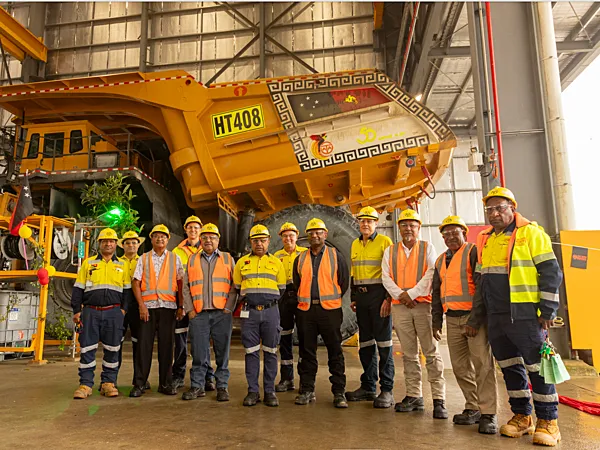
Ok Tedi Mining Limited (Ok Tedi) has officially commissioned its new Mine Operations Workshop, a modern facility purpose-built to support the maintenance of the company’s recently introduced fleet of XDE 260 XCMG electric trucks.

Named “Workshop 50” in recognition of Papua New Guinea’s 50th Independence Anniversary, the facility represents a major step forward in strengthening Ok Tedi’s mining operations, offering increased capacity and tailored facilities to service the larger and more advanced truck fleet.

Ok Tedi anticipates operating a total of 15 electric trucks by the end of the year. The company currently runs 10 units, with five more being assembled. The XCMG trucks are used to haul ore and waste from the mine to the crusher and waste dumps respectively.

Designed and equipped to meet the unique maintenance needs of the XCMG electric fleet, the new workshop is expected to enhance operational efficiency and reduce downtime.

Ok Tedi Mine Manager for Mobile Maintenance Tommy Mambu thanked Ok Tedi Managing Director and Chief Executive Officer Kedi Ilimbit and the Ok Tedi Board, saying the investment reflects the company’s ongoing commitment to innovation and operational excellence.

“The new Mine Operations Workshop gives us the capacity and capability to properly maintain our electric truck fleet, ensuring safe, reliable and efficient operations. It is another important milestone as we modernise our mining fleet and invest in the long-term future of our operations,” Mambu said.

The construction and commissioning were completed within budget, with additional works including the installation of a 50-tonne crane and lube facility delivered through project contingencies and cost optimisations. Thorough commissioning checks were carried out prior to the official handover.

Despite challenges such as adverse weather and budget pressures resulting from changes to scoped requirements, the project team applied adaptive planning and close coordination to mitigate delays and ensure safe delivery.

Ok Tedi General Manager Operations Ben Burger underscored the strategic importance of the new facility.

“The new workshop will primarily benefit the Mine Maintenance Department, but its impact will extend across the broader Ok Tedi business by enabling more reliable fleet performance,” Burger said.

This milestone supports Ok Tedi’s 2050 Growth Strategy, with a focus on transformational growth and sustainability, paving the way for a stronger and more resilient future for the company and its shareholders.

Ok Tedi Mining Limited (OTML) is a majority state-owned company that operates an open-pit copper, gold and silver mine located in the Star Mountains of Western Province, Papua New Guinea. The company exports copper concentrate to smelters and refineries in Japan, the Philippines, Indonesia, South Korea, India and Germany.

Operating in the region for over 40 years, Ok Tedi has made a significant contribution to development in Western Province through direct and indirect employment, royalties, compensation payments and business opportunities.

October 09, 2025

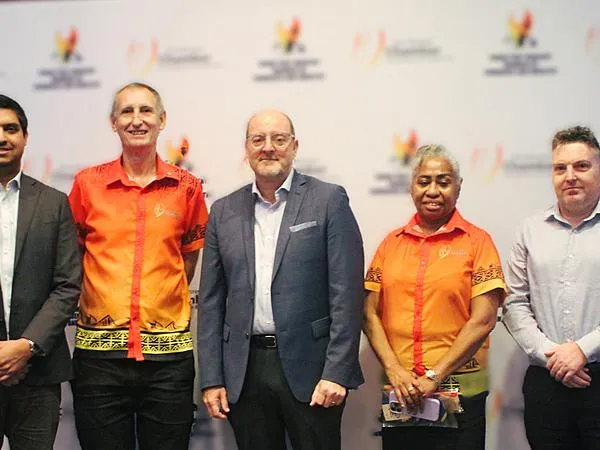
The Port Moresby Chamber of Commerce and Industry (POMCCI) hosted a Business Breakfast at the Lamana Hotel on Wednesday, 1 October 2025, featuring PricewaterhouseCoopers (PwC) Papua New Guinea Tax Partners Peter Burnie and Shanol Jokhan, who presented detailed insights on the New Income Tax Act 2025 and shared their professional expertise on the key changes introduced under the new tax legislation.

The two-hour event brought together members of the business community seeking valuable insights into the new tax regime.

According to PwC, the New Act represents a complete overhaul of the country’s tax system, tracing its roots to the Bogan Review of 2015 and subsequent reform commitments under the 2017 Medium Term Revenue Strategy (MTRS).

The new Act is described as the most significant tax legislative change in Papua New Guinea in more than six decades.

Passed by Parliament in March 2025, the Act will take effect for tax years commencing after 1 January 2026. It replaces an outdated framework that has evolved through decades of amendments, aiming to simplify, modernise and consolidate tax provisions.

PwC noted that the Act’s objectives include:
• Simplification and consolidation of existing provisions
• Greater emphasis on self-assessment rather than full assessment
• Alignment with the Tax Administration Act (TAA) for efficiency and consistency

However, PwC cautioned that taxpayers should expect transitional challenges as businesses adjust to the new rules.

Introduction of Capital Gains Tax (CGT)

For the first time in PNG’s history, the New Act introduces a Capital Gains Tax (CGT), effective 1 January 2026.

The 15% CGT applies to gains made on the disposal of taxable assets such as resource rights, related information, membership interests, and acquisition rights.

PwC presenters explained that taxpayers can choose between using the historic cost or market value as of 1 January 2026 as the cost base for these assets.

Capital losses may be carried forward indefinitely to offset future gains. PwC described this as a major structural shift, particularly for investors in PNG’s resource sector, and urged businesses to evaluate how this change will affect their investment strategies.

Changes for Non-Residents

The new Act also introduces major updates for non-resident businesses operating in PNG.

Under the reforms, income earned by non-residents through a Permanent Establishment (PE) will be taxed at 30% on net income, while those without a PE will continue to be subject to Non-Resident Tax (NRT) via withholding.

NRT will apply to income such as dividends, interest, royalties, annuities, insurance premiums and technical fees, with a 15% withholding rate on technical services.

The Act also provides clearer definitions of permanent establishment categories, including consulting, construction and agent-based operations, setting time thresholds for determining tax residency.

Employment and Individual Taxation

PwC highlighted that while tax rates and thresholds remain unchanged, the Act refines the taxation of employment income and employer-provided benefits.

It maintains concessional treatment for housing, motor vehicles, school fees and leave fares but updates valuation methods. For example, vehicle benefits are now based on acquisition cost rather than prescribed value.

The concept of salary packaging is formalised, requiring approval for arrangements exceeding the 40% benefits threshold. Individuals with employment income subject to withholding are not required to file tax returns, although assessments may be raised if employer withholdings fall short.


Corporate and Group Transactions

The Act introduces new provisions for intra-group reorganisations, including rollover relief for asset transfers within corporate groups that have at least 95% ownership, subject to approval by the Commissioner General.

It also allows group loss transfers, aligning PNG more closely with international tax practices.

Dividends between resident companies remain exempt, while dividends from non-resident sources are exempt if the recipient owns at least 10% of the foreign entity.


Depreciation and Fixed Assets

One of the key simplifications under the new Act is the reform of tax depreciation rules. The Act introduces five asset classes with prescribed depreciation rates and allows immediate deductions for assets valued under K1,000.

Pooling is permitted for certain asset classes, and for the first time, taxpayers may claim depreciation on business intangibles such as patents, copyrights and marketing intangibles, typically over ten years.

The Act removes outdated accelerated depreciation incentives but retains some concessions for manufacturing and primary production assets.


Preparing for Implementation

Burnie and Jokhan described the passage of the Act as a “significant milestone for tax reform,” urging businesses to prepare for implementation by reviewing:
• Fixed asset management
• Employment arrangements
• Cross-border contracts
• Operating models for non-resident entities

Although the law takes effect in 2026, PwC noted that complementary regulations, including a revised Tax Administration Act and Income Tax Regulations, are expected before enforcement.

The Internal Revenue Commission (IRC) will also play a key role in ensuring a smooth transition through updated processes and taxpayer guidance.

The POMCCI continues to facilitate such engagements to keep the business community informed about key economic and legislative developments affecting the private sector in PNG.

The breakfast provided an opportunity for business leaders and tax professionals to engage directly with PwC’s tax experts on the implications of the New Income Tax Act and its expected impact on business operations and compliance in the country.

October 09, 2025

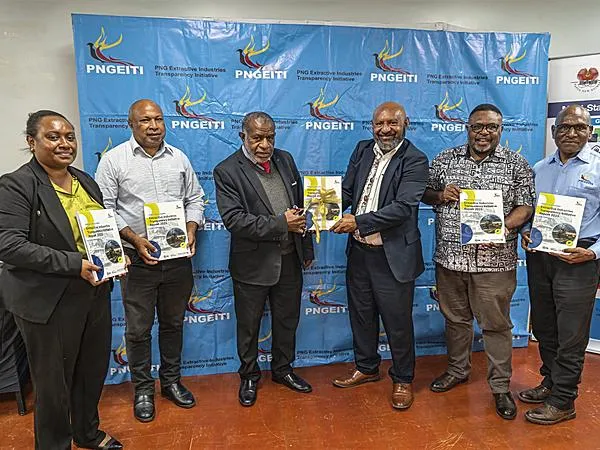
The PNG Chamber of Resources & Energy (PNG CORE) has commended the PNG Extractive Industries Transparency Initiative (PNGEITI) on the recent launch of the 2023 PNGEITI Annual Report.

This annual report represents a signpost for the resources sector and a milestone in the industry’s collective commitment to transparent, accountable and responsible resource governance that serves all Papua New Guineans.

It also provides a detailed, data-driven view of payments flowing from the extractive sector to the State and state-owned enterprises (SOEs), including taxes, royalties, dividends and equity-related payments.

In 2023, the extractive sector contributed significantly to Papua New Guinea’s economy, accounting for:

  • 27.4% of GDP
  • 23.1% of direct government revenue
  • 88.6% of total export earnings

PNG CORE reaffirmed its unwavering commitment to the principles of EITI — transparency, accountability, governance and sustainable development. Transparent reporting builds trust, reduces conflict, enhances investor confidence and strengthens the social licence for member companies to operate.

The 2023 EITI Report underscores the importance of robust, consistent reporting to shed light on where resources come from, how they are allocated and where gaps may exist — enabling policymakers, revenue authorities and communities to make informed, evidence-based decisions.

Key payments and contributions in 2023:

  • K3.6 billion (US $857 million) in mining and petroleum taxes paid to the IRC
  • K843 million (US $201 million) in salary and wages taxes paid to the IRC
  • K1.67 billion (US $398 million) in equity payments to state-owned enterprises
  • K680 million (US $162 million) in royalty payments to landowners, local-level governments and provincial governments
  • K564.5 million (US $135 million) in mandatory and discretionary social contributions
  • K366 million (US $87 million) in development levies to subnational governments
  • K218 million (US $52 million) in infrastructure tax credits

Transparency achieved through EITI reporting has been instrumental in identifying opportunities to improve tax administration, royalty flows and the management of state equity interests.

PNG CORE remains open to collaboration with government, regulators and communities to strengthen systems, close gaps and ensure that taxation and revenue mechanisms serve the public interest without compromising the competitiveness and viability of the resource sector.

“We support ongoing EITI reporting cycles and independent assurance to maintain high standards of accuracy and accessibility. We encourage the use of EITI findings as constructive input into policy reform, ensuring that changes promote fairness, predictability and sustainable development,” said Senior Vice President Richard Kassman.

PNG CORE commends the PNGEITI for its continued leadership in promoting accessible and impactful disclosures, and for fostering a collaborative environment where industry, government and civil society work together to translate resources into lasting development outcomes for Papua New Guinea.

October 09, 2025

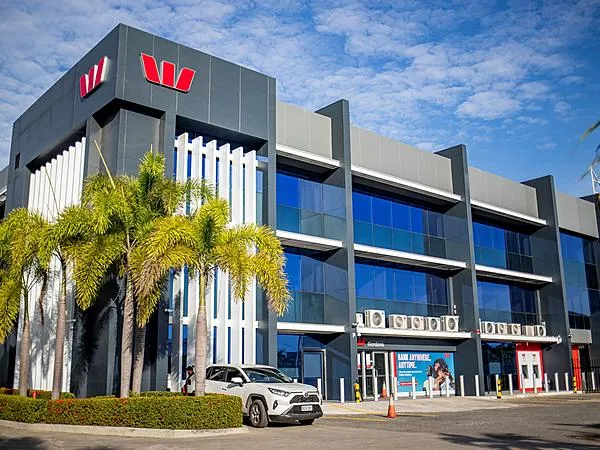
Westpac PNG has announced a significant enhancement to its Bonus Saver Account with a new, market-leading interest rate of 4.25% per annum—rewarding customers for their commitment to saving and helping them grow their money faster.

The Bonus Saver Account is designed to encourage consistent saving by offering a high bonus interest rate each month customers grow their balance, making it one of the most competitive savings products available in Papua New Guinea today.

For balances above K1,000 (approximately US $238 at the current exchange), Westpac’s Bonus Saver Account will also offer zero dormancy fees.

Westpac PNG Chief Executive Andrew Cairns said the improved rate demonstrates Westpac’s ongoing commitment to supporting customers’ financial wellbeing.

“We know how important it is for our customers to make the most of their savings, especially in today’s challenging economic environment. With the new 4.25% interest rate, our Bonus Saver Account gives Papua New Guineans a simple and rewarding way to grow their savings—whether it’s for school fees, a future home or financial security—because every kina saved today grows your tomorrow.”

The Bonus Saver Account offers customers the flexibility of accessing their funds when needed, while still encouraging good savings habits through monthly bonus interest for account growth. Customers have the added security of full digital access to their accounts via Westpac’s Online Banking and Mobile Banking App.

Westpac PNG continues to invest in delivering banking solutions that help customers achieve their financial goals—from everyday banking to savings and investment opportunities.

For more information, visit https://www.westpac.com.pg/

New and existing Westpac customers can open a Bonus Saver Account today by visiting their nearest Westpac branch or calling 322 0888 for more information.
October 07, 2025

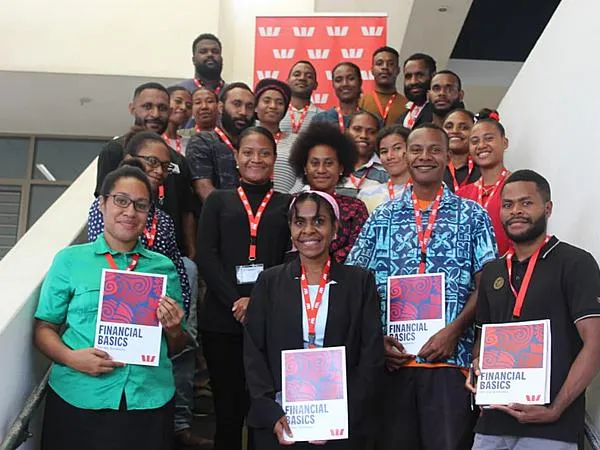
Fifteen participants at the University of Papua New Guinea have attended Westpac’s Financial Basics for My Business workshop, marking a successful start to Westpac’s financial literacy initiative with the university as part of the global Financial Inclusion Week celebrations.

The comprehensive training module equipped participants with essential skills in balance sheet preparation, income statement analysis and business plan development, which are valuable for both experienced entrepreneurs and those aspiring to start a small business.

“This session has opened my eyes to the financial side of running a business,” said Joylyne Taravaru, a fourth-year psychology student.

“The knowledge I’ve gained is invaluable. I learned that having savings is very important. A lot of us want to save money, but we face problems in doing so, and the session was a reflective one because all the things mentioned are issues we face in our daily lives. The session taught me the importance of saving money," Taravaru added.

Westpac Chief Executive Andrew Cairns emphasised the bank’s commitment to supporting Papua New Guinea’s business community.

“Financial literacy is the foundation of successful business operations. Through our Financial Basics for My Business programme, we are empowering entrepreneurs and small business owners with the tools they need to build sustainable enterprises and contribute to PNG’s economic growth. We’re proud to support the next generation of business leaders," Cairns said.

UPNG’s Coordinator for Peer Training and Development, Beniah Nari, while acknowledging the bank’s commitment to supporting the future workforce, said: “Financial literacy is a vital skill that empowers students to make confident, informed choices about their future."

"These sessions are both timely and practical, providing young people with essential life tools. The strong engagement and enthusiasm we’ve seen reflect the value of the programme, and we fully support its expansion to reach all students in 2026. Westpac PNG’s dedication to youth empowerment is a meaningful investment in the nation’s future," Nari added.

Westpac will commence its Financial Basics for My Business webinar series in October. Details will be shared via the Westpac PNG social media channels.

To date, Westpac has delivered more than ten webinar sessions, equipping over 200 participants from a range of sectors across Papua New Guinea with foundational financial knowledge to support their business growth.

October 07, 2025

In celebration of Financial Inclusion Week, Westpac PNG has reaffirmed its commitment to inclusive growth and community empowerment, having positively impacted families and communities through its targeted programmes.

As the first bank established in Papua New Guinea, Westpac has built a long-standing legacy of service, trust and innovation. Today, it continues to lead with purpose—delivering financial education, expanding banking access and creating economic opportunities across the country.

In the 2025 financial year, Westpac delivered financial literacy training to more than 6,000 individuals throughout Papua New Guinea, helping participants gain confidence in managing household finances. Its Financial Basics for My Business webinars reached participants in Port Moresby, Lae, Kavieng and other centres, equipping small business owners and NGO workers with practical tools for budgeting, record-keeping and business planning.

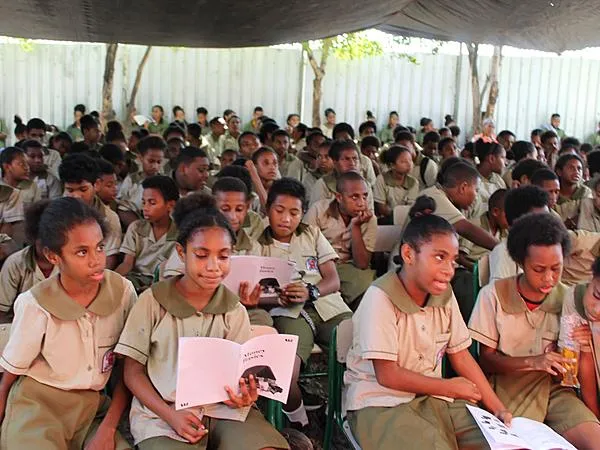
Recognising that financial literacy should begin early, Westpac partnered with schools across the National Capital District to introduce financial education to young Papua New Guineans. The overwhelming response from educational institutions reflects a shared understanding that teaching children about money management, savings and responsible decision-making lays the foundation for a financially secure generation. These school partnerships are preparing students not just for exams but for real-world financial situations they will face throughout their lives.

Westpac PNG Chief Executive Andrew Cairns said: “Financial literacy is fundamental to building stronger communities across Papua New Guinea."

"Through our partnerships with schools, businesses and communities, we’re seeing real impact—people gaining the confidence and skills to manage their finances, start businesses and plan for their futures. We remain committed to ensuring every Papua New Guinean has access to the financial education and tools they need to thrive," Cairns said.

Tengei Christian Academy principal Omu Ane Ila’Upa, acknowledging Westpac’s ongoing partnership with the school, said: “Westpac’s financial literacy programme has been transformative for our students."

"We’ve seen remarkable engagement as young people learn practical skills in saving, budgeting and making informed decisions. This partnership is equipping our students with essential life skills that will serve them well beyond the classroom, and we’re grateful for Westpac’s commitment to investing in our children’s futures," he added.

Through strategic partnerships with community organisations, corporate bodies and schools, Westpac is demonstrating that financial inclusion extends beyond banking services—it is about empowering individuals with the knowledge, confidence and opportunities to build better futures for themselves and their communities.

October 06, 2025

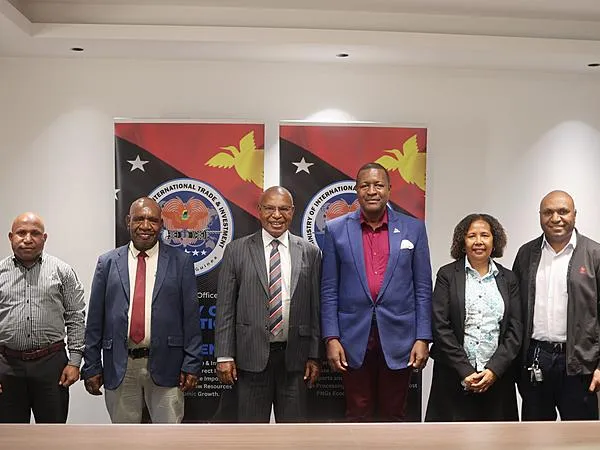
The Marape-Rosso Government has begun the mid-term review of Papua New Guinea’s National Trade Policy (NTP) 2017–2032, aimed at strengthening the country’s trade strategy in response to evolving global and domestic conditions.

The review, spearheaded by the National Trade Office (NTO) with support from the European Union Delegation to PNG, was announced by Minister for International Trade and Investment Richard Maru.

The NTP, first launched in 2017 under the O’Neill Government when Maru was Minister for Trade, Commerce and Industry, is the country’s guiding framework for promoting trade and investment.

Minister Maru said the review was essential to ensure the policy remained relevant and effective.

“PNG’s trade performance and policy implementation over the past eight years need a thorough assessment so successes can be built and shortcomings addressed,” he said.

“The review will help PNG align its trade policy with recent domestic priorities such as the Medium-Term Development Plan 4 and post-COVID economic recovery, and external developments like environmental considerations, new market opportunities in Asia and evolving World Trade Organization rules," he added.

He added that the review would allow PNG to “adopt international best practices, foster stakeholder engagement, and ultimately ensure that trade policy remains effective and relevant.”

The mid-term review will focus on three core areas:

  1. A retrospective assessment to evaluate progress, effectiveness, and challenges in implementing the NTP.
  2. A prospective assessment to address current and emerging trade issues and recommend strategic adjustments.
  3. A review of the Strategic Implementation Plan to integrate findings and align with the new policy direction.

Minister Maru also outlined key issues for the review team to consider, including:

  • Shifting from regional to bilateral trade agreements that better serve PNG’s national interests.
  • Increasing emphasis on value-added exports and higher export taxes on raw materials.
  • Introducing incentives for new export products, including support for certification and meeting international standards.
  • Transferring tariff policy functions from the Department of Treasury to the National Trade Office.
  • Considering legislation to improve the ease of doing business and ensure clear land titles for large-scale Special Economic Zone (SEZ) projects.
  • Exploring measures to strengthen the kina, such as establishing a gold refinery and building national gold reserves.
  • Leveraging artificial intelligence to facilitate trade and investment.
  • Developing a new electronic Single Window System to replace the manual trade facilitation process.

The NTO will lead the review process, but Maru underscored the importance of wide-ranging consultations.

“The private sector and SMEs are being consulted to understand the on-the-ground impacts of the trade policy and persistent business barriers,” he said. “Civil society and academic experts can offer insights on inclusiveness like the impacts on small farmers or women traders and provide evidence-based critiques.”

He added that the review was an opportunity to realign the NTP with current realities, ensuring that its strategies remain “fit for purpose in the face of climate change impacts, advances in information technology, commodity price fluctuations, potential global trade disruptions due to US tariffs, and shifting investment patterns.”

The draft of the new National Trade Policy is expected to be presented to Minister Maru and the National Executive Council by October 15, 2025, for approval ahead of its official launch later this year.

October 06, 2025

Economic growth in the Pacific is expected to pick up next year, buoyed by strong resource output in Papua New Guinea (PNG), according to the Asian Development Outlook (ADO) September 2025, released on 6 October by the Asian Development Bank (ADB).

The report projects Pacific economies to expand by 4.1 percent in 2025, before moderating to 3.4 percent in 2026, an upward revision from the April forecast. The ADB attributed the improvement mainly to the mining and petroleum-driven performance of PNG, the region’s largest economy.

“While it is good news that growth will accelerate in the Pacific subregion this year and inflation forecasts are adjusted down, geopolitical and trade tensions still pose risks to growth,” said ADB Director General for the Pacific Emma Veve. “ADB remains committed to helping build resilience to potential shocks such as extreme climate events and disruptions to global supply chains.”

PNG’s economy is forecast to grow by 4.6 percent in 2025, before easing to 3.6 percent in 2026 as output from major resource projects stabilizes. Inflation projections remain unchanged. The report said that new investment decisions in mining, petroleum, and related sectors could provide an additional boost to growth.

In Fiji, the Pacific’s second-largest economy, growth is forecast to remain steady at 3.0 percent in 2025, but to slow in 2026 due to the indirect impact of United States tariffs on its key trading partners. Inflation is expected to ease over the next two years as fiscal measures and lower global commodity prices help reduce consumer costs.

ADB said Fiji continues to face “large shocks due to limited fiscal buffers and climate risk,” but ongoing reforms and new spending on water security and coastal protection should strengthen long-term resilience.

In Solomon Islands, growth is expected to hold steady at 2.9 percent in 2025 and 3.2 percent in 2026, with the inflation outlook revised upward for next year before easing slightly in 2026. The government’s recent shift to an expansionary monetary policy is expected to support growth while keeping inflation contained.

Vanuatu’s 2025 forecast was trimmed to 1.5 percent, reflecting delays in post-earthquake reconstruction, though growth is expected to recover to 2.5 percent in 2026.

In the Central Pacific, growth projections were adjusted slightly downward for Kiribati and Nauru, now at 3.9 percent and 2.3 percent in 2025, and 3.3 percent and 2.5 percent in 2026, respectively. Tuvalu’s growth outlook remains unchanged at 2.7 percent in 2025 and 2.5 percent in 2026. Public infrastructure spending is expected to remain a key growth driver across these economies, though commodity price volatility and supply chain disruptions continue to pose risks.

In the North Pacific, forecasts were mixed. Growth was upgraded for the Marshall Islands to 3.0 percent in 2025 and 3.5 percent in 2026, supported by fisheries and construction. However, projections were lowered for the Federated States of Micronesia (FSM) and Palau—now at 0.8 percent and 8.2 percent in 2025, and 1.1 percent and 3.9 percent in 2026, respectively. The ADB cited slow utilization of Compact of Free Association funds in FSM and a gradual tourism recovery in Palau.

Growth prospects across the South Pacific are expected to remain uneven. The Cook Islands is projected to post the highest growth in the region at 10.4 percent in 2025, before slowing to 2.5 percent in 2026 as post-pandemic tourism demand stabilizes. Growth in Samoa is expected at 4.0 percent in 2025 and 2.7 percent in 2026, while Niue is forecast at 3.4 percent and 3.0 percent. Tonga is projected to grow 2.5 percent next year, moderating slightly to 2.3 percent in 2026.

“Tourism and construction remain key growth drivers” in the South Pacific, the report said, though weaker agriculture and fisheries output could weigh on Samoa’s outlook. Inflation is expected to continue moderating but could face renewed upward pressure from global price movements.

Founded in 1966, ADB is owned by 69 members, 50 of which are from the Asia-Pacific region. The Manila-based multilateral lender said it remains committed to “helping build resilience to potential shocks” and supporting inclusive, sustainable growth through innovation, infrastructure, and partnerships.

October 06, 2025

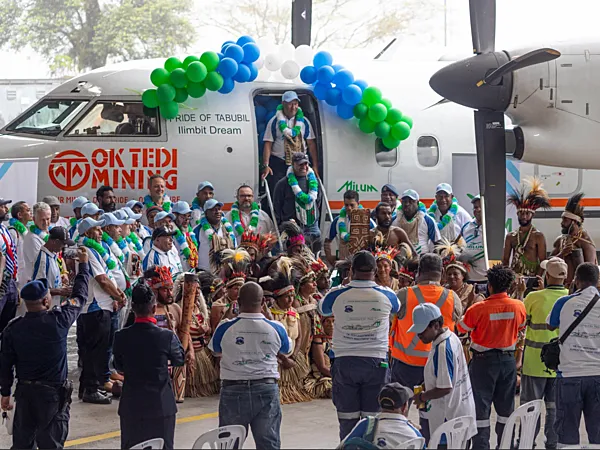
Ok Tedi Mining Ltd. (Ok Tedi) congratulates the Ok Tedi Landowners Royalty Investment Trust (OTLRIT) and the Milum Group of Companies on the launch of Milum Aviation Ltd. and the successful acquisition of three Dash 8 aircraft that currently operate Ok Tedi’s charter service.

The OTLRIT, which represents the 12 Mine Villages, acquired the aircraft at a cost of approximately AUD10.1 million (USD6.46 million) from a Singapore-based company that had owned them for the past 35 years. They are now 100 per cent owned by OTLRIT and will operate under the banner of Milum Aviation.

Ok Tedi Managing Director and Chief Executive Officer Kedi Ilimbit said, “This is a proud moment for our landowners.

“The acquisition marks a significant milestone in our journey to empower landowner companies to become profitable and sustainable enterprises.

“This investment is part of our broader vision to support landowner companies in securing Tier 1 contracts,” Mr Ilimbit added. “We want to see our landowners involved in major business areas such as mining fleet leasing, warehousing, aircraft charter, drilling, and even contract mining in the future.”

The Dash 8 aircraft will continue to be leased to Ok Tedi to support its fly-in, fly-out charter service, which transports workers to and from operational sites.

To commemorate this achievement, the three Dash 8 aircraft will be renamed in honour of prominent people who played a vital role in realising the creation of Milum Aviation:

  • Ilimbit Dream – named after Kedi Ilimbit, Ok Tedi managing director and CEO
  • Asekim Pride – named after Henry Asekim, chairman of OTLRIT
  • DeSouza Spirit – named after Aubrey DeSouza, CEO of the Milum Group of Companies

In addition to the Dash 8 aircraft, OTLRIT and Milum have also acquired two Q400 Series Dash 8 aircraft from Qantas, Australia. These will be added to their fleet in October this year. One aircraft will service domestic routes, while the other will operate international flights to Cairns and Brisbane. The purchase price was not disclosed, but aircraft of this type typically range between AUD30 million and AUD35 million (USD19–22 million) each. Aircraft management, servicing and maintenance will continue to be handled by Pacific Direct Ltd.

The three aircraft, affectionately known as the pride of Tabubil over the past three decades, will soon be rebranded under Milum Aviation.

Ok Tedi continues to explore opportunities for landowner companies to take on more core and non-core business operations, with several initiatives currently under discussion.

In 2023, Ok Tedi outsourced its highway logistics operation to the Milum Group of Companies.

October 02, 2025

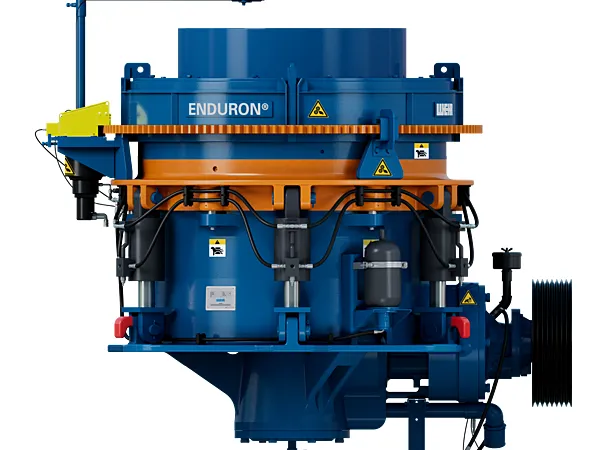
Weir, a global leader in mining technology, has launched a new range of ENDURON® jaw and cone crushers, developed in close collaboration with customers to address their most pressing operational challenges. This customer-first approach has resulted in equipment that enhances safety, boosts productivity, simplifies maintenance, and supports sustainability goals.

The updated ENDURON® jaw crushers now feature a redesigned Hydraulic Power Unit (HPU), which allows for true push-button control of CSS adjustments. This innovation eliminates the need for manual intervention, significantly reducing safety risks for operators and maintenance teams. The new HPU also ensures consistent tensioning of the retraction springs at all times, improving reliability and ease of use across the full wear range of the jaw dies. The optimised motor power and oil tank capacity reduce the HPU’s CO₂ footprint and environmental impact.

To further improve performance and reduce downtime, the entire range of ENDURON® jaw crushers now includes ESCO® wear parts. These components have been rigorously tested and proven to extend wear life, which means fewer maintenance interventions and increased equipment utilisation—translating to lower operating costs and more efficient production.

The upgraded ENDURON® cone crushers also benefit from ESCO® wear liners and a newly designed Hydraulic and Lubrication Power Unit (H/LPU). This compact, plug-and-play system reduces the environmental footprint and simplifies installation, making it ideal for sites looking to streamline setup and minimise impact. Additionally, the automation platform across all cone crusher models has been enhanced to ensure consistent and reliable crushing operations. With IO-Link digital sensors and Siemens PLC hardware, customers can expect seamless integration, easier troubleshooting, and intuitive control through a new Human-Machine Interface (HMI), which simplifies servicing and improves operational efficiency.

Weir’s new crusher range includes the ENDURON® ET jaw crushers, as well as both the EP fixed-shaft and EC live-shaft cone crushers, offering tailored solutions to meet the specific needs of each site and application. This flexibility ensures that customers can select the ideal equipment for their unique operational requirements.

As mining operations increasingly focus on sustainability and energy efficiency, Weir’s new ENDURON® crushers are designed to support this transition. By complementing the existing ENDURON® screens and HPGRs, the new crushers enable customers to build fully integrated flowsheets that reduce energy consumption and improve overall performance.

Magnus Skorvald, Global Product Manager – Crushers at Weir, emphasised the importance of customer feedback in shaping the new range. “We’ve listened closely to our customers and designed this range to meet their evolving needs. From safety and sustainability to ease of installation and maintenance, every feature is built to deliver real value on site.”

Whether upgrading existing equipment or planning a new installation, the ENDURON® range of comminution products is built to help customers operate smarter, safer, and more sustainably.

Founded in 1871, The Weir Group PLC is one of the world’s leading engineering businesses with a purpose to make its mining and infrastructure customers’ operations more sustainable and efficient. Weir’s highly engineered technology enables critical resources to be produced using less energy, water, and waste while reducing customers’ total cost of ownership.

Weir is ideally positioned to benefit from structural trends that support long-term demand for its technology, including the need for more essential metals to support economic development and carbon transition. The Group has approximately 12,000 employees operating in more than 50 countries, with a presence in every major mining region of the world. Find out more at www.global.weir.
October 01, 2025

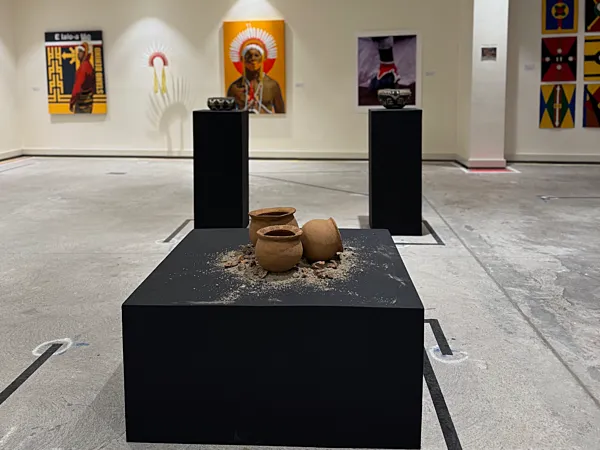
In a landmark moment of cultural reconnection and national pride, Returning Home, an art exhibition and programme, takes centre stage at Harbourside South in line with the celebration of Papua New Guinea’s 50th Independence Anniversary.

Steamships, in collaboration with Pacific Palms Property, is proud to bring home five Papua New Guinean artists, showcasing their work in-country for the first time and paying tribute to heritage, resilience, identity, and culture. The exhibition and week-long creative programme, which offers workshops, talks, and networking opportunities, features the work of Grace Hasu Dlabik, Yuriyal Bridgeman, Lesley Wengembo, Jeremiah Neundorf, and Serge Ah-Wong.

“Our connection to culture is something we deeply value. At Steamships, we often say that we don’t just do business in PNG — it’s our home. That belief is at the heart of everything we do. Supporting local communities, talent, and creativity is a core part of our commitment to Papua New Guinea. That’s why it was only fitting for us to partner with these incredibly gifted Papua New Guinean artists, to celebrate and elevate their work, and to share their creativity with the wider community we proudly call home,” said Ruth Kissam, Corporate Affairs General Manager at Steamships.

This initiative promises to leave a lasting legacy across cultural, community, and economic dimensions — from revitalising creative energy to fostering cultural pride, and inspiring both emerging and established members of the art community.

“Returning Home has been a pivotal moment for us as artists — a chance to share our art, experiences, and skills with the wider creative community. The overwhelming response has been deeply humbling, affirming the power of creativity not only to connect and inspire, but also to actively contribute to nation-building, shaping identity, strengthening pride, and envisioning the future we wish to create together, using art as a critical conduit,” said Grace Hasu Dlabik, artist and director of BE. ONE CREATIVE.

As Papua New Guinea stands at a moment of national reflection and pride, Returning Home affirms the power of art to connect, heal, and celebrate. This unprecedented exhibition is a beacon for cultural continuity, artistic evolution, and shared identity, inviting all to witness, participate, and be moved.

The Returning Home exhibition will be open to the public from 10 to 22 September at Harbourside South, Port Moresby. Admission is free.

October 01, 2025

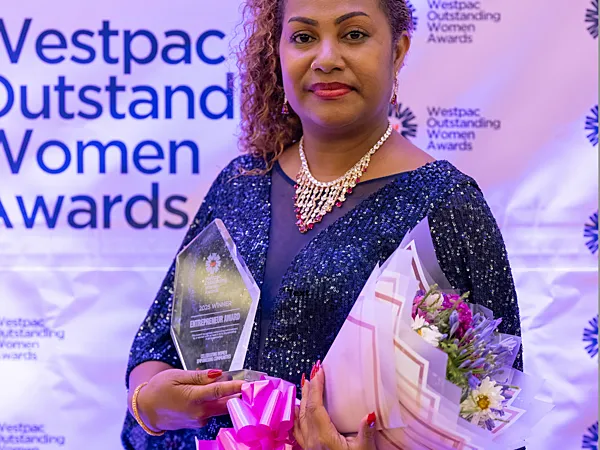
Five years ago, Violet Bukon was preparing meals in her home kitchen with a vision for something greater. At present, she leads The Eatery Catering and Cakes, a thriving business in Lae that provides boardroom lunches to some of Papua New Guinea’s top companies, and she has been honoured as the 2025 Westpac Outstanding Women Awards (WOWA) Entrepreneur winner.

This is not just a story of business success. It is the journey of a mother who transformed her passion for cooking into a venture making a meaningful impact across Lae.

What started in Violet’s home has grown into a business that now supplies Paradise Foods Limited, Credit Corporation, and the Bank of Papua New Guinea. More importantly, she has trained more than 20 young people, teaching them cooking and customer service skills that are helping them build their own futures.

Reflecting on her journey, Violet said: “I built this business not just to rise, but to raise others with me. When women are equipped with life skills, they find the power to live meaningful lives and contribute with purpose to their families, society, and nation.”

Walk into Violet’s kitchen today and you will see transformation in action. Young people who once had few opportunities are learning valuable skills, gaining confidence, and discovering their potential. Some have gone on to start their own food businesses, while others have found steady employment in hospitality.

Tamzin Wardley, chairwoman of Westpac PNG, praised the award recipient: “Violet’s approach reminds us that business can be a platform for growth, not only for the entrepreneur but also for the people around them."

"Her commitment to mentoring young people and creating opportunities through enterprise is a powerful example of leadership in action. It’s not just about building a successful business; it’s about building futures, and that is the kind of impact Westpac PNG is proud to support across the country," Wardley added.

Emma Low, managing director of Westpac Pacific, stressed that the WOW Awards are more than a moment of recognition, but also a celebration of the outstanding contributions of women, a catalyst for opportunity, and an inspiration for the next generation of female leaders in PNG.

"I was truly impressed by both the high volume and exceptional quality of this year’s nominations. I’m especially proud of finalists like Violet Bukon, whose dedication and impact exemplify the spirit of the awards. Our 21 finalists represent a broad geographic spread from across the country, highlighting the incredible talent found in every corner of PNG," Low said.

Andrew Cairns, chief executive of Westpac PNG, also congratulated Violet for her victory in the Entrepreneur category, reflecting Westpac’s values of supporting businesses that create positive community impact. "She embodies the spirit of enterprise that builds stronger communities," Cairns said.

The WOW Awards are a cornerstone of Westpac PNG’s commitment to gender equity and inclusive growth. Through this platform, Westpac continues to champion the role of women in building a stronger, more resilient Papua New Guinea.

Today, as corporate executives in Lae enjoy her catering and young people continue to learn in her kitchen, Violet is building something bigger than a business. She is building a legacy that will inspire generations to come.

October 01, 2025

At independence in 1975, Papua New Guinea (PNG) emerged as a young nation of 2.8 million people, transitioning peacefully from Australian administration with optimism grounded in the Charter of National Unity. Rich in natural resources like gold and copper, and supported by a vibrant agricultural sector, PNG’s early economic prospects were promising. The Panguna mine in Bougainville alone contributed significantly to exports and GDP, while the principle of “unity in diversity” helped shape a national identity across more than 800 language groups.

However, the country faced major hurdles, including limited infrastructure, low literacy rates, and political fragmentation, which complicated development and governance. Building a unified state amid such diversity was a formidable task, and economic vulnerability was evident in PNG’s heavy dependence on resource exports.


Fifty Years On: Progress and Persistent Challenges

Half a century later, PNG has made notable progress. Its population has grown to nearly 12 million, while its economy has expanded in both size and sophistication. With growth rates now comparable to major emerging markets, the nation has increased its regional influence and improved connectivity through digital transformation and transport investments.

Large-scale resource projects continue to drive revenues, while agriculture and small enterprise remain the backbone of rural livelihoods. Civil society is stronger, and democratic institutions have endured despite political turbulence.

Yet persistent challenges remain. Poverty, inequality, and weak institutions constrain development. Many rural communities remain disconnected from markets and services, while climate change threatens food security and coastal settlements. PNG stands at a strategic crossroad, with its future hinging on diversifying beyond extractives, strengthening governance, and investing in inclusive, long-term development.


Economic Outlook: Momentum into 2025

According to Westpac’s September 2025 Economic Update, the PNG economy is expected to grow by 4.7% in 2025, continuing the momentum of 3.8% in 2023 and an estimated 4.3% in 2024. Growth is being supported by both resource and non-resource sectors.

Mining activity has rebounded with Porgera mine restarting production, while LNG shipments remain steady. On the non-resource side, agriculture is showing signs of renewed dynamism, with coffee and cocoa exports benefitting from high global prices.

Westpac notes that this performance places PNG in line with China’s growth rate and ahead of many regional economies, underscoring its potential as a Pacific growth engine.


Bank of PNG and the Kina

At its September meeting, the Bank of Papua New Guinea’s Monetary Policy Committee raised the Kina Facility Rate (KFR) from 4.0% to 5.0%, while simultaneously lowering the Cash Reserve Requirement (CRR) for commercial banks from 10% to 9%.

This mix of tightening and loosening reflects a balancing act: controlling inflation while injecting liquidity into the economy. The central bank also maintained its “crawl-like” exchange rate arrangement, which allows for gradual depreciation of the kina.

The kina has weakened around 4% against the U.S. dollar this year, improving export competitiveness but raising the cost of imports. Gross foreign reserves remain healthy at US$3.6 billion, covering nearly seven months of imports.

Westpac cautions, however, that the transmission of monetary policy remains weak. Higher policy rates have had limited impact on commercial lending and deposit rates, reflecting underdeveloped financial markets.


Government Finances: A “Tough Year”

On the fiscal side, 2025 has been described as a “tough year” for government finances. Tax revenue collections fell significantly short of expectations in the first half of the year, compounding shortfalls in 2024.

This setback complicates the government’s 13-year Budget Repair Plan, which aims to gradually reduce deficits and place debt on a sustainable path. To stay within its official target deficit of K2.95 billion (2.2% of GDP), the government has signalled expenditure cuts of nearly 6%.

If spending restraint fails, Westpac estimates the deficit could balloon to K4.6 billion (3.5% of GDP). With debt levels already high, the report stresses the need for discipline and “policy adjustments” to maintain credibility with investors and development partners.


Inflation: Cooling but Uneven

Inflation pressures have eased in 2025. Headline inflation slowed to 3.6% in the June quarter, down from 5.3% in March. Core inflation also edged lower to 3.0%.

The decline has been driven by stabilising food and fuel prices, along with a stronger supply of domestic agricultural produce. However, imported inflation remains a concern due to kina depreciation and global supply chain pressures.

Westpac expects inflation to moderate further, possibly reaching 3% by the end of 2025, although risks remain from commodity price volatility and fiscal slippage.


LNG: Anchor of the Future

PNG’s liquefied natural gas (LNG) sector continues to anchor its economy. Year-to-date to July, LNG exports to Japan rose by 9% to K5.5 billion, driven by strong second-quarter shipments.

The Papua LNG project, led by TotalEnergies, is seen as the next major catalyst for growth. While it has attracted less attention in recent months, news suggests a final investment decision (FID) is on track for the first quarter of 2026.

For PNG, this project promises not only economic growth but also thousands of jobs and greater integration into Asian energy markets. Westpac argues that its successful execution will “drive the next phase of prosperity.”


Gold: Benefitting from Global Uncertainty

Gold has emerged as a bright spot in PNG’s export basket. Prices surged above US$3,600 per ounce in mid-September, fuelled by a weaker U.S. dollar and concerns over global trade tensions.

This has boosted revenues for PNG’s gold miners and exporters, reinforcing the resource sector’s role in stabilising the economy. Together with LNG, gold earnings have helped offset weaker government revenues from other sources.


Agriculture: Back to the Future

While resources dominate headlines, agriculture remains the backbone of livelihoods. Authorities and stakeholders have renewed their push to revitalise palm oil, rubber, cocoa, and coffee.

The sector has registered sustainable average growth of 2% in recent years, but Westpac stresses the need to scale up production and improve market access. A more dynamic agricultural base, it argues, would help reduce inequality and spread the benefits of growth beyond urban centres.


The Strategic Crossroad

Fifty years after independence, Papua New Guinea faces a familiar paradox: enormous natural wealth paired with structural vulnerabilities. Growth is robust, but fiscal slippage, weak institutions, and overreliance on extractives threaten stability.

Westpac’s update is cautiously optimistic, highlighting opportunities in LNG, gold, and agriculture while urging reforms in fiscal management, governance, and financial markets.

The report concludes with a call for long-term vision:

“The message is clear — focus on reforms and investments that deliver the greatest long-term benefit for all Papua New Guineans, not just for now, but for future generations.”

As PNG charts its next 50 years, its challenge will be to turn resource-driven growth into inclusive development that uplifts every community — from highland coffee farmers to coastal fishing villages — while safeguarding the nation’s future.

October 01, 2025

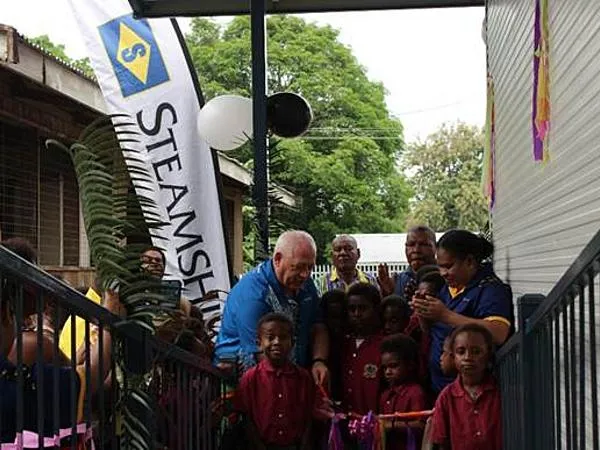
Steamships Ltd., on behalf of John Swire & Sons (JS&S), officially handed over a new classroom building to Yanga Elementary School in Lae on 22 August 2025. The second classroom was presented to the School Board during a ceremony attended by students, parents, teachers and community members.

The milestone marks continued investment in rural education infrastructure, made possible through the Swire Philanthropic Fund (SPF). JS&S, a privately held UK-based company, has longstanding ties to Papua New Guinea through Swire Shipping, which operates nationwide, and as a major shareholder in Steamships for more than 50 years. The SPF supports education projects across the country and is administered locally by Steamships.

Steamships Managing Director Chris Daniells underscored the importance of investing in communities that underpin the company’s success.

“At Steamships, we recognise that sustainable progress begins with education. Our people are our greatest asset, and many of them come from communities like Yanga. Supporting local schools not only helps build a pipeline of future talent but also strengthens communities that have helped our business thrive,” Daniells said.

Yanga Elementary School was chosen for investment because many employees from Steamships’ operating companies — Consort Express Lines and Joint Venture Port Services — come from the Yanga, Sipaia and Wanang communities. The project responds directly to community-identified needs and reflects Steamships’ approach to inclusive, locally driven development.

The new classroom, valued at approximately PGK200,000, is a prefabricated steel building equipped with student and teacher furniture, blackboards, pinboards and other facilities. It is the second classroom delivered to the school under a two-year partnership aligned with the School’s Learning Improvement Plan (SLIP). Since 2024, PGK400,000 has been invested in the school.

The initiative supports key goals of Papua New Guinea’s National Education Plan 2021–2029 and Medium-Term Development Plan IV, reinforcing the government’s priorities for educational infrastructure and improved learning environments.

As the classrooms open their doors, Steamships and Swire encouraged the school community to take pride in the facilities and ensure they benefit generations of learners to come.

September 30, 2025

The Special Parliamentary Committee on Public Sector Reform and Service Delivery has held a high-profile inquiry into the integrity of alluvial gold operations in Papua New Guinea, bringing together key state regulators and industry players for a series of presentations and Q&A sessions.

The inquiry aims to address long-standing issues in the alluvial gold sector, including compliance, regulation, environmental impact and the role of state agencies in ensuring transparency and accountability. Alluvial gold mining, largely carried out by small-scale miners and local enterprises, remains a critical income stream for rural communities, but concerns about governance, environmental protection and revenue flows have triggered renewed parliamentary scrutiny.

In the first session, the Committee heard from state authorities tasked with oversight of the sector. Each agency presented its involvement in the industry, its current challenges and its approach to improving regulatory effectiveness.

These agencies included the Mineral Resources Authority (MRA), Bank of Papua New Guinea (BPNG), Conservation and Environment Protection Authority (CEPA), Immigration and Citizenship Authority (ICA), PNG Customs, National Airports Corporation (NAC) and Maritime Transport Authority.

Committee members engaged the regulators in a robust Q&A session, raising critical questions about coordination gaps, weaknesses in enforcement and opportunities for digital monitoring of gold exports.

The second session featured representatives from the alluvial gold industry, providing the Committee with first-hand perspectives from miners, enterprises and advocacy groups.

These representatives included the Artisanal Gold Council, Tribal Mining, Golden Valley Enterprise and Sustainable Alluvial Mining Services.

Industry participants also raised concerns about inconsistent enforcement of regulations, limited government support for artisanal miners and the need for stronger partnerships with state regulators.

Committee Chair and Governor of Northern Province, Garry Juffa, stressed that the inquiry was not only about uncovering challenges but also about charting a way forward for a transparent and sustainable alluvial gold sector.

The hearings emphasised the need for inter-agency collaboration, stronger compliance mechanisms and policies that balance economic benefits with environmental protection.

The Committee is expected to compile its findings into a comprehensive report with recommendations for reforms in regulation, oversight and support to small-scale miners.

The committee members are Garry Juffa (Chairman), Allan Bird, Rufina Peter, William Powi, Peter Ipatas and Marsh Narawec.

September 30, 2025

Central Province Governor Rufina Peter has signalled her intention to revive the Ilimo Farm outside Port Moresby, once a major supplier of chicken meat and eggs to the capital.

Governor Peter met with Minister for International Trade and Investment Richard Maru to discuss ways to restart operations at the farm, which is owned by the Central Province Development Corp., the provincial government’s business arm.

Peter said she wants to see the farm supply chicken meat, eggs and day-old chicks to Port Moresby and the wider Southern Region. The two leaders also discussed developing a cattle industry in Central Province to provide up to 10,000 head of cattle for Hugo Canning.

“The Ilimo Farm is a prime property, and it needs to be revived immediately. My Ministry and Department will fully support this project because we cannot continue to import K200 million worth of chickens annually,” Maru said. “The Marape-Rosso Government is keen to replace all chicken imports and be a net exporter of chicken.”

Also present at the meeting were PNG Poultry Industry Association chairman Chis Prestwood and Hugo Canning general manager Jeremy Fry, who both described the initiative as timely.

“These are industries that are ready to pop,” Fry said.

Maru said he now awaits a joint investment proposal to be submitted to his office to progress what he described as projects of national significance.

“For cattle, unless we produce local beef to supply Hugo Canning, we cannot reduce the price of ox and palm which has now increased by nearly 100 percent compared to previous years because of the expensive imports from Australia and the declining Kina value,” he said.

Meanwhile, Governor Peter raised concerns that the Ilimo Dairy Farm had not made profits. The Central Provincial Government holds a 30 percent stake in the farm and has provided 400 hectares of land. She said it was “high time” new management was put in place and that the farm invest in long-life milk with better breeds of dairy cattle to boost production.

September 30, 2025

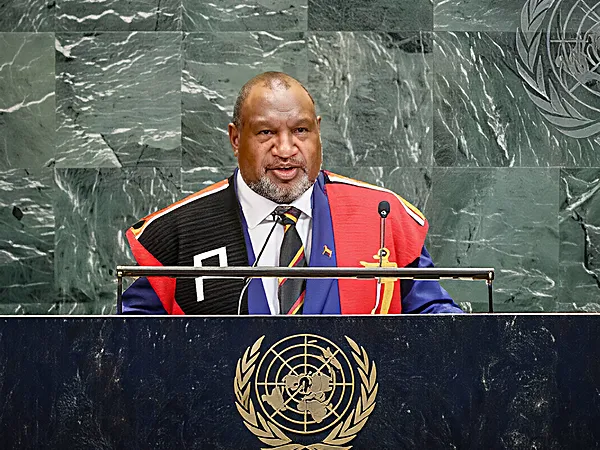
Papua New Guinea Prime Minister James Marape delivered the country’s statement at the United Nations General Assembly (UNGA) 80th Session General Debate in New York, aligning his address with PNG’s 50th independence anniversary and 50 years of UN membership.

He opened by highlighting the enduring strength of PNG’s Constitution, which he described as the nation’s binding force across extraordinary diversity.

“Papua New Guinea is extraordinarily diverse — over 1,000 tribes, 850 languages and 600 islands. Yet our Constitution binds us as one people, one nation, one country,” Marape said.

From there, he paid tribute to churches for their role in delivering education, health and community services, while stressing the constitutional protection of all faiths. “Religion must never divide humanity — coexistence must,” the Prime Minister affirmed.

Turning to PNG’s history of conflict, Marape recalled the decade-long Bougainville crisis and its peaceful resolution under UN guidance.

“For a decade, Bougainville suffered violence, but through dialogue under UN oversight we achieved the 2001 Bougainville Peace Agreement. Not a bullet has been fired since,” he said, noting Bougainville as a powerful example of peace built on genuine will.

Visit of the UN Secretary-General

Marape then reflected on the recent visit of UN Secretary-General António Guterres to Papua New Guinea, his first official visit to the country. He said Guterres commended PNG’s leadership on climate action, cultural diversity and its peace model in Bougainville.

At the same time, he acknowledged the Secretary-General’s call for improvement.

“He also reminded us to fight corruption, strengthen governance and ensure services reach all citizens. At 50 years, we recommit to transformation so that no citizen is left behind,” he said.

Global Responsibility: Forests, Oceans and Climate

Shifting to global challenges, Marape underlined Papua New Guinea’s role as a forest and ocean nation with unique responsibilities.

“Our tropical forests absorb carbon and produce oxygen. Our vast Pacific waters are part of the world’s greatest carbon sink. Our reefs, rivers and ecosystems shelter unique biodiversity,” he told the Assembly.

Reaffirming PNG’s commitment ahead of COP30 in Brazil, he added, “There is no other planet like Earth. Our ancestors left us a liveable planet; we must do the same for our descendants.”

Marape also urged the G20 and industrial nations to act with greater urgency. “We call especially on G20 and industrial nations to cut emissions, reform global finance to support biodiversity nations and align responsibility with carbon footprint. Our forests and oceans are not just Papua New Guinea’s — they are global goods,” he declared.

Marking PNG’s Golden Anniversary

In closing, the Prime Minister used PNG’s golden anniversary to express appreciation to international partners. “On this 50th anniversary, I thank the United Nations for embracing us since 1975, our bilateral and multilateral partners, Australia for peacefully granting independence and investors, NGOs and churches for their enduring service,” he said.

He ended by linking Papua New Guinea’s journey with the UN’s wider role as a meeting ground for humanity. “Fifty years ago, we entered this Assembly as one of its youngest members. Today, we stand as a free and democratic nation, with unity in diversity, resilience and vast natural endowments,” he said.

Congratulating the UN on its 80th anniversary, Marape concluded with a message to the world: “Unity can be found in diversity. Peace is built and sustained through dialogue. This one planet must be preserved for all generations.”

September 30, 2025

BSP Financial Group Ltd. has launched a nationwide community investment program on Sept. 12 to celebrate Papua New Guinea’s 50th Independence anniversary, reaffirming its role as a partner in nation-building.

The initiative, called “50for50 – Givim Bek,” was revealed during BSP’s annual PNG Flag Raising ceremony, observed across all its 80-plus branches in the country. Through this program, BSP will invest K2.5 million into 50 community-driven projects nationwide, with each selected community receiving K50,000 in funding support.

BSP Board Chairman Robert Bradshaw described the initiative as both a gift and a reflection of BSP’s deep connection with the country.

“BSP is not only part of the country’s history but also its future. At Independence in 1975, we were a small domestic bank. Today, we are the South Pacific’s largest financial group. Our ‘50for50 – Givim Bek’ Program reaffirms our deep connection with the communities we serve and ensures that progress is shared across PNG – at least one community in each province will receive this support over the next year,” Bradshaw said.

The new program builds on BSP’s long-running Community Projects Program, which already delivers over K1.2 million annually in health, education and community development initiatives. Together, these commitments aim to leave a lasting legacy in education, youth empowerment, sustainable livelihoods and improved health outcomes.

Bradshaw also said BSP’s growth has always been intertwined with the nation’s progress.

“It’s important to remember that 83% of our shareholders are everyday Papua New Guineans, through their superannuation funds, landowner holding companies and local investments. When BSP succeeds, it is the people of PNG who benefit, as wealth and opportunity flow back into households, communities and the wider economy,” he said.

As PNG looks ahead to its next 50 years, BSP has reaffirmed its commitment to empowering people, growing communities and creating prosperity that will endure across the country for years to come. The “50for50 – Givim Bek” initiative is both a celebration of the nation’s journey and a symbol of its aspirations.

September 30, 2025

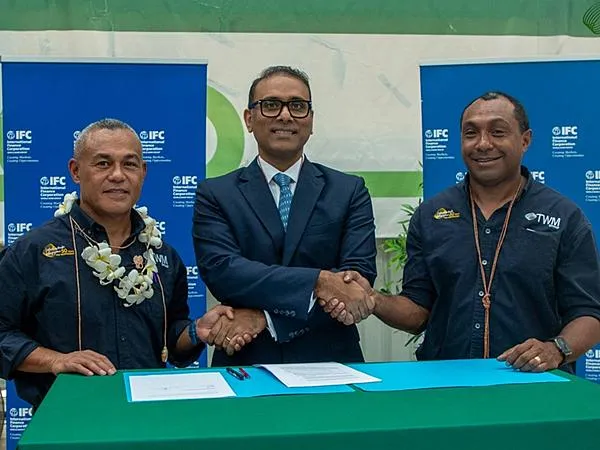
Papua New Guinea’s leading waste management company, the TWM Group, has secured a major boost with a $10.2 million investment from the International Finance Corporation (IFC), paving the way for the Pacific’s first integrated waste management facility built to international standards.

The investment, provided through a kina-denominated fixed-rate loan, is supported by the World Bank’s IDA Private Sector Window. It will enable TWM Group to expand operations to manage growing volumes of hazardous and industrial waste, helping safeguard public health and the environment as PNG experiences rapid population growth and industrialisation.

The announcement was made on 24 September during the country’s 50th Independence Anniversary.

“As we celebrate 50 years of PNG’s independence, we are proud of TWM’s contribution to protecting our pristine environment and diverse culture while remaining focused on delivering our vision,” said Kori Chan, TWM Group Managing Director.

“This partnership, developed over more than three years of analysis, assessment and due diligence, confirms that TWM Group now meets IFC’s stringent global environmental and social performance standards,” Chan said.

Chan said that the investment demonstrates global confidence in TWM Group and enables the company to expand the scale and scope of our work, ready to service growing volumes of waste from multiple industries across PNG and the Pacific Islands region — a major step forward for the industry and positive news for the nation as it looks to the next 50 years of independence.

The development comes at a critical time, with PNG moving towards formal regulation of waste management while facing the urgent challenge of rising unmanaged waste. By setting new benchmarks for sustainability, TWM’s facility will position the private sector at the forefront of solutions to reduce health risks and protect the country’s unique natural environment.

IFC’s Senior Manager for Infrastructure and Natural Resources in Southeast Asia and the Pacific, Erik Becker, highlighted the significance of the partnership.

He said, “Since 2021, we have been working with TWM Group through market assessments, business planning, environmental and social screening and gender diagnostics to help develop the Pacific Islands’ first integrated waste management facility, designed to handle hazardous and industrial waste in compliance with international standards.

“This investment will establish new standards for environmental sustainability and operational excellence, showcasing a one World Bank Group approach to support private sector-led and sustainable waste management in PNG and the Pacific region.”

The financing is also expected to create jobs and stimulate innovation in waste management services, reinforcing sustainable economic resilience. It aligns with broader efforts to support PNG’s growth as the nation marks both its 50th year of independence and 50 years of partnership with the World Bank Group.

TWM Group’s role in advancing gender inclusion has also been recognised. The company was one of 18 participants in the Meri Save Trades (Women Know Trades) initiative, a programme led by IFC in partnership with the Business Coalition for Women and supported by the governments of Australia and New Zealand. The initiative has helped women break into industries traditionally dominated by men, creating more diverse and inclusive workplaces across PNG.

Founded as a pioneer in modern waste management, TWM Group continues to drive change by embedding sustainability into its operations and shaping a cleaner, healthier future for PNG and the Pacific region.

September 29, 2025

Great Pacific Gold Corp. has reported strong assay results from its expanded Phase 1 diamond drill program at the company’s flagship Wild Dog Project on New Britain Island, Papua New Guinea.
The latest results include surface samples of up to 127 grams per tonne (g/t) gold equivalent (AuEq) and drilling intercepts grading as high as 11.1 g/t AuEq.

Key results included:

  • 0.8 metres at 127 g/t AuEq from surface sampling of the Main Vein.
  • 2.4 metres at 22 g/t AuEq from additional surface samples.
  • Hole WDG-09 returned 5.0 metres at 4.9 g/t AuEq from 169 metres depth, including 2.0 metres at 11.1 g/t AuEq.
  • A second mineralised zone from 182.4 metres yielded 2.6 metres at 6.6 g/t AuEq, with copper grades up to 5.5% and elevated silver.

“Hole 9 was drilled approximately 30m to the north of hole 7, into an area where we had very little information,” said CEO Greg McCunn.

“The intercept with the main Wild Dog structure supports the continuity of the system. With hole 10 also intercepting the main structure a further 70 metres north (assays pending), we are increasingly confident in our geological model that is supporting the Phase 1 drill program,” McCunn said.

With the second rig being mobilized, the official said that Great Pacific is expecting to accelerate the completion of the planned 28 holes at Sinivit which are providing valuable information on vein orientation allowing us to start testing the system at depth.

“Mobile MT geophysics has highlighted significant potential at depth and along strike to both the North and South from Sinivit on the large-scale epithermal Wild Dog corridor,” he said.

The company said that recent mapping and sampling at the historic Southern Oxide pit confirmed high-grade mineralisation.

The recent mapping and sampling campaign in the historic Southern Oxide pit area was undertaken to support modeling of the vein structures intersected in drill holes WDG-03, 04, 05 and 06 earlier in the Phase 1 program. The high-grade results in the veins exposed in the historic pit confirm the high-grade nature of the system.

Exploration work continues across the 15-kilometre Wild Dog epithermal vein corridor. A second drill rig is being mobilised to site, and a high-resolution LiDAR survey covering 187 square kilometres of the Wild Dog district has been completed.

Results of the survey, which will support structural mapping and target definition, are expected by October 6.

The Phase 1 program began in May 2025 and is expected to run into early 2026, with 28 diamond drill holes planned. Drilling to date has tested only a small section of the corridor, which remains open to the north, south and at depth.

September 29, 2025

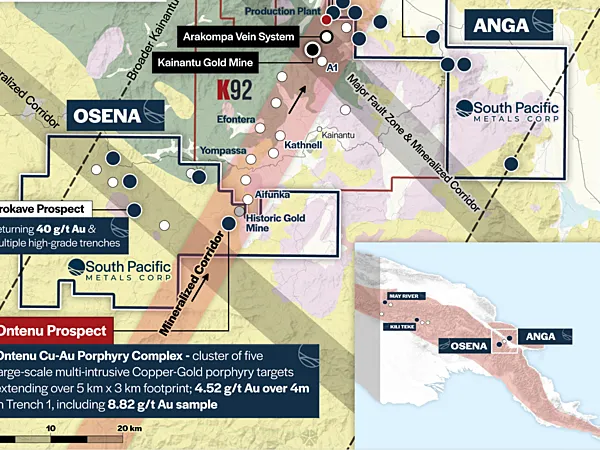
South Pacific Metals Corp. has reported exciting new assay results from its Ontenu NE prospect in Papua New Guinea, with rock chip samples returning high grades of gold, copper and silver.

The discovery, announced on 17 September, comes from the company’s Osena Project, located in the highly prospective Kainantu District. This region is already home to K92 Mining’s world-class Kainantu Gold-Copper Mine.

According to South Pacific Metals, field teams recently uncovered several new mineralised structures at Ontenu NE. Rock chip samples collected from outcrops returned values of up to 3.95 grams per tonne (g/t) of gold, 1.2 percent copper, and 603 parts per million (ppm) silver.

Other standout results included 7.69 g/t gold in a narrow vein with visible gold and 9.34 g/t gold with 272 g/t silver from a creek boulder.

 “Within a short time, we have found several new mineralised structures which we suspect could represent the upper levels of epithermal gold-copper veins,” said company CEO Timo Jauristo.

“To encounter high gold, copper and silver in some of these structures is encouraging. These results, with continuing mapping and sampling, will guide our drill planning. We hope to start drilling within the next month — the first drill holes in the Ontenu NE area,” Jauristo added.

The Ontenu NE target shows geological features similar to those at the nearby K92 Mine, with multiple gold-arsenic and copper soil anomalies stretching for more than a kilometre. Exploration is still at an early stage, with further mapping, trenching, and sampling underway before drilling begins.

The Osena Project, which covers 738 square kilometres of ground, is one of South Pacific Metals’ flagship ventures. Ontenu is considered particularly promising, with a cluster of five copper-gold porphyry and epithermal vein systems spanning an area 5 km by 3 km.

For Papua New Guinea, the results highlight the country’s growing profile as a destination for world-class mineral discoveries. For South Pacific Metals, the findings mark an important step toward unlocking the potential of the Osena Project.

September 29, 2025

The Bank of Papua New Guinea (BPNG) has reaffirmed its commitment to building an inclusive financial system, underscoring microfinance as a key driver of national development and economic empowerment.

Deputy Governor of BPNG Jeffery Yabom delivered the message during his keynote address at the PNG Microfinance Diagnostic Validation Workshop on 3 September at the Crown Hotel in Port Moresby. The workshop, facilitated by the Asian Development Bank (ADB), brought together financial institutions, the Credit Guarantee Corporation, the Centre for Excellence in Financial Inclusion (CEFI), the SME Corporation and other stakeholders.

Yabom stressed that financial inclusion remains one of PNG’s greatest development priorities, noting that more than 80 percent of the population live in rural and remote areas with limited access to banking services. He described microfinance as a “lifeline” for families, enabling them to save, invest, pay for education and grow small businesses that support community development.

Reflecting on progress, he cited PNG’s commitments under the Maya Declaration on Financial Inclusion in 2013, when fewer than 20 percent of citizens had access to formal financial services.

“Today, under the National Financial Inclusion Strategy 2023–2027, there are more than 4.3 million bank accounts, a result of the combined efforts of BPNG, financial institutions, and development partners,” he said.

Despite this progress, Yabom acknowledged persistent challenges, including high costs of serving rural communities, weak governance in some microfinance institutions and limited diversity in financial products. He called on stakeholders to expand offerings such as micro-insurance, remittances and SME-focused services, while also strengthening consumer protection and regulatory oversight.

He further highlighted opportunities through digital finance, women’s economic empowerment, strategic partnerships and climate-resilient “green finance.” These, he said, would be vital in aligning financial inclusion with PNG’s Vision 2050 and medium-term development strategies.

“BPNG will continue working closely with government, the private sector, and development partners to ensure that microfinance remains sustainable, innovative, and inclusive,” Yabom assured.

Supporting these messages, ADB consultant Jagdeep Dahiya presented two analyses of the sector. He noted that although PNG’s financial system has grown since the Microfinance Expansion Project, which established CEFI, microfinance institutions still account for less than three percent of total sector assets. Services remain concentrated in urban centres, and many Papua New Guineans continue to rely heavily on informal lending.

Dahiya further observed that while deposit ownership has increased, access to credit remains limited and a widening gender gap in financial inclusion persists. He identified weak regulatory incentives, poor infrastructure, low digital literacy and high banking fees as major barriers.

Thus, he recommended reforms to strengthen policy frameworks, increase funding for microfinance institutions and foster innovation in digital finance to reach underserved communities.

The workshop concluded with open discussions and feedback, reflecting a shared commitment among stakeholders to advance inclusive finance.

As BPNG sharpens its focus, the central bank’s leadership is expected to play a decisive role in shaping policies and partnerships that will bring banking and financial services closer to every Papua New Guinean.

September 29, 2025

As Papua New Guinea (PNG) marks its 50th anniversary, the country’s petroleum sector has received a significant boost with the announcement that Sinopec will establish a subsidiary to undertake drilling and seismic work.

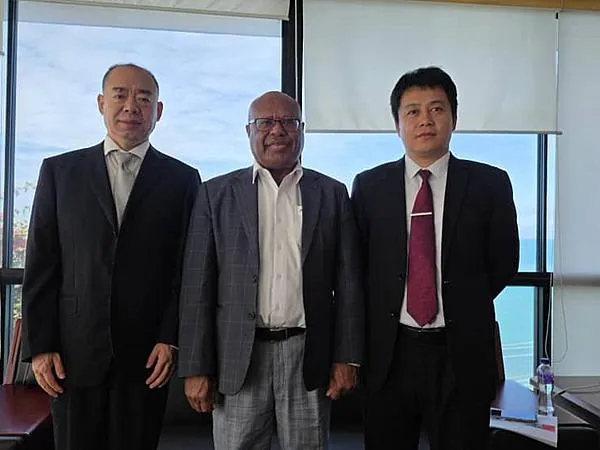
The announcement was confirmed in Port Moresby on 24 September, when Minister for Petroleum Jimmy Maladina met with Xiao Yi, Deputy Director for Geophysical and Engineering at Sinopec.

Maladina welcomed the move, calling it a clear signal of investor confidence in PNG’s resources sector and the government’s policy direction.

“We welcome Sinopec’s decision to establish a subsidiary in Papua New Guinea. This demonstrates investor confidence in our resources sector and the government’s policy direction,” he said.

The minister underscored the importance of the company’s planned activities, noting their role in shaping the industry’s future.

“Drilling and seismic activities are critical to the future of our petroleum industry. Sinopec’s technical expertise and global experience will complement our efforts to grow the industry responsibly and sustainably,” he added.

Xiao reaffirmed Sinopec’s long-term interest in PNG, emphasising the company’s readiness to contribute to the country’s petroleum development.

“Our establishment of a subsidiary in Papua New Guinea reflects our long-term interest. We are ready to contribute our technical strengths and work alongside the government and stakeholders,” he said.

Maladina assured that the government remained committed to supporting investment in the oil and gas sector, saying partnerships such as this would continue to drive growth.

The new subsidiary will operate under Sinopec International Petroleum Service Corporation (Sinopec Petroleum Service), a wholly owned arm of Sinopec Group. With more than 50 years of petroleum service experience, the company has delivered seismic, drilling, construction, and pipeline projects across China and internationally. It is ISO 9000 certified and has successfully executed projects in Africa, the Americas, the Middle East, and Asia.

Sinopec said it was committed to building partnerships that not only strengthen its global brand but also contribute to the responsible and sustainable growth of PNG’s petroleum industry.

September 29, 2025

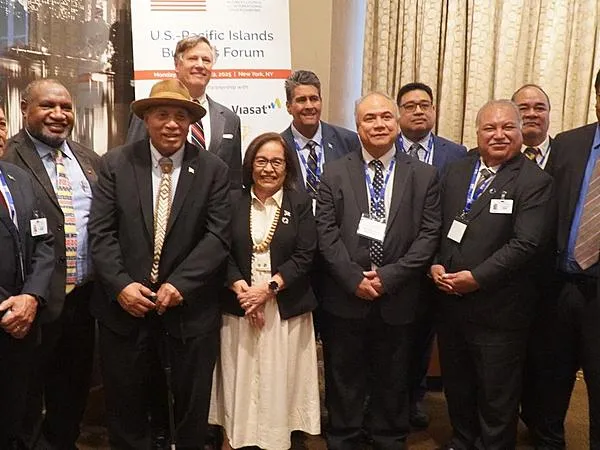
Prime Minister James Marape has appealed to the United States and its business community to deepen trade and investment ties with the Pacific, saying the region must be seen as a partner of prosperity rather than a passive recipient of aid.

Speaking at the US–Pacific Islands Business Forum on the sidelines of the United Nations General Assembly, Marape told business leaders and policymakers that Pacific nations were repositioning themselves as “big ocean nations” with untapped potential.

“We may be called small island states, but we are in fact big ocean nations,” Marape declared. “Our seas, our airspace, our forests, and our human capital are immense. The Pacific holds more than $3 billion worth of tuna and fisheries resources every year, yet our citizens remain among the lowest per capita earners in the world. This must change.”

The forum, hosted by the Business Council for International Understanding (BCIU) in partnership with Newmont, Viasat, and Atlas Air, drew attention to the Pacific’s strategic role in global trade and environmental stewardship.

Shared values

Marape took a moment to acknowledge the recognition of Papua New Guinea’s 50th Independence Anniversary and reflected on the common principles binding the Pacific and the United States.

“We are all democratic nations, we are all free market economies, and we are largely Christian nations,” he said. “These are the same values that the United States embodies and leads with globally. We congratulate the U.S. on its upcoming 250th anniversary of independence—a true testimony to the miracle of democracy and free market economy.”

His words drew nods from participants, many of whom saw parallels between America’s historical journey and the Pacific’s aspirations for economic transformation.

Moving beyond aid

Marape was firm in his message: the Pacific no longer seeks to be defined by aid dependency. Instead, he called for a shift toward trade, private sector investment, and fair partnerships.

“Aid and grant relationships are subservient; trade relationships elevate human dignity,” he stressed. “We welcome U.S. companies to invest in fisheries, green energy, tourism, downstream processing, and infrastructure. The Pacific must become a hub of prosperity, not dependency.”

US firms already in PNG

The Prime Minister also recognised American firms already shaping Papua New Guinea’s economy, including ExxonMobil, Newmont, Hilton, and Marriott.

He highlighted ExxonMobil’s liquefied natural gas (LNG) project as proof of the region’s ability to host long-term, capital-intensive ventures. The project, he noted, remains the largest single foreign direct investment in PNG since independence.

A vision for the Pacific

Marape closed his remarks with a reminder that the Pacific is not just a collection of scattered islands but a critical partner in global wellbeing.

“Our Blue Continent is more than a collection of islands—it is the world’s largest carbon sink, with oceans and forests that help sustain the planet,” he said. “Together with U.S. companies and global partners, we can build a Pacific that is prosperous, dignified, and respected.”

For Marape, the message was clear: the Pacific should be viewed not as a frontier of aid, but as a frontier of opportunity—where shared values and mutual respect can anchor lasting prosperity.