April 30, 2026

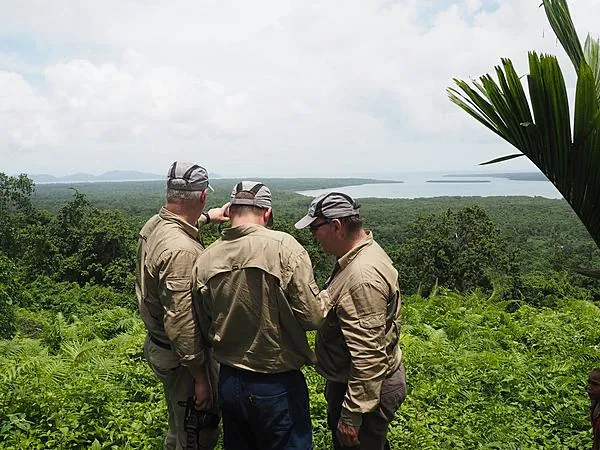
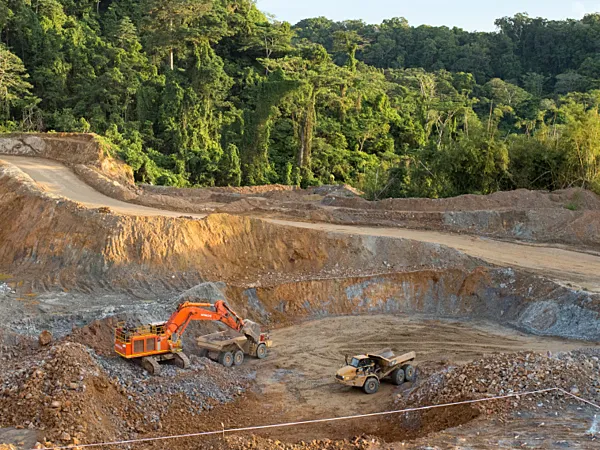
Geopacific Resources Limited said its Woodlark Gold Project in Papua New Guinea is advancing towards development readiness, with a definitive feasibility study (DFS) due for completion in May 2026 and key regulatory approvals secured.

In its quarterly activities report for the period ended March 31, the company said the DFS is in its final review stage and will include an updated ore reserve and mineral resource estimate, aimed at validating the project’s technical and economic viability.

The company said the study incorporates optimisation across mining, processing, tailings and infrastructure to deliver a “technically robust, finance-ready” outcome, with independent technical experts appointed to review the DFS. Site visits scheduled for April were delayed due to tropical cyclone Maila.

During the quarter, the Papua New Guinea Conservation and Environment Protection Authority approved an amendment to the project’s environment permit, reflecting an updated project configuration, including an increase in throughput to 3.5 million tonnes per annum.

Following the approval, the company said it will apply to the Mineral Resources Authority to amend its existing mining leases in line with the updated permit.

Exploration activities continued during the quarter, with approximately 18,997 metres of drilling completed to date, including 32 drill holes totalling 4,931 metres during the reporting period.

Results from the Woodlark King Mining Area, particularly at Wayai Creek, included high-grade near-surface gold intercepts such as 17 metres at 5.29 grams per tonne gold from 36 metres, supporting confidence in the existing mineral resource.

Drilling has been completed at Wayai Creek and Little MacKenzie, while assays from Busai Deeps, Great Northern and other مناطق remain pending and are expected to inform updates to geological models.

Geopacific said it continues to engage with regulators and advance project financing preparations, having appointed Argonaut Corporate Finance and Taylor Collison as joint advisers to support funding and strategic equity processes.

As of March 31, the company reported cash and cash equivalents of $5 million and term deposits of $9 million.

Its quarterly cash flow statement indicates an estimated funding runway of 0.85 quarters based on current expenditure levels, highlighting the need to secure additional funding as the project progresses.

Operations were disrupted after the reporting period by tropical cyclone Maila, which caused damage to infrastructure on Woodlark Island, including roads and communications. The company said there were no reported casualties and that access and communications have since been restored.

Geopacific added that community engagement and relocation efforts continued during the quarter, alongside support for health, education and employment initiatives in surrounding areas.

The Woodlark project hosts a mineral resource of 48.3 million tonnes at 1.07 grams per tonne gold, containing approximately 1.67 million ounces.

The company said the upcoming DFS will be a key milestone in determining the project’s development pathway as it progresses towards potential production.

April 29, 2026

Sandvik Mining is continuing to strengthen its presence in Papua New Guinea (PNG), reinforcing its long-term commitment to supporting the country’s growing mining industry through expanded facilities, increased operational capacity, enhanced logistics, and continued investment in people and local capability.

Sandvik has operated a local entity in PNG for more than five years, providing equipment, parts, technical support, and services to some of the country’s leading mining companies, including New Porgera Limited, K92 Mining Ltd, Lihir Gold Limited, Monier Limited, Morobe Consolidated Goldfields Ltd, Quest Exploration Drilling (PNG) Ltd, and Ok Tedi.

As the Sandvik fleet in PNG continues to grow, the company has expanded its facilities in Lae to improve service delivery, strengthen in-country support, and create a more stable and efficient operating base for employees and customers. Sandvik’s Customer Support Centre in Lae now plays an important role in supporting PNG customers through service coordination, major component repairs, and future equipment rebuild cycles, while also improving working conditions for the local team.

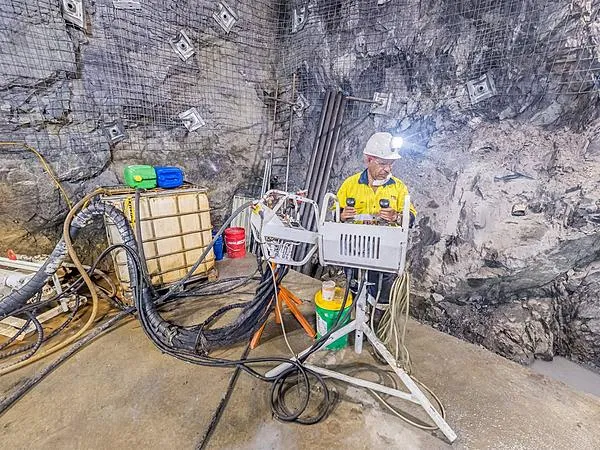
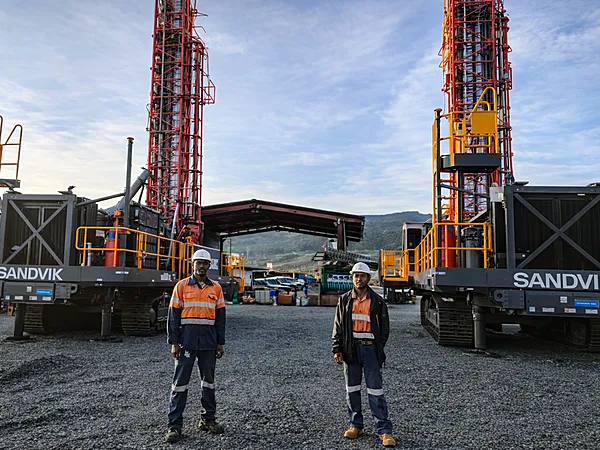
Sandvik has now delivered and supports more than 40 units of equipment in PNG, including underground trucks, loaders, underground drills, surface drills, and rotary drills. This growing installed base is supported through coordinated parts planning, local warehousing, component repair capability, and in-country resourcing, helping ensure responsive and reliable support for customers across the country.

“Papua New Guinea is an important market for Sandvik, and our continued investment reflects both the growth we are seeing in-country and our commitment to supporting customers with reliable, local service and technical capability,” said Andy Chirita, Head of Parts & Services, Sales Area Australia, New Zealand and PNG, Sandvik Mining.

The expanded Lae facilities and future plans improve Sandvik’s ability to support customers through enhanced parts availability, component repair capability, and future equipment rebuild cycles, while also providing improved long-term stability and working conditions for employees. The site also supports coordinated parts planning between Lae and Brisbane, local warehousing, and in-country resourcing.

Sandvik Mining in Papua New Guinea now employs 24 people across its Lae and Porgera operations. Alongside investing in its own workforce, Sandvik is also committed to helping upskill local Papua New Guinean talent more broadly through operator training, machine maintenance training, and the transfer of technical knowledge to build long-term capability in-country.

“Our investment is not only in Sandvik’s own people and facilities, but also in building capability in Papua New Guinea,” Chirita said. “By strengthening local support and helping develop skills in-country, we are building a stronger foundation for our customers, our employees, and the long-term growth of the mining industry in PNG.”

Sandvik is also supporting customers in Papua New Guinea with its Remote Monitoring Service (RMS), which uses intelligent technology to help predict and prevent equipment breakdowns before they occur. This improves reliability, reduces downtime, and supports more proactive maintenance planning.

Sandvik’s progress in Papua New Guinea includes securing long-term facilities in Lae, expanding workshop and warehouse capability, developing a national workforce, and strengthening the team supporting customers in-country. These investments reflect Sandvik’s long-term commitment to Papua New Guinea and its ambition to be a trusted partner to the mining industry.

For further information, please contact:
Kate Bills, General Manager – Sustainability, Marketing & Communications, Sandvik Mining Sales Area Australia & New Zealand
Email:
kate.bills@sandvik.com

Sandvik Group

Sandvik is a global, high-tech engineering group providing solutions that enhance productivity, profitability, and sustainability for the manufacturing, mining, and infrastructure industries. The company is at the forefront of digitalisation and focuses on optimising customers’ processes. Its world-leading offering includes equipment, tools, services, and digital solutions for machining, mining, rock excavation, and rock processing. In 2024, the Group had approximately 41,000 employees and revenues of about SEK 123 billion across more than 150 countries.

Business area: Mining

Mining is a business area within the Sandvik Group and a leading global supplier of equipment, tools, parts, services, digital solutions, and sustainability-driven technologies for the mining and construction industries. Application areas include rock drilling, rock cutting, loading and hauling, tunnelling, ground support, and quarrying. In 2024, sales were approximately SEK 64 billion, with about 17,000 employees. For further information, visit mining.sandvik.
April 21, 2026

St Barbara Limited expects its Papua New Guinea operations to underpin a sharp rise in group gold output, with the New Simberi Gold Project positioned as a key growth driver.

The company said its attributable gold production is projected to increase nearly fourfold to about 191,000 ounces by fiscal year 2030, from 48,000 ounces in FY27, representing a compound annual growth rate of 59% based on proved and probable reserves.

Growth will be anchored on the New Simberi Gold Project in Papua New Guinea, which forms a central component of the company’s long-term production outlook alongside its Canadian assets.

St Barbara said it is fully funded to execute its development pipeline, with group cash and bullion of A$504 million and listed investments of A$24 million following the completion of the Lingbao transaction on April 2, 2026.

Capital expenditure for the Papua New Guinea asset is expected to include about US$108 million for the company’s 40% share in the New Simberi project over FY27–FY28.

The New Simberi project is projected to deliver about 100,000 ounces per year in attributable production over a 14-year mine life, with a life-of-mine all-in sustaining cost of about US$1,336 per ounce.

According to the updated initial life-of-mine plan, the project contains approximately 2.56 million ounces of gold, with payable gold estimated at about 1.95 million ounces over its lifespan.

Production is expected to ramp up as operations transition from oxide to sulphide processing, supported by upgrades to milling and flotation circuits. On a 100% basis, output is projected to reach around 200,000 ounces by FY29 and peak above 250,000 ounces in the early 2030s.

The Simberi project’s development follows the final investment decision announced in April 2026 and incorporates a revised timeline, including an estimated six-month delay relative to earlier feasibility work.

St Barbara said its outlook reflects recently approved development plans, with the Simberi operation expected to provide long-term production visibility supported by its 14-year mine life.

April 21, 2026

Papua New Guinea is currently undergoing its third validation under the Extractive Industries Transparency Initiative (EITI), marking a significant milestone in the country’s ongoing efforts to strengthen transparency and accountability in the management of its natural resources.

Executive Director of the Papua New Guinea Extractive Industries Transparency Initiative (PNGEITI), George Kauli, confirmed that the validation process commenced on 1 April and is expected to conclude in June, with final results anticipated later this year.

Kauli highlighted that extensive preparatory work has been undertaken ahead of the validation, including efforts to improve data accessibility, strengthen the functionality of the Multi-Stakeholder Group (MSG), and address corrective actions identified during the 2022 validation. These measures aim to further enhance transparency and accountability across Papua New Guinea’s mining, oil and gas sectors.

An international validation team is currently in the country to assess progress. The delegation includes Validation Advisor Riley Zecca and Regional Director – Europe, Mark Burnett, who are engaging with key stakeholders. Consultations are being held with government ministers, senior officials, civil society organisations, extractive industry companies, and state-owned enterprises.

Speaking on the purpose of the mission, Zecca emphasised that EITI serves as a global benchmark for good governance in the extractive sector.

"EITI is a global standard for the good governance of natural resources. This validation is a check-in on Papua New Guinea’s progress after more than a decade of implementation. The aim is to ensure that citizens understand how they benefit from the country’s natural resources and can hold decision-makers accountable," he said.

He further clarified that the validation process is not intended as a test, but rather as a collaborative mechanism to support countries in refining their systems.

“While validation provides a score and assessment, it is not a test. We are here to support Papua New Guinea in tailoring EITI implementation to its national context and priorities,” Zecca added.

During their mission, the validation team has met with the PNGEITI National Secretariat, the Independent Administrator for the 2024 EITI Report, Kuna Taberia Kiruwi (KTK), and representatives from the University of Papua New Guinea’s Division of Earth Sciences. The mission is expected to conclude with a high-level debrief with MSG Chair and Minister for Treasury, Ian Ling-Stuckey, before the team’s departure.

Kauli explained that validation is a core component of EITI implementation, providing an independent and objective assessment of whether a country meets the requirements of the EITI Standard.

Papua New Guinea first underwent validation in 2018, achieving a rating of “meaningful progress”. In its second validation in 2022, the country improved to a “moderate” score of 70.5 per cent. The EITI International Board commended PNG for implementing reforms to address weaknesses in government systems, improving transparency, ensuring effective multi-stakeholder oversight, and producing timely and accessible reports.

Looking ahead, Kauli expressed optimism that the current validation will yield further improvements, reinforcing Papua New Guinea’s reputation for transparency and good governance.

He noted that a stronger validation outcome would be particularly significant as the country works to address concerns related to its grey listing by the Financial Action Task Force (FATF).

A positive result, he said, would send a strong signal to the international community that Papua New Guinea remains committed to strengthening governance systems and ensuring that its natural resource wealth delivers tangible benefits to its people.

April 20, 2026

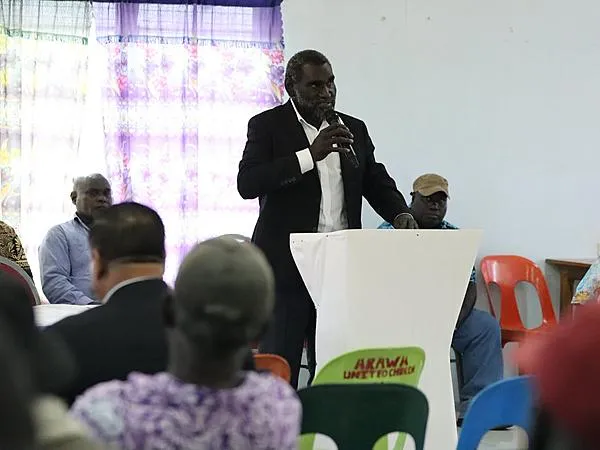
The Autonomous Bougainville Government has resumed engagement activities with landowners in the Panguna EL01 licence area from 20 April, following a temporary suspension caused by Cyclone Maila, President and Mining Minister Ishmael Toroama said.

Consultations had been halted for two weeks as the cyclone affected access to communities and their readiness to participate. The government, in coordination with stakeholders, will now restart its structured engagement programme across Central Bougainville.

Under the programme, the ABG, through its Central Parliamentary Committee, will carry out constituency-level engagements aimed at disseminating factual information on Panguna-related developments. The initiative is intended to strengthen communication between leaders and communities and ensure consistent messaging at the local level.

Parallel consultations will be held with Panguna landowners and their representative groups, community government officials, ward members and other local authorities. The process marks a continuation of stakeholder engagement efforts disrupted by the cyclone.

The current phase will focus on addressing issues and grievances raised in earlier consultations, including improving understanding of the cooperation agreement between Bougainville Copper Limited and Lloyds Metals & Energy Ltd. Authorities said the programme would also clarify the roles and responsibilities of all parties and seek to build consensus among landowners through an inclusive and orderly process.

Representatives from BCL and LMEL are expected to participate in the engagements to provide further clarification on their respective obligations under the agreement.

Toroama acknowledged that views within the community remain divided over developments at Panguna, stressing that inclusivity remains a priority.

“A key priority of this engagement process is to promote inclusive participation, including constructive engagement with individuals and groups who may have concerns or who oppose aspects of the current process. The Government remains committed to ensuring that all voices are heard,” he said.

The ABG will also outline grievance mechanisms available under the Bougainville Mining Act 2015, as well as those provided in the Land Access and Compensation Agreement signed between Panguna landowners and BCL in late 2024. The agreement covers BCL and any authorised entity operating under the EL01 licence, including LMEL.

Landowners have been encouraged to use these mechanisms to formally raise and resolve concerns.

The government reiterated its commitment to ensuring that developments at Panguna proceed in a peaceful, transparent and inclusive manner aligned with the aspirations of the people of Bougainville.

April 17, 2026

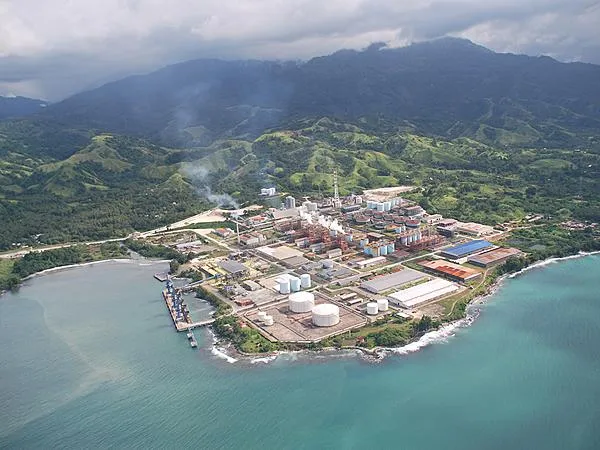
Nickel 28 Capital Corp. said it is evaluating its options following a proposal to expand the Ramu nickel-cobalt operation in Papua New Guinea, a move that could significantly increase production capacity.

The Toronto-listed company said it had been advised by Ramu NiCo Management (MCC) Limited, the operator of the Ramu operation, that a development proposal has been lodged with Papua New Guinea’s Mineral Resources Authority under the Mining Act.

The proposed phase II expansion is expected to approximately double the operation’s production capacity at an estimated cost of $1.6 billion, subject to regulatory approvals and agreements with the government and other stakeholders.

Nickel 28 holds an indirect interest in the project through its wholly owned subsidiary, Ramu Nickel Limited, which is party to joint venture agreements with MCC, the majority partner, and other stakeholders.

Under these agreements, MCC is required to offer to purchase the interests of minority partners if it proceeds with a qualifying expansion proposal. Minority partners may either sell their stake, contribute to expansion costs proportionally, or accept dilution of their ownership interest based on a predefined formula.

The company said it is currently assessing the implications of the proposal and the options available under the joint venture framework.

“The proposed expansion represents a noteworthy development for Ramu,” President and Chief Executive Craig Lennon said, adding that the company would seek to maximise value for shareholders while working with MCC.

Nickel 28 holds an 8.56% joint venture interest in the Ramu operation, a long-life nickel and cobalt project that provides exposure to metals used in electric vehicles.

April 14, 2026

Canadian miner K92 Mining Inc. reported first-quarter production of 46,743 ounces of gold equivalent from its Kainantu mine in Papua New Guinea, supported by strong grades and steady operational performance.

Gold output reached 44,022 ounces, alongside 1.7 million pounds of copper and 38,845 ounces of silver. Quarterly sales totalled 44,854 ounces of gold, 1.87 million pounds of copper and 41,467 ounces of silver.

President and chief executive officer John Lewins said the company had delivered a “strong start to 2026”, with production broadly in line with expectations despite sequencing across mining areas.

Lewins highlighted continued outperformance in key operating metrics, noting that metallurgical recoveries remained above feasibility study assumptions, while processed tonnes increased year on year.

He also pointed to record lateral underground development during the quarter, exceeding planned rates and positioning the operation well for its Stage 3 expansion. “Development rates continue to track ahead of plan, providing increased operational flexibility and supporting future production growth,” he said.

K92 is progressing a staged expansion of the Kainantu Gold Mine, targeting higher throughput and sustained output increases from its high-grade gold-copper system.

The company maintained its 2026 production guidance of 190,000 to 225,000 ounces of gold equivalent, with output expected to be weighted towards the second half of the year as additional mining fronts are brought online.

K92 said it remains focused on advancing expansion works while maintaining cost discipline and operational consistency at Kainantu, one of Papua New Guinea’s highest-grade producing gold mines.

April 10, 2026

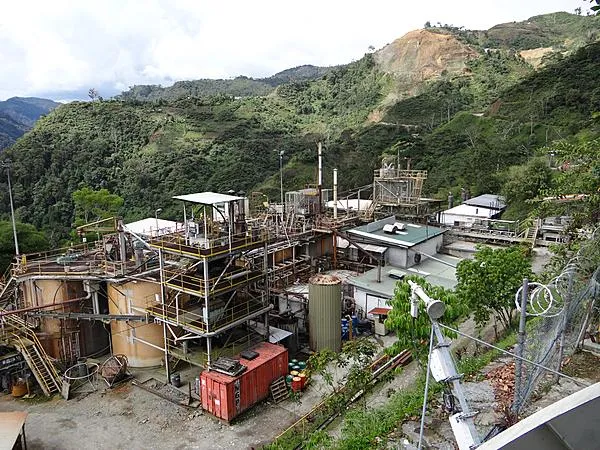
Tolu Minerals Limited has secured a A$23.75 million investment from Indonesian-listed firms PT Petrindo Jaya Kreasi Tbk and PT Petrosea Tbk, marking a significant step in advancing the Tolukuma gold project in Papua New Guinea.

The investment will be made through the subscription of 14,615,385 new shares at A$1.625 each via a convertible note, subject to shareholder approval. The funds are expected to be remitted in April 2026, with conversion into equity anticipated following a shareholder meeting scheduled no later than end-May 2026.

Once completed, Petrindo and Petrosea are set to become cornerstone investors in Tolu Minerals Limited.

The company said the proceeds will support mine expansion and infrastructure development at the Tolukuma gold mine, including roadway construction, materials handling systems and additional operational facilities.

Planned investments include the development of access roads to multiple exploration licences, a crushing and batching plant, and expanded warehousing and maintenance areas. Additional works will also cover near-mine haulage and the establishment of accommodation facilities for operational personnel.

Tolu Minerals Managing Director and Chief Executive Officer Chris Muller said the entry of the two Indonesian firms reflects growing regional interest in Papua New Guinea’s mining sector and will support the company’s plan to restart operations.

The company is targeting the resumption of mining at Tolukuma in the first quarter of 2027.

Separately, Tolu Minerals said it has begun discussions with Petrindo and Petrosea on potential commercial arrangements, including the provision of mining and infrastructure services. These may cover previously announced major infrastructure works such as exploration drives, dewatering systems, ore haulage and underground tailings storage.

Petrindo and Petrosea, both listed in Indonesia, operate across mining, engineering and energy sectors, with Petrosea already providing services in Papua New Guinea.

The transaction underscores increasing cross-border investment flows within Southeast Asia’s resources sector, particularly into Papua New Guinea’s gold assets.

April 10, 2026

Great Pacific Gold has reported encouraging initial drill results from the Kavasuki target within its flagship Wild Dog project in Papua New Guinea, highlighting the potential scale of mineralisation along the Sinivit–Kavasuki corridor.

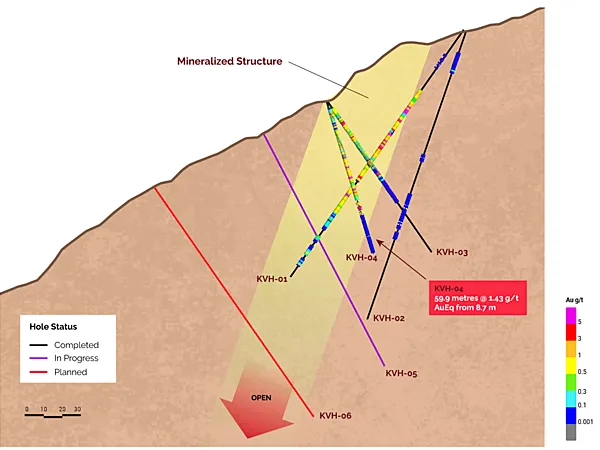
The company said its first drill hole at Kavasuki intersected 58.9 metres grading 2.50 grams per tonne gold equivalent (AuEq) from a depth of 38.6 metres. This included a higher-grade interval of 4.6 metres at 8.56 g/t AuEq.

A separate interval of 18.1 metres at 2.14 g/t AuEq was also recorded deeper in the same hole, confirming continuity of mineralisation.

The results come from drill hole KVH-01, part of an ongoing exploration programme targeting epithermal gold-copper mineralisation along a 15-kilometre structural corridor on New Britain island in East New Britain province.

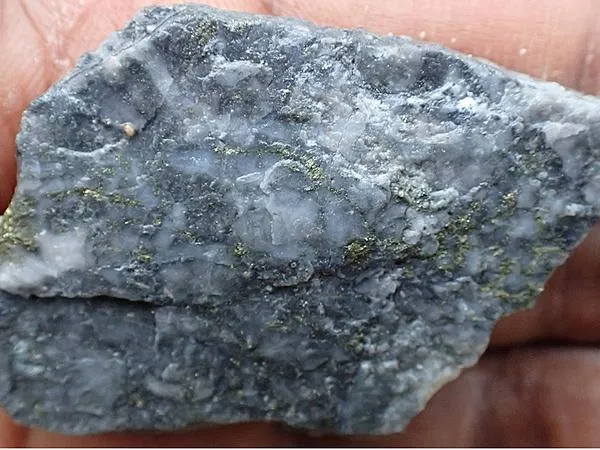
The mineralisation is described as near-surface and hosted within hydrothermal quartz breccia, with sulphide content, indicating a well-developed mineralised system.

Great Pacific Gold said the results improve its understanding of vein geometry and structural controls at Kavasuki, which will guide follow-up drilling aimed at identifying higher-grade zones within a broader chargeability anomaly.

“Results from KVH-04 continue to demonstrate the scale and continuity of the Kavasuki system,” said Callum Spink, Vice President Exploration.

“The intersection of nearly 60 metres from near-surface, with consistent internal higher-grade zones, supports our interpretation of a broad, well-developed epithermal system characterised by multiple phases of veining and mineralization,” Spink added.

More importantly, Spink said that  KVH-04 confirms continuity down-dip from KVH-03 and highlights the presence of multiple mineralized zones within a wider envelope. The system is interpreted to be structurally complex, with multiple fault sets influencing the distribution of veining and grade.

“As is typical of epithermal systems, this results in variability in mineralization within a broader envelope, with higher-grade zones developing in structurally favourable positions. Ongoing drilling, particularly KVH-05 and KVH-06, is critical to refining our understanding of this structural framework and improving targeting of higher-grade shoots at depth and along strike,” he said.

The company has completed a second drill hole (KVH-02) and is advancing a third (KVH-03) as part of its 2026 drilling campaign.

The Kavasuki prospect lies one kilometre north of the Sinivit deposit, another key target within the Wild Dog project, where previous drilling has returned high-grade intercepts.

The broader 2026 programme is designed to test continuity of mineralisation along strike and at depth across the Sinivit–Kavasuki corridor, a priority exploration area for the company.

Great Pacific Gold, listed on the TSX Venture Exchange, is focused on advancing a portfolio of exploration-stage gold and copper assets in Papua New Guinea, including the Wild Dog, Kesar and Arau projects.

The Wild Dog project is considered the company’s flagship asset and hosts both epithermal and porphyry-style mineralisation targets, with ongoing drilling aimed at defining a potentially district-scale resource.

The Wild Dog Project hosts a 15-kilometre-long structurally controlled mineral corridor containing multiple epithermal gold targets and porphyry copper-gold potential identified through recent MobileMT geophysical surveys.  The corridor contains the Sinivit-Kavasuki vein system and multiple advanced targets including Kasie Ridge, which are now being systematically drill-tested as part of the Company’s 2026 exploration program

April 06, 2026

Great Pacific Gold Corp. has completed an upsized public offering raising approximately $20.02m, with proceeds earmarked to accelerate its gold-copper exploration portfolio in Papua New Guinea.

The Vancouver-based company said it issued 42.6 million units priced at $0.47 each, generating gross proceeds of $20,022,000.  Each unit comprises one common share and one-half of a warrant, with each full warrant exercisable at $0.70 per share until April 2, 2028.

The offering was conducted under a prospectus supplement dated March 27, 2026, to the company’s base shelf prospectus filed across Canadian jurisdictions, excluding Quebec.

Agents and costs

The financing was led by Haywood Securities Inc. as sole bookrunner, alongside Canaccord Genuity Corp., Agentis Capital Markets and Paradigm Capital Inc.

In connection with the offering, Great Pacific Gold paid total cash commissions of $1,157,520 and issued compensation options to acquire up to 2,462,808 shares at the offering price, exercisable until April 2, 2028.

Use of proceeds

Net proceeds will primarily fund exploration and development activities across the company’s gold-copper projects in Papua New Guinea, with remaining funds allocated to working capital and general corporate purposes.

The company holds a portfolio of exploration-stage assets in PNG, including the Wild Dog project in East New Britain, as well as the Kesar, Arau and Tinga Valley projects in the Eastern Highlands and surrounding regions.

Exploration focus

Great Pacific Gold is positioning itself as a gold-copper developer in Papua New Guinea, targeting epithermal and porphyry-style mineral systems across its land package.

Its flagship Wild Dog project hosts a large-scale structural corridor with high-grade drilling results, while the Kesar and Arau projects are located near existing mining tenements and are considered prospective for further discoveries.

The financing follows the company’s earlier plan to raise up to $15m, which was subsequently upsized to meet investor demand and support expanded exploration activities.

Outlook

The company said the completed financing strengthens its balance sheet and provides funding visibility as it advances drilling and exploration programmes through 2026.

March 31, 2026

Thirty executives of the Ladolam Pit Association (LPA) linked to the Lihir Mining Project have completed a series of capacity-building courses aimed at strengthening governance, leadership and financial management among resource owners.

The participants received certificates of attainment on March 26 following a 10-day programme conducted from March 16 to 25, with training sponsored by the Mineral Resources Authority (MRA).

The courses covered good governance, transparency, leadership and financial literacy, reflecting efforts to address longstanding gaps in landowner capacity to manage business interests, royalties and other benefits derived from mining projects.

The MRA said similar programmes have been implemented for landowners involved in other projects, including Hidden Valley and Simberi, as part of a broader strategy to enable resource owners to make informed decisions and improve their livelihoods.

Training was delivered by several institutions, including the Centre for Excellence in Financial Inclusion for financial literacy, the PNG Institute of Directors for directorship training, the Institute of Banking and Business Management for leadership, and the Somare Institute of Leadership and Governance for governance and administration.

LPA chairlady Monica Kuten acknowledged the support of the MRA, noting that the programme had strengthened participants’ understanding of financial literacy and other key areas.

The MRA said it remains committed to rolling out similar initiatives across the country, in line with the government’s policy objective of ensuring resource owners receive a fair share of benefits from extractive projects while improving their standard of living.

March 31, 2026

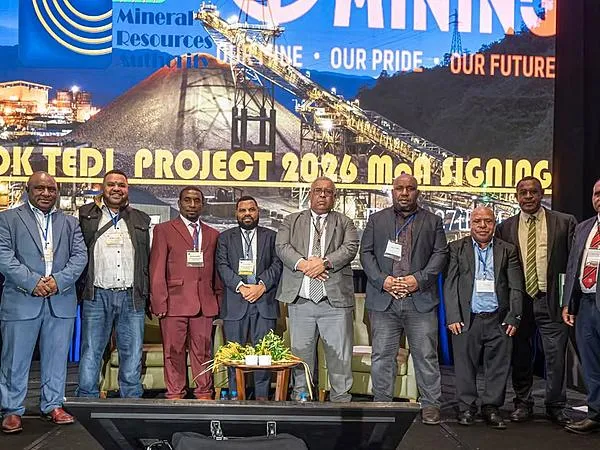
Three of the four parties to the Ok Tedi Mining Project Community Development Agreement (CDA) have signed the final agreement, marking a milestone after five years of negotiations, while the Fly River Provincial Government withheld its signature pending further discussions.

The signing ceremony, held at the Stanley Hotel in Port Moresby and attended by about 300 stakeholders, brought together representatives of the State, the Star Mountains Local Level Government (LLG) and the Mt Fubilan Resources Association, which represents landowners.

The Fly River Provincial Government did not sign, citing concerns with aspects of the agreement, but indicated its willingness to engage further with the State team.

Mining Minister Solen Loifa signed on behalf of the State, while Mt Fubilan Resources Association chairman Simon Umiakim and Star Mountains LLG president Samuel Mereng signed on behalf of landowners and local government respectively. Landowner leaders signed as witnesses.

Loifa said the agreement reflects the government’s policy direction that resource owners should receive greater benefits from the country’s natural resources. He noted that the National Executive Council had approved an additional seven per cent equity in the Ok Tedi mine for the Fly River Provincial Government, increasing its total stake to 40 per cent from 33 per cent.

He said the agreement was significant for communities in the Star Mountains who had long awaited tangible benefits from resource extraction.

Acting managing director of the Mineral Resources Authority, Harry Kore, described the signing as a defining moment for landowners and affected communities, who are expecting improved services and outcomes from the agreement.

Kore said the agreement carries expectations and obligations for all parties, noting that communities were focused on outcomes rather than the process itself.

He said the CDA process had been rigorous and, at times, difficult, with stakeholders navigating differences and challenges over the course of negotiations. However, he said sustained engagement and commitment had enabled parties to reach agreement.

Kore also acknowledged the contributions of stakeholders involved in the process, saying their efforts had made the milestone possible.

Members of Parliament from Western Province, including North Fly MP James Donald, Middle Fly MP Mai Maso Hewabi and Delta Fly MP Agena Gamai, attended the ceremony, along with other national and provincial leaders

March 30, 2026

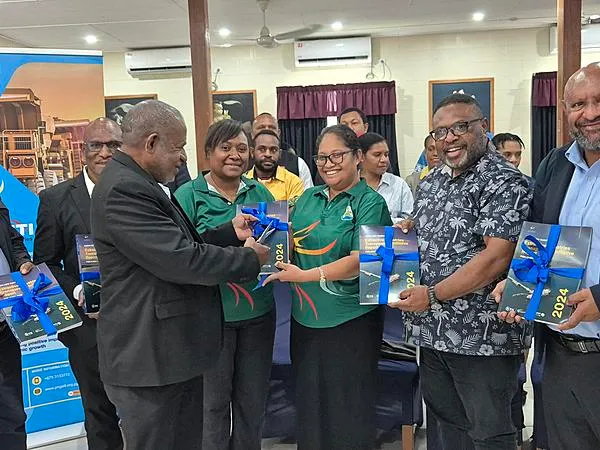
PNG CORE has commended the Papua New Guinea Extractive Industries Transparency Initiative (PNG EITI) on the official launch of its FY2024 Annual Report, marking an important milestone as Papua New Guinea prepares for its upcoming EITI Validation, scheduled to commence in April 2026.

The report was launched during the Multi-Stakeholder Group (MSG) first-quarter meeting held at Tuna Bay in Port Moresby on Thursday, March 26, with representatives from government, industry and civil society in attendance.

PNG CORE described the FY2024 Annual Report as a comprehensive and timely publication that provides critical insights into the performance of Papua New Guinea’s extractive sector.

The report outlines revenue contributions from the mining, oil and gas industries, as well as beneficial ownership disclosures and key initiatives aimed at strengthening transparency, accountability and equitable resource management.

Kassman, Senior Vice President of PNG CORE, said the organisation recognises the commitment demonstrated by the PNG EITI National Secretariat and the leadership of MSG members in advancing transparency and accountability in the management of the country’s oil, gas and mineral resources.

“The PNG EITI report clearly illustrates the continued importance of the mining and petroleum sector, highlighting its contribution to government revenue, exports, jobs and community benefits, while reinforcing the need for transparency and accountability. PNG CORE commends the work of all stakeholders in the EITI process,” Kassman said.

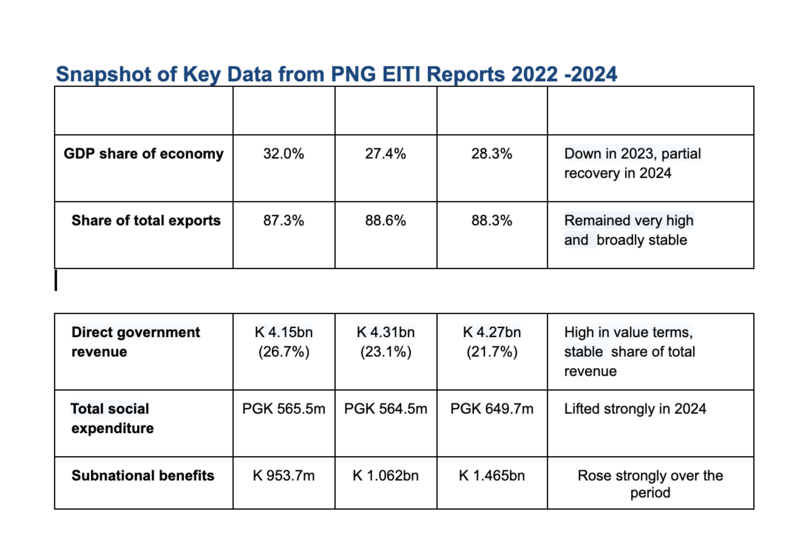
He added that PNG EITI reports from 2022 to 2024 reaffirm the sector’s central role in the economy. While there was a slight dip in 2023, the sector recovered in 2024, with export contributions remaining strong and government revenues consistently exceeding K4 billion. The rebound was supported by improved operations, including the reopening of Porgera.

PNG CORE also encouraged civil society organisations, government agencies, the private sector, resource owners and the general public to download and review the report from the PNG EITI website, noting that the PNG CORE website also provides a link.

The Papua New Guinea Chamber of Resources & Energy (PNG CORE) is the peak industry body representing the mineral resources and energy sectors in Papua New Guinea. Its mission is to foster understanding, generate knowledge and build relationships that enable the country to realise sustained nation-building benefits from its natural resources.

March 27, 2026

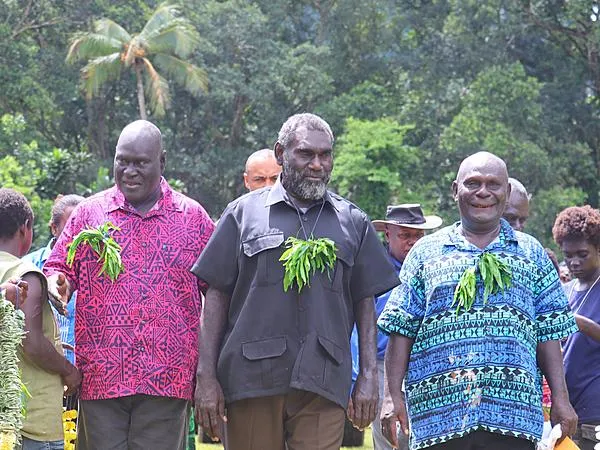
Autonomous Bougainville Government President Ishmael Toroama has proposed the creation of a mining reserve in the Eivo–Torau–Torokina region, aiming to control licence activity and prioritise development of the Panguna project.

The proposal, issued through the Bougainville Mining Advisory Council, covers about 465 square kilometres and is intended to guide a more coordinated approach to resource development.

Toroama said the reserve would restrict new exploration and mining applications, allowing the government to focus on existing priority projects.

“The purpose is to ensure orderly development of the sector while safeguarding national interests,” he said. Toroama flagged rising competition among companies seeking exploration licences in the area, warning that overlapping interests have begun to create divisions within local communities.

“This is a matter of serious concern … the government is taking a responsible approach to preserve unity, social stability and national interest,” he said.

The move signals a shift toward tighter state control over resource allocation in Bougainville as interest in the region’s mineral potential grows.

The proposed reserve is also intended to give the government policy space to advance amendments to the Bougainville Mining Act 2015. Toroama said the review aims to establish a “modern and fit-for-purpose” legal framework to govern future mining activity.

Public consultations are open until May 4, with the government required to consult parliament before a final decision is made.

Toroama said the process will follow legal requirements under existing mining legislation, with stakeholder input forming part of the final determination.

The proposal underscores the government’s focus on the Panguna project as the centrepiece of Bougainville’s economic strategy, while seeking to manage competing commercial interests and maintain social cohesion.

The government said it remains committed to ensuring transparency and inclusive decision-making in the management of natural resources.

March 27, 2026

Great Pacific Gold Corp. reported new drilling results from the Kavasuki target at its Wild Dog project in Papua New Guinea, including an intercept of 38.4 metres at 2.23 grams per tonne gold equivalent.

The results, from drill hole KVH-03 at the Sinivit–Kavasuki trend within the Wild Dog Project, include higher-grade zones of 2.23 metres at 10.31 g/t AuEq and 2.20 metres at 16.24 g/t AuEq.

The company said the results confirm a revised west to west-northwest dipping structural model and demonstrate continuity of near-surface mineralisation approximately 1 kilometre north of the Sinivit deposit.

System continuity and scale

Great Pacific Gold said the results support a structurally controlled epithermal gold system characterised by quartz veining, silica flooding and hydrothermal brecciation, with sulphide mineralisation dominated by pyrite.

“The broad zone of mineralisation intersected, with higher-grade internal zones, is consistent with earlier drilling and confirms a coherent, structurally controlled system with strong continuity,” said Callum Spink., Vice President Exploration. 

Follow-up drilling in hole KVH-04 intersected around 60 metres of similar alteration and mineralisation, although assay results are pending. The hole was drilled approximately 20 metres down-dip from KVH-03 to test vertical continuity.

Spink said the consistency between drill holes strengthens confidence in the scale of the system.

“The consistency and scale of mineralisation between holes provides additional confidence in the continuity of the system,” he said.

District-scale potential

Kavasuki lies along strike from the Sinivit deposit within a 15-kilometre structural corridor that hosts multiple epithermal gold targets and porphyry copper-gold potential.

Spink said geological similarities between Kavasuki and Sinivit suggest both may form part of a broader district-scale system.

“We are increasingly seeing strong geological similarities between the two areas, supporting the interpretation that they represent different expressions of the same mineralised system,” he said.

Drilling is continuing with hole KVH-05, with the focus shifting towards identifying controls on grade distribution and targeting higher-grade zones within the system.

The Wild Dog project forms part of Great Pacific Gold’s broader exploration portfolio in Papua New Guinea.

March 27, 2026

Great Pacific Gold Corp. said it plans to raise up to $15.04m through a public offering to support its gold-copper exploration projects in Papua New Guinea and for general corporate purposes.

The Vancouver-based company has entered into an agreement with Haywood Securities Inc., acting on behalf of a syndicate of agents, to offer up to 32 million units at $0.47 each.

Each unit will comprise one common share and one-half of a warrant, with each whole warrant exercisable at $0.70 per share for a period of 24 months following closing.

The offering will be conducted on a “commercially reasonable efforts” basis under a prospectus supplement to the company’s base shelf prospectus dated March 19, 2026. The supplement will be filed across Canadian jurisdictions, excluding Quebec, with additional placements permitted in the United States and offshore markets subject to applicable securities laws.

The agents have also been granted an over-allotment option to purchase up to an additional 15% of the units offered, exercisable up to 48 hours prior to closing.

Proceeds from the offering will be used primarily to advance the company’s exploration portfolio in Papua New Guinea, alongside working capital requirements.

The offering is expected to close on or about April 2, 2026, subject to customary conditions including approval from the TSX Venture Exchange.

PNG exploration focus

Great Pacific Gold is focused on developing a portfolio of gold-copper projects in Papua New Guinea, with several exploration-stage assets.

Its flagship Wild Dog project, located in East New Britain, hosts a large epithermal system extending approximately 15km, alongside a nearby porphyry target. Drilling has returned high-grade intercepts, with further drilling planned through 2026.

The company’s Kesar and Arau projects in the Eastern Highlands are located near existing mining tenements operated by K92 Mining Inc., with exploration indicating potential extensions of known mineralised systems.

Great Pacific Gold also holds the Tinga Valley project as part of its broader PNG exploration portfolio.

The company said the offering forms part of its strategy to advance exploration activity and position itself as a gold-copper developer in Papua New Guinea.