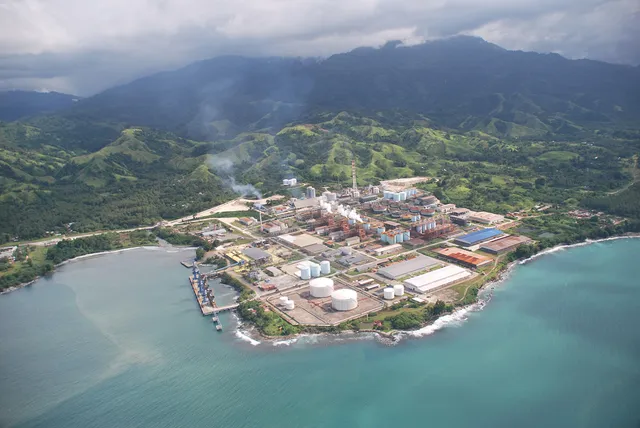
St Barbara Limited expects its Papua New Guinea operations to underpin a sharp rise in group gold output, with the New Simberi Gold Project positioned as a key growth driver.
The company said its attributable gold production is projected to increase nearly fourfold to about 191,000 ounces by fiscal year 2030, from 48,000 ounces in FY27, representing a compound annual growth rate of 59% based on proved and probable reserves.
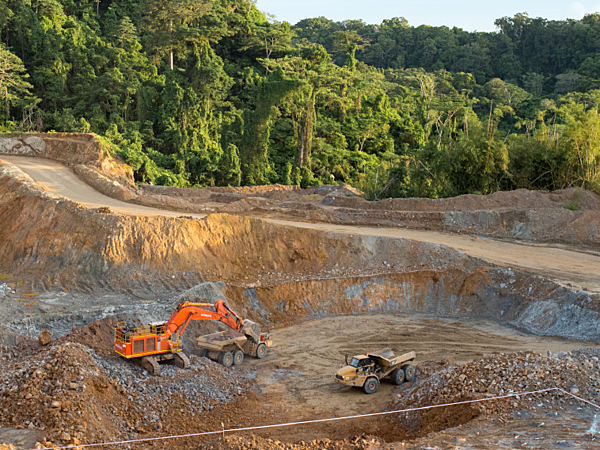
Growth will be anchored on the New Simberi Gold Project in Papua New Guinea, which forms a central component of the company’s long-term production outlook alongside its Canadian assets.
St Barbara said it is fully funded to execute its development pipeline, with group cash and bullion of A$504 million and listed investments of A$24 million following the completion of the Lingbao transaction on April 2, 2026.
Capital expenditure for the Papua New Guinea asset is expected to include about US$108 million for the company’s 40% share in the New Simberi project over FY27–FY28.
The New Simberi project is projected to deliver about 100,000 ounces per year in attributable production over a 14-year mine life, with a life-of-mine all-in sustaining cost of about US$1,336 per ounce.
According to the updated initial life-of-mine plan, the project contains approximately 2.56 million ounces of gold, with payable gold estimated at about 1.95 million ounces over its lifespan.
Production is expected to ramp up as operations transition from oxide to sulphide processing, supported by upgrades to milling and flotation circuits. On a 100% basis, output is projected to reach around 200,000 ounces by FY29 and peak above 250,000 ounces in the early 2030s.
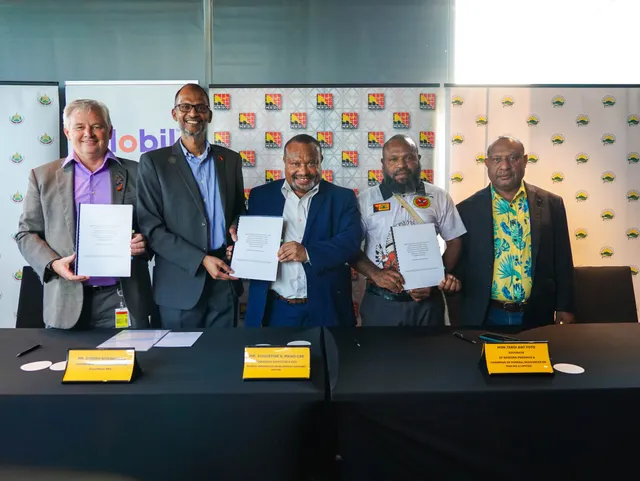
The Simberi project’s development follows the final investment decision announced in April 2026 and incorporates a revised timeline, including an estimated six-month delay relative to earlier feasibility work.
St Barbara said its outlook reflects recently approved development plans, with the Simberi operation expected to provide long-term production visibility supported by its 14-year mine life.