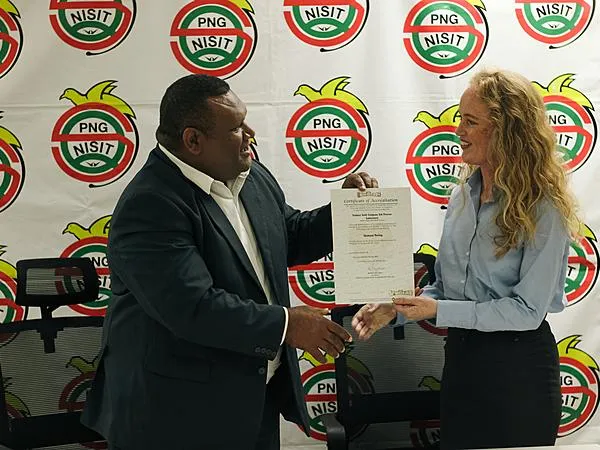
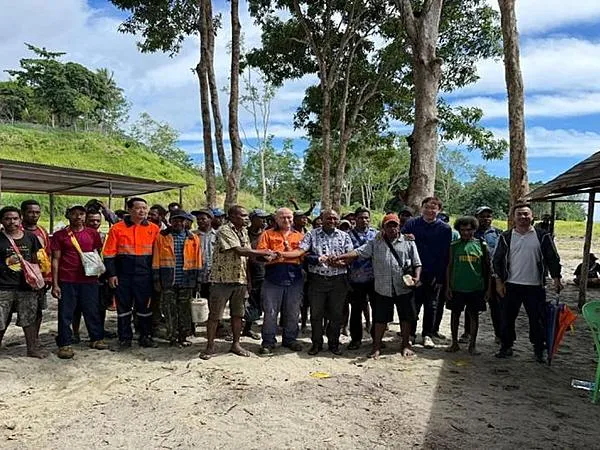
The National Institute of Standards and Industrial Technology (NISIT), through its accreditation arm, the Papua New Guinea Laboratory Accreditation Scheme (PNGLAS), has presented Simberi Gold Company Limited with an ISO/IEC 17025:2017 certificate of accreditation for the Simberi Gold Mine Process Laboratory, recognising the company's commitment to technical excellence and strengthening Papua New Guinea's national quality infrastructure.
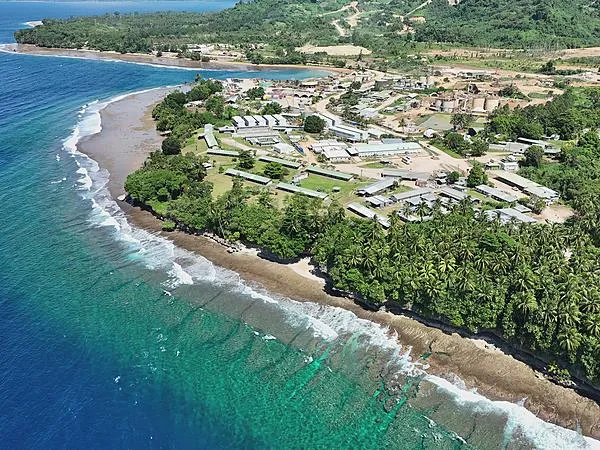
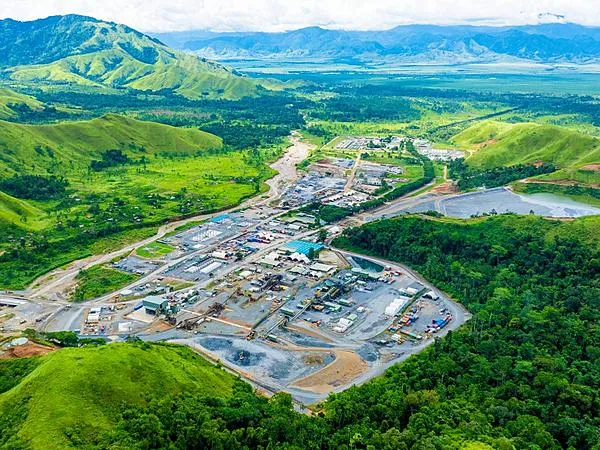
Simberi Gold Mine, part of the St Barbara Group, is one of Papua New Guinea's major gold mining operations and is located in New Ireland Province.
The certificate was presented at NISIT headquarters in Port Moresby on Wednesday, 29 July 2026.
Receiving the certificate on behalf of Simberi Gold Company Limited were management representative Danielle Gunnell, senior chemist Alois Tanguri and senior chemist Nathan Aputi.
Presenting the certificate, NISIT Director General Joe Panga congratulated Simberi Gold Company Limited on attaining ISO/IEC 17025:2017 accreditation and commended the laboratory team for its dedication to technical excellence.
"The achievement of ISO/IEC 17025:2017 accreditation demonstrates that the laboratory operates in accordance with internationally recognised standards and provides confidence that its testing services are reliable and technically competent," Panga said.
The accreditation journey began with Simberi Gold Company Limited's application in April 2025. Following a comprehensive assessment and the successful close-out of all assessment findings, PNGLAS granted accreditation effective 6 July 2026, with the certificate presentation formally recognising the achievement.
Speaking on behalf of Simberi Gold Company Limited, Danielle Gunnell thanked NISIT and PNGLAS for their guidance throughout the accreditation process and acknowledged the commitment of the laboratory team.
"This has been a long journey for our laboratory, and today marks only the beginning.
"We have now set a high standard for ourselves, and our next challenge is to maintain that standard. This achievement belongs to our entire team, particularly those who led the accreditation process, and we appreciate PNGLAS for its continued support and willingness to assist us into the future."
Senior chemist Nathan Aputi, who led much of the accreditation work, described the process as both challenging and rewarding.
"Achieving accreditation required us to build our systems while continuing our day-to-day laboratory operations. It demanded commitment, teamwork and a willingness to embrace international best practices. Although it was challenging, it has strengthened our laboratory and reinforced the importance of quality, accuracy and integrity in the services we provide to our company and our clients," he said.
PNGLAS Executive Manager Christopher Mosoro commended the Simberi laboratory team for embracing the accreditation process and successfully meeting the requirements of the international standard. He also praised his technical team, led by Laboratory Accreditation Manager Doreen Amuki, for supporting the accreditation process.
"Accreditation is not simply about obtaining a certificate. It is about establishing robust management systems, demonstrating technical competence and fostering a culture of continual improvement. Simberi Gold Company Limited has shown its commitment to quality, and we encourage other laboratories throughout Papua New Guinea to pursue international accreditation as part of strengthening the country's quality infrastructure," Mosoro said.
Established in 2008 to support Simberi Gold Mine's operations, the Process Laboratory plays a critical role in mineral processing and quality assurance. The accreditation recognises the professionalism, technical competence and dedication of the laboratory team and demonstrates that its testing services meet internationally accepted standards.
Laboratory accreditation provides confidence that test results are accurate, reliable and internationally recognised. For Papua New Guinea's mining sector, accredited laboratories improve operational performance, strengthen confidence in testing results and enhance international credibility.
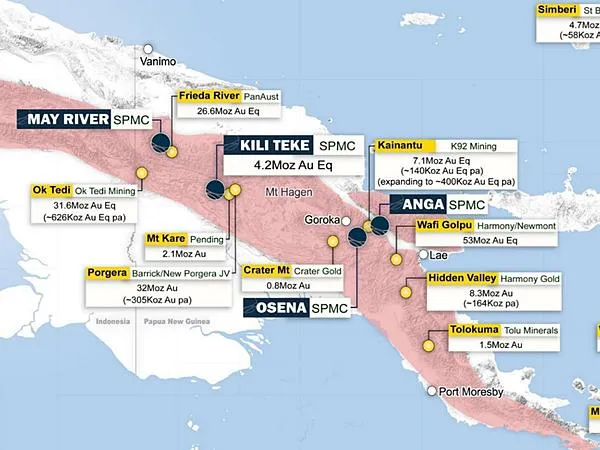
South Pacific Metals Corp. has begun the first phase of field exploration at its Kili Teke Copper-Gold Project in Hela Province, targeting mineralisation beyond the project's existing 4.2-million-ounce gold-equivalent inferred resource as it advances toward its maiden drilling campaign later this year.
The Vancouver-based explorer said more than 95% of historical drilling across the 253-square-kilometre licence focused on a single porphyry centre that hosts the current National Instrument 43-101 inferred resource. The latest exploration program is aimed at assessing the broader licence area, where machine-learning analysis has identified 14 ranked drill targets, including six classified as high priority.
Exploration Manager Octavio Garcia said the project offers considerable upside outside the existing resource.
"This is a licence that has been drilled in one place and looked at almost everywhere else," Garcia said, noting that the highest copper and gold grades reported on the property occur in skarn mineralisation excluded from the current resource estimate.
The field team has collected 52 rock samples, which have been dispatched to an independent laboratory for analysis. No assay results are currently available. The program includes geological mapping and target validation designed to narrow the list of prospects ahead of drilling planned for the second half of 2026.
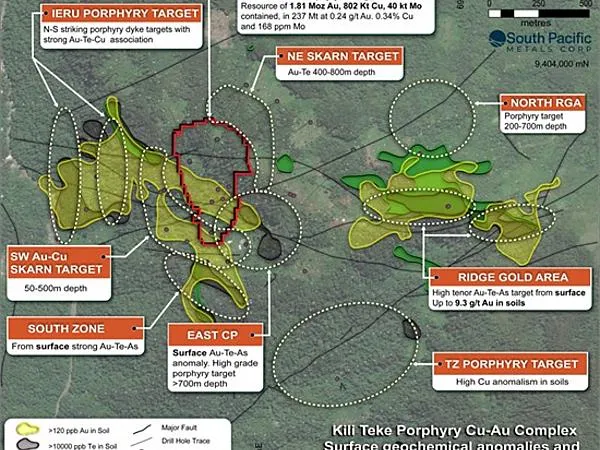
Among the key exploration targets is a skarn corridor adjacent to the existing resource, where historical drilling intersected 7.8 metres grading 12.98% copper and 11.75 grams of gold per tonne within a broader mineralised zone. Surface rock-chip samples previously returned copper grades of up to 27.5%.
The company is also evaluating the Ridge Gold prospect, an alkalic gold target located about 40 kilometres from the Porgera gold mine, and a second undrilled porphyry target identified through magnetic inversion modelling. The existing Kili Teke porphyry resource also remains open at depth, with historical drilling indicating the potential for a higher-grade copper core below the current resource model.
South Pacific Metals said the exploration campaign follows months of engagement with customary landowners and government authorities in Hela Province. Community awareness meetings were held earlier this year, and local field technicians have been employed to support the program.
Executive Chairman Michael Murphy said the company had reached a significant milestone by returning its technical team to Kili Teke following the acquisition of the project.
"The resource is the floor. This program is about the rest of it," Murphy said, referring to the project's existing 4.2-million-ounce gold-equivalent inferred resource.
South Pacific Metals expects fieldwork to continue throughout the year, with additional mapping and sampling planned as it advances priority targets toward drilling. Assay results will be released once laboratory testing and validation are completed.
Simberi Gold Company Ltd.'s Process Laboratory has achieved ISO/IEC 17025 accreditation, an internationally recognised standard for testing and calibration laboratories, strengthening confidence in the reliability of its gold assay results and production reporting.
The accreditation was granted on 6 July 2026 following a 15-month assessment process that began with the company's application in April 2025. The National Institute of Standards and Industrial Technology (NISIT), through the Papua New Guinea Laboratory Accreditation Scheme (PNGLAS), formally presented the certificate at NISIT headquarters in Port Moresby on 29 July.
The accreditation confirms that the Simberi Gold Mine Process Laboratory meets internationally recognised quality and technical standards and is capable of producing accurate and reliable testing results.
The recognition provides independent verification of the laboratory's assay results, giving regulators, the Bank of Papua New Guinea and other stakeholders greater confidence in the data underpinning gold production reporting and export activities.
Simberi Gold said the accreditation enhances the credibility, integrity and transparency of its gold production reporting while reinforcing confidence in laboratory data used to support operational performance, mineral processing and regulatory compliance.
Representing the company at the presentation were Management Representative Danielle Gunnell, Senior Chemist Alois Tanguri and Senior Chemist Nathan Aputi.
Gunnell thanked NISIT and PNGLAS for their guidance throughout the accreditation process and acknowledged the dedication of the laboratory team.
"The accreditation is an important milestone that reflects the team's dedication and commitment to maintaining high standards," she said.
She noted that the accreditation process required the laboratory to strengthen its quality management systems while continuing to support day-to-day mining operations.
NISIT Director General Joe Panga congratulated Simberi Gold on the achievement, saying the accreditation demonstrates the laboratory's technical competence and provides assurance that its testing services meet internationally accepted standards.
Established in 2008, the Simberi Gold Mine Process Laboratory provides testing and quality assurance services that support mineral processing and operational decision-making at the mine. The ISO/IEC 17025 accreditation formally recognises the laboratory's commitment to quality, accuracy, integrity and continual improvement.
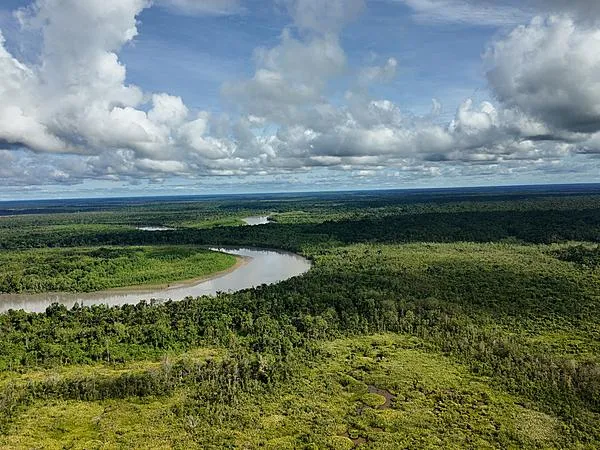
Ok Tedi Mining Limited (Ok Tedi) is aware of concerns circulating on social media regarding the health conditions reportedly affecting several women from communities along the Fly River system. The company has taken immediate steps to ensure the matter is assessed objectively and independently.
Ok Tedi takes all concerns relating to community health and environmental stewardship seriously. While allegations on social media have linked the reported skin conditions of two women to the company's operations along the Fly River, no medical assessment has established the cause of the conditions or any connection to the mine.
As part of its corporate social responsibility, Ok Tedi will deploy an independent medical team to investigate the reported cases. The team will work closely with Daru Hospital and the Western Provincial Health Authority to conduct medical assessments, collect samples, and gather the information necessary for a comprehensive review. Samples collected during the investigation will be sent to independent external laboratories for testing and evaluation.
Ok Tedi Health Services Manager Raymond Singamis said the company's priority is to establish the facts and ensure appropriate support is provided where needed.
"We understand the concerns being expressed by affected families and communities. Ok Tedi is committed to working with health authorities to ensure a thorough investigation is undertaken to establish the facts surrounding these reports. Where assistance is required, we will work with health authorities and medical specialists to provide appropriate care and treatment as part of our corporate social responsibility," Singamis said.
Ok Tedi Environment Manager Erizo Kepe said the company operates one of Papua New Guinea's most comprehensive environmental monitoring programs, including regular monitoring of catchment water quality, sediment chemistry, terrestrial and aquatic resources, and the safety of food resources for human consumption using World Health Organization (WHO)-accredited Codex Alimentarius methodologies. The program also includes extensive ecosystem health studies throughout the Fly River system.
"While no link has been established between the reported medical conditions and environmental impacts associated with Ok Tedi's operations, we take these concerns seriously and are committed to supporting a thorough investigation. It is important that any conclusions are based on verified medical and environmental evidence, and we will continue to work transparently with health authorities, regulators, and affected communities as the assessment progresses," Kepe said.
The company emphasized the importance of allowing the independent medical investigation and scientific analysis to be completed before drawing conclusions about the cause of the reported conditions.
Ok Tedi remains committed to responsible environmental management and the well-being of communities within its areas of operation. The company said it will continue to keep stakeholders informed as more information becomes available and once the independent assessments have been completed.
The Papua New Guinea government has exercised its equity participation rights in Pacific Lime and Cement's Central Lime Project, acquiring a 13% stake for US$16.3 million under the Project Development Agreement signed in March.
Pacific Lime and Cement (ASX: PLA; PNGX: PLC) said the investment will be held through the state's nominee, Kumul Mineral Holdings Ltd. The company and the state have executed the required Shareholders Agreement and Equity Acquisition Agreement, giving the government a 13% interest in Mayur Industrials PNG Ltd, the project's special purpose vehicle.
The equity acquisition was priced at a discounted valuation based on the project's base-case net present value, reflecting a negotiated sovereign participation discount.
Kumul Mineral Holdings also retains an option to acquire an additional 5% stake in the Central Lime Project for about US$6.8 million. The option may be exercised within 180 days after operations commence, with first quicklime production forecast for the first quarter of 2027.
The state also holds the right to acquire up to a 30% interest in the Central Cement Project special purpose vehicle. That option can be exercised two months before the project's targeted final investment decision in the fourth quarter of 2026. The Central Cement Project has a disclosed net present value of US$339 million, with the final valuation to be determined by an independent expert.
The investment marks the first capital commitment by the PNG government under the Project Development Agreement framework, which governs the development, fiscal, equity and regulatory arrangements for the Central Lime and Central Cement projects.
Pacific Lime and Cement Managing Director Paul Mulder described the investment as a milestone that strengthens the sovereign backing for the project.
"The PNG Government's decision to invest directly in the Central Lime Project is a landmark milestone that further strengthens the sovereign and institutional foundations of what we are building," Mulder said.
He said the investment reflects more than a decade of collaboration between the company, the government and project-area landowners, and ensures that the project's economic benefits will be shared directly with Papua New Guineans.
Kumul Mineral Holdings Managing Director Sarimu Kanu said the project would reduce PNG's dependence on imported quicklime from the Middle East and Asia by supplying locally manufactured products for the country's mining and infrastructure sectors.
"We are proud to support this nation-building project and its long-term contribution to PNG's economic growth," Kanu said.
The announcement comes after the recent passage of Papua New Guinea's trade defence legislation, which establishes a framework to protect domestic industries from unfairly traded imports.
Special Adviser to the Prime Minister Isaac Lupari said the new trade defence measures would help strengthen domestic manufacturing and reduce reliance on imported construction materials.
Pacific Lime and Cement said it is preparing for first quicklime production while progressing work toward a final investment decision for the Central Cement Project later this year. Construction activities are expected to transition from the lime project to the cement project during the first half of 2027.
For decades, governments have challenged the resources sector to do more than extract natural resources—they have called on the industry to create opportunities, build businesses and ensure local communities share in the economic benefits of development. At Ok Tedi Mining Limited (Ok Tedi), this commitment is not just a policy document; it is being delivered through significant investments that are placing local communities at the centre of the mine's operations.
Under Clauses 31 and 32 of the Mining (Ok Tedi Agreement) Act and the Ok Tedi Memorandum of Agreement, Ok Tedi has a mandate to encourage and support Papua New Guineans' participation in business opportunities, with a particular focus on mine area landowners and other recognised regions. Today, that commitment is translating into substantial economic participation and wealth creation across Western Province.
Ok Tedi currently engages 49 landowner companies that provide a broad range of goods and services to the operation. Some of these businesses have grown into major enterprises, with Tier 1 contractors generating an average annual turnover of approximately K800 million.
The opportunities available to local businesses span a wide range of goods and services, including accommodation and catering, aviation, land transportation, security, labour hire, equipment rental, maintenance services, civil works, mining services, electrical installations, rehabilitation support services, clothing supply, pest control and many others.
Beyond service contracts, local participation extends into significant capital investments.
Landowner investment entities currently own and lease assets such as buses, fuel tankers, liners and containers to Ok Tedi, generating between K60 million and K100 million annually. Landowner companies have also invested in mining haul truck fleets that are leased to Ok Tedi, representing an estimated value of K300 million to K400 million.
Speaking at the PNG CORE Community Affairs and National Content Conference (CANCONEX) last week, Ok Tedi Economic Programs Manager Steve Hoap said these investments demonstrate how local communities are moving beyond traditional royalty benefits and becoming active participants in commercial ventures that generate sustainable, long-term revenue.
Mr Hoap said community investment groups are increasingly partnering with Ok Tedi to develop infrastructure that delivers continuous revenue streams for local beneficiaries.
He cited the development of the first 150-person accommodation facility as an example. Ownership is shared between the CMCA Women's and Children's Fund (50%), LMP79 Bige Storage Area (25%) and the ART communities representing 15 villages in the Lower Ok Tedi region (25%).
The facility is secured under a 10-year lease commencing in March 2025 and is expected to generate approximately K23.5 million in rental income over the life of the agreement.
A second 150-person accommodation facility has been established through a partnership involving the Middle Fly Trust (50%), LMP85 Bige Storage Area (25%), and the Wai-Tri communities of the Lower Ok Tedi region (25%).
With a seven-year lease commencing in 2027, the investment is expected to generate approximately K21.1 million in rental returns, creating a reliable source of income for participating communities.
These are not one-off payments but investments that will continue to generate benefits for years to come, supporting community development long after construction is completed.
Mr Hoap said the investment model is already producing measurable financial returns.
"Another significant example is the partnership with MRCMCA Investment Holdings, which invested in a fleet of nearly 200 light vehicles leased to Ok Tedi under a five-year agreement from 2023 to 2027."
Mr Hoap said these initiatives reflect Ok Tedi's commitment to delivering measurable outcomes under both Clause 32 of the Mining Agreement and the PNG National Content Policy.
"The objective is clear: to maximise local participation, create sustainable businesses, strengthen community investment capacity and ensure the economic benefits of mining remain within Papua New Guinea.
"Rather than simply providing contracts, OTML is helping communities build capability, own productive assets and establish long-term income streams that can support future generations.
The result is a growing portfolio of community-owned enterprises worth hundreds of millions of kina, generating jobs, revenue and long-term prosperity throughout Western Province.
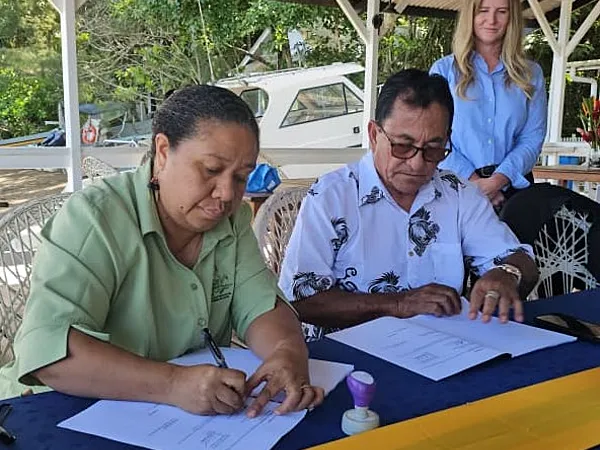
Misima Minerals Limited (MML) has signed a Memorandum of Agreement (MoA) with the Milne Bay Provincial Government, paving the way for the company to operate the Misima Aerodrome as part of broader efforts to improve connectivity and support the redevelopment of the Misima Gold Project. The agreement was signed in Alotau on June 19, 2026.
Under the MoA, MML will lease and operate the aerodrome through the Milne Bay Provincial Transport Authority while undertaking upgrades required to restore commercial aviation services.
The aerodrome has been restricted to small charter aircraft since 2020 after operations for third-level airlines, including PNG Air, were suspended.
Restoring the aerodrome to full operational status is expected to enable the return of scheduled commercial flights to Misima, improving access to the island and supporting economic activity, healthcare delivery, government services and community mobility across the Samarai-Murua District.
To meet Civil Aviation Safety Authority of Papua New Guinea (CASAPNG) requirements, the runway and other aviation safety infrastructure will be upgraded. The works will be coordinated by MML, the Provincial Transport Authority, the National Works Department and local contractors, with completion targeted before the end of 2026.
The aerodrome project forms part of MML's broader infrastructure program supporting the redevelopment of the Misima Gold Project.
A wholly owned subsidiary of Ok Tedi Mining Limited (OTML), MML has begun early infrastructure works to support exploration, feasibility studies and future mine development.
Following OTML's acquisition of the Misima Gold Project from Kingston Resources in May 2025, the company developed a five-year restart strategy comprising three phases: feasibility and permitting, construction, and production.
Since February 2026, MML has undertaken enabling works under the first phase, including environmental and social impact assessments, mine development planning, and preparations for environmental permitting and mining licence approvals.
Infrastructure projects underway or under assessment include the construction of accommodation facilities with a health clinic and support services, rehabilitation of access roads to the mine site, and the planned upgrade of Misima District Hospital.
The hospital improvements are intended to benefit local communities while supporting medical requirements for OTML and MML employees, including pre-employment medical examinations aimed at increasing local workforce participation.
Misima Minerals Limited is a wholly owned subsidiary of Ok Tedi Mining Limited responsible for redeveloping the historic Misima Gold-Silver Mine in Milne Bay Province.
The project supports OTML's Growth 2050 strategy to diversify beyond its Star Mountains operations and return one of Papua New Guinea's largest historic gold mines to production under Papua New Guinean ownership.
MML currently holds Exploration Licence 1747 through a two-year extension granted to Ok Tedi, allowing continued exploration, technical studies and resource evaluation ahead of the project's redevelopment.
The company says it is committed to responsible resource development, environmental stewardship, transparent stakeholder engagement and delivering long-term economic and social benefits to landowners, local communities, Milne Bay Province and Papua New Guinea.
Papua New Guinea has reaffirmed its commitment to attracting responsible long-term investment in the mining sector, unveiling a package of regulatory, legislative and digital reforms aimed at strengthening investor confidence while ensuring resource development delivers lasting benefits to communities.
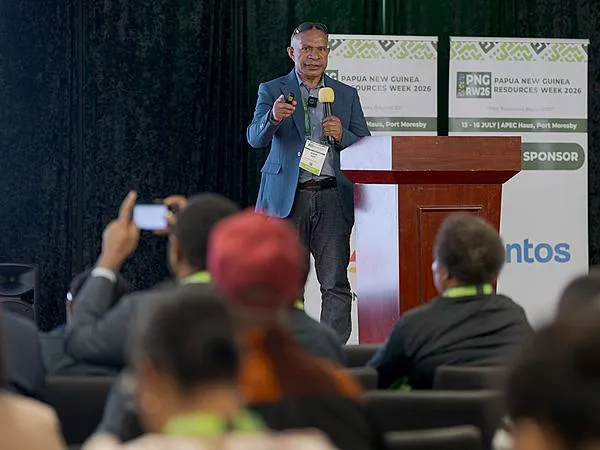
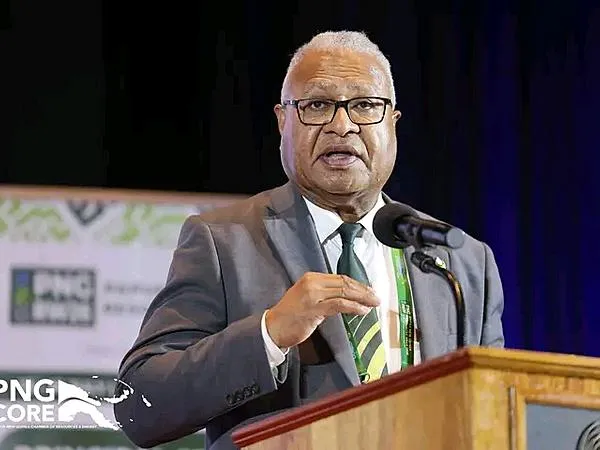
Speaking at PNG CORE Resources Week 2026 at APEC Haus, Mining Minister Solen Loifa said mining remains one of the country's strongest economic pillars and a key driver of PNG's long-term development agenda under the conference theme, PNG Resources Beyond 50.
Loifa said Papua New Guinea welcomes credible investors committed to long-term partnerships and sustainable growth.
Mining, together with the oil and gas sector, accounts for more than 80% of PNG's export earnings and remains a major source of government revenue, foreign exchange, employment and infrastructure development.
Mineral exports reached a record K32 billion in 2025, while the alluvial and small-scale mining sector generated more than K1 billion in export revenue. Mining communities also received more than K474 million in royalty payments.
"However, the value of mining must also be measured by the improvements it brings to the lives of our people. Mining must support stronger communities, better infrastructure, local employment, business opportunities and sustainable development," Loifa said.
Reforms aimed at boosting investor confidence
To improve PNG's competitiveness as a mining destination, the government is pursuing reforms designed to provide greater certainty for investors.
Loifa said the Mineral Resources Authority (MRA) has begun reviewing the Mining Act, with proposed amendments including extending exploration licence terms to five years, introducing a new Mining Retention Licence, enabling online mineral tenement applications and modernising the country's mineral tenement administration system.
The reforms are intended to give exploration companies more time to complete geological studies, drilling programmes, feasibility assessments and stakeholder engagement, while streamlining regulatory processes.
The government is also drafting new mine safety and health legislation to align PNG's workplace standards with international mining practices.
Digital overhaul
A central element of the reform programme is the digitalisation of the mineral tenement application system.
Loifa said the MRA is migrating its mineral tenement database into Papua New Guinea while introducing an online application platform to improve accessibility, transparency and regulatory oversight.
"The online system will improve accessibility, transparency and the monitoring of applications. It will also reduce unnecessary delays and provide investors with a clearer and more accountable process," he said.
Stable regulatory environment
Loifa reaffirmed the government's commitment to a stable legal and regulatory framework.
"Investor confidence depends on consistency, certainty and respect for the law. The Government will ensure that mining decisions are made in accordance with the Constitution, the Mining Act, environmental legislation and other applicable laws," he said.
He added that investors are expected to meet their environmental, taxation and community obligations, with disputes resolved through established legal and administrative processes.
Communities at the centre
Loifa said community support remains essential to the success of mining projects and stressed that resource development must deliver tangible benefits through improved roads, schools, healthcare, water supply, communications, employment, skills training and greater participation by local businesses.
The government will continue working with provincial governments, landowners and industry to strengthen Community Development Agreements and maximise regional economic benefits.
He also urged landowner groups to resolve leadership disputes so communities can fully benefit from resource development.
Positioning for critical minerals
Loifa said PNG is positioning itself to benefit from rising global demand for critical minerals used in renewable energy, battery storage, electric vehicles and advanced manufacturing.
The government is developing a policy framework for critical minerals and rare earth elements while expanding geological surveys and strengthening the country's mineral database through new partnerships.
Improved geological information, he said, will reduce exploration risk, attract investment and support future discoveries, helping keep the sector competitive well beyond 2060.
Tackling illegal mining
Loifa also highlighted efforts to curb illegal mining and gold smuggling.
The government is strengthening inter-agency enforcement, improving gold traceability systems and considering international responsible sourcing standards to boost confidence among global buyers, refiners and investors.
Invitation to investors
Loifa reaffirmed the government's support for commercially viable, environmentally responsible and socially sustainable mining projects.
He said Papua New Guinea would continue improving regulatory certainty, modernising mining legislation, strengthening government coordination and promoting transparent decision-making.
"Our task is to convert our geological potential into sustainable prosperity," Loifa said, inviting investors to partner with the government, landowners and communities to responsibly develop the country's mineral resources.
Ok Tedi Mining Limited (Ok Tedi) recently hosted senior government officials, political leaders, and landowner representatives from Morobe and Madang provinces on a fact-finding visit to Tabubil to learn how future resource projects can deliver greater benefits to landowners and local communities.
The week-long visit provided delegates with a rare opportunity to see firsthand how one of Papua New Guinea's largest mining operations has integrated local participation into its business model while continuing to contribute significantly to the national economy.
For leaders from Morobe, home to the Hidden Valley Mine and the proposed Wafi-Golpu project, and Madang, where the Ramu Nickel Mine and future resource developments remain a key focus, the visit offered practical insights to help shape negotiations, governance structures, and benefit-sharing arrangements for future mining projects.
A key highlight of the visit was learning how the company has created long-term economic opportunities for mine-associated communities through strategic investment in landowner companies (LANCOs) and local businesses. This approach demonstrates how Ok Tedi has moved beyond simply providing employment to enabling local landowners to become business owners, investors, and service providers.
Currently, 49 landowner companies provide services to the Ok Tedi operation, with more than K800 million spent annually through LANCO-related contracts and business activities. This has created a steady income stream for local communities.
Another major focus of the visit was understanding how Ok Tedi balances economic development with environmental and social responsibilities. Delegates learned about environmental management practices, rehabilitation initiatives, tailings management, community development programs, and long-term sustainability planning.
Madang Provincial Administrator Daniel Aloi said the visit provided a deeper understanding of the scale and significance of Ok Tedi's contribution to the national economy.
He praised initiatives that created opportunities for landowner companies and local businesses to participate in contracts and service delivery, noting that such arrangements generate sustainable economic benefits beyond direct employment. He also commended the company's willingness to take ownership of environmental and social responsibilities, describing this as an important lesson for future resource projects across the country.
Mr. Aloi said the most impressive aspect of the operation was the strong presence of Papua New Guinean leadership and expertise throughout the company.
"Seeing Papua New Guineans managing complex mining operations, from executive leadership and engineering to environmental management and technical services, demonstrates the country's growing capacity to successfully manage its own resource projects," Mr. Aloi said.
Morobe delegate Freddy Tommy, Bulolo Urban LLG President, Mayor of Bulolo, and Provincial Chairman for Mines and Petroleum, described the visit as an eye-opener that reinforced the significant opportunities available to landowners when resource projects are structured effectively.
"What we saw at Ok Tedi showed what is possible when landowners are meaningfully included in the business side of mining," he said.
He noted that 98 percent of Ok Tedi's workforce consists of Papua New Guineans and that many services are outsourced to landowner companies.
With the Wafi-Golpu project expected to become one of the country's largest mines, Mr. Tommy said lessons from Tabubil will help Morobe landowners and leaders better understand the benefits they can negotiate with developers and government.
As Papua New Guinea prepares for a new generation of mining and petroleum developments, leaders from Morobe and Madang believe the lessons from Tabubil could help shape a future where resource projects deliver broader, more sustainable benefits to landowners and surrounding communities.
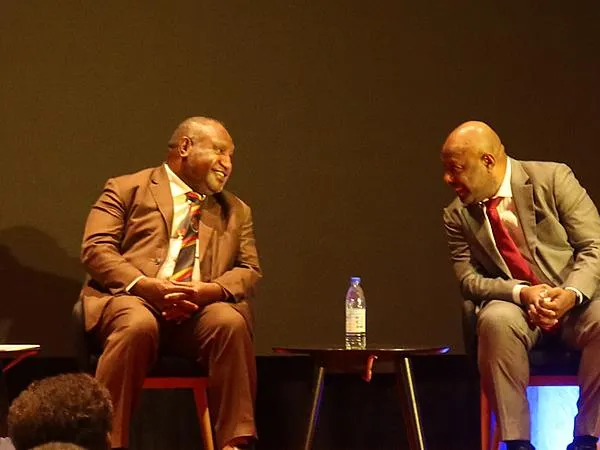
Prime Minister James Marape says Papua New Guinea is entering a new phase of resource development, with the government seeking higher national returns from major mining and petroleum projects while maintaining the country's appeal to international investors.
Speaking at the opening of PNG Resources Week 2026 in Port Moresby, Marape said the government's resource policy has focused on securing stronger economic benefits for Papua New Guinea without undermining investor confidence.
"We are not new to mining, petroleum or energy," Marape said. "Papua New Guinea has been engaged in mining since the 1920s, while our modern petroleum industry has been producing for more than 40 years. We are a proven resource nation with a long record of hosting world-class investments."
Marape thanked resource companies and investors for their long-term commitment to Papua New Guinea, describing the sector as the country's largest source of foreign exchange earnings and a major contributor to employment, government revenue, royalties and infrastructure development.
He said Papua New Guinea has demonstrated its reliability as a resource investment destination through the continued operation of projects including Kutubu, Ok Tedi, Porgera and PNG LNG despite global economic uncertainty.
The prime minister said the successful renegotiation of the Papua LNG Gas Agreement illustrated the government's approach of improving national returns while preserving commercial viability.
"We have successfully renegotiated the Papua LNG Gas Agreement to secure around 55% total national benefits for Papua New Guinea before the project proceeds into construction," he said.
"This shows that our Government can secure stronger national returns while maintaining investor confidence and preserving Papua New Guinea's reputation as a reliable destination for world-class resource investment," he added.
Marape reiterated that the government's benchmark is to secure at least 55% total national benefits from major resource projects, stressing that the figure encompasses more than government equity.
He said the calculation includes taxes, royalties, dividends, landowner benefits, local business participation, downstream processing, employment and other economic gains flowing to Papua New Guinea.
"Investors must make a fair return on their investment. We fully respect that. But our responsibility is to ensure Papua New Guinea also receives a fair share," he said.
Marape highlighted progress across the government's priority projects, known as the "Four Ps and One W"—Porgera, Pasca, Papua LNG, P'nyang and Wafi-Golpu.
According to the prime minister, Porgera has resumed operations under agreements delivering about 55% total national benefits, while Papua LNG has secured similar returns through renegotiated terms.
He said negotiations for the P'nyang gas project are nearing completion and are expected to deliver more than 63% total national benefits, while the Pasca A project is projected to provide approximately 70% benefits to the state.
Negotiations for the Wafi-Golpu copper-gold project are also approaching completion, with only a small number of outstanding issues remaining, he said.
Rejecting criticism that the government had delayed major resource developments, Marape said negotiations had focused on maximizing long-term national value rather than pursuing quick project approvals.
"In the past seven years we have been building strong foundations rather than chasing short-term headlines," he said.
Looking ahead, Marape said Papua New Guinea has more than 19 resource projects at various stages of development, including Wafi-Golpu, Frieda River, Tolukuma, Woodlark, Misima and Yandera, alongside continued petroleum exploration by TotalEnergies and ExxonMobil.
He also emphasized the government's commitment to responsible environmental management, saying future projects must balance economic development with internationally recognized environmental standards.
Marape said downstream processing, local participation and skills development would become increasingly important as the country expands its resource sector, while urging Papua New Guinean businesses to build sustainable enterprises capable of supporting the industry over the long term.
He added that Papua New Guinea's diplomatic engagement with partners including Australia, Japan, France and China was helping attract investment, technology and export opportunities for the country's resource sector.
"The next twenty years will be one of the most exciting periods in our country's history," Marape said. "With sound policies, stable partnerships and stronger national participation, Papua New Guinea is well positioned to become one of the leading resource economies in the Asia-Pacific region while ensuring greater benefits remain with our people."
Papua New Guinea's financial sector must urgently bring an estimated K15 billion circulating outside the country's formal banking system into the economy if the nation is to fully capitalise on its growing resources and energy industry, TISA Group Chief Executive Officer Michael O. Koisen said.
Speaking during Day Three, Session 11A: Finance in Resources & Energy (FIRE) at PNG Resources Week 2026 on 15 July 2026 at APEC Haus in Port Moresby, Koisen said finance must become the engine that transforms temporary resource revenues into long-term, inclusive economic development.
He said PNG's expanding energy and mining sectors present significant opportunities, but the country's financial institutions must evolve to ensure more Papua New Guineans benefit from the wealth generated by major resource projects.
Global investment trends are increasingly being shaped by environmental, social and governance (ESG) standards, with international lenders and investors assessing projects not only on financial returns but also on sustainability outcomes.
Koisen said green development should be viewed as a competitive advantage rather than a compliance burden, noting that projects incorporating climate resilience, community development and clean energy transition pathways are more likely to attract premium international financing.
He also highlighted the growing international expectation for greater localisation across the resources sector.
The traditional model, under which capital is raised offshore, resources are extracted and revenues remain overseas, is gradually being replaced by stronger requirements for local participation.
According to Koisen, governments, investors and markets now expect landowners, local contractors and small and medium-sized enterprises (SMEs) to play a greater role throughout the resource supply chain.
While major multinational resource companies have relatively easy access to international financing, he said PNG's greatest financing challenge lies with domestic businesses supporting those large-scale developments.
"The true commercial bottleneck in PNG lies in access to capital for the domestic supply chain," he said.
He said the greatest investment opportunities extend beyond extracting gas, gold and other minerals, with significant potential in downstream industries such as infrastructure, logistics, marine transport, heavy equipment leasing, engineering services and catering.
However, many locally owned businesses struggle to fulfil supply contracts because they cannot secure flexible working capital, trade finance or invoice discounting from financial institutions.
Koisen called on commercial banks to modernise their lending approaches by adopting more flexible financing models and digital credit assessment systems that enable local companies to participate meaningfully in major resource developments.
He said PNG businesses should become active participants in resource projects rather than spectators in their own country.
Addressing the challenge of avoiding the so-called "resource curse," Koisen outlined three critical priorities needed to convert finite resource wealth into sustainable national prosperity.
Foremost among them, he said, is capturing the estimated K15 billion currently circulating outside the formal financial system.
When royalties and wages from resource projects are paid to landowners, much of that money quickly flows into the informal economy, limiting its contribution to broader economic growth.
He proposed expanding digital financial infrastructure through low-bandwidth USSD platforms, mobile wallet technology and agency banking networks to connect rural communities directly with formal banking services.
Such systems would allow landowners to safely save, invest and grow their wealth while increasing the economic multiplier effect across the country.
Koisen also advocated integrating banking and insurance services into comprehensive financial products tailored to businesses operating in the resource sector.
Combining commercial lending with insurance would reduce operational risks for local contractors by protecting assets operating in high-risk resource environments, while improving business sustainability and reducing loan default risk.
Recognising that mineral and petroleum projects have finite lifespans, Mr Koisen said finance must ultimately redirect today's resource income into sectors capable of sustaining future generations.
He urged greater investment in climate-resilient agriculture, renewable and sustainable energy, and digital education to build a diversified economy beyond extractive industries.
"As we look ahead through 2026 and beyond, the mobilisation of finance for resources and energy development cannot simply be about fuelling extraction. It must be about fuelling transformation," Koisen said. "It is about ensuring that every project approved, every well drilled, and every ounce of gold mined directly translates into a stronger local SME, a more secure family bank account and a highly resilient green economy."
Strengthening transparency, governance, accountability and compliance across Papua New Guinea's extractive sector is critical to attracting investment, ensuring resource-owning communities receive a fair share of development benefits and supporting sustainable economic growth.
The issues were highlighted during Session 10A – Governance & Economic Standards at PNG Resources Week 2026, held on Wednesday, 15 July, at APEC Haus in Port Moresby. Moderated by Institute of National Affairs Executive Director Paul Barker, the session was held under the theme "Strengthening Transparency, Governance and Compliance to Build Trust and Investment Confidence."
Barker said resource developments inevitably generate both benefits and costs, but the overall gains must outweigh the impacts. Achieving this, he said, requires transparent investment arrangements, equitable benefit-sharing, strong oversight and active participation from government, industry and civil society.
He said these measures promote community harmony, reduce conflict and create a more stable investment environment while supporting employment and broader economic opportunities. The session also sought to identify practical measures to strengthen governance, anti-corruption efforts, legal certainty, financial integrity and regulatory compliance across Papua New Guinea's resource sector.
A keynote presentation was delivered by Papua New Guinea Extractive Industries Transparency Initiative (PNG EITI) Executive Director George Kauli, who outlined the organisation's role in improving transparency and accountability across the country's mining, petroleum and gas industries.
Kauli said the Extractive Industries Transparency Initiative (EITI) is a global standard promoting transparency, accountability and good governance in countries with extractive industries. As of 2025, the EITI Standard was being implemented in 57 countries, including Papua New Guinea.
Under the framework, extractive companies and government agencies are required to publicly disclose contracts and licences, production and export data, revenue collection and allocation, beneficial ownership, social and environmental expenditure, subnational payments and state participation.
PNG EITI operates through a multi-stakeholder governance model comprising government agencies, extractive companies and civil society organisations responsible for overseeing implementation of the EITI Standard.
Government representatives include the National Petroleum Authority, Department of Mineral Policy and Geohazards Management, Internal Revenue Commission, Customs, Treasury and the Department of National Planning. Industry members comprise mining and petroleum companies, while civil society is represented by organisations including the Consultative Implementation and Monitoring Council, PNG Council of Churches, National Council of Women, GINA and members of the PNG Resource Governance Coalition.
Kauli said the collaborative model strengthens transparency by promoting collective decision-making, improving policy coordination and reinforcing public trust and accountability.
PNG EITI reporting covers the entire extractive value chain, from the award of licences and contracts through exploration, production, exports, government revenue collection, benefit distribution and community development spending.
The reporting framework captures production volumes, exports, taxes, royalties, dividends, revenues earned by state-owned enterprises, corporate social responsibility projects, employment, gender participation and the sector's contribution to the national economy.
Kauli said the extractive sector remains one of Papua New Guinea's largest contributors to government revenue, export earnings, foreign direct investment, infrastructure development, employment and economic growth.
However, he said the country's natural resource wealth can only deliver its full value when revenues are managed transparently, institutions remain accountable and resource-owning communities receive their rightful share of the benefits.
A core function of PNG EITI is independently reconciling payments reported by extractive companies with revenues received by government agencies.
Kauli said taxes, royalties and other statutory payments reported by companies are matched against records held by recipient agencies, including the Internal Revenue Commission. Any discrepancies identified are published in the annual EITI Report, enabling regulators, communities and other stakeholders to seek clarification and strengthen accountability.
He said the reconciliation process helps citizens better understand how resource revenues are managed while providing developers with greater certainty through improved transparency and community trust.
Kauli added that predictable governance and credible public disclosure reduce investment risk and support long-term sustainable development across the extractive sector.
Since Papua New Guinea joined the EITI in 2013, the National Secretariat has published 12 annual EITI reports, with the latest, covering 2024, released in March 2026. Work on the 2025 report is under way and is expected to be completed early next year.
Kauli also outlined Papua New Guinea's progress towards embedding the EITI framework in national legislation.
Following a National Executive Council (NEC) decision in 2011, a working group was established to facilitate the country's membership of the EITI. In 2013, the NEC formally approved Papua New Guinea's participation in the global initiative, with the Treasury Minister leading its implementation.
Further NEC decisions in 2017 directed government agencies responsible for regulating the mining and petroleum sectors to implement EITI recommendations and corrective actions.
In 2019, the NEC approved the National Policy for Transparency and Accountability in the Extractive Sector, which called for two new laws: an Establishment Bill to create the PNG EITI Commission and a Reporting Bill to strengthen compliance with EITI reporting requirements.
Kauli said the draft Establishment Bill has been completed, while consultations on the Reporting Bill are expected to begin later this month before both Bills are submitted to Parliament.
He noted that PNG EITI implementation remains voluntary until the legislation is enacted.
Kauli also highlighted PNG EITI's partnership with the Japan International Cooperation Agency (JICA) and the Auditor-General's Office to strengthen confidence in extractive revenue reporting.
The initiative introduces an Agreed-Upon Procedures (AUP) framework under the International Standard on Related Services (ISRS) 4400, enabling independent verification of extractive revenue data without requiring a full financial audit.
Under the arrangement, government agencies submit extractive revenue data to the Auditor-General's Office, which independently verifies the information before its findings are incorporated into PNG EITI's annual reports.
Kauli said the process provides greater assurance over the accuracy and reliability of publicly disclosed revenue information.
Another key initiative is PNG EITI's expansion into subnational reporting to improve transparency over royalties, equity payments and benefit-sharing arrangements involving provincial governments, local-level governments and customary landowners.
Kauli said previous reporting had focused largely on national-level payments, leaving significant gaps in reporting benefits flowing directly to communities.
To address this, PNG EITI has begun incorporating EITI reporting provisions into Community Development Agreements, Memoranda of Agreement and other benefit-sharing arrangements for resource projects. This will enable payments made by companies to be reconciled with amounts received by provincial governments and landowner groups.
Awareness programmes were conducted in East New Britain, Madang and Morobe provinces in 2025, followed by Enga and Southern Highlands provinces this year. Additional provinces will be included in future reporting.
Kauli encouraged resource developers, government agencies and regulators to adopt EITI standards across agreements and operational processes, saying greater transparency throughout the resource value chain would help identify governance gaps, reduce revenue leakages and maximise benefits for Papua New Guineans.
He also confirmed that Papua New Guinea is undergoing its latest international EITI validation, which began in April 2026. A draft validation report is expected to be presented to the Multi-Stakeholder Group before the final assessment is completed later this year.
The session underscored the importance of internationally recognised governance standards, transparent reporting and institutional accountability in ensuring Papua New Guinea's natural resource wealth delivers inclusive economic growth, strengthens public trust and supports a more competitive investment environment.
K92 Mining produced 46,093 ounces of gold equivalent during the second quarter of 2026 as its Kainantu Gold Mine in Papua New Guinea continued to ramp up production following the commissioning of its Stage 3 expansion.
The Vancouver-based miner said quarterly output comprised 42,931 ounces of gold, 1.78 million pounds of copper and 50,109 ounces of silver. It maintained its full-year production guidance of 190,000 to 225,000 ounces of gold equivalent, with output expected to be stronger in the second half as additional mining fronts and expansion projects come on stream.
The company also reported record quarterly ore processing of 225,965 tonnes, up 73 per cent from the same period last year and 59 per cent higher than the previous quarter. Gold and copper recoveries reached 93.8 per cent and 93.2 per cent, respectively, exceeding the recovery assumptions in its updated definitive feasibility study.
Underground development reached a record 3,326 metres during the quarter, while ore mined climbed to a record 228,254 tonnes. Total material mined, including waste, also hit a quarterly high of 426,012 tonnes, supported by the progressive ramp-up of a second mining front at Lower Kora and improvements to underground infrastructure.
K92 said several key Stage 3 expansion projects advanced during the quarter, including the completion of a second material pass, the expansion of its primary power station and continued construction of surface and underground pastefill facilities. A major ventilation upgrade, haul road improvements and new river crossings are scheduled for completion in the third quarter to further increase mining capacity and improve operational efficiency.
The company said 98 per cent of Stage 3 expansion growth capital had either been spent or committed as of 30 June, with the project remaining on budget. Commissioning of the underground pastefill circuit remains on track for the fourth quarter.
Chief executive officer John Lewins said the latest results reflected the benefits of recent investments in underground infrastructure and equipment, adding that additional mining fronts and major infrastructure projects due for completion this quarter are expected to support higher production rates in the second half of the year.
South Pacific Metals Corp. has reported high-grade gold-copper drill results from its 100 percent-owned Ontenu Project in Papua New Guinea, strengthening the company's view that the prospect hosts an extensive epithermal gold-copper system similar to the nearby Kainantu mine.
The latest results from drill hole ONED26-009 intersected three mineralised zones at the recently identified Megabe structure, including 5 metres grading 12.84 grams of gold equivalent per tonne, including 2 metres at 28.06g/t gold equivalent, and 12.2 metres grading 6.24g/t gold equivalent, including 2 metres at 16.65g/t gold equivalent.
The Ontenu Project is located adjacent to K92 Mining's Kainantu gold-copper operation in Eastern Highlands Province.
Exploration Manager Octavio Garcia said the results indicate that the Megabe structure forms part of a much larger mineralised system.
"The results from hole ONED26-009 are highly encouraging because they demonstrate that the Megabe structure is not an isolated occurrence, but part of a broader mineralised system with clear continuity and scale potential," Garcia said.
The company said the high-grade intersections in the first two mineralised zones appear to extend the hanging-wall mineralisation previously encountered in drill hole ONED26-007, providing early evidence of structural and grade continuity along the Megabe vein system.
The third mineralised zone confirmed significant width and high-grade mineralisation, supporting the company's exploration model that higher-grade zones may extend to the south-east and at greater depth.
Chief Executive Officer Timo Jauristo said the results validate the company's exploration strategy at Ontenu.
"Our goal is to demonstrate that Ontenu has the potential to host high-grade gold-copper veins similar to those being mined by K92 at their nearby world-class mining operation," Jauristo said.
He said drilling has now identified at least eight mineralised structures across a five-kilometre trend at Ontenu, although only limited portions of three structures have been tested, leaving significant exploration potential across the project.
South Pacific Metals has completed drill holes ONED26-010 and ONED26-011 and is preparing samples for laboratory analysis, while holes ONED26-012 and ONED26-013 are currently being drilled.
The company plans to continue drilling along the Megabe structure before expanding exploration to other undrilled targets within the broader Ontenu project area, including Ontenu Central.
Adyton Resources Corp. has received an environmental permit for its Wapolu Gold Project in Milne Bay Province, clearing a major regulatory hurdle as the company works towards restarting mining operations later this year.
The Papua New Guinea Conservation and Environment Protection Authority (CEPA) granted Environment Permit EP-L2(1080), confirming that the project's environmental management plans comply with national regulatory requirements. The approval supports the company's plan to redevelop the historic gold mine in partnership with local communities and stakeholders.
Adyton Chief Executive Officer Tim Crossley described the approval as a significant milestone that reduces project risk and advances the redevelopment of Wapolu.
"The grant of the Wapolu Environment Permit is a significant de-risking milestone and reflects the considerable work undertaken by our team, government agencies, local landowners and communities to responsibly advance the project," Crossley said.
He said the company remains committed to redeveloping the mine in a manner that delivers long-term value while continuing to work with the Mineral Resources Authority (MRA), CEPA and host communities to secure the remaining approvals required before mining can resume.
The remaining key regulatory requirements include the grant of a Mining Lease and a Lease for Mining Purposes, both administered by the MRA.
Project Director Louis Wang of EVIH welcomed the approval, saying it marked another important step towards recommencing operations.
The company said the environmental permit follows the MRA's approval in June of a variation to Exploration Licence 2549, allowing the extraction and processing of an approximately 20,000-tonne bulk sample. Together, the approvals keep the project on track for the planned restart of mining and processing operations, with a targeted throughput of 300,000 tonnes of run-of-mine ore per year from the fourth quarter of 2026.
The Wapolu Gold Project, together with the neighbouring Gameta licence area on Fergusson Island, represents two of Adyton's most advanced development assets in Papua New Guinea.
According to the company, the Fergusson Island projects host an indicated mineral resource of five million tonnes grading 1.28 grams of gold per tonne, containing an estimated 206,000 ounces of gold, and an inferred resource of 23.2 million tonnes at 0.99 grams per tonne for 733,000 ounces of contained gold.
Adyton is also advancing its Feni Island gold-copper project in New Ireland Province as part of its broader exploration and development portfolio in Papua New Guinea.
Tolu Minerals Ltd expects to release a major update to the Mineral Resource Estimate for its Tolukuma Gold Mine in late August as it advances what the company describes as the most intensive drilling programme in the project's history.
The company said a substantial batch of new drilling assay results is expected in early August, with the findings to be incorporated into a comprehensive review of the Tolukuma mineral resource. The update is expected to mark a significant milestone as Tolu works towards restarting production at the mine by the first quarter of 2027.
Managing Director and Chief Executive Officer Dr Chris Muller said the work extends beyond simply adding new drilling data.
"Our technical team has made excellent progress on what is a comprehensive rebuild of the Tolukuma Mineral Resource Estimate," Muller said.
He said the updated estimate would incorporate a revised geological model, enhanced datasets and recent discoveries to provide a clearer picture of the project's scale and growth potential.
As of 30 June, Tolu had completed 143 drill holes covering 22,975 metres, including 68 holes for 11,686 metres during the June quarter alone. The company said the programme represents the highest drilling rate ever undertaken at Tolukuma.
Recent exploration has identified two new high-grade mineralised structures, the Fundoot Splay and Gulbadi Splay, located close to existing underground infrastructure. The discoveries are expected to contribute to the updated resource estimate and could provide a lower-risk pathway to future mine development.
Independent consultants H&S Consultants and RSC Consulting have been engaged to complete the revised Mineral Resource Estimate, which includes an updated three-dimensional geological model, integration of historical and recent drilling data, assessment of up to 44 mineralised vein systems and revised quality assurance and quality control analysis.
Tolu said the Tolukuma vein system extends for about eight kilometres, although only around 1.2 kilometres has been accessed through existing underground workings, leaving considerable scope for future exploration to the north, south and at depth.
Underground development has also resumed at the mine's 1560 Level, with early face sampling returning multiple gold grades exceeding 30 grams per tonne. The current drilling campaign forms the first stage of a planned programme exceeding 75,000 metres aimed at expanding the mine's resource inventory.
The company said the updated Mineral Resource Estimate and ongoing drilling programme remain central to its strategy of expanding the Tolukuma resource and supporting its planned return to gold production in early 2027.
Follow on LinkedIn:
PNG Business News
Be the "First" to get our exclusive Digital Magazine & Weekly Newsletter.