Papua New Guinea and Australia are moving to translate their new defence alliance into practical programs that could have long-term implications for PNG's workforce, infrastructure, skills development and economic activity.
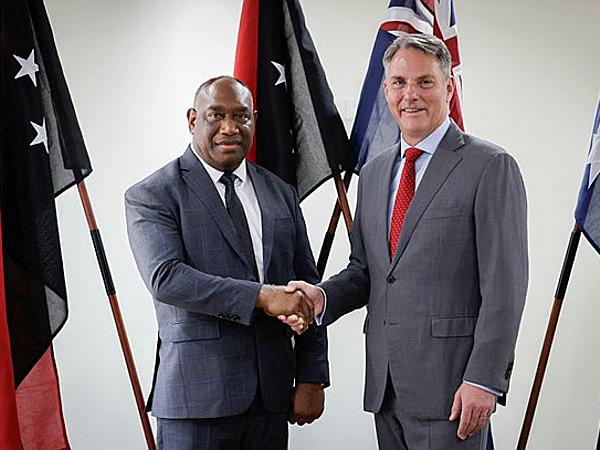
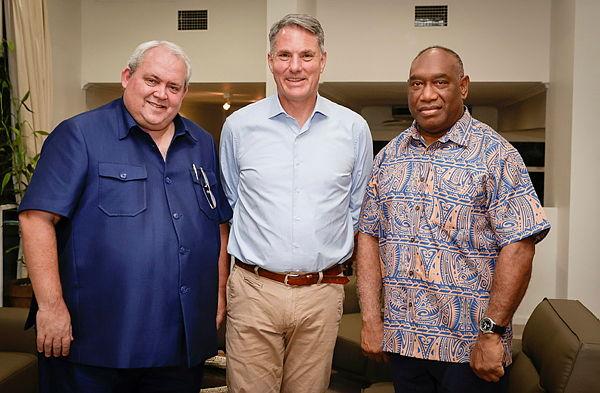
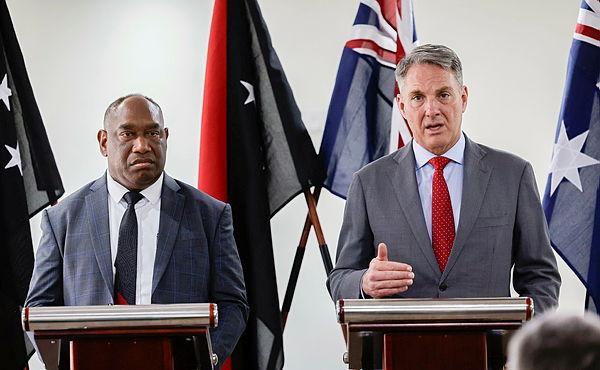
The focus emerged from a high-level meeting in Port Moresby on Aug. 16 between Australia's Deputy Prime Minister and Minister for Defence Richard Marles and PNG's newly appointed Defence Minister Elias Kapavore.
The meeting was the first ministerial engagement between the two ministers and came as both governments begin implementing the Pukpuk Treaty, which entered into force on July 8, 2026.
The treaty is PNG's first formal alliance with another country and Australia's first alliance in more than 70 years.
For PNG, one of the most significant workforce initiatives under the treaty is a planned pathway for Papua New Guinean citizens to join the Australian Defence Force.
Marles said Australia and PNG are targeting a pilot recruitment program, with the first intake expected to be well underway during the 2026-27 financial year and substantially into the recruitment process by June 30, 2027.
The initiative is expected to begin with smaller numbers before potentially expanding significantly over the next decade.
“We are looking at an initial pilot program, which will start the process of proving the recruitment pathway,” Marles said.
“It will be smaller numbers to begin with, but in time, we see this happening at scale over the next decade, where we are imagining thousands of people, thousands of Papua New Guineans are recruited into the Australian Defence Force.”
Workforce development opportunity
The proposed recruitment pathway could create a new avenue for PNG citizens to access specialised training, employment and professional development through the Australian Defence Force.
Marles said the Australian government has committed significant funding to establish the program, including funding over the next two financial years.
However, eligibility requirements and the recruitment framework are still being developed.
A joint task force involving relevant government agencies is working through the recruitment process, including eligibility, advertising, selection and training arrangements.
The two governments are expected to provide further details at a ministerial forum later this year.
Kapavore described the recruitment of Papua New Guineans into the ADF as “momentous,” saying it would further strengthen the longstanding relationship between the two countries.
He said both governments believe the first pilot program can be delivered in 2027.
The initiative could also support skills transfer and human capital development while creating new employment pathways for Papua New Guineans.
Australian investment in PNG defence infrastructure
Implementation of the treaty is also expected to sustain Australian investment in PNG defence infrastructure.
Marles said Australia would continue its infrastructure support program across PNG, building on projects already undertaken at facilities including Murray Barracks.
The two governments are continuing discussions on infrastructure priorities, while aviation and development of PNG's air wing remain areas of cooperation.
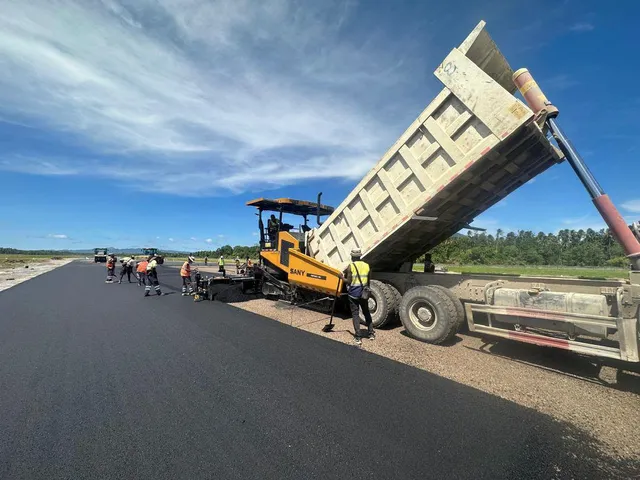
The infrastructure program could generate activity across construction, engineering, logistics, procurement and other services associated with upgrading and maintaining defence facilities.
One current example is Exercise Puk Puk 2026, where more than 100 Australian Defence Force personnel are working alongside the PNG Defence Force on infrastructure upgrades at Igam Barracks in Lae.
The exercise brings together military engineers from both countries and demonstrates the practical implementation of the alliance.
Broader economic activity
The growing operational relationship between the two defence forces is also generating activity across aviation, maritime operations, engineering and logistics.
Two PNGDF aircraft participated in Exercise Pitch Black 2026 in northern Australia last month, with more than 20 PNGDF personnel taking part.
Marles said the participation was significant because it represented PNG and Australia exercising together as allies for the first time.
Australia and PNG have also undertaken hydrographic survey operations involving HMAS Leeuwin and the PNGDF Maritime Element.
A PNGDF-led mission to transport essential health supplies to communities in West Sepik has further demonstrated the use of defence capabilities to support national development and humanitarian objectives.
These activities are building operational capability while strengthening institutional links between the two countries.
Defence partnership linked to capacity building
For PNG, the economic significance of the Pukpuk Treaty extends beyond defence operations.
The partnership is expected to support PNGDF capability building through training, infrastructure, aviation and technical cooperation.
Kapavore thanked Australia for its continued support for PNG pilots and defence infrastructure, saying the treaty would allow the two countries to enhance capabilities and build capacity together.
The development of the PNG air wing has been identified as a particular long-term challenge and priority.
Marles said Australia and PNG had discussed aviation cooperation and implementation arrangements that would make it easier for the two defence forces to operate in each other's countries.
Such arrangements could support greater movement of personnel, equipment and technical expertise between the two countries.
PNG's own recruitment remains separate
The ministers also clarified that the proposed ADF recruitment pathway should not be confused with PNG's domestic Defence Force recruitment program.
Kapavore said PNG is managing its own internal recruitment issues, with a report on the recent recruitment process being finalised and further recruitment expected to commence as early as September.
The ADF pathway is a separate arrangement under the Pukpuk Treaty that would allow eligible PNG citizens to go through an agreed process to train and ultimately join the Australian Defence Force.
Marles said the domestic PNG recruitment issues would not affect development of the Australia-PNG pathway.
The immediate priority for both governments is moving from treaty commitments to funded and operational programs.
Marles said the Australian government has provided significant funding over the next two financial years to establish the ADF recruitment initiative, while infrastructure and capability programs will continue.
The joint task force is responsible for progressing implementation arrangements and reporting to the two defence ministers.
The ministers are expected to take stock of progress at their upcoming ministerial forum later this year.
For PNG's business community, the implementation phase could create opportunities across construction, engineering, transport, aviation, logistics, training and other support services linked to defence infrastructure and capability development.
The proposed recruitment program could also have longer-term workforce implications if thousands of Papua New Guineans eventually enter the Australian Defence Force, particularly through the development of technical, leadership and specialised skills.
While the Pukpuk Treaty is fundamentally a security and defence agreement, its implementation is beginning to establish a wider economic dimension for PNG.
Infrastructure investment, skills development, employment pathways and increased demand for specialised services are among the potential economic outcomes arising from closer defence cooperation.
Marles said Australia and PNG are now entering a particularly important period in their relationship.
“With the Pukpuk Treaty now in force, we are focused on the next phase of our partnership and delivering practical outcomes that strengthen cooperation between our defence forces and advance our shared security interests,” he said.
For PNG, the challenge will be ensuring that implementation of the alliance delivers tangible national benefits, including stronger local capacity, employment opportunities, skills development and sustainable infrastructure investment.
The first major test will be establishment of the PNG-to-ADF recruitment pathway, with both governments now working towards a pilot program in 2027.