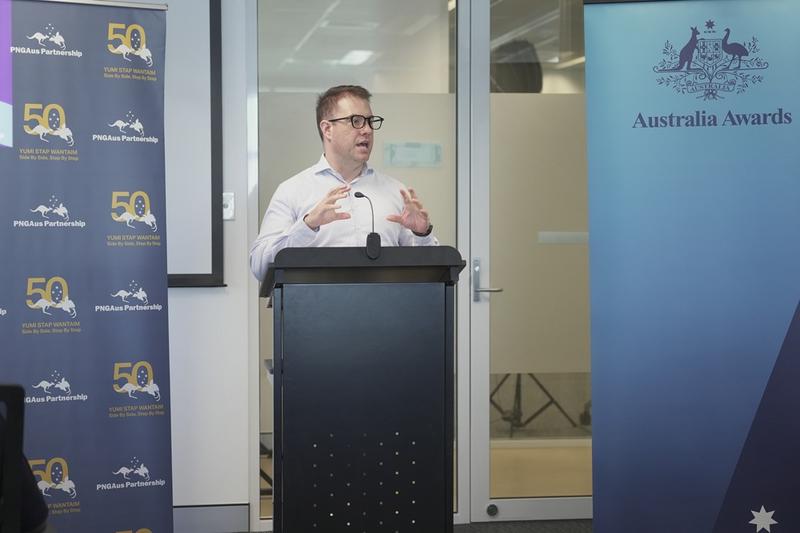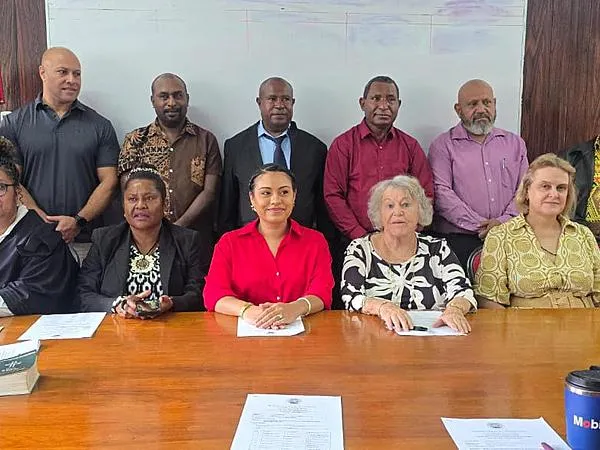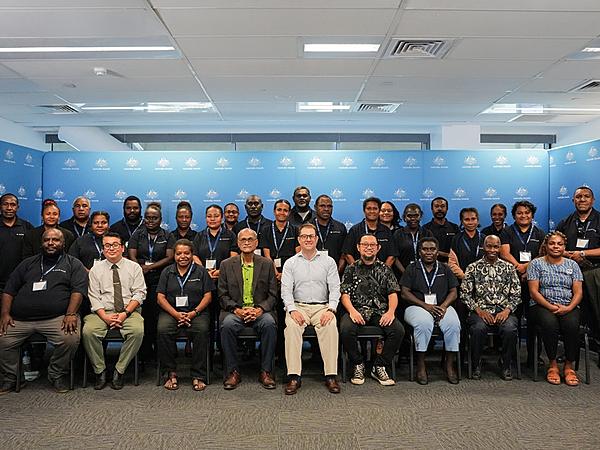
Papua New Guinea’s agriculture sector is strengthening efforts to expand domestic and international market opportunities, with about 30 agriculture professionals taking part in an Australia Awards Short Course focused on agricultural trade, supply chains and export systems.
Announced on Aug. 13 and supported by Australia Awards, the initiative aims to strengthen the capacity of PNG agriculture professionals to develop practical solutions that can help farmers, businesses and exporters access new markets and improve the movement of agricultural products from producers to consumers.
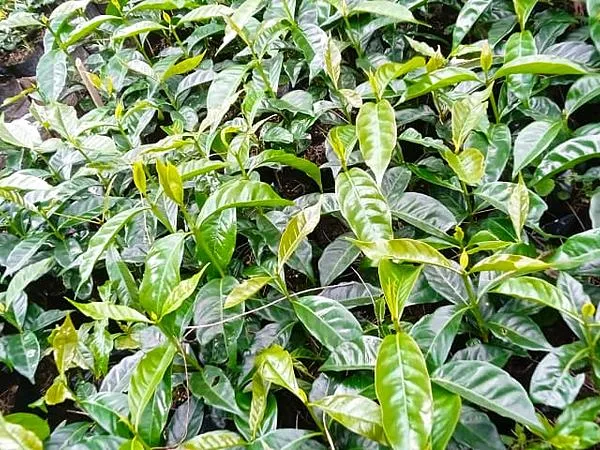
The focus has significant economic implications for PNG, where more than 85 per cent of the population relies on agriculture for their livelihoods. Improving agricultural trade and market access is therefore closely linked to rural incomes, food security and broader economic growth.
Delivered by the University of Queensland in collaboration with Pacific Adventist University, the short course brought together agriculture professionals from government and industry to examine ways to improve partnerships, logistics, supply chains and export systems.
The programme reflects the shared interest of Australia and PNG in expanding agricultural trade and developing stronger, more efficient supply chains capable of connecting local producers with domestic and international markets.
PNG Biosecurity Authority representative Douglas Siuta said the course highlighted the importance of closer cooperation across the agriculture sector.
“This course is helping us understand how the whole system fits together and where we can work more closely. I will take these lessons and connections back to my organisation so we can contribute to real improvements,” Siuta said.
The latest course builds on two earlier Australia Awards short courses focused on agriculture, as well as a study tour to Australia, helping to establish a broader professional network of Papua New Guinean agriculture specialists.
The network is intended to strengthen collaboration between government and industry and help professionals address the systems that connect producers with markets, including supply chains, logistics and export processes.
For PNG, improving these systems could help address practical barriers faced by agricultural businesses and producers seeking to increase production, reach new buyers and participate more effectively in domestic and international trade.
Stronger market linkages could also help ensure that increased agricultural production translates into greater economic opportunities for farmers and rural communities.
Australia has reaffirmed its commitment to supporting Papua New Guinean leaders to strengthen institutions and develop practical solutions that deliver long-term benefits for the agriculture sector.
Through Australia Awards, Australia will continue working with PNG to invest in people, strengthen institutions and support Papua New Guinean leaders in turning knowledge, partnerships and shared priorities into long-term progress.