December 08, 2024

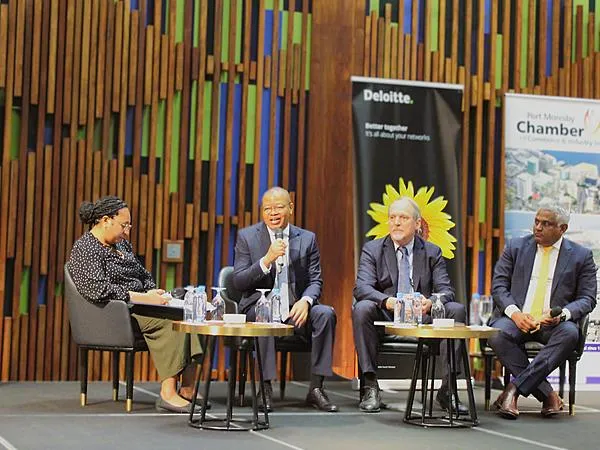
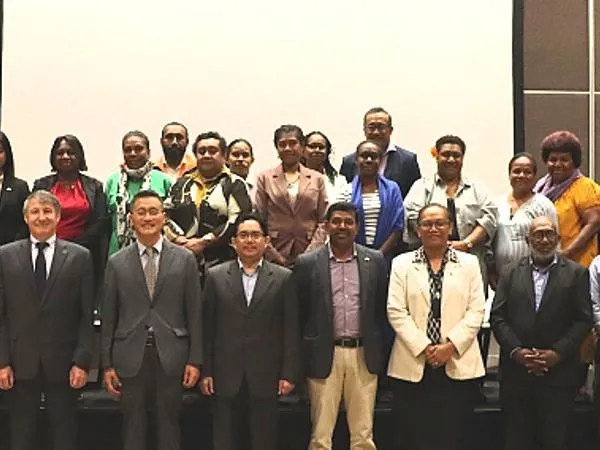
The Port Moresby Chamber of Commerce & Industry (POMCCI), in collaboration with Deloitte, hosted the Papua New Guinea 2025 Budget Breakfast, provided key insights into the budget and highlighted its implications for businesses and opportunities for the private sector. The breakfast meeting was held on November 4, at the Hilton Hotel in Port Moresby.

Amongst the economists present to discuss was Deloitte Partner, Tax and legal, Andrew Harris, in his presentation, outlined key measures on revenue projections, tax adjustments, and household assistance initiatives. Andrew emphasized the significance of the New Income Tax Act as a once-in-a-generation legislative overhaul. Businesses, individuals, and tax professionals are urged to familiarize themselves with the changes to the evolving tax reform effectively.

The event also featured a panel discussion with insights underlining the importance of fostering collaboration between the public and private sectors to sustain economic progress in the country.

PNG Records Steady Economic Growth Despite Global Challenges:

Prior to the Penal Discussion, Dr. Kishti Sen, International Economist at ANZ, delivered a detailed presentation on PNG’s economic outlook.

He began by analyzing the country’s economic performance over the past three years, emphasizing how external factors like commodity prices have driven growth despite the absence of major projects, even in the face of global economic challenges and the Covid-19 pandemic according to Dr. Sen, who presented the latest national accounts data. 

Dr. Sen revealed that Papua New Guinea's economy grew by 3% in 2023. He said this follows an even stronger growth of 5.7% in 2022, revised upward from an initial estimate of 5.2%. In contrast, the economy contracted slightly by 0.5% in 2021, reflecting the height of the Covid-19 pandemic.

Dr. Sen emphasized the significance of this upward trend, "Minus 0.5% in 2021, which was a pandemic year — a recession, but only by a little bit. Then you come out of the recession, post a very strong 5.7%, and go into 2023 with another positive 3%. No major projects happening, yet the economy is still growing.”

He attributed part of this growth to increased government revenue from the liquefied natural gas (LNG) sector. LNG taxes soared from $115 million USD in 2021 to $1.2 billion USD in 2022, boosting the government's consolidated revenue. This windfall enabled the government to maintain its 2022 budget without cutting expenditures or increasing borrowing.

The agricultural sector also played a crucial role. Farmers benefited from higher prices for key exports like coffee and palm oil, which translated into increased consumer spending. This was reflected in a 6.8% rise in the retail and wholesale trade sector in 2022.

“The national income rose sharply due to these price surges, supporting economic growth despite limited project activities,” Dr. Sen said.

Interestingly, inflation remained relatively under control in 2022, even as other countries grappled with rising prices. Dr. Sen concluded that the combined effect of increased government revenue and agricultural prosperity helped sustain the country’s economic momentum.

Discussing inflation, Dr. Sen expressed concerns over the outdated weights used in PNG’s consumer price index (CPI), based on a 2008 household income survey. He suggested that actual inflation could be higher than official figures due to rising food prices and currency depreciation.

“The currency is expected to depreciate until early 2026, potentially reaching 24.4 cents per US dollar. This depreciation, coupled with reduced farm incomes, is likely to push prices higher,” he warned.

Dr. Sen with support from the data he presented, urged the government to intervene more aggressively in the foreign exchange market, leveraging the country’s high foreign reserves.

Turning to fiscal policy, Dr. Sen praised the government’s commitment to its 10-year budget repair plan.

“The goal remains achieving a budget surplus by 2027 and paying off all debt by 2034,” he stated.

He said the importance of disciplined execution and expressed cautious optimism that private sector-led growth could support the government’s fiscal goals if major projects commence by 2026.

“Whenever something goes wrong, there seems to be a positive offset, whether it’s a boom in energy prices, coffee, or palm oil,” he observed.

He remained hopeful for stronger growth post-2026, contingent on major projects materializing.

Panel Discussion, Experts Weigh in on Economic Challenges and Opportunities:

Maygen Turlin from Deloitte chaired an interesting discussion with Khwima Nthara, Country Manager for the World Bank Group in PNG, Kishti Sen, Senior Economist at ANZ, and Paul Flanagan from the Office of Treasury. The discussion gave insights into the PNG 2025 national budget and its ambitious goal of achieving a budget surplus by 2027.

Achieving a Budget Surplus by 2027: Is It Realistic?

Addressing the budget’s feasibility, Mr. Nthara expressed cautious optimism. He pointed to PNG’s declining budget deficit trend—from 8.9% of GDP in 2020 to a projected 2.2% in the latest budget. However, he emphasized the need for fiscal discipline and enhanced revenue generation through public-private partnerships, especially in critical sectors like energy infrastructure.

Mr. Sen echoed similar sentiments, stressing that achieving the surplus depends on reducing fiscal deficits while fostering private sector-led growth. He said that overcoming challenges like foreign exchange shortages would be crucial for expanding PNG’s non-resource economy, which includes sectors such as agriculture, manufacturing, and services.

The government’s tax reforms, including a GST zero-rating for essential goods and adjustments in housing taxes, are expected to reduce revenue by 210 million Kina.

Representing the Office of the Treasurer, Paul Flanagan, in a personal capacity, discussed strategies to offset these losses. He pointed to expected economic growth, enhanced tax compliance, and inflation-driven revenue gains as key factors supporting the government’s fiscal goals.

Strengthening the Financial Sector Amid Grey-Listing Risks:

The panel also addressed the grey-listing of PNG by the Financial Action Task Force (FATF) in 2014 and later removed in 2016.

Nthara warned of potential disruptions in international banking relationships, which could hinder foreign investment. He urged the government to strengthen anti-money laundering regulations and implement a clear action plan.

The Bank of PNG is reportedly taking proactive steps, with international support, to address these concerns.

While the panelists acknowledged significant economic challenges, they agreed that with continued fiscal reforms, targeted investments, and enhanced governance, PNG’s economic prospects remain promising for 2025.

The discussion underscored the importance of public-private collaboration, strong financial regulation, and a consistent policy framework to achieve sustainable economic growth.

December 06, 2024

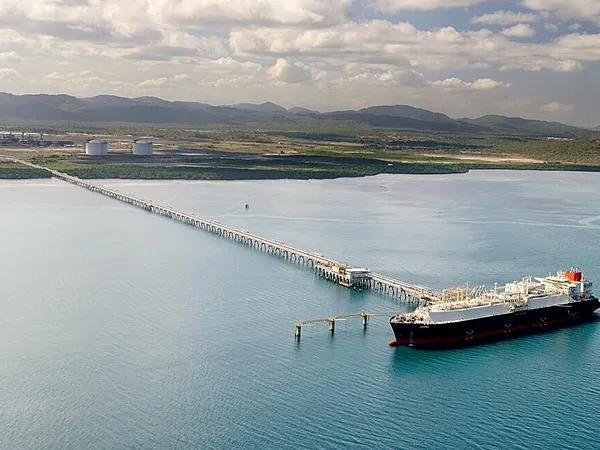
Santos has announced the successful completion of the Angore project in Hela Province, Papua New Guinea, further bolstering the country’s liquefied natural gas (LNG) production capacity.

This milestone development, unveiled on November 19, marks a significant step forward for the PNG LNG venture, delivering up to 350 million standard cubic feet (mmscf) of gas per day. 

The Angore project unlocks access to an estimated one trillion cubic feet of natural gas resources, strengthening PNG’s position as a key player in the global LNG market. 

Santos Managing Director and Chief Executive Officer Kevin Gallagher highlighted the importance of the project in showcasing PNG’s abundant natural gas potential. 

“The startup of Angore is one of several PNG highlights in 2024 for Santos and our joint venture partners – ExxonMobil, Kumul Petroleum Holdings, Mineral Resources Development Company, and JX Nippon,” Gallagher said. 

He also praised the success of other ongoing developments, including the Kutubu field, which has accelerated 16 billion cubic feet of associated gas production this year. 

Gallagher outlined several future projects aimed at sustaining and expanding PNG’s energy output: 

  • Hides Footwall Exploration: A well currently being drilled, with the potential to deliver up to 160 mmscf per day if successful. 
  • Agogo and Moran Fields: These developments could collectively supply an additional 125 mmscf per day by 2026. 
  • Long-Term LNG Fields: Projects in P’nyang, Muruk, and Juha are poised to sustain PNG LNG production over the long term. 

Additionally, Santos is advancing front-end engineering for the Papua LNG project in the Eastern Highlands Province and exploring promising fields like Wildebeest in the Gulf Province. 

“The prolific nature of PNG’s gas resources gives us a strong platform to continue reliably supplying our Asian customers well into 2040 and beyond,” Gallagher said. 

Since its inception in 2014, PNG LNG has supplied over 83 million tonnes of LNG to Asian markets, including long-term buyers such as CPC, JERA, Osaka Gas, and Sinopec.

The $19 billion project celebrated its 10th anniversary in 2024 and routinely exceeds its nameplate capacity of 6.9 million tonnes per annum by 30%. 

The venture has contributed more than $7 billion to PNG through taxes, royalties, and community benefits, all while maintaining one of the lowest greenhouse gas emissions intensities among global LNG producers. 

The Angore development reinforces Santos and its partners’ dedication to the long-term sustainability of LNG production in PNG.

As global demand for cleaner energy grows, projects like Angore ensure that PNG remains a vital player in meeting the energy needs of Asian markets. 

December 06, 2024

Plastic pollution has become a critical global challenge, driven by increasing production and inadequate waste management.

Recognizing its urgency, 175 nations adopted the resolution “End Plastic Pollution: Towards an International Legally Binding Instrument” during the United Nations Environment Assembly (UNEA-5.2) in March 2022.

This resolution initiated a global effort to create a treaty addressing plastic pollution across its lifecycle, from production to disposal. 

The United Nations Environment Programme reports over 460 million metric tons of plastic are produced annually, with 20 million tons entering the environment each year. Without intervention, these figures could triple by 2040. 

For Papua New Guinea (PNG), known for its biodiversity and reliance on marine resources, the stakes are high. Despite contributing just 1.3% of global plastic waste, PNG suffers disproportionately from its effects.

An estimated 246 tonnes of mismanaged plastic waste enter the country’s marine environment daily, a figure projected to triple by 2050, according to South Korean Ambassador to PNG Choi Jongho. 

On November 2, the Embassy of South Korea and the Global Green Growth Institute (GGGI) PNG hosted a seminar titled “Rethinking Plastic: Building Resilient Communities and Ecosystems in PNG” in Port Moresby.

The event brought together PNG government officials, international diplomats, private sector representatives, and development partners to address the crisis. 

The seminar coincided with the Fifth Session of the Intergovernmental Negotiating Committee (INC-5) in Busan, South Korea, which focuses on strategies to combat global plastic pollution, particularly its marine impact. 

Ambassador Jongho underscored the urgency of the issue, highlighting Korea’s success in waste management and its commitment to sharing knowledge and innovative solutions with PNG. 

“Korea is eager to collaborate on initiatives that can help address plastic pollution here,” said Jongho. “Together, we can protect the environment for future generations.” 

Plastic pollution is evident in urban areas like Ela Beach in Port Moresby, where litter disrupts ecosystems, threatens tourism, and endangers coastal communities. PNG’s vulnerability to climate-related disasters, including flooding and erosion, exacerbates these challenges. 

While PNG has introduced measures such as banning single-use plastic, progress is hindered by limited infrastructure and resources. To combat these challenges, the seminar emphasized: 

  • Grassroots Empowerment: Educating communities and promoting public awareness on waste disposal. 
  • Accountability for Manufacturers: Enforcing legislation to hold producers responsible for waste management. 
  • Extended Producer Responsibility (EPR): Encouraging industries to reclaim materials and reduce environmental impact. 
  • Innovation in Recycling: Exploring creative uses for waste, such as plastic-based road materials. 
  • Government Action: Prioritizing funding, enforcing policies, and supporting small and medium enterprises (SMEs). 

Panelists highlighted international innovations, including South Korea’s advanced recycling systems, Rwanda’s strict plastic regulations, and Côte d’Ivoire’s use of plastic bricks. Financial tools like green bonds and plastic credits were also discussed as mechanisms to support sustainable practices. 

Dukwoo Jun, GGGI’s Circular Economy Lead, emphasized that PNG could adapt these models to its context, fostering a more circular economy. 

Acting Managing Director of the Climate Change Development Authority, Ms. Debra Sungi, reiterated the importance of partnerships and comprehensive policies. 

“Papua New Guinea generates 280 tons of plastic waste daily, harming marine ecosystems and rural livelihoods. While collaborations with SPREP and Australia have made strides, a comprehensive policy is essential,” said Ms. Sungi. 

She commended the South Korean Embassy and GGGI for hosting the seminar, calling it a vital step toward uniting stakeholders in crafting sustainable solutions. 

The seminar emphasized the need for collective action, from grassroots initiatives to government and industry leadership.

Through international partnerships, innovative solutions, and local commitment, PNG and its partners aim to mitigate the impacts of plastic pollution and safeguard the environment for future generations. 

December 06, 2024

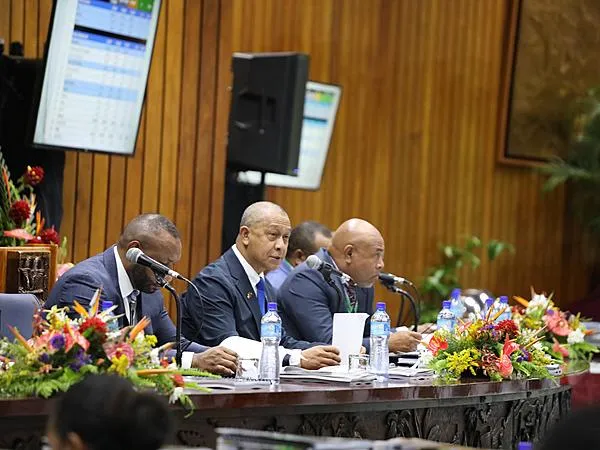
The 2025 National Budget of Papua New Guinea, amounting to K28.357 billion, was presented in Parliament on November 29 by Treasury Minister Ian Ling-Stuckey. The budget focuses on addressing law and order challenges, easing living pressures, reducing the deficit, and fostering economic growth.

The budget, K980 million larger than its 2024 counterpart, projects revenues of K25.408 billion—an increase of K2.014 billion—reducing the deficit to K2.949 billion (2.2% of GDP). Debt-to-GDP is set to decline to 47.4%, with a budget surplus anticipated by 2027 and debt repayment by 2034, the Treasury said.

Key allocations include a significant boost for the police force, defense, judiciary, and essential services, aiming to ensure national security and support economic development.

In light of 2024’s tragic events—including tribal violence, riots, and the Mulitaka landslide—the budget prioritizes law and order.

The police force will receive a 19% wage increase and funding to expand to 10,000 personnel by 2030. Operational and capital funding will rise by 67% and K200 million, respectively. The defense budget also sees a 15% wage hike and a 116% increase in capital investment.

The judiciary’s 25% operational funding increase aims to expedite justice and reduce crime-related tensions, creating a more stable environment for citizens and businesses.

The economy is forecast to grow from K124 billion in 2024 to K137 billion in 2025, driven by a 5.2% growth in the non-resource sector. This marks the fifth consecutive year of over 4% growth in this sector, a first for PNG.

Treasurer Ling-Stuckey emphasized the government's commitment to achieving a K200 billion economy by 2030. Papua LNG and other major resource projects are expected to boost this growth.

The Public Investment Program (PIP) is set at K7.617 billion, a 273% increase from 2018, focusing on rural road expansions, market access for farmers, and transformative projects like the Lelet Plateau road.

To ease financial pressures on families, the budget includes K685 million in household assistance for 2025, part of a K2.322 billion four-year package. Measures include: 

  • GST removal on 13 essential items, including rice, chicken, and sanitary products, starting July 1, 2025. 
  • Continued school project subsidies benefiting 2.3 million students. 
  • Maintaining the K20,000 tax-free threshold and freezing excise indexation on tobacco and alcohol. 
  • Raising the stamp duty exemption threshold for first-home buyers from K500,000 to K700,000.

“These measures directly address cost-of-living pressures,” Ling-Stuckey stated, noting the need to support citizens as the economy recovers from challenges inherited from previous administrations.

Education and health funding will increase by 11.6% and 13.1%, respectively, with provincial funding rising by 20% to improve service delivery nationwide. Education allocations will reach K4.568 billion, while health funding will total K2.860 billion.

The 2025 budget reflects PNG's progress toward achieving Prime Minister James Marape’s vision of a K200-billion economy by 2030. The consistent non-resource sector growth and record investment in infrastructure demonstrate the government's long-term planning.

Marape commended the budget, describing it as a testament to the government’s disciplined fiscal management and its commitment to building a secure and prosperous PNG.

“This budget marks a turning point—a framework to secure our future for the next 50 years,” Marape said, as PNG prepares to celebrate its 50th Independence anniversary.

December 04, 2024

Michael McWalter picks up his prior discussions of petroleum sector reform (Issue No. 3 2024) and describes in more detail exactly what a Production Sharing Contract, or what a PSC, is all about.

In my commentary of PNG Business News, Issue 2, 2023 entitled: Petroleum Sector Reform for Papua New Guinea, I wrote about the need to apply better governance to the sector to achieve optimal outcomes for the State. In particular, I spoke of the need for the petroleum revenues arising from petroleum resource development to be deployed wisely for the benefit of the people of PNG on capital formation activities like: education, health, social welfare, infrastructure, etc. – all of which should promote the National economy to grow, and thus improve livelihoods.  This translation of the value of resources with appropriate management into sustainable development is often called the value chain, and each aspect of the chain needs most serious and competent management.  

There is little point in mobilising one’s natural resources to make an income for the State, if that money is not put to good purpose, but rather wasted one way or another by folly or malady.  Those resources may only be produced once, and not again; they are finite and have value now at such time as that kind of resource is sought after in global markets. We must remember that there may come a day when oil and gas are no longer consumed with such avid demand as today. This might eventuate as more investments are poured into the development of renewables sources of energy and advancements are made with cleaner nuclear fission and sustainable thermonuclear fusion. Oil and gas might become a quixotic, antiquated and outmoded source of energy, and thus attract considerably less value. 

So, if a government is going to foster investment in petroleum exploration and development, it needs to embrace such grave and important responsibility to ensure that the Nation’s petroleum business is conducted most professionally and with total accountability. Government must ensure that the resultant revenues from subsequent production are appropriate, reasonable and respected as being derived from the overall patrimony of the people of the Nation.  This requires investment by the State in professional excellence to manage, moderate, administrate and regulate the sector and its operations firmly and fairly.  The oft cited National Petroleum Authority (NPA), which was first defined in the Government’s 1976 White Paper on Petroleum Policy and Legislation by two of our greatest leaders, Sir Michael Somare and Sir Julius Chan, has been repeatedly conceived, only to be still born. Into that vacuum, Kumul Petroleum Holdings Ltd, PNG’s de facto National Oil Company (NOC) has steadily and bravely taken the lead and embraced National development in the oil and gas sector, and all that it entails. Meantime, the Department of Petroleum and Energy has valiantly tried to keep up with ever increasing core and essential petroleum sector functions, like licensing, operational approvals, and data collection, whilst otherwise becoming absorbed, and perhaps overwhelmed, in the peripheral though, absolutely essential tasks of dealing with project area landowners, their benefit claims and their many other concerns and worries.

Plans for a NPA have been formulated in great detail several times over in the last few decades, only to be forsaken, lost, sidestepped, and derailed time and time again. The whole notion of the NPA was to bring together a cadre of PNG excellence to lead the petroleum sector as the guardian of PNG’s petroleum resources. The members of that cadre were to have been well-paid for their experience and important responsibility, and as an Authority of the Government, the NPA might have been able to retain and attract some of PNG’s finest graduates in such exciting and challenging work.  

I also discussed the vital need for the commerciality of petroleum developments without which investment by the industry in field development would be withheld.  I discussed how the 2020 amendments to the Oil and Gas Act imposed a test on a proposed petroleum development project that the applicant’s proposals should reflect a minimum expected return to the State over the life of any recovery of petroleum. However, that minimum expected return to the State is not specified in law and is only examined and determined by the Petroleum Advisory Board (PAB), and then considered by the Minister at the time of application for a development licence.  This leaves investors with great uncertainty and unnecessary risk throughout the period of exploration, appraisal, development planning and the application phase of petroleum resource development. 

There is thus now no absolute certainty of development if a discovery of commercial extent is made. Either the PAB or the Minister may set a threshold minimum expected return to the State during the consideration of an application for development. This is at a very late stage in the cycle of petroleum resource development investment and comes just before the investing companies have to elect to develop their discovered petroleum accumulation, or not. If a field development is marginally economic, the setting of such a minimum expected return to the State might in some circumstances make corporate consideration of development uncommercial, and as a consequence the field might be left undeveloped.

In any normal distribution of petroleum accumulations, there are a few large fields, a fair number of medium size fields and many smaller fields. It would not be wise to disadvantage the development of smaller and often smaller marginally economic fields, which tend to be developed after the larger fields have been found and produced, and which can readily sustain a domestic petroleum industry populated by smaller, and likely, local companies with smaller investments.  Oddly, as I said in 2023, the potential introduction of Production Sharing Contracts (PSCs) would obviate such a risky situation because the terms of development are normally locked into a PSC when originally negotiated and agreed between the State and the investing companies as contractors to the State at the outset. Being a contract, any capricious demand by the State for unexpected returns on petroleum development pursuant to a PSC would end up with the contract being the substance of legal proceedings. 

I now want to pick up on my themes of a year ago and discuss optimal and necessary arrangements for petroleum development in the light of some creeping petroleum policy change in recent years, and a keen desire by the Government to change the PNG petroleum regime and to adopt the use of PSCs. I particularly wish to demystify PSCs.
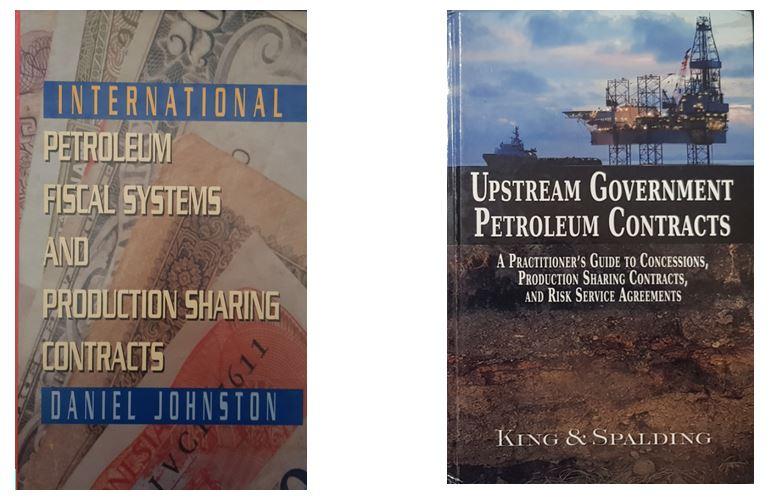
Figure 2: Much has been written on PSCs. Celebrated analyst, Daniel Johnston, is prominent with his simplified mapping of fiscal and commercial regimes. King & Spalding, an American multinational corporate law firm, has also written a most comprehensive book on the topic, ex libris McWalter.


WHAT ARE PRODUCTION SHARING CONTRACTS?


The notion of a Government sharing the production of oil and gas arising from the development of a successful petroleum exploration campaign by companies as part of a commercial venture was first developed and employed in Bolivia in the 1950s. A Production Sharing Contract (PSC) is an arrangement between a host Government and an international oil and gas company (IOC) for the division and allocation of the oil and gas produced between those two parties under a contract which provides for the exploration for and the development and production of petroleum resources. The allocation of a share of the production to the IOC serves to recompense the IOC for its investment and to provide a reasonable reward for its success. The Government, as owner of the resources, also provides a mechanism called a cost recovery allowance to the contractor for its work, but keeps the rest of the petroleum produced. The PSC was introduced in Indonesia in 1966, and PSCs of this kind or variants of the same are used extensively to agree the arrangements for oil and gas exploration, development, and production with oil and gas companies. PSCs of one kind or another are used in over 40 countries, throughout the world.


The PSC is not the only manner by which a government may grant oil and gas exploration, development and production rights to commercial investors and gain a share in the value of successful petroleum production.  Prior to the development of the PSC, exploration and production of oil and gas was typically governed by way of a licence or a concession agreement, and such regimes still remain in effect in many different places around the world. In many developing nations, the PSC is now the most common means by which a government allows corporate investment in the oil and gas industry. It provides a company or consortium of companies the right to explore and produce oil and gas.  In many jurisdictions, there are political or nationalistic reasons for the adoption of PSCs as they perceptibly provide the Government with greater and more direct control over its resources and the ability to exert National sovereignty over the industry more readily.


After gaining independence in 1945, Indonesian’s concessions regime came under attack by certain nationalist groups leading to the nationalisation of Royal Dutch Shell’s assets. Indonesian Law 44/60 abolished the old concessionary system and specified that: “Oil and gas mining shall only be carried out by the State and implemented by State enterprises,” and further that, “the Minister may appoint other parties as contractors of the State enterprises.”

Alas, a decline in foreign investment in Indonesia’s oil and gas sector inevitably ensued. To mitigate this decline, the government eventually negotiated and agreed in 1962 with the Pan American Indonesia Oil Corporation, a subsidiary of Standard Oil of Indiana (later to become Amoco), a new contract based on legislation that was much more favourable to the Government.  The other large foreign petroleum investors, Caltex (a venture of Chevron and Texaco), Shell, and Stanvac (a venture of Socony [Standard Oil of New York] and Vacuum Oil and Standard Oil of New Jersey, later to become Exxon) followed by signing Contracts of Work in September 1963. These early PSCs were widely considered to be less controversial than the previous concessions system, as they enabled the government to maintain formal ownership of the resources until sold, while permitting the IOCs to exploit them for and on behalf of the Government. These contracts provided for the recovery of the costs of the contractor up to an agreed percentage of overall production plus an agreed, but often scaled, share of the produced oil and gas as a reward for its investment.

Although often cited as the example of the use of PSCs, in 2017, in a somewhat odd twist, the Indonesian Government established a new form of PSC called the Gross Split PSC. This completely abolished cost recovery systems pioneered in the classic PSCs of the 1960s. Instead, this new arrangement simply relies on an agreed split of the actual production between the Government and the IOCs, typically 43% to the contractor for oil and 48% to the contractor for gas production, with the balance of production going to the Government. Due to a loss of faith in Pertamina (Indonesia’s national oil company) in the late 1990s (an audit had shown that Pertamina had allegedly lost about US$6.1 billion from inefficiency and corruption in 1997 and 1998) the Indonesian Government took steps to rein in control of the industry at the Ministry level, but they had no financial ability to manage the proceeds of the sale of oil and gas which were remitted to the revenue account of the National government.  Without any retained funds, this then entailed the Ministry having to seek parliamentary appropriations to pay the cost recovery allowances to the IOCs, but then the Indonesian Parliament questioned these payments. This brings home the need to think through the implications of changes in regime and the management of any given regime, especially if one is contemplating changing from a licence or concessionary regime to a contractor-based one.

What is a PSC?

In a PSC, a government makes a contract with an IOC to provide the necessary and requisite financial, technical, management, environmental, social, planning and logistical skills in order to explore for, and hopefully, if successful in finding oil and gas accumulations, to produce the oil and gas. The host State (that throughout most of the world, normally owns the subterranean resources) will usually be represented by the Government or a Government Petroleum Ministry, Department, Authority or quite often some other type of agency of the State, such as its National Oil Company (NOC), which will take delivery of the State’s share of production and generally manage the commercial aspects of the PSC.

The IOC is typically granted an exclusive time-limited right to explore for petroleum accumulations, appraise any discovery, plan and execute development and produce oil and gas within a defined area, generally known as the contract area. Under the PSC arrangement, the IOC bears the entire risk of the project, both technical and financial. If a commercial discovery is declared, the IOC becomes entitled to a portion of any subsequent petroleum produced as an effective payment for its efforts, in addition to recouping all its costs from the production. Conversely, if no discoveries are made, the IOC receives nothing. The Government retains ownership of all the oil and gas produced, save for what oil and gas is allocated to the IOC as cost recovery petroleum, or is the subject of sharing between the IOC and the NOC as profit petroleum. This causes the Government to be involved in selling its share of the produced oil and gas.  In some jurisdictions, the IOC is allowed to keep the physical oil for itself, and the IOC makes just cash payments only to the NOC, based on the sale of the NOC’s petroleum entitlements; in others, physical oil and gas allocations are used to reward the IOC.

The extent to which the NOC is involved with the exploration, development and production process varies from country to country with some NOCs seeking to take a significant lead in the business other than a just managing the PSC, whilst other NOCs take only a small participating interest in the commercial venture, so as to be within the operating consortium and to learn from it. There are commonly four key financial aspects to a PSC: royalty, cost recovery petroleum, and profit petroleum, though many other relevant matters are agreed in the PSC.
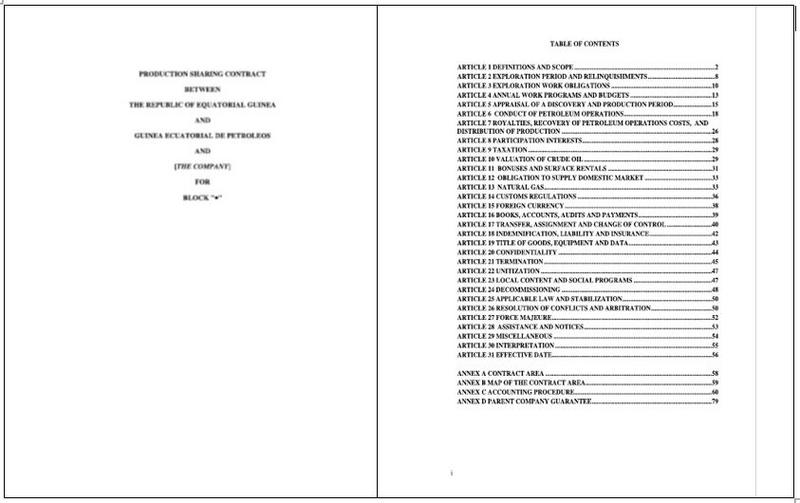
Figure 3: Contents of a PSC: A sample from Equatorial Guinea, after the Republic of Equatorial Guinea, 2006 


Royalty

Most often and foremost, the IOC is typically expected to pay a prescribed or agreed royalty as a percentage of the gross value of oil and gas production to the State as valued at the point of export from the contract area. The royalty is often, at the State’s option, taken as a physical share of production, or alternatively by way of a payment by the IOC equivalent to the sale price of the State’s royalty share of production. Sometimes, the percentage rate of royalty may be the subject of bids for a contract area by competing oil and gas companies when bidding for the same or similar areas.  Royalty is a payment made in kind or related to produced volumes and price without regard to the profitability of the business. Therefore, in times of low petroleum commodity prices it has the effect of digging deep into profitability.  However, for a host Government, royalty is an assured payment regardless of profitability, but proportionate to the value of the produced oil and gas.

Cost Recovery Petroleum

Following payment of any royalty, the IOC is normally entitled to a pre-determined maximum percentage of gross production from which it may recover all its genuine costs, with any costs not recovered being carried forward to the next accounting year. Such production is known as cost oil and cost gas, and again may be taken in cash or kind. Obviously, the IOC attempts to maximise cost recovery early in the cycle of production up to the agreed maximum percentage limit, so as to recoup its expenses soonest, and likewise the Government will scrutinise the costs submitted to it for recovery as to their genuine eligibility. That scrutiny involves approval of all procurements and sub-contracts of the IOC, and represents an enormous accounting burden for the Government.  

Profit Oil

The oil and gas remaining after the payment of royalty to the Government and the cost recovery allowance to the IOC by the host Government is known as profit oil and profit gas, and it is generally divided between the IOC and the Government in accordance with the production sharing provisions agreed and defined in the PSC. Quite often the Government’s share of profit oil and profit gas increases as the production rates increase.

Income tax

Finally, the IOC is quite often required to pay income tax on its share of net benefits which should strictly amount only to profit oil, as cost oil and cost gas represent only a recoupment and recovery of costs. However, the application of income tax varies from jurisdiction to jurisdiction and in some cases the IOC’s notional income tax due is often paid by the NOC, or the State on behalf of the IOC, such that there is no financial impact on the IOC, there being just a journal entry between different parts of the Government. An income tax superposed on the PSC regime without appropriate tax deductions can rapidly make a fair PSC regime become a very hostile one.  In the calculation of the net take to the State under a PSC, one has to include the results of any Corporate Income Tax and all and any other taxes, levies or imposts that affect the outcome of the overall PSC.  In some PSCs, there is simply no tax, and the royalty, cost oil and gas, and production share are deemed to be final fiscal devices.
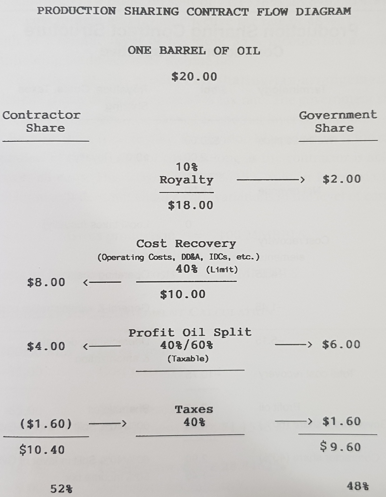
Figure 4: It must be noted that the production or profit oil split is not the same as the overall net take to each party, after Daniel Johnston in International Petroleum Fiscal Regimes and Production Sharing Contracts   


Government Involvement

The objectives of the parties when negotiating a PSC and its terms will generally be diametrically opposed.  An IOC will strive to negotiate for itself as much independence and control as possible over operations, and it will want any State intervention in the running of the project to be kept to a minimum. Naturally, it will be keen to keep its costs low, by negotiating the highest cost recovery allowance and the largest production share it can, and it will seek the full recovery of all its costs. The Government will wish to have an overall say in the development of its resources in an orderly and systematic manner that creates synergies for future development. The Government will also wish to make as much money as possible, reduce cost recovery allowances, and have access to an IOC’s resources and relevant expertise, without spending much time and money. The Government may also have economic priorities for domestic petroleum supply to its economy to mitigate energy import requirements and obviate foreign exchange requirements.

Throughout the contract from exploration to development to production, the Government will want to ensure that the IOC is undertaking a technically appropriate exploration work programme with appropriate levels of investment and that the exclusive right to access land or the offshore area is being used efficiently. In addition, the Government will typically be concerned to secure as many rights and benefits for the people and local businesses, including affected local communities, as possible.  This is generally accomplished by the optimisation of jobs and training for local workers through requirements to use local goods, services and contractor and subcontractor services as far is feasible and practical – this is what is typically called local content.
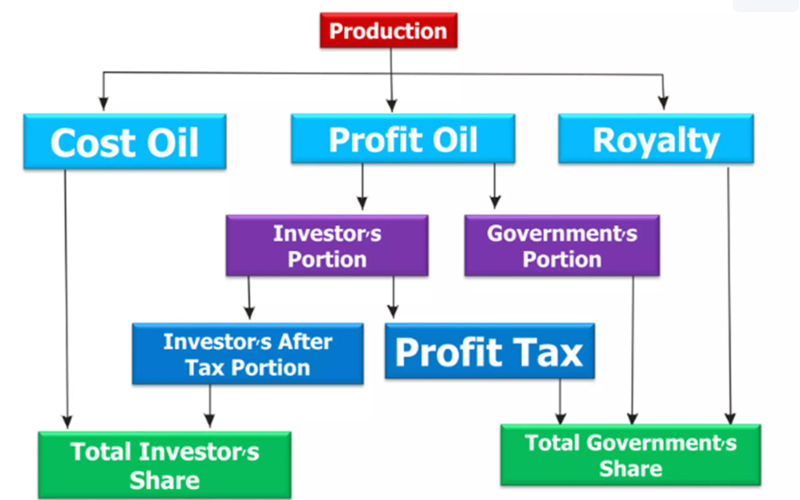
Figure 5: The main elements of a PSC, after Hassan Harraz, Tanta University, Egypt, 20106


Why the PSC Model?

The obvious advantage of the PSC model for a government is the minimal risk on its part throughout the value chain of the enterprise. It is thus able to reap the benefits of its natural resources without having to spend its own time and money even for development. This is not to say that the State does not pay. It inevitably pays for its share of all and any costs of exploration, development and production through the cost recovery process payable to the Contractor. In most cases, the Government will not have the technology needed to explore for and produce oil and gas, and so contracting the help of an IOC that has the appropriate skills, capacities and technology is usually necessary in order for the Government to exploit its natural resources optimally, especially in the offshore areas. The same is, however, also true for licence and concessionary arrangements where even if the host Government has an equity option to take up a participating interest in a petroleum development project it will still pay for at least its pro rata percentage share of sunk and past exploration, appraisal and development planning costs up to the point of the establishment of facilities for development and the commencement of the recovery of the petroleum.

As and when exploration proves to be successful, the Government can secure long-term supplies and/or exports of oil and gas in a PSC regime, which it can trade as it sees fit. The long-term nature of a PSC enables the Government to predict future levels of oil and gas for domestic use, export and to make provisions in the national budget accordingly. Alternatively, the PSC model can be most lucrative for the State, if it takes the option of taking its share of production as a cash payment, rather than in kind. It is also very common for PSCs to contain provisions that as the production rate increases, the proportion of the production attributable to the Government may also increase, meaning that a significant and increasing proportion of the value of profit oil is paid to the host Government and its representative entity defined in the PSC.

In all cases, at the initial stage of petroleum resource development, the IOC bears substantially all the financial risk. If, and only if, exploration proves successful and the discovered oil and/or gas accumulations are developed and produced, the IOC may be able to recover its costs through cost oil and/or cost gas and an agreed share in the profits of the remaining quantity of oil and gas.

As to whether the PSC model is more favourable to the State than to IOCs in contrast to the licence or concessionary system, ultimately depends on the rates used for the various fiscal and commercial parameters in each system. In a concessionary regime, costs are only recovered slowly as depreciation allowances against assessable income. The speed of the recovery of costs depends entirely on the terms set by law and those allowed to be negotiated in the framework of a PSC. It may or may not be possible for an IOC to negotiate the terms of a PSC with more, or less financially and commercially attractive terms for petroleum development than a licence or concession arrangement might otherwise have offered under a prior regime. It is all about the terms of the selected regime, whichever is applied.
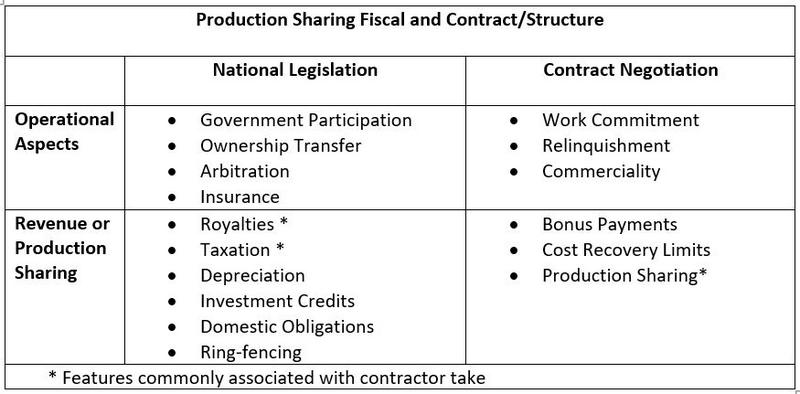
Figure 6: Some terms of the petroleum regime may still be contained in legislation whilst others will be negotiable depending on the particular regime, after Daniel Johnston in International Petroleum Fiscal Regime and Production Sharing Contracts.  


One possible negative aspect of the PSC model is that it is an agreed and contractual arrangement, and not the product of binding and enforceable legislation. Thus, any breach of the PSC by either party will constitute a breach of contract for which civil relief may be obtained.  Pursuant to the PSC model, the State always remains the owner of the resources, with the contract establishing the applicable compensation arrangements and level of NOC or Government involvement in the asset. The negotiation of a PSC is up front before any investment is made in exploration by the IOC, so the terms are locked in.  PSCs tend to afford IOCs less freedom to run an asset, with Contractors being subject to restrictions and required approvals in addition to those contained in the applicable legislation and regulation.

Commonly Used Alternatives to the PSC

There are several substantial alternatives to the PSC model. The differences in these alternatives are mainly in relation to the level of control granted to the IOC, the level of involvement of the NOC, and the compensatory arrangements for the investment made.

Licences

Generally, under a licence arrangement, there is normally little scope for an IOC to negotiate specific fiscal or commercial terms in relation to its exploration and production rights. Licensing regimes and their terms and conditions are typically standardised and embedded in legislation, such that the terms of each licence are near identical. This regime is most common in developed countries, e.g. UK, Norway, the Netherlands, and Australia. The terms of licences may change from time to time as the Government seeks to restrain or encourage sector investment.  The IOC is typically granted complete control over the contract area and complete ownership over any oil and gas that it successfully produces. Unlike PSCs, where ownership of the resources always remains with the State, in licence regimes ownership generally passes to the IOC at the wellhead, with the IOC’s profits from the sale of the oil and gas produced being the subject to general tax legislation, or specific petroleum taxation legislation. Like in PSCs, if the IOC fails to find commercially producible oil and gas within the limited terms and periods of their licence, they go home empty handed.  In some jurisdictions, the Government has an entitlement to join in at the development stage when the risks of finding oil or gas have been mitigated and it may either chose to pay its proportionate share of costs of exploration and development and participate alongside the IOCs, or be carried in some form or another. This can be a very profitable feature for the Government, but it essentially takes a slice of the venture away from the IOC venture at the proportionate sunk costs only, without any regard or compensation for the commercial value of any oil and gas discovered by the IOC.

Concessions

A concession arrangement is generally subject to a greater level of negotiation than a licence. The IOC is typically granted proprietary rights over the contract area and complete ownership over any oil and gas that it successfully produces, subject to the payment of a royalty and income tax, each of which may vary in rate depending on the level of production as negotiated and agreed. There may be specific taxes like the Additional Profits Tax (APT) which progressively applies further amounts of tax, the greater the rate of return of the production project. In some jurisdictions, licences have become more concession-like as the terms and conditions of the licences have increasingly become the subject of Agreements with the Government defining those agreed terms which are supplementary to or adjust the current and applicable legislation as sought by and agreed by both the Government and/or the IOCs.

Service Contracts

Under a service contract, the IOC provides its technical services to the State to explore and develop oil and gas resources, and therefore in so many ways, it is similar to a PSC. However, remuneration to the IOC is usually by way of a service fee or payments based on the value of oil produced in US$ per barrel for oil and other hydrocarbon liquids, or per million British Thermal Units (BTU) of energy for natural gas. The term of a service contract is often very short, leaving an IOC with considerable risk and no guarantee of a long production period Services contracts are common in Iran, Iraq and Kuwait and have also been used from time to time in Indonesia and the Philippines.

The Overall Picture

By and large, about half the world’s petroleum prospective Nations use licence/concessional systems and about half use PSC arrangements, though many of each of these are strictly hybrids involving features of one regime and the other. No particular petroleum regime is superior to any other and much depends on the degree to which the host Nation wishes to promote or reduce exploration investment according to the terms applied. Sometimes, the IOC will tolerate a slightly tougher regime, if they know that it will be stable and well-implemented in a professional and organised manner. Good subsurface prospectivity and a consequent high chance of finding accumulations of oil and gas can often be spoilt by self-imposed surface risks. Factors that may induce surface risk are Governments that: successively make petroleum regime changes, politically drive or make unqualified determination of fiscal and commercial terms without regard to the ultimate take to each party in the case of success, and the poor governance of the sector in general leading to untimely and late decision making.

Indeed, a good regime whether it be a PSC-type or a licence/concessional one, will depend on the enforcement of its terms and conditions and the values agreed for those terms and conditions that determine economic outcomes.  The great difference between PSCs and other arrangements is that PSCs keep control over the produced oil and gas and its sale and disposal with the State, whereas licences and concessions leave such matters and the fate of the industry more to the will and imperatives of the corporates. 

The intrinsic control of a contractor by the NOC under a PSC means the Government has to be better equipped, more efficient and more knowledgeable to operate such a regime than under a licence or concessionary regime. The State or its representative (usually its NOC) needs to make the PSC work in its favour as it is the manager of the entire enterprise and needs to lead the way. Any failure to step up to such challenges will result in a poorly planned development of the industry with delays, unrealised synergies leading to lost production, and overall loss of value from the resources.

No matter what regime is applied to the development of petroleum resources, there is no doubt that resolute and appropriate petroleum policy formulation and firm and fair administration of the sector will pay dividends for any host Government willing to invest in such. The definition of a petroleum regime is not a new game; it has been done many times across the world by many Governments and there is very sound collective advice on the subject which is relatively inexpensive to access compared to the enormity of the task and the value of managing a Nation’s petroleum resources optimally.
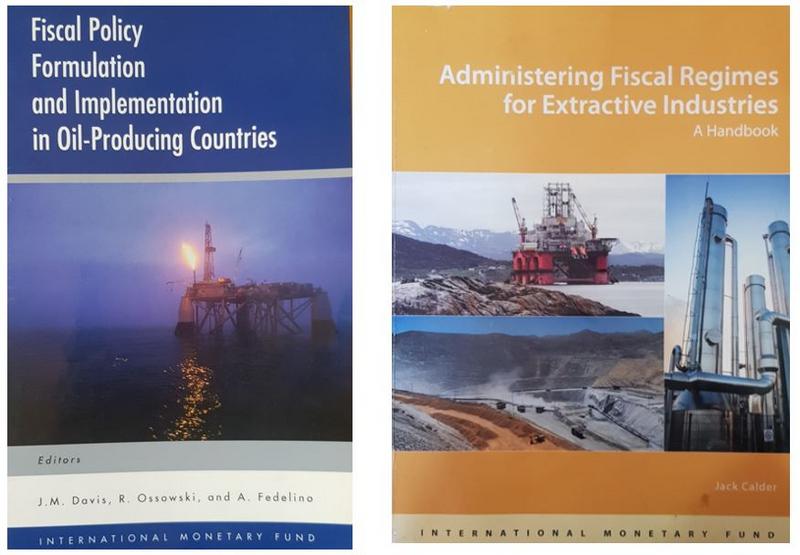
Figure 7: The IMF has some excellent specialists in its Fiscal Affairs Department who advise Governments on resource regimes and it has often commissioned books and studies on such matters as in the excellent handbook on Administering Fiscal Regimes for Resource Industries by Jack Calder, formerly of the Oil Taxation Office of the UK, ex libris McWalter.  


December 02, 2024

Papua New Guinea's Minister for Mining, Hon. Wake Goi, officially opened the Central Cement & Limestone Project (CCLP) Consultative Forum on November 27th at the Hilton Hotel, Port Moresby.

The forum, in compliance with Section 3 of the Mining Act 1992, focused on advancing the project's Community Development Agreement (CDA). 

The event gathered stakeholders from local-level governments, the provincial government, landowners, and the developer, Mayur Resources, to consolidate perspectives into a unified CDA. Discussions emphasized benefit-sharing and compliance with laws and policies. 

Located in Kido, Central Province, CCLP is a significant economic opportunity with 382 million tonnes of high-grade mineral resources, ensuring long-term operations.

Minister Goi highlighted its role in boosting foreign exchange and creating local manufacturing opportunities, stating: “The government’s take from this project will assist in boosting revenues and aligns with our focus on creating value within PNG.” 

The project, under Mining Lease 526, will produce quicklime, clinker, and cement in phases, addressing national infrastructure needs while reducing reliance on imports. Construction is set to begin in 2025. 

Economic and Strategic Impact

Mayur Resources Managing Director Paul Mulder underscored the project's potential to transform PNG’s economic landscape.

PNG currently imports 250,000 tonnes of quicklime annually, costing approximately USD $35 million. The project will replace these imports with locally-produced quicklime, providing an annual export potential of USD $26 million and supporting regional demand. 

“Nation-building starts with two key materials: iron and cement,” Mulder said, outlining plans to establish PNG’s first locally-produced lime and cement industry under a “rock-to-road” policy. 

The phased development will initially produce 400,000 tonnes of quicklime annually, scaling up to include 900,000 tonnes of cement. This will position PNG as a competitive exporter to Australia and Pacific nations, leveraging its geographic advantage and cost-effective logistics. 

Mulder also highlighted the project's contributions to employment, supporting industries, and environmentally-responsible practices. Infrastructure, including quarries, kilns, roads, and a wharf, represents a USD $110 million investment designed for scalable expansion. 

Landowner Collaboration and Development Progress

Landowner collaboration has been a cornerstone of the project, Mayur Resources noted. Compensation agreements and land access were secured in 2020, following consultations and pre-forum workshops.

Minister Goi praised the progress, urging stakeholders to approach negotiations collaboratively to ensure the project’s success. 

“Landowners have consented to development, and key infrastructure, such as the jetty for the wharf, is under construction,” he said. 

The project has secured significant international financing, including:

  • US$50 million equity investment from Appian Capital Advisory LLP (ACAM) and Associates, broken into US$40 million in project equity and US$10 million convertible for corporate purposes.
  • US$11 million in Senior Secured Financing.
  • US$70 million in base facility to bring stage 1 into production
  • US$22.2 million expansion facility to expand the lime project to 4 kilns
  • US$22.2 million cost over-run facility provides equity investors with funding certainty through the construction phase.

Additional funding ensures cost-overrun coverage and further expansion of lime production, Goi said.

Mulder emphasized the broader implications of the project, noting its role in addressing Australia’s demand for cement and lime, which currently depends heavily on imports.

With limited investments in Australian cement production, PNG’s proximity offers a logistical edge, particularly for exports to Townsville, just two days away by sea. 

Stakeholder Support and Future Steps

Minister Goi commended the collaboration among provincial leaders, landowners, and Mayur Resources. He reaffirmed the Marape-Rosso government’s commitment to the project as a national priority. 

“The government is committed to seeing this project commence construction in 2024 and move into full-scale development and operation during our term,” he said. 

MRA Managing Director Jerry Garry emphasized the importance of landowner inclusion, calling them the “most valuable stakeholders” in any extractive industry.

He praised the forum’s role in accommodating landowner aspirations and urged collective efforts to ensure the project's success. “As we modernize our country, cement is key to building long-lasting homes and infrastructure,” Garry stated. 

The Central Cement & Limestone Project marks a pivotal step for PNG’s economic development, transitioning from import dependency to local production and export capability.

“Currently, PNG imports 250,000 tonnes of quicklime annually for gold, nickel, and copper processing, at significant cost. This project will replace imports, provide locally-produced quicklime, and open export opportunities,” said Mulder.

This potential adds around US$26 million per year in export revenue, improving the balance of trade giving the downstream processing. 

With strong governmental and stakeholder backing, the project is poised to contribute significantly to national growth and regional trade.

December 02, 2024

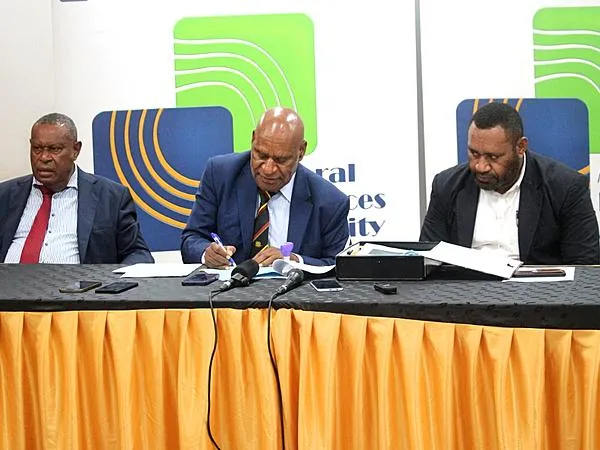
Papua New Guinea's Minister for Mining, Hon. Wake Goi, has reaffirmed his commitment to transparency and efficiency in the country’s mining sector.

During a media conference on November 26 at the Mining Haus in Port Moresby, Minister Goi announced the signing of 48 tenement licenses, covering various operations such as alluvial mining, exploration, and license variations. 

The approved licenses include 18 extensions, five new grants, three variation proposals, four alluvial mining leases, seven new alluvial mining leases, six dealing transfers, and one tribute agreement.

One application is set for review in the coming months, while three remain under further assessment by the Minister and the Mineral Resources Authority (MRA). 

This marks the first licensing set approved since Minister Goi’s appointment, reflecting his pledge to streamline processes and enhance transparency in mining deals. 

Minister Goi emphasized his commitment to public accountability, stating that publishing the list of approved licenses in the media is a deliberate effort to eliminate misinformation and build trust among stakeholders. 

“I want the people and the country to know that the companies granted a mining license have been approved through all correct procedures,” he said. 

Rigorous Compliance with Mining Act

All licenses underwent rigorous checks to meet the requirements outlined in the Mining Act 1992, including compliance with Sections 28, 38, 45, 46, 48, and 55.

Minister Goi commended investors for adhering to the regulatory framework and acknowledged the efforts of the MRA and the Mining Advisory Council (MAC) in processing and recommending applications. 

“The due process now ends on my part as I sign off and announce the licenses in the media,” Minister Goi said. He added that remaining applications are still being processed and will be finalized within two weeks by the Registrar of Tenements. 

Streamlining Processes for Global Investment

Minister Goi underscored the importance of timely application processing to position PNG as a preferred destination for international investors. 

“The quicker we process applications, the better we position Papua New Guinea as a preferred global investment destination,” he stated. 

Tenement holders are also advised to adhere to approved work programs within the grant’s time frame to avoid unnecessary extensions and delays. Legislative and systemic improvements are underway to reduce inefficiencies, discourage delays, and encourage timely development. 

MRA’s Role in Ensuring Robust Processes

MRA Managing Director Jerry Garry reassured stakeholders of the independent and thorough nature of the licensing process. He detailed the multi-stage evaluation framework -- including technical, legal, and financial assessments -- that precedes any license approval. 

“This is not a system where one person makes decisions in isolation,” Garry emphasized, highlighting MAC’s role as an independent advisory body. 

Garry noted that some applications pending for nearly a year have now been signed, attributing previous delays to ministerial transitions. He expressed optimism that turnaround times would improve under the current Minister’s leadership. 

The Ministry of Mining confirmed that steps are being taken to filter out unnecessary extensions and variations, ensuring positive investments and timely project development.

The culmination of the tedious due process, administered by MRA, reflects a commitment to fostering accountability and advancing the sector. 

Listing of 48 Tenement Licenses:

A

EXPLORATION LICENCES

NUMBER

MINISTER


EXTENSION


1

COMBUCCO LIMITED

EL 2479

APPROVE

2

MI-DO MINING COMPANY LTD

EL 2674

APPROVE

3

MAYUR EXPLORATION LTD

EL 2096

APPROVE

4

K92 MINING LIMITED

EL 470

APPROVE

5

K92 MINING LIMITED

EL 693

APPROVE

6

K92 MINING LIMITED

EL 2619

APPROVE

7

OK TEDI MINING LIMITED

EL 2289

APPROVE

8

NEWCREST PNG 2 LTD / WAFI MINING LTD

EL 440

APPROVE

9

WNB RESOURCES LIMITED

EL 2590

APPROVE

10

LCL FOOTPRINT SOUTH LTD

EL 2391

APPROVE

11

KALLOW LIMITED

EL 2569

APPROVE

12

MUNGA RIVER LIMITED

EL 2511

APPROVE

13

GEOLOGICAL RESOURCES ENGINEERING CONSULTANTS

EL 2763

APPROVE

14

D’ENTREUCASTEAUX EXPLORATION LIMITED

EL 2656

APPROVE

15

MUNGA RIVER LIMITED

EL 2567

APPROVE

16

GULF RESOURCES LIMITED

EL 2525

APPROVE

17

COPPERQUEST PNG LIMITED

EL 2514

APPROVE

18

REEKARA LIMITED

EL 2491

APPROVE


GRANT (new)


19

FRONTRUNNER EXPLORATION LIMITED

EL 2513

APPROVE

20

KUMUL MINERALS LIMITED

EL 2767

APPROVE

21

        ROCKWELL MINING CO. LTD

EL 2787

APPROVE

22

CHRYSO RESOURCES LIMITED

EL 2793

APPROVE

23

CHRYSO RESOURCES LIMITED

EL 2794

APPROVE


VARIATION OF PROPOSAL


24

YAKU DAVID

AML 921

APPROVE

25

GEYAMASNKI MAYANGO

ML 575

APPROVE

26

MAYUR INDUSTRIAL LIMITED

ML 526

APPROVE


REFUSAL OF GRANT


27

ROBERT KRIMBU

AML 147

REFUSE

28

SAMUEL KRIMBU

AML 1058

REFUSE

29

SAMUEL KRIMBU

AML 1057

REFUSE


B

MINING LEASE (ALLUVIAL)


New


30

MANASE ERIC

ML 187

APPROVE

31

GAYSUS MANGO; PANGO WANETO, WANETO WEAYO

ML 279

APPROVE

32

BEN SOLOMON

ML 552

APPROVE

33

JEFFREY MAMUM

ML 583

APPROVE

C

ALLUVIAL MINING LEASE


New


34

APOLLO KOLLING

AML 1069

APPROVE

35

LUKE YATAPSA

AML 1112

APPROVE

36

AWAMU GAITENG

AML 1114

APPROVE

37

DASKA KALEP

AML 932

APPROVE

39

JOYCE YOSI & YOSI MAMBU

AML 135

APPROVE

40

BEN SOLOMON

AML 1067

APPROVE

41

MATAI KIPAS

AML 1051

APPROVE


D

DEALINGS


TRANSFERS


42

KHOR ENG HOCK & SONS LIMITED

EL 2306

APPROVE

43

NIUGINI NICKEL LIMITED

EL 1165

APPROVE

44

PACIFIC ENERGY CONTRACTING

EL 2650

APPROVE

45

PACIFIC ENERGY CONTRACTING

EL 2652

APPROVE

46

PACIFIC ENERGY CONTRACTING

EL 2655

APPROVE

47

PACIFIC ENERGY CONTRACTING

EL 2660

APPROVE


TRIBUTE AGREEMENT


APPROVE

48

PETER MANDIN & RAINMAKERS MINING LIMITED

AML 868

APPROVE

December 02, 2024

In high-stakes environments such as mining and shipping, where workers often operate in challenging conditions, the importance of oral health is frequently overlooked.

However, maintaining healthy teeth and gums is not just about having a bright smile; it plays a crucial role in overall employee health, productivity, and cost-effectiveness.

Investing in oral health can yield significant benefits for employees and employers, particularly in industries with high physical demands, and absenteeism can lead to substantial losses.

Let us look closely at the subject and understand the importance of healthy teeth.

Teeth Problems and Broader Health Implications

Oral health is often narrowly defined by the condition of teeth; however, research shows that healthy teeth are linked to the prevention of various systemic diseases.

For instance, poor oral hygiene and gum diseases such as periodontitis have been connected to many conditions such as arthritis due to shared inflammatory pathways, cardiovascular diseases, with increased risk of heart and brain strokes, chronic kidney diseases, cancers (not only oral but also oesophageal cancer), liver dysfunction or respiratory infections when bacteria from decayed teeth can be aspirated to the lungs causing pneumonia.

This list can be much longer and is logical when we realize that teeth are connected through the blood system with all organs of our body: a minor infection of teeth can disseminate harmful bacteria to vital systems and cause dysfunction and life-threatening conditions such as brain abscess.

In high-risk occupations like mining, where employees may already face significant physical challenges, the last thing they need is the added burden of chronic illness related to inadequate oral care.

Companies can help mitigate these risks by promoting oral health and ensuring their workforce remains fit and capable.

Preventing Employee Evacuations, Reducing Absenteeism  

Consider the scenario of staff working in the remote wilderness. If a worker experiences severe dental pain due to untreated cavities, the repercussions can be dire. Not only can this lead to the need for evacuation, disrupting operations and incurring hefty costs, but it also places unnecessary strain on emergency services.

By prioritizing oral health, employers can minimize the risk of such evacuations—keeping their teams on-site and focused on their tasks. But even without such drastic examples, healthy teeth can still improve the efficacy of the staff by reducing absenteeism.

Absenteeism is a persistent issue in many industries, and dental problems can significantly contribute to it. A study by the American Dental Association found that employees with untreated dental problems are more likely to miss work.

For businesses in the exploration sectors, where every team member's presence is critical, the cost of absenteeism can be astronomical.

By investing in dental health programs or offering regular check-ups, employers can help reduce absenteeism, ensuring that teams are consistently at full strength.

Enhancing Work Conditions

Healthy employees contribute to a better work environment. Workers not preoccupied with dental pain can concentrate better on their tasks, improving safety and efficiency.

A shipment crew on a vessel navigating rough seas must remain focused to ensure the ship's and its cargo's safety. If a crew member is distracted by discomfort, the potential for accidents increases, which could endanger that worker and their colleagues.

The Way Forward

While oral health was an ongoing problem for employers in Papua New Guinea, there is a practical solution now that can help you implement the age-old true principle that "prevention is better than cure."

One exemplary initiative in promoting oral health in the workplace is the partnership with LAMANA DENTAL CLINIC, which specializes in organizing training sessions for staff on proper dental hygiene and preventive care.

This Dental Clinic Company provides comprehensive dental check-ups and educates employees about oral health and well-being.

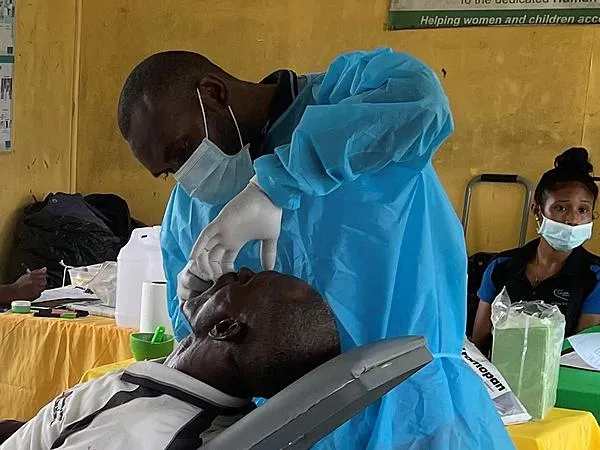
The company not only if offering workshops on oral health but also can do dental checks for all your staff and even provide services at work fields reducing costs of transportation of staff to Port Moresby or evacuation for dental treatment abroad that is still preferred by some companies despite poor cost-effectiveness of such practices.

LAMANA DENTAL CLINIC empowers workers to take charge of their lives. This proactive approach not only helps to identify and address potential dental issues early on but also fosters a culture of health and wellness within the organization, ultimately leading to a more productive and engaged workforce, and making employees feel valued and cared for.

December 02, 2024

Tropicair is making significant advancements in its operations with the return of its VIP/Medivac CJ3 jet, fully refurbished and ready for service in late November.

This aircraft stands out as the only jet within the Pacific region equipped for medical evacuations, emphasizing its vital role in emergency medical services.

Based in Port Moresby, the CJ3 jet offers rapid patient transfers with impressive cruise speeds exceeding 700 km/h, a crucial factor in urgent medical missions.

Tropicair has successfully utilized this aircraft for medivac operations across Southeast Asia, including countries like Indonesia, the Philippines, Singapore, and Malaysia, as well as in the South Pacific, covering destinations such as the Solomon Islands, Vanuatu, Fiji, Nauru, and Guam.

Australia remains a preferred destination for medical care, given its proximity and high-quality healthcare facilities in cities like Cairns, Townsville, Gold Coast, Brisbane, Darwin, Sydney, and Melbourne.

To complement the CJ3 jet's capabilities, Tropicair operates a diverse fleet of aircraft, including Twin Otters, Cessna Caravans, and King Airs, which can access smaller, remote airstrips throughout Papua New Guinea. This strategic fleet allows for seamless wing-to-wing international medivac transfers.

In addition to its medivac services, Tropicair has completed a terminal extension project, enhancing its VIP charter services. The new VIP terminal and lounge completed in mid-2024, will provide an upscale experience for passengers.

The refurbished CJ3 jet, along with a newly acquired VIP King Air, ensures that Tropicair will continue to deliver reliable and timely services in one of the most remote and challenging regions in the world.

December 02, 2024

Great Pacific Gold Corp. is providing a corporate update on its Wild Dog Project, its ongoing diamond drilling program at the Kesar Project and its recently held Annual General Meeting.

Highlights

  • GPAC executive team recently visited Kesar and Wild Dog 
  • Kesar Anteruno diamond drilling program progressing well:
    •  ~1,000 meters of drilling completed to-date with two diamond rigs turning
    • Holes KDH-01 and KDH-02 tested NW-SE Anteruno structures drilling from North to South
    • Hole KDH-03 is testing a parallel structures drilling South to North
    • 2,500 meters of drilling and five holes expected to be completed by year-end, with drilling planned to continue through Christmas and into January
    • East Vein Target mapping and soil sampling underway with drilling expected in Q1 2025
  • Wild Dog Site Visit reiterated that Wild Dog is a mid-stage exploration project with high-grade and bulk tonnage potential
    • Previous small scale open pit mining has revealed a high-grade gold-copper system with intense alteration and brecciation
    • Epithermal/oxide system open along strike and at depth
  • Post the 2024 completion of various road access projects, Wild Dog 2025 program developed to include:
    • infrastructure establishment and data consolidation, and
    • diamond drilling focused on 3km portion of Wild Dog structure 
  • GPAC’s AGM was held on November 26, 2024 and all proposed resolutions were approved including the re-election of the five Directors

“The executive team’s inaugural visit to Wild Dog, alongside our in-country GPAC personnel, provided an invaluable opportunity to see the tremendous potential of this project firsthand,” said Greg McCunn, CEO of Great Pacific Gold.  “Joining me on this visit were our new Vice President of Exploration, Callum Spink, Vice President of Corporate Development, Mick Carew, and Director Chris Muller.  After the visit we planned out an extensive exploration program for 2025 focused on a 3km portion of the Wild Dog corridor.  This area had historical mining operations which exposed intense and extensive brecciation, alteration and veining, pointing to a substantial hydrothermal system as indicated by high-grade intervals from previous drilling.”

Mr. McCunn continued, “Meanwhile, at our Kesar Project, diamond drilling is progressing well, with two drills active and approximately 1,000 meters completed to date.  We are encouraged by the visual results and are planning to extend the program into 2025 to include testing the highly prospective East Vein Zone, located 2 kilometers north of current drilling at Anteruno.  We look forward to updating the market with results as they become available.”

Annual General Meeting

GPAC is also pleased to announce the results of the AGM held on November 26, 2024.  At the AGM, shareholders approved all motions put forth including re-election of Greg McCunn, Chris Muller, Robert McMorran, Iain Martin and Charles Hethey.  The shareholders also approved the appointment of BDO Canada LLP as the auditors of the Company, as well as the 10% rolling stock option plan and the securities-based compensation plan (“SBC Plan”).

The SBC Plan permits the grant of Restricted Share Units (as defined in the Equity Plan) and Deferred Share Units (as defined in the SBC Plan) (Restricted Share Units and Deferred Share Units collectively referred to as “Awards”). The maximum number of shares issuable pursuant to the Awards that may be granted under the SBC Plan is fixed at 10,022,854. Further, the maximum number of shares for which Awards and other share compensation issuable to: (i) any participant shall not exceed 5% of the outstanding shares within any one-year period, (ii) a consultant shall not exceed 2% of the outstanding shares within any one year period; and (ii) insiders as a group shall not exceed 10% of the outstanding shares. No persons providing investor relations activities may be granted Awards under the SBC Plan. All Awards are subject to a mandatory one year vesting requirement. Additional details of the SBC Plan are set forth in the Company’s information circular dated October 24, 2024.

In conjunction with the AGM, the GPAC Board approved the granting of 775,000 restricted share units to current and newly hired management and consultants.

December 02, 2024

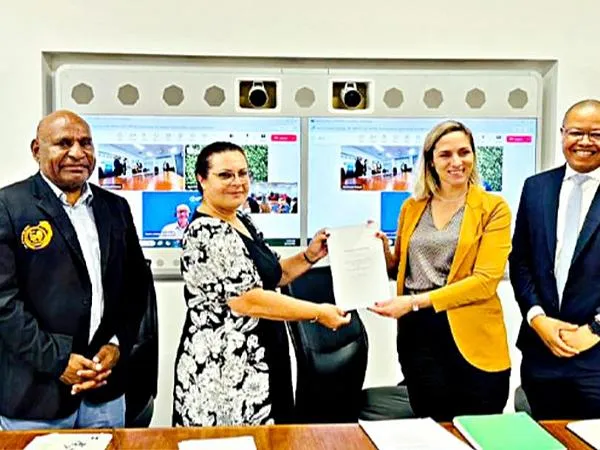
Bank of Papua New Guinea (BPNG), on behalf of the Green Finance Centre (GFC), has signed a significant memorandum of understanding (MoU) with the International Finance Corporation (IFC) and the Securities Commission of Papua New Guinea (SCPNG) for establishing the foundations of a thematic bond market in PNG and developing the next version of BPNG’s Inclusive Green Finance Taxonomy (Green Taxonomy).

Under this collaboration IFC will provide technical support to the GFC in developing the next version of the Green Taxonomy, initially prioritizing five specific sectors.

The Green Taxonomy aims to provide clarity in defining what constitutes an investment green and sustainable.

Additionally, under the MoU, GFC will coordinate with IFC to support SCPNG in establishing a Thematic Bond Framework for the capital markets of PNG. The thematic bond framework will be tailored to support green, social, sustainability, and sustainability-linked (GSS+) bonds that aligns to the Green Taxonomy.

It is expected to attract investors who are committed to sustainable finance, accelerating essential climate-focused projects in order to create a resilient PNG economy.

PNG aims to reduce its greenhouse gas emissions by 50% by 2030 and achieve carbon neutrality by 2050. Over US$1 billion will be required over the next 10 years to meet PNG’s Nationally Determined Contributions (NDC).

Governor of BPNG, Elizabeth Genia, highlighted the significance of this MoU, saying: “This partnership with IFC and the Securities Commission represents a critical milestone in our journey towards a climate-resilient and inclusive financial system.

“With such collaboration, we are positioning PNG as a leader in sustainable finance within the region. Together, we are building a future-ready financial sector that will support our country’s climate and development goals.”

Present at the MoU signing ceremony was PNG’s Country Manager for The World Bank Group, Khwima Nthara who provided his assurance to the Governor of BPNG in his remarks by saying: “You can count on our continued commitment and partnership.

“We’re also honoured that Elvira Morella, is signing the MoU on behalf of IFC and chose PNG for her first country visit in her new capacity as Manager, Country Advisory and Economics for East Asia and Pacific. This highlights just how important PNG is to the IFC and the World Bank Group.”

By developing a sustainable capital market, the initiative will open pathways for private sector investments into projects that benefit local communities, promote sustainable development at grassroot levels, create green jobs and reduce PNG’s carbon footprint.

December 02, 2024

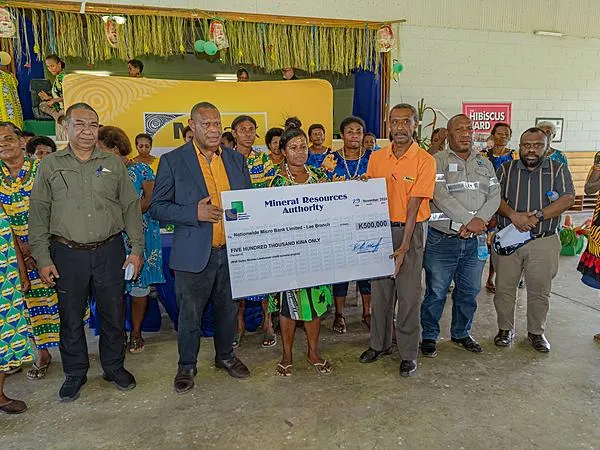
The Mineral Resources Authority (MRA) on behalf of the National Government on Friday Nov 29, 2024, announced a K500,000 credit (loan) support facility, for the women landowner associations of the Wafi Golpu Mining Project.

A dummy cheque for this seed capital funding was presented to Mibank, by the Managing Director of the MRA Jerry Garry in Lae. MiBank will facilitate, manage and process small loans for the women at a minimal interest rate that is suitable, using its loans system.

The women’s associations that will benefit from the credit facility are the Yanta Women’s Association, Hengambu Women’s Association, Walemo Babuaf Women’s Association, Wagang Outfall Women’s Association, Butibam Pipeline Women’s Group and Wampar Pipeline Women’s Group.

The funding comes under the government’s Micro-Credit Scheme, for women landowners and communities impacted by mining operations.

The purpose of this scheme is to enable the women to:

  1. have improved access to financial support which will empower them to establish or expand their income generating options under the bank’s guidance.
  2. ensure a sustainable approach to entrepreneurship.
  3. strengthen the women’s capacity to ensure there are sustainable improvements in their livelihoods.
  4. make independent decisions impacting positive changes in their communities.
  5. strengthen the women’s capacities to ensure there are sustainable improvements in their livelihood, and
  6. make independent decisions impacting positive changes in their communities’ experience.
  7. seed capital funding will be used as equity support of 90% for each loan applicant, using the Mi Bank’s loaning system. The loan products which the equity support can be used against are the:
  8. Speed Loan
  9. Personal Loan and
  10. Business Loan product

The eligible lending limits may range from K2, 000 to K10, 000 for Micro Finance loans, while business Loans are limited to K20, 000 only. Income earning options to be considered include street vending, trade stores, bakeries, small scale mining, agribusinesses such as livestock and cash crop farming, public transport and other business activities deemed appropriate by Mi bank and calculated at an interest rate as set by the bank at the time of request.

When presenting the cheque, Mr Garry said women and mothers are special and are the backbones of families. He said inspite of any circumstance in a family setting, we could all depend on women to look after business ventures as they are nurturing, caring and protective in nature. Mr Garry said as the regulator of the mining industry, the MRA had been involved in many developmental and benefits sharing agreements, adding that in many cases, menfolk in landowner groups had been receiving most benefits leaving women with little to no benefits. He said the Micro-Credit Scheme is purposely designed to benefit women and mothers which would in turn benefit families and communities.

The presentation of the cheque was witnessed by Senior MRA officers, Wafi Golpu Joint Venture’s Head of External Relations & Sustainable Development, David Wissink and Community Affairs Manager, David Masani.

Mr Wissink said the company was ready to provide additional support to the women’s associations especially in the areas of training associated with the scheme. He said in the ongoing Mining Development Contract (MDC) for the Wafi Golpu Project, there is section called the National Content Plan. He said in the plan, the company has a commitment to support landowner women associations in business developments such as this scheme.

The women’s associations collectively expressed gratitude towards the government for the opportunity given to improve their livelihoods.

December 02, 2024

The Papua New Guinea Immigration and Citizenship Services Authority (ICSA) today signed a milestone Memorandum of Understanding (MOU) with the PNG Tourism Promotion Authority (TPA) on mutual co-operation and data sharing that will enable promotion of the tourism sector and immigration services.

The signing formally establishes a genuine partnership between the two agencies to ensure their mandates are delivered; one is responsible for facilitating genuine movements of people and the other is responsible for promoting tourism activities that directly benefits the local economy.

Acting Chief Migration Officer Mr. Wellington Navasivu says the two agencies have realized the importance of working together for the fact that they have similar functions especially when dealing with the tourists. Having an MOU is a way forward and now that it has been signed, implementation will take effect immediately.

Unlike working in isolation in the past years and faced with a lot of challenges, ICSA and TPA will now work together where necessary to ensure proper facilitation of the tourist entering and exiting PNG.

As an implementing agency, ICSA has implemented government’s decision to remove the visa fees giving visa-on-arrival for all the tourists entering PNG. As a result, there is increase in the number of tourist visiting PNG every year and that directly supports the economy through tourism sector.

Mr Navasivu has praised his TPA counterpart Mr Eric Mossman Uvovo for his leadership and has extended gratitude to all staff members from both agencies who have worked tirelessly to complete this MOU.

CEO of TPA, Eric Mossman Uvovo highlighted the importance of the partnership.

“This MOU supports our goal at TPA to position Papua New Guinea as a premier global tourist destination. By aligning our efforts with ICSA, we can provide a seamless travel experience for international visitors, strengthening our shared commitment in making Papua New Guinea an attractive tourist and investment destination. The industry stands to benefit immensely from this collaboration,” said Uvovo.
December 02, 2024

The Bank of Papua New Guinea (BPNG) and the Centre for Excellence in Financial Inclusion (CEFI) successfully hosted its inaugural Financial Inclusion Policy Forum and Excellence Awards on Friday November 22 at the APEC Haus in Port Moresby.

Speakers at the forum included Governor of the Bank of Papua New Guinea (BPNG) Ms. Elizabeth Genia, BPNG Assistant Governor, Financial System and Stability Group, Mr. George Awap, CEFI Executive Director Mr, Saliya Ranasinghe, Alliance for Financial Inclusion (AFI)­­ Director of Policy Programs and Implementation, Dr. Eliki Bolewata, Asian Development Bank Country Director Mr. Said Zaidansyah and Deputy Secretary of the National Planning and Monitoring Department Mr. Michael Kumung.

Other speakers included representatives from international development partners, PNG government departments heads and senior officials, partner financial institutions, members of NGOs and other stakeholders.

Governor of the Bank of Papua New Guinea Ms. Elizabeth Genia, who is also chair of CEFI’s Board, in her opening keynote address at  the forum stated that the inaugural financial inclusion policy forum marked a significant step in the country’s journey towards building an inclusive, resilient and equitable financial system for all Papua New Guineans.

“The forum is not just an opportunity to discuss theoretical causes and effects. Yes it is of real value to learn from the past achievements and to set future goals.”

“Today is also a wonderful opportunity to exchange ideas, to share best practices, to network and forge new alliances, however we must remember, first and foremost, that we are talking about real people.”

“Financial Inclusion is not just about numbers.  It’s about real lives. Real families. Real communities. It’s about empowering a mother to save her child’s education. It’s about enabling a farmer to invest in better tools. It’s about providing a way for small business owner to expand their operations.”

“Our responsibility is to ensure every Papua New Guinea has the opportunity to participate in and contribute towards and benefit from the nation’s growing economy,” stated the Governor.

Alliance for Financial Inclusion Director of Policy Programs and Implementation, Dr. Eliki Bolewata, thanked BPNG’s support to AFI’s network over the last 15 years.

“We appreciate the Bank’s contribution greatly and I look forward to our continued collaboration,” stated Dr. Bolewata.

Dr. Bolewata also stated that AFI was pleased to support PNG in developing ground breaking inclusive green finance policy which was launched in 2023.

“Now we stand ready to support the work of the Green Finance Centre which is bringing that policy to life. We have already learned a lot from Papua New Guinea’s inclusive approach to greening its financial system, and we look forward to following the next stage of the journey,” Dr. Blewata added.

Further the forum break up for panel discussion, the panels was made up of field experts, who shared skills and knowledge on range of topics, the Technology Innovation, Green Finance, Inclusive Gender Finance to decentralized approach for Financial Inclusion – Provincial Government Engagement as well as the progress of the PNG’s Financial Inclusion Strategy 2023-2027.

The forum concluded with the Excellence Awards ceremony celebrating achievements in seven categories, Financial Inclusion and Deepening Award, Financial Innovation Award, the Inclusive Green Finance Award, Financial Inclusion Media Contribution Award, Financial Inclusion Advocate Award, and the Provincial Engagement Award.

Winners from each categories were judged by a panel of independent judges from the University of Papua New Guinea, PNG National Research University, IBS University and the Bank of Papua New Guinea.

Micro banks, MiBank and Women’s Micro Bank were recognized for their outstanding achievements in the field of financial innovation, Bank South Pacific was awarded the Financial Inclusion and Deepening Award while ANZ took out the Inclusive Green Finance Award and locally owned newspaper company Sunday Bulletin was awarded the Financial Inclusion Media Contribution Award.

Provincial governments from Milne Bay and West New Britain were joint winners of the Provincial Government Engagement Award and the Financial Inclusion Advocate Award winner was Lilly Namuru – Shualink PNG Limited, Milne Bay Province.

The Bank of Papua New Guinea and CEFI have partnered to provide sponsorship for the Financial Inclusion and Deepening Award, the Financial Innovation Award, and the Inclusive Green Finance Award.

The winners of these three awards will be sponsored to attend and participate in the Alliance for Financial Inclusion Global Policy Forum in Namibia in 2025.

“This valuable sponsorship will give the winners the opportunity to meet, network, learn from and share ideas with financial inclusion participants in other countries. We also anticipate that such sponsorship opportunities will provide a strong incentive into the future for other local financial institutions to adopt and model best practices, as well as to drive financial inclusion activities in Papua New Guinea,” the BPNG Governor stated during her congratulatory remarks to the award winners.

“You are actually our outstanding ambassadors and the true champions for financial inclusion principles and practices, and are true champions for Papua New Guineans who are yet to have fair and reasonable access to financial services,” said Ms. Genia told the award recipients.

The Governor concluded by thanking CEFI for organizing and hosting the inspiring policy forum and excellence awards.

November 28, 2024

November is Men's Health Awareness Month, and Santos was again proud to join the global community in commemorating the ‘Movember’ campaign and raising awareness of men's health issues.

Dr. Suresh Raghunath, an oncology super-specialist and head of the Pacific International Hospital Oncology Unit, who has extensive experience in diagnosing and treating various forms of cancer was invited by Santos to speak about prostate cancer and other main types of cancer affecting men.

Over 100 Santos employees, including staff at the Port Moresby office and the Santos field operations, were present in person or participated virtually in the discussions.

It was a valuable opportunity for staff to learn and ask questions about men’s health and the various cancer risks involved.

PNG Cancer Foundation’s Executive Manager, Kimberly Kapigeno was also present during the men’s health talk session.

Santos prioritizes the health and well-being of its employees, focusing on fitness and maximizing individual health while reducing the risk of preventable diseases.

Dr. Flora Jethro, Medical Officer at Santos says the Medical Services team provides regular toolbox sessions along with medical pit stops for various health checks including blood pressure; further assessment and treatments are provided if required.

“Beyond the initial medical examination, periodic assessments are conducted to check physical status, in addition to blood tests, breathing assessments, and hearing assessments. For example, if it is found that weight or blood fats are elevated, further input, support, and treatment are offered.

She added that specific focus is also given to aspects relating to both men’s and women’s health and well-being, and definitive tests and treatments can be provided where necessary.

"Access to healthcare also extends to family members. The Medical Service is also capable of ensuring that the relevant vaccinations are kept up to date for the workforce," said Dr. Jethro.

Santos continues to prioritize the good health of its workforce and the communities in which it operates.

November 28, 2024

Rocket and Satellite company SpaceX will be speaking and exhibiting its Starlink satellite subsidiary at the 2024 the at the 2024 PNG Investment Week.

PNG’s leading investment event, PNG Investment Week will take place from December 6th to 11th in Sydney Australia, the PNG Investment Week program includes sessions on a range of topics covering the resources, banking and finance, environment, and emerging technologies. It is expected that over 1800 business delegates from PNG and all over the world will attend, with over 90 speakers and nearly a 100 companies exhibiting in the Expo.

SpaceX will present on a session entitled “Big Ideas” on Tuesday December 10th, 2024, where it will outline the potential benefits for PNG through Starlink and SpaceX Technologies. Space X designs, manufactures and launches rockets and spacecraft and owns and operates Starlink Services which provides data services to the world through its constellation of 6000 satellites orbiting the world.

In announcing this, PNG CORE President Anthony Smaré reaffirmed the need for PNG to embrace new technologies that can allow all Papua New Guineans to be connected to the world cheaply and at greater efficiency.

“Starlink, a global leader in satellite-based broadband internet services, is set to transform connectivity in Papua New Guinea, if allowed. In a nation where rugged terrain and remote communities often hinder access to reliable internet, Starlink’s cutting-edge technology promises to bridge the digital divide, revolutionizing sectors such as education, healthcare, business, and resource development. The rest of the world, including all of our smaller Pacific neighbours have embraced Starlink for the benefit of their citizens already, and we need to catch up, rather than lock up our market and our people from the freedom and benefits that this cheap affordable and easily accessible technology will provide.”

“The public should be excited because this marks a significant leap forward for digital inclusion, economic growth, and technological advancement in PNG. Starlink’s commitment to PNG may mean that even the most remote communities will gain access to fast, reliable internet, enabling new opportunities in ecommerce, digital learning, and global trade.”

“SpaceX participation underscores the event’s broader theme: "Creating Opportunity, Reinvesting Equity." Those in attendance will gain exclusive insights into how Starlink’s innovations can unlock PNG’s vast economic and human potential.”

“In addition to presenting, SpaceX is also exhibiting at PNG Investment Week, where they will have their representatives standing by for questions from delegates who attend this leading investment event.”

“This is an opportunity not to be missed – those who wish to hear first-hand from the global leader in emerging technology, should register now via www.pnginvestmentweek.com.pg ”

This is your chance to engage with one of the most innovative companies shaping the future of global connectivity. Starlink’s presence at PNG Investment Week is a milestone for PNG and a testament to the nation’s commitment to embracing transformative technology.

November 28, 2024

Ok Tedi Mining Limited (OTML) launched the first and largest front wheel loader, a Cat® 995 Large Wheel Loader (LWL), in Papua New Guinea and the second in the Pacific recently in Tabubil

The Cat 995 LWL was purchased earlier this year from Hastings Deering, the Caterpillar equipment dealer, to increase production capacity and meet the growing demands of the industry market.

OTML Managing Director and Chief Executive Officer, Kedi Ilimbit said that the purchase of the latest edition of the front wheel loader will add to the company’s fleet of mining equipment, which already include a wide range of cutting-edge machinery.

“The Cat 995 is up to 23% more productive than the Cat 994 Wheel Loader, while the company has been using the smaller Cat 993 loader for almost 4 decades. Cat 995 has a more powerful engine, higher-rated payload, and efficient hydraulic system that allows for fast cycle times and higher production which is efficient for our operations,” said Ilimbit.

Hastings Deering Resource Industries Account Manager Todd Wallace acknowledged the existing partnership between the two companies.

“We are excited to deliver the first Cat 995 LWL into PNG and the second Cat 995 LWL into the Hastings Deering territory. Ok Tedi has the second of the first 3 Cat 995 LWL models built worldwide,” said Wallace.

The launch of the Cat 995 LWL is a historical milestone for OTML as a world-class mine and for Papua New Guinea in the mining industry.

OTML is committed to investing in advanced and low emission technology and equipment to ensure efficiency in mining operations, production success, and the safety and well-being of all its employees, business partners, and the surrounding mining communities.

November 27, 2024

"How do we align ourselves to meet the Sustainable Development Goals (SDGs) for achieving health for all by 2030, including universal health coverage?"

Papua New Guinea’s Minister for Health, Elias Kapavore, asked this during the 24th National Health Conference, as he outlined the progress and challenges in the nation’s health sector. 

“We need to strengthen systems and governance, particularly within our provincial health authorities, ensuring that healthcare services are equitable, accessible, and sustainable. We need to renew our commitment,” said Hon. Kapavore. 

One rural location in Papua New Guinea that has lacked health services is Goilala District, which is approximately 133.1 km from the capital city Port Moresby.

The district is located in the northern inland area of Central Province, bordering both Morobe and Oro Provinces, and covers the mountains and valleys of the Owen Stanley Ranges with steep slopes and poor weather conditions.

Goilala covers three Local Level Governments (LLGs) -- Guari Rural, Tapini Rural and Woitape Rural -- mostly reached by helicopters which makes the flight of the ill or injured and pregnant mothers in need of medical help difficult.

Addressing the severe healthcare challenges faced by the area, the Goilala District Development Authority on November 20th presented a cheque of K700,000 to Medopharm PNG Ltd for the procurement of much-needed medical supplies and equipment.

The funding is part of an ongoing effort to tackle the healthcare crisis in the district, where inadequate infrastructure, severe shortages of medical supplies, and lack of trained personnel have left rural populations vulnerable to a wide range of health issues.

Commenting on the cheque presentation, Hon. Casmiro Aia, the Member for Goilala, outlined the dire state of healthcare in district, emphasizing the urgent need for immediate action.

"The country is facing an unprecedented health crisis, with diseases ranging from simple curable conditions to more complex ones that require comprehensive relief packages,” he said.

"We have fallen infrastructure, a critical shortage of drugs, medical officers, and essential equipment. This is particularly evident in many rural areas, and Goilala finds itself in this dire situation."

The National Health Plan, according to Hon. Aia, has largely failed to address the needs of the rural population. While the plan was intended to improve healthcare access across the country, Aia noted that its benefits have been largely confined to urban centers.

"The National Health Plan appears to only reach urban towns and cities, leaving remote rural areas, like Goilala, largely underserved. If the plan is meant to include rural areas, its implementation has failed to deliver," he said.

The Catholic Church, foreign aid donors, and private organizations are providing healthcare in these underserved areas. In Goilala, the Catholic Health Agency is the primary provider of health services, running four health establishments in the district.

However, Aia pointed out that while the government allocates a K19,000 grant to the Catholic Health Agency to manage health services for both Kairuku and Goilala, this amount is far from adequate to meet the needs of the region.

"While we appreciate the support, K19,000 is not enough to cater for the healthcare needs of two districts, particularly one as remote and rugged as Goilala," he explained.

"Every time a health program is rolled out, the Catholic Health Agency submits requisitions for medical supplies to the Provincial Health Authority (PHA), but the process is slow and cumbersome. By the time approvals are granted, emergency cases may have already resulted in fatalities."

MP Aia elaborated on the inefficiency of the PHA in Goilala, where there is no operational agency to manage health services effectively.

"What is the purpose of the Provincial Health Authority if it is not addressing the health needs of districts like Goilala? In practice, the PHA's role is unclear, and there is a lack of coordination between the PHA, the National Department of Health (NDoH), and the Catholic Health Agency," he said.

The duplication of functions between these institutions, according to Aia, has contributed to the inefficiencies that have hindered the delivery of healthcare services to the people who need them most.

"These institutions are all tasked with providing healthcare to the same people, yet they fail to work together effectively. The result is confusion, delays, and an overall lack of service delivery," he said.

In response to these challenges, the Goilala District Development Authority (DDA) is taking a proactive stance to improve healthcare delivery. 

"Goilala DDA is committed to working closely with the Catholic Health Agency to address these long-standing health issues. We are also stepping up by directly purchasing drugs for our health establishments, which are under the charge of the Catholic Diocese of Bereina," Aia announced.

While the DDA is prepared to allocate the necessary funds to procure medical supplies, Aia emphasized the importance of following all compliance and procurement processes.

"We can provide the funding, but we must ensure that all legal and regulatory requirements are met in the procurement process to ensure transparency and accountability."

During the cheque presentation, Philip Gugub, the Goilala District Development Authority (DDA) Procurement Officer, emphasised the struggles of accessing essential health services in the district.

He said: "Health is a key priority in Goilala, alongside other sectors like education and law and order. However, we face unique challenges due to our remote location, with health indicators lagging far behind other regions."

"Despite the intention behind the establishment of the CPHA, we often feel forgotten in Goilala. But in Goilala, 90% of our access is by air, which is not only expensive but also unreliable," the MP said.

“Patients struggle to return home after treatment, and in some tragic cases, families cannot afford to send deceased loved ones back to their villages,” he added, calling on the government to reassess the effectiveness of the CPHA.

"There is something wrong in the system. The government needs to sit down with the provincial health authorities to address the issues preventing health services from reaching the remotest parts of the country."

DDA Executive Officer Titus Girau echoed the sentiments, stressing the importance of the partnership with Medopharm PNG Ltd that he said could be “a turning point” for Goilala's healthcare system.

"This partnership will allow us to provide critical drugs to our clinics and offer much-needed relief to our mothers, children, and people in the rural areas. We are hoping that this collaboration will make a tangible difference in the lives of our people."

"The situation is dire. Without the intervention of the DDA, the health system would be in even worse shape. We need to see real changes from the CPHA and the national health authorities to make sure our people get the healthcare they deserve," he said.

Company Assures Service Delivery to DDA

Medopharm (PNG) Ltd CEO Robert Ting, in an exclusive interview with PNG Business News, thanked the Goilala DDA for having trust and partnering for better health service delivery to the District.

Medopharm (PNG) Ltd are importers and distributors of medicine supplies including medical equipment. The company is well established in PNG since year 2000, marking this year as its 24th in service.

“We have been supplying the country with our service, ever since our establishment. We import medicine from all over the world. Singapore, Malaysia, Thailand, Vietnam, India, Australia,” CEO Ting said.

The Company Pharmacist, George Toitopola, added: “I can assure you on behalf of MediPharm we will deliver, and our goal is to improve access to the availability of medicines at the health facilities in Goilala district.”

November 27, 2024

The Goilala District Development Authority (DDA) presented a cheque of K600,000 to a Labor Mobility Agency, Soozoogoo Ltd., under the Labor Mobility Scheme aimed at creating employment opportunities for Papua New Guineans in Australia and New Zealand.

The program also seeks to empower the district’s youth and improve socio-economic conditions for families from Goilala, the agency said in a statement. Over 300 participants have already expressed interest in participating in the program.

Of the funding, K300,000 is dedicated to seasonal workers’ training, while the remaining K300,000 will cover costs associated with National Identification (NID) cards, passports, and visa processing for selected participants. 

This initiative also falls in line with Papua New Guinea’s Vision 2050, which emphasizes human capital development and youth empowerment.

Participants will undergo extensive training in both PNG and Australia, ensuring they are well-prepared to meet the demands of their roles abroad. Additionally, the DDA has developed a management framework to oversee the program’s implementation and track its outcomes.

GDDA Chairman and the Member for Goilala, Hon, Casmiro Aia, emphasised the broader vision behind the Labor Mobility Scheme, saying it has potential to tackle socio-economic challenges and foster self-reliance.

"This initiative is about equipping our youth with the means to earn, learn, and return with skills that can inspire others and contribute to the district’s development," Aia told PNG Business News in an exclusive interview.

He noted the program’s long-term goal of creating a sustainable cycle of development by continuously sending batches of youth abroad to work and gain valuable exposure.

The program will also prepare participants to adapt to cultural and social differences in their host countries, ensuring smooth integration into the workforce.

The scheme aims to address critical challenges in Goilala, including unemployment, poverty, and underutilized agricultural potential.

Aia pointed out that PNG’s import-driven economy has left many families reliant on imported goods, while agriculture remains underdeveloped.

"Our youth lack access to large farms or plantations locally, but through this program, they have a chance to work, earn, and learn abroad," he said.

"We have an import-driven economy, which means most families depend on imported goods for survival, while very few engage in agriculture. This lack of focus on agriculture undermines our ability to provide for our population and ensure their safety and security," Aia said.

DDA Procurement Officer Philip Gugub told PNG Business News that this “small but significant” cheque presentation underscores the challenges faced by the people of Goilala in accessing opportunities abroad due to bureaucratic and financial barriers.

He praised the efforts of a committed team of Goilala professionals who have worked tirelessly to mobilize and prepare participants.

Gugub said: "This program is an opportunity to break the cycle of poverty, allowing families to pay school fees, address medical costs, and improve their living standards."

"We see this initiative as a stepping stone for Goilala to address unemployment and uplift the livelihoods of many struggling families."

Contracted Agency Assures Results

Dr. Felix Gitai, Managing Director of Soozoogoo Ltd., said: "This is not just about labor mobility; it’s a socio-economic intervention targeting poverty alleviation, crime reduction, and community empowerment."

He noted that participants expected to earn significant wages—up to 30 AUD per hour (78.5 kina) in Australia and that these earnings would not only benefit individuals but also create a ripple effect, boosting the local and national economy and foster sustainable development.

This "living, active intervention" is a “transformative tool” that enables Goilala’s youth to contribute meaningfully to their communities and build better futures for themselves, Dr. Gitai said.

Bridging Gaps Through Leadership

The Executive Officer of the Goilala DDA, Titus Girau, thanked the program facilitators and addressed critics of the initiative, saying: “This initiative links ordinary Goilala people to life-changing opportunities, offering hope for a brighter future."

Girau reaffirmed the DDA's commitment to the program and urged participants to act as ambassadors for the district. He highlighted the transformative potential of the program, which offers financial benefits and life changing opportunities for the people of Goilala.

November 26, 2024

For investors looking to do business in Papua New Guinea, a key understanding of the various regulations are crucial in informing their business decisions.

With this in mind, PNG’s flagship investment promotion event, the 2024 PNG Investment Week has opted to commence its proceedings with a Regulators Forum.

To take place on Day 1 of PNG Investment Week - Sunday December 8th 2024 - at the Sydney International Convention Centre, The PNG Regulators Forum will feature presentations from all key State Agencies, beginning with the Investment Promotion Authority.

According to President of PNG Chamber of Resources & Energy (PNG CORE), Anthony Smaré, this decision to have the regulators open PNG Investment Week was strategic, given the need for investors to be aware of regulatory requirements at the outset to provide confidence and assurance for them as they explore investment and trade with PNG.

“The PNG Regulators Forum will begin with the PNG Investment Promotion Authority (IPA) providing an overview of the requirements to for business registration in PNG. The IPA will also provide an overview of the various sectors of business in PNG that have seen growth in recent years.”

“The Internal Revenue Commission of PNG (IRC) will present on the tax registration, compliance and incentives for businesses that want to invest in PNG – this will be crucial given the event will be held immediately after the 2025 national budget is passed.”

“PNG Customs Services will provide an overview of the import and export guidelines, whilst the Independent Consumer Competition Commission (ICCC) will provide an overview of rules around business mergers and acquisitions in PNG, which is critical information for potential investors into PNG.”

“Furthermore, the regulators from mining (Mineral Resources Authority, and Department of Mineral Policy & Geohazard Management), petroleum (Department of Petroleum), energy (National Energy Authority), and environment (Conservational and Environment Protection Authority) will also present on their respective requirements for doing business in PNG, with a specific focus on each sector.”

“For the first time, the event will also feature presentations from the Department of Information and Communications Technology (DICT), National Fisheries Authority (NFA), PNG Tourism Promotion Authority (TPA), and PNG Forest Authority (PNGFA), who will speak on regulations within their respective sectors.”

“The PNG Regulators Forum represents the key state agencies from across a cross-section of PNG’s economy and is a must-attend event for those that are serious in learning more about the dynamic opportunities that exist in PNG and provides an opportunity tea hear first-hand from the entities that are directly involved in regulating these sectors. We appreciate the support of the Chief Secretary Ambassador Ivan Pomaleu, Deputy Secretary Frank Aisi and the rest of the team at the Prime Minister’s Department for helping us put the Regulators Forum together with such strong participation from our regulators” said Mr Smaré.

Delegate registration is still open, and is available at www.pnginvestmentweek.com.pg

November 26, 2024

Atlas Steel PNG has broadened its services to meet the needs of the mining sector, eliminating the need for local mines to rely on overseas suppliers for mining support products.

The company, which has been Papua New Guinea’s premier steel manufacturer and distributor for 48 years, is now diversifying its offerings beyond its traditional focus on the industrial sector, building and construction.

Atlas Steel has long been a supplier to the country’s mining sector, and now, in response to increased demand, it is introducing a range of consumables and ground support products designed specifically for both surface and underground mines.

The company aims to streamline the mining supply chain by offering a more efficient, locally managed solution.

Mr David Kembek, Technical Sales Manager of Atlas Steel PNG, told PNG Business News: "For years, Atlas Steel has served the steel and construction industries in Papua New Guinea. However, we are now venturing further into the mining sector, which holds tremendous growth potential.”

“Our focus is on introducing a new range of mining consumables and ground support systems to better support local mining operations."

The company’s expansion is a direct response to the challenges faced by the mining industry, particularly during the COVID-19 pandemic, which disrupted global supply chains and led to higher shipment costs and longer lead times.

Atlas Steel aims to address these issues by holding stock locally, significantly reducing delivery times.

Kembek said: "We understand the importance of timely supply for mining operations."

"Many mines rely on critical consumables being available when needed. By carrying stock locally, we can ensure faster and more reliable deliveries to meet those needs."

As part of its expansion, Atlas Steel is also working to develop the local supply chain and create new opportunities for local engineers and graduates to gain experience in the mining sector.

"We’re actively engaging with the country’s major mining operations, including established names like Lihir Gold Mine (Newmont PNG) and K92 Mining, which is PNG’s largest underground mine," Kembek added.

"We are also continuing to service OK Tedi, one of our longest-standing customers. Additionally, we are eager to support emerging projects such as the Wafi-Golpu Joint Venture, which we believe will play a key role in the country’s mining future."

Currently, Atlas Steel maintains strong relationships with all major mining companies in PNG, supplying its traditional range of products.

However, with this new initiative, the company is expanding its services to include a broader portfolio of mining-related consumables like shank adaptors, speed rods, drill tubes, button bits, mine mesh, cable bolts and split set friction rock stabilizers.

Kembek emphasized the company's proactive approach. "We are planning visits to key mining sites across the country to discuss both our established product range and the new consumables we are introducing. We are optimistic that these discussions will lead to stronger partnerships with the mining community."

In addition to strengthening relationships with local mines, Atlas Steel is also in talks with Australian suppliers to further expand its range of offerings.

The company is positioning itself as a key player in PNG’s mining supply chain by ensuring that local mines can access high-quality materials, plus an added stock management service to save valuable space and keep stock counts, without the need to look abroad for these services.

"By supplying from our branches in Lae and Port Moresby, we can ensure that mining companies have the materials they need, when they need them.”

November 25, 2024

As the garment and textile sector in Papua New Guinea (PNG) sees increased local innovation and production, the Women Enterprise Development Centre (WEDC) opened its new office in Port Moresby on November 15 to spur more entrepreneurship in the country.

Minister for Commerce and Industry, Hon. Win Bakri Daki, expressed optimism about the future of the industry, emphasising the importance of protecting the intellectual property rights of local designers.

"Protecting our national designers and artisans from infringement is crucial for cultivating innovation and creativity within the Garment & Textile Industry," he said.

The WEDC aligns with the Marape-Rosso government’s efforts to empower women entrepreneurs and support the growth of micro, small, and medium enterprises (MSMEs) across the country while protecting originality.

The newly inaugurated center will be a hub for training, innovation, and business development, with a special focus on the Garment and Textile sector.

Daki said, “This event marks a significant milestone in the government’s ongoing efforts to empower and support women-owned businesses in PNG.”  

Quoting Prime Minister James Marape’s 2023 statement, the minister added: “Leading a mother into this sector is anchoring the welfare of the family, and when the family is okay, society is okay, the country is okay.”

“The WEDC will empower women to acquire the knowledge and expertise needed to succeed in their entrepreneurial endeavors,” Daki added.

The minister also pointed to the initiatives to support the MSME sector, including the 2020 Budget, which allocated K200 million for the SME Agriculture Facility, marking the largest government investment in the sector.

He stressed that no other PNG government since Independence has been more committed to delivering for the SME sector than the Marape-Rosso Government.

The Minister reaffirmed the government’s vision to continue developing of the MSME sector through key policy and legislative frameworks, including the SME Policy 2016 and other vital reforms.

The WEDC is the first of several business incubation centers (BIC) planned across the country, with ongoing work on regional BICs in Kimbe- West New Britain Province, Minj-Jiwaka Province, and other locations.

As part of its mission to enhance the skills of women in the garment and textile industry, the WEDC will also offer training programs, including Certificate 1 and 2 in sewing apparel, as well as specialized short courses relevant to the sector.

Daki underscored the vital role that MSMEs, particularly women-owned businesses, play in driving economic growth, creating jobs, and fostering inclusive development in the country.

“I strongly encourage all our key stakeholders to continue working in partnership with the Ministry of Commerce and Industry, SME Corporation, and other relevant agencies,” he said.

Daki expressed confidence that the WEDC will be a step of hope for women entrepreneurs in Papua New Guinea, empowering them to contribute to the country’s economic prosperity.

“Congratulations to all those involved in the establishment of this remarkable facility. We look forward to seeing the WEDC nurture and empower the next generation of women entrepreneurs in the Garment & Textile Industry.”

SME Corporation Supports Women Entrepreneurship:

The WEDC is a crucial part of the Nationwide Business Incubation Centre (BIC) rollout project, a key initiative of SME Corporation.

The center will accommodate 10 trainees, providing them with access to a comprehensive range of business development services, including mentoring programs, legal and ICT services, and banking services.

Additionally, government agencies such as the Internal Revenue Commission (IRC) and the Investment Promotion Authority (IPA) will be on-site to assist entrepreneurs.

This initiative aims to equip entrepreneurs especially women with the skills and knowledge to transform their business ideas into successful ventures.

SME Corporation Managing Director Petrus Ralda expressed his excitement about the centre’s launch.

He said, “This momentous occasion marks a significant step forward in SME Corporation’s ongoing efforts to empower and support women-owned MSMEs in Papua New Guinea.”

"The redeveloped WEDC has come full circle since it was first established in the mid-90s as the Women Textile Training Centre (WTTC). The government has been making deliberate interventions for equal opportunities for women in the MSME space.

“The completion of the WEDC is the delivery of SME Corporation’s first KRA/KPI under the business incubation center,” he added.

The WEDC’s development included the demolition of the previous infrastructure, and the construction of a modern two-story building designed to meet the training and incubation needs of the Garment and Textile industry that includes training rooms, a showroom, consultation rooms, and office spaces for stakeholders.

SME Corporation has also been active in policy reforms. Mr Ralda shared that the government formulated, through extensive consultations and research, the new MSME Policy 2023, the MSME Medium Term Development Plan 2023-2027, and the SME Corporation Corporate Strategic Plan 2023-2027 set for launch by December 11, 2024.

The MSME Development Authority Bill 2023, a crucial piece of legislation for the sector, is up for deliberation in Parliament soon.

Mr Ralda expressed his gratitude to the various stakeholders who contributed to the development of the WEDC. "Your support and collaboration have been instrumental in delivering these key KRA/KPIs," he said.

The Commissioning of WED Center

The commissioning of the WED Centre saw Minister Daki accompanied by the Governor for NCD, Hon. Powes Parkop; Minister for National Planning, Hon Sir Ano Pala; Secretary for the Department of National Planning, Koney Samuel; and SME Cooperation’s Ralda.

Minister Pala reiterated that economic growth was the aim of the current Government.

“This Government wants to grow the economy to K200 billion by 2030. For us to meet our future expansions, a growing population and to meet the realities of our development, we must grow the economy; there is no other way.”

Secretary Samuel stressed that the MSME sector is set to become a key driver of economic growth, job creation, and export expansion, which are central aims of the Medium-Term Development Plan 2023-2027 (MTDP IV).

“The MSME sector will be the main engine of our economy. It holds the potential to generate thousands of jobs and contribute significantly to the nation’s GDP. By focusing on empowering women entrepreneurs, we are unlocking new sources of growth and ensuring that more Papua New Guineans can participate in the economy,” he said.

November 25, 2024

The Small and Medium Enterprises Corporation (SMEC) recently signed a Memorandum of Understanding (MOU) with the Kerowagi District Development Authority (KDDA) to deliver entrepreneurship training and business development services in Kerowagi District in the Simbu Province Highlands of Papua New Guinea.

The partnership aims to empower local entrepreneurs, foster sustainable economic growth, and build a vibrant business relation within the district.

The addition of Kerowagi District is another milestone in the Corporation’s mission to enhance the capacity of entrepreneurs at the district level, SMEC said in a statement.

The MOU, signed on November 14, 2024, marks a key step in the Government’s priority of supporting the growth of Micro, Small, and Medium Enterprises (MSMEs) across Papua New Guinea.

Since 2020, SME Corporation has been extending its SME Development Services to over 6,000 wards across the country, signing partnerships with several districts, including Tambul/Nebilyer, Imbonngu, and the Autonomous Region of Bougainville Government.

The new partnership with KDDA focuses on equipping entrepreneurs in Kerowagi with the skills, resources, and support to successfully grow and manage their businesses, such as:

  • Delivering specialized entrepreneurship training programs.
  • Providing ongoing business development services, such as mentorship and advisory support.
  • Facilitating access to financial resources and broader market opportunities.
  • Promoting sustainable economic development across the district.

The programs cover skills such as business planning, financial management, marketing, and customer service, tailored to suit the unique needs of Kerowagi's local entrepreneurs, ensuring practical, relevant education that can be at once applied to their businesses.

Additionally, both the KDDA and SME Corporation will collaborate on business development services, helping entrepreneurs manage regulatory requirements and access funding opportunities.

The partnership will also organize networking events, trade fairs, and business forums to connect local entrepreneurs with potential markets both within and outside of the district.

SME Corporation’s acting Managing Director, Mr. Petrus Ralda, expressed his enthusiasm for the collaboration, emphasizing the importance of a bottom-up approach to entrepreneurship development.

He said, “We are thrilled to partner with the Kerowagi District Development Authority to empower local entrepreneurs and drive economic growth in Kerowagi District. This is where we must start—at the grassroots level, working directly with the people to change their lives and improve their livelihoods.”

The partnership will benefit entrepreneurs across several local-level governments (LLGs) within the district, including Kerowagi Urban, Upper/Lower Koronigle, Gena Waugla, and Kup LLGs.

Hon. Win Bakri Daki, Minister for Commerce, Industry, and Member for Tambul/Nebilyer, who signed on behalf of SME Corporation, urged citizens to embrace hard work and discipline in their economic pursuits.

“Don’t be lazy; you must go back to your village, work the land, and build from there. Discipline yourself when you have money, and use it to create lasting value,” he said.

Kerowagi's Member of Parliament, Hon. Francis Kikin Siune, also welcomed the collaboration, which represents a major step forward for the district's entrepreneurial ambitions.

“This collaboration with SME Corporation is a step forward in our efforts to build a vibrant entrepreneurial ecosystem in Kerowagi District. We are confident that the training programs and business development services will have a lasting positive impact on our communities,” said Siune.

The MOU reflects a shared vision between SME Corporation and the Kerowagi District Development Authority to foster entrepreneurship and sustainable economic development.

Both organizations are committed to creating an environment where local businesses can thrive and contribute to the overall prosperity of the region.

As part of the ongoing efforts to monitor and evaluate the impact of the programs, both parties will set up a robust framework to assess progress and make improvements where necessary.

This partnership aims to bring lasting benefits to the people of Kerowagi, strengthening local businesses and contributing to the broader goal of economic development in Papua New Guinea.

The SMEC is actively contributing to one of the Government’s key priorities, the MSME Development in the country, by implementing the SME Policy 2016 through a bottom-up approach that involves working closely with local stakeholders, provincial governments, district development authorities, and local-level governments.

November 25, 2024

Papua New Guinea (PNG) is set for economic recovery in 2024, with projected growth of 3.7%, up from 2.8% in 2023, according to the November 2024 WESTPAC WAILIS PNG Economic Update.

This rebound is largely attributed to the resource sector, which continues to underpin the nation’s economy. However, inflationary pressures, a managed depreciation of the kina, and global uncertainties pose risks to sustained growth. 

Resource Sector: Backbone of Growth 

Contributing 27% of GDP in 2022, PNG’s resource sector remains the cornerstone of its economy. Gold, oil, and LNG have played significant roles, particularly with the reopening of the Porgera gold mine, which has boosted gold exports, the update notes.

Despite this, the sector is vulnerable to fluctuations in global commodity prices and potential delays in key projects like Papua LNG, which are critical for long-term growth. 

Inflation, Currency, and Policy Responses 

Inflationary pressures persist despite efforts by the Bank of Papua New Guinea (BPNG). In September 2024, BPNG doubled the Kina Facility Rate to 4.0% and raised the reserve requirement to 12%.

While headline inflation remained low at 0.1% through June 2024, core inflation (excluding volatile items) rose by 4.4%.

To address foreign exchange constraints and stabilize the kina, BPNG introduced a new auction system in mid-2024. This measure reduced FX clearance times from two months to 4-5 weeks, though the kina’s depreciation is expected to continue into late 2025.

While beneficial for exporters, the weaker currency makes imports costlier, challenging businesses reliant on overseas goods. 

Trade Performance: Mixed Outcomes 

In early 2024, trade data revealed both challenges and opportunities. Exports contracted by 3% in Q1, while imports fell sharply by 28%. This decline helped widen the trade surplus, easing pressure on foreign reserves. The surplus is expected to grow, driven by robust mineral exports, particularly gold and copper.

Gold exports surged due to Porgera’s reopening, with marine exports also performing strongly. However, crude oil, LNG, and nickel exports declined.

On the import side, all major categories fell in Q1, with food imports down 55%, beverages and tobacco down 73%, and crude materials down 64%, partly reflecting FX constraints.

Diversification and Emerging Opportunities 

Despite its reliance on resources, PNG faces the challenge of diversifying its economy. Agriculture, manufacturing, and services offer potential for sustainable growth. Emerging sectors, such as tourism and sports, present new opportunities.

For instance, PNG’s bid to join the National Rugby League (NRL) is backed by $600 million in Australian government funding, which could significantly boost tourism and hospitality. 

Future Prospects and Challenges 

PNG’s trade surplus is projected to strengthen, supported by favorable commodity prices and increased returns from a weaker kina. However, inflationary pressures and a depreciating currency may limit domestic investment and consumer spending.

Monetary policy remains focused on managing inflation and stabilizing the kina, which BPNG expects to weaken further, potentially reaching 0.2492 against the US dollar by year-end. Effective resource management, strategic infrastructure investments, and human capital development will be essential to building economic resilience.

Several major projects, including the Kainantu mine expansion and new gas developments, are expected to bolster growth in the coming decade.

However, PNG’s dependence on finite resources highlights the need for diversification to mitigate risks associated with commodity price volatility. 

While PNG’s resource sector continues to drive economic growth, challenges such as inflation, currency depreciation, and geopolitical risks underscore the need for a more diversified economy, the report said. Strategic investments in infrastructure and emerging sectors will be key to ensuring long-term prosperity.