July 16, 2025

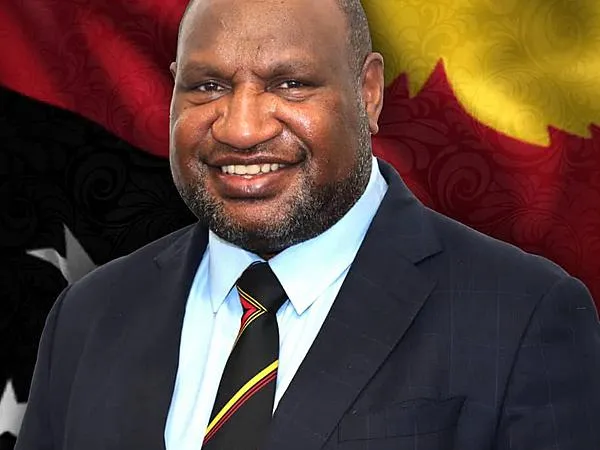
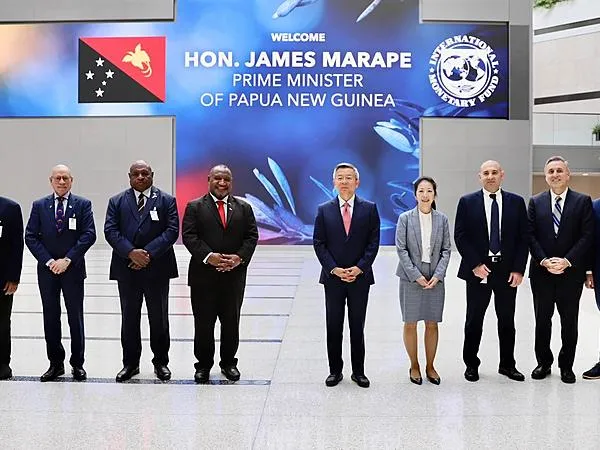
Prime Minister James Marape used his high-level engagement with the International Monetary Fund (IMF) in Washington, D.C. to call for the creation of a tailored support facility for Small Island Developing States (SIDS), particularly fellow Pacific Island nations.

Speaking directly to IMF Deputy Managing Director Mr Bo Li and his senior leadership team, Prime Minister Marape strongly advocated for the economic and climate vulnerabilities faced by SIDS to be addressed through targeted concessional financing, grants and technical assistance.

“Many of our small island neighbours are innocent victims of global events—whether it’s the economic fallout from man-made disasters like the Russia–Ukraine war or natural disasters such as rising sea levels and extreme weather caused by climate change,” Prime Minister Marape said.

“These countries have negligible carbon footprints yet they bear the brunt of climate change, imported inflation and external shocks they did not create. Unlike large economies that can absorb global turbulence, these small nations face existential economic risks.”

Call for a Dedicated IMF Programme for SIDS

Prime Minister Marape proposed that the IMF consider establishing a dedicated programme specifically designed for small island states—offering grant-based and soft-concessional financial support for economic resilience, food and fuel security and climate adaptation measures.

“This is not just about economics. It’s about fairness and survival,” the Prime Minister said.

“Small island states are being disproportionately punished for problems they did not cause. The global community has a responsibility to ensure they are not left behind.” He noted that while the Pacific Islands contribute little to global emissions, they possess some of the largest carbon sinks in the form of forests and oceans yet receive minimal compensation or support for their stewardship.

IMF Leadership Acknowledges the Concern

IMF Deputy Managing Director Mr Bo Li acknowledged Prime Minister Marape’s concerns and highlighted the importance of the Pacific Islands Forum, which he is expected to attend in Honiara, Solomon Islands in September 2025. While no immediate commitments were made, Mr Li confirmed that the IMF is exploring ways to better tailor its support for vulnerable island economies.

Prime Minister Marape emphasised the importance of raising these issues at the highest levels of global leadership, saying, “It is at leadership level that these ideas must be proposed—because that is where decisions that affect our region’s future are ultimately made.”

He concluded by affirming that Papua New Guinea, as the largest economy in the Pacific Islands Forum, would continue to be a voice for regional solidarity and push for structural change in global financing frameworks to reflect the specific needs of Pacific nations.

July 15, 2025

Washington, D.C., USA, 11 July 2025 – Prime Minister Hon. James Marape has reiterated Papua New Guinea’s unwavering commitment to macroeconomic stability,
fiscal reform, and debt sustainability during a high-level meeting with the International Monetary Fund (IMF) in Washington, D.C.

The meeting was held at the IMF Headquarters with Deputy Managing Director Mr Bo Li, who directly oversees Papua New Guinea’s economic programme within the Fund.

The Prime Minister was warmly welcomed by Mr Li and his senior economic advisory team, underscoring the close relationship between Papua New Guinea and the IMF. The discussion was described as open, constructive, and far-reaching, with both parties reaffirming their shared commitment to advancing PNG’s economic transformation.

Strategic Engagement with IMF a Deliberate Policy Shift

Speaking after the meeting, Prime Minister Marape emphasised that the engagement with the IMF was a deliberate and considered policy decision taken by his government in 2019, shortly after assuming office.

“We made a conscious decision to invite the IMF back into Papua New Guinea after years of ad hoc and unsustainable fiscal practices,” Prime Minister Marape said. “Our goal has always been to place the country on a disciplined and transparent economic path, reduce reliance on commercial loans, and align ourselves with credible multilateral institutions that promote good governance and long-term development.”

He noted that, unlike previous reliance on high-interest commercial loans and short-term financing arrangements, the partnership with the IMF, World Bank and Asian Development Bank is based on mutual respect and shared responsibility. These institutions, the Prime Minister said, are not peripheral advisers but internationally mandated agencies with a proven track record of supporting economic reform globally.

Progress on Home-Grown Reform Agenda

The meeting acknowledged the significant strides made by Papua New Guinea since 2020 in implementing a comprehensive home-grown reform agenda. Central to this agenda is a 33-point reform programme initiated by the Government with input and support from the Treasury, Bank of Papua New Guinea, and the IMF.

The Prime Minister confirmed that most of the reforms have been successfully implemented, with only a few remaining outstanding. He assured Mr Li that these would be addressed in the coming months.

“Papua New Guinea’s reform journey is not dictated by the IMF. These are reforms we initiated ourselves, recognising that our economy needed structural change,” said Prime Minister Marape. “These reforms are not only necessary—they are urgent. We must take ownership of our future and lay a foundation for the next 50 years.”

Debt Reduction and Budget Balance in Sight

The Prime Minister reiterated his government’s firm commitment to achieving a balanced national budget by 2027.

He said that from 2028, PNG will embark on an aggressive debt repayment path, anchored by the implementation of the Sovereign Wealth Fund, which is expected to be fully operational by that time.

“If we stick to our fiscal consolidation path, eliminate wastage, and grow our revenue base, we will be in a position to repay our debts and reduce our debt-to-GDP ratio to sustainable levels—targeting 30 percent or lower,” Prime Minister Marape stated.

He highlighted that by 2033, the government aims to eliminate all public debt accumulated since Independence in 1975, marking a historic milestone for the country.

Strong Economic Outlook Amid Global Uncertainty

According to IMF projections shared during the meeting, Papua New Guinea’s economy is expected to grow by 4.7 percent in 2025, a rate higher than the global average (3.7 percent) and outperforming the majority of Pacific Island Forum and ASEAN economies. The IMF attributed this growth to prudent fiscal management, the recovery of non-resource sectors, and consistent reform momentum.

Prime Minister Marape noted that the country has experienced four consecutive years of non-resource sector growth—driven by agriculture, fisheries, forestry, and small-scale enterprise—proving that the economy is beginning to diversify beyond extractive industries.

“For the first time in our post-Independence history, we are seeing consistent growth from sectors that benefit our rural population. This is no accident—it is the result of targeted investment and reform,” the Prime Minister said.

Diversification, Innovation, and Digital Government

In the meeting, Prime Minister Marape also pitched new areas of IMF technical assistance, including support for:

  • Establishing AI-driven digital platforms for public procurement and public service recruitment, aimed at strengthening transparency and merit-based selection;
  • Expanding renewable energy generation through hydro, geothermal and solar technologies;
  • Utilising domestically available natural gas to power island provinces and supply neighbouring Pacific nations;
  • Strengthening the country’s capacity to manage its Sovereign Wealth Fund transparently and effectively.

“These initiatives will not only help us modernise government, but also attract private investment and ensure efficient delivery of public services,” he said.

IMF Commends PNG’s Reform Commitment

The IMF welcomed Papua New Guinea’s clarity of vision and fiscal discipline, acknowledging the country’s success in clearing its foreign exchange backlog, stabilising the kina, and improving macroeconomic management.

They also advised that the government consider incentives for exporters to repatriate foreign currency earnings, which would help further stabilise the balance of payments.

In their closing remarks, the IMF commended Prime Minister Marape and his government for staying the course in the face of challenges, including the COVID-19 pandemic and global economic volatility. “This was a deeply encouraging conversation,” Prime Minister Marape concluded.

“Papua New Guinea is firmly on the right path. We have come a long way since 2019. There is more work to do, but with discipline, we will emerge stronger, more resilient, and more prosperous.”

Prime Minister Marape concluded his official engagements in Washington, D.C., and is now returning to Papua New Guinea.

July 15, 2025

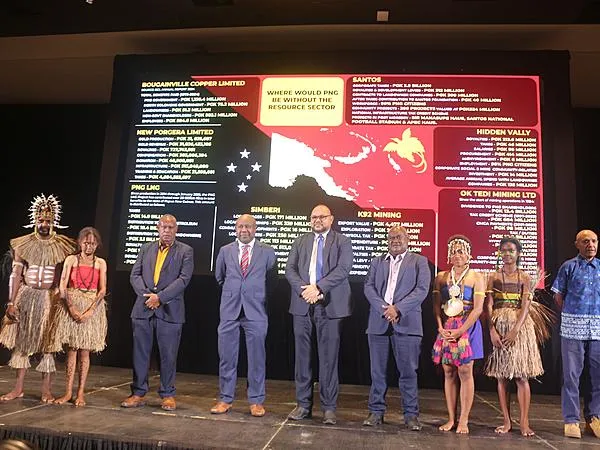
“The story of our country’s engagement with the world is a story of resources. Explorers came for gold, then oil, and later for gas and minerals. Each of these helped shape not only the economy but the social and political fabric of Papua New Guinea,” said Anthony Smaré, President of the PNG Chamber of Resources and Energy, at the official opening of the PNG Resources Golden Exhibition.

Held on the evening of July 7 at APEC Haus in Port Moresby, the opening ceremony marked a historic tribute to the role the resources sector has played in shaping Papua New Guinea’s development over the past 50 years.

In his keynote remarks, Smaré reflected on the deep and enduring connection between the resource industry and the nation's journey since independence.

“This Golden Expo is historic. It marks our country’s 50th anniversary of independence, and it’s appropriate that we reflect on the contributions made by the resources sector and the millions of people involved in building it,” he said.

From early gold exploration to modern-day LNG and mining operations, Smaré emphasized how PNG’s engagement with the global economy has been driven by resources like gold, oil, gas, copper and nickel—and how, as the sector grew, so too did the country.

The connection, he noted, is not only national but deeply personal. His own family’s ties to the industry began in 1934, when his ancestors supported the first explorers in the Highlands. Today, generations of Papua New Guineans continue to serve the sector as engineers, geologists, aircraft technicians and oil field specialists—both at home and abroad.

The Golden Exhibition tells this collective story through iconic projects such as Panguna, Porgera, Lihir, Ok Tedi, Kutubu, PNG LNG and Simberi, as well as emerging developments like Papua LNG, Wafi-Golpu and others.

“Each of these projects is more than just a mine or a gas field. They are economic engines that have built infrastructure, educated generations, and supported families,” Smaré noted.

He commended the 30-plus companies, agencies and institutions that invested time and resources to develop engaging, informative and inspiring exhibits, ensuring the sector’s history is preserved and its future potential recognized by all Papua New Guineans.

Looking ahead, Smaré shared a vision for PNG’s evolving role in the global resource economy, especially as the world enters the AI era and demand for energy and critical minerals surges.

“Our gold powers the financial systems of the world, our gas fuels global energy demands, and our future renewables could drive the next technological evolution,” he said.

 He urged the next generation of Papua New Guineans to step forward and shape the industry’s future, just as their forebears did.

“If we can invest in our young people, if we can show them the opportunities, then we can prepare them to take PNG into the next 50 years and beyond.”

The exhibition was officially opened in the presence of a distinguished audience, including Finance Minister Hon. Thomas Opa, who delivered the keynote address on behalf of Acting Prime Minister and Lands Minister Hon. John Rosso. Other attendees included MRA Managing Director Jerry Garry, representatives from the Office of NCD Governor Hon. Powes Parkop, Motu Koita Assembly Chairman Hon. Dadi Toka Jr, IPA Managing Director Clarence Hoot, members of the diplomatic corps, exhibitors, media and stakeholders.

Curated by Ms. Ruth Waram, the PNG Resources Golden Exhibition is both a technical showcase and a symbolic celebration of the sector’s foundational role in building the modern nation.

The public is encouraged to attend the exhibition, which runs daily from 9:00 a.m. to 4:00 p.m. at APEC Haus until July 25. Following this, PNG Resource Week will take place from July 28 to 31, providing further opportunities for public and industry engagement.

“The story is told not just through individual company booths but as a collective tapestry of national development. The resource sector belongs to the people of PNG. This exhibition gives every citizen the opportunity to explore, learn, and be inspired by the future we are shaping together,” said Smaré.

“This is our story. Every Papua New Guinean’s story. And we invite everyone to walk through, reflect, learn, and be inspired by what we’ve built, and where we can go next.”

July 14, 2025

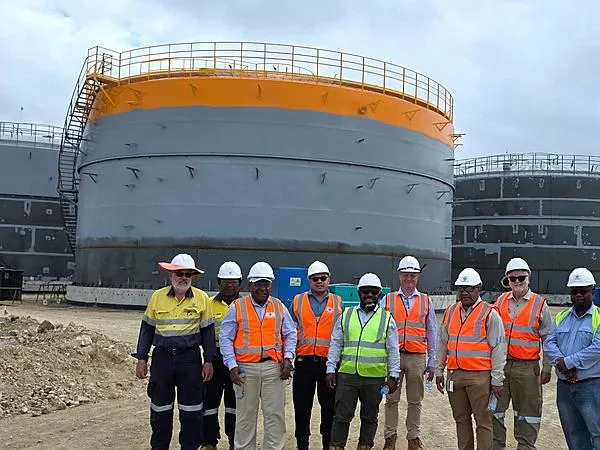
The executive management team of Kumul Petroleum Holdings in early July visited two construction sites where the company is building important infrastructure to support the long-term provision of increased national content and essential services in the country.

Currently under construction are the Motukea Fuel Facility, adjacent to the Motukea International Wharf, and the Training and Fabrication Facility in the Caution Bay area, close to the LNG plant site.

“These strategic construction projects demonstrate Kumul Petroleum’s commitment to national development. The Training and Fabrication Facility fulfils all the necessary elements for increased national content — workforce development through enhanced training and supplier development through new local manufacturing capability,” of Kumul Petroleum Managing Director Wapu Sonk stated.

Sonk noted that with the development of significant gas fields and mining projects planned over the next few years, upwards of 300,000 tonnes of structural, mechanical and piping modules, tanks and other steel fabrication will be required.

The fabrication facility, on the other hand, will have the capacity to produce up to 20,000 tonnes of steel components per year, directly employ 1,000 people and indirectly support another 2,000 through service contractors.

At the Motukea Fuel Facility, Sonk said that “This Jet A1 import and storage facility is a long-term initiative to ensure that a fuel supply crisis cannot occur again. It is a continuation of Kumul Petroleum’s commitment to the Government when it stepped up to facilitate fuel imports and address the fuel supply crisis in early 2024.”

The Motukea facility consists of four 3,000-cubic metre Jet A1 fuel tanks, along with associated ship offloading and truck loading equipment, and safety and environmental control facilities. It is expected to be completed by the end of the year and become operational in early 2026.

“The construction of this infrastructure reflects our long-term commitment to national content development in Papua New Guinea,” Sonk said. “By investing in training and fabrication facilities, we are investing in the future of our country."

July 14, 2025

Kuala Lumpur, Malaysia – Papua New Guinea’s Minister for Foreign Affairs Justin Wayne Tkatchenko attended the 32nd ASEAN Regional Forum (ARF) Foreign Ministers’ Meeting on 11 July, where he delivered a landmark address reaffirming PNG’s aspiration to transition from ASEAN Special Observer to full membership. Minister Tkatchenko emphasised the strategic and economic value that Papua New Guinea brings to the region.

“Papua New Guinea stands with one foot in Asia and one in the Pacific,” Minister Tkatchenko stated. “Our inclusion would enhance ASEAN’s influence in the Indo-Pacific, particularly amid growing geopolitical tensions and cross-border security challenges.”

Highlighting PNG’s readiness to contribute to ASEAN, he pointed to the nation’s potential to strengthen economic connectivity and people-to-people exchanges between ASEAN and the Pacific. “PNG’s inclusion would give ASEAN an economic foothold in the Pacific and unlock trade and investment opportunities,” he noted, referencing the country’s abundant natural resources, including major LNG and crude oil exports, a 2.4 million km² Exclusive Economic Zone (EEZ) and globally significant biodiversity.

Minister Tkatchenko further remarked, “The recent imposition of tariffs by major powers has impacted ASEAN’s economic security. PNG’s vast resource base can offer the bloc a reliable partner for diversification and growth.”

Bilateral engagements and ASEAN membership efforts

On the margins of the Forum, Minister Tkatchenko held bilateral meetings with counterparts from ASEAN member states and dialogue partners, including Indonesia, Singapore, Australia, the Philippines, Timor-Leste, New Zealand, Thailand and Turkey. Discussions centred on deepening relations and garnering support for PNG’s ASEAN membership aspirations.

While PNG has not yet submitted a formal application for full membership, the Department of Foreign Affairs is preparing a Cabinet Policy Submission for consideration by the National Executive Council (NEC).

Having maintained ASEAN Special Observer status since 1976, PNG is a permanent member of the ASEAN Regional Forum (ARF), the largest Asia-Pacific political and security forum comprising ASEAN’s 10 member states, 10 Dialogue Partners and 7 Observers. PNG has established full diplomatic missions in four ASEAN countries, with a fifth mission set to open in Thailand later this year, progressively fulfilling ASEAN’s membership expectations.

Minister Tkatchenko concluded, “Papua New Guinea respects the ASEAN process and stands ready to commit fully to its obligations, initiatives and agreements. We offer strategic geography, surplus resources and steadfast commitment to peace and regional cooperation.”

This renewed bid marks a pivotal step in PNG’s 49-year engagement with ASEAN and its continued role as a bridge between Asia and the Pacific.

July 14, 2025

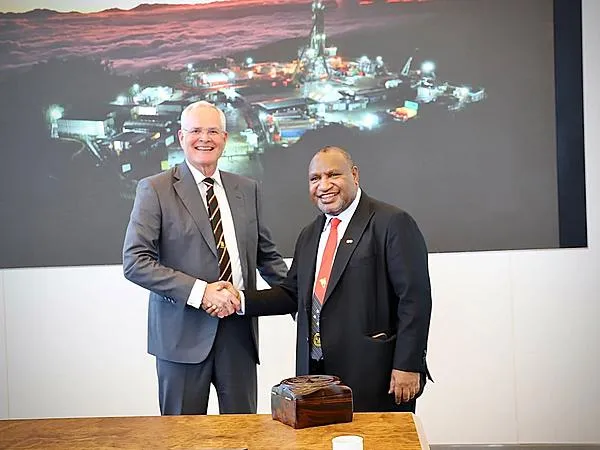
Houston, Texas, USA, 9 July 2025 – Papua New Guinea Prime Minister James Marape has met with senior executives of ExxonMobil Corporation at the company’s global headquarters in Houston, Texas to progress strategic discussions on Papua New Guinea’s next generation of LNG developments — including the Papua LNG, P’nyang LNG and Wildebeest gas projects.

The high-level meeting was attended by several ExxonMobil executives, including Darren W. Woods, chairman and chief executive officer; Dan L. Ammann, president of Upstream Oil and Gas; Peter Clarke, senior vice president of Global LNG; and Dinesh Sivasamboo, chairman and managing director of ExxonMobil PNG Limited.

Representing the Government of Papua New Guinea were Jimmy Maladina, minister for Petroleum; Rainbo Paita, minister for Mining; Dairi Vele, chairman of the State Negotiating Team (SNT); Daniel Rolpagarea, state solicitor; and Augustine Mano, managing director of the Mineral Resources Development Company (MRDC).

PM Marape described the meeting as “substantive, productive and forward-looking,” noting ExxonMobil’s full and unequivocal commitment to Papua New Guinea’s resource sector.

“I am pleased to report that ExxonMobil reaffirmed its commitment to the sequencing and development of Papua LNG, P’nyang LNG and Wildebeest,” said Prime Minister Marape. “All three projects remain within the company’s strategic investment portfolio with sequencing essential to ensure long-term construction momentum, investment flow and employment generation for our country.”

ExxonMobil also provided an update on the status of the Papua LNG project, for which TotalEnergies is the lead operator. While acknowledging current cost pressures, the company reaffirmed that all joint venture partners — including ExxonMobil, TotalEnergies and Kumul Petroleum Holdings Limited — remain committed to resolving outstanding issues collaboratively.

A joint meeting involving the Government of Papua New Guinea, TotalEnergies, ExxonMobil and other stakeholders is being planned to address recent cost escalations and chart a pathway towards Final Investment Decision (FID).

Regarding the Wildebeest prospect — a promising gas field still in its exploration phase — ExxonMobil executives confirmed that deep-well exploratory activities are ongoing. The company expressed strong interest in partnering with the PNG Government to assess future development potential.

“Our government has expressed its clear preference that these projects be properly sequenced: Papua LNG first, followed by P’nyang LNG and then Wildebeest,” the Prime Minister stated. “This sequencing ensures continuity across the LNG sector — with investment decisions and construction timelines aligned over a 10- to 15-year horizon.”

“Papua LNG is expected to reach FID first and we are hopeful this will be followed by P’nyang and subsequently Wildebeest, creating a decade-long pipeline of economic activity, job creation and revenue generation for Papua New Guinea.”

Prime Minister Marape also expressed pride upon learning that over six Papua New Guineans are currently employed at ExxonMobil’s global headquarters in Houston — a reflection of earlier government investment in human capital development.

“As Education Minister in 2008–2009, I initiated efforts to train Papua New Guineans to manage and operate LNG projects,” he said. “Today, I am proud to see our nationals not only leading major projects at home but also serving at ExxonMobil’s global headquarters. It’s a powerful reminder of what’s possible when we invest in our people.”

“I thanked ExxonMobil for its confidence in Papua New Guinean professionals and encouraged continued global opportunities for our capable and hardworking citizens.”

Following the Houston leg of his U.S. mission, Prime Minister Marape departed overnight for Washington, D.C. where he will hold a two-day programme of engagements with senior United States Government officials and Newmont Corporation executives. These meetings are part of his ongoing efforts to strengthen bilateral relations and attract responsible investment into Papua New Guinea’s resource sector.

The Prime Minister concluded his visit by thanking ExxonMobil for its continued partnership and reaffirming the Government’s support for responsible and sustainable resource development.

“The development of our gas resources must bring lasting benefit to our people. With trusted partners like ExxonMobil and TotalEnergies, we believe these projects will deliver the economic transformation our country needs as we enter our next 50 years.”

July 14, 2025

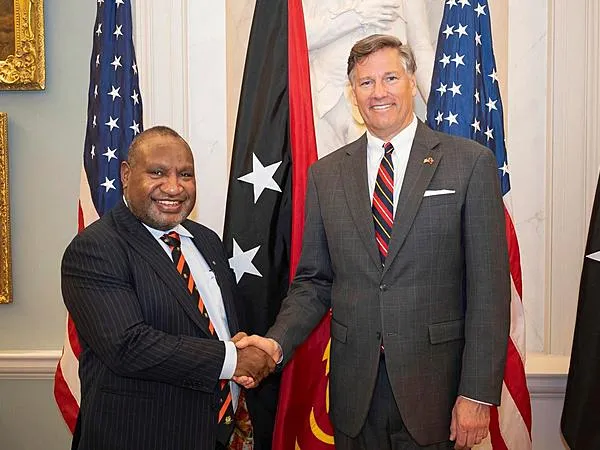
Prime Minister James Marape held a series of meetings with senior US officials on 10 July, reinforcing strategic ties between Papua New Guinea and the United States in areas including trade, investment, security and fisheries cooperation.

He engaged with representatives from the Pentagon, US Border Protection and the US Coast Guard, culminating in a key meeting with US Deputy Secretary of State Christopher Landau, who offered apologies on behalf of Secretary of State Marco Rubio, then attending the ASEAN Foreign Ministers’ meeting in Kuala Lumpur. Deputy Secretary Landau also confirmed that he will represent the United States at Papua New Guinea’s 50th anniversary celebrations in September.

“The discussions were highly productive,” said Marape. “The US administration under President Donald Trump is shifting its focus from traditional aid to trade and investment partnerships — a direction that aligns with Papua New Guinea’s development agenda.”

He welcomed the continued presence of American firms such as Newmont, ExxonMobil and Hilton, and called for further US investment in fisheries, energy, hospitality and manufacturing. He also emphasised US involvement in the fisheries sector through regional partnerships led by the Forum Fisheries Agency and the East New Britain Initiative, which offers land for joint Pacific fisheries ventures.

Marape reaffirmed PNG’s national moratorium on deep‑sea mining, emphasising: “Our waters are breeding grounds for tuna, and we are committed to environmental stewardship. Until comprehensive marine ecological studies are completed, no deep‑sea mining activity will proceed.”

He also underscored growing benefits from the Defence Cooperation Agreement between PNG and the US, noting that plans are already underway for a fuel‑storage facility to enhance energy security and ensure supply reliability during emergencies. “We are seeing real progress through this agreement,” Marape said. “Defence cooperation is not only strengthening our military’s capacity but also improving operational readiness, infrastructure and surveillance across the board.”

Discussions with the US Coast Guard and Pentagon officials emphasised enhancing joint maritime patrols to counter illegal fishing, transnational crime and illicit trade—including unauthorised arms, drugs and other contraband. “There was strong consensus at all my meetings on the need to deepen security cooperation to protect Papua New Guinea’s territorial waters, deter illegal activities, and prevent the movement of illicit substances in and out of our country,” he added. “We are committed to working closely with the US Navy and our regional partners to strengthen maritime security.”

That evening, Marape met with senior executives of Newmont Mining, formally presenting PNG’s response to the company’s proposals for the Wafi‑Golpu project. He said: “I invited Newmont and the full State Negotiating Team to convene in PNG for a dedicated, week‑long negotiation process. Together, we aim to resolve all outstanding matters and finalise a joint‑venture agreement that will unlock long‑term benefits for our people and our economy.”

July 11, 2025

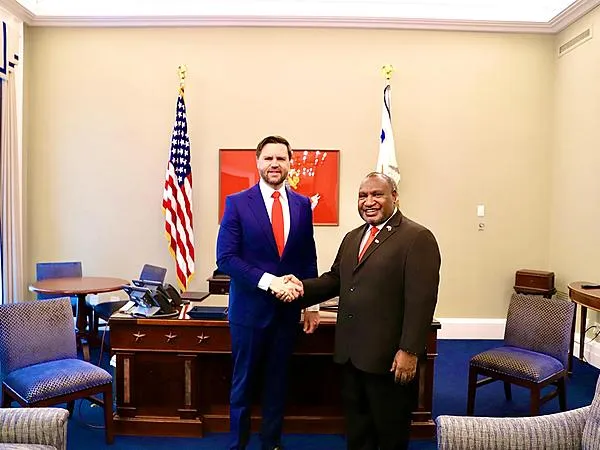
Prime Minister James Marape has announced a landmark development in Papua New Guinea–United States relations, following a historic first-ever bilateral meeting at the White House between a sitting Papua New Guinean Prime Minister and a US Vice President.

This milestone meeting, held during Prime Minister Marape’s official visit to Washington D.C., took place at the White House with US Vice President J.D. Vance, signalling a significant elevation in bilateral ties between the two nations.

“This is the first time in 50 years that a Papua New Guinean Prime Minister has held a formal bilateral meeting at the White House,” Prime Minister Marape said. “The engagement was warm, respectful, and constructive, demonstrating the United States’ sincere interest in strengthening its ties with Papua New Guinea.”

During the discussions, the United States Government confirmed it will send a high-level delegation to attend Papua New Guinea’s 50th Independence Anniversary celebrations in September 2025. This delegation will be led by Deputy Secretary of State Christopher Landau, reflecting the importance the US places on its relationship with PNG.

Prime Minister Marape and Vice President Vance also discussed shared democratic values, mutual interests in the Indo-Pacific, and opportunities for expanded cooperation in trade, security, and economic development.

“The United States is the greatest democracy, the strongest free-market economy, and the leading Christian nation,” Prime Minister Marape said. “Papua New Guinea, too, is a robust democracy, a free-market economy, and a nation founded on strong Christian values. These shared beliefs continue to guide our alignment on many regional and global issues.”

He added that both governments had agreed to continue technical-level engagements to prepare for a potential full bilateral meeting between President Donald Trump and Prime Minister Marape at a later date, when both the White House and Waigani are ready.

“Our officials will begin preparatory work on specific areas of bilateral cooperation, including trade, security, development, and investment,” he said. “We hope to formalise this growing relationship through a future meeting between the President of the United States and the Prime Minister of Papua New Guinea.”

During the meeting, Prime Minister Marape also acknowledged and thanked major US companies operating in Papua New Guinea—ExxonMobil, Barrick Gold, Newmont Corporation, Hilton, Marriott, and others—for their long-standing contributions to the country’s economy.

“I also took the opportunity to invite more US companies in manufacturing, agriculture, fisheries, and sustainable forestry to explore investment opportunities in Papua New Guinea,” he added. “Our economy is open for business, and we welcome responsible partners who share our vision for sustainable growth.”

The bilateral engagement caps off a series of high-level meetings during Prime Minister Marape’s visit to the United States, which included strategic dialogues with US defence, trade, and development agencies.

“This visit marks the beginning of a new era in PNG–US relations,” Prime Minister Marape concluded. “As we mark 50 years of Independence, we are repositioning ourselves on the global stage and fine-tuning our relationships with all partner nations — including this great United States of America.”

July 11, 2025

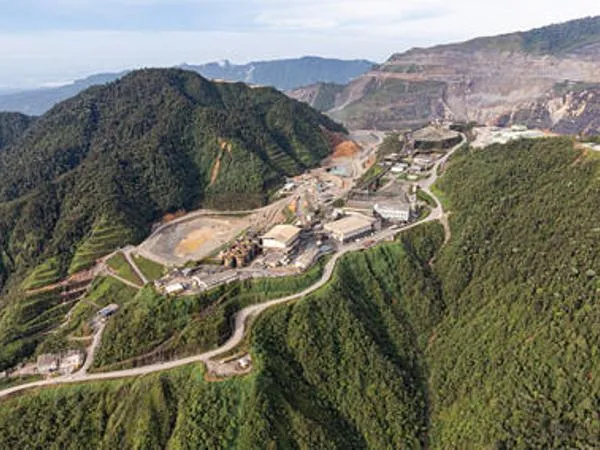
PORT MORESBY — Ok Tedi Mining Limited (Ok Tedi) is pleased to announce it has received clearance from Papua New Guinea’s Independent Consumer and Competition Commission (ICCC) for its purchase of the Misima Gold Project from Kingston Resources Limited (Kingston). This approval completes all conditions precedent required to finalise the transaction.

On 20 May 2025, Ok Tedi announced it would acquire the Misima Gold Project from Kingston for A$60 million (USD38 million), with additional contingent payments of up to A$35 million (USD22 million). With the ICCC's approval, the Misima Gold and Silver Project officially became an Ok Tedi entity as of 10 July 2025.

This acquisition marks a significant milestone under the company’s Growth 2050 Strategy, reaffirming Ok Tedi’s commitment to sustainable, nationally driven resource development.

“We are proud to welcome the Misima team into the Ok Tedi family,” said Ok Tedi Managing Director and CEO Kedi Ilimbit. “This acquisition signals a bold new chapter for Ok Tedi as we expand our footprint and future-proof our business for generations to come.”

The Misima Mine, which currently employs 31 people, will continue operating under existing employment terms during a structured integration phase.

“Ok Tedi is committed to ensuring a smooth transition and is working closely with employees, landowners, and local leaders to ensure the continued success of the project,” Mr Ilimbit added.
“This is more than a corporate transaction — it’s about PNG ownership, community partnership, and responsible growth.”

The Misima Gold and Silver Project is located 625 kilometres east of Port Moresby in Milne Bay Province and has a current mineral resource estimate of 3.8 million ounces of gold and 22.1 million ounces of silver.

Ok Tedi Mining Limited (OTML) is a majority state-owned enterprise that operates an open-pit copper, gold and silver mine located in the Star Mountains of Western Province, Papua New Guinea. The company exports copper concentrate to smelters and refineries in Japan, the Philippines, Indonesia, South Korea, India and Germany.

OTML has operated in the region for over 40 years, making significant contributions to development in Western Province through direct and indirect employment, royalties, compensation payments, and local business opportunities.

Its registered office and senior operational management are based in Tabubil, Western Province, with a representative office in Port Moresby and a marketing and logistics facility in Brisbane, Australia.

July 11, 2025

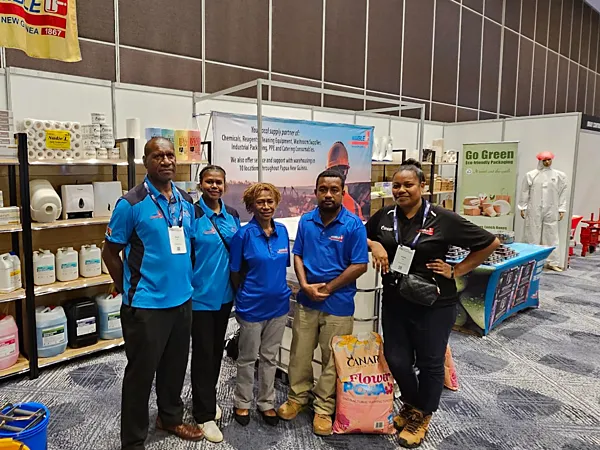
Wimble & Co Limited, a trusted name in Papua New Guinea’s industrial and mining supply sector, underscored its commitment to sustainable solutions and deeper industry collaboration at the 2025 PNG Industrial and Mining Resources Exhibition and Conference, held at The Stanley Hotel in Port Moresby from 2–3 July.

In an exclusive interview with PNG Business News, National Mining Sales Manager Edeck Gula outlined the company’s goals, participation in the event, and the need for stronger representation from the mining sector in future editions.

“The main objective behind our participation was to showcase Wimble & Co Ltd’s product lines, including new stock tailored specifically for the mining industry,” Mr Gula said. “It also gave us a valuable platform to engage face-to-face with miners to understand their challenges and requirements.”

A highlight of the company’s exhibit was its eco-friendly product line, including Degreaser Gold, a cutting-edge cleaning solution featuring quick-break technology—designed to separate hydrocarbons from waste wash water efficiently, ideal for mining truck workshops with oil-water separators.

Also on display were corrosion inhibitors for heavy-duty haul trucks, and a range of biodegradable food containers and cutlery, aligning with industry efforts towards environmental compliance and sustainability.

While the event drew significant interest from local and Australian suppliers and non-mining participants, Mr Gula noted that the mining sector’s turnout was underwhelming.

“There was a good level of engagement with suppliers and non-mining clients,” he said. “However, it would have been more impactful if more mining companies had sent their representatives. As suppliers, we make considerable investments to exhibit, and the value increases significantly when decision-makers from mining operations are present.”

Despite limited mining attendance, Wimble & Co Ltd made the most of the opportunity—reinforcing existing relationships and establishing promising new leads that could translate into future business.

Mr Gula emphasised the broader importance of such platforms: “Exhibitions like this are a great opportunity for suppliers to put their products on display and connect with industrial and mining sector players. However, there needs to be more effort to bring mining clients to the floor. Organisers should consider extending invitations to industrial customers in town, even allowing paid access, to widen participation.”

His remarks point to the potential for future events to become more inclusive and productive through improved outreach and access strategies. Wimble & Co Ltd looks forward to participating in upcoming exhibitions—ideally with stronger industry representation to help drive sustainable growth in PNG’s mining and industrial sectors.

July 10, 2025

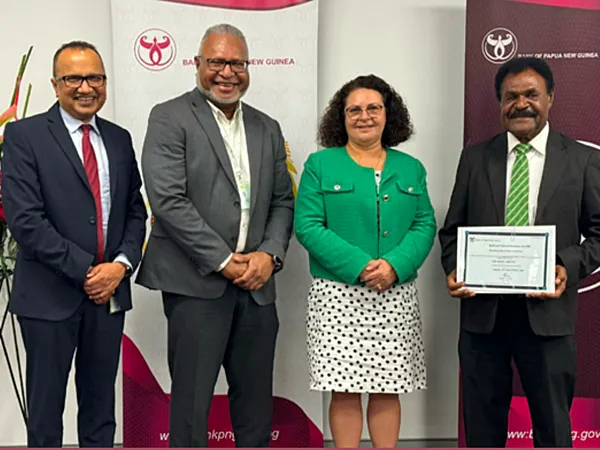
The Bank of Papua New Guinea (BPNG) has submitted its 2024 Annual Report and Financial Statements to the Minister for Treasury, in accordance with the Central Banking (Amendment) Act of 2024. The report captures a pivotal year marked by structural reform, digital innovation, monetary tightening, and renewed focus on institutional integrity.

The timely submission of the report reflects the Bank’s commitment to transparency, discipline and legal compliance. It outlines the central bank’s operational performance, policy direction and audited financial results for the year ending 31 December 2024.

“Publishing our Annual Report is more than a legal obligation. It is an important mechanism for communicating the work of the Bank and being accountable to the people of Papua New Guinea,” Governor Elizabeth Genia said.

The Bank recorded a net operating profit of K242.2 million (approx. US$65 million), a significant increase from K44.2 million (approx. US$11.8 million) in 2023. Operating income rose to K770.1 million (approx. US$207 million), largely due to stronger returns from foreign currency investments, while total expenditure was contained at K527.9 million (approx. US$142 million). The distributable profit remains under Retained Earnings, pending a decision by the Board.

In a separate press release, the Bank confirmed a dividend payment of K48.5 million (approx. US$13.1 million) to the National Government as part of its reporting process. This transfer reflects the allocation of distributable profit from the net operating profit of K242.2 million (approx. US$65 million), in accordance with statutory requirements following independent audit and review.

The process is consistent with international central banking and accounting standards, and forms part of the Bank’s annual financial cycle, the bank said.

Under the amended Central Banking Act, 80 percent of distributable profit is retained in the General Reserve Account until minimum capital thresholds are met. The Bank also recorded K837.8 million (approx. US$225 million) in unrealised gains transferred to the Unrealised Profits Reserve, and K114.1 million (approx. US$30.6 million) to the Gold Reserve, in line with international accounting standards. No funds were transferred to the General or Building Reserve accounts in 2024.

A major development during the year was the passage of the Central Banking (Amendment) Act 2024, which followed Phase II of the Independent Advisory Group (IAG) review. The legislation restructured the Bank’s governance and formally established a new Monetary Policy Committee (MPC), which will take over responsibility for setting monetary policy from 2025.

Throughout 2024, the Bank maintained a tightening monetary stance to address foreign exchange imbalances, contain inflation, and absorb excess domestic liquidity. Key reforms under an IMF-supported programme included the implementation of an interest rate corridor, adjustments to the cash reserve requirement (CRR), and the launch of weekly foreign exchange auctions.

By year-end, BPNG had conducted 26 foreign exchange auctions totalling more than US$1 billion, significantly reducing order backlogs and enhancing transparency. The kina depreciated by 6.8 percent against the US dollar during the year, under a managed "crawling peg" strategy intended to restore currency convertibility while managing inflation risks.

Despite currency depreciation, inflation remained contained. The trimmed mean inflation rate rose by just 3.3 percent over the year. However, the Bank noted that deposit and lending rates in the private sector were largely unresponsive to policy adjustments — highlighting continued weaknesses in the interest rate transmission mechanism.

Institutional reforms progressed in parallel. A new executive structure, aligned with the Bank’s Vision 2050 strategy, was approved by the Board. Each executive position is now explicitly linked to strategic priorities and key performance indicators.

Board Chair David Toua OBE commended the Bank’s operational discipline and ethics reforms. He acknowledged the dismissal of a number of staff involved in the manipulation of employee benefits, calling the swift action essential for maintaining the Bank’s credibility.
“Ethics is equally vital to governance,” Mr Toua said. “The integrity of BPNG must be beyond reproach.”

The Bank also continued to expand financial inclusion and digital innovation. It issued commercial banking licences to three new institutions: TISA Bank, Credit Bank PNG, and the state-owned National Banking Corporation (formerly People’s Micro Bank). These approvals marked the most significant expansion of PNG’s banking sector in years.

In March 2024, the Bank launched the Green Finance Centre in partnership with the Global Green Growth Institute (GGGI), the New Zealand Ministry of Foreign Affairs and Trade, and other development partners. The Centre supports the implementation of the Inclusive Green Finance Policy and aligns with PNG’s Third National Financial Inclusion Strategy.

The Bank also completed major technological upgrades, including enhancements to the Kina Automated Transfer System (KATS), expansion of mobile and digital payment services, and support for fintech development under its Regulatory Sandbox framework.

Regionally, BPNG maintained strong partnerships through forums such as the South East Asian Central Banks (SEACEN) group and the Pacific Islands Central Bank Supervisory College. It also contributed to PNG’s second Mutual Evaluation under the Asia Pacific Group on Money Laundering, which identified critical reforms needed to avoid grey-listing by the Financial Action Task Force (FATF).

Governor Genia reaffirmed the Bank’s long-term focus on inclusive growth, financial soundness, and institutional renewal. “None of this progress would be possible without the tireless work of our staff, the strategic guidance of the Board and the trust of the people of Papua New Guinea,” she said.

With the Monetary Policy Committee set to assume policy-making duties in 2025, and Vision 2050 implementation gaining momentum, the Bank of Papua New Guinea enters the new fiscal year with stronger financial, operational, and governance foundations, the report added.

July 10, 2025

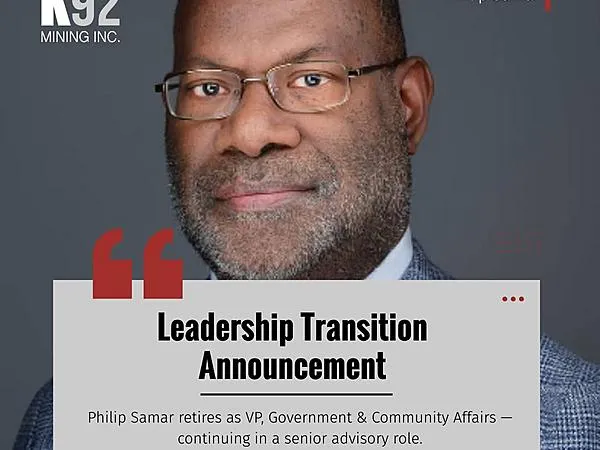
K92 Mining Inc. has announced the retirement of Philip Samar from his role as vice president, government and community affairs. Samar will continue to support the company as a senior advisor in a consulting capacity.

Samar joined K92 in January 2019 as vice president, external and corporate affairs, later retitled vice president, government and community affairs. He brought with him a distinguished career spanning more than two decades in Papua New Guinea’s mining sector.

Prior to joining K92, he served as managing director of the Mineral Resources Authority (MRA) from 2012 to 2018, where he played a pivotal role in shaping PNG’s mineral policies, engaging international partners, and overseeing the licensing of major mining projects.

At K92, Samar has been instrumental in establishing and strengthening relationships with government, communities, and key stakeholders, significantly advancing the company’s permitting and external affairs strategy. His leadership has been critical in supporting the development of the Kainantu Gold Mine, including the Stage 3 expansion currently under way.

John Lewins, K92 chief executive officer and director, said that Philip has played a key role in strengthening the business in Papua New Guinea since joining K92 in 2019.

“ He has helped deepen our engagement with government and community stakeholders, supported important permitting processes, and provided valuable guidance on regulatory and strategic matters. His experience and understanding of PNG’s mining sector has contributed meaningfully to the advancement of the Kainantu Gold Mine,” Lewins said.

“What has always stood out about Philip is his passion for seeing Papua New Guinea prosper, and his belief in K92’s role as a responsible partner in that journey. His work has reflected a strong commitment to sustainable development, local capacity-building, and long-term value creation for the country and its people,” he added.

Lewins added that K92 is grateful for the professionalism and insight Samar brought to his role, and pleased that he will continue to support the Company in a senior advisory capacity.

“With a strong team in place and a well-established framework for external engagement, we are confident in a smooth transition and continued positive momentum. On behalf of the K92 team, we extend our thanks to Philip for his service and wish him all the best in this next chapter,” Lewins said.

The company will announce Samar’s successor for the community affairs and external relations function in due course. K92 remains committed to strong engagement with PNG’s communities and government, building on the solid foundations Samar helped establish, the executive added.

K92 Mining Inc. is engaged in the production of gold, copper and silver at the Kainantu Gold Mine in Papua New Guinea’s Eastern Highlands province, as well as in the exploration and development of nearby mineral deposits.

The company declared commercial production from Kainantu in February 2018 and is in a strong financial position. It is working to become a Tier 1 mid-tier producer through ongoing plant expansions. A maiden resource estimate for the Blue Lake copper-gold porphyry project was completed in August 2022. K92 is operated by a team of mining professionals with extensive international mine-building and operational experience.

July 09, 2025

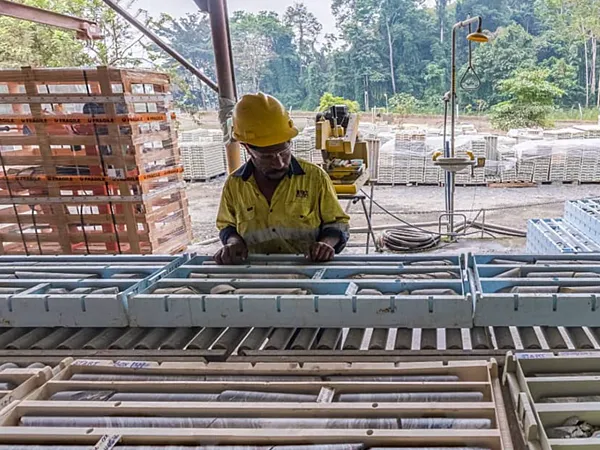
Canadian firm K92 Mining Inc. has reported a solid second-quarter performance for 2025, producing 34,816 ounces of gold equivalent (AuEq) and initiating commissioning of its new 1.2 million tonnes-per-annum (Mtpa) Stage 3 Process Plant at the Kainantu Gold Mine in Papua New Guinea.

The Q2 output represents a 43% jump compared to the same period in 2024. The company produced 32,375 ounces of gold, 1.54 million pounds of copper and 42,824 ounces of silver during the quarter, with sales reaching 28,864 ounces of gold, 1.27 million pounds of copper and 34,532 ounces of silver during the said period.

For the first half of 2025, total production reached 82,633 oz AuEq, putting the company ahead of its budget and on track to meet its full-year guidance of 160,000 to 185,000 oz AuEq.

Processing and mining operations surge

K92 processed 130,337 tonnes of ore in Q2, up 36% year-on-year and 26% from Q1 2025. The ore averaged a head grade of 8.9 grams per tonne AuEq, including 8.3 g/t gold, 0.55% copper and 12.1 g/t silver. Gold and copper recoveries remained strong at 93.3% and 94.9%, respectively—both exceeding the benchmarks outlined in the company’s updated Definitive Feasibility Study (DFS).

Mining activities remained robust, with 133,063 tonnes of ore mined across 13 active levels within the Kora and Judd deposits. Total underground material movement, including waste, reached 338,696 tonnes, making it the second-highest quarter on record despite five days of commissioning-related disruptions.

Stage 3 expansion hits key milestones

A major highlight of the quarter was the commencement of commissioning for the Stage 3 Expansion Process Plant in late June. The pre-commissioning work, including testing of the semi-autogenous grinding (SAG) and ball mills, was completed on schedule. Full commissioning is expected to be practically complete in the first half of Q4 2025.

Additional contracts were awarded in June for the pastefill filtration plant and the surface storage facility, while work continues on the underground pastefill plant. All three facilities are scheduled for commissioning by mid-Q1 2026. As of 30 June, 86% of the Stage 3 capital has been committed or spent, up from 75% at the end of March, with the expansion remaining within budget.

Supporting infrastructure projects completed in Q2 include a temporary power station, the first phase of a permanent power station, and the 160-room Kumian Creek camp for contractor accommodation—set to support future Stage 4 expansion activities.

Technology and mining front development

The transformation of the Kainantu underground mine is nearing completion with several upgrades due by Q3, such as a fully operational ore/waste pass, a new ventilation drive, and two raisebore ventilation shafts.

K92 has also finished upgrading its underground communications system, enabling surface-controlled tele-remote loaders, which were launched in June as the first step in automating and improving productivity.

Two new mining fronts have been developed: four new sublevels at the Twin Incline front and two at Lower Kora. Stoping operations in these areas are expected to begin in Q4.

Outlook remains strong

“K92 is on the cusp of transforming into a Tier 1 mid-tier producer,” said Chief Executive Officer John Lewins. “With commissioning of the Stage 3 Process Plant now underway, we’re entering a new era of growth. Our production for the first half of the year is ahead of budget, and we expect an even stronger performance in the second half, driven by increased throughput.”

Lewins added that the company remains on schedule for the full commissioning of key infrastructure by mid-2026, positioning K92 to significantly boost output and efficiency.

K92 Mining Inc. operates the high-grade Kainantu Gold Mine in Papua New Guinea’s Eastern Highlands Province. The company declared commercial production in 2018 and continues to grow its operations through plant expansions and exploration. It also holds the Blue Lake copper-gold project, which saw its maiden resource published in August 2022.

July 07, 2025

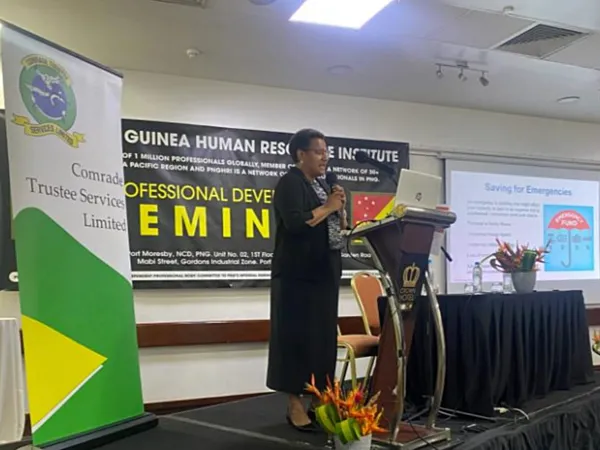
More than 350 human resources professionals in Port Moresby have received much-needed financial literacy training through a partnership led by PNGX Group Ltd, Comrade Trustees Services Ltd (CTSL) and the PNG Human Resources Institute (PNGHRI).

The most recent session, held on Friday, 4 July, drew over 220 PNGHRI members from various industries. It followed an earlier workshop attended by 140 participants just three weeks prior.

The initiative is part of PNGX’s wider push to promote financial inclusion, responsible investing and economic empowerment across the country.

The full-day training covered practical financial topics such as saving, budgeting, superannuation, estate planning and investing in the stock market. Delivered in collaboration with CTSL and PNGHRI, the sessions build on the financial literacy programme already being offered to CTSL members of the PNG Defence Force.

Participants were also introduced to the superannuation services offered by CTSL, underscoring the importance of long-term planning and secure retirement strategies.

“PNGX is proud to be a leader in investor education across the country,” said Elizabeth Wamsa, General Manager of PNGX. “We believe that a well-informed investment community is the backbone of sustainable economic growth. By equipping HR professionals with these vital skills, we are creating a ripple effect — empowering organisations to support the financial wellbeing of their employees, families and communities.”

In developing economies like Papua New Guinea, financial literacy can be a game-changer. It enables individuals to take control of their money, build household wealth and participate meaningfully in the capital market. For PNGX, these training sessions are just the beginning of a long-term vision to build a financially savvy generation.

Feedback from participants has been overwhelmingly positive. Many said the training not only improved their personal financial skills but also gave them practical tools they could apply in the workplace. Several said they were now confident in introducing financial wellness components into HR policies and staff support programmes.

That shift, they said, could boost employee satisfaction, improve retention and lift productivity — all vital outcomes in a competitive labour market.

The training initiative also aligns with PNGX’s long-term plans to roll out certificate and diploma-level courses for investors, finance professionals and company directors. It’s part of a broader commitment to help more Papua New Guineans access and thrive in the country’s growing investment economy.

PNGX Group is a diversifying business services company based in Port Moresby. Its wholly owned subsidiary, PNGX Markets Ltd, operates the national stock exchange. PNGX Markets is licensed and regulated by the Securities Commission of Papua New Guinea and is also the country’s designated National Numbering Agency.

The company is responsible for ensuring that securities trading is conducted in an orderly and fair market, and is committed to acting in the public interest with a strong focus on protecting investors.

July 07, 2025

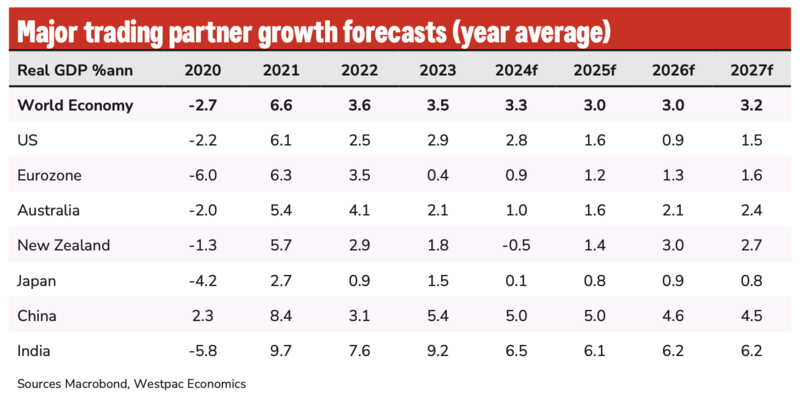
Westpac Banking Corp. has lowered Papua New Guinea’s economic growth forecast for 2025 from 5.1 percent to 4.7 percent, attributing the revision to a stronger-than-expected 2024 base. But despite the downgrade, the Australian bank remains broadly upbeat about the country’s economic trajectory, underpinned by sound fundamentals, improving liquidity and resilience in key sectors.

In its latest PNG Economic Update, released 7 July, Westpac pointed to notable developments across various sectors that have shaped its forecast adjustments. These include a strong first half of the year, significant improvements in foreign exchange (FX) market liquidity, supportive commodity prices and continued progress on fiscal reforms. Analysts say these factors have bolstered sentiment across both the private and public sectors.

“The fact PNG can grow at a pace comparable to China, without a major resources project, suggests the country has the fundamentals to build its self-sufficiency,” the report stated.

Growth backed by resources, agriculture

Westpac revised its estimate for 2024 economic growth upward to 4.3 percent, up from 3.7 percent. The change was driven by revised government data showing stronger output in petroleum and gas, particularly from the Angore project and better-than-expected performance in the mining sector. While the 2025 growth forecast has been lowered to 4.7 percent, this is mainly due to statistical base effects rather than weakening activity on the ground.

The agricultural sector continues to benefit from elevated global prices, especially for coffee, cocoa and vanilla. The first air shipment of Morobe-grown specialty coffee to Dubai in June marked a milestone for PNG’s agri-export ambitions. The shipment, organised by AFIA PNG, was hailed as a turning point in showcasing PNG’s potential to compete in premium global markets. Prime Minister James Marape described the export as a “landmark for PNG’s economy” and reaffirmed support for smallholder farmers.

Marape said this model would soon be applied to other commodities such as vanilla, cocoa and oil palm. He pledged that earnings from agricultural exports would be reinvested in infrastructure, market access and price stability. “We are building a new economy from the ground up,” he said during a recent address in Port Moresby. The government’s National Agriculture Sector Plan, focused on commercialisation and traceability, is central to this vision.
Inflation Still Uneven, Regionally Split

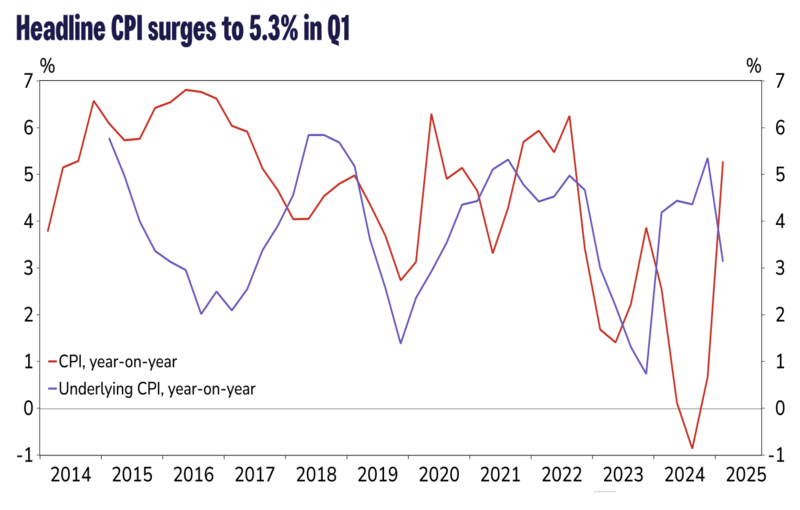
Headline inflation remains volatile, despite easing underlying pressures. According to Westpac, underlying inflation dropped to 3.1 percent in March 2025 from 5.4 percent the previous quarter. However, headline CPI rose 5.3 percent year-on-year, fuelled by sharp increases in betel nut prices and broader costs in food and beverages, transport and communication services.

Price pressures remain uneven across regions. The Goroka–Hagen–Madang corridor reported headline inflation of 8.4 percent, significantly above Port Moresby’s 5.1 percent and Lae’s 1.7 percent. The sharp spike in the Highlands was attributed to localised supply issues, transport disruptions and seasonal factors. The report notes that Lae has now emerged from the deflationary trend it experienced throughout 2024.

Westpac said telecommunications and competition in digital services helped contain cost increases in urban areas. However, continued depreciation of the kina remains a key inflationary risk. As commodity-driven revenues rise, analysts stress the need for stronger monetary coordination to avoid a sustained cost-of-living crisis, especially in rural areas.
Budget Discipline Begins to Show

The government’s 2024 Final Budget Outcome (FBO) presents a cautiously optimistic picture of public finances. Total revenue increased by 5.1 percent to K20.83 billion (US$5.14 billion), while expenditure was contained at K24.76 billion (US$6.11 billion). As a result, the budget deficit narrowed to K3.93 billion (US$971 million), equivalent to 3.2 percent of GDP. This marks a notable improvement from 4.3 percent the previous year.

Much of the fiscal improvement came from higher-than-expected collections of personal income and mining taxes, buoyed by strong earnings in the resources sector. However, corporate tax receipts and GST collections underperformed due to disruptions from fuel shortages and January unrest. Donor support from Australia, ADB and the IMF also helped ease cash flow pressures during the first half of the year.

Debt sustainability has improved, with total public debt standing at K60.48 billion (US$14.93 billion), or 49.4 percent of GDP. This remains within the government’s medium-term debt strategy. Officials have prioritised concessional borrowing, shifting away from high-interest domestic debt. Reforms including payroll verification, trust fund drawdowns and the adoption of a Single Treasury Account are seen as critical to improving budget transparency and discipline.

“We are seeing steady progress in fiscal consolidation, service delivery and growth-oriented investment,” Westpac’s analysts wrote.

FX Liquidity Improves, Investor Appetite Grows

Papua New Guinea’s FX market has shown dramatic improvement in recent months. Orders for essential imports, once subject to weeks of delays, are now being processed and filled within the same day under current guidelines. This turnaround has injected momentum into the retail and wholesale trade sectors and reduced pressure on businesses dependent on imported goods.

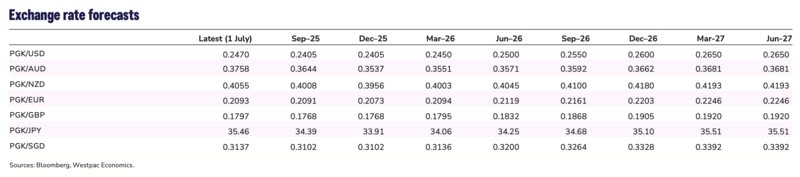
The Bank of Papua New Guinea conducted four FX auctions in May, injecting K165.3 million (US$40.8 million) into the system. This helped stabilise supply and meet trade-related demand. The kina–US dollar exchange rate eased from 0.2452 to 0.2438 in May, and Westpac expects it to weaken further to 0.2402 in the third quarter. A meaningful recovery in the currency is not anticipated until 2026.

Domestic capital markets also showed signs of investor confidence. In a May auction, the 9-year government bond attracted K40 million (US$9.88 million) in bids—double its K20 million (US$4.94 million) offer—at a weighted average yield of 9.46 percent. The longer tenor indicates growing appetite for stable, long-term returns as PNG’s macroeconomic picture improves.
Major Investments Signal Confidence

Kumul Consolidated Holdings is doubling down on local industrial capacity. It committed K200,000 (US$49,400) to sponsor the second Papua New Guinea Special Economic Zone (SEZ) Summit and confirmed a K160 million (US$39.5 million) tuna cannery will open this month. The facility is expected to create hundreds of jobs and support the government’s ambition to process all fish domestically.

Meanwhile, K92 Mining continues to expand its footprint, reporting a 134 percent increase in financial contributions to PNG. The company paid US$62.6 million in taxes and royalties, supported nearly 1,800 jobs and spent over US$96 million on local procurement. It also recorded more than 643 days without a lost-time injury, reflecting its focus on worker safety and community engagement.

Prime Minister Marape has also announced the partial privatisation of PNG Power Ltd, signalling a shift in strategy to attract private capital into underperforming state-owned enterprises. Marape said PNG’s energy potential—especially in hydro, solar and geothermal—could power exports to regional markets like Indonesia and northern Australia. “We are unlocking our energy for growth and trade,” he said.

Outlook: Stable, But Watch the Risks

Despite growing optimism, analysts warn that global headwinds remain. Westpac flagged persistent uncertainty surrounding US tariff policy and recent geopolitical flare-ups, including conflict between Iran and Israel, which briefly pushed up oil prices. Although markets have stabilised, any deterioration in global trade conditions could spill over into PNG through energy and import costs.

That said, domestic fundamentals remain strong. Imports are now growing at an annualised pace of 4 percent, indicating rising confidence and improved capacity to meet consumer demand. FX constraints that once stifled trade and investment are easing, creating new opportunities for business expansion and job creation.

Without the boost of a new large-scale resource project, PNG’s growth this year will come largely from internal drivers—household consumption, agriculture and services. That, according to Westpac, is a promising sign of resilience. “With improving fundamentals, PNG continues to grow,” the report said.
July 07, 2025

Minister for International Trade and Investment Richard Maru has declared his full support for the proposed 90-megawatt Kaugel Hydropower Project in the Southern Highlands Province, calling it a “transformational project of highest national priority.”

“The proposed K2.5 billion (USD 625 million) project, which will take four years to construct, has my highest support. This is a transformational project. We have a very high demand for cheaper, clean and reliable electricity in our country not only for our people but importantly to drive economic growth,” Maru said.

The minister called on all stakeholders to collaborate with the project’s proponents — including Kaugel Hydro Limited, landowners and the respective Provincial Governments of Southern Highlands, Enga and Western Highlands — to unlock the project’s potential and prioritise it for development.

“The Kaugel Hydropower Project is precisely the scale and quality of foreign direct investment PNG must prioritise. This hydro can provide long-term electricity to Porgera Mine, the proposed Baiyer and Ruti SEZ, Mt Hagen City and parts of Southern Highlands Province,” he said.

Maru also underscored the need for reliable electricity in the Highlands region, citing the deteriorating condition of the existing grid infrastructure including the Yonki hydro scheme, which is no longer able to meet demand.

“Persistent power outages stifle growth, deter investment and hold our people and country back from progress and development,” he said.

The minister also stressed the importance of securing broad community support and equitable benefits, especially for landowners and provincial governments involved.

“Clearly, we have to secure a social license for the project by securing clear landowner equity participation and business spin-off benefits, the participation in equity by the respective Provincial Governments and other benefits. These are critical issues that must be handled carefully and sensitively,” Maru stated.

According to the minister, the Kaugel Hydropower Project aligns with national goals for rural electrification, industrial development and the shift to low-emission energy systems.

He thanked Kaugel Hydro Limited Managing Director Karl Yalo and his team for their continued efforts to progress the project.

“We wish them every success to secure anchor customers to make the project bankable and we also hope that they can secure license from the National Energy Authority,” said Maru.

He added that his ministry and department remain fully committed to supporting the project.

“My Ministry and Department stands ready to champion this potential high impact and transformational project to demonstrate the unwavering commitment of the Marape-Rosso Government to renewable energy transition, equitable distribution of benefits and setting the foundations for a better and brighter future for our people and country as we celebrate 50 years of independence and chart our way forward for the next 50 years,” he said.

July 07, 2025

This year’s Papua New Guinea Industrial and Mining Resources Exhibition and Conference (PNG Expo) concluded two productive days of industry insights, innovation and networking at The Stanley Hotel & Suites from July 2 to 3.

Bringing together expert-led discussions, real-world case studies and opportunities for sector-wide collaboration, the annual event attracted both domestic and international players from the mining and industrial sectors.

With 80 exhibition booths on display, the Expo showcased a wide array of solutions across mining, engineering, safety and industrial services. The presence of decision-makers, Mining Equipment Technology and Services (METS) providers and researchers made the event a key platform for knowledge exchange and business development, reaffirming the value of face-to-face engagement in a post-pandemic landscape.

Strong PNG company presence

While international exhibitors brought a global perspective, PNG-based firms featured prominently throughout the Expo, underlining the country’s growing capacity and innovation within the industrial and mining industries.

Among them, Wimble & Co Ltd, one of PNG’s longest-established supply firms, attracted attention for its extensive range of industrial and technical services tailored to the local environment.

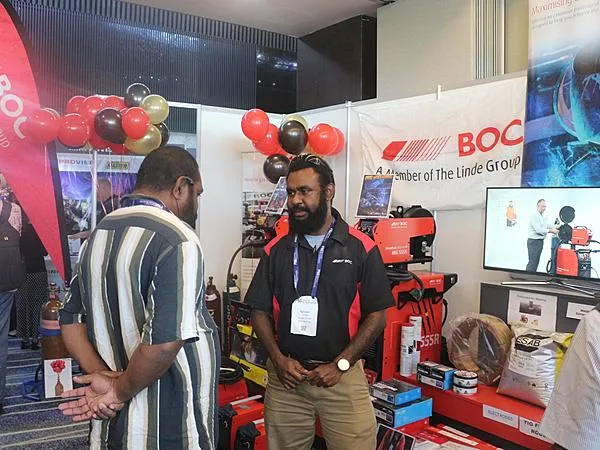
Atlas Steel PNG, a trusted name in fabrication and steel supply, reaffirmed its commitment to serving the mining and construction sectors; while BOC PNG, operating in the country since 1967, highlighted its enduring contributions to manufacturing, heavy industry and services.

“BOC is proud to be part of the PNG Industrial and Mining Resources Exhibition and Conference. It is a valuable opportunity for us to showcase our wide range of gas solutions, equipment and services that support PNG’s industrial and resource sectors,” said Bob O’Hearn, Business Manager at BOC South Pacific.

“We have been committed to Papua New Guinea since 1967 and events like this reaffirm our ongoing support for local industry, innovation and safe, sustainable operations,” O’Hearn added.

Driving safety, innovation and talent development

The conference programme opened with a keynote session titled Quality-Driven Safety Powers Performance, underscoring the central role of safety in driving operational excellence across mining operations.

This was followed by a compelling panel discussion, Making a Name in PNG: Stories of Impact and Innovation, which showcased local success stories and industry-led ingenuity.

In the afternoon, the programme addressed one of the sector’s most persistent challenges: workforce development. The session Staffing: How to Train and Retain the Best explored strategies for building skilled and localised workforces in PNG’s rapidly evolving labour market.

The day concluded with a Case Study Stream, offering delegates practical real-world insights into the sector’s most pressing issues — bridging theory with application in ways that resonated strongly with participants.

Creating safer, smarter and more inclusive mining

The second day began with a keynote on the business case for safety: How Enhanced Safety Measures Drive Productivity, Efficiency and Cost Savings. The discussion reinforced how proactive safety strategies not only protect lives but also deliver measurable business value.

This was followed by Industry Insight: Key Takeaways from Past and Present Projects with Orica, featuring Nic Bell and Tori McQuaker, who offered an in-depth look into Orica’s operational evolution and its ongoing role in improving safety and efficiency across mine sites.

Later in the afternoon, the focus turned to operational excellence in Building Efficiency into Every Project, where speakers made a strong case for leaner tech-enabled mining systems that prioritise agility and innovation.

Adding a local lens to the programme, Partnerships That Work: Papua New Guinea featured Arleena Kukari, President of Project Yumi Inc., who discussed the power of authentic community partnerships to reduce project risk and enhance long-term success.

The conference closed with a high-impact panel, From Insight to Action: Creating Safer Workspaces, which emphasised the importance of integrated safety systems, cultural competency and leadership accountability in building safe inclusive workplaces.

Meanwhile, the exhibition hall remained a hub of activity as delegates explored new products, discovered service innovations and forged strategic partnerships to support future ventures in PNG’s mining and industrial landscape.

July 07, 2025

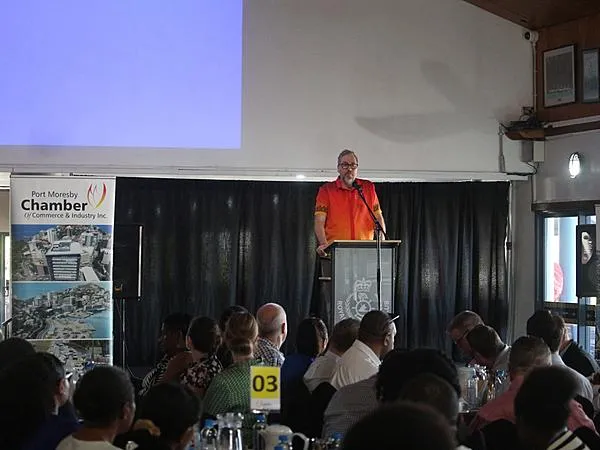
Papua New Guinea must stop crafting “a rulebook for every project” and instead focus on building reliable, trade-enabling infrastructure to underpin a strong and inclusive economy, said Chey Scovell, Vice President of the Port Moresby Chamber of Commerce and Industry (POMCCI).

Speaking at a POMCCI-hosted breakfast forum on Thursday, 3 July, at the Royal Papua Yacht Club, Scovell delivered the keynote address during a panel discussion themed: “Trade, Tariffs and Trumpets – NTBs, WTO and WTF: (Re)positioning PNG.” He was joined by Frazer Murray of the National Trade Office and Paul Barker of the Institute of National Affairs.

In an exclusive interview with PNG Business News following the event, Scovell offered a frank assessment of PNG’s current trade environment, raising concerns about inconsistent policies, infrastructure gaps and the unsustainable use of Special Economic Zones (SEZs).

“The overarching problem for PNG is that the rulebook for Papua New Guinea is not conducive for trade and investment,” Scovell said.

“We had nearly 100 people here today, and nobody could identify a single investment of any significance that could happen in PNG without having their own rulebook,” he stressed.

A promise or pitfall?

While acknowledging that SEZs could be attractive to investors by offering benefits such as stable power, reduced security costs and tax breaks, Scovell warned that making too much of the economy dependent on these zones was unrealistic and inequitable.

“It is not really realistic to have the whole country as a tax-free zone. The government needs revenue,” he said. “My concern is, what about everybody outside of that zone?”

Rather than isolating incentives to certain areas, he argued, PNG should focus on creating a national environment where micro-enterprises and major investors alike can thrive under a consistent and fair framework “without needing special exemptions.”

From policy to practicality

Shifting from policy debates to practical needs, Scovell emphasised the importance of foundational infrastructure – such as roads, ports, electricity, water and ICT – as essential enablers of trade and economic activity.

“We are spending billions on PNG Connect, and it’s kind of a starting point, but it’s very important to make sure that that infrastructure is targeting everyone, from a farmer to the market,” he said.

Without such basics, he argued, promising industries—such as cocoa processing and chocolate manufacturing—will struggle to scale or export products competitively.

Asked about addressing non-tariff barriers (NTBs), Scovell stressed the need for strategically located facilities to meet international sanitary and phytosanitary (SPS) standards, particularly for agricultural exports.

“We do not have wholesale buying and co-ops where farmers can bring produce to a facility and have it sorted, graded, and treated,” he explained. “We really need facilities like that in key strategic locations.”

These, he said, would allow PNG to meet foreign SPS requirements while maintaining robust domestic biosecurity, something brought into sharp focus by recent poultry shortages following temporary import bans due to disease outbreaks in Australia and New Zealand.

“Poultry farming in PNG is a really important thing, particularly in the subsistence area. Maintaining those biosecurity standards is really important, not just for protecting the industry but also to enable our exports,” the executive said.

Time for realism

Scovell also delivered a direct challenge to economic policymakers and advisers, urging them to root their strategies in facts, not convenient assumptions.

“It’s unimaginable that our Treasury officials and the UN-funded advisors think that the only reason imports declined and prices changed was because the government put a couple of tariffs in 2017 and 2018,” he said.

“The global financial crisis, the pandemic, the geopolitical tensions, our foreign currency shortage… that’s what reduced imports. That is what increased prices, and not only in PNG but around the world.”

He urged leaders to move away from narrow economic narratives and begin aligning trade strategy with PNG’s constitutional goals and directive principles.

The POMCCI breakfast forum underscored that while tariffs and SEZs may have a role to play, PNG’s long-term development depends on consistent legal frameworks and inclusive infrastructure that enables broad-based participation.

“Let’s get a rulebook that’s conducive for all sorts of activity,” Scovell said.

July 07, 2025

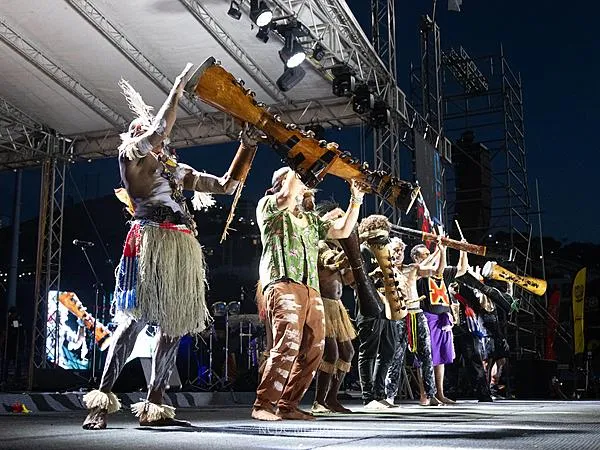
PORT MORESBY – The capital city came alive on 28 June as more than 12,000 people gathered at the Sir Hubert Murray Stadium for the inaugural Meganesia Concert 2025, a free-entry spectacle that has set the tone for Papua New Guinea’s countdown to its 50th Independence Anniversary.

The stadium pulsed with vibrant colours, festive food and the rhythmic sounds of over 200 performers, including Indigenous Australian and Papua New Guinean artists. The atmosphere was electric, uniting the crowd through music and cultural celebration.

A standout moment of the evening was the electrifying performance by the iconic Australian band Yothu Yindi, which now includes four Papua New Guinean members—a powerful symbol of regional unity. The cultural showcase continued with a traditional Torres Strait Islander dance, known as Zenadth Kes, captivating the crowd with its rich heritage and rhythmic storytelling.

Also gracing the stage were celebrated artists from Australia, including Airileke Ingram, Yirrmal Marika, and Kaiit, who shared the spotlight with some of Papua New Guinea’s finest talents such as Anslom Nakikus, Sprigga Mek, and several other renowned local performers.

The landmark event was delivered in partnership with the National Capital District Commission (NCDC), Amazing Port Moresby, the Australian High Commission, and Gaba Musik, showcasing the spirit of collaboration that made the concert possible.

Prime Minister James Marape, delivering the keynote address, underscored the significance of the event as a symbol of national pride and unity.

“This concert holds immense value as it brings us together to celebrate nearly 50 years of independence,” Marape said, extending gratitude to the organisers, artists, and attendees.

“We will continue these peaceful, colourful, and lively celebrations leading up to Independence Day. I urge everyone to mark your calendars for 15, 16 and 17 September, as we plan the biggest nationwide celebration, honouring our artists, our culture, and our traditional dancers,” he added.

For his part, NCD Governor Powes Parkop lauded the vibrant collaboration between Indigenous artists from Australia and Papua New Guinea, describing the Meganesia Concert as a powerful celebration of shared heritage, identity and collective aspirations.

In his address, Parkop expressed gratitude to the Australian High Commission for its invaluable support in bringing the event to life, and acknowledged the contributions of NCDC, Amazing Port Moresby and Gaba Musik in delivering the successful production.

“On behalf of the city and our organising committee, I thank the Australian Government for this great idea—bringing artists, dancers, and musicians from Australia and PNG to collaborate in one big show,” Parkop said.

Reflecting on Papua New Guinea’s post-independence journey, the governor also recognised the nation's progress and resilience over the past five decades, noting both achievements and the challenges still ahead.

Beyond the music and performances, the Meganesia Concert served as a moment of reflection on the enduring partnership between Papua New Guinea and Australia—a relationship rooted in shared efforts across education, healthcare, disaster response, and development.

The event underscored deep cultural and historical ties between Indigenous Australians and the people of western New Guinea, reinforcing the importance of honouring the past while inspiring the next generation.

Australian High Commissioner to PNG and Special Envoy for the Pacific and Regional Affairs Ewen McDonald echoed Governor Parkop’s remarks, praising the concert’s unity and cultural impact.

“The performances and shared stories at Meganesia set a powerful tone leading up to PNG’s 50th Independence Anniversary, energising the packed stadium and paving the way for ongoing cultural exchanges and unity,” McDonald said.

He expressed gratitude to Governor Parkop for his leadership and reaffirmed the strength of the Australia–PNG relationship. McDonald also highlighted standout performances from both countries, including that of Sprigga Mek, winner of the 2019 Pacific Break, as a symbol of regional talent and collaboration.

Continuing the momentum, Parkop announced on 1 July the official launch of ‘The PNG Story’, a nationwide cultural initiative running through to September. It will culminate in a grand celebration of the 50th Independence Anniversary.

The PNG Story is set to spotlight the rich traditions of the country’s four main regions—Southern, New Guinea Islands, Highlands, and Momase—through expressive arts, performances, and storytelling, all unified under the theme: “To celebrate our history and inspire our future.”


July 04, 2025

The PNG Resources Golden Expo, hosted by the PNG Chamber of Resources and Energy (PNG CORE), will run this July at APEC Haus, and is free and open to the public daily from 9 a.m. to 4 p.m. Papua New Guineans are invited to explore, learn, and celebrate the vital role of the minerals and energy sector in the nation’s development.

The Golden Expo will be officially opened by Deputy Prime Minister John Rosso on the evening of Monday, 7 July 2025, at APEC Haus.

This national exhibition will showcase how resource projects—and the Papua New Guineans working on them—have helped shape the country’s economic, social and infrastructure development since independence.

Through historical displays, storytelling and interactive experiences, visitors will trace the journey of the sector from early exploration to the present day, and look ahead to the future.

Some 30 companies and regulatory bodies will exhibit their histories and share how each has contributed in its own way to building Papua New Guinea over the last 50 years. A historical business exhibition of this scale has never been done before.

The Expo will highlight the contributions of landmark projects such as Panguna, Ok Tedi, Misima, Porgera, Kutubu, Lihir, Hidden Valley, Simberi, Kainantu, PNG LNG and others—while also sharing the personal stories of the people and communities behind them.

“This exhibition honours the pioneers, workers, landowners, community leaders, public servants, and companies who have built PNG through the development of PNG’s resource sector,” PNG President Anthony Smaré said. “It’s a chance to reflect on how far we’ve come and to inspire future generations to step up to take the industry and PNG further into the future.”

The PNG Resources Golden Expo is free and open to the public for three weeks, and families, schools, and community groups are encouraged to attend. With daily activities such as school visits, interschool debates, and engaging displays, the Expo offers a unique opportunity for all Papua New Guineans to connect with the industry that has helped build the nation.

This month-long celebration begins with the PNG Resources Golden Exhibition, running from 7 to 31 July at APEC Haus. Key events include the Supplier Development Forum (10 July), the Resources Career Fair (17–18 July), Charity Golf Day (25 July), CANCONEX (28–30 July), and the PNG Resources Summit (31 July).

The exhibition invites visitors to reflect on how mining and energy projects will continue to shape the country’s future over the next decade and beyond. It offers a window into the past and a door to the future, encouraging communities to envision a prosperous path forward.

“We encourage everyone to come and be part of this national celebration,” Mr Smaré said. “This is your story, your history, and your future—join us in celebrating the sector that continues to shape Papua New Guinea.”

July 04, 2025

The Papua New Guinea Chamber of Resources & Energy (PNG CORE) is calling on community leaders, landowners and small-scale miners to unite in tackling the escalating issue of unregulated alluvial mining across the country.

Unregulated alluvial mining poses a serious threat to the mining industry, local communities and legitimate small-scale miners. Recent reports have highlighted a surge in illegal mining practices, gold smuggling and a decline in lawful alluvial gold production, raising alarm across the sector.

In response to these developments, the Mineral Resources Authority (MRA) has issued a public stop-work notice targeting unauthorised alluvial mining operations involving heavy machinery. This enforcement followed confirmed reports of individuals and companies conducting illegal mining activities in designated alluvial mining districts and other regions. The MRA emphasised that these operations violate the Mining Act 1992 and warned that further breaches would result in legal consequences.

Echoing this regulatory stance, Mining Minister Rainbo Paita issued a strong warning to all operators, stressing that all mining activities must comply with the terms of their permits and licences.

“Operate within your permits or leave,” Minister Paita said, as he reaffirmed the government’s zero-tolerance approach to illegal mining, Paita said, emphasising that failure to do so undermines the integrity of the sector and will not be tolerated.

As the peak body representing the minerals sector, PNG CORE is deeply concerned about the environmental damage, social disruption and economic harm caused by these unregulated activities. Such operations not only endanger surrounding communities but also erode sustainable development opportunities and fair competition for compliant miners.

PNG CORE urges community leaders and landowners to take proactive steps to protect their land and people’s future. This includes refusing access to illegal miners, reporting suspicious activities to the authorities and verifying all mining engagements with the MRA before proceeding.

Small-scale miners are also strongly encouraged to pursue legal operations by securing the necessary licences and permits for machinery use. Legal compliance ensures safer, environmentally responsible mining practices and contributes meaningfully to both community welfare and national development.

Addressing illegal and unregulated alluvial mining requires a coordinated multi-stakeholder approach focused on formalisation, environmental stewardship, community health and strengthened governance.

PNG CORE Vice President Mr Assik Tommy Tomscoll reaffirmed the Chamber’s commitment to responsible and sustainable development across the resources and energy sector, saying “PNG CORE unequivocally condemns unregulated alluvial mining.”

“These activities are not only environmentally destructive and socially harmful but also represent unfair competition that undermines legitimate regulated alluvial miners and the broader resource sector committed to operating sustainably, safely and in partnership with landowners and communities. PNG CORE fully supports the national mining laws and the essential regulatory role of the Mineral Resources Authority,” Tomscoll said.

PNG CORE remains steadfast in its mission to promote responsible resource development that delivers genuine sustainable benefits for all Papua New Guineans, he added.

July 04, 2025

Following the success of the first two of four Regional Engagement and Awareness (E&A) sessions in May, Nambawan Super Limited (NSL) held the third E&A session in Kokopo, East New Britain Province.

The third regional E&A session was hosted on Friday, 27 June 2025, at the Gazelle International Hotel. Over 100 members attended the event, including participants who travelled in representing the Autonomous Bougainville Government, Parliamentary Services, West New Britain Provincial Health Authority, and Monle ESR Services, Lihir.

While the annual Employer Conference held in Port Moresby is NSL’s largest stakeholder event, attracting over 400 employer representatives from across the country, NSL understands that the majority of its 235,888 members are located outside the capital city.

“The Regional Engagement & Awareness sessions, therefore, aim to allow members and their employer representatives to ‘stay where they are’ while NSL comes to them,” Paul Sayer, chief executive officer of Nambawan Super Limited, said in a statement.

Sayer said that these events intend to create a platform for NSL to engage directly with employer representatives and members, sharing vital information about the Fund’s performance, the progress of key initiatives, and the outlook for the current year. They also aim to provide an opportunity to hear directly from members and employer representatives—their concerns and challenges—and to answer any questions they may have, fostering deeper support and collaboration between the Fund and its members throughout the country, he added.

At the regional E&A sessions Sayer, together with members of his executive management team, shared the positive results delivered in 2024. Key highlights included the strong growth of the Fund’s net asset value, now at K11.2 billion (USD3.2 billion), making NSL the country’s largest fund in terms of funds under management. NSL’s 2024 record-high net profit after tax of K1.1 billion (USD 297 million) was also shared, including how this translated into a 10.5 per cent interest rate, which was credited to all 235,888 members’ accounts on Monday, 24 March 2025.

Members were informed of other important financial results, such as the K961 million (USD USD 259.47 million) received in member contributions and, more importantly, the K703 million (USD 189.81 million) in benefit payments to members and/or their beneficiaries. Members were reassured that their superannuation savings remained safe, and would be made available to them—together with their employer contributions received by NSL and the interest earned—when they are ready to retire.

Attendees were also updated on several key initiatives delivered in 2024 aimed at improving operational performance and efficiency, investment capabilities, and the quality of customer service and experience provided to members.

Some of these highlights included the official opening of the Moki Business Park located in Port Moresby’s Waigani Business and Government District in June; the successful transition to a new workflow and document management system to help better manage member queries in August; the implementation of an investment management system in November; and finally, the launch of the Nambawan Employer Pay (NEP) Portal in December.

“Our employers will be pleased with the launch of the NEP Portal, which aims to significantly improve data accuracy and operational efficiency by allowing employers to easily update and send member contributions that can then be immediately reconciled by Nambawan Super seamlessly and efficiently, with improved turnaround times and accuracy,” Sayer said.

“This is a great benefit for our members as their contributions are reconciled and receipted into their accounts faster than ever before,” the official added.

Attendees were encouraged to remember that superannuation is a long-term investment, and that while year-to-year results may vary, it is important to maintain a long-term outlook.

Sayer added, “As a profit-to-members fund, protecting and growing our members’ savings is our highest priority and we are proud to have delivered on this promise in 2024.”

“On behalf of the NSL Board, management and staff, I take this opportunity to extend our sincerest thanks to all our stakeholders, employers and most importantly to our members past and present,” he said.

“The Fund has been diligently serving its members for over 60 years, and as we prepare to celebrate the country’s 50th Independence Anniversary, we reflect on our own journey and contribution to nation-building over the years through significant investments that have bolstered the economy, provided employment opportunities, and delivered improved infrastructure, among many other benefits. We look forward to continuing our strong contribution to PNG’s growth now and for the next 50 years to come,” he concluded.

The first regional E&A session was held in Goroka on Wednesday, 14 May 2025, at the Bird of Paradise Hotel. Over 100 NSL members from Eastern Highlands, Chimbu, Jiwaka, Western Highlands, Enga, and Southern Highlands provinces attended the event, representing over 79 employer groups.

The second regional E&A session was hosted in Lae on Wednesday, 28 May 2025, at the Lae International Hotel, with 100 members in attendance representing 60 employer groups.

Members present during these sessions took the opportunity to ask questions and raise their concerns directly with the NSL Board of Directors and management, receiving clarification and answers to their queries. Following the events, members expressed their satisfaction, stating that they were very pleased with the results of the Fund in 2024, and excited to now understand the different assets and brands they own throughout PNG through their superfund NSL.

They also acknowledged and thanked NSL for hosting the regional E&A sessions in Kokopo, Goroka and Lae respectively, bringing together members and delivering an extremely informative and educational event.

NSL is looking forward to meeting its members and their employer representatives at the upcoming regional E&A session, which will be held in Kavieng in the coming weeks.

July 03, 2025

South Pacific Metals Corp. has announced the appointment of Mr Timo Jauristo as Chief Executive Officer, effective 30 June 2025, as the company prepares to commence its maiden drilling campaign in Papua New Guinea.

Jauristo brings more than 40 years of global mining leadership experience to the role, having previously served as Executive Vice President of Corporate Development at Goldcorp Inc., where he played a key role in the company's international growth strategy. His background also includes senior executive roles at Placer Dome and advisory work with Canaccord Genuity Corp.’s Metals and Mining Investment Banking Group. He currently sits on the board of Integra Resources Corp. as an independent director.

“As we kick off our maiden drill programme this month at Osena, I am looking forward to leading South Pacific Metals at such a pivotal time,” said Jauristo in a statement.

“SPMC maintains a robust portfolio of gold and copper assets adjacent to some of the most productive mines in the region. Michael and I visited Papua New Guinea this past week. I was excited to meet our impressive team and see firsthand the quality and potential of the portfolio, particularly in the Kainantu area. I look forward to working closely with the Board and our in-country team to demonstrate the potential of our assets,” he added.

Executive Chair Michael Murphy welcomed the appointment, noting the strategic importance of Jauristo’s expertise. “We are thrilled to welcome Timo as CEO. His deep operational and capital markets experience, strategic insight, and global industry relationships will be instrumental as we advance our Osena and Anga Gold-Copper Projects and mobilise for drilling at our Ontenu Target—our most important milestone yet,” Murphy said.

Alongside the leadership transition, the company announced the granting of stock options and restricted share units (RSUs) to directors and officers under its Omnibus Compensation Plan.

A total of 200,000 stock options were issued at an exercise price of USD0.49 per share, vesting in three equal tranches over three years. Additionally, 1,000,000 RSUs were awarded, also vesting in thirds on the first, second, and third anniversaries of the grant date.

South Pacific Metals Corp. is an emerging gold-copper exploration company operating in Papua New Guinea’s established mineral belts. With a 3,100 km² land package and four prospective projects adjacent to producers such as K92 Mining, PanAust, and Barrick/Zijin, the company is focused on discovery-driven, technically sound exploration across its Anga, Osena, Kili Teke, and May River projects.

July 03, 2025

Kumul Consolidated Holdings (KCH), the trustee shareholder of the country’s state-owned enterprises (SOE), and PNGX Group Limited (PNGX Group), the holding company of PNGX Markets Limited, operator of Papua New Guinea’s national stock exchange, have signed a memorandum of understanding (MOU) aimed at improving SOE governance and unlocking new investment potential.

The MOU outlines a strategic collaboration between the two institutions to apply the PNGX Corporate Governance Code as a benchmark for SOE governance practices. The objective is to enhance governance, increase transparency, attract private sector investment, and support the long-term sustainability of both Papua New Guinea’s SOEs and its capital markets.

To achieve these goals, PNGX Group and KCH will work together to promote understanding of the PNGX Corporate Governance Code, support the development of a tailored governance code for SOEs, and raise awareness of the PNGX Listing Rules and the responsibilities of listed companies.

The partnership will also explore pathways for listing eligible SOEs on the exchange and seek to expand investment opportunities in SOEs for both domestic and international investors.

The initiative aligns with Prime Minister James Marape’s renewed commitment on 10 February 2025 to reform SOEs to operate more efficiently and contribute to economic growth and improved service delivery.

“Corporate governance is the foundation of public confidence in SOEs. Working with PNGX will help develop governance standards and disclosures that build that confidence,” said Prof. David Kavanamur, managing director of KCH.

For his part, PNGX Group chairman David Lawrence said that the bourse’s strategic partnership with KCH reflects a shared vision of building robust, transparent and inclusive capital markets in Papua New Guinea.

“PNGX Group welcomes the opportunity to work with KCH on this important issue. Twenty-six years ago, PNGX was established with the vision of listing SOEs. This work brings that vision closer to reality and opens up potential new investment opportunities for Papua New Guineans,” Lawrence said.