The United Nations Development Programme (UNDP) is strengthening efforts to improve cocoa traceability on New Britain Island, aiming to support sustainable production and enhance market opportunities for Papua New Guinea’s cocoa farmers.
The initiative comes as global consumers increasingly demand transparency in the environmental and ethical standards behind agricultural products. Strengthening traceability systems allows stakeholders to track the full production journey of cocoa beans, helping ensure they are produced sustainably and without contributing to deforestation.
Through its Global Environment Facility-funded Food Systems, Land Use and Restoration (FOLUR) project, UNDP is working with government agencies and industry partners to advance a more transparent and resilient cocoa sector.
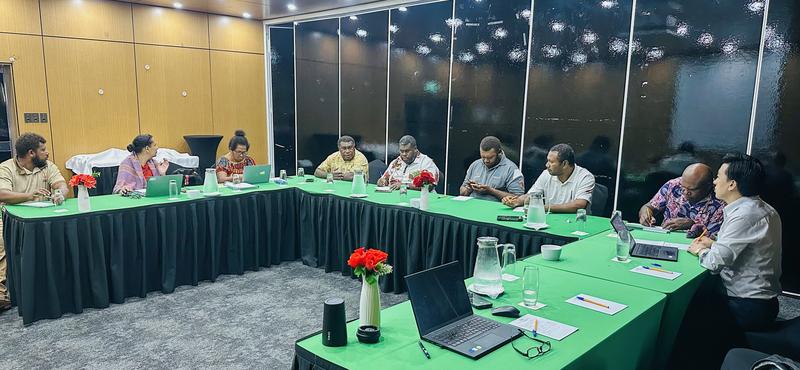
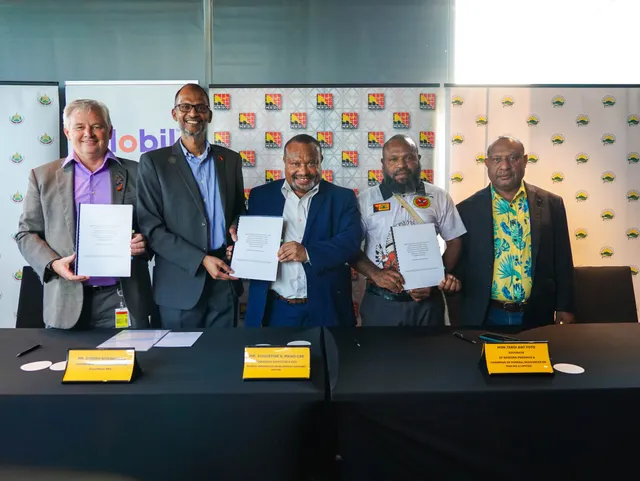
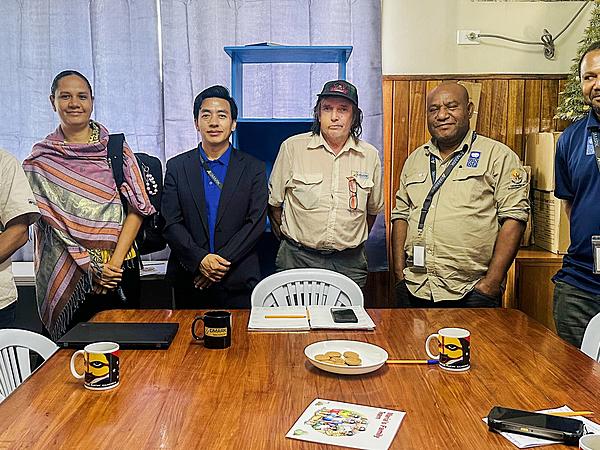
A recent project mission to Kokopo brought together key stakeholders, including the Cocoa Board of Papua New Guinea, cocoa exporter Agmark, and the East New Britain Provincial Administration, to strengthen collaboration across the cocoa value chain.
The discussions focused on practical measures to improve traceability and strengthen the sector’s sustainability credentials.
Among the initiatives explored were the potential expansion of the Cocoa Management Information System, the digitisation of farm and value chain data, and improvements in post-harvest processing through the use of solar dryers and fermentaries.
Partners also discussed strengthening pricing systems and building greater resilience among cocoa farmers.
The project is implemented in partnership with the Conservation and Environment Protection Authority and financed by the Global Environment Facility.
According to UNDP, strengthening traceability systems will help reduce deforestation risks, protect biodiversity and position Papua New Guinea’s cocoa industry to access premium international markets.
Officials say a transparent cocoa supply chain can support stronger farmer livelihoods while safeguarding forests and natural ecosystems across the region.