Papua New Guinea is mobilising its energy sector to support the country’s transition towards a low-carbon future as part of preparations for its third Nationally Determined Contribution (NDC 3.0) under the Paris Agreement.
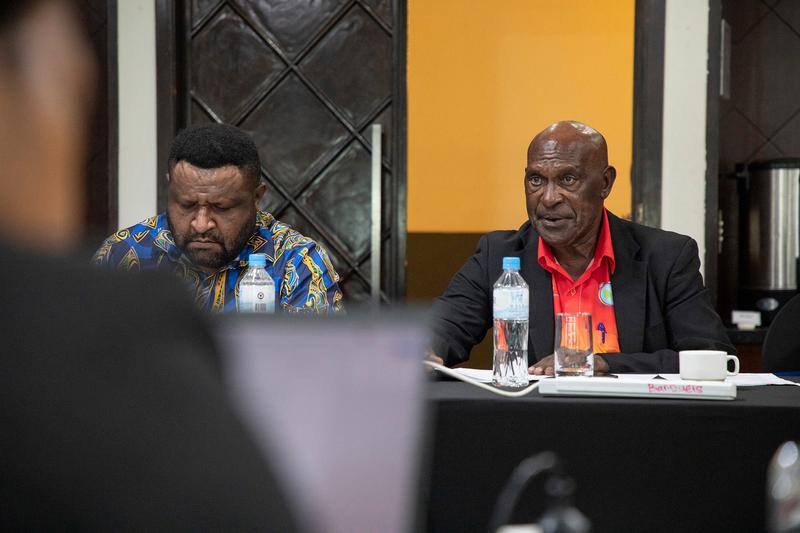
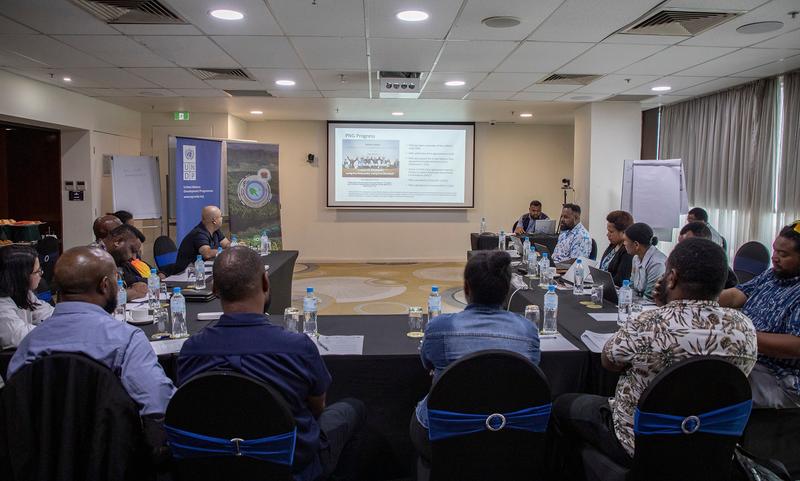
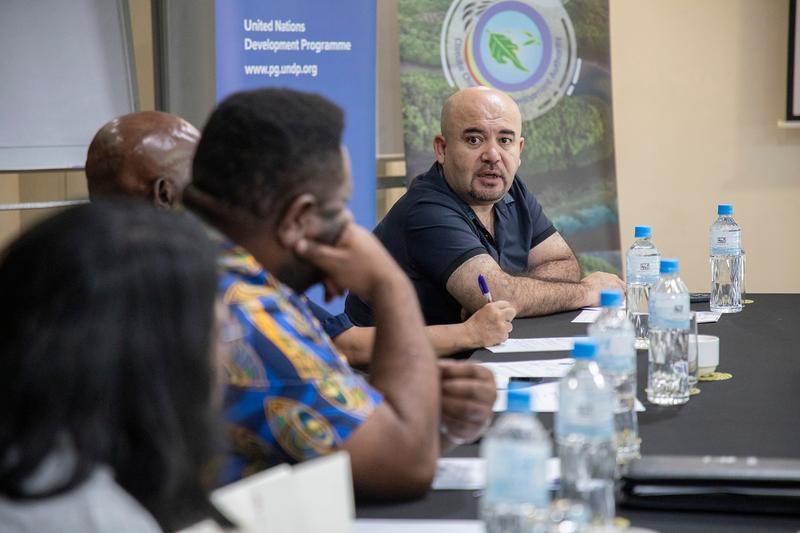
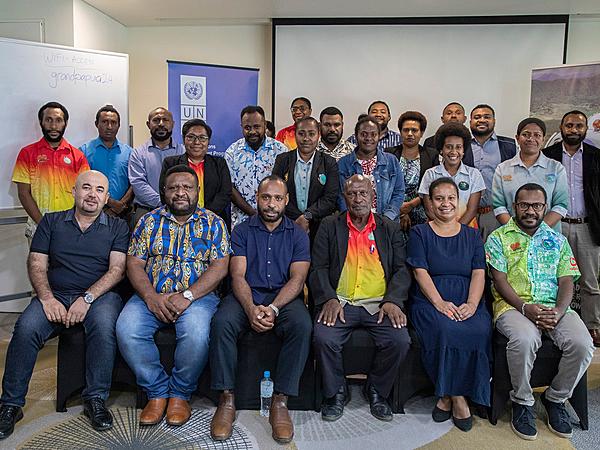
The United Nations Development Programme (UNDP) joined the Climate Change and Development Authority (CCDA) in convening a committee meeting with representatives from the energy sector, government agencies and development partners to discuss how the sector can contribute to the country’s climate commitments.
Papua New Guinea is currently developing its NDC 3.0, which outlines the country’s targets and strategies for reducing greenhouse gas emissions and adapting to climate change in line with global efforts to limit average temperature rise to below 2°C.
Officials said the energy sector will play a central role in advancing the country’s climate ambitions, particularly as global efforts intensify to reduce reliance on fossil fuels and shift towards cleaner, low-emission energy sources.
During the meeting, participants exchanged ideas and explored practical solutions to help accelerate Papua New Guinea’s energy transition.
Key proposals discussed included expanding the use of renewable energy sources, increasing electrification through off-grid and mini-grid solutions, and improving grid efficiency to reduce energy losses.
The meeting was co-chaired by the National Energy Authority and William Laikain, general manager of the Climate Change and Development Authority.
Outcomes from the discussions will help inform the finalisation of Papua New Guinea’s NDC 3.0 ahead of national endorsement and submission under the Paris Agreement framework.
Officials said strengthening collaboration between government agencies, development partners and the private sector will be essential to advancing sustainable energy solutions and supporting the country’s broader climate goals.