February 24, 2026

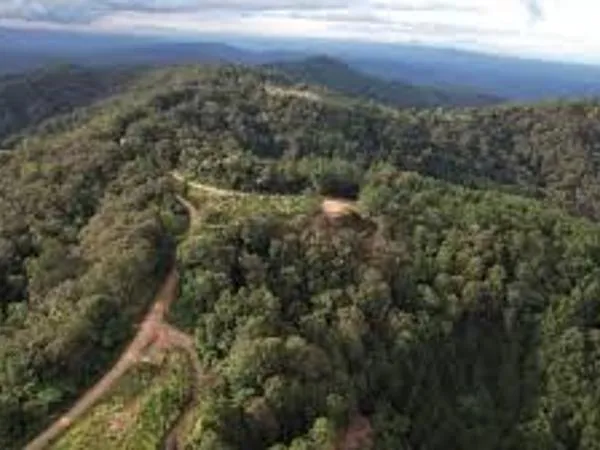
Great Pacific Gold Corp. has unveiled a significant high-grade epithermal gold-copper vein discovery at its Wild Dog Project in the East New Britain province of Papua New Guinea (PNG), reinforcing its interpretation of repeated mineralisation along the project’s 15-kilometre structural corridor. The news, announced on 19 February 2026, follows ongoing fieldwork and drilling across the flagship asset.

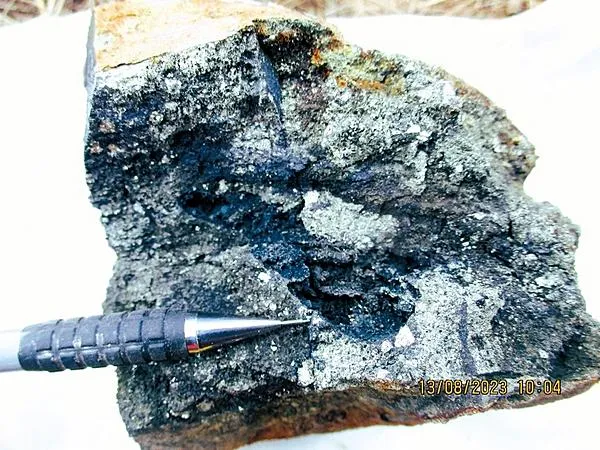
The newly identified Magiabe West Vein, located around 100 metres west of the established Magiabe Vein target and roughly 700 metres southwest of the Sinivit deposit, delivered exceptionally high surface rock-chip assays, including:

  • 123 g/t gold, 4.01 % copper and 66 g/t silver (WDG250197)

  • 137 g/t gold, 3.97 % copper and 76 g/t silver (WDG250202)

  • 113 g/t gold, 2.47 % copper and 71 g/t silver (WDG250239)

These results — among the highest surface grades reported from the southern sector of the Wild Dog structural corridor to date — underpin the company’s view that multiple, parallel high-grade vein structures are present within a 100–200 metre-wide structural trend.

Expanding the Wild Dog structural system

Geological mapping and structural interpretation suggest that the Magiabe West discovery is hosted within the same northeast-trending framework that controls mineralisation at Sinivit. Company technical personnel believe this supports the notion that Wild Dog is a district-scale, structurally controlled epithermal Au–Cu system, rather than a series of isolated occurrences.

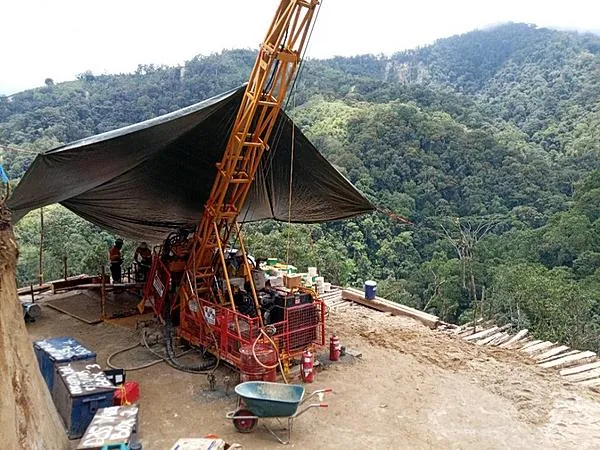
Alongside surface work, the company has completed 18 diamond drill holes at the Sinivit target, delineating two high-grade shoots before shifting north by 1 km to test the Kavasuki target. Initial drilling at Kavasuki revealed broad zones of altered and mineralised quartz veining consistent with a robust hydrothermal system.

To support ongoing exploration, a second drill rig has arrived on site and is scheduled to begin work at the Kasie Ridge target — an interpreted high-sulphidation epithermal system at the northern extent of the corridor. With two rigs active, the company plans systematic drilling along the full strike of the Wild Dog structural corridor.

Executive commentary

Callum Spink, Vice-President of Exploration for Great Pacific Gold, described the Magiabe West Vein results as validating the strength and continuity of the Wild Dog structural system. He emphasised that identifying repeated high-grade mineralisation in the southern corridor highlights the project’s underexplored potential.

Project context

The Wild Dog Project encompasses a district-scale exploration land package in East New Britain, PNG, with structural corridors and associated targets exhibiting both low- and high-sulphidation epithermal gold-copper mineralisation. Initial focused drilling began in May 2025 and has progressively expanded to test multiple targets across more than 15 km of prospective strike.

Great Pacific Gold’s shares trade on the TSX Venture Exchange under the symbol GPAC, on the OTCQX as GPGCF and on the Frankfurt exchange as V3H.

February 24, 2026

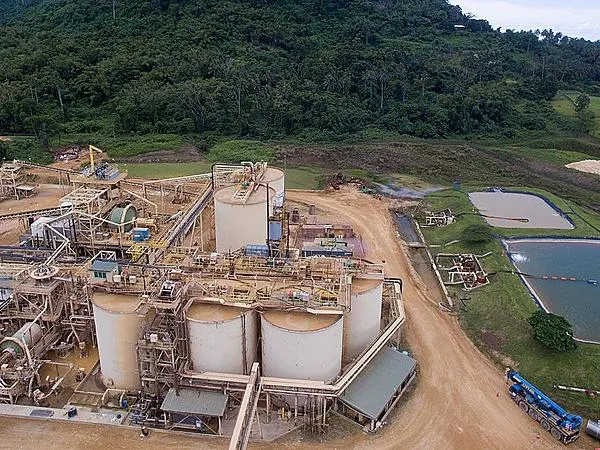
Australian gold producer St Barbara Limited has returned to underlying profitability in the first half of FY2026, while expanding mineral resources at its Simberi Operations in Papua New Guinea and advancing a fully funded pathway for the New Simberi Gold Project.

For the six months to 31 December 2025, the group reported an underlying net profit after tax of A$1.336 million, a marked reversal from an underlying loss of A$48.058 million in the corresponding period a year earlier. Statutory loss after tax narrowed to A$249,000, compared with A$48.526 million previously.

Revenue from ordinary activities rose 32 per cent to A$128.83 million, underpinned by improved operating performance at Simberi and a stronger gold price environment.

Simberi drives operational recovery

Simberi generated a pre-tax segment operating profit of A$20.639 million in the half year, contributing A$23.382 million in operating cash before sustaining capital.

Gold production at Simberi totalled 20,215 ounces, compared with 22,495 ounces in the prior corresponding period. The average gold price received was A$5,822 per ounce, up from A$3,916 per ounce a year earlier. Cash cost for the period was A$5,170 per ounce, with all-in sustaining cost at A$5,397 per ounce.

Mine operating costs declined to A$95.82 million from A$116.164 million, reflecting lower maintenance costs following fleet upgrades and plant improvements.

Total growth capital expenditure at Simberi reached A$36.111 million, largely associated with advancing the New Simberi Gold Project, including mobile fleet additions, camp upgrades, ball mill procurement and water treatment infrastructure.

Resources expand; silver reported for first time

Alongside its half-year results, St Barbara updated its Mineral Resources and Ore Reserves Statement as at 31 December 2025.

Group Mineral Resources for gold increased to 7.9 million ounces, up 1.0 million ounces from 6.9 million ounces a year earlier. Group Ore Reserves for gold stood at 3.8 million ounces, compared with 4.0 million ounces at 31 December 2024.

At Simberi alone, gold Mineral Resources rose by 0.9 million ounces (17 per cent) to 5.8 million ounces (net of depletion), while Ore Reserves decreased by 0.2 million ounces to 2.5 million ounces.

Total Simberi gold Mineral Resources are estimated at 136.5 million tonnes at 1.3 g/t for 5.8 million ounces of contained gold. Simberi gold Ore Reserves stand at 42.9 million tonnes at 1.8 g/t for 2.5 million ounces.

Significantly for PNG, silver Mineral Resources and Ore Reserves were reported for the first time at Simberi. Silver Mineral Resources total 15.3 million ounces and Ore Reserves total 4.5 million ounces of contained silver.

The increases in Mineral Resources were largely driven by updated feasibility and pre-feasibility studies and revised economic assumptions, including reporting at a higher gold price of US$2,500 per ounce.

Fully funded pathway to expansion

St Barbara’s strategic focus remains the development of the New Simberi Gold Project. During the half year, the company reached agreements with Lingbao Gold International Company Limited and Kumul Mineral Holdings Ltd that are expected to fully fund St Barbara’s share of development costs.

Lingbao will acquire 50 per cent of St Barbara Mining Pty Ltd, delivering A$370 million in cash to St Barbara upon completion, targeted by the end of Q3 FY2026. In parallel, Kumul’s subsidiary will acquire a 20 per cent interest in the Simberi Operation for A$100 million.

Recent study outcomes reinforce the project’s scale. The New Simberi Gold Project Feasibility Study outlined annual production of over 200,000 ounces per annum at an all-in sustaining cost of between US$1,100 and US$1,400 per ounce over a mine life extending to 13 years.

The study reported a post-tax net present value of US$1.023 billion, assuming a gold price of US$3,000 per ounce.

Balance sheet and liquidity

As at 31 December 2025, St Barbara held cash and cash equivalents of A$74.784 million, in addition to restricted cash of A$87.288 million lodged as security for reclamation bonds at its Atlantic Operations.

Net assets stood at A$434.597 million. The board said it remains confident the group can meet its obligations as they fall due for at least 12 months, though the independent auditor included an emphasis of matter regarding material uncertainty relating to going concern.

For Papua New Guinea, the half-year results signal both improved financial resilience and a material uplift in long-term resource confidence at Simberi. With silver now formally recognised and expansion funding arrangements nearing completion, Simberi is positioning itself as a long-life, multi-metal operation central to St Barbara’s growth strategy.

February 24, 2026

South Pacific Metals Corp. has bolstered its 2026 exploration campaign at the Ontenu prospect in Papua New Guinea by contracting a second drill rig, the company announced on 18 February. The additional rig is expected to arrive on site within approximately two weeks and will work alongside the company’s existing drill to step up testing across multiple targets in the Ontenu portion of its broader Osena Project in the Kainantu District.

The move reflects South Pacific’s strategy to expedite evaluation of high-grade targets identified in its 5 km by 3 km Ontenu project area, which lies on the southwestern flank of K92 Mining Inc.’s Kainantu Gold Mine tenure.

High-grade surface results guide new phase

Surface rock chip sampling across the Ontenu NE (Northeast) area has revealed encouraging multi-element mineralisation. Assays from structures in the Onki Fault area — the initial focus for the new rig — include:

  • 21.2 per cent copper, 214 g/t silver and 0.41 g/t gold;

  • 18.1 per cent copper, 310 g/t silver and 0.32 g/t gold;

  • 12.4 per cent copper, 131 g/t silver and 1.21 g/t gold; and

  • 0.2 per cent copper, 32 g/t silver and 8.6 g/t gold.

These results, drawn from earlier news releases in November and October 2025, are driving the company’s prioritisation of drill targets.

Campaign goals and logistics

Drilling is already under way with South Pacific’s first rig at Ontenu NE southern area, and targeting work continues across several structures and corridors within the project. The company aims to complete approximately 5 000 metres of drilling across these multiple targets during 2026.

The new contractor-operated rig will initially focus on the Onki Fault zone but is expected to contribute to broader testing as the programme progresses.

South Pacific Metals’ chief executive, Timo Jauristo, said the decision to add a second rig reflects both the wide array of targets identified from surface work and the company’s desire to accelerate evaluation of high-grade epithermal systems. He noted that Ontenu NE in particular has produced multiple compelling targets over a broad area.

Strategic context: Osena Project

The Osena Project covers about 738 km² of highly prospective ground adjacent to major operations in the Kainantu District. Within this region, Ontenu sits amid a recognised mineralised corridor associated with significant gold-copper deposits.

The addition of the second drill rig aligns with a broader push by the company to advance technical understanding across its portfolio, which includes other projects such as Anga, Kili Teke and May River.

South Pacific Metals shares are listed on the TSX Venture Exchange, OTCQB and Frankfurt Stock Exchange.

February 24, 2026

K92 Mining Inc. on 18 February announced high-grade results from ongoing underground diamond drilling at its Kora, Kora South, Judd and Judd South deposits, as well as the first results from its Kora Deeps and Judd Deeps targets at the Kainantu gold mine in Papua New Guinea.

The company said drilling has expanded a near-mine infrastructure dilatant zone at the K2 vein within the Twin Incline Mining Front, located about 50 metres from underground development. The zone is now defined over roughly 100 metres along strike and 200 metres vertically.

Recent intercepts at the K2 vein dilatant zone included 20.50 metres grading 14.04 grammes per tonne gold equivalent (g/t AuEq) in hole KMDD0915 and 10.70 metres at 10.83 g/t AuEq in hole KMDD0914.

K92 said the expanded zone is expected to provide a near-term boost to mining productivity once pastefill is introduced, enabling bulk transverse long-hole open stoping.

Significant depth extensions

The first set of results from the Kora Deeps and Judd Deeps programmes delivered significant depth extensions below the existing mineral resource estimate, effective Sept. 12, 2023.

At Kora Deeps, thick, high-grade mineralisation along the K1 vein was intersected up to 350 metres below the Twin Incline and 250 metres below the 2023 mineral resource estimate. Mineralisation has been defined over approximately 400 metres of strike and remains open at depth and along strike.

Highlights included 8.00 metres at 10.16 g/t AuEq in hole KMDD0909 and 17.20 metres at 5.04 g/t AuEq in hole KMDD0880A.

At Judd Deeps, drilling along the J1 vein intersected mineralisation up to 300 metres below the Twin Incline and 350 metres below the mineral resource estimate. High-grade mineralisation has been defined over a 450-metre strike and remains open.

Intercepts included 8.50 metres at 8.64 g/t AuEq in hole KMDD0896 and 6.80 metres at 6.21 g/t AuEq in hole KMDD0944.

High-grade extensions above and along strike

K92 also reported continued high-grade extensions up-dip from the Main Mine at both Kora and Judd, with several intersections exceeding mineral resource estimate grades.

At the K1 vein, results included 4.95 metres at 38.46 g/t AuEq in hole KMDD0893 and 4.16 metres at 24.24 g/t AuEq in hole KMDD0894. At the K2 vein, hole KMDD0977 returned 18.19 metres at 11.70 g/t AuEq, while hole KMDD0904 intersected 4.35 metres at 29.62 g/t AuEq.

At Judd’s J1 vein, notable results included 5.45 metres at 66.99 g/t AuEq in hole JDD0306 and 1.65 metres at 185.79 g/t AuEq in hole JDD0307.

Step-out drilling along strike to the north and south also returned multiple high-grade intercepts, including several exceeding 20 g/t AuEq.

At the Judd North target, defined as an up-dip extension over an 800-metre strike, underground drilling towards surface intersected 20.29 metres at 14.06 g/t AuEq in hole JDD0355. K92 said it plans to begin surface drilling at Judd North in the second half of 2026.

All holes intersect mineralisation

The company said results from 101 underground diamond drill holes demonstrate the high-grade continuity and expansion potential of the Kora-Kora South and Judd-Judd South vein systems.

All drill holes at Kora-Kora South, including Kora Deeps, intersected mineralisation, with 31 intersections exceeding 10 g/t AuEq and 61 exceeding 5 g/t AuEq.

At Judd-Judd South, including Judd Deeps, all drill holes intersected mineralisation, with 16 intersections above 10 g/t AuEq and 36 above 5 g/t AuEq.

Exploration budget increase

John Lewins, K92 chief executive officer and director, said the latest results highlight strong near-mine growth and depth potential.

“We are very pleased with the latest drilling results, which continue to deliver strong near-mine growth and demonstrate the exceptional continuity and scale of the Kora-Judd system,” Lewins said.

“Key highlights include the expansion of a dilatant zone near-mine infrastructure at the Twin Incline Mining Front, extensions of high-grade zones above the Main Mine at grades outperforming the mineral resource estimate, and significant depth extensions at both Kora and Judd from our initial set of deeps drill program results. Numerous high-grade intersections were also recorded along strike to both the north and south, further reinforcing the strength of the vein system and our organic resource growth pipeline.”

Lewins said the company will increase its exploration budget by more than 50% in 2026 to between $31 million and $35 million.

“We currently have seven underground drill rigs operating at Kora and Judd, five surface rigs at Arakompa and Maniape, one at Wera, and two additional rigs scheduled to arrive in the second quarter,” he said.

“Later in the year, we plan to expand drilling to target several highly prospective regional targets, including Mati, Mesoan, Bona-Creek, and Judd North from surface. We look forward to providing further exploration updates in due course.”

February 20, 2026

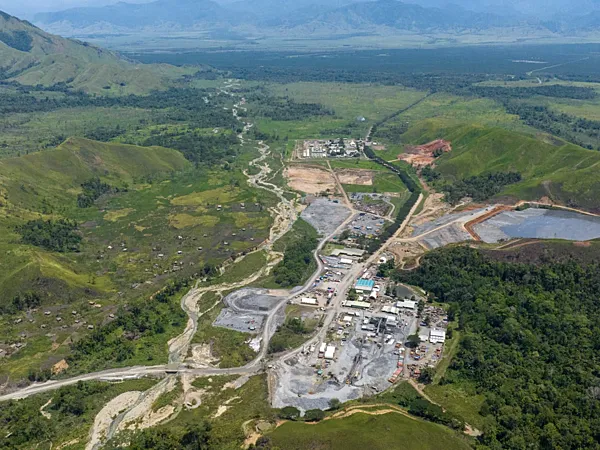
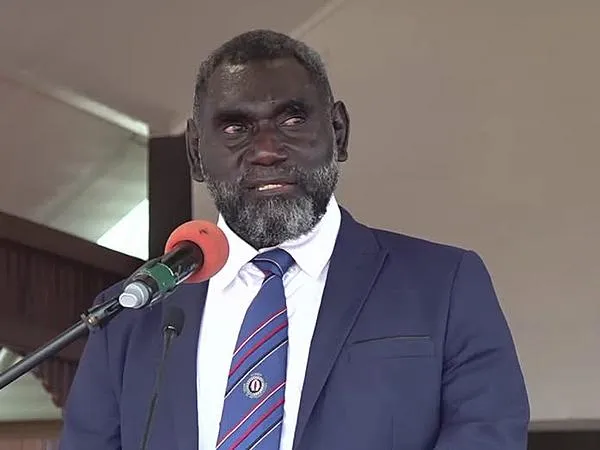
The Autonomous Bougainville Government (ABG) has clarified its position on Bougainville Copper Limited (BCL) and the redevelopment of the Panguna mine, following questions over recent partnering arrangements.

The ABG confirmed that Bougainville now holds a 72.9 per cent shareholding in BCL, split evenly between the ABG and Bougainville Minerals Limited, making it the controlling majority shareholder. Under corporate law, this status allows the ABG to determine the strategic direction of the company in the best interests of the people of Bougainville.

“The ABG operates in two distinct capacities — as regulator under the Bougainville Mining Act and as majority shareholder in BCL,” President Ishmael Toroama said. “All developments involving BCL, CMOC, and Lloyds Metals and Energy Limited are occurring strictly at the shareholder level, with no regulatory breaches or issues under the Mining Act.”

BCL retains lawful control of Exploration Licence EL01 over Panguna and remains responsible for implementing its approved work programme. This includes land access and compensation agreements, landowner identification, social mapping, geological and engineering studies, environmental baseline studies, and other statutory obligations.

While BCL currently lacks the technical and financial capacity to advance EL01 activities independently, a previous proposal to introduce CMOC as a partner — which would have diluted Bougainville’s shareholding by around 20 per cent — was rejected by the ABG. Instead, the Government has endorsed Lloyds Metals and Energy Limited (LMEL) as a partner to provide the necessary funding and technical expertise to progress exploration under EL01.

President Toroama clarified that recently referenced timelines for Panguna relate solely to Pre-Feasibility and Feasibility Study activities under the EL01 licence and are not production timelines. The ABG remains committed to a lawful, transparent, and orderly development process that delivers tangible benefits to the people of Bougainville.

ABG Launches Stakeholder Awareness Program

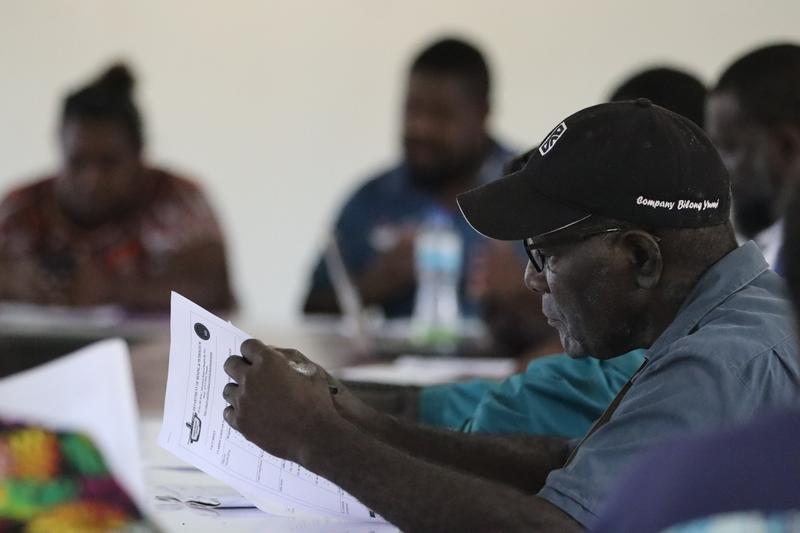
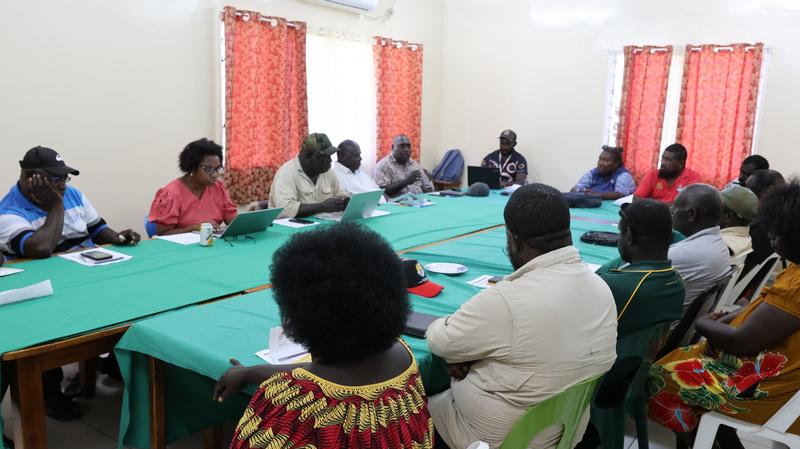
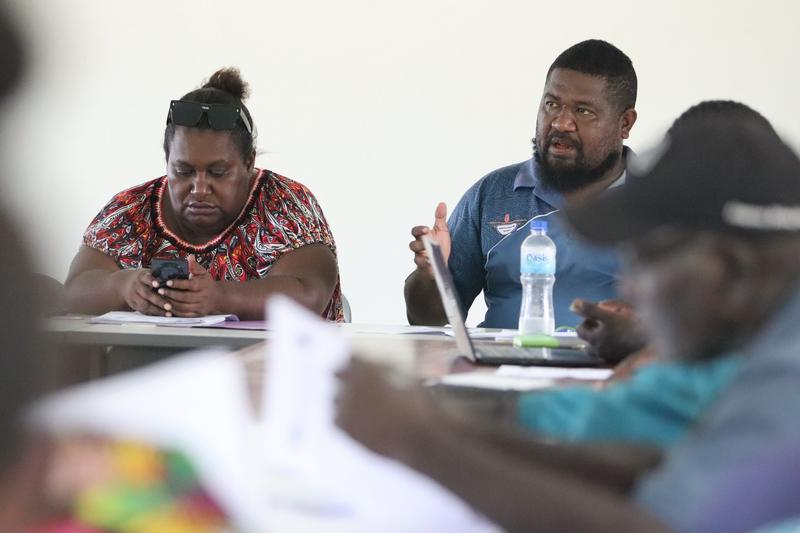
Following the statement, the ABG initiated stakeholder awareness meetings in Arawa this week. The programme, led by the Department of Mining & Petroleum in collaboration with the Department of Community Government, aims to ensure that communities, local government authorities, and landowners are fully informed about developments relating to BCL, LMEL, and the Panguna EL01 project.

On 17 February, ABG officials met with government authorities from the Panguna and Kieta Districts, including ward members from the Ioro Community Government, to brief public servants on the latest developments. Officials also held a session with Panguna landowners to provide updates and discuss landowner priorities, reaffirming the ABG’s commitment to dialogue, transparency, and collaboration.

Stakeholder engagement will continue as the ABG seeks to maintain unity, clarity, and informed participation in decisions regarding the Panguna project. The Government encourages all parties to rely on official communications for accurate information.


February 19, 2026

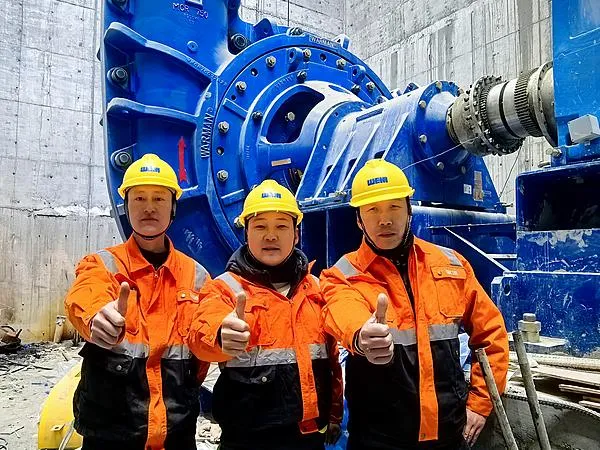
Weir, a global leader in mining technology, has successfully installed China’s largest mill circuit slurry pump. The order includes six WARMAN® MCR® 650 pumps and two WARMAN® MCR® 750 pumps.

The site, located in the Tibet Autonomous Region (TAR), sits 5,300 metres above sea level. The thin air and freezing temperatures create a complex operating environment.

Despite these challenges, the Weir service team successfully carried out the installation on schedule, completing the precise lifting, positioning, and pipeline connections of multiple large-scale, high-end pumps while overcoming low temperatures, oxygen scarcity, and harsh terrain to ensure steady progress toward key milestones.

Angela Wang, Managing Director, China, said:
“Delivering the largest slurry pumps in China is a significant technical achievement, and the fact that Weir was able to do this at such a high-altitude site epitomises our commitment to being at the forefront of reliability in the mining industry.

“The Chinese slurry pump market is one of the most competitive in the world. There are many new local competitors that make claims about their products’ performance, but these are rarely backed by reliable, long-term operational data. Weir, on the other hand, has a vast installed base, world-class manufacturing and testing facilities, and an unrivalled service network. That’s why Weir is still the preferred partner for Chinese miners, particularly for large-scale, challenging projects like this one.”

Elias Aho, Pump Optimisation Director, said:
“It’s great to see WARMAN® MCR® 750 pump installations now in China too. Weir has been at the forefront of supplying and supporting the largest, highest-capacity mill pumps on the market. With declining ore grades and increased demand, large mill pumps are increasingly playing a vital role in helping miners boost their throughput.

“Delivering these solutions at high-altitude sites presents significant engineering challenges, but Weir’s team of experts—drawing on decades of experience from across the globe—continues to be trusted by miners with their most critical mill circuit operations.”

About The Weir Group PLC

Founded in 1871, The Weir Group PLC is one of the world’s leading engineering businesses with a purpose to make its mining and infrastructure customers’ operations more sustainable and efficient. Weir’s highly engineered technology enables critical resources to be produced using less energy, water, and waste, while reducing customers’ total cost of ownership.

Weir is ideally positioned to benefit from structural trends that support long-term demand for its technology, including the need for more essential metals to support economic development and the carbon transition. The Group has approximately 12,000 employees operating in over 50 countries, with a presence in every major mining region of the world. Find out more at www.global.weir.

Weir’s ordinary shares trade on the London Stock Exchange (ticker: WEIR LN), and its American Depositary Receipts trade over-the-counter in the USA (ticker: WEGRY).
February 16, 2026

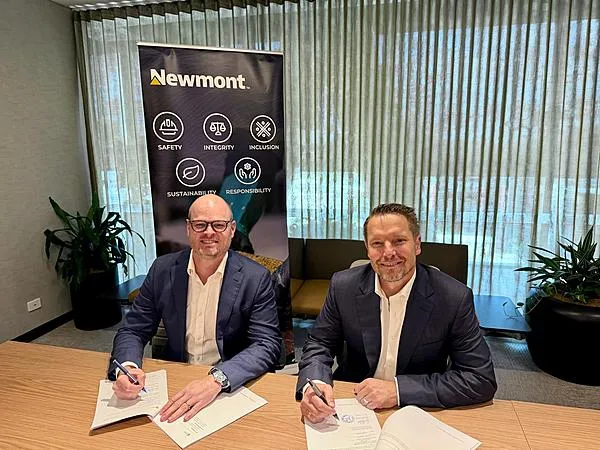
Pacific Lime and Cement Limited has entered into a long-term quicklime offtake agreement with Newmont Corporation, the world’s leading gold producer, to supply its Papua New Guinea operations from PLC’s Central Lime Project in Central Province.

Under the agreement, Newmont becomes a cornerstone customer, with contracted volumes representing around one-third of the Central Lime Project’s nameplate production capacity. The arrangement materially underpins the commercial development of PNG’s first domestic quicklime manufacturing operation.

This offtake marks the first large-scale commitment to locally produced quicklime in the country, highlighting both Newmont’s support for PNG’s buy-local framework and the growing demand for reliable, domestically sourced industrial inputs that meet Tier‑1 global mining standards.

Strategic and ESG Significance

The Central Lime Project is designed to replace imported quicklime currently supplied from offshore. For Newmont, the offtake enhances supply-chain resilience, reduces exposure to international logistics disruptions, and aligns with environmental and social objectives through lower transport emissions and increased local value creation.

For Papua New Guinea, the agreement supports employment, skills development, and the establishment of a nationally significant industrial capability, in line with broader economic development and ESG goals.

Commercial Framework

The offtake agreement is structured as a multi-year arrangement, commencing following completion and commissioning of the Central Lime Project, subject to customary conditions. Supply will be delivered under standard commercial delivery terms from PLC’s integrated project precinct, part of a designated Special Economic Zone intended to support domestic manufacturing and downstream processing.

Details of pricing, escalation mechanisms, and volume scheduling remain confidential, in line with market-based arrangements for long-term industrial supply agreements.

Project Readiness and Outlook

Securing Newmont as a cornerstone customer materially de-risks the Central Lime Project and bolsters PLC’s ongoing discussions with other domestic and regional customers. The agreement demonstrates that PNG-based industrial processing projects can satisfy the technical, operational, and ESG requirements of Tier‑1 global mining companies when developed under disciplined commercial frameworks.

PLC continues to collaborate closely with Newmont on operational readiness, quality assurance, and logistics planning, with first supply targeted following achievement of construction and commissioning milestones.

PLC Managing Director Paul Mulder said securing Newmont as a cornerstone customer is a significant milestone for PLC and for PNG’s industrial development.

"This agreement validates more than a decade of work to establish domestic quicklime production capable of meeting Tier‑1 mining standards, while delivering strong economic, social and environmental outcomes for Papua New Guinea," Mulder said.

“With a foundation offtake in place, PLC is well positioned as the Central Lime Project advances and shall progress further customer discussions as we move toward first production," the executive added.

Newmont Lihir General Manager Dawid Pretorius added that the agreement reflects Newmont’s commitment to creating long-term social and economic value in Papua New Guinea.

"It required significant time and effort to achieve an outcome that delivers shared value for Newmont, our partners and the nation. It demonstrates our commitment to supporting domestic industry and the broader social and economic benefits that flow from building local capability," Pretorius said.

Pacific Lime and Cement Limited is advancing the development of Papua New Guinea’s lime and cement industry to supply essential building materials for the nation and the wider Asia–Pacific region. Anchored by its flagship Central Lime and Cement Projects, PLC is creating a fully integrated platform for local manufacturing, import substitution, and sustainable growth.

The company’s diversified portfolio also extends to industrial sands, nature-based forestry carbon credits, and renewable energy, supporting its commitment to delivering cleaner, long-term solutions that build enduring value for PNG and its communities. PLC also holds an approximately 16.6% interest in copper-gold explorer/developer Adyton Resources Corporation.

PLC’s strategy is to support Papua New Guinea and the broader Asia-Pacific region on their decarbonisation journey by developing projects that deliver higher-quality, lower-cost, and targeted “low-carbon” inputs for the mining, resources, and construction sectors. Where applicable, these projects are supported with a diversified renewable energy portfolio encompassing solar, wind, geothermal, nature-based forestry carbon credits, and battery storage initiatives.

The company is committed to engaging with host communities throughout the lifecycle of its projects, as well as incorporating internationally recognised Environmental, Social, and Governance (ESG) standards into its strategy and business practices.

February 16, 2026

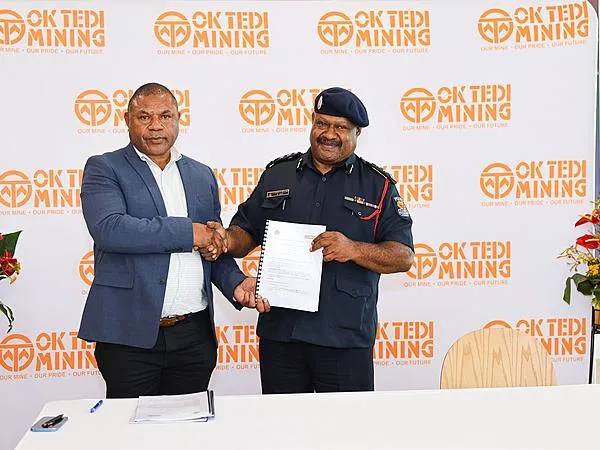
Ok Tedi Mining Limited (Ok Tedi) has recently signed an extended Memorandum of Understanding (MoU) with the Royal Papua New Guinea Constabulary to continue the engagement of the Special Services Division (Mobile Squads) at its operations in Tabubil.

This agreement reinforces Ok Tedi’s commitment to maintaining a safe and secure operating environment while supporting law enforcement in the Western Province.

Ok Tedi’s General Manager for Social Performance and Sustainability, Jesse Pile, said, “This MoU extension and partnership is important for us at Ok Tedi as it emphasises our commitment to community and operational safety. We want to ensure our employees and assets are protected while also supporting our sustainability goals of maintaining peace in our mine-associated communities.”

Pile added, “We are extremely grateful for the support we receive from the Constabulary in Tabubil, Kiunga, Fly River, and across the country in all our engagements. Your support contributes not only to our success but also to the broader development of Papua New Guinea, as we are 100% PNG-owned.”

Acting Commissioner of Police (ACP) Samson Kua highlighted the importance of the extended MoU for security and law enforcement purposes. “The past five years have had their fair share of triumphs and challenges, and we look forward to continuing this partnership with Ok Tedi to achieve our goals for this project,” ACP Kua said.

He also expressed pride in supporting Ok Tedi’s operational ventures to maintain law and order, noting the company’s contributions to local infrastructure, including the construction of Tabubil police single quarters, the Ningerum police barracks with offices and residential housing, and the donation of vehicles to the Constabulary.

The extended MoU marks a significant step in strengthening collaboration between Ok Tedi and the Constabulary, ensuring improved security and community confidence for the next five years.

Ok Tedi Mining Limited (OTML) is a majority state-owned entity operating an open-pit copper, gold, and silver mine in the Star Mountains of Western Province, Papua New Guinea. The company ships copper concentrate to smelters and ore refineries in Japan, the Philippines, Indonesia, South Korea, India, and Germany.

Operating for over 40 years, Ok Tedi has contributed significantly to Western Province development through employment, royalties, compensation payments, and business opportunities.

Ok Tedi is also expanding operations to Milne Bay Province through the acquisition of Gallipoli Exploration Limited, a wholly owned subsidiary of Australian company Kingston Resources Limited, for the Misima mine.

The company’s registered office and senior operational management team are based in Tabubil, with a representative office in Port Moresby and a Marketing and Logistics facility in Brisbane, Australia.

For more information, visit www.oktedi.com.
February 09, 2026

Tolu Minerals Ltd. says it has made steady operational and infrastructure progress at its Tolukuma Gold Mine in Papua New Guinea, outlining a pathway toward a major underground expansion and a production ramp-up beginning in 2027.

In its quarterly report for the period ending 31 December 2025, the ASX-listed company said it is advancing a “mine-defining” project designed to support a long-term increase in mining capacity, with a target throughput of 500 tonnes per day. Initial production is forecast at about 20,000 to 25,000 ounces of gold per quarter once ramp-up begins in the first quarter of 2027.

The expansion plan centres on the development of new underground infrastructure, including access tunnels, dewatering systems, underground exploration platforms and a long-term tailings solution using paste backfill. Phase one includes the construction of approximately 1.4 kilometres of tunnel, with the potential to double that length over time.

Tolu said the project is intended to provide improved access to existing and future underground workings, support higher drilling intensity and deliver operational efficiencies through reduced pumping and ventilation requirements.

Underground operations progressed during the quarter following the issuance of a Form 15 underground mining licence by Papua New Guinea’s Mineral Resources Authority. The company reported that initial development blasting has recommenced, mine dewatering has accelerated and critical services, including ventilation and power, are now operational. The full underground mining fleet is on site and ready for production activities.

Exploration efforts during the period focused on near-mine targets to support early production and resource confidence. Tolu plans to expand its drilling fleet to eight rigs by June 2026, with accelerated drilling expected in the third quarter of 2026. The company said 13 kilometres of exploration access roads have been completed within Mining Lease 104.

The planned underground incline is expected to provide access along the full two-kilometre strike length of the Tolukuma deposit at depths where strong gold and silver mineralisation has already been identified. The deposit remains open at depth, with northern resource areas at incline level yet to be drill tested.

At the processing plant, refurbishment of key components including the SAG mill, Knelson concentrator and Acacia reactor is nearing completion. The elution circuit has been refurbished, while servicing of the conversion circuit is underway in preparation for a full plant restart. Tolu said it is close to appointing a preferred contractor for recommissioning.

The company is also progressing plans for a hydroelectric power facility, with term sheets under negotiation and a power purchase agreement structure being refined. Construction is expected to begin shortly, with power delivery targeted for early 2027.

In parallel, Tolu is developing a certified, in-house assay laboratory to improve turnaround times for grade control and reconciliation. The facility is expected to become operational in the third quarter of 2026.

Managing director Chris Muller said the company had achieved “steady and tangible progress” during the quarter across mining, exploration and infrastructure.

“The operational pathway ahead is well defined, priorities are aligned, and the team on site is fully focused on delivering a safe and reliable return to production,” Muller said in the report.

He said the planned underground incline would unlock systematic access to the deposit and materially reduce future capital and geological risk while supporting long-term resource growth.

While challenges remain, Muller said the company is well advanced along a clear and disciplined pathway toward restarting production at Tolukuma.

February 05, 2026

Prime Minister James Marape has directed the Treasury Department and the Internal Revenue Commission (IRC) to conduct a comprehensive review of all mining agreements in Papua New Guinea, following record global increases in gold, silver and copper prices.

Marape said the surge in commodity prices presents an opportunity for the nation to secure fair and equitable returns from the extraction of its natural resources.

“With global gold, silver and copper prices reaching historic highs, mining operations in Papua New Guinea — whether large-scale or alluvial — are now generating extraordinary profits,” he said.

“Most production costs remain relatively fixed, apart from inflation. When commodity prices rise sharply, the country must also benefit through appropriate tax returns and dividends.”

Comprehensive Review of Mining Agreements

Treasury and the IRC have been instructed to:

  • Compile individual files on every operating mine, including state-owned entities such as Ok Tedi Mining Limited, joint-venture operations including Porgera, and medium and small-scale mining licence holders.

  • Conduct accuracy and compliance testing on all production and revenue declarations.

  • Undertake joint reviews of project agreements with mining operators.

  • Ensure transparency in royalty, tax, dividend and equity returns to the state.

“I have asked Treasury and the IRC to conduct accurate testing on all company declarations and to work collaboratively with operators to ensure compliance,” Marape said.

“Many of these companies have operated in Papua New Guinea for decades and are corporate citizens of our country. Goodwill, honesty and fairness are expected — especially when global commodity prices deliver windfall profits.”

Additional Profit Tax Consideration

The government is examining the application of additional profit taxation mechanisms where appropriate.

“We are not increasing taxes. We are simply ensuring that when extraordinary profits are made from our resources, the state receives its fair share,” Marape said.

Strengthened Control of Alluvial Gold

Marape also raised concerns over illegal export of undeclared gold.

“We have received credible reports of individuals attempting to leave the country with undeclared gold concealed in luggage. This is illegal and will attract the highest penalties under the law,” he said.

He emphasised that legitimate alluvial miners will not be penalised.

“Those genuinely operating within the law have nothing to fear. However, undeclared gold must not leave Papua New Guinea.”

Gold Refinery System Under Consideration

To improve accountability, the government is exploring the establishment of a national gold refinery system, which would ensure:

  • All gold, including alluvial production, is properly declared.

  • National production volumes are accurately recorded.

  • Value is added domestically.

  • State revenue is protected.

“A refinery system will allow us to take full stock of our gold production and ensure proper accounting through a regulated national process,” Marape said.

Reset Agenda: Accounting for All National Resources

The mining review forms part of the government’s broader Reset Agenda, aimed at ensuring all national resources are fully accounted for.

“This approach will also extend to fisheries, forestry and agriculture, so every resource harvested in Papua New Guinea is properly recorded and the state receives its rightful return,” Marape said.

Long-Term Commitment to Lower Taxes

Marape reiterated his commitment to reducing taxes once economic growth targets are achieved.

“When our economy surpasses K200 billion, we will look seriously at reducing corporate tax and personal income tax,” he said.

“We have already demonstrated our ability to support businesses during difficult economic periods. If we broaden the tax base and grow the economy together, tax reductions will follow.”

January 30, 2026

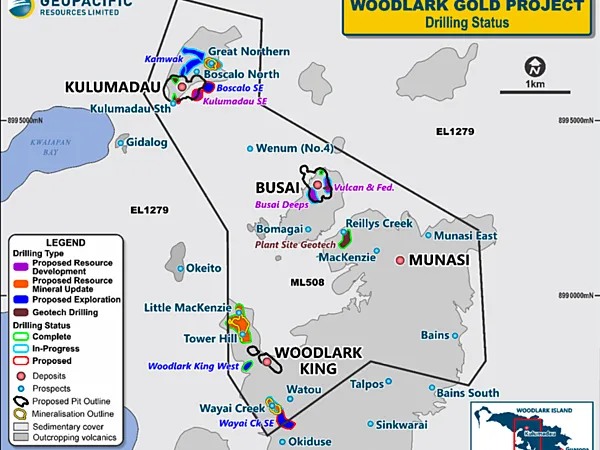
Geopacific Resources Limited has reported a series of high-grade, near-surface gold intercepts from infill drilling at the Wayai Creek deposit, further strengthening confidence in the Mineral Resource at its 1.67-million-ounce Woodlark Gold Project in Papua New Guinea.

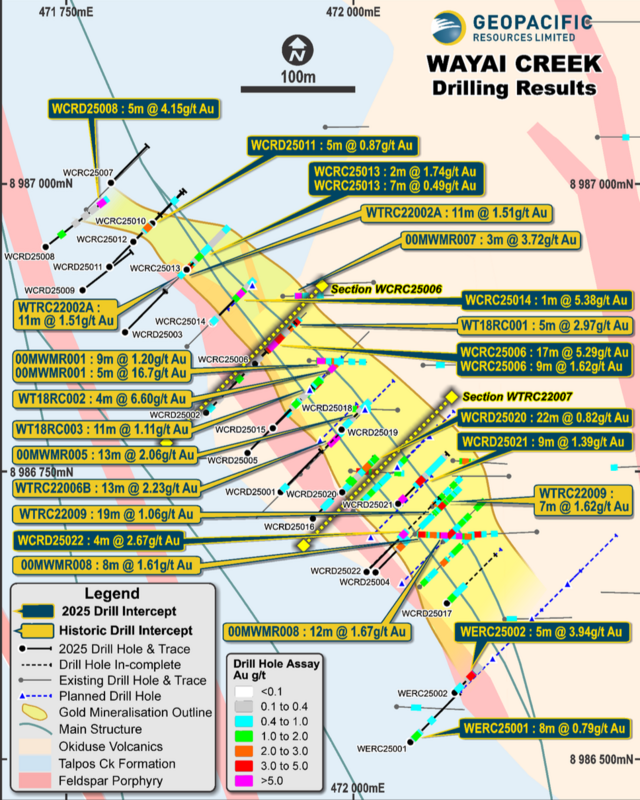
The latest results, drawn from 24 reverse circulation (RC) drill holes, confirm the continuity of shallow, high-grade mineralisation within the main Wayai Creek lode, an area located south of the Woodlark King mining centre and close to planned infrastructure.

Standout intercepts include 17 metres at 5.29 grams per tonne (g/t) of gold from 36 metres and 9 metres at 1.62 g/t from 56 metres in drill hole WCRC25006. Additional significant results were recorded in WDRC25008, which returned 5 metres at 4.15 g/t from 122 metres, and WERC25002, with 5 metres at 3.94 g/t from 30 metres.

According to the company, the results further define a coherent zone of shallow, high-grade mineralisation and support improved confidence in the existing resource model. Most of the gold intercepts occur at depths of less than 100 metres below surface, enhancing the potential for near-term resource conversion.

Geopacific chief executive officer James Fox said the drilling continued to demonstrate the scale of opportunity at Woodlark.

“These results continue to improve our geological understanding of the prospective areas, and deliver high-grade intercepts that support the significant exploration and growth potential that remains at Woodlark," Fox said.

"We have a clear pipeline of near-mine and regional exploration work to progress, with much of the drilling focused close to existing resources and planned infrastructure. This includes testing for potential extensions to known mineralisation under shallow cover, where there has been little recent exploration focus. Importantly, this work is being progressed in parallel with finalisation of the Woodlark DFS," he added.

At Wayai Creek, drilling has outlined a northwest-trending corridor of mineralisation extending over about 550 metres of strike. The mineralisation comprises a series of sub-vertical shoots that remain open along strike and at depth. Resource infill and extension drilling is ongoing, with 10 RC holes and five diamond tails, totalling around 1,200 metres, scheduled for completion over the next four to five weeks. The data will be incorporated into a future Mineral Resource update.

The new results also align with historic high-grade intercepts from the same zone, including 5 metres at 16.69 g/t, 4 metres at 6.60 g/t and 8 metres at 2.63 g/t, reinforcing the consistency of mineralisation at Wayai Creek.

Elsewhere on the project, diamond drilling at the Little MacKenzie prospect has been completed. Assays have been received for four RC pre-collars, with results from a further 24 holes expected within the next six to eight weeks. The program tested a revised geological model designed to better understand the orientation and distribution of mineralised zones across the prospect.

Drilling has also commenced at Busai Deeps, below the Busai gold deposit, the second largest at Woodlark. The five-hole diamond program is targeting down-dip extensions of the high-grade western lode immediately beneath the current pit design, with the aim of supporting future resource growth and mine plan optimisation.

Geopacific said drilling at Wayai Creek and Busai is expected to continue for a further four to six weeks before rigs move back to the Kulumadau mining area to advance exploration at the Great Northern deposit and test regional targets including Kamwak, Ivanhoe East and Kulumadau South.

The ongoing drilling campaign forms part of a broader strategy to extend mine life and unlock additional value at Woodlark while the company progresses towards completion of the project’s definitive feasibility study.

January 30, 2026

Pacific Lime and Cement Limited has reported progress on its December 2025 Quarterly Activities and Cash Flow, confirming that its Central Lime Project (CLP) in Central Province remains on schedule and within budget. The company continues to target first production within its planned 18-month development window, aiming for early 2027.

Quarterly Activities and Cash Flow Overview

During the quarter, construction momentum accelerated across civil works, access infrastructure, wharf works, camp and support facilities, and early kiln foundation preparation. Physical progress remains marginally ahead of baseline, with forecast costs tracking in line with the approved budget. The company reported no lost-time injuries during the quarter.

Key highlights for the December 2025 quarter include:

  • CLP Construction on Schedule: Bulk earthworks, drainage, platform formation, and kiln foundation preparation advanced well. Geotechnical investigations were completed, and foundation drawings were issued to allow procurement of reinforcing steel and formwork.

  • Access Road and Bridges: Construction progressed materially on the 27.6-kilometre road linking the project to Port Moresby. Reinforced concrete culverts were installed, two modular steel bridges were procured for river crossings, and bridge abutment installation is scheduled for early 2026.

  • Wharf Development: Stage 3 of the dedicated wharf progressed into procurement as the design reached substantial completion. The port remains operational and able to accept vessels during construction.

  • Heavy Equipment Mobilisation: 30-tonne and 150-tonne cranes arrived on site, supporting piling, batch plant, and foundation works. A concrete batch plant was delivered and assembly commenced, alongside fuel storage, power generation units, and a mobile fleet workshop.

  • Camp and Support Infrastructure: Stage 2 modular accommodation mobilisation continued, and office, kitchen, and laundry facilities advanced. Camp foundations were completed ahead of installation.

Commercial and Strategic Progress

The company delivered quicklime to Western Australian gold producers via its newly established logistics hub, demonstrating early operational capability. Pacific Lime also formalised its Project Development Agreement (PDA) with the Government of Papua New Guinea at PNG Investment Week and entered a strategic partnership with the International Finance Corporation (IFC) to advise on technical, commercial, and ESG aspects of the Central Cement Project.

A strategic partnership with PowerChina (SinoHydro) was signed to accelerate development of the Orokolo Bay Industrial Sands Project (magnetite). The company also advanced renewable energy initiatives, including feasibility studies for a solar photovoltaic and battery storage system in PNG, supporting its broader low-carbon strategy for the construction, mining, and resources sectors.

Pacific Lime commenced trading on the PNG Stock Exchange in December 2025 under the ticker “PLC,” expanding access to local investors.

Cash Flow and Financial Position

While the company did not disclose exact cash flow figures in the quarterly report, PLC confirmed that project expenditure remained within the approved budget and that forecast costs for the CLP are aligned with financial planning. Disciplined risk and opportunity management, local workforce deployment, and improved logistics coordination have underpinned construction efficiency and financial control.

Outlook

Early-2026 priorities include completion of Kiln 1 foundations and upper concrete structures, continued road and bridge construction, and assembly of batch plants and heavy lifts. The Central Lime Project continues to integrate a quicklime plant, international wharf, quarry, and supporting infrastructure. Pacific Lime remains committed to community engagement and internationally recognised Environmental, Social, and Governance (ESG) standards.

The company aims to deliver high-quality, lower-cost, and sustainable building materials for Papua New Guinea and the wider Asia-Pacific region while maintaining a disciplined, on-budget development schedule.

January 30, 2026

Great Pacific Gold Corp. has reported further high-grade drilling results from its flagship Wild Dog Project on New Britain Island, East New Britain Province, Papua New Guinea. The company also outlined an extensive district-scale 2026 exploration programme designed to expand and define gold mineralisation across the 15-kilometre Wild Dog Structural Corridor.

Diamond drilling at the Sinivit target commenced in May 2025 with a single drill rig. Sixteen holes were completed over 3,000 metres, defining two high-grade shoots: the Southern Oxide Shoot and the Northern Sulphide Shoot. Previous results from holes WDG-01 to WDG-14 included 8.4 metres at 50.1 grams per tonne (g/t) gold equivalent (AuEq) and 9.5 metres at 13.75 g/t AuEq, confirming the potential for high-grade epithermal mineralisation at depth.

The latest results from hole WDG-15 in the Northern Sulphide Shoot returned 13.48 metres at 8.08 g/t AuEq from 210.22 metres, including a 4.50-metre interval at 14.62 g/t AuEq. This intercept lies approximately 50 metres below the deepest previously drilled hole, confirming the continuity of the system at depth. Drilling of hole WDG-17 is underway, extending the Northern Sulphide Shoot by a further 50 to 60 metres below WDG-15.

The company has completed expansion of the Wild Dog camp and supporting infrastructure to accommodate increased drilling activity. A second diamond drill rig is scheduled to arrive in early February, allowing simultaneous testing of multiple targets along the 15-kilometre corridor, including Kasie Ridge, Kavasuki, and Mengmut.

Kasie Ridge, located at the northern end of the corridor, is a high-priority target defined by a 400–500-metre wide advanced argillic lithocap. Integration of MobileMT geophysics and high-resolution LiDAR has identified a large-scale high-sulphidation epithermal target beneath the lithocap, suggesting potential for a new district-scale discovery.

Kavasuki, approximately one kilometre north of Sinivit, is a known epithermal vein system with historical drilling and trenching demonstrating high-grade gold mineralisation over a 900-metre strike. Previous shallow drilling returned intercepts of 15.6 metres at 2.5 g/t Au and 17.2 metres at 5.8 g/t Au, with trenching extending mineralisation over 3.5 kilometres. The system remains open at depth and along strike.

Mengmut, 1.5–2.0 kilometres south of Sinivit, exhibits high-grade surface geochemistry and potential for a Sinivit-style discovery. Historic mapping and trenching identified gold grades up to 19.1 g/t Au with associated copper, highlighting continuity beyond surface samples and confirming its priority for follow-up drilling.

The 2026 programme will continue to focus on expansion of the Southern Oxide and Northern Sulphide shoots at Sinivit, while systematically testing district-scale targets along the corridor. Rig 1 will advance drilling at Sinivit and nearby high-priority targets, while Rig 2 will undertake first-pass reconnaissance at Kasie Ridge, Kavasuki, and Mengmut. The exploration strategy is designed to rank and test high-priority targets sequentially, while advancing earlier-stage targets through parallel evaluation.

Since the start of the programme in May 2025, Great Pacific Gold has completed 16 drill holes at Sinivit, with hole 17 in progress. The results support continued high-grade gold potential at depth and along strike and reinforce the project’s district-scale exploration potential.

For further details, visit gpacgold.com.
January 29, 2026

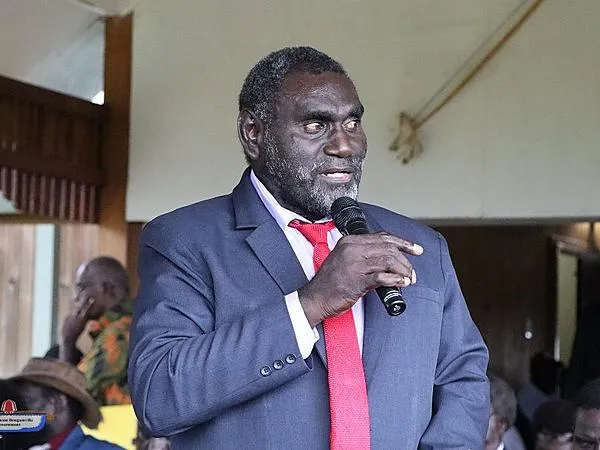
The President of the Autonomous Bougainville Government (ABG), Ishmael Toroama, has confirmed that the ABG has rejected the proposed partnership between Bougainville Copper Limited (BCL) and CMOC Group Limited in relation to the Panguna project.

The decision follows careful consideration and reflects the ABG’s position as the majority shareholder, holding a combined 72.9 per cent interest in BCL following recent share transfers from the PNG Government.

Under the strategic partnering process initiated by BCL as part of efforts to advance the long‑stalled redevelopment of the Panguna copper and gold mine, CMOC — a major Chinese mining group — had been engaged as a potential partner. BCL had been exploring the possibility of bringing in a significant international partner to support investment, technical expertise and operational capacity for Panguna’s next phase.

Toroama said the ABG does not authorise any proposal involving equity participation or the dilution of its shareholding in BCL arising from the partnering process.

As a result, BCL has been directed to discontinue further progression of the CMOC proposal and the associated partnering process. Instead, BCL has been instructed to engage with India‑based Lloyds Metals & Energy Limited as the ABG’s preferred partner under a contract mining or services partnership model that would not affect BCL’s EL01 licence standing or the ABG’s shareholding in BCL.

The EL01 licence, a five‑year exploration licence granted in 2024, provides the legal basis for BCL to advance pre‑feasibility and feasibility activities at Panguna, one of the world’s largest known copper deposits and a cornerstone of Bougainville’s economic development plans.

The direction reflects the ABG’s policy position that Bougainville must retain ownership and control of its resources while engaging experienced operators through clearly defined contractual arrangements.

The ABG said it remains committed to progressing the Panguna project in a lawful, transparent and orderly manner that serves the long‑term interests of the people of Bougainville.

January 29, 2026

New Porgera Limited (NPL) delivered significant economic and community benefits to Papua New Guinea in 2025, while meeting its annual gold production target despite a challenging operating environment.

During the year, the Porgera operation made a major fiscal contribution to the national economy. With Barrick Niugini Limited (BNL) — a joint venture between Barrick Mining Corp. and Zijin Gold International — as operator, a combined K985.77 million was paid in taxes to the Internal Revenue Commission, with NPL contributing K960.71 million of that total.

Based on this performance, the NPL board declared dividends of US$400 million (approximately K1.7 billion), with 51% allocated to Papua New Guinea interests.

Mineral Resources Enga Limited received K83,875,218 in respect of its 5% equity, while MRDC (Escrow) Limited received K167,831,525 for the 10% equity currently held in escrow pending completion of the Community Development Agreement (CDA).

As of 31 December 2025, accrued royalties totalled K157 million. Final distribution will be determined once the CDA process is concluded. As part of the CDA discussions, NPL proposed — and the State agreed — that royalties be paid directly into individual household bank accounts, to ensure benefits reach landowners directly and to reduce leakage through intermediaries.

In addition, NPL paid K13.1 million in compensation to affected landholders during 2025.

Against this backdrop, NPL met its 2025 production target, pouring 376,057 ounces of gold, slightly exceeding the budgeted 375,953 ounces. This result was achieved despite significant challenges, including law-and-order disruptions, damage to transmission infrastructure, and community and election-related impacts.

NPL General Manager James McTiernan said the outcome reflected the strength and commitment of the workforce.

“Delivering this result under such difficult conditions is a credit to our people,” Mr McTiernan said. “Their resilience and discipline kept the operation moving during a very challenging year.”

NPL board chairman James Wang, of Zijin Gold, also praised the workforce.

“The NPL workforce delivered under extremely difficult circumstances. They are the real superstars of New Porgera,” Mr Wang said.

During 2025, NPL submitted its inaugural National Content Plan to the National Government. The plan focuses on three priorities: Papua New Guinean employment and skills development, community development, and increased participation of PNG-owned businesses in the mining supply chain.

NPL has also submitted its three-year Training and Employment Plan to the National Training Council in December 2025 and established a Youth Development Committee to strengthen youth participation in community development in Porgera. Further information on supplier development initiatives will be published on the NPL website, which is due to be launched shortly.

While the 2025 results demonstrate strong operational resilience, NPL noted that ongoing law-and-order issues continue to impact operations and limit the mine’s full potential. In 2025, the company recorded 183.15 hours of production stoppages due to law-and-order incidents, with an estimated financial impact of US$17 million.

NPL said it remains committed to working with government, communities and stakeholders to improve conditions on the ground and to continue delivering sustainable, long-term benefits for Papua New Guinea.

January 28, 2026

The Mining Lease for St Barbara’s New Simberi Gold Project has been formally extended until 2038, clearing a critical path for the company’s planned sell-down of the asset to China’s Lingbao Gold and Papua New Guinea’s government investment arm, Kumul Minerals. The extension sets the stage for a Final Investment Decision (FID) on the project, expected in the third quarter of fiscal year 2026.

The extended tenure aligns with the New Simberi Gold Project’s mine life, as determined by Proven and Probable Ore Reserves included in recent Feasibility Study results.

St Barbara received confirmation from Lingbao Gold Group Company Ltd and its subsidiary Lingbao Gold International Company Limited, as well as Kumul Minerals Holdings Ltd and its subsidiary Eda Minerals Ltd, that the terms and conditions attached to the lease extension satisfy the Mining Lease condition precedent for the transactions announced in December 2025.

Strategic Investment Milestone

St Barbara Managing Director and CEO Andrew Strelein described the extension as a pivotal step for the Lingbao strategic investment and Kumul’s 20 per cent asset acquisition. “This is the key step towards a Final Investment Decision planned for Q3 FY26 to expand gold production to more than 200,000 ounces per annum from the New Simberi Gold Project,” Mr Strelein said.

He expressed gratitude to Prime Minister James Marape, members of the Mining Advisory Committee, the Acting Managing Director of the Mineral Resources Authority (MRA) Harry Kore, former MRA Managing Director Jerry Garry, and their teams for supporting the lease application. He also thanked Kumul Minerals, the Simberi Landowners Association, the New Ireland Provincial Government, the Sentral Niu Ailan Local Level Government, the Namatanai District Development Authority, and the PNG Chamber of Resources and Energy for their assistance.

Lingbao Chairman Wang Pinran also welcomed the extension. “We are very glad to see the Mining Lease has been extended, especially during the settlement period of Lingbao’s strategic investment. It is a great milestone towards the development of the Simberi Project and importantly meets the key condition precedent,” Mr Wang said.

He further expressed thanks to PNG government agencies, Prime Minister Marape, community leaders and all involved parties, reaffirming Lingbao’s commitment to completing the investment settlement, developing the project with Kumul and St Barbara, ensuring good shareholder returns, and contributing to local communities.

Project Highlights and Financial Position

The New Simberi Gold Project, formerly the Simberi Expansion Project, is expected to be a long-life, low-cost asset with annual production exceeding 200,000 ounces at an All-In Sustaining Cost (AISC) of US$1,100–US$1,400 per ounce over a 13-year mine life based on Ore Reserves.

Early works growth capital for the project reached A$19 million in Q2 FY26, funding ball mill procurement, camp expansion, water treatment plant infrastructure, and mobile fleet expansion.

The company also continues development in Nova Scotia, with a 15-Mile Processing Hub pre-feasibility study outlining production of over 100,000 ounces per annum over an 11-year mine life at an AISC of US$708–US$1,432 per ounce and a post-tax payback period of less than one year. Meanwhile, the Touquoy Restart Study showed a low-capital, near-term production opportunity of 38,000 ounces over 13 months at an AISC of US$1,299–US$1,942 per ounce.

St Barbara has entered binding agreements with Lingbao and Kumul for strategic investment in the New Simberi Gold Project. Lingbao will acquire a 50 per cent interest in St Barbara Mining for A$370 million in cash, representing 40 per cent ownership of the New Simberi Gold Project. Kumul, through Eda Minerals Ltd, will acquire a 20 per cent interest, funded by a A$100 million loan from co-owners Lingbao and St Barbara to be repaid from project cash flows.

Both transactions are scheduled to complete at the end of Q3 FY26, coinciding with the FID.

The company strengthened its balance sheet through a A$58 million institutional placement to advance Simberi and Nova Scotia projects. As of 31 December 2025, St Barbara reported total cash, bullion and listed investments of A$187 million, including A$87 million of restricted cash, with no bank debt or hedging, excluding Lingbao’s A$32 million deposit.

Operational Performance

During Q2 FY26, Simberi produced 9,057 ounces of gold at an AISC of A$6,518 per ounce, contributing A$13 million in cash flow. Total recordable injury frequency rate increased from 0.2 to 0.5 over the quarter. Gold sales totalled 10,169 ounces at an average realised price of A$6,404 per ounce.

The Mining Lease extension secures the New Simberi Gold Project’s future and underpins the company’s growth strategy, marking a significant milestone in St Barbara’s development of PNG and international assets.