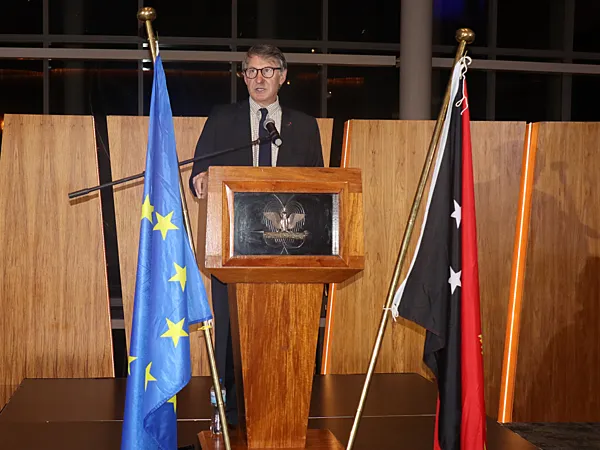
On Europe Day, the European Union Ambassador to Papua New Guinea, His Excellency Jacques Fradin, delivered a passionate speech emphasizing the significance of the day and the enduring partnership between the EU and PNG.
Ambassador Fradin said, “Some might wonder what is the 9th of May celebration all about? It’s not an independence day, nor a victory, it is about a political declaration considered as the founding vision for the European Union.”
The day commemorates a pivotal moment in European history when French Foreign Minister Robert Schuman proposed a visionary cooperation initiative in 1950. This proposal laid the groundwork for the European Union by uniting former adversaries France and Germany under a common authority to manage coal and steel production, thus fostering economic integration and, ultimately, peace.
Ambassador Fradin highlighted the EU's role as an alliance for peace, stability, prosperity, and freedom. In a world facing global challenges, such as the ongoing conflict in Ukraine and crises in the Middle East, the EU and PNG stand as close partners in upholding the multilateral order and international law, he said.
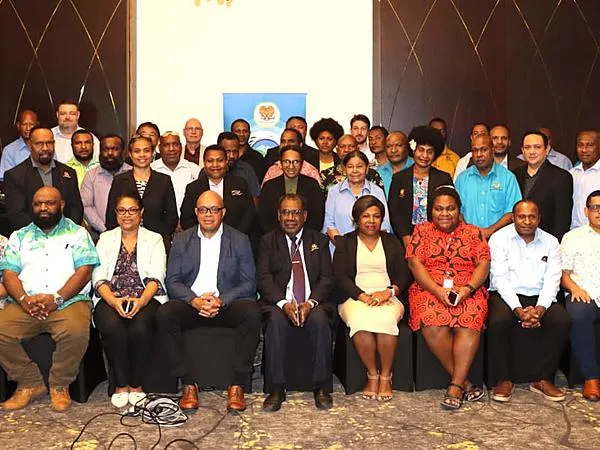
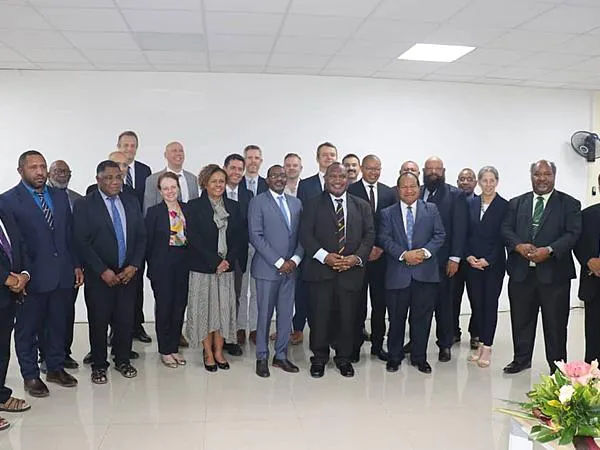
The EU Day Reception was held at APEC Haus in Port Moresby. The Head of Delegation of the EU to PNG joined diplomatic staff from various embassies in PNG, the French Embassy, representatives from PNG's government, local business leaders, and civil society organizations working on EU-PNG relations joined the event.
Academics and researchers specializing in EU-Pacific relations, expatriates, members of the local diplomatic community from other countries, invited guests from international organizations operating in PNG, stakeholders, partners and media representatives covering diplomatic events were also present.
Since the establishment of the EU Delegation in Port Moresby in 1977, the EU has supported PNG's nation-building journey across various sectors, including economic development, education, and governance.
Ambassador Fradin emphasized the EU's commitment to PNG's immense potential and its people's rich culture, pledging continued support and collaboration.
Acknowledging PNG's leadership in global climate negotiations, the ambassador highlighted EU initiatives supporting climate action and rural entrepreneurship in PNG.
“While we are proud of the results achieved until now, we are not static. As such, we are currently designing a new programme, which will provide direct support to the PNG national budget and will reward the reaching of policy targets for water, forest and energy infrastructure, included in the PNG Medium-Term Development Plan IV,” he said.
“In particular, the EU recognises and commends the leadership role of PNG in global climate negotiations. We are aiming towards longer-term solutions to address Climate Change and its effects.
“In this context, we have launched in October 2023, with the Prime Minister James Marape, the Forestry-Climate Change-Biodiversity programme in PNG, which is supporting the preservation of forests and biodiversity, decarbonisation of energy production and providing economic opportunities for forest-dependent communities. It is one of the biggest EU action in the world on climate change,” he added.
The ambassador also underscored ongoing efforts to advance good governance, human rights, and gender equality, including the deployment of projects addressing gender-based violence.
“Meanwhile, we continue to support rural entrepreneurship in the country, through the EU STREIT Programme, the biggest EU project in the Pacific, as well as the water and sanitation priorities, through our own WASH interventions.”
The EU-Pacific Economic Partnership Agreement, implemented in PNG since 2009, has been instrumental in enhancing trade relations, particularly in the fisheries sector.
Ambassador Fradin expressed the EU's intent to broaden the agreement's scope to other priority value chains, such as cocoa, coffee, coconut, and vanilla, to attract European investors.
Despite challenges in promoting European investments, the ambassador commended the collaboration with France and European companies operating in PNG, emphasizing the need to address remaining challenges while deepening partnerships.
Ambassador Fradin expressed confidence in the EU-PNG partnership's continued growth and its contribution to a more peaceful and prosperous future.
As PNG prepares to celebrate its Golden Jubilee, the EU remains committed to supporting the country's development journey and ensuring its rightful place in the global community, he said.
“I also want to underline the excellent cooperation we have with the PNG Government and its agencies, the civil society actors and the business community. Together, we can make a change for a brighter future.
“The partnership between the EU and PNG is built on shared challenges, as well as on seizing new opportunities for cooperation, and we look forward to consolidate our current actions and enhance our partnership to new areas of common interest,” Ambassador Fradin added.
An exemplary support through provisions of funding is the recent EU provision of emergency funding on April 25th through the “Emergency Toolbox” to assist in unforeseen crises, such as earthquakes and flooding in PNG.
Through the European Civil Protection and Humanitarian Aid Operations (ECHO), the EU has made available PGK 807,000 (Euro 200,000) for immediate emergency assistance to people affected by disasters in the East Sepik and Highlands provinces in PNG.
The funding, channeled through the International Organization for Migration (IOM), provides shelter materials, essential items, clean water, and hygiene products for affected communities.
“Over the past weeks, floods and earthquakes have cost lives and left a trail of destruction in PNG. The European Union’s humanitarian assistance will support the delivery of essential aid to address the urgent needs of the most vulnerable communities in the hardest-hit areas,” Ambassador Fradin said.
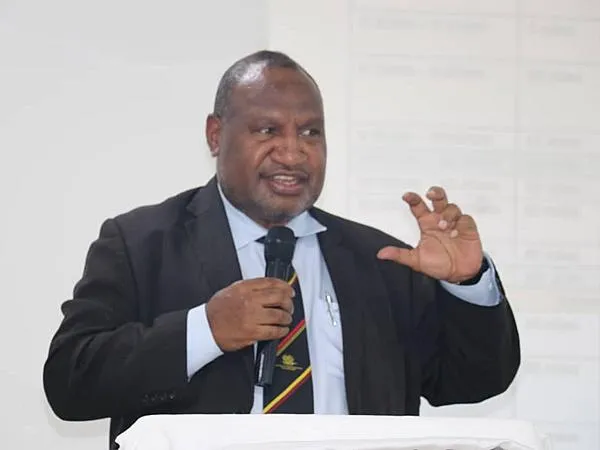
Prime Minister Hon. James Marape praised the efforts of PNG Customs in Port Moresby for their significant achievements in combating the importation of counterfeit goods into Papua New Guinea from 36 per cent to 4 per cent.
“This has been made possible by increased government investments in border surveillance and fighting illicit trade,” he said.
During a meeting with PNG Customs Chief Commissioner David Towe and representatives from British American Tobacco (BAT) PNG, discussions centered around excise tax enforcement and the penalisation of businesses not complying with customs regulations.
“Whilst I am greatly concerned about continued activities relating to directly importing or aiding in the import and distribution of counterfeit goods in Papua New Guinea, I would like to commend Customs Chief Commissioner David Towe and his team at PNG Customs for putting in place stricter mechanisms and processes with regards to trade at our borders, which is resulting in the identification of illegal trade and smuggling of goods,” Prime Minister Marape said.
The Prime Minister also acknowledged the role of PNG Customs in generating significant revenue for the government over the past few years and emphasised the necessity of stringent measures to curb illegal imports.
He highlighted the critical situation of illicit cigarette trafficking and related goods which were part of the discussions with BAT PNG.
Chief Commissioner Towe outlined the challenges in distinguishing between counterfeit and genuine products, noting that illicit goods often mimic the appearance of real items and are sold at comparable prices. He confirmed ongoing cooperation with the Royal PNG Constabulary to address these challenges.
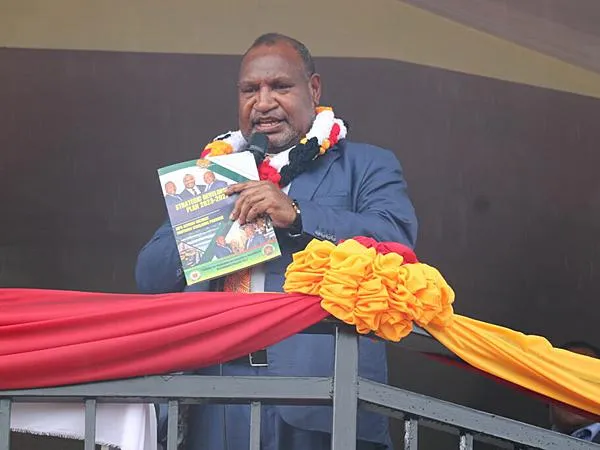
In a significant endorsement of local governance, Prime Minister Hon. James Marape has praised the Mendi-Munihu District for its proactive approach to development, highlighted by the creation of the Mendi-Munihu District Five-Year Development Plan 2023-2027.
Speaking before a large gathering at the Momei Oval in Mendi on Thursday, May 2, 2024, the Prime Minister underscored the alignment of the district’s plan with the national Medium-Term Development Plan IV (MTDP IV) 2023-2027.
“The plan aligns well with our national objectives, and in support, an additional K7 million will be provided to kick-start its implementation,” said Prime Minister Marape.
The event saw the presence of notable figures including Southern Highlands Governor Hon. William Powi, Defence Minister and Nipa-Kutubu MP Hon. Dr. Billy Joseph, Higher Education Minister Hon. Don Polye, Hela Governor Hon. Philip Undialu, and other senior leaders. Secretary for National Planning, Koni Samuel, was also in attendance.
Prime Minister Marape reiterated the national government’s commitment to supporting Mendi- Munihu and all other districts in their development endeavors. He highlighted the substantial future investment plans, with more than K100 million earmarked for each district over the four- year period from 2024 to 2027.
“I appeal to the district administration, ward councillors and others to adhere strictly to this plan when you make submissions for funding,” he stated.
Additionally, the Prime Minister made a strong appeal to the local community to resolve tribal conflicts and political differences, emphasising the need for peace and unity for the betterment of Mendi. He lamented the past disruptions caused by local conflicts, such as the prolonged closure of Mendi Airport and the destruction of judicial buildings.
“The closure and destruction were not the actions of our governor or other leaders, but by the very people who are now suffering the most. It is essential that we stop such behaviour and embrace change,” Prime Minister Marape urged.
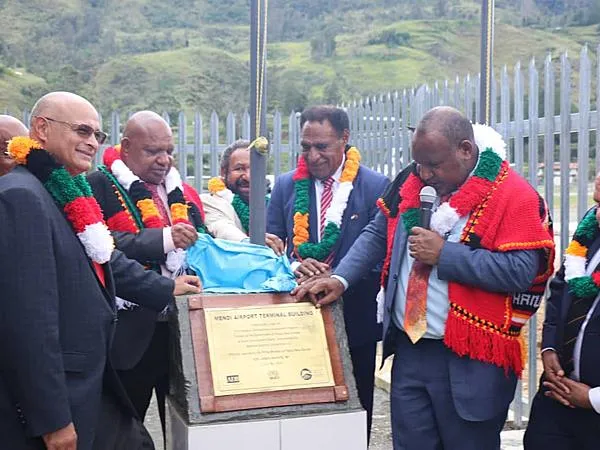
Prime Minister Hon. James Marape has called on the residents of Mendi-Munihu and the Southern Highlands to responsibly maintain the newly reopened K41 million Mendi Airport.
His appeal came during the inauguration ceremony held recently, marking a significant milestone facilitated by the Asian Development Bank’s Civil Aviation Development Investment Programme (CADIP).
Mendi Airport, which had been out of operation since 2018 following the torching of an Air Niugini Dash-8 aircraft, now features a modern terminal, secure fencing, a paved runway, and a standby generator.
The reopening was celebrated with the arrival of three PNG Air planes, one of which carried Prime Minister Marape and a delegation of ministers.
“It was emotional to see planes landing again at Mendi Airport after six years of closure,” stated Prime Minister Marape.
He emphasised the inherent goodness and law-abiding nature of the Mendi community, while condemning the few who have historically disrupted peace for political gains.
“We must stop this mentality now and allow peace and normalcy to return to Mendi, enabling air transport to thrive once more,” he urged.
The event also highlighted the communal spirit and resilience of the Southern Highlands people, with Prime Minister Marape expressing his admiration for their warm welcome.
“The unity displayed by the elders and young leaders of Southern Highlands, setting aside differences for regional betterment, truly warms my heart,” he remarked.
Prime Minister Marape also reflected on the setbacks the region has faced since the 2018 incidents, stressing the importance of maintaining Mendi’s appeal as a business and tourist destination.
With the Unity Games scheduled to be held in Mendi in 2025, he sees this as an opportunity to showcase the region’s potential.
Governor Hon. William Powi was commended for his efforts in ensuring the airport’s reopening.
“We must restore Mendi town to its former glory. I appeal to everyone to care diligently for this new airport and its facilities,” Prime Minister Marape said.
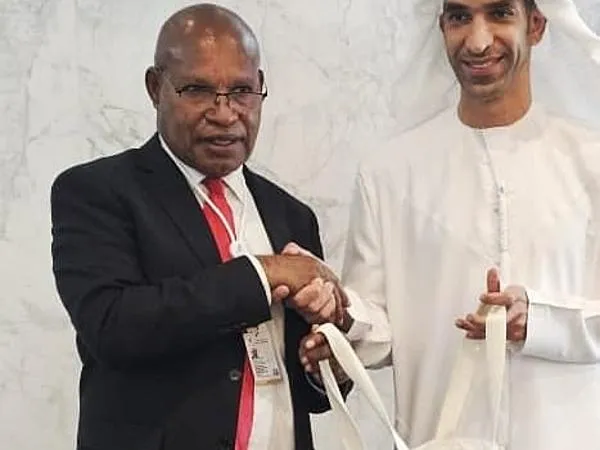
The Minister for International Trade and Investment, Hon. Richard Maru expressed great satisfaction with the outcome of his bilateral meeting with the Minister for Foreign Trade of the United Arab Emirates (UAE), His Excellency Dr. Thani bin Ahmed Al Zeyoudi. The bilateral meeting was held on the margins of the Annual Investment Meeting (AIM) Congress, which is being hosted in Abu Dhabi, UAE from May 7-9, 2024.
Minister Maru is attending the 13th Edition of the AIM Congress upon invitation by his colleague Minister, His Excellency, Dr. Zeyoudi. The conference attracted 175 countries and 12,000 plus participants ranging from both public and private sectors.
Whilst expressing satisfaction on the general outcome of the AIM Congress which he participated in through penal discussions, Minister Maru said his discussion with his counterpart Trade Minister of the UAE for deeper trade and economic relations between the two countries was a good outcome for the country.
Minister Maru said: “The UAE private sector is interested in expanding and deepening the bilateral trade and investment opportunities between the UAE and Papua New Guinea (PNG), however, the UAE Trade Minister in our bilateral meeting said that trade and investment relationship between our two countries can only happen following the negotiation of four important agreements.”
Dr. Zeyoudi proposed that the following agreements be negotiated and formalized between PNG and the UAE:
1. Investment Promotion and Protection Agreement (IPPA);
2. Double Taxation Agreement;
3. Air Services Agreement; and
4. A Comprehensive Economic Partnership Agreement (CEPA)
Both Ministers agreed for both countries to work towards signing at least three agreements which are IPPA, the Double Tax Agreement, and the Air Services Agreement before December 2024.
“Investment Promotion Authority (IPA) will work on the IPPA, International Revenue Commission (IRC) will work on the Double Tax Agreement, the Department of Transport and Civil Aviation will work on the Air Service Agreement between PNG and the UAE, and the Department of Foreign Affairs will play the coordinating role. The UAE already have Comprehensive Economic Partnership Agreements with other countries like the Philippines and Malaysia and they are willing to share with us their template for us to use to begin the negotiations leading to the signing of the CEPA,” said Minister Maru.
“Whilst NEC has approved to open a diplomatic mission in Abu Dhabi, this will be fruitless when we do not have a trade and investment relationship between our two countries to enable foreign direct investment coming into PNG from UAE and our exports going to the UAE market. I want to call on the Department of Foreign Affairs to take the lead in working closely with the relevant agencies and their Ministers to have the three agreements negotiated and formalized before the end this year. There are already 22 UAE companies who have registered their interest to invest in PNG and to trade with PNG as a result of connections made during the Expo in Dubai in 2022. However, these companies cannot progress their interest without these critical agreements in place, hence, the UAE Government is keen to have these agreements signed and in place by December 2024,” said Minister Maru.
Minister Maru further stated: “The GDP of UAE was over USD700 billion by the end of 2023 whilst PNG’s was USD39 billion. As a mainstay to the economy, oil exports now account for about 30 percent of total GDP with the UAE diversifying its economy by launching a diversification and liberalization program to reduce reliance on oil and transform its economy from a conventional, labor-intensive economy to one based on knowledge, technology, and skilled labor. The federal and individual Emirate Governments have invested heavily in sectors such as aluminum production, tourism, aviation, re-export commerce, and telecommunications. They have also invested heavily in security making UAE one of the safest countries in the world with over 80 per cent of the total population being expatriates.”
“The UAE is looking at diversifying their investment globally and PNG needs to take the opportunity to attract UAE investments, particularly in the non-extractive sector. Trade between the two countries has the potential to expand with the UAE particularly interested to invest in the sectors of manufacturing, fisheries, forestry, and agriculture, and also in health technology, and green energy projects like solar. However, the UAE investors must feel secure and there must be maximum return for their investments, hence, the agreements proposed by the UAE Trade Minister must be negotiated and agreed on to give confidence to the investors. The UAE is an economic leader in the Arab countries and PNG’s exports to the UAE market will be a steppingstone into the Arab market as the UAE offers an access point to the global markets and has effective supply and value chain networks,” said Minister Maru.
Minister Maru added: “The UAE is willing to enter into a relationship with PNG anchored on trade and investment; the onus is now on us to show our commitment by fast tracking the negotiations on the four agreements proposed by the UAE Trade Minister which will set the foundation for us to open our diplomatic mission in Abu Dhabi.”
Dr. Zeyoudi said upon the formalization of the proposed four agreements, he would lead a delegation of private sector representatives to PNG.
“I therefore look forward to the exchange of drafts and signing of these agreements before the end of the year,” said Minister Maru.
The Papua New Guinea (PNG) National Government and the Autonomous Bougainville Government (ABG) convened for the Joint Supervisory Body (JSB) meeting to address critical matters concerning the ratification and consequences of the Bougainville referendum.
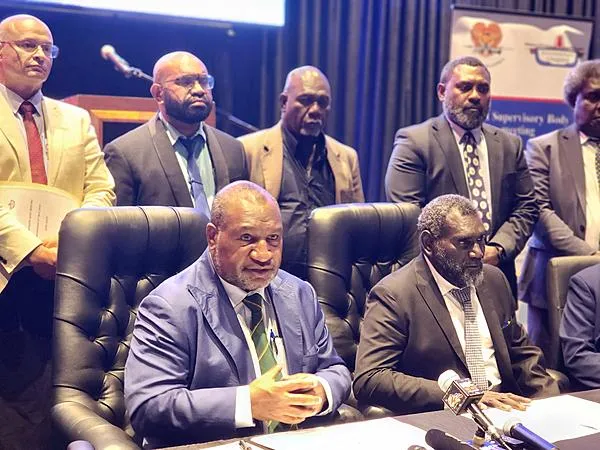
Prime Minister Hon. James Marape and ABG President His Excellency Ishmael Toroama co-chaired the meeting, which took place on May 8th at APEC Haus in Port Moresby, following a two-day deferment.
Both leaders delivered opening remarks before engaging in closed-door dialogue and ending the JSB meeting with the successful signing of the Joint Resolution.
PM Marape emphasized the significance of the Bougainville Peace Agreement, highlighting its role in establishing comprehensive peace and providing extensive autonomy to the Bougainville people.
In his opening remarks, Hon. Marape said, “The Bougainville Peace Agreement is more than just about the issue of independence. It is more than just an agreement for a referendum. It is a comprehensive peace settlement that has seen the insertion of an entire new part into our National Constitution by way of Pat XIV, and it also provides for the highest level of autonomy for the people of Bougainville.”
He pointed out the limited progress in implementing autonomy over the past 23 years, noting that only 11 of the 59 powers outlined in the agreement were transferred.
Additionally, he highlighted the economic challenges faced by the region and stressed the need for enhanced cooperation to facilitate Bougainville's prosperity, regardless of its future status.
PM Marape underscored the importance of addressing outstanding issues such as the Restoration and Development Grant and equitable sharing of fisheries revenue in alignment with the Bougainville Peace Agreement and the National Constitution.
“In economic terms, the region has failed to harness opportunities for development and growth, and in real terms, the ABG generates just a small fraction of the revenue required to achieve fiscal self-reliance, or financial independence.
“I put it to leaders here today, that more must be done to lay the foundations that will allow Bougainville to prosper in the future in whatever form that future takes. This requires continued cooperation and greater effort in transferring important powers and functions and ensuring that funding is applied to those areas of greatest need, and which will stimulate and allow for economic growth.
“On this point, I recognize that as a National Government we must once and for all address the issue of Restoration and Development Grant arrears, and we must find an equitable approach for sharing fisheries revenue in line with the requirements of the BPA and the National Constitution.
“I want to conclude by reaffirming my desire to work with President Toroama for as long as it takes to reach an agreement on next steps in relation to the referendum.”
President Toroama echoed the sentiment of Bougainvilleans, urging full support and commitment from PNG national leaders. He emphasized the people's expectation for concrete actions from the government to honor the agreement reached over 15 years ago.
President Toroama said, “Our people expect your full support and commitment to their cause. They have done their part; it is now your part. The last thing that we want to hear is that some of you are scheming around and devising options that undermine our cause; and that is not good for your credibility in the eyes of our people.”
He appealed to parliamentarians to grasp the significance of Bougainville's quest for independence and to uphold the commitments made by previous administrations. He also called for solidarity in realizing the aspirations of the Bougainville people.
“I am committed to the independence of Bougainville. I appeal to our good Parliamentarians to understand our cause. And for our good members of Parliament, please understand the novelty of the deal we made with the National Government and the blessing we require from your decision. Let the DEAL we made with your predecessors more than 15 years ago come into fruition.”
National Government and ABG Close-Door Discussion:
The closed-door discussions highlighted the final stages of the 2001 Bougainville Peace Agreement, specifically focused on Parliament’s ratification of the Referendum results and a string of long-running issues regarding governance and development.
An agenda paper made available during the significant JSB meeting, states discussion on the issues of the following:
As per stated, Bougainville currently receives 5-million Kina annually from the National Fisheries Authority as benefit sharing from its share of tuna exports in the country.
The ABG has been arguing that the current arrangement does not equate with Bougainville waters being rich breeding ground for tuna stocks in the world. The NFA and the ABG Department of Primary Industries and Marine Resource has since been working on a formula on how tuna benefits can be shared equally with Bougainville.
The Restoration Development Grant is also up for discussion, as Bougainville is to receive 100-million Kina each year for restoration and development work.
Notability in 2019, it was established by a United Nations moderator that the National Government owes Bougainville over 800-million Kina in RDG’s. The ABG has argued this money is guaranteed under the Constitution and the National Government must honor its regular payment.
Another point to discuss is the Prime Minister’s commitment of another 100-million Kina annually to Bougainville.
Result of the JSB Meeting:
Prime Minister Hon. James Marape and Bougainville President H.E. Ishmael Toroama discussed post-referendum issues during the JSB meeting, which concluded successfully with several significant agreements aimed at facilitating the ongoing peace process.
According to the Office of the Prime Minister, the discussion of agreements are as follows:
Bougainville Treasurer and Finance Minister Hon. Robin Wilson commended Prime Minister Marape for fulfilling all outstanding payments, refuting recent newspaper allegations that the PNG Government had significant outstanding debts to Bougainville.
Minister Wilson highlighted a notable improvement in financial commitments under the Marape Government, stating that since 2019, it has disbursed K350 million of the K621 million owed.
Furthermore, he mentioned that with an allocation of K200 million in the 2024 Bougainville Budget, the total payments will exceed K500 million.
The leaders agreed on the appointment of a Working Moderator who will assist both the Bougainville and Papua New Guinea governments in several key areas:
Regarding fisheries revenue-sharing arrangements, a long-standing agenda item of the JSB, the leaders directed the responsible ministers to further discuss and finalise this matter. The ministers, chief secretaries, and relevant agencies will establish a mechanism to conclude the fisheries revenue-sharing arrangement.
On financial matters, including the Prime Minister’s Commitment and the Restoration and Development Grant, it was resolved that the funding support under the Prime Minister’s commitment programme will cease post 2024. The funds will be reallocated to settle outstanding RDG arrears owed to Bougainville.
Concerning the issue of Bougainville Copper Ltd (BCL) shares, the leaders recognised delays in transferring shares to the Autonomous Bougainville Government (ABG), primarily due to cost implications associated with stamp duty tax. The National Government committed to settling the K1-million stamp duty tax through Kumul Mineral Holdings Ltd, ensuring the BCL Shares Certificate is transferred to the ABG by the end of May 2024.
The leaders reaffirmed their commitment to the Bougainville Peace Agreement and to upholding the Melanesian spirit of consensus, ensuring a peaceful progression as both governments approach the final stages of their political journey.
The next meeting of the JSB is scheduled for August.
Signing of Joint Resolution:
After the Closed Door discussion, both governments held a media conference before the signing of the Joint Resolution.
Hon. James Marape expressed gratitude towards the Bougainville Leadership, emphasizing the significance of the referendum held in 2019.
Hon. James Marape said, “It has been a long journey. I want to appreciate, the understanding from Bougainville Leadership. I want to indicate to this country that less we forget the United Nations sanctions, the referendum took place in 2019, 97.7% voted for Independence. The vote was for political Independence and nothing less, nothing more.
“And the leadership in Bougainville in every meeting under former President and now current President and their entire team of leadership come to this discussion with the main focus on the expectations of the Bougainville peace agreement and we honor the wishes of the referendum that the people of Bougainville have expressed through the referendum.” He added.
Marape also acknowledged the importance of maintaining the integrity of the independence process, stating that neither government has the individual authority to grant independence outside of established procedures. Both sides agreed in the Joint Supervisory Body (JSB) to call in a moderator to address areas requiring clarification.
Regarding development initiatives, the national government committed to various infrastructure projects.
As mentioned by Hon. James Marape, “The national government has picked up, major connect PNG roads, Kieta Port, Kangu area for a possible Port Jetty as well as Buka Port, Aropa and Buka airport to be worked on. We made commitment to Bougainville Hospital, as well as couple of higher institutions. We were reminded by the Education Minister that Panguna supported PNG in its earliest stage and they have not had a training institution. It is our obligation to give back to Bougainville. “
President Ishmael Toroama expressed optimism about the challenges and opportunities ahead, thanking both the National Government and the Autonomous Bougainville Government (ABG), as well as the people, for their contributions.
“This opportunity lies within the context of the People of Bougainville.”
He added, “I believe there are more challenges and opportunities to move forward.”
Prime Minister James Marape and ABG President Ishmael Toroama formally signed the Joint Supervisory Body (JSB) Meeting Joint Resolution on the evening of May 8th, marking a significant milestone between both governments and the people in 2024.
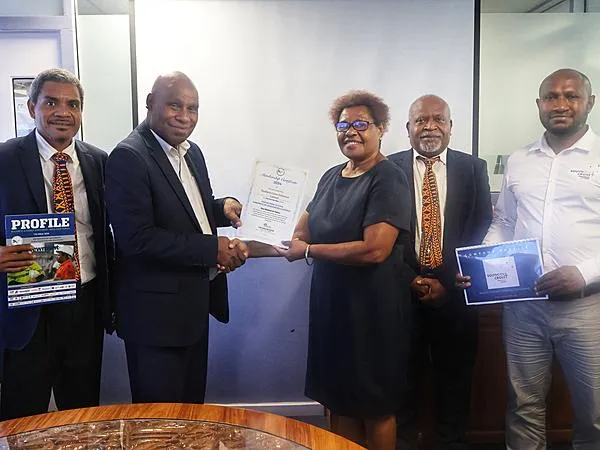
The Papua New Guinea Chamber of Resources & Energy (PNG CORE) recently welcomed two esteemed entities, Great Pacific Gold and Southern Cross Assurance Limited (SCAL), into its dynamic network.
Great Pacific Gold joins PNG CORE following its recent amalgamation agreement with Tinga Valley Copper & Gold Corp. to acquire a highly prospective PNG copper-gold project called the Tinga Valley. This marks a significant milestone in the Chamber’s expansion.
PNG CORE Chief Operating Officer Pansy Taueni-Sialis formally welcomed Great Pacific Gold to the Chamber.
“As the peak body for the mineral resources & energy sectors in Papua New Guinea, PNG CORE is pleased to have Great Pacific Gold on board to our growing network. Their recent acquisition not only enhances their potential but also enriches our collective efforts with invaluable insights and opportunities,” she said.
"We are excited to embark on this journey with Great Pacific Gold, fostering a partnership that promises substantial growth and shared prosperity. Welcome aboard!"
Similarly, SCAL’s entry as a service member heralds a new chapter in PNG CORE's commitment to fostering partnerships across various sectors.
SCAL is a PNG-owned company aiming to extend its reach into offering their insurance products and services to safeguard business operating in the resources and energy sector.
SCAL CEO Sri E Kalyanarangan emphasized that as a service member of the Chamber, the firm is excited with being a part of PNG’s leading industry peak body.
“Being a service member of PNG CORE will not only allow us to stay informed about industry trends and challenges but also enable us to establish meaningful connections that can contribute to the growth of our business and the industry we serve. We have been operating in the insurance industry for more than 10 years now and we can offer technical expertise to manage the complex risks that exist in the mining and resources sector,” he said.
“Our membership to PNG CORE builds on this and provides an avenue for us to engage more closely with the mineral resources and energy sectors.”
PNG CORE Team Leader Member Services, Edith Baimur, in welcoming SCAL, reaffirmed the Chamber’s commitment to working closely with the insurance provider, for mutual benefit.
"As a member of PNG CORE, SCAL will gain valuable insights into the latest trends and issues of the resources and energy sector. This will enable SCAL to strategically plan and adapt their business to meet the evolving demands and capitalize on opportunities within this thriving sector."
“We look forward to a brighter future, together.”
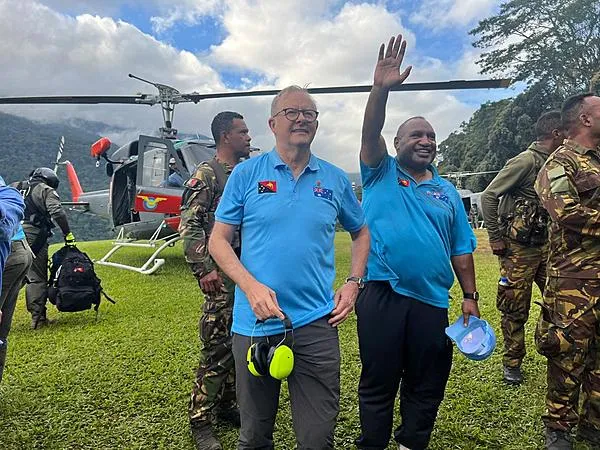
The historical ties between Papua New Guinea and Australia run deep, rooted in shared experiences and mutual support. On April 25th, Australian Prime Minister Anthony Albanese and PNG Prime Minister Hon. James Marape embarked on an historic 2-day walk to commemorate ANZAC Day, symbolizing the enduring strength of the relationship.
“May the Spirit of ANZAC, underscored by the bravery and courage these young men exhibited and the mateship that grew between them and our Pacific and PNG carriers, never be forgotten,” PM Marape said for the National Day of Commemoration.
Prime Minister Marape emphasized the importance of honoring the sacrifices made at Kokoda and beyond, highlighting the invaluable contributions of PNG's own volunteers, known as the "Fuzzy Wuzzy Angels."
He stressed the enduring significance of courage, ingenuity, and mateship, traits that continue to resonate in contemporary society.
PM Marape emphasized the importance of sharing and rediscovering the spirit of endurance and mateship forged during World War II. He envisioned the trek as a symbolic gesture to reignite the ANZAC spirit and foster solidarity between Australia and PNG.
“Why must we do this; you ask? What is the significance of this task? It is because in the busy grind of work and life, it is so easy to forget the hardships and sacrifices those who went before have made. It is also a necessary feat to share, to symbolise and rediscover the spirit of endurance and mateship that our two people shared during WW2 at Kokoda. The trekking is symbolic to reignite the ANZAC spirit.”
“Australia and PNG must walk hand in hand to carry each other, share each other's burden, and walk into a future of peace and prosperity that we are working to create for our children to live in,” he added.
One significant aspect of this enduring relationship is the longstanding business partnership exemplified by companies like Steamships Limited (Ltd).
A brief of Steamship Ltd history in PNG, to properly understand and appreciate this bond between the two countries:
Established in 1919, retired sea captain, Algernon Sydney Fitch, founded the business to run operations in Australia. In the same year, he left his Tasmanian Apple farm in Australia and sailed the company’s first ship, the SS Queenscliffe, to Port Moresby to trade along the Papuan coast. In 1924 the public company was formed and the Steamships history began in PNG, with the company listed on the Sydney – Australia stock exchange.
Historically and up to this date, Steamships Ltd has played a pivotal role in PNG's economic development, fostering industries and businesses that have contributed to its growth. According to Port Moresby Stock Exchange (POMSoX) 1999, Steamships Ltd stock was the first company listed on the POMSoX with the company’s stock continued to trade on the Australian Stock Exchange. Noted from the POMSoX, the first cargo was 25 coconut fiber sacks, about 15 pounds of tobacco, and a case of condensed milk.
From its humble beginnings as a coastal trader, to its present status as the largest non-mining company in PNG, Steamships has diversified its operations into logistics, property, hospitality, and manufacturing.
The company's resilience during challenging times, such as World War 2, highlights its commitment to PNG's progress. Despite operations being suspended during WWII, Steamships swiftly restored its retail operations post-war, reopen store in November 1945, demonstrating its dedication to the country's recovery and rebuilding efforts.
Historically noted, at each stage of PNG’s economic development, seen to be the largest nation and economy in the South Pacific, Steamships has fostered businesses and industries that have helped build PNG. Steamships Ltd has boosted local economies through businesses initially established in Port Moresby, the gulf and western reaches of the former territory of Papua and later in New Guinea and the Highlands.
Moreover, the company’s association with the Multinational Conglomerate Swire & Sons Limited began after WWII in, formally in 1952 with the initiation of the New Guinea Australia Line Service, which used China Navigation Company vessels and steamships as shipping agents.
Steamships' coastal shipping and stevedoring services supported the PNG economy as it started to develop and explore its rich and diverse endowment of natural resources, including plantation crops and mining. In response to new opportunities, Steamships diversified into major operating categories of logistics, property and hospitality, and various joint venture operations.
Companies under steamships are Coral Sea Hotels, Pacific Palm Properties, Consort Express Lines and EastWest Transport. Steamships was the owner of the country’s first manufacturer of ice cream; Laga Industries, makers of the Gala brand, which was sold to Paradise Foods Limited in 2018.
Furthermore, Steamships' association with the Swire Group, dating back to the 1950s, underscores its role as a key player in PNG's economic landscape. The Swire Group has a majority holding in Steamships, which is the largest non-mining company in PNG.
The partnership between the company and PNG has facilitated the expansion of services and the establishment of vital connections with other nations, further strengthening PNG's position in the Asia-Pacific region.
The enduring business relationship between Australia and PNG, epitomized by companies like Steamships Limited, remains integral to both nations' growth and prosperity.
As the global community faces the inevitability of climate change, it becomes imperative for nations and businesses alike to prepare for the ensuing transitions. Papua New Guinea is thus actively addressing the challenges climate change poses, particularly in the realm of sustainable transportation.
“It is mandatory upon us to take bold and precise action to address this pressing environment concerns,” emphasized Mr. Roy Mumu, Secretary for the Department of Transport, during a pivotal workshop on Sustainable Transportation Solutions held on May 1st in Port Moresby.
"PNG has made a solemn commitment to achieving carbon neutrality in the energy industries sub-sector by 2050, signaling a paradigm shift towards renewable energy sources and sustainable transportation solutions," he stated.
"Embracing electric vehicles represents a cornerstone of this transition, offering a clean and efficient alternative to conventional fossil fuel-powered vehicles."
The workshop brought together 50 representatives from the private sector, development partners, stakeholders, and non-government agencies.
Central to the workshop was the promotion of electric mobility solutions in PNG as part of the "Promoting Electric Mobility in Papua New Guinea" Readiness project, led by the Department of Transport (DoT).
In collaboration with the Climate Change Development Authority (CCDA) and the Global Green Growth Institute (GGGI), the project aims to tackle barriers obstructing the adoption of electric vehicles (EVs) in the country.
The workshop featured a panel discussion among key stakeholders, including the Asian Development Bank (ADB), PNG Power Limited (PPL), CCDA, and National Research Institute (NRI), the event focused on exploring sustainable transportation solutions.
Key points of discussion included the necessity for further consultation with other government sectors, including both public and private sectors.
The ADB, represented by Mr. Masayoshi Ono, Infrastructure Specialist and Transport Sector Officer, pledged support for the project, drawing insights from similar endeavors in the Asia Pacific region, as he shared insights to ADB’s programs in PNG.
The Transport sector is the largest sector ADB is supporting at 60% and energy at 20%, in response to the large infrastructure gap in the country.
Building resilience to climate change forms part of ADB’s active portfolio, as the bank’s commitment underscores the business potential of sustainable transportation solutions in PNG, starting with E-Mobility in Port Moresby.
“It is important that we all come on board with the Department of Transport to see how best this project can be implemented,” Mr. Ono added.
The project, with a budget of USD 449,598 (about 1.735 million kina) from the Green Climate Fund, spans an 18-month duration and focuses on establishing stakeholder engagement mechanisms, conducting relevant studies and research efforts, and developing strategic frameworks to promote electric mobility.
Acting Managing Director of CCDA, Ms. Debra Sungi, highlighted the significance of electric vehicles as key policy targets in the transport sector, aligning with PNG's commitment to achieving carbon neutrality in the energy industries sub-sector by 2050.
National strategies and policies, including the PNG Vision 2050 and the National Climate Compatible Development Management Policy, which emphasize the reduction of emissions from the energy sector and promote renewables and fuel-efficient transportation, reflect this commitment.
Ms. Sungi reiterated, "The transport sector is one of the country's key energy targets, and the government is committed to ensuring that the country achieves carbon neutrality by 50% by 2030 under the Vision 2050."
"Therefore, the transport sector will implement policy measures on how best we can mitigate emissions from the sector. This is to demonstrate that our country is also taking action to limit global temperature rise."
Ms. Sungi highlighted electric vehicles as key policy targets in the transport sector. She extended her gratitude to all stakeholders for their commitment to the noble cause, expressing confidence in collective action to drive sustainable progress in PNG.
The country's enhanced Nationally Determined Contribution (NDC) emphasizes the reduction of emissions from the energy sector, with a particular focus on promoting renewables and fuel-efficient transportation.
Moving forward, PNG's transition to low-carbon transport necessitates coordinated efforts across government, private sector, and civil society.
Key priorities include enhancing inter-institutional coordination, fostering technical expertise in EV technologies, and developing long-term planning and regulatory frameworks.
By scaling up initiatives in low-carbon transport, PNG aims to reduce emissions, improve air quality, and drive sustainable economic development.
The workshop marked a significant milestone in PNG's journey towards sustainable transportation solutions, underlining the collective commitment of stakeholders to combat climate change and pave the way for a greener, more resilient future.
The Autonomous Bougainville Government has announced its intentions to collaborate with foreign investors, particularly from China, to pursue key development projects in the region. This decision comes amid growing interest from Chinese companies to invest in Bougainville's infrastructure and economy.
ABG Vice President and Minister for Commerce, Trade, Industry and Economic Development Hon. Patrick Nisira, made the announcement in light of public concerns and interest in ABG’s interactions with foreign investors.
Minister Nisira acknowledged the public concerns about China’s Belt and Road Initiative and emphasized the need for independent decision-making, free from biased information sources.
“Information that influences these perspectives is taken from western media sources which clouds independent and informed decision making by the government to pursue development initiatives. The dearth of options from traditional development partners over the last 20 years, a rapidly shortening timeframe for self-governance of Bougainville to 2027, and now Chinese companies approaches for partnerships in these very areas, make such opportunities worth considering for the benefit of the people,” he said.
Recent visits by Chinese interests, including the China Railway 25th Bureau Group, Boa Hua Whitehorse group, and Bougainville China Friendship association, have initiated discussions on potential partnerships. To explore these opportunities, an ABG delegation recently visited Shenzhen and Guangzhou, meeting with senior executives from China Railway Construction Corporation (CRCC).
“The ABG delegation’s trip was undertaken as a return leg reciprocating visits by Boa Hua White Horse Group in 2023 and going back a period of 10 years, and the CRCC Group 25 in March 2024. The ABG delegation met with senior company executives at the China Railway Construction Corporation Global Centre in Guangzhou. It was also a fact-finding mission as part of conducting due diligence on the two companies, forming the basis for continuing with a proposed Cooperation between the parties,” Minister Nisira explained.
The trip was also intended for the delegation and Cabinet Ministers to evaluate the set-up of the Bougainville Trade Office by the Ministry and Department of Commerce, Trade, Industry and Economic Development.
“Setting up of the Trade Office is cognition of the PNG Sovereign powers and formalities will be established soon between the ABG and the Government of PNG for accreditation of the office to the PNG Embassy in Beijing, China.”
An MoU was signed to foster collaboration, with detailed agreements to be drafted for specific projects. The government sees these investments as crucial for Bougainville's economic growth and infrastructure development, aligning with its aspirations for nationhood.
Minister Nisira says the Bougainville Executive Council has endorsed the outcome of this mission with an official invitation extended to CRCC to commence scoping exercises for the projects outlined in the MOU. These companies have shown interest in projects like expanding Buka airport, establishing a cold storage facility, improving water supply, and constructing highways and hospitals.
“Bougainville has not seen major infrastructure development since the Japanese government’s JICA- funded bridges program. Bougainville’s alignment with the West for over a century has seen a very slow pace of development and lack of basic services like affordable power, access to water and good road links.”
“As a responsible government, the ABG continues to seek development assistance both within and outside its traditional partnership circles, and finds Chinese-led investment which emphasizes Infrastructural Development aligning perfectly with Bougainville’s nationhood aspirations due to the transformational effect it will have on all socio-economic aspects of the region,” he said.
Prime Minister Hon. James Marape has acknowledged the World Bank for highlighting important steps to be taken by the Papua New Guinea Government to grow its economy during a high-level seminar in Mt Hagen, Western Highlands, on Tuesday, April 30, 2024.
He made the acknowledgment when closing the seminar on ‘Doubling the PNG Economy Within a Decade to Create One Million Jobs – What It Will Take’.
Prime Minister Marape said hearing the weaknesses in the progress made by the government and key economic sectors from World Bank experts is critical to the country.
He emphasised that the country’s focus under his leadership is to grow the economy to K200 billion at the earliest and to continue on growing it from there. The rationale is simple: A bigger economy sustains the development needs of our people and country.
The Prime Minister stressed to key economic ministers and departmental heads that the insights provided by the World Bank experts serve as a wake-up call.
“I want to call on our public officials, both elected and appointed to get out of our offices and see the hard life our rural people are facing,” he said.
“We have the transport and freight subsidy in the agriculture sector, the National Agriculture Plan, we have funding for education, we have clearly mapped our Medium-Term Development Plan, and all other programmes as mentioned by the World Bank officials but have been complacent and lacked the willpower to work to implement them for our people.”
Prime Minister Marape highlighted concerns raised by the business community and the World Bank on the ease of doing business in PNG, stressing that these concerns should be heeded to attract foreign direct investment.
He emphasised the urgency of addressing issues such as the lengthy government processes which takes at least eight months compared to just three months in other Pacific nations, as highlighted by the World Bank
“We must speed up,” Prime Minister Marape said.
“We must get back to work more and harder including ramping up on the focus to diversify the economy and creating more jobs.
“My government acknowledges the World Bank for continued programmes with government.
“Our systems are slow and cumbersome but the World Bank continues to be patient and work with us. We apologise for this sad status quo but commit to embrace all recommendations put . forward to grow our economy.
“Thank you, World Bank, for all your programmes that are running in PNG.
“We will certainly take on board your recommendations in your presentations at this seminar today.”
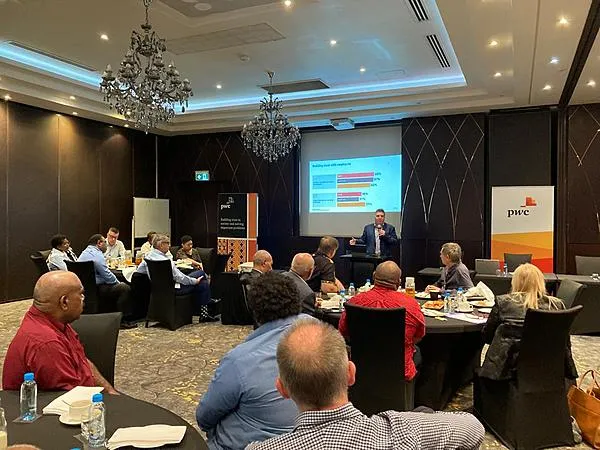
Port Moresby Chamber of Commerce and Industry Inc. (POMCCI) recently hosted the Price Waterhouse Coopers (PwC) PNG 3rd Family Business Survey (FBS), presented by Michael Collins Entrepreneurial and Private Business (EPB).
The survey shed light on the dynamics of family businesses, their challenges, and strategies for building trust and sustainability. It was presented on April 18th at Lamana Hotel in Port Moresby, attracting attendees from various companies, businesses, and stakeholders.
Survey Insights
The survey gathered insights from 2,043 respondents across 82 territories, including 630 participants from the Asia Pacific region and 42 family businesses from Papua New Guinea, marking a 24% increase from the previous survey in 2020.
Notably, 72% of respondents globally, 81% in Asia Pacific, and 88% in PNG were either first or second-generation businesses.
Key findings revealed a mixed performance in the last financial year, with some businesses experiencing double-digit growth in sales while others faced declines.
However, the poll showed optimism about future growth, with strategic priorities focusing on expansion, digital capabilities improvement, and customer loyalty enhancement. Long-term priorities emphasize the importance of family legacy and value generation.
Key findings
Based on the FBS, the strategic priorities over the next two years are as shown:
Longer term priorities
Respondents showed some greater consistency in prioritizing the generation of long term value for the family and delivering value to customers.
Other key findings on family business:
Family businesses need to adopt new priorities to build trust and ensure sustainability.
Stakeholder relationships to consider
Building Trust
Trust emerges as a crucial factor for sustainability, impacting relationships with customers, employees, and family members. Respondents highlighted the importance of trust across stakeholders, with varying degrees of confidence in their ability to build and maintain trust.
Key strategies include transparent reporting, communication of values, and active engagement with stakeholders.
Mr. Collins during his presentation emphasized the importance of building trust, as it is “vital in businesses as it is in personal relationships, and from a personal perspective, building trust requires demonstrating credibility and reliability.”
“For example, customers trust you to provide quality goods and services at a fair price, based on expected standards. While suppliers trust you to do payment on time and to meet other supplier’s demands. Your employees trust you to treat them fairly and respectfully and to compensate them fairly, provide safe working environment, and provide appropriate feedback and development opportunities.”
“Government and authorities trust you to comply with laws and regulations and shareholders expect you to meet high standard of corporate governance and be transparent, true and fair,” he added.
The new formula of trust, based on the survey is referring to the stakeholder groups, customer expectations and businesses toolkits.
The FBS for 2022 has shown about trust:
Based on the survey, PNG family businesses are not taking the actions required to build trust:
Building trust with customers:
Building trust with employees:
Building trust with family members:
Key Takeaways
According to the survey, to build trust with customers, businesses should focus on measuring and reporting non-financial targets, communicating values, and taking public stands on relevant issues. Similarly, fostering trust with employees involves clear communication of company purpose and values, delivering on non-financial goals, and providing development opportunities.
Building trust with family members necessitates clearly defining roles, establishing governance structures, and transparent reporting on non-financial goals. Strategies include drafting a "constitution" to align family goals and qualifications and implementing formal governance mechanisms.
Actionable Steps
Businesses can enhance trust by fostering a culture of accountability, gathering feedback from customers, and protecting private data. Embracing diversity, equity, and inclusion, taking public stances, and committing to Environmental, Social, and Governance (ESG) principles further strengthen trust and sustainability.
Client Engagement
The survey findings inform discussions with clients on various topics, including remuneration planning, succession planning, regulatory changes, and tax compliance. PwC PNG's initiatives, such as the NextGen Club and Owner's Agenda, provide platforms for continued support and collaboration within the family business community.
The 3rd PwC PNG Family Business Survey underscores the critical role of trust in driving sustainability and success. By adopting proactive strategies and aligning priorities, family businesses can navigate challenges, foster long-term relationships, and create enduring legacies.
Family businesses play a significant role in global economies, driving innovation, creating jobs, and fostering long-term relationships.
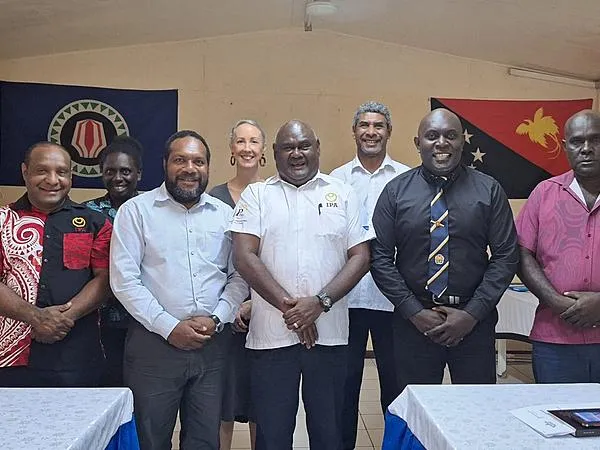
ABG Acting Chief Secretary Kearnneth Nanei and the Managing Director of the Investment Promotion Authority (IPA), Clarence Hoot, met recently in Buka to discuss key priorities for the economic sector on Bougainville.
Mr Nanei said this meeting was following an invitation from the ABG to discuss and consult on ABG's immediate intervention program to anchor Bougainville’s economy. This program, which is driven from the Office of the Chief Secretary through a whole-of-government approach, is geared towards working collaboratively with IPA to establish key economic foundational institutions towards creating a stable economic landscape for Bougainville.
The discussions also centered on transferring priority powers under IPA to ABG's Department of Commerce. These powers include Investor Servicing, Business Registration, Regulation and Certification, Protection of Intellectual Property, and Regulating Capital Markets, among others.
Acting Chief Secretary Nanei took the opportunity to brief Mr. Hoot in more detail, on the ABG's priority work streams under the economic roadmap and the recently endorsed immediate interim economic package.
This package, endorsed by the Bougainville Executive Council, offers a fresh approach with immediate interventions aligned with the goals of the Economic Roadmap for Bougainville. The proposed activities, adopting a whole-of-government approach, are grouped into work streams as anchors to establish the necessary regulatory framework for a stable economy.
"We want to build on the resilience of our people and support them in building a strong and vibrant economy for Bougainville," Mr. Nanei emphasized.
Mr. Hoot welcomed the presentation from the ABG Acting Chief Secretary, reaffirming IPA's ongoing commitment, support and guidance to the ABG through their regional IPA office in Buka, and through the ABG Department of Commerce, a key partner of IPA in Bougainville.
The meeting was also part of Mr. Hoot's annual tour to visit their regional IPA offices, which include one in the Autonomous Region of Bougainville.
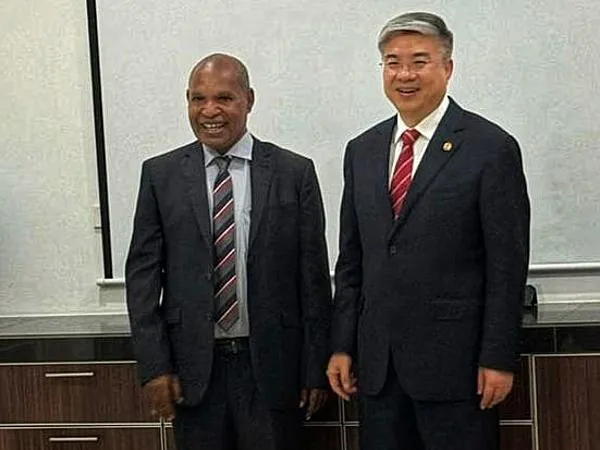
China is fast becoming Papua New Guinea’s most important trading partner, says the Minister for International Trade and Investment, Hon. Richard Maru. Minister Maru made this statement after his two-hour meeting with the Chinese Deputy Minister of Commerce, Mr. Tang Wenhong in Port Moresby recently.
“We are determined to grow and deepen our relationship with China and anchor it through a Free Trade Agreement between PNG and China if our joint feasibility study which will be completed by July this year confirms that it is viable and in our national interest to enter into a Free Trade Agreement with China. Australia recently signed a Free Trade Agreement with China, but it took Australia over 10 years to negotiate and finalize and sign their Free Trade Agreement. We have started the process with PNG advancing its K1 million last year to commence the joint study and we are happy that China will make their K1 million available so we can complete the study in July,” said Minister Maru.
Minister Maru said: “Whilst we acknowledge Australia for being the biggest investor in PNG with investment valued at over AU$24.8 billion, they hardly buy from us. PNG’s exports to Australia in 2022 stood AU$1.6 billion with over 98% being gold and other precious metals whilst Australia’s exports to PNG stood at AU$95.9 million. Trade has been skewed in Australia’s favor for decades. Meanwhile, for the past five years, trade between PNG and China has been in favor of PNG with PNG recoding surplus balance of trade from 2017-2021. In 2020, PNG exported K6.7 billion, imported K2.6 billion and has a trade surplus of K4.1 billion. China has been ranked 3rd as top export destination for PNG’s merchandise and also ranked 2nd as top import source for PNG. This indicates that trade with China is economical. We have realized that our future in terms of exports lies with China. If both Australia and New Zealand have Free Trade Agreements with China and they are the biggest export markets for these two countries, we must also move in this direction.”
Minister Maru further stated: “After PNG signed the Belt and Road Initiative in 2018, PNG became China’s largest trading partner, investment destination and project contacting market in the region. China aided projects such as roads, bridges, hydropower stations, and have made important contribution to the economic development and people’s livelihood. China’s growing economy coupled with soaring domestic demands stimulated by its 1.41 billion people positions the country as an important source of global demand, hence we are keen to strengthen and deepen our relationship with China anchored on trade and investment. I stressed to Minister Wenhong that we are looking for large Chinese investors in invest in our Special Economic Zones in order to fast track the growth of our economy. Our economy will not grow, jobs will not grow, and we will not move forward if we do not have investments.”
Minister Maru added: “I also welcome the three flights coming to PNG from China weekly. This will bring a lot of investors and tourists to come from China to PNG. This is good news. But we must have the products like first-class hotels, and facilities like casino and others to attract the 100 million Chinese tourists to also consider PNG an attractive tourism destination. China is also inviting us to attend their China Import and Export Fair so we can go and market our products in China. We will be working very closely with the Chinese Ministry of Commerce to secure export markets for our coffee, cocoa, fish, and other products.”
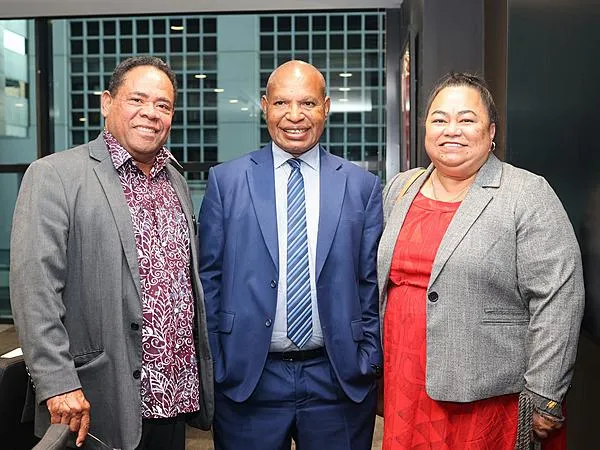
The Minister for International Trade and Investment, Hon. Richard Maru in his bilateral meeting with the New Zealand Minister for Agriculture, Hunting and Fishing, Forestry, and Trade, Hon. Todd McClay in Auckland, said Papua New Guinea (PNG) and New Zealand needed to reset their relationship. Minister Maru proposed to Minister McClay that Governments of both countries needed to negotiate a comprehensive, economic, and development partnership under a proper agreement where there were obligations on both sides.
“The time has come for PNG and New Zealand to seriously sit down and review the past 50 years of our relationship and talk about a new framework that is more comprehensive and one that will bring far more benefit to both countries. Let’s face it, PNG and New Zealand have had 50 years of relationship but have not made a go of this relationship on both sides- for example, we do not have an airline flying between our two countries despite having an Air Service Agreement, and our Kumuls do not even play the Kiwis annually. In terms of trade, the trade between our two countries has been in New Zealand’s favor on a ratio of 1:10 for a very long time. They benefit more from our economy than we have from theirs. If they are serious about their future with us, then they need to understand that we need a new agreement like we do with the Australian Government called the Comprehensive Economic Partnership Agreement. It’s time we have such agreement with New Zealand where there are obligations on both sides- we offer them jobs, market opportunities, and investment opportunities, and in return we want to see air services between our two countries, more students studying in New Zealand under scholarship programs of the New Zealand Government, and we want to see more Papua New Guineans coming to New Zealand for long-term employment in industries that are important to us like dairy, inland fishing, poultry, and others,” said Minister Maru.
Minister Maru said: “New Zealand is a country that is number one in the world in terms of agriculture, in engineering, and in many other fields. We can benefit from this relationship in a bigger way only if we have a framework, a structure, and an agreement that will benefit both countries.”
Minister Maru also raised a concern to Minister McClay on the number of the Papua New Guineans employed under New Zealand’s Recognized Seasonal Employer (RSE) Scheme.
“We have 400 workers employed in New Zealand under the RSE Scheme whilst Vanuatu alone has 6,000. This is a serious concern to us because we think that PNG is a far more important partner to New Zealand in terms of trade volume, but the numbers do not add up. The feedback we have received from the farms in New Zealand is that Papua New Guinean employees perform very well. We only have 400 people employed in New Zealand under the RSE Scheme, but the demand is so high as we have over 30, 000 young people coming out of Grade 12 every year. Australia has introduced a new program under which they not only employ farm workers and also skilled workers who are offered a contract up to four years. That for us is better because they mentor them and develop them with skills that they can return with to PNG. We are keen on such longer-term program with New Zealand where Papua New Guinea graduate students in agriculture or fisheries can be employed in New Zealand industries for four years and learn from them so they can return to PNG and become leaders in our own industries,” said Minister Maru.
Minister Maru also met and invited potential New Zealand investors to invest in the Special Economic Zones in PNG.
“We need industries that New Zealand is renowned for, like poultry, dairy, and aquaculture. Poultry is one of the areas that we are seriously looking at because we do not want to continue to import K100 million worth of chicken every year. We want a New Zealand company to come and invest in this space because it is an industry that they are very good at,” said Minister Maru.
Minister Maru further stated: “Not only are we looking at investments, but we feel that the time has come for the Agriculture Ministers of both countries to enter into formal MOU for an agriculture cooperation that will be an important framework that PNG can utilize to secure New Zealand’s support for the development of agriculture and livestock industries in PNG.”
Minister Maru added: “We have just recently exported our first taros to New Zealand after 50 years of trying. We want to also export our yams, sweet potatoes, bananas, our coffee, and other products including tuna to New Zealand especially targeting the 400, 000 Pacific Islanders living in New Zealand. The biggest obstacle is having no direct flights between our two countries and that is something our two Governments need to look at addressing as a matter of priority if we are serious about the future of our relationship.”
Minister Maru also expressed to Minister McClay that PNG needed assistance from the New Zealand Government to reform its Capital Market.
“We are looking at modeling our new legislation and regulations on the back of the New Zealand experience. We want to be able to send young and professional Papua New Guineans to work in New Zealand Financial Market Authority (FMA) and work with the FMA to develop our capital market,” said Minister Maru.
Minister Maru further added: “Our focus now will be to develop our relationship with New Zealand businesses, people, and institutions. Connection has been a serious issue in our relationship. We do not have flight connectivity between our two countries, and our Kumuls do not even play the Kiwis annually. We want to work on this relationship which we have not worked on in the last 50 years. It is better late than never. New Zealand is a country that is more open and friendly, but we have not matured and developed the relationship, and we want to start now. As we celebrate our 50 years of Independence next year, we really need to connect with New Zealand so they can help us chart our roadmap and define the next 50 years towards achieving our Vision 2050 aspirations.”
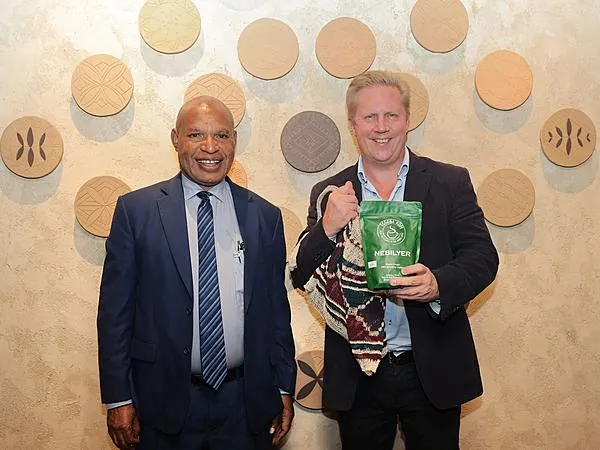
Wantok Produce Managing Director, Dr. Pulotu Lautofa McCarthy is calling on the Government of Papua New Guinea (PNG) to seriously give priority to direct flights between PNG and New Zealand. Dr. McCarthy made this call when the Minister for International Trade and Investment, Hon. Richard Maru met with PNG diaspora and students in Auckland recently.
Wantok Produce in partnership with the National Agriculture Research Institute (NARI) Enterprise Limited exported first 13 tons of frozen taro to New Zealand last month.
“This is the first time that PNG has exported its taro into the New Zealand market after 50 years of trying,” said Minister Maru.
Dr. McCarthy who is originally from Samoa but calls himself ‘a Papua New Guinean by heart’ shared his story on why he decided to go into the business of exporting PNG taro to New Zealand.
“I have lived in PNG since I first arrived in 1970s to study medicine under an Australian scholarship. My wife Lydia and I made the toughest decision to move to New Zealand to be close to our children who were all studying in New Zealand when COVID struck in 2019. Whilst in New Zealand, one of the things that we really missed was PNG local food. There were no PNG products in New Zealand except for coffee which was repacked under different brands with no acknowledgment or traceability to the origin. That is why we ventured into exporting PNG taro to New Zealand to meet the needs of the Papua New Guineans living there. Our taro is packaged as ‘Wantok Frozen Taro’ with the label ‘Product of Papua New Guinea’,” said Dr. McCarthy.
Dr. McCarthy further stated: “Our taro taste better than taros from anywhere in the world. We can also export yams, sweet potatoes, cassavas, bananas, coffee, and other products targeting the 400, 000 Pacific Islanders living in New Zealand. We have unlimited market and with the taste of our taro now becoming a hot cake we have the potential to do more, but we cannot do so without direct flights between our two countries. I am calling on the PNG Government to seriously give priority to direct flights between PNG and New Zealand because this will enable us to export more of our products into New Zealand market.”
Follow on LinkedIn:
PNG Business News
Be the "First" to get our exclusive Digital Magazine & Weekly Newsletter.