August 26, 2024

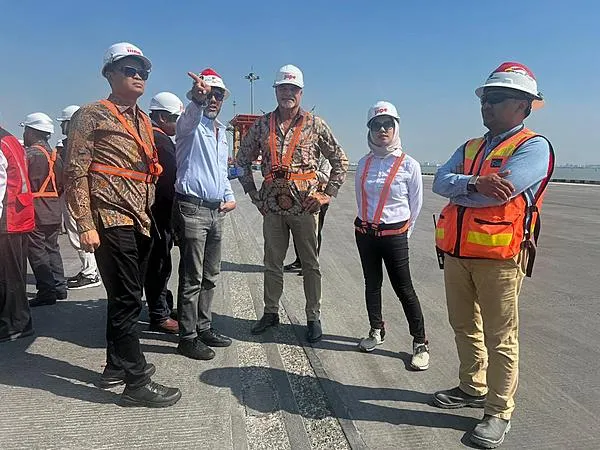
Deputy Prime Minister Hon. John Rosso led a small Papua New Guinea delegation on Monday, August 19, 2024, to a significant meeting with the management of the Java Integrated Industrial and Ports Estate (JIIPE) Special Economic Zone in Gresik, Surabaya, Indonesia. This visit is part of a broader series of engagements aimed at attracting trade and investment into Papua New Guinea by Indonesian companies. The initiative follows recent high-level discussions between Indonesian President H.E. Joko Widodo and PNG Prime Minister Hon. James Marape.

Indonesia, PNG’s closest neighbour, is one of the emerging market economies in the world and the largest in Southeast Asia. As an upper-middle income country and member of the G20, Indonesia is classified as a newly industrialised country. Indonesia nominal GDP reached US$1.371 trillion) in 2023, it is the 16th largest economy in the world by nominal GDP and the 7th largest in terms of GDP (PPP).

The PNG delegation included International Trade and Investment Minister Hon. Richard Maru, Labor Minister Hon. Kessy Sawang, Madang Governor Hon. Ramsey Pariwa, Secretary for International Trade and Investment Jacinta Warakai-Manua, officials from State-Owned Enterprises, PNG Ambassador to Indonesia H.E. Simon Namis, and embassy staff.

During the visit, the delegation received an in-depth briefing from JIIPE management, along with representatives from the mining company PT Freeport Indonesia. The briefing provided insights into the operations of this flagship Indonesian project, followed by a tour of the SEZ.

JIIPE was designated as an SEZ by President Joko Widodo in 2021, marking it as a national strategic project designed to meet industrial needs. The SEZ boasts superior connectivity through multimodal transportation, a connected deep seaport, a one-stop complete utility service, environmental permits, and expedited construction permits. These attributes, along with the availability of essential utilities like power plants, industrial freshwater, waste management, gas supply, and telecommunication networks, have made JIIPE a major investment destination in Indonesia. The SEZ currently hosts over 17 tenants, including Bank of Indonesia and PT Freeport Indonesia.

Deputy Prime Minister Rosso emphasised the significance of the meeting, particularly in the context of PNG's own SEZ development efforts all over the country, including in Madang for fisheries and nickel, and in Lae for the Wafi-Golpu Mine. He remarked on the relevance of Indonesia's experience to PNG's ambitions.

“You (Indonesia) have already gone down that path (SEZ development), learned from your mistakes, and you will be able to teach us. The SEZ here replicates what we are trying to understand and achieve at two of our ports (Madang and Lae),” Deputy Prime Minister Rosso said.

“It has a lot of similarities to two of the SEZs we are trying to build in PNG: One in Madang where we have a nickel mine, and my home city of Lae, which, like Surabaya, is the second-largest city and industrial hub of PNG.”

Minister Maru, who oversees SEZ development in PNG, highlighted the alignment between Indonesia's SEZ experience and PNG's goals for SEZ development.

“In Madang, there is already land and a deep-water port available, which makes it the ideal location for development of a special economic zone for fisheries and other industries,” Minister Maru said.

“We also want to develop a smelter in Lae so that gold and other minerals from Wafi-Golpu, and other mines throughout the country, can be processed at this SEZ. It can also create thousands of new jobs,” Minister Maru added.

“The Indonesia experience is an eye-opener for PNG on what can be achieved, and best of all, they are willing to help us.”

August 26, 2024

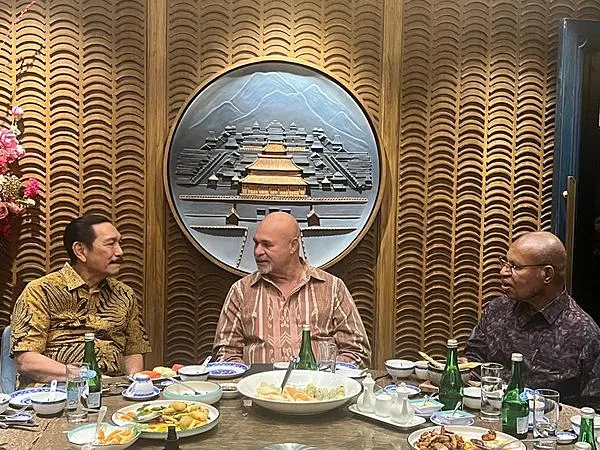
The Indonesia Government has proposed that Indonesia and Papua New Guinea (PNG) establish a high-level Dialogue Cooperation Committe to meet every six months to drive the agenda of growing trade and investment, and all cooperation between the two countries.

Minister for International Trade and Investment, Hon. Richard Maru said: "This committee will provide policy coordination and guidance for the practical cooperation between our two countries. Indonesia has a similar arrangement with China which has seen significant growth in trade and investment between the two countries. According to China Customs, total trade value of the two countries as of October 2022 reached US$122.47 billion, an increase of around 26.12% from the previous year. This shows the very close condition of the trade relations between the two countries riding on the back of this arrangement."

It is proposed that the committee will be co-chaired by Deputy Prime Minister, Hon. John Rosso and the Indonesian Minister for Maritime Affairs and Investments, Luhut Binsar Pandjaitan.

"We are finalizing the Terms of Reference and Deputy Prime Minister Rosso will be taking a submission to the Cabinet upon returning from our high-level trade and investment mission in Indonesia to have the committee established as soon as possible," said Minister Maru.

"This high-level Dialogue and Cooperation Committee will consolidate the relationship between our two countries on a Government-to-Government level and we will have business-to-business and people-to-people relationships developed on the back of this arrangement. It has taken us 50 years to reach this point and I am very excited about this proposal by the Indonesian Government to establish this high-level committee," added Minister Maru.

August 26, 2024

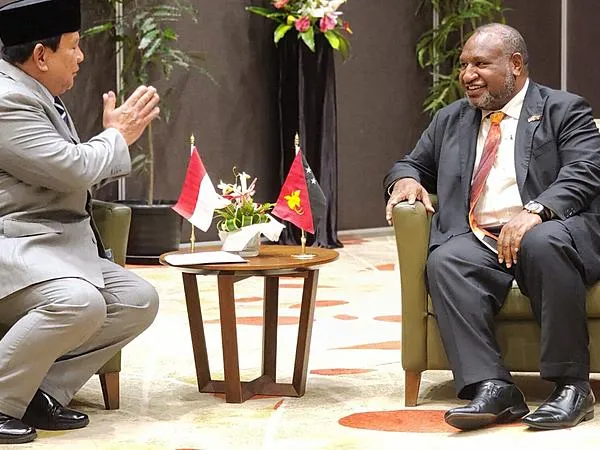
A very warm exchange took place between Prime Minister Hon. James Marape and Indonesia’s President-elect, Prabowo Subianto when the two met recently during the president’s 5-hour stop over visit in Port Moresby.

Prime Minister Marape met the Indonesian leader at Jacksons International Airport to welcome him to Papua New Guinea, and later in a bilateral meeting at Stanley Hotel in Port Moresby. This was later followed by a brief joint press conference soon after.

Both leaders were very cordial with each other and highlighted the agenda discussed in the meeting.

Prime Minister Marape said, “I want to say on behalf of the people of Papua New Guinea, our sincerest appreciation for our closest neighbour and its President-elect coming here in one of his first visits.

“My good wantok, we say thank you for visiting us.”

Prime Minister Marape said he has accepted the invitation to witness the inauguration of the new president in October in Jakarta. A similar invitation had also been put to the Australian Prime Minister Anthony Albanese by the new president and was also accepted.

“We are the three nations living side-by-side on this side of Planet Earth where global conversations rotate around Indo-Pacific and we are in the heartbeat of these Indo-Pacific conversations.

“In that context, I have accepted the invitation on behalf of all of us to attend the inauguration,” said the Prime Minister.

Prime Minister Marape also highlighted that the two leaders also ended a “very good” meet & greet with various ministers of the PNG Government.

“We have touched on the core fundamentals of our two nations’ relationship, respecting the two nations’ sovereignty as we share our common land border and common people-to-people ties.

“The President-elect has given his full assurance that the work of the leaders’ dialogue under Marape-Widodo will carry on. So far, we have had three nation-to-nation meetings and exchanges, and the President-elect has affirmed that these exchanges will continue especially in business-to-business and people-to-people.

“Government-to-government relation has never been better. We have maintained good dialogue and we are fine-tuning in the other areas.”

The Prime Minister also said he has invited the President-elect to join PNG in its celebration of the country’s 50th  Independence anniversary next year 2025. This was also accepted by the new president.

President Subianto was very gracious in his remarks, complimenting the Prime Minister on his leadership.

He said, “My greatest appreciation for the welcome accorded to me because I am not really installed as the head of government yet, but you accorded me a beautiful ceremony at the airport.

“When you were in Jakarta, you chose to visit me in my office, which was great honour.

“In those few minutes, I felt your sincerity, your friendship and your wisdom as leader, and I became convinced that I must foster and enhance this friendship and relationship. Therefore, I made the decision that I must visit His Excellence James Marape as soon as possible even though I have not yet been formally made the president.

“So from Australia I came here, and I think my decision to come here is very correct and productive. I thank you, Prime Minister Marape, for your wisdom.

“I think PNG is very fortunate to have one of the brilliant leaders that I have met. Your experience, your geo-political outlook, your economic ideas are very important and I once again look forward to working with you.

“Your vision of closeness – whatever politics may happen – but the fact is that we are very close neighbours”.

The new president also highlighted that Indonesia was pleased that Papua New Guinea has expressed its intention to join the Association of South-East Asian Nations, and further mentioned Indonesia would continue the dialogue on trade & investment, and the development of agriculture, forestry and fisheries in PNG.

President Subianto also said Indonesia would welcome PNG’s insights on culture and traditional knowledge in relation to people of West Papua.

August 19, 2024

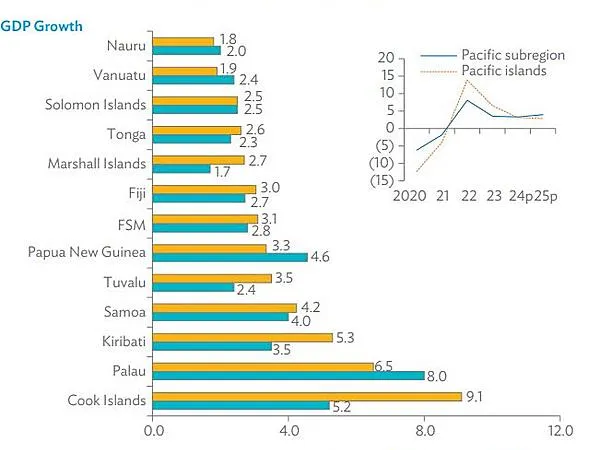
The Pacific is projected to grow by 3.3% in 2024 and 4.0% in 2025, but the need to build resilience continues, according to the latest issue of the Asian Development Bank’s (ADB) Pacific Economic Monitor (PEM) launched today.

This growth is largely driven by the recovery of resource extraction in Papua New Guinea, the subregion’s largest economy. Stable visitor arrivals in most tourism-dependent economies and stimulus from public infrastructure projects are also seen to drive growth. However, a wide range of factors—including labor shortages, reduced fiscal space, and exposure to climate change and disaster risk—pose downside risks to the outlook.

“This positive growth is good news for the Pacific, but significant downside risks highlight the ongoing need to build resilience,” said ADB Director General for the Pacific Leah Gutierrez. “ADB will continue to work closely with our Pacific developing member countries to help manage these risks and safeguard development gains from shocks.”

The latest PEM explores various aspects of building resilience in the Pacific. One article discusses ways to build climate and disaster resilience in the Cook Islands, Samoa, and Tonga, and another examines Fiji’s new fiscal year 2025 budget in light of the need to adhere to debt targets while maintaining economic growth. Other articles related to public financial management examine debt sustainability challenges faced by Papua New Guinea, ways to better manage Constituency Development Funds in Solomon Islands, and strategies for building resilience in the Marshall Islands, the Federated States of Micronesia, and Palau following the renewal of their Compacts of Free Association with the United States. Other articles look at issues relating to social protection and the high cost of living in Kiribati, Niue, and Tuvalu; developing a resilient labor market in Nauru; and the future of air travel in Vanuatu.

Policy briefs in the PEM spotlight building resilient infrastructure, bolstering climate resilience, and strengthening public financial management within the unique Pacific context. Another policy brief highlights the need to understand the vulnerability and fragility of Pacific small island developing states to develop solutions for resilience.

The PEM is ADB’s biannual review of economic developments and policy issues in ADB’s 14 Pacific developing member countries. In combination with the Asian Development Outlook (ADO) series, ADB provides quarterly reports on economic trends and policy developments in the Pacific. 
August 19, 2024

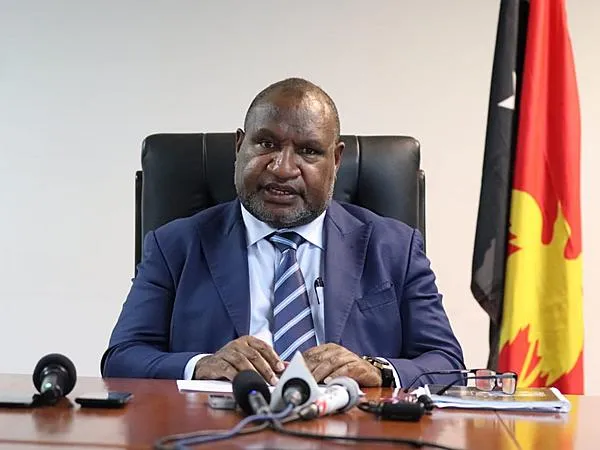
Prime Minister Hon. James Marape announced that Papua New Guinea’s economic outlook is showing significant improvement, driven by stronger growth, low and stable inflation, and a substantial easing of foreign exchange (FX) shortages.

“The PNG economy is on a positive trajectory, with inflation persistently remaining below the historical average of 5.5 percent, and even lower than global averages— demonstrating the government’s strong commitment to price stability,” the Prime Minister stated.

Prime Minister Marape highlighted the International Monetary Fund’s (IMF) GDP growth projection of 4.6 percent for 2024, which places Papua New Guinea among the fastest- growing economies in the region.

“The FX backlog for essential imports has improved drastically with waiting times for essential orders dropping significantly. BSP Financial Group has reduced wait times from a peak of six-to-eight weeks to just two-to-four weeks, with other banks reporting similar improvements. The Bank of Papua New Guinea is also injecting more FX into the market than ever before. This will help promote investment, jobs, and growth,” said the Prime Minister.

“These positive outcomes are the result of taking tough policy decisions, proving that doing the right thing is paying off. Overall, the outlook is bright, with stronger growth, stable inflation, and easing FX shortages leading the way forward.”

August 19, 2024

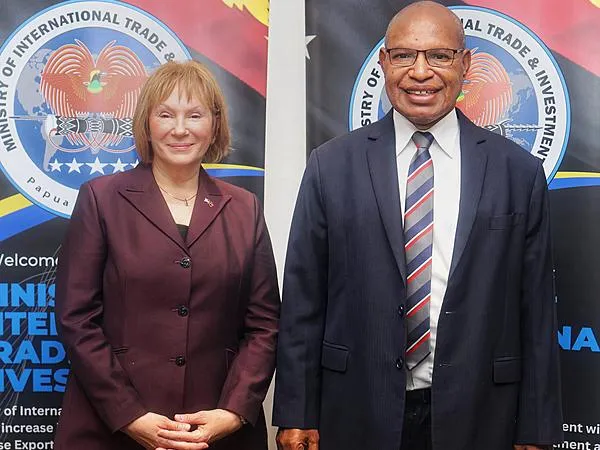
It is difficult to attract American companies to come and invest in Papua New Guinea (PNG) if they continue to go through the frustrations of establishing themselves in PNG, says The United States (US) Ambassador to PNG, Her Excellency Ann Marie Yastishock. Ambassador Yastishock made this statement today in her meeting with the Minister for International Trade and Investment, Hon. Richard Maru.

Ambassador Yastishock said: “A classic example is StarLink. StarLink was promised a license in January this year. We are now in August and they still have not had their approval. One of the big sticking points for US and the US companies is ease of doing business and it is not always easy to do business here in PNG. So, the questions are: What do we do to attract those American businesses to come to PNG? How do we get NICTA to approve StarLink License that would reduce the cost of internet access which will be helpful to communities who do not have access to the internet? It is difficult to understand why it is very difficult to get approval in PNG when Pacific Island countries like Tonga and Fiji have approved StarLink which has brought down the cost of internet access big time.”

Ambassador Yastishock further stated: “There is a lot PNG can offer including the population and the landmass, and it sits in a place between ASEAN, South East Asia and the Pacific, and it is a member of the APEC. We have American businesses already operating in the country including Exxon Mobil, Hilton, Marriot, and Newmont that has now started up. We are also talking to some other American companies about coming to PNG but it is these little stumbling blocks that frustrates American companies. Without dealing with issues like this and the Government not being able to help us we cannot attract American businesses to come and operate in PNG to help drive the cost of doing business down, create employment, and help drive economic growth.”

Minister Maru in response said: “American companies have a good reason to be frustrated. This is unacceptable. We need competition and we need to drive the cost of doing business down in the country, including internet cost. Our consumers should be the most important factor. We need to drive the cost of doing business down in this country and make it affordable. PNG has one of the highest costs of doing business and when American companies are willing to help us to offer critical services, we are just frustrating them.”

It is understood that the Ombudsman Commission has stopped NICTA from issuing the license because of some investigations which has taken over eight months while the country and the consumers have been held at ransom.

August 19, 2024

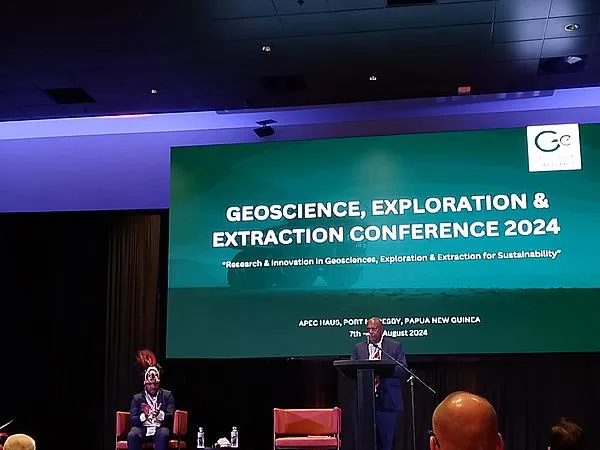
Addressing a diverse audience of analysts, regulators, environmental scientists, and industry professionals during the Geosciences, Exploration, and Extraction (GEE) 2024 Conference, the Mineral Resources Authority (MRA) Managing Director, Jerry Gerry, emphasized the critical importance of sustainable practices in harnessing Papua New Guinea’s rich mineral and petroleum resources.

The conference commenced at APEC Haus in Port Moresby on August 7 to 9 with over 350 delegates attending and thousands nationwide and from abroad watching via live stream. Following the tradition of excellence established in the inaugural conference in 2022, the event brought together experts to discuss the future of resource extraction.

In PNG Prime Minster Hon. James Marape’s opening speech through MRA MD Gerry, he acknowledged the global community of scientists whose work contributes to enhancing life and supporting the economic, environmental, and public health needs of nations.

Marape highlighted the significance of this year's conference theme, "Research and Innovation in Geosciences, Exploration, and Extraction for Sustainability," as a response to the growing international demand for limited resources.

This year’s theme also addresses the rapidly depleting PNG minerals and hydrocarbon reserves due to a lack of major discoveries over the last four decades.

Marape underscored the responsibility that comes with PNG’s abundant mineral and petroleum resources. He noted, “As a nation, we stand at a crossroads where our decisions will resonate through generations yet to come.”

He stressed that the exploration and extraction of these resources are not merely academic exercises but vital missions that directly impact the livelihoods of countless communities.

Marape also called for the use of cutting-edge technologies and artificial intelligence to minimize environmental harm while maximizing the efficiency of exploration and extraction methods.

“Our globe is demanding a reduction of emissions and greater care for our environment,” he said, urging the industry to embrace sustainable mining practices.

Highlighting the necessity for collaboration, Mr. Garry advocated for cross-border, interdisciplinary partnerships between universities, research institutions, government agencies, and private enterprises.

Such cooperation, he emphasized, is crucial for protecting the environment while meeting the demands of an ever-growing population.

Mr. Garry extended his gratitude to the conference organizers, particularly the Chairman of the Organizing Committee, partners and all sponsors.

The invaluable Sponsors of the GEE 2024 Conference that made the GEE Conference possible;

Platinum Sponsors:

  • Mineral Resources Authority
  • Kumu Minerals Holdings Limited: The National Minerals Company 

Gold Sponsors:

  • K92 Mining
  • Ok Tedi Mining
  • Ramu Nico Management (MCC) Limited

Bronze Sponsors: 

  • Newmont
  • Deka Dynamics

Conference Partners:

  • Cars Island Mobile Hire
  • Crown Hotel Port Moresby
  • Vodafone
  • NYW Development Limited

Also contributing to prepare and research, terms of presenters, session chairpersons are the following:

  1. Mining Resources Authority of the Independent State of Papua new Guinea
  2. World Bank Group, Papua New Guinea
  3. Kumul Petroleum Holdings Limited, Papua New Guinea
  4. Kumul Mineral Holdings Limited, PNG
  5. Auckland University of Technology, New Zealand
  6. Coordinating Committee for Geoscience Programmes in East & Southeast Asia , Thailand
  7. PNG University of Technology, PNG
  8. University of Papua New Guinea, PNG
  9. James Cook University, Queensland, Australia
  10. Akita University, Japan
  11. Victoria University, New Zealand
  12. University of New Castle, New South Wales, Australia
  13. Ok Tedi Mining Limited, PNG
  14. University of Wollongong, New South Wales, Australia
  15. Dabai Geoconsult Limited, PNG
  16. University of Western Australia
  17. Woodlark Mining Limited, PNG
  18. University of Queensland, Australia
  19. K92 Mining Limited, PNG
  20. Mongolian Univerity of Science and Technology, Mongolia
  21. St Barbara Limited, PNG & Australia
  22. Pan Australian Resources, Queensland, Australia
  23. Geo Scan Australia Pacific, Queensland, Australia
  24. Universoty of Goroka, PNG
  25. University of Auckland, New Zealand
  26. University of Colombo, Sri Lanka
  27. Meteorological Office, United Kingdom
  28. Curtin University, Western Australia, Australia; Peak Oil PNG Pty Limited, Australia & PNG
  29. Don Bosco Technical Institute, PNG
  30. Circum-Pacific Council & San Jose University, USA
  31. Twinza Oil, Victoria, Australia
  32. Mineral Resources Development Company Limited
  33. Cranfield University, United Kingdom
  34. PNG Forestry Agency, PNG

All attendees were encouraged to share their knowledge and experiences to benefit the complex extractive industry and ensure the sustenance of the environment.

The GEE 2024 Conference featured numerous sessions dedicated to the latest research, innovations, and sustainable practices in geosciences, exploration, and resource extraction. The sessions were broken down into 12 sub-themes presented in 3 days:

  • Sub-Theme 1: The Strategic Roles of Government, Industry, Universities & Society with respect to Geoscience, Energy & the Extraction Industries
  • Sub-Theme 2: National, Pacific Regional & International Geoscience & Society
  • Sub-Theme 3: Professor Hugh Davies Session - PNG & Pacific Geology & Tectonics
  • Sub-Theme 4: Mining & Minerals in PNG & Globally
  • Sub-Theme 5: Economic Geology: Minerals & Mining
  • Sub-Theme 6: Mining Engineering & Geotechnical Issues
  • Sub-Theme 7: Mining, Minerals, Environment & Futures
  • Sub-Theme 8: Geoscience, Environment, People, & Planetary Management
  • Sub-Theme 9: Geohazards & Risk Management
  • Sub-Theme 10: Professor Russell Perembo Session: Energy, Marine & Coastal Geoscience
  • Sub-Theme 11: Miscellaneous Geosciences
  • Sub-Theme 12: Miscellaneous Geosciences

Prior to the conference, there was a Pre-Conference Field Trip on 6th August to several locations. They included Varirata National Park, Sogeri Plateau, Varirata National Park and Lookout, PNG Power Rouna 2 Hydropower Facility, Site Tour by PNG Power Site Team, and Laloki Mine Roaster (17 Mile).

August 12, 2024

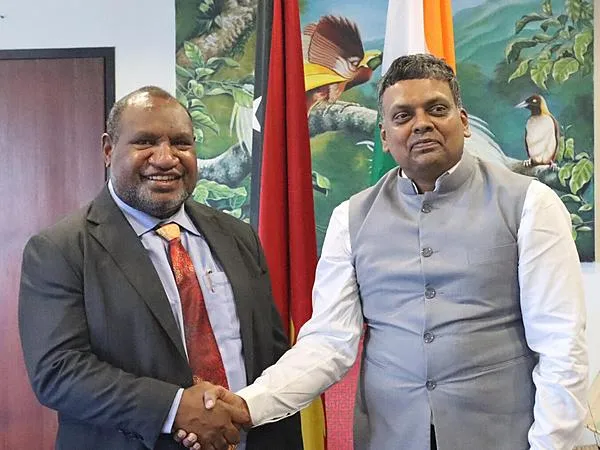
Prime Minister Hon. James Marape on Tuesday, August 6, 2024, expressed his gratitude to the outgoing Indian High Commissioner to Papua New Guinea, H.E. Inbasekar Sundaramurthi, for his exceptional contributions during his tenure.

Prime Minister Marape acknowledged the progress made in India-PNG relations under High Commissioner Sundaramurthi’s leadership, noting significant milestones such as the 2023 visit by Indian Prime Minister Hon. Narendra Modi. This visit, according to Prime Minister Marape, laid the groundwork for a more robust partnership with India, the world’s fifth-largest economy.

“You have been a good High Commissioner for India to PNG in your time here. I am very happy that during your time here, PNG-India relationships have grown from strength to strength,” Prime Minister Marape stated during his meeting with High Commissioner Sundaramurthi.

The Prime Minister also recognised India’s support to PNG during times of natural disasters, despite the challenges faced within India itself. He remarked, “In the face of your own disasters or problems back in your country, your assistance to us during our recent times of disaster like the landslip at Mulitaka in Enga Province, is very much acknowledged. It shows that you are a true friend and you care for us in our time of need.”

Highlighting the importance of Prime Minister Modi’s visit, Prime Minister Marape noted that High Commissioner Sundaramurthi has proposed a reciprocal visit for him to India later this year.

In their discussions, Prime Minister Marape advocated for continued Indian support in education, particularly through the establishment of sister campuses of Indian universities in PNG and the involvement of Indian teachers in local schools. He emphasised the value of ongoing scholarship programmes that enable PNG students to study in India, encouraging greater participation as the two nations continue to strengthen their relationship.

Furthermore, Prime Minister Marape expressed his commitment to deepening ties with India, welcoming India’s offer of assistance in technology advancement, biometric identification systems, electoral systems, and the supply of medicine.

Prime Minister Marape indicated his intent to finalise a reciprocal visa-on-arrival arrangement with India, which has been pending, in recognition of India’s existing visa-on-arrival policy for PNG citizens.

August 12, 2024

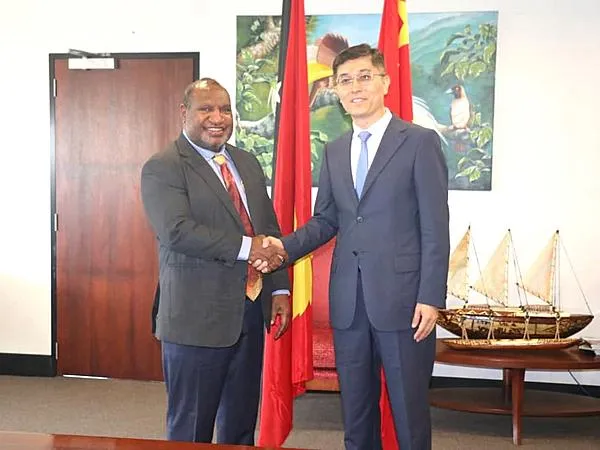
Prime Minister, Hon. James Marape on Tuesday, August 6, 2024, welcomed new Chinese Ambassador to Papua New Guinea, His Excellency Mr Yang Xiaoguang, while commenting on the “great strides” the two countries have made in their bilateral ties in the last five years.

Ambassador Yang Xiaoguang paid a courtesy call on the Prime Minister at his office at Sir Manasupe House in Waigani, during which Prime Minister Marape and the Ambassador reaffirmed the existing bilateral relationship between Papua New Guinea and China.

“Papua New Guinea and China have always had a good, cordial relationship since 1976 when our two countries signed a joint communique establishing diplomatic ties,” said PM Marape.

“I welcome you to Papua New Guinea, Ambassador Yang, and look forward to a greater collaboration with you to continue what your predecessors have put in place.”

Prime Minister Marape said it was “satisfying” to see the PNG-China relationship elevated to this new level, a sentiment that was later echoed by Ambassador Yang in his reply to the Prime Minister.

PM Marape continued by reaffirming China’s position in terms of Papua New Guinea’s trade and investment with China, highlighting to the new envoy that China continues as one of the biggest importers of PNG produce and raw materials where China buys more from PNG than the other way around.

He also acknowledged the roles that Chinese President Xi Jinping, and Premier Li Keqiang and his successor Premier Li Qiang have played in understanding his objectives in downstream processing as a strategy to heighten the country’s economic strength, and providing support in this area.

“I want to place on record both President Xi Jinping’s and Premier Li’s understanding of our focus on downstream processing. In my last trip to China, we signed certain MOUs, and one of them was for bio-clearance so PNG produce can be exported to China.

“So great strides have been made in the last few years, especially on the Chinese government’s appreciation of our focus on downstream processing, and their support to us to get into downstream processing to export back to China and other parts of the world.”

The Prime Minister then reflected on his visits to China over the last years since taking office, reiterating the level of diplomacy and respect accorded to him by the government and the leaders of China.

He affirmed to the new envoy the focus on manufacturing and downstream processing and requested that the Ambassador continue to work with his government to progress matters this area.

PM Marape concluded his remarks by stressing PNG’s stance on the One China policy and invited more Chinese investments into the country.

Ambassador Yang said it was a “privilege and honour” to be the new ambassador in Papua New Guinea, adding that he wanted to see the PNG-China bilateral ties improved to greater heights during his tenure in office.

He said, “I am confident that with your assistance, we can achieve our mutual target of improving further our relationship.

“We appreciate your Excellency’s attachment of great importance to the PNG-China relations.”

Ambassador Yang acknowledged the visits Prime Minister Marape has made to China and his message in welcoming more Chinese investors into PNG.

Ambassador Yang said, “More and more Chinese companies are interested in investing in PNG, as we see PNG has a huge potential in further development. We believe PNG can be more prosperous, independent and more influential. During the course of PNG’s development, China will be a reliable partner as we do not affiliate any political conditions to our relations, no empty promise, and no interference in the internal affairs.

“China always regard PNG-China relations from a strategic point of view. In 2018, our President made a historic visit to PNG and improved our bilateral relationship to comprehensive strategic partnership, and in recent years, we have supported each other on my occasions. We have seen our political mutual trust deepened and broadened our economic and trade cooperation.

“In the past years, you have visited China twice and met with our President and prime minister, and you signed a series of important documents enhancing our bilateral cooperation. You also met with a series of Chinese senior figures when they visited PNG.

“You expressed strong message to Chinese investors of welcoming Chinese investments and of supporting our bilateral relations, especially Prime Minister, we appreciate greatly your governments abidance by the One China principle.

“We can say PNG-China relations are at its best times in history, so I will work on the good foundations laid down by my predecessors to further cooperate with our PNG friends to deepen this cooperation,” said Ambassador Yang.

Ambassador Yang noted the work being carried out to put into place a Free Trade Agreement between the two countries, and highlighted the need for a stronger practical cooperation in agriculture, fisheries, forestry, climate change, and clean energy besides the traditional ones of infrastructure, and trade & investment.

He also mentioned opening up into Information & Communications Technology, disaster prevention and relief. The Ambassor also highlighted the current work China is doing in developing a currency settlement mechanism, and the Bank of China opening up a branch in Port Moresby, both of which will better facilitate Chinese investments in PNG.

In the area of people-to-people exchanges, the new envoy highlighted the need for visa exemptions so more Chinese people can visit PNG as tourists and investors seeking businesses in the country, as China has opened up direct air services link between Guangzhou and Port Moresby since 2023.

“I cannot find any faults in our relationship thus far. I am satisfied that we have elevated our relationship to this stage,” Prime Minister Marape concluded.

August 05, 2024

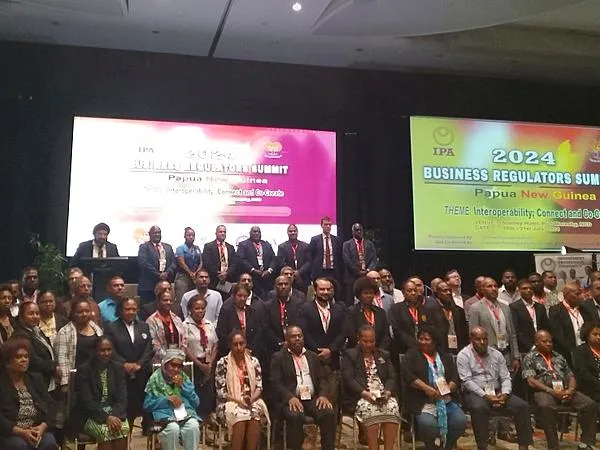
The 2024 Business Regulators Summit co-hosted by the Investment Promotion Authority (IPA) and Department of Information, Communication and Technology (DICT) on July 30 to 31 in Port Moresby drew representatives from businesses, regulators, investors, government agencies, non-government organisations, and the media across Papua New Guinea to Port Moresby for the two day summit.

Discussing the result on the outcomes of the inaugural 2019 event, IPA Managing Director Mr Clarence Hoot said: “From the first summit, an outcome report on the discussions and recommendations were produced, and an NEC paper was submitted through the Minister of Commerce and Industry.”

“The key recommendations include all streamlining all regulatory agencies to adopt system automation (interoperability) to achieve government’s vision for digital transformation.”

This year’s summit aimed to identify synergies among the government and the statutory regulatory agencies to take stock of reforms and progress to achieve PNG’s e-commerce agenda and digital transformation.

DICT Minister Timothy Masiu officially launched the summit at Stanley Hotel in Port Moresby on July 30.

“This Summit aligns perfectly with our digital transformation agenda where the objective is to harness digitalization for social and economic growth,” he said.

The theme, “Interoperability; Connect and Co-create,” underscores efforts by his Ministry and DICT’s collective goal to harness synergies among government bodies and statutory regulatory agencies to advance the nation’s e-commerce agenda and digital transformation efforts.

“This is where interoperability comes into play. Interoperability will make conducting economic activities easier for business communities,” Masiu said.

“The journey toward digital transformation supported through interoperability is both exciting and challenging. You, as regulators play a very important role in creating an environment where it will be conducive for business to grow.”

“The easier the business processes are, it will encourage more citizens to engage and operate MSMEs’ and SMEs’ creating more income generation and employment opportunities,” Masiu added.

 “This will contribute towards growing PNG economy that will ultimately result in the improvement of the citizens’ livelihoods.”

 “Our aim here today is to leverage these insights to inform our strategies and policies, aligning them with international best practices that have successfully driven digital transformation,” the minister added.

The two-day-summit featured a focus on high-level statements from the Government Ministers on the first day, followed by agenda setting and overview of the Regulators Summit topics.

The second day included panel discussions at technical level for regulators and policy makers to identify issues and opportunities, and outline recommendations for regulatory convergence and interoperability.

Discussions focused on:

  • A stock-take on progress in adopting e-commerce and digital optimization within government departments, agencies, and industry regulatory bodies to improve service delivery.
  • Promoting dialogue and identifying a central depository point for regulatory agencies to create synergies and achieve interoperability in business processes.
  • Providing policy recommendations for the government’s consideration and action.

Masiu stressed that the discussions aimed to inform ongoing Government to Citizen (G2C) and Government to Business (G2B) digitalization initiatives through necessary policy and legal frameworks, including the Digital Transformation Policy 2020, the Digital Government Act 2022, and the Digital Government Plan 2023–2027.

He said: “Together, we can provide policy recommendations that align with our national goals and drive meaningful change. Our collective insights will inform the government’s strategic decisions, ensuring that our policies are responsive to emerging challenges and opportunities.”

Key sponsors of the summit included PNG Ports Corporation, Immigration and Citizenship Authority, and the Australia-PNG Economic Partnership Program.

August 05, 2024

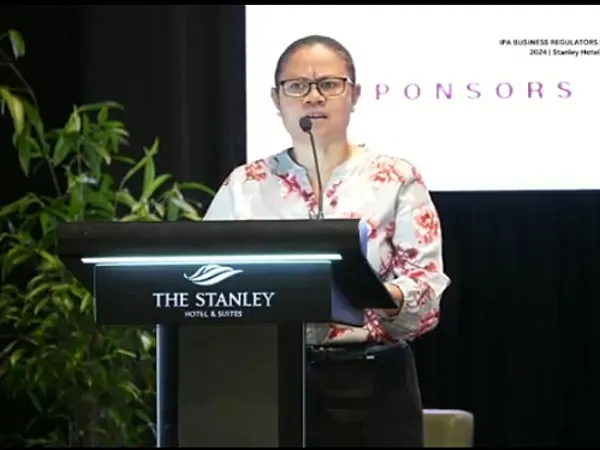
The Papua New Guinea Chamber of Resources and Energy (PNG Core) Manger for Policy and Analysis, Gretel Orake, addressed the urgent need for regulatory reform and enhanced capacity within PNG's regulatory bodies during the 2024 Business Regulators Summit held at Stanley's Hotel.

Orake highlighted critical areas requiring attention to foster a more conducive business environment and drive the nation's economic growth as it approaches its 50th anniversary.

Presenting on “Challenges in Regulatory Compliance and Coordination” on the second day of the Summit, Orake stressed the role of regulators in ensuring the ease of doing business in PNG.

“This is a call to attention, recognizing the critical role of regulators in ensuring the ease of doing business. The industry is about our country and our people," she emphasized.

Orake noted that the scrutiny faced by the extractive industry is intense, and meeting international standards is imperative for the country's development.

Reflecting on the decline in exploration licenses over the past decade, Orake pointed out: "Just over ten years ago, we had a lot... An example of that is the mining exploration tenement map in 2011. Ten years later, in 2023, the interest has declined."

Despite PNG’s natural resource potential remaining unchanged, the waning interest signals a need for regulatory revitalization, she said.

Orake emphasized the necessity of adhering to global norms through stringent regulations such as the Mining Act, Oil and Gas Act, and Environment Act.

"For Papua Energy, for instance, to get its oil and gas license, it needs to comply with the Environment Act. It must spend up to 19 million Australian dollars to comply with our Act," she detailed.

However, Orake identified a critical imbalance: the extensive requirements placed on the industry versus the limited capacity of regulatory bodies.

"When the industry is coming with a 19 million dollar document for you to review, and you are an organization that has what, 6 people? This increases the risk of error in decision making," she remarked, highlighting the delays and inefficiencies caused by under-resourced regulatory agencies.

She stressed the importance of adequate funding and resources for regulatory bodies to function effectively, and called for enhanced coordination among regulators to streamline processes and reduce bureaucratic hurdles.

"I should be able to, as a regulator, have the funding. When I have only 5 or 6 people, I should still have the ability to put out a tender and ask for expert advice," she asserted.

Orake also addressed the issue of outdated legislation, particularly the need to update the Mining Safety Act. Urging the government to commit resources to modernize regulatory frameworks, Orake emphasized that a well-resourced regulator is key to a successful economy.

"Teamwork makes the dream work. An enhanced coordination of regulators will definitely result in the ease of doing business," she said, reiterating the importance of a robust regulatory framework for the future of PNG's economy.

August 05, 2024

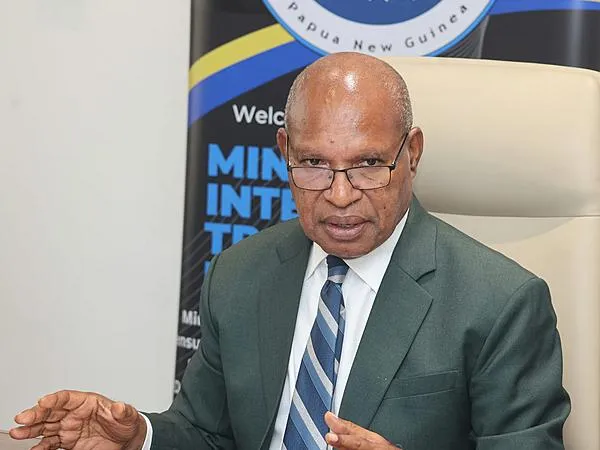
The Minister for International Trade and Investment, Hon. Richard Maru today announced that the National Executive Council (NEC) in its recent Meeting No: 13/2024 approved, in principle, that the Pacific Marine Industrial Zone (PMIZ) in Madang Province will be developed in two phases.

“The Phase 1 of the project will be the establishment of a fishing Joint Venture (JV) between the State and RD. The Marape-Rosso Government first want to start up a PNG fishing company so we can have our own local master fishermen, our own fishing boats, and have the fish security before we can go into processing and canning. The Government has decided to enter a strategic JV fisheries business with RD which is a current established fishing company with established business, facilities, management and industry knowledge, skills and expertise, years of experience, and networking both in the region and globally and understands the global market. It makes good commercial sense for the State to approach RD with all its facilities to enter into a JV. The State for its part would inject equity to get into the fishing business and have its nationals employed and immersed into the business to learn the trade and acquire the expertise so eventually we can have our own people set up and own the fisheries industry in the country. Countries like Australia do not issue licenses to foreign fishing vessels. One day we can reach that point so we can and own our fisheries industry. For now we are only rent collectors.”

“For the State to directly establish itself in the fisheries sector, it would be faced with huge costs of initial capital investment. Establishment costs for wharf would be USD$300 million; for onshore processing facilities will be USD$100 – USD$150 million; for cold storage will be USD$30 million; and to purchase and own fishing vessels- purse seine can range from USD$7 million to USD$25 million. The cost can vary significantly based on several factors, including the vessel’s size, age, and condition, which is estimated to cost around USD$500 million. Infrastructure costs for road, water, electricity and other amenities would add on to the business. The financial costs to set up directly to enter the business would be excessive and untenable for the Government. Added to that, we do not have the management experience nor the technology and skills of commercial fishing enterprise as a country. We need to partner and learn the trade of the commercial fishing business first over a period of time until we are confident to venture on our own. We have to learn to crawl before we can walk,” said Minister Maru.

Minister Maru stated: “Currently, we do not have our own fishing boats, our own master fishermen, we have no expertise in fishing, and in the last 50 years we have never domesticated our fisheries industry and as a result we have missed out in building another ten canneries because 80% of our catch is taken overseas, we have lost 50,000 jobs, we are earning a net revenue of only K300 million a year (after discounts and rebates from our license fish) when we could be earning K5 billion in revenue, and we also lose out on many revenue streams ranging from landing fees, shipping licenses, loss of jobs, wages, income taxes, corporate taxes, GST, fuel, water, electricity, and opportunities for other local commercial businesses revolving around the commercial fishing enterprise. We have our people graduating National Fisheries College in Kavieng but where are they? They are not in the industry- we are all spectators. We have lost all these opportunities because we have never domesticated the industry.”

“We are still a ‘Coastal State’ since both before and after Independence. We are yet to change our status to be recognized as a ‘Fishing State’. Coastal states have jurisdiction over the waters adjacent to their coastlines, usually up to a certain distance known as the Exclusive Economic Zone (EEZ), where they have special rights regarding fishing, mineral exploration, and other economic activities. These states play a significant role in regulating fishing activities, conservation efforts, and resource management within their maritime boundaries. In the context of the fishing industry, a country referred to as a ‘Fishing State’ is one that heavily relies on and actively participates in fishing activities. This term is used to describe a nation whose economy, culture, and livelihood are significantly tied to fishing and the exploitation of marine resources. Fishing states often have a large fishing fleet, extensive coastal waters, and a strong presence in international fisheries management organizations. PNG has missed out big time by being a rent collector and the Marape-Rosso Government has made a very bold decision to shift us from being a rent collector to a ‘Fishing State’.

Minister Maru added: “Whilst RD has established fishing business in Madang and has all the facilities and infrastructure that the State needs to get into the fishing business, it does not have enough vessels and volume of fish caught per day to process at its processing plant which needs 200 metric tons of fish each day to make it viable for it to operate profitably. Fish security is very critical. We have to learn from the experience of Lae-based Majestic Seafood. It closed down because it never had the volume of fish it needed for its 200 metric-ton per day cannery, resulting in 3,000 Papua New Guineans losing their jobs. The plant was not able to source enough fish each day to process to its full capacity- it was only processing up to 15-20 metric tons of fish each day. Most of the fish caught by other companies at sea were taken to other countries for processing. This also underlines the importance of owning our own fishing vessels and our own crew, and introducing the domestication policy so we can land our fish onshore and process it in our cannery and enjoy the maximum benefits of our fisheries resources."

Minister Maru further stated: “If Phase 1 is successful and we are able to catch enough fish, own our own fishing boats, have our own master fishermen, have our own people trained then we can move to Phase 2 which is to build our own cannery and other associated businesses in the 250 hectares of State Land at the PMIZ to take advantage of the Special Economic Zone (SEZ) benefits and incentives that PMIZ can offer before we can invite other investors to come and invest in the PMIZ."

“PNG has a rich and large EZZ of 2.4 million square kilometers in extent, making it one of the most productive in the region. PNG accounts for approximately 18% of the world’s tuna catch and controls around 15% of the global tuna trade with an estimate value between USD$4 billion-USD$5 billion (K13.3 billion – K16.9 billion) (NFA 2022). However, the majority of this catch is re-routed at high seas to other countries, and is processed overseas, depriving PNG of significant benefits. Currently, the revenue from the fisheries sector to the Government has mainly been resources rents all these years. The overall production output of fisheries exports for PNG has remained steady above K1 billion mark since 2016. PNG needs to break this cycle and get into the fishing business and benefit from the K12 billion – K15 billion revenue that is generated from the fish harvested from its EEZ by others.”

Minister Maru commended the Marape-Rosso Government for the decision to develop the PMIZ in two phases and described this decision as ‘an important policy shift’ by the Marape-Rosso Government.

“This the biggest game changer in our fishing industry since independence,” said Minister Maru.

Meanwhile, the NEC also approved the State Negotiating Team led by Chairman, Mr. Dairi Vele to negotiate and finalize the JV company agreement with RD for a 50:50 shareholding in the next four weeks so it can go back to the Cabinet for consideration and approval.

August 05, 2024

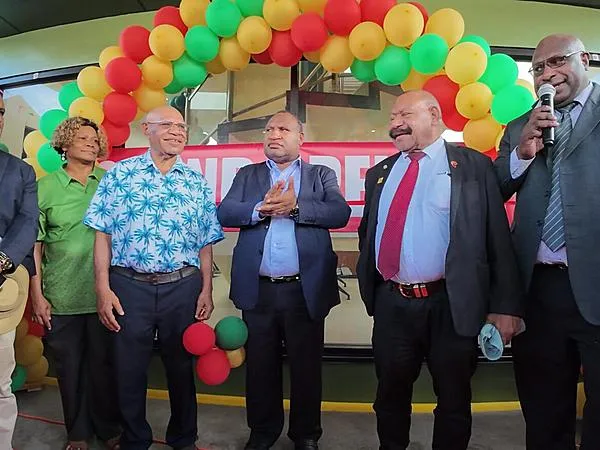
Prime Minister Hon. James Marape on Thursday, August 1, 2024, lauded the Coffee Industry Corporation Ltd (CICL) for its visionary leadership and strategic planning in advancing Papua New Guinea’s coffee industry. The Prime Minister made these remarks while officially opening CICL’s impressive K10.6 million Coffee Exports Office Complex in Lae.

Following his address, an evidently impressed Prime Minister Marape expressed his support for CICL by presenting K10 million to CICL CEO Mr. Charles Dambui, aimed at furthering the corporation’s efforts in growing the nation’s coffee industry.

The newly inaugurated coffee exports building, located on Kisere Street in the heart of Lae, is set to become the central hub for crucial operations, including contract registration, shipment notification, contract verification, physical coffee inspection, sampling, recording/logging, quality analysis, export certification, and overseeing the movement of coffee to the wharf for shipment.

The opening of this complex is particularly timely as China recently lifted all bio-security restrictions on agricultural produce from Papua New Guinea, including coffee. This landmark decision heralds a new era of opportunity for the country’s agricultural sector, facilitating expanded trade relations with China and other global markets. The development also coincides with a growing international demand for coffee.

The significant event was attended by several dignitaries, including Morobe Governor Hon. Luther Wenge, Deputy Prime Minister and Lae MP Hon. John Rosso, Coffee Minister Hon. William Bando, Western Highlands Governor Hon. Wai Rapa, Manus Governor Hon. Charlie Benjamin, Commerce and Industry Minister Hon. Win Daki, Community Development Minister and Huon Gulf MP Hon. Jason Peter, Wau-Waria MP Hon. Marsh Narewec, as well as heads of government departments and agencies, company representatives, Evangelical Lutheran Church of PNG Head Bishop Rev. Dr. Jack Urame, and various other stakeholders.

“I’m happy to witness an occasion that comes about as a result of the hard work of CICL CEO Mr. Dambui and his staff,” Prime Minister Marape stated.

“Such a building could have cost K100 million, yet this demonstrates the wise use of the limited funds provided by the Government to CICL.

“I thank Mr. Dambui and the CICL team for their strategic leadership in wisely using limited funds to achieve such a major project.

“CICL shows us all the we can build major projects if we wisely used limited funds like they have done. This is a challenge to districts, provinces and government departments and agencies

 who have been given hundreds of millions of government funding over many years, but have achieved little.

“One of the reasons why Papua New Guinea has not progressed over the last 49 years is that we have been using funds without achieving anything. This is something that we should all be ashamed of.”

August 05, 2024

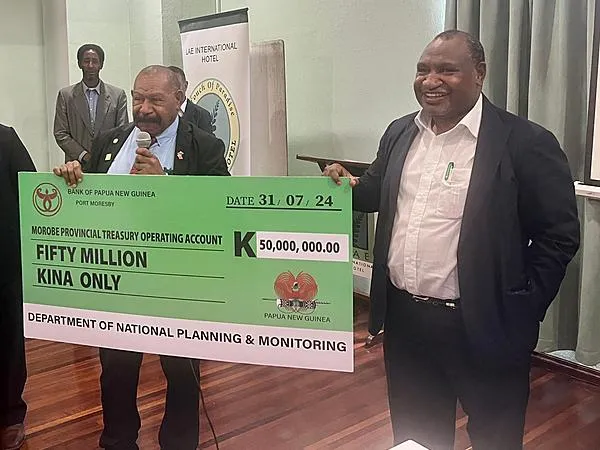
Prime Minister Hon. James Marape on Friday, August 2, 2024, presented a K50 million Infrastructure Development Grant (IDG) to Wafi-Golpu landowners and the Morobe Provincial Government. He emphasised that this is not “free” money but funds intended for infrastructure projects in the six impacted areas and the province. This grant is part of the Government’s K1.2 billion commitment to IDGs and Business Development Grants (BDGs) for Wafi-Golpu landowners.

The presentation occurred in Lae, where Prime Minister Marape addressed landowners,  Morobe Governor, Hon. Luther Wenge, and a gathering of key figures, including Deputy Prime Minister and Lae MP Hon. John Rosso, State Negotiating Team Chairman Mr. Dairi Vele, Mineral Resources Authority Managing Director Mr. Jerry Garry, Kumul Mineral Holdings Chief Executive Officer Mr. Sarimu Kanu, Mineral Policy and Geohazards Management Secretary Mr. Harry Kore, and Morobe Provincial Administration. Mr. Vele and Mr. Garry provided comprehensive updates to the landowners on the progress of the Wafi-Golpu Mine, followed by remarks from Governor Wenge, Prime Minister Marape, landowner representative Mr. John Nema, and Deputy Prime Minister Rosso.

Prime Minister Marape urged Governor Wenge to divide the money fairly between the landowner groups and the Morobe Provincial Government. Governor Wenge announced that K25 million would go to the six landowner groups – Babuaf, Hengambu, Yanta, Wampar, Butibam, and Wagang – while K25 million would be allocated to the Morobe Provincial Government.

“I want all of you to agree on what projects are important to the project areas so that your landowner companies participate,” Prime Minister Marape said.

“These projects are in the mountains (Babuaf, Hengambu, and Yanta), down to the valleys (Wampar), and to the sea (Butibam and Wagang). I want all of you to agree on projects that you want to be funded so that monies can be released. I want the landowner companies to build roads, classrooms, put up power lines to bring in power, and other development.”

Prime Minister Marape noted that the Government is supposed to pay K100 million per year for IDGs and BDGs. However, he acknowledged that not all this money has been disbursed: K34 million was released in 2021, K18 million in 2022, and K80 million in 2023.

“I will get a full report of where all this money has gone to and present it to you, as a matter of transparency, because this is public money,” he said.

“You have an envelope of about K1 billion programmed to come ahead of the project so you can prepare schools, youth, landowner companies, and others. At the forthcoming Development Forum, we will indicate the business development grants, which will come ahead of the project like the infrastructure development grants.”

August 05, 2024

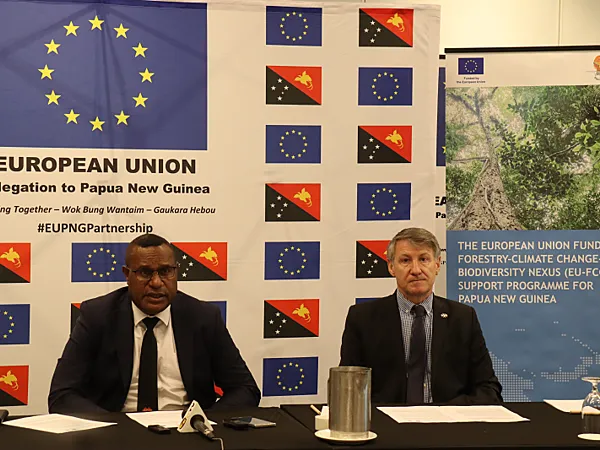
The European Union (EU) and Papua New Guinea (PNG) are deepening their commitment to environmental sustainability with the EU-funded Forestry, Climate Change, and Biodiversity (EU-FCCB) program.

Launched in October 2023, this €55-million initiative aims to integrate forest management, climate action, and biodiversity protection into PNG's development strategy.

A recent program steering committee meeting highlighted significant progress. The program focused on sustainable, inclusive, and gender-responsive green growth, with a particular emphasis on job creation. Key components include:

  • Community empowerment: Training local communities in sustainable agriculture, post-harvest handling, and livelihood development. The Managalas Conservation Area serves as a model for these efforts.
  • Policy development: Strengthening government capacity in areas like digitalization, coordination, and regulatory frameworks to support effective forest management.
  • National Forestry Inventory: Expanding data collection and analysis to inform sustainable forest management practices.
  • Carbon credits: Supporting PNG in developing strategies to benefit from carbon markets while ensuring environmental integrity.

The programme is implemented jointly by Expertise France (for the national component), Centre for International Forestry Research and World Agroforestry - CIFOR-ICRAF (Managalas Conservation Area / Oro Province component), and the Food and Agriculture Organization of the United Nations (expansion of the National Forestry Inventory in East and West Sepik provinces).

EU Ambassador Jacques Fradin emphasized the program's importance, stating: "The EU is investing as a grant, so it's a donation, 55 million euros, representing almost 220 million kina."

PNG Secretary for National Planning and Monitoring Koney Samuel expressed gratitude for the EU's support, highlighting the country's vast rainforest and the need to balance economic growth with environmental protection.

The EU-FCCB program aligns with PNG's Vision 2050 and its goal of achieving a 200-billion-kina economy by 2030. By combining financial resources, technical expertise, and local knowledge, the program seeks to create a lasting positive impact on PNG's environment and people.

While challenges remain, the partnership between the EU and PNG offers a promising path towards a greener future. As the program progresses, it will be crucial to monitor its impact and adapt strategies as needed.

At its core, the initiative aims to empower local communities in Papua New Guinea to be active participants in environmental conservation and sustainable development.

The program's focus on community-led initiatives is evident in the Managalas Conservation Area project. By training local residents as field officers and providing agricultural training, the program is building capacity and creating opportunities within the community.

This approach is essential for ensuring the long-term sustainability of conservation efforts and fostering a sense of ownership among local people, the EU-FCCB said.

July 29, 2024

The Minister for Fisheries and Marine Resources, Hon. Jelta Wong, revealed that Mr. Noan David Pakop has been appointed as the first Papua New Guinean Director General of the Pacific Islands Forum Fisheries Agency (FFA).

Mr. Pakop’s appointment, confirmed by the 23rd Forum Fisheries Committee Ministers in Honiara, Solomon Islands, marks a significant milestone for PNG and the broader Pacific region.

Pakop, hailing from Tilienu Island in Manus Province, is the 10th Director General of the FFA since its establishment in 1979. His appointment is historic, as no Papua New Guinean has ever held this prestigious position in the agency’s 45-year history.

Minister Wong expressed his pride in the appointment, stating: "I would like to thank our good Prime Minister, Hon. James Marape, and the Government of Papua New Guinea for their trust and undivided support in endorsing PNG's candidacy."

Pakop emphasized the responsibilities and opportunities his new role entails.

"Firstly, it's a government approach to addressing issues nationally and through the region. Fisheries, as you are aware, is one of the biggest economic drivers in the region, let alone Papua New Guinea."

"Whilst there are initiatives taken at the national level, we have to remain relevant and get all of the Pacific moving in the same direction, noting that this is one of the largest resources that we have.”

“We're generating some portion of the revenue from it, but it's not real. So that is the drive in which Papua New Guinea ends up, to take this responsibility in the region," he added.

Pakop also highlighted the collective efforts that led to his appointment through the commitment of Prime Minister Marape, on his endorsement on the application to take up this role, right throughout the government from Foreign Affairs, Attorney General, as well as the government effort, particularly within the fisheries.

He also thanked the Managing Director and the Board of NFA for the support.

Reflecting on the significance of his new role, Pakop added, "It's a one-year process, but to this very moment, Papua New Guinea has now got the post of the DG, Director General of the FFA. I know the weight and the pressure that is required, but that is also the opportunity to run the organisation in a more transparent, accountable way that gives back to the ministers in the region."

Pakop underscored the broader impact of his leadership on the Pacific communities.

"We demonstrate the complement, the support that they have given to show footprint and to show leadership as well in the region. I know at the end of the day, it's our communities and our people that will benefit from this, and it's how this is being discussed and maneuvered at the regional level, through the FFA and discharging its responsibilities in serving our members and being the premier organisation in the region in terms of fisheries management."

"I look forward to take up this role on behalf of the country. I'll do my best to ensure that we provide a different sense of leadership in the region and build on the success of our cooperation and collaboration that has been done in the past, with a unique trait of administration with a bit more responsibility on our region going forward."