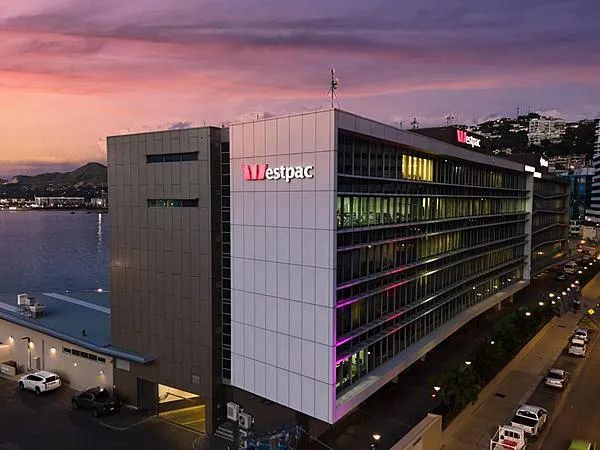
Papua New Guinea (PNG) is set for economic recovery in 2024, with projected growth of 3.7%, up from 2.8% in 2023, according to the November 2024 WESTPAC WAILIS PNG Economic Update.
This rebound is largely attributed to the resource sector, which continues to underpin the nation’s economy. However, inflationary pressures, a managed depreciation of the kina, and global uncertainties pose risks to sustained growth.
Resource Sector: Backbone of Growth
Contributing 27% of GDP in 2022, PNG’s resource sector remains the cornerstone of its economy. Gold, oil, and LNG have played significant roles, particularly with the reopening of the Porgera gold mine, which has boosted gold exports, the update notes.
Despite this, the sector is vulnerable to fluctuations in global commodity prices and potential delays in key projects like Papua LNG, which are critical for long-term growth.
Inflation, Currency, and Policy Responses
Inflationary pressures persist despite efforts by the Bank of Papua New Guinea (BPNG). In September 2024, BPNG doubled the Kina Facility Rate to 4.0% and raised the reserve requirement to 12%.
While headline inflation remained low at 0.1% through June 2024, core inflation (excluding volatile items) rose by 4.4%.
To address foreign exchange constraints and stabilize the kina, BPNG introduced a new auction system in mid-2024. This measure reduced FX clearance times from two months to 4-5 weeks, though the kina’s depreciation is expected to continue into late 2025.
While beneficial for exporters, the weaker currency makes imports costlier, challenging businesses reliant on overseas goods.
Trade Performance: Mixed Outcomes
In early 2024, trade data revealed both challenges and opportunities. Exports contracted by 3% in Q1, while imports fell sharply by 28%. This decline helped widen the trade surplus, easing pressure on foreign reserves. The surplus is expected to grow, driven by robust mineral exports, particularly gold and copper.
Gold exports surged due to Porgera’s reopening, with marine exports also performing strongly. However, crude oil, LNG, and nickel exports declined.
On the import side, all major categories fell in Q1, with food imports down 55%, beverages and tobacco down 73%, and crude materials down 64%, partly reflecting FX constraints.
Diversification and Emerging Opportunities
Despite its reliance on resources, PNG faces the challenge of diversifying its economy. Agriculture, manufacturing, and services offer potential for sustainable growth. Emerging sectors, such as tourism and sports, present new opportunities.
For instance, PNG’s bid to join the National Rugby League (NRL) is backed by $600 million in Australian government funding, which could significantly boost tourism and hospitality.
Future Prospects and Challenges
PNG’s trade surplus is projected to strengthen, supported by favorable commodity prices and increased returns from a weaker kina. However, inflationary pressures and a depreciating currency may limit domestic investment and consumer spending.
Monetary policy remains focused on managing inflation and stabilizing the kina, which BPNG expects to weaken further, potentially reaching 0.2492 against the US dollar by year-end. Effective resource management, strategic infrastructure investments, and human capital development will be essential to building economic resilience.
Several major projects, including the Kainantu mine expansion and new gas developments, are expected to bolster growth in the coming decade.
However, PNG’s dependence on finite resources highlights the need for diversification to mitigate risks associated with commodity price volatility.
While PNG’s resource sector continues to drive economic growth, challenges such as inflation, currency depreciation, and geopolitical risks underscore the need for a more diversified economy, the report said. Strategic investments in infrastructure and emerging sectors will be key to ensuring long-term prosperity.
Papua New Guinea (PNG) recently completed its Mutual Evaluation review, which began in March 2023 and concluded in September 2024. The Mutual Evaluation Report (MER) was adopted during the Asia Pacific Group (APG) Annual Plenary Meeting in Abu Dhabi, UAE, and published on November 14.
To address the report's findings, a Strategic Implementation Plan (SIP) Workshop and National Coordinating Committee (NCC) Meeting on Anti-Money Laundering and Counter-Terrorist Financing (AML/CTF) were held at APEC Haus in Port Moresby from November 19-22.
The event gathered key government officials, technical experts, and international partners to develop actionable measures that keep PNG off the Financial Action Task Force (FATF) greylist.
PNG’s AML/CTF Journey
PNG, a member of the APG, was greylisted in 2014 but successfully exited in 2016.
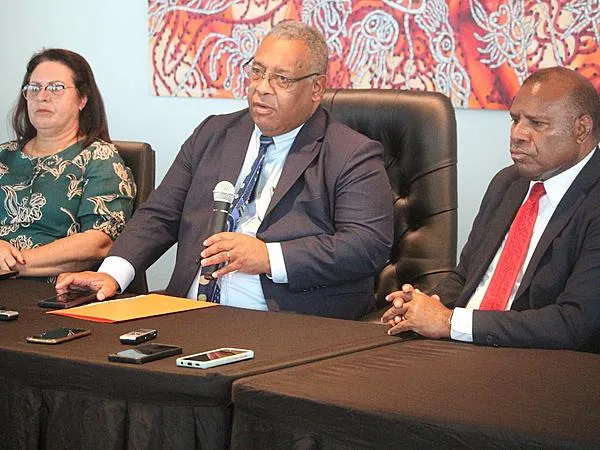
The NCC on AML/CTF, co-chaired by Dr. Eric Kwa, Secretary for the Department of Justice and Attorney General, and Ms. Elizabeth Genia, Governor of the Bank of Papua New Guinea (BPNG), is determined to avoid a repeat scenario.
With just one year to implement the MER recommendations, the NCC has outlined the SIP to coordinate efforts across 22 government agencies.
International donor partners such as the United Nations Office on Drugs and Crime (UNODC), the Asian Development Bank (ADB), and the Australian Department of Foreign Affairs and Trade (DFAT) will provide technical assistance.
The APG Secretariat will also collaborate with PNG to ensure full implementation of the SIP.
Workshop Highlights
The three-day workshop included participants from the APG, donor partners, and key national agencies. Chief Secretary Ivan Pomaleu, OBE, reaffirmed the Marape-Rosso Government’s commitment to improving PNG’s law and justice sectors.
“Our government continues to invest in the law and justice sector to guarantee public safety and foster a secure business environment,” Pomaleu stated.
He emphasized reforms such as restructuring the judiciary with a three-tier system, increasing the number of judges, and advancing anti-corruption laws, including the Whistleblowers Act 2020.
Pomaleu also stressed the urgency of implementing the MER’s recommendations, revealing that FATF’s president had sent a letter to Prime Minister James Marape urging compliance by October 2025 to avoid sanctions.
“There is no room for complacency,” Pomaleu warned as he called for accountability among government agencies and reassured that donor-supported technical resources would be fully utilized to achieve compliance.
Strengthening the Framework
BPNG Governor Elizabeth Genia highlighted the critical role of the SIP Workshop in addressing deficiencies in PNG’s AML/CTF framework. She thanked the APG Secretariat and donor partners for their ongoing support and stressed the high stakes of the mission.
“Greylisting has real consequences, including higher borrowing costs, potential trade sanctions, and reputational damage to our financial system,” Genia noted.
She urged swift action to close gaps identified in the MER, emphasizing the lessons learned from PNG’s prior greylisting experience.
Under Genia’s leadership, BPNG pledged to resource the Financial Analysis and Supervision Unit (FASU) adequately to fulfill its oversight responsibilities. She also reaffirmed the bank’s support for the NCC in coordinating national AML/CTF efforts.
“The cost of non-compliance far outweighs the cost of compliance,” Genia warned, underlining the need for decisive action to safeguard PNG’s financial integrity.
Looking Ahead
The workshop concluded with stakeholders committing to the SIP’s priorities. Over the next year, PNG will focus on enhancing its AML/CTF framework, leveraging donor support, and holding agencies accountable for delivering tangible progress.
Through collaborative efforts, the government aims to demonstrate its dedication to international standards and avoid FATF greylisting.
“Together, and with the leadership of FASU, we will deliver on our commitments,” Genia affirmed.
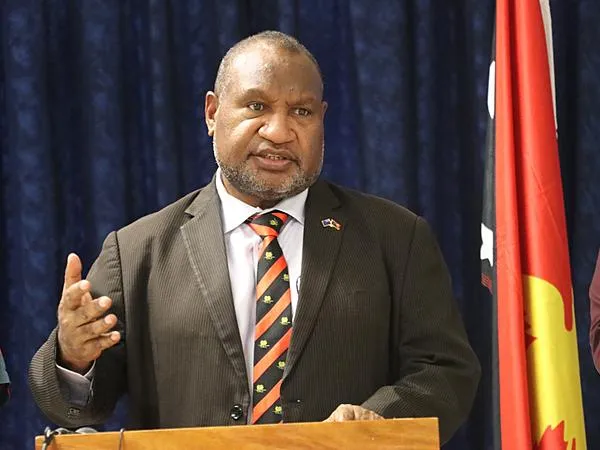
The year 2025 marks the 50th anniversary of Papua New Guinea's independence, yet significant gaps remain in the provision of healthcare services across the nation, Prime Minister Hon. James Marape said.
Amid the challenges and progress in the country's health sector, Marape emphasised the importance of strengthening primary healthcare as the foundation for a healthier population.
Although a significant portion of the health budget goes to secondary and tertiary care, primary healthcare should be prioritized to reduce the burden on hospitals and improve long-term health outcomes, the Prime Minister said.
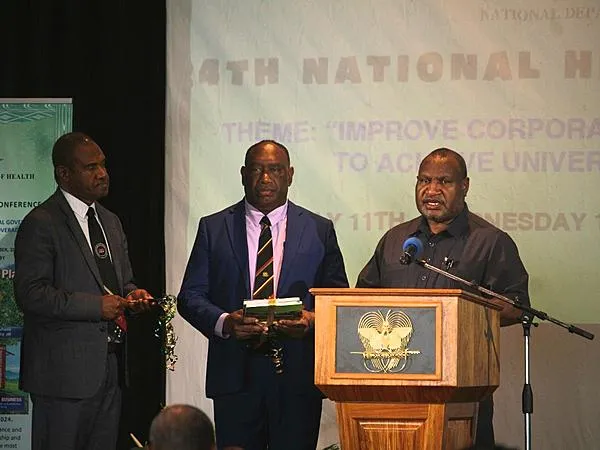
“And health is a key sector. I was reminded sometimes back by World Bank that a healthy population and an educated population must also be seen from an economic context. You have a healthy population and an educated population, the economy is assisted in a substantial manner,” Marape said during the 24th National Health Conference from November 11-13 at APEC Haus in Port Moresby.
The three-day conference focused on improving corporate and clinical governance as essential drivers for achieving Universal Health Coverage in PNG.
During the conference, the Health Medium Term Development Plan II (MTDP II) was launched centered on four documents:
Marape reflected on the country’s healthcare journey since independence, noting a great need for more innovation, resources, and improved governance to address funding shortages, infrastructure gaps, and workforce shortages, particularly in rural areas.
He highlighted the decentralization of health services through Provincial Health Authorities (PHAs) as a key reform to bring healthcare closer to the people, though he expressed frustration that some PHAs have not met reporting standards.
“We must ensure that health services reach every Papua New Guinean, no matter where they live,” he said in reaffirming his government’s commitment to better health.
Marape renewed his support for the National Health Plan 2021–2030, a roadmap aimed at reforming the healthcare system.
The plan focuses on primary healthcare and aims to improve the distribution of the health workforce, enhance medical supply chains, and integrate healthcare with broader social determinants like education and infrastructure. By 2030, Papua New Guinea must have a fully functioning health system, the PM said.
Technical Challenges Hindering Delivery of Health Services
The Secretary for Health, Dr. Osborn Liko, addressed the technical challenges the health sector faces. He acknowledged the significant strides made in health outcomes, including reduced maternal mortality rates and improved child health indicators.
However, he said the country continues to grapple with substantial issues, such as the impact of the COVID-19 pandemic, which exposed weaknesses in emergency response capabilities.
Additionally, the secretary noted the growing burden of non-communicable diseases like diabetes, cardiovascular diseases, and cancer, which remain a pressing concern.
Dr. Liko said the country's healthcare system is underfunded, with government expenditure on health at just 2.1% of GDP—one of the lowest in the Asia-Pacific region.
These financial limitations are most felt in rural areas, where the majority of the population resides, but where only a small proportion of the healthcare workforce is based, he added.
“The lack of efficient funding is most clearly felt in the operational expansion of frontline services, the procurement of essential medicines, and the maintenance of health insurance. Many of our health services do not meet the national standard, and many are poor and needy, understaffed, and lack an essential supply, yet with the health resources we need, what is available must be available.”
"The shortage of health workers is one of our most pressing issues. With just 1.03 health workers per 1,000 people, we have one of the lowest ratios globally. This has a direct impact on the quality of care, particularly in rural and remote areas.”
To address these challenges, Dr Liko outlined the government's commitment to expanding the healthcare workforce through newly established medical universities and revised curricula, and to strengthen the medical supply chain to ensure that essential medicines and equipment reach all regions, especially those in remote areas.
The health sector and government’s focus aims to ensure the country has the right number of free health workers, particularly in rural areas where the majority of the population lives.
Currently, 87% of PNG’s population lives in the rural areas, but only 10 to 14% of the health workforce live in these areas to provide health services.
“Further investments need to build a more efficient system that ensures essential medicines and supplies reach the right facilities on time,” Dr. Liko said.
“The underfunding of medicines remains a pressing issue, and we pack up and expand it, and essential medicines to be achieved in just 2-3 kilometres, as compared to US$5.8. Our stock interest was furthest at US$648 per capita, on island at US$600 per capita. This is a gap that we must close.”
“Despite these challenges, we are taking proactive steps, with clear strategies in place to improve the health of our people.”
The secretary noted the Medium Development Plan 4 (MDP4) reallocates the resources towards primary healthcare, which will allow the Ministry for Health and Government to address the root causes of ill health while reducing the lack of facilities, limited access to clean water, and heavy capacity, and improving the social dynamics of the country.
“This includes rehabilitation of all professional hospitals, as well as specialised reformatting hospitals, and establishing new specialised clinics of cancer and HIV, to level 5 and level 6. At this point, we are working to establish an additional reference laboratory, which will improve our capacity to diagnose and respond to these more quickly and effectively,” Dr Liko added.
Moreover, the Minister for Health, Hon. Elaias Kapavore, called for greater regional cooperation to tackle shared health challenges, saying: “We have the power to make a difference. It requires all of us to work together.”
Participants of the workshop included government agencies and their respective Ministers, Department heads, Provincial Governors, Provincial Administration, 21 PHAs CEOs, PHA Board Chairs, Hospital CEOs, Faith Based Organizations,, Civil Societies, Health Training Institutions, Development Partners, and NDoH senior management team, and Health Sector Agencies staff, totaling to 500 plus attendees.
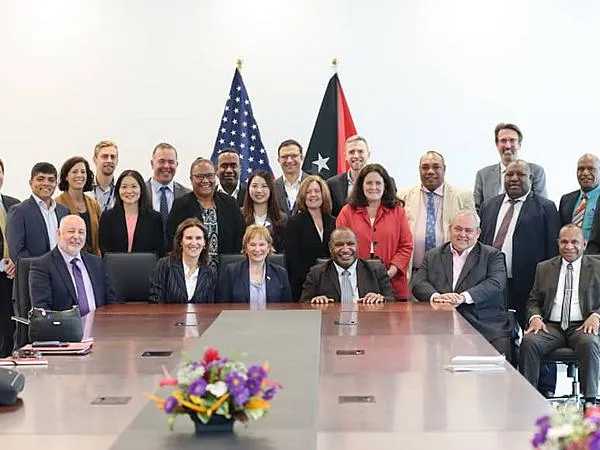
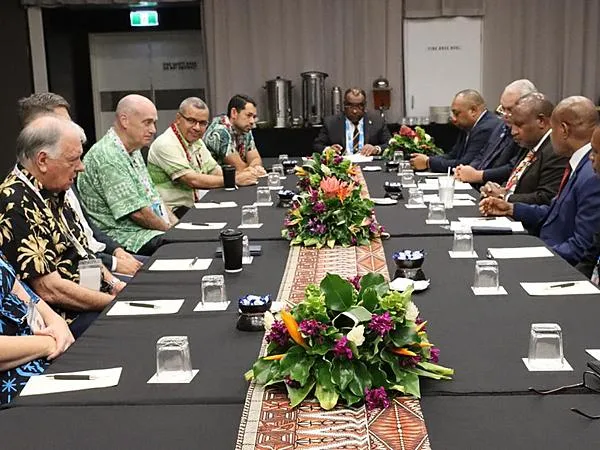
Prime Minister Hon. James Marape and his ministers of State have recently (19.11.24) met with a business delegation from the United States of America led by US Ambassado to Papua New Guinea, Her Excellency Ann Marie Yastishock.
The delegation is headed by Sarah Morgenthau, Special Representative from the Office of Commerce and Business Affairs of the US State Department’s Bureau of Economic and Business Affairs; and comprised 16 members from the US government and private sector.
The group is in Papua New Guinea to explore and discuss business opportunities between United States and PNG in line with the agenda pushed by Prime Minister Marape to US President Joe Biden’s administration over the recent years to have more American presence in the Pacific, including Papua New Guinea, and to elevate Pacific nations’ relationship with the US from reliance on aid and grants to proper engagement in trade and commerce.
Prime Minister Marape, in welcoming the group to Melanesia Haus and PNG at the meeting, noted the members’ representation of the various sectors in the United States public sector and business community, covering education, defence, mining, business, security and several others; and thanked Ambassador Yastishock for her efforts in facilitating the meeting.
He acknowledged the increased dialogue between PNG and USA through
joint forums held by Pacific Island leaders with the United States under the Biden administration, and said he was looking forward to seeing similar exchanges and level of engagement with the Trump government.
The Prime Minister then continued his advocacy on Papua New Guinea as an ideal investment destination, highlighting its robust democracy and free market economy, its strategic geographical location between the Asia and Pacific regions, and its potential in offering Green Energy as a mitigation strategy to address the current climate crisis.
“Papua New Guinea and the United States of America share the same ideals.
“For us here in the Pacific, Papua New Guinea has a unique role in that we join Asia to the Pacific by land. We value our democracy and our free market economy, and we are situated close to the big markets of Asia. Our potential in the Green Energy space is big with a lot of solar, geothermal and hydro sources available in our country.
“We are currently addressing our challenges, including our Law & Justice sector. Under the Bilateral Security Agreement with Australia, we are reforming and enhancing our policing in the country and region.
“I encourage United States to do business with us,” said Prime Minister Marape while pointing out the government’s initiative, Special Economic Zone, which he offered to the United States business representatives to utilise in their business endeavours.
Ministers who accompanied the Prime Minister at the meeting included Foreign Affairs Minister, Hon. Justin Tkatchenko; Minister for Fisheries, Hon. Jelta Wong; Minister for Tourism Arts and Culture, Hon. Belden Namah; and Minister for Commerce & Industry, Hon. Win Daki.
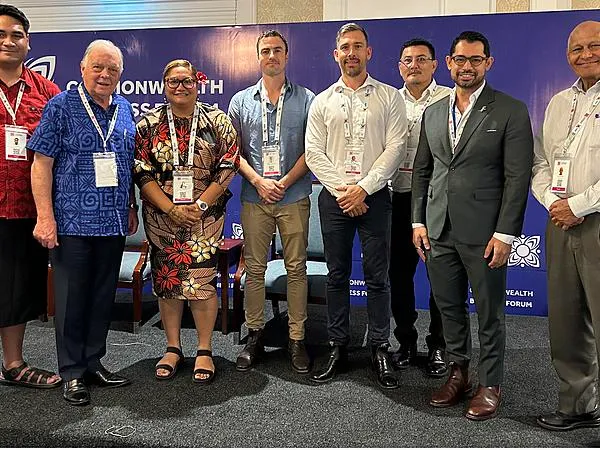
The Commonwealth Business Forum (CBF) 2024, held in Apia, Samoa on 23–24 October as part of the Commonwealth Heads of Government (CHOGM) and associated meetings, marked a landmark event as the first such forum of Commonwealth countries hosted by a Pacific country (the last large global conference of comparable proportions held in Samoa was the Small Islands Development States (SIDS) Conference in 2014). that . Bringing together over 500 business leaders and government officials from more than 50 countries from Africa, Asia, the Pacific and the Caribbean, the forum served as a critical platform for dialogue on economic growth, resilience, and partnership across the Commonwealth. Under the theme “One Resilient Common Future; Transforming Our Common Wealth,” the forum aimed to address unique challenges and opportunities facing Pacific Island nations, with a strong emphasis on sustainable growth and climate resilience.
It provided an opportunity for Pacific Island countries to highlight their specific vulnerabilities and aspirations within the global economy. Business leaders underscored the need for economic strategies that not only promote growth but also adapt to climate change and environmental fragility, which are increasingly impacting island states. The forum’s location underscored Samoa’s and the wider region’s desire to establish the Pacific as a central player in international economic dialogue, promoting development that respects both the cultural heritage and environmental realities of the islands.
Australian Pacific business councils (Australia Pacific Islands, Australia Papua New Guinea, and Australia Fiji Business Councils) and Pacific islands business representatives played an active role, participating in roundtable discussions aimed at strengthening trade and investment across the Pacific. The delegation’s involvement highlighted Australia and the Pacific Islands’ commitment to enhancing economic ties in the region, with a focus on sectors like renewable energy, infrastructure development, and digital transformation. The councils’ discussions centred around promoting collaborations that support long-term economic resilience and sustainability, recognising the importance of regional stability and growth.
The Business Councils’ Executive Director Frank Yourn said, “the CHOGM events including the Commonwealth Business Forum provided an unprecedented opportunity to showcase the Pacific to a major group of global countries at the most senior level.
“The Government of Samoa, our colleagues at the Samoa Chamber of Commerce and Industry and the people of Samoa all played an important role in presenting Samoa as a worthy host of the event in arranging this event for 5,000+ delegates.
“Attending delegates from across the globe had a positive experience and an opportunity to learn and understand about Samoa specifically, and about the Pacific islands countries more generally. The Councils were honoured to have the opportunity of supporting the Samoan government and our Chamber of Commerce colleagues as hosts of these events.”
The Business Councils’ delegation comprised Frank Kramer (APNGBC and APIBC), George Constantinou (APIBC and APNGBC), Zane Yoshida (AFBC), William Blank (APIBC), Leata Alaimoana (TIQ), Joe Fuavao (TIQ), and Frank Yourn.
Trade and Investment Queensland (TIQ), a member of APNGBC, also took a significant role in advancing Queensland’s interests within the Commonwealth framework. TIQ focused on building connections between Queensland-based businesses and international partners, especially in fields such as education, renewable energy, and skills development. TIQ underscored Queensland’s capabilities and commitment to the Pacific, aligning its goals with the forum’s themes of resilience and sustainable development.
The CBF 2024 facilitated invaluable opportunities for networking and knowledge exchange, aiming to foster stronger partnerships among Commonwealth nations and encourage sustainable growth initiatives. As the first CBF held in the Pacific islands region (the 2011 CHOGM conference was held in Perth, Australia), the event reflected the region’s rising prominence in global economic dialogue. The active participation of Pacific Island states, Australian Pacific business councils, and organisations like TIQ demonstrated a unified commitment to creating a resilient and prosperous future for the Pacific, focusing on its unique needs and strengths.
Papua New Guinea is committed to strengthening its bilateral relationship with the United States in the coming years, with Prime Minister James Marape expressing confidence in future cooperation under the leadership of President-elect Donald Trump.
PM Marape made the statement while congratulating Trump on his election as the 47th President of the United States.
Trump’s return to the White House, following his victory over Democrat Kamala Harris in the 2024 US presidential election, marks a new chapter in US-PNG relations, Marape said.
He also extended his gratitude to outgoing US President Joe Biden and his administration for contributions to PNG’s development, particularly in healthcare, sustainable development, and security.
“On behalf of the Government and people of Papua New Guinea, I extend heartfelt congratulations to President-elect Donald Trump on his election as President. We look forward to reinforcing the longstanding partnership between our nations, grounded in shared values and mutual respect,” Marape said.
He cited the partnership forged with the Biden administration, particularly key milestone like the signing of the 2023 Defense Cooperation strengthening regional security, which reinforced both countries shared goals for regional stability and security.
"We thank President Biden for his commitment to fostering cooperation between the United States and Papua New Guinea, which has bolstered our progress in healthcare, security, and sustainable development,” the prime minister said.
Marape cited a pivotal moment during the Trump administration when US Vice President Mike Pence visited Port Moresby for the Asia-Pacific Economic Cooperation (APEC) summit in 2018, “and that was the first time ever the Indo-Mozambique conversation was pronounced."
He underscored the strategic importance of PNG in the Indo-Pacific for its central location, saying the country is in the heart and soul of the regional space.
"You can't go west from the east without passing through PNG, as far as the Indo-Pacific space is concerned. You can't go north or south without passing through PNG. This makes PNG a critical player in regional discussions and future initiatives in the Indo-Pacific.”
Looking ahead to Trump's second term, Marape expressed confidence that the PNG-US bilateral relationship would deepen.
"We look forward to working with President Trump upon his ascent to office on January 20th next year. The work between our two administrations will continue and expand, especially in economic cooperation."
In the interim, Marape highlighted the ongoing transition period and the strong ties between PNG and the US under President Biden, and to upcoming opportunities for collaboration. One such opportunity is the arrival of a group of American investors later in November as part of a broader effort to diversify and strengthen PNG’s economy.
“We are also a place for manufacturing, construction, downstream processing, and other technology-based businesses," Marape stated, emphasizing PNG’s appeal as an investment destination.
"In my work over the last five years, we have not just run foreign relations; deeply embedded in that is our economic agenda to grow our economy and seek investors. That level of conversation will flow deeper with the US Trump administration next year."
The Prime Minister also noted the broader context of global investment flows, and that PNG seeks investments from across Asia and other regions.
“As we move into this new chapter, Papua New Guinea is committed to strengthening its relationship with the United States to pursue our shared goals of peace, prosperity, and sustainable growth within the Pacific region and beyond,” he said.
Prime Minister Hon. James Marape has opened a two-day forum on Technical and Vocational Education Training (TVET) in Port Moresby recently, describing it as a milestone achievement aimed at empowering Papua New Guineans to participate in the country’s economy.
The multi-million kina ‘Improved TVET for Employment’ project is co-funded by three partners – Australian Government, Asian Development Bank and PNG Government – and is being implemented by the Department of Higher Education, Research, Science and Technology through 10 TVET colleges in different parts of the country.
While thanking the two co-sponsors of the project, Prime Minister Marape high- lighted that if Papua New Guineans are to be empowered to the highest level, it has to be in the education sector, but more so in the area of TVET where they are provided the skills and ethics to be competent and to be able to participate meaningfully in the country’s economy.
Furthermore, he stated that in the past five years, despite the country facing hardships due to COVID-19, it was able to grow its economy but also high- lighted were huge deficiencies in the lack of properly-skilled manpower to sustain the economy.
“By the end of this year, we will post K40 million GDP. But in the midst of this growth, I’ve seen a major deficiency that we carry; we lack properly-skilled workforce to fill in the gap to sustain the growth that is required,’’ said the Prime Minister.
“We aim to grow a K200 million economy. To grow it, we need a skilled work- force.’’
He emphasized that this sector is closest to his heart and thanked the Asian Development Bank for taking heed of his request few years ago to move from its traditional role in sponsoring the infrastructure projects such as roads, ports and airports, to the education sector with a particular focus on TVET.
Furthermore, he stated that the TVET project complements the improvements being made in the infrastructure sector as without skilled people, there would be no one to work in the construction sector.
“In my view, it complements the ports, roads and airports that we are trying to invest in. Or what use is investment in roads, if we don’t have people to work in the construction sector, so thank you, ADB,’’ Prime Minister Marape said.
Prime Minister Marape highlighted that it has shown through studies that an economy is successful because it is anchored by a properly skilled blue-collar workforce.
The Prime Minister also pointed out the efforts being made to address the growing problem of dropouts by phasing out Grade 8 and Grade 10 school leavers so all children can progress and complete Grade 12, who will be prepared to streamline into TVET or tertiary institutions such as universities.
In thanking Australia for being PNG’s major bilateral development partner since Independence, Prime Minister Marape highlighted that the workforce being developed in PNG should not only benefit PNG but also Australia and New Zealand.
He urged the two countries to consider employing Papua New Guineans not just in working as seasonal fruit-pickers but also in professional jobs, including trades as, Papua New Guinea has long been influenced by Western societies including through Christianity, which makes it much easier for Papua New Guineans to adjust in the two countries than realized.
The project, Improved TVET for Employment, was initiated 10 years ago when Prime Minister Marape was then the finance minister under the previous government. The key areas in the project include improving governance and management in the colleges, focusing on teacher training; improving the curriculum and gender-inclusive infrastructure.
PM Marape’s role in the project was acknowledged during the opening night by other speakers, including Project Manager Dr George Bopi-Kerepa.
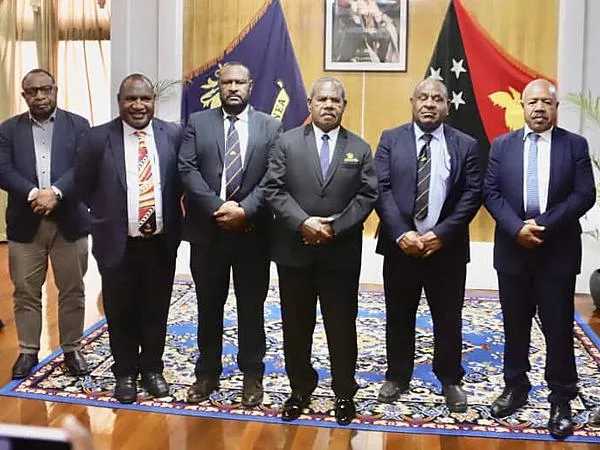
Prime Minister Hon. James Marape has extended his congratulations to two newly appointed Vice-Ministers of State, who were officially sworn in at Government House.
The two Vice-Ministers took their oaths before the Governor General, His Excellency Sir Bob Dadae. They are:
In his remarks, Prime Minister Marape acknowledged the growing demands on Ministers of State across various portfolios since Papua New Guinea’s Independence in 1975. He emphasized that the appointment of Vice-Ministers, including today’s, is aimed at enhancing service delivery through targeted support in key areas of government.
“As someone who began as a Vice-Minister before becoming a Minister and eventually Prime Minister, I encourage our newly appointed Vice-Ministers to give their utmost best,” stated Prime Minister Marape.
“Their work in supporting the Ministers will be vital as we move forward.”
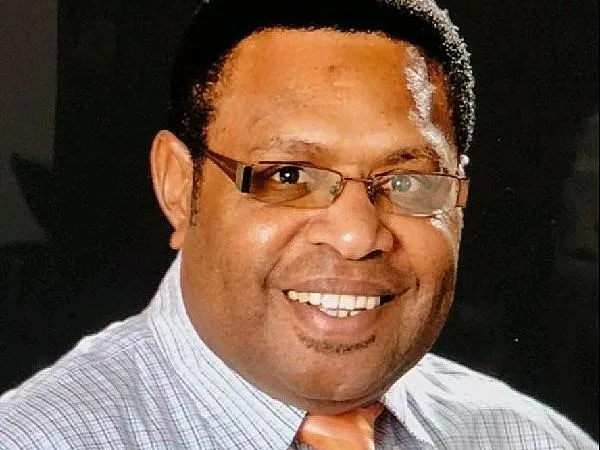
“I congratulate the two new Vice-Ministers who have been sworn in today. They are Wewak MP Hon. Stanley Muts Samban (Social Democratic Party) and Kerowagi MP Hon. Francis Kikin Siune (Pangu Pati). These two gentlemen are selected on merit and experience, and we place our trust and confidence in them to support the respective Ministers of State accordingly in these important times in our country’s history and development.
Alongside their duties to their electorates, they will also contribute to nation-building through the
Ministries of Defence and Public Service,” the Prime Minister said.
Prime Minister Marape commended Wewak MP Hon. Samban on his appointment as Vice- Minister for Defence, underscoring the Ministry’s significance for national security and disaster preparedness.
“The Defence Ministry requires coordination with our Defence Force to ensure effective service delivery and discipline within the Force. It also demands a quick response in times of disaster. Additionally, the Defence Ministry plays a role in Youth Mobilisation and Empowerment in communities. Vice-Minister Samban has a track record in mobilizing youth in Wewak District and has delivered well for his electorate since his election in 2023. We trust he will support the Defence Minister effectively,” said Prime Minister Marape.
On the appointment of Vice-Minister Siune to the Ministry of Public Service, the Prime Minister highlighted the importance of an efficient Public Service sector as Papua New Guinea approaches its 50th Independence anniversary.
“The PNG Public Service machinery is where government operations happen, and we are working to address some legacy issues to ensure an effective public service for our country,” Prime Minister Marape stated.
“With Vision 2050, MTDP IV, and other objectives ahead of us, we need a high-quality public service. We’re introducing contract-based engagements for public servants to enhance accountability, as we spend K240 million on salaries fortnightly. Performance and service delivery remain my focus, and Vice-Minister Siune’s support to the Public Service Minister will be crucial in achieving these goals.”
Another Vice-Minister appointment and swearing-in is anticipated soon as the Marape-Rosso Government strengthens its focus on addressing the nation’s key issues and delivering the high- quality services the people of Papua New Guinea deserve.
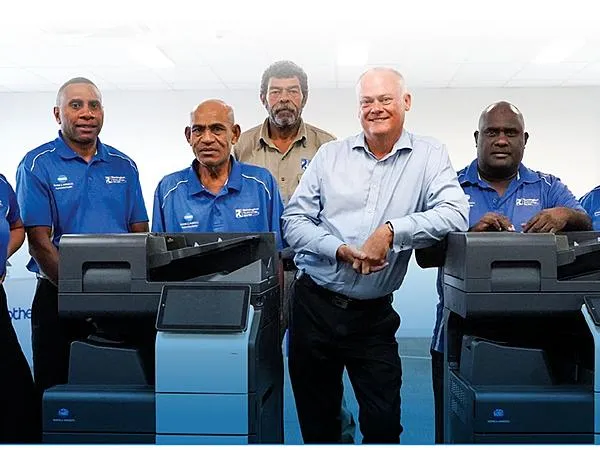
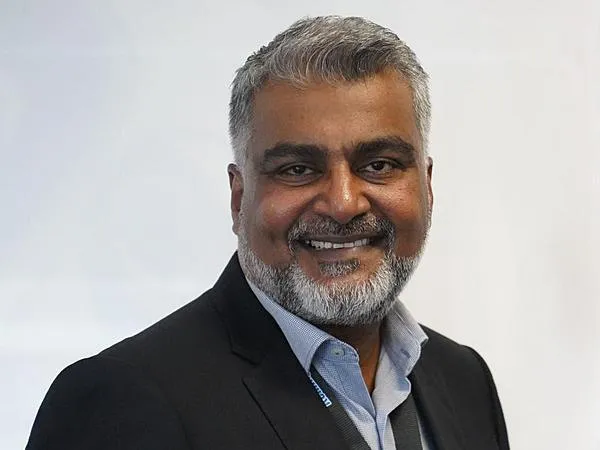
Remington Group is pleased to announce the appointment of Justin Kieseker as Chief Operating Officer, effective immediately. In this new role, Justin will oversee the operations of the Group’s entire Printer Division, which includes both Remington Technology and FX Business Centre. This expanded role marks an important step in Remington Group’s commitment to delivering exceptional solutions to its clients across Papua New Guinea.
Justin, former General Manager at Remington Technology, managed operations across eight branches in Papua New Guinea. Over six years, he enhanced growth and market presence, leveraging over 30 years of business development experience in Australia and Papua New Guinea. His leadership earned Remington Group the Dealer of the Year award for Australia. Known for his customer relationship skills and strategic insight, Justin has significantly contributed to Remington's success.
With his promotion to COO, Justin will now lead the broader Printer Division, managing both Remington Technology and FX Business Centre. His extensive experience and leadership abilities are expected to bring additional synergies and operational efficiencies to both units as they work together to enhance their offerings and continue delivering value-driven solutions for customers.
"Justin Kieseker’s promotion is well-deserved and a testament to our commitment to enhancing our sales and after-sales service for our customers," said Navin Raju, CEO of Remington Group. "By focusing on our two leading brands, we can strategically grow both to better serve the needs of our customers. With Justin’s vision, expertise, and deep understanding of our operations, we are confident that he will grow our Printer Division to new heights."
Remington Group is excited to support Justin in his expanded role and is committed to growing the expertise and capabilities within the organization to meet the evolving needs of its clients and the community.
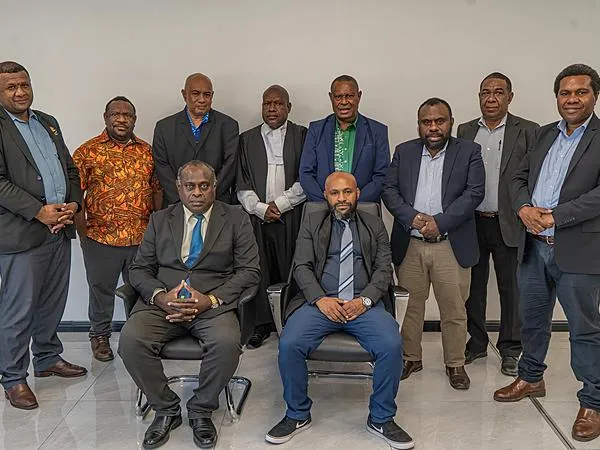
A Special Procurement Committee for the Mineral Resources Authority (MRA), under the National Procurement Commission (NPC), was officially sworn in on Friday, 25 October, at the NPC office in Port Moresby.
The formation of this committee is a requirement under the NPC Act 2021, which mandates that government statutory bodies and agencies with the capacity to procure assets and services establish internal procurement committees.
The committee is chaired by MRA Managing Director Jerry Garry, with Samson Metofa, First Assistant Secretary of the Financial Reporting & Compliance Division (FAS-FRCD) of the Department of Finance, serving as Deputy Chair. Committee members include Lilian Vevara from the Office of the State Solicitor, Frank Hare of the NPC, and six senior MRA staff members:
The committee was sworn in by Counsel Barry Mol and will oversee the internal procurement of goods and services for the MRA, with a financial threshold of up to K5 million. The committee is responsible for providing regular reports to the NPC.
Mr Garry, as both Chairman of the committee and MRA’s Managing Director, highlighted the challenges the MRA has previously faced in securing essential assets and services. He noted that establishing this committee is an important step towards streamlining the procurement process, thereby enhancing the authority’s operational efficiency and service delivery. He emphasised that the committee is committed to upholding compliance with national procurement guidelines and maintaining the integrity of the process.
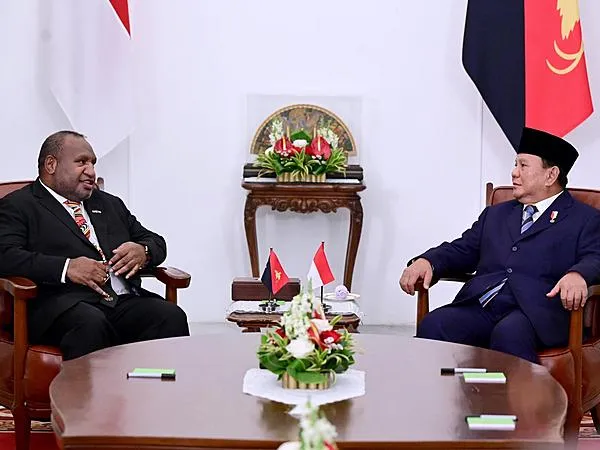
Prime Minister Hon. James Marape met with Indonesia’s newly inaugurated President, H.E. Prabowo Subianto, in Jakarta shortly after the President's official swearing-in. The bilateral meeting, held at the Presidential Palace, focused on the future of relations between Indonesia and Papua New Guinea.
“President Subianto and I had a very productive bilateral meeting on behalf of our countries,” Prime Minister Marape stated. He was accompanied by Foreign Affairs Minister Hon. Justin Tkatchenko and Defence Minister Hon. Billy Joseph.
“Papua New Guinea was granted the unique privilege of holding discussions with the Indonesian President immediately following his inauguration. We reflected on the progress in Indonesia-PNG relations under my leadership, starting with former President Joko Widodo and now continuing with President Subianto,” Prime Minister Marape added. He highlighted the conversation’s focus on expanding cooperation across a wider range of areas.
Prime Minister Marape also underscored the opportunity to learn from Indonesia’s economic achievements, stating, “Indonesia is a country from which PNG can gain valuable insights, particularly in economic growth, and we anticipate a bright future in our relations under President Subianto.”
Background on Indonesia-PNG Relations
Papua New Guinea and Indonesia have maintained a strong diplomatic relationship since PNG’s independence in 1975. The two countries share a common border and collaborate on matters such as trade, security, and education. With Indonesia’s expanding economy and its significant influence in the Pacific region, it remains a vital partner for PNG. Under Prime Minister Marape’s leadership, relations with Indonesia have deepened, particularly in economic development, defence, and border management.
This recent meeting builds on these foundations, marking a step towards further enhancing the partnership between the two nations under President Subianto's leadership.
Prime Minister Hon. James Marape has urged Papua New Guinean-owned businesses to maintain a strong presence and foster ongoing commercial relationships between Papua New Guinea and Samoa.
Prime Minister Marape highlighted that both countries share similar values and aspirations for development, and PNG-owned businesses operating in Samoa have significant potential to benefit from their investments.
“I encourage our PNG-owned businesses already established here, as well as those exploring new opportunities in finance, banking, tourism, and construction, to broaden their investments in Apia.
“I see the achievements of PNG businesses like Bank South Pacific (BSP), which has established a solid presence in Samoa, and the Constantinou Group of Companies, which has invested in the construction and hospitality sectors.
“PNG offers a solid foundation for regional business engagement. I encourage businesses to seize the opportunities available here in Samoa and across the Pacific Islands,” said Prime Minister Marape.
He made these remarks during a business breakfast meeting organised by the Samoan business community at the Taumeasina Island Resort in Samoa.
Prime Minister Marape also informed the Samoan-PNG business community that the PNG Government is actively working to create a more conducive economic environment for businesses to invest and operate both in PNG and across other Pacific nations.
“As a government, we are committed to addressing barriers and enhancing the ease of doing business to benefit your operations.
“We have an effective business arbitration system in place that facilitates mediation in disputes over business contracts, providing a fair outcome for all parties, including the government, developers, and landowners. This ensures that interests are safeguarded in the event of conflicts.
“PNG anticipates continued expansion and a lasting presence of PNG businesses here in Apia, Samoa, and a strengthening of our people-to-people relations, especially in tourism,” he added.
The Samoan business community spoke highly of major PNG companies like BSP and the Constantinou Group of Companies, noting their contributions to the Samoan economy. The Constantinou Group owns and operates the Taumeasina Island Resort, and its subsidiary, Hebou Construction, is actively exploring opportunities in the Samoan construction sector.
The PNG Government also holds shares in Bank South Pacific and the Taumeasina Hotel through landowner investment interests.
Prime Minister Marape held the business community meeting in the morning prior to attending the official opening of the Commonwealth Heads of Government Meeting (CHOGM), followed by the Executive Session.
The meeting was attended by notable figures, including the Executive Director of the Australia-PNG Business Council, Frank Yourn, Group CEO of BSP Financial Group, Mark Robinson, William Blank of Hall Contracting (who has completed dredging projects for major PNG ports like Lae and Port Moresby), and PNG’s Honorary Consul to Samoa, Fiona Ey.
Business representatives and the broader community expressed their appreciation for the PNG Government’s support for PNG companies like BSP and the Constantinou Group, particularly their investments in Samoa, and encouraged further investment in the construction sector.
Prime Minister Marape also acknowledged BSP as a PNG-based bank for its support of the Samoan Government as a key sponsor of CHOGM. He noted his satisfaction in seeing leaders from the 56 member countries accommodated at the Taumeasina Island Resort, which is largely owned by PNG investors.
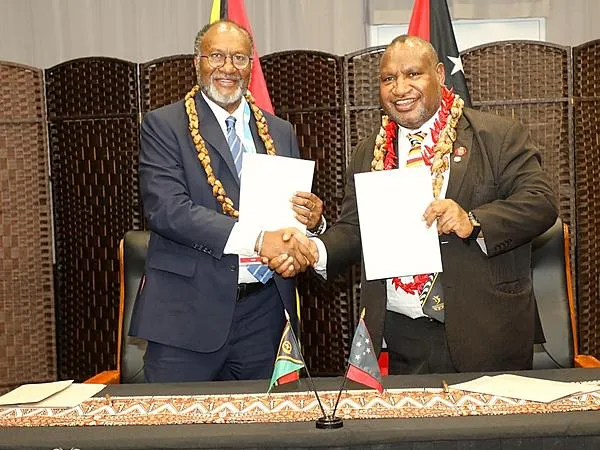
Prime Minister, Hon. James Marape, signed a framework agreement with the Prime Minister of Vanuatu, Hon. Charlot Salwai Tabimasmas, establishing a commitment between Papua New Guinea and Vanuatu to pursue, develop, and implement economic and technical cooperation activities for the benefit of both countries’ citizens.
The signing took place at the Taumeasina Island Resort in Apia, Samoa, during the Commonwealth Heads of Government Meeting (CHOGM), a notable occasion that underscores the collaborative potential between the two nations.
Prime Minister Marape acknowledged Vanuatu’s Prime Minister Tabimasmas for his dedication to formalising this agreement, which represents a significant milestone in the long-standing relationship between the countries. He noted the historical ties as members of the Melanesian Spearhead Group and highlighted Papua New Guinea’s early support during Vanuatu’s path to nationhood.
Prime Minister Tabimasmas expressed his appreciation for PNG’s past assistance, including relief efforts following natural disasters. He credited prior discussions with PNG leaders and the hard work of government officers in both countries for shaping this framework agreement, which now serves as a foundation for more detailed cooperation.
The agreement provides a comprehensive framework, enabling the two nations to establish further collaborative undertakings across various sectors of development. Areas outlined in the scope of cooperation include, but are not limited to:
The event was also attended by PNG’s Minister for Foreign Affairs, Hon. Justin Tkatchenko, Minister for International Trade and Investment, Hon. Richard Maru, Minister for Fisheries and Marine Resources, Hon. Jelta Wong, and Minister for Community Development, Religion and Youth, Hon. Jason Peter.
As part of the on-going efforts to enhance national content within the resources sector in Papua New Guinea, the PNG Chamber of Resources & Energy (PNG CORE) is pleased to announce the establishment of its National Content Committee.
This Committee, endorsed by the PNG CORE Council in its September meeting, will now lead the industry’s efforts to align the resources sector to effectively implement the government’s national content policies.
According to PNG CORE Chief Operating Officer Pansy Taueni-Sialis, the establishment of the Committee is part of the Industry’s commitment to drive implementation and improve monitoring and reporting of national content in PNG with the aim of maximizing value creation from within the resource sector and from its industry partners.
“The National Content Committee will also focus its efforts towards implementing our Industry Policy Statement on National Content, in alignment with the overarching National Content Policy, administered by the Department of Commerce & Industry, and the Petroleum sector National Content Policy, administered by the Department of Petroleum.”
“ExxonMobil PNG Limited’s National Content Manager, Mr. Samuel Koyama, has assumed the role as interim Chair of this Committee, which also comprises National Content industry leaders from across the mineral, petroleum and energy sectors.
The National Content Committee will lead industry’s efforts to engage with key departments, national and sub-national governments including other relevant partners on matters of mutual interest in the national content space.”
“PNG CORE looks forward to seeing tangible progress made by industry to add value and contribute to National Content initiatives, and to also promote sustainable development within the country’s resources sector.”
Innovative technology has shifted business operations from traditional to modern methods. In an interview with PNG Business News, Remington Group CEO Navin Raju shared his vision and stressed the necessity of adapting to these changes.
The Remington Group Board of Directors recently appointed Raju as the new CEO, recognizing his extensive experience in leadership and business development. Prior to this role, he was CEO of CPL Group PNG and held other senior positions in various companies, including Heli Nuigini Limited.
The Remington Group, formerly a key typewriter distributor in the Pacific and now a leading printer distributor in Papua New Guinea, faces new challenges. Raju mentions that the brand had an early presence in the Fiji Islands, as noted by his father.
"It began with typewriters, and Remington was a significant business across the Pacific. My 80-year-old father noted that Remington sold typewriters in Fiji when he was young," he said.
The Remington brand has been supplying products to PNG since 1948 and has continuously adapted its business model to keep pace with technological advancements and changing times.
"The essence of our business has remained consistent, but we are now facing a pivotal moment. Our line of business is likely to decline as society increasingly adopts paperless solutions and e-commerce."
He stressed that Remington Group must adapt to changing market dynamics. "We aim to find new products and services that match our current offerings. My goal is to grow the business while contributing to the country's growth for the next many more years."
“We aim to be leaders in the print and ICT sectors as technology evolves,” Raju said.
The Remington Group is the preeminent provider of business solutions, print technology, and related services in Papua New Guinea. With an unwavering commitment to quality and local talent development, Remington has been a pivotal entity in PNG’s business sector for 76 years.
Since its inception, the Group has cultivated a comprehensive portfolio, encompassing Remington Technology, FX Business Centre PNG, Premier Business Solutions PNG, and BizPrint PNG. Its extensive national presence extends beyond Port Moresby to several key provinces, including Lae, Madang, Kokopo, Wewak, Goroka, and Mt. Hagen.
Remington’s print technology solutions furnish businesses, government offices, and organizations within PNG with superior operational platforms in business services, document solutions, and commercial printing.
During the interview, Raju detailed his journey to PNG. Originally from Fiji and having grown up in New Zealand, he arrived on a three-year contract in 2010 and has since made PNG his home over the past 14 years.
"My family and I have grown fond of this place. We feel integrated into the country and are committed to PNG," he stated.
He emphasizing the cultural nuances in business settings. Drawing from his Fijian background, he remarked, "I understand Melanesian culture and the challenges that young Papua New Guineans face in the workforce."
He stressed the importance of practical exposure, saying: "While theoretical knowledge is essential, providing practical experiences and exposure is crucial for success."
Raju described the working environment in PNG as dynamic, with daily challenges emerging regularly. "It is vital to understand the social circumstances of employees; often, a missed day of work stems from deeper underlying issues impacting their lives," he concluded.
National Content:
Raju emphasized the importance of having Papua New Guineans in management, advocating for their promotion to senior roles with the right skills. As he shared his past experiences, he noted the need for qualified candidates to prevent mismanagement.
Despite challenges like corruption, fraud, crime, and poor infrastructure in PNG, Raju remains hopeful about nurturing local talent.
“We need to invest in education and provide exposure to prepare Papua New Guineans that can effectively take on leadership roles.”
“Exposure is crucial. People may have the theoretical knowledge, but we must provide them with the practical experiences necessary to succeed,” he asserted.
On Business in PNG:
On the economic front, Raju articulated concerns regarding the business sector, particularly with respect to the availability of foreign exchange.
“Our overheads are considerably affected by the forex situation, making it challenging for us to maintain competitiveness,” he explained. He urged for enhanced government support to improve the operational environment for businesses.
As Remington Group continues to adapt to market demands, Mr. Raju stressed the need for forming partnerships that prioritize local printing over international production.
“We must deliver the right products at competitive prices to remain viable. Increasing business volume is crucial for achieving cost efficiency,” Raju said as he reaffirmed his vision, which now forms the cornerstone of the Remington Group's objectives.
“We have been a part of PNG’s growth for the past 76 years, and this company remains committed to contributing to the nation's development for many more years. We aim to be integral to the print and ICT environment, furthering the advancement of modern technology."
“Our vision is to become a leader in this domain as we pursue our business endeavors. This new vision reflects our ambition to lead and contribute to the country's growth in this sector,” he added.
PNG Business News congratulates CEO Navin Raju on his new role and expresses gratitude to the Remington Group for their ongoing dedication to providing quality services.
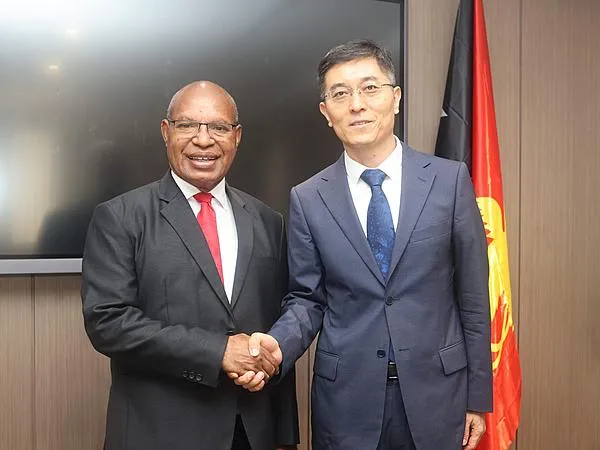
The Minister for International Trade and Investment, Hon. Richard Maru in his meeting recently with the new Chinese Ambassador to Papua New Guinea (PNG), His Excellency Yang Xiaoguang made a commitment to deliver the PNG-China Free Trade Agreement (FTA) feasibility study report by the end of this month.
Minister Maru said: “This report will determine the viability of an FTA between our two countries. This study has been jointly funded by both the Chinese and the PNG Government at the cost of K1 million each. The final work is now being done to complete the report before it is delivered to both Governments in November. On the process of the PNG side, the report, once it is delivered to me, will be submitted to the Cabinet for deliberation and direction and once that is done, we will proceed from there. If the study finds that it is feasible for us and in our national interest to go ahead with the FTA with China then we will recommend that FTA negotiations must commence in the new year.”
Minister stated that China was fast becoming PNG’s most important trading partner.
“For the past five years, trade between PNG and China has been in the favor of PNG recording surplus balance of trade from 2017-2021. In 2020, PNG exported K6.7 billion to China, imported K2.6 billion from China, with a trade surplus of K4.1 billion. China has been ranked 3rd as top export destination for PNG’s merchandise and also ranked 2nd as top import source for PNG. This indicates that trade with China is economical. We have realized that our future in terms of exports lies with China,” said Minister Maru.
Minister Maru further stated: “After PNG signed the Belt and Road Initiative in 2018, PNG became China’s largest trading partner and investment destination in the region. China aided projects such as roads, bridges, hydropower stations, and have made important contribution to the economic development and people’s livelihood. We are encouraging more Chinese investments in all areas including the Special Economic Zones, mining and petroleum, energy, and fisheries.”
“We are determined to grow and deepen our relationship with China and anchor it through an FTA between our two countries if our joint feasibility study confirms that it is viable and in our national interest to enter into an FTA with China,” added Minister Maru.
Follow on LinkedIn:
PNG Business News
Be the "First" to get our exclusive Digital Magazine & Weekly Newsletter.