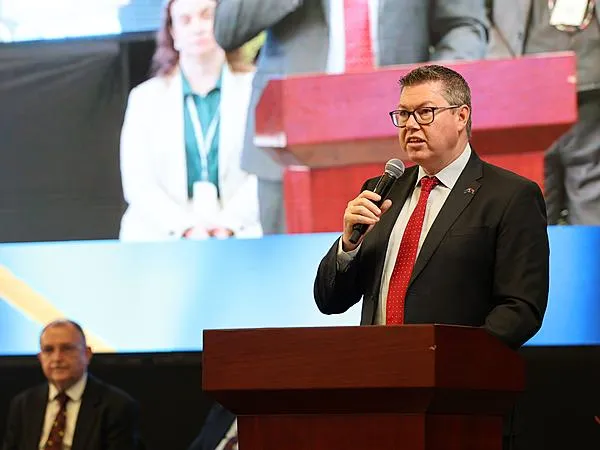
The Australian Minister for International Development and the Pacific, Hon. Pat Conroy, officially launched the Australia-PNG Development Partnership Plan (DPP) for 2024-2029 at the Australian High Commission on Thursday 19th September in Port Moresby, Papua New Guinea.
This initiative reinforces Australia’s commitment to PNG as its largest development partner, Conroy's office said in a statement.
With an estimated $637.4 million in Official Development Assistance funding for the 2024-25 fiscal year, and over $2.5 billion in budget support loans since 2019, Australia aims to strengthen PNG’s economic growth and stability.
Minister Conroy emphasized that the DPP is aligned with Australia’s new International Development Policy, which prioritizes locally led development.
He said, “We know that infrastructure is a huge piece of that puzzle, particularly, telecommunications, roads, ports, aviation and energy. This is why we are scaling up investments in critical economic and social infrastructure from $200 million annually to $250 million annually, recognizing the role this will play in PNG’s future prosperity.
“Through this plan we will work with PNG on building access to electricity across the country, but we’ll do it through innovative, smart solutions that use renewable energy and resilient technologies.”
The importance of continued economic growth is central to PNG’s Medium-Term Development Plan. Conroy stated, “Our approach is to be guided by your priorities, your needs, your ambitions.”
“We know you want a stable economy that continues to broaden and generate jobs for your people,” he added.
The DPP outlines a roadmap for Australian assistance over the next five years, with key features including a $200 million bilateral security agreement, an increase in educational investment to $100 million, and intensified efforts towards addressing climate change and promoting gender equality.
Conroy noted, “We’re scaling up investments in critical economic and social infrastructure from $200 million annually to $250 million annually, recognizing the role this will play in PNG’s future prosperity.”
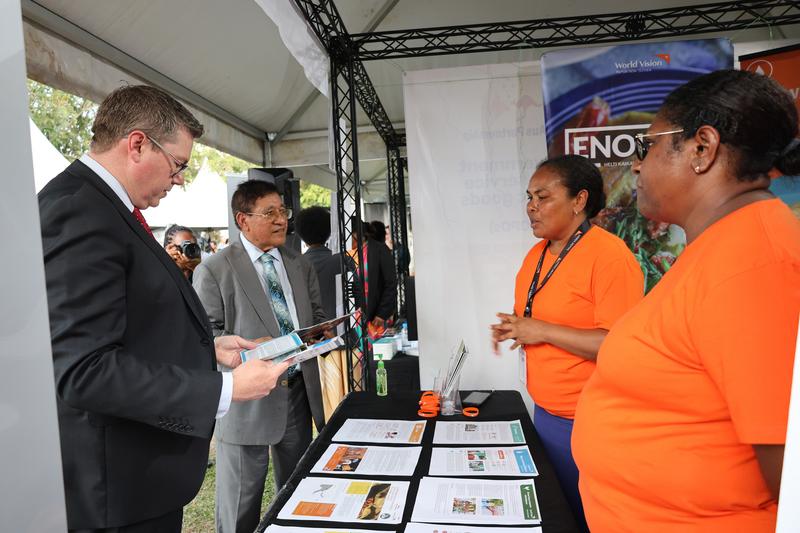
At the launch event, 21 Australian development programs were featured, showing the extensive reach of Australia’s investment in various sectors across PNG.
Conroy addressed the necessity of improving security in PNG, stating that “people need stable, safe and secure societies in which to thrive.”
The $100 million Australia-PNG Law and Justice Partnership will focus on enhancing internal security, police training, and infrastructure across ten provinces.
“This is why we are stepping up our work with you on policing, improving internal security. Through our $100 million Australia-PNG Law and Justice Partnership, we are:
Moreover, the plan seeks to create inclusive communities. Conroy mentioned the ongoing support for women and individuals with disabilities, as over the past six months, the PNG Women Lead program has assisted over 3,000 women and girls in accessing crisis support services for gender-based violence.
On education, the plan will increase investments to help students complete their studies and diversify their skills.
Conroy announced the launch of a new “Diploma in Teaching Primary” aimed at upskilling 15,000 elementary teachers, with funding for the first 400 teachers enrolled in the program.
Conroy reaffirmed Australia’s long-standing commitment to PNG, citing that since 2015, Australia has delivered over $5.6 billion in Official Development Assistance.
The DPP “is a collaborative effort to enhance access to renewable energy, improve infrastructure, and support health services, among other initiatives.,” he said.
Conroy reiterated the partnership and collaboration between both countries. “All of this work we do together, with our PNG partners, to improve the lives of people across Papua New Guinea.
“As we have for all of the 49 years so far since independence, Australia is backing PNG’s economic development and ambition for its people.”
Present for the event were Hon Sir Ano Pala, Minister for National Planning; Hon Kinoka Feo, Minister for Higher Education, Research, Science & Technology and Sports; Hon Lucas Dekena, Minister for Education; and Hon Rufina Peter, Governor of Central Province.
Heads of mission; heads of multilateral agencies; leaders from private sector and civil society were also present.
The Papua New Guinea Extractive Industries Transparency Initiative is looking at investing in its own staff to drive forward the goals and objectives of the Secretariat. PNGEITI recently employed eight new professionals boosting the number of employees to 17. Executive Director, Lucas Alkan says PNGEITI is in a transactional phase passing on from being a Secretariat to a Commission once the Commission Bill gets passed and it needs qualified professionals to lead the institution. Mr. Alkan encouraged the staff to pursue further training and studies to position themselves to lead the Secretariat.
“I encourage you all to keep learning, even if it means to pursue further training overseas as this will benefit the Secretariat and the country as a whole. I am ready to release you on full pay to pursue further training even if it means for you to go overseas,” said Mr. Alkan.
”The Secretariat plays an important role in advocating transparency in the extractive sector and this requires qualified professionals to be in the forefront and I am counting on you to drive this forward,” he said.
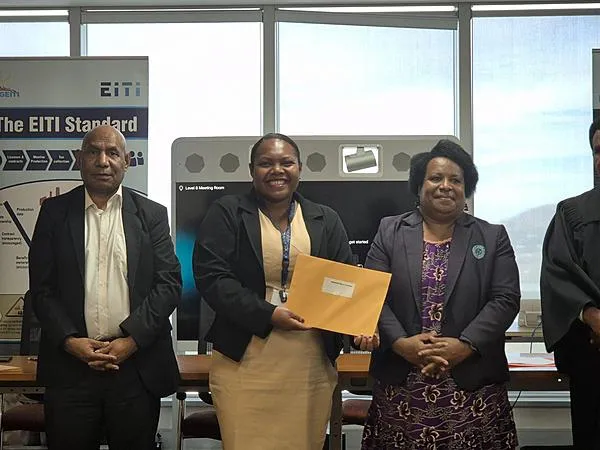
The Executive Director made this remarks when congratulating 14 of his staff who graduated with Certificates in Government and Public Service. As part of the on-going training program, total of 14 staff from PNGEITI graduated on 08th August with National Certificate 2 in Government and Public Service. This follows a week-long induction course at the Somare Institute of Leadership and Governance (SILAG) in Port Moresby, National Capital District. Under the guidance from SILAG Legal Council, PNGEITI staff took an oath to be loyal and committed in their duties as public servants. SILAG representative, Nellie Arabagali encouraged the graduating staff to serve the public service with commitment and dedication. The course offered by SILAG is undertaken by probationary officers before being employed in public service. The induction training provides the participants with necessary knowledge and attitude required for them to perform in a public service work environment. Trainer, Andrew Walne said the curse is all about working in a public sector environment, knowing the public service systems, processes and procedures as well as the legislative requirements in order to provide quality services to the public. The course is a base level qualification which complies with the requirements of the Public Service General Orders.
The Bisnis PNG Supplier Management Portal (SMP), launched by the PNG Institute of Banking and Business Management (IBBM), is empowering local businesses to increase their visibility and access opportunities.
The SMP, a collaboration between IBBM and ExxonMobil, aims to connect businesses and people, and promote entrepreneurial development. It provides a platform for businesses to register their credentials online, facilitating easier interaction with potential clients.
The focus was on the transition from traditional, paper-based business processes to a streamlined, digital approach through the SMP, the key benefits of which include:
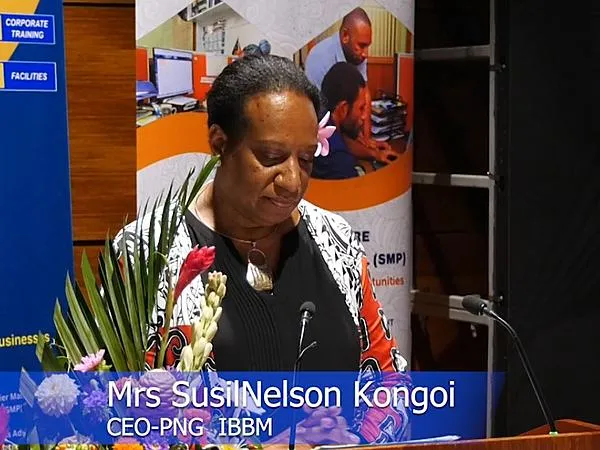
The SMP has already attracted significant interest, with over 3,200 suppliers registered across various sectors. IBBM's CEO, Susil Nelson-Kongoi, emphasized the portal's potential to go beyond the extractives industry and open up opportunities for businesses in all sectors.
Kongoi stated that it is a legacy of a partnership between ExxonMobil and IBBM, “a partnership committed and focused in developing, growing, promoting and supporting supplier development, which is increasingly becoming a standard norm of National Content Obligations.”
ExxonMobil PNG has a strong track record of supporting local businesses. Through its national content initiatives, the company has invested significantly in PNG businesses and provided training and development opportunities for local workers.
The SMP is a valuable tool for local businesses seeking to grow and succeed in Papua New Guinea. By leveraging the platform's capabilities, businesses can enhance their visibility, connect with new opportunities, and contribute to the country's economic development.
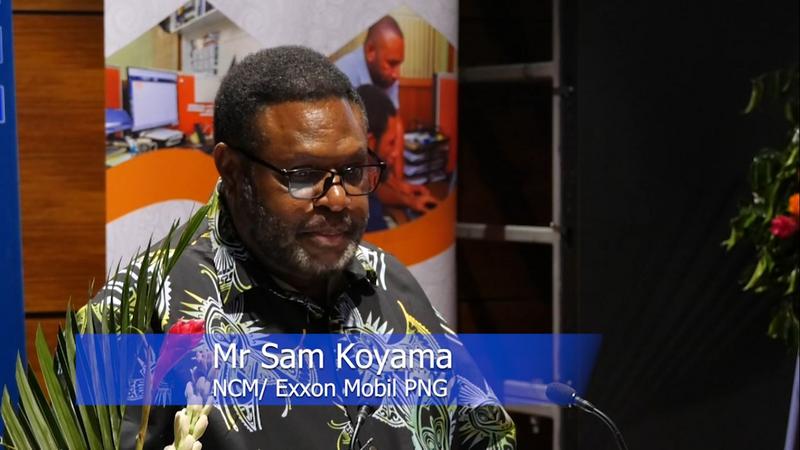
ExxonMobil PNG’s National Content Manager Mr Sam Koyama delivered the Keynote Address, stressing its commitment to support supplier development as part of national content.
Other notable attendees included GM for Enterprise Development at IBBM, Mr. Peterson Lais; First Assistant Secretary Department of Commerce and Industry, Mr. Frazer Murray; Managing Director for Nares Engineers, Mr. Francis Kunuma; and the Executive Director for the Petroleum Sector National Content Office, Mr Simon Sanagke.
ExxonMobil PNG's track record in national content is notable. In 2023 the PNG LNG project had a workforce of 3,714 people, with 88% being PNG nationals.
In the same year, the company delivered over 225,900 training hours through some 2,600 company and third-party contractor courses, thus enhancing the skills of PNG workers across various job categories.
In 2023, ExxonMobil PNG spent approximately PGK833 million with PNG businesses, including PGK338 million with landowner companies. Since production began, the total expenditure with PNG businesses has reached PGK6.8 billion, with PGK2.2 billion spent on landowner companies.
As Papua New Guinea (PNG) approaches its 50th Golden Jubilee of independence, the country reflects on its development across the business, resource, and industrial sectors.
A key topic at the forefront of discussions is National Content, which emphasizes the participation of local businesses and workforce in resource projects, aiming to ensure that PNG maximizes its benefits from natural assets.
National Content refers to the active involvement of local businesses, workforce, and investments in sectors like mining, oil, and gas. This global agenda is rapidly gaining momentum, and PNG is at the forefront of these efforts, aiming to transform into a middle-income economy by 2030.
In 2009, the PNG government launched its 40-year development strategy, known as the PNG Vision 2050, aiming to guide the country toward economic growth, wealth creation, and national development.
One of the central agenda’s in discussion is this strategy, ‘National Content’ which ensures that the benefits from PNG’s natural resources remain within the country.
For PNG to meet its Vision 2050 targets, improvements in governance, service delivery, law and order, and investor relations are essential. These improvements are vital as the country reaches its 49th Independence Day on September 16, with the 50th Jubilee just around the corner in 2025.
The Growing Focus on National Content
The PNG Chamber of Resources and Energy (PNG CORE) hosted the 2nd Community Affairs and National Content Expo (CANCONEX 2024), reinforced the significance of National Content in shaping the country’s future.
Participants from government, industry, and international experts came together to discuss strategies to align national content policies with global standards. The PNG Resource week was held in July 1-4 at the University of Papua New Guinea.
The PNG National Content Policy (PNGNCP) for Resources Sector 2023’ will be launched later this year by the National Government and the Department of Commerce and Industry.
It is a roadmap that will provide a strategic policy and institutional framework to promote and facilitate greater national participation and partnership in all resource development investments in the country.
The policy covers six focus areas; Domestic Procurement of goods and services, Supplier and Entrepreneurship development, Employment Opportunities for Papua New Guineans, Skilled Workforces Development for graduates, Greater Equity participation by PNG institutions and citizen, and Oversight on investments on Sustainable Development for project impacted landowner communities and the economy as a whole.
In light of the National Content agenda, the Governor of the National Capital District, Hon. Powes Parkop expressed his thoughts on it in an interview with PNG Business News (PNG BN), emphasizing its importance for the country's long-term prosperity.
“National Content is that development must capture national interest,” he said, highlighting the need for equity, royalties, and tax structures that maximize national benefits.
“National content is very important to any project development especially in the non-renewal sector as these are resources and opportunities we will never have again.
“Having national content ensues we gain maximum benefit that benefit us of today and we ensure the generation of the future equally benefits by saving some of these benefits in facilities like sovereign wealth fund and other investments,” he added.
MRA’s Jerry Garry on National Content:
In an exclusive interview with PNG Business News, Managing Director of the Mineral Resources Authority (MRA), Jerry Garry, offered his perspective on the national content in PNG, focusing on the country's natural resource sectors.
His comments highlighted the crucial role that national content plays in ensuring fair and equitable development from Papua New Guinea’s natural assets, including its fisheries, forestry, agriculture, oil, gas, and minerals.
Garry underlined the importance of PNG’s natural resources, stating that these are the country's most valuable assets. Since independence, the mining sector has been the largest contributor to export revenue. This remained true until 2014, when the country’s first LNG export shifted the balance.
However, Garry explained that the debate surrounding national content extends beyond the financial contributions of these projects.
"The fundamental question is: How much of the development cost and the benefits emanating from a project remain in the country? That defines what national content really is," Garry stated.
He urged stakeholders to look beyond taxes, such as corporate income tax and royalties, to assess the full picture of a project's contribution. This includes considering the number of people employed, the skill transfers achieved, and the infrastructure built through the project.
Garry said one of the most overlooked aspects of national content is the role of skill transfer and infrastructure development. He praised PNG's mining sector for fostering the development of skilled professionals, noting that many of these professionals have gone on to work in international markets such as Australia.
The challenges presented by PNG’s terrain have led to the deployment of advanced technologies, and this exposure has equipped local professionals to be competitive on a global stage.
However, Garry expressed concern about the lack of attention to building infrastructure and meeting corporate social responsibilities. He emphasized that many extractive companies in PNG have failed to provide adequate infrastructure for local landowners.
"I have not seen one respectable company in this country that built decent homes for the landowners and put electricity into them," he remarked, noting that the Woodland Vault Project is a rare exception in this regard.
Garry urged companies to consider how much of their revenue remains in PNG to support local development. He pointed out that many companies are not paying corporate income tax, claiming that they have not made a profit, even though they continue to export significant volumes of metals, gas, and other resources.
“There’s a lot of work that needs to be done to improve on corporate income tax,” he added, stressing that more transparency and accountability are required in the way profits are reported.
On the broader challenges of national development, Garry emphasized the critical need for reliable energy infrastructure. “If you don’t have cheap, reliable, and stable energy, you can’t build other infrastructures or talk about industrialization," he said.
Garry argued that without proper infrastructure, including energy, PNG will struggle to fully leverage its natural resources to develop other industries and create sustainable growth.
‘National Content Must Benefit PNG’
Garry reiterated that the goal of national content should be to ensure that a reasonable portion of the revenue generated from PNG's natural resources remains in the country.
He advocated for a national content policy that mandates a significant percentage—at least 20% to 40%—of the economic value generated by resource projects to be reinvested in the country. This includes contributions to public infrastructure, community projects, and landowner development.
"At the end of the day, that pie you produce from the land must show that 20% to 40% remains within the country. That would be a good national content policy," Garry concluded.
PNG CR Leading the Way in Support of National Content
A company that embodies the goals of the National Content is PNG CR Services, formerly known as Red Sea Housing.
With a longstanding presence in PNG since 2008, PNG CR has proven its commitment to supporting local businesses and communities while providing top-tier services in various sectors especially with the resource sectors.
PNG CR sources the majority of its goods and services from companies registered in PNG and has built strong relationships with local suppliers.
PNG CR’s commitment to local content is evident in its workforce as well. The company boasts a team of over 300 personnel, all of whom are based in PNG.
This local presence enables PNG CR to deliver projects efficiently and in line with the needs of the community, minimizing potential delays and maximizing the benefits for Papua New Guineans.
PNG CR Company’s operations align closely with the agenda of National Content.
The company’s expertise in camp facility management, construction services, and modular building solutions has seen them complete over 127 projects across the country for Tier One clients such as Kumul Petroleum Holdings Limited, ExxonMobil, Newcrest Mining, Australian Federal Police, Australian Defense Force, Abt Associates and PNG Sustainable Development.
In addition to its business activities, PNG CR has a strong focus on corporate social responsibility.
The company has contributed to several community initiatives, including the establishment of Women Sexual Violence Units, providing space for St. John Ambulance, and supporting the Hope Orphanage, the Cheshire Disability Centre and Nature Park in Port Moresby.
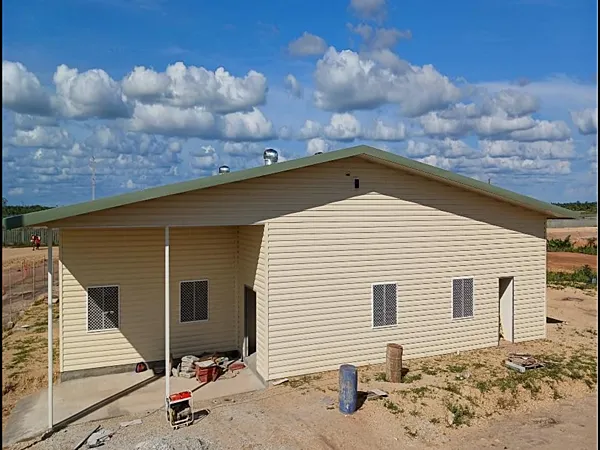
PNG CR services success story proves to what can be achieved when local content is prioritized. With its state-of-the-art facilities in Port Moresby, PNG CR designs, engineers, and fabricates modular buildings that are constructed in PNG, providing jobs and skills training for Papua New Guineans.
Companies like PNG CR will play a crucial role in helping PNG achieve its development goals. With a focus on local content, PNG has the opportunity to build a more inclusive and sustainable economy, ensuring that the wealth generated benefits all Papua New Guineans.
Local businesses and well-established companies operating in PNG are central to the nation’s resource projects, this gives a more inclusive and sustainable economic future.
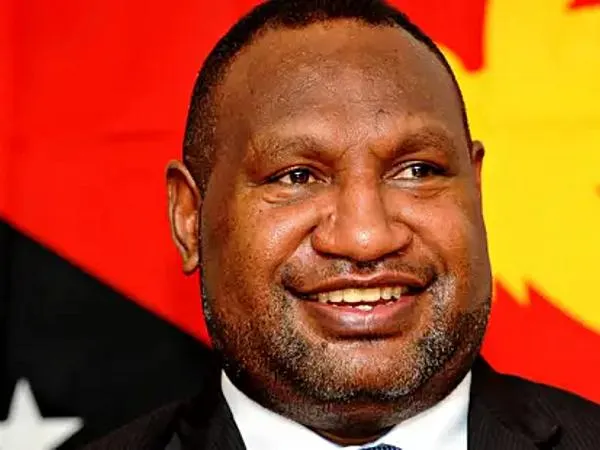
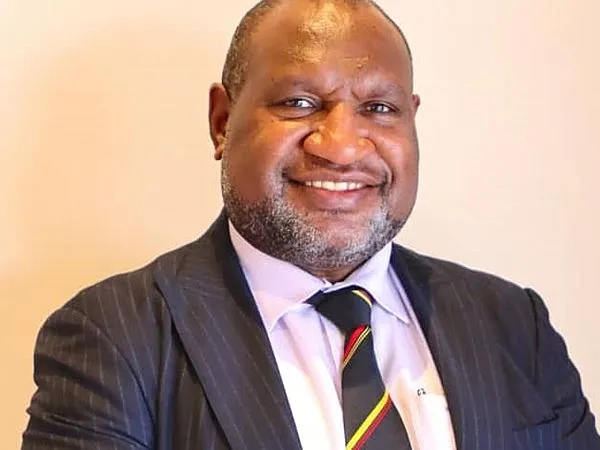
Papua New Guinea will move more into downstream processing and manufacturing of its resources, Prime Minister Hon. James Marape said in his address to the nation for the 49th Anniversary of PNG’s Independence.
Stating the importance of working together to build a robust, inclusive economy, Marape also stressed the need to diversify PNG’s economy beyond traditional sectors such as mining, oil, and gas.
The government will focus on developing industries like agriculture, tourism, fisheries, and technology to create jobs and improve livelihoods, the PM said.
“Our wealth is not just in our resources, but in the creativity and determination of our people,” he said.
Marape also set a course for a future filled with hope, unity, and progress, emphasizing the significance of September 16, 1975, when PNG first raised its flag as a sovereign state.
“Today, we stand proudly as a people who have persevered, grown, and defined our identity on the global stage,” Marape stated.
He paid tribute to the visionaries who led the country to independence, and expressed deep gratitude to the founding leaders and every citizen who has contributed to the nation's development, acknowledging the challenges faced over the years.
"The journey they began was not easy, and the path since then has been filled with challenges, triumphs, and the tireless efforts of our people. Our elders, our founding leaders, and every citizen who has contributed to this country’s development, we honor you today," he said.
The Prime Minister highlighted the progress in education, healthcare, infrastructure, and governance. He noted the country’s rich cultural diversity—over 800 languages and numerous distinct cultures—as its greatest strength, uniting the nation despite its differences.
However, Marape also acknowledged that challenges remain, including poverty, inequality, corruption, and service delivery issues.
“Each challenge is also an opportunity—an opportunity to do better, to serve our people more effectively, and to chart a brighter course for future generations,” he said.
As the country prepares for its 50th anniversary in 2025, Marape urged Papua New Guineans to look to the future with hope and determination.
He outlined the key areas the government will focus on in the coming year to strengthen the nation’s foundation and seize new opportunities.
“First, we will continue to invest in our people. Education and skills development are the cornerstones of any nation's success. We must empower our young people with the tools they need to lead, innovate, and build the future of Papua New Guinea,” Marape said.
He described the country’s youth as its greatest asset and committed to providing opportunities for them to succeed.
The Prime Minister reiterated the government’s commitment to fighting corruption and improving governance across all levels.
“Transparent, accountable leadership is key to the progress of our nation. Together, we must work to build trust in our institutions and ensure that every kina of public money is used to improve the lives of Papua New Guineans,” Marape declared.
He also called for national unity, highlighting that it does not mean uniformity but rather a collective effort towards shared goals.
“In a country as diverse as ours, unity does not mean uniformity. It means respecting our differences while working together towards common goals,” he said.
He urged Papua New Guineans to put the nation’s interests above individual ones and ensure that no one is left behind as the country progresses, and encouraged citizens to reflect on the country’s accomplishments while remaining committed to building a brighter future.
"A future where every Papua New Guinean has the opportunity to thrive. A future where our nation stands strong, proud, and united on the world stage," he said.
“May God bless Papua New Guinea, and may we continue to rise as a strong, proud, and prosperous nation. Happy Independence Day!”
Papua New Guinea hosted several key events this year, including the 2024 IPA Regulators Summit in July. At the summit, regulatory agencies shared their roles, responsibilities, and plans. These agencies are vital to the nation's economic development, ensuring compliance with laws and supporting government initiatives.
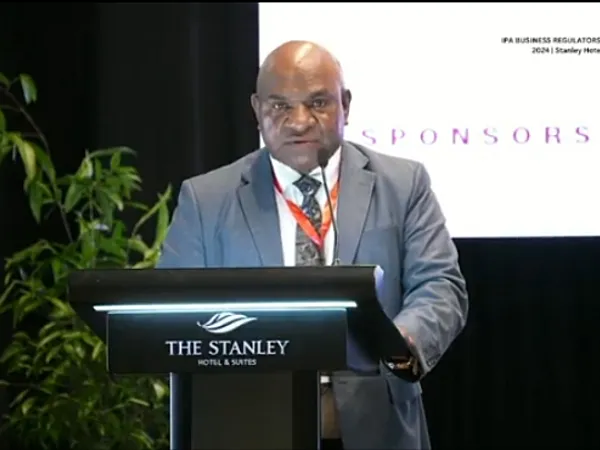
During the summit, PNG Customs Chief Commissioner David Towe provided an update on the operations of the agency, which oversees the regulation of goods, people, and services across PNG’s borders.
PNG Customs’ key responsibilities include monitoring imports and exports, collecting duties and taxes, preventing smuggling, enforcing trade regulations, protecting national security, ensuring product safety, and facilitating trade. It works in close collaboration with agencies such as the National Trade Office, immigration, and law enforcement to secure borders and regulate cross-border activities.
In September, PNG Customs reported significant growth in its mid-year performance, showing resilience and sound fiscal management despite challenging domestic and global economic conditions.
Building on 2023's momentum, the agency entered this year with a commitment to surpass expectations under the theme "Advancing Growth through Collaboration and Integrity."
According to its mid-year report, PNG Customs collected K1.86 billion in revenue by June 2024, reaching 44% of its annual target of K4.25 billion, as outlined in the 2024 National Budget. This year’s target represents a 13% increase over the previous year’s K3.7 billion. The mid-year revenue was K264.5 million (17%) higher than the same period in 2023.
Key factors in this success included border security, trade facilitation, and revenue collection. PNG Customs facilitated K642.16 million in import duty and tax exemptions through project agreements, reflecting a 2.4% increase compared to the same period in 2023.
Additionally, the agency processed and cleared 60,991 trade entries, including imports, exports, and local excise declarations in the first half of 2024—a 12% increase from 2023, with 6,794 more customs declarations and excise entries. This growth indicates rising economic activity and demand in PNG.
Despite its progress, PNG Customs faced challenges in the first half of 2024. Revenue collections fell 6% short of projections due to economic headwinds, and the agency continues to struggle with limited resources for border surveillance and compliance enforcement.
However, PNG Customs remains committed to its core mandate of ensuring effective border security, promoting economic growth, and contributing to the development policy agenda of the Marape-Rosso Government, Hon. Towe said.
The Minister for International Trade and Investment, Hon. Richard Maru, has highlighted Papua New Guinea's (PNG) new focus on attracting Indonesian investments following recent high-level engagements between the two nations. These include State Visits by the Heads of both countries, a trade and investment mission led by Deputy Prime Minister Hon. John Rosso, and the signing of a Joint Declaration establishing a high-level Dialogue and Cooperation Mechanism.
Minister Maru remarked, “Indonesia's economy has grown tenfold over the last 20 years, driven in part by the government’s policy of banning raw material exports. This policy, announced three years in advance, has been strictly implemented.”
Indonesia is the largest economy in Southeast Asia, the world’s fourth most populous nation, and ranks as the 16th largest economy globally by nominal GDP, as well as the seventh largest in terms of purchasing power parity.
Minister Maru added, “While Indonesia has historically relied on imports of manufactured goods, advanced technology, and technical skills, it has successfully transitioned from a primary sector economy to one focused on secondary and tertiary industries. This shift, supported by the creation of numerous economic zones, has strengthened Indonesia’s downstream processing and value addition in manufacturing, trade, and services.”
Indonesia currently has 118 industrial parks, 15 Special Economic Zones (SEZs), four Free Trade Zones, and 10 Tourism Zones, all of which have contributed significantly to the country’s policy of downstream processing of natural resources.
“Downstream processing has been highly successful in Indonesia, creating thousands of jobs, transferring higher-value skills, and introducing advanced technological processes. The nickel SEZ at Weda Bay alone created 80,000 direct jobs and 12,000 indirect jobs—more jobs than PNG's entire mining and petroleum industries combined. In 2022, investment in downstream mining surged to almost US$9.2 billion, compared to US$4.1 billion in 2019,” Maru noted, emphasising the significant role these investments have played in Indonesia's mining industry.
The Indonesian Government has recommended that PNG adopt a similar approach and implement a ban on raw material exports.
“Our government has already declared its intention to pursue downstream processing, and we don't have to reinvent the wheel. Indonesia is right next door, ready to share its experience and offer support,” said Minister Maru.
He continued, “For nearly five decades, PNG's engagement with Indonesia has largely focused on border and security talks, which have not resulted in improved border facilities, direct shipping links, job creation, or significant trade between our countries. It's time for PNG to establish a robust trade and investment relationship with Indonesia, which has already mastered downstream processing and value addition. PNG has immense potential in mining, petroleum, agriculture, fisheries, forestry, and services, and we can learn valuable lessons from Indonesia’s success.”
Minister Maru stressed that PNG must move beyond being a primary exporter of raw materials and focus on value addition through downstream processing to create more jobs and increase the value of its exports. “Under the Marape-Rosso Government, PNG must shift away from being a mere exporter of raw materials. As we approach our 50th anniversary, it is imperative that we make a decisive change. Indonesia, our closest neighbour, has successfully navigated this path and is now a formidable player on the global stage. They are willing to share their experience and expertise, and we must stand ready to learn and collaborate.”
Minister Maru also extended an invitation to Indonesian companies in sectors such as manufacturing, mining, petroleum, agriculture, fisheries, tourism, and Special Economic Zones to invest in PNG. He revealed that two Indonesian companies have expressed interest in multi-billion kina rice and recycling projects in PNG, with proposals under review for approval by the National Executive Council (NEC). “This marks the beginning of a new era for PNG as we shift our trade and investment focus to Indonesia,” Minister Maru concluded.
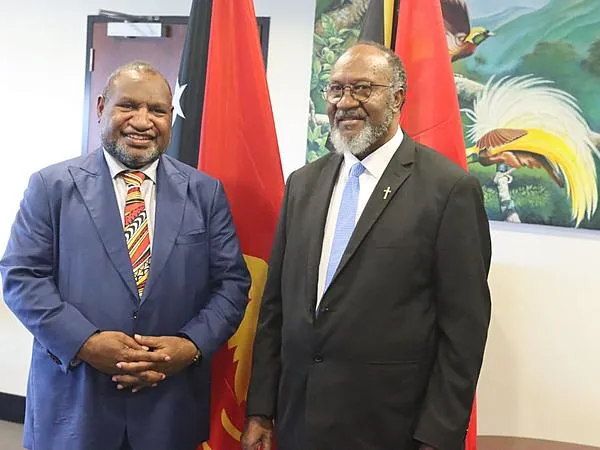
Prime Minister Hon. James Marape on Friday, September 6, 2024, held bilateral talks with the Prime Minister of the Republic of Vanuatu, Hon. Charlot Salwai, at Sir Manasupe Haus in Port Moresby.
The two leaders met for brief discussions on the sidelines of the Papal Visit to Papua New Guinea. Among the key topics discussed were PNG’s assistance to Vanuatu on trade-related matters and infrastructure development, with a particular focus on the Kumul Highway initiative in Port Vila, Vanuatu’s capital.
“The PNG Government is delighted to engage in cordial relations with the Government of the Republic of Vanuatu. Between the two nations who are part of the Melanesian Spearhead Group (MSG), we have enjoyed an atmosphere of close friendship, based on mutual trust and respect for each other since the establishment of diplomatic relations on 26th September, 1980,” Prime Minister Marape said.
“As Melanesian neighbours, we share close historic connections and similar values and interests through membership of regional and international organisations such as the United Nations, Pacific Islands Forum, Secretariat of the South Pacific, Commonwealth of Nations, and World Trade Organisation.”
The discussions also focused on strengthening bilateral relations and exploring business investment opportunities between the two nations. Prime Minister Marape highlighted PNG’s development plans and economic ventures, emphasising the potential for cooperation in fisheries, education, health, infrastructure, and tourism—areas in which PNG is offering assistance.
Prime Minister Marape also emphasised the importance of domesticating the Pacific fisheries industry and discussed the sharing of education, training resources, and health facilities. He mentioned the new cancer facility being developed in Port Moresby, which could benefit Vanuatu as well.
In the context of deepening ties, Prime Minister Marape proposed the establishment of a PNG diplomatic mission in Port Vila. Currently, the PNG High Commissioner to Solomon Islands, His Excellency Simon Kaul, is accredited to Vanuatu. PNG is also represented by an Honorary Consulate in Vanuatu, led by Mrs. Eileen Nganga, a Papua New Guinean with long-standing ties to the country.
Prime Minister Salwai expressed his appreciation for the meeting and affirmed Vanuatu’s willingness to cooperate and strengthen relations with PNG on the matters discussed. Both leaders highlighted the importance of maintaining cordial and friendly relations, and they discussed the possibility of official visits between the two Melanesian neighbours in the near future.
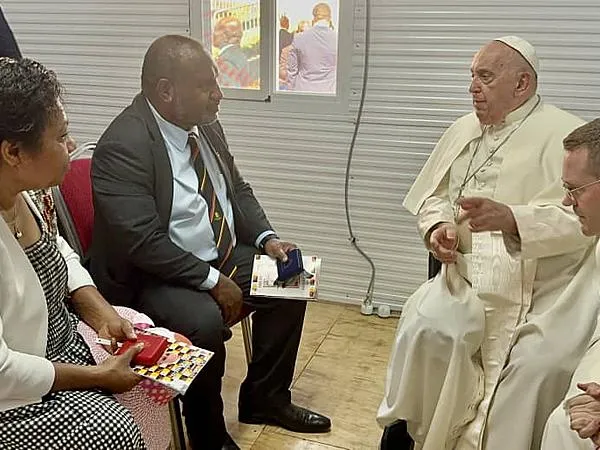
Prime Minister Hon. James Marape has expressed deep gratitude to Pope Francis on his de- livery of messages of service, unity and peace to the people of Papua New Guinea.
Prime Minister Marape and his wife, Mrs Rachael Marape, joined the Pontiff, his clergy, and thousands of Catholic worshippers at Sir John Guise Stadium in the 3-hour mass before meeting him personally as Head of Vatican State.
“This morning, Rachael and I had the privilege of meeting Pope Francis. In respect of our Catholic population – the biggest denomination in our country and his Pontiff for visiting our country, we attended the public worship at the stadium.
“I want to offer my commendations to Pope Francis for his message of unity, tolerance, love and care. This is a great message our people need in our land of so much diversity.
“Our country is very ethnically, linguistically and culturally diverse, and the Pon- tiff’s message of unity, love and care, is very relevant to us today. It must be amplified throughout our country.
“Our different Christian churches may read the Bible from different perspectives, but the fundamental tenet of Christianity is the embrace of each other in love, forgiveness, respect and humble service of each other.
“The core characteristic of Jesus Christ runs deep in all Christian denominations. Catholic is the biggest church in our country, and I want to commend the Catholic faithful who showed tolerance, respect, love and care this weekend from the moment Pope Francis arrived by lining the streets with candles to welcome him, to turning up in big numbers to worship with him at the stadium today. They showed respect to him, to our country and to God.
“This weekend was quiet and peaceful. It is exemplary of the goodness that can come from our people. It reflects the soul and innermost character of Papua New Guineans. We are good people, capable of embracing each other in love, unity and peace.
“As we approach our 49th Independence anniversary in a week’s time, I ap- peal to our people to take Pope Francis’ message with us – to continue to respect each other, to respect our country, and respect our God.
“This is a great, timely message for Papua New Guinea, and I thank Pope Francis for it,” said Prime Minister Marape.
PM Marape said in his one-on-one meeting with the Pontiff, Pope Francis blessed the people of Papua New Guinea and said his impression of Papua New Guineans was one of “a smiling people”, highlighting that despite their daily challenges, Papua New Guineans met him with many smiles.
The Prime Minister acknowledged the Pope on his decision to continue his visit to Vanimo considering his advanced age, adding that this is reflective of the character of Christ in serving others.
The Prime Minister once again acknowledged the work of the Catholic Church in Papua New Guinea in nation-building, pre-Independence and post-Independence through education, health and various humanitarian programmes and projects the church runs in the country today.
Prime Minister Marape will join the Pope to meet young people in another mass gathering on Monday, back at Sir John Guise Stadium, before the Pontiff departs Port Moresby where the Prime Minister will see him off.
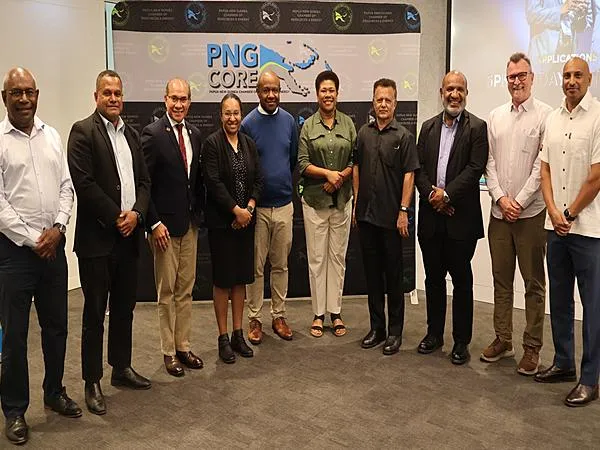
The Papua New Guinea Chamber of Resources & Energy (PNG CORE) added two new female councillors to its council at its annual AGM last week as CORE's membership renewed its council and leadership.
The AGM confirmed the re-election of President Anthony Smarè as independent President, and Senior Vice President Richard Kassman (TotalEnergies), who will continue in their roles for another term of 12 months. Assik Tommy Tomscoll (Ramu Nico) was elected unopposed as Vice President, succeeding former VP Philip Samar, who retired from the position. Mrs Karo Maha-Lelai, Country Manager for New Porgera Limited in PNG, and Ms Maygen Turliu, Partner at Deloitte PNG, were also elected to the council as two new additions. Kepas Wali, General Manager External Relations at Harmony SE; Leon Buskens, Santos Country Chair for PNG; and John Lewins, President & CEO of K92 Mining, were re-elected to serve a new term as councillors for two years.
President Anthony Smaré expressed thanks for the contributions and leadership of outgoing councillors and executives, VP Philip Samar and Councillor Andrew Harris (Deloitte), representing service members. "Both Philip and Andrew have made a tremendous contribution to the Council in their tenure over the last five years, and we are very grateful for the leadership, wisdom, and expertise they have provided to CORE. Thankfully, they will still remain involved as alternates to their company's reps on the Council, and we look forward to their continued involvement and support."
Pansy Taueni-Sialis, Chief Operating Officer of PNG CORE, expressed confidence in the newly elected council members, highlighting their collective expertise as crucial for the organisation’s future, particularly as the resources sector gears up for key economic developments.
“The Council is instrumental in guiding PNG CORE as we address issues that matter most to our members,” said Taueni-Sialis. “CORE management extends our gratitude to the outgoing councillors, former Vice President Philip Samar and Councillor Andrew Harris, for their invaluable contributions and wish them nothing but success.”
Taueni-Sialis also welcomed the newly elected councillors, underscoring the positive momentum under the leadership of re-elected President Anthony Smaré. “We have seen significant advancements, especially in our partnerships with stakeholders across the private and public sectors, as well as our bilateral and multilateral partners. This progress has elevated PNG CORE’s profile both domestically and internationally.”
The election of both Karo Maha-Lelai and Maygen Turliu to the council marks a historic and progressive step for PNG CORE. “We are excited and inspired by the opportunity to collaborate with these leaders, whose expertise and fresh perspectives will undoubtedly enrich our work and drive the industry forward,” Taueni-Sialis added.
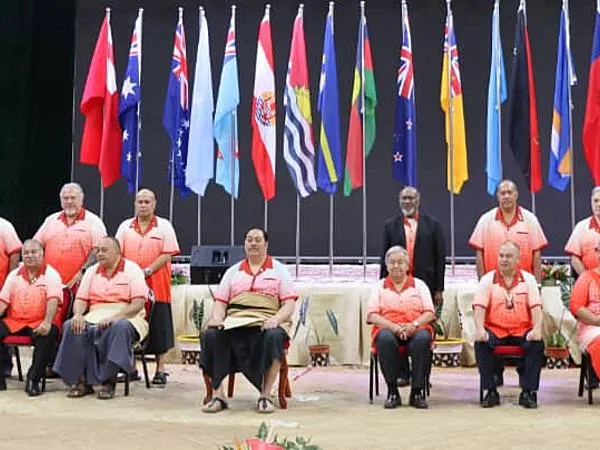
Prime Minister Hon. James Marape held bilateral talks with Singapore’s Second Minister for Foreign Affairs and Education, Dr Maliki Osman, this afternoon on the sidelines of the Pacific Islands Forum Leaders Meeting in Nuku’alofa, Tonga.
Reflecting on the strong ties between Papua New Guinea and Singapore, Prime Minister Marape noted that PNG has maintained friendly diplomatic relations with Singapore since the establishment of formal ties on 19 May 1976.
Prime Minister Marape expressed his appreciation for the support provided by the Singapore Government through the Singapore Cooperation Programme, which has significantly benefited many Papua New Guineans by equipping them with quality skills and knowledge.
“In acknowledging your Government through the Singapore Cooperation Programme, our Government is now looking at adopting the Singapore model of working in public service, particularly with our statutory organisations and revenue-generating government entities. Through this, we can send some of our public service workers to come and work in Singapore under a partnership agreement, so that we can adopt your significant way of service delivery mechanisms and top-quality output, as far as your economic management and governance is concerned,” said Prime Minister Marape.
Recognising Singapore as one of the top three wealthiest nations in the world by Gross Domestic Product, Prime Minister Marape highlighted Singapore’s development success. He noted that, unlike PNG, Singapore lacks natural resources or agricultural land but has built a strong bureaucracy and governance system from which PNG can learn.
“We can learn a lot positively from you (Singapore) as a nation, as far as your economic indicators show, which have been achieved over a short period of time, and it is amazing. PNG, like Singapore, is located in a strategic location to bridge the Asia-Pacific region and offers diverse opportunities, including vast natural resources and huge untouched land for agriculture.
“My government is now focusing on agriculture, and we have plans to double the current agricultural exports. PNG is strategically placed to tap the ASEAN food markets, including Singapore. So, I invite Singapore to invest in PNG, given our already established and friendly relations between us,” Prime Minister Marape emphasised.
In discussing trade relations, Prime Minister Marape acknowledged that Singapore is PNG’s fifth-largest trading partner and the second-largest source of PNG’s merchandise imports.
Dr Osman expressed his appreciation to Prime Minister Marape for taking the time to engage in bilateral talks amid the PIF Leaders Meeting. He stated that the Singapore Government looks forward to greater cooperation with the PNG Government.
Prime Minister Marape and Dr Osman also discussed the potential for future exchanges of high-level visits between PNG and Singapore, aiming to further enhance bilateral relations.
Prime Minister Hon. James Marape has actively lobbied for a larger quota in New Zealand’s Recognised Seasonal Employer (RSE) Labour Mobility Scheme.
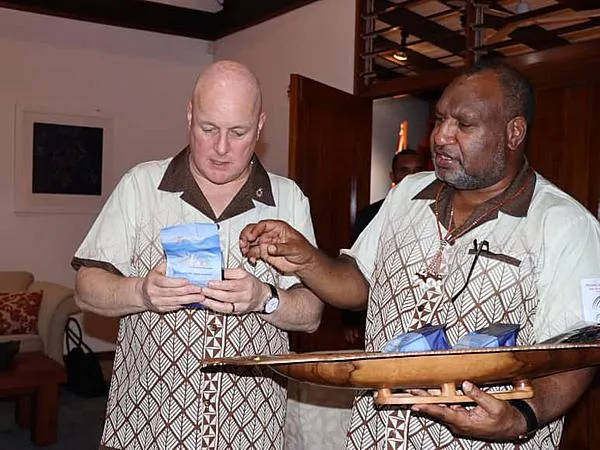
During a meeting with New Zealand’s Prime Minister Hon. Christopher Luxon on the margins of the 53rd Pacific Islands Leaders’ Forum, held on Wednesday, 28 August 2024, in Tonga, Prime Minister Marape requested an increase in the number of Papua New Guineans allowed to work in New Zealand under the RSE scheme.
The meeting commenced with an update on the post-COVID-19 economic status of both countries and their planned resource development projects.
Both leaders also agreed on the importance of minimising environmental impacts when discussing and negotiating new resource development projects.
Prime Minister Marape specifically urged Prime Minister Luxon to increase the employment rate of Papua New Guineans under the RSE. He assured Prime Minister Luxon that the Papua New Guinea government is working on providing coaching and orientation for workers heading to either Australia or New Zealand to ensure their smooth integration into society and the workplace.
Prime Minister Luxon responded by informing Prime Minister Marape that his government is indeed working on increasing the number of workers under the RSE. He also assured him that Papua New Guineans employed under New Zealand’s labour mobility programme have been found to be reliable and good workers.
Prime Minister Hon. James Marape has commended the United States of America and the People’s Republic of China for their pledges to work together with the nations of the Pacific.
Prime Minister Marape made these remarks following statements issued at the 53rd Pacific Islands Forum (PIF) Leaders Meeting by US Deputy Secretary of State Dr Kurt Campbell and the Chinese Government Special Envoy for Pacific Island Countries, Qian Bo. Both representatives expressed a commitment to building a stronger presence in the Pacific and collaborating with the 18 members of the PIF to address issues and challenges faced by these nations.
Prime Minister Marape said, “For me, one of the highlights of the moment was to see the US and China laying aside any differences and pledging to work together. Besides many other highlights, including the establishment of our Climate Resilience Fund and further commitments to work together to address climate change issues, the major highlight for me was the USA and China pledging to work together with us, the Pacific Island nations, on matters that are of great importance to us—such as the economy and climate change, among others.”
“In my five years of holding foreign relations meetings, I have never heard such public pronouncements of the United States and China agreeing to work together as closely as pledged today. I highly commend Dr Campbell and the Chinese special envoy on their uniting to arrive at one solid voice.
“The PIF may have achieved something quite historical here by successfully getting our superpowers to come together to work in the Pacific region. Needless to say, both nations share with us the great Pacific Ocean, and it is essential that we all learn to coexist. That is the way of the Pacific—living together in peace, harmony, and balance.
“I am also pleased that China has taken our advice on board and has stepped up significantly on trade and commerce and people-to-people assistance without any considerations for the security aspect of the relationship. I have been working on this line with them, so it was good to hear China say they are not competing with anyone in the security space and that they will work for the common good of all with no discrimination.”
The Prime Minister also lauded China for its transition to clean energy, which was also announced at the summit.
“For many of our small island countries in the Pacific, which are falling victim to the ravaging impact of climate change, including rising sea levels and drastic weather patterns, I am pleased to hear this announcement. China has indicated that they have moved past 50 per cent in renewable energy and that over 50 per cent of their vehicles now operate on electricity. I commend them.”
In turn, Prime Minister Marape praised the United States for its contribution of $25 million to the Pacific Climate Resilience Fund and its pledge to work with the PIF members on cleaner energy solutions for the Pacific.
“I commend the United States for stepping up in the Pacific without compromising PIF members’ rights to associate with all nations, including China.
“I am very pleased to note that both of our leading nations have made their positions clear: to work more closely with us in our region. This is excellent news for the region and the peoples of the Pacific,” said Prime Minister Marape.
PM Marape also congratulated the leaders of Tonga for successfully hosting a productive session of the Pacific Islands Forum Leaders' meeting.
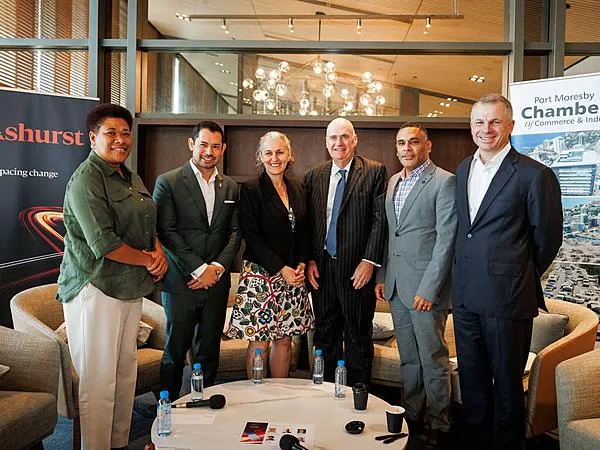
The recent August POMCCI Breakfast event saw Ashurst PNG host an exclusive breakfast panel discussion, “Building for the Future: Lessons Learnt,” at the Marriott Executive Apartments’ Harbourside South on 29 August in Port Moresby. The event, designed as a networking stand-up buffet, was attended by leading corporate members, industry stakeholders, and decision-makers. With limited seating available on a first-come, first-served basis, the breakfast brought together key figures from various industries to discuss their insights on leadership, strategy, and navigating challenges in their respective fields.
The event was hosted by Tureia Sample, Ashurst PNG’s incoming Office Managing Partner Elect. Sample led the discussion in a “fireside chat” format, featuring senior representatives from the resources, telecommunications, construction, banking, and professional services sectors.
The breakfast panel facilitated valuable networking opportunities and provided attendees with insights and strategies that could be applied within their own organisations.
The panellists included:
Resources
Ashurst PNG
Commercial & Industrial Development
Professional Services
Telecommunications
Banking
Key Panel Discussions:
Resources Sector: Karo Lelai, Country Manager for New Porgera Limited, shared her experiences leading in the resource sector. She emphasised the importance of vision and leadership in driving success, particularly in the challenging environment of Papua New Guinea (PNG). Lelai remarked, “Leadership and strategy are crucial. Our leadership from the very top in Barrick had a vision. They knew what they wanted to do and drove that mercilessly.”
She highlighted the need for endurance and strong communication with stakeholders, noting, “We made them (stakeholders) feel important. Their voices were being heard.”
Lelai also acknowledged the support of Kumul Minerals Holdings Limited, saying, “We wouldn’t have restarted the mine as successfully as we did without the support of our partner, Kumul Minerals Holdings, every step of the way.”
Commercial & Industrial Development: George Constantinou, Group Chairman of Constantinou Group, discussed the challenges of succession and the importance of clear communication during periods of transition. Constantinou, whose company operates in the hospitality, construction, and property sectors, employing around 3,000 people, said, “The biggest challenge has been people-based, getting to know the employees and communicating the new direction of the company.”
He reflected on the difficulties of following in the footsteps of his predecessors, “It’s probably more of a relational, people-based scenario, which has been the biggest challenge.”
Professional Services: Paul Jenkins, Global CEO of Ashurst, provided insights from his 18 years of leadership across 31 offices in 18 countries. He shared the complexities of merging two large firms from different cultural backgrounds, stating, “There were cultural differences and issues about engagement when you bring two large organisations together.”
Jenkins emphasised the importance of leadership and clear communication, adding, “If you can have a strategy that’s on a page, it’s a lot better than a strategy that’s in 20 pages and no one can explain.”
Jenkins also reflected on the challenges of his early days in the role, “There were periods where I was getting in front of a group of, say, 20 Paris partners around one table and having to explain what the vision is and what the strategy is.”
Telecommunications: Michael Henao, General Counsel for Digicel PNG, shared his thoughts on leading in the telecommunications sector.
Banking: Mark Robinson, Group CEO of BSP Financial Group Limited, discussed the challenges he faced upon assuming his role. Robinson described his experience of stepping into leadership as akin to “drinking out of a firehose,” particularly in managing the immediate challenges in PNG. He emphasised the importance of engaging with stakeholders, saying, “My time has to really be spent with some very important stakeholders, not the least of which are our largest customers, our largest shareholders, and most importantly, our regulator.”
Reflecting on his leadership approach, Robinson added, “For many people, the CEO just turning up, I realised I didn’t even have to say anything. People were just pleased that I was making the effort to be present.”
The event provided a platform for leaders across diverse industries to share their experiences and the lessons they have learned in navigating complex challenges. The panel discussions underscored the critical role of leadership, communication, and stakeholder engagement in driving success, particularly in the unique business environment of PNG.
François Valerian, the Elected Chair of Transparency International (TI), raised concerns surrounding the long-term value of combating corruption within the business sector globally, including in Papua New Guinea. He noted that ethical practices are essential for sustainable growth. "The benefit of shareholders and stakeholders lies in the sustainability and long-term reputation of the company," he stated, stressing that short-term profits gained through corrupt practices ultimately harm businesses.
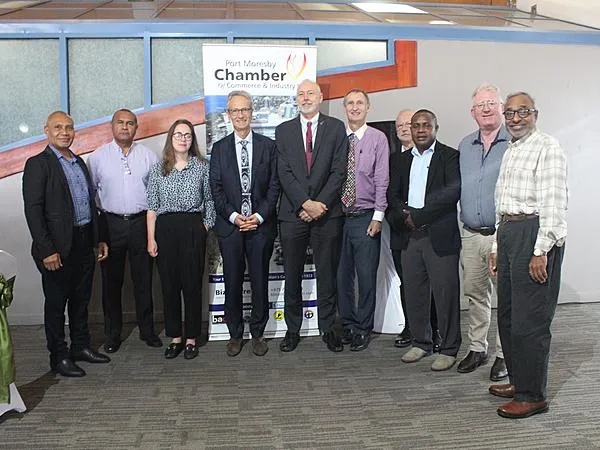
Valerian made these remarks during the Port Moresby Chamber of Commerce and Industry (POMCCI) breakfast meeting at the Royal Papua Yacht Club in Port Moresby. The presentation, focused on the theme "Fighting Corruption: What’s in it for the Business Sector?" saw POMCCI members, government agencies, business leaders, and industry professionals gather to discuss the pressing issues of corruption and its impact on the business environment.
The meeting underscored the critical need for businesses to adopt anti-corruption programs and to cultivate a culture of integrity within their organisations. Valerian called on top management to lead by example, asserting that "There has to be a culture of compliance within companies. No head of a company can say that corruption is behind us—it is not true."
TI’s presentation also highlighted the impact of corruption on local businesses in PNG. Valerian contextualised the global fight against corruption within the PNG setting, where businesses bear significant costs related to power supply, security, and interactions with government entities due to the prevalence of corrupt practices. He emphasised the importance of maintaining a level playing field in both the public and private sectors.
He also pointed out that since the establishment of Transparency International 31 years ago, the focus has expanded to tackle corruption on a global scale. "We are fighting the global economy of corruption. With all that money being stolen and bribes paid, public resources are embezzled, fueling immense transnational illicit flows," he remarked.
TI addressed the role of offshore financial centres in perpetuating global corruption. Valerian criticised the ongoing secrecy in such jurisdictions, where money flows vastly exceed the economic output of the countries, creating a haven for illicit funds. "We are asking for beneficial ownership transparency," he said, advocating for greater clarity on who owns and controls legal entities, including subsidiaries in offshore centres.
Valerian also underscored the need for strong whistleblower protections within corporations. He stressed that whistleblowers are vital to improving systems and making them more sustainable, rather than being seen as threats to the organisations they expose. “What is extremely important as well is for corporations, like for the government, to have systems that adequately protect the whistleblowers. The whistleblowers are not enemies of the systems, the entities they are working for.”
The meeting concluded with a call to action for the business community to support Transparency International PNG’s efforts. Valerian praised the role of smaller companies and state-owned entities in this fight, highlighting the importance of ethical behaviour not just for corporate success, but for the overall well-being of society.
Valerian’s visit to PNG is part of a broader regional tour, with subsequent stops planned in Vanuatu and Fiji. His insights have provided a powerful reminder of the ongoing challenges and the critical role businesses must play in fighting corruption both globally and locally.
Papua New Guinea is moving towards establishing the Pacific region’s first Blue Carbon Policy, aimed at safeguarding the country’s vital blue carbon ecosystems. The National Blue Carbon Policy provides an enabling framework for the conservation and sustainable management of blue carbon ecosystems in the country.
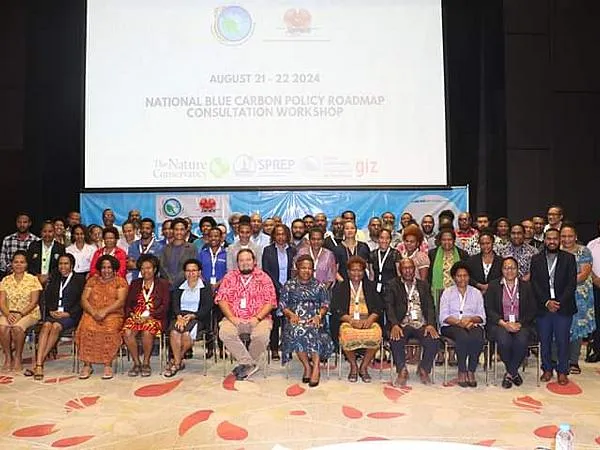
A two-day National Blue Carbon Policy Roadmap Consultation Workshop, themed "The Pathway towards PNG’s Blue Carbon Policy," was held from 21 to 22 August at the Stanley Hotel in Port Moresby. The event was organised by the Climate Change and Development Authority (CCDA) and the Conservation and Environmental Protection Authority (CEPA) with the support of international partners, including The Nature Conservancy and the Management and Conservation of Blue Carbon (MACBLUE) project.
The workshop marked a significant step in PNG's efforts to incorporate its diverse blue carbon ecosystems—mangroves, seagrasses, and tidal marshes—into its National Greenhouse Gas Inventories and to establish a comprehensive policy framework for their conservation and restoration.
Acting Managing Director of CCDA, Debra Sungi, highlighted the urgency of this initiative, stating, “Article 5 of the Paris Agreement calls for the conservation of sinks in order to achieve the long-term temperature goals of 1.5 degrees Celsius. The country has a diverse area of blue carbon ecosystems, and so the government is hoping to incorporate this into the National Greenhouse Gas Inventories as well as establishing a roadmap for a Blue Carbon Policy.”
Sungi also pointed out that the workshop was a continuation of efforts that began last year with the first-ever consultation workshop on the Blue Carbon Policy. She explained, “We are bringing in all different stakeholders to ensure that we understand the different activities happening around the different sectors, which will guide us to ensure that we develop this policy.”
She further stressed the importance of a national framework that aligns various activities related to livelihoods, conservation, and ecotourism, which are currently operating without coordinated governance.
The workshop’s outcomes are expected to culminate in a finalised policy framework by March next year. As Sungi explained, “For the purpose of the inventory, we should have some work around the inventory by October or November of this year, and that will feed into what we're working on through our biannual transparency report, which we aim to submit to UNFCCC by December.”
The workshop served as a platform to address the existing gaps and challenges in developing a robust Blue Carbon Policy. “Protecting and conserving blue carbon ecosystems, as well as restoring degraded sites, is outlined clearly in the national marine program and is not only an environmental imperative but also an economic necessity,” stated Jude Tukuliya, Managing Director of CEPA.
The Executive Manager of Marine Environment Conservation and Environment Protection Authority, Ms Yvonne Tio, emphasised that the development of the Blue Carbon Policy Roadmap would be a first in the Pacific, showcasing PNG’s commitment to environmental stewardship. “Blue carbon ecosystems are among the most efficient natural systems for sequestering carbon, making them essential allies in our fight against global warming. To ensure the long-term protection of our blue carbon ecosystems, we must develop and implement a comprehensive Blue Carbon Policy.”
She elaborated on the broader environmental context, noting the historical significance of marine conservation efforts in PNG. A notable historic challenge was faced during the Nautilus deep-sea mining project and the subsequent launch of the Coral Triangle Initiative on Fisheries and Food Security in 2009. These initiatives laid the groundwork for the current focus on blue carbon ecosystems.
Key stakeholders from various sectors, including government bodies, provincial administrations, academia, non-governmental organisations, and community-based organisations, participated in the workshop. The event featured presentations on critical aspects such as inventory, data collection and mapping, reporting requirements, legal and institutional arrangements, financing, and international commitments.
The MACBLUE project, jointly implemented by the Pacific Community, the Secretariat of the Regional Environment Programme, and the Deutsche Gesellschaft für Internationale Zusammenarbeit (GIZ Pacific), plays a pivotal role in supporting PNG's blue carbon ambitions. Raphael Linzatti, MACBLUE Project Director, expressed Germany’s commitment to the initiative, stating, “If we want to win the fight against the climate crisis and the biodiversity crisis, we have to conserve what's here, what's still there, what's still intact, and use it in a sustainable way.”
For The Nature Conservancy, their involvement in this project is a natural extension of its long-term work with local communities in PNG. Ruth Konia, Country Director, remarked on the importance of the workshop, saying, “We have realised that there is a gap in terms of the policy in managing the blue carbon space... So the aim of our work is to support communities where they can benefit as well as look at ways to protect their resources.”
PNG’s blue carbon policy sets ambitious targets for carbon mitigation and ensuring that local communities benefit from the conservation of their vital coastal ecosystems. The workshop is supported by The Nature Conservancy and the MACBLUE project, which is jointly implemented by the Pacific Community, the Secretariat of the Regional Environment Programme, and the Deutsche Gesellschaft für Internationale Zusammenarbeit (GIZ Pacific).
Follow on LinkedIn:
PNG Business News
Be the "First" to get our exclusive Digital Magazine & Weekly Newsletter.