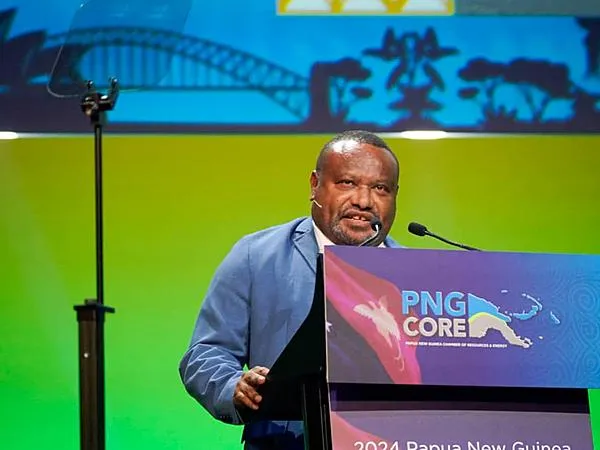
The Mineral Resources Development Company (MRDC) has demonstrated its commitment to creating value and strengthening partnership opportunities at the 2024 PNG Investment Week, hosted in Sydney, Australia. MRDC’s active participation and strategic investments were key highlights of the conference, showcasing the company’s leadership in driving sustainable development and fostering global investment partnerships.
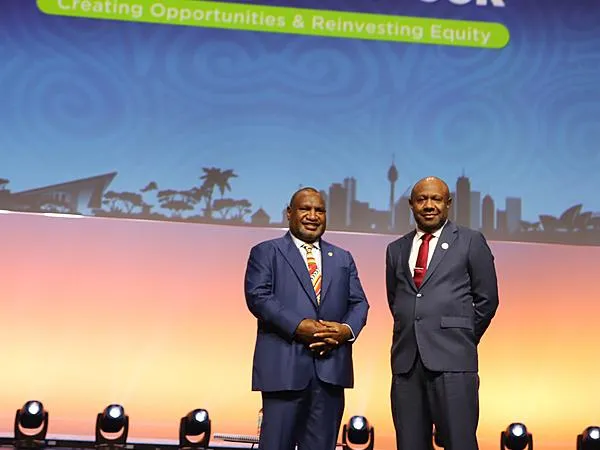
Prime Minister James Marape and Twinza Oil Limited initialised a partnership agreement on the Pasca A Gas Project, the country’s first offshore in Gulf Province. This collaboration allows Hevehe Petroleum Limited through MRDC to acquire up to a 50% participating interest in the project. This partnership ensures greater local participation and guarantees that benefits flow directly to the people of Papua New Guinea.
This milestone represents a significant achievement for landowners and provincial governments, ensuring their active participation in the oil and gas development value chain.
MRDC’s Managing Director, Mr. Augustine Mano, emphasised the strategic impact and overall value from the conference.
“The strategic deal space created by this conference cannot be understated. MRDC has recognized this opportunity and has continued to invest, partner, and actively participate in the conference and CANCONEX to harness the value and opportunities. It is a first mover advantage for MRDC.”
The company’s evolution into a success story worth K12 billion today is a testament to its adherence to strong values and principles. Established in 1975 as an exploration company, MRDC has grown significantly, managing 21 subsidiary companies, and diversifying its portfolio across various sectors, including aviation, hospitality, healthcare, real estate, and power generation.
Mr. Mano highlighted the company’s achievements, including the clean and unqualified audit opinions from the big four audit firms and international recognitions for its investments in PNG Air and Hilton PNG.
“By adhering to our strong values and principles, we are confident we will achieve our vision to become a K300 billion company within 20 years,” he said.
PNG Chamber of Resources and Energy (PNG CORE) Chief Operating Officer, Pansy Taueni-Sialis, acknowledged MRDC’s immense support as a Major Sponsor of the 2024 PNG Investment Week.
“MRDC’s significant sponsorship highlights its leadership role in driving sustainable development and fostering global investment partnerships for our country. Their presence at PNG Investment Week exemplifies their commitment to showcasing Papua New Guinea’s immense potential to an international audience.”
“MRDC’s delegation to the conference included senior executives, community representatives, and industry experts who engaged with global investors, government leaders, and policymakers. Their involvement underscored a strategic focus on national content, ensuring that Papua New Guineans actively participate in and benefit from the resource sector’s growth.”
“We thank MRDC for their continuous support and look forward to working together to promote shared values for a better Papua New Guinea,” said Taueni-Sialis.
The Asian Development Bank (ADB) and the Government of Papua New Guinea (PNG) have signed a $100 million policy-based loan to improve governance and accountability across the public sector.
The Strengthening Public Sector Management Program is supporting the government’s efforts to enhance fiscal management, improve state-owned enterprise (SOE) governance, and strengthen accountability institutions in the country.
PNG Minister for Treasurer Ian Ling-Stuckey and ADB Country Director for Papua New Guinea Said Zaidansyah signed the agreement in Port Moresby.
“The program will support the government in strengthening legal, regulatory, and institutional frameworks for improved governance and accountability in the country while also building in climate change considerations into public sector management,” Mr. Zaidansyah.
The program comprises a series of two policy-based loans of $100 million for subprogram 1 in 2024 and $150 million for subprogram 2 to be disbursed in 2026.
It covers three main pillars. The first supports improved revenue collection and public debt management, while the second supports continued improvement in SOEs’ financial reporting and audit, procurement frameworks, and corporate planning and annual reporting. Reforms in the third area will strengthen critical accountability frameworks and institutions.
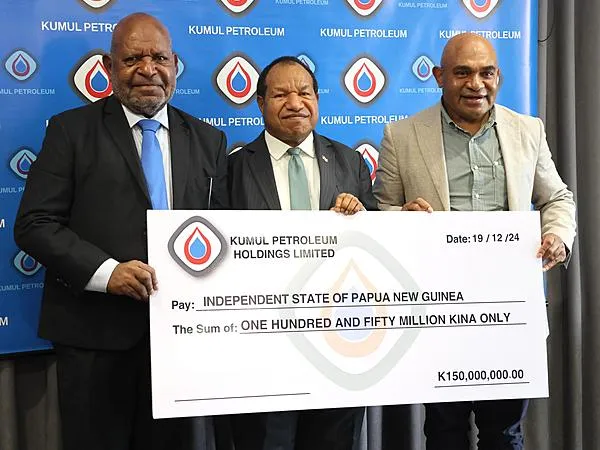
Kumul Petroleum Holdings Limited managing director, Wapu Sonk, today handed over a cheque of K150 million to the State Owned Enterprises Minister Hon. William Duma, as final dividend payment for the year.
Mr Sonk said, “This has been a tough year financially for KPHL, we have had to meet our PNG LNG Project JV cash calls associated with the finalisations and connection of the Angore field, raise the finance necessary to acquire an additional 2.6% in the PNG LNG Project and assisting the Government and nation by importing fuel when the fuel crisis arose earlier this year. However, we are happy to make this K150 million dividend payment, in line with our 2024 Annual Operating Plan.”
Mr Sonk added, “This is the final payment for 2024, a year in which we have paid a total of K300 million in dividends. Since the start of the PNG LNG Project exports in 2014, Kumul Petroleum has paid a total of K3.2 billion in dividends to the State.”
“In addition to payment of dividends since 2014, Kumul Petroleum has paid the State more than K1.1 billion in return of capital, which is part payment of the Kroton equity on behalf of impacted landowners and provincial governments under the vendor finance loan agreement signed between KPHL and beneficiaries in December 2016.”
He noted that aside from direct dividend and return of capital payments, KPHL has spent millions of Kina on health, education, rural electrification and other infrastructure projects, including helping the Government deliver sports outcomes, the latest one being the NRL licence for the PNG franchise to enter the Australian NRL competition in 2028.
“Kumul Petroleum is actively managing its four petroleum retention licences, carrying out work that will make these more attractive to investors, so currently stranded gas fields can be aggregated and commercialised. This expenditure will pay dividends in future years.”
“KPHL is also actively working with our JV partners, ExxonMobil, Santos and TotalEnergies, in further petroleum development projects like Angore, well drilling in Hides, Muruk, Juha and P’nyang.
Mr Sonk continued, “Apart from its ongoing commitments, KPHL is also preparing to participate actively in the forthcoming Papua and P’nyang LNG projects, where we intend to take up our full mandated equity of 22.5%. We will have the necessary financial position and balance sheet to participate, which includes paying the 2% free carry interest for landowners and provincial governments.”
“Kumul Petroleum is thankful for the support received from Prime Minister James Marape, Minister Duma, past and present petroleum ministers and other key Government agencies that will enable us to continue to develop and expand our activities to fully exploit PNG’s advantageous position as a key energy supplier to the Asian market.”
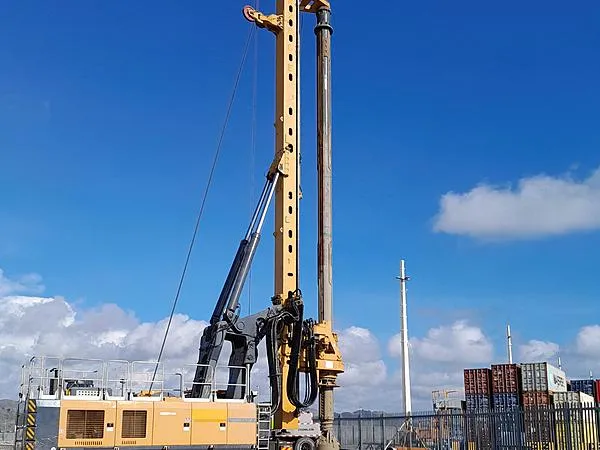
KPHL’s contractor, China Petroleum Pipeline Engineering, a subsidiary of China National Petroleum Company has begun construction of a Jet A1 fuel import and storage facility at a site adjacent to the Motukea wharf.
Kumul Petroleum Managing Director, Wapu Sonk said, “This facility is part of the commitment we made to the Government and people of PNG earlier this year when there was a fuel supply crisis. We said that, apart from facilitating short term imports of fuel, we would ensure that we will organise medium and longer terms solutions so that such fuel supply crises would not occur again in future.”
“At Motukea, KPHL is constructing infrastructure for the import and storage of Jet A1 fuel, including four 3,000 cubic metre fuel tanks, associated ship offloading and truck loading equipment and the necessary safety and environmental control facilities.”
Mr Sonk explained that KPHL had been busy dealing with other stakeholders in this important project. This included having the necessary geotechnical studies carried out, liaison with PNG Ports Corporation, CEPA, NMSA, other utilities, services providers and regulatory agencies who have to approve various aspects of the project.
“KPHL has engaged China Petroleum and Pipeline Engineering Company Limited and China Petroleum and Pipeline International Limited to carry out the construction and commissioning of these facilities.”
“This construction is Phase 1 of the project. It is a significant activity and investment for Kumul Petroleum. Once it is complete and operating, we will consider a second phase which will involve constructing additional storage tanks, pipeline and support facilities for diesel and petrol imports and storage.”
Mr Sonk explained further, “KPHL is happy to assist the Government put in place critical infrastructure to ensure that Port Moresby and other parts of the country is never again faced with an energy crisis, which is so important for our economy and development as a country.”
Mr Sonk further thanked the Marape-Rosso Govt, especially Minister Duma, and the management of KCH and PNG Ports for their support in making sure the project becomes a reality.
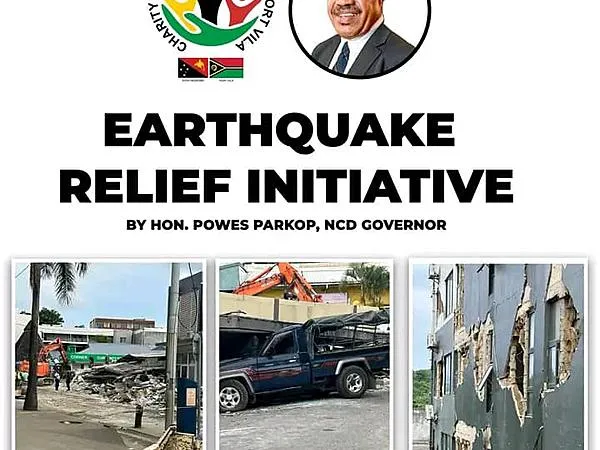
As the New Year opened, a call for unity and compassion for Vanuatu resounded across Papua New Guinea from Port Moresby.
The Governor for the National Capital District, Hon. Powes Parkop, announced a charity drive aimed at supporting Port Vila, the sister city of Port Moresby, which was devastated by a 7.3-magnitude earthquake on New Year’s Eve.
The disaster claimed 14 lives, left countless injured, and caused widespread damage, inducing landslides that crushed cars and reduced buildings to rubble.
At a press conference, Governor Parkop said: “Our sister city, Port Vila, has suffered a terrible tragedy. We stand in solidarity with the people of Vanuatu during this difficult time, and we are committed to doing everything we can to help them rebuild.”
The cornerstone of this charity drive is a music festival scheduled for the end of January at the Sir John Guise Stadium. Featuring renowned local talents such as Betty and John Toea, Makali Tau, and Fijian artist Elina Onno, the festival aims to unite the community in support of relief efforts.
“This music festival will be a celebration of community spirit. We hope it will bring people together to support a worthy cause and show the people of Port Vila that they are not alone.” He said.
To start the initiative, Parkop and the National Capital District Commission (NCDC) have pledged K100,000. The Governor also acknowledged the national government’s commitment of K20 million to support Vanuatu's recovery efforts, thanking Prime Minister James Marape for his leadership.
Donations can be made to the Earthquake Relief Initiative by Hon. Powes Parkop, NCD Governor, through BSP Bank (Account Number: 1000962618). For more information, contact Melissa Brabar at 742 41055 or via email at melissabrabar88@gmail.com.
“Every kina donated will make a difference in the lives of those affected by the earthquake,” Parkop urged. “Let us show our sister city the strength of our compassion and support their journey to recovery.”
The Governor emphasized the importance of compassion during this season of giving. “As Christians, it is our duty to show empathy and solidarity, especially during the Christmas period. By contributing what we can, we can help our Melanesian brothers and sisters recover from this tragedy.”
Parkop emphasized the need for collective understanding and action, both domestically and regionally.
"We must look after our own people, but we can also extend our support to the global community, especially our regional neighbors. Smaller economies with limited resources, like Vanuatu, are often the ones most affected," he said.
The Governor also underscored the historical and cultural ties between PNG and Vanuatu, recalling PNG’s pivotal role in supporting Vanuatu's independence during the 1990s and noted the presence of a significant PNG community in that country, particularly in Port Vila.
"We are reaching out to our people there as well. Vanuatu has always appreciated PNG for its solidarity, and this is a moment to reaffirm that bond."
Beyond the immediate crisis in Vanuatu, Parkop stressed the importance of peace and reconciliation at home.
"Whether in personal life, community well-being, or national progress, peace is fundamental to achieving any goal," he said.
The Governor urged citizens to embrace the spirit of Christmas by uniting and reconciling as a nation.
"Our Golden Jubilee is an opportunity to think deeply about our journey as a nation. It’s a time to evaluate our progress and reaffirm our commitment to building a peaceful, united, and prosperous country," he said.
"Let us recognize peace as an integral part of our gospel and a foundation for economic, political, and social outcomes. Together, we can ensure a brighter future for our nation and our region."
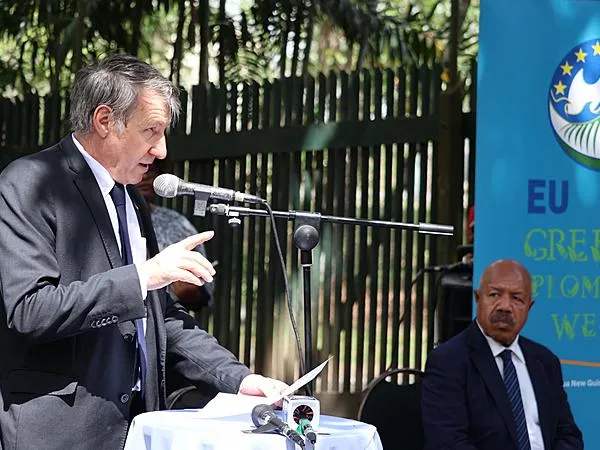
The European Union (EU) Delegation to Papua New Guinea has launched the Green Diplomacy Week 2024, a three-day event aimed at fostering local partnerships for sustainability, environmental protection, and climate action.
Held from December 11 to 13 at the Moresby Arts Theatre, the event highlighted the EU’s global commitment to combating climate change while promoting youth leadership in environmental advocacy.
The Green Diplomacy Week serves as a platform for promoting dialogue, cooperation, and youth leadership on climate action and environmental conservation.
This year’s event in PNG focuses on inspiring youth engagement and leadership, with students from various schools in the National Capital District forming the primary audience.
His Excellency Jacques Fradin, EU Ambassador to Papua New Guinea, and Hon. Powes Parkop, National Capital District Governor and Guest Speaker, led the opening ceremony, followed by the screening of the environmental film “Into the Jungle,” which explored biodiversity conservation challenges.
A post-screening discussion featured conservation experts emphasizing the crucial role of local communities in environmental protection.
“The EU is committed to working with partners around the globe to address challenges and drive the necessary green transition,” Ambassador Fradin said.
“In Papua New Guinea, the EU has been a long-standing partner on climate and environmental action through initiatives like the EU-FCCB and EU-STREIT programmes. We are delighted to dedicate this year’s Green Diplomacy Week to youth leadership.”
The campaign actively engages youth from across PNG in panel discussions over two days, focusing on leadership in climate action, biodiversity, forestry, and sustainability.
“These discussions will provide an opportunity for young people to ask critical questions and explore solutions to address biodiversity loss, climate change, and sustainability challenges as our nation faces these pressing issues,” said Ambassador Fradin.
The Green Diplomacy Week launch aligns with Governor Parkop’s broader vision of transforming Port Moresby into a sustainable, eco-friendly, and thriving city where development goes hand in hand with environmental stewardship.
“As the leader of our capital city, I have been vocal on climate change not only at the national level but also as part of a global community. I am ready to partner with all our international friends to address the challenges that threaten our planet,” said Parkop.
The governor reiterated the need for partnerships with developed nations to ensure PNG progresses economically while preserving its natural environment.
“As a carbon-neutral nation, we face many challenges in achieving economic growth. However, through collaboration with nations that have advanced technologies and experience, we can develop sustainably without destroying our environment,” he said.
Parkop called for continued global support to protect PNG’s rainforests, which are “not only crucial for the nation’s future but also for the planet’s environmental balance.” He said PNG is home to some of the world’s most ecologically significant tropical rainforests, covering over 70% of the nation’s land area.
These forests form part of the third-largest contiguous rainforest on Earth, serving as a vital biodiversity hotspot with species unique to PNG, therefore the country’s involvement and support through forest preservation is paramount, he said.
“Together, we must safeguard what we have learn from global best practices to ensure economic progress aligns with environmental protection. This partnership is essential for creating a cleaner, greener, and more resilient Port Moresby and Papua New Guinea,” he added.
Program Highlights
The Green Diplomacy Week program also included additional film screenings aimed at raising environmental awareness.
A panel discussion on “Youth Leadership in Climate Action and Sustainability” saw young environmental leaders and the EU Ambassador sharing strategies for empowering future climate advocates.
The EU-FCCB Programme will also announce Master’s Scholarship and Research Grants to support climate and biodiversity research in Papua New Guinea, reinforcing the EU’s investment in the country’s sustainable future.
The European Union recognizes that climate change, biodiversity loss, land degradation, desertification, and pollution are interconnected global crises that threaten security and development.
As a leading force in global climate action, the EU remains committed to the Paris Agreement and works collaboratively with international partners to address these pressing challenges, it added in a statement.
In 2023, the EU provided €28.6 billion in public climate finance and mobilized an additional €7.2 billion from the private sector to help developing countries reduce greenhouse gas emissions and adapt to climate impacts.
Papua New Guinea partnership with the EU’s climate and environmental initiatives are marked by two key programs:
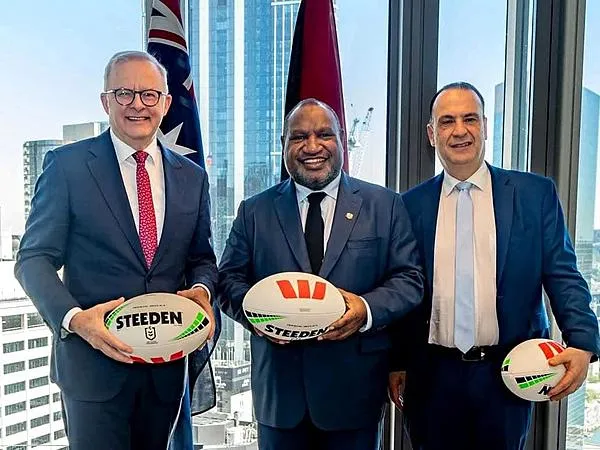
The governments of Australia and Papua New Guinea announced on December 12 a team-up with the Australian Rugby League Commission (ARLC) to strengthen ties through rugby league, a sport passionately embraced by both nations.
Stressing its role as the primary security and development partner to Papua New Guinea, Australia pledged to support the establishment of a PNG team in the National Rugby League (NRL) by 2028, a move expected to deepen bilateral relations and promote economic and social development.
Australian Prime Minister Anthony Albanese described the initiative as transformative, adding: “A Papua New Guinea NRL team is a game-changer for Australia’s relationship with PNG and a unifying force – no two countries have a greater passion for rugby league.”
“Australia’s relationship with the Pacific is profoundly important, and our sporting ties are unique,” he added.
As PNG approaches its 50th anniversary of independence in 2025, Albanese said the partnership symbolizes “a shared history, mutual trust, and a future filled with economic and social opportunities.”
PNG Prime Minister James Marape emphasized the initiative's potential for national unity.
“This one team will be for one people, one country, one nation, a national unifier. We deeply appreciate our relationship with Australia. While government-to-government ties are important, at the heart and soul of this relationship must be people-to-people connections.”
“An NRL team for PNG is more than just sports – it is a national unification strategy. With our diverse cultures and people, rugby league can bring us together as one nation. At the same time, it strengthens the shared history and people-to-people links between PNG and Australia.”
The partnership will also deliver significant economic benefits through infrastructure investments and boosts to the sports and tourism sectors in both countries, Marape said.
The Australian government will also collaborate with the ARLC on a Pacific Rugby League Partnership to promote rugby league at all levels across PNG, Fiji, Samoa, and Tonga, offering pathways from grassroots participation to elite competition.
The program will focus on increasing school retention, improving health and nutrition, advancing gender equality, and fostering youth leadership. It will also prioritize developing girls’ and women’s rugby league, including plans for a future PNG women’s team in an Australian state competition.
Albanese stressed the broader social impact, saying: “Partnering on rugby league is a genuine and powerful way of building lasting ties between our peoples and ensuring long-term development, social and economic outcomes for PNG and the Pacific.”
“Our partnership will create new opportunities for girls’ and women’s rugby league across PNG and the Pacific, recognizing the power of sports programs in championing inclusion and improving gender equality.”
The deal builds on Australia’s existing sports development initiatives in the Pacific, which already include netball, rugby union, Aussie rules, and cricket. It complements broader development partnerships aimed at fostering peace, prosperity, and opportunity throughout the region, Albanese’s office said.
The internal revenue sup-porting Bougainville’s recurrent and development budgets is only at 7 percent and must be raised to over 50 percent to adequately support the Special Re-gion’s autonomous restructure aspirations.
Prime Minister Hon. James Marape revealed this recently (11.12.24) in Sydney dur-ing the PNG Investment Week as he asked for greater collaboration with inves-tors to boost Bougainville’s economy.
“Bougainville needs to be economically strong,” PM Marape said as he gave a rundown on the peace process, including the referendum of 2019 and cur-rent efforts by his government toward processing referendum results in the PNG Parliament.
“Any investors willing to take up residency in Bougainville, whether in partner-ship or individually, you are all most welcome. Waigani will not stand in the way.”
He said the PNG Government greatly welcomes investments in Bougainville as part of its efforts to empower Bougainville and the Autonomous Bougainville Government to manage its budget and economy.
“We must start with economic independence as the fundamental tool to grow Bougainville; that once it has the money, it can sustain any endeavour into the future.
“At the moment, Bougainville’s internal revenue is only 7 percent of the total recurrent and development budget. This is not sufficient for Bougainville to get up and get going. We need to raise this revenue at the earliest to about 50 percent.”
As part of the Marape-Rosso Government’s move to financially strengthen the autonomous region, Government is transferring all its shares held in Bougainville Copper Limited to the ABG, with Prime Minister Marape saying further that, under the revenue-sharing arrangements, he is considering Bougainville keeps all revenues raised in the mine.
“We are also looking into this model to economically empower them further. This will take time, but it starts with these sorts of engagements so I welcome any investors out there. Bougainville is open for business.”
As part of his advocacy for investments in Bougainville, the Prime Minister high-lighted the strength of the Bougainville people and the leading position the former province took in the country at that time.
“Before the crisis, Bougainville was the leading province in Papua New Guinea. Bougainvilleans are very resilient, innovative, and self-sustaining people. Bou-gainville’s strength was not just in Panguna mine; there were many other re-sources, including probably the biggest coconut plantation in the Southern Hemisphere.
“There is now a need for greater collaboration to resuscitate Bougainville’s economy and I welcome investors to his special region of ours,” said Prime Min-ister Marape.
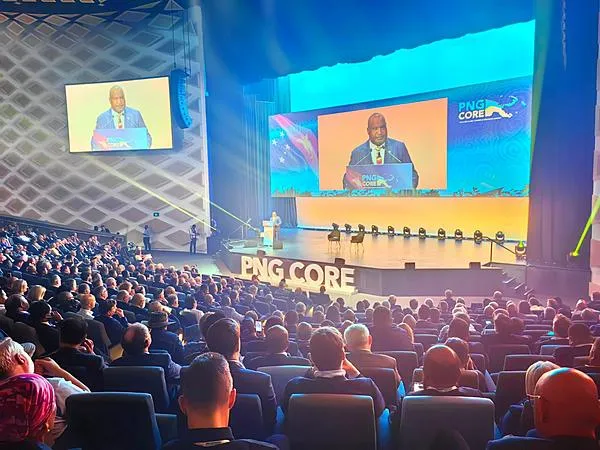
Prime Minister Hon. James Marape emphasised his government’s strategic focus on building a resilient, inclusive economy as Papua New Guinea approaches its 50th year of independence, as the highly anticipated PNG Investment Week Conference 2024 drew to a close at the Sydney International Convention Centre (ICC Sydney) on Dec. 11.
The event, organized by the PNG Chamber of Resources and Energy (PNG CORE), drew over 2,000 delegates from more than 20 participating countries. It showcases PNG's vast investment potential across key sectors including mining, energy, banking, forestry, fisheries, and tourism.
The Prime Minister led the cast of more than 90 speakers and over 80 exhibitors at PNG Investment Week. In his address, he highlighted transformative policies aimed at fostering sustainable economic growth, strengthening international partnerships, and enhancing local benefits from resource projects.
“The PNG Investment Week Conference is more than just an event; it is a declaration of our commitment to building a resilient and inclusive economy,” he said.
“We are taking bold steps to ensure Papua New Guineans reap greater rewards from major resource projects while advancing downstream processing of our vast resources.”
Marape outlined progress in PNG's resource sector, spotlighting key projects such as New Porgera Ltd, Ok Tedi, PNG LNG, and future ventures including Papua LNG, Wafi-Golpu, Pasca, and Wildebeest.
He acknowledged the contributions of global industry leaders like ExxonMobil, TOTAL, Santos, and Barrick Gold Corp., emphasizing the mutual benefits of strengthened business partnerships.
“Global giants recognize the vast potential of Papua New Guinea. This includes opportunities in both upstream and downstream processing that will further unlock our economic potential. PNG is open for business and poised for transformative growth,” he said.
The Prime Minister Marape stressed the need for a stable business environment and his government’s commitment to improving law and order, boosting infrastructure, and supporting tourism.
He announced significant budget allocations through the 2025 National Budget to strengthen these areas, ensuring PNG remains an attractive and secure destination for investors.
PNG Investment Week 2024 started on Dec. 6, featuring networking events, policy discussions, and sector-specific forums. Delegates gained valuable insights into PNG’s economic outlook, regulatory framework, and green energy strategies.
“This conference symbolizes progress and collaboration. It is a platform to strengthen ties with our partners and demonstrate to the world that PNG is ready for investment,” Marape said.
“Together, we can build a brighter future for all Papua New Guineans.”
Apart from the conference, the event included:
The Port Moresby Chamber of Commerce & Industry (POMCCI), in collaboration with Deloitte, hosted the Papua New Guinea 2025 Budget Breakfast, provided key insights into the budget and highlighted its implications for businesses and opportunities for the private sector. The breakfast meeting was held on November 4, at the Hilton Hotel in Port Moresby.
Amongst the economists present to discuss was Deloitte Partner, Tax and legal, Andrew Harris, in his presentation, outlined key measures on revenue projections, tax adjustments, and household assistance initiatives. Andrew emphasized the significance of the New Income Tax Act as a once-in-a-generation legislative overhaul. Businesses, individuals, and tax professionals are urged to familiarize themselves with the changes to the evolving tax reform effectively.
The event also featured a panel discussion with insights underlining the importance of fostering collaboration between the public and private sectors to sustain economic progress in the country.
PNG Records Steady Economic Growth Despite Global Challenges:
Prior to the Penal Discussion, Dr. Kishti Sen, International Economist at ANZ, delivered a detailed presentation on PNG’s economic outlook.
He began by analyzing the country’s economic performance over the past three years, emphasizing how external factors like commodity prices have driven growth despite the absence of major projects, even in the face of global economic challenges and the Covid-19 pandemic according to Dr. Sen, who presented the latest national accounts data.
Dr. Sen revealed that Papua New Guinea's economy grew by 3% in 2023. He said this follows an even stronger growth of 5.7% in 2022, revised upward from an initial estimate of 5.2%. In contrast, the economy contracted slightly by 0.5% in 2021, reflecting the height of the Covid-19 pandemic.
Dr. Sen emphasized the significance of this upward trend, "Minus 0.5% in 2021, which was a pandemic year — a recession, but only by a little bit. Then you come out of the recession, post a very strong 5.7%, and go into 2023 with another positive 3%. No major projects happening, yet the economy is still growing.”
He attributed part of this growth to increased government revenue from the liquefied natural gas (LNG) sector. LNG taxes soared from $115 million USD in 2021 to $1.2 billion USD in 2022, boosting the government's consolidated revenue. This windfall enabled the government to maintain its 2022 budget without cutting expenditures or increasing borrowing.
The agricultural sector also played a crucial role. Farmers benefited from higher prices for key exports like coffee and palm oil, which translated into increased consumer spending. This was reflected in a 6.8% rise in the retail and wholesale trade sector in 2022.
“The national income rose sharply due to these price surges, supporting economic growth despite limited project activities,” Dr. Sen said.
Interestingly, inflation remained relatively under control in 2022, even as other countries grappled with rising prices. Dr. Sen concluded that the combined effect of increased government revenue and agricultural prosperity helped sustain the country’s economic momentum.
Discussing inflation, Dr. Sen expressed concerns over the outdated weights used in PNG’s consumer price index (CPI), based on a 2008 household income survey. He suggested that actual inflation could be higher than official figures due to rising food prices and currency depreciation.
“The currency is expected to depreciate until early 2026, potentially reaching 24.4 cents per US dollar. This depreciation, coupled with reduced farm incomes, is likely to push prices higher,” he warned.
Dr. Sen with support from the data he presented, urged the government to intervene more aggressively in the foreign exchange market, leveraging the country’s high foreign reserves.
Turning to fiscal policy, Dr. Sen praised the government’s commitment to its 10-year budget repair plan.
“The goal remains achieving a budget surplus by 2027 and paying off all debt by 2034,” he stated.
He said the importance of disciplined execution and expressed cautious optimism that private sector-led growth could support the government’s fiscal goals if major projects commence by 2026.
“Whenever something goes wrong, there seems to be a positive offset, whether it’s a boom in energy prices, coffee, or palm oil,” he observed.
He remained hopeful for stronger growth post-2026, contingent on major projects materializing.
Panel Discussion, Experts Weigh in on Economic Challenges and Opportunities:
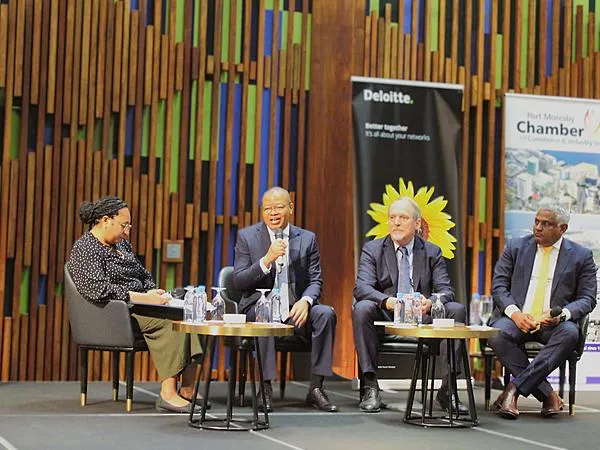
Maygen Turlin from Deloitte chaired an interesting discussion with Khwima Nthara, Country Manager for the World Bank Group in PNG, Kishti Sen, Senior Economist at ANZ, and Paul Flanagan from the Office of Treasury. The discussion gave insights into the PNG 2025 national budget and its ambitious goal of achieving a budget surplus by 2027.
Achieving a Budget Surplus by 2027: Is It Realistic?
Addressing the budget’s feasibility, Mr. Nthara expressed cautious optimism. He pointed to PNG’s declining budget deficit trend—from 8.9% of GDP in 2020 to a projected 2.2% in the latest budget. However, he emphasized the need for fiscal discipline and enhanced revenue generation through public-private partnerships, especially in critical sectors like energy infrastructure.
Mr. Sen echoed similar sentiments, stressing that achieving the surplus depends on reducing fiscal deficits while fostering private sector-led growth. He said that overcoming challenges like foreign exchange shortages would be crucial for expanding PNG’s non-resource economy, which includes sectors such as agriculture, manufacturing, and services.
The government’s tax reforms, including a GST zero-rating for essential goods and adjustments in housing taxes, are expected to reduce revenue by 210 million Kina.
Representing the Office of the Treasurer, Paul Flanagan, in a personal capacity, discussed strategies to offset these losses. He pointed to expected economic growth, enhanced tax compliance, and inflation-driven revenue gains as key factors supporting the government’s fiscal goals.
Strengthening the Financial Sector Amid Grey-Listing Risks:
The panel also addressed the grey-listing of PNG by the Financial Action Task Force (FATF) in 2014 and later removed in 2016.
Nthara warned of potential disruptions in international banking relationships, which could hinder foreign investment. He urged the government to strengthen anti-money laundering regulations and implement a clear action plan.
The Bank of PNG is reportedly taking proactive steps, with international support, to address these concerns.
While the panelists acknowledged significant economic challenges, they agreed that with continued fiscal reforms, targeted investments, and enhanced governance, PNG’s economic prospects remain promising for 2025.
The discussion underscored the importance of public-private collaboration, strong financial regulation, and a consistent policy framework to achieve sustainable economic growth.
Plastic pollution has become a critical global challenge, driven by increasing production and inadequate waste management.
Recognizing its urgency, 175 nations adopted the resolution “End Plastic Pollution: Towards an International Legally Binding Instrument” during the United Nations Environment Assembly (UNEA-5.2) in March 2022.
This resolution initiated a global effort to create a treaty addressing plastic pollution across its lifecycle, from production to disposal.
The United Nations Environment Programme reports over 460 million metric tons of plastic are produced annually, with 20 million tons entering the environment each year. Without intervention, these figures could triple by 2040.
For Papua New Guinea (PNG), known for its biodiversity and reliance on marine resources, the stakes are high. Despite contributing just 1.3% of global plastic waste, PNG suffers disproportionately from its effects.
An estimated 246 tonnes of mismanaged plastic waste enter the country’s marine environment daily, a figure projected to triple by 2050, according to South Korean Ambassador to PNG Choi Jongho.
On November 2, the Embassy of South Korea and the Global Green Growth Institute (GGGI) PNG hosted a seminar titled “Rethinking Plastic: Building Resilient Communities and Ecosystems in PNG” in Port Moresby.
The event brought together PNG government officials, international diplomats, private sector representatives, and development partners to address the crisis.
The seminar coincided with the Fifth Session of the Intergovernmental Negotiating Committee (INC-5) in Busan, South Korea, which focuses on strategies to combat global plastic pollution, particularly its marine impact.
Ambassador Jongho underscored the urgency of the issue, highlighting Korea’s success in waste management and its commitment to sharing knowledge and innovative solutions with PNG.
“Korea is eager to collaborate on initiatives that can help address plastic pollution here,” said Jongho. “Together, we can protect the environment for future generations.”
Plastic pollution is evident in urban areas like Ela Beach in Port Moresby, where litter disrupts ecosystems, threatens tourism, and endangers coastal communities. PNG’s vulnerability to climate-related disasters, including flooding and erosion, exacerbates these challenges.
While PNG has introduced measures such as banning single-use plastic, progress is hindered by limited infrastructure and resources. To combat these challenges, the seminar emphasized:
Panelists highlighted international innovations, including South Korea’s advanced recycling systems, Rwanda’s strict plastic regulations, and Côte d’Ivoire’s use of plastic bricks. Financial tools like green bonds and plastic credits were also discussed as mechanisms to support sustainable practices.
Dukwoo Jun, GGGI’s Circular Economy Lead, emphasized that PNG could adapt these models to its context, fostering a more circular economy.
Acting Managing Director of the Climate Change Development Authority, Ms. Debra Sungi, reiterated the importance of partnerships and comprehensive policies.
“Papua New Guinea generates 280 tons of plastic waste daily, harming marine ecosystems and rural livelihoods. While collaborations with SPREP and Australia have made strides, a comprehensive policy is essential,” said Ms. Sungi.
She commended the South Korean Embassy and GGGI for hosting the seminar, calling it a vital step toward uniting stakeholders in crafting sustainable solutions.
The seminar emphasized the need for collective action, from grassroots initiatives to government and industry leadership.
Through international partnerships, innovative solutions, and local commitment, PNG and its partners aim to mitigate the impacts of plastic pollution and safeguard the environment for future generations.
The 2025 National Budget of Papua New Guinea, amounting to K28.357 billion, was presented in Parliament on November 29 by Treasury Minister Ian Ling-Stuckey. The budget focuses on addressing law and order challenges, easing living pressures, reducing the deficit, and fostering economic growth.
The budget, K980 million larger than its 2024 counterpart, projects revenues of K25.408 billion—an increase of K2.014 billion—reducing the deficit to K2.949 billion (2.2% of GDP). Debt-to-GDP is set to decline to 47.4%, with a budget surplus anticipated by 2027 and debt repayment by 2034, the Treasury said.
Key allocations include a significant boost for the police force, defense, judiciary, and essential services, aiming to ensure national security and support economic development.
In light of 2024’s tragic events—including tribal violence, riots, and the Mulitaka landslide—the budget prioritizes law and order.
The police force will receive a 19% wage increase and funding to expand to 10,000 personnel by 2030. Operational and capital funding will rise by 67% and K200 million, respectively. The defense budget also sees a 15% wage hike and a 116% increase in capital investment.
The judiciary’s 25% operational funding increase aims to expedite justice and reduce crime-related tensions, creating a more stable environment for citizens and businesses.
The economy is forecast to grow from K124 billion in 2024 to K137 billion in 2025, driven by a 5.2% growth in the non-resource sector. This marks the fifth consecutive year of over 4% growth in this sector, a first for PNG.
Treasurer Ling-Stuckey emphasized the government's commitment to achieving a K200 billion economy by 2030. Papua LNG and other major resource projects are expected to boost this growth.
The Public Investment Program (PIP) is set at K7.617 billion, a 273% increase from 2018, focusing on rural road expansions, market access for farmers, and transformative projects like the Lelet Plateau road.
To ease financial pressures on families, the budget includes K685 million in household assistance for 2025, part of a K2.322 billion four-year package. Measures include:
“These measures directly address cost-of-living pressures,” Ling-Stuckey stated, noting the need to support citizens as the economy recovers from challenges inherited from previous administrations.
Education and health funding will increase by 11.6% and 13.1%, respectively, with provincial funding rising by 20% to improve service delivery nationwide. Education allocations will reach K4.568 billion, while health funding will total K2.860 billion.
The 2025 budget reflects PNG's progress toward achieving Prime Minister James Marape’s vision of a K200-billion economy by 2030. The consistent non-resource sector growth and record investment in infrastructure demonstrate the government's long-term planning.
Marape commended the budget, describing it as a testament to the government’s disciplined fiscal management and its commitment to building a secure and prosperous PNG.
“This budget marks a turning point—a framework to secure our future for the next 50 years,” Marape said, as PNG prepares to celebrate its 50th Independence anniversary.
"How do we align ourselves to meet the Sustainable Development Goals (SDGs) for achieving health for all by 2030, including universal health coverage?"
Papua New Guinea’s Minister for Health, Elias Kapavore, asked this during the 24th National Health Conference, as he outlined the progress and challenges in the nation’s health sector.
“We need to strengthen systems and governance, particularly within our provincial health authorities, ensuring that healthcare services are equitable, accessible, and sustainable. We need to renew our commitment,” said Hon. Kapavore.
One rural location in Papua New Guinea that has lacked health services is Goilala District, which is approximately 133.1 km from the capital city Port Moresby.
The district is located in the northern inland area of Central Province, bordering both Morobe and Oro Provinces, and covers the mountains and valleys of the Owen Stanley Ranges with steep slopes and poor weather conditions.
Goilala covers three Local Level Governments (LLGs) -- Guari Rural, Tapini Rural and Woitape Rural -- mostly reached by helicopters which makes the flight of the ill or injured and pregnant mothers in need of medical help difficult.
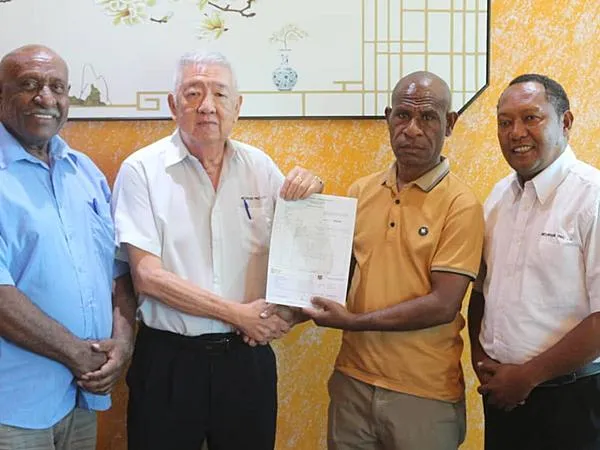
Addressing the severe healthcare challenges faced by the area, the Goilala District Development Authority on November 20th presented a cheque of K700,000 to Medopharm PNG Ltd for the procurement of much-needed medical supplies and equipment.
The funding is part of an ongoing effort to tackle the healthcare crisis in the district, where inadequate infrastructure, severe shortages of medical supplies, and lack of trained personnel have left rural populations vulnerable to a wide range of health issues.
Commenting on the cheque presentation, Hon. Casmiro Aia, the Member for Goilala, outlined the dire state of healthcare in district, emphasizing the urgent need for immediate action.
"The country is facing an unprecedented health crisis, with diseases ranging from simple curable conditions to more complex ones that require comprehensive relief packages,” he said.
"We have fallen infrastructure, a critical shortage of drugs, medical officers, and essential equipment. This is particularly evident in many rural areas, and Goilala finds itself in this dire situation."
The National Health Plan, according to Hon. Aia, has largely failed to address the needs of the rural population. While the plan was intended to improve healthcare access across the country, Aia noted that its benefits have been largely confined to urban centers.
"The National Health Plan appears to only reach urban towns and cities, leaving remote rural areas, like Goilala, largely underserved. If the plan is meant to include rural areas, its implementation has failed to deliver," he said.
The Catholic Church, foreign aid donors, and private organizations are providing healthcare in these underserved areas. In Goilala, the Catholic Health Agency is the primary provider of health services, running four health establishments in the district.
However, Aia pointed out that while the government allocates a K19,000 grant to the Catholic Health Agency to manage health services for both Kairuku and Goilala, this amount is far from adequate to meet the needs of the region.
"While we appreciate the support, K19,000 is not enough to cater for the healthcare needs of two districts, particularly one as remote and rugged as Goilala," he explained.
"Every time a health program is rolled out, the Catholic Health Agency submits requisitions for medical supplies to the Provincial Health Authority (PHA), but the process is slow and cumbersome. By the time approvals are granted, emergency cases may have already resulted in fatalities."
MP Aia elaborated on the inefficiency of the PHA in Goilala, where there is no operational agency to manage health services effectively.
"What is the purpose of the Provincial Health Authority if it is not addressing the health needs of districts like Goilala? In practice, the PHA's role is unclear, and there is a lack of coordination between the PHA, the National Department of Health (NDoH), and the Catholic Health Agency," he said.
The duplication of functions between these institutions, according to Aia, has contributed to the inefficiencies that have hindered the delivery of healthcare services to the people who need them most.
"These institutions are all tasked with providing healthcare to the same people, yet they fail to work together effectively. The result is confusion, delays, and an overall lack of service delivery," he said.
In response to these challenges, the Goilala District Development Authority (DDA) is taking a proactive stance to improve healthcare delivery.
"Goilala DDA is committed to working closely with the Catholic Health Agency to address these long-standing health issues. We are also stepping up by directly purchasing drugs for our health establishments, which are under the charge of the Catholic Diocese of Bereina," Aia announced.
While the DDA is prepared to allocate the necessary funds to procure medical supplies, Aia emphasized the importance of following all compliance and procurement processes.
"We can provide the funding, but we must ensure that all legal and regulatory requirements are met in the procurement process to ensure transparency and accountability."
During the cheque presentation, Philip Gugub, the Goilala District Development Authority (DDA) Procurement Officer, emphasised the struggles of accessing essential health services in the district.
He said: "Health is a key priority in Goilala, alongside other sectors like education and law and order. However, we face unique challenges due to our remote location, with health indicators lagging far behind other regions."
"Despite the intention behind the establishment of the CPHA, we often feel forgotten in Goilala. But in Goilala, 90% of our access is by air, which is not only expensive but also unreliable," the MP said.
“Patients struggle to return home after treatment, and in some tragic cases, families cannot afford to send deceased loved ones back to their villages,” he added, calling on the government to reassess the effectiveness of the CPHA.
"There is something wrong in the system. The government needs to sit down with the provincial health authorities to address the issues preventing health services from reaching the remotest parts of the country."
DDA Executive Officer Titus Girau echoed the sentiments, stressing the importance of the partnership with Medopharm PNG Ltd that he said could be “a turning point” for Goilala's healthcare system.
"This partnership will allow us to provide critical drugs to our clinics and offer much-needed relief to our mothers, children, and people in the rural areas. We are hoping that this collaboration will make a tangible difference in the lives of our people."
"The situation is dire. Without the intervention of the DDA, the health system would be in even worse shape. We need to see real changes from the CPHA and the national health authorities to make sure our people get the healthcare they deserve," he said.
Company Assures Service Delivery to DDA
Medopharm (PNG) Ltd CEO Robert Ting, in an exclusive interview with PNG Business News, thanked the Goilala DDA for having trust and partnering for better health service delivery to the District.
Medopharm (PNG) Ltd are importers and distributors of medicine supplies including medical equipment. The company is well established in PNG since year 2000, marking this year as its 24th in service.
“We have been supplying the country with our service, ever since our establishment. We import medicine from all over the world. Singapore, Malaysia, Thailand, Vietnam, India, Australia,” CEO Ting said.
The Company Pharmacist, George Toitopola, added: “I can assure you on behalf of MediPharm we will deliver, and our goal is to improve access to the availability of medicines at the health facilities in Goilala district.”
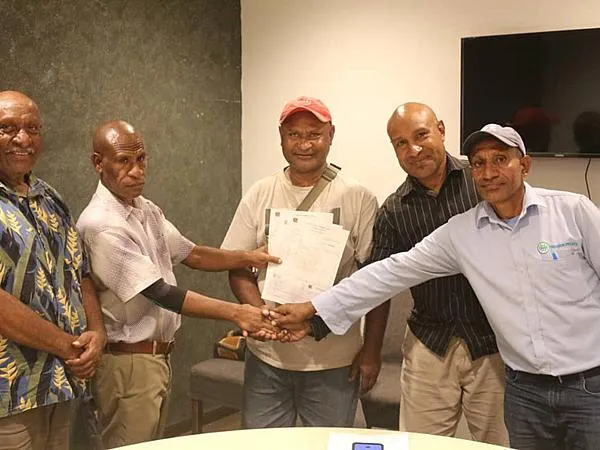
The Goilala District Development Authority (DDA) presented a cheque of K600,000 to a Labor Mobility Agency, Soozoogoo Ltd., under the Labor Mobility Scheme aimed at creating employment opportunities for Papua New Guineans in Australia and New Zealand.
The program also seeks to empower the district’s youth and improve socio-economic conditions for families from Goilala, the agency said in a statement. Over 300 participants have already expressed interest in participating in the program.
Of the funding, K300,000 is dedicated to seasonal workers’ training, while the remaining K300,000 will cover costs associated with National Identification (NID) cards, passports, and visa processing for selected participants.
This initiative also falls in line with Papua New Guinea’s Vision 2050, which emphasizes human capital development and youth empowerment.
Participants will undergo extensive training in both PNG and Australia, ensuring they are well-prepared to meet the demands of their roles abroad. Additionally, the DDA has developed a management framework to oversee the program’s implementation and track its outcomes.
GDDA Chairman and the Member for Goilala, Hon, Casmiro Aia, emphasised the broader vision behind the Labor Mobility Scheme, saying it has potential to tackle socio-economic challenges and foster self-reliance.
"This initiative is about equipping our youth with the means to earn, learn, and return with skills that can inspire others and contribute to the district’s development," Aia told PNG Business News in an exclusive interview.
He noted the program’s long-term goal of creating a sustainable cycle of development by continuously sending batches of youth abroad to work and gain valuable exposure.
The program will also prepare participants to adapt to cultural and social differences in their host countries, ensuring smooth integration into the workforce.
The scheme aims to address critical challenges in Goilala, including unemployment, poverty, and underutilized agricultural potential.
Aia pointed out that PNG’s import-driven economy has left many families reliant on imported goods, while agriculture remains underdeveloped.
"Our youth lack access to large farms or plantations locally, but through this program, they have a chance to work, earn, and learn abroad," he said.
"We have an import-driven economy, which means most families depend on imported goods for survival, while very few engage in agriculture. This lack of focus on agriculture undermines our ability to provide for our population and ensure their safety and security," Aia said.
DDA Procurement Officer Philip Gugub told PNG Business News that this “small but significant” cheque presentation underscores the challenges faced by the people of Goilala in accessing opportunities abroad due to bureaucratic and financial barriers.
He praised the efforts of a committed team of Goilala professionals who have worked tirelessly to mobilize and prepare participants.
Gugub said: "This program is an opportunity to break the cycle of poverty, allowing families to pay school fees, address medical costs, and improve their living standards."
"We see this initiative as a stepping stone for Goilala to address unemployment and uplift the livelihoods of many struggling families."
Contracted Agency Assures Results
Dr. Felix Gitai, Managing Director of Soozoogoo Ltd., said: "This is not just about labor mobility; it’s a socio-economic intervention targeting poverty alleviation, crime reduction, and community empowerment."
He noted that participants expected to earn significant wages—up to 30 AUD per hour (78.5 kina) in Australia and that these earnings would not only benefit individuals but also create a ripple effect, boosting the local and national economy and foster sustainable development.
This "living, active intervention" is a “transformative tool” that enables Goilala’s youth to contribute meaningfully to their communities and build better futures for themselves, Dr. Gitai said.
Bridging Gaps Through Leadership
The Executive Officer of the Goilala DDA, Titus Girau, thanked the program facilitators and addressed critics of the initiative, saying: “This initiative links ordinary Goilala people to life-changing opportunities, offering hope for a brighter future."
Girau reaffirmed the DDA's commitment to the program and urged participants to act as ambassadors for the district. He highlighted the transformative potential of the program, which offers financial benefits and life changing opportunities for the people of Goilala.
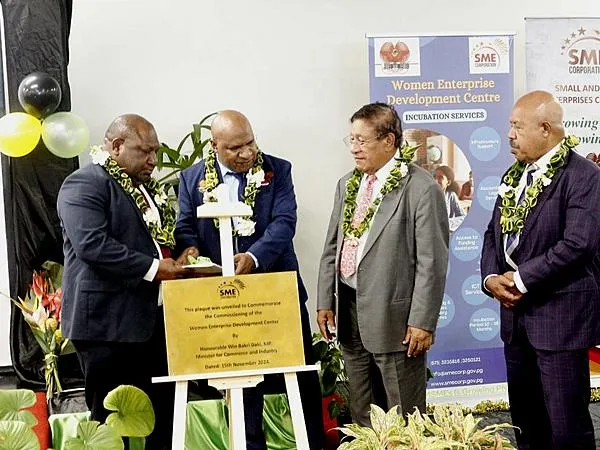
As the garment and textile sector in Papua New Guinea (PNG) sees increased local innovation and production, the Women Enterprise Development Centre (WEDC) opened its new office in Port Moresby on November 15 to spur more entrepreneurship in the country.
Minister for Commerce and Industry, Hon. Win Bakri Daki, expressed optimism about the future of the industry, emphasising the importance of protecting the intellectual property rights of local designers.
"Protecting our national designers and artisans from infringement is crucial for cultivating innovation and creativity within the Garment & Textile Industry," he said.
The WEDC aligns with the Marape-Rosso government’s efforts to empower women entrepreneurs and support the growth of micro, small, and medium enterprises (MSMEs) across the country while protecting originality.
The newly inaugurated center will be a hub for training, innovation, and business development, with a special focus on the Garment and Textile sector.
Daki said, “This event marks a significant milestone in the government’s ongoing efforts to empower and support women-owned businesses in PNG.”
Quoting Prime Minister James Marape’s 2023 statement, the minister added: “Leading a mother into this sector is anchoring the welfare of the family, and when the family is okay, society is okay, the country is okay.”
“The WEDC will empower women to acquire the knowledge and expertise needed to succeed in their entrepreneurial endeavors,” Daki added.
The minister also pointed to the initiatives to support the MSME sector, including the 2020 Budget, which allocated K200 million for the SME Agriculture Facility, marking the largest government investment in the sector.
He stressed that no other PNG government since Independence has been more committed to delivering for the SME sector than the Marape-Rosso Government.
The Minister reaffirmed the government’s vision to continue developing of the MSME sector through key policy and legislative frameworks, including the SME Policy 2016 and other vital reforms.
The WEDC is the first of several business incubation centers (BIC) planned across the country, with ongoing work on regional BICs in Kimbe- West New Britain Province, Minj-Jiwaka Province, and other locations.
As part of its mission to enhance the skills of women in the garment and textile industry, the WEDC will also offer training programs, including Certificate 1 and 2 in sewing apparel, as well as specialized short courses relevant to the sector.
Daki underscored the vital role that MSMEs, particularly women-owned businesses, play in driving economic growth, creating jobs, and fostering inclusive development in the country.
“I strongly encourage all our key stakeholders to continue working in partnership with the Ministry of Commerce and Industry, SME Corporation, and other relevant agencies,” he said.
Daki expressed confidence that the WEDC will be a step of hope for women entrepreneurs in Papua New Guinea, empowering them to contribute to the country’s economic prosperity.
“Congratulations to all those involved in the establishment of this remarkable facility. We look forward to seeing the WEDC nurture and empower the next generation of women entrepreneurs in the Garment & Textile Industry.”
SME Corporation Supports Women Entrepreneurship:
The WEDC is a crucial part of the Nationwide Business Incubation Centre (BIC) rollout project, a key initiative of SME Corporation.
The center will accommodate 10 trainees, providing them with access to a comprehensive range of business development services, including mentoring programs, legal and ICT services, and banking services.
Additionally, government agencies such as the Internal Revenue Commission (IRC) and the Investment Promotion Authority (IPA) will be on-site to assist entrepreneurs.
This initiative aims to equip entrepreneurs especially women with the skills and knowledge to transform their business ideas into successful ventures.
SME Corporation Managing Director Petrus Ralda expressed his excitement about the centre’s launch.
He said, “This momentous occasion marks a significant step forward in SME Corporation’s ongoing efforts to empower and support women-owned MSMEs in Papua New Guinea.”
"The redeveloped WEDC has come full circle since it was first established in the mid-90s as the Women Textile Training Centre (WTTC). The government has been making deliberate interventions for equal opportunities for women in the MSME space.
“The completion of the WEDC is the delivery of SME Corporation’s first KRA/KPI under the business incubation center,” he added.
The WEDC’s development included the demolition of the previous infrastructure, and the construction of a modern two-story building designed to meet the training and incubation needs of the Garment and Textile industry that includes training rooms, a showroom, consultation rooms, and office spaces for stakeholders.
SME Corporation has also been active in policy reforms. Mr Ralda shared that the government formulated, through extensive consultations and research, the new MSME Policy 2023, the MSME Medium Term Development Plan 2023-2027, and the SME Corporation Corporate Strategic Plan 2023-2027 set for launch by December 11, 2024.
The MSME Development Authority Bill 2023, a crucial piece of legislation for the sector, is up for deliberation in Parliament soon.
Mr Ralda expressed his gratitude to the various stakeholders who contributed to the development of the WEDC. "Your support and collaboration have been instrumental in delivering these key KRA/KPIs," he said.
The Commissioning of WED Center
The commissioning of the WED Centre saw Minister Daki accompanied by the Governor for NCD, Hon. Powes Parkop; Minister for National Planning, Hon Sir Ano Pala; Secretary for the Department of National Planning, Koney Samuel; and SME Cooperation’s Ralda.
Minister Pala reiterated that economic growth was the aim of the current Government.
“This Government wants to grow the economy to K200 billion by 2030. For us to meet our future expansions, a growing population and to meet the realities of our development, we must grow the economy; there is no other way.”
Secretary Samuel stressed that the MSME sector is set to become a key driver of economic growth, job creation, and export expansion, which are central aims of the Medium-Term Development Plan 2023-2027 (MTDP IV).
“The MSME sector will be the main engine of our economy. It holds the potential to generate thousands of jobs and contribute significantly to the nation’s GDP. By focusing on empowering women entrepreneurs, we are unlocking new sources of growth and ensuring that more Papua New Guineans can participate in the economy,” he said.
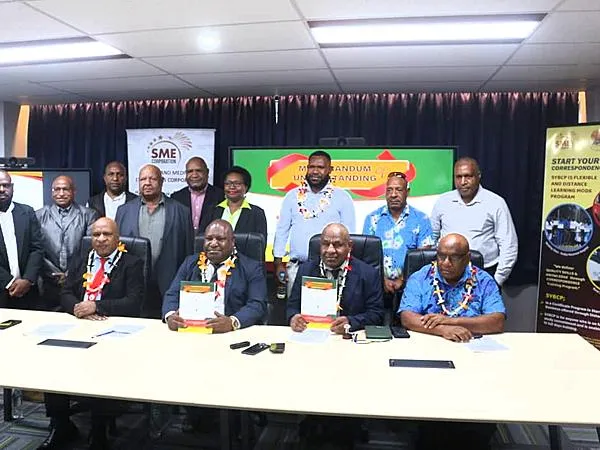
The Small and Medium Enterprises Corporation (SMEC) recently signed a Memorandum of Understanding (MOU) with the Kerowagi District Development Authority (KDDA) to deliver entrepreneurship training and business development services in Kerowagi District in the Simbu Province Highlands of Papua New Guinea.
The partnership aims to empower local entrepreneurs, foster sustainable economic growth, and build a vibrant business relation within the district.
The addition of Kerowagi District is another milestone in the Corporation’s mission to enhance the capacity of entrepreneurs at the district level, SMEC said in a statement.
The MOU, signed on November 14, 2024, marks a key step in the Government’s priority of supporting the growth of Micro, Small, and Medium Enterprises (MSMEs) across Papua New Guinea.
Since 2020, SME Corporation has been extending its SME Development Services to over 6,000 wards across the country, signing partnerships with several districts, including Tambul/Nebilyer, Imbonngu, and the Autonomous Region of Bougainville Government.
The new partnership with KDDA focuses on equipping entrepreneurs in Kerowagi with the skills, resources, and support to successfully grow and manage their businesses, such as:
The programs cover skills such as business planning, financial management, marketing, and customer service, tailored to suit the unique needs of Kerowagi's local entrepreneurs, ensuring practical, relevant education that can be at once applied to their businesses.
Additionally, both the KDDA and SME Corporation will collaborate on business development services, helping entrepreneurs manage regulatory requirements and access funding opportunities.
The partnership will also organize networking events, trade fairs, and business forums to connect local entrepreneurs with potential markets both within and outside of the district.
SME Corporation’s acting Managing Director, Mr. Petrus Ralda, expressed his enthusiasm for the collaboration, emphasizing the importance of a bottom-up approach to entrepreneurship development.
He said, “We are thrilled to partner with the Kerowagi District Development Authority to empower local entrepreneurs and drive economic growth in Kerowagi District. This is where we must start—at the grassroots level, working directly with the people to change their lives and improve their livelihoods.”
The partnership will benefit entrepreneurs across several local-level governments (LLGs) within the district, including Kerowagi Urban, Upper/Lower Koronigle, Gena Waugla, and Kup LLGs.
Hon. Win Bakri Daki, Minister for Commerce, Industry, and Member for Tambul/Nebilyer, who signed on behalf of SME Corporation, urged citizens to embrace hard work and discipline in their economic pursuits.
“Don’t be lazy; you must go back to your village, work the land, and build from there. Discipline yourself when you have money, and use it to create lasting value,” he said.
Kerowagi's Member of Parliament, Hon. Francis Kikin Siune, also welcomed the collaboration, which represents a major step forward for the district's entrepreneurial ambitions.
“This collaboration with SME Corporation is a step forward in our efforts to build a vibrant entrepreneurial ecosystem in Kerowagi District. We are confident that the training programs and business development services will have a lasting positive impact on our communities,” said Siune.
The MOU reflects a shared vision between SME Corporation and the Kerowagi District Development Authority to foster entrepreneurship and sustainable economic development.
Both organizations are committed to creating an environment where local businesses can thrive and contribute to the overall prosperity of the region.
As part of the ongoing efforts to monitor and evaluate the impact of the programs, both parties will set up a robust framework to assess progress and make improvements where necessary.
This partnership aims to bring lasting benefits to the people of Kerowagi, strengthening local businesses and contributing to the broader goal of economic development in Papua New Guinea.
The SMEC is actively contributing to one of the Government’s key priorities, the MSME Development in the country, by implementing the SME Policy 2016 through a bottom-up approach that involves working closely with local stakeholders, provincial governments, district development authorities, and local-level governments.
Follow on LinkedIn:
PNG Business News
Be the "First" to get our exclusive Digital Magazine & Weekly Newsletter.