July 08, 2024

Earlier this year, Pacific Trade Invest (PTI) Australia invited exporters across the Pacific to participate in the Pacific Islands Export Survey 2024. The survey, conducted biennially, provides crucial insights into the activities, challenges, and opportunities faced by Pacific exporters, informing regional policy development and trade strategies. PTI Australia is a key agency dedicated to promoting trade and investment in the Pacific Islands, supporting economic development, and enhancing the international competitiveness of Pacific businesses.

The Pacific Islands Export Survey 2024 highlights the significant strides made by Pacific exporters in recovering from the economic impacts of the COVID-19 pandemic. Export revenue has surged back to pre-pandemic levels, with 49 per cent of businesses reporting increased revenue in 2024, compared to just 24 per cent in 2022. This resurgence in export activity has fostered a high level of optimism, with 78 per cent of respondents expecting further revenue increases over the next 12 months. This marks the highest confidence level since the survey began a decade ago.

Innovation and Support
To sustain growth, Pacific businesses are focusing on process improvements and efficiencies. This year, 40 per cent of businesses reported initiatives aimed at encouraging innovation through staff training and hiring, a significant increase from 23 per cent in 2022. Additionally, one-third of businesses have sought assistance from Pacific Trade Invest, a trend that has been steadily rising over the past four years. The survey underscores the importance of support and collaboration in enhancing the capabilities of Pacific exporters.

Digital Transformation and Market Dynamics
Digital marketing has emerged as a crucial strategy for Pacific exporters, with 76 per cent generating revenue through online channels. The proportion of businesses reporting increased online revenue has risen to 42 per cent, up from 24 per cent in 2022, driven primarily by easier access to digital devices. Despite this progress, the full potential of digital tools remains untapped, and there is a strong appetite for further training to maximize online revenue opportunities.

Internationally, Australia and New Zealand remain key export destinations, with exports to North America and Europe also returning to pre-pandemic levels. However, the enthusiasm for expanding into new markets has slightly diminished, with 71 per cent of businesses planning market expansions within the next three years, compared to 86 per cent in 2016. This decline may be attributed to persistent export barriers, such as logistics costs and access to finance.

Climate Impact and Barriers
The survey highlights the significant challenges posed by climate change and extreme weather events, with 72 per cent of businesses affected in the past year. The impacts of severe weather have increased, disrupting operations and causing damage to products and property. The agriculture and tourism sectors are particularly vulnerable, with weather events leading to business closures and increased insurance premiums.

Access to finance remains a critical barrier, with 65 per cent of exporters finding it difficult to obtain funding, the highest level since the survey began. The agriculture sector is most affected, with 76 per cent of respondents citing finance as a significant barrier. Limited financial track records and a lack of bank flexibility are major contributing factors.

Logistics and labour issues also continue to impede export activities. While these challenges have returned to pre-pandemic levels, they still represent significant obstacles, particularly for the agriculture and manufacturing sectors. The need for shipping route support has increased, with a notable rise in demand for assistance with inter-Pacific trade routes.

The insights from this survey will be instrumental in shaping policies and strategies to support the continued development of the Pacific’s export sector.

Click here to download the survey.

July 03, 2024

Mr. Chris Daniells officially assumed the role of Managing Director of Steamships Trading Company Ltd. (Steamships) on Monday 1st July 2024. He takes over from outgoing Managing Director, Mr. Rupert Bray, in a planned succession move.

This is not his first time in PNG, as early in his career, Mr. Daniells worked for Steamships Shipping Agencies as National Marketing Manager between 1998-1999.

“There has been a considerable development and change since I was in Port Moresby in the late 90’s,” said Daniells, “I’m looking forward to continuing Steamships’ tradition of supporting PNG, investing in long-term commitments, and building sustainable and rewarding partnerships as we enter a new period of growth for the economy and the country.  These are exciting times for PNG and Steamships is very much at the centre of them.”

Mr. Daniells becomes the 17th Managing Director of Steamships, and has been with the Company since September 2023, in the role of Chief Operating Officer. Previously, he held the position of Chief Commercial Officer for Singapore based Swire Shipping and Managing Director of Swire Projects.  Over the last 25-years' he has held various senior executive roles in different industries across Australia, Papua New Guinea, Hong Kong, Europe and Singapore.

The team at Steamships wish Mr. Bray well in his new role as Executive Director Senior of Swire Coca-Cola in Hong Kong.

“We have a strong team, and an exciting road ahead. Rupert’s six years in Steamships has established a strong foundation for the growth of the company and his support during the transition has been invaluable. I wish him all the best in this next phase in his career.”

The group also farewelled Finance Director & Company Secretary, Michael Scantlebury, who retiremed after nine-years with Steamships. He is replaced by Alessandro Mistroni who joined Steamships in 2023 as Corporate Finance Manager.

July 01, 2024

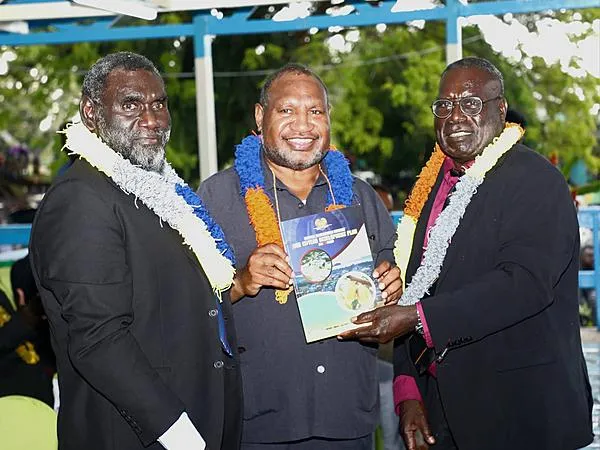
The Prime Minister of Papua New Guinea James Marape officially launched the Five-Year Development Plan for Central Bougainville in Arawa Town yesterday.

Present at the launching was the President of Bougainville Ishmael Toroama, Regional Member for Bougainville Peter Tsiamalili Jnr and cabinet Ministers from both the National Government and the Autonomous Bougainville Government.

The Five-Year Plan (2023 – 2027), is an initiative of the Member for Central Bougainville Fr. Simon Dumarinu to improving service delivery and promoting self-reliance in the electorate.

The plan is themed Paving the Way Forward for Socio-Economic Development through empowering service delivery.

Fr. Dumarinu said that the plan will focus primarily on improving economic development, infrastructure, education, healthcare and governance.

“This plan is an effort by the Member for Central Bougainville to prepare our people to be Independence Ready,” Fr. Dumarinu said.

“It is aligned with the strategic development plans of the Autonomous Bougainville Government and the National Government,” Fr. Dumarinu.

Bougainville President Ishmael Toroama said that the plan is essential to the raising the standard of living of the people of Central Bougainville through economic development and sustainable development.

President Toroama added that this plan will enable the people to partake in the development process in Central Bougainville.

President Toroama also expressed his gratitude to the Prime Minister James Marape for his continued commitment to the people and government of Bougainville.

In launching the Central Bougainville Five Year Development Plan the Prime Minister James Marape urged greater collaboration between the ABG and National Government to implement the plan.

Prime Minister Marape said that he was grateful to see a lot of development and progress in Central Bougainville.

“I thank the ABG leadership under President Toroama and the Member for Central Bougainville Fr. Simon Dumarinu for encouraging development in Central Bougainville and the rest of the region,” Prime Minister Marape said.

“The National Government remains committed to ensuring our people receive the best services the country can offer to our people and this plan along with strategic plans of both governments is the blueprint for development in Central Bougainville,” he added. 

June 24, 2024

Benefits sharing will be a subject of discussion at CANCONEX, during the Inaugural PNG Resources Week to be held at the beginning of July. What benefits are derived from projects, where they are applied, and how they are applied, are all questions that many are still yet to fully understand.

To shine the light on this area, a specific session on benefit sharing structures will be presented on Day 1 of PNG Resources Week at CANCONEX, featuring ExxonMobil PNG (EMPNG), Mineral Resources Development Company (MRDC), Kumul Petroleum Holdings Limited (KPHL) and Newmont Corporation, with each organization providing an insight into how benefit sharing is implemented through their respective projects and organizations.

EMPNG, operator of the PNG LNG Project will be providing an overview of benefits to the State over the last 10years since first its LNG shipment. This will include a break-down of how proceeds derived from the sale of LNG is distributed to all stakeholders, particularly at the community level, as well as the initiatives the project has initiated to ensure communities are self-sustaining, now and into the future.

Similarly, MRDC and KPHL will also provide an overview of their Benefit Sharing and Management Structures, outlining how its benefit sharing activities are implemented for communities across the length and breadth of communities where it holds the State’s equity. Their presentations will also highlight initiatives both organizations have taken to ensure that remains relevant to the ever-changing business environment.

Participants will also hear from Newmont Corporation, operators of the Lihir Gold Project, who have over the years had a successful benefit sharing structure, that has enabled Lihir Landowner organizations to expand and diversify their operations not only in New Ireland Province, but to other parts of Papua New Guinea, and abroad. Insights into how benefit sharing structures are tailored to suit community and landowner requirements will be learnings that attendees to PNG Resources Week will benefit greatly from.

All four organizations are leaders within their respective industries, and the presentations will provide attendees a deeper appreciation of the efforts that the resources sector’s activities in line with benefit sharing arrangements.

With just over a week to go, and with tickets nearly sold out, PNG CORE encourages all stakeholders within the resources industry and PNG’s business community to register your attendance for CANCONEX (1st to 3rd July, UPNG), the expo booths, the PNG Resources Summit (4th July, Hilton) or the PNG Resources Gala Dinner (4th July, Hilton) today via www.pngresourcesweek.com or email events@pngcore.org to ensure that you don’t miss out on the learnings from PNG Resources week.

June 24, 2024

Prime Minister Hon. James Marape has confirmed that he will be open the inaugural PNG Resources Week on 1 July 2024 by presenting the National Content address at the CANCONEX at UPNG. Additionally, PM Marape will close PNG Resources Week by speaking at the PNG Resources Week Gala Dinner on 4 July 2024 at the Hilton Hotel. The inaugural PNG Resources Week (“PRW24”) will incorporate the Community Affairs and National Content Conference and Expo (“CANCONEX”), PNG Resources Career Fair, PNG Resources Summit, and the PNG Resources Week Gala Dinner. PNG CORE President Anthony Smaré thanked the Prime Minister for accepting the invitation to be a part of this important national event.

“We are delighted that Prime Minister Marape has accepted our invitation to open the inaugural PNG Resources Week. He will be the guest of honour at CANCONEX 2024, the PNG Resources Summit, and the PNG Resources Week Gala Dinner. At CANCONEX 2023 in Lae, PM Marape delivered an outstanding speech challenging PNG lands and landowners to take up the opportunities presented by the new resource projects and reopening of Porgera – we look forward to his speech opening PRW24. PM Marape’s engagement with the resources sector and its stakeholders are important for building confidence in our sector from both investors and local stakeholders.”

“We are pleased that over the last 12months, Government has made progress in dealing several of these issues, among them, National Content and its implications for the resources sector. The Prime Minister will be provided an update on what the industry and its stakeholders, including landcos and landowner groups, have done as well in these areas, so that our efforts complement the efforts by Government.”

“The Prime Minister will lead a high-level delegation, which includes Mining and Petroleum Ministers and Governors and MPs for resource provinces who will interact with industry, PNG business community, SMEs and landowners at PNG Resources Week. This is part of our efforts to provide a domestic platform for more engagement between all stakeholders in the resources sector.”

“We also have a strong delegation from AROB led by President Ishmael Toroama, who will also deliver a highly anticipated address regarding the lessons of Panguna and the road ahead.”

“PNG Resources Week is a must-attend event as PNG’s flagship domestic event especially for stakeholders in the resources sector and the PNG business community. It will complement PNG CORE’s flagship international investment promotion events – the annual PNG Energy & Resources Investment Conference in Sydney in December 2024 and the PNG Asia Investment Conference in Hong Kong / China in March 2025.

With over 90% of tickets sold, and additional tickets made available, PNG CORE encourages all stakeholders within the resources industry to register your attendance today via www.pngresourcesweek.com or email events@pngcore.org to ensure that you don’t miss out networking, business and learning opportunities from PNG Resources week.

June 24, 2024

Prime Minister Hon. James Marape has strongly urged the Treasury, Finance, and National Planning departments to strategically and effectively deliver on key government priority areas for Papua New Guinea’s economic development. He said politicians will come and go but public service will remain, so they must work to achieve results.

Speaking today at a government executive meeting involving departmental secretaries and other senior public servants from the National Planning, Finance, and Treasury departments, as well as the Chief Secretary to Government and Department of Prime Minister & NEC senior staff, Prime Minister Marape stressed that while the departments have been reporting on relevant issues and problems, he challenged them to devise solutions for the future.

Prime Minister Marape emphasised that the three key Departments of National Planning, Treasury, and Finance, in collaboration with the Department of Prime Minister and NEC, form the core of the “engine room” driving change for PNG’s economic transformation. As the country prepares to celebrate 50 years of Independence next year and looks ahead to the next 50 years, he urged these departments to function effectively and cohesively to achieve economic independence.

The Prime Minister stated: “These key government departments need to be functioning effectively and in cohesion to achieve goals for economic independence of our country. We need to clearly know how we have fared with implementation of the government budgets over the last five years, key performance indicators, how the money has been substantially spent with the respective projects in the provinces and districts, and how best we can improve so that we transform our economy as per the Government’s vision and guidelines that have been set through Medium-Term Development Plan IV and other priorities of this Pangu-led government.

“We inherited a struggling and fragile economy in 2019. And we are trying our best on the political front to set the right path for the country for the next 50 years. And our public service machinery responsible for the economic development of our nation must deliver nothing less than quality.”

He reiterated the importance of learning from countries like South Korea, which transformed from one of the poorest countries in the world to the 11th biggest economy, with a GDP per capita of over US$33,000. In contrast, PNG, which had a higher GDP per capita than South Korea in 1975 when it gained independence, now has a GDP per capita of just about US$4,000.

“If South Korea can transform its economy in a short span of time, with very limited land and other natural resources, Papua New Guinea has enormous potential to do a whole lot better given the resources that we have,” Prime Minister Marape said.

“The key is in our effective delivery of key performance areas for our economy through coherent collaboration and with a transformation-driven mindset and approach. There is a lot for us to do. So, let’s get down to business and not be distracted by the political situations that seem to be surfacing every now and then. We must deliver for our people.”

June 24, 2024

Prime Minister Hon.James Marape recently thanked the Asian Development Bank (ADB) for its continuous assistance to Papua New Guinea since 1971.

He made this statement during a meeting with ADB Vice-President Scott Morris in Port Moresby. Mr. Morris is in PNG to discuss ADB’s assistance programme with various stakeholders, including high-level government officials and civil society, and to visit project sites.

Mr. Morris was accompanied by ADB Country Director of PNG Said Zaidansyah and Country Operations Head Soon Chan Hong, while Prime Minister Marape was accompanied by Chief Secretary Ivan Pomaleu.

PNG joined ADB in 1971. As of 2023, ADB had committed 271 public sector loans, grants, and technical assistance totalling US$4.7 billion (K16.29 billion) to PNG. ADB’s current sovereign portfolio includes 11 projects worth US$1.39 billion (K4.82 billion).

ADB’s current assistance programme in PNG focuses on improving transport infrastructure, with priority on roads and civil aviation; building resilience to climate change; strengthening public sector management; and expanding access to energy, health, and education services. Moving forward, ADB’s support to PNG will also emphasise investments in water, sanitation, hygiene, agriculture, and financial inclusion.

“I thank ADB for its continuous assistance to PNG over the years,” Prime Minister Marape said.

“ADB has been good to us every step of the way and has supported us with various projects such as the highly-successful Civil Aviation Development Investment Programme (CADIP), higher education, road infrastructure, and many more.

“These projects include the Highlands Highway from Nadzab in Morobe to Kagamuga in Western Highlands, airport developments in Kavieng, Manus, Alotau, Wapenamenda, Madang, Mendi and Tari, interventions into PNG Power Ltd and Air Niugini, and many more.

“Our portfolio with ADB is much higher than other countries in the region.

“We welcome the continuation and improvement of ADB-supported projects throughout PNG as we work towards becoming a middle-income earning nation at the very earliest.”

Mr. Morris told Prime Minister Marape that ADB is looking into diversifying its portfolio in PNG, including in the agriculture sector.

Prime Minister Marape said PNG, with the development of several resource projects in the country over the next 10-15 years, will need assistance from ADB during this time to bridge the gap.

“This time around, possibly 10 years from today, our country’s economy will be far better than now,” he said.

“We have several major resource projects on the way which will bring in substantial revenue into the country.”

Mr. Morris, who is responsible for ADB’s operations in East  Asia, Southeast Asia, and the Pacific, will also meet Treasurer Hon. Ian Ling Stuckey, Minister of National Planning Hon. Ano Pala, Minister for Works and Highways Hon. Solan Mirisim, and other government officials and development partners.

Discussions will focus on ADB’s strategic priorities for support in the country and opportunities to strengthen ADB’s country partnership strategy for PNG.

June 24, 2024

Papua New Guinea (PNG), facing a significant malaria burden, recently hosted the 8th Asia Pacific Leaders' Summit on Malaria Elimination. Themed "Invest to Achieve Zero Malaria," the summit brought together key stakeholders to strategize and reinforce commitments towards a malaria-free future.

Marking a first for the region, the summit highlighted PNG's pivotal role in regional health initiatives.  With 90% of its population at high risk, PNG is battling a challenging but crucial fight.  Despite difficulties, the country has seen progress, with malaria deaths reduced from 616 in 2010 to 282 in 2022.

The summit emphasized collaborative efforts. Dr. Osborne Liko, PNG's Health Secretary, stressed the need for unified support from governments, communities, and international partners. The agenda focused on innovative funding, climate change mitigation strategies, and regional collaboration.

“Health is everyone’s business. Health is the human face of development. If our health is affected, this will affect the economy. A healthy population develops the nation,” Dr. Liko said.

Leaders from countries like China (malaria-free since 2022) and Sri Lanka (certified malaria-free in 2016) shared valuable insights alongside representatives from Timor-Leste, nearing malaria certification. This exchange of experiences fosters learning and collaboration.

Strengthening Regional Partnerships

The summit also saw the signing of a declaration by Health Ministers from PNG, Solomon Islands, Vanuatu, Indonesia, and Timor-Leste, pledging to achieve malaria elimination by 2030.  East Timor's recent outbreak highlights the importance of cross-border collaboration.

A pivotal moment was a panel on innovative funding, moderated by Lady Roslyn Morauta, Chair of the Global Fund. Increased funding was deemed essential to scale up PNG's control efforts. Leaders across the Asia Pacific region reaffirmed their commitment to achieve a malaria-free future by 2030.

The summit yielded key outcomes: strengthened regional collaboration, exploration of innovative financing mechanisms, and leadership efforts tailored to PNG's context.  The summit's proceedings highlighted the importance of sustained financial investments and community engagement for PNG's eradication journey.

Health Minister Dr. Lino Tom reiterated the urgent need for increased funding to scale up malaria control efforts in PNG, stressing: “We need more money to upscale our efforts to use the available tools we have to eliminate malaria.”

By hosting the summit, PNG not only reaffirmed its commitment to public health but also strengthened its role as a regional advocate for malaria eradication. The nation aims to significantly reduce malaria incidence and mortality, paving the way for a malaria-free future.

The summit served as a significant moment in the fight against malaria. Diverse stakeholders strategized and committed to ambitious goals, paving the way for a healthier and malaria-free Asia Pacific region.

June 24, 2024

Road infrastructure in PNG has been vulnerable to climate change hazards such as extreme rainfalls, landslides, coastal erosion, storm surges and droughts have cumulative impacts on damaging and deleting the quality and state of infrastructure in PNG. 

Therefore, Papua New Guinea has recently marked a significant move towards planning and building infrastructure to withstand climate change impacts. The Department of Works and Highways DoWH will engage with stakeholders to develop climate resilient transport infrastructure contributing to PNG’s National Determined Contribution (NDCs) and National Adaptation Plan (NAP) priorities.

PNG, an island state, faces increasing climate change impacts, necessitating urgent action. The DoWH has demonstrated its commitment to climate-proofing roads and infrastructure under the NAP.

An inception workshop was held mid-June on the 11th, in Port Moresby, which is part of the Infrastructure for Resilient Island States PNG (IRIS PNG) Project that convened key stakeholders committed to enhancing climate resilience in the country’s roads and infrastructure sector.

Led by the Department of Works and Highways (DoWH) and supported by the Global Green Growth Institute (GGGI) and the Coalition for Disaster Resilient Infrastructure (CDRI), the workshop underscored PNG's urgent need for adaptive measures.

Secretary for DoWH, David Wereh, highlighted the severity of recent climate events. He said, just this year alone, PNG experienced damage costing the state assets of about K500 million in the last few weeks, due to continuous rain.

"This year has been the worst year. It could be the beginning of the worst still to come. We’ve experienced damages worth millions of kina in road infrastructure due to continuous heavy rains and extreme weather events. This is a growing trend and a massive challenge to address as a country.”

The IRIS PNG Project, funded at US$499,998, aims to fortify PNG’s infrastructure against climate threats over the next 24 months. It focuses on enhancing institutional and technical capacities within DoWH to develop resilient transport infrastructure by 2030.  

Mr Wereh emphasized that it is a big challenge and moving forward sharing of information and data between key agencies is vital. He further stressed the importance of collaborative efforts among agencies, "Relevant agencies must share information and data and ensure coordination is strengthened to build climate-resilient infrastructures."

Acknowledging PNG’s vulnerability as an island state, stakeholders highlighted the project’s role in aligning with PNG’s National Adaptation Plan (NAP) and Nationally Determined Contributions (NDCs).

The Climate Change Development Authority (CCDA), Acting Managing Director, Debra Sungi, underscored the pressing challenges posed by climate change on the nation's infrastructure.

She commended DoWH for leading the initiative, emphasizing its role in shifting towards climate-resilient planning practices.

"Today marks a significant milestone in our efforts to build capacity and resilience in partnership with the Department of Roads and Highways," remarked Debra Sungi in her address. She highlighted the devastating impacts of recent natural disasters, such as the landslides in Enga province, which have severely affected crucial road networks, disrupting essential services and economic activities across the region.


“The road has been one of the major hazards that has been affected and it's not only affecting the environment, it is affecting the economy of the province and for the country, and also it has affected the lives of our people” she added.

Ms Sungi stressed the need for comprehensive national policies to guide climate adaptation efforts, integrating local-level implementations to effectively mitigate environmental and economic damages. "Infrastructure remains a top priority for us, aligning with our targets to achieve National Determined Contributions (NDCs) by 2030," she affirmed.

Ms Sungi emphasized the critical role of CCDA in coordinating these efforts, ensuring that infrastructure projects adhere to climate-resilient standards.

"The workshop serves as a significant platform to address the vulnerabilities within our communities and strengthen our infrastructure against climate impacts," Ms Sungi added, outlining the collaborative approach between CCDA, implementing agencies, and the Department of Roads and Highways.

She expressed gratitude to all participants for their commitment to achieving sustainable outcomes aligned with PNG's long-term vision for 2050.

The initiative is part of a broader strategy to integrate climate resilience into infrastructure development under the Connect PNG program. Ms Sungi emphasized the incorporation of resilient design standards for bridges and roads as paramount to safeguarding against future climate uncertainties.

"CCDA is set to collaborate extensively with the Department of Roads and Highways and other stakeholders to ensure our infrastructure is resilient and durable," she affirmed.

Ms Sungi reiterated CCDA's dedication to forging partnerships and driving impactful solutions that mitigate climate risks and foster sustainable development. "Together, we aim to build infrastructure that endures and thrives amidst evolving climate challenges," she concluded optimistically.

The workshop, held in collaboration with DoWH and attended by representatives from the Australian government, private sectors, NGOs, and stakeholders, aimed to chart a course towards robust infrastructure that can withstand the increasing frequency of natural disasters.

The Inception Workshop included a renewed commitment from all stakeholders to work collectively towards achieving climate-resilient infrastructure in Papua New Guinea, setting a precedent for future development initiatives.

GGGI’s Country Representative, Sakiusa Tuisolia, affirmed GGGI’s commitment to supporting PNG's journey towards sustainable and climate-resilient infrastructure.

Sakiusa Tuisolia said, “GGGI is committed to supporting PNG in its journey towards building climate-resilient infrastructure. Our collaboration aims to ensure sustainable development and enhanced resilience against climate change impacts.”

CDRI Director General, Amit Prothi, echoed this sentiment, expressing CDRI’s delight in contributing towards enhancing infrastructure resilience in PNG. Mr Prothi added, “CDRI is delighted to support the development of climate-resilient transport infrastructure in Papua New Guinea with this grant of US$499,998. We are committed to enhancing infrastructure resilience by strengthening institutional and technical capacities.”

Over the next 24 months, the IRIS PNG Project will engage with stakeholders to develop climate-resilient transport infrastructure, contributing to PNG’s Nationally Determined Contributions (NDCs) and NAP priorities. A Memorandum of Understanding was established between GGGI and the Government of PNG through the DoWH to strengthen institutional capacity for climate-resilient transport infrastructure in PNG through the IRIS Project.

The workshop concluded with the establishment of a Memorandum of Understanding between GGGI and the PNG government, underscoring their joint commitment to building climate-resilient infrastructure. This initiative aims not only to mitigate current climate challenges but also to ensure PNG is better prepared for future climate impacts through robust policy frameworks and enhanced technical capabilities.

June 24, 2024

The Papua New Guinea, National Capital District (NCD) Governor Hon. Powes Parkop outlined his vision for the nation’s capital, emphasizing bold initiatives aimed at transforming Port Moresby into a model city.

Hon. Powes Parkop shared his vision during a breakfast meeting on June 13th, at Crown Hotel in Port Moresby, hosted by Port Moresby Chamber of Commerce and Industry (POMCCI).  Accompanying Governor Parkop was also the nation’s capital City Manager Mr Ravu Frank.

NCD’s Governor Powes Parkop in his vision for Port Moresby for the next five years stated, “POMCCI is a strategic partner with the National Capital District Commission in helping to develop our capital city. We share common goals. Our vision is to create an Amazing Port Moresby.”

“I want Port Moresby to be a clean, safe, active, healthy and planned liveable city. We have an Urban Development Plan for 2020-2030.” 

“As part of that plan we are converting settlements into suburbs. We have started with the 9 Mile quarry and have proper allotments which are being offered for sale to the settlers.”

Among the major initiatives outlined, the Governor highlighted ongoing efforts to enhance healthcare infrastructure, including plans for a new hospital to address rising health challenges.

“We have a health plan and are working with the NCD Provincial Health Authority. We are planning to build a new hospital at Gerehu. I am pleased to announce that the NEC has now approved funding for the hospital. It will take 3 to 4 years to build.” He added.

In his discussion, education also took center stage, with commitments to upgrade facilities and integrate modern educational standards into the city's framework.

Joined by businesses and corporates, including stakeholders, Governor Parkop underscored the collaborative efforts between government and the corporate sector in fostering a conducive environment to achieve common goals. Addressing a diverse audience, he highlighted the pivotal role of the NCD Commission, municipal government and teams in spearheading transformative projects.

"While challenges persist, such as infrastructure development and public health, our focus remains unwavering on creating a sustainable, clean, and safe city," Governor Parkop affirmed. He stressed the importance of strategic planning and partnerships in realizing these goals, pointing to the Urban Development Plan as a cornerstone for future growth.

Discussing urban safety, Governor Parkop unveiled a comprehensive sustainability and safety plan aimed at strengthening security across Port Moresby. He emphasized the importance of community involvement and public-private partnerships in executing these plans effectively.

"We envision Port Moresby not just as a city, but as a regional and global hub contributing to economic growth and cultural exchange," Governor Parkop remarked, underscoring the city's potential to attract international investment and tourism.

“Port Moresby has the potential available to make it a tourist destination” he emphasized Port Moresby’s potential to another tourism hot spot in the world.

“We can make the tourist product here so we are putting a lot of effort towards that. We have, with the national Government, been able to get the China Southern Airlines to come in.”

“This month the PNG Tourism and Promotion Authority (TPA), NCDC and some other stakeholders will be going to Guangzhou to do a roadshow so we can start to have good packages for Chinese tourists”. He added.

As his speech concluded, Governor Parkop reiterated his administration and the city’s municipal government’s dedication to addressing societal inequalities and improving living standards for all residents, including those in informal settlements. He pledged continued cooperation with the Motu Koita Assembly and local stakeholders to uplift marginalized communities.

Governor Parkop expressed optimism about the future of Port Moresby, urging stakeholders to join hands in realizing their shared vision of a vibrant, inclusive capital city. The audience, comprising business leaders and government officials, responded with enthusiasm, applauding the Governor's ambitious agenda for the city's development.

A question and answer session was also held accordingly giving the opportunity to the audience to ask questions and share their concerns and queries.

The breakfast event served as a platform for dialogue and collaboration, setting the stage for forthcoming projects under the NCDC's strategic roadmap. Governor Parkop's impassioned speech left attendees inspired and hopeful for the city's future as efforts continue to build a cleaner, safer, and more prosperous Port Moresby.

June 24, 2024

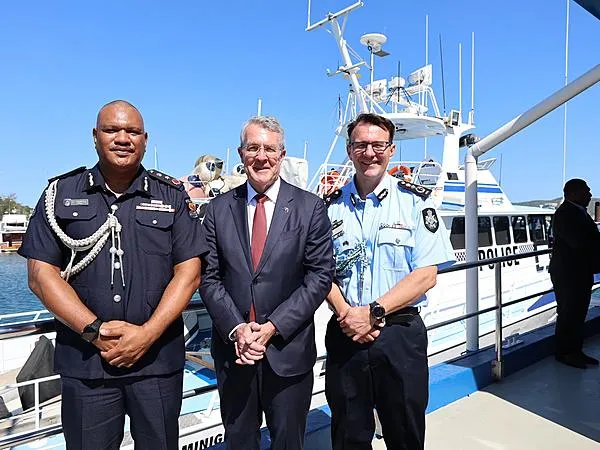
The collaborative efforts between Australia and Papua New Guinea have continued with the presentation of the Police Patrol Vessel Minigulai to the Royal Papua New Guinea Constabulary (RPNGC). The vessel, procured by the Australian Federal Police (AFP) from the Tasmanian Police Force, was formally handed over during the 30th Australia-PNG ministerial forum in Port Moresby.

The presentation of the PPV Minigulai eventuated on June 18th at the Yatch Club Port Moresby and was witnessed by dignitaries and officials from both Australia and PNG. The event, graced by esteemed dignitaries including, the Prime Minister of PNG, Hon. James Marape MP, The Minister for Foreign Affairs, Hon. Justin Tkatchenko, MP, The Commissioner of the RPNGC David Manning, The Commissioner of the Australian Federal Police, Reece Kershaw APM; Australian High Commissioner to PNG, Mr John Feakes and Australian Attorney-General Mark Dreyfus, marked a pivotal moment in bilateral cooperation.

The PPV Minigulai is set to support and strengthen cross-border patrols in the Torres Strait region, facilitating joint operations between PNG and Australia to combat transnational crime. This initiative underscores Australia's steadfast commitment to supporting the RPNGC in enhancing its maritime security capabilities.

Attorney-General Mark Dreyfus, who presided over the vessel's commissioning, highlighted the strategic importance of the partnership between the AFP and RPNGC.

Hon Dreyfus spoke at the ceremony, emphasized the historical ties and ongoing collaboration between the two nations. He acknowledged the presence of key figures such as Prime Minister Marape, Minister for Foreign Affairs Justin Tkatchenko, and top police officials from both countries. Highlighting the occasion's significance, Hon. Dreyfus recalled the words of former Australian Prime Minister Gough Whitlam in 1973, affirming the enduring friendship and mutual benefits shared by Australia and Papua New Guinea: “In Australia you have an assured friend and I believe we shall forge a true partnership to the great advantage of both our countries and for the welfare of both our peoples.”

The commissioning of the PPV Minigulai, a state-of-the-art vessel provided by the Australian Federal Police (AFP), signifies Australia's commitment to enhancing Papua New Guinea's law enforcement capabilities. This initiative, part of the Bilateral Security Agreement signed last year, aims to strengthen joint efforts in combating transnational crime and supporting cross-border operations.

Hon Dreyfus said, “The links that we share, and our nations’ steadfast friendship, are embodied today in our work to strengthen our economies, and forge greater opportunities for our peoples. In our shared experience as vast countries rich in national resources – and rich in challenging and rugged terrain.”

“In our desire to share our cultural heritage with each other. In our peoples’ love of sport. And in our efforts to mutually support the security of our countries, and our region. Our links, our friendship, and our steadfast work together are embodied in the Bilateral Security Agreement signed by our Prime Ministers last year.”

He added, “Through the Bilateral Security Agreement, Australia and Papua New Guinea committed to deepening our security cooperation right across the spectrum, from traditional areas such as policing and national security, right through to climate change, cyber security, gender-based violence and critical infrastructure.”

Hon. Dreyfus praised ongoing collaborations such as the RPNGC Officer Cadet Program and the provision of less-than-lethal use of force training, demonstrating Australia's comprehensive support in law enforcement capacity building.

Moreover, the AFP's commitment extends beyond vessel provision and training. Over the next four months, more than 60 RPNGC cadets are scheduled to undergo intensive training in Australia under the guidance of the Queensland Police Service and the Australian Institute of Police Management. This program aims to cultivate leadership skills among cadets, preparing them for future roles within the RPNGC.

“Over the next four months, more than 60 RPNGC cadets will travel to Australia to undertake training with the Queensland Police Service and attend the Australian Institute of Police Management where they will have the opportunity to develop their leadership capabilities.”

Addressing broader regional implications, Dreyfus highlighted Australia's investment in infrastructure projects like police housing and the Bomana Police Training College. These initiatives aim not only to strengthen PNG's internal security but also to support regional policing efforts across the Pacific.

Attorney-General Dreyfus reiterated Australia's commitment to working hand-in-hand with PNG towards shared goals of peace, prosperity, and resilience.

In conjunction with the vessel's handover, the AFP will provide comprehensive training to the RPNGC's water police department, ensuring proficiency in vessel operations and maritime law enforcement. This training initiative is part of the expanded PNG - Australia Policing Partnership, recently renewed until 2026, marking it as the AFP's largest bilateral partnership worldwide.

Together with training efforts, the AFP has launched initiatives under the PNG-Australia Policing Partnership Program to enhance the RPNGC's operational capabilities.

Furthermore, recognizing the need for enhanced infrastructure support, the AFP has committed to constructing police barracks-style housing in priority provinces such as Port Moresby, Kokopo, and Mount Hagen. This initiative will provide RPNGC recruits with suitable accommodations upon their graduation, contributing to the overall enhancement of policing standards across PNG.

The ongoing investment in the Bomana Police Training College further underscores Australia's long-term commitment to building institutional capacity within the RPNGC and supporting broader regional policing efforts.

Attorney-General Dreyfus emphasized that today's commissioning of the PPV Minigulai and the collaborative efforts with the RPNGC reflect the enduring strength of the Australia-PNG partnership.

The ceremony concluded with a shared vision for the future, summarized in Prime Minister Marape's words: "Let us never doubt what we can achieve together in our future."

The commissioning of PPV Minigulai is a pathway with enduring ties and collaboration between Australia and PNG, paving the way for continued growth and prosperity in the Asia-Pacific region.

June 24, 2024

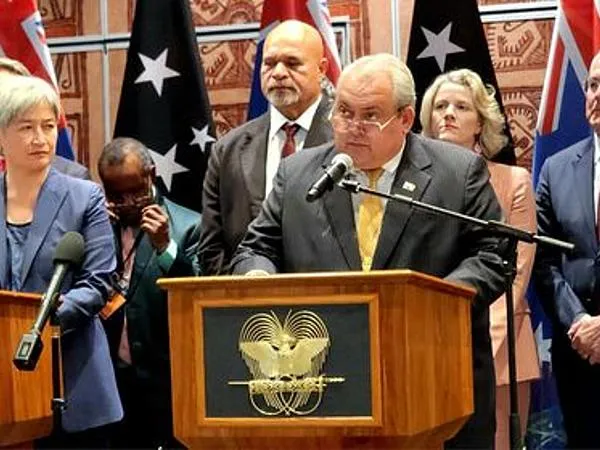
The 30th Papua New Guinea-Australia Ministerial Forum was held on 19th to 20th June, at the APEC Haus, in Port Moresby. The Ministerial Forum is an opportunity for Ministers from a range of key policy areas to advance PNG- Australia Partnership and shared priorities.

The Ministerial Forum builds on the commitments from the Annual Leaders' Dialogue between Australia Prime Minister Anthony Albanese and Prime Minister James Marape in February, and the signing of the landmark Bilateral Security Agreement (BSA) in December 2023.

The Forum was co-chaired by the Hon. Justin Tkatchenko MP, Minister for Foreign Affairs of Papua New Guinea and by Senator the Hon Penny Wong, Minister for Foreign Affairs of Australia.

Attendees included, Ministers for PNG: Hon. John Rosso, MP, Deputy Prime Minister and Minister for Lands, Physical Planning, Urbanisation and Immigration; Hon. Dr. Billy Joseph (MD), MP, Minister for Defence; Hon. Peter Tsiamalili Jnr, MP, Minister for Internal Security; Hon. Pila Niningi, LLM, MP, Minister for Justice and Attorney General; Hon. William Duma, MP, Minister for Public Enterprise & State Investments; Hon. Jelta Wong, MP, Minister for Fisheries and Marine Resources; Hon. Simo Kilepa, MP, Minister for Environment, Conservation and Climate Change; Hon. Sir Ano Pala, LLB, ISO, CMG, OBE, MP, Minister for National Planning; Hon. Timothy Masiu, MP, Minister for Information and Communication Technology; Hon. Ian Ling-Stuckey, CMG, MP, Minister assisting the Prime Minister on Treasury and Caretaker Minister for Finance; and Hon. Lucas Dekena, MP, Minister for Education and Caretaker Minister for Higher Education, Research, Science and Technology and Sports.

Other participating Ministers for Australia included: the Hon Richard Marles MP, Deputy Prime Minister, Minister for Defence; the Hon Mark Dreyfus KC MP, Attorney-General; Senator the Hon Murray Watt, Minister for Agriculture, Fisheries and Forestry, Minister for Emergency Management; the Hon Clare O'Neil MP, Minister for Home Affairs, Minister for Cyber Security; the Hon Pat Conroy MP, Minister for Defence Industry, Minister for International Development and the Pacific; and, Senator the Hon Tim Ayres, Assistant Minister for Trade, Assistant Minister for Manufacturing.

Ministers welcomed the 30th PNG-Australia Ministerial Forum as a marker of the relationship between close neighbours, friends and equal partners. They reaffirmed their commitment to the Comprehensive Strategic and Economic Partnership (CSEP), and to ensuring the relationship continues to grow to reflect contemporary opportunities and challenges. They endorsed the second CSEP Action Plan agreed between senior officials at the 30th Papua New Guinea Australia Senior Officials Meeting on 29 November 2023.

Australia expressed condolences to the people of PNG and extended sympathies to those impacted by the landslide in Enga Province. Ministers acknowledged the work of the PNG National Disaster Centre and Enga Provincial Administration, and the valuable and rapid support provided to the impacted communities by the PNG Defence Force (PNGDF) and Australian Defence Force (ADF), in responding to the landslide.

PNG Ministers extended their gratitude to Australia for always being the first respondent to any natural calamity and for its deployment of AUD2.5 million in humanitarian assistance for emergency supplies, support for humanitarian partners and the deployment of a 17-member Disaster Assistance Response Team. Ministers agreed to continue deepening linkages between Australian and PNG disaster response agencies, including for capacity building.

Ministers noted the significant achievements since the 2023 Ministerial Forum, including exchange of Prime Ministerial visits in both countries. They welcomed the signing of the landmark BSA. Ministers committed to take forward outcomes from the 2024 Annual Leaders Dialogue.

Delivering under the Australia –PNG Bilateral Security Agreement:

New initiatives to strengthen PNG’s internal security and law and justice priorities were announced under Australia and Papua New Guinea's Bilateral Security Agreement, at the 30th Australia-Papua New Guinea Ministerial Forum.

The initiatives, to be delivered under Australia and Papua New Guinea's Bilateral Security Agreement, include:

  • support for PNG's legal system to help PNG investigate and prosecute financial crime;
  • investments in programs to improve access to justice for young people and remote and regional communities;
  • support to make PNG's correctional facilities safer and more secure.

They will deliver additional support for stability in the PNG Highlands, including a new program to help PNG improve weapons management and a partnership with the International Committee of the Red Cross.

Further assistance will be provided to PNG in 'non-traditional' security areas, such as cyber, biosecurity, and to address gender-based violence.

These initiatives will be funded from the $200 million committed by Australia to support PNG's internal security priorities through the landmark Bilateral Security Agreement, announced by Prime Ministers Albanese and Marape in December 2023.

Deputy Prime Minister and Minister for Defence, the Hon Richard Marles MP said, "Papua New Guinea is one of our closest and most important defence partners, and is home to our largest Defence Cooperation Program.

"Australia and Papua New Guinea's defence partnership reflects 50 years of our defence personnel training, exercising and working side by side.”

"I am delighted to return to Papua New Guinea to discuss how we can work even more closely together to address the security and defence challenges facing our region." He added

In recent months, progress has been made on delivering on the governments ambitions for Australia and PNG's bilateral security partnership, including through:

  • commencement of construction on new police housing in Port Moresby and Mount Hagen;
  • additional Australian Federal Police support to the Royal Papua New Guinea Constabulary (RPNGC) on recruitment, training and forensics;
  • RPNGC Officer Cadet placements in the Queensland Police Service in Far North Queensland;
  • a new Police Patrol Vessel to enable the RPNGC to conduct long-range patrols of sea borders.

The flagship Australia-PNG Law and Justice partnership is expanding from five to seven PNG provinces and regions, strengthening service delivery and access to justice for Papua New Guineans.

Minister for Foreign Affairs, Senator the Hon Penny Wong emphasized, “Australia and Papua New Guinea's relationship is based on our common history, our close geography and our shared values.

"I look forward to meeting again with my counterpart Minister Tkatchenko and other Ministers as we work to ensure a peaceful, stable and prosperous Pacific.”

"We are supporting Papua New Guinea in its response to the landslide in Enga Province, just as Papua New Guinea has supported Australia in times of need." She added.

The Ministerial Forum is an opportunity for Ministers from a range of key policy areas to advance our partnership and our shared priorities. This includes our economic relationship, strategic cooperation for security and stability, and development.

Minister for International Development and the Pacific, the Hon Pat Conroy MP also spoke of Australian-PNG relationship being profoundly important built on strong foundation of friendship and respect.

He said, "We are part of a Pacific family, and as the collective response to the tragedy in Enga has shown, in times of trouble Australia will be there just as PNG was there for us during the Black Summer bushfires.

"As our past unites us, so too does our future, built on deep economic and security cooperation. These connections matter – the more we relate to each other, the more safe, stable and prosperous our region will be."

30th PNG-Australia Ministerial Forum Strengthens Bilateral Commitments:

The Ministers from Papua New Guinea (PNG) and Australia convened at the Forum to reaffirm their nations' enduring partnership across various strategic pillars, reflecting on shared commitments and fostering deeper cooperation.

  • CSEP Pillar 1 – Strong Democracies for a Stable Future:

Ministers underscored their commitment to functional and accountable democratic systems. PNG welcomed Australia's ongoing support for electoral reform initiatives, aligned with recommendations from the 2022 National General Election. Both nations recognized the mutual impact of decisions on security and welcomed progress towards implementing the Bilateral Security Agreement (BSA) by the end of the year.

  • CSEP Pillar 2 – Close Friends, Enduring Ties:

The historical and cultural ties between the nations were celebrated, highlighted by significant diplomatic exchanges, including Prime Minister Albanese's address to PNG's Parliament in 2023 and Prime Minister Marape's address to Australia's Parliament in 2024. The joint initiatives marking PNG's 50th Anniversary of Independence in 2025 were warmly welcomed, alongside plans to increase Australian volunteers in PNG.

  • CSEP Pillar 3 – Economic Partnership for Prosperity:

Ministers noted progress towards a mutually beneficial economic partnership, focusing on trade, investment, and infrastructure development. They welcomed the upcoming feasibility study for a PNG-Australia Free Trade Agreement and discussed opportunities in agriculture, fisheries, forestry, and the green economy. Australia reiterated its support for PNG's economic reforms and infrastructure projects, including significant investments in transport, telecommunications, and energy.

  • CSEP Pillar 4 – Strategic Cooperation for Security and Stability:

Defence cooperation remained pivotal, with commitments to enhance capabilities across land, air, and maritime domains. Australia's support for PNG's defence infrastructure and operations, including through exercises and equipment provisions, was highlighted. Ministers emphasized joint efforts in cybersecurity and border security, enhancing resilience and response capabilities.

  • CSEP Pillar 5 – Social and Human Development:

Australia's substantial development assistance to PNG, totaling AUD 637.4 million in 2024-25, aimed to strengthen health, education, climate resilience, and socio-economic development. Both countries affirmed their commitment to improving education outcomes and enhancing Technical and Vocational Education Training (TVET) to support economic opportunities.

  • CSEP Pillar 6 – Near Neighbours, Global Partners:

Ministers reaffirmed their role in regional peace, security, and economic resilience within the Pacific, emphasizing Pacific-led initiatives and reinforcing regional unity through transparent decision-making. They committed to strengthening PNG's representation at multilateral forums, including advocating for hosting the 31st UNFCCC Conference of Parties in 2026.

The 30th PNG-Australia Ministerial Forum reaffirmed the comprehensive nature of the bilateral relationship, spanning democracy, security, economic prosperity, social development, and regional cooperation. Both nations expressed optimism about the future path of their partnership, underpinned by mutual respect and shared strategic interests.

This Joint Communiqué, endorsed at APEC Haus, sets the stage for continued collaboration and joint initiatives, reflecting the evolving priorities and aspirations of both PNG and Australia.

June 17, 2024

Papua New Guinea’s Kina Bank has announced a significant $7 million investment in WLTH, a rapidly growing Queensland-based fintech and neobank startup. This investment aligns with the goals outlined in the Queensland Pacific Trade and Investment Strategy, which was launched in November 2022 to bolster trade and investment opportunities in the region.

At the 39th Australia Papua New Guinea Business Forum & Trade Expo, Trade and Investment Queensland (TIQ) lauded Kina Bank’s investment, highlighting its potential to boost investor confidence from the Pacific Islands. WLTH, founded in Brisbane in 2019 by brothers Brodie and Drew Haupt, aims to revolutionise the lending and payments sector while emphasizing environmental sustainability. Through its partnership with Parley for the Oceans, WLTH pledges to clean 50 square metres of beaches and coastline for every settled loan.

Kina Bank stands as the largest wealth management company in Papua New Guinea, also excelling in stockbroking and funds administration. TIQ CEO Justin McGowan emphasised the importance of connecting Queensland companies with Pacific partners, saying, “Both Kina Bank and WLTH are committed to pioneering digital banking to drive financial inclusion.”

Leata Alaimoana, Queensland’s Senior Trade and Investment Commissioner for the Pacific, underscored PNG’s critical role in the region’s trade and investment landscape. She noted, “A consistent challenge across the region is access to finance, and fintech can address this.”

WLTH’s commitment to sustainability is evident through its recyclable Visa cards and ongoing environmental initiatives. Co-Founder and CEO Brodie Haupt expressed optimism about the partnership, saying it would revolutionise banking in PNG. “WLTH shares a common vision with Kina to change things for the better,” he said.

Kina Bank CEO Greg Pawson highlighted their goal to leverage WLTH’s digital lending and payments capabilities to support their growth initiatives. “We are working on an exciting program to digitalise our personal lending origination,” he added.

With this partnership, WLTH and Kina Bank aim to introduce innovative technology solutions to the PNG market, fostering economic growth and driving digital transformation in Queensland. ​​


Article courtesy of the Australian Papua New Guinea Business Council 
June 17, 2024

Australia has approved a significant loan of A$600 million (K1.54 billion) to Papua New Guinea to address the country’s 2023 budget shortfall and support essential economic reforms. This financial assistance follows a previous A$750 million loan provided in 2022, reflecting Australia’s continued commitment to aiding Papua New Guinea’s fiscal stability and development.

Papua New Guinea faces numerous economic challenges, including managing public finances, addressing infrastructure deficits, and ensuring the delivery of essential services. The country’s economy has been strained by fluctuations in commodity prices, governance issues, and the lingering impacts of the COVID-19 pandemic. These factors have compounded to hinder sustainable development and exacerbate fiscal instability.

Adding to these challenges, Papua New Guinea has recently faced devastating landslides and floods that have claimed at least 23 lives and caused extensive damage to infrastructure and homes. Torrential rains and king tides have led to landslides in the highland provinces, particularly in Chimbu and Enga, where entire communities have been buried under mud and roads have been washed away. Coastal areas have also been severely affected, with rising sea levels and king tides flooding villages and contaminating fresh water sources​.

These natural disasters have highlighted the urgent need for improved infrastructure and disaster resilience measures.

The new Australian loan will enable Papua New Guinea to continue its economic reform agenda, which includes improving fiscal management, enhancing public service delivery, and stimulating economic growth. This support aligns with broader reform actions under the International Monetary Fund (IMF) programs that Papua New Guinea is engaged in.

In addition to financial assistance, the Australian government is also investing in health facilities in the Torres Strait and Queensland to aid Papua New Guinea nationals. This initiative exemplifies the close and cooperative relationship between the two nations, rooted in shared interests and mutual cooperation.

As Papua New Guinea navigates its economic challenges, the Australian loan serves as a crucial lifeline, helping stabilize the economy and paving the way for a more sustainable and prosperous future. This support underscores Australia’s commitment to fostering stability and growth in the Pacific region, ensuring that Papua New Guinea can overcome its current economic hurdles and build a resilient economic foundation.

June 17, 2024

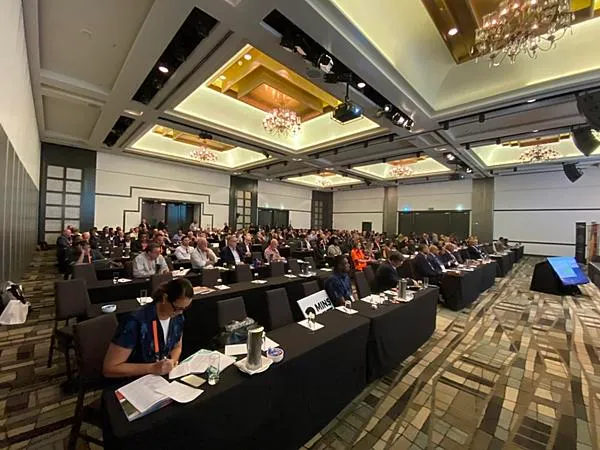
The picturesque Gold Coast in Queensland played host to a significant convergence of business minds and political leaders from May 13 to 15, 2024, at the 39th Australia Papua New Guinea Business Forum and Trade Expo. Organised by the Australia Papua New Guinea Business Council alongside the Business Council of Papua New Guinea, the forum, themed “Climate of Change: Opportunities for Business in Papua New Guinea,” was not just a meeting of delegates but a beacon of hope and opportunity amidst global uncertainties. With over 350 participants, including top officials and trade exhibitors, this event set a new benchmark for engagement and collaboration, marking the highest attendance at an Australian forum since 2014.
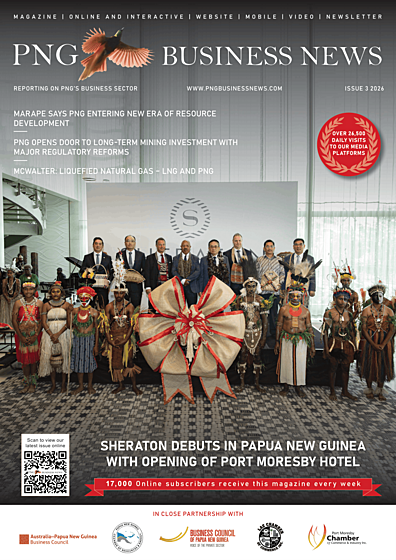
Distinguished attendees included the Papua New Guinea Minister for Public Enterprises, the Minister for Commerce, two Vice-Ministers, other parliamentarians, and key diplomatic figures such as the Papua New Guinea High Commissioner to Australia, HE Mr. John Kali CMG OBE, the Australian High Commissioner to Papua New Guinea, HE Mr. John Feakes, and Mr. Reatau Rau, Consul General of Papua New Guinea in Queensland.

Vaughan Mills, President of the Australia Papua New Guinea Business Council, kicked off the forum by emphasising the promising investment and business opportunities in Papua New Guinea, despite current challenges. He underscored the importance of a stable and predictable fiscal and regulatory environment and the need to streamline permitting processes to expedite resource sector development and other economic activities. These steps are crucial for attracting significant foreign direct investment and securing Papua New Guinea’s future prosperity.

Hon John Rosso MP, Deputy Prime Minister of Papua New Guinea and Minister for Lands, delivered the keynote address on behalf of the Prime Minister. Ms. Elizabeth Peak, Head of the Office of the Pacific, represented the Australian Government. Both emphasised the strong bilateral relationship and the potential for business collaborations to enhance Papua New Guinea’s economic growth. They also recognised the significant contributions of the Business Councils and their communities to this enduring partnership over the years.

The 13th Henry Kila OBE Memorial Address was presented by Hon Peter Gutwein, Director of Countrywide Hydrogen Pty Ltd and Former Premier of Tasmania, who spoke about leveraging Papua New Guinea’s abundant renewable energy resources to benefit economically and contribute to global emissions reductions.

Ms. Elizabeth Genia, Governor of the Bank of Papua New Guinea, provided an overview of the country’s economy and the role of the Bank in managing foreign exchange demands. She highlighted the challenges businesses face due to the uncertainty in the foreign exchange market, which hinders foreign investment.

Independent economist Professor Satish Chand from the University of New South Wales offered insights into potential fiscal reforms and the role of State-Owned Enterprises in the economy. Mr. Paulus Ain, Commissioner and CEO of the Independent Consumer & Competition Commission, clarified the Commission’s approach to mergers and acquisitions within Papua New Guinea.

A panel on carbon market opportunities discussed the economic benefits for Papua New Guinea in a growing carbon market and the need for enabling legislation and reforms. Another session addressed the impact of recent civil disorder in January 2024, which caused significant damage to businesses and property, affecting jobs and insurance premiums.

The forum also covered digital opportunities and challenges, infrastructure projects, agribusiness, and regional business development. The PNG Yes Grow Program, aimed at developing the micro, small, and medium enterprise sector, was highlighted for its role in overcoming growth barriers.

The forum highlighted the vital importance of extractive industries to Papua New Guinea’s economy and urged the government to speed up major projects to tackle fiscal and economic issues. Ms. Susil Nelson-Kongoi, President of the Business Council of Papua New Guinea, invited delegates to the 40th forum in Port Moresby, celebrating the 50th anniversary of Papua New Guinea’s independence. ​


Article courtesy of the Australia Papua New Guinea Business Council