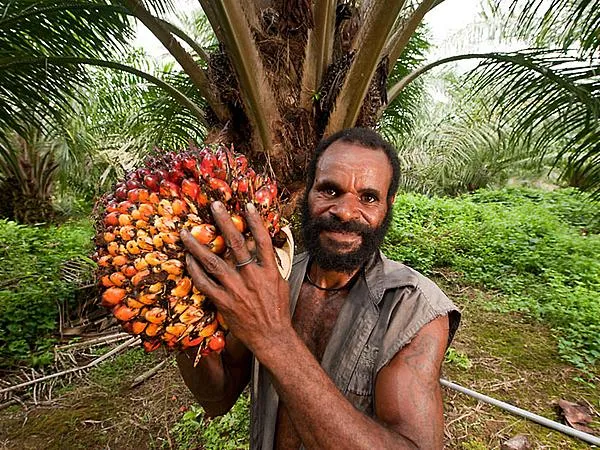
The oil palm industry has opposed the government's directive to levy a high tax on fertiliser, agriculture's most basic input because it will bring the industry out of business.
Robert Nilkare, chairman of the PNG Palm Oil Producers Association and PNG country manager of New Britain Palm Oil Ltd (NBPOL), said the oil palm industry was heavily dependent on fertiliser to preserve soil fertility.
“Without it, production will decline and soil fertility will degrade,” he said.
According to Nilkare, agriculture, which supports a significant number of smallholders and is one of the country's largest industries, would suffer greatly as a result of this.
“This is particularly the case for PNG’s smallholder farmers whose palms are almost universally deficient in nutrients.”
Both regulatory bodies, including the Department of Environment and Climate Change, received financial instruction from the Department of Finance on January 21.
This was to put in place the current fees and charges that the government had authorised in gazette notice G673.
The PNG government has now imposed a fee on all fertiliser imports, especially nitrogen-containing fertilisers, in addition to many other fee rises levied on companies and communities, such as petrol.
“Decades of research has gone into this to find ways to increase fertiliser uptake by smallholders,” Nilkare said.
“This new tax on fertiliser will immediately increase the cost of fertiliser to smallholders, this will reduce their usage and so reduce their production, income and livelihoods.
“This is particularly the case in areas where increasing rural population is creating significant land pressure and so finding ways to improve production from existing farms is paramount.”
Nilkare said that the experts who approached the government with the suggestion and rationale for a tax on nitrogen synthetic fertilizer had not done their homework and hence provided inadequate advice to the climate change and development authority (CCDA).
“The justification is seriously flawed technically, clearly no agricultural expertise was involved, and there was no prior consultation with the agriculture sector,” he said.
“In fact, the CCDA’s own awareness presentations stated that consultation over the synthetic fertiliser levy was with the chamber of mining and petroleum!”
He said that the key reason for the agricultural fertiliser tax was to reduce greenhouse gas (GHG) emissions, but that the CCDA's own analyses had shown that deforestation and habitat destruction were the biggest drivers of GHG emissions.
Just 30% of the estimated tax revenue will go to climate change assistance, according to Nilkare, implying that the proposed tax was for feeding the consolidated revenue.
According to him, the oil palm industry is expected to pay the government K10 million a year from the current fertiliser levy, with smallholders paying K4 million as their share of the fertiliser tax.
“This issue could have been better managed if there had been some consultation with the agriculture sector stakeholders before a tax on agriculture was introduced,” he said.
The imposition of such taxes, according to Nilkare, undermines the government's argument that agriculture is the country's "backbone."
Governments in some coffee-producing countries have struggled to provide facilities that encourage the cultivation and processing of high-quality coffee.
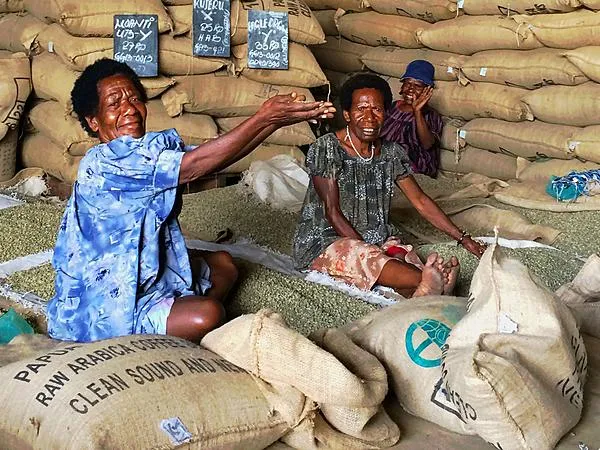
Strategies for improving coffee production and processing in Papua New Guinea: Lessons from the top five coffee-producing countries, a report by the PNG National Research Institute (NRI), highlighted the country's coffee production and processing and proposed development strategies based on lessons learned from the top five coffee-producing countries in the world.
Brazil, Vietnam, Colombia, Indonesia, Ethiopia, and Papua New Guinea were among the six coffee-producing countries studied across four continents.
The study's abstract can be found below.
Introduction
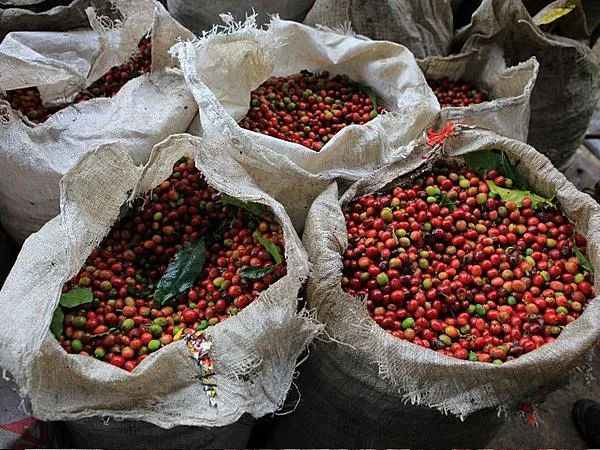
Coffee is the second most important agricultural crop in Papua New Guinea (PNG), after oil palm.
Coffee processing produced jobs as well as foreign currency earnings.
From 2012 to 2017, coffee accounted for 27% of total agricultural exports and 6% of the country's gross domestic product (GDP).
It helped PNG's economy in a variety of ways, including transportation, construction, manufacturing, retail and wholesale, insurance, and banking.
Arabica is a coffee species that is widely grown in PNG, mostly in the Highlands between 700 and 2,050 meters above sea level.
Robusta is grown in coastal areas of PNG at elevations of up to 550 meters above sea level.
PNG produces high-quality, fine-flavour Arabica coffee, which is highly sought after by coffee drinkers.
Coffee production in PNG, on the other hand, seems to be decreasing.
Between 1998 and 2018, according to a survey by AECOM (2018) on PNG coffee market research, exports fell to 934 60kg bags.
In the foreign market, the price of coffee has also been falling over time.
The implication is that, since the two components of coffee revenue (output and price) to producers are decreasing, the revenue would decline over time, resulting in significant consequences for the producers and the PNG economy.
Results of study
In Papua New Guinea, the annual area of coffee fields cultivated ranges from 41,000 hectares in 2002 to 87,000 hectares in 1999.
In PNG, the area of coffee fields cultivated decreased by 33% from 81,000 hectares in 1998 to 54,000 hectares in 2018.
When compared to the smallest area of coffee field harvest among the top five nations, PNG's largest harvested area (87,000 hectares) is 71% less than the smallest harvested area (220,000 hectares).
The amount of coffee beans processed has decreased by 28% from 81,000 tonnes in 1998 to 58,000 tonnes in 2018.
It's worth noting that there was no data available for 2008.
Over the course of the research, PNG's annual coffee production was lower than that of the top five coffee-producing countries.
Vietnam had the most coffee harvested per hectare of the top five coffee-producing countries.
It jumped from 1,875 kg/ha in 1998 to 2,612 kg/ha in 2018, a 39 percent rise.
Brazil harvested 816 kilograms per hectare in 1998 and 1,906 kilograms per hectare in 2018, a 134 per cent rise.
Findings from a literature review on key challenges to coffee production and processing in Papua New Guinea
The following are some of the obstacles to coffee production and processing in PNG:
Producers postpone or fail to perform required coffee husbandry activities such as daily pruning and the planting of shade trees.
They, on the other hand, often find it impossible to obtain services from extension agents.
Coffee farmers in PNG, on the other hand, often lack modern technologies, which limits their ability to reach their full potential in the coffee industry.
The turn to other crops may also be due to labour shortages for essential farm tasks including pruning coffee trees and picking coffee beans.
Smallholders are also discouraged from paying attention to required farm activities, which has an effect on coffee productivity.
Broad tracts of land with proper names, on the other hand, are often difficult to navigate.
This is due to the fact that the state-owned property with proper titles is almost depleted.
Communal-owned property, which accounts for nearly 97 per cent of total land in PNG, lacks proper titles; and
Discussion
The results of this study revealed that PNG has the potential to become one of the world's leading coffee producers.
The country's climatic and environmental conditions are ideal for growing a variety of coffee varieties, giving it an advantage over some of the world's top coffee producers.
This may explain why, according to the study, PNG had a higher average coffee yield per hectare than all of the top five coffee-producing countries except Vietnam.
However, the region of cultivated coffee fields and the quantity of coffee produced by PNG have remained lower than those of the other top five coffee-producing countries studied in this report.
The PPAP, which is being implemented by the government with the support of the World Bank, has the ability to increase PNG's coffee production and make the country more competitive in the coffee industry.
However, the PPAP benefits only certain coffee farmers, making it impossible to achieve the desired rise in coffee demand.
More robust and reliable monitoring and evaluation processes are needed for the PPAP to contribute more meaningfully to the coffee market.
The project should place a greater emphasis on coffee tree replanting and plantation regeneration.
To increase overall coffee production in PNG, all coffee growers should have access to the PPAP (for example, through an all inclusion program).
According to the Goroka Chamber of Commerce and Industry (GCCI), business is sluggish in Goroka, Eastern Highlands, but there is hope that the situation will change when the coffee industry picks up.
In a market update, GCCI president Chris Anders said that coffee has always had a significant influence on the local economy.
“Business has been slow the last few weeks, the main coffee crop in the Eastern Highlands should start to come through in the next few weeks,” he said.“This will put some cash into the economy and business should pick up.”
According to the Coffee Industry Corporation, the province is second only to the Western Highlands in terms of coffee production.
The province's largest cash crop is coffee.
Coffee remains PNG's second-biggest agricultural export earner, contributing K2.4 billion in export revenue between 2014 and 2018 and processing around 259,000 tonnes of coffee beans, according to figures from the Agriculture and Livestock Department.
Meanwhile, Anders claimed that the majority of companies complied with the Covid-19 pandemic controls.
“But the people are not social distancing and not all are wearing masks which is a concern,” he said. “The main market is still a concern as this is where a large number of people gather.” Goroka market is currently at Peace Park.
According to estimates from a survey, coffee production in the country has been decreasing for the past ten years.
“From 1998 to 2018, the coffee harvest area and quantity of coffee produced in PNG decreased by 33 per cent and 28 per cent respectively,” a National Research Institute (NRI) report stated.
The downturn was triggered by the problems that coffee growers face, such as a shortage of processing facilities, insufficient extension resources, and restricted access to finance.
The problems could be resolved by the strategies suggested by NRI deputy director for research Prof Euegene Ezebilo and Prof Carolyn Afolami of the Federal University of Agriculture Abeokuta, based on the fact that “PNG has ideal environmental and climatic conditions for growing high-quality coffee.”
They concluded in their paper, Strategies for improving coffee production and processing in PNG: Lessons from the top five coffee-producing countries, that the government's "political will" was critical in moving the coffee industry forward.
“And this can be done by promoting effective extension services and training coffee growers on modern systems and innovations in producing coffee; provide funds for research and farm management practices; and, support farmers through loans facility at low-interest rates,” NRI said in a statement. “Policymakers, planners and agricultural managers are urged to take heed of the findings to make informed decisions on boosting the yield and quality of this commodity.”
In the Southern Highlands Province, K10 million has been set aside for agriculture growth.
Agriculture is the backbone of any economy, according to Southern Highlands agriculture advisor Kenneth Kuimp, so growing it in the province is a step in the right direction. He said that the province is embracing change and that agriculture is the driving force behind growth.
“We are pleased to receive a K10 million funding from the provincial government to develop agriculture in the province,” he said. “Currently with the support of Fresh Produce Development Agency and Innovative Agro Industry, a chips factory has been established and this will help push the provincial authority to roll-out agricultural programs and interventions.”
The province is currently implementing the potato seedlings initiative, according to Kuimp, which is in line with other projects in the works.
“We are looking at rolling out other projects like coffee, potatoes and inland fisheries, fresh fruits and vegetables and other agriculture projects,” he said.
The province's agriculture sector has been ignored for a long time, but Governor William Powi and provincial administrator Joseph Cajetan have recognized agriculture as a catalyst for change and have committed K10 million in funding from the Southern Highlands provincial government budget. The agriculture program, according to Kuimp, will be implemented in the five districts of Mendi Munihu, Imbonggu, Ialibu-Pangia, Kagua-Erave and Nipa-Kutubu.
According to the National Fisheries Authority, the government is on track to increase downstream processing of fisheries products to 50% by 2025.
Papua New Guinea had already accomplished around 23% of the goal, according to Authority managing director John Kasu.
“There are a number of (government) objectives such as downstream processing which we have to increase by 2025 – a 50 per cent production,” he said. “We are faring very well to meet the targets and, this year, we have already achieved about 23 per cent. The objective is to grow the sector and invest in infrastructure, bring the cost of doing business in Papua New Guinea down so that we get a lot of business happening.”
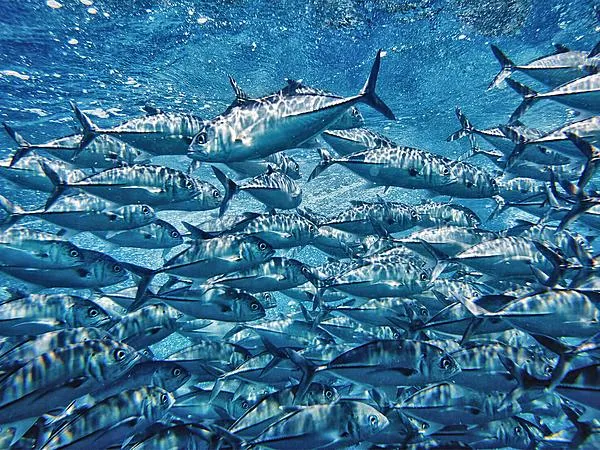
The key driver, according to Kasu, will be tuna fisheries, with revenue generated going toward developing other fisheries such as coastal and inland.
“That’s basically the drive for the next 10 years,” he said. “On tuna, 70 per cent is being exported. The aim is to reduce that number and (have) internal processing plants. Rather than exporting, we can put it through the factories here.”
The 2.4 million square kilometre PNG fisheries region is the highest in the South Pacific. It has a large reef system, a number of islands, and a long coastline. It presents a significant monitoring and control problem. On average, the overall market value of the PNG capture is projected to be between K350mil and K400mil.
The National Fisheries Authority seeks to develop infrastructure in order to grow PNG's fishing industry.
According to NFA managing director John Kasu, the company has already submitted a 10-year strategic plan to the National Executive Council, which will be unveiled in April in Parliament to lay the groundwork for the fishing industry's future.
“Our aim is to build proper infrastructures such as ports and jetties and when we have proper infrastructures it will attract more investors and that will bring the cost of doing business down,” he said.
Kasu claims that doing business in the country is costly and that most fisheries factories aren't running at full capacity.
Currently, factories are producing about 30% because they are not receiving enough fish to process, and the NFA aims to raise that production to 80 or 90%.
“Our outlook for 2021 is to start work on building the important fisheries infrastructure project such as the Wagang Fisheries Port project in Lae and other major fisheries ports,” he said. “We will be also working on other projects such as the Tuna terminal project in Rabaul and also small jetties throughout the coastal areas in the country.”
NFA, he said, would look at downstream manufacturing to ensure that they can increase output as well. When they increase demand, more fish would be available to the factories, allowing them to operate at maximum capacity.
Kasu clarified that, unlike other industries, the NFA has been largely unaffected by the COVID-19 pandemic since most of their fishing vassals operate offshore and the NFA has a large offshore presence.
To collaborate in fisheries infrastructure development, the National Fisheries Authority (NFA) has signed a Memorandum of Understanding (MOU) with the Korea Fisheries Infrastructure Public Agency of the Republic of Korea on Fisheries Ports Development.
The MoU provides a framework for both these groups to facilitate the sharing of best practices and exchange of technical and administrative human resource in the Fisheries Ports Development. This is also to support the development of the fishing industry.
National Fisheries Authority Managing Director John Kasu said, “We’ve been having these discussions with the public agency in Korea and that has been for a number of years. So finally last year we agreed and as a result of that we agreed and as a result of that, we developed this MOU.”
He said that this MoU is significant because they are building important fisheries infrastructure at the moment. “So it’s an important MOU, for us moving forward,” he said.
Ambassador Kang, meanwhile, said. “The signing ceremony today may be small, but I’m sure this event is a big step toward our solidarity and our partnership in the future.”
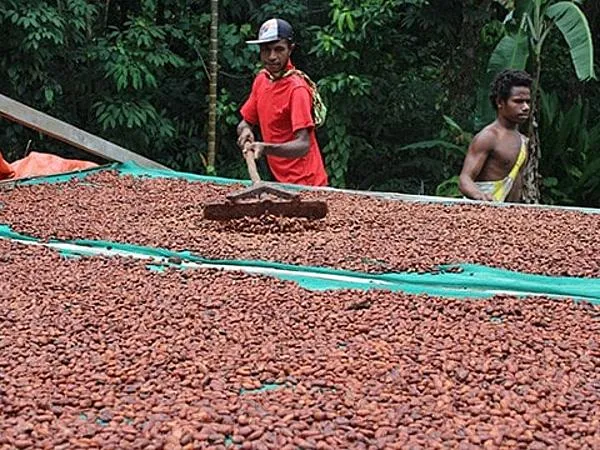
The government has so far put in K19 million for cost support to cocoa.
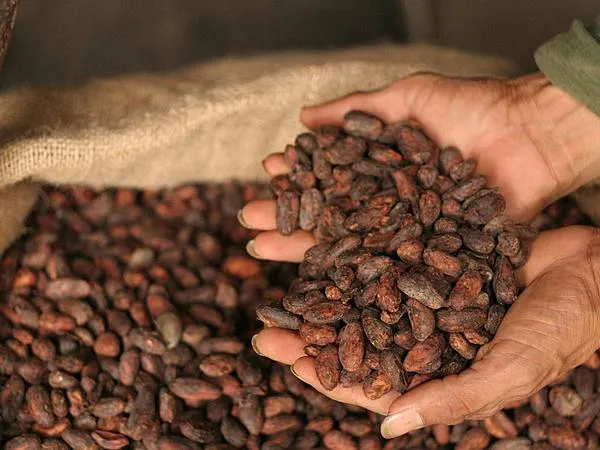
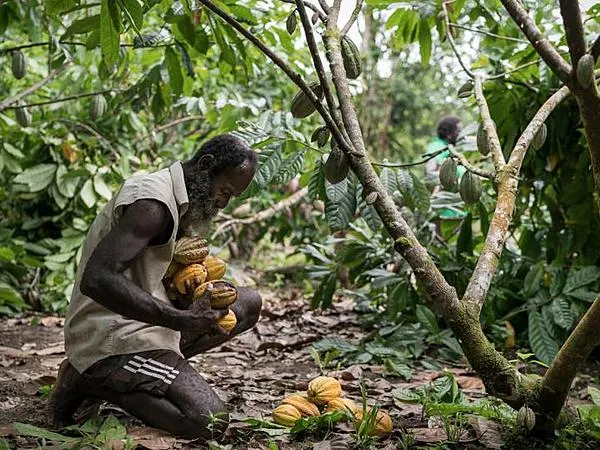
According to Agriculture and Livestock Minister John Simon, the high-quality cocoa needed to be produced for the price to stay at K3 per kg. He added that last year, it was K10million and this year, K9 million as an incentive to growers to increase production.
He said that what was being rolled out now was the K10 million from last year.
“This year, the Government has allocated another K24 million (for agriculture price support), of which we have given another K9 million to cocoa, which makes it K19 million,” he said. “This money is for you (cocoa farmers). The money, however, will only be paid when you bring out your cocoa and weigh it on the scales.”
He added, “I want to see men and women in the villages who are involved in cocoa, I want to visit them, I want to see that their cocoa gardens are clean, I want to see a good production of cocoa, I want to see happy farmers who are receiving money.”
The signing of a Memorandum of Understanding (MOU) between the Livestock Development Corporation (LDC), ENB Provincial Government and the Rabaul District Investment Corporation Ltd at Kurakakaul has pledged the government K1 million towards setting up the Kurakakaul abattoir and ranch rehabilitation project in Rabaul, East New Britain.
Agriculture and Livestock Minister John Simon said that the government wants to help this province through this MoU.
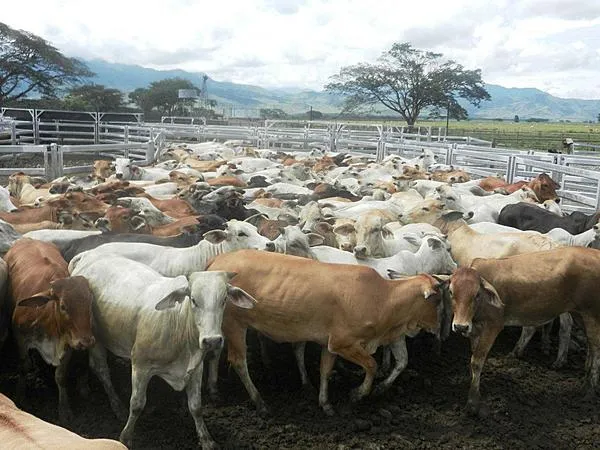
“We want to revive the cattle industry in terms of cattle, sheep, goats and other livestock hence, we are also committed to reviving the abattoir and will provide a funding of K1 million to get this project started,” he said. “We will bring in cattle and other livestock to be distributed to farmers, who will look after them, and sell them to the abattoir. A stockyard for cattle will be built as well.”
He said that the government has made the same commitment in remote Sialum, Morobe, where a stockyard would be built to buy cattle from local farmers.
The MOU was signed by Minister Simon, ENB Governor Nakikus Konga, Rabaul MP Dr Allan Marat, Department of Agriculture and Livestock Secretary Daniel Kombuk, ENB provincial administrator Wilson Matava.
The grants coursed through the Bougainville partnership commodity support facility will benefit cocoa farmers and women.
An initiative of the Autonomous Bougainville Government supported by Australia through the PNG-Australia partnership, and the New Zealand government, the grants range between K300,000 and K500,000 benefitting.
Some of those selected include Kukurina Business Group which will use the grant to improve crop quality and rehabilitate cocoa blocks, among others. Jonathan Kopas head this group, with support from treasurer Larry Augustine, secretary Hilda Kopa and vice-secretary Peninah James.
Meanwhile, Australian High Commission’s counsellor for Bougainville Clayton Harrington said that obvious were the economic benefits of the programme. “Australia believes in the future of the Bougainville cocoa industry to improve livelihoods,” he said.
In a recent visit to Jiwaka, Prime Minister James Marape said that the commodity cost support programme will support the current coffee market costs.
Following the initial K50mil allocated last November, Marape said that the programme will receive K200 million each year. Through the Coffee Industry Corporation (CIC), the government has already allotted K10 million.
Marape said, “This funding will support the current market price to be fixed at K6 per kg for Arabica coffee, K5.50 for Robusta coffee and K2 for Cherry coffee.
Meanwhile, Agriculture and Livestock Minister John Simon said the CIC is going to work with five registered coffee dealers in Jiwaka who pay the price of cherry at K2 per kg and coffee at K6 per kg.
CIC acting chief executive officer Charles Dambui expressed his gratitude to the Government for the price support. “In the past, price support was executed at the free onboard price (green bean price) where only exporters benefitted,” he said. “We are now changing the approach.”
He added that the implementation phase was very important in the success of the programme and in looking after its sustainability.
During the signing of the memorandum of understanding between the Pacific Horticultural and Agricultural Market Access Plus (Phama Plus) and the Coffee Industry Corporation (CIC), it is emphasized that marketing needs more attention in the exportation of coffee to the international market.
While Rachael McCarthy of the New Zealand High Commission is happy to support the PNG coffee farmers, Joshua Kaile of the Australia department of foreign affairs said that they recognise the significance of agriculture in the coffee industry.
CIC general manager Steven Tumae looked at the need for more exposure. “The MoU is a partnership agreement between Phama and ourselves (CIC),” he said. “It’s basically to do with Phama Plus helping us with the marketing of coffee overseas. We’ve been putting a lot of money into the coffee industry but there has not been enough help. We are hoping that Phama can train people in the industry. We’ve also asked them to help set up quality control grading labs in certain areas throughout the country.”
Pharma Plus gives targeted assistance for Pacific Island countries to work on their regulatory aspects linked with primary and value-added products. This involves accessing products into new markets.
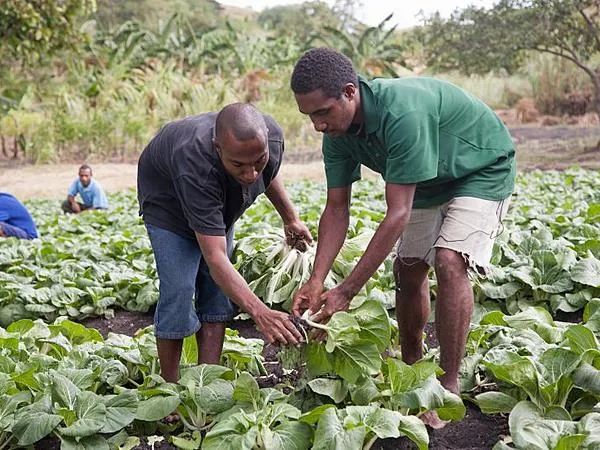
To support local farmers to encourage them to take part in cash cropping, extension services in agriculture into rural areas must take place.
This was according to the Department of Agriculture and Livestock (DAL) Minister John Simon who said that the country needs 400 agriculture extension officers.
“Many farmers are trying their best to sustain their farms and to keep them going but they are faced with mounting challenges from pests to field management, harvesting and treatment,” he said. “When these farmers struggle alone without expert advice, they will give up and move on to something else. This affects production that we have over the years with cocoa and coffee as well as others.”
Simon said that this was part of boosting the economy. He added that he had already encouraged Coffee Industry Corporation (CIC) and Cocoa Board to invest more in extension service work.
“Go out to farmers in the rural areas and establish why they have abandoned coffee and cocoa plantations so that you can see the real problems and solve them,” Simon said, saying that the Board needs to be more effective.“Get more extension officers out to districts and local level government areas where the farmers are and help them so that more is produced to supply the markets overseas.”
Simon said that in the last two decades, work for the extension officers gradually diminished.
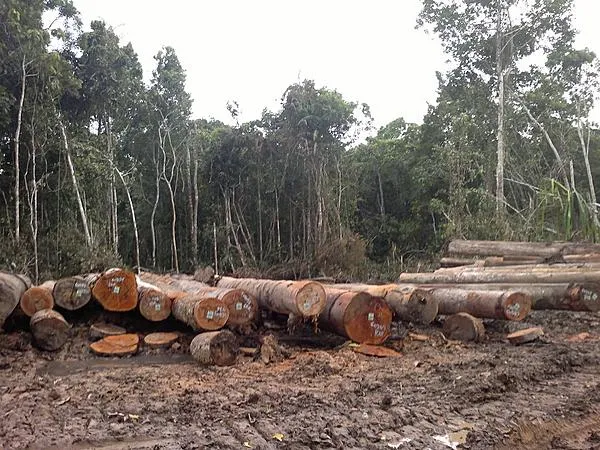
The round log export tax was a failed policy.
According to Forestry Industry Association president Bob Tate, the current tax regime (50.2 per cent) had affected businesses which resulted in a decline of US$83 million (K288.42mil) from January to November in 2020.
In 2020, royalty payment to landowners also saw a decline of K16 million because of the decrease in the production of 20 per cent by firms due to the high tax. As a result of the mills and processing sites closing its operations, an estimated 8,000 local and 600 foreign workers were booted out of their jobs.
Wages lost were figured to be around K4 million.
Tate said that in 2020, government revenue went up to K383,465,238 million from K379,011,840 million in 2019. He added that unfortunately, the industry will still go down this year.
“It’s going to get worse, not better,” Tate said. “A lot of companies including these processing factories are all shut, all finished and they are not going to reopen. It started last year and will continue this year. The impact of the tax is slowing shutting things down.”
Because of the health crisis, Tate said that the demand for the processed products of the country had gone down and will only go up when the economy improves.
Meanwhile, PNG Forestry Authority managing director Tunou Sabuin said that the forestry industry could only recover if the tax goes from 50.2 per cent back to 28.5 per cent. Because of the high log export tax regime and uncertainty in the investment world with policy changes, the industry was not looking good.
“There is nothing much that the Government of PNG can do about the pandemic as it relates to trade in timber,” Sabuin said. “But it can make a decision on the reduction of log export tax to support the forest industry survive.”
In taxes, the industry contributes on average K334.3 million per year, said the organisation. From 2015 to November 2020, taxes paid were K2 billion.
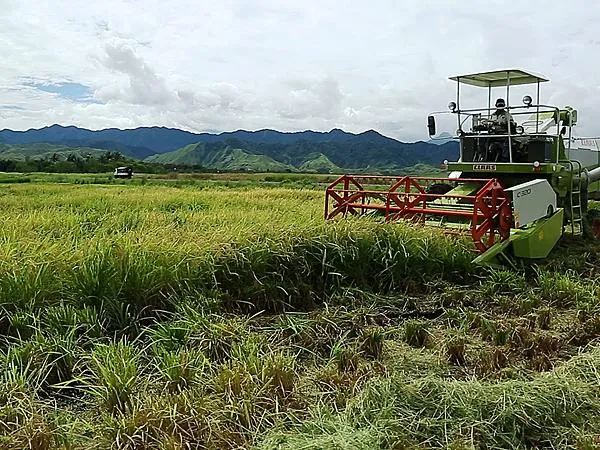
Papua New Guinea may likely export rice in the future. That is if this industry can gain support.
According to the Department of Agriculture and Livestock (DAL) rice extension unit programme manager Heai Hoko, only Trukai Industries has been exporting rice to Vanuatu and the Solomon Islands presently.
He added that PNG rice had the potential to export to other Asian countries such as the Philippines, Indonesia, and even China given the high number of populations in these countries.
“Indonesia has about 270 million people, they still need more to feed their people, cattle, beef and rice,” he said. “Even though they are a rice-growing country, they still have a need to feed their people, either they get it domestically or from outside.”
Initially, rice is deemed for local consumption but eventually, Hoko said it has to be exported.
He added that DAL was looking into the Sepik plains to develop a rice industry - with the chance to export to rice from either Vanimo or Weak to these other Asian countries.
Aside from Trukai, the players include Homestate Co-operative (Star Rice) and Goodman Fielder (Skel Rice).
Follow on LinkedIn:
PNG Business News
Be the "First" to get our exclusive Digital Magazine & Weekly Newsletter.