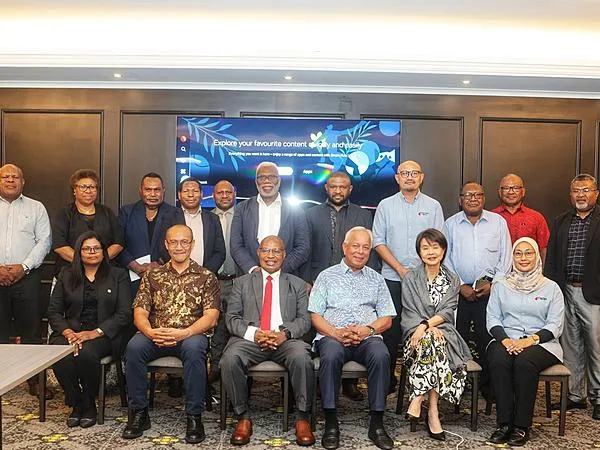
The Food and Agriculture Organization of the United Nations (FAO) in Papua New Guinea and the Embassy of the People's Republic of China have reaffirmed the importance of agriculture as a cornerstone of Papua New Guinea's economic and social development following high-level discussions in Port Moresby.
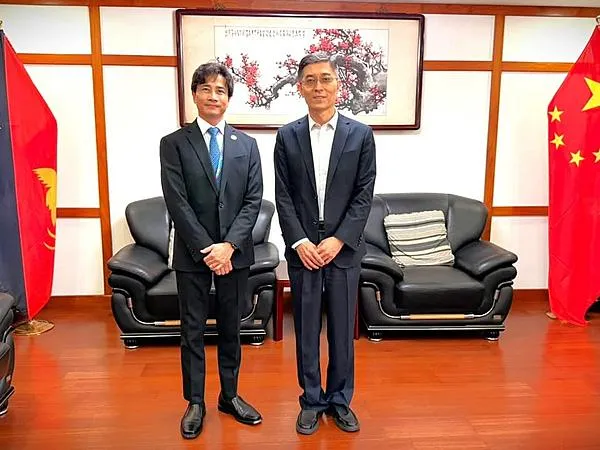
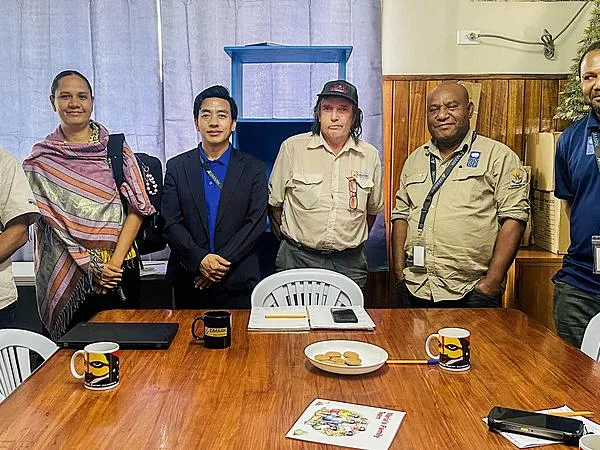
FAO PNG Head of Office, Kachen Wongsathapornchai, met with His Excellency Yang Xiaoguang, Ambassador Extraordinary and Plenipotentiary of the People's Republic of China to Papua New Guinea, during a courtesy call focused on opportunities to advance agricultural transformation and strengthen cooperation in the sector.
The meeting highlighted agriculture's critical role in Papua New Guinea's development, with the sector supporting the livelihoods of an estimated 85 per cent of the population. Agriculture remains one of the country's largest sources of employment and income, particularly in rural communities, contributing approximately 30 per cent of GDP and accounting for around 60 per cent of total employment.
As Papua New Guinea pursues the objectives outlined in the Medium-Term Development Plan IV (MTDP IV), participants emphasised that transforming agrifood systems will be essential to improving food security, creating employment opportunities, reducing reliance on imports, increasing export capacity, and strengthening resilience to climate and economic shocks.
Discussions also explored the potential for deeper collaboration between FAO and the Chinese Embassy, building on the longstanding relationship between Papua New Guinea and China. China's experience in agricultural modernisation, rural development, agricultural science and technology, and innovation was recognised as offering valuable lessons and partnership opportunities for PNG.
Potential areas for cooperation include agricultural technology transfer, climate-smart agriculture, value chain development, fisheries, livestock production, digital agriculture, and capacity-building initiatives aimed at supporting sustainable growth across the sector.
Both parties acknowledged that investments in agriculture ultimately represent investments in people, particularly farmers, fishers, women, youth, and rural communities who form the backbone of Papua New Guinea's economy.
FAO PNG said it looks forward to advancing discussions and working with partners to translate ideas into practical initiatives that deliver tangible benefits for communities across the country.
The meeting reflects growing recognition of agriculture's strategic importance in driving inclusive economic growth and supporting Papua New Guinea's long-term development aspirations.
Papua New Guinea’s state investment arm, Kumul Consolidated Holdings, or KCH, is set to acquire shares in Ramu Agri Industries Limited, or RAI, as part of a proposed partnership aimed at expanding agribusiness operations in the country.
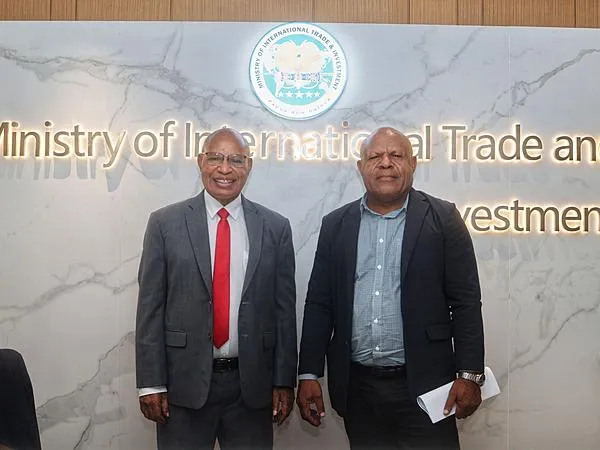
International Trade and Investment Minister Richard Maru said on Thursday that the state’s independent valuation of RAI would be completed next week ahead of the planned share acquisition.
“We will have two investors from the private sector who will partner the State through KCH in buying shares into RAI,” Maru said in Port Moresby.
RAI is a subsidiary of the New Britain Palm Oil Group, or NBPOL, which is wholly owned by Malaysian company SD Guthrie.
Maru described NBPOL as one of Papua New Guinea’s largest private-sector operators, with activities spanning five provinces and more than 92,000 hectares of planted oil palm.
“The NBPOL Group currently operates across five provinces in the country and manages over 92,000 hectares of planted oil palm,” he said.
“It has a workforce of over 20,000 directly employed Papua New Guineans and also supports thousands of smallholder farmers, suppliers, and service providers who are connected to its operations.”
Maru said the proposed joint venture between the state and NBPOL would be used to expand RAI operations into the Sepik Plains through a new subsidiary focused initially on cattle and palm oil development in Urimo.
“The Government has released K10 million for the immediate update of the Kusaun to Urimo Road,” he said.
“This project will be launched on Monday, June 15.”
Maru said the partnership reflected the government’s broader strategy of working with the private sector in strategic industries rather than directly operating commercial businesses.
“This is a very exciting journey as we partner the private sector to venture into strategic businesses knowing that the State is not competent in running businesses,” he said.
Meanwhile, NBPOL management raised concerns over the capacity of the existing Wewak wharf, saying shallow water levels could limit future shipping operations and the handling of larger vessels.
Prime Minister James Marape says major road infrastructure developments in West New Britain Province are demonstrating how transport connectivity can stimulate agriculture and broaden economic participation across Papua New Guinea.
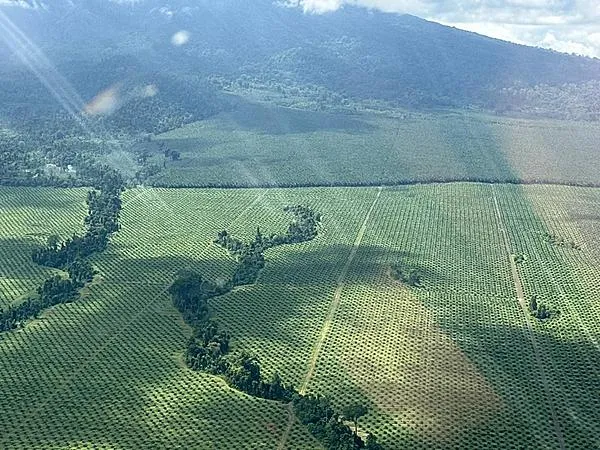
Speaking after travelling along the improving road corridor linking Kimbe in West New Britain Province and Kokopo in East New Britain Province, Marape said the expansion of oil palm developments alongside the road network showed how infrastructure investment could unlock economic opportunities for local communities.
“It is good to see that the new Road, or the improved Road we are doing from Kimbe to Kokopo, is taking shape,” Marape said.
“But more importantly for me, this Road is opening up Agriculture potential. It is encouraging to see Oil Palm growing along the sides of the Road. This shows clearly that when Government invests in Roads, Agriculture must expand alongside it.”
The prime minister said the road corridor is improving connectivity between West New Britain and East New Britain while also creating opportunities for rural landowners, farmers, and local businesses to participate more actively in economic activity.
Marape also acknowledged the efforts of the West New Britain Provincial Government, local districts, landowners, and oil palm stakeholders, including Hargy Oil Palms Limited, for supporting development initiatives linked to the national government’s infrastructure investments.
“I want all Provincial Governments to observe what East and West New Britain are trying to do. They are aligning Road development with Land access and getting their people involved in Agriculture development,” Marape said.
According to the prime minister, the visible expansion of oil palm developments along the road corridor demonstrates how infrastructure projects can encourage productive use of customary land while generating income and employment opportunities for local communities.
“This is a clear depiction that some Provinces are embracing the National Government’s development direction — where Roads go, Agriculture must follow,” he said.
“Five years ago when I travelled this area, there was no sealed highway or extended Oil Palm areas as it is now. So I am happy this economic development is taking place.”
Marape stressed that roads should not function solely as transport corridors, but also as catalysts for broader economic activity in agriculture, tourism, fisheries, forestry, and other productive sectors.
“May this Road not be wasted. May this Road become an Agriculture road, a Tourism road, a Fisheries road, and a Forestry road,” he said.
The prime minister said the Marape-Rosso Government remains committed to the Connect PNG program, which aims to strengthen national connectivity through modern infrastructure while ensuring that economic activity expands alongside infrastructure investments.
“The Road investments we are making must translate into real opportunities for our people. Roads must connect our citizens not only to each other, but also to markets, jobs, services, and economic participation,” Marape said.
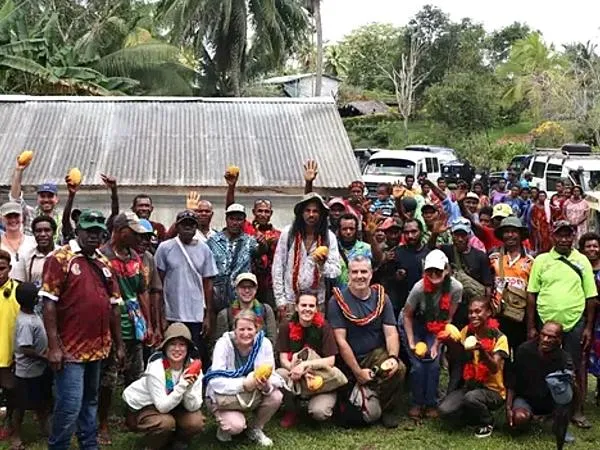
Improving access to reliable and affordable energy will be critical to unlocking Papua New Guinea’s export potential, particularly in agriculture, British High Commissioner Paul Eastwood said during a recent visit to cacao farms in East Sepik Province.
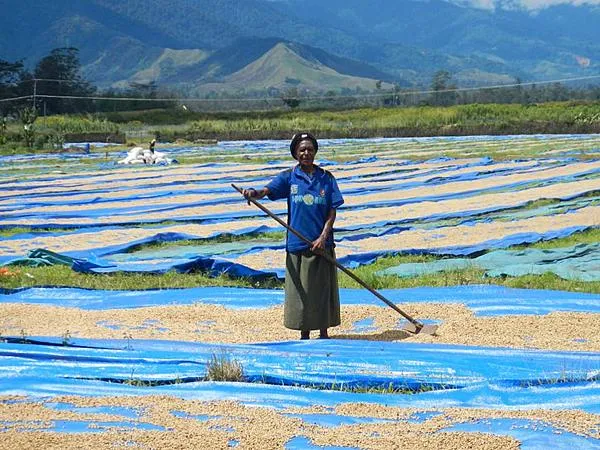
Speaking after engagements in Wewak, Eastwood highlighted the province’s role as the country’s largest cacao producer — a key export commodity and a primary source of cash income for many households. While noting the strong production base and commitment of local farmers, he identified energy constraints as a major barrier limiting growth across the value chain.
“Papua New Guinea needs to expand its export trade to grow its economy and raise living standards,” Eastwood said on April 27, citing remarks published by the UK in PNG – British High Commission. He added that long-term economic progress will depend on the country’s ability to connect producers more effectively to international markets.
Drawing on discussions on the ground, Eastwood said producing export-quality goods and transporting them efficiently to overseas buyers remains a complex challenge, compounded by inconsistent energy supply.
At the farm level, limited access to dependable power reduces efficiency in processing and storage, directly affecting the quality and volume of cacao reaching markets. This translates into fewer sales and lower incomes for farming households, as well as reduced capital for reinvestment.
“The absence of reliable energy creates barriers at every stage — from production through to transport,” he said. “It ultimately affects the ability of farmers and businesses to scale up and compete.”
He added that many rural communities rely on lower-cost energy solutions, such as basic solar systems, which can be inconsistent and, at times, pose safety concerns. This limits the adoption of improved processing methods that could add value to raw produce.
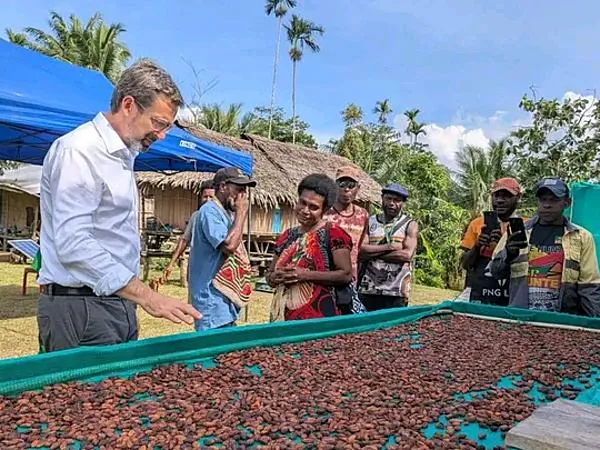
Despite these challenges, Eastwood struck an optimistic note, pointing to the resilience and determination of local farmers and leaders. His visit included a stop at a cacao farm operated by a local farmer, Maureen, where he observed firsthand the realities faced by smallholder producers working to maintain quality and meet market demand.
He also met with East Sepik Governor Allan Bird and Provincial Administrator Samson Torovi, commending efforts to strengthen economic opportunities and improve services across the province.
“It’s clear there is strong leadership and a real drive to improve outcomes for communities,” Eastwood said, adding that such commitment is essential to translating potential into tangible economic gains.
Eastwood emphasised that expanding energy access — particularly solutions that are reliable, secure and affordable — will be a key enabler for growth in the cacao sector and other export industries. Improved energy infrastructure, he said, would support better processing, reduce post-harvest losses and enhance producers’ ability to meet international standards.
His visit reinforces the broader development message that while Papua New Guinea has significant natural and agricultural advantages, targeted investment in enabling infrastructure — especially energy — will be crucial to converting those advantages into sustained export growth.
Eastwood also acknowledged the strong sense of community and hospitality he experienced in East Sepik, describing it as a defining feature of his engagements and a reminder of the human dimension behind the country’s economic ambitions.
Papua New Guinea, represented by the Department of Agriculture and Livestock (DAL), has taken a strategic position in shaping regional agriculture and food security discussions at the 38th Food and Agriculture Organization of the United Nations (FAO) Regional Conference for Asia and the Pacific (APRC38), held in Bandar Seri Begawan, Brunei Darussalam, from April 20–24.
The PNG delegation joined 46 countries to address pressing challenges across the region, including food affordability, climate resilience, and sustainable agricultural development. With an estimated 1.2 billion people in Asia-Pacific unable to afford a healthy diet, the conference underscored the urgency of practical solutions that directly impact farmers, markets, and food systems.
Day 1–3: Technical Engagement and Policy Direction The first three days of the conference (April 20–22) focused on technical sessions led by senior officials. PNG’s delegation, headed by Minister for Livestock Hon. Sekie Agisa, MP, and DAL Secretary Dr. Sergie Bang, actively contributed to discussions shaping the region’s agricultural priorities.
Key areas included agrifood systems, climate-smart farming, and trade frameworks affecting smallholder farmers. PNG officials emphasized the importance of strengthening market access and improving the affordability of nutritious food—issues closely tied to rural livelihoods.
Bilateral engagements also formed a critical part of PNG’s early participation. Meetings with FAO Deputy Director-General Beth Bechdol focused on enhancing Southwest Pacific cooperation and aligning global resources with national climate resilience priorities.
Further technical discussions with FAO’s Plant Production and Protection Division explored improving national seed systems, advancing farm mechanisation, and expanding irrigation to boost productivity. Engagements with FAO’s Animal Production and Health Division reinforced PNG’s livestock policy direction, particularly through sustainable investment and the “One Health” approach, linking animal, human, and environmental health.
Livestock Development Takes Centre Stage A key highlight of the Senior Officers Meeting was Minister Agisa’s presentation during a special ministerial event for Small Island Developing States (SIDS), where he outlined PNG’s roadmap for livestock development.
The minister identified livestock as a central pillar of PNG’s food system, with a target to transition 600,000 rural households from subsistence farming into market-oriented enterprises.
Central to this vision is the proposed establishment of a Livestock Industry Development Authority, aimed at strengthening veterinary services and improving market pathways for smallholder farmers. The strategy also prioritises inclusion, addressing barriers faced by women in agriculture and promoting youth participation through regional initiatives such as the Asia-Pacific Food Forum.
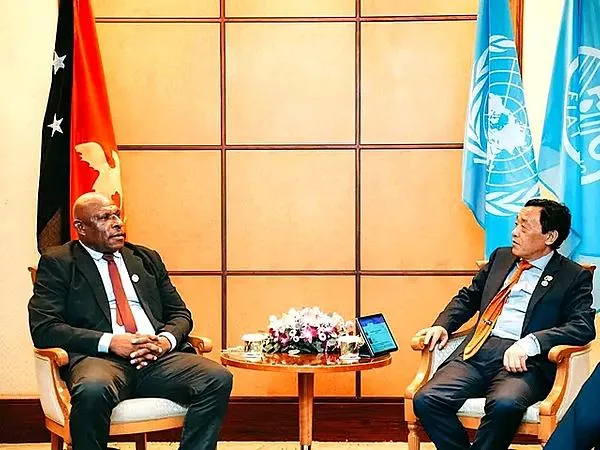
Strengthening Partnerships and Investment Discussions extended beyond formal sessions, with Minister Agisa holding high-level talks with FAO Director-General Dr. Qu Dongyu and senior management. These engagements focused on expanding FAO support for PNG’s livestock sector, particularly in reducing reliance on imported livestock products.
Key challenges highlighted included the high cost and limited availability of animal feed, which continue to constrain domestic production. The minister emphasized the need for increased investment, stronger partnerships, and improved supply chains to enable local farmers to operate profitable, sustainable businesses.
Day 4: Ministerial Session and Regional Commitments The conference transitioned into high-level ministerial discussions on April 23, marked by an opening ceremony attended by His Royal Highness the Crown Prince of Brunei. Regional leaders underscored the importance of ensuring stable and accessible food supplies.
FAO Director-General Dr. Qu Dongyu highlighted the need for collaborative partnerships, encouraging countries to share technology and expertise. For PNG, this translates into practical applications such as improved weather data for farming and solar-powered storage solutions to reduce post-harvest losses.
PNG also participated in ministerial roundtables addressing “One Health” and the “Blue Transformation,” the latter focusing on sustainable fisheries and aquatic food systems as new drivers of food security and economic growth.
Day 5: Focus on Investment, Health, and Food Systems On the final day (April 24), Minister Agisa joined the “One Health” panel, reinforcing PNG’s position that animal health is directly linked to the wellbeing of rural households and national food security.
Discussions also highlighted the need for increased rural investment, particularly in infrastructure such as roads and markets, to improve supply chains and market access for farmers.
The “Blue Transformation” agenda further explored opportunities in fisheries and aquaculture, aligning with PNG’s potential to expand food production and create employment through its marine and inland water resources.
Reducing Import Dependence in the Poultry Sector A recurring theme throughout PNG’s participation was the need to reduce reliance on imported food, particularly poultry. High import volumes continue to drive up costs for consumers while limiting opportunities for domestic producers.
Challenges facing local poultry farmers include high feed costs, unreliable supply chains, and logistical constraints such as transport and storage. These factors make it difficult for local producers to compete with cheaper imported products.
Conference discussions linked these challenges to broader policy solutions, focusing on strengthening domestic production systems, improving infrastructure, and creating an enabling environment for agribusiness growth.
The conference concluded with the adoption of a regional report that will guide agricultural and food system priorities over the next two years.
For PNG, participation in APRC38 has reinforced its commitment to transforming the livestock sector, strengthening food security, and building resilient agricultural systems. The outcomes of the conference are expected to inform national policies and translate into tangible support for farmers, agribusinesses, and rural communities across the country.
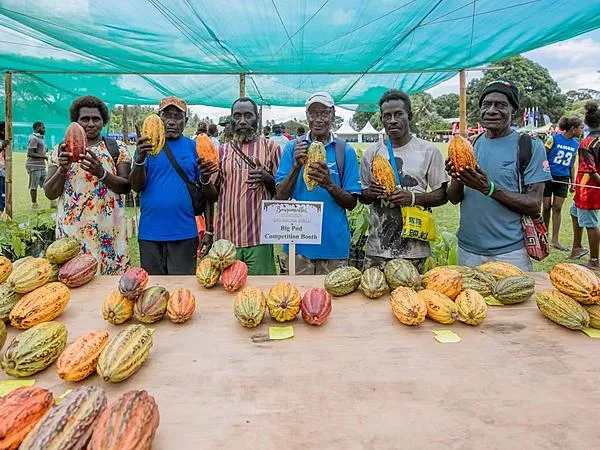
Papua New Guinea’s cocoa industry has taken a significant step forward on the global stage, with more than 3,000 participants from 19 provinces converging in Wewak, East Sepik Province, for the 2026 Greater Sepik Cocoa of Excellence and Trade Expo.
The three-day event, held at Sir Michael Thomas Somare Stadium from 21 to 23 April, brought together over 150 farmers and agribusinesses alongside international chocolatiers, buyers and development partners, all focused on improving cocoa quality and strengthening direct trade links to premium global markets.
Officially opening the Expo, East Sepik Governor Allan Bird welcomed dignitaries, including New Zealand High Commissioner Her Excellency Georgina Roberts, international cocoa experts and local leaders, while acknowledging the critical role of farmers in driving the industry.
“For years, you have toiled the earth with your kakao trees… bringing forth fruit and beans that are now transformed into the brown gold the world knows as chocolate,” Bird said.
He emphasised that the competition’s outcome reflects years of effort rather than a single moment of judging.
“Judgement today only recognises the talent and labour that went in long before this moment,” he said, noting that PNG’s cocoa quality is shaped by its natural environment — from soil and rainfall to coastal breezes.
A total of 59 finalists were selected from 370 cocoa samples submitted nationwide, highlighting both the scale of participation and the steady improvement in quality across the sector.
EU-STREIT PNG Programme Coordinator Dr Rabi Rasaily urged farmers and agribusinesses to focus on quality protocols and actively engage with international experts throughout the Expo.
“Without you, there is no chocolate. This is your event. The quality starts with you,” Dr Rasaily said, encouraging growers to explain their processes and learn directly from chocolatiers who understand global market demands.
Fifteen international chocolatiers and niche market representatives from Australia, France, Italy, Japan, the Netherlands, the Czech Republic, New Zealand and the United States attended, creating rare opportunities for direct engagement between producers and buyers.
A key feature of the Expo was the intensive interaction between the 59 finalists and international judges, including one-on-one interviews focused on improving bean quality, fermentation techniques and meeting international standards. These sessions formed a critical bridge between local production and global market expectations.
Chief judge and master chocolatier Oonagh Browne commended the overall improvement in this year’s entries.
“There has been a significant improvement in this year’s samples, particularly with reduced smoke content in cocoa beans,” she said, urging farmers to taste their own cocoa as part of quality control.
The Expo extended beyond competition, showcasing practical skills and community participation through activities such as the budding competition, which highlighted cocoa propagation techniques, and a popular hot chocolate competition that demonstrated local innovation in value-added cocoa products.
Prior to the event, international experts also conducted hands-on training sessions in Wewak, equipping communities — particularly women — with skills to produce cocoa-based products such as chocolate drinks and cocoa tea using local ingredients. The initiative aims to shift the industry towards greater local consumption and value addition.
Field visits to cocoa farms in Maprik District further strengthened connections between farmers and buyers, with visitors observing improved fermentation practices and solar drying systems supported by the EU-STREIT PNG Programme.
Local industry partners, including Queen Emma Chocolate Company, Federice Estates in Wewak and Wilyete Cocoa Processing Ltd in Vanimo, were recognised for advancing downstream processing and supporting the development of cocoa semi-products within PNG.
Governor Bird also highlighted the need for sustainability, committing support for cocoa fermentary kits to assist cooperative groups in increasing productivity.
“We must increase yields to be competitive… high prices are unsustainable, but high yields are sustainable,” he said.
After days of rigorous judging — including assessments of dry beans, roasted beans and 75 percent chocolate — the Expo concluded with a historic outcome. For the first time, judges declared three equal winners, citing identical world-class quality among the top entries.
The 2026 winners are: • Jude Jalowa of Sasivi Cooperative, East Sepik • Paul Esiron of Bele Bele Village, Milne Bay • David Peko of Topura, Alotau District, Milne Bay
Each winner receives a microlot export licence, a contract with international buyer Cocoa Latitude and direct access to global markets.
The unprecedented result reflects the rising standard of PNG cocoa and growing international confidence in the country’s ability to supply premium-quality beans.
The announcement was made on Thursday, 23 April, the final day of the Expo, drawing excitement from farmers, industry stakeholders and international cocoa partners gathered in Wewak.
Papua New Guinea’s livestock industry must urgently adopt mechanised farming practices or face continued reliance on costly imported meat, according to Livestock Development Corporation Managing Director Terry G. Koim.
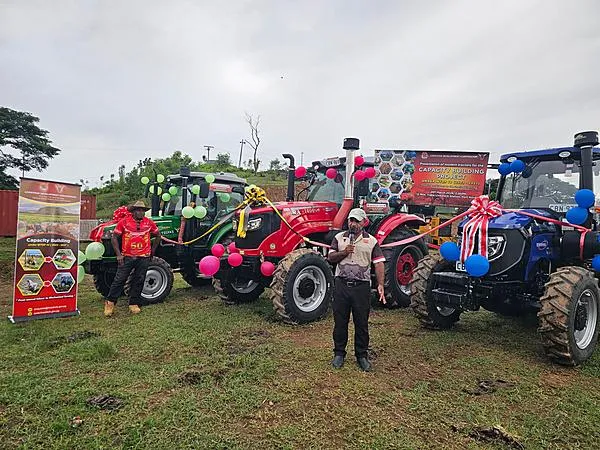
Speaking in March at Taliabi, 14 Mile outside Port Moresby, during the presentation of three newly acquired state-of-the-art tractors, Koim delivered a strong message to industry stakeholders, warning that the country can no longer sustain outdated, low-productivity farming systems.
“Business as usual is no longer acceptable,” Koim said. “We cannot continue operating at subsistence levels while millions are spent annually on imported meat. Mechanisation is not a luxury — it is a necessity.”
The tractors, procured under LDC’s Capacity Building Programme, will support pasture improvement and commercial animal feed production in line with the Government’s Medium-Term Development Plan IV. The initiative forms part of broader efforts to modernise the livestock sector and strengthen domestic production capacity.
Koim stressed that without scaling up mechanisation, Papua New Guinea’s livestock industry will struggle to meet growing domestic demand or compete effectively in the market. He framed mechanisation not only as a productivity tool, but as a strategic economic imperative linked to food security and import substitution.
The event also highlighted ongoing government backing for the sector, with LDC acknowledging support from the Marape government since 2020. This support has enabled the recovery of state-owned livestock assets, cattle restocking, and investment in infrastructure and workforce development.
Koim’s warning was reinforced by operational realities on the ground. Testimony from veteran tractor operator Rau Gilimo underscored the inefficiencies of outdated equipment, describing how poor machinery and exposure to harsh weather frequently disrupt farm operations, ultimately limiting output and increasing costs.
Senior LDC managers echoed the Managing Director’s remarks, emphasising that without modern agricultural technology, efforts to expand production and improve efficiency will continue to fall short.
Koim maintained that the choice facing PNG is clear: embrace mechanisation and transition to a commercially driven livestock industry, or remain constrained by subsistence practices and rising import bills.
“The time for discussion is over. The time for implementation is now,” he said.
The push for mechanisation aligns with national priorities to boost agriculture’s contribution to economic growth, reduce import dependency, and ensure long-term food security.
The International Fund for Agricultural Development (IFAD) has joined the Government of Papua New Guinea and multilateral partners in launching the AgriConnect Project, an initiative aimed at transforming the country’s agri-food sector and strengthening rural livelihoods.
The project, unveiled in Goroka on 3 March, is co-financed by IFAD alongside the World Bank, the Asian Infrastructure Investment Bank and other development partners. It seeks to reposition small-scale farming as a driver of sustainable economic growth, employment and food security.
AgriConnect is designed to build a supportive ecosystem centred on agribusiness development, linking farmers and entrepreneurs to both domestic and global food value chains. The initiative aims to improve how smallholders produce, aggregate and market crops, while expanding access to markets.
Reehana Raza, IFAD regional director for Asia and the Pacific, said the institution brings extensive experience in connecting small-scale farmers to markets and strengthening food value chains.
“We value our partnership with the World Bank Group to support these goals and together broaden and deepen the impact of our two institutions,” Raza said during the launch.
The programme forms part of a broader global AgriConnect initiative, under which IFAD President Alvaro Lario has pledged to reach at least 70 million small-scale farmers by 2030 by improving incomes, productivity and market access.
In Papua New Guinea, AgriConnect will include co-financing for the Agriculture Commercialisation and Diversification Phase 2 (PACD-2) project, marking the first collaboration between IFAD and the World Bank under the initiative in the Asia-Pacific region.
The project aligns with the government’s National Agriculture Sector Plan 2024–2033, which targets the creation of one million rural jobs by 2033. It will focus on addressing barriers to private sector investment, including limited access to digital agricultural technologies, weak aggregation systems, financing constraints and regulatory inefficiencies.
Jing Pacturan, IFAD country director for Papua New Guinea, said the organisation’s investments in rural infrastructure and services aim to integrate farmers more effectively into the broader economy.
“In PNG, IFAD supports small-scale farmers through investments in rural feeder roads and improved agricultural extension services, including access to finance, to enable them to connect to markets and become active participants in a thriving food economy,” Pacturan said.
She added that IFAD’s co-financing for PACD-2 would scale up ongoing programmes, benefiting more farmers while supporting job creation in line with national targets.
Since 2019, IFAD has supported agricultural development in Papua New Guinea through initiatives such as the $46.8 million Market for Village Farmers project, which promotes the production of fresh food for both rural and urban markets. The project has drawn funding from IFAD, the national government, provincial and district authorities, as well as private sector participants and financial institutions. Additional financing of $18 million was approved in December 2025.
IFAD, a specialised international financial institution focused on rural transformation, currently has nearly $23 billion invested in projects worldwide aimed at strengthening food systems, creating jobs and fostering resilient rural economies.
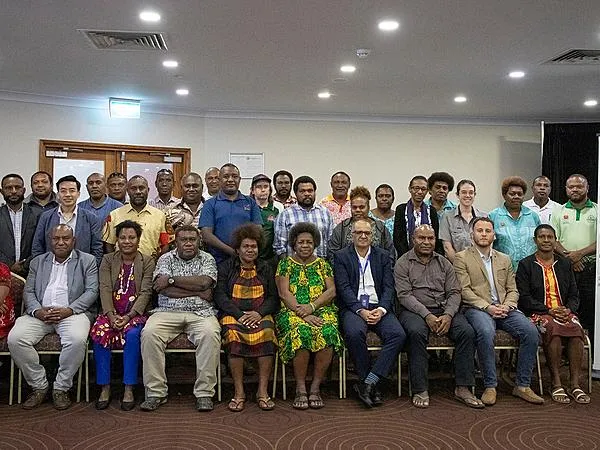
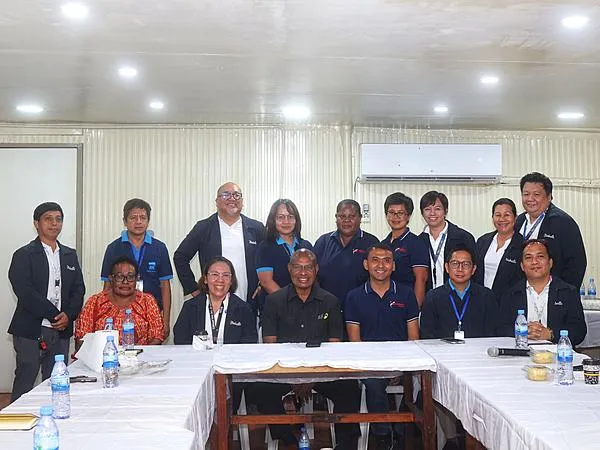
The United Nations Development Programme (UNDP), in partnership with the Conservation and Environment Protection Authority (CEPA), convened a coordination workshop to strengthen collaboration among stakeholders under the Global Environment Facility-7 Food Systems, Land Use and Restoration (GEF-7 FOLUR) Project.
The workshop brought together representatives from national government agencies, provincial administrations, private sector partners, grantees and civil society organizations to align efforts and improve coordination in implementing sustainable land use initiatives.
Officials said the meeting provided a platform for partners to deepen their understanding of the project, clarify roles and responsibilities, and strengthen collaboration across all components.
“It’s essential to view all project components as a connected and coherent set of interventions, leveraging technical, operational and financial synergies among partners,” said Aadil Mansoor, UNDP deputy resident representative. “At the same time, we must promote transparency and shared responsibility, ensuring that communities remain at the center of all project actions and outcomes.”
CEPA Director for Sustainable Environment Programs Kay Kalim underscored the importance of establishing a multistakeholder platform to improve coordination and policy alignment.
“Such a platform will strengthen cross-sector dialogue and enable stakeholders to work more cohesively and effectively,” Kalim said. “I encourage all participants to become active advocates who can help influence policy reforms and support the institutionalization of integrated approaches across sectors.”
The workshop focused on reinforcing CEPA’s role as an implementing partner, particularly in linking the project to protected areas and environmental management. It also aimed to align the activities of grantees, contractors and other partners with the broader goals of the program, while enhancing coordination with provincial governments and agencies with implementation agreements.
Participants reaffirmed their commitment to a more coordinated approach, highlighting the importance of integrated land use planning in addressing environmental and development challenges.
The GEF-7 FOLUR project, titled “Establishing systems for sustainable integrated land use planning across New Britain Island in Papua New Guinea,” seeks to reduce agriculture-driven deforestation and biodiversity loss while developing a long-term framework to guide land development in the country.
The United Nations Development Programme (UNDP) is strengthening efforts to improve cocoa traceability on New Britain Island, aiming to support sustainable production and enhance market opportunities for Papua New Guinea’s cocoa farmers.
The initiative comes as global consumers increasingly demand transparency in the environmental and ethical standards behind agricultural products. Strengthening traceability systems allows stakeholders to track the full production journey of cocoa beans, helping ensure they are produced sustainably and without contributing to deforestation.
Through its Global Environment Facility-funded Food Systems, Land Use and Restoration (FOLUR) project, UNDP is working with government agencies and industry partners to advance a more transparent and resilient cocoa sector.
A recent project mission to Kokopo brought together key stakeholders, including the Cocoa Board of Papua New Guinea, cocoa exporter Agmark, and the East New Britain Provincial Administration, to strengthen collaboration across the cocoa value chain.
The discussions focused on practical measures to improve traceability and strengthen the sector’s sustainability credentials.
Among the initiatives explored were the potential expansion of the Cocoa Management Information System, the digitisation of farm and value chain data, and improvements in post-harvest processing through the use of solar dryers and fermentaries.
Partners also discussed strengthening pricing systems and building greater resilience among cocoa farmers.
The project is implemented in partnership with the Conservation and Environment Protection Authority and financed by the Global Environment Facility.
According to UNDP, strengthening traceability systems will help reduce deforestation risks, protect biodiversity and position Papua New Guinea’s cocoa industry to access premium international markets.
Officials say a transparent cocoa supply chain can support stronger farmer livelihoods while safeguarding forests and natural ecosystems across the region.
The Papua New Guinea government is set to redevelop the 20,000-hectare Urimo Cattle Ranch in the Sepik Plains in partnership with New Britain Palm Oil Limited (NBPOL), according to Minister for International Trade and Investment Richard Maru.
Maru said the ranch, once a thriving livestock hub, has been idle since the late 1970s and will be revived as part of the government’s efforts to strengthen domestic beef production.
“Prime Minister James Marape is fully supportive of this project. This will be the largest cattle farm in the country,” Maru said.
The government, through the Ministry of International Trade and Investment and the Livestock Development Corporation (LDC), has reached an agreement for work to begin immediately.
Initial activities will include fencing large sections of the 20,000-hectare property owned by LDC in Urimo and upgrading the Kusaun to Urimo road to support the redevelopment.
“The work on the fencing is expected to start this week and the National Government has committed K10 million for the road upgrade, with the contract to be signed in the coming week. The cattle will be ordered from Sialum in Morobe for the redevelopment of this ranch,” Maru said.
He also welcomed the cooperation of the Minister for Livestock and the Livestock Development Corporation in advancing the project.
Maru said Papua New Guinea currently imports about K250 million worth of beef from Australia annually due to insufficient domestic production.
“This is because we do not produce enough to meet the local demand. That is the reason why the price of beef, including ox and palm, is so high,” he said.
The minister added that increasing local production of meat products presents a significant opportunity for the country.
“Replacing imports of beef and chicken are low-hanging fruits because we can easily raise cattle and chickens in PNG. I am working with potential investors to make sure we produce enough beef and chicken to supply our domestic market and also for exports,” Maru said.
The World Bank has committed US$250 million (more than K1 billion) to support the implementation of Papua New Guinea’s National Agriculture Sector Plan (NASP) 2024–2033, with funding channelled through the PNG Agriculture Commercialization and Diversification Project (PACD).
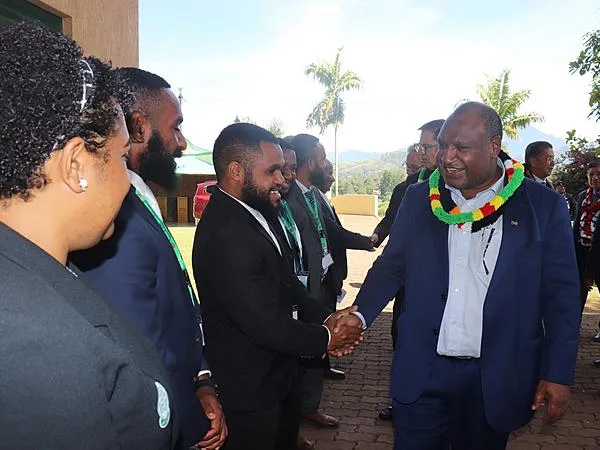
Prime Minister James Marape officially launched the PNG AgriConnect Project on March 3 at the University of Goroka, marking a key step in advancing the government’s long-term strategy to strengthen the agriculture sector.
The PACD initiative, supported by the World Bank, aims to develop competitive and diversified agricultural value chains for selected commodities and improve productivity among farmers in targeted provinces. The programme focuses on strengthening partnerships between smallholder farmers, producer groups and private-sector enterprises, while also supporting improvements in market access, processing and agricultural infrastructure.
The project is implemented by the Department of Agriculture and Livestock, working alongside sector agencies such as the Cocoa Board and the Coffee Industry Corporation, with a focus on key commodities including coffee, cocoa, coconuts, spices and small livestock.
Agriculture remains a critical pillar of Papua New Guinea’s rural economy, supporting the livelihoods of millions of smallholder farmers. Development partners say programmes such as PACD aim to boost farmer incomes by improving productivity, strengthening value chains and linking producers more effectively to domestic and export markets.
Among those invited to the launch was National Agricultural Research Institute Director General Dr Nelson Simbiken, whose organisation is one of the beneficiaries of the World Bank’s support under the first phase of PACD.
Dr Simbiken attended the event alongside heads of government departments and representatives from commodity boards involved in the country’s agriculture sector.
Officials said the new AgriConnect Project will complement PACD by helping coordinate agricultural development initiatives and support the rollout of the NASP 2024–2033, which aims to transform the sector through research, commercialisation and stronger partnerships between government, farmers and the private sector.
The launch underscores the government’s efforts to modernise the agriculture industry and expand economic opportunities in rural communities across Papua New Guinea.
The Autonomous Bougainville Government (ABG), through the Bougainville Agriculture Commodities Regulatory Authority (BACRA), has issued cocoa export licenses to six companies as it strengthens regulatory control over the sector and reports record production in 2025.
The first three licenses were issued in October 2025 to Sankamap, Elliven and Bougainville Organic Export Company. On Friday, three additional licenses were granted to Coconut Products Ltd., AGMARK and PNG Pacific Capital Ltd., marking what officials described as Bougainville’s growing control over its cocoa industry.
The issuance of licenses follows the passage of the Bougainville Agriculture Commodities Regulatory Act 2020 and the formal establishment of BACRA to regulate the agriculture and commodities sector in Bougainville. Under the regulations, the BACRA Advisory Council facilitates the screening and approval of license applications.
Previously, cocoa export licenses were issued by the PNG Cocoa Board. Those functions have since been transferred to the ABG Department of Primary Industry and are now being operationalized by BACRA.
ABG Minister for Primary Industry Clarence Dency said the transition represents a significant shift in the ownership and governance of one of Bougainville’s most important cash crops.
“For the first time, Bougainville is fully in control of its cocoa export system. This means that 100 percent of cocoa export levies are now paid directly to the ABG through BACRA, ensuring that revenue generated from our cocoa industry stays in Bougainville and benefits our people,” Dency said.
Secretary for the Department of Primary Industry Kenneth Dovaro said revenue collected through BACRA will be reinvested to strengthen the cocoa industry.
“The funds generated will be used to build industry capacity through research and development, extension services, compliance monitoring and effective administration of the sector,” Dovaro said.
He added that the establishment of BACRA will significantly improve data collection and planning.
“For the first time, we are able to systematically collect accurate data on cocoa production across Bougainville. This will greatly improve future planning and policy decisions for the industry,” he said.
Bougainville has maintained its position as the country’s leading cocoa producer in recent years, with production in 2025 reaching approximately 23,500 metric tons.
“This is a historic high production level and very significant to the national and local economy, as this is valued at over K750 million from our estimates,” Dovaro said.
“We estimate that about 80 percent, or K600 million, of the total revenue went directly to farmers,” he added.
Under the new licensing arrangements, all cocoa exporters operating in Bougainville will be fully accountable to BACRA, including compliance with license conditions, monitoring requirements and quality standards. Officials said these requirements are expected to flow through the supply chain to farmers.
The Department of Primary Industry will also conduct regionwide awareness programs targeting cocoa farmers to promote quality production, proper registration of fermentaries and compliance with industry standards.
Dency said the measures are aimed at protecting and maintaining Bougainville’s reputation for high-quality cocoa while ensuring the long-term sustainability of the industry.
The Minister for International Trade and Investment, Hon. Richard Maru, on 3 February paid a courtesy visit to fishing companies in Lae, Morobe Province, to outline the Government’s strategic direction for the fisheries industry of Papua New Guinea (PNG).
During the visit, Minister Maru met with management and staff of Frabelle PNG Limited, Majestic Seafood Corporation Limited, and Nambawan Seafoods Limited, stressing the need to expand domestic processing capacity and reduce reliance on imported fish products.
“As a Government, we are very keen to grow the fisheries industry in PNG. About 80 percent of the 550,000 metric tons of fish caught in PNG waters is not being processed in the country and we import approximately UD$36 million worth of processed fish. This is unacceptable. We cannot continue to allow this. We want our own industry to supply the market," he said.
Maru said that the Government has made a decision to start PMIZ under the name Madang Integrated Special Economic Zone (MISEZ), specifically for the fisheries sector.
"This is the strategic direction of the Government,” said Minister Maru.
"We want to build ten new canneries and processing plants in this SEZ, apart from the first one that we will launch next month. The intention is to have the processing capacity in county to process all catch for every licensed boat that operates within our waters. We want the industry to focus on supplying the domestic market first before exporting," he added.
In the lead-up to the launch next month of a Joint Venture (JV) cannery between the State and RD Corporation in Madang, the Minister invited the Lae-based companies to consider expanding their operations to the proposed MISEZ.
“RD is the first company we are partnering with to build the first cannery in the MISEZ. This cannery is separate from RD’s current operations. The vision of the Government is to provide land to other investors across the Pacific to build their canneries in this proposed SEZ," he said.
"However, before we talk to other investors, it is only right that we should do justice to the existing investors in the industry by meeting with them and informing them of this opportunity. We have to recognize the companies who took the risk and invested without incentives. We want to give them first priority as we plan to have only ten canneries in the MISEZ,” he said.
Minister Maru also expressed appreciation to the companies for their long-standing commitment to the country and their contribution to employment and revenue.
“You are very important players in the industry. We appreciate you and thank you very much for the confidence you’ve shown to invest in this country, for paying taxes, and creating jobs for our people. You all have operated over a decade or two in PNG and understand our industry and the challenges of doing business in PNG. You have grown roots and you should consider expanding your operations as part of your vision for the future. We understand that you are constrained by land to expand your operations in Lae so we are giving you the chance to expand instead to Madang so you can benefit from the SEZ incentives.”
The Minister acknowledged that significant challenges remained and said the Government was committed to addressing them to attract investment into the MISEZ.
“We will work with the private sector to provide independent power supply, water supply, sewerage system, a port and other enabling infrastructure to attract the investors,” said Minister Maru.
Minister for International Trade and Investment Richard Maru says the proposed acquisition of State equity in Ramu Agri Industries (RAI) will be the most significant agriculture deal in Papua New Guinea’s 51-year history.
“This is transformational — this investment will go beyond this generation,” Maru said.
The minister made the remarks during a dinner meeting on 28 January with the board and management of New Britain Palm Oil Ltd. and the group managing director of its parent company, SD Guthrie, in Port Moresby. The meeting followed discussions held during Maru’s recent visit to Kuala Lumpur, Malaysia, where key aspects of the proposed partnership were discussed.
Maru said the Marape-Rosso government is serious about its proposed partnership with SD Guthrie to drive agricultural development in PNG.
“The State’s interest to buy into RAI is for us to use the company as a vehicle to expand to other parts of the country,” he said. “We (the Government) admit that we are not good at running businesses. We have learnt from the past.”
Maru cited the example of PNG Banking Corporation, saying, “The PNGBC was a loss-making bank corporation when the Government ran it. When the bank was partially privatized (with the Government still remaining a shareholder), the services improved, it is recording profits in millions and getting dividends we never saw before, and it is now the leading bank in the entire South Pacific.”
“With this experience, we want to let the private sector, in this case SD Guthrie, to run the business,” he said. “The Government is only looking at a small stake in RAI to show our commitment so we can help the company mitigate the risks and expand the business.”
Maru said the government wants the business to grow beyond RAI and New Britain Palm Oil and expand into the Sepik Plains, Central Province and the Western Highlands, where there is significant undeveloped land.
The minister confirmed the State will use Kumul Agriculture Ltd., a wholly owned subsidiary of Kumul Consolidated Holdings Ltd., as its investment vehicle and is prepared to commit K100 million as equity in the proposed joint venture.
He said it was agreed that a non-disclosure agreement would be signed next month to allow for independent valuations, ahead of reaching a project development agreement by the end of April for the purchase of shares in RAI by the State and other PNG shareholders.
“In the Agreement, the Government will commit to providing essential enabling infrastructure and an environment that is conducive for business — this includes services like power, sealed roads and bridges, strong police and security provision, and providing State land and mobilising customary land for large scale agriculture development,” Maru said.
He said the agreement would also capture that all expansion projects under the partnership would operate as separate business entities so they could be developed in special economic zones, benefiting from incentives including tax holidays and duty-free treatment for construction materials and equipment.
SD Guthrie Group Managing Director Mohd Haris Mohd Arshad said the company was keen to partner with the State through Kumul Consolidated Holdings Ltd., Kumul Agriculture Ltd. and the Livestock Development Corporation to develop the 20,000-hectare Urimo cattle project.
“PNG should be growing and exporting cattle. K240 million annual beef imports (mainly from Australia) is crazy,” Arshad said. “The quality of beef produced in PNG is amazing.”
He said SD Guthrie could work with the government to develop the cattle industry, drawing on its experience operating Numundo Beef in West New Britain and Ramu Beef in Madang.
“SD Guthrie has been in business for over 200 years and what we need now is growth,” Arshad said. “We don’t see growth in Malaysia and there is no potential growth for us in Indonesia. We see a pathway to grow in PNG in partnership with the Government, starting with the State’s acquisition of shares in RAI and we can build from there.”
Arshad said that if the government was serious about partnering with RAI to develop the Sepik Plains, it should immediately construct an international wharf in Wewak and upgrade and seal the roads from Kusaun to Urimo to enable work to begin on the cattle project.
Also present at the meeting were the secretary for the Department of International Trade and Investment, the managing director of Kumul Consolidated Holdings Ltd., the chairman and acting CEO of the Special Economic Zone Authority, the managing director of the Livestock Development Corporation, and the acting CEO of the Securities Commission of Papua New Guinea. They pledged their support for the proposed development as part of the Marape-Rosso government’s reset agenda.
The Ministry of International Trade and Investment (MITI) and the Livestock Development Corporation (LDC) have formalised a partnership to accelerate the development of Papua New Guinea’s cattle industry, with a focus on reducing the country’s reliance on imported beef.
LDC Managing Director Terry Koim met with Minister for International Trade and Investment Richard Maru on Tuesday, where the two sides agreed to work closely to develop key LDC landholdings into large-scale cattle production zones.
Maru said his ministry and department would support LDC to transform its land at Urimo in East Sepik, Baiyer in Western Highlands and Launa Kalana in Central Province into major economic zones for cattle production.
“My ministry and department will work very closely with LDC to develop their land at Urimo in East Sepik, Baiyer in Western Highlands and Launa Kalana in Central Province into large-scale economic zones to raise cattle,” Maru said.
He said the initiative is part of the government’s broader push to grow domestic cattle production and replace all beef imports.
“The highest priority will be given to the redevelopment of Urimo Cattle Station in East Sepik where LDC has 20,000 hectares of land,” Maru said. “LDC also has 68 hectares of land in Wariman, Wewak, where the abattoir will be located.”
Maru said PNG has significant potential to produce enough cattle to meet domestic demand, noting that rising imports are driving up prices for local consumers.
“There is huge potential to produce cattle in the country to replace all beef imports,” he said. “We are seeing a 100 percent increase in the price of ox and palm due to the importation of Australian beef because we don’t produce enough.”
He said MITI is prepared to provide strong support to LDC through a structured arrangement that aligns with the corporation’s mandate and governance.
“We are ready to support LDC in a very big way in a scheme of arrangement that is acceptable to LDC and its board,” Maru said.
The partnership is expected to strengthen the domestic livestock sector, improve food security and create new economic opportunities in rural areas, particularly in provinces identified for large-scale cattle development.
Follow on LinkedIn:
PNG Business News
Be the "First" to get our exclusive Digital Magazine & Weekly Newsletter.