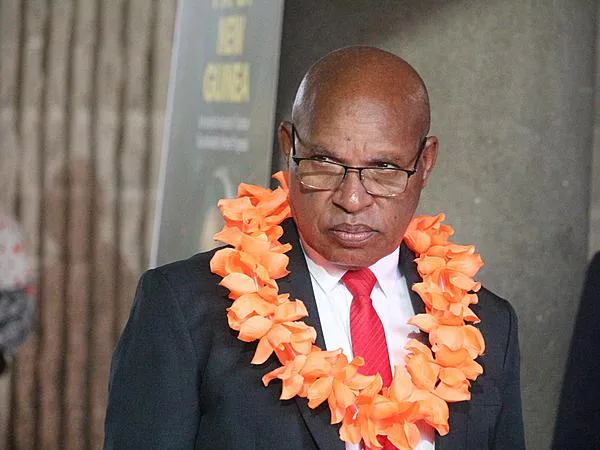
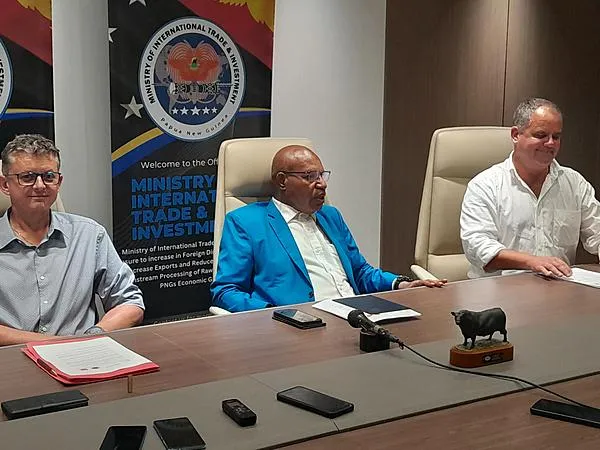
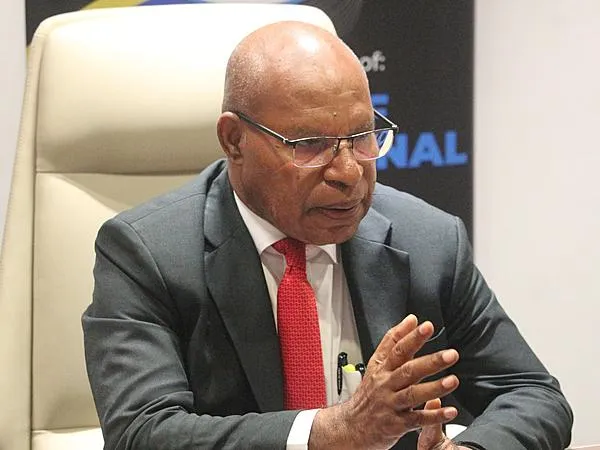
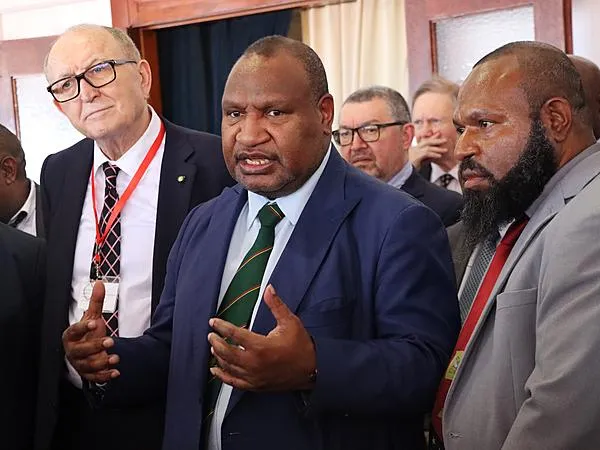
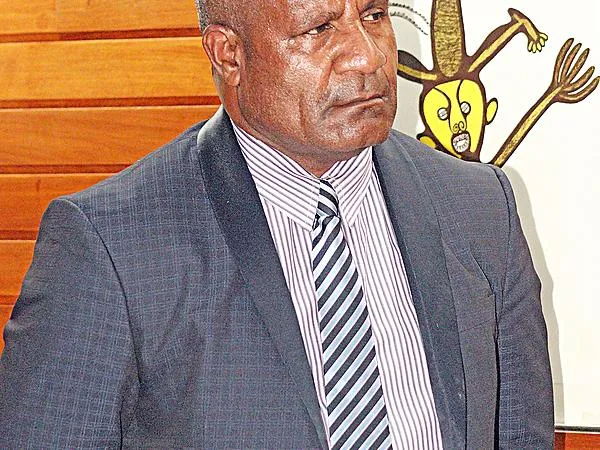
Minister for International Trade and Investment, Hon. Richard Maru, has presented the final report on the government’s investigation into the business practices in the Oil Palm Industry on the floor of Parliament.
Addressing Parliament on March 13, Minister Maru spoke of the historical significance of this investigation. “This is the first time in the history of our country that a government is investigating the price of palm oil after receiving complaints from over 15,000 small oil palm growers in East New Britain Province,” he said.
The probe was initiated following complaints that East New Britain Palm Oil Limited had been fixing the price of oil palm at 13,000 kina per metric ton for over a decade, while growers in West New Britain Province were receiving 6,800 kina per metric ton.
The investigation was sanctioned under NEC Decision No. 192 of 2024, with a budget of 2 million kina. An independent oil palm expert led the inquiry.
Maru revealed that East New Britain Palm Oil Limited, part of the East New Britain Resource Group, manages 7,996 hectares of land with oil palms and sources from 36 smallholders cultivating an additional 245 hectares. The company operates a palm oil mill with a 16-ton-per-hour processing capacity.
The investigation expanded to other companies within the East New Britain area. Maru clarified that these companies are not interconnected through their ultimate shareholders but have common directors.
The findings also exposed unethical land acquisition practices. Mentioned persons and companies were found responsible for securing land through verbal agreements and alleged intimidation tactics.
Maru said: “No documented evidence of free, prior, and informed consent negotiations had been located by the investigation team.”
The inquiry estimated that East New Britain farmers suffered financial losses of 38 million kina due to price underpayments between 2009 and 2024.
Maru stated: “What our people lost in the 10 years behind the price shift is over 38 million kina.”
Lack of Industry Regulation
The investigation highlighted the absence of a regulatory framework governing PNG’s oil palm industry. Unlike coffee and cocoa, which have regulatory bodies, the oil palm sector operates without oversight.
Maru said: “This country does not have a national price formula for oil palm. These companies are setting prices and abusing our people.”
The investigation team proposed several recommendations to address these issues, including:
Maru stated: “The government must act firmly to ensure our people are no longer exploited. We must put an end to foreign investors cheating and robbing our farmers of the fruits of their labor.”
The Minister highlighted the economic significance of the sector, noting that oil palm generates over 2.1 billion kina in export revenue annually, making it the most valuable agricultural commodity in the country. He contrasted this with coffee, which brings in only 510 million kina per year.
Maru pointed to Indonesia’s success in the oil palm industry, as it has over 13 million hectares of oil palm, contributing 1.6% of its GDP and generating more than 18 billion US dollars annually.
PNG must tap into its vast savannah lands for expansion, the Minister said.
He assured Parliament that this investigation would not be ignored, unlike past inquiries.
“This report will not gather dust in Waigani. We must secure bipartisan support for a total overhaul of the palm oil industry,” he said.
PNG stands at a turning point in reforming its oil palm industry, ensuring fair pricing, and preventing future exploitation of its farmers, Minister Maru stated.
Prime Minister Hon. James Marape has announced that the National Executive Council (NEC) has approved the National Palm Oil Policy 2025-2030 during its meeting on Monday, 10 March 2025.
The Prime Minister commended the Minister for Oil Palm, Hon. Francis Maneke, and the Oil Palm Industry Corporation (OPIC) for their leadership in driving the policy forward. He also acknowledged the contributions of smallholder farmers, industry stakeholders, and development partners who played a role in shaping the policy.
The comprehensive policy framework provides a clear regulatory direction for Papua New Guinea’s (PNG) thriving oil palm industry, which contributes K2 billion annually to the national economy and employs thousands of Papua New Guineans.
Prime Minister Marape said the policy is a critical milestone in the government’s broader agenda to achieve a K200 billion economy by 2030, with K30 billion expected from the agriculture sector.
“For the first time in our nation’s history, the oil palm industry will have a structured national policy that ensures landowners, smallholders, and investors operate under a fair, transparent, and well-regulated framework. This is about putting Papua New Guineans at the centre of economic growth and ensuring that the wealth from our land stays with our people,” PM Marape stated.
Key Features of the Policy:
PM Marape emphasised that this policy aligns with his “Take Back PNG” vision, ensuring that Papua New Guineans are the primary beneficiaries of the nation’s natural resources.
“This policy is a major step towards economic independence. It places resource owners in a stronger position within the industry, enabling them to participate as shareholders rather than just leaseholders. We are setting the foundation for PNG to become a leader in sustainable palm oil production while protecting our land and environment,” he said.
“As we celebrate 50 years of independence, this policy marks the beginning of a new era for Papua New Guinea’s palm oil industry—one built on inclusivity, sustainability, and shared prosperity,” PM Marape said.
“The Marape-Rosso Government remains committed to the successful implementation of the policy and will work closely with all stakeholders to ensure that PNG’s oil palm industry reaches its full economic potential.”
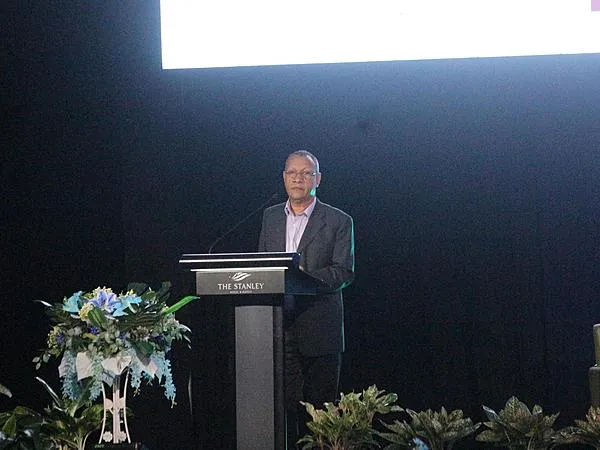
Sustainable agricultural growth in Papua New Guinea hinges on investing in people rather than just crops, Dr. Eric Omuru, Managing Director and Principal Consultant of E.E. Omuru Limited, said during his plenary keynote at the Central Province Investment Conference (CPIC) 2024.
The CPIC was co-hosted by the Central Chamber of Commerce and Industry Inc. (CCCI) and the Central Provincial Government with the theme “Investing in Central Province” on 27th to 28th February at the Stanley Hotel in Port Moresby.
Omuru, who played a key role in developing PNG’s National Agriculture Sector Plan, opened his address by acknowledging the challenge of condensing such a critical discussion into a ten-minute speech.
His session presentation was titled “Transforming Agriculture and Commodities: Charting a Path Towards Enhanced Food Security, Mechanization, and Climate Resilience for Cash Crops and Value Chain Success.”
Despite last-minute program changes, Omuru highlighted fundamental issues affecting PNG’s agricultural sector.
Underperforming Despite Abundant Resources
Agriculture remains a cornerstone of PNG’s economy, yet its export revenue stands at a modest K4.5 billion, far below its potential, Omuru said. He argued that the sector’s underperformance is largely due to a long-standing focus on crops rather than the people cultivating them.
He said, “We need to shift from a commodity-focused approach to one that prioritizes the people who grow these crops. If we invest in people, we will see progress in agriculture.”
The statistics he presented painted a stark picture of Central Province’s struggles:
Despite its limited market appeal, rubber is emerging as a viable opportunity. Omuru shared his personal experience of entering the trade, acknowledging the financial losses but also gaining firsthand insight into the hardships faced by rural farmers.
Food Security and the Growing Reliance on Imports
Omuru also raised concerns about PNG’s increasing dependence on imported staple foods. While the country’s annual rice consumption is estimated at 500,000 to 600,000 tons, local production remains minimal, with only about 13,000 smallholder farmers cultivating rice.
“We eat around 60 kilograms of rice per person each year, but we hardly grow enough to sustain ourselves,” he said.
The livestock sector faces similar challenges. Omuru said PNG consumes 16,000 tons of meat annually but produces only 2,000 tons, with the shortfall met by imports. He pointed out that Central Province has vast land resources suitable for livestock farming, yet efforts remain minimal.
Climate change is exacerbating agricultural challenges, as Omuru noting rising temperatures, erratic weather patterns, and increased pest infestations—including the coconut rhinoceros beetle and coffee berry borer—are threatening production.
“Agriculture in PNG remains largely traditional, with minimal mechanization. We need to modernize and prepare for these challenges to ensure long-term sustainability,” he noted.
Value Addition and Smart Investments
One of Omuru’s key recommendations was increasing downstream processing and value addition. Using rubber as an example, he highlighted the significant price difference between raw cup lump rubber (purchased at K1.50 per kg) and processed ribbed smoked sheets (RSS), which can fetch K6 per kg.
“If we focus on value addition, we lighten the crop’s weight and generate more income. This kind of smart thinking is necessary if we want agriculture to be a viable business,” he said.
He also urged the provincial government to improve infrastructure, particularly in rural areas, to help farmers transport their produce to market more efficiently.
Omuru emphasized that empowering farmers with training, access to finance, and better market opportunities would drive meaningful progress.
“The livelihoods of our people must be at the center of agricultural policies and investments. Only then will we see real, sustainable change,” he said, reminding all attendees that agriculture is not just about producing food, it’s about supporting the people who cultivate it.
CPIC Conference
The conference goes in line with the nation’s 50th Anniversary, reflecting on the province’s achievements and future aspirations. Featured keynotes and panel discussions to review Central Province history, and current initiatives and outline feature goals were key highlights to the two day conference.
The CPIC 2025 program included two days of dynamic activities:
The CCCI also hosted a business matching event on February 27 for investors and registered participants to exchange insights and foster partnership, providing further networking opportunities on February 28.
Hon. Rufina Peter, the Governor of Central Province, thanked all sponsors and stakeholders for their support. “Together we can unite stakeholders for this pivotal moment,” she added.
Linda Paru, President and Interim CEO of CCCI, reaffirmed the Chamber’s commitment to initiatives that stimulate economic growth and innovation, noting the event was a valuable platform for meaningful partnerships.
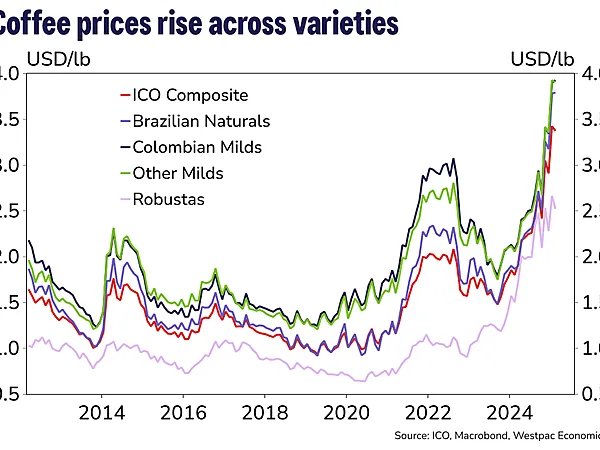
Global coffee and cocoa prices have soared to record levels, driven by severe supply disruptions and adverse weather conditions in key producing regions, according to the latest Papua New Guinea Westpac Wallis, February 2025 Report. Coffee prices jumped 94% over the past year, with a 13.6% increase in the last month alone. Meanwhile, cocoa prices are 133% higher compared to the same period last year due to declining global stockpiles and persistent production challenges.
Coffee markets worldwide are feeling the impact of a supply shortage, particularly due to below-average rainfall in Brazil, the world’s largest coffee producer. Ongoing drought conditions from last year have reduced production, leading traders to anticipate a continued supply crunch in 2025.
Arabica coffee futures have climbed to $3.45 per pound and could rise further in the medium term. The situation is further aggravated by the appreciation of the Brazilian real, which strengthened by 4.5% over the past month. This has made Brazilian coffee more expensive, pushing global buyers to look for alternative sources.
For PNG, coffee is a key export commodity, and the price rally should theoretically benefit local farmers and exporters. However, this has not translated into increased export revenue. In September 2024, PNG’s coffee exports dropped by 47% to 9,300 tonnes, while the value of exports declined by 42% over the year and 31% in the September quarter as PNG coffee producers face local production challenges.
Cocoa Prices Hit Record Highs
According to the report, cocoa prices have surged due to supply chain disruptions and worsening weather conditions in West Africa, the world’s top cocoa-producer. Côte d'Ivoire and Ghana, which together account for 60% of global cocoa supply have faced droughts and poor weather conditions causing production declines.
As a result, global cocoa stockpiles fell to 1.04 million metric tons in the 2023 and 2024 season, a sharp 36% year-on-year drop. Strong demand for cocoa has further driven up prices, with buyers scrambling to secure supply.
PNG’s cocoa export receipts increased in 2024, largely due to higher price per unit, benefiting local farmers and exporters. However, Westpac expects globl supply constraints to ease later in the year, as favorable weather conditions in major cocoa-growing regions lead to a rebound in production and a potential price correction.
The sharp rise in coffee and cocoa prices presents both challenges and opportunities for PNG’s export sector. While higher prices boost farmers' incomes, the decline in export volumes, particularly for coffee, highlights underlying domestic production issues that need to be addressed.
Market and economic analysts will be closely monitoring global production trends, weather conditions, and currency movements to assess the long-term sustainability of these record-high prices.
Based on the report and data presented, for PNG ensuring a consistent and competitive supply of coffee and cocoa will be critical in capitalizing on the current market conditions.
Prime Minister Hon. James Marape has issued a strong call to action for Papua New Guinea’s agriculture sector, urging an immediate shift from subsistence farming to commercial agriculture as a means of driving economic growth, job creation, and national self-sufficiency.
Speaking after a high-level meeting with agricultural leaders and key stakeholders, the Prime Minister underscored the urgent need to transform the agriculture sector into the backbone of PNG’s economy. He stressed that agriculture remains the most sustainable and inclusive path to national prosperity, given the country’s rich land, favorable climate, and natural resources.
Also present at the meeting were Agriculture Minister Hon. John Boito, Coffee Minister Hon. William Bando, Livestock Minister Hon. Sekie Agisa, and Oil Palm Minister Hon. Francis Maneke, all of whom pledged their support for the government’s renewed agricultural agenda.
Prime Minister Marape drew a powerful comparison to Israel, a nation with a landmass of just 21,671 square kilometres, which generates US$2.5 billion in agricultural exports annually. He challenged PNG’s policymakers and farmers to learn from global success stories and implement strategic policies that will unlock PNG’s full agricultural potential.
“If a small nation like Israel can generate US$2.5 billion in agricultural exports, there is no reason why PNG, with our vast landmass and abundant resources, cannot do the same,” he stated.
“We must empower our people to move beyond subsistence farming and embrace commercial agriculture as a pathway to economic independence.”
The Prime Minister directed agriculture sector leaders to prioritise lands near ports and major road networks, ensuring that production areas are well-connected to markets. He urged all provincial and local governments, including the Autonomous Bougainville Government, to identify suitable land for large-scale agricultural development. “Let us focus on areas that are well-connected by roads and ports, ensuring that we can move produce efficiently to both domestic and international markets,” Prime Minister Marape said.
The Prime Minister outlined a clear and practical economic vision, stating that if one million families each earned a minimum of K10,000 annually from agriculture, the sector alone could contribute K10 billion to PNG’s economy.
“A single bag of coffee sells for K700. If we help a farmer produce 10 to 20 bags per year, they can earn between K10,000 and K14,000 annually. Multiply that by one million families, and the economic impact is transformative,” he explained.
Prime Minister Marape stressed that the focus must be on exportable crops such as coffee, cocoa, oil palm, and spices, as well as livestock, fisheries, and other high-value agricultural products.
A major theme of the Prime Minister’s address was the need to transition one million families from subsistence farming to cash-based agriculture. He lamented that too many Papua New Guineans still operate at a basic survival level, depending on small-scale farming without access to market opportunities or financial support.
“Many of our people are already planting taro, yam, cocoa, coconut, and other crops, but they remain in subsistence mode,” he said.
“Our job is to migrate them into commercial farming by providing market access, price incentives, and freight support.”
Prime Minister Marape warned government departments and public servants that inefficiency and bureaucratic delays would no longer be tolerated. He urged those working in the agriculture sector to embrace urgency and innovation, stating:
“If you are sitting in a fortnightly-paid job and not delivering results, you are in the wrong job. Agriculture is not just about paperwork—it is about making real change in people’s lives.”
The Prime Minister set a 10-year transformation goal, calling for structured policy reforms, increased investment in agro-processing, and the establishment of export-driven supply chains.
“This is our opportunity to rewrite PNG’s economic story. By 2045, when PNG marks 70 years of independence, we must be a self-sufficient and food-exporting nation,” he stated.
He directed agriculture, fisheries, and forestry ministries to integrate their efforts, ensuring that policies drive investment in primary production, processing facilities, and export markets.
Drawing inspiration from South Korea’s economic rise, Marape reminded Papua New Guineans that in 1953, South Korea was one of the poorest nations in the world, with a GDP per capita lower than PNG’s at the time. Today, South Korea is one of the top 15 global economies, thanks to a strong national work ethic, strategic planning, and investment in key industries.
“South Korea in 1953 was one of the poorest nations on earth,” he said.
“Today, they have a GDP per capita of over US$33,000,while we are still struggling to fully utilise the wealth in our land.”
The Prime Minister called on all Papua New Guineans, particularly the younger generation, to embrace this transformation.
“Are we just going to sit in our government offices, talking about policies without implementing them? Or are we going to be the generation that transforms PNG into a food-exporting nation?” he challenged.
Prime Minister Marape concluded with a direct challenge to agricultural leaders, policymakers, and businesses, urging them to take immediate action to increase production and drive exports.
“This is not just an academic exercise. It is the future of our economy,” he said. “We have a clear strategy, we have the land, and we have the people. Now, we must execute the plan and get to work.”
The government will now accelerate agricultural investment, promote technology-driven farming, and establish strong export markets, ensuring that agriculture becomes the leading driver of PNG’s economy in the coming decade.
Prime Minister Hon. James Marape has commended the Ministry of Coffee, Ministry of Livestock, and Ministry of Oil Palm for their outstanding performance in 2024, highlighting their contributions to economic growth, rural development, and Papua New Guinea’s agriculture sector.
Speaking after a meeting with Agriculture Minister Hon. John Boito, Coffee Minister Hon. William Bando, Livestock Minister Hon. Sekie Agisa, Oil Palm Minister Hon. Francis Maneke, and their agency heads on Tuesday, March 4, 2025, PM Marape acknowledged the tangible progress made since the creation of these ministries following the 2022 National General Election.
Coffee Industry: A Year of Growth and Expansion
The Coffee Ministry and Coffee Industry Corporation (CIC) delivered key projects in 2024 under Medium Term Development Plan IV (MTDP IV), including:
PM Marape praised the ministry’s efforts in policy reform, including the National Coffee Policy and the upcoming Coffee Industry Act 2024.
Livestock Development: Reviving PNG’s Meat Industry
The Livestock Development Corporation (LDC) achieved significant milestones in 2024:
PM Marape reiterated his government’s commitment to reducing meat imports by expanding local production and ensuring long-term sustainability in the livestock sector.
Oil Palm: Strengthening One of PNG’s Largest Export Commodities
The Oil Palm Industry Corporation (OPIC) continued its vital role in 2024, contributing to the government’s goal of doubling oil palm production to 1.3 million tonnes by 2027. Key achievements included:
PM Marape commended Minister Francis Maneke and OPIC for ensuring that PNG’s K5.3 billion oil palm industry remains a cornerstone of the national economy. He reaffirmed his government’s commitment to agriculture-driven economic growth, stating:
“Since 2022, we have elevated the agriculture sector by creating dedicated ministries for Coffee, Livestock, and Oil Palm. These results show that we are making the right investments, supporting our farmers, and growing our economy.”
He assured that funding for agriculture will remain a priority in 2025, encouraging the ministries to build on their successes and further empower farmers, SMEs, and rural communities.
The Minister for International Trade and Investment, Hon. Richard Maru, announced the acquisition of majority shares in the Sepik Fresh Poultry Farm by the Australian company Taylor Pacific.
The investment, worth K30 million, marks an important expansion in Papua New Guinea’s poultry industry and strengthens the country’s goal of achieving self-sufficiency in chicken production, he said.
Minister Maru made the announcement on February 28, with John Taylor Director, owner of Taylor Pacific, and the Sepik Farm Manager, Mr Chris Prestwood.
Taylor Pacific’s acquisition includes the buyout of shares previously held by Israeli company Innovative Agro Industries Limited.
The investment will enable the completion of Stage 2 of the farm’s expansion, which includes constructing five additional broiler sheds and increasing the weekly supply of day-old chicks from 10,000 to 20,000.
The farm will also significantly boost egg production to meet the growing demand in the Greater Sepik Region, the company said in a statement.
Minister Maru stressed Sepik Farm’s importance in reducing PNG’s reliance on imported chicken products.
"This investment will ensure we meet the high poultry demand of the Sepik people while keeping prices affordable for them," he said.
Prestwood, also President of the Poultry Association of PNG, highlighted the positive outlook for PNG’s poultry industry.
"We are in a very good position. Biosecurity measures have improved, and this has given confidence to investors. The expansion of Sepik Fresh will not only increase production but also ensure affordability and availability of poultry across the region," he said.
Prestwood noted that boosting local production has already had a direct economic impact.
"For the first time, all poultry consumed in PNG is produced locally. Previously, a carton of day-old chicks in East Sepik cost K550 due to high transportation costs. Today, with local production, that price has dropped to K270, significantly benefiting SMEs and small-scale poultry farmers," he said.
Following the success of Sepik Fresh, Taylor Pacific is also planning to develop a major chicken farm in Vanapa, Central Province, to supply poultry to NCD, Central, and Gulf provinces.
Minister Maru indicated that this project could expand further into cattle farming and the production of stock feed.
"The Vanapa farm will help us replace expensive imported chicken and beef. The government is also keen on investing in the feed industry by producing wheat, maize, and sorghum locally. This will reduce chicken feed costs and ultimately lower the price of poultry for consumers," he stated.
Taylor Pacific, which recently acquired Hugo Canning -- the manufacturer of Ox & Palm corned beef -- for K100 million, sees PNG as a long-term investment destination.
Taylor, the company’s director, reaffirmed their commitment, saying: "We have invested K100 million in the last year and are looking at similar numbers for our upcoming projects. Our goal is to domesticate protein production, ensuring affordability while keeping factories open and employment strong in PNG."
Minister Maru assured investors that the government is providing the necessary infrastructure and policy support to encourage private sector growth. The government has already invested in a 10-kilometer sealed road and power infrastructure to support the Sepik farm, he added.
Plans are also underway to designate both the Sepik and Vanapa farms as Special Economic Zones, which would provide tax incentives and other benefits to investors.
"Our biggest risk is disease, and we are committed to working closely with the Agriculture Minister to maintain strict biosecurity measures. We have also banned the import of uncooked chicken from Australia and New Zealand to protect our local industry from disease outbreaks," Minister Maru stated.
"Once we meet our domestic demand, we want to export chicken and feed to other countries. This investment by Taylor Pacific is a step in that direction," he said, noting the government’s vision for PNG to become a major exporter of poultry and poultry feed.
Prime Minister Hon. James Marape has called for urgent global action against illegal fishing and the exploitation of Pacific fisheries, emphasising that Pacific nations have been stewards of the ocean for centuries. Speaking at the Honiara Summit on Sustainable Fisheries, he urged major global powers to take responsibility for their role in sea pollution and sea temperature rise and also assist in marine resources management in the Pacific.
Under the theme “Iumi Tugeda Delivering on SDG 14.4: Achieving Sustainable Fisheries”, the summit brings together Pacific leaders, global experts, and representatives from 24 – 27 February 2025 to discuss sustainable fisheries management in the region.
In his address, Prime Minister Marape reaffirmed that Pacific Island nations have always practised sustainable fisheries, long before the introduction of Sustainable Development Goal (SDG) 14 in 2015. He challenged industrial nations to acknowledge their responsibility in driving overfishing and environmental degradation.
“No one needs to lecture us on fish sustainability—it is our lifestyle. This lecture should be taken to the big industrial polluters who continue to pollute our oceans,” he stated.
He called upon major partner nations to Pacific Island nations including the United States, China, Japan, India, and the European Union, to assist fight and stop illegal fishing activities in the Pacific.
“If there is any sense of morality left in you, take this message back to your countries. The ocean is a global asset, a carbon sink, a supermarket, and a superhighway for all your ships and submarines. It needs protection.”
Prime Minister Marape declared that Papua New Guinea would take stronger enforcement measures to combat illegal fishing, including sinking unauthorised vessels found in its Exclusive Economic Zone (EEZ).
“If I catch illegal fishing in my country, I will sink all the boats. I have signed defence cooperation agreements with the United States, to assist in stopping illegal fishing in our waters,” he warned.
He also called on the United Nations to advocate for a global crackdown on illegal fishing, which disproportionately affects Pacific nations while benefiting wealthier economies.
Despite having some of the largest EEZs in the world, Pacific nations receive little economic benefit from their fisheries. Prime Minister Marape questioned why nations such as Kiribati, with a vast ocean area of 3.5 million square kilometres, remain among the lowest in GDP per capita.
“Why are we amongst the poorest in the world when we hold some of the richest fisheries resources? We are not just Small Island Developing States—we are a Big Ocean Nation. We must rise and fight for our resources.”
He further announced that Papua New Guinea will soon introduce a policy prohibiting the export of unprocessed fish, ensuring that all catches are landed and processed within the country.
“From 16 September this year, no fish caught in Papua New Guinea’s waters will leave without being processed locally. This is the way forward for ensuring economic benefits remain in our region.”
Prime Minister Marape urged Pacific nations to strengthen cooperation in fisheries management and climate action, given that tuna and other fish species migrate across national borders.
“We are in this together. Fish do not belong to one country—they migrate. This is why we must work as one Pacific,” he emphasised.
Concluding his address, he reiterated the need for technological support, stronger enforcement against illegal fishing, and global commitment to addressing climate change, which threatens fish stocks and Pacific livelihoods.
“Let us not be lectured on sustainability—we are practitioners of it. It is time for the world to recognise our role and support our efforts.”
With the Honiara Summit set to shape future regional fisheries policies, Prime Minister Marape reaffirmed Papua New Guinea’s commitment to safeguarding the Pacific’s resources for future generations.
Six-model rice farmers have begun hands on training to become commercial rice farmers through Trukai Industries’ Smart Farmer Internship Program.
These farmers commenced their three-month internship training at Trukai’s Erap Farm in Lae, Morobe Province, on January 27 and are the first batch of interns in this quarterly program, with other batches scheduled to follow in April, July, and October 2025.
In total, 24 model rice farmers will undergo this intensive training this year, equipping them with skills sets needed to venture into commercial rice farming.
This three months program covers crop management and soil preparation; farm machinery operation and maintenance; efficient use of fertilizers, chemicals, and irrigation systems; and, seed production and post-harvest techniques.
In 2024, Trukai Industries chose the model farmers based on the following criteria: 1. Attended and completed Trukai’s Smart Farmer Program having undergone two weeks on campus training and 18 weeks knowledge transfer at their own locality; 2. Received a Certificate in Irrigated Rice Farming from either the PNG University of Technology in Lae or the Pacific Adventist University in Port Moresby; 3. Have demonstrated that they are self-starters and have taken ownership of their farming by continuing to grow rice up to one hectare or more and have organised and led their community in this venture with the seeds they have harvested.
John Gaif, President of the Markham Smart Farmers Association and a Trukai model rice farmer, is one of the six interns from this first batch.
He described the program as an eye-opener, adding that the Smart Farmer Internship program had broaden his understanding of commercial rice farming.
Gaif also added that the internship program provided valuable knowledge and practical experience to the model farmers, helping them understand the specific steps they needed to undertake when they return to their own farms and communities.
“Many of us thought planting rice on a large-scale was just another form of farming, but we now realise that it is far more complex and costly. The internship program has exposed us to the realities of commercial farming, including the use of machinery, chemicals, and the importance of following strict crop calendars,” said Gaif.
He further emphasized his goal of working with stakeholders to expand rice farming, while at the same time include other crops as well.
Trukai Industries’ Agriculture Manager, Aina Davis, noted that the internship program provided real commercial farming exposure ensuring that participants were well equipped with knowledge and skills to operate at a larger scale.
“This internship program is a step in preparing our farmers for commercial rice production. Through hands-on training, they gain experience in land preparation, planting, crop management, harvesting, farm upkeep, and machinery maintenance. Our goal is to inspire these farmers to invest in rice farming and to adopt this as part of their livelihood and contribute to the local economy,” said Davis.
Trukai Industries CEO, Alan Preston, said that the Smart Farmer Internship Program is the next stage in the company’s broader Smart Farmer initiative, which aims to develop subsistence farmer’s transition to semi-commercial and commercial rice farmers across Papua New Guinea.
“For decades, Trukai Industries has supported local rice farming in rural communities. This program demonstrates our ongoing commitment to building capacity, fostering innovation, and ensuring a sustainable future for PNG’s rice industry. By equipping local farmers with the right skills, we aim to empower them to grow rice and create economic opportunities for their families and communities,” said Preston.
By the end of the program, participants of the Trukai Smart Farmer Internship Program will have gained valuable experience in commercial rice farming, paving the way for a stronger, more resilient local rice industry.
Prime Minister Hon. James Marape has welcomed Papua New Guinea’s official membership in the Council of Palm Oil Producing Countries (CPOPC), marking a historic milestone for the nation’s oil palm industry. PNG joins Indonesia, Malaysia, and Honduras as the fourth member of the global palm oil organisation, strengthening the country’s position in international trade and sustainability advocacy.
Speaking at a high-level meeting attended by CPOPC Secretary-General Dr Rizal Affandi Lukman, Deputy Secretary-General Datuk Nageeb Wahab, PNG’s Oil Palm Minister Hon. Francis Maneke, Indonesian Ambassador His Excellency Andriana Supandy, Agriculture Secretary Dr Sergie Bang, and Oil Palm Industry Corporation General Secretary Kepson Pupita, Prime Minister Marape reaffirmed PNG’s commitment to responsible and sustainable palm oil production.
Prime Minister Marape emphasised PNG’s active role in past CPOPC discussions, highlighting the importance of joining as a full member. “This is a significant moment for our country. We appreciate Indonesia and Malaysia for embracing PNG into the CPOPC family. Together, we can strengthen our advocacy and ensure that the global palm oil market remains fair and sustainable,” he stated.
He noted that PNG has immense potential for growth, highlighting that over one million hectares of grassland can be utilised for palm oil cultivation. “As a major forest nation, we will ensure that our palm oil production meets international sustainability standards and that we counter any misleading narratives about deforestation,” he said.
The Prime Minister assured stakeholders that PNG is committed to enhancing investment opportunities and improving market access. “We must work together to ensure PNG’s palm oil meets the requirements of international markets, including compliance with European Union regulations. Our industry must align with global standards while also benefiting from the economic opportunities that palm oil provides,” he said.
He also highlighted PNG’s ambition to develop downstream processing and biofuel production, citing Indonesia’s progress in palm oil-based renewable energy. “We must explore palm oil as a fuel alternative, as Indonesia has done successfully. This will not only boost our economy but also position us as a key player in the green energy sector,” he stated.
CPOPC Secretary-General Dr Rizal Affandi Lukman welcomed PNG’s membership, stating, “Papua New Guinea’s entry into CPOPC strengthens our collective advocacy for fair trade and sustainable palm oil production. PNG’s involvement will bring significant contributions to the industry, particularly in expanding market access and reinforcing sustainable practices.”
Dr Lukman also emphasised that PNG’s inclusion in CPOPC aligns with global efforts to address regulatory challenges such as European Union deforestation compliance. “We have been engaging with European stakeholders to ensure that regulatory frameworks recognise sustainable palm oil production. PNG’s inclusion allows us to strengthen these discussions and present a united front,” he added.
Prime Minister Marape reaffirmed PNG’s commitment to strengthening advocacy efforts alongside Indonesia and Malaysia. “We must stand together to promote fair trade policies and counter any negative narratives surrounding palm oil. As major forest nations, we have the responsibility to present our case and showcase that we are sustainable producers,” he said.
Additionally, he reiterated the government’s intention to expand palm oil into biofuel production. “Palm oil is more than just an edible oil; it is a critical resource for the future of green energy. We need to ensure that we fully maximise its potential,” he said.
Recognising industry challenges such as high operational costs and investment hurdles, the Prime Minister reassured investors that PNG is taking steps to improve the business environment. “We are working on land mobilisation programmes and tax incentives to make PNG a more attractive investment destination,” he announced.
He also highlighted the government’s K100 million annual allocation for land acquisition and infrastructure support, ensuring long-term growth in the sector. “We are putting systems in place to encourage sustainable industry expansion and create more opportunities for our people,” he stated.
Prime Minister Marape proposed hosting a CPOPC Heads of Government Meeting, bringing together leaders from member nations to discuss trade, sustainability, and global market strategies.
“We are not alone in this industry. Through collaboration with Indonesia, Malaysia, and other producers, we can build a more equitable and sustainable palm oil market. We look forward to strengthening our role in CPOPC and working together for the benefit of all palm oil-producing nations,” he concluded.
One of the most pressing issues raised by Papua New Guinea’s Minister for Foreign Trade and Investment, Hon. Richard Maru, is the state of the oil palm industry, which he described as being in “a mess.”
MP Maru revealed that the government has commissioned an independent investigation to address regulatory gaps, pricing disparities, laws, and policy, including the industry structure and land acquisition issues that have plagued the sector for decades.
“We must ensure that our people benefit from their land. Right now, they get very little, while foreigners who acquire their land make huge profits. It’s time to clean up this mess,” he stated.
The Oil Palm Investigation Team is the first of its kind and has already arrived in Port Moresby, Minister Maru told the media on Jan. 31 in Port Moresby.
He reassured the public that the investigation team consists of independent experts, including an economist, an accountant, and a legal advisor, to provide unbiased recommendations.
Given the timeframe of the investigation of about three weeks, the team’s findings would be submitted to the National Executive Council (NEC) and debated in Parliament to establish a new regulatory framework, the MP said.
Minister Maru expressed his frustration over PNG’s reliance on foreign loans, emphasizing that a strong oil palm industry could transform the nation’s economy.
Oil palm is the country’s leading agricultural export, generating over K2.8 billion in exports in 2022.
“If we develop the oil palm industry properly, we could increase our revenue from K2.5 billion to K25 billion or more. We need to support our people to get fair prices for their produce, which will encourage them to expand cultivation,” the minister said.
“The oil palm industry has been self-regulating for the last 50 years because the government does not have a policy or law to regulate it,” Maru explained.
He highlighted extreme pricing discrepancies, noting that farmers in different oil palm provinces such as in Kimbe, West New Britain Province and in Rabaul, East New Britain receive different purchasing amounts.
“This investigation will bring to light the differences in lease-leaseback arrangements, land dealings, and price formulas,” he said.
“Our interest as a government is that there should be one price for everybody. When the world market price is high, our farmers must benefit,” he said, noting that implementing a national pricing formula ensures fair compensation for landowners and farmers.
While he admitted this should have been done earlier, MP Maru said his Ministry are taking up the responsibility to ensure the oil palm industry in PNG gets the attention it deserves to grow and boost the economy.
“It’s never too late. It's better to do it now. I've taken the initiative to do it. I thank the government, Prime Minister Hon. James Marape and the Cabinet for agreeing with me that we need to sort out this industry and set it on a growth path,” he said.
“The oil palm industry is the most important agricultural sector in PNG, yet it lacks a proper regulatory framework. We need policies that protect our landowners and ensure that foreign investors do not exploit our resources while paying our people very little,” he added.
MP Maru has declared 2025 as a pivotal year for his ministry, setting ambitious targets to drive economic growth, employment, and industry reform, particularly in the oil palm industry, vowing to “deliver as best as they can in the course of this year.”
He underscored the need for tangible outcomes and directed ministry heads to meet specific targets that have not been achieved since PNG’s independence.
Minister Maru cited Indonesia’s oil palm sector, which employs over four million people, as a model for PNG to follow.
“One oil palm mill with 10,000 acres can create 5,000 jobs. The PNG LNG project only employs 3,500 people. We need to focus on industries that will create real employment for our young people,” he stressed.
He made a strong call to action, saying that PNG has the potential to achieve economic independence.
“I want to see the day when we no longer borrow money. I want to see the day when we have enough revenue to pay for our children’s education, maintain our universities, and develop our country,” the MP said.
Minister Maru affirmed that the Marape government is committed to taking the necessary steps to reform the oil palm industry and drive economic growth, as his ministry is working with other departments, government regulators, and the Minister for Oil Palm Hon. Francis Galia Maneke in “ensuring a smooth flow of the investigation and implementation is done accordingly.”
“The success of this industry will determine the future of our country. We are building an industry that will provide jobs, grow our economy, and secure our financial independence,” he said.
The Goilala District Development Authority (DDA) has prioritized heavy investment in agriculture, particularly in coffee farming, in close collaboration with the Goilala Development Corporation Limited (GDCL) becoming the first 100% local business to purchase coffee directly from local farmers.
Goilala, in the Central Province of Papua New Guinea, is known for the Tolukuma Gold Mine, but today, the Member for Goilala and Chairman of the District Development Authority, Honorable Casmiro Aia, said it works towards setting Goilala on the exporters’ map as the producers and suppliers of the country’s quality coffee.
Aia said that direct purchasing empowers local farmers and strengthens the district's coffee industry with a clear priority to one day export quality Goilala Coffee.
Goilala in 2022 first exported a container of coffee to Dubai, under a 3rd Party export arrangement officiated by MP Aia in Lae.
The National Cup Testing Competition in the same year resulted with Goilala organic coffee scoring 84% and 85% respectively, which is A & AA in grading. Internal quality assessment and tests done by CIC Provincial Extension Coordinator and CIC Team based in Port Moresby ensure quality is maintained.
Today, the DDA, including the company and the committed coffee farmers in Goilala, hope to maintain the grade and quality title their coffee holds in quality checks.
This January, a total of 17,917 kilograms of coffee parchment, packaged in 50kg bags, was purchased by GDCL at K6 per kilogram, amounting to K107,502. The purchase directly benefited more than 100 coffee farmers from Lower Vetapu in the Woitape Local Level Government (LLG).
The occasion was witnessed on January 8 at the Ononge Airstrip by Hon. Aia and Dr. Titus Girau, District CEO for Goilala. GDCL General Manager, Mr. Ronald Kolalio, officially handed over the funds to the Ononge Coffee Growers Cooperative Society executives, who facilitated the payments to the farmers the following day.
Aia said Goilala DDA decided to invest heavily in agriculture, especially coffee and other agricultural projects that will follow, to create direct revenue for the locals.
"In doing so, we encourage them to be self-reliant rather than relying on the handout mentality from the government. This handout mentality promotes laziness and develops a parasitic attitude feeding off the hard work of the government and other people,” he emphasized.
Aia expressed gratitude to the Coffee Industry Corporation (CIC) for supporting Goilala's coffee initiatives and called on the Ministries of Coffee and Agriculture to extend further assistance.
Economic Independence Driven by Agriculture
Hon. Aia has also made a called for a stronger focus on economic independence for PNG, emphasizing agriculture as the key driver for sustainable development and poverty reduction. He expressed concern over the nation’s reliance on imports and the lack of economic empowerment for its citizens.
“This country was given political independence but was not given economic independence.”
“Papua New Guinea is still an import driven country. We need to cultivate the land to cut down on imports, especially food items that can grow here by our people to sustain ourselves and generate little income for our people,” Aia said.
Highlighting agriculture as a solution to social issues, Aia said farming could address poverty and curb rising crime and social disorders driven by food insecurity.
The MP acknowledged the importance of infrastructure but warned that it must be complemented by strategies that empower people economically.
“There is no problem building roads, bridges, and other critical infrastructure like clinics, classrooms, communication towers, police stations, and health centers. However, we need to craft mechanisms to encourage our people to be economically independent and be able to have money in their pockets to attend to their wide range of demands,” he explained.
Without disposable income, he said rural communities cannot fully utilize the infrastructure built for them.
Given Goilala’s remote geography, Aia acknowledged the critical role of aviation partners in enabling agricultural operations with Air Sanga, Farland Aviation, Helifix Aviation, and Loma Aviation in meeting our transportation needs in Goilala.
To complement the DDA's efforts, Goilala has launched the Goilala business arm, an initiative aimed at addressing critical issues in the district. The first major step has been the purchase of coffee in Ononge, which will soon expand to Woitape, Tapini, and Guari local-level governments.
“Having come a long way with many struggles, we decided to come up with Goilala Business to complement DDA to attend to some of our pressing issues. The purchase of coffee in Ononge is the first and will roll out to the entire Goilala from Woitape LLG to Tapini LLG and finally to Guari LLG,” Aia said.
His vision for Goilala reflects a broader push for self-reliance and sustainable development, aligning with national goals to strengthen PNG’s economic independence through grassroots initiatives.
Accessing Local and International Coffee Markets
Goilala coffee has gained interest from both domestic and international markets, notably in South Korea and Dubai. However, Goilala Development Corporation Limited remains cautious about exporting due to limited capacity and logistical hurdles.
"We'd prefer to export, but we lack the consistent supply volume required. For now, we're focusing on local sales, buying at K6 per kilo from farmers and aiming to sell at K8 or K12.”
"With the high costs of transport, breaking even with sales and profit especially overseas, would be a great success," General Manager for GDCL Ronald Kolalio explained in an exclusive interview with PNG Business News.
The company is the business arm of the Goilala District Development Authority (DDA), taking steps to unlock the economic potential of the remote Goilala District in the Central Province.
Kolalio described the process as a game-changer with the opportunity to change the negative labeling of Goilala in the country for social issues. He emphasized the company’s renewed efforts to drive local development through agriculture and infrastructure projects.
The company’s first major venture focuses on capitalizing on Goilala’s renowned coffee production, which is highly rated on the global market. At the beginning of January 2025, the company purchased K107,000 worth of coffee from farmers in Ononge, Woitape LLG.
However, moving the coffee to market has proven difficult due to the region's rugged terrain and lack of reliable transport.
"Out of the 365 bags we bought, we've only managed to move 41 bags due to limited access. The only way in and out is by air, and small airplanes can't carry much cargo," the General Manager shared their challenge.
"Cloud cover and tough geography make flying difficult, limiting how much coffee we can bring out at a time."
To address these challenges, GCDL plans to collaborate with DDA projects to utilize return cargo trips for transporting coffee bags and is exploring charter flights to speed up delivery.
Long-term plans include establishing a coffee processing facility in Goilala to secure an export license and reduce dependency on third-party exporters. Kolalio confirmed negotiations a currently in progress for land to build this facility on.
Beyond agriculture, GCDL is stepping into the construction sector to improve the district’s struggling infrastructure. The DDA, dissatisfied with the performance of external contractors, is now relying on GCDL to deliver critical road projects.
"We have two machines on route to Tapini, earmarked for two critical roads— from Tapini to Kerau and Tapini to Woitape," he said.
Progress is hindered by flooding and wet road conditions, but once weather permits, construction will begin—offering a lifeline to remote communities and a more logistically convenient for coffee purchasing.
"If all goes according to plan, we hope to generate profits from construction, coffee, and other ventures to declare dividends to the DDA. This will support the DDA’s social obligations in health and education."
Established in 2016 under the leadership of the late Hon. William Samb, GDCL struggled to progress due to funding constraints. Operations stalled after Samb’s passing, but the company was recently revived by MP Aia.
"The Goilala Development Corporation is owned 100% by the Goilala DDA, for the people," the General Manager explained.
"The wisdom behind setting up the company is a great undertaking. When William Sumb set out to do this, he had a very long-term view about the successes that could be achieved. And it gives me great pleasure to be part of this company and project, to work closely with DDA and the Member Casmiro, to change Goilala through agriculture – coffee.”
The company officially resumed operations in December 2024, marking its first active year in 2025.
He emphasized the company’s broader mission to reshape Goilala’s image, which has often been overshadowed by negative perceptions.
"Presently, when you mention Goilala, people think of crime. But we want Goilala to be known for something positive, like our coffee," he shared. "If a Korean chooses Goilala coffee over other brands that would mean everything to us."
Despite formidable logistical and environmental challenges, the people of Goilala have shown remarkable resilience and determination. The General Manager praised their efforts and expressed pride in contributing to the district's progress.
"Goilala is a very challenging place, but the people are very hardworking, resilient, and hospitable. I’m privileged to be part of the change shaping a better image for Goilala," he said.
MP Aia commended both GDCL and the hardworking farmers for their dedication. He reaffirmed his commitment to advancing the district's coffee industry by advocating for an export license for Goilala.
Cyprian Ile, Chairman of the Ononge Coffee Growers Cooperative Society and Woitape LLG Coffee Rehabilitation Projects Coordinator, expressed gratitude for GDCL's partnership with local farmers.
"This is the first direct partnership with our people, especially coffee farmers in the district, where their coffee parchment was previously sold to companies outside of the district."
Mr. Ile reiterated MP Aia’s comments and stated that the timely payment would help farmers meet crucial family financial obligations, including school fees, healthcare bills, and household expenses.
He noted the relief this brought to parents preparing for the upcoming academic year, easing the burden of school-related costs such as uniforms and supplies.
The purchase marks the beginning of ongoing efforts, as GDCL plans to continue buying coffee parchment from farmers in Woitape Station, Jongai, Sopu, and Tapini Station.
Prime Minister James Marape recently commended the Chinese government for its commitment to strengthening bilateral trade ties by granting Papua New Guinea access to its vast agricultural market. This milestone, facilitated through the National Agriculture Quarantine and Inspection Authority (NAQIA), is set to unlock significant economic opportunities for PNG producers.
The Prime Minister praised the progress made in recent years, particularly the successful collaboration between NAQIA and China to meet the required phytosanitary and agricultural standards.
“Our government has worked very hard over the last five years to secure this historic agreement, and I extend my heartfelt thanks to the Chinese government for facilitating this process. Their recognition of PNG’s agricultural potential is a testament to the strength of our bilateral relationship,” said Prime Minister Marape.
With a population of 1.4 billion people and a rapidly expanding middle class, China represents one of the largest and fastest-growing coffee markets in the world. Coffee consumption in China has been rising at a rate of approximately 15% annually, far outpacing global averages. While the market demand for coffee is substantial, PNG’s current production levels are insufficient to meet its potential export volumes.
“China alone needs a substantial amount of coffee every month. The market is there, but unfortunately, we are not yet producing enough to supply this demand,” said the Prime Minister.
“This untapped opportunity pains me because we could be earning significant foreign exchange revenue in U.S. dollars through exports to China. Our farmers and producers must seize this opportunity and scale up production to meet market demands.”
Prime Minister Marape highlighted the government’s achievements in opening up new markets for PNG’s agricultural produce. “In addition to China, we’ve worked tirelessly to secure access to India, Japan, South Korea, Southeast Asia, the Philippines, and our traditional partners in Australia, New Zealand, Europe, and the U.S. Asia, being our closest neighbor, offers immense opportunities for growth, and China, as the largest market, stands at the forefront,” he said.
The Prime Minister called on PNG citizens to take advantage of these expanded market opportunities by increasing agricultural production. “While the government continues to open doors for our exports, the responsibility now lies with us as a nation. Our people need to work harder on the land to grow and produce more. Coffee is just one example—our agricultural potential spans far wider. Let us step up and take ownership of these opportunities,” he urged.
To further enhance PNG’s ability to capitalise on these markets, the government is considering the establishment of a National Export Agency. This agency would coordinate the export of PNG’s agricultural and food produce, ensuring that farmers and producers have direct access to international markets. “This initiative will support producers by reducing barriers to export and streamlining processes to get our goods to market quickly and efficiently,” said the Prime Minister.
Prime Minister Marape emphasised that these advancements in trade are part of a broader effort to strengthen PNG’s relationships with its neighbors. “The healthy bilateral relationships we have fostered with China and other nations are not just political achievements—they are economic lifelines. These partnerships will ensure PNG has access to global markets, boosting our economy and creating opportunities for our people,” he said.
Prime Minister Marape urged the nation to focus on productivity and export readiness. “I thank the Chinese government for opening its doors to our agricultural products, and I call on our people to rise to the challenge. Together, we can transform PNG into a leading exporter of coffee and other agricultural goods, creating wealth and opportunities for all.”
Papua New Guinea Prime Minister James Marape announced the launch of a “transformative” $1.2 billion (4.8 billion kina) agro-forestry project aimed at boosting the economy and infrastructure of the remote midlands of Western Province.
During a press conference, PM Marape outlined key features of the project, which promises to enhance connectivity and generate substantial employment opportunities in the region and the country.
The conference followed the signing of the GRE Drimgas Project in Western Province at the Government House on October 29th in Port Moresby.
The project will facilitate the construction of over 300 kilometers of sealed roads and an additional 300 kilometers of all-weather roads connecting Kiunga to Nomad, extending towards the borders of Gulf Province. Plans include further expansion of this highway to Kikori in the future, the Prime Minister said.
"This initiative is not just about road construction; it’s about processing and sustainable development," Marape stated.
"Logs harvested from this corridor will be processed within Papua New Guinea by 2028 at a facility located in the deep-water area of Strickland River."
The project, being developed by Italian investors, is set to process timber for export to European markets. Landowners will receive 10% equity in the venture, along with log levies and royalties, benefiting directly from the project’s success.
Additionally, the provincial government of Western Province and the national government will each hold 5% equity stakes. After 25 years, the equity share for PNG beneficiaries will increase to 51%, ensuring greater local ownership and control.
The initiative is projected to create over 3,000 direct jobs, along with numerous indirect employment opportunities through various spinoffs. It emphasizes environmental compliance, adhering to national standards, and includes a five-year project review clause to monitor compliance.
"The state will not invest money but will provide necessary regulatory support, allowing the investors to take the lead in developing the project," Marape explained.
In addition to the agro-forestry initiative, the Prime Minister highlighted the government's plans to diversify agricultural production across the country. This includes the development of oil palm, rice, cattle, and coffee industries, as well as the expansion of cocoa and copra production.
Marape also called on provincial governors from peaceful regions to seek out investors, assuring them of government facilitation.
"This is just the beginning. Our government is committed to unlocking the potential of our natural resources while ensuring sustainable practices," Marape added.
Goilala District is aiming to secure an export license to tap into international coffee markets, according to Chairman and Goilala MP Hon. Casmiro Aia.
“We have established contacts with Dubai and sent our first shipment of coffee through Niugini Spice and Coffee Exports, a subsidiary of the Agmark group. Now, we look forward to owning a coffee export license,” Aia said.
The MP outlined his vision for the district during an exclusive interview with PNG Business News after receiving a processing certificate for a mini dry huller from the Coffee Industry Corporation (CIC).
The Goilala District Development Authority (DDA) has committed K900,000 to coffee rehabilitation projects, allocating K300,000 for each of the district’s three Local-Level Governments (LLGs): Tapini, Woitape, and Guari.
This investment aims to support the revival of coffee and other cash crops in the region.
“Our district is vast, with a population that is spread across a wide area,” Aia noted, as under his leadership, the GDDA committed to supporting agriculture initiatives and bringing economic benefits to the district.
Agriculture, particularly coffee production, is considered a key driver of economic development in Papua New Guinea. The recent presentation of the processing certificate, held on September 6 in Port Moresby, is expected to empower people in Goilala by providing them with a sustainable source of income.
“The beauty of coffee and other agricultural activities is that they directly put money into people’s pockets. Other infrastructure projects are important, but what matters most is economic empowerment for individuals,” Aia said.
Goilala is also preparing agricultural projects on potato, bulb onion, and honey, pending available funding.
The district has been granted a license to mill and process coffee from parchment to green bean. Ensuring quality control is a key part of this process, which includes picking, washing, drying, milling, and polishing the beans before they are packaged in jute bags, the CIC noted.
“We currently have one huller machine in use for Woitape LLG. We’ve requested two more machines for Guari and Tapini LLGs,” Aia added. “Our next goal is to purchase a polisher machine to further improve coffee quality.”
The project also provides training and equipment such as pulping machines, coffee bags, pruning tools, nursery tools, and drying equipment, as support for coffee farmers.
CIC representative Jacqueline Ruguna reaffirmed the corporation’s commitment to supporting coffee production in Goilala,
“The management and staff are dedicated to ensuring the district's coffee reaches its full potential through ongoing collaboration with the GDDA and cooperative farmers,” she told PNG BN.
An innovative partnership between the Australian Government and PNG-based accreditation provider Paradais Review Services is set to send six Papua New Guineans on a vital training program in South Australia.
Over a two-week program, these individuals will train as National Association of Sustainable Agriculture Australia (NASAA) Organic Inspectors and Food Safety Management System Auditors in Adelaide.
Local farmers have long struggled to gain access to the lucrative global organic produce market despite much of their crops being naturally organic. A major barrier has been the absence of locally qualified organic certifiers.
Currently, international certifiers come in from countries like Australia, making the process both costly and logistically challenging for PNG agribusinesses. This initiative seeks to address this issue head-on by equipping local professionals with the necessary skills and qualifications.
Australian High Commission Economics Counsellor Nic Jonsson said this training initiative is a concrete step under the PNG-Australia Partnership to improve livelihoods in PNG’s agricultural sector.
"Once this training is complete, PNG farmers will have on-the-ground access to internationally qualified organic food inspectors. This means it will make it easier for PNG produce to compete in valuable overseas organic markets like Australia," Mr. Jonsson said.
He said the inspectors will conclude their initial 14-day training on August 23 before returning to PNG.
Over the following year, they will continue their learning through online modules and practical, on-the-ground instruction, ensuring they are fully certified and ready to assist PNG farmers by August 2025.
Follow on LinkedIn:
PNG Business News
Be the "First" to get our exclusive Digital Magazine & Weekly Newsletter.