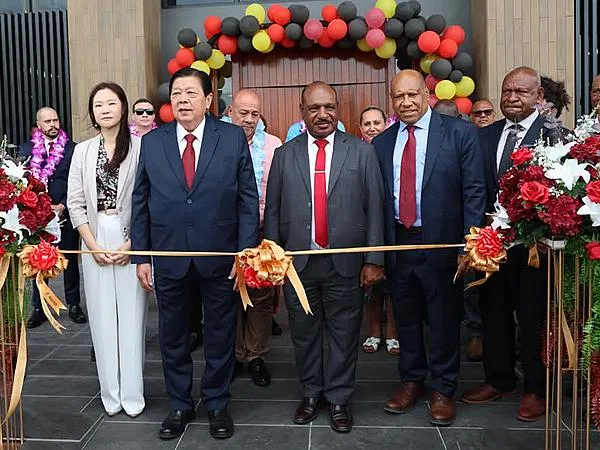
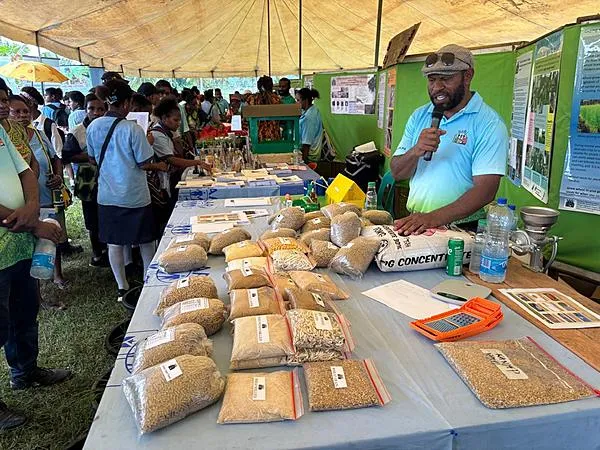
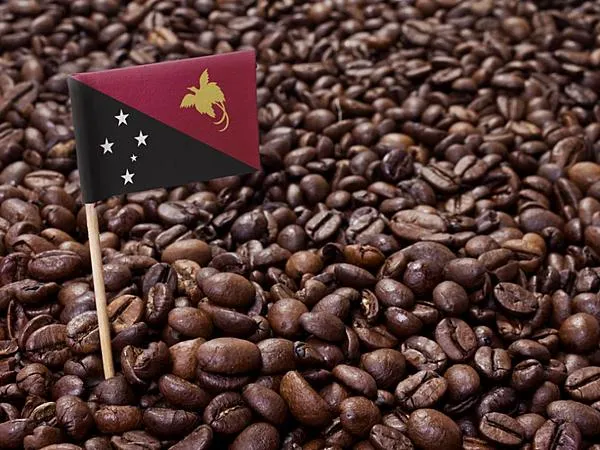
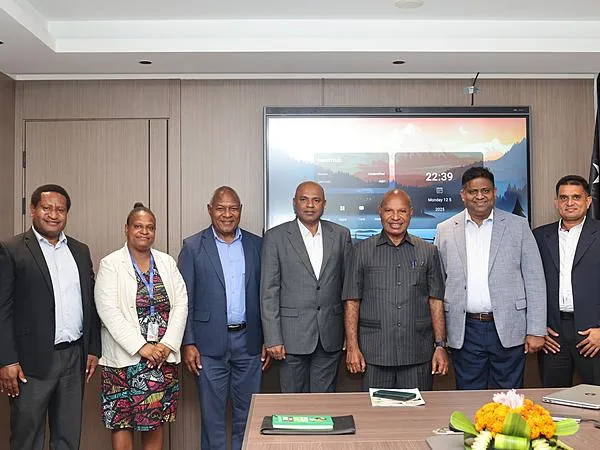
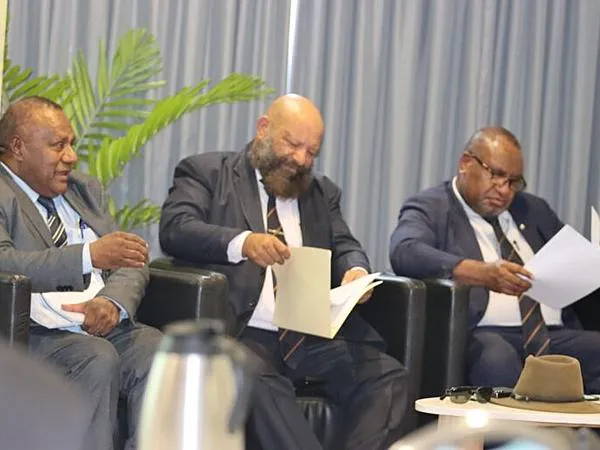
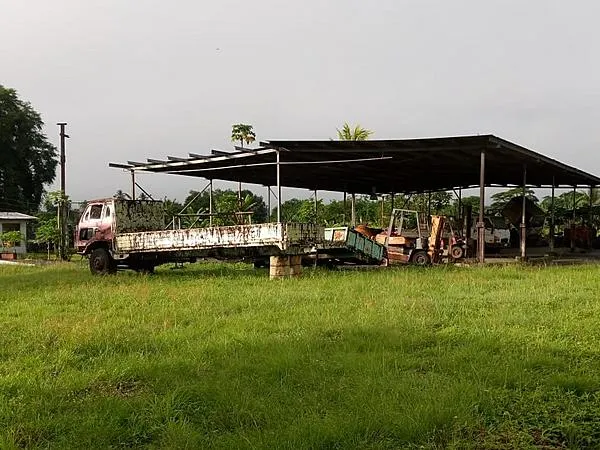
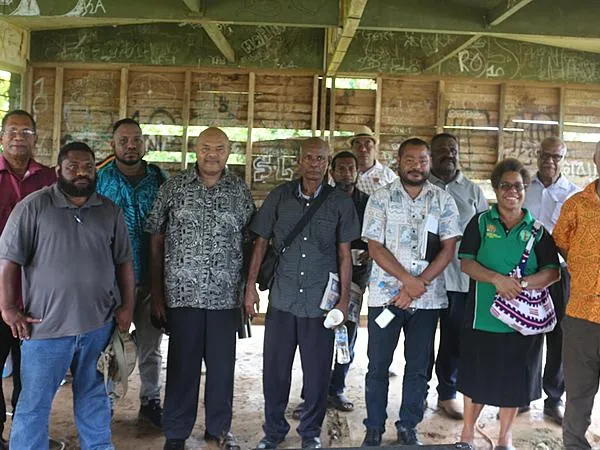
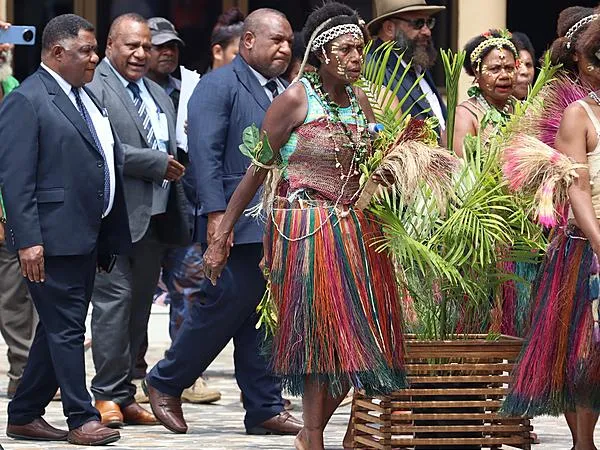
Coffee Minister William Bando officially opened the new state-of-the-art Homestate Coffee Factory at Tanam in Lae, Morobe Province, Papua New Guinea on 25 September 2025. The investment marks a milestone for Morobe’s coffee sector, creating opportunities for farmers who previously had to transport their produce to Goroka for processing.
The opening of the Homestate Coffee Factory is a major step forward for the country's coffee industry, strengthening rural livelihoods and reaffirming coffee’s place as the “green gold” that sustains millions of households nationwide.
The occasion was witnessed by leaders from both the provincial and national governments, business representatives, coffee stakeholders, and industry partners.
Minister Bando congratulated Homestate Chairman Tony Wetwattana and his team for their commitment to the industry, adding that the facility would not only boost coffee production in Morobe but also benefit farmers from other maritime provinces.
“When we talk about taking back PNG, we must take our people with us. I have travelled to a couple of coffee plantations and factories, and I can say that our people are so engaged and resilient,” Bando said.
“As minister for this important sector that supports over 450,000 households that equates to about 2-3 million individuals, this is where the money should be spent. To the chairman of Homestate Mr Paiboon, our host, distinguished guests, industry partners and most importantly the coffee growers of Morobe, thank you for your commitment to our nation,” Bando said.
The minister added that his role goes beyond official duty, highlighting coffee’s deeper meaning for rural communities. “I stand before you today not just as your coffee minister, but a son of this land who understands that coffee is not just a crop. It's a heartbeat of the rural economy, hope of our families and the green gold that will one day underpin the course of our country,” he said.
Bando stressed that the new facility symbolised more than just a corporate achievement.
“Its a profound political statement. It's a declaration by this Government that we are decisively moving away from a colonial era model of raw commodity extraction. We are now marching towards a new era of in-country value addition, job creation, and national wealth retention,” he added.
He also announced that his ministry is working with government and partners to strengthen the sector through building coffee access roads, tackling the coffee berry borer pest, introducing the soon-to-be-launched Green Gold Card to support farmers with pricing, and driving research and development into climate-resilient seedlings and modern farming techniques.
Coffee Industry Corporation (CIC) Acting CEO and Chief Operations Officer Steven Tumae also commended Homestate, noting their long-standing relationship with CIC.
“They initially approached CIC and asked for a permit to build in 2016 and we denied their application because of some irregularities in relation to policy guidelines. From that initial contact a decade ago, we fast-forward to January 2025 when Homestate was licensed as a Dry Coffee Processing Mill. Today, we open its doors to the growers of Morobe and wider PNG,” Tumae said.
He added that Homestate is already a major player in industries such as rice, instant noodles, salt, sugar, and foam boxes.
“Their strategic diversification into coffee signals immense confidence in the coffee industry. It also adds significant capacity to Morobe Province, a province with a rich coffee heritage,” he said.
“I also take this time to acknowledge the contributions of past and present factory owners and exporters in Morobe who have served farmers well and continue to this day. You have laid the groundwork. Today we build upon it,” he added.
A delegation of Korean investors has visited Papua New Guinea to explore opportunities in poultry, trade and education, a move the government hopes will spark long-term economic partnerships.
Minister for International Trade and Investment Richard Maru said the visit was an important signal of growing interest from Asia’s fourth-largest economy.
“This is the first visit we have had from the Koreans this year. Korea has transformed from being war-ravaged to a global economic powerhouse. We are hoping that as a result of this visit, they (the Korean investors) will make some investment decisions in PNG. I am extremely delighted and excited about the future.”
Among the visitors were representatives from Charmfre Inc, Korea’s second-largest chicken producer and a global leader in animal welfare standards. The company is considering a major investment in PNG’s poultry industry.
Maru said the opportunity could not be more timely, adding that PNG is a net importer of chicken.
"We are currently importing over K200 million worth of chicken annually, which means we are not producing enough chicken to meet our own domestic demand. Port Moresby does not have a major poultry operation. Our city is supplied from Lae and that is why the cost of chicken is very high because of the freight cost," he said.
“We need some global players like Charmfre to partner with the National Government, the Central Provincial Government and with Papua New Guinean companies to invest in a major poultry operation within the Central Province. Our need is not only broiler meat, but also eggs and day-old chicks. We are looking at a major investor who can operate in the entire value chain of a chicken, including exports," he added.
Maru said that the PNG government has already indicated to Charmfre that a poultry project in Central Province will be considered a Special Economic Zone (SEZ) with incentives to be offered.
"With our population growing at the rate of 4 percent per annum and with more resource projects and SEZs in the pipeline, the demand for chicken will continue to grow so investors in the poultry space will not go wrong investing in PNG," he said.
He added the government was determined to build local capacity. “The Marape-Rosso Government is keen to replace all chicken imports and be a net exporter of chicken. Partnerships with countries like Korea and its leading poultry companies who own global export brand like Charmfre would be a very exciting investment prospect," he said.
The visit also drew support from the PNG Poultry Industry Association. Chairman Chris Prestwood said global supply shocks underscored the urgency of investment.
“We have had difficulties in chicken supplies this year with number one reason being the countries that we have been importing chicken from being hit by avian influenza. It is critically important that our industry builds capacity by having our Government opening doors for other countries to come and partner us to create that capacity. We have to overcome malnutrition, stop importing and create opportunities," he said.
“Over the next ten years, the poultry industry needs to invest more than K1.2 billion to ensure we meet these milestones. We have the potential. Meanwhile, our existing producers are doing wonderful job. This year, production in PNG has grown by 40 percent which is tremendous," he added.
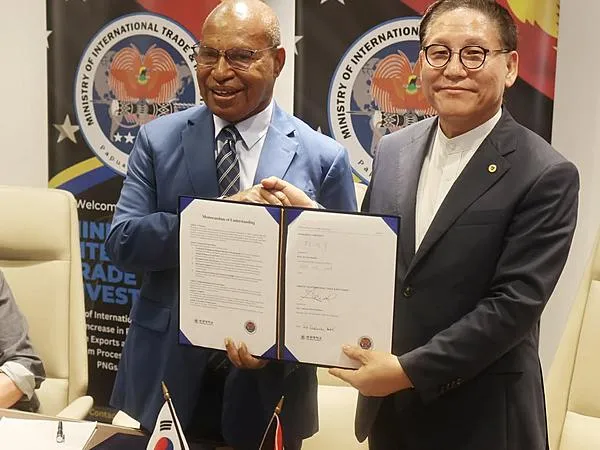
A highlight of the Korean delegation’s trip was the signing of a Memorandum of Understanding (MoU) between the Ministry of International Trade and Investment and Wonkwang University, whose Vice President for Academic Affairs, Professor Jin-Soo Hwang, was part of the visiting team.
Maru said the agreement was a starting point for a broader partnership.
“The purpose of this MoU is for us to cooperate in vocational training, industrial talent development, trade, investment, and research and development in import and export with the aim of contributing to economic development and strengthening industrial cooperation between our two countries," he said.
“This is a start of our relationship. While they have signed an MoU with my Ministry, I will channel them to other Ministries and agencies that will be required to work with them," the minister said.
During their stay, the Korean investors also toured the Paga Hill SEZ in Port Moresby to evaluate investment opportunities.
For PNG, the visit offered not just the prospect of poultry investment but also the hope of a deeper economic partnership with one of Asia’s most dynamic economies.
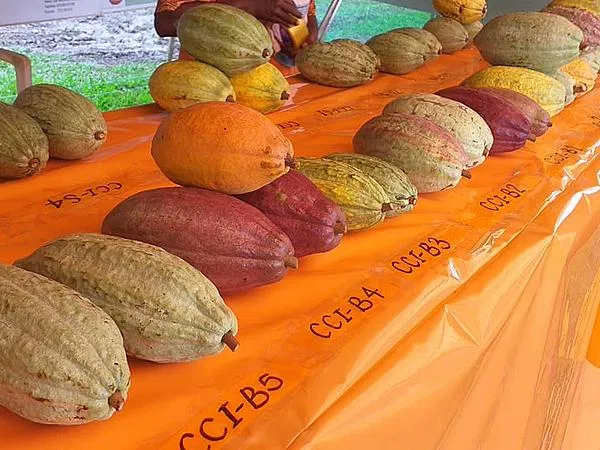
The aroma of fine cocoa will once again fill the air in Buka as the annual Bougainville Chocolate Festival returns from 28 to 30 October 2025, bringing together farmers, chocolatiers, industry leaders, and the public to celebrate the island’s world-class cocoa.
This year’s festival carries the theme: “Bougainville Island of Cocoa: Through Creative Opportunities, Innovation, and Information Sharing for Sustainable Socio-Economic Empowerment.” It reflects the organisers’ ambition to showcase Bougainville’s premium cocoa while promoting knowledge-sharing, innovation, and market connections that can strengthen livelihoods across the region.
Announcing the dates, Kenneth Dovaro, Secretary for the Autonomous Bougainville Government’s (ABG) Department of Primary Industry, said the event was far more than a celebration of chocolate. “The Bougainville Chocolate Festival is more than just a celebration of cocoa — it is an investment in our farmers, our communities, and our economy,” Mr Dovaro said. “It provides a platform for knowledge sharing, networking, and creating market linkages that directly benefit over 50,000 cocoa farmers across Bougainville.”
Driving Bougainville onto the Global Stage
Bougainville has steadily built a reputation in the global premium cocoa market, with beans that have earned recognition for their quality and unique flavour profiles. The festival has been central to this progress, serving as both a showcase for excellence and a driver of new opportunities.
“Every award our cocoa earns overseas, and every new business born from this festival, proves Bougainville can compete at an international level,” Mr Dovaro said. “By lifting cocoa quality and expanding value-adding, we are helping households boost their incomes while strengthening Bougainville cocoa as a key pillar of our economy.”
What to Expect at the 2025 Festival
Over three days, festival-goers can look forward to a rich programme, including:
Cocoa bean competitions judged by experts who will provide valuable feedback on quality and flavour.
Seminars and workshops covering farming techniques, value-adding, and business opportunities.
Exhibitions featuring cocoa products, farming tools, agri-technologies, and innovative small business solutions.
Awareness sessions on cocoa quality standards and compliance with the Bougainville Agriculture Commodities Regulatory Authority (BACRA) regulations.
Tastings and demonstrations of chocolates and downstream cocoa products, along with displays of complementary commodities such as rice, coconut, spices, and livestock.
The festival has been a launchpad for award-winning brands like Bougainville Nunu’s Black Opal and Twilight chocolates. This year, organisers are eager to see even more creativity, from cocoa-based drinks and cakes to boutique, artisan chocolates.
“Our vision is to make Bougainville synonymous with premium cocoa, innovation, and sustainable livelihoods,” Mr Dovaro added.
A Partnership for Growth
Launched in 2016, the Bougainville Chocolate Festival is an initiative of the Autonomous Bougainville Government, implemented in partnership with the Governments of Papua New Guinea, Australia, and New Zealand. Over the years, it has grown into a major platform for strengthening the cocoa value chain — from the farm gate to international markets.
For Bougainville’s thousands of cocoa farmers, the festival is not only a celebration of their hard work but also a gateway to opportunity, linking local communities with global buyers and setting the stage for long-term socio-economic empowerment.
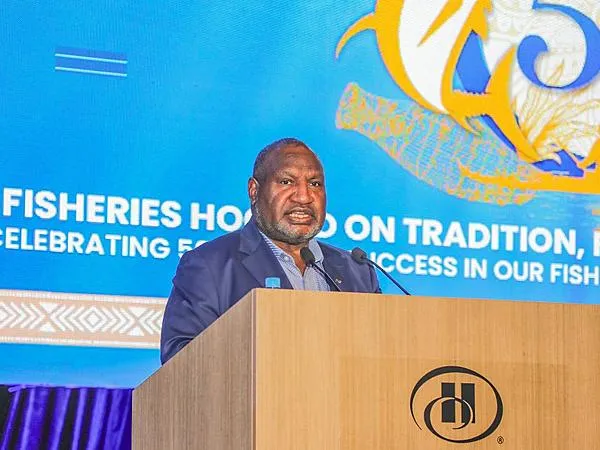
Prime Minister James Marape has urged Papua New Guinea and its Pacific neighbours to take full control of their ocean resources, declaring that the region must no longer remain a “beggar” while foreign powers exploit its fisheries wealth.
He was speaking in Port Moresby at the National Fisheries Authority’s (NFA) 25th anniversary celebrations, where he launched two landmark policies: the National Tuna Domestication Strategy (NTDS) and the National Aquaculture Development Strategy 2025–2035.
The event brought together a distinguished gathering of Pacific leaders, including Wesley W. Simina, President of the Federated States of Micronesia; Prime Minister Mark Brown of the Cook Islands; Prime Minister Feleti Teo of Tuvalu; Prime Minister Dalton Tagelagi of Niue; and the Secretary-General of the Pacific Islands Forum, Baron Waqa of Nauru, alongside his PNG predecessor Dame Meg Taylor. Ambassadors, high commissioners, Members of Parliament, and industry stakeholders were also in attendance.
Standing With the Pacific
PM Marape warmly welcomed his Pacific counterparts, praising their leadership and reaffirming PNG’s solidarity with nations confronting the existential threat of climate change. He singled out Tuvalu’s Prime Minister Teo, whose nation faces the daily reality of rising seas.
“In 2019 at the Pacific Islands Forum, I argued that our focus must not be on relocation but on reclamation,” PM Marape said. “Our people must remain on their land, and the Pacific family will stand with Tuvalu and every island nation facing this crisis. You are not alone in this fight.”
He emphasised that solidarity must be practical rather than symbolic: “We must act together, not only on climate change but also on ensuring our ocean resources deliver prosperity to our people.”
The “Blue Continent”
Rejecting the common label of “small island states”, PM Marape urged the world to reconsider how it views Pacific nations. “Our countries are not small islands — we are big ocean states,” he declared.
“Together, our Exclusive Economic Zones stretch across more than 3 million square kilometres, the largest ocean territory on Earth. We are the Blue Continent. Just as the Middle East commands oil wealth, tuna and marine resources must define the Pacific," he added.
He noted that tuna harvested annually from Pacific waters is worth more than USD 3 billion, yet the benefits rarely reach local communities. “Enough is enough,” PM Marape said. “No more should our fish be taken, processed elsewhere, and sold back to us at high prices. From now on, tuna caught in Papua New Guinea must be processed here, creating jobs and value for our people.”
Building on NFA’s 25-Year Legacy
Reflecting on the NFA’s journey since its establishment in 1998, PM Marape praised the authority as one of PNG’s most successful state institutions. He observed that it already contributes between K1.5 billion and K2.3 billion annually to the national economy.
“I am now challenging NFA to lift its contribution to K3 billion by 2027,” he announced. “This is ambitious, but achievable. With the National Tuna Domestication Strategy and the Aquaculture Development Strategy in place, we have the framework to make it happen.”
He added that the aquaculture plan aims to triple national aquaculture production by 2035, while the tuna strategy will ensure greater value-adding through domestic processing, downstream investment, and job creation.
“Fishing has been our people’s way of life for centuries. Now, we must modernise it into a corporate, sustainable industry that secures food, jobs, and growth for our nation.”
Call to Regional Neighbours and Global Partners
The Prime Minister extended an invitation to Pacific neighbours such as Solomon Islands, Nauru, and Micronesia to collaborate with PNG in building processing hubs and aquaculture ventures.
“If you don’t have land, come to PNG,” he said. “We have land, we have labour, and we are ready to share. Together, we can ensure that Pacific fisheries sustain Pacific people, not just foreign markets.”
He also appealed directly to global partners, urging G20 nations such as Australia, Japan, China, Indonesia, and the United States to move beyond geopolitical competition and instead invest meaningfully in Pacific industries.
“If you are true friends of the Pacific, don’t just bring your geopolitics to our doorsteps,” he said. “Assist us in building industries, in developing infrastructure, and in ensuring our resources sustain our people. We don’t want perpetual aid. We want partnerships that bring dignity and prosperity.
The Pacific can feed the world, and in doing so, help maintain the balance of the global environment.”
A Vision Linked to PNG@50
The timing of the launches carried symbolic weight, with Papua New Guinea just days away from marking its 50th Independence Anniversary. PM Marape linked the new strategies to his government’s broader vision of economic independence.
“September 16 will come and go, but the work of building our nation never stops,” he said. “Tonight we have launched two strategies that represent our determination to shape the next 50 years. Our goal is to build a K200 billion economy where no child is left behind.”
He paid tribute to Fisheries Minister Jelta Wong, NFA Managing Director Justin Ilakini, industry partners, and the foresight of the late Sir Mekere Morauta, who spearheaded the creation of the NFA in the late 1990s.
“Fishing is in our DNA. Our ancestors crossed the Pacific with courage and skill, guided only by stars, currents, and knowledge passed down through generations,” PM Marape reflected. “Now it is our duty to modernise that heritage. With the National Tuna Domestication Strategy and the Aquaculture Development Strategy, we will transform our oceans into engines of prosperity for Papua New Guinea and for our Blue Continent.”
The Autonomous Bougainville Government (ABG) has reiterated that the harvesting and trading of beche-de-mer (sea cucumber) remains strictly prohibited across the region until further notice, despite recent confusion sparked by a national advertisement.
In a statement, Kenneth Dovaro, secretary of the ABG Department of Primary Industries and Marine Resources, confirmed that the five-year moratorium on beche-de-mer harvesting is still in effect and has not been lifted.
The clarification follows public concern after the National Fisheries Authority (NFA) published a notice in the Post-Courier on 9 July, titled “Call for Beche-de-Mer (BDM) Licence Application”. While the notice called on interested operators and businesses to apply for licences for future open seasons, it did not authorise any harvesting activity at present.
“The notice has unfortunately caused some confusion,” said Dovaro. “We wish to make it absolutely clear to all fishermen, women, youths, and coastal communities throughout Bougainville that the fishery remains closed. There should be no harvesting, processing, storing or trading of sea cucumbers at this time.”
He reminded the public that under the Fisheries Management Act 1998 and Fisheries Regulation 2000, engaging in any such activities before an official reopening is considered illegal and may attract serious penalties.
The Department is now appealing to all community government officials and leaders to help enforce the moratorium and ensure their communities comply with the directive.
“We’re relying on our community leaders to take charge and spread the word. This fishery is important to our people, and its sustainability depends on our collective discipline and cooperation,” Mr Dovaro said.
Ahead of the proposed open season, a joint awareness campaign will be rolled out by both ABG Fisheries and NFA teams. The sessions will cover licensing procedures, the fishery management plan, and guidelines on species protected under the Convention on International Trade in Endangered Species (CITES).
For further information, the public is encouraged to visit the Department of Primary Industries & Marine Resources office located on Haku Street, Buka Town.
Prime Minister Hon. James Marape has commended the National Agricultural Research Institute (NARI) for unveiling plans to establish a state-of- the-art Information and Data Centre at its Bubia headquarters in Morobe Province. This initiative aligns with the government’s commitment to modernise Papua New Guinea’s agriculture sector through innovation, data-driven decision-making, and inclusive development.
Announced during the 14th NARI Agricultural Innovations Show on 28 May 2025, where Prime Minister Marape delivered the opening address, the proposed two-storey facility will serve as a national hub for agricultural knowledge, data management, and public access to research materials. It aims to support farmers, researchers, policymakers, and development partners by providing timely and relevant information to enhance productivity and resilience in the agriculture sector.
Prime Minister Marape stated, “As we celebrate 50 years of independence, initiatives like NARI’s Information and Data Centre exemplify our nation’s progress towards a smarter, more innovative future. This facility will empower our farmers with the knowledge and tools necessary to transition from subsistence to commercial agriculture, fostering economic growth and food security.”
The Morobe Provincial Government has pledged K2 million in seed funding for the project, with an additional K4 million requested to support full implementation. The centre will feature modern amenities, including accessibility features for persons with disabilities, and will house archives, a library, meeting rooms, and offices dedicated to publications and visual resources.
NARI Director-General Dr Nelson Simbiken emphasised the centre’s role in transforming PNG’s agriculture sector, stating, “This is more than just a building; it’s a commitment to evidence-based planning and smart farming. By centralising agricultural information and data, we aim to support better decision-making and drive innovation across the sector.”
Prime Minister Marape reaffirmed the government’s support for such transformative projects, highlighting their importance in achieving the nation’s Vision 2050 goals. “Investing in agricultural research and infrastructure is crucial for our country’s sustainable development. We will continue to support initiatives that enhance our farmers’ capabilities and contribute to our national prosperity,” he said.
Prime Minister Hon. James Marape has hailed the inaugural air shipment of Morobe-grown coffee to Dubai as a “monumental breakthrough” for Papua New Guinea’s agricultural exports, marking a powerful step forward in unlocking the full economic potential of rural communities and affirming the Government’s commitment to commercialising agriculture.
Speaking in Port Moresby on the occasion of the official export departure, Prime Minister Marape praised the milestone as a profound gift to the nation during its 50th year of independence.
“Today, we are not just sending coffee to the world — we are sending a message: Papua New Guinea is ready to compete in global markets with the best of what our people grow,” Prime Minister Marape said.
“This airfreight shipment of premium Morobe coffee to Dubai is not merely a trade transaction. It is a symbol of our farmers’ resilience, our land’s richness, and our government’s ambition to transform agriculture into a powerful engine of economic growth.”
The shipment, spearheaded by local agribusiness AFIA PNG, included an initial 30 bags of specialty Morobe coffee, with a further 91 bags prepared for subsequent deliveries. The consignment was flown directly from Port Moresby to Dubai, showcasing PNG’s growing capacity to meet international demand through airfreight logistics.
“This is history in motion,” the Prime Minister said.
“We commend AFIA PNG and the Morobe Provincial Government for their visionary leadership. This is what it means to take back PNG — by empowering our people, our products, and our provinces.”
Prime Minister Marape said the Government’s focus under the National Agriculture Sector Plan (NASP 2024–2033) is to support exactly such models of innovation and export-led growth. He reaffirmed his government’s intent to replicate the AFIA approach across all agricultural regions.
“Let me be clear — what AFIA PNG has achieved must not remain an isolated success,” Prime Minister Marape stressed.
“My government will work to expand this model to other provinces. We want to see vanilla in East Sepik, cocoa in East New Britain, oil palm in Oro, rice in Central, and fisheries in Manus and Milne Bay reach global markets with the same success.”
He said that PNG’s growing agricultural exports are being supported by major infrastructure investments across the country, including new and upgraded roads, bridges, ports and airports.
“For instance, this coffee is utilising a brand-new airport facility,” the Prime Minister explained. “We are restoring our Air Niugini fleet, and by September this year, we should have new aircraft that will not only serve domestic destinations, but also connect Papua New Guinea to international markets.”
“Our investments in infrastructure — roads, ports, bridges, airports — must be complemented by our people producing goods for markets both near and far,” he said. “Our chocolate, our cocoa, continues to maintain markets in Europe, and our oil palm is sustaining its place in international trade. This export to Dubai is a strong signal that we are heading in the right direction.”
Prime Minister Marape said the Government’s development priorities are interconnected, with parallel investments in electricity, ICT connectivity and logistics meant to spark productivity and support exports.
“Exporting overseas will ensure remittances flow back into our country. We want to fix what I consider a weakness — exporters not bringing the remittance earnings back into Papua New Guinea. Kina must find its rightful place in the global market. Bringing export earnings in foreign currencies back into Kina will boost its value.”
He said the Government is making a concerted effort to help people produce and sell to overseas markets, and to ensure that these transactions benefit the broader economy.
“We are serious about creating wealth from our land and seas — and putting it directly into the hands of our people.”
The Prime Minister said the shipment also sent a powerful signal to international buyers and investors about the quality, ethics, and distinctiveness of Papua New Guinea’s agricultural products.
“In an era where the world demands traceability, ethical sourcing, and environmental responsibility, PNG stands out — not only for the uniqueness of our crops, but also the integrity of our communities,” he said.
Prime Minister Marape concluded by declaring the Dubai shipment as one of the most meaningful developments of PNG’s Golden Jubilee.
“As we celebrate 50 years of independence, this coffee export represents the new direction of our country. We are no longer just a resource economy — we are now a producer, exporter, and competitor in value-added agriculture,” he said.
“To AFIA PNG and the people of Morobe: thank you for giving Papua New Guinea a gift of pride and purpose. The world now awaits our harvest.”
The Mineral Resources Development Company (MRDC) has expanded its Omati Cocoa Project from Kikori in the Gulf Province to Gobe in the Southern Highlands Province in Papua New Guinea, reinforcing its commitment to building sustainable economies beyond the life of oil and gas resource extraction.
In May, more than 2,000 high-quality hybrid cocoa seedlings were transported from Omati to Gobe, MRDC said. The seedlings were distributed across several communities in the Gobe Oil Project area, including Kaiam 1 and 2, Kaiam Ferry, Done, Siawiti, Waterfront, Baina, and Kantobo, targeting regions with strong agricultural potential.
Augustine Mano, Managing Director of MRDC, emphasised the strategy of the agricultural program, saying: "Our investment in the Omati Cocoa Project and its expansion to Gobe reflects our community investment commitment to our project communities."
"We understand that sustainable economic development must look beyond resource extraction. By fostering agricultural enterprises, centred on high-value crops like cocoa, we are helping communities with the tools and resources for self-sufficiency and building a resilient future."
The Omati Cocoa Project, launched in 2022 with a K1 million investment by MRDC through the PNG LNG Pipeline Limited board, is spearheaded in partnership with its subsidiary Gas Resources Pipeline Limited (GRPL).
The project has grown from its humble beginnings, originally stocking 1,000 cocoa seeds from East New Britain into a major propagation center with a current capacity of 50,000 seedlings. Plans are underway to double this capacity to 100,000.
A three-year development period saw 18 cocoa varieties evaluated for yield potential, disease resistance, and suitability to local conditions.
The project achieved a significant milestone in 2024 when it was officially certified by the Cocoa Board of PNG, meeting national quality and operational standards. Technical collaboration with the Department of Agriculture and Livestock (DAL) ensures farmers continue receiving agronomic guidance and extension services.
In Kikori, the project has already seen a substantial uptake, with more than 85,000 seedlings distributed to about 500 farmers.
Mr. Wauro Oumabe, PNG LNG Pipeline Ltd Director for Segment Seven in Kikori, outlined the local impact, saying: "Approximately 500 farmers are now actively engaged in cocoa cultivation in Kikori, each receiving quality seedlings and support.”
“The positive response and the evident success have fuelled demand, leading to this expansion to Gobe. We anticipate further interest as communities witness the benefits of high-quality cocoa farming."
Oumabe also pointed to cocoa's financial promise amid rising global prices.
“In areas like ours, reliable income is essential for covering school fees, healthcare, and other basic necessities. The rising global market price for cocoa has further enhanced its appeal as a viable cash crop, capable of transforming local economies if grown to quality standards."
"A comprehensive five-year development plan has been submitted to MRDC. A key feature of this plan is the proposed establishment of a processing facility. Our aim is to empower communities to move up the value chain from merely selling raw beans to producing processed cocoa, thereby retaining more value locally,” he said.
“Such a facility would not only improve post-harvest handling and quality control but also create new employment opportunities, skills development in processing and grading, and open avenues for niche marketing of regionally branded cocoa products. This aligns with broader national goals of increasing domestic value-addition in the agricultural sector,” Oumabe added.
The Gobe rollout is being met with strong grassroots support. Mr. Matthew Sisimolu, Chairman of Petroleum Resources Gobe (PRG), a key landowner company supported by MRDC, welcomed the initiative as a practical path forward.
"My primary objective as a leader is to steer our communities towards sustainable agricultural development as a primary economic driver," said Mr. Sisimolu. "This cocoa project is a practical and promising pathway for our landowning communities."
Sisimolu personally contributed K6,000 toward the cost of acquiring and transporting the seedlings from Omati to Gobe.
One of the project’s major appeals is its ability to generate consistent, renewable income independent of fluctuating resource project dividends.
Mrs. Kila Oumabe, a prominent figure in farmer mobilisation and training in Omati, particularly among women, highlighted the significance of this shift.
"Revenue from resource projects has a lifespan. Cocoa, however, is a perennial crop; it offers a sustainable income stream that can support families year after year,” she said.
"Access to consistent income from cash crops like cocoa directly impacts household food security and the ability to invest in education and health. For many women and marginalized households, who may have limited access to benefits from larger resource projects, cultivating their own cocoa plots offers a direct pathway to improved livelihoods.
“The initial nursery establishment saw a significant contribution from local women, who recognised the long-term potential of cocoa,” she added.
As Papua New Guinea marks 50 years of independence, a rare opportunity has emerged in global commodity markets — an opportunity that Prime Minister James Marape says could transform rural economies and secure lasting prosperity for farmers across the country.
With international prices for cocoa and coffee soaring to record highs, and a favourable exchange rate boosting local earnings, Prime Minister Marape has urged farmers, cooperatives, and agribusinesses to seize this moment.
“These global market trends are a signal to every farmer in the Highlands, Islands, Momase, and Southern regions that your time has come. The world wants what we grow — high-quality, organically produced coffee and cocoa—and they are willing to pay top prices for it,” Prime Minister Marape said.
Coffee and Cocoa Prices Reach Historic Levels
In early 2025, Arabica coffee – Papua New Guinea’s primary export variety – traded above US$4.40 per pound, the highest levels in over a decade. This surge has been driven by crop failures in major producing countries like Brazil and Vietnam.
At the same time, cocoa prices skyrocketed to over US$12,000 per metric tonne earlier this year due to global supply disruptions. Prices have since stabilised at around US$8,000, still well above the historical average.
“These price increases are not just financial headlines,” Prime Minister Marape said. “They are economic opportunities for every farmer with a cocoa or coffee tree.”
Exchange Rate Works in PNG’s Favour
Compounding this opportunity is the current exchange rate. The Papua New Guinean kina is trading at approximately K4.13 to the US dollar, which significantly boosts the kina value of export earnings.
“When our farmers sell to global markets, they now earn more kina for every US dollar received. This strengthens household incomes, boosts local commerce, and supports national growth,” the Prime Minister said.
Government Backing Farmers to Succeed
Prime Minister Marape outlined how the Government is supporting farmers to convert these market opportunities into tangible gains:
1. Major Investment Through the PACD Project
The Papua New Guinea Agriculture Commercialisation and Diversification (PACD) Project, co-funded by the World Bank and Government of PNG, is investing in processing sheds, feeder roads, nurseries, and tools for smallholder farmers. Key beneficiary provinces include Jiwaka, Western Highlands, Chimbu, Morobe, East Sepik, and East New Britain.
2. National Agriculture Credit Scheme
To address financing gaps, a National Agriculture Credit Scheme is being launched to provide farmers and SMEs with access to affordable loans. The goal is to help them buy equipment, expand production, and meet export standards.
3. Export and Market Access Support
The Coffee Industry Corporation Ltd (CICL) and Cocoa Board of PNG are enhancing export pathways by supporting certifications, cooperative exports, and direct-to-buyer partnerships.
4. Branding and Value Addition
The Prime Minister highlighted the importance of quality branding and value-added exports, such as honey- processed coffee and fine-flavour cocoa.
“Our crops are grown in pristine environments, by hardworking hands, using traditional methods. These are premium qualities that global markets value. We must now brand and market ourselves as a high-quality origin,” Prime Minister Marape said.
Economic Empowerment Through Agriculture
Prime Minister Marape emphasised that agriculture remains the most inclusive path to development for PNG’s rural majority.
“Our gold is not only in the ground—it is in our gardens. This is how we build a resilient, self-sufficient economy. One where the wealth is spread, not concentrated,” he said.
He drew inspiration from Scripture to reinforce the importance of agriculture in human life and economic survival: “God, having created Adam, tasked him to tend the garden in Genesis 2:15—giving us the first indication that it is the garden that can sustain life,” the Prime Minister said. “For us in Papua New Guinea, if a million subsistence families turn to commercial farming of export crops like cocoa and coffee, we would be earning real export dollars and transforming rural economies in the process.”
Prime Minister Marape also highlighted that the benefits of agricultural productivity are being multiplied by the Government’s broader support for families.
“We are already paying for children’s education through free education, and we are supporting health care,” he said. “These are some of the biggest annual expenses for families, and we are removing that burden. So, any income they earn from agriculture becomes a direct saving—money that goes into food, shelter, and building a better life. It’s all about generating real wealth and helping our people progress wherever they are. I continue to appeal to our citizens to see this vision, this foresight, and this real possibility for transformation.”
He pointed to recent success stories such as the Kore Mani Coffee Project in Jiwaka and the cocoa revival in East Sepik as examples of what is possible with coordination, commitment, and investment.
A Call to Action for PNG’s 50th Year
“As we celebrate 50 years of independence, we must reflect not only on our history but also on our future,” Prime Minister Marape said.
“Let this be the year we take back our agriculture. Let it be the moment we empower our farmers to feed the nation and supply the world. We are not just commodity producers — we are exporters, entrepreneurs, and custodians of this great land.”
The management team of a Sri Lankan large-scale coconut-based food and beverages manufacturer/exporter, yesterday, met with the Minister for International Trade and Investment, Hon. Richard Maru, to express their keen interest to set up a coconut processing plant in Madang Province under a Joint Venture arrangement with the local investors.
Jaindi Export Pvt Limited has two processing plants in Sri Lanka and, under the brand name ‘econutrena’, they offer expanding and diversified product portfolio, ranging from coconut cream, coconut milk, coconut oil, coconut sugar, coconut butter, coconut whipping cream, coconut ice cream, coconut vinegar, coconut virgin oil, coconut water, coconut flour, coconut chips and coconut milk drinks (to name a few) to their worldwide clients including supermarket chains and high-end supermarkets, food companies, hotels, and the cosmetic industry in Europe, North America, Japan, Australian, Germany, Netherland and other developed countries. Their products are 100 percent organic and are certified under different local and international certifications including USDA Organic, Fairtrade, ISO 22000, Control Union Certifications, Business Social Compliance Initiative, and others.
The Minister for International Trade and Investment, Hon. Richard Maru, said: “Our Government together with the Madang Provincial Government are very keen to work in partnership with the Jaindi Export and Kokonas Indastri Koporesen (KIK) to develop the proposed processing plant in Madang that would have the capacity to process up to 100,000 coconuts per day to produce high-end coconut products. This is a long overdue initiative and I am so delighted that they are keen to start this project. We have been waiting for partners to help us to go into downstream processing of our coconuts to produce high-end products for the global market.”
“Coconut industry is one of the industries in our country that has been around for a long time, but we have been semi-processing and that is one thing that our country and our Government does not want anymore. We do not need to export coconut oil anymore. We want to process our coconuts into final products to maximize our value, create more jobs, and encourage the industry to grow if our people can see a better value.”
“Jaindi Export’s already have big clients in Australia including Woolworths and it is cheaper to supply Australia from PNG rather than from Sri Lanka.”
Minister Maru further stated: “The biggest thing is, we must offer a good price to the farmers for the coconuts so they will be attracted to supply the nuts to the processing plant. This is critical. The products manufactured in the proposed plant must also carry the ‘PNG Made’ logo so the world will know that these coconut products are from PNG.”
Minister Maru encouraged the investor to provide him with a full investment proposal outlining the capacity, production, equity, and the financial and operational viability of the project.
“We look forward to receiving Jaindi Export’s full investment proposal next week,” said Minister Maru.
Minister Maru confirmed that equity will not be an issue.
“I will also work very closely with the Madang Provincial Government to secure 10 hectares of land in Madang for this very important investment that will transform the coconut industry in PNG,” said Minister Maru.
“I want to thank the Managing Director of KIK, Mr. Alan Aku for arranging this important investment mission for this company to meet with me and other key stakeholders,” added Minister Maru.
In a decisive address at the National Agricultural Industry Public-Private Sector Partnership Conference recently, Prime Minister Hon. James Marape, MP, reaffirmed the Government’s commitment to prioritizing agriculture as a cornerstone of national development.
This pivotal gathering underscored the Government’s ongoing efforts to enhance agricultural productivity as a means of sustaining economic growth and improving the livelihoods of Papua New Guineans.
Prime Minister Marape highlighted the significance of the agriculture sector, which has been strategically divided into four vital components: the main Agriculture Department, Coffee, Cocoa, and Oil Palm.
This restructuring aims to refine focus and boost the productivity of these subsets, integral to the nation’s economic framework.
“For four consecutive years, we have witnessed a growth of four percent in the non-resource sector,” PM Marape stated.
“This growth is a testament to the effective harnessing of economic activity and productivity that sustains our people.”
The Prime Minister also addressed graduates in attendance, urging them to leverage their education and communal resources to foster agribusiness initiatives.
“With your wealth of knowledge gained from learning institutions, you can utilize your lands and collaborate with your tribal clansmen to drive business success. This is your opportunity to make a profound impact,” he said.
PM Marape committed to taking the insights and outputs from the conference back to his office to form actionable strategies to further advance the agricultural sector.
He referred to the Government’s price support program launched in 2020, and emphasized the critical need for an established policy mechanism, particularly in light of six years without a robust agricultural structure from the Agriculture Department.
“How can we progress without an established policy mechanism?” he challenged.
Despite the visible improvements in infrastructure, PM Marape expressed concern over lagging productivity levels.
Encouraging the agricultural community, he implored stakeholders to take full advantage of recent legislative changes, including the new income tax act, which offers reductions in taxes and enhanced incentives and tariff measures.
“The government is also establishing access to Asian markets, particularly China, and we are actively working with bilateral partners to enhance food security,” Marape added, highlighting the Administration’s efforts to integrate Papua New Guinea’s agricultural sector into the global market.
In conclusion, the Prime Minister reiterated his belief in agriculture as a vital driver for the nation’s economic future and a key element in enhancing food security and community well-being.
The government remains committed to supporting the agriculture sector and its stakeholders, with a focus on ensuring sustainable growth for generations to come.
In the lush plains of Cape Rodney in the Abau District, within Papua New Guinea’s Central Province, more than a thousand rubber trees stand as silent witnesses to decades of agricultural ambition and, more recently, to a growing sense of abandonment.
Once a hub of rural enterprise and a key player in the nation’s cash crop economy, the region’s rubber industry now teeters on the edge of collapse, if a recent awareness report is to be believed.
The report by the Cape Rodney Rubber Farmers Taskforce Committee has shed new light on the state of the Cape Rodney Agriculture Development Project (CRADP), revealing a troubling narrative of mismanagement, decaying infrastructure, and lost opportunity.
Rubber has long held a special place in PNG’s agricultural quest to build the nation, yet it is “undermined and not prioritized,” according to the report. It is non-seasonal, non-perishable, and self-generating, often described as “money on the bark.”
Since its introduction in the pre-colonial era, and particularly during the 1960s under the plantation schemes, rubber production has become central to Cape Rodney’s economy.
CRADP currently boasts over 1.45 million rubber trees spread across 8,500 hectares, contributing 64% of the country’s total rubber output. Nationally, the industry generates approximately K70 million annually through the export of Technically Specified Rubber (TSR CR10).
However, as the Field Awareness Report dated 2023 highlights, this success story is now mired in stagnation.
Farmers Speak Out
The Taskforce Committee, made up of farmers and landowners from the divisions of Manabo, Cocolands, Ianu, and Upulima, was formed to advocate transparency and reform. Their latest field report provides an extensive evaluation of the CRADP, focusing on how millions of kina in Public Investment Program (PIP) funds allocated for nursery rehabilitation and rural development have not yielded visible progress.
At the center of the committee’s concerns is the claim that the Rubber Industry Board, tasked with overseeing industry development, has failed to deliver on key initiatives outlined in the national Medium-Term Development Plan III (MTDP III) and the Agriculture Medium-Term Development Plan (AMTDP).
Mervyn Hibo, President of Cape Rodney Agriculture Development Project (CRFSA) or the farmers’ representative, reiterated their message: they need help to rebuild and revive the plantations and rubber production.
For instance, Hibo noted that despite a K2-million injection through the 2023 national budget, intended specifically for nursery rehabilitation, not a single operational nursery exists in any of the divisions. A nursery established in 2014 now lies abandoned, overtaken by tall grass and weeds, he said.
“This neglect poses a serious risk. With most trees now over 30 years old and increasingly susceptible to fungus and termites, without new plantings, a steep decline in rubber yield is inevitable,” he said.
Equally concerning is the condition of rural infrastructure, the report noted. Access roads to plantations have deteriorated to the point of being impassable, especially during rainy seasons. Farmers face enormous challenges transporting goods or reaching essential services. In some cases, private rubber buyers have resorted to self-funding road repairs just to maintain their operations.
The report also points to administrative shortcomings, including poor recordkeeping and the dilapidated state of DAL (Department of Agriculture and Livestock) offices and staff housing. Land titling remains unresolved for many farmers due to misplaced documents and outdated systems. Only a small fraction of block holders have officially secured their land titles, undermining security and long-term investment.
Furthermore, rubber prices remain fixed at K1.20 a kilogram, with no price support provided since the COVID-19 pandemic. The limited number of buyers -- one at Upulima and two at Moreguina -- leaves farmers vulnerable to market fluctuations and without bargaining power.
The Bigger Picture
These issues are not isolated, the report noted, as they reflect “a wider pattern seen across many of PNG’s commodity boards.” Climate change, funding limitations, and a lack of localised governance have made it difficult for rural agricultural communities to thrive. Among the Taskforce’s findings and recommendations are:
Despite the setbacks, hope remains, as the report emphasizes the CRADP’s potential and the determination of its people to rebuild. The rubber industry “has the capacity not only to generate revenue but also to uplift rural livelihoods and strengthen PNG’s economic independence,” Hibo said.
According to the President of the Farmers and Settlers, Mr Wilson Thompson, “This is about meaningful participation. We must ensure our people benefit from the resources they have nurtured for generations.”
The challenge now, as Thompson said, is for policymakers, development partners, and industry leaders to listen and to act.
The Cape Rodney Farmers & Settlers Association (CRFSA) in Abau District, Central Province is leading Papua New Guinea’s rubber production push with an ambitious development plan.
The group announced a 10-year plan to cultivate 100 million rubber trees across the country, potentially turning thousands of hectares of arable land into productive rubber plantations.
The plan is outlined in the newly released Cape Rodney Rubber Report 2025, which highlights both the challenges and economic opportunities within the natural rubber industry.
According to the report, rubber is a non-seasonal and non-perishable cash crop that significantly contributes to the PNG economy and reduces poverty by generating income and employment in rural communities.
With roots in post-colonial plantation schemes, rubber remains a promising industry, particularly in Central Province, which includes the rubber-rich Abau, Rigo, Hiri-Koiari, and Kairuku districts.
Abau District is known as the heart of PNG’s Rubber Sector. The report reveals that Cape Rodney, located in Abau, contributed 64% of Papua New Guinea’s total natural rubber output between 2014 and 2018.
With over 2.5 million rubber trees planted across the district, Abau hosts some of the largest plantations such as Manabo and Hanamoa, each spanning 2,000 hectares.
A total of 15 plantations are active in Central Province, with eight located in Abau alone. These estates range in size and productivity, with the Hanau plantation having approximately 700,000 trees, while smaller operations like Mamai, established in 1932, continue to operate on a reduced scale.
Currently, about 25,000 hectares nationwide are under rubber cultivation, involving both commercial and smallholder farmers. The industry generates approximately K70 million annually from the export of TSR (Technically Specified Rubber) CR10 products. Between 2014 and 2018, PNG exported 15,600 tonnes of rubber valued at K63 million, with Cape Rodney emerging as the largest single contributor.
Nine provinces across the country are engaged in rubber production: West Sepik, East Sepik, Manus, New Ireland, Milne Bay, Central, Northern, Gulf, and Western. Despite the geographic spread, Central Province, particularly the Abau District remains the strongest hub.
Cape Rodney Agriculture Development Project (CRADP)
Leading the region’s rubber growth is the Cape Rodney Agriculture Development Project (CRADP), initiated in the 1980s through a partnership between the Government of PNG and the Asian Development Bank (ADB).
Under the Department of Agriculture and Livestock, the CRADP has been recognized as a national agriculture project and remains the only officially endorsed rubber initiative of its kind in the country.
The CRADP encompasses four subdivisions: Ianu, Manabo, Cocolands, and Upulima. Collectively, these cover 10,700 hectares and house more than a million rubber trees. Upulima stands out as the largest and most productive, with 630,000 trees and an annual output of 6.7 thousand tonnes, valued at K9.6 million.
Across all CRADP subdivisions, total annual rubber production amounts to 14,000 tonnes, generating revenue of K16 million.
To meet its ambitious target of 100 million trees, CRFSA has identified several key areas for improvement. These include:
The association also calls for stronger partnerships with investors, government bodies, and international rubber buyers to finance the expansion and maximize productivity.
Mervyn Hibo, President of CRFSA, said, “We aim to build a multimillion-dollar rubber industry that not only uplifts our local economy but also empowers our people.”
“With over 2.5 million rubber trees already planted and a clear roadmap for the next decade, the future of rubber in Papua New Guinea looks promising,” he added.
CRFSA has extended its appreciation to all stakeholders, including the Department of Agriculture, PNG Rubber Board, Abau District Development Authority, and community members, for their continued support in realising this vision.
Rubber Stakeholders Forum Held
The information compiled from the report was also taken from the Rubber Stakeholders Forum held on 25th March.
The Forum was collaboratively held by the Farmers and Settlers Association with its Cape Rodney Farmers and Settlers Association at Upulima in Abau District purposely to bring the policy makers and implementers to reality and witness the situations affecting the farmers, growers and the people down the value chain from the start to finish of rubber production and supply.
Upulima is stage 3 of the Cape Rodney Rubber Resettlement Scheme and one of the four subdivisions of CRADP funded through the ADB.
One of many significant points raised during the forum was the importance of recognizing challenges and finding workable solutions. Farmers have raised concern over the lack of essential government infrastructure to boost production in the area.
Hibo spoke on behalf of the growers and settlers, noting the lack of infrastructure, land title issues, absence of extension services, lack of proper training, and lack of buyers and credit finance.
Even the lack of feeder roads connecting plantations and villages to the main roads and the mode of rubber purchasing were noted.
The president of the farmers and settlers group, Mr Wilson Thompson, called on Department of Agriculture and Livestock (DAL) and the Rubber Board to fix the Estate roads and bring in aggregators to purchase the rubber.
He said there should be a possible pathway for the NDB to issue agriculture loans under the government SME Loan Scheme.
To commercialise agriculture in PNG, Thompson said the rubber industry should come first, as it is grown in few provinces on State land and initially funded by the National Development Bank (NDB).
“Such forums should be held in the hub of the growers and production locations as it will be a reality check for policy makers, implementers and the government,” Hibo said.
Mixed Fortunes: Export Prices Rise, Production Declines
Drawing on export data from 2001 to 2023, the Director of the Papua New Guinea National Research Institute (PNG NRI), Dr. Osborne Sanida, painted a complex picture of declining production, surging prices, and deep-rooted structural challenges impacting the sector.
Dr Sanida delivered the comprehensive presentation during the Rubber Stakeholders’ Forum in Upulima, including key trends and challenges in the industry.
According to data from the Bank of Papua New Guinea's Quarterly Economic Bulletins, the country’s rubber export performance over the past two decades has seen a general decline in both export quantity and value, even as export prices rose significantly.
Export quantity, which stood at approximately 4.2 thousand tonnes in 2003, dropped to just 2.7 thousand tonnes by 2023. Similarly, the export value peaked at K41 million in 2011 but declined sharply thereafter, closing at K13 million in 2023. Conversely, the price per tonne of rubber has increased from K1,816 in 2001 to K4,907 in 2023.
"The overall decline in export value is directly linked to reduced production volumes, which have negated the positive effects of rising global prices," Dr. Sanida noted.
His presentation, which drew upon the 2024 NRI report also outlined five pressing challenges faced by the rubber industry, particularly those identified by Galley Reach Holdings Ltd (GRHL), a key industry player.
1. Land and Community Disputes: Frequent land ownership disputes, particularly during lease renewals, have created an unstable operational environment. Although plantations operate under long-term State Agriculture Leases, neighboring communities often assert counterclaims. Boundary disputes have, in some cases, escalated to the destruction of rubber trees. Furthermore, the annual use of slash-and-burn techniques by local farmers and even plantation employees has caused substantial damage to plantations.
2. Poor Infrastructure: The lack of access to the National Power Grid forces companies to generate electricity independently, a costly endeavor accounting for 15% of the cost of goods sold. Unreliable telecommunications and deteriorating roads, especially the pothole-ridden Hiritano Highway between Port Moresby and Brown River, have further inflated operational and logistics costs.
3. Security Concerns: Illegal alcohol and drug use, along with ongoing tribal conflicts, have created a climate of insecurity. These social issues have negatively impacted worker productivity and overall crop output. Dr. Sanida highlighted efforts by GRHL to work with the PNG Royal Constabulary to tackle these problems and establish long-term solutions.
4. Struggles of Rubber Smallholders: As GRHL’s older plantations yield less, the company relies on purchasing 900 to 1,000 tonnes of dry rubber annually from smallholders in areas such as Upulima, Moreguina, and Gulf. However, poor road conditions hinder crop evacuation during wet seasons and discourage production. Additionally, the absence of functional extension services from the Department of Agriculture and Livestock (DAL) deprives smallholders of necessary technical support and planting materials.
5. Rising Export Costs: Export-related charges have surged post-pandemic. PNG Port stevedoring fees rose by 20% since 2022, freight costs skyrocketed by up to 300%, and NAQIA inspection fees jumped by 50% over the same period. These additional expenses are eroding profit margins for exporters.
Dr. Sanida stressed the importance of boosting production to leverage the rising export prices.
"To truly benefit from favorable global prices, we must address the structural and operational challenges hampering the industry," he said.
He emphasized that a collaborative approach involving all stakeholders, including government agencies, industry players, and local communities is essential for revitalising the rubber industry.
Dr Sanida assured that the PNG NRI will continue to support the sector through policy research and advocacy, in line with its national mandate.
Prime Minister Hon. James Marape has issued a powerful call to action for Papua New Guinea to transform its agriculture sector through unified public-private partnerships, during the official opening of the National Agriculture Industry Public–Private Sector Partnership Conference in Lae.
The five-day conference, which ran from 7–11 April 2025, brought together government officials, provincial leaders, industry executives, landowner representatives, international development partners, and financial institutions. Under the theme “Achieving Our Goals: Public and Private Sector Partnerships to Leverage Investment, Land, and Resources for Implementing the NASP 2024–2033”, the conference aims to accelerate the implementation of PNG’s National Agriculture Sector Plan (NASP) 2024–2033.
In his address, Prime Minister Marape said agriculture is no longer just a sector—it is the foundation for national survival, self-reliance, and long-term prosperity.
“I am not a prophet, but I can see that food and water will be the biggest global challenges ahead—bigger than oil, gas, or gold,” he said. “PNG must wake up and realise that agriculture is our biggest untapped wealth.”
He emphasised that while global conversations focus on climate change, food insecurity is emerging as a pressing challenge, especially for highly populated neighbouring nations like China, India, Indonesia, and the Philippines.
“When climate change disrupts global rice or wheat production, PNG must be ready to feed ourselves and supply our region,” he said.
The Prime Minister outlined his vision to migrate one million households from subsistence living into commercial agriculture, leveraging PNG’s 97% customary land ownership and year-round sunshine.
“If my mother could earn K10,000 annually selling cabbage at Tari Market in the 1980s, then in today’s K120 billion economy, one million rural families can do the same or more,” he said. “That’s K10 billion in grassroots income.”
He argued that agriculture is not only key to import replacement but also a major export driver, highlighting PNG’s coffee, cocoa, copra, palm oil, livestock, and horticulture potential.
Prime Minister Marape challenged the private sector, provincial governments, and policymakers to turn rhetoric into results by creating practical partnerships to unlock land, improve access to finance, and streamline regulations.
“Policy alone in Waigani won’t grow food or create exports,” he said. “We need landowners, provinces, businesses, and government working together with one aim—productivity.”
He cited the recent K1 billion investments by Goodman Fielder and Wilmar International in flour, meat, and rice production as a model of successful partnership.
“We welcome more investors like Goodman Fielder, Wilmar, Ramu Agri, Mainland Holdings and others. But let my people come with you—landowners, provincial governments, and local businesses must share in the value chain.”
He urged all stakeholders to study and utilise the new incentives in the Income Tax Act, particularly those that favour rural and agriculture-based investments.
Addressing provincial governors directly, Prime Minister Marape called on them to mobilise customary land for agriculture and development, using the government’s ongoing land mobilisation funds, which have been budgeted at K200 million annually since 2020.
“Don’t just aim to be Prime Minister. Unlock land for your people. Empower them to grow, earn, and thrive,” he said.
He reminded leaders that the government has already provided free education, health services, and infrastructure—now it’s time for provinces to lead in land reform and investment facilitation.
The Prime Minister also linked Connect PNG and major infrastructure investments—including roads, ports, and electricity—to the agriculture agenda.
“These roads are not a scam. They lead to your land. They must lead to productivity,” he said. “Lae Port, Madang Port, Port Moresby—these must become export ports. Not just gateways for imports.”
Placing PNG in the Asian Century
The Prime Minister placed Papua New Guinea in the wider context of shifting global economic power.
“The 18th and 19th centuries were the centuries of Europe. The 20th century was the American century. In my view, the 21st century will be the Asian century,” he said. “Papua New Guinea, at the crossroads of Asia and the Pacific, is ideally positioned to benefit from this shift. Our growing ties with ASEAN, our proximity to Asia, and our unique Pacific identity place us in the perfect location to export high-value agricultural products to over four billion consumers.”
He stressed that agriculture offers both intrinsic national benefit and regional opportunity—reducing reliance on imported food while earning export revenue from the region.
“This is PNG’s moment. We are on the cusp of a global power shift. If the 20th century was about oil and gas, the 21st century is about food. PNG can be Asia’s food basket,” he said.
He pointed to New Zealand as a case study—an agricultural nation with a $300 billion economy—urging PNG to follow suit, not by copying others but by building on its own strengths.
“Let’s not just talk. Let’s plant, harvest, process, and export. Let agriculture be our legacy at 50 years of independence and our foundation for the next 50.”
Prime Minister Hon. James Marape has reaffirmed agriculture as the cornerstone of Papua New Guinea’s future economic growth, urging all stakeholders to rally behind a united national effort to unlock the full potential of the agriculture sector.
Delivering the keynote address at the closing of the National Agriculture Industry Public-Private Sector Partnership Conference in Lae, Prime Minister Marape reflected on the journey of his government since taking office in 2019, outlining transformative reforms and ambitious programmes aimed at strengthening agriculture, empowering rural communities, and building a resilient, self-sustaining economy.
“Our people are on the land. They have energy. They have time. And most importantly, they have ownership of the land,” Prime Minister Marape said. “What they need is opportunity—access to markets, access to finance, infrastructure that works, and a government that walks the talk. That is what we are working to deliver.”
Restructuring the Sector for Growth and Accountability
The Prime Minister said his government took bold steps to restructure the agriculture sector by creating four distinct ministries to manage mainstream agriculture, livestock, oil crops, and coffee. This policy move, he said, was designed to improve focus, enhance leadership accountability, and encourage specialisation.
“This wasn’t just about creating jobs for ministers. It was about ensuring leadership across all priority subsectors—so we can produce more, replace imports, and create real export value,” he said.
The Prime Minister acknowledged that although policy intent has been clear, administrative delays within implementing agencies such as the Department of Agriculture have hindered timely rollout of key interventions like the Price Support Scheme and Freight Subsidy Programme.
“It’s not a matter of insufficient funding. It’s a matter of building the right delivery structures,” he said. “We must strengthen implementation capacity so that the benefits reach our farmers.”
Investing in Infrastructure to Unlock Agricultural Markets
Prime Minister Marape highlighted the historic investment in infrastructure under the Connect PNG programme as one of the most significant enablers of agricultural growth. He said strategic investments in roads, ports, and bridges were opening up previously inaccessible areas and bringing markets closer to the people.
“For the first time, we can drive through the Hindenburg Wall and into Telefomin. We are building roads across the Gulf, Hela, and Southern Highlands corridors. We’re linking Kikori to Tari, and soon, we’ll be able to drive from Lae to Port Moresby,” he said.
“The government has also partnered with Australia to upgrade six major ports, including Lae, Port Moresby, Kavieng, Oro, Kimbe, and Vanimo, to accommodate increased agricultural exports.
“If we increase production but cannot move goods, we fail. Infrastructure and production must go hand-in-hand,” the Prime Minister emphasised.
Creating Access to Global Markets Through Strategic Diplomacy
Prime Minister Marape described how international diplomacy is being leveraged to open global markets to PNG’s agricultural produce. He highlighted a major breakthrough with China, where PNG now has sanitary and phytosanitary clearance to export a wide range of products, thanks to bilateral agreements signed with President Xi Jinping.
“President Xi told me: ‘China is a big ocean. Whatever you produce, we will absorb.’ That is the size of the opportunity before us,” Prime Minister Marape said.
The Prime Minister also cited discussions with Singapore’s leadership about replacing poultry imports from Brazil with PNG-grown chicken, noting that Asia offers a more proximate and sustainable market for PNG products.
Rolling Out a New Government-Owned Commercial Bank for Farmers
To address persistent barriers to finance in rural areas, the Prime Minister announced the launch of a new National Commercial Bank, evolved from the National Development Bank (NDB). The bank will offer low-interest, long-term credit—up to 40 years—targeted at agriculture, tourism, and rural enterprise development.
Ten branches are already operational, and the Prime Minister called on all provincial governments to co-invest in infrastructure to house bank branches in their regions.
“This bank is yours. It will reach those who are ignored by commercial banks. It is the government’s vehicle to bring credit to the bush,” he said. “Let us move beyond pilot projects. Let’s go full scale.”
Incentivising Investment Through Legislative Reform
The Prime Minister revealed that Parliament has passed the 2025 Income Tax Act, replacing the outdated 1959 Act and introducing new tax incentives for rural investments, agriculture, tourism, and downstream processing.
“We now have a modern tax law that works for our rural economy. I believe in lowering taxes and rewarding investment in the productive sectors,” Prime Minister Marape stated.
He added that further reforms to tariffs and trade policy are being considered to protect domestic producers and stimulate import substitution.
Security, Governance, and Local Justice Reform
The Prime Minister also shared key law-and-order reforms supporting the rural economy. These include:
“For the first time, village court magistrates are on the payroll. Every fortnight, they are paid for administering justice where it is needed most,” he said.
Empowering Young People to Lead the Agriculture Revolution
The Prime Minister delivered a passionate appeal to young Papua New Guineans, especially graduates and school leavers, to engage in agriculture—not only for subsistence but as a profitable, entrepreneurial career.
He shared stories of local entrepreneurs who started with little more than determination and ended up becoming real estate tycoons and business leaders—thanks to agriculture.
“If they could do it from Grade Three or with just four toea, so can you,” he said. “You don’t need to wait for a job in an office. The land is your factory.”
Acting on Conference Resolutions
In closing, Prime Minister Marape assured delegates that the resolutions adopted during the five-day conference would be taken seriously and acted upon through policy, legislation, and budgetary support.
“This is not just another talk shop. We are here to implement. Where policies need fixing, we will fix them. Where bureaucracy needs to be unblocked, we will unblock it. The time for talk is over. Let’s deliver.”
He called for strong partnerships with provincial governments, private investors, development partners, and community organisations to ensure agriculture delivers for every Papua New Guinean.
Prime Minister Hon. James Marape has thanked the New Zealand Government for the engage-ment of Papua New Guineans, who are currently working and living in Blenheim, New Zealand.
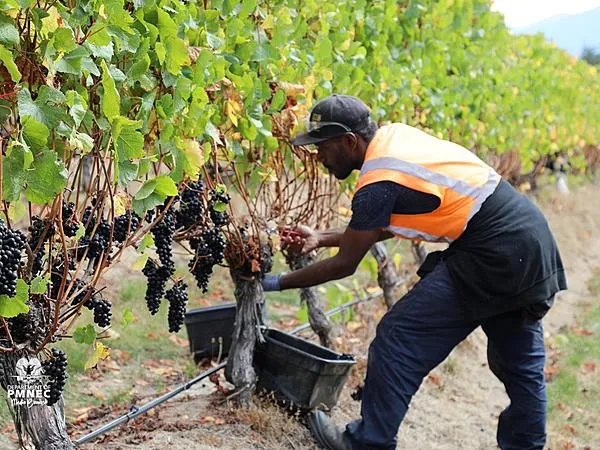
Prime Minister Marape expressed his appreciation to the Government of New Zealand and the employers especially Hortus Ltd for employing Papua New Guineans through the Recognised Seasonal Employer (RSE), a labour mobility scheme that allows New Zealand employers in the horticulture industry to re- cruit seasonal workers from Pacific Island nations like Papua New Guinea.
Speaking at the Hortus Ltd facilities today (26/03/25), Prime Minister said he was pleased to see PNG employees satisfied with what they have been taught and trained whilst employed at the facilities.
Prime Minister Marape also encouraged the employees to use the opportunity to improve their lives and become better men and women in the future.
“I am pleased to see all my sons who could have been back at home in PNG but are here, trying to find their way to survive. So, I want to appreciate you all and also thank Hortus Ltd for your engagement.
“We are pleased to see our people finding a safe haven in which they can progress in their lives,” he said.
The Prime Minister further encouraged the employees to use the opportunity to better their lives and continue to use the facilities to re-educate themselves for self-improvement.
“In the future, we want to use this batch not only for work under the seasonal workforce arrangement but also for them to gain education in New Zealand. So, we encourage the PNG High Commission to take stock of the progress of our RSE workers and through our High Commission, the PNG Government can interface and overlay skill-based education or higher education for their qual- ifications,” he said.
Prime Minister Marape said that from then on, the employers could reemploy them into skill-based employment in New Zealand, or they could return to PNG with their skills and knowledge to benefit them.
There is intention by the PNG Government to work with New Zealand in the future to open up trade and university study pathways for Grade 12 school leavers on the scheme to receive trade training or university education for the option for full employment in New Zealand or back in PNG, he said.
Follow on LinkedIn:
PNG Business News
Be the "First" to get our exclusive Digital Magazine & Weekly Newsletter.