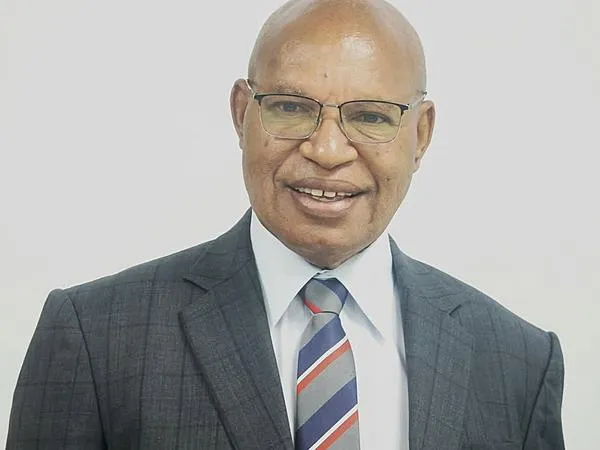
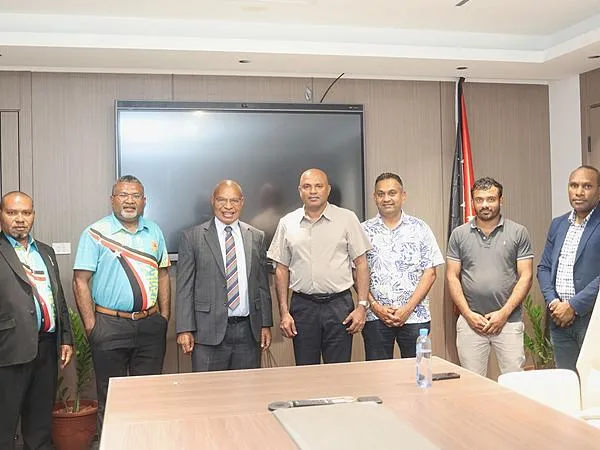
Minister for International Trade and Investment Richard Maru will travel to Malaysia to meet the board and management of SD Guthrie to advance discussions on the state’s proposed acquisition of shares in Ramu Agri Industries (RAI).
SD Guthrie currently owns New Britain Palm Oil Ltd., which holds interests linked to RAI. The talks are part of the government’s broader strategy to expand RAI’s operations beyond the Ramu Valley, where available land for further development is fully utilised.
“The strategic reason behind this acquisition is to expand RAI’s business to other areas in the country because land in Ramu is fully utilised with no room for expansion,” Maru said. “We need to stop the importation of cattle and grow more sugar to replace over US$29 million worth of sugar that we import annually from mainly Thailand and Malaysia. We have the potential as a country to replace sugar imports, create thousands of new jobs in the sugar industry, and be a net exporter.”
While in Malaysia, Maru is scheduled to visit SD Guthrie Berhad’s operations. The company is among the world’s largest producers of certified sustainable palm oil. The visit will include briefings on SD Guthrie’s integrated plantation model, research and development capabilities, mechanisation programmes, smallholder support systems, biogas and sustainability initiatives, as well as its downstream refining and processing operations.
Maru will also meet with the Malaysian Palm Oil Board to discuss regulatory frameworks, research platforms and technology development initiatives that could inform Papua New Guinea’s own agricultural and agro-industrial development plans.
Meanwhile, New Britain Palm Oil Ltd. has formally confirmed it will provide an offer letter and a copy of its valuation report by Jan. 21, 2026, in relation to the state’s proposed acquisition in RAI. Maru said the government will conduct its own valuation and complete all due diligence before making a final decision on the purchase of shares.
The Government’s initiative to establish a coconut processing plant in Madang, in partnership with Sri Lankan firm Jaindi Exports, is progressing as planned, according to the Minister for International Trade and Investment Richard Maru.
Minister Maru made the announcement following the weekend visit of Jaindi Exports’ Founder and Managing Director, Mr K.M. Sampath Anuruddha, and his team to the proposed site along North Coast Road in Madang.
Anuruddha said the company was satisfied with the 20-hectare site at Siar, owned by the Madang Provincial Government and located adjacent to RD Tuna Canners. He also highlighted the strong support from both the Provincial and National Governments. The company has committed to finalising the project design and plan by March 2026. A technical team from Jaindi Exports is expected to arrive in two weeks to collaborate with local technical experts to complete all technical aspects of the project.
Minister Maru explained that the joint venture aims to establish a fully integrated processing plant, where all parts of the coconut – including the fibrous husk, hard shell, white edible flesh, and coconut water – will be processed into finished products for domestic use and export.
During the visit, Anuruddha and his team met with local farmers, who expressed enthusiasm about the project.
“Labouring to make copra and selling it to copra mills for crude coconut oil will soon be a thing of the past. Farmers will have less labour-intensive work, earn higher incomes, and we will stop sending semi-processed exports abroad,” Maru said.
He added, “In future, only final products will leave our shores through this proposed processing plant. This is part of the Marape-Rosso Government’s deliberate plan to end the export of raw and semi-processed materials. This project will transform PNG’s entire coconut industry.”
Madang Governor Ramsey Pariwa expressed full support for the project, adding that “We are excited to see this initiative take off. Processing our coconuts into finished products will maximise value, create more jobs, and encourage the industry to grow."
Papua New Guinea’s agricultural production and productivity have been in steady decline for more than two decades, and continued emphasis on policies and legislation will not reverse the trend unless there is a fundamental change in how farming is carried out on the ground, according to Farmers and Settlers Association President Wilson Thompson in an interview with PNG Business News.
Agriculture accounts for roughly one‑third of Papua New Guinea’s GDP and supports around 80 percent of the population through smallholder and cash‑crop farming. Coffee and cocoa remain the country’s main export commodities after palm oil, but export volumes and production performance have weakened over the long term.
Exports of coffee and cocoa, for example, fell significantly in the period from 2009 to 2018, with average annual declines of export volumes of around 6 percent per year for these crops. Agriculture’s share of total export earnings has also trended downward in recent decades as competitive pressures and production challenges have grown. (World Bank)
Thompson called for a renewed focus on rehabilitation of existing plantations and block‑holder areas, describing it as a faster and more practical way to increase export volumes than continued emphasis on policy frameworks alone.
He pointed specifically to rubber as a clear opportunity for production recovery.
“Rehabilitation of 2,000 hectares of rubber in Abau, Central, and 3,000 hectares of coffee at Arona Valley, Eastern Highlands Province, can give us additional volumes,” he said.
PNG’s cocoa sector has faced long‑running production challenges, including pests such as cocoa pod borer that emerged in the late 2000s and cut yields significantly in key provinces. Cocoa export tonnages fell from over 52,000 tonnes in 2008 to around 33,000 tonnes by 2015, although production later recovered somewhat. Cocoa remains a vital crop for rural incomes, but low and stagnant yields continue to limit growth.
Similarly, coffee production — historically the backbone of rural cash incomes — has declined relative to its past strength. Long‑standing issues such as ageing trees, pests and insufficient replanting have kept productivity low, and the nation’s share of global coffee exports has diminished over the last 20 years.
Thompson said key export crops including coffee, cocoa, coconut, rubber, spices and livestock were all recording declining outputs, warning that the sector was at a critical crossroads. He pointed out that agriculture in PNG performed better in earlier decades because of a strong focus on commercial farming systems that directly supported smallholders.
“Agriculture was progressing from the colonial era because they pushed commercial farming or plantations and blocks that supported the smallholders,” he said, adding that the model created scale, consistency and long‑term production discipline.
Thompson said the country could reverse current trends by prioritising large‑scale nursery development, coordinated planting programs and stronger extension services to support farmers during the crucial pre‑harvest years.
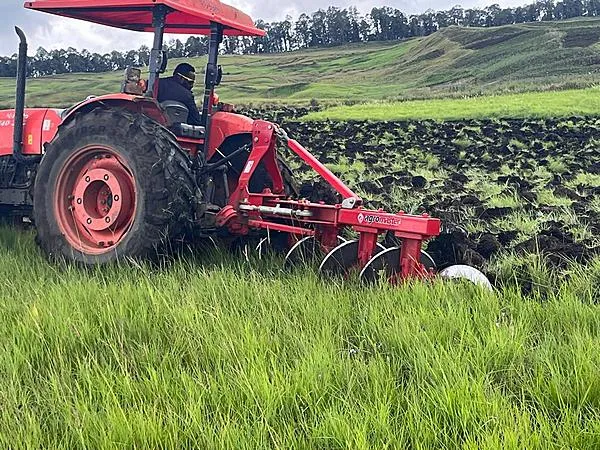
“We can change by engaging in massive nursery and planting efforts, maybe using machinery, and getting extension services down there to encourage growers to keep working for three to four years before harvest,” he said.
He further commented that isolated commercial investments, while positive, would not deliver national‑level impact unless matched by widespread smallholder participation.
“If Colbran Coffee Plantations is planting 200 hectares in one year, we cannot expect the figures to change if 2,000 farmers are not tending their 500 hectares in the same year,” Thompson said, highlighting the scale required to lift national production statistics.
According to Thompson, the downward trend in agricultural output is not new, noting that export volumes have been falling since the turn of the century.
“Whether it’s coffee or cocoa or rubber, I’ve said it — since 2000 the production and productivity and exports are declining,” he said.
He also questioned the effectiveness of long‑running donor‑funded programs, saying years of support had failed to deliver meaningful improvements.
“Even after 15 years of World Bank and other donor support to coffee and cocoa, the story has not changed, and we need to change our approach as we are not progressing,” Thompson said.
He concluded that continued discussions around policy frameworks and strategies, without action on the production side, would not address the sector’s core problem.
“Continuing to talk about policies and strategies, or producing more reports, will not solve the problem,” Thompson said. “We need to work on the production side, as whatever we produce is being sold.”
Thompson said restoring productivity through practical, coordinated action at the farm level was the only sustainable pathway to reviving PNG’s agriculture sector and strengthening its export performance.
Prime Minister Hon. James Marape has commended Samarai-Murua District in Milne Bay Province for its first fish export under a joint venture with Thai company Pornupphan 2018 Co. Limited, marking a milestone in the district’s economic development and fisheries sector.
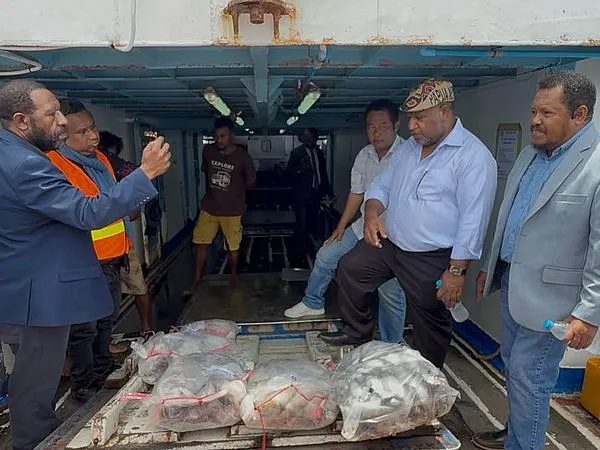
The partnership involves the district’s fishing business, Kekeisi Limited, and the Thai firm, which launched its first export at the ARGO (TWL) Wharf in downtown Port Moresby aboard the fishing vessel FV Kekeisi. Of the 27 crew members, 17 are young Papua New Guineans and 10 are Thai nationals.
The export is expected to generate approximately USD 107,000 for the district and its shareholders. Pornupphan 2018 Co. Limited receives 49 percent, while the district retains 51 percent. Of the district’s share, 51 percent goes to the former Misima Mine Workers Union and 49 percent to the District Investment Company, Kubwuana Limited.
“I am pleased to formally launch and officiate at the first fisheries export by the Samarai-Murua District’s fishing business company Kekeisi Limited,” PM Marape said. “This milestone reflects a practical and forward-looking partnership between the district and an international fishing company, delivering real economic benefits to our people at the village level.”
He said such ventures will create jobs and improve the lives of coastal communities. “This initiative complements my government’s policy direction to promote Small and Medium Enterprises (SMEs), create employment, stimulate local economic activity, and ensure that money circulates within communities.”
The project, funded through the District Services Improvement Program (DSIP) and overseen by Kekeisi Investment Limited (KIL), the business arm of the District Development Authority, aims to produce and export seafood and fishery products to international markets. KIL was incorporated in 2024 under the Companies Act and registered as a formal fishing business entity.
PM Marape praised Samarai-Murua MP Hon. Isi Henry Leonard for leadership that focuses on inclusive development. “This project is designed to benefit many—local fishermen, women, and young people—by enabling them to fish and sell their catch through a structured and sustainable commercial arrangement,” he said.
He also highlighted the role of the National Fisheries Authority (NFA) in supporting the development of the Samarai-Murua Coastal Fisheries Project, including granting necessary fishing licences.
“The primary targets of this program are women, youths, and the majority of unemployed people in the district. By establishing fishing groups and supporting organised production, the program is stimulating MSME development and broad-based participation in the local economy,” PM Marape said.
Samarai-Murua District, a vast maritime district comprising Bwanabwana, Louisiade, Murua, and Yaleyamba local-level governments, has enormous potential in both commercial and subsistence fisheries. The district plans to leverage this potential to produce and export seafood from Samarai-Murua and Milne Bay to international markets.
PM Marape also addressed the challenges of maritime districts, including connectivity and transport infrastructure. “The Connect PNG Program is a strong initiative of my government, and I am confident that plans for coastal and maritime regions will continue to improve shipping infrastructure and connectivity,” he said, emphasising that the district’s geographical challenges can also be seen as economic opportunities.
The Prime Minister announced that the government will allocate an additional K5 million next year to expand and strengthen the initiative, ensuring sustainable livelihoods and socio-economic development for the people of Samarai-Murua.
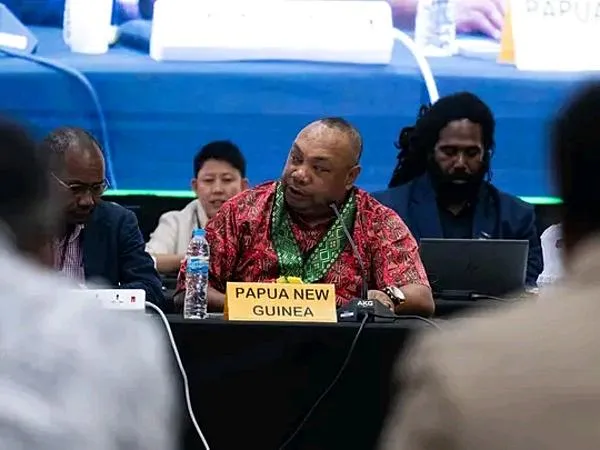
Papua New Guinea has renewed its call for fairness, strengthened scientific management, and climate-resilient policies at the Twenty-Second Annual Regular Session of the Western and Central Pacific Fisheries Commission (WCPFC22), held 1 to 5 December in Manila, Philippines.
Addressing ministers, fisheries heads and delegates from across the region, Minister for Fisheries and Marine Resources, Hon. Jelta Wong, reaffirmed PNG’s commitment to sustainable tuna management and the protection of Pacific Island interests under the WCPF Convention.
Minister Wong emphasised PNG’s alignment with fellow Pacific Island countries, highlighting that the region’s globally recognised healthy tuna stocks are the result of “disciplined governance, regional solidarity, and the sacrifices of our people.”
He noted that Pacific nations are pursuing greater value from their fisheries—but always through science-based and sustainable measures.
“The efforts to agree on measures that are sustainable and supported by scientific information have enabled Pacific Island countries to directly benefit from this significant natural resource.”
Upholding Article 30, Protecting Small Island Developing States
PNG’s message was a strong reminder that the Convention’s Article 30 is a legal safeguard for Pacific Island states.
“Our Pacific Island countries’ economies, food security, and livelihoods are deeply tied to tuna and other highly migratory fish stocks. This recognition is not symbolic—it is essential,” he stated.
Wong cautioned that increasing technical and compliance demands within the Commission risk marginalising the very nations Article 30 seeks to protect. To address this, he called on developed members to support a new requirement:
“We further call on this Commission to recognise that climate-driven changes in tuna abundance must not result in a redistribution of benefits away from those who have historically conserved these resources. We urge the Commission to integrate climate resilience into all future conservation and management measures, ensuring that Pacific Island countries are financially and technically equipped to adapt and respond to shifting tuna stocks.
“We further rely on the recent advisory opinions of the International Tribunal for the Law of the Sea and the International Court of Justice, which reaffirm the obligation of States to prevent and mitigate climate harms. The Commission must act in accordance with these principles.
“We now call upon the Commission and our members of developed States to ensure that all new measures adopted by this Commission include a SIDS Special Requirements review clause, which will guarantee that equity is not assumed but assured,” he added.
A Growing Threat to Tuna Stocks and Pacific Economies
The Minister warned that climate change is already reshaping tuna distribution and compromising the economic stability of Pacific Island countries.
“The Pacific did not create the climate crisis, yet we bear its brunt,” he said. “Scientific evidence confirms that climate change is already altering the distribution and productivity of key tuna stocks.”
Wong urged the Commission to ensure that climate-induced shifts in tuna abundance do not result in a loss of benefits for the region. He also highlighted the recent advisory opinions of the International Tribunal for the Law of the Sea and the International Court of Justice, saying they “reaffirm the obligation of States to prevent and mitigate climate harms.”
Backing FFA Proposals: Albacore Management and High Seas Transshipment
PNG offered strong support for two key proposals submitted by the Forum Fisheries Agency (FFA):
South Pacific Albacore Management Describing it as the product of “many years of rigorous discussions and negotiations,” Wong said the proposal is “supported by factual scientific data, with the collective endorsement of all 17 FFA member countries.”
He appealed for cooperation from developed member states, stressing the profound dependence of Pacific nations on decisions made at WCPFC22.
High Seas Transshipment Reform The Minister said strengthening high seas transshipment rules is essential for combating illegal, unreported and unregulated (IUU) fishing while boosting port-based economic benefits.
“For PNG and Pacific Island countries, strengthening the high seas transshipment measure is vital. By requiring transshipment in ports, we combat IUU fishing, ensure transparency and accountability, and safeguard our tuna resources,” he said. “At the same time, port-based transshipment drives domestic development—creating jobs, generating revenue, and distributing the economic benefits of our fisheries amongst our communities.”
Wong emphasised that national sovereignty must remain central to regional fisheries governance.
“The sovereign rights of member countries over their waters and resources must not be infringed upon. Regional decisions must further respect and complement national laws and priorities,” he said.
He added that the Pacific is not seeking handouts: “Let us remember: the Pacific is not asking for charity. We are demanding fairness. We are not passive recipients of global decisions—we are active architects of regional solutions.
“May our deliberations be guided by justice, equity, and the spirit of Pacific solidarity.”
WCPFC22 continues in Manila, where member states are negotiating key conservation and management measures that will shape the future of tuna stocks in the world’s largest and most valuable tuna fishery.
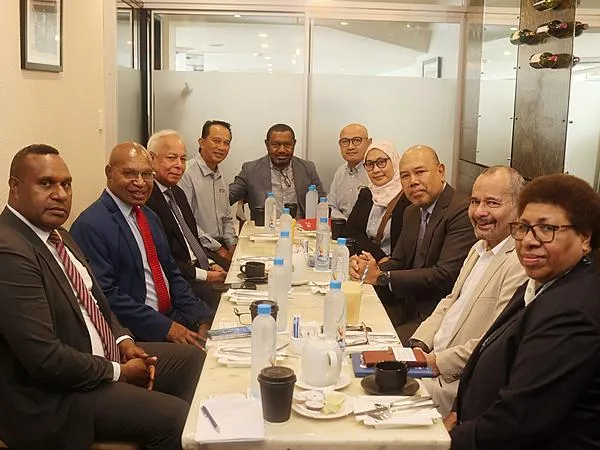
Discussions have been concluded between the Minister for International Trade and Investment, Hon. Richard Maru, and the Chairman of New Britain Palm Oil Limited (NBPOL), Datuk Mohamad Helmy Othman Basha, for the State to take equity in Ramu Agri Industries Ltd (RAI) early next year.
Minister Maru, who is also responsible for State Equity, said that the state will take up equity under the State Equity Funding with other Papua New Guinea (PNG) investors as investment partners in RAI. It will also be relatively easy to raise capital in the stock exchange through an Initial Public Offering to raise large sums of investment funds because RAI is a well-managed and very profitable business in oil palm, cattle and sugar industries and has a very bright future except its limited by land for expansion.
"The proposed joint ownership will specifically focus on expansion of RAI to the Sepik Plains (oil palm and cattle) and in Abau, Central Province (sugar). It is important that the Government take up equity so we can give comfort and confidence to the company to invest outside of its current areas of operation. This is part of our reset agenda to double the size of the palm oil industry and stop sugar and cattle imports," he said.
RAI is owned by NBPOL, a large, integrated producer of sustainable palm oil. NBPOL currently operates across five provinces, including West New Britain, Oro, Milne Bay, Madang, and New Ireland, managing over 92,000 hectares of planted oil palm. It employs more than 20,000 people in PNG and supports thousands of smallholder farmers, suppliers, and service providers connected to its operations.
“The company is already investing in the country and understands the local conditions and is also a leading global player. This makes the proposed partnership a very strategic one. They also have access to Tax Credit through which we can develop townships, police posts, schools and other infrastructure,” said Minister Maru.
The Minister noted that oil palm is PNG’s largest agricultural industry, with export earnings of K2.2 billion (approximately USD $283 million), and significant potential for growth.
Oil Palm in PNG is grown on about 236,000 hectares of land on estates and on smallholder farms. The estates produce 65% of the country’s oil palm, while smallholders produce the remaining 35%. The palm oil industry of PNG remains the country’s biggest earner as far as cash crops are concerned.
Oil palm became a commodity in 1960, and has been contributing to the economy by providing jobs and revenue.
In Indonesia, the palm oil industry accounts for 1.6% of GDP and employs 4.5 million people. As the majority of the harvest is exported, the industry generates more than USD $18 billion a year in foreign exchange — the single biggest contributor in the country. It is the only country that has significantly increased the size of its palm oil, which grew by almost 650% between 2000 and 2022.
"If we are to grow oil palm on all our 6 million hectares of grassland, we are looking at generating over K20 billion (approximately USD $2.57 billion) annually in export earnings and creating one million new jobs in the formal sector and another one million indirect jobs. We need volume to go into downstream processing,” he said.
Regarding sugar, the Minister said that PNG is a net importer of sugar. In 2023, PNG imported over USD $29 million worth of sugar from mainly Thailand and Malaysia.
"We are potentially missing out on tens of thousands of jobs by importing sugar instead of developing and expanding our domestic industry. We have the potential as a country to replace sugar imports, be a net exporter, and we can also use bagasse, the fibrous residue left after crushing sugarcane, to produce electricity," he said.
He further explained that while RAI cannot supply the total market demand, the Government will not offer any tariff protection like the 15-year infant protection previously available.
“We can only protect a new sugar company, which is possible under this new partnership and at a new location like Abau where ENBPOL owns 5,000 hectares of land which can be used for sugar development. The balance of the sugar can be supplied by village farms or through planting of large estates using lease-leaseback scheme,” he said.
Datuk Basha committed to providing a formal Offer Letter for the State to take up equity in RAI. Minister Maru assured him that upon receipt of the letter, he would take a submission to Cabinet to seek approval in principle for this strategic partnership, which he said will transform the oil palm industry over the next 50 years. He also reassured the company of the Government’s highest level of support.
The Minister also acknowledged concerns about limited industry consultation on the Palm Oil Industry Authority Bill 2025 and the Palm Oil Management Bill 2025 and promised to advise the Government of these concerns.
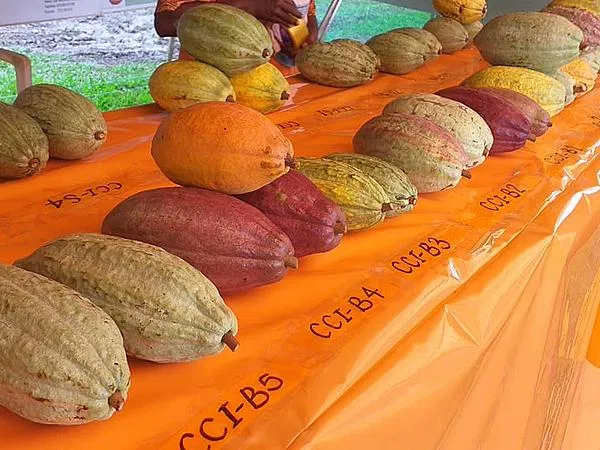
A cocoa cupping competition in East Sepik, Papua New Guinea, brought nine British specialty buyers and boutique chocolatiers together to taste chocolates made from 39 samples provided by Sepik cocoa producers. Judges and visitors praised the beans’ consistent processing and A-grade export quality, signalling strong international market interest.
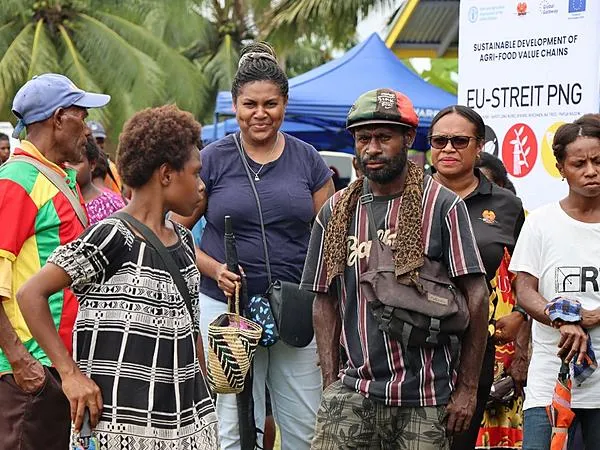
The mini-Cocoa Cupping Competition held in Baimuru Village, Yangoru-Saussia District, East Sepik Province, showcased some of the best cocoa Papua New Guinea has to offer. The two-day event attracted nine specialty buyers and chocolatiers from the United Kingdom, along with hundreds of producers, fermentary owners, extension workers, traders, and community members. It was organised by Yekere Cooperative Society Limited with support from the Cocoa Board of PNG, the EU-STREIT PNG Programme, and other local partners.
A panel of four local judges from the Cocoa Board of PNG, Rubio Cocoa Plantation, and Queen Emma Chocolate Company assessed chocolates made from samples submitted by 39 cocoa farmers and groups across the Greater Sepik region. The panel was chaired by Kenny Francis, Sub-Program Leader of the Post-Harvest & Research section under the Cocoa Board of PNG, and included two women and two men.
Explaining the results to participants, Mr. Francis said: “When we were doing the tasting, we really had a difficult time differentiating the quality of the samples, which means your processing is uniform and consistent. That’s a very good indication because there were no major defects in all the samples. You should be proud because nearly all cocoa beans are of A-grade export quality.”
This high assessment was echoed by the British chocolatiers after sampling the chocolates.
Sophie Jewett, of York Cocoa House (UK), shared her appreciation:
“I’m very grateful to the people of Sepik for sharing their cocoa and chocolate with us, and for demonstrating the different techniques employed here. We’ve tasted really good beans, and I would be very pleased as a chocolate maker to work with any of these cocoa beans in our factory in the UK. It’s been a truly amazing experience.”
Similarly, Alex O’Connor from Nutricraft House (UK wholesaler and importer) was impressed by the overall quality: “I was actually very impressed—some were amazing, some were nice, but nothing was bad. Sometimes you hear that chocolate from Papua New Guinea can be smoky, but in all the beans we tasted in this competition, there was no smoke at all. That shows people are improving their drying techniques and understanding how to enhance quality. I’m really looking forward to working with the people of Sepik to bring some Papua New Guinea chocolate to the UK and Europe.”
Rory Payne, from Cocoaloco (British craft chocolate maker), highlighted the importance of connecting producers and consumers: “Our customers have never seen a cocoa tree and most of them don’t know what a cocoa pod is. My job here today is to take your story, your pictures, and your passion back to them.”
Meanwhile, Jacques Cop of CocoaCaravan (UK small-batch chocolate company) spoke about shared values and respect for farmers: “I was born on a farm and know the hard work it takes to grow and harvest crops. We have a chocolate factory in the green rolling hills of the UK, where we work with cocoa farmers from around the world. What they all have in common is a passion for independence and authenticity—values we see here in Sepik. We’d love to add Papua New Guinea’s beautiful cocoa to our collection.”
The visit by international chocolate makers, tasters, and importers was made possible through the International Trade Centre’s United Kingdom Trade Partnership (UKTP) Programme, the Cocoa Board of PNG, and FAO’s EU-STREIT PNG Programme. The UKTP, funded by the UK and implemented by the International Trade Centre (a joint agency of the United Nations and the World Trade Organization), helps small and medium-sized enterprises export their products to the UK.
Ms. Candice Webb Ungerer, UKTP Project Manager for the Pacific, described the event’s success: “The goal of this visit was to create direct partnerships between buyers and producers to facilitate sustainable, long-term trade. I’m so impressed by the hospitality we received—it was truly unprecedented. Having all these cocoa producers together in one place is such an advantage because it gives buyers the opportunity to sample so many different cocoa products.”
This achievement follows a tailored market-readiness training conducted last month for 68 lead cocoa producers and agripreneurs in the Sepik to help them meet high European market requirements. The training was supported by the UKTP, Cocoa Board of PNG, and the EU-STREIT PNG Programme.
The Food and Agriculture Organization of the United Nations (FAO), through the EU-STREIT PNG Programme and its partners, continues to support improved practices, technologies, and quality control measures in the cocoa value chain. These include proper fermentation and drying techniques, which have demonstrably enhanced cocoa quality in the Greater Sepik region—contributing to the exceptional results showcased at this competition.
The event’s success also reflected the power of partnership. Speaking on behalf of EU-STREIT PNG during the official welcome ceremony—highlighted by colourful traditional songs and dances—Dr. Rabi Rasaily, FAO Senior Agricultural Officer, commended Yekere Cooperative Society Limited for initiating the cocoa cupping event.
“They came to our office with the idea and initial capital to host this event, and EU-STREIT PNG and the Cocoa Board came in as co-organisers and co-facilitators. We’re so happy that this coincided with the visit of our partners and buyers.”
Mr. Daryll Worimo, Regional Manager for the Cocoa Board in the Sepik, said the purpose of the mini-cupping event was “to promote premium cocoa quality at the farm level using sustainable practices.” He added that the event, the first of its kind in Papua New Guinea to be mobilised by a cocoa-producing community, serves as a lead-up to the PNG National Cocoa of Excellence and Agri-Trade Show, which will be held in the Greater Sepik region in 2026.
The EU-STREIT PNG Programme is the European Union’s largest grant-funded initiative under the EU Global Gateway Strategy in Papua New Guinea. It is implemented as a United Nations Joint Programme led by FAO in partnership with ILO, ITU, UNCDF, and UNDP.
The Programme aims to boost sustainable, inclusive rural development by enhancing returns and opportunities in the cocoa, vanilla, and fisheries value chains (FAO) and strengthening key enablers such as:
The Programme directly benefits the East and West Sepik Provinces.
Prime Minister James Marape on 2 November commended Parliament for passing the Coffee Industry Bill 2025 by an overwhelming majority of 72–0 votes, describing it as a historic step towards revitalising Papua New Guinea’s agricultural base and empowering millions of rural households.
The Bill, introduced by Minister for Coffee William Bando, establishes the National Coffee Authority, creates a licensing and regulatory framework, and provides mechanisms to enhance market access, quality control, export management and research and extension support. It also repeals the existing Coffee Industry Corporation Act (1991), modernising the governance of the industry for the first time in more than three decades.
Prime Minister Marape praised Minister Bando for his leadership, stating: “Congratulations, Minister. You took on a greenfield ministry, built it from scratch and worked tirelessly to deliver this reform. No ministry is more important than another — we all have a duty to serve our people, and you have delivered in your space.”
He emphasised that the new structure is designed to support, not hinder, the growth of the coffee sector.
“This Bill replaces an outdated framework with one that embraces our national interest while allowing the industry to grow bigger and better. We are laying the foundation to engage a million Papua New Guineans in productive agriculture,” he said.
Highlighting his Government’s broader vision, Prime Minister Marape reaffirmed that job creation through agriculture remains central to PNG’s medium-term development goals.
“Our definition of jobs is not limited to the 8-to-4 office type. Real jobs in Papua New Guinea are created when our people work their land. If one million families earn K10,000 each from coffee, cocoa or oil palm, that’s K10 billion flowing into our economy every year — wealth created by our people themselves,” he said.
The Prime Minister also drew attention to vast global opportunities in the coffee market, which is currently valued at an estimated US$3 trillion.
“Coffee is grown only within the equatorial belt, and PNG has one of the best climates for it. When I met with President Xi Jinping and Premier Li Qiang in Beijing recently, we agreed to open China’s markets to our agricultural products. China alone now has over 330 million regular coffee drinkers. If we focus on quality and production, we can supply China, Japan and South Korea — massive markets right at our doorstep,” he said.
Prime Minister Marape noted that the reform aligns with the Government’s commitment to link rural communities to the formal economy, improve access to finance and increase productivity.
“Next year, once customary land is properly registered, landowners can borrow from our national bank to finance agricultural ventures. This will enable families to expand coffee, cocoa, copra, oil palm and livestock production. Agriculture is the true path to sustainable wealth creation,” he said.
He further underscored the importance of integrity and transparency within the sector, warning against exploitation by unlicensed or non-producing exporters.
“Those who hold export licences but don’t grow coffee and keep their earnings overseas — this must stop. The money must come back to our country to benefit our people. This Bill gives us the framework to police and protect genuine growers and investors,” Prime Minister Marape stressed.
In closing, the Prime Minister urged all sides of Parliament to continue working together to strengthen the agricultural sector.
“This Bill is not to suppress anyone but to uplift everyone — farmers, investors and workers alike. And if any law we pass is not working, we can always revisit and improve it. The only laws that don’t change are the Ten Commandments. Everything else can evolve to serve our people better,” he said.
Once enacted, the Coffee Industry Bill 2025 will mark a major milestone in the Marape-Rosso Government’s economic empowerment agenda, setting the stage for renewed growth in PNG’s most widely cultivated cash crop and strengthening the nation’s position in the global coffee market.
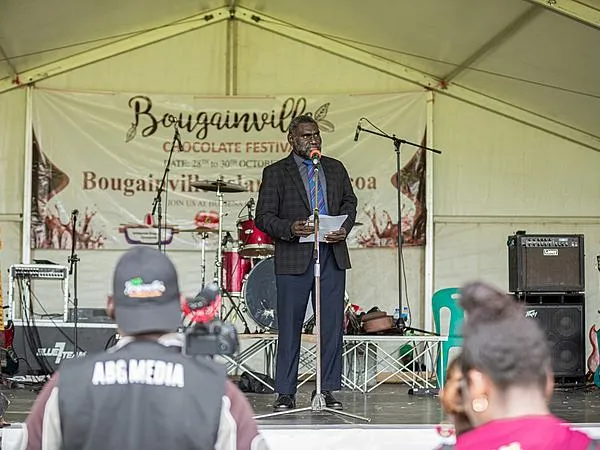
Autonomous Region of Bougainville President Ishmael Toroama has commended the region’s cocoa farmers for their hard work and resilience, which have reinforced Bougainville’s position as Papua New Guinea’s top cocoa producer.
Toroama made this statement during the Bougainville Chocolate Festival held this week in Buka.
“Today, Bougainville stands proud as the largest cocoa producer in Papua New Guinea – a title we held strongly before the conflict, and one our farmers have now reclaimed. This demonstrates our commitment to productivity and quality in this industry,” Toroama said.
Highlighting the sector’s significant economic contribution, he noted: “In 2024 alone, Bougainville cocoa farmers earned more than K500 million — a record injection into our local economy. It is the result of the resilience and hard work of our people, supported by the vision of successive governments that recognized the potential of cocoa to transform our economy.”
President Toroama stressed that Bougainville’s pursuit of political independence must go hand in hand with achieving economic independence. He outlined two key priorities under his government’s 100-Day Plan:
“First, the reclaiming and redevelopment of plantations, so that our land once again becomes productive under Bougainvillean ownership; and second, the establishment of a Bougainville Export Company to take charge of exporting our own commodities, including cocoa, directly to international markets.”
He also acknowledged the Bougainville Cocoa and Chocolate Regulatory Authority (BACRA) for its progress in expanding market access.
“Notable progress is being made in terms of market access with the successful completion of barcoding of our first products — including the Bougainville chocolate brand, cocoa powder, and cocoa butter. These products are gradually entering domestic markets and reaching Australia, New Zealand, England, and other Pacific Island countries,” he said.
“These are not small achievements — they represent our ability to add value, create jobs, and build wealth from our own resources. We will no longer remain just producers of raw materials. We will become manufacturers, exporters, and brand owners of Bougainville’s products,” he added, reaffirming the government’s commitment to value addition in the cocoa industry.
Toroama further praised local entrepreneurs, cooperatives, and private companies, describing them as “the pioneers of a new Bougainville economy — one based on creativity, discipline, and enterprise.”
Encouraging farmers to maintain high standards, he said: “We must not only produce more, but we must produce better — our cocoa must meet the highest global standards of quality and sustainability.”
He also expressed appreciation to the ABG Department of Primary Industry, as well as the governments of Australia and New Zealand, for their continued support of the Festival and the cocoa sector. He urged development partners to expand their assistance to help strengthen Bougainville’s agricultural infrastructure.
“As Bougainville’s cocoa continues to gain international recognition as a quality-producing region, I call on your support for this industry by helping us build the economic enablers that sustain it — roads, wharves, power, and market access,” President Toroama said.
“My Government will continue to invest in innovation and knowledge sharing to empower our people — especially our youth — to see agriculture as a path to success and prosperity,” he concluded.
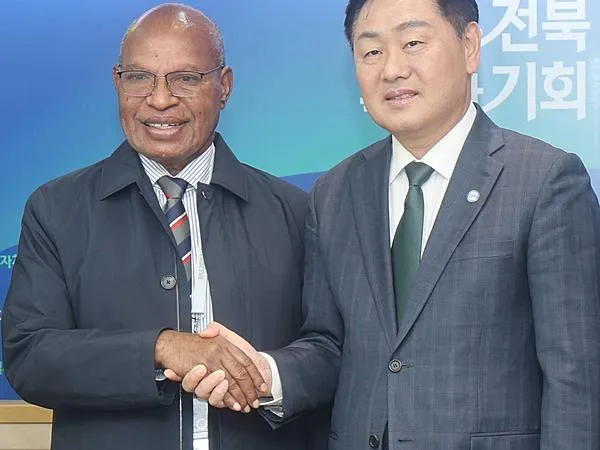
Papua New Guinea's Minister for International Trade and Investment Richard Maru, together with his small trade delegation, visited Jeonbuk State yesterday as part of his mission to meet potential Korean investors on the margins of the APEC Ministerial Meeting (AMM).
During the visit, Minister Maru met with the Governor, Hon. Kim Kwan-young, to discuss opportunities for cooperation between Jeonbuk State and Papua New Guinea (PNG), particularly in the agriculture sector.
Jeonbuk State is widely recognised as the “agriculture state” of South Korea due to its role as a major agricultural producer, its fertile plains, and its position as a centre for agricultural research and development. The state is a leading producer of crops such as rice and barley, and is home to key national research institutions and major agri-food companies.
Minister Maru told the Governor that PNG and Korea needed to deepen their relationship, which had not been fully developed over the past 49 years.
“We celebrate 50 years of bilateral relationship between our two countries next year, and it would make sense for us to celebrate some major announcements or projects as we go into new 50 years. We want to see Korea investing in PNG and providing technical assistance and development aid to increase its visibility in PNG,” Maru said.
Governor Kim Kwan-young, in response, said Jeonbuk State was keen to contribute to the sustainable agricultural development of PNG, specifically in infrastructure and technological capabilities. He also expressed hope to expand cooperation into various fields such as education, culture and sports.
Minister Maru and his delegation later visited a soybean farm and met with the President of the Korean Soybean Self-help Corporation, Su Yong Jang. They also toured the state-of-the-art chicken processing facility of Harim Holdings Co. Ltd, a dominant force in Korea’s poultry industry and the nation’s largest producer of chicken.
“The Soybean Self-help Corporation is keen on training Papua New Guineans in commercial soybean farming and Harim Holdings Co. Ltd indicated their keen interest in exploring the opportunity of investing in PNG,” said Maru. “Both companies said that in order for them to invest in PNG, they will need the support of the Korean Government through the Korea International Cooperation Agency (KOICA).
“This is timely with the recent announcement of KOICA opening an office in PNG which will encourage Korean companies to invest in PNG across various sectors and the Korean Government providing development assistance in aid and technical cooperation through KOICA. I am grateful that Korea is now stepping up to deepen the relationship as we look forward to celebrating 50 years of bilateral relationship between PNG and Korea next year," he said.
Papua New Guinea’s (PNG) coconut industry is set for a major transformation through a new partnership between the Marape-Rosso Government and Sri Lanka’s Jaindi Exports Pvt Limited, one of the world’s leading manufacturers of coconut-based food and beverage products.
The partnership, announced during a two-day visit by Minister for International Trade and Investment Richard Maru and his delegation to Sri Lanka, will lead to the establishment of a large-scale coconut processing plant in Madang Province under a joint venture (JV) arrangement between the PNG Government and Jaindi Exports.
The project, to be built on 20 hectares of land owned by the Madang Provincial Government at Siar along the North Coast Road, aims to shift PNG’s traditional copra-based coconut industry toward a modern, value-added sector producing high-end coconut products for both domestic and export markets.
“This project will transform the entire coconut industry in PNG,” said Minister Maru. “Labouring to make copra and selling to copra mills to produce crude coconut oil will be a thing of the past. Our farmers will harvest and sell coconuts directly to the processing plant, where every part of the coconut—from the husk to the shell and the water—will be processed into finished products for export.”
Under the joint venture, the State will hold 51 percent of shares, while Jaindi Exports will hold 49 percent. The project is expected to cost K100 million, with the government committing K50 million in equity funding from the 2025 Public Investment Program (PIP) Budget.
“The State’s equity contribution is ready, and we are ready to start this project,” Minister Maru confirmed.
Once operational, the proposed processing plant is expected to create about 1,000 new jobs in Madang Province and stimulate increased coconut production across the region.
According to Managing Director of the Kokonas Indastri Koporesen (KIK), Mr Alan Aku, Madang was chosen based on KIK’s census data showing the province has three million coconut trees capable of producing 206 million nuts per year.
“That is the primary reason why we will be setting up the proposed processing plant in Madang. If this project is successful, we will look to build more processing plants in East New Britain and Bougainville,” Mr Aku said.
Building on this, Minister Maru revealed that the government will seek National Executive Council (NEC) approval for the joint venture, along with the creation of a new Special Economic Zone (SEZ) to be known as the Siar SEZ. The coconut processing plant will be located within this SEZ, which will serve as an industrial park distinct from the Madang Integrated SEZ that focuses on the fishing industry.
During their visit, the PNG delegation—which included Madang Governor Hon. Ramsey Pariwa, Secretary for International Trade and Investment Mrs Jacinta Warakai-Manua, and KIK Managing Director Mr Aku—toured Jaindi Exports’ world-class processing facilities and observed the company’s diverse product lines.
Minister Maru described Jaindi’s operations as impressive, noting their range of products such as coconut cream, milk, oil, sugar, butter, whipping cream, ice cream, vinegar, virgin oil, coconut water, flour, chips, and milk drinks. He said these products are in high demand globally as consumers increasingly seek healthy and natural alternatives.
He added that global demand for coconut products had risen sharply from US$15 billion in 2015 to US$40 billion in 2025 and is projected to reach US$60 billion by 2030.
“Jaindi Exports is struggling to meet increasing global demand and is expanding to PNG to take advantage of our proximity to key markets like Australia, Asia, and Oceania. With our EPA access to the European Union, we can also start exporting organic coconut by-products to Europe,” Minister Maru said.
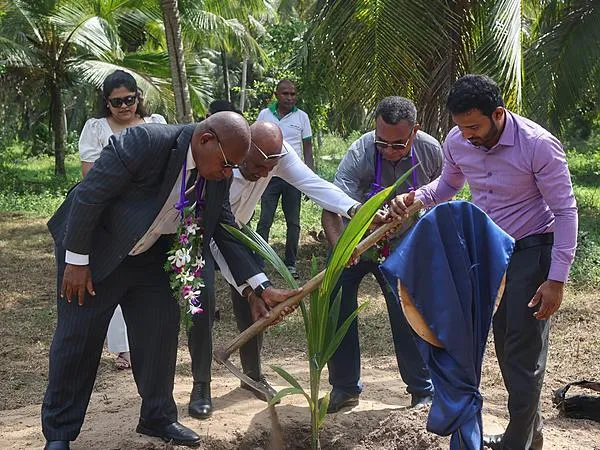
To commemorate the partnership, Jaindi Exports hosted a customary event that featured a Sri Lankan cultural performance, the lighting of an oil lamp, and the planting of two coconut trees at Navik Mills to symbolise the new relationship.
Minister Maru extended an invitation to Jaindi Exports Founder and Managing Director Mr K.M. Sampath Anuruddha and his executives to visit PNG later this month to finalise partnership arrangements and inspect the project site in Madang.
Governor Ramsey Pariwa welcomed the development, saying he looked forward to hosting the Jaindi delegation and seeing the project get underway soon.
Central Province Governor Rufina Peter has signalled her intention to revive the Ilimo Farm outside Port Moresby, once a major supplier of chicken meat and eggs to the capital.
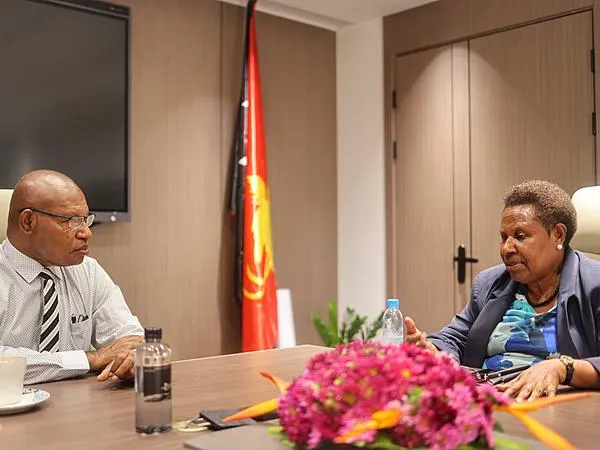
Governor Peter met with Minister for International Trade and Investment Richard Maru to discuss ways to restart operations at the farm, which is owned by the Central Province Development Corp., the provincial government’s business arm.
Peter said she wants to see the farm supply chicken meat, eggs and day-old chicks to Port Moresby and the wider Southern Region. The two leaders also discussed developing a cattle industry in Central Province to provide up to 10,000 head of cattle for Hugo Canning.
“The Ilimo Farm is a prime property, and it needs to be revived immediately. My Ministry and Department will fully support this project because we cannot continue to import K200 million worth of chickens annually,” Maru said. “The Marape-Rosso Government is keen to replace all chicken imports and be a net exporter of chicken.”
Also present at the meeting were PNG Poultry Industry Association chairman Chis Prestwood and Hugo Canning general manager Jeremy Fry, who both described the initiative as timely.
“These are industries that are ready to pop,” Fry said.
Maru said he now awaits a joint investment proposal to be submitted to his office to progress what he described as projects of national significance.
“For cattle, unless we produce local beef to supply Hugo Canning, we cannot reduce the price of ox and palm which has now increased by nearly 100 percent compared to previous years because of the expensive imports from Australia and the declining Kina value,” he said.
Meanwhile, Governor Peter raised concerns that the Ilimo Dairy Farm had not made profits. The Central Provincial Government holds a 30 percent stake in the farm and has provided 400 hectares of land. She said it was “high time” new management was put in place and that the farm invest in long-life milk with better breeds of dairy cattle to boost production.
The Farmers and Settlers Association (FSA) has urged the Marape-Rosso government to take bold action to reverse the decline in agricultural production and rural employment, stressing the need for fresh interventions to stimulate Papua New Guinea’s primary industries.
In a statement issued to PNG Business News on 3 September, FSA President Wilson Thompson said that while the government’s priorities in health, education, law and order and infrastructure are commendable, stronger emphasis is needed on agriculture and rural industries, which have seen production, income opportunities and employment decline over the past five decades.
He noted that past initiatives, including the Small Agriculture Credit Scheme in the 1990s, the Agriculture Commercialisation Fund in the 2000s, and more recent programmes such as the Productive Partnership in Agriculture Project (PPAP) and the Partnership for Commercialisation and Diversification (PACD), had limited long-term impact.
“Until 1991, Papua New Guinea had successful commodity plantations and agriculture settlement schemes that provided production volume, skills transfer, buying access, employment, and income for rural communities,” Thompson said.
He pointed out that despite declining production and export volumes since 2000, foreign exchange earnings have increased due to high global commodity prices.
“This means export value has risen even while production and employment are falling. To reverse this trend, we need to rehabilitate plantations and settlement schemes, replant, and distribute quality seeds, while encouraging smallholders,” he said.
Thompson urged the government to draw lessons from history, highlighting the plantation redistribution and block development programmes launched by the Somare-led Pangu government in the 1970s and expanded under Sir Julius Chan in the 1980s. He said the recently launched National Agriculture Strategy Plan (NASP 2023) presents an opportunity for the commercialisation and mechanisation of agriculture and could drive real transformation during PNG’s 50th anniversary.
According to the association, rural industries such as coffee, cocoa, rubber, coconut and oil palm directly inject money into communities through daily wages, farm purchases and operational expenses, unlike extractive industries where benefits are largely limited to royalties. Thompson stressed that plantations, settlement schemes and associated factories could contribute up to 50 percent of the government’s target of one million new jobs, with forestry, fisheries and support services contributing another 25 percent.
He also called on the government to extend tax exemptions and tariff relief currently enjoyed by mining, oil and gas projects to agriculture.
“There is no reason why tractors, implements, fertilizers, weedicides, and factory building materials cannot be exempted,” he said.
The association further expressed disappointment over the lack of budget allocations for seed production, nurseries and livestock breeding. “Although there is much focus on downstream processing, the question remains: what will be processed if production continues to fall?” Thompson said.
While acknowledging progress under Connect PNG, which has opened access to remote areas such as Aseki to Kaintiba, Menyamya to Marawaka, Tabubil to Telefomin and Abau to Alotau, he emphasised that these new economic corridors must be matched with the introduction of commercial crops and livestock to maximise their benefits.
“The Marape Government must break the cycle of declining agriculture production and productivity. New interventions must start now if we are to achieve meaningful growth in revenue, exports, and employment,” Thompson said.
Coffee Minister William Bando officially opened the new state-of-the-art Homestate Coffee Factory at Tanam in Lae, Morobe Province, Papua New Guinea on 25 September 2025. The investment marks a milestone for Morobe’s coffee sector, creating opportunities for farmers who previously had to transport their produce to Goroka for processing.
The opening of the Homestate Coffee Factory is a major step forward for the country's coffee industry, strengthening rural livelihoods and reaffirming coffee’s place as the “green gold” that sustains millions of households nationwide.
The occasion was witnessed by leaders from both the provincial and national governments, business representatives, coffee stakeholders, and industry partners.
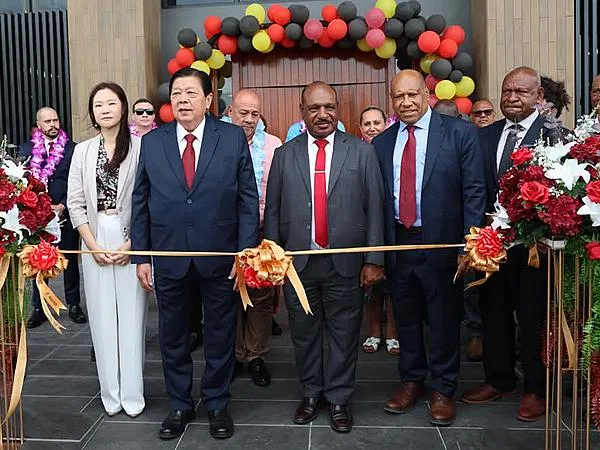
Minister Bando congratulated Homestate Chairman Tony Wetwattana and his team for their commitment to the industry, adding that the facility would not only boost coffee production in Morobe but also benefit farmers from other maritime provinces.
“When we talk about taking back PNG, we must take our people with us. I have travelled to a couple of coffee plantations and factories, and I can say that our people are so engaged and resilient,” Bando said.
“As minister for this important sector that supports over 450,000 households that equates to about 2-3 million individuals, this is where the money should be spent. To the chairman of Homestate Mr Paiboon, our host, distinguished guests, industry partners and most importantly the coffee growers of Morobe, thank you for your commitment to our nation,” Bando said.
The minister added that his role goes beyond official duty, highlighting coffee’s deeper meaning for rural communities. “I stand before you today not just as your coffee minister, but a son of this land who understands that coffee is not just a crop. It's a heartbeat of the rural economy, hope of our families and the green gold that will one day underpin the course of our country,” he said.
Bando stressed that the new facility symbolised more than just a corporate achievement.
“Its a profound political statement. It's a declaration by this Government that we are decisively moving away from a colonial era model of raw commodity extraction. We are now marching towards a new era of in-country value addition, job creation, and national wealth retention,” he added.
He also announced that his ministry is working with government and partners to strengthen the sector through building coffee access roads, tackling the coffee berry borer pest, introducing the soon-to-be-launched Green Gold Card to support farmers with pricing, and driving research and development into climate-resilient seedlings and modern farming techniques.
Coffee Industry Corporation (CIC) Acting CEO and Chief Operations Officer Steven Tumae also commended Homestate, noting their long-standing relationship with CIC.
“They initially approached CIC and asked for a permit to build in 2016 and we denied their application because of some irregularities in relation to policy guidelines. From that initial contact a decade ago, we fast-forward to January 2025 when Homestate was licensed as a Dry Coffee Processing Mill. Today, we open its doors to the growers of Morobe and wider PNG,” Tumae said.
He added that Homestate is already a major player in industries such as rice, instant noodles, salt, sugar, and foam boxes.
“Their strategic diversification into coffee signals immense confidence in the coffee industry. It also adds significant capacity to Morobe Province, a province with a rich coffee heritage,” he said.
“I also take this time to acknowledge the contributions of past and present factory owners and exporters in Morobe who have served farmers well and continue to this day. You have laid the groundwork. Today we build upon it,” he added.
A delegation of Korean investors has visited Papua New Guinea to explore opportunities in poultry, trade and education, a move the government hopes will spark long-term economic partnerships.
Minister for International Trade and Investment Richard Maru said the visit was an important signal of growing interest from Asia’s fourth-largest economy.
“This is the first visit we have had from the Koreans this year. Korea has transformed from being war-ravaged to a global economic powerhouse. We are hoping that as a result of this visit, they (the Korean investors) will make some investment decisions in PNG. I am extremely delighted and excited about the future.”
Among the visitors were representatives from Charmfre Inc, Korea’s second-largest chicken producer and a global leader in animal welfare standards. The company is considering a major investment in PNG’s poultry industry.
Maru said the opportunity could not be more timely, adding that PNG is a net importer of chicken.
"We are currently importing over K200 million worth of chicken annually, which means we are not producing enough chicken to meet our own domestic demand. Port Moresby does not have a major poultry operation. Our city is supplied from Lae and that is why the cost of chicken is very high because of the freight cost," he said.
“We need some global players like Charmfre to partner with the National Government, the Central Provincial Government and with Papua New Guinean companies to invest in a major poultry operation within the Central Province. Our need is not only broiler meat, but also eggs and day-old chicks. We are looking at a major investor who can operate in the entire value chain of a chicken, including exports," he added.
Maru said that the PNG government has already indicated to Charmfre that a poultry project in Central Province will be considered a Special Economic Zone (SEZ) with incentives to be offered.
"With our population growing at the rate of 4 percent per annum and with more resource projects and SEZs in the pipeline, the demand for chicken will continue to grow so investors in the poultry space will not go wrong investing in PNG," he said.
He added the government was determined to build local capacity. “The Marape-Rosso Government is keen to replace all chicken imports and be a net exporter of chicken. Partnerships with countries like Korea and its leading poultry companies who own global export brand like Charmfre would be a very exciting investment prospect," he said.
The visit also drew support from the PNG Poultry Industry Association. Chairman Chris Prestwood said global supply shocks underscored the urgency of investment.
“We have had difficulties in chicken supplies this year with number one reason being the countries that we have been importing chicken from being hit by avian influenza. It is critically important that our industry builds capacity by having our Government opening doors for other countries to come and partner us to create that capacity. We have to overcome malnutrition, stop importing and create opportunities," he said.
“Over the next ten years, the poultry industry needs to invest more than K1.2 billion to ensure we meet these milestones. We have the potential. Meanwhile, our existing producers are doing wonderful job. This year, production in PNG has grown by 40 percent which is tremendous," he added.
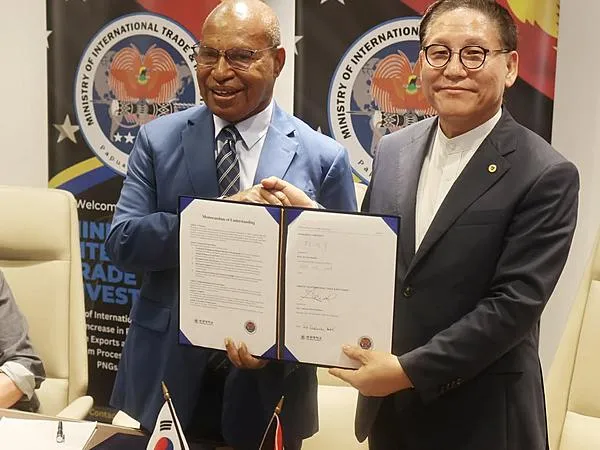
A highlight of the Korean delegation’s trip was the signing of a Memorandum of Understanding (MoU) between the Ministry of International Trade and Investment and Wonkwang University, whose Vice President for Academic Affairs, Professor Jin-Soo Hwang, was part of the visiting team.
Maru said the agreement was a starting point for a broader partnership.
“The purpose of this MoU is for us to cooperate in vocational training, industrial talent development, trade, investment, and research and development in import and export with the aim of contributing to economic development and strengthening industrial cooperation between our two countries," he said.
“This is a start of our relationship. While they have signed an MoU with my Ministry, I will channel them to other Ministries and agencies that will be required to work with them," the minister said.
During their stay, the Korean investors also toured the Paga Hill SEZ in Port Moresby to evaluate investment opportunities.
For PNG, the visit offered not just the prospect of poultry investment but also the hope of a deeper economic partnership with one of Asia’s most dynamic economies.
The aroma of fine cocoa will once again fill the air in Buka as the annual Bougainville Chocolate Festival returns from 28 to 30 October 2025, bringing together farmers, chocolatiers, industry leaders, and the public to celebrate the island’s world-class cocoa.
This year’s festival carries the theme: “Bougainville Island of Cocoa: Through Creative Opportunities, Innovation, and Information Sharing for Sustainable Socio-Economic Empowerment.” It reflects the organisers’ ambition to showcase Bougainville’s premium cocoa while promoting knowledge-sharing, innovation, and market connections that can strengthen livelihoods across the region.
Announcing the dates, Kenneth Dovaro, Secretary for the Autonomous Bougainville Government’s (ABG) Department of Primary Industry, said the event was far more than a celebration of chocolate. “The Bougainville Chocolate Festival is more than just a celebration of cocoa — it is an investment in our farmers, our communities, and our economy,” Mr Dovaro said. “It provides a platform for knowledge sharing, networking, and creating market linkages that directly benefit over 50,000 cocoa farmers across Bougainville.”
Driving Bougainville onto the Global Stage
Bougainville has steadily built a reputation in the global premium cocoa market, with beans that have earned recognition for their quality and unique flavour profiles. The festival has been central to this progress, serving as both a showcase for excellence and a driver of new opportunities.
“Every award our cocoa earns overseas, and every new business born from this festival, proves Bougainville can compete at an international level,” Mr Dovaro said. “By lifting cocoa quality and expanding value-adding, we are helping households boost their incomes while strengthening Bougainville cocoa as a key pillar of our economy.”
What to Expect at the 2025 Festival
Over three days, festival-goers can look forward to a rich programme, including:
Cocoa bean competitions judged by experts who will provide valuable feedback on quality and flavour.
Seminars and workshops covering farming techniques, value-adding, and business opportunities.
Exhibitions featuring cocoa products, farming tools, agri-technologies, and innovative small business solutions.
Awareness sessions on cocoa quality standards and compliance with the Bougainville Agriculture Commodities Regulatory Authority (BACRA) regulations.
Tastings and demonstrations of chocolates and downstream cocoa products, along with displays of complementary commodities such as rice, coconut, spices, and livestock.
The festival has been a launchpad for award-winning brands like Bougainville Nunu’s Black Opal and Twilight chocolates. This year, organisers are eager to see even more creativity, from cocoa-based drinks and cakes to boutique, artisan chocolates.
“Our vision is to make Bougainville synonymous with premium cocoa, innovation, and sustainable livelihoods,” Mr Dovaro added.
A Partnership for Growth
Launched in 2016, the Bougainville Chocolate Festival is an initiative of the Autonomous Bougainville Government, implemented in partnership with the Governments of Papua New Guinea, Australia, and New Zealand. Over the years, it has grown into a major platform for strengthening the cocoa value chain — from the farm gate to international markets.
For Bougainville’s thousands of cocoa farmers, the festival is not only a celebration of their hard work but also a gateway to opportunity, linking local communities with global buyers and setting the stage for long-term socio-economic empowerment.
Follow on LinkedIn:
PNG Business News
Be the "First" to get our exclusive Digital Magazine & Weekly Newsletter.