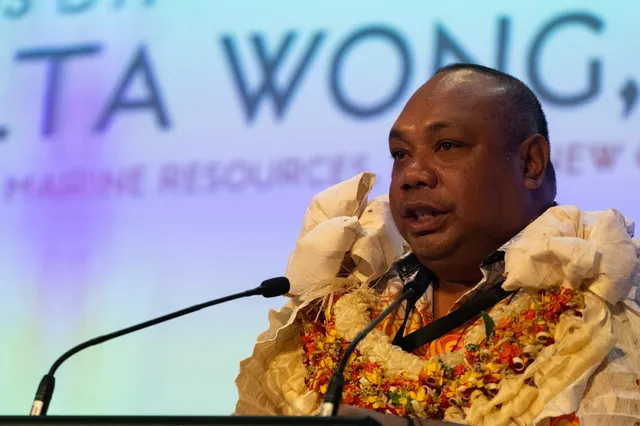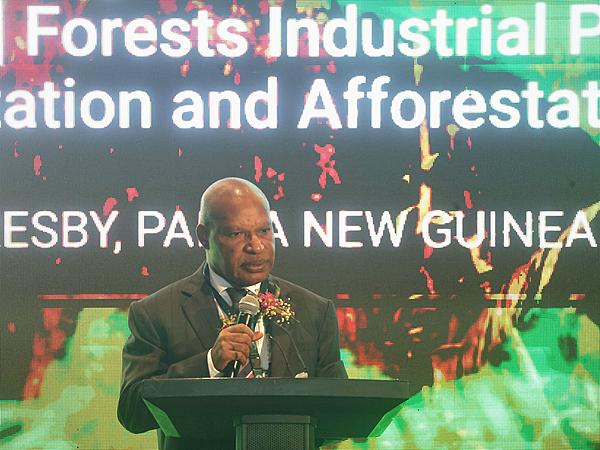
Papua New Guinea’s International Trade and Investment Minister Richard Maru has urged the newly launched PNG Diwai Holdings Limited, or PNG DHL, to begin its downstream timber processing ambitions with a single facility before expanding into larger manufacturing operations.
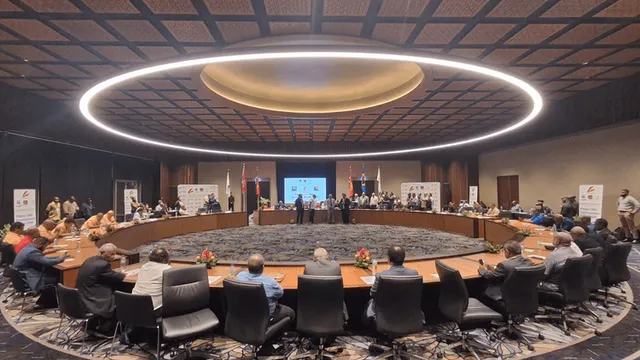
Speaking during the launch of PNG DHL and four downstream processing facilities in Port Moresby on Friday, Maru said the Papua New Guinea Forest Authority, or PNGFA, should adopt a gradual and commercially sustainable approach as it moves into downstream processing.
“The PNGFA cannot go from being a regulator to becoming a major manufacturer overnight,” Maru said.
“It must start with one downstream processing facility, come up with a modality, get it right, know the market, and expand with a strategic partner.”
PNG DHL was established as the commercial arm of the PNGFA to advance Papua New Guinea’s downstream processing agenda in the forestry sector.
Maru said the government’s long-standing policy to ban round log exports had faced implementation challenges because the PNGFA’s core role was regulatory oversight rather than industrial manufacturing.
“Our policy was to ban all round log exports by last year. We cannot blame the PNGFA for not implementing this policy,” he said.
“Downstream processing of timber products is not the expertise of the PNGFA – it is the regulator.”
Maru said limited government funding had also constrained implementation efforts but added that partnerships with the private sector could help accelerate development.
“The PNG DHL does not have to be an operator; it can be a joint venture partner with the private sector,” he said.
Maru described the launch of PNG DHL as a significant milestone for the forestry industry and commended Forests Minister Salio Waipo and PNGFA Acting Managing Director John Mosoro for advancing the initiative.
“This is the start of a new journey,” he said.
“Currently, our round logs are processed outside the country, and nobody knows their origin. We now want final timber products leaving our shores with the PNG DHL logo and our flag.”
Maru said the forestry sector has remained a major contributor to the Papua New Guinea economy for decades, generating more than K1 billion in annual foreign exchange earnings while supporting rural employment and infrastructure development.
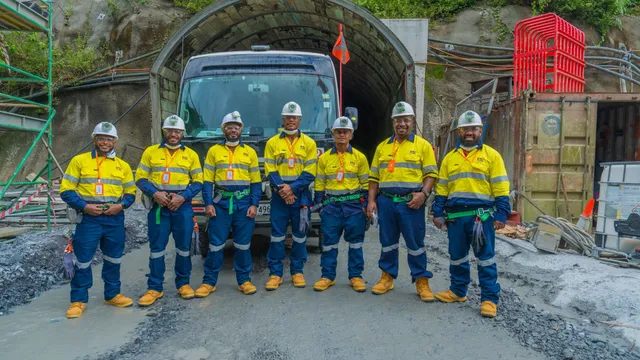
He said the sector supports between 8,000 and 10,000 formal jobs in logging and primary processing, alongside indirect employment in transport and related services.
The minister also said forestry operations continue to provide royalties and benefit-sharing income for customary landowners and support the development of roads, schools and health facilities in remote communities.
“Forestry will continue to be a key sector in our country, and we can only do better,” Maru said.
“Through downstream processing we will increase its contribution to the economy on a long-term sustainable basis, maximize benefits for our people in the new Project Development Agreements, and create sustainable permanent jobs for our people.”