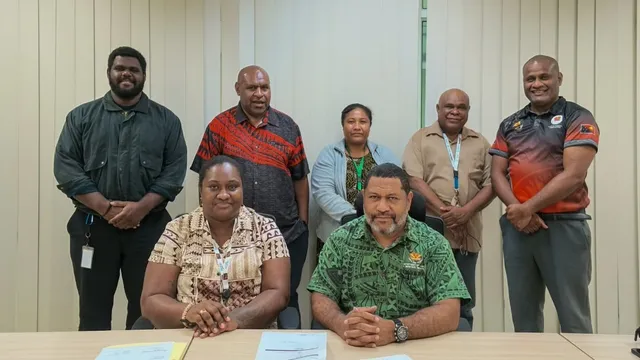
Papua New Guinea’s state investment arm, Kumul Consolidated Holdings, or KCH, is set to acquire shares in Ramu Agri Industries Limited, or RAI, as part of a proposed partnership aimed at expanding agribusiness operations in the country.
International Trade and Investment Minister Richard Maru said on Thursday that the state’s independent valuation of RAI would be completed next week ahead of the planned share acquisition.
“We will have two investors from the private sector who will partner the State through KCH in buying shares into RAI,” Maru said in Port Moresby.
RAI is a subsidiary of the New Britain Palm Oil Group, or NBPOL, which is wholly owned by Malaysian company SD Guthrie.
Maru described NBPOL as one of Papua New Guinea’s largest private-sector operators, with activities spanning five provinces and more than 92,000 hectares of planted oil palm.
“The NBPOL Group currently operates across five provinces in the country and manages over 92,000 hectares of planted oil palm,” he said.
“It has a workforce of over 20,000 directly employed Papua New Guineans and also supports thousands of smallholder farmers, suppliers, and service providers who are connected to its operations.”
Maru said the proposed joint venture between the state and NBPOL would be used to expand RAI operations into the Sepik Plains through a new subsidiary focused initially on cattle and palm oil development in Urimo.
“The Government has released K10 million for the immediate update of the Kusaun to Urimo Road,” he said.
“This project will be launched on Monday, June 15.”
Maru said the partnership reflected the government’s broader strategy of working with the private sector in strategic industries rather than directly operating commercial businesses.
“This is a very exciting journey as we partner the private sector to venture into strategic businesses knowing that the State is not competent in running businesses,” he said.
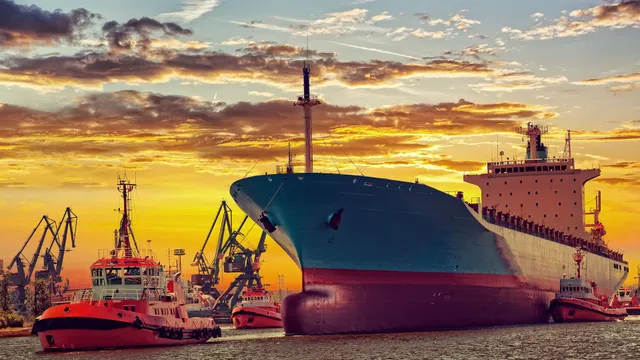
Meanwhile, NBPOL management raised concerns over the capacity of the existing Wewak wharf, saying shallow water levels could limit future shipping operations and the handling of larger vessels.