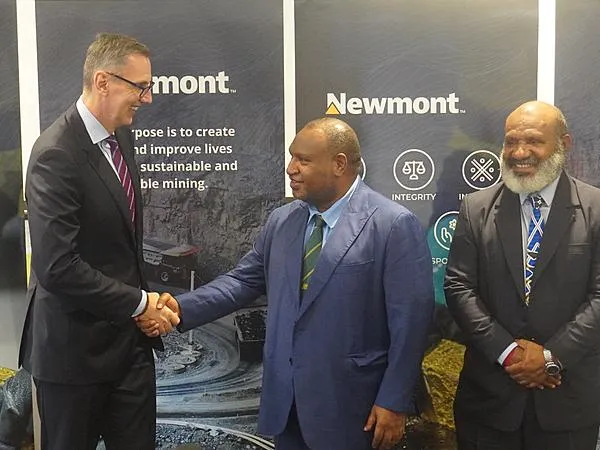
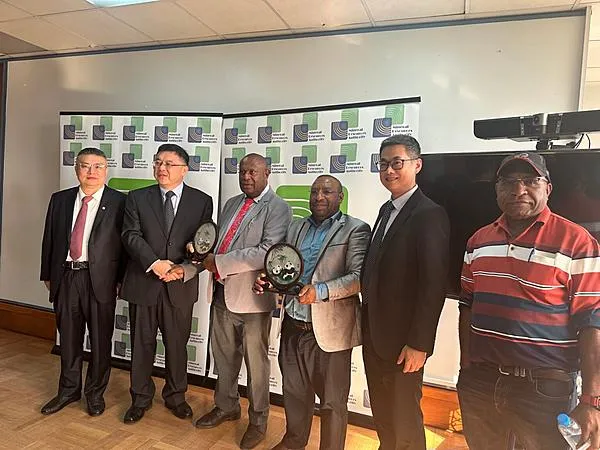
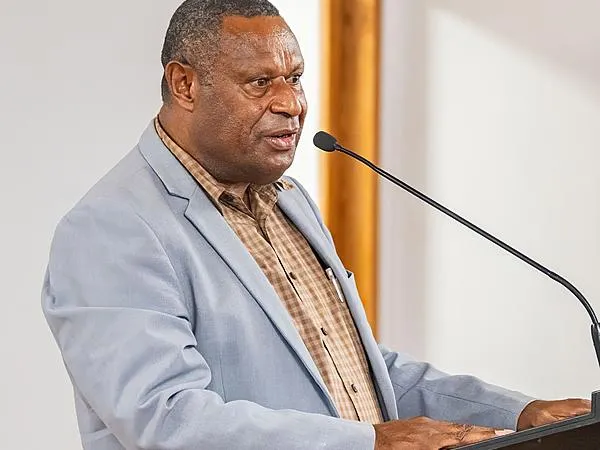
Prime Minister Hon. James Marape has officially welcomed Newmont Corporation, the world's leading gold company, into Papua New Guinea. He made the welcome, Monday, November 6, 2023, during a joint press conference with Mr. Peter Toth, Chief Development Officer of Newmont, marking the company's acquisition of all Newcrest operations in PNG.
Prime Minister Marape emphasised the significance of this corporate transaction, as Newmont assumes control of all Newcrest operations in Papua New Guinea, including the Lihir mine in New Ireland and the Wafi-Golpu project in Morobe.
"It adds value to Papua New Guinea's global branding as an investment destination," Prime Minister Marape said.
"What this country effectively has now is the world's No. 1 gold company."
He further highlighted the fact that both Newmont and Barrick, the world's second-largest gold company, are now operating in PNG, reinforcing the country's appeal as a favorable investment destination for mining.
"The fact that Newmont decided to come in and acquire Newcrest, with Lihir and Wafi-Golpu among the top of Newcrest's assets, is an affirmation of PNG as a mining investment destination," he added.
"We now have the benefit of having two of the top gold companies in the world in residence in our country."
Prime Minister Marape expressed his gratitude to Newmont's Chief Executive Officer, Mr. Tom Palmer, Mr. Toth, and the Newmont executive team for their faith in PNG as an investment destination. He highlighted his firm stance during negotiations, emphasising the importance of the company being headquartered in PNG, a commitment that Newmont has agreed to with plans to establish an office in the country.
Additionally, the Prime Minister announced an agreement for Newmont to conduct an initial public offering (IPO) on the Port Moresby Stock Exchange, allowing the PNG public to purchase shares of stock to the value of K100 million.
Prime Minister Marape reaffirmed the commitment to the Wafi-Golpu project, stressing the importance of adhering to the agreed timeline and ensuring that the project commences operations as soon as possible. He also called for increased local employment and content, with the preference for nationals to fill positions over expatriates. Furthermore, he encouraged the procurement of goods and services within PNG, wherever feasible, to stimulate the local economy.
Historic Mining-Industry Acquisition Sets the Standard for Gold and Copper Mining
Newmont Corporation has announced it has completed the acquisition of Newcrest Mining Limited to create the world’s leading gold company with robust copper production.
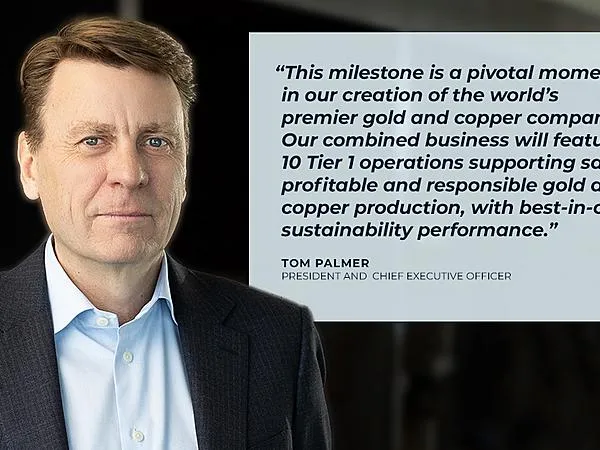
“Today marks a historic milestone in our company and the industry with the successful completion of this transformational acquisition of Newcrest by Newmont,” said Tom Palmer, Newmont’s President and Chief Executive Officer. “Our attention now turns to safely, efficiently, and responsibly integrating Newcrest’s assets and people into Newmont’s proven operating model, so we can accelerate the delivery of our value-focused strategy for all our stakeholders.”
Featuring more than half of the world’s Tier 1 assets*, Newmont’s unmatched portfolio of long-life operations, value-accretive projects, abundant exploration opportunities, and world-class talent will underpin year of profitable production in the world’s most favorable jurisdictions. This expanded portfolio will include operations with scale, margin, and mine life to generate robust and lasting returns for decades, while supporting best-in-class sustainability performance.
With the transaction now complete, Newmont’s acquisition of Newcrest is expected to:
About Newmont
Newmont is the world’s leading gold company and a producer of copper, zinc, lead, and silver. The Company’s world-class portfolio of assets, prospects and talent is anchored in favorable mining jurisdictions in Africa, Australia, Latin America & Caribbean, North America, and Papua New Guinea. Newmont is the only gold producer listed in the S&P 500 Index and is widely recognized for its principled environmental, social, and governance practices. The Company is an industry leader in value creation, supported by robust safety standards, superior execution, and technical expertise. Newmont was founded in 1921 and has been publicly traded since 1925.
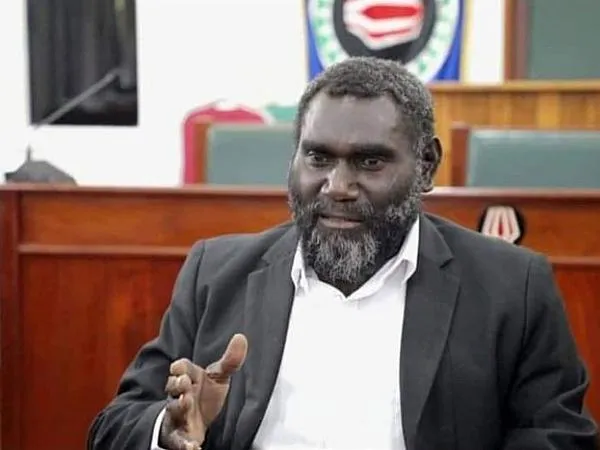
The Autonomous Bougainville Government is opening its doors to foreign direct investment from developed nations such as Australia, New Zealand, Japan, China, the United States, and European nations, President Ishmael Toroama said in a statement on 31 October.
“The government recently declared Bougainville open for business, but this is a specific call to these nations who have contributed to the development and peace of Bougainville in the last 20 years since the cessation of the Bougainville Civil War,” Hon. Toroama said.
He said the governments of Australia, New Zealand, Japan, China, the United States, and “other important development partners have played a significant role in infrastructure development in Bougainville.”
“However, I would like to see this support become focused on supporting economic investment in Bougainville,” he added.
“My government believes that foreign direct investments will increase economic growth in Bougainville, improve social welfare for our people, and foster stronger ties with the international community,” the President said.
The Autonomous Bougainville Government is currently transforming Bougainville economically and politically “through our aspirations for independence and sovereignty,” Hon. Toroama said.
It is time Bougainville looks at fostering relationships with the nations he mentioned “that will benefit us through economic investments and provide much-needed infrastructure development in Bougainville.”
“As Bougainville looks towards the future, these are the very nations we will establish diplomatic relations with as an independent sovereign nation by enhancing peace and stability in the region and promoting mutual understanding and cooperation on various issues,” he said.
The ABG looks forward to working with potential partners to advance the common interests and values of Bougainville and the world, the President said.
“The ABG is committed to ensuring that any investment is made in a transparent, accountable, and sustainable manner, respecting the rights and interests of the people of Bougainville,” he said.
Mayur Resources Limited is pleased to announce the execution of an Investment Agreement with Vision Blue Resources, led by Sir Mick Davis, for a proposed investment of US$40 million for a 49% equity share (the Proposed Investment) in Mayur’s Central Lime Project (CLP).
The execution of this long form Investment Agreement formalises the Term Sheet announced in August 2023.
Key Points:
Mayur’s Managing Director, Paul Mulder, commented:
"We are thrilled to partner with Vision Blue on the Central Lime Project. Vision Blue recognises the pivotal role the Central Lime Project can play in meeting the escalating demand for Lime across various environmental and renewable energy sectors. Their Proposed Investment is a testament to the value and potential of this project both from a commercial perspective and for the immense benefits it will bring to local landowners and the PNG domestic economy.” “The enhancement of living standards and benefits for local landowners remain at the forefront of our mission. We look forward to continuing our relationship with the team at Vision Blue and are confident in the mutual success this partnership will bring."
"We are thrilled to partner with Vision Blue on the Central Lime Project. Vision Blue recognises the pivotal role the Central Lime Project can play in meeting the escalating demand for Lime across various environmental and renewable energy sectors. Their Proposed Investment is a testament to the value and potential of this project both from a commercial perspective and for the immense benefits it will bring to local landowners and the PNG domestic economy.”
“The enhancement of living standards and benefits for local landowners remain at the forefront of our mission. We look forward to continuing our relationship with the team at Vision Blue and are confident in the mutual success this partnership will bring."
The ‘base case’ of the CLP in Phase 1 is expected to generate annual revenues and EBITDA of over US$50 million and US$25 million respectively over an initial project life of 30 years.** Additionally, the CLP will create hundreds of jobs while having capacity to replace all of PNGs current imports of lime valued at approximately K$100 million (A$42.8 million) per year, and service the broader Asia Pacific region. Over time, the CLP will form the core of PNG’s first downstream processing resource manufacturing hub.
A leadership delegation from the owners of the Frieda River Copper-Gold Project met with senior executives from PNG’s Mineral Resources Authority (MRA) and the Conservation Environment Protection Authority (CEPA) to discuss the permitting of the project and the best practice environmental standards the project is committed to delivering.
Operated by PanAust Limited, the Frieda River Project is a world-class copper-gold development that will also generate a major infrastructure program including roads, port and airport developments, and clean electricity generation and transmission, in the East and West Sepik Provinces.
The discussions were aimed at clarifying the path forward for the Project’s permitting process and creating alignment about the environmental and sustainability standards.
Phil McCormack, PanAust’s General Manager of Studies, said the discussions were positive and built on the strong foundations of the relationship between PanAust and the Government of PNG.
“We greatly value the time and commitment of PNG to making Frieda River a successful project that will deliver significant financial and social benefits for PNG, local communities, and our investors,” Mr McCormack said.
PanAust CEO, Daniel Zheng noted that “The PNG Government is managing multiple major project developments, including Frieda River, and we are thankful for the Government’s careful assessment of our project as part of the approval process. We remain firmly committed to advancing the project in accordance with that process, while protecting the environment and maximising the benefits for our host communities and PNG more broadly.”
PNGX Group, operator of Papua New Guinea’s national stock exchange - PNGX Markets, welcomes Newmont Corporation (PNGX Code: NEM) to the market.
Newmont will be the first company to be listed in PNG using depository interests, known as PETS Depository Interests (“PDI”).
Newmont has interests in the Lihir gold operation and the Wafi-Golpu gold and copper joint venture, both of which are significant to the future of the country.
There are over 2,000 Papua New Guinean shareholders of Newcrest who will receive Newmont PDIs and be able to trade them on the PNGX market. Without the PNGX PDI initiative those shareholders would have been required to trade on ASX or New York Stock Exchange (NYSE).
PNGCSD Nominees Limited will act as the nominee holder of the underlying Newmont shares on behalf of the PDI holders.
“This new development represents a significant step forward in our commitment to providing investors with more diverse and accessible opportunities that ultimately contribute to the growth and development of the PNG capital market. We are excited to welcome Newmont and to introduce the trading of PDIs on the PNG markets and look forward to further growth opportunities and developments in future” said PNGX General Manager, Ms Elizabeth Wamsa.
Newmont commenced trading on the PNGX market on Friday 27 October 2023
Bougainville’s current special autonomy status grants it a unique position within Papua New Guinea, exempting it from certain laws that apply to other provinces in the country.
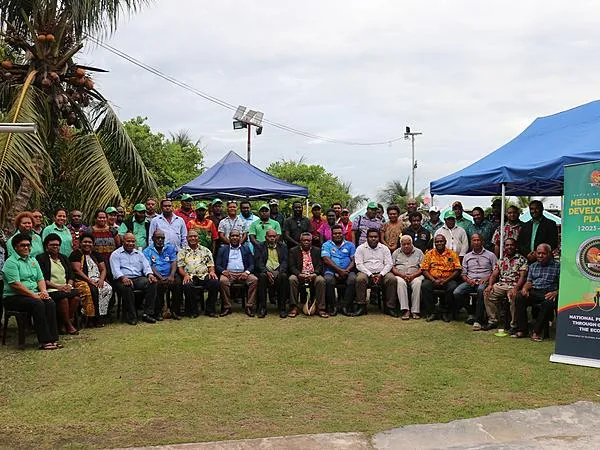
This was a vital distinction highlighted by the Chief Secretary of the Autonomous Bougainville Government, Shadrach Himata, at the MTDP Alignment Workshop hosted by the National Department of Planning and Monitoring in Kokopo last week.
Mr Himata emphasized that this unique status of Bougainville has also seen a disconnect between the national development plans of Papua New Guinea such as the Vision 2050 and its MTDPs, noting the financial arrangements’ implications in the context of grants and allocations to Bougainville.
“Consequently, PNG’s Long Term Vison 2050 and the subsequent MTDPs do not correctly reflect the Bougainville and PNG financial arrangements provided for by the relevant Autonomy laws, particularly the Organic Law on Peace Building on Bougainville. This causes confusion to processes for requesting and allocations of grants, given that Bougainville is governed by different laws,” he said.
The ABG Planning Team used this opportunity at the Alignment Workshop to educate and reinforce Bougainville’s special autonomy status that is given effect through the National Constitution of PNG, noting that financial arrangements for grants and allocations for Bougainville will be different to that of other provinces in country.
“The core of the incorrectness is that the Organic Law on Provincial and Local Level Government does not apply in Bougainville so all funds attached; Provincial Services Improvement programme (PSIP) and District Services Improvement program (DSIP) to this law are by default not applicable to Bougainville. But in reality Bougainville continue to receive these funds in this way today,” he said.
“The lawful channel through which PNG Government funds should be dispersed to Bougainville are specified in sections, 48, 49 and 50 of the Organic law on Peace Building in Bougainville.”
Mr. Himata further elaborated that only section 48, covering Recurrent Unconditional Grants, and section 49, covering Restoration and Development Grants, are currently being implemented by the National Government. Meanwhile, section 50, which concerns conditional grants, is yet to be fully enacted in accordance with the relevant provisions.
“A golden opportunity to implement section 50 has now arisen when ABG launched its two plans; the Bougainville Integrated Strategic Development (2023—2027 and the Long Term Vision 2052 Plan. It is expected that all these funding provided for under Organic Law on Peace Building in Bougainville be aligned to implementing these plans.”
Mr Himata says that this is consistent with a consensus reached by the Bougainville Political leadership, including both National and ABG MPs that commencing 2024, all of their funding will be committed to implementing these two plans, under a ‘One Plan, One Budget’ approach.
“So as of 2024 we will not expect to see disbursement of grants due for Bougainville being done under the Organic Law on Provincial and Local Level Government in as PSIP and DSIP anymore, as this undermines the laws that provides for Bougainville’s constitutionalized arrangements,” Himata said.
“As a legitimate Government, it is also expected that as of 2024, ABG will procure its development projects through the Bougainville Supply and Tenders Board and not through Central Supply and Tenders Board as this only demeans the autonomy status of Bougainville bestowed by the relevant laws.”
This transformative shift in financial arrangements and development planning is long overdue, and following the ABG’s launching of its key planning documents, this now sets in place the ABG’s ability to redirect towards a prosperous and self-determined future.
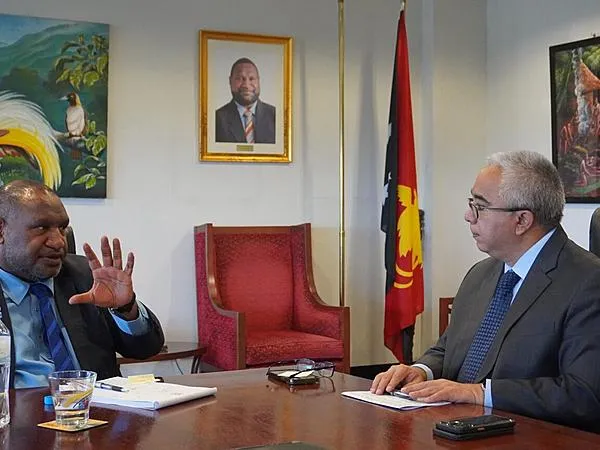
Prime Minister Hon. James Marape expressed his heartfelt gratitude to the Asian Development Bank (ADB) for its unwavering support to Papua New Guinea during a meeting with the newly appointed ADB Country Director, Mr. Said Zaidansyah.
“Welcome to Papua New Guinea, and I hope that during your time here, you will contribute to a better Papua New Guinea,” Prime Minister Marape said when welcoming Mr. Zaidansyah.
ADB has been a steadfast partner in Papua New Guinea, contributing significantly to funding major infrastructure projects, for which the nation is deeply thankful. Prime Minister Marape also expressed hope that ADB’s assistance will align with Papua New Guinea’s recently launched Medium Term Development Plan (MTDP) IV.
Mr. Zaidansyah, an Indonesian national, now leads ADB’s operations in Papua New Guinea, overseeing ADB’s relationships with the government, stakeholders, including the private sector and non-government organisations. Prior to his current role, he served as ADB’s Deputy Country Director for Indonesia, starting in November 2018. His previous experience in ADB’s Office of the General Counsel led to his appointment as Principal Counsel. Before joining ADB, Mr. Zaidansyah was a lawyer with Baker & McKenzie. He holds an LLM from Queen Mary College of the University of London, achieved under the British Chevening scholarship, and an LLB from the University of Indonesia.
Mr. Zaidansyah highlighted ADB’s enduring partnership with Papua New Guinea, dating back to 1971, with a particular focus on the road and infrastructure sector. He emphasised ADB’s commitment to continue this collaboration within the framework of MTDP IV, offering support to help Papua New Guinea achieve its developmental goals.
The Asian Development Bank’s assistance has included the Civil Aviation Development Investment Programme (CADIP), which has led to substantial upgrades at numerous airports throughout the country. ADB is also actively engaged in various road projects, including the construction of 71 bridges, contributing to the development of a robust infrastructure network.
Mr. Zaidansyah underscored ADB’s ambition to diversify and engage in multiple sectors, exemplified by investments in Technical Vocational Education Training (TVET), healthcare facilities, the public sector, State-Owned Enterprises, and anti-corruption initiatives, among others.
He informed Prime Minister Marape of ADB’s interest in supporting affordable housing and expressed his intent to meet with Deputy Prime Minister Hon. John Rosso to discuss this further.
Prime Minister Marape requested a comprehensive briefing from Mr. Zaidansyah on all ADB projects in Papua New Guinea to facilitate further discussions.
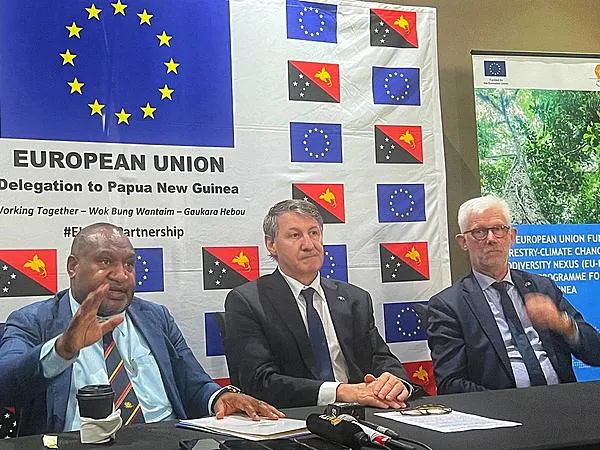
Prime Minister Hon. James Marape reinforced Papua New Guinea’s global identity as a “forest nation” during the official launch of the K210 million European Union-funded Forestry, Climate Change and Biodiversity (EU-FCCB) Programme.
Prime Minister Marape extended his heartfelt gratitude to the European Union for this, and various other projects, including the K340 million PNG-EU-STREIT programme for smallholder farmers in East and West Sepik, which he launched in 2019 upon taking office.
“Thank you very much to the European Union, and Papua New Guinea eagerly anticipates this partnership, which will play a pivotal role in safeguarding our rainforests for the benefit of our future generations,” he said.
The EU-FCCB, operational from 2023 to 2027, aligns with Papua New Guinea’s commitment to ensure the sustainable management of its natural resources and transition towards a green, carbon-neutral economy. The programme’s scope encompasses the Managalas Conservation Area in Northern (Oro), East and West Sepik, as well as Port Moresby and the National Capital District.
This initiative will advocate for a development model that harmonises climate change mitigation, environmental conservation, and biodiversity preservation with sustainable, inclusive, and gender-responsive green growth and job creation. It will engage various stakeholders, including national, sub-national, and pilot community and conservation area levels, as well as institutional, scientific, academic, civil society, and private actors, to facilitate long-term sustainable impact.
Prime Minister Marape reiterated his appreciation for the EU’s support, stating, “Our country should be better recognised as a ‘forest nation’. While we possess other valuable resources, it is imperative that we promote ourselves as a ‘forest nation’ on the global stage.”
He attributed the EU’s support to his discussions with French President H.E. Emmanuel Macron in Gabon in March, Port Moresby in July and Paris in September. He noted that France, as a prominent leader in the European Union, played a pivotal role in securing this support.
Prime Minister Marape praised the EU’s dedication to the 2015 Paris Agreement, emphasising that Papua New Guinea’s forests house between 6 to 7 percent of the world’s biodiversity, representing global assets of great significance.
Prime Minister Marape further underscored that the EU-FCCB would directly benefit communities in areas like the Managalas Conservation Area, enabling them to conserve their forests and biodiversity. He encouraged communities in other forested regions across the country to register through their provincial governments to benefit from similar programmes.
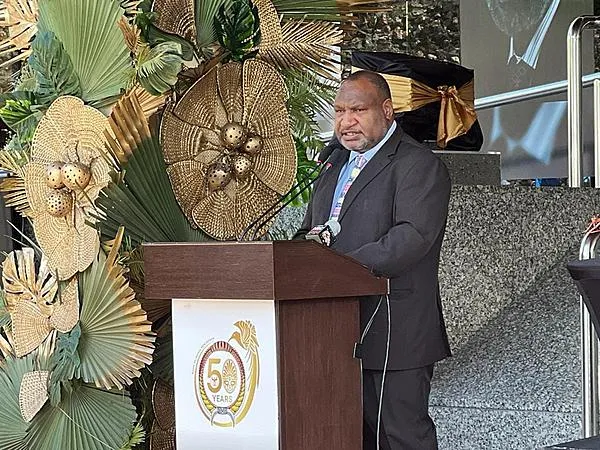
Prime Minister Hon. James Marape has urged the Bank of Papua New Guinea (BPNG) to play a pivotal role in the creation of a K200 billion economy that will help define the future of Papua New Guinea. The Prime Minister's remarks came during his participation in the grand 50th anniversary celebrations of BPNG, which took place in Port Moresby on Wednesday, November 1, 2023.
Commending the dedication and contributions of all the Governors of BPNG and its staff, Prime Minister Marape acknowledged the institution's journey, which has brought it to this significant milestone in the nation's financial history.
Prime Minister Marape emphasised the critical sectors that will drive the country's economy for the next 30 years, including the Porgera mine, Papua LNG, Pasca LNG, P’nyang LNG, and Wafi-Golpu mine. He also highlighted the pivotal role of downstream processing projects in shaping the nation's economic future.
"Thanks to our sound fiscal policies, we are poised to make significant leaps in our economic growth over the next decade, achieving in a mere ten years what previously took us five decades," Prime Minister Marape said.
"I have high expectations for the Central Bank to assist us in this endeavour. A stronger economy will pave the way for building the modern Papua New Guinea that we all aspire to, characterised by security and inclusivity for all."
Prime Minister Marape reflected on his vision from 2019 when he assumed office, stating, "I set forth the goal of achieving a K200 billion economy by 2029. Once we reach this milestone, our budgetary plans will be marked by sustainability.
"I call upon the Central Bank to raise the bar in our pursuit of a K200 billion economy and beyond as we move forward."
Reflecting on the historical journey, Prime Minister Marape noted, "When BPNG opened its doors on November 1, 1973, Papua New Guinea's economy was valued at under K5 billion. Today, we boast significantly greater liquidity.
"In 2019, when I assumed the role of Prime Minister, our economy was below K80 billion. Presently, it has exceeded K113 billion, as confirmed by esteemed international bodies like the World Bank, International Monetary Fund, and Asian Development Bank. However, the needs of our people far surpass the current economic status.
"It is incumbent upon each of us, particularly those within the core State institutions, to ensure that we foster economic growth while delivering effective public services and meeting the needs of our citizens. This commitment lays the foundation for the future prospects of our nation."
Prime Minister Marape called on BPNG to ensure that its monetary policies align closely with the Government's fiscal policies to promote robust economic growth.
He challenged BPNG and its dedicated staff to replicate the achievements of the past 50 years in just 10 years, emphasising their pivotal role in driving progress.
"You must remove barriers within the banking system and ensure that our financial systems are resilient and effectively serve our economy. The fiscal policy of the Government and the monetary policy of the bank must work in tandem," Prime Minister Marape said.
Prime Minister Hon. James Marape has applauded Air Niugini on its order and impending acquisition of 11 new aircraft that promises a much-improved service to Papua New Guineans and travelers within and outside of the country.
Prime Minister Marape gave the applause as he commended the national flag carrier on its continued dedication to aviation safety over the long period it is operating with an aged aircraft fleet.
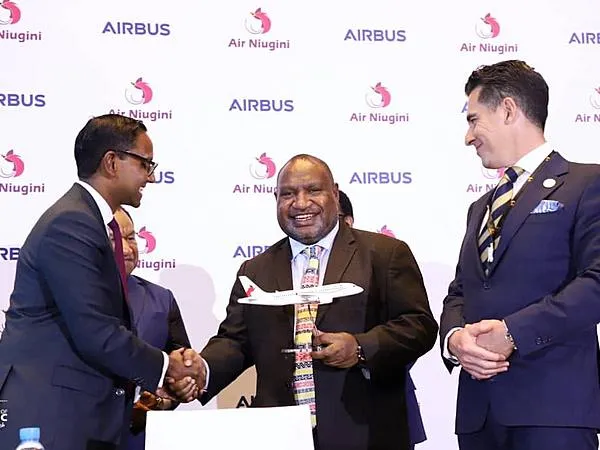
The Prime Minister said this as he witnessed the signing of the agreement between Air Niugini and Airbus to purchase and lease the 11 aircraft from the world’s largest manufacturer of airliners, with the first of the planes expected to touch down in PNG in 2025.
Air Niugini is buying six new A220 series 100 jets from Airbus, as well as leasing two other A220-100s and three larger A220-300s from third party lessors. The new aircraft will replace Air Niugini’s existing fleet of Fokker 100/700 and Boeing 737 on domestic and regional international routes from 2025.
Prime Minister Marape said his Cabinet agreed to the proposal to acquire the aircraft because of the need to urgently replace the existing fleet, and the forecast in the expansion of the economy with PNG’s new upcoming national investment projects. He called the acquisition “timely and appropriate” as PNG expects an increase in air travel over the next 10 years.
The Prime Minister expressed great optimism in Air Niugini picking up its service and making it both cost and time effective for the travelling public after the arrival of the planes.
Prime Minister Marape thanked Airbus and President Anand Stanley for partnering with Air Niugini, while adding that the decision to choose Airbus was because of the manufacturer’s reputation to deliver aircraft that can efficiently operate in PNG’s geography and climatic conditions.
The Prime Minister also acknowledged Minister for State-Owned Enterprises, Hon. William Duma; Air Niugini shareholding company, Kumul Consolidated Holdings, its board and management; and Air Niugini board and management for their efforts in acquiring the airplanes and rebuilding Air Niugini.
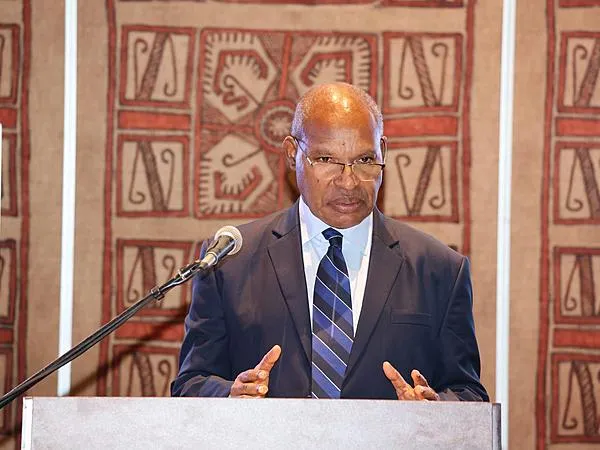
Papua New Guinea (PNG) is ready to grow its trade and investment relationship with the European Union (EU), says the Minister for International Trade and Investment, Hon. Richard Maru. Minister Maru said this in his welcome address at the 4th EU-PNG Business, Trade & Investment Conference in Port Moresby.
“We welcome the theme of this year’s conference- ‘Unlocking Sustainable Economic Opportunities for a more ambitious EU partnership with the Pacific’. Papua New Guinea is ready as a Government and I am sure our private sector is ready too to grow our trade and investment relationship with the European Union and its member States under our current Interim Economic Partnership Agreement with the European Union,” said Minister Maru.
Minister Maru reaffirmed PNG’s commitment to EU which was one of PNG’s most important trading partners.
“While we are negotiating Free Trade Agreements with other countries and working hard to walk across Asia, I want to reaffirm our commitment to European Union as one of the most important trading partners that Papua New Guinea has. We recognize fully that the current trade balance is totally in favor of Papua New Guinea with an estimated USD 994 million of goods sold into the European Union each year while European Union only sells USD 100 million to Papua New Guinea. We have built our fishing industry on the back of the free-market access agreement that the European Union has provided for us and for that we are extremely grateful. The European Union is one of the most important trading partners of Papua New Guinea and a relationship that we value very much. Our country showed the value of our relationship by being the first Pacific Island State to enter into the Interim Economic Partnership Agreement with the European Union long before any other Pacific member States did. We will continue to work very closely with the European Union delegation and the European Union to deepen and strengthen our trade and investment relationship now and into the future,” said Minister Maru.
Minister Maru said there were more opportunities for Papua New Guinea to sell more in the European Union market apart from marine products, coffee, vanilla, and gold amongst PNG’s major exports.
“We firmly believe that we can build a bigger and a deeper relationship with the European Union not only in the fisheries sector where we want to downstream process all our tuna in Papua New Guinea and sell to our European Union market as finished goods under their global sourcing provisions within the IEPA. In terms of two-way trade, we are extremely grateful that TOTAL from France, the world’s leading energy company has now decided to invest in Papua New Guinea, and we look forward to the Final Investment Decision (FID) early next year and the construction phase to follow. This is a very welcoming European Union investment in the Papua LNG project by one of our companies from Europe and we would like to see more and more investments in this space by companies from Europe, not only in the gas sector but also in the mining sector. We would also like to encourage more European Union companies to invest not only in the mining and petroleum sector but in the renewable sectors of fisheries, tourism, forestry, agriculture, and manufacturing. There are limitless opportunities in this country, and we look forward to working with the European Union Mission in Papua New Guinea to support European Union and its member States’ investments in Papua New Guinea where we will also be very happy to offer them incentives under the Special Economic Zones Scheme that our Government is now embarking on as our major driver for economic growth,” said Minister Maru.
“We are also aware of European Union member States’ LNG supply difficulties caused by the over- reliance on supplies from Russia during the Russia- Ukraine war and I am sure Papua New Guinea could be considered a good alternative supply source for LNG for European member States in the future,” added Minister Maru.
Minister Maru said Papua New Guinea was aware of European Union’s new laws, regulations, and policies in relation to trade and was committed to taking steps to meet these requirements.
“We are very much aware of the changes in European Union’s rules to ban coffee that is grown and produced in deforested areas, and we want to seek the assistance of the European Union under their Aid for Trade assistance to help our farmers and industry to secure certification, so they are allowed to export to the European Union market. We are also aware of the European Union’s De Facto Suspension of the vanilla extract exports from the United States and the possibility of the ban extending to other parts of the world that use pesticides that contain ethylene oxide, a fumigant for dry food products. Although Papua New Guinea is not using pesticides containing the ethylene oxide on its vanilla, we have to take all actions necessary to protect our vanilla market within the European Union that stands at an estimated USD 6 million annually. Vanilla is a very important export commodity for thousands of our village-based vanilla growers so as a responsible Government, the Marape-Rosso Government will have to ban the import of ethylene oxide into Papua New Guinea. I have issued instructions to the National Trade Office to commence work with the Department of Agriculture, the Health Department and Environment Protection Authority (CEPA), and other relevant Government agencies to have the ban imposed as a matter of absolute priority. I will be making further announcements on this matter shortly,” said Minister Maru.
Minister Maru also called on EU to support the African, Caribbean and Pacific (ACP) Group of States to value-add their resources by going down the path of downstream processing to produce finished products to sell to the European Union market.
“We want to emphasize on unlocking of more export opportunities for exports from ACP Group of States to have access to the European Union market especially for our finished goods rather than our raw materials. The European Union cannot continue to expect the ACP Group of States to continue to be a raw material supplier to their market. We are evolving and we want to export finished goods and not raw materials to the European Union, and we expect understanding and appreciation on the part of the European Union that this is what we want. We are happy to use the European Union technology and capital to walk down this path and get more value from our raw materials and create jobs in our countries rather than exporting jobs and opportunities in products like cocoa, coffee, vanilla, palm oil, kava, etc. If the European Union is serious about unlocking and building a more serious trade partnership with the Pacific, this is the future we are looking at. We are looking to the European Union to acquire their technology and work with their companies even under joint ventures to manufacture our products and export to their markets even under their own local brands. We still need the assistance of the European Union under their Aid for Trade programs to assist us with their technical regulatory requirements and certifications to meet the stringent European Union marketing and legal requirements,” said Minister Maru.
Minister Maru also requested EU for their support in reviewing the National Trade Policy which needed to be updated commencing early next year.
“We will be requesting the European Union to assist us by providing technical expertise. We need a new policy platform that is current with market circumstances today also given the emerging trade opportunities that technology now provides and also a policy that takes into account new and emerging products and services, new regulations, trade partnerships, and taste and preferences of consumers,” said Minister Maru.
Minister for International Trade and Investment, Hon. Richard Maru is calling for establishment and commercialization of the kava industry in Papua New Guinea (PNG). Minister Maru made this call after learning from the two Fijians who attended the 14th World Indigenous Business Forum in Port Moresby recently that the demand for kava in Fiji and the Pacific had outgrown supply.
“The cultivation and sale of kava both in domestic markets and as a processed export product is an important source of income for thousands of smallholder farmers and their families across the Pacific. Green liquid, dried and powdered kava has progressed from a traditional and customary beverage over the years to a source of community livelihoods, and now a business for the pharmaceutical industry and social gatherings. The commodity is known to have medicinal capabilities including relaxant. Because of its associated relaxing benefits and the removal of trade restrictions in many countries, the demand for kava has increased and thousands of smallholder farmers across the region are now engaged in kava production. The commodity has become one of the main sources of economic importance to many Pacific Island countries and as a significant contributor to GDP, foreign exchange earnings, and balance of payments through exports for some countries,” said Minister Maru.
According to a recent Pacific Horticultural & Agricultural Market Access Program (PHAMA) report, in Fiji alone, 1 in 8 rural households are involved in the crop’s cultivation, with a further 3,000 households earning an income through kava trade and retail operations. Whilst, in Vanuatu, an estimated 30,000 households are involved in its cultivation with a further 3,000 earning an income from the kava trade and retail operations.
“In 2020, Fijian kava exports were worth over A$43.6 million and in 2019, Vanuatu’s kava exports were worth A$48.4 million, with these figures set to grow in coming years. While some of these exports are to other Pacific Island Countries, larger markets include New Zealand, New Caledonia, Europe, and the United States, partly due to the large Pacific Island communities living there. The bulk of this trade is associated with selling kava as a beverage, with a growing quantity being exported as an ingredient, for nutraceutical and pharmaceutical products. The growing popularity and demand for kava has resulted in a price hike in recent times. The increasing price has created local and overseas investment opportunities for the cultivation and propagation of kava by local communities across the region. Kava has fast become a thriving cash crop for local farmers, primed for further growth. With the global kava market expected to exceed US$210 billion (AUD$309 billion) by 2026, the projected impact of the industry is significant. Kava has led to the empowerment of local communities through the supply chain, creating sustainable incomes, and improving livelihoods. As import regulations ease and international demand grows, exciting opportunities for Pacific Island businesses to enter new markets grow,” said Minister Maru.
“Papua New Guinea has the potential to become the biggest producer of kava in the world if we establish kava as an industry and undertake multicropping with kava being planted under the cocoa trees to fully utilize the land so our farmers can make money from both cocoa and kava using the same land. This is one industry that is ready to boom,” added Minister Maru.
The Ministry and Department of International Trade and Investment will be working very closely with the Ministries and Departments of Agriculture and Commerce and Industry, and the National Trade Office to work on immediately establishing the kava industry in PNG.
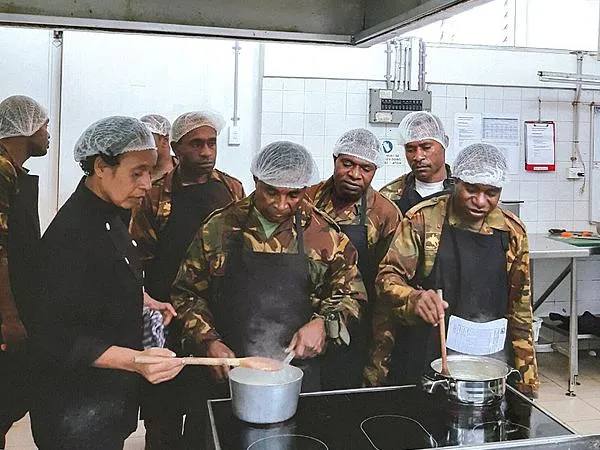
iPi Catering, a subsidiary of the iPi Group, completed its Kitchen Operations training program with members of the Papua New Guinea Defence Force (PNGDF),
This monumental achievement resulted in 18 men successfully completing their training.
iPi Group’s chief executive officer Peter Long expressed delight in delivering the course and commended the participants for their remarkable progress and enthusiasm.
“The participants have demonstrated enthusiasm and gained valuable skills that will serve them well in their future work,” he said.
The program unfolded with the first batch of 8 men completing their 4-week training in August, followed by 10 more in September.
“They have led the way and chartered a refreshing approach to areas of skills acquisition no other in the Defence has currently done,” Long said
Sargent Miriki, one of the 18 men who completed the course emphasized the competency-based nature of the training, noting that they gained essential skills and knowledge needed to cook.
Meanwhile Sargent Chikou, another participant said, “Apart from learning how to cook, we took a look into food safety, meal preparation, and kitchen management.”
He said the training highlighted the importance of team work and collaboration reflecting the real-world military scenarios.
Representatives from PNGDF praised the program for its effectiveness and the positive impact it will have on the participants' careers.
According to iPi Catering Training Coordinator Nanai Sere, the soldiers received their attainment certificates, marking an equal milestone for both entities.
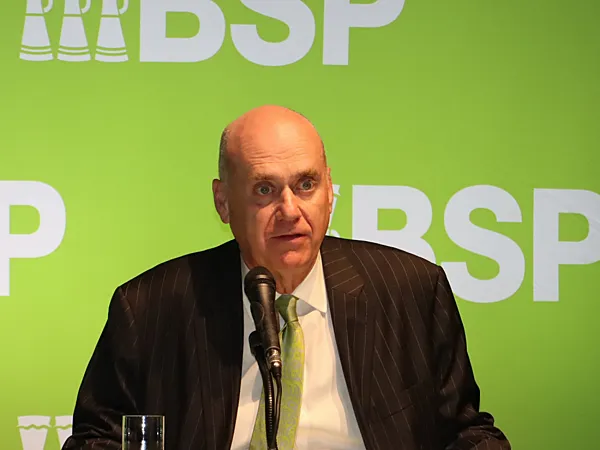
Business sentiment is apprehensive due to service disruptions, lower foreign exchange (FX) inflows, likely delays in project commencement and the kina depreciation, according to BSP’s Quarter 3 2023 Pacific Economic & Market Insights report.
BSP’s Group General Manager for Corporate Banking, Mr. Peter Beswick, says “recurring power and water supply cuts along with lack of FX, continues to impact business operations.”
Mr. Beswick adds, “that the kina’s gradual depreciation against the US dollar will disadvantage importers and may contribute towards inflation for consumers and the broader business sector.”
Despite this, Mr. Beswick expects that the recent granting of the Special Mining Lease to New Porgera Limited (NPL) is likely to boost economic activity in Q4-23 provided Barrick can fully resume Porgera gold mine operations before year-end.
The medium-term outlook remains optimistic with Mr. Beswick adding, “consumer spending remains robust in Q3, with our BSP PNG EFTPOS transaction volume increasing by 10.6% to K2.0b. The latter can be attributed to improved transaction numbers and higher prices, given current inflation levels.”
Continued business confidence is dependent on the timely commencement of the resource projects (Porgera, Papua LNG, Wafi-Golpu, P’nyang and Pasca A).
“Foreign exchange (FX) market inflows in Q3-23 fell 16% from Q2-23 to K6 billion, with almost 18% of FX inflows coming from BPNG FX intervention,” according to BSP’s Quarter 3 2023, Pacific Economic & Market Insights report.
“In 2023, FX inflows have risen 19% to K18.7b due to a 79% year-on-year increase (K1.7b) in BPNG FX intervention. BPNG has supplied 20% (K3.8b) of PNG’s FX inflows this year,” according to BSP’s Group General Manager Treasury, Mr. Rohan George.
Mr. George noted that despite increased BPNG intervention, the FX market continues to miss Porgera’s FX contribution.
During Q3, volumes from BSP’s Top 5 FX Inflow customers dropped by 30% in August and 45% in September, resulting in outstanding FX orders hitting a record high late in September (K1.18b), which lengthened FX order execution times. BSP prioritised “National Interest” orders over other orders and trade and service orders over capital orders, says Mr. George.
The Kina mid-rate continued its gradual, orderly, decline in Q3 falling by 2.5% to 0.2730 and is expected to decline further by approximately 0.9% per month or 10.8% per annum. Mr. George adds, “We expect continued flat trading conditions and potentially a larger than normal Central Bank FX intervention to reduce FX execution waiting times.”
FX customers are encouraged to place orders early, with correct documentation to avoid any unwanted delays.
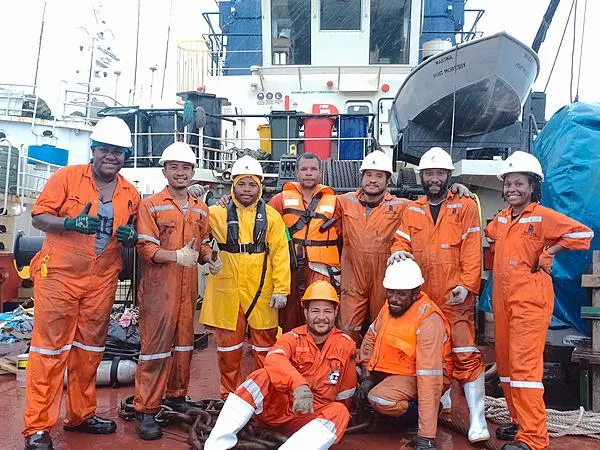
In addition to its core business of harbour towage, Pacific Towing (PacTow) provides salvage, emergency response, and spill response services in PNG and the broader region. These services have increased in frequency together with the growth of PNG’s oil and gas sector, as well as the increase in Melanesia’s marine traffic.
PacTow has been involved in nearly 80 salvages in the last 25 years and is a full member of the International Salvage Union and the International Spill Control Organization.
Although the company typically operates in a ‘sole salvor’ capacity, it has also partnered in lead and co-salvor arrangements, including with some significant international salvage entities (e.g., Fukada, Nippon, Smit, T&T, and Five Oceans).
PacTow has amassed considerable salvage, emergency response, and spill response capacity, in terms of its fleet, equipment, in-house expertise, and relationships. As such, GM Neil Papenfus reports that they can “manage just about any salvage or spill in the region.” Albeit a particularly serious incident involving an oil or chemical tanker, or a giant container vessel, would require additional assistance.
The provision of a rapid first response, irrespective of vessel type though, is fully within PacTow’s capabilities. Only a few months ago, one of their blue water tugs was deployed from its Port Moresby tug base to tow an oil tanker stranded in the Coral Sea back to the safety of the Nation’s capital for repairs.
PacTow’s 20-vessel fleet is strategically deployed across its operations throughout PNG and Solomon Islands. It’s dedicated dive workboat, together with the bulk of its spill response equipment, as well as its commercial dive team and salvage officers, are based in Port Moresby.
The company doesn’t typically need to import technical expertise to assist them with salvage operations, especially those involving the types of vessels that normally call in to Melanesia. However, it has on occasion brought in expertise from Australia, Japan, and Europe.
In addition to building its own capacity, PacTow is also working with government entities such as the National Maritime Safety Authority to build PNG’s capacity, especially with regard to oil spills. Late in 2022 it played a central role in the country’s National Oil Spill Response Exercise, and in 2023 it has been contributing to the development of PNG’s National Oil Spill Response Plan.
PNG’s need for increased oil spill response capacity, as well as spill mitigation services, is evident. The nation is not only on the cusp of a 10-year LNG construction boom but a massive surge in mining development. Not only will oil and gas exports increase (and therefore the risk of marine spills when loading tankers), but so too will the marine traffic importing all matter of items for the construction of LNG and mining infrastructure.
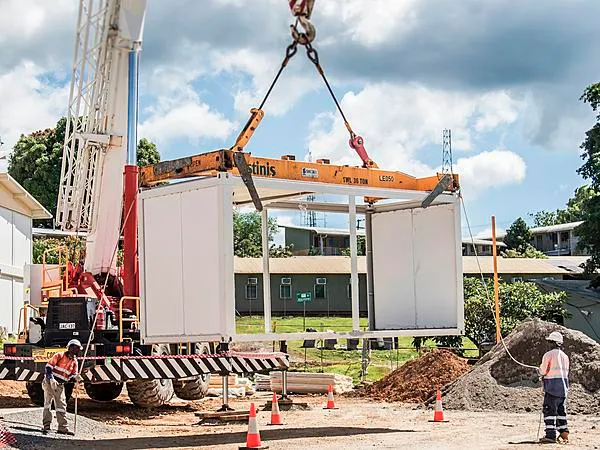
Papua New Guinean workforces have assembled hundreds of Ark Pacific modular buildings for PNG’s resource sector since 2010. Unskilled local workers across the country have benefited from employment and training opportunities afforded by Ark’s easy-to-assemble modular building systems. Likewise, developers have benefited from the cost-effective delivery of fit for purpose and sustainable buildings.
Ark introduced its modular building systems to PNG during the PNG LNG construction phase. A 1,000-person, multi-storey accommodation complex and support buildings for the construction of Komo Airfield were delivered by a 99 percent local workforce in less than one year.
A landowner construction company in New Ireland has assembled a range of Ark buildings for a major developer since 2017. Half of the original local workforce who worked on the initial 800 room camp is still employed. Many of these workers have received additional training and been promoted (e.g., leading hand, project supervisor) resulting in a significant reduction of the expatriate workforce.
Local workers, generally employed through footprint landowner companies, only require introductory level construction industry training to assemble Ark buildings. This means that Ark buildings – irrespective of their type and configuration (e.g., camp complex, office block, laboratory) can be assembled rapidly – even in remote locations.
Developers that choose Ark buildings – assembled by workers in their footprint communities – are better positioned to meet their local content requirements. They also benefit from strengthened community relations associated with local workforce training and employment. Furthermore, these developers enjoy the advantages of a reduced freight footprint and building repurposeability.
Considerably fewer ships, trucks, barges, etcetera are required when building with Ark’s modular systems. Its freight footprint is up to 70 percent less than its competitors because six of its flat pack units are equivalent to a single standard 20 foot shipping container when stacked together ready for transport. This means (1) lower carbon emissions, (2) lower costs, (3) reduced degradation of local road networks, and (4) in the case of river transport systems, less water traffic and hence vessel wake erosion.
The ease with which Ark buildings can be both assembled and unassembled, means that they are also repurposeable. This is a distinct advantage for short term camps in particular, as they can be ‘unbolted’ and transported elsewhere to be reused (e.g., schools, libraries, and health clinics).
Depreciation of the PGK/USD midrate will benefit exporters as they receive more PGK for their goods, whilst importers will see higher prices as their cost-per-kina increases when purchasing goods overseas to bring into PNG.
“A short-run risk of the PGK/USD depreciation is the potential impact on inflation levels for consumers, while the economy may benefit when the exchange rate system operates effectively without the need for interventions” said BSP’s Group CEO, Mr. Mark Robinson.
The reductions in the PGK/USD midrate on 12 separate occasions have been carefully sequenced from 0.2840 in May to 0.2730 in September (total reduction of 110 points or 3.9%).
The progressive PGK/USD depreciation is aimed at rectifying the structural imbalances in the local foreign exchange market. However, given PNG’s reliance on imports for consumer goods and production inputs, the higher import costs will place upward pressure on domestic prices.
“Nonetheless, the upside risks to PNG’s inflation remain very much alive and will continue to be a concern as price pressures on essential consumer items like food remain elevated with ADB inflation projections at 5.0% for 2023,” Mr. Robinson concluded.
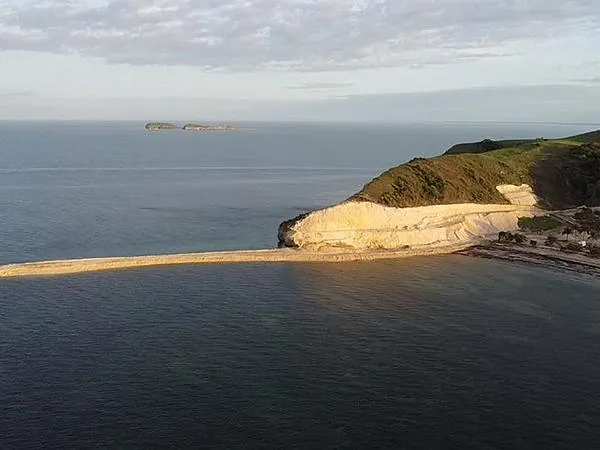
Mayur Resources Limited is pleased to provide an update on progress at the Central Lime Project (CLP) and an update on its equity and debt funding package for the CLP.
Mayur’s Managing Director, Paul Mulder, stated:
"The recent achievements at the Central Lime Project, including the wharf successfully receiving its first shipments, signify more than just construction milestones. They represent our stakeholders’ involvement and support towards establishing PNG’s first downstream processing resource manufacturing hub.” “With early cashflow avenues targeted for early 2024, our work will benefit all involved and will also bring greater benefits sooner to the local Landowners." “We continue to be actively engaged towards securing the total debt financing to complement Vision Blue’s’ US$40 million equity investment into our CLP, and look forward to providing further updates within the coming weeks on this front.”
Construction Works
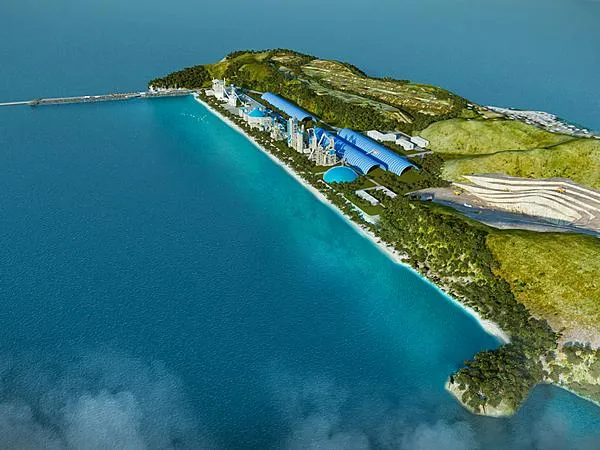
Following construction commencing in June 2023, the inner rubble core of the wharf is now complete. The successful completion of this wharf infrastructure ahead of schedule has allowed for the delivery of larger mobile equipment and fuel storage via barge. This equipment will be used for final armouring of the wharf and to build out the sheet pile faces and finger structure (to circa 10m draft) that will enable double sided barge exports from H1 2024.
Offshore geotechnical works are occurring in the coming months which will enable final placement of the offshore mooring pile structure that will allow up to Handymax size vessels to be able to berth and facilitate domestic and international shipments.
The demonstrated ability of the wharf to transport goods and materials is essential to optimising the logistics supply chain as the CLP enters full-scale construction. It also provides the platform to extend the wharf to enable the CLP to take advantage of potential early cashflow opportunities in 2024, through the sale of high-grade limestone to customers, both domestic and internationally.
Additionally, Mayur is now conducting its final on-shore geotechnical drilling campaign to confirm final placement of the Quicklime Kilns to further de-risk and engineer the design of the lime kiln foundations.
Equity and Debt Financing Update
Following from the proposed US$40 million equity investment from Vision Blue into Mayur’s CLP announced in August 2023, the Company has continued to work closely with Vision Blue and a number of industry leading counterparties towards securing between US$70-90 million in debt funding for the 2 CLP – with funding at the higher end of that range enabling early expansion of the CLP.
With Mayur’s financing activities progressing well, the Company expects to be able to update the market on these positive advancements in the near future.
Mayur expects first revenues from the CLP in H1 2024, with annual Phase 1 EBITDA in excess of US$25 million (A$37.8 million) and more than US$770 million (A$1,164 million) of revenue over the project life of 30 years.
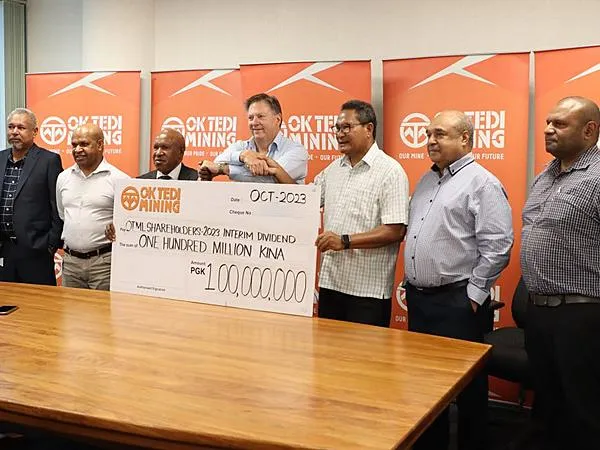
Shareholders of the Ok Tedi Mining Limited (OTML) have a reason to smile today as the Company paid an interim dividend of K100M on Thursday October 26th while also citing a positive outlook for a final dividend payment for December 2023.
OTML Board Chairman Jeffrey Innes said, “We are proud to say that OTML is committed to deliver maximum returns to our PNG shareholders, mine impacted communicates and the people of Papua New Guinea.
He said the Company has gone through numerous changes in the latter months of 2022 and more so this year with leadership changes, a business restructure, prudent cost management measures after conducting reviews and realigning plans to meet its targets.
“As a result, we have seen a turnaround in production levels and operational costs and that gives the Board optimism about the Company’s future and confidence in its continued operational success,” Mr Innes said.
Mr Innes thanked the employees, contract partners, and mine impacted communities for their resilience and support throughout the transition period.
He said OTML has always been a resilient company and the Board is confident of meeting its final dividend pay-out in December 2023.
“Our focus currently is to ensure existing systems and processes that are in place are improved to strengthen our operations and derive maximum value of the resources we have during and beyond the current Life of Mine plan of 2033,” he said.
In September this year, the Board also approved in principle a further mine life extension from 2033 to 2050.
This is a significant milestone for OTML, its shareholders and for Papua New Guinea in general and further enhances the confidence the Board has in the company’s ability to deliver over the next two decades.
The approval is based on the latest Strategic Business Plan submitted by the Executive Leadership Team and brings to life OTML’s Vision to operate with excellence, maximising the value of the mineral resource in an environmentally friendly way, to deliver sustainable economic and social benefits to the mine communities and the people of PNG.
Managing Director & Chief Executive Officer, Kedi Ilimbit, said “The approval by the Board is a welcome gift to the communities in which we operate and who provide us the social license to continue, as well as to the people of PNG.”
Mr Ilimbit further stated, “The revised mine life will see the Company generate in excess of PGK30 Billion in dividends, royalties, compensation payments, and taxes for the benefit of OTML’s shareholders, communities and Papua New Guinea as a whole over the next 27 years.”
Mr Innes, shared his optimism about the company’s future, stating “The latest Strategic Business Plan gives the Board confidence in OTML’s continued operational success.
Mr Innes added, “OTML has tripled its value in the last six years and the outlook is a positive one. The mine life extension reaffirms OTML’s commitment to sustainable growth, economic prosperity, and community well-being supported by environmental sustainability, community development and operational excellence.
The Ok Tedi Mine is 100% PNG owned with the State of PNG through the Kumul Minerals Ok Tedi Ltd owning 67% while three Western Province entities hold the remaining 33%.
Since mining operations commenced in 1984, the mine has generated PGK13 Billion in dividends to PNG shareholders, PGK10.2 Billion in taxes/duties, PGK1.5 Billion in compensation payments, and PGK1.3 Billion in royalties. The mine has also paid PGK972 Million in Community Mine Continuation Agreement (CMCA) payments since 2001 and spent PGK515 Million in Tax Credit Scheme projects since 1997.
Bougainville Copper Limited can confirm that good progress has been made with the Autonomous Bougainville Government (ABG) with respect to ending Judicial Review proceedings relating to the Company’s EL01 exploration licence in the Panguna project area.
In January 2018, the ABG refused an extension EL01 with BCL maintaining that the application process had been undermined by third parties with vested interests in BCL’s mineral rights. This placed both the ABG and BCL in an unenviable position.
As a result, the Company, acting in the best interests of all its shareholders, was granted leave for a Judicial Review of the decision in the PNG National Court. The proceedings have continued to this day.
Separate to these proceedings, BCL and the ABG have been engaged in constructive dialogue with the mutual aim of amicably resolving the issue. We are now pleased to confirm, that through this dialogue, BCL and the ABG have agreed on terms for a Deed of Settlement to end the Judicial Review proceedings with parties fulfilling their if respective undertakings.
Meanwhile, ABG President Ishmael Toroama has affirmed that the ABG has undertaken to reconsider BCL’s EL01 application with a view to extending the exploration licence for a period of five years.
On delivery of respective undertakings, including the extension of ELO1, BCL has agreed to withdraw the Judicial Review proceedings. The PNG National Court is expected to consider an application to stay the Judicial Review on 13 November 2023.
The ABG and people of Bougainville currently hold a 36.4 per cent share in BCL and this is expected to increase to 72.8 per cent once shares currently held by the PNG National Government are transferred as part of a separate commitment.
Mineral Resources Authority’s (MRA) Acting Managing Director (AMD) Jerry Garry, has assured the owners of the Pan Aust Limited, that the PNG Government was committed to progressing the Frieda River Project Special Mining Lease (SML) application, in accordance with the legal process.
Pan Aust is the company that has been operating the Frieda River Copper-Gold project since 2014. The project is currently in a pre-development stage pending assessment of its application for an Environmental Permit (EP) and a Special Mining Lease (SML).
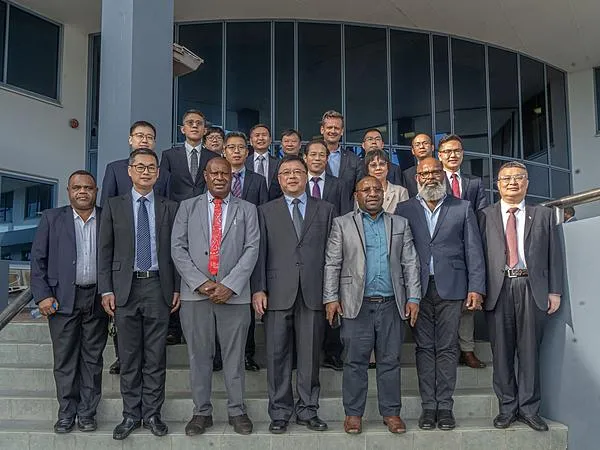
Mr Garry told the owners, Guangdong Rising Holding Group (GRHG), a Chinese infrastructure investment company owned by the Guangdong Government, that the Frieda River Project was an important project to the PNG Government.
The GRHG delegation met with Mr Garry on Wednesday Oct 25 at the MRA office. Mr Garry said his team was currently focused on re-opening the Porgera Mine and progressing the Wafi Golpu project. However, he said the State was determined to commence initial work on the Frieda project SML application in the first quarter of 2024. He said that by the second quarter, his team would be fully committed to progressing the application.
The AMD said the main issue for the application would be around the integrated Tailings Storage Facility (TSF) and hydroelectric dam, which has been the subject of independent expert reviews. The dam will be discussed in detail with independent world renowned dam experts from PNG and abroad.
The Acting Managing Director for the Conservation Environment Protection Authority (CEPA) Jude Tukuliya was also present at the meeting. Both MRA and CEPA AMDs gave updates on the respective processes involved in the permitting of the SML and EP. They also gave a run down on where both processes were with respect to timelines.
The visiting delegation included representatives from the State-owned Assets Supervision and Administration Commission (SASAC), which is a department within the Chinese government that supervises and manages state-owned assets.
The SASAC Deputy Director Mr Xiaoyun Wang said the purpose of SASAC’s visit to the MRA was to show their support and confidence in the Frieda River Project, and also to familiarize themselves with the EP and the SML permitting processes for the project.
He said their visit followed PNG Prime Minister Honourable James Marape’s visit to Guangdong Province, where Hon Marape met with the Governor for Guangdong, Mr Wang Weizhong. The meeting between the two leaders was an extension of PM Marape’s participation in the Belt & Road Initiative, hosted by the President of the Republic of China, Xi Jinping, this month.
In his closing remarks, AMD Garry commended the Marape-Rosso Government for initiating business and investment opportunities for the country especially in the resource sector. He said the PNG mining industry needs financial backing and the investment opportunities being provided the government was welcoming news for the sector.
The signing of the Mining Development Contract (MDC) and the Grant of Special Mining Lease (SML) 13, for the New Porgera Project, complied with due processes and laws, said Mineral Resources Authority’s Acting Managing Director Jerry Garry.
Mr Garry said the ongoing consultations and negotiations pertaining to Community Development Agreements (CDA) formerly called Memorandum of Agreements (MoA), also conform to the established processes.
Mr Garry was responding to recent public statements by individuals who claimed unlawful practices in the signing of the MDC and CDA for the project.
He said with regards to Compensation Agreements (CA), the National Government would ensure these mandatory agreements, between New Porgera Limited (NPL) and landowners, are signed before NPL can commence mining operation.
Section 155 of the Mining Act requires a compensation agreement to be in place between the holder of the tenement and the landholders, before the tenement holder can enter and occupy the land, for the purpose of mining.
The AMD has assured the Porgera Mine landowners that as a responsible government, the MRA would ensure NPL is compliant with the laws.
“We are committed to our landowners, and we are in constant dialogue with NPL and landowners, to ensure compensation agreements are progressed and signed,” said Mr. Garry.
He added that New Porgera was not a green field project but a brown field project. This means BNL has been on the ground and had already been permitted entry under the care and maintenance Agreement, pursuant to an order of the National Court for the upkeep of the mine until it reopens.
The AMD explained that CA does not affect the grant of SML13 and its Mining Development Contract, thus, the SML 13 grant and execution of MDC were lawful.
He said, unlike CA, the CDA was not a mandatory requirement to the re-opening the mine, hence, it could be concluded after the grant of the SML and also after the re-opening of the mine. Any benefits agreed to will be paid retrospectively to the date of the grant or other mutually agreed commencement date.
Follow on LinkedIn:
PNG Business News
Be the "First" to get our exclusive Digital Magazine & Weekly Newsletter.