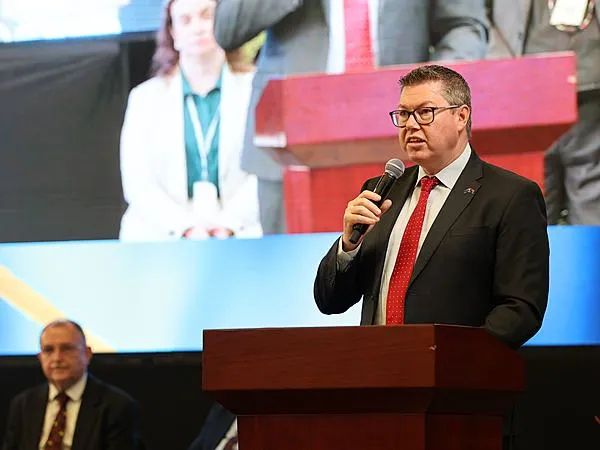
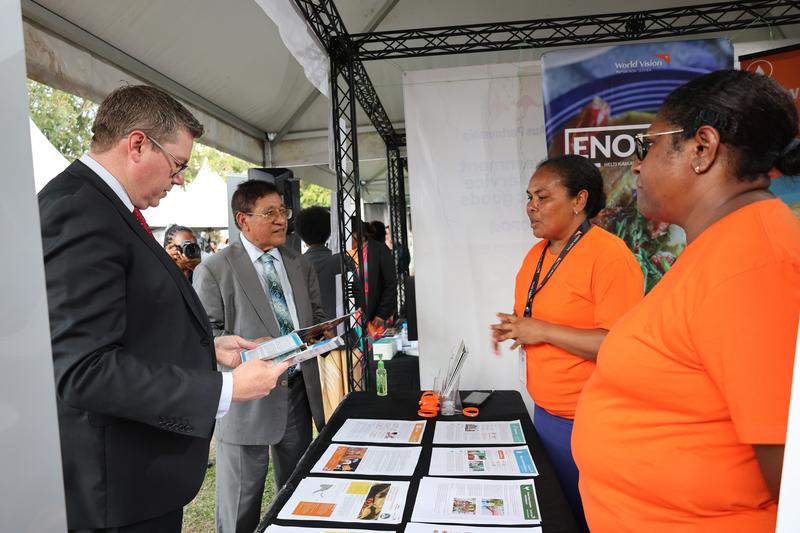
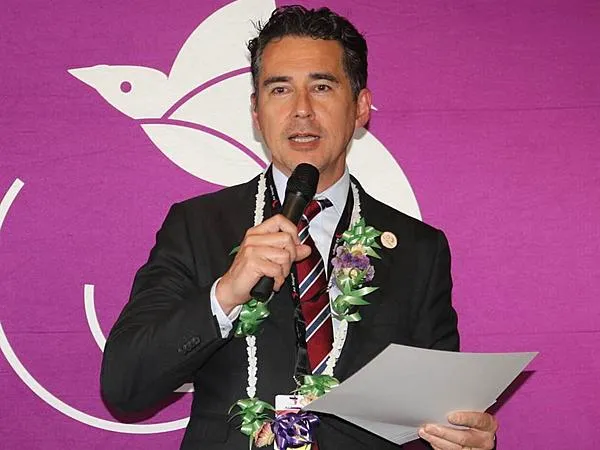
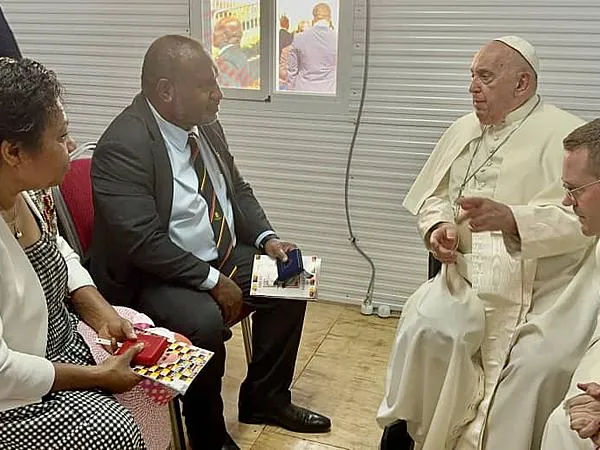
The Australian Minister for International Development and the Pacific, Hon. Pat Conroy, officially launched the Australia-PNG Development Partnership Plan (DPP) for 2024-2029 at the Australian High Commission on Thursday 19th September in Port Moresby, Papua New Guinea.
This initiative reinforces Australia’s commitment to PNG as its largest development partner, Conroy's office said in a statement.
With an estimated $637.4 million in Official Development Assistance funding for the 2024-25 fiscal year, and over $2.5 billion in budget support loans since 2019, Australia aims to strengthen PNG’s economic growth and stability.
Minister Conroy emphasized that the DPP is aligned with Australia’s new International Development Policy, which prioritizes locally led development.
He said, “We know that infrastructure is a huge piece of that puzzle, particularly, telecommunications, roads, ports, aviation and energy. This is why we are scaling up investments in critical economic and social infrastructure from $200 million annually to $250 million annually, recognizing the role this will play in PNG’s future prosperity.
“Through this plan we will work with PNG on building access to electricity across the country, but we’ll do it through innovative, smart solutions that use renewable energy and resilient technologies.”
The importance of continued economic growth is central to PNG’s Medium-Term Development Plan. Conroy stated, “Our approach is to be guided by your priorities, your needs, your ambitions.”
“We know you want a stable economy that continues to broaden and generate jobs for your people,” he added.
The DPP outlines a roadmap for Australian assistance over the next five years, with key features including a $200 million bilateral security agreement, an increase in educational investment to $100 million, and intensified efforts towards addressing climate change and promoting gender equality.
Conroy noted, “We’re scaling up investments in critical economic and social infrastructure from $200 million annually to $250 million annually, recognizing the role this will play in PNG’s future prosperity.”
At the launch event, 21 Australian development programs were featured, showing the extensive reach of Australia’s investment in various sectors across PNG.
Conroy addressed the necessity of improving security in PNG, stating that “people need stable, safe and secure societies in which to thrive.”
The $100 million Australia-PNG Law and Justice Partnership will focus on enhancing internal security, police training, and infrastructure across ten provinces.
“This is why we are stepping up our work with you on policing, improving internal security. Through our $100 million Australia-PNG Law and Justice Partnership, we are:
Moreover, the plan seeks to create inclusive communities. Conroy mentioned the ongoing support for women and individuals with disabilities, as over the past six months, the PNG Women Lead program has assisted over 3,000 women and girls in accessing crisis support services for gender-based violence.
On education, the plan will increase investments to help students complete their studies and diversify their skills.
Conroy announced the launch of a new “Diploma in Teaching Primary” aimed at upskilling 15,000 elementary teachers, with funding for the first 400 teachers enrolled in the program.
Conroy reaffirmed Australia’s long-standing commitment to PNG, citing that since 2015, Australia has delivered over $5.6 billion in Official Development Assistance.
The DPP “is a collaborative effort to enhance access to renewable energy, improve infrastructure, and support health services, among other initiatives.,” he said.
Conroy reiterated the partnership and collaboration between both countries. “All of this work we do together, with our PNG partners, to improve the lives of people across Papua New Guinea.
“As we have for all of the 49 years so far since independence, Australia is backing PNG’s economic development and ambition for its people.”
Present for the event were Hon Sir Ano Pala, Minister for National Planning; Hon Kinoka Feo, Minister for Higher Education, Research, Science & Technology and Sports; Hon Lucas Dekena, Minister for Education; and Hon Rufina Peter, Governor of Central Province.
Heads of mission; heads of multilateral agencies; leaders from private sector and civil society were also present.
By: Niki Alsford
Niki Alsford is Professor of Anthropology and Human Geography, and Director for the Institutes for the Study of the Asia Pacific (ISAP) at the University of Central Lancashire. He is Research Associate at SOAS, the University of London and Associate Member of the Faculty of Asian and Middle Eastern Studies at the University of Oxford.
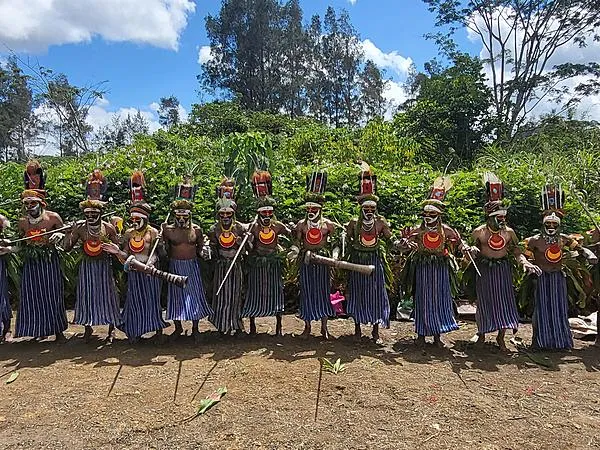
In August 2024, I had the privilege of attending the Mount Hagen Cultural Show, one of Papua New Guinea’s most vibrant and significant cultural events. As I stood among the performers adorned in feathers, paint, and traditional attire, I couldn’t help but marvel at the richness of the island’s cultural heritage.
The festival, or Singsing in Tok Pisin (a creole language spoken throughout the country), is a testament to the country’s cultural diversity, where over 800 languages are spoken, and each community has its unique traditions and customs. This diversity, combined with the stunning biodiversity, offers a tourism potential that is both unique and underexplored.
Papua New Guinea (PNG) is a country that, by all accounts, should be a prime destination for global travellers. It boasts some of the world’s most diverse ecosystems, pristine beaches, and unparalleled diving opportunities, especially in regions like Milne Bay and Kimbe Bay. The rugged landscapes of the highlands are home to an array of bird species, including the rare and beautiful birds of paradise.
Yet, despite these attractions, PNG remains one of the least visited countries in the world, with tourism numbers lagging many of its Pacific neighbours.
The Potential and Perils of Tourism
The potential for tourism to bring economic benefits to PNG is undeniable. In many developing countries, tourism has acted as a catalyst for economic growth, creating jobs, fostering small businesses, and bringing in much-needed foreign exchange.
In PNG, where the economy largely depends on extractive industries like mining and oil, tourism could provide a more sustainable and diversified income stream. However, as with any developing nation, the influx of tourists comes with its own set of challenges.
PNG operates on a dual economic system: a formal monetary economy that the government and larger businesses operate within, and a subsistence economy where the majority of the population engages in farming and bartering to meet their daily needs.
The introduction of large-scale tourism could disrupt this delicate balance, particularly in the highlands, where traditional ways of life have been preserved to a greater extent than in the more urbanised coastal regions like Port Moresby and Lae.
In the highlands, the economy is not driven by cash but by subsistence farming and the exchange of goods and services within the community. This system has allowed highlanders to live sustainably for generations. Introducing a tourism-driven cash economy could lead to social stratification, with those benefiting from tourism becoming wealthier while others are left behind.
Moreover, the allure of easy money from tourists could lead to the erosion of traditional values and practices, which are integral to the social fabric of highland communities.
Cultural Sensitivity and Responsible Tourism
One of the most critical issues in developing tourism in PNG is ensuring that it does not lead to cultural exploitation or degradation. The highlands, in particular, do not need to be “developed” in the global sense of the word. Development here should not mean the imposition of foreign values or economic systems, but rather the empowerment of local communities to share their culture on their terms.
Tourism in PNG should be approached with a model of cultural sensitivity and responsibility. This means developing tourism initiatives that are community-led and that prioritise the preservation of cultural heritage over profit.
For instance, cultural festivals like the Hagen show should be supported in a way that ensures they remain authentic expressions of local traditions rather than becoming commercialised spectacles for foreign visitors.
One approach could be to focus on low-impact, high-value tourism. This model would limit the number of tourists but increase the revenue generated per visitor.
By targeting niche markets, such as eco-tourism, bird-watching, and cultural tourism, PNG can attract travellers who are genuinely interested in learning about and respecting local cultures and ecosystems. These tourists are more likely to spend money on local services and products, ensuring that the benefits of tourism are felt at the community level.
The Importance of Infrastructure and Safety
A significant barrier to increasing tourism in PNG is the lack of infrastructure. Many of the country’s most beautiful and culturally rich areas are difficult to access, with limited transportation and accommodation options. Investing in infrastructure is essential to make these areas more accessible to tourists. However, this must be done in a way that is sensitive to the environment and the needs of local communities.
Safety is another concern that has deterred many potential tourists from visiting PNG. The country has a reputation for lawlessness, particularly in urban areas. While this perception is not entirely accurate, it does highlight the need for improving security, particularly in tourist areas.
Collaborations between the government, local communities, and international partners could help address these issues, making PNG a more attractive destination for international visitors.
Balancing Development and Preservation
Ultimately, the challenge for PNG is to find a balance between leveraging tourism for economic development and preserving the country’s unique cultural and natural heritage. The highlands, in particular, represent a region where this balance is especially crucial.
Development should not come at the cost of cultural erosion or environmental degradation. Instead, it should focus on empowering local communities to manage tourism in a way that benefits them economically while preserving their cultural identity.
To achieve this, the government, NGOs, and the private sector must work together to develop tourism policies that prioritise sustainability and cultural sensitivity. This includes providing training for local communities in tourism management, developing infrastructure that benefits both tourists and locals, and ensuring that tourism revenues are reinvested into the community.
As such, Papua New Guinea stands at a crossroads. The potential for tourism to bring economic benefits to the country is significant, but it must be managed carefully to avoid the pitfalls that have befallen other developing nations.
By focusing on responsible, culturally sensitive tourism that prioritises the needs and desires of local communities, PNG can develop a tourism industry that not only brings economic benefits but also helps to preserve its rich cultural and natural heritage for future generations.
Tourism without tourists might seem like a paradox, but in the context of PNG, it represents a model of development that respects and preserves the very things that make the country unique.
By embracing this model, PNG can offer travellers an experience that is not just about visiting a new place, but about understanding and appreciating a way of life that has endured for centuries.
Commentary by: Michael McWalter
Michael McWalter explains the important responsibility to care for the vast amount of petroleum data submitted to the Government by operating petroleum companies and for the need for the establishment of a National Petroleum Data Centre in Papua New Guinea to cater for the vast amount of information arising from petroleum operations.
Early Gas Supply in the United Kingdom
When I was a child in the United Kingdom in the 1950s, my mother made delicious fruit cakes in our kitchen oven. It was fuelled by gas, but not natural gas, nor Liquefied Petroleum Gas (LPG) that we buy nowadays in a pressurised steel bottle. The gas was town gas made from the coking of coal in the local gasworks. Every house in our street had piped gas supply, as did the whole town and every town across the country; only rural homes and farms used LPG. The United Kingdom had no reservoired natural gas at that time. The United Kingdom despite being economically battered by the Second World War was still a highly-developed nation and sought to deliver energy to everyone by the supply of town gas.
The making of this gas involved the heating of coal in the absence of air to a temperature of about 1,000 degrees Celsius. This gave rise to coke, which is almost pure carbon, and various liquid and gaseous products. A typical coking operation produced by weight: 80% coke; 12% coke gas; 3% tar; and 1% light oils. Up until the 1960s, in the United Kingdom almost all gas for fuel and lighting was manufactured from coal. This town gas was primarily methane with other hydrocarbons, and carbon monoxide and hydrogen. It had a gross heating value of about 18 megajoules per cubic metre (MJ/CM) as compared to pure methane, which has a gross heating value of 39.8 MJ/CM.
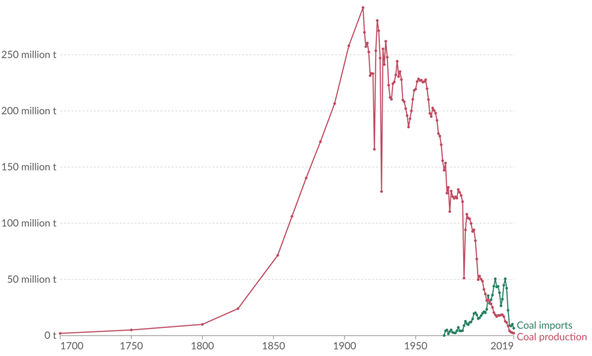
Coal was our main fuel in the UK for many years, but it was ever so dangerous to mine and dirty to use. Its burning released abundant particulates, toxic acid gases and, of course, carbon dioxide. It provided our early gas supplies in the form of town gas primarily for lighting, cooking, and industrial fuel. Coal gas alongside coal was born out of the British industrial revolution. Yes, indeed, even our street lights were fuelled by town gas, and they were lit every evening by the lamplighter; it was quaint, but decidedly Victorian. Town gas was supplied to households via municipally-owned piped distribution systems.
In the United Kingdom, the discovery of large reserves of natural gas led to the expensive conversion of the burners of most of Britain's gas cookers and gas heaters during the 1970s. This conversion was due to the leaner composition of North Sea gas, which had a greater proportion of methane and less inert gases within it than coal gas; it thus had a much higher heating value.
A feature of such an early gas industry was railway trains hauling coal around the country from the coal fields where it was mined to municipal gasworks. Located adjacent to these gasworks there were massive and ugly containers called gasometers to provide for storage of the gas at ambient conditions. The volume of the container followed the quantity of stored gas, moving up and down with pressure coming from the weight of a movable cap. They were clearly an eye-sore and potentially very dangerous.
The Switch to Natural Gas
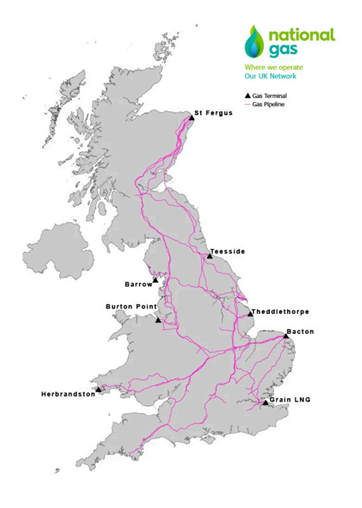
With the advent of natural gas supply from the North Sea, the UK town gas plants were abandoned and users were all supplied with reticulated natural gas through a National Transmission System (NTS). This was developed incrementally over time between the 1960s and the 1980s. This discovery of large accumulations natural gas transformed our lives and society. The NTS is still being augmented with feeder pipelines and spur pipelines, and transmits natural gas around the United Kingdom in large diameter high-pressure pipelines. It now comprises over 7,600 kilometres of welded steel gas pipelines. This system not only brings natural gas ashore from the North Sea gas fields, but also receives imported Liquefied Natural Gas (LNG) at three terminals from various exporters around the world, generally from within the Atlantic area.
Natural gas is thus readily available in the UK for residential use for cooking and home heating, commercial applications, industrial heating and chemical use, and for power generation, and coal is no longer mined in the UK. Of the UK’s total annual energy need (2023) of 6.95 ExaJoules (equivalent to 1.93 trillion kilowatt hours), some 33% is supplied by natural gas. This gas usage equates to about 2.17 trillion standard cubic feet of gas (TCF) per annum. One may consider this amount versus the development of the gas fields in PNG for LNG export. The PNG LNG Project seeks to produce about 11 TCF over more than 20 years of project life which would be enough to supply the UK with natural gas for just five years.
Lessons for PNG
This story of UK’s use of town gas born from an intensive coal industry with plentiful supply of domestic coal for carbonisation in gasworks, and the UK’s progression to the use of natural gas using appropriate technologies may have lessons for PNG, though not exactly the same, but perhaps indicative. It is a story of necessity, improvisation, and technology applied with much planning to recoup, sustain and grow a developed economy. Whilst ingenious at times, it has always been one of pragmatism and economic utilisation of domestic resources.
The finding of several large accumulations of natural gas in Papua New Guinea over twenty years ago came at a time when PNG’s energy demand was quite meagre due to a lack of commercial and industrial development and the preponderance of people living in the rural environment in a subsistence economy. This is somewhat different to the UK which endured an industrial revolution from the late 18th century well into the 19th century, which brought about innovative mechanisation and deep social change. This process saw the invention of steam-powered machines, which were used in factories in ever-growing urban centres, and the emergence of coal as the dominant energy source providing 95% of the UK energy needs in 1905, including its town gas supplies.
This begs the question: where is PNG’s industrial revolution, and how can PNG develop its economy based on its natural gas resources? Unlike Europe, Papua New Guinea is not generously endowed with vast coal deposits, but we do have substantial gas accumulations. Can we use that gas as energy to foster and fuel National development? PNG is not like the UK now, nor even the UK of the 1960s. PNG is almost twice as large in area as the UK, and currently has just about 20% of the UK’s population. The UK is a developed economy with high socio-economic living standards in a well-organised welfare State, with ample infrastructure. PNG is a struggling developing Nation emerging from isolation of thousands of years in a rural subsistence culture with extensive tribal connections, and with little infrastructure, but with enormous aspirations to embrace better living standards. The task for the UK is powering and maintaining an established lifestyle of modern residential living, commerce and industry, whereas the task for PNG is primary development of its people through the provision of health and education services, governance, and agricultural, industrial and infrastructure development - transitioning from the former subsistence culture to modern living.
The opportunity provided by the discovery of natural gas accumulations in PNG is to fuel that development and transition. Natural gas can be used in two ways. It can be exported and sold for cash which can underwrite national goals, and/or it can be used as a direct ingredient in national development to make fertilisers, make electricity, provide industrial heating, displace harmful biomass use, make chemicals, etc. An impediment to such use is the need for substantial investment and the realisation of a price for that gas to the gas producers that will enable their exploration, development and production efforts to be rewarded. If the petroleum fiscal regime is focused on the collection of resource rents to fill the Treasury and a consistent desire to just make more and more money, it will be hard to encourage domestic utilisation of natural gas. It is, of course, for Papua New Guinea and its Government to lead the way in the choice of the use of its natural resources, such as natural gas, which, unlike gold, does not just represent monetary value, but does represents energy to develop a Nation.
The point that I wish to make here is that energy fuels development as was the case in the UK’s industrial revolution and its reconstruction after the Second World War. Coal replaced the water mills of the early industrial revolution, whilst natural gas from the North Sea replaced coal and eventually fuelled growth in the latter part of the 20th century. Both the coal and the natural gas supply were from local sources obviating the need to finance imported fuel. The UK used its own energy, as dirty and foul as it may have been at times. Alas, the UK now faces the problem of depletion of its gas reserves upon which it has depended for the last 50 years, and increasingly, the UK is importing Liquefied Natural Gas (LNG) at great cost from exporting nations in the Atlantic basin.
Whilst LNG consuming nations provide the market for LNG exporters like PNG, one has to ponder what gas might be left for economic development in a nation such as PNG when LNG exports have consumed the bulk of the reserves. This is a salutary lesson for any nation that commits to any gas development. We can produce and export LNG to make money, but then that money has to be dedicated to national development, and certainly not flittered away or wasted on servicing international borrowings. Then, as development progresses and energy demands grow, what will we use to energise our growing economy?
A measure of the durability of a nation’s natural gas production is the gas reserves to gas production ratio (R/P ratio) measured years. If we assume that overall gas production in PNG (currently dominated by the PNG LNG Project) is an average of 1,300 million standard cubic feet per day (MMSCFD) and that the proven and probable gas reserves are around 27 trillion standard cubic feet (TCF), the R/P ratio for PNG is about 58 years. When we add the production from the imminent Papua LNG Project, aggregate natural gas production will rise to around 2,200 MMSCFD, reducing the R/P ratio to just 34 years.
Of course, the gas fields supplying the PNG LNG Project have been producing for ten years already, and the Papua LNG Project has yet to make a Final Investment Decision and commence construction. The P’nyang gas field development will likely take-up ullage in the PNG LNG Project infrastructure. However, it does seem the clock is already ticking, and that PNG’s gas resources are being rapidly depleted. There is nothing intrinsically wrong with that, provided PNG receives it just and agreed return on the development of its gas resources and that the money earned wends its way into national development. If an active and prosperous gas industry is promoted, there will surely be more large gas accumulations that will be discovered; one might hope that such might prolong PNG’s age of gas, and hopefully fuel the Nation!
PNG Energy Use
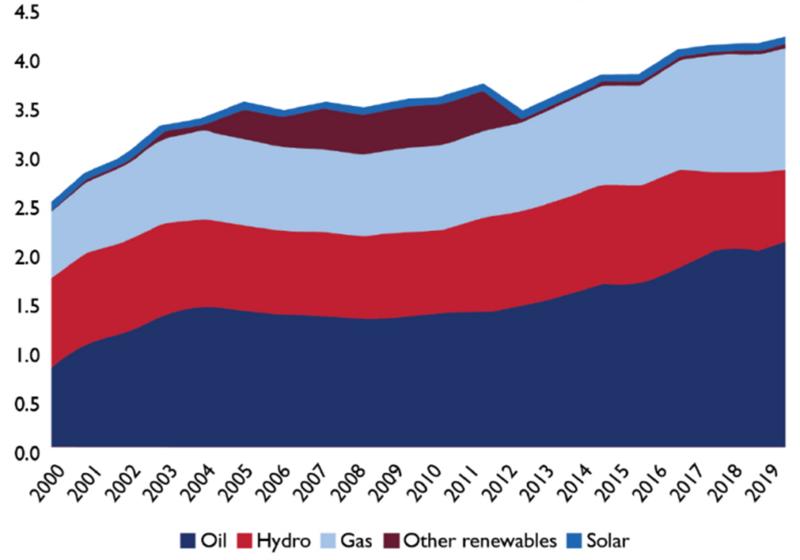
PNG’s energy usage is very modest, to say the least. We have all heard about various aid programmes seeking to address the chronic lack of penetration of electrical supply to the people of PNG, such as the USAID Papua New Guinea Electrification Partnership (PEP). As of 2020, approximately 15% of the PNG people had access to electricity through the national grid, a modest improvement from just 2.6% in 1996, but access to electricity remains very low indeed by global standards. Grid connection varies significantly between urban and rural dwellers with an estimated 40% of urban households being grid-connected while only an estimated 11% of rural households are connected.
USAID’s January 2022 report: Papua New Guinea Electrification Partnership: Off-Grid Market Assessment cites that an estimated 60% of the population owns at least one off-grid solar product, such as a solar home system or solar lantern. Solar may be appropriate for disparate rural societies, but it is not likely going to fuel urban-based industry and its vast needs without extensive transmission and storage infrastructure, and the associated development costs.
Little of PNG’s currently-produced natural gas is used for domestic purposes. PNG seems to have followed a path of large-scale commercial exploitation of its natural gas resources based on export of the gas as Liquefied Natural Gas to the energy-deficient developed economies of East Asia. This is essentially like cash-cropping: growing a crop for its commercial value, rather than for use by the grower. PNG has done little to develop its natural gas resources for its own use. However, the very first gas production at the Hides gas field in 1991 was indeed a domestic utilisation project to provide gas to fuel the electrical power plant of the Porgera Gold mine, nowadays rated at 75 MW.
The Hides Story
The Hides Gas Project was truly a domestic utilisation project that mitigated the import of fuel oil for the mine operations and the very expensive and difficult transport of such fuel up the Highlands Highway to the mine in Enga Province.
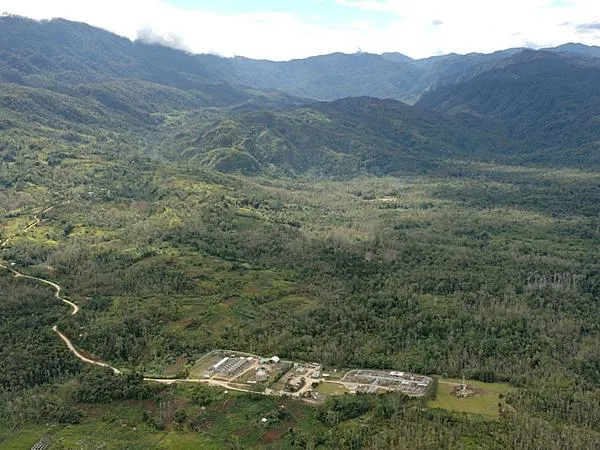
The first licence granted in Papua New Guinea by the Government for the development of an oil or gas field was Petroleum Development Licence No. 1 to British Petroleum and Oil Search Ltd in what was then the Southern Highlands Province (now Hela Province) on 27th September 1990 for the small-scale development of the Hides gas field. The Hides gas field is a large gas field discovered by British Petroleum in 1987, that was subsequently shown to hold as much a 7 trillion standard cubic feet (TCF) of gas.
At that time, the large Porgera gold and silver mine in Enga Province was being developed by Placer Dome and its subsequent operations were forecast to have enormous energy requirements. The usual method of supply would have been by electricity generation using imported diesel fuel transported into the interior of the Highlands by road all the way from the port of Lae in Morobe Province, a distance of 654 kilometres. This was a formidable and costly journey making fuel very expensive by the time it reached Porgera.
A clever scheme was devised by BP and Placer Dome in collaboration with the Dept of Minerals and Energy to use local natural gas from the Hides gasfield to fuel gas turbine-powered generators located at Nogali next to the Hides gas processing plant, and to transmit the electricity along a 75-kilometre transmission line to the mine site. Since 1991, about an average of 14 million standard cubic feet per day (MMSCFD) have been produced to provide fuel for power generation of over 50 MegaWatts (MW). The elegance of this scheme was that it has used Papua New Guinea’s hydrocarbon resources for domestic and local use, and voided the import and costly transportation of liquid fuels from overseas. It has thus saved foreign exchange, reduced project operating costs, and advanced the profitability of the Porgera Project, and so enabled improved tax revenues to the State.
It thus made clear economic sense, but it was to support another extractive industry project, in this instance, the Porgera gold mine, rather than broader economic and human development. Synergies were not developed to build upon this base load and commence other usage for residential, commercial and industrial usage. Perhaps, it was too easy to say that the gross lack of development of the people and their economy at that time did not warrant additional offtake of gas for electric power generation for non-mine community use. However, were one to commit to such a project today, one would most likely negotiate a domestic offtake agreement for such non-mine community use.
It is always difficult to foresee electrical power demand especially in a situation of primary development. Which comes first, the demand, or the market? One might say that economic growth and human development is inevitable when people are emergent from customary living that has endured for thousands of years into modern times, and that having a base load such as the Porgera mine power supply should have warranted more foresight for local electricity supply. Only now are people realising that there may indeed be a substantial and growing demand for electricity in the Highlands of PNG where development ensues at a pace. Such foundations of economic development are not necessarily about profit, but about making the best use of the endowment of natural resources that PNG has.
Gas-Fired Power Generation for Port Moresby
In 2001, the Dept of Petroleum and Energy commissioned a study from Gutteridge, Haskins and Davey Pty Ltd of Australia called the Port Moresby Pipeline Option Pre-Feasibility Study and Gas Report. This study was predicated on what was then the curernt scheme of development for offshore processing of gas gathered from gas fields in the Highlands and its pipeline transmission to various and disparate markets, primarily in Queensland, Australia. It perceived a potential gas market in Port Moresby for:
An eight-inch diameter gas pipeline was envisaged, designed to carry about 24.6 million standard cubic feet of gas per day, equivalent to 10 PJ per annum of energy for a gas. Economic analysis showed that at an inlet price of just US$ 1.25 per Giga Joule (GJ), and a pipeline tariff of between US$ 1.23 to US$ 2.23 per GJ, natural gas supply to Port Moresby clearly beat electricity and LPG energy supply that were then priced at about US$ 16 per GJ. It seemed even to be highly competitive versus diesel and fuel oil then priced at US$ 6.1 per GJ. This was very encouraging, save for the fact that the anticipated prices for the gas were very low indeed. Necessarily, if one can buy cheap natural gas, of course, it is most likely to be highly competetive against other energy supply.
This was the case for domestic natural gas offtake from a PNG scheme that sought to supply gas to Australia, variously called the Gas to Queensland Project, the Gas to Australia Project, and the PNG Gas Project. This scheme eventually died as the gas price that was available in Australia yielded little if any profit for such an endeavour; indeed, the only value for PNG remained in the export of the associated condensate liquids, whilst Australia would have secured an enduring very cheap supply of natural gas. Morover, so low were the gas prices in Australia that the netback price of gas at the welhead would have been almost zero. The scheme at one time had some 4,300 kilometres of pipeline hanging off PNG providing an effective gas grid in the north east quadrant of Australia at the expense of PNG gas!
Alas, PNG gas development was re-conceived, and the licensees returned to the notion of liquefied natural gas (LNG) development as the Government had sought in the early 1990s, focusing instead on East Asian markets, where a premium price could be achieved for PNG gas. It would require the establishment of liquefaction facilities at great expense to cool the gas to liquid form, but much better prices could be achieved for gas delivered to the more dynamic markets of East Asia.
As a result of this better pricing for PNG gas, the net-back price for gas that was provided to an LNG plant was raised, and as a consequence this made PNG-produced gas more expensive for any domestic utilisation. No more could one envisage payment of just a few dollars per GJ. Gas prices of the order of US$ 10 per GJ might be required. Domestic gas use might now only be partially competetive. Also, a gas producer that has invested a collosal amount in establishing a liquefaction plant would naturally wish to keep that plant as full as is technically possible and would wish to restrict gas offtake for other purposes, unless buyers were willing to pay the netback price (or higher) of gas feedstock to that LNG plant. Thus, in deciding to support LNG development to optimise the value of selling PNG gas as LNG, one created a value for the gas feedstock that somewhat precluded consideration of domestic gas utilisation options. This is an intrinsic problem of large-scale export-oriented gas development.
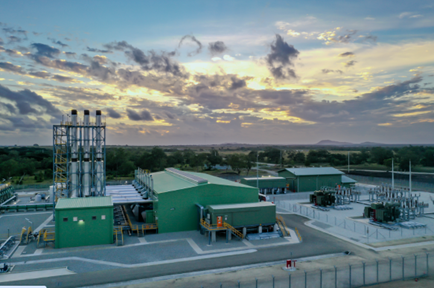
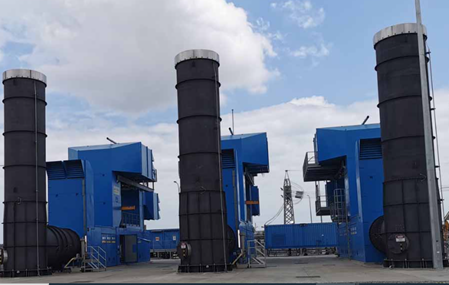
We have nevertheless subsequently seen two domestic gas utilisation projects develop: the NiuPower Ltd’s Port Moresby power station, jointly owned by Kumul Petroleum Holdings Ltd and Santos Ltd, and the Dirio Gas and Power Port Moresby power plant, owned by parent company the Mineral Resources Development Co. (itself owned by landowners and provincial governments from the Southern Highlands, Hela, Gulf, Western and Central Provinces).
The NiuPower plant is rated at 58 MW and was PNG’s first dedicated grid-connected gas-fired power plant and is powered by two high efficiency Wärtsilä W20V34SG gas engine generators. It commenced development in 2017 at a cost of over U$ 100 million, and came online in 2019. The Dirio plant is rated at 45 MW and uses three 15 MW Titan Solar turbines.
Such is the precarious nature of electrical power supply to the National Capitial District that both of these power plants have found a niche to replace old and expensive fuel-oil supplied generation facilities, and to preserve water, currently used in hydro-electric generation, for city water supply.
These power plants near Port Moresby are a great start, and plans to expand electricity generation at Hides to provide for local markets make much sense, but how can more be done to liberate the energy of natural gas to aid development.
Potential Domestic Utilisation
There have been several schemes of development proposed over the years for so-called domestic utilisation of PNG natural gas by chemical conversion to products such as ammonia, methanol, urea, etc. Many gas development options have been evaluated over the years, either as a replacement for the former Gas to Australia projects, or in lieu of, or adjunct to LNG development.
In the early 2000s, Japanese companies: Mitsubishi Gas Chemical Corp. and Itochu reviewed the feasibility of building a world scale methanol/di-methyl ether plant. It was envisaged that such a plant would produce 2.5 million tonnes per annum of products requiring a gas feedstock of about 220 million cubic feet per day of gas for 20 years, at a cost of cost around US$ 500 million (in 2004 US dollars). It was even suggested that this might be augmented with a further 100 MMSFD for the production of meth-ammonia (methyl amines).
Studies were undertaken with US-based Syntroleum Corporation to review the feasibility of a barge-mounted Gas-to-Liquids (GTL) facility, located near the Gulf of Papua. Syntroleum Corporation envisaged the conversion of natural gas into synthetic oil producing a nominal 20,000 barrels per day of liquids using up to 190 million cubic feet per day of gas feedstock.
The opportunity to export compressed natural gas (CNG) from PNG to New Zealand and other potential regional customers was examined, and gas for power generation for alumina smelting was also considered.
The manufacture of gas derivatives by chemical processing requires considerable amounts of energy. What would-be gas-to-liquids developers of methanol, ammonia and synthetic oil all forget to advise the Government is that they want very cheap gas feedstock and the synthesis process itself consumes about 40-45% of the gas feedstock, giving liquid yields of between 50-60% only, on an energy equivalence basis. By comparison, liquefaction in an efficient LNG plant may only consume about 7-8% of the feedstock to fuel cryogenic processes.
In the nexus of the first decade of this century when the notion of gas development by transportation of gas to Australia was waning, and was eventually abandoned in favour of LNG development, every mode of natural gas utilisation was examined. Not only did industry examine many options, but the Dept of Petroleum and Energy also commissioned comprehensive studies on gas utilisation from Worley Ltd, a reputable Australian energy consulting firm, including: studies on the Potential for Manufacture of Ammonia and its Derivatives; LNG Supply/Demand; Alternate Gas Development Options and Domestic Usage - Liquefied Petroleum Gas. LNG development was nevertheless seen to be superior in economic terms.
Recent Policy Initiatives
Recent Domestic Market Obligations (DMOs) negotiated in some Gas Agreements between petroleum licensees and the State have provided for specific proportions of domestic gas offtake from future gas projects at discounted prices. These are classic DMOs of the type deployed in Indonesia. They are not the Domestic Market Obligations of the Oil and Gas Act, Section 67. Those refer to the sale of gas being required of a licensee on equivalent export terms to a bona fide willing PNG purchaser at a parity purchase price. The new DMOs introduced as policy during negotiations may provide useful offtake of natural gas if these obligations can be matched up with willing investment in appropriate gas utilisation. These are genuine and brave efforts to encourage domestic utilisation, but may be geographically constrained in their implementation.
Ideas for the Future
In so far as LNG development likely provides the best economic return amongst gas development options, one has to be worried that the resource revenue that emanates for the Nation from such endeavours will be carefully cherished and used wisely. As an alternative to monetary value which has the intrinsic potential to be wasted through lack of diligence and rectitude in the expenditure of the National budget, one might indeed prefer to forego some of such lavish National incomes and instead persevere with domestic gas utilisation schemes. This is a resource policy issue and the matter has to be very carefully evaluated by extensive planning, not only of gas development and the degree of domestic utilisation achievable, required and desirable, but also long term gas resource planning.
PNG has shown itself to be highly petroliferous, but it is also a remote frontier area for petroleum exploration. If there is to be an enduring future for gas development and its domestic utilisation, then more gas accumulations need to be discovered, and that requires exploration now for future field development. A comprehensive projection of gas production and likely gas field discovery and field development, including export and domestic utilisation options needs to be made for the next fifty years.
One of the problems that have bedevilled domestic gas utilisation in PNG, aside from potential gas markets being highly disparate and very small, is that the costs of exploration and development in PNG have been very high, necessitating relative high produced gas prices. This is exacerbated by the quest for a greater and greater take by the State from gas resource development. This is a natural desire of any Government in respect of export-based projects that provide natural gas for use in other economies, but perhaps domestic gas utilisation needs alternative thinking.
When the natural gas is consumed in the domestic economy, it creates greater opportunities for residents, commerce and industry. Gas consumed in country, induces multiplier effects, which should in turn enhance State fiscal revenues. The stumbling block is the price that producers need to develop a gas field. If somehow this can be reduced, whilst they still make a reasonable return on their investment, domestic gas developments might be encouraged. The only way to do this is to reduce the fiscal and commercial burden on domestic gas production for instances where the gas is consumed in country. One might propose that the current tax rate of 30% along with other commercial aspects in favour of the Government might be adjusted downward in proportion to the gas producer lowering the price of produced gas proportionately.
The notion of consumption in PNG could be attested by any gas utilisation that breaks the chemical bonds of the natural gas in PNG. The idea is that the breaking of the chemical bonds of the gas for its utilisation and consumption in PNG might receive a reduced tax rate or other concession as compared to exporting the gas where its chemical bonds will be broken overseas. This reduction would only be in some proportion to the agreed reduction of the gas price into the domestic market. This may not work for high capital and operating expenditure projects like a complex methanol project, but it is likely to work well for a relatively constrained smaller-scale upstream gas production projects.
Basic analysis shows that for upstream gas development projects with low costs, significant reductions in gas price may be produced by foregoing some of the fiscal and commercial imposts of the State. Naturally, such incentives for domestic utilisation might come at the expense of revenue, but they may significantly spur national development.
One is, nevertheless, equally mindful that whilst technically and economically feasible development of petroleum resources may be a goal, the resulting revenues can be readily squandered. This was the case in the United Kingdom when our then Prime Minister, Mr Thatcher used North Sea oil and gas revenues to reduce the tax burden for the wealthy and industry – essentially, her supporters. Perhaps, there are lessons to be learnt from the UK after all. The wise thing is to consider all gas development options and remember that it is never too late to plan!
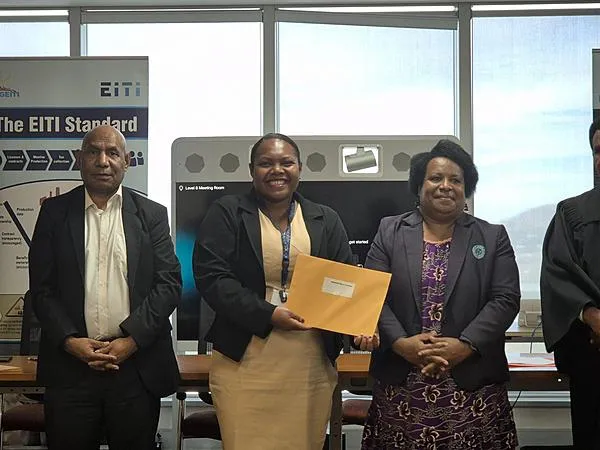
The Papua New Guinea Extractive Industries Transparency Initiative is looking at investing in its own staff to drive forward the goals and objectives of the Secretariat. PNGEITI recently employed eight new professionals boosting the number of employees to 17. Executive Director, Lucas Alkan says PNGEITI is in a transactional phase passing on from being a Secretariat to a Commission once the Commission Bill gets passed and it needs qualified professionals to lead the institution. Mr. Alkan encouraged the staff to pursue further training and studies to position themselves to lead the Secretariat.
“I encourage you all to keep learning, even if it means to pursue further training overseas as this will benefit the Secretariat and the country as a whole. I am ready to release you on full pay to pursue further training even if it means for you to go overseas,” said Mr. Alkan.
”The Secretariat plays an important role in advocating transparency in the extractive sector and this requires qualified professionals to be in the forefront and I am counting on you to drive this forward,” he said.
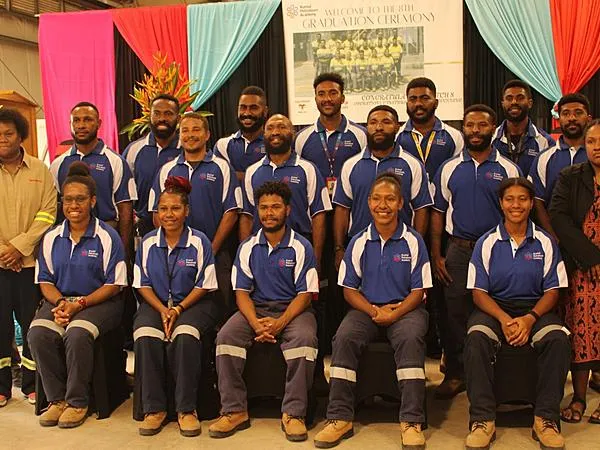
The Executive Director made this remarks when congratulating 14 of his staff who graduated with Certificates in Government and Public Service. As part of the on-going training program, total of 14 staff from PNGEITI graduated on 08th August with National Certificate 2 in Government and Public Service. This follows a week-long induction course at the Somare Institute of Leadership and Governance (SILAG) in Port Moresby, National Capital District. Under the guidance from SILAG Legal Council, PNGEITI staff took an oath to be loyal and committed in their duties as public servants. SILAG representative, Nellie Arabagali encouraged the graduating staff to serve the public service with commitment and dedication. The course offered by SILAG is undertaken by probationary officers before being employed in public service. The induction training provides the participants with necessary knowledge and attitude required for them to perform in a public service work environment. Trainer, Andrew Walne said the curse is all about working in a public sector environment, knowing the public service systems, processes and procedures as well as the legislative requirements in order to provide quality services to the public. The course is a base level qualification which complies with the requirements of the Public Service General Orders.
TotalEnergies EP PNG has appointed Vavine Fay Mulina-Trusty to the newly created position of People & Services Director, effective as of September 1, 2024.
The new People & Services directorate will focus on employee management and support, maintaining a high level of service with regards to care of our people in the affiliate. Human Resources, General Services and Internal Communications all fall within her purview.
Working at TotalEnergies for the last five years, Vavine has slowly established herself, starting within the affiliate as an officer, being promoted to Human Resource Manager and now overseeing her own directorate, proving herself as a hardworking and dedicated professional within the space of human resources.
Alongside Public Affairs Manager Mr Richard Kassman and the new Head of Acceptability and External Communication, she is one of only three nationals who sits on the Management Committee, an extraordinary feat for a young Papua New Guinean woman.
Her profound comprehension of her role, coupled with her empathetic approach to employee relations, knowledge of culture and ability to harmonize these elements with corporate culture, establishes her as a standout amongst her peers.
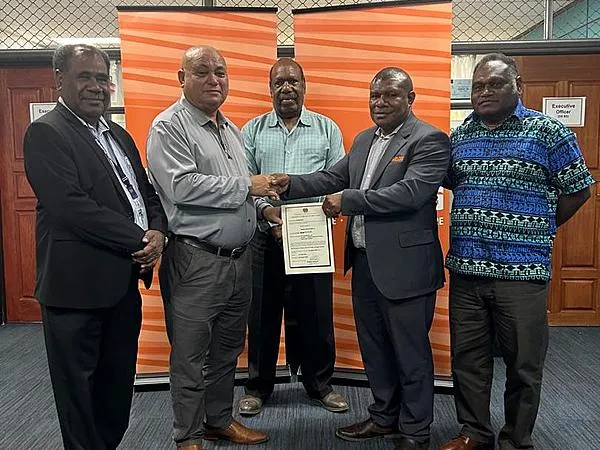
Ok Tedi Mining Limited (OTML) was recently awarded the Statement of Compliance (SOC) for its Kiunga Port, marking a significant milestone in ensuring the port’s adherence to the International Ship Port Security (ISPS) Code.
OTML Corporate Affairs Manager, Dexter Wagambie, received the SOC on behalf of the company and congratulated the OTML Asset Protection and Kiunga Operations teams who worked closely with the Department of Transport compliance team to arrive at this outcome.
“The successful achievement of this compliance status means that Kiunga Port has been assessed and certified to comply with international operational standards, with the SOC being valid for the next five years,” Mr Wagambie said.
“Congratulations to Ok Tedi and in particular, the Asset Protection Department (APD) and Kiunga Operations team for the collaborative effort in ensuring the OTML Kiunga Port operates at an international standard,” he said.
The SOC was officially presented by the Department of Transport Acting Secretary, Mathew Wowoni, and former Secretary, Roy Mumu, who played an essential role in issuing the previous SOCs.
Mr Wowoni, recognised the crucial role of the Kiunga Port in supporting both the national economy, the well-being of local communities and the importance of OTML’s contributions to Papua New Guinea.
In addition to the SOC, the Kiunga Wharf has been registered on the International Maritime Organisation (IMO) Website as a compliant port, reinforcing its status within the international shipping community.
OTML is committed to operating with excellence, ensuring safe and efficient shipping practices, while strengthening its operations to deliver maximum return to PNG shareholders, mine impacted communities and the people of Papua New Guinea.
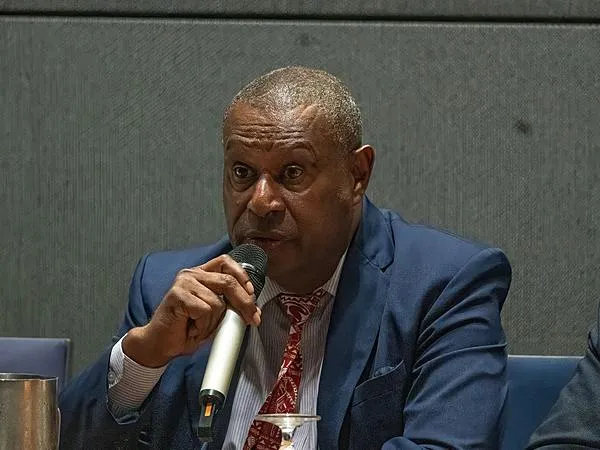
The Mineral Resources Authority (MRA) Managing Director Jerry Garry, has assured the Porgera Mining Project Special Mining Lease (SML 13) landowners, that the resettlement of their villages away from the project SML area, is a Government’s priority.
The MD was addressing the parties and stakeholders of the Porgera Mining Project Community Development Agreement (CDA) in Port Moresby this week, where they (parties) are negotiating the CDA.
It is the responsibility of New Porgera Limited (NPL) to resettle SML landowners. It is understood that company is currently putting together a resettlement action plan.
However, Mr Garry said that as a responsible government, it has committed K700m infrastructure development funding for the exercise, through the Infrastructure Development Grant (IDG).
He told the landowners that the MRA and the Department of Lands & Physical Planning, have already started consultations with the Enga Provincial Government and the Porgera District Administration, and have identified possible resettlement sites.
“We won’t waste time,” said the MD. He said as soon as the CDA process is completed, the state would continue consultations with the stakeholders and progress the state’s part in the resettlement exercise which is to make land available.
He appealed to all parties to the CDA, to have an open mind, and to negotiate in the true spirit of sharing, fairness and equitable distribution of benefits.
He expressed satisfaction with the progress of the negotiations thus far.
The parties to the CDA are the Special Mining Lease (SML) landowners, Porgera Rural Local Level Government, Porgera Urban Local Level Government, Enga Provincial Government, New Porgera Limited (NPL) and the National Government. Non-SML landowners will be witnesses to the CDA when it is signed.
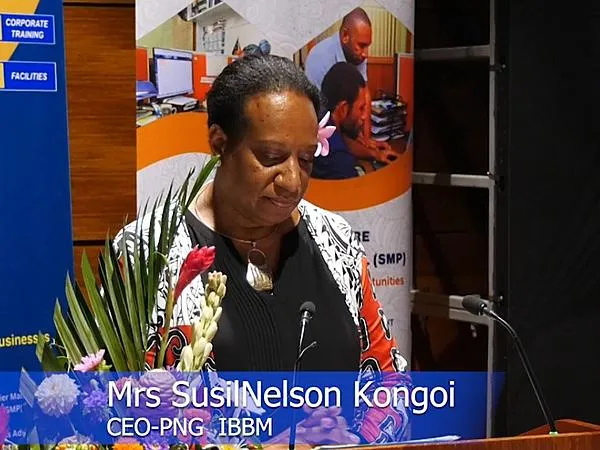
The Bisnis PNG Supplier Management Portal (SMP), launched by the PNG Institute of Banking and Business Management (IBBM), is empowering local businesses to increase their visibility and access opportunities.
The SMP, a collaboration between IBBM and ExxonMobil, aims to connect businesses and people, and promote entrepreneurial development. It provides a platform for businesses to register their credentials online, facilitating easier interaction with potential clients.
The focus was on the transition from traditional, paper-based business processes to a streamlined, digital approach through the SMP, the key benefits of which include:
The SMP has already attracted significant interest, with over 3,200 suppliers registered across various sectors. IBBM's CEO, Susil Nelson-Kongoi, emphasized the portal's potential to go beyond the extractives industry and open up opportunities for businesses in all sectors.
Kongoi stated that it is a legacy of a partnership between ExxonMobil and IBBM, “a partnership committed and focused in developing, growing, promoting and supporting supplier development, which is increasingly becoming a standard norm of National Content Obligations.”
ExxonMobil PNG has a strong track record of supporting local businesses. Through its national content initiatives, the company has invested significantly in PNG businesses and provided training and development opportunities for local workers.
The SMP is a valuable tool for local businesses seeking to grow and succeed in Papua New Guinea. By leveraging the platform's capabilities, businesses can enhance their visibility, connect with new opportunities, and contribute to the country's economic development.
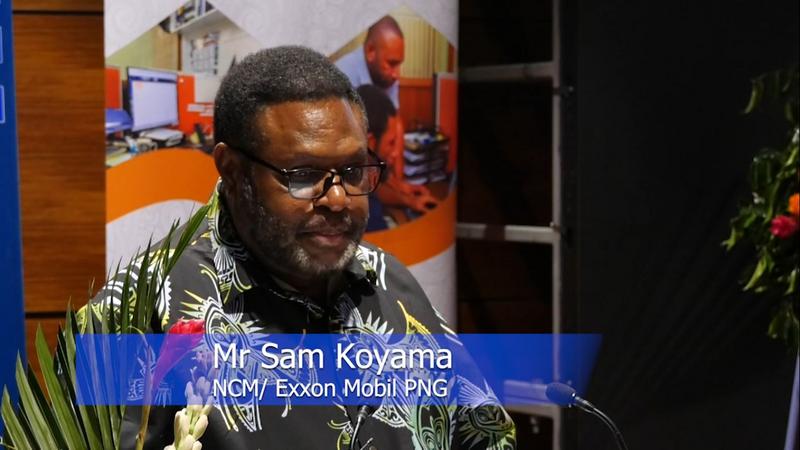
ExxonMobil PNG’s National Content Manager Mr Sam Koyama delivered the Keynote Address, stressing its commitment to support supplier development as part of national content.
Other notable attendees included GM for Enterprise Development at IBBM, Mr. Peterson Lais; First Assistant Secretary Department of Commerce and Industry, Mr. Frazer Murray; Managing Director for Nares Engineers, Mr. Francis Kunuma; and the Executive Director for the Petroleum Sector National Content Office, Mr Simon Sanagke.
ExxonMobil PNG's track record in national content is notable. In 2023 the PNG LNG project had a workforce of 3,714 people, with 88% being PNG nationals.
In the same year, the company delivered over 225,900 training hours through some 2,600 company and third-party contractor courses, thus enhancing the skills of PNG workers across various job categories.
In 2023, ExxonMobil PNG spent approximately PGK833 million with PNG businesses, including PGK338 million with landowner companies. Since production began, the total expenditure with PNG businesses has reached PGK6.8 billion, with PGK2.2 billion spent on landowner companies.
As Papua New Guinea (PNG) approaches its 50th Golden Jubilee of independence, the country reflects on its development across the business, resource, and industrial sectors.
A key topic at the forefront of discussions is National Content, which emphasizes the participation of local businesses and workforce in resource projects, aiming to ensure that PNG maximizes its benefits from natural assets.
National Content refers to the active involvement of local businesses, workforce, and investments in sectors like mining, oil, and gas. This global agenda is rapidly gaining momentum, and PNG is at the forefront of these efforts, aiming to transform into a middle-income economy by 2030.
In 2009, the PNG government launched its 40-year development strategy, known as the PNG Vision 2050, aiming to guide the country toward economic growth, wealth creation, and national development.
One of the central agenda’s in discussion is this strategy, ‘National Content’ which ensures that the benefits from PNG’s natural resources remain within the country.
For PNG to meet its Vision 2050 targets, improvements in governance, service delivery, law and order, and investor relations are essential. These improvements are vital as the country reaches its 49th Independence Day on September 16, with the 50th Jubilee just around the corner in 2025.
The Growing Focus on National Content
The PNG Chamber of Resources and Energy (PNG CORE) hosted the 2nd Community Affairs and National Content Expo (CANCONEX 2024), reinforced the significance of National Content in shaping the country’s future.
Participants from government, industry, and international experts came together to discuss strategies to align national content policies with global standards. The PNG Resource week was held in July 1-4 at the University of Papua New Guinea.
The PNG National Content Policy (PNGNCP) for Resources Sector 2023’ will be launched later this year by the National Government and the Department of Commerce and Industry.
It is a roadmap that will provide a strategic policy and institutional framework to promote and facilitate greater national participation and partnership in all resource development investments in the country.
The policy covers six focus areas; Domestic Procurement of goods and services, Supplier and Entrepreneurship development, Employment Opportunities for Papua New Guineans, Skilled Workforces Development for graduates, Greater Equity participation by PNG institutions and citizen, and Oversight on investments on Sustainable Development for project impacted landowner communities and the economy as a whole.
In light of the National Content agenda, the Governor of the National Capital District, Hon. Powes Parkop expressed his thoughts on it in an interview with PNG Business News (PNG BN), emphasizing its importance for the country's long-term prosperity.
“National Content is that development must capture national interest,” he said, highlighting the need for equity, royalties, and tax structures that maximize national benefits.
“National content is very important to any project development especially in the non-renewal sector as these are resources and opportunities we will never have again.
“Having national content ensues we gain maximum benefit that benefit us of today and we ensure the generation of the future equally benefits by saving some of these benefits in facilities like sovereign wealth fund and other investments,” he added.
MRA’s Jerry Garry on National Content:
In an exclusive interview with PNG Business News, Managing Director of the Mineral Resources Authority (MRA), Jerry Garry, offered his perspective on the national content in PNG, focusing on the country's natural resource sectors.
His comments highlighted the crucial role that national content plays in ensuring fair and equitable development from Papua New Guinea’s natural assets, including its fisheries, forestry, agriculture, oil, gas, and minerals.
Garry underlined the importance of PNG’s natural resources, stating that these are the country's most valuable assets. Since independence, the mining sector has been the largest contributor to export revenue. This remained true until 2014, when the country’s first LNG export shifted the balance.
However, Garry explained that the debate surrounding national content extends beyond the financial contributions of these projects.
"The fundamental question is: How much of the development cost and the benefits emanating from a project remain in the country? That defines what national content really is," Garry stated.
He urged stakeholders to look beyond taxes, such as corporate income tax and royalties, to assess the full picture of a project's contribution. This includes considering the number of people employed, the skill transfers achieved, and the infrastructure built through the project.
Garry said one of the most overlooked aspects of national content is the role of skill transfer and infrastructure development. He praised PNG's mining sector for fostering the development of skilled professionals, noting that many of these professionals have gone on to work in international markets such as Australia.
The challenges presented by PNG’s terrain have led to the deployment of advanced technologies, and this exposure has equipped local professionals to be competitive on a global stage.
However, Garry expressed concern about the lack of attention to building infrastructure and meeting corporate social responsibilities. He emphasized that many extractive companies in PNG have failed to provide adequate infrastructure for local landowners.
"I have not seen one respectable company in this country that built decent homes for the landowners and put electricity into them," he remarked, noting that the Woodland Vault Project is a rare exception in this regard.
Garry urged companies to consider how much of their revenue remains in PNG to support local development. He pointed out that many companies are not paying corporate income tax, claiming that they have not made a profit, even though they continue to export significant volumes of metals, gas, and other resources.
“There’s a lot of work that needs to be done to improve on corporate income tax,” he added, stressing that more transparency and accountability are required in the way profits are reported.
On the broader challenges of national development, Garry emphasized the critical need for reliable energy infrastructure. “If you don’t have cheap, reliable, and stable energy, you can’t build other infrastructures or talk about industrialization," he said.
Garry argued that without proper infrastructure, including energy, PNG will struggle to fully leverage its natural resources to develop other industries and create sustainable growth.
‘National Content Must Benefit PNG’
Garry reiterated that the goal of national content should be to ensure that a reasonable portion of the revenue generated from PNG's natural resources remains in the country.
He advocated for a national content policy that mandates a significant percentage—at least 20% to 40%—of the economic value generated by resource projects to be reinvested in the country. This includes contributions to public infrastructure, community projects, and landowner development.
"At the end of the day, that pie you produce from the land must show that 20% to 40% remains within the country. That would be a good national content policy," Garry concluded.
PNG CR Leading the Way in Support of National Content
A company that embodies the goals of the National Content is PNG CR Services, formerly known as Red Sea Housing.
With a longstanding presence in PNG since 2008, PNG CR has proven its commitment to supporting local businesses and communities while providing top-tier services in various sectors especially with the resource sectors.
PNG CR sources the majority of its goods and services from companies registered in PNG and has built strong relationships with local suppliers.
PNG CR’s commitment to local content is evident in its workforce as well. The company boasts a team of over 300 personnel, all of whom are based in PNG.
This local presence enables PNG CR to deliver projects efficiently and in line with the needs of the community, minimizing potential delays and maximizing the benefits for Papua New Guineans.
PNG CR Company’s operations align closely with the agenda of National Content.
The company’s expertise in camp facility management, construction services, and modular building solutions has seen them complete over 127 projects across the country for Tier One clients such as Kumul Petroleum Holdings Limited, ExxonMobil, Newcrest Mining, Australian Federal Police, Australian Defense Force, Abt Associates and PNG Sustainable Development.
In addition to its business activities, PNG CR has a strong focus on corporate social responsibility.
The company has contributed to several community initiatives, including the establishment of Women Sexual Violence Units, providing space for St. John Ambulance, and supporting the Hope Orphanage, the Cheshire Disability Centre and Nature Park in Port Moresby.
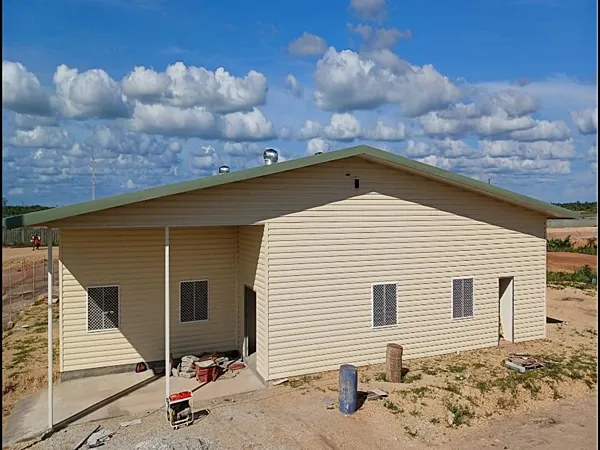
PNG CR services success story proves to what can be achieved when local content is prioritized. With its state-of-the-art facilities in Port Moresby, PNG CR designs, engineers, and fabricates modular buildings that are constructed in PNG, providing jobs and skills training for Papua New Guineans.
Companies like PNG CR will play a crucial role in helping PNG achieve its development goals. With a focus on local content, PNG has the opportunity to build a more inclusive and sustainable economy, ensuring that the wealth generated benefits all Papua New Guineans.
Local businesses and well-established companies operating in PNG are central to the nation’s resource projects, this gives a more inclusive and sustainable economic future.
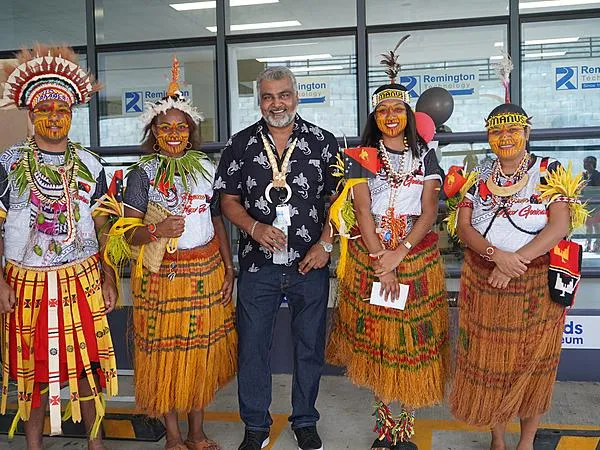
The Remington Group Board of Directors is pleased to announce the appointment of Mr. Navin Raju as the new Chief Executive Officer (CEO). Navin brings extensive experience in leadership, strategic planning, and business development to the role, and will be instrumental in guiding Remington Group's continued growth and expansion throughout Papua New Guinea.
Mr. Raju joins Remington Group with over two decades of executive experience across various industries. He most recently served as the CEO of CPL Group PNG, where he played a key role in driving the company's success. His leadership background also includes roles such as CEO of Hardware Haus Limited, CEO of Heli Niugini Limited, and senior positions at AkzoNobel PNG.
In a statement regarding his appointment, Navin Raju expressed his enthusiasm:
"I am honoured and excited to take on this new role as CEO of Remington Group. The company has a rich history of excellence and leadership in Papua New Guinea, and I look forward to working with the talented team here to further propel the organization forward. My goal is to build on the strong foundation already established, continue driving innovation, and ensure Remington Group remains a leading force in the market."
The Remington Group Board of Directors is confident that Navin's wealth of experience and strategic vision will guide the company through its next phase of growth and success.
About Remington Group:
Remington Group is one of Papua New Guinea's leading technology and solutions companies, specializing in business technology solutions, printing, and equipment services. With a commitment to quality, local talent development, and innovative solutions, Remington Group has been a key player in Papua New Guinea's business landscape for 76 years.
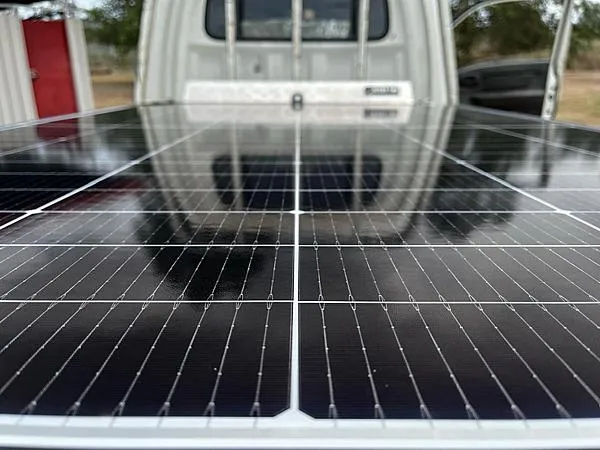
PNG Solar Supply - SPIA Enterprises Ltd is lighting-up the remotest corners of Papua New Guinea with sustainable and affordable solar energy solutions.
PNG Solar Supply is providing renewable energy solutions across the country. As a subsidiary and the commercial arm of the South Pacific International Academy, all profits from PNG Solar Supply are reinvested into the school's expansion efforts. This unique business model allows the company to contribute both to energy sustainability and educational growth in PNG.
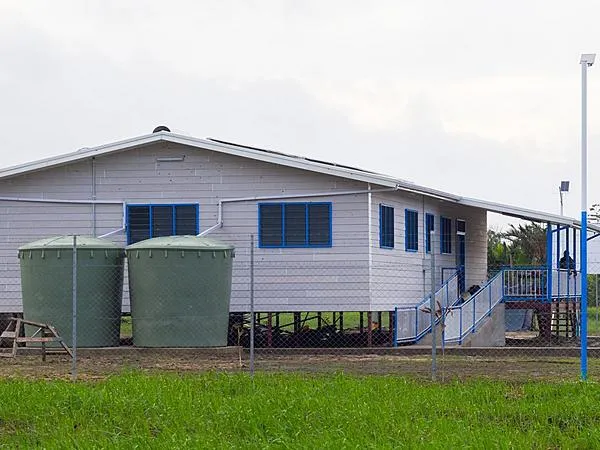
One of PNG Solar Supply’s flagship projects is the Kanabea Mini-Grid, located deep in the hinterlands of Gulf Province. This mini-grid system features a 103 kWp solar array supported by 122 kWh of battery storage utilizing advanced lithium iron phosphate batteries.
The system connects 41 buildings, including a rural health centre, a church, and a primary school, providing reliable energy to essential services. This project highlights the company's ability to bring sustainable energy to even the most isolated regions of the country.
PNG Solar Supply is proudly Papua New Guinean-owned and operated and has supplied 23 projects across PNG, providing much-needed employment opportunities for local communities.
With a commitment to designing and procuring solar-powered systems, the company has delivered energy infrastructure for numerous communities, most notably in remote and underserved regions.
PNG Solar Supply Sales and Marketing Coordinator Melvin Samuel stressed the company's commitment to enhancing the accessibility of solar energy across PNG.
"PNG Solar Supply is the wholesale supplier of solar products throughout PNG. We focus on providing high quality materials at the lowest cost, seeking to utilise economies of scale to make it possible for local installers to implement solar projects at competitive costs," Samuel stated.
He also expressed satisfaction with the growing adoption of renewable energy in the nation, noting: "It is very satisfying to see renewable energy being installed across the nation.”
“For so long, diesel generators have filled this need, and those have been so harmful to the environment, not to mention the difficulty in logistics to just refuel them. Now users are getting solar panels that generate power for 25 years without having to think about it. This is very satisfying."
PNG Solar Supply is capable of handling projects of any size, from single-family homes to larger mini-grid installations. Their solar panels come with a 30-year warranty, while inverters and batteries are designed to last up to 10 years, ensuring long-term reliability.
Another notable project includes the design and procurement of solar power infrastructure for a surf resort in Vanimo, West Sepik Province. The 4.3 kWp solar array installed at the resort has 7.6 kWh of battery storage, powered by LifeLynk X technology, and connects five bungalows to the main power house, backed by a 5kVA generator.
By empowering PNG businesses and communities with clean, renewable energy, PNG Solar Supply is playing a key role in the nation’s transition to sustainable development.
PNG Solar Supply offers a full-service approach to solar energy projects, ensuring clients receive the highest level of service from start to finish. Their services include:
As the nation continues to grapple with energy access and sustainability, solar power remains a viable solution. PNG Solar Supply’s mission is to offer affordable, high-quality solar systems that can power even the most remote regions of the country.
Goilala District is aiming to secure an export license to tap into international coffee markets, according to Chairman and Goilala MP Hon. Casmiro Aia.
“We have established contacts with Dubai and sent our first shipment of coffee through Niugini Spice and Coffee Exports, a subsidiary of the Agmark group. Now, we look forward to owning a coffee export license,” Aia said.
The MP outlined his vision for the district during an exclusive interview with PNG Business News after receiving a processing certificate for a mini dry huller from the Coffee Industry Corporation (CIC).
The Goilala District Development Authority (DDA) has committed K900,000 to coffee rehabilitation projects, allocating K300,000 for each of the district’s three Local-Level Governments (LLGs): Tapini, Woitape, and Guari.
This investment aims to support the revival of coffee and other cash crops in the region.
“Our district is vast, with a population that is spread across a wide area,” Aia noted, as under his leadership, the GDDA committed to supporting agriculture initiatives and bringing economic benefits to the district.
Agriculture, particularly coffee production, is considered a key driver of economic development in Papua New Guinea. The recent presentation of the processing certificate, held on September 6 in Port Moresby, is expected to empower people in Goilala by providing them with a sustainable source of income.
“The beauty of coffee and other agricultural activities is that they directly put money into people’s pockets. Other infrastructure projects are important, but what matters most is economic empowerment for individuals,” Aia said.
Goilala is also preparing agricultural projects on potato, bulb onion, and honey, pending available funding.
The district has been granted a license to mill and process coffee from parchment to green bean. Ensuring quality control is a key part of this process, which includes picking, washing, drying, milling, and polishing the beans before they are packaged in jute bags, the CIC noted.
“We currently have one huller machine in use for Woitape LLG. We’ve requested two more machines for Guari and Tapini LLGs,” Aia added. “Our next goal is to purchase a polisher machine to further improve coffee quality.”
The project also provides training and equipment such as pulping machines, coffee bags, pruning tools, nursery tools, and drying equipment, as support for coffee farmers.
CIC representative Jacqueline Ruguna reaffirmed the corporation’s commitment to supporting coffee production in Goilala,
“The management and staff are dedicated to ensuring the district's coffee reaches its full potential through ongoing collaboration with the GDDA and cooperative farmers,” she told PNG BN.
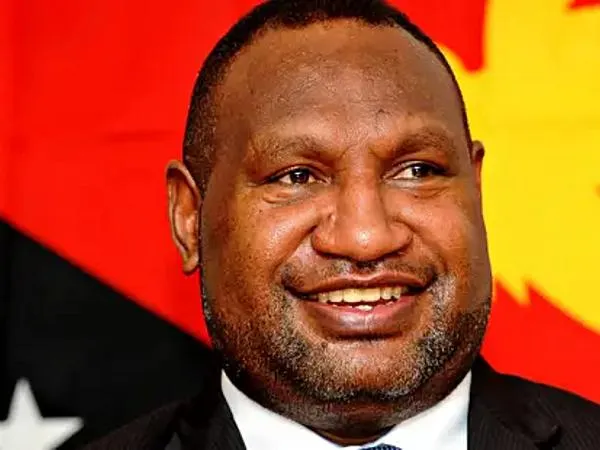
Papua New Guinea will move more into downstream processing and manufacturing of its resources, Prime Minister Hon. James Marape said in his address to the nation for the 49th Anniversary of PNG’s Independence.
Stating the importance of working together to build a robust, inclusive economy, Marape also stressed the need to diversify PNG’s economy beyond traditional sectors such as mining, oil, and gas.
The government will focus on developing industries like agriculture, tourism, fisheries, and technology to create jobs and improve livelihoods, the PM said.
“Our wealth is not just in our resources, but in the creativity and determination of our people,” he said.
Marape also set a course for a future filled with hope, unity, and progress, emphasizing the significance of September 16, 1975, when PNG first raised its flag as a sovereign state.
“Today, we stand proudly as a people who have persevered, grown, and defined our identity on the global stage,” Marape stated.
He paid tribute to the visionaries who led the country to independence, and expressed deep gratitude to the founding leaders and every citizen who has contributed to the nation's development, acknowledging the challenges faced over the years.
"The journey they began was not easy, and the path since then has been filled with challenges, triumphs, and the tireless efforts of our people. Our elders, our founding leaders, and every citizen who has contributed to this country’s development, we honor you today," he said.
The Prime Minister highlighted the progress in education, healthcare, infrastructure, and governance. He noted the country’s rich cultural diversity—over 800 languages and numerous distinct cultures—as its greatest strength, uniting the nation despite its differences.
However, Marape also acknowledged that challenges remain, including poverty, inequality, corruption, and service delivery issues.
“Each challenge is also an opportunity—an opportunity to do better, to serve our people more effectively, and to chart a brighter course for future generations,” he said.
As the country prepares for its 50th anniversary in 2025, Marape urged Papua New Guineans to look to the future with hope and determination.
He outlined the key areas the government will focus on in the coming year to strengthen the nation’s foundation and seize new opportunities.
“First, we will continue to invest in our people. Education and skills development are the cornerstones of any nation's success. We must empower our young people with the tools they need to lead, innovate, and build the future of Papua New Guinea,” Marape said.
He described the country’s youth as its greatest asset and committed to providing opportunities for them to succeed.
The Prime Minister reiterated the government’s commitment to fighting corruption and improving governance across all levels.
“Transparent, accountable leadership is key to the progress of our nation. Together, we must work to build trust in our institutions and ensure that every kina of public money is used to improve the lives of Papua New Guineans,” Marape declared.
He also called for national unity, highlighting that it does not mean uniformity but rather a collective effort towards shared goals.
“In a country as diverse as ours, unity does not mean uniformity. It means respecting our differences while working together towards common goals,” he said.
He urged Papua New Guineans to put the nation’s interests above individual ones and ensure that no one is left behind as the country progresses, and encouraged citizens to reflect on the country’s accomplishments while remaining committed to building a brighter future.
"A future where every Papua New Guinean has the opportunity to thrive. A future where our nation stands strong, proud, and united on the world stage," he said.
“May God bless Papua New Guinea, and may we continue to rise as a strong, proud, and prosperous nation. Happy Independence Day!”
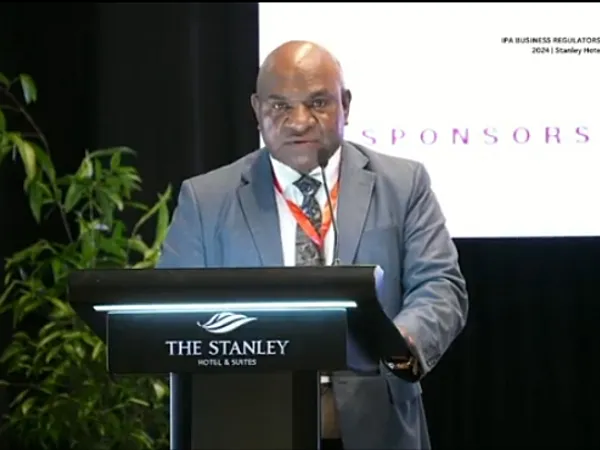
Papua New Guinea hosted several key events this year, including the 2024 IPA Regulators Summit in July. At the summit, regulatory agencies shared their roles, responsibilities, and plans. These agencies are vital to the nation's economic development, ensuring compliance with laws and supporting government initiatives.
During the summit, PNG Customs Chief Commissioner David Towe provided an update on the operations of the agency, which oversees the regulation of goods, people, and services across PNG’s borders.
PNG Customs’ key responsibilities include monitoring imports and exports, collecting duties and taxes, preventing smuggling, enforcing trade regulations, protecting national security, ensuring product safety, and facilitating trade. It works in close collaboration with agencies such as the National Trade Office, immigration, and law enforcement to secure borders and regulate cross-border activities.
In September, PNG Customs reported significant growth in its mid-year performance, showing resilience and sound fiscal management despite challenging domestic and global economic conditions.
Building on 2023's momentum, the agency entered this year with a commitment to surpass expectations under the theme "Advancing Growth through Collaboration and Integrity."
According to its mid-year report, PNG Customs collected K1.86 billion in revenue by June 2024, reaching 44% of its annual target of K4.25 billion, as outlined in the 2024 National Budget. This year’s target represents a 13% increase over the previous year’s K3.7 billion. The mid-year revenue was K264.5 million (17%) higher than the same period in 2023.
Key factors in this success included border security, trade facilitation, and revenue collection. PNG Customs facilitated K642.16 million in import duty and tax exemptions through project agreements, reflecting a 2.4% increase compared to the same period in 2023.
Additionally, the agency processed and cleared 60,991 trade entries, including imports, exports, and local excise declarations in the first half of 2024—a 12% increase from 2023, with 6,794 more customs declarations and excise entries. This growth indicates rising economic activity and demand in PNG.
Despite its progress, PNG Customs faced challenges in the first half of 2024. Revenue collections fell 6% short of projections due to economic headwinds, and the agency continues to struggle with limited resources for border surveillance and compliance enforcement.
However, PNG Customs remains committed to its core mandate of ensuring effective border security, promoting economic growth, and contributing to the development policy agenda of the Marape-Rosso Government, Hon. Towe said.
In today’s fast-paced and ever-evolving business landscape, having the right talent in place is crucial for success. This is especially true in sectors where technical expertise and operational efficiency are paramount.
For over four decades, SGS has been at the forefront of providing specialised recruitment and service delivery solutions that meet the unique needs of diverse industries across different regions.
At SGS, our recruitment and service delivery teams bring a wealth of experience to various operational stages, from project inception and growth to production and ongoing operations. Our mission is simple: to deliver high-quality professionals and value-adding services that optimise your projects.
“Our unparalleled knowledge, vast network, and abundant resources, empower us to connect you with highly skilled professionals.” - Brittany Shephard, Business Manager.
Expertise Across the Project Lifecycle and Tailored Solutions for Diverse Needs
Recognising that each project is unique, we offer tailored services to meet specific client needs.
Permanent Recruitment and Head-hunting, focuses on sourcing top-tier talent with specialised skills and providing scalable solutions with a one-off fee structure.
Contract Recruitment is ideal for flexible staffing for short or long-term projects, including global team deployments.
Local and International Payroll Solutions ensure seamless payroll management across borders, supporting regulatory compliance and multiple currencies.
Finally, Global Mobility Solutions handles logistics, visas, accommodations, and insurance, ensuring smooth international placements and contractor management.
Meeting the Challenges of a Dynamic Market
Finding the best manpower resources, wherever your operations are based, is critical. SGS - technical staffing solutions provide specialised support tailored to the shifting demands of the local market. Our cost-effective recruitment solutions are customised to meet your needs, ensuring that your projects benefit from the right blend of technical professionals and value-adding services.
Bronte Gale, General Manager Industries, says, “We leverage our local expertise in the Australia and Papua New Guinea region, along with our global reach, to ensure exceptional service delivery that aligns with your strategic goals.”
As industries evolve, the need for adaptable and skilled professionals remains constant. With SGS as your partner, you gain access to a dedicated team committed delivering the highest standards of recruitment, payroll, and contract management services. Our solutions give you the edge to drive your projects confidently in a competitive landscape.
For further information, please contact: Brittany Shephard, Technical Staffing Solutions (Australia & PNG), Business Manager. T: +61 7 3622 4724
About SGS
We are SGS – the world’s leading testing, inspection and certification company. We are recognised as the global benchmark for sustainability, quality and integrity. Our 99,600 employees operate a network of 2,600 offices and laboratories around the world.
Great Pacific Gold Corp. is providing an update on one of its core projects, the Kesar Project located in the Eastern Highlands province of Papua New Guinea. The Kesar Project is contiguous with K92 Mining’s mine tenements, with several high priority targets at Kesar near the K92 property boundary (Figure 1). Multiple veins at Kesar are on strike and have the same orientation of key K92 deposits, such as Kora, and exploration work to date at Kesar has shown that these veins have high grades of gold present in outcrop, very elevated gold in soil grades and are coincident with aeromagnetic highs.
“The results of the two phases of geochemistry highlight the tremendous potential of Kesar” stated Greg McCunn, CEO of Great Pacific Gold. “With our recently announced plan to focus on our core projects, we intend to direct our financial and technical efforts on Kesar over the remainder of 2024. The high-grade nature of the nearby Kora deposit highlights the potential of Kesar and our Phase 1 drill program is designed to test our highest priority targets.
While focusing on Kesar, we will continue to evaluate and advance the other core assets in our high-quality portfolio, including recent drilling at the Arau project, from which initial results are pending, environmental baseline work at Wild Dog and consolidation of our knowledge on the Lauriston and Walhalla projects in Australia. Longer-term, the recently acquired Tinga project also has the potential to create significant shareholder value.”
About the Kesar Project
The Company received notification from the Papua New Guinea Mineral Resources Authority (the “MRA”) of the grant of Exploration License 2711, which wholly covers the Kesar Project. The notice was received on November 14, 2023 with the Exploration License in effect from October 31, 2023 for a period of two years until October 30, 2025.
Exploration by previous operators at Kesar identified the presence of semi-massive copper rich sulphide mineralization associated with quartz veins on strike to the Kora gold deposit, as well as the potential for copper-gold porphyry prospects within the tenement. Previous operator’s initial rock sampling programs returned high-grade gold-copper-silver values (see news release date November 17, 2023).
Initial Rock Chip Sampling
Thirty-two (32) rock chip samples were taken in Q2 2024 from outcrop and artisanal underground works and returned high-grade assays including 244 g/t Au (underground working), 116 g/t Au (outcrop), 36.5 g/t Au (float) and 33.4 g/t Au (underground working). Of the 32 samples, 19 samples were above 1 g/t Au and ten samples averaged 52.8 g/t Au (see news release dated May 13, 2024). Recently, a further 17 rock chip samples have been obtained and assayed with a peak result of 94.3 g/t Au and 11 samples of greater than 1 g/t Au averaged 25.1 g/t Au. Generally, these samples were collected from the Eastern Vein Zone where itinerant miners are operating small scale mines though larger scale potential occurs as indicated by the soil sampling results.
Soil Geochemistry
In addition to the rock chip sampling in Q2 2024, a soil sampling program was completed principally targeting the West and Central Vein Zones at Kesar Creek. In total, the 332 soil samples returned numerous significant gold grades over a strike length of 5.5 km including a high-grade assay of 20.9 g/t Au (see news release dated May 13, 2024).
The initial first-pass soil program used a 200 meter by 100 meter or 50-meter grid and was very broadly based to cover most of the known prospective ground and to get an indication of the location of the most prospective larger structures. Gold mineralization was found in samples covering the entire 5.5 km of sampled strike. Multiple parallel vein sets occur in close proximity within each of the three main vein zones.
Following the success of the initial soil sampling program principally targeting the West and Central Vein Zones at Kesar, a second follow up soil sampling program was carried out in July 2024. The follow up soil program consisted of a further 667 soil samples covering the West, Central and East Vein Zones, which all strike northwest. This follow up program has further defined gold prospects in West and Central Vein zones while also discovering gold mineralization in the Eastern Vein zone, which is in part associated with the itinerant miners’ small-scale operations. The mineralization in the Eastern Vein Zone is open to the northwest where several parallel vein sets occur. More sampling will be carried out as the opportunities arise.
Upcoming Drilling Program
The Company has contracted Quest Exploration Drilling (“QED”) to provide two CS1000 P4 diamond drill rigs which are expected to be delivered to the Project drill site in October 2024 via a helicopter located near the project. Drilling is expected to occur from five drill pads spaced generally at 100m intervals along the Anteruno vein structure in the Western Vein Zone. Sectional drilling from the pads will provide coverage along strike of approximately 400m. The proposed drilling plan consists of 9 initial holes averaging 300 meters in length for a total diamond drilling program of ~2,700 meters.
Results from the drilling program are expected approximately 4 weeks after the completion of each drillhole and drilling is planned to take place for two months.
Air Niugini has officially appointed Gary Seddon as its Chief Executive Officer, following his tenure as Acting CEO. The confirmation was made by the National Executive Council (NEC) after a comprehensive selection process conducted by Kumul Consolidated Holdings (KCH), the airline’s shareholder.
Seddon, who has been instrumental in steering the airline through a challenging period, takes on the role permanently, having demonstrated strong leadership and a commitment to driving the national carrier forward. During his time as interim CEO, Seddon achieved several significant milestones, including the fleet replacement programme with Airbus and Boeing aircraft, the expansion of Air Niugini’s route network, and improvements in customer service. His strategic direction has positioned the airline to better navigate the competitive regional aviation market.
Air Niugini Chairman Karl Yalo expressed confidence in Seddon’s ability to lead the airline into a new phase of growth, especially with the arrival of Airbus A220s in September 2025, coinciding with Papua New Guinea’s 50th Independence Anniversary. He noted that Seddon’s leadership would be crucial in the ongoing re-fleeting process, which aims to modernise the airline’s fleet and enhance its regional standing.
Seddon, upon his permanent appointment, conveyed his gratitude to the NEC, the Prime Minister, and the Minister for State Enterprises. He emphasised his commitment to improving the airline’s operations and addressing existing challenges, while thanking Air Niugini’s loyal customers and staff for their support.
William Duma, Minister for State Enterprises, highlighted the importance of Air Niugini’s role in delivering reliable and affordable services as a state-owned enterprise. He noted that the upcoming fleet upgrades, including the purchase of Airbus A220s and Boeing 787 Dreamliners, would transform Air Niugini into a leading airline in the region, ensuring sustainable growth and delivering value for stakeholders.
Seddon’s permanent appointment signals a period of stability and ambition for Papua New Guinea’s national airline as it continues to expand and modernise.
The Minister for International Trade and Investment, Hon. Richard Maru, has highlighted Papua New Guinea's (PNG) new focus on attracting Indonesian investments following recent high-level engagements between the two nations. These include State Visits by the Heads of both countries, a trade and investment mission led by Deputy Prime Minister Hon. John Rosso, and the signing of a Joint Declaration establishing a high-level Dialogue and Cooperation Mechanism.
Minister Maru remarked, “Indonesia's economy has grown tenfold over the last 20 years, driven in part by the government’s policy of banning raw material exports. This policy, announced three years in advance, has been strictly implemented.”
Indonesia is the largest economy in Southeast Asia, the world’s fourth most populous nation, and ranks as the 16th largest economy globally by nominal GDP, as well as the seventh largest in terms of purchasing power parity.
Minister Maru added, “While Indonesia has historically relied on imports of manufactured goods, advanced technology, and technical skills, it has successfully transitioned from a primary sector economy to one focused on secondary and tertiary industries. This shift, supported by the creation of numerous economic zones, has strengthened Indonesia’s downstream processing and value addition in manufacturing, trade, and services.”
Indonesia currently has 118 industrial parks, 15 Special Economic Zones (SEZs), four Free Trade Zones, and 10 Tourism Zones, all of which have contributed significantly to the country’s policy of downstream processing of natural resources.
“Downstream processing has been highly successful in Indonesia, creating thousands of jobs, transferring higher-value skills, and introducing advanced technological processes. The nickel SEZ at Weda Bay alone created 80,000 direct jobs and 12,000 indirect jobs—more jobs than PNG's entire mining and petroleum industries combined. In 2022, investment in downstream mining surged to almost US$9.2 billion, compared to US$4.1 billion in 2019,” Maru noted, emphasising the significant role these investments have played in Indonesia's mining industry.
The Indonesian Government has recommended that PNG adopt a similar approach and implement a ban on raw material exports.
“Our government has already declared its intention to pursue downstream processing, and we don't have to reinvent the wheel. Indonesia is right next door, ready to share its experience and offer support,” said Minister Maru.
He continued, “For nearly five decades, PNG's engagement with Indonesia has largely focused on border and security talks, which have not resulted in improved border facilities, direct shipping links, job creation, or significant trade between our countries. It's time for PNG to establish a robust trade and investment relationship with Indonesia, which has already mastered downstream processing and value addition. PNG has immense potential in mining, petroleum, agriculture, fisheries, forestry, and services, and we can learn valuable lessons from Indonesia’s success.”
Minister Maru stressed that PNG must move beyond being a primary exporter of raw materials and focus on value addition through downstream processing to create more jobs and increase the value of its exports. “Under the Marape-Rosso Government, PNG must shift away from being a mere exporter of raw materials. As we approach our 50th anniversary, it is imperative that we make a decisive change. Indonesia, our closest neighbour, has successfully navigated this path and is now a formidable player on the global stage. They are willing to share their experience and expertise, and we must stand ready to learn and collaborate.”
Minister Maru also extended an invitation to Indonesian companies in sectors such as manufacturing, mining, petroleum, agriculture, fisheries, tourism, and Special Economic Zones to invest in PNG. He revealed that two Indonesian companies have expressed interest in multi-billion kina rice and recycling projects in PNG, with proposals under review for approval by the National Executive Council (NEC). “This marks the beginning of a new era for PNG as we shift our trade and investment focus to Indonesia,” Minister Maru concluded.
Great Pacific Gold Corp. is pleased to provide an update on its short-term exploration strategy. After a thorough review of its dominant land position in both Papua New Guinea (“PNG”) and Victoria, Australia, the Company has developed a focused short-term plan aimed at advancing gold-copper resources on its core projects.
Core Projects:
Kesar – Located in the Eastern Highlands Province of PNG and contiguous with K92 Mining’s mine tenements, Kesar is a greenfield exploration project with several high-priority targets near the property boundary with K92. Multiple epithermal veins at Kesar are on strike and share the same orientation as key K92 deposits such as Kora. Exploration work by GPAC at Kesar has revealed high-grade gold in outcrop and elevated gold in soil samples, coinciding with aeromagnetic highs. A phase two sampling program supporting initial drilling has recently been completed, with results pending.
Arau – Also located in the Eastern Highlands Province of PNG, the Arau Project includes the highly prospective Mt. Victor exploration target, with potential for a high-sulphidation epithermal gold-base metal deposit. A Phase 1 Reverse Circulation drilling program at Mt. Victor was completed in August 2024. The Arau project also includes the Elandora licence, which hosts various epithermal and copper-gold porphyry targets.
Wild Dog – Situated in the East New Britain Province of PNG, Wild Dog is a brownfield exploration project with a history of small-scale gold mining. The project contains numerous epithermal and porphyry hydrothermal-magmatic targets identified through previous exploration and operations. In August 2024, the Company completed road refurbishment and established access to the project for baseline environmental and exploration work.
Lauriston – Located in the state of Victoria, Australia, the Lauriston project is situated on the southern extension of the Fosterville Goldfield Belt and is adjacent to Agnico Eagle’s Fosterville tenements and mine operations. Lauriston contains the Comet-Trojan target, a 4.5 km long epizonal orogenic system. The discovery hole at Comet intersected 8m at 105 g/t gold, and a follow-up drilling program was completed in Q3 2024. The Company is consolidating its data on Lauriston and expects to publish an NI 43-101 compliant technical report.
Walhalla – Also located in Victoria, the Walhalla project comprises over 1,400 km² of concessions, including numerous historical mining operations and the recently acquired Woods Point land package. The Company is consolidating its data on Walhalla and expects to publish an NI 43-101 compliant technical report. Walhalla contains a high-priority greenfield target known as Pinnacles. Extensive soil geochemistry has highlighted a 400m x 1,100m gold mineralised aplitic dyke with disseminated sulphides, outcropping at surface. The Pinnacles target is fully permitted and ready for drilling.
“The Company has spent the last four years building an extensive portfolio of high-quality exploration assets,” stated Greg McCunn, CEO of Great Pacific Gold. “After this period of acquisition, it is now time for the Company to focus on developing one or more of its core projects into a mineral resource. While the focus will be on these five assets in the short term, the recently acquired Tinga project also has the potential to create significant shareholder value in the longer term and is an important part of Great Pacific Gold’s future.”
The Company is also evaluating its non-core assets in Australia and exploring opportunities to maximise their value. As part of this process, the Company may consider asset sales, project spin-outs, or other strategic transactions.
In late August, seventeen ExxonMobil trainees graduated in a ceremony held at the Kumul Petroleum Academy (KPA) at Idubada. The trainees completed a one-year full-time course and achieved City and Guilds certification in their respective disciplines. Eleven trainees received their certificates in plant process operation, and six were certified as instrument maintenance technicians. Notably, four of the seventeen graduates were female.
The graduation ceremony featured speeches from guest speakers, including ExxonMobil Upstream Asset Manager Mr Breton Macdonald, Kumul Petroleum Holdings Senior Manager Mr Sikke Jan Wynia, and several trainees, as well as the KPA manager.
Echoing the sentiments of other speakers, Mr Sikke Jan Wynia congratulated the trainees on their successful completion of studies, stating, "Kumul Petroleum is proud to have sponsored KPA for almost 10 years, enhancing the capabilities of the petroleum industry workforce, including the seventeen graduates today from the 8th Junior Operations and Maintenance Staff Course."
Mr Wynia also highlighted that Kumul Petroleum is constructing a new training facility at Caution Bay, which will provide improved facilities and allow for additional courses to further raise the technical standards of Papua New Guinea’s national industrial workforce.
Guests at the graduation included family and friends of the graduates, ExxonMobil personnel, and the staff at KPA. The event was also enlivened by a Motuan music and dance troupe.
The graduates are part of the 9th cohort to complete their training at KPA. City and Guilds is a United Kingdom-based awarding body for skills development. The trainees' education included an introduction to the oil and gas industry, safety training, knowledge in their chosen disciplines, practical on-the-job training, and coaching in the well-equipped workshops and the Safe Live Process Plant located at KPA’s Idubada campus.
Since its inception in 2016, 186 trainees sponsored by ExxonMobil, Oil Search, Santos, and Kumul Petroleum Holdings have graduated from KPA. The academy has a three-year contract with Santos to provide training and is currently preparing to welcome the 10th cohort of ExxonMobil-sponsored trainees in the coming weeks.
People living in villages near remote Teapopo, on the Fly River, will no longer have to travel for hours to Daru or Balimo to access basic medical services, thanks to a newly constructed health centre, supported by Kumul Petroleum in partnership with the provincial government.
The opening was officiated by Kumul Petroleum’s External Affairs Executive General Manager, Luke Liria, and attended by senior provincial and government ministers.
During the opening, Dr Liria stated, “Investing in healthcare facilities such as the Teapopo health centre improves the livelihoods of community members and contributes to the development and prosperity of the nation. Kumul Petroleum Holdings is always ready to support the healthcare system in Papua New Guinea."
“The Teapopo health facility is fully equipped and includes staff housing. It features six in-patient wards, an antenatal clinic, and a month’s supply of medication. The facility is solar-powered, has rainwater collection and storage, and includes a septic system—making it self-sufficient, which is essential in this remote location.”
Mr Liria noted that the health centre will serve people in eight villages along the north bank of the Fly River delta, significantly reducing the need for long boat journeys to Daru or Balimo for basic medical services.
“Our support for the construction of this health facility totals K4 million, aligning with our broader commitment to major health infrastructure in Port Moresby and other regions across the country.”
The successful construction and fit-out of the Teapopo health facility resulted from a partnership between Kumul Petroleum Holdings Limited, Member for South Fly, Hon. Sekie Agisa, the Fly River Provincial Government, and the Western Province Health Authority. The project was also supported by Provincial Improvement Program funds from the Department of National Planning and Monitoring. The building components were supplied by Rhodes, with construction carried out by Dokana Papua Construction Limited.
Prime Minister Hon. James Marape has announced that the Government’s Position Paper on the Wafi-Golpu Mine in Morobe has been delivered to Joint Venture Partners, Newmont and Harmony. The Government is now awaiting a response from the two companies before moving forward with the issuance of the Mine Development Contract (MDC) and Special Mining Lease (SML).
This statement was made following a meeting held on Friday, September 6, 2024, in Port Moresby, attended by State Negotiating Team (SNT) Chairman Mr. Dairi Vele, Deputy Prime Minister and Lae MP Hon. John Rosso, Morobe Governor Hon. Luther Wenge, and Community Development Minister and Huon Gulf MP Hon. Jason Peter.
“The SNT has been negotiating with the two joint venture partners on what benefits Papua New Guinea gets from the Wafi-Golpu project. That includes our 30 per cent equity, financing of that equity, value of the 3 per cent royalty, local content, and others,” said Prime Minister Marape.
He emphasised the importance of not delaying the project, stating: “As we prepare to release the SML, work must start immediately, rather than being delayed as we have seen in other projects. The project is now one or two meetings away from the MDC being signed and issuance of SML.
“The joint venture partners have received the SNT’s recommendations on August 8, 2024, and we are waiting for them to respond. I have requested Newmont and Harmony to respond at the earliest so the MDC can be signed and the SML issued.”
Prime Minister Marape noted that the Wafi-Golpu project is expected to operate for over 40 years, and the Government is focused on ensuring all agreements are finalised before the commencement of operations, drawing lessons from the Lihir Mine in New Ireland, which does not pay corporate tax.
“We want to make sure that we get the total 55 per cent economic benefits we want to get out of the project,” the Prime Minister said.
The Prime Minister highlighted that the terms for the Wafi-Golpu project were captured in the Framework Memorandum of Understanding (MoU) signed in April 2023 between the State and the joint venture partners. This MoU will serve as the foundation for the MDC and SML.
Key provisions under the Framework MoU include:
Prime Minister Hon. James Marape on Friday, September 6, 2024, held bilateral talks with the Prime Minister of the Republic of Vanuatu, Hon. Charlot Salwai, at Sir Manasupe Haus in Port Moresby.
The two leaders met for brief discussions on the sidelines of the Papal Visit to Papua New Guinea. Among the key topics discussed were PNG’s assistance to Vanuatu on trade-related matters and infrastructure development, with a particular focus on the Kumul Highway initiative in Port Vila, Vanuatu’s capital.
“The PNG Government is delighted to engage in cordial relations with the Government of the Republic of Vanuatu. Between the two nations who are part of the Melanesian Spearhead Group (MSG), we have enjoyed an atmosphere of close friendship, based on mutual trust and respect for each other since the establishment of diplomatic relations on 26th September, 1980,” Prime Minister Marape said.
“As Melanesian neighbours, we share close historic connections and similar values and interests through membership of regional and international organisations such as the United Nations, Pacific Islands Forum, Secretariat of the South Pacific, Commonwealth of Nations, and World Trade Organisation.”
The discussions also focused on strengthening bilateral relations and exploring business investment opportunities between the two nations. Prime Minister Marape highlighted PNG’s development plans and economic ventures, emphasising the potential for cooperation in fisheries, education, health, infrastructure, and tourism—areas in which PNG is offering assistance.
Prime Minister Marape also emphasised the importance of domesticating the Pacific fisheries industry and discussed the sharing of education, training resources, and health facilities. He mentioned the new cancer facility being developed in Port Moresby, which could benefit Vanuatu as well.
In the context of deepening ties, Prime Minister Marape proposed the establishment of a PNG diplomatic mission in Port Vila. Currently, the PNG High Commissioner to Solomon Islands, His Excellency Simon Kaul, is accredited to Vanuatu. PNG is also represented by an Honorary Consulate in Vanuatu, led by Mrs. Eileen Nganga, a Papua New Guinean with long-standing ties to the country.
Prime Minister Salwai expressed his appreciation for the meeting and affirmed Vanuatu’s willingness to cooperate and strengthen relations with PNG on the matters discussed. Both leaders highlighted the importance of maintaining cordial and friendly relations, and they discussed the possibility of official visits between the two Melanesian neighbours in the near future.
Prime Minister Hon. James Marape has expressed deep gratitude to Pope Francis on his de- livery of messages of service, unity and peace to the people of Papua New Guinea.
Prime Minister Marape and his wife, Mrs Rachael Marape, joined the Pontiff, his clergy, and thousands of Catholic worshippers at Sir John Guise Stadium in the 3-hour mass before meeting him personally as Head of Vatican State.
“This morning, Rachael and I had the privilege of meeting Pope Francis. In respect of our Catholic population – the biggest denomination in our country and his Pontiff for visiting our country, we attended the public worship at the stadium.
“I want to offer my commendations to Pope Francis for his message of unity, tolerance, love and care. This is a great message our people need in our land of so much diversity.
“Our country is very ethnically, linguistically and culturally diverse, and the Pon- tiff’s message of unity, love and care, is very relevant to us today. It must be amplified throughout our country.
“Our different Christian churches may read the Bible from different perspectives, but the fundamental tenet of Christianity is the embrace of each other in love, forgiveness, respect and humble service of each other.
“The core characteristic of Jesus Christ runs deep in all Christian denominations. Catholic is the biggest church in our country, and I want to commend the Catholic faithful who showed tolerance, respect, love and care this weekend from the moment Pope Francis arrived by lining the streets with candles to welcome him, to turning up in big numbers to worship with him at the stadium today. They showed respect to him, to our country and to God.
“This weekend was quiet and peaceful. It is exemplary of the goodness that can come from our people. It reflects the soul and innermost character of Papua New Guineans. We are good people, capable of embracing each other in love, unity and peace.
“As we approach our 49th Independence anniversary in a week’s time, I ap- peal to our people to take Pope Francis’ message with us – to continue to respect each other, to respect our country, and respect our God.
“This is a great, timely message for Papua New Guinea, and I thank Pope Francis for it,” said Prime Minister Marape.
PM Marape said in his one-on-one meeting with the Pontiff, Pope Francis blessed the people of Papua New Guinea and said his impression of Papua New Guineans was one of “a smiling people”, highlighting that despite their daily challenges, Papua New Guineans met him with many smiles.
The Prime Minister acknowledged the Pope on his decision to continue his visit to Vanimo considering his advanced age, adding that this is reflective of the character of Christ in serving others.
The Prime Minister once again acknowledged the work of the Catholic Church in Papua New Guinea in nation-building, pre-Independence and post-Independence through education, health and various humanitarian programmes and projects the church runs in the country today.
Prime Minister Marape will join the Pope to meet young people in another mass gathering on Monday, back at Sir John Guise Stadium, before the Pontiff departs Port Moresby where the Prime Minister will see him off.
Follow on LinkedIn:
PNG Business News
Be the "First" to get our exclusive Digital Magazine & Weekly Newsletter.