September 06, 2024

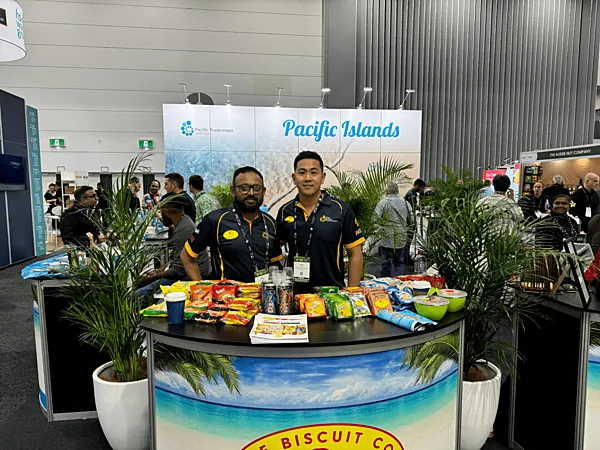
LAE Biscuit Company Limited for the first time is promoting its quality Papua New Guinea-made products to the world through an exhibition in Australia.

Fine Food Australia is the leading trade event for the food industry running for 40 years.

The event has featured hundreds of food industry professionals from Australasia and beyond.

In an interview with The Nation newspaper, Lae Biscuit Company general manager John Chow said they were grateful to be part of the event through the efforts of the Pacific Trade Invest Australia, as part of the Pacific Islands stand in Melbourne.

"It certainly puts us on the map with other known manufacturers in the Pacific," he said.

"The best part is seeing different Pacific Islanders recognise our brand and share their excitement and enthusiasm to see us here at the exhibition.

"We aren't focusing on our Snax biscuits (but on) our company as a whole, and that we can be trusted to create and develop quality products within PNG that can meet the needs of customers overseas."

He added that although the company faced many challenges as a local manufacturer, he was optimistic that in time it would get the full support it needed to be a renowned food manufacturer in the Pacific in line with its overall vision.

Chow also said it was an exciting opportunity for the company to promote its new products along with its branding partnership with National Rugby League club Cronulla Sharks, South Sydney Rabbitohs and PNG Kumuls superstar Alex Johnston.

It is proud of its food safety system certification (FSSC 22000) international certification, which only a handful of local food companies have achieved in PNG.

Meanwhile, group chairman and founder Ian Chow revealed that manufacturers would not survive in PNG if the Government failed to find additional markets.

He said there were too many people with no jobs or money, while a high costs of manufacturing and lack of government assistance was holding back the potential of the country.

September 04, 2024

Papua New Guinean marine services business, Pacific Towing (‘PacTow’) is performing a growing number of long-distance ocean towage projects, many of which are international.  The company has towed all sorts of vessels and ‘structures’ throughout Melanesia, as well as in Australian waters, Indonesia, Micronesia, the American waters of Guam, and Singapore which is where its most recent international towage departed from.

Ocean towage projects performed by PacTow are typically either single-vessel transfers or salvages.  However, the company also has a history of tandem towage projects, as well as towing oil rigs, transfer hoses, and mooring buoys for its oil and gas clientele.  

Vessel transfers into PNG have increased over the last few years, largely due to logistics and shipping companies wanting to expand and modernise their fleets in order to service major resource developments.  Other vessel transfers have been project-specific, for example tugs and barges utilised in port infrastructure upgrades.

Salvage is a core service of PacTow’s and one that frequently requires long distance towage.  PacTow Manager, Gerard Kasnari, reports that “many of the vessels we assist, whether they are adrift at sea due to some sort of mechanical failure, or have run aground a reef, are operating hundreds of miles from any kind of port let alone major ports where there are the right kind of repair services. Sometimes we’ll tow a vessel to a small regional port like Rabaul for some initial repairs and then we’ll do a longer tow back to Port Moresby or Lae.”

Depending on the extent of repairs required and under which country the vessel is flagged, PacTow will also transfer salvaged vessels internationally if that’s what the owners want.  At times, they’ll just provide an escort service if the vessel can travel under its own power.

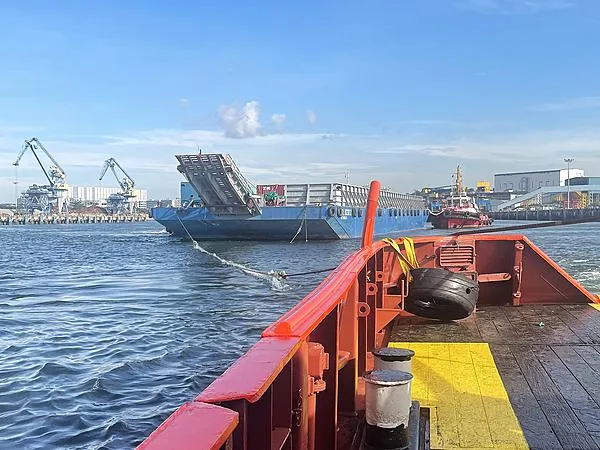
PacTow’s most recent international towage project involved picking up a new flat top barge in Singapore for a Port Moresby logistics client.  The 70 metre long and 20 metre wide barge was loaded with four smaller vessels – two work boats for the client and another two line boats for PacTow’s operation in Lae.

‘Tavurvur’ one of PacTow’s fleet of Azimuth Stern Drive (ASD) tugs which had recently completed a mandatory four-yearly dry docking in Singapore was utilised for the project.  The tow covered approximately 3,000nm and took just over three weeks, including a stopover for fuel, fresh water and food in Makassar, Indonesia. 

Kasnari reports that the project went as planned and was relatively unchallenging with the exception of marginal weather (i.e., high winds [25 – 30kt] and large swell [2 – 4m]) between Singapore and Makassar, and another patch of poor weather in the Coral Sea approximately 200nm from Port Moresby.

PacTow’s fleet of tugs, especially its larger and more powerful ASDs, are central to its long-distance ocean towage capacity.  Kasnari, points out that the purchase of most of the ASDs has been part of a strategic re-fleeting program that is now two thirds complete.  In addition to owning PNG’s largest tug fleet, PacTow has its tugs deployed at each of its five operations throughout PNG, as well as in Solomon Islands.  The company has also established a business in Fiji.

September 03, 2024

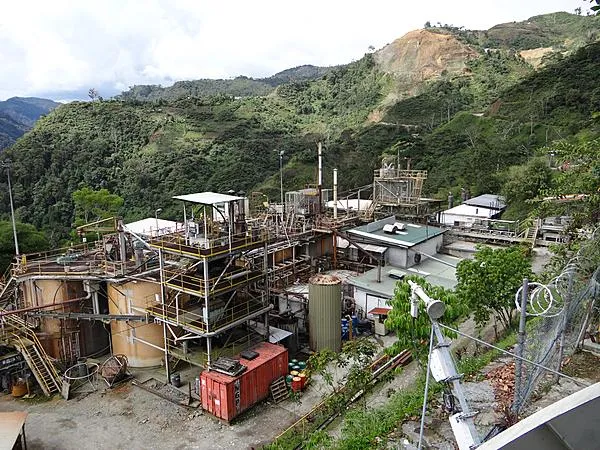
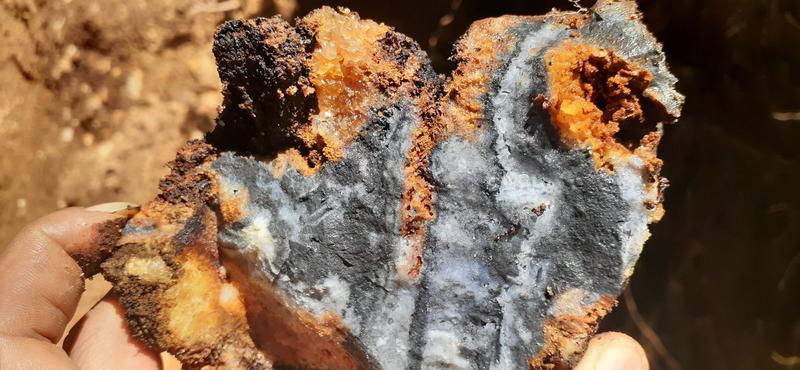
Tolu Minerals is poised to breathe new life into the Tolukuma gold mine, aiming to unlock substantial gold resources and restore production. This strategic effort not only signals a significant revitalisation of one of Papua New Guinea’s historically high-grade mines but also promises far-reaching economic and social benefits for the region.

Tolu Minerals acquired the Tolukuma gold mine in October 2022 after an extensive due diligence process, culminating in a purchase agreement with the mine’s liquidator for 20 million kina. The mine, located in the Woitape area of Goilala District in the Central Province, has a rich history, having operated for 20 years as a high-grade gold producer since its establishment in 1995.

Throughout its operational life, the mine consistently produced approximately 15 grams of gold per tonne of ore, peaking at 23 grams per tonne during its early, more productive years. However, by the late 2000s, several critical cost factors led to the mine’s closure and subsequent care and maintenance status in 2015.

With a clear understanding of the challenges that led to Tolukuma’s previous closure and a well-defined strategy to address them, Tolu Minerals is well-positioned to ensure the long-term success of the Tolukuma gold mine, benefiting both its shareholders and the local communities it serves.

Social Impact:

The social impact of the Tolukuma mine’s revival cannot be understated. The support for socio-economic development includes:

  • Employment and social uplifting
  • Training and skills development
  • Access to markets to stimulate economic activity
  • Local procurement
  • Power generation

At its peak, the mine employed 600 to 700 people, with a multiplier effect empowering an estimated 9,000 individuals economically. As the mine ramps up operations, it is expected to create hundreds of jobs and stimulate secondary economic activities, such as agriculture and local manufacturing. The new road and power infrastructure will open up opportunities for further economic development in Goilala District and surrounding areas, transforming the region’s economic landscape.

In an exclusive interview with PNG Business News (PNGBN), the Chief Executive Officer & Managing Director of Tolu Minerals Ltd, Iain Macpherson, shared insights into their plans for both the Tolukuma mine and the surrounding area. He elaborated on the importance of balancing the mine’s development with regional infrastructure and socio-economic development. He said, “The company is committed to reviving a historic mine and also to fostering sustainable economic growth in the Central Province.”

Addressing Key Cost Challenges:

One of the primary challenges faced by Tolukuma was its reliance on helicopter service for all logistical needs, including the transport of diesel fuel, which escalated operational costs. Additionally, the deterioration of the mine’s hydropower station, once a reliable source of power, forced a shift to expensive diesel-powered electricity generation. The mine’s design also contributed to its downfall, as it was developed from the top of the mountain downward without a lower entrance, resulting in costly water pumping operations.

Recognising these issues, Tolu Minerals has made addressing these cost drivers a top priority. The company began road construction in December 2023, which will significantly reduce the exorbitant costs associated with helicopter transport.

Strategic Investments and Partnerships:

Following its initial public offering (IPO) on the Australian Exchange in November 2023, Tolu Minerals successfully funded the Tolukuma project. The company’s shareholding is noteworthy, with nearly half of it held by important Papua New Guinean private individuals and institutions, including Trans Wonderland Limited (TWL), Kumal Minerals, and Mineral Resources Development Company Ltd (MRDC).

Tolu Minerals has also forged strategic partnerships to ensure the successful revival of Tolukuma. The company is collaborating with the Allan Guo Group of Companies, known for constructing the Edevu Power Station, to build the road and develop proposals for the hydropower station’s refurbishment. The hydropower station, which is scheduled for re-commissioning within 18 months, will be oversized to establish a local power grid, further stimulating economic activity in the surrounding areas.

Advancing Exploration: Airborne MT Geophysical Survey:

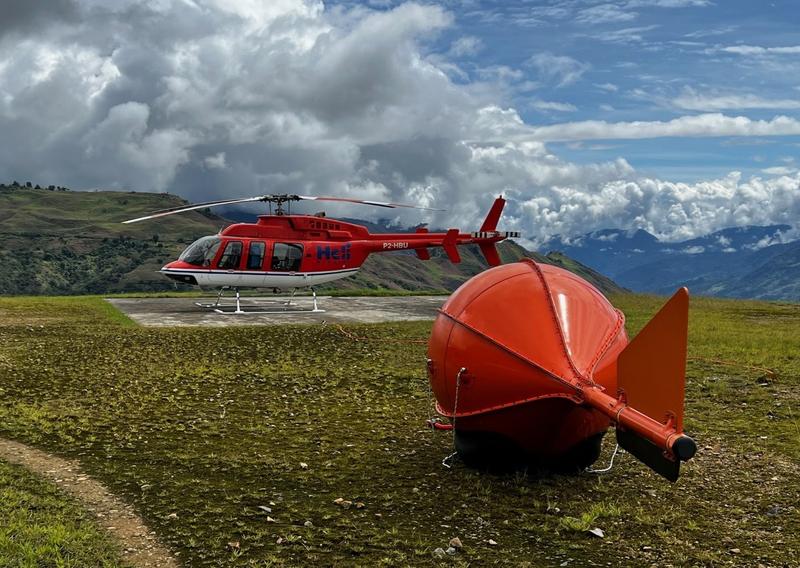
In addition to exploration and technological improvements, Tolu Minerals has commenced an airborne Magneto Telluric (MT) geophysical survey over the Tolukuma Gold Mine in Central Province—a portfolio of gold, silver, and base metal mineralised projects. This technique has already been used with success at K92 Mining in PNG. This high-resolution survey will enhance regional exploration targeting, crucial in the challenging terrain of the region, where exploration is expensive due to mountainous landscapes and the need for helicopter service.

Airborne MT resistivity data is modelled to provide a more accurate guide to the depth and location of drill targets. New targets are expected to be interpreted, requiring an ongoing field exploration program of geological mapping, sampling, and drill testing following the current drill programme.

The company has contracted Expert Geophysics Limited (EG) to perform the MT Survey, which covers the Tolukuma Mining Lease and surrounding tenements, including Ipi River ELA2780 to the northwest of Tolukuma.

It’s interesting to note that the Mobile MT utilises naturally occurring electromagnetic fields from three orthogonal induction coils that are contained within an aerodynamically shaped capsule towed by a helicopter 60 to 70 metres above the ground. This is when magnetic data is collected to assist in mapping sub-surface geology.

This process will also inform an evolving exploration strategy.

The results will increase the existing extensive database of technical information, including airborne and ground geophysics, geochemistry, historical drilling results, and geology.

September 03, 2024

Tolu Minerals has launched the Bakoiudu-Tolukuma Road Project in Central Province, Papua New Guinea. This crucial infrastructure initiative will connect the Kairuku and Goilala Districts, benefiting both the Tolukuma Mine and local communities.

Governor for Central Province, Hon. Rufina Peter, and Managing Director of the MRA, Mr. Jerry Garry, the Managing Director of Tunnel Engineering Ltd Allan Guo, and members of both the Kairuku and Goilala Districts attended the event along with local leaders, media representatives, and residents from both LLGs.

A Collaborative Effort

The project is a joint venture between Tolu Minerals, the Mineral Resources Authority (MRA), and various government bodies and local stakeholders. It has received strong support from the Central Province Government, Kairuku and Goilala Districts, and local leaders.

Chief Executive Officer & Managing Director of Tolu Minerals Ltd, Iain Macpherson’s keynote address, highlighted the transformative potential of the road project, not just for the Tolukuma Mine but for the entire Central Province. “Physical infrastructure always supports economic development,” he stated.

“Roads, in particular, allow sustainable business operations, promote the exchange of goods and services, facilitate the movement of people and skills, and generally enhance economic activity. The mere fact that a road is going through is going to change the nature of the region. It’s going to make it of more interest to people coming in from outside.”

Transforming the Region

The road will significantly improve access to the Tolukuma Mine, reducing reliance on costly helicopter transport. It will also boost economic activity in the region, creating jobs and facilitating trade.

“The road has to be built for the future of the mine and for the future of the region,” Macpherson remarked.

Hon. Rufina Peter said, “This road has been here for a long time. We have to make use of it.”

“Today, it is a new initiative we came together to launch. The power to change our lives and livelihood is in our own hands, individually. We can’t sit and wait, watch the opportunity to pass us. It’s a good opportunity that this developers have come to develop our district. Let’s take it,” she added.

Two-Stage Construction

The project is divided into two phases:

  1. Pilot Road: Construction of a temporary gravel road to connect the mine to the Bakoiudu area. This stage is nearing completion.
  2. Upgrade: Upgrading the pilot road to a provincial standard, ensuring long-term benefits for the region.

 “My objective is to have the first vehicle drive that road well before the end of this year,” Macpherson declared.

 “Thank you for your support in the past, today, and in the future to get this project completed. For the benefit, not only of Tolu Minerals and Tolukuma Mine, but for the communities and the district and the region as a whole. And indeed, for the benefit of Papua New Guinea as a whole.”

Economic and Social Benefits

The road will:

  • Reduce costs: Lower transportation costs for the Tolukuma Mine.
  • Create jobs: Generate employment opportunities in the construction and mining sectors.
  • Boost trade: Facilitate the movement of goods and services between regions.
  • Improve access: Enhance access to markets for local agricultural products.

“With the right team, the right contractors, the right technology, I believe our plans to build and develop the regions will be successful.” Garry added.

A Catalyst for Development

The Bakoiudu-Tolukuma Road Project is a testament to the positive impact that responsible mining can have on local communities. It demonstrates Tolu Minerals' commitment to sustainable development and its role in driving progress in Papua New Guinea.

"The successful completion of the road will not only rejuvenate the Tolukuma Mine but also provide long-term economic benefits to the region, including employment opportunities and increased access to markets,” Macpherson said.

He reiterated, "We are absolutely committed to delivering this project and delivering the return of Tolukuma Mine and delivering the economic development of the entire region."  

September 02, 2024

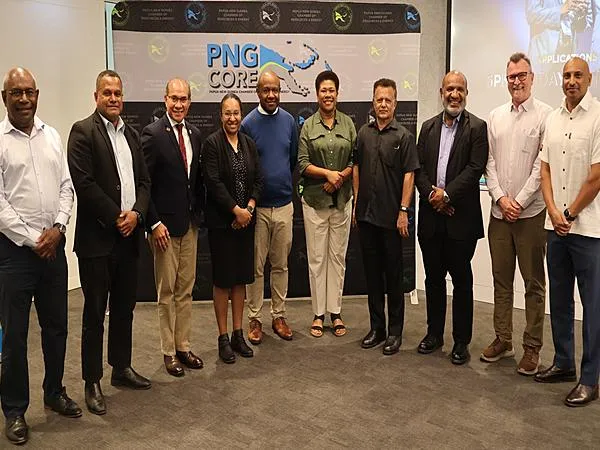
The Papua New Guinea Chamber of Resources & Energy (PNG CORE) added two new female councillors to its council at its annual AGM last week as CORE's membership renewed its council and leadership.

The AGM confirmed the re-election of President Anthony Smarè as independent President, and Senior Vice President Richard Kassman (TotalEnergies), who will continue in their roles for another term of 12 months. Assik Tommy Tomscoll (Ramu Nico) was elected unopposed as Vice President, succeeding former VP Philip Samar, who retired from the position. Mrs Karo Maha-Lelai, Country Manager for New Porgera Limited in PNG, and Ms Maygen Turliu, Partner at Deloitte PNG, were also elected to the council as two new additions. Kepas Wali, General Manager External Relations at Harmony SE; Leon Buskens, Santos Country Chair for PNG; and John Lewins, President & CEO of K92 Mining, were re-elected to serve a new term as councillors for two years.

President Anthony Smaré expressed thanks for the contributions and leadership of outgoing councillors and executives, VP Philip Samar and Councillor Andrew Harris (Deloitte), representing service members. "Both Philip and Andrew have made a tremendous contribution to the Council in their tenure over the last five years, and we are very grateful for the leadership, wisdom, and expertise they have provided to CORE. Thankfully, they will still remain involved as alternates to their company's reps on the Council, and we look forward to their continued involvement and support."

Pansy Taueni-Sialis, Chief Operating Officer of PNG CORE, expressed confidence in the newly elected council members, highlighting their collective expertise as crucial for the organisation’s future, particularly as the resources sector gears up for key economic developments.

“The Council is instrumental in guiding PNG CORE as we address issues that matter most to our members,” said Taueni-Sialis. “CORE management extends our gratitude to the outgoing councillors, former Vice President Philip Samar and Councillor Andrew Harris, for their invaluable contributions and wish them nothing but success.”

Taueni-Sialis also welcomed the newly elected councillors, underscoring the positive momentum under the leadership of re-elected President Anthony Smaré. “We have seen significant advancements, especially in our partnerships with stakeholders across the private and public sectors, as well as our bilateral and multilateral partners. This progress has elevated PNG CORE’s profile both domestically and internationally.”

The election of both Karo Maha-Lelai and Maygen Turliu to the council marks a historic and progressive step for PNG CORE. “We are excited and inspired by the opportunity to collaborate with these leaders, whose expertise and fresh perspectives will undoubtedly enrich our work and drive the industry forward,” Taueni-Sialis added.

September 02, 2024

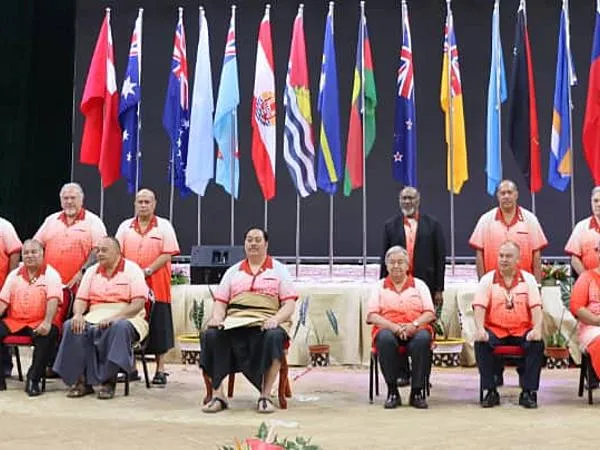
Prime Minister Hon. James Marape held bilateral talks with Singapore’s Second Minister for Foreign Affairs and Education, Dr Maliki Osman, this afternoon on the sidelines of the Pacific Islands Forum Leaders Meeting in Nuku’alofa, Tonga.

Reflecting on the strong ties between Papua New Guinea and Singapore, Prime Minister Marape noted that PNG has maintained friendly diplomatic relations with Singapore since the establishment of formal ties on 19 May 1976.

Prime Minister Marape expressed his appreciation for the support provided by the Singapore Government through the Singapore Cooperation Programme, which has significantly benefited many Papua New Guineans by equipping them with quality skills and knowledge.

“In acknowledging your Government through the Singapore Cooperation Programme, our Government is now looking at adopting the Singapore model of working in public service, particularly with our statutory organisations and revenue-generating government entities. Through this, we can send some of our public service workers to come and work in Singapore under a partnership agreement, so that we can adopt your significant way of service delivery mechanisms and top-quality output, as far as your economic management and governance is concerned,” said Prime Minister Marape.

Recognising Singapore as one of the top three wealthiest nations in the world by Gross Domestic Product, Prime Minister Marape highlighted Singapore’s development success. He noted that, unlike PNG, Singapore lacks natural resources or agricultural land but has built a strong bureaucracy and governance system from which PNG can learn.

“We can learn a lot positively from you (Singapore) as a nation, as far as your economic indicators show, which have been achieved over a short period of time, and it is amazing. PNG, like Singapore, is located in a strategic location to bridge the Asia-Pacific region and offers diverse opportunities, including vast natural resources and huge untouched land for agriculture.

“My government is now focusing on agriculture, and we have plans to double the current agricultural exports. PNG is strategically placed to tap the ASEAN food markets, including Singapore. So, I invite Singapore to invest in PNG, given our already established and friendly relations between us,” Prime Minister Marape emphasised.

In discussing trade relations, Prime Minister Marape acknowledged that Singapore is PNG’s fifth-largest trading partner and the second-largest source of PNG’s merchandise imports.

Dr Osman expressed his appreciation to Prime Minister Marape for taking the time to engage in bilateral talks amid the PIF Leaders Meeting. He stated that the Singapore Government looks forward to greater cooperation with the PNG Government.

Prime Minister Marape and Dr Osman also discussed the potential for future exchanges of high-level visits between PNG and Singapore, aiming to further enhance bilateral relations.

September 02, 2024

Prime Minister Hon. James Marape has actively lobbied for a larger quota in New Zealand’s Recognised Seasonal Employer (RSE) Labour Mobility Scheme.

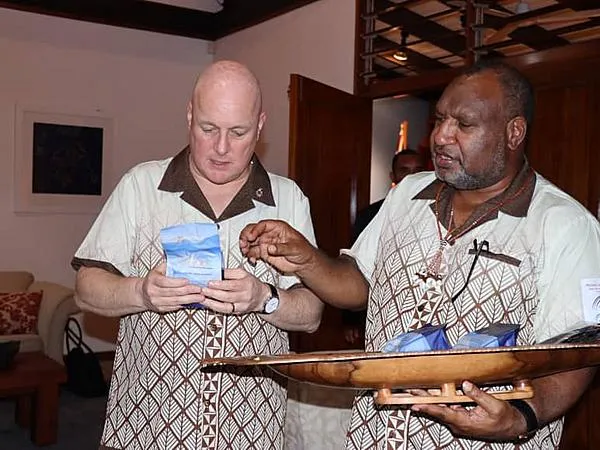
During a meeting with New Zealand’s Prime Minister Hon. Christopher Luxon on the margins of the 53rd Pacific Islands Leaders’ Forum, held on Wednesday, 28 August 2024, in Tonga, Prime Minister Marape requested an increase in the number of Papua New Guineans allowed to work in New Zealand under the RSE scheme.

The meeting commenced with an update on the post-COVID-19 economic status of both countries and their planned resource development projects.

Both leaders also agreed on the importance of minimising environmental impacts when discussing and negotiating new resource development projects.

Prime Minister Marape specifically urged Prime Minister Luxon to increase the employment rate of Papua New Guineans under the RSE. He assured Prime Minister Luxon that the Papua New Guinea government is working on providing coaching and orientation for workers heading to either Australia or New Zealand to ensure their smooth integration into society and the workplace.

Prime Minister Luxon responded by informing Prime Minister Marape that his government is indeed working on increasing the number of workers under the RSE. He also assured him that Papua New Guineans employed under New Zealand’s labour mobility programme have been found to be reliable and good workers.

September 02, 2024

Prime Minister Hon. James Marape has commended the United States of America and the People’s Republic of China for their pledges to work together with the nations of the Pacific.

Prime Minister Marape made these remarks following statements issued at the 53rd Pacific Islands Forum (PIF) Leaders Meeting by US Deputy Secretary of State Dr Kurt Campbell and the Chinese Government Special Envoy for Pacific Island Countries, Qian Bo. Both representatives expressed a commitment to building a stronger presence in the Pacific and collaborating with the 18 members of the PIF to address issues and challenges faced by these nations.

Prime Minister Marape said, “For me, one of the highlights of the moment was to see the US and China laying aside any differences and pledging to work together. Besides many other highlights, including the establishment of our Climate Resilience Fund and further commitments to work together to address climate change issues, the major highlight for me was the USA and China pledging to work together with us, the Pacific Island nations, on matters that are of great importance to us—such as the economy and climate change, among others.”

“In my five years of holding foreign relations meetings, I have never heard such public pronouncements of the United States and China agreeing to work together as closely as pledged today. I highly commend Dr Campbell and the Chinese special envoy on their uniting to arrive at one solid voice.

“The PIF may have achieved something quite historical here by successfully getting our superpowers to come together to work in the Pacific region. Needless to say, both nations share with us the great Pacific Ocean, and it is essential that we all learn to coexist. That is the way of the Pacific—living together in peace, harmony, and balance.

“I am also pleased that China has taken our advice on board and has stepped up significantly on trade and commerce and people-to-people assistance without any considerations for the security aspect of the relationship. I have been working on this line with them, so it was good to hear China say they are not competing with anyone in the security space and that they will work for the common good of all with no discrimination.”

The Prime Minister also lauded China for its transition to clean energy, which was also announced at the summit.

“For many of our small island countries in the Pacific, which are falling victim to the ravaging impact of climate change, including rising sea levels and drastic weather patterns, I am pleased to hear this announcement. China has indicated that they have moved past 50 per cent in renewable energy and that over 50 per cent of their vehicles now operate on electricity. I commend them.”

In turn, Prime Minister Marape praised the United States for its contribution of $25 million to the Pacific Climate Resilience Fund and its pledge to work with the PIF members on cleaner energy solutions for the Pacific.

“I commend the United States for stepping up in the Pacific without compromising PIF members’ rights to associate with all nations, including China.

“I am very pleased to note that both of our leading nations have made their positions clear: to work more closely with us in our region. This is excellent news for the region and the peoples of the Pacific,” said Prime Minister Marape.

PM Marape also congratulated the leaders of Tonga for successfully hosting a productive session of the Pacific Islands Forum Leaders' meeting.

September 02, 2024

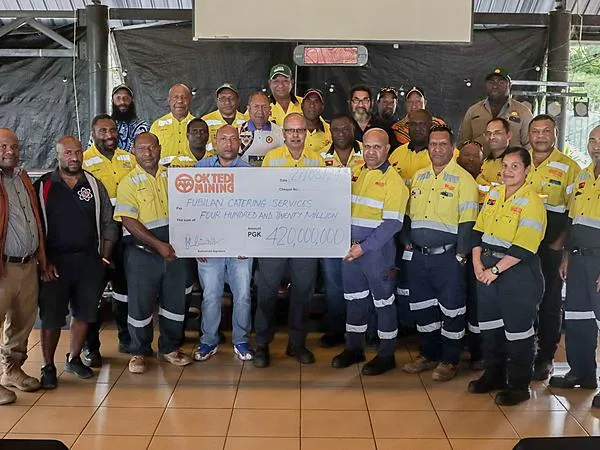
Ok Tedi Mining Limited (OTML) is pleased to announce the extension of its contract with landowner company Fubilan Catering Services (FCS) for an additional five years, valued at US$116 million (K420 million).

This extension will allow FCS to continue provide catering services to the mine operations and FIFO camp in Tabubil.

Under the renewed contract FCS will continue to provide OTML and its Business Partners workforce with meals at the mess facility in Tabubil, and to operational areas at the Mine, Mill, and Ok Menga Hydro Power Station.

“We are thrilled to extend our partnership with FCS,” said OTML Managing Director and Chief Executive Officer, Kedi Ilimbit.

“Under the new agreement, FCS is expected to deliver quality daily meals, which includes special dietary accommodations and healthy meal options, which are vital for the well-being of our workforce and the overall success of our operations.”

FCS also provides catering services to the University of Papua New Guinea (UPNG) under an agreement for the 2023–2025 academic years.

FCS is a subsidiary of Mineral Resources Star Mountain (MRSM) and began providing its catering services to OTML in 1999.

The company has performed exceptionally well over the years and has been recognised through several awards. These include:

  • Outstanding Landowner Company Shared Value Performance 2024 Award at the University of Papua New Guinea during the PNG Resources Week;
  • Outstanding Health Safety initiative award at the PNG Chamber of Resource & Energy (PNG CORE) Investment Conference and Exhibition in Sydney, Australia, 2023.
  • Outstanding Local Workforce Champion Training & Development’ PNG CORE CANCONEX event in 2023
  • Industry Leader Health and Safety at the PNG & Australia Mining and Petroleum Investment Conference 2023
  • NASFUND’s ‘Most Compliant Employer – Account Maintenance in 2023’

September 02, 2024

The PNG Extractive Industries Transparency Initiative (PNGEITI) has called on companies operating in the extractive sector to honour their commitments to the EITI process by being transparent in all areas of their operations, including their obligation to pay taxes to the government.

The Executive Director of the PNGEITI National Secretariat, Lucas Alkan, said these companies made their commitments to the EITI reporting framework when they signed up to support the government in implementing the EITI Global Best Practice Standard in 2013.

The call by PNGEITI follows concerns raised by the Internal Revenue Commission (IRC) last month that leading mining companies are not complying with their mandatory obligation to pay Dividend Withholding Tax (DWT). The IRC emphasised that a lack of DWT payments implied that these companies were either not generating adequate profits or were simply avoiding their tax obligations, thus depriving the government of much-needed revenue. The IRC stated that the payment of these taxes not only upholds fair tax practices but also supports the national economy and the government’s revenue.

The IRC Commissioner General indicated that despite a significant increase from K9 billion in 2013 to K44.2 billion in 2021, as reported by the Bank of PNG in its Quarterly Economic Bulletin (QEB), there have been no corresponding dividend payments to the stakeholders from these resource companies.

The President of the PNG Chamber of Resources and Energy (PNGCORE), in a media statement, explained that companies in the resources sector were reinvesting their profits back into the country. He emphasised that all existing projects have dedicated significant capital to mine expansion and development projects.

The Executive Director of the PNGEITI stated that while extractive sector resource companies may be reinvesting in expansions and capital expenditures as stated by PNGCORE, they must provide actual figures to justify this in the EITI annual reports as members of the EITI.

“Reinvesting in expansions among other capital expenditures is good for the economy, and the PNGEITI supports what they are doing, but this must be justified by providing actual data or figures on such expenditures in the EITI reports for transparency purposes,” said Mr Alkan. “I’m calling on resource companies to disclose to the public the actual figures expended on reinvesting in expansions and capital expenditures, as these alone will justify their stance,” he added.

The call for transparency and accountability in PNG’s extractive sector is not just about compliance but also has broader implications for good governance, social equity, and sustainable development in the country.

Mr Alkan added that enhanced transparency can lead to better resource management, build trust among different stakeholders, and contribute to long-term development goals.

He said these companies signed the Multi-Stakeholder Group (MSG) Memorandum of Understanding (MoU) in 2013 to be transparent in their operations through the EITI reporting process and must always demonstrate that they are honouring their commitments.

The PNGEITI reports are considered reliable and comprehensible sources of information aimed at increasing industry transparency and accountability. This is because the reports are prepared by independent administrators in accordance with the requirements of the EITI Standard.

The extractive sector contributes significantly to the economy, both directly and indirectly, in terms of government revenues and its contribution to GDP, while also delivering a range of socio-economic benefits. The revenue streams deemed material for EITI reports include those that contribute 2% or more of the total known revenue received by the government from the mining and petroleum sectors for that financial year. Revenue streams that are not considered material for reconciliation are reported unilaterally by the receiving government entity, or, in the case of social expenditures, by the companies making the payments.

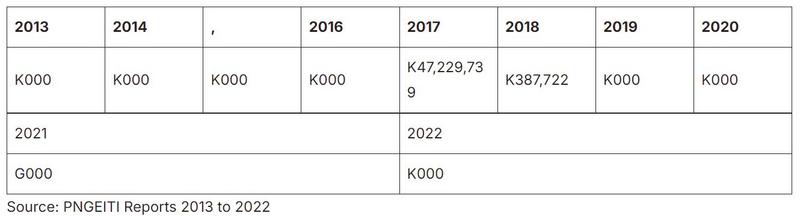
According to PNGEITI reports, the Dividend Withholding Tax payments received from 2013 to 2021 were considered not material for reporting. This meant that government revenue from DWT was consistently under 2% of total receipts annually. For instance, in the 2017 and 2018 PNGEITI reports, K47,229,739 and K387,722 were received, respectively, as DWT payments.

Mr Alkan noted that from January 2017, a standardised DWT rate across all sectors of 15% came into effect. Prior to this, withholding taxes had been concessional for resource taxpayers, with the DWT rate being nil for dividends paid out of gas or petroleum income and 10% for dividends paid by companies engaged in mining operations.

Taxation amendments introduced in the 2018 and 2019 Budgets exempted PNG LNG-sourced profits from paying dividends, consistent with the PNG LNG Gas Agreement, which also contributed to low DWT revenue to the government from 2018 to 2022.

The table below provides a summary of DWT received by the government from the years 2013 to 2022 as contained in the PNGEITI reports that have been published over these years.


September 02, 2024

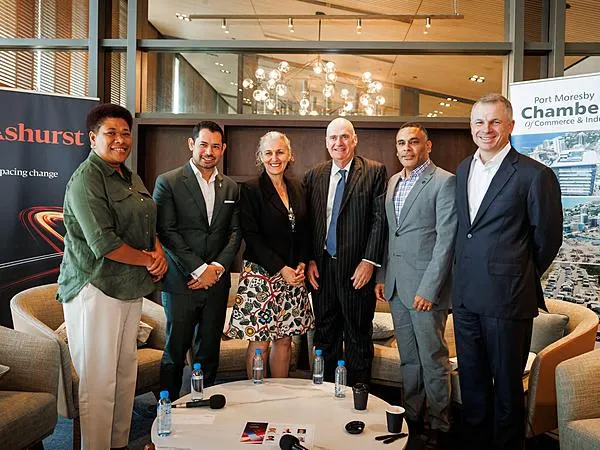
The recent August POMCCI Breakfast event saw Ashurst PNG host an exclusive breakfast panel discussion, “Building for the Future: Lessons Learnt,” at the Marriott Executive Apartments’ Harbourside South on 29 August in Port Moresby. The event, designed as a networking stand-up buffet, was attended by leading corporate members, industry stakeholders, and decision-makers. With limited seating available on a first-come, first-served basis, the breakfast brought together key figures from various industries to discuss their insights on leadership, strategy, and navigating challenges in their respective fields.

The event was hosted by Tureia Sample, Ashurst PNG’s incoming Office Managing Partner Elect. Sample led the discussion in a “fireside chat” format, featuring senior representatives from the resources, telecommunications, construction, banking, and professional services sectors.

The breakfast panel facilitated valuable networking opportunities and provided attendees with insights and strategies that could be applied within their own organisations.

The panellists included:

  1. Resources

    • Karo Lelai
      Country Manager, New Porgera Limited
  2. Ashurst PNG

    • Tureia Sample
      Partner (Ashurst Australia) and Partner Elect (Ashurst PNG)
  3. Commercial & Industrial Development

    • George Constantinou
      Group Chairman, Constantinou Group
  4. Professional Services

    • Paul Jenkins
      Global CEO, Ashurst
  5. Telecommunications

    • Michael Henao
      General Counsel, Digicel PNG
  6. Banking

    • Mark Robinson
      Group Chief Executive Officer, BSP Financial Group Limited

Key Panel Discussions:

Resources Sector:
Karo Lelai, Country Manager for New Porgera Limited, shared her experiences leading in the resource sector. She emphasised the importance of vision and leadership in driving success, particularly in the challenging environment of Papua New Guinea (PNG). Lelai remarked, “Leadership and strategy are crucial. Our leadership from the very top in Barrick had a vision. They knew what they wanted to do and drove that mercilessly.”

She highlighted the need for endurance and strong communication with stakeholders, noting, “We made them (stakeholders) feel important. Their voices were being heard.”

Lelai also acknowledged the support of Kumul Minerals Holdings Limited, saying, “We wouldn’t have restarted the mine as successfully as we did without the support of our partner, Kumul Minerals Holdings, every step of the way.”

Commercial & Industrial Development:
George Constantinou, Group Chairman of Constantinou Group, discussed the challenges of succession and the importance of clear communication during periods of transition. Constantinou, whose company operates in the hospitality, construction, and property sectors, employing around 3,000 people, said, “The biggest challenge has been people-based, getting to know the employees and communicating the new direction of the company.”

He reflected on the difficulties of following in the footsteps of his predecessors, “It’s probably more of a relational, people-based scenario, which has been the biggest challenge.”

Professional Services:
Paul Jenkins, Global CEO of Ashurst, provided insights from his 18 years of leadership across 31 offices in 18 countries. He shared the complexities of merging two large firms from different cultural backgrounds, stating, “There were cultural differences and issues about engagement when you bring two large organisations together.”

Jenkins emphasised the importance of leadership and clear communication, adding, “If you can have a strategy that’s on a page, it’s a lot better than a strategy that’s in 20 pages and no one can explain.”

Jenkins also reflected on the challenges of his early days in the role, “There were periods where I was getting in front of a group of, say, 20 Paris partners around one table and having to explain what the vision is and what the strategy is.”

Telecommunications:
Michael Henao, General Counsel for Digicel PNG, shared his thoughts on leading in the telecommunications sector.

Banking:
Mark Robinson, Group CEO of BSP Financial Group Limited, discussed the challenges he faced upon assuming his role. Robinson described his experience of stepping into leadership as akin to “drinking out of a firehose,” particularly in managing the immediate challenges in PNG. He emphasised the importance of engaging with stakeholders, saying, “My time has to really be spent with some very important stakeholders, not the least of which are our largest customers, our largest shareholders, and most importantly, our regulator.”

Reflecting on his leadership approach, Robinson added, “For many people, the CEO just turning up, I realised I didn’t even have to say anything. People were just pleased that I was making the effort to be present.”

The event provided a platform for leaders across diverse industries to share their experiences and the lessons they have learned in navigating complex challenges. The panel discussions underscored the critical role of leadership, communication, and stakeholder engagement in driving success, particularly in the unique business environment of PNG.

September 02, 2024

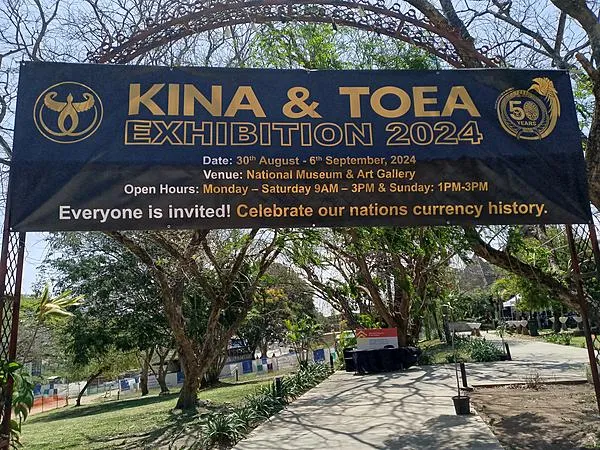
The Bank of Papua New Guinea (BPNG) officially launched the Kina and Toea Exhibition, a display celebrating the nation's rich economic history and the 50th anniversary of Papua New Guinea’s currency. This event, held as part of the Bank’s 50th anniversary celebrations, coincides with the upcoming 50th anniversary of PNG's independence in 2025.

The Kina and Toea Exhibition was launched on 29 August and continued from 30 August to 6 September 2024 at the National Museum & Art Gallery in Port Moresby. The exhibition provided an opportunity to explore the fascinating history of PNG currency and its unique place in the nation's development. Displaying cultural richness and diversity, attendees were reminded of the significance of currency as a reflection of PNG identity, values, and traditions.

The Assistant Governor of Corporate Affairs, Mr Ron Sikar, gave the opening speech and officially declared the exhibition open on behalf of the Governor of BPNG, Elizabeth Genia, in her absence. In Governor Genia’s speech, she emphasised the exhibition’s importance in reflecting on the nation's economic development and its roots in the introduction of the Kina and Toea, which have become not only economic instruments but also national emblems of independence and unity.

"It is an honour to stand before you today as we open the Kina and Toea Exhibition, a showcase of our nation's rich and evolving economic history as part of the Bank’s 50th anniversary celebrations," Governor Genia said. She highlighted that the event is particularly significant as it precedes the 50th anniversary of both the country's currency and the nation itself.

Governor Genia also introduced the Bank’s Vision 2050, launched in line with the anniversary celebrations. "The Bank’s Vision 2050 speaks of ‘economic opportunities for all Papua New Guineans,’ which at its core is about the transformation of the economy in the next two decades. This vision is a continuation of the development process first initiated some 50 years ago in preparation for PNG’s independence in 1975."

The Governor’s speech traced the historical journey of currency in PNG, starting with shell money used by the nation’s forefathers. Shells, particularly the Kina and Toea, were not only mediums of trade but also symbols of wealth, social status, and cultural practices. "Deeply embedded in our traditions and cultural practices, shell money also represented social status, and it was used in marriages, deaths, and other significant ceremonies and events," Genia explained.

The arrival of colonisers marked a turning point in the country's economic history, leading to the introduction of contemporary currencies on 19 April 1975. "These contemporary currencies served as both economic instruments and national emblems of our independence and unity as a nation," Genia noted.

She provided insights into the cultural significance of the Kina and Toea, explaining that the word "Kina" is found in both the Pidgin and Kuanua languages and describes the priceless pearl shell extensively traded in PNG's Highlands and Coastal regions. Similarly, "Toea" refers to a valuable type of shell used in trade and traditional bride price ceremonies in the Motuan Coastal villages.

Governor Genia expressed the Bank’s ongoing commitment to maintaining trust and confidence in physical currency, even as global trends shift towards digital currencies and electronic payments. "This exhibition provides a unique opportunity to reflect and appreciate how far we have come and to consider how we can continue to honour our heritage while embracing the future," she said.

The exhibition was designed to take attendees on a journey through PNG's history, showcasing images of rare artefacts, coins, and notes that have shaped the country’s economy.

The launch was attended by distinguished guests, partners, stakeholders, the staff and management of BPNG, and the media.

September 02, 2024

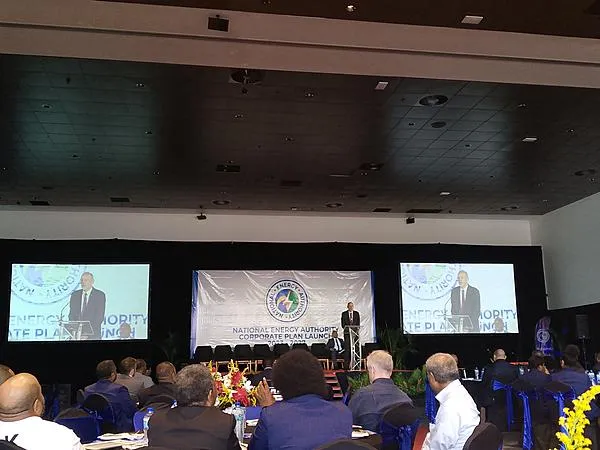
The National Energy Authority (NEA) has officially launched its Corporate Plan 2023-2027, marking a significant milestone in Papua New Guinea’s energy sector. The Corporate Plan, launched on 23 August at APEC Haus in Port Moresby, is the first of its kind for the NEA. It outlines the strategic direction and key objectives that will guide the Authority’s efforts over the next five years. The Plan came into effect following the enactment of the National Energy Authority Bill in 2021, which established the NEA with the primary purpose of leading, facilitating, and accelerating the development of PNG’s energy sector.

The central goal of the Corporate Plan is to promote access to affordable, reliable, and sustainable energy services, which are crucial for economic growth and community prosperity. A key focus is extending electricity access to 70% of PNG’s population by 2030 and achieving universal access by 2050. Currently, only about 15% of the population has access to electricity.

NEA Managing Director Roland Maketa highlighted the importance of the Corporate Plan in supporting the government’s national development goals, as outlined in the PNG Medium-Term Development Plan Four and Vision 2050. “I am confident that the strategies outlined in this inaugural plan will take us a step closer towards achieving our goal of providing 70% of households with electricity from renewable sources by 2030 and 100% by 2050. Our commitment is to work collaboratively with all stakeholders to ensure its successful implementation.”

Deputy Chairman of the NEA, Raymond Unasi, reiterated similar sentiments, emphasising the Authority’s commitment to ensuring that even the remotest parts of the country will have electricity by 2050.

The Corporate Plan sets forth a comprehensive framework that identifies the NEA’s key roles, functions, and capabilities. It establishes strategic goals and corporate priorities that will drive the Authority’s activities, focusing on enhancing the regulatory framework, expanding off-grid electrification, and harnessing the potential of renewable energy sources.

Government Commitment to Energy Security:
The Minister for Energy, Hon. Thomas Opa, in his speech, emphasised the importance of pursuing innovative solutions to increase energy generation and distribution, improve energy efficiency, and promote renewable energy sources. Minister Opa stated, “The government has placed great emphasis on energy security in Papua New Guinea. The medium-term development strategy is aligned with our goal to grow the economy by an estimated 200 billion by 2030 and double the country’s internal revenue, creating one million new jobs.” He highlighted the government's mission to transform PNG into a middle-income country by 2030. Central to this vision is ensuring a reliable and continuous electricity supply across the nation.

Establishment of the National Energy Authority:
The NEA was established as a response to the need for a dedicated agency to oversee energy development. The separation of the Energy Division from the Petroleum Division of the former Petroleum and Energy Department in 2001 marked the beginning of a new era in PNG’s energy sector. The creation of the NEA was supported by the Marape-Rosso government through the successful passage of the National Energy Authority Act in 2021.

Corporate Plan 2023-2027: Key Initiatives:
The NEA’s Corporate Plan for 2023-2027 outlines several key initiatives aimed at strengthening the country’s energy infrastructure and promoting sustainable energy development. These include:

  1. Developing Renewable Energy: The NEA plans to invest in high-profile electric, solar, geothermal, biomass, and wind power projects across PNG.

  2. Strengthening Energy Infrastructure: This involves expanding the use of mini-grids, upgrading transmission and distribution networks, and utilising innovative financial mechanisms to attract private investment.

  3. Promoting Energy Efficiency: The plan also focuses on supporting the adoption of energy-efficient technologies, developing energy performance standards, and raising public awareness about the benefits of energy efficiency.

  4. Facilitating Private Sector Investment: The NEA will create an enabling environment for private sector investment in energy projects, including clear regulatory frameworks, targeted tax incentives, and a streamlined project approval process.

Minister Opa outlined the government’s ambitious target of providing 70% of PNG households with electricity by 2030, as part of the National Energy Rollout Plan. Achieving this will require substantial investments in energy infrastructure, including the generation of clean and renewable energy sources such as hydropower, biomass, natural gas, geothermal, and wind. The plan also aims to reduce the use of diesel-powered generators from 200 megawatts per annum to 150 megawatts by 2027. The NEA expects to increase electricity generation in the Ramu grid, the Pom grid, and the Gazelle. To meet these goals, an estimated $3.3 billion in investment is needed for infrastructure priorities under various programs, including the National Power Generation Investment Program and the Off-Grid Renewable Energy Development Program.

The NEA’s efforts have received strong support from international partners, including DFAT Australia, USAID, and the Asian Development Bank (ADB). Last year, DFAT Australia supported urgent repairs across the Ramu and Port Moresby power grids and worked on designs to upgrade several potential power grids to hybrid solar-diesel systems. USAID, through its five-year partnership with the PNG government, contributed $1.2 million to establish a solar mini-grid system in PNG's central province. Additionally, ADB has partnered with the government on several infrastructure projects aimed at strengthening the country’s energy sector.

Minister Opa reiterated the importance of strong partnerships in realising PNG’s energy potential. He noted the paradox of PNG being rich in energy resources yet facing challenges in providing consistent electricity access. “The key to unlocking this truth is unwavering commitment, not just by the government but by all stakeholders,” he said.

The launch of the Corporate Plan also signifies NEA’s commitment to honouring international partnerships, including the PNG Electrification Partnership (PEP) countries and other allies, by ensuring a hands-on approach in all energy programs in PNG, as agreed upon during the 2018 APEC Summit and subsequent arrangements.

The launch was attended by key stakeholders and partners, including the New Zealand High Commissioner, representatives from PEP Partners, PNG Power Limited, Kumul Petroleum Holdings Limited, government agencies, and NEA management and staff. The launch of the Corporate Plan is expected to set the foundation for NEA’s efforts to transform PNG’s energy sector, ensuring sustainable and equitable access to energy for all.

September 02, 2024

François Valerian, the Elected Chair of Transparency International (TI), raised concerns surrounding the long-term value of combating corruption within the business sector globally, including in Papua New Guinea. He noted that ethical practices are essential for sustainable growth. "The benefit of shareholders and stakeholders lies in the sustainability and long-term reputation of the company," he stated, stressing that short-term profits gained through corrupt practices ultimately harm businesses.

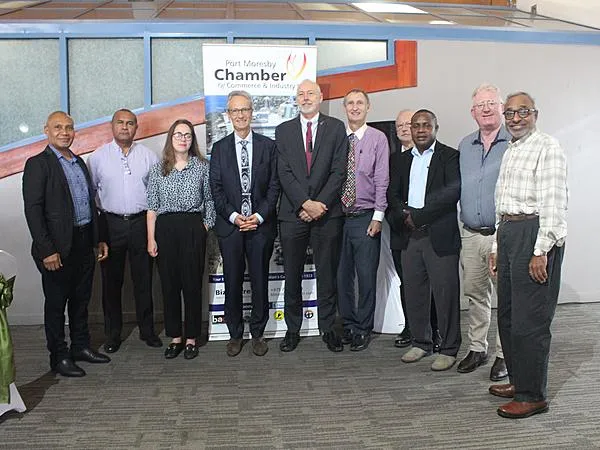
Valerian made these remarks during the Port Moresby Chamber of Commerce and Industry (POMCCI) breakfast meeting at the Royal Papua Yacht Club in Port Moresby. The presentation, focused on the theme "Fighting Corruption: What’s in it for the Business Sector?" saw POMCCI members, government agencies, business leaders, and industry professionals gather to discuss the pressing issues of corruption and its impact on the business environment.

The meeting underscored the critical need for businesses to adopt anti-corruption programs and to cultivate a culture of integrity within their organisations. Valerian called on top management to lead by example, asserting that "There has to be a culture of compliance within companies. No head of a company can say that corruption is behind us—it is not true."

TI’s presentation also highlighted the impact of corruption on local businesses in PNG. Valerian contextualised the global fight against corruption within the PNG setting, where businesses bear significant costs related to power supply, security, and interactions with government entities due to the prevalence of corrupt practices. He emphasised the importance of maintaining a level playing field in both the public and private sectors.

He also pointed out that since the establishment of Transparency International 31 years ago, the focus has expanded to tackle corruption on a global scale. "We are fighting the global economy of corruption. With all that money being stolen and bribes paid, public resources are embezzled, fueling immense transnational illicit flows," he remarked.

TI addressed the role of offshore financial centres in perpetuating global corruption. Valerian criticised the ongoing secrecy in such jurisdictions, where money flows vastly exceed the economic output of the countries, creating a haven for illicit funds. "We are asking for beneficial ownership transparency," he said, advocating for greater clarity on who owns and controls legal entities, including subsidiaries in offshore centres.

Valerian also underscored the need for strong whistleblower protections within corporations. He stressed that whistleblowers are vital to improving systems and making them more sustainable, rather than being seen as threats to the organisations they expose. “What is extremely important as well is for corporations, like for the government, to have systems that adequately protect the whistleblowers. The whistleblowers are not enemies of the systems, the entities they are working for.”

The meeting concluded with a call to action for the business community to support Transparency International PNG’s efforts. Valerian praised the role of smaller companies and state-owned entities in this fight, highlighting the importance of ethical behaviour not just for corporate success, but for the overall well-being of society.

Valerian’s visit to PNG is part of a broader regional tour, with subsequent stops planned in Vanuatu and Fiji. His insights have provided a powerful reminder of the ongoing challenges and the critical role businesses must play in fighting corruption both globally and locally.

September 02, 2024

Papua New Guinea is moving towards establishing the Pacific region’s first Blue Carbon Policy, aimed at safeguarding the country’s vital blue carbon ecosystems. The National Blue Carbon Policy provides an enabling framework for the conservation and sustainable management of blue carbon ecosystems in the country.

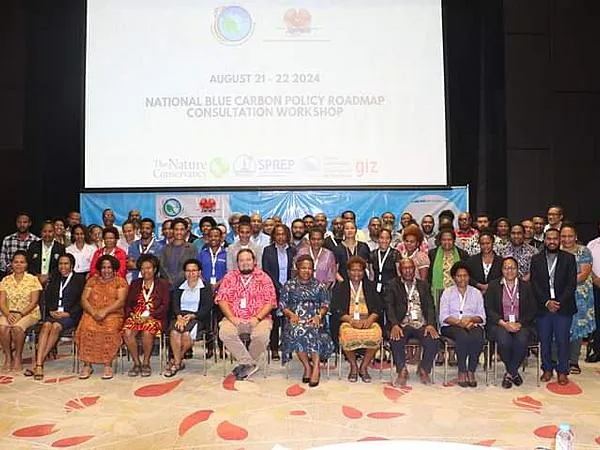
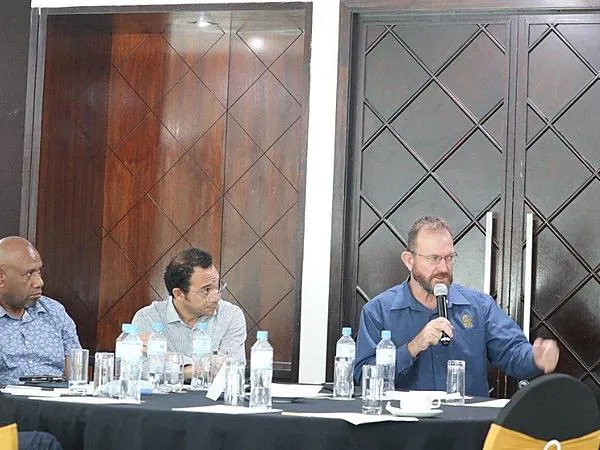
A two-day National Blue Carbon Policy Roadmap Consultation Workshop, themed "The Pathway towards PNG’s Blue Carbon Policy," was held from 21 to 22 August at the Stanley Hotel in Port Moresby. The event was organised by the Climate Change and Development Authority (CCDA) and the Conservation and Environmental Protection Authority (CEPA) with the support of international partners, including The Nature Conservancy and the Management and Conservation of Blue Carbon (MACBLUE) project.

The workshop marked a significant step in PNG's efforts to incorporate its diverse blue carbon ecosystems—mangroves, seagrasses, and tidal marshes—into its National Greenhouse Gas Inventories and to establish a comprehensive policy framework for their conservation and restoration.

Acting Managing Director of CCDA, Debra Sungi, highlighted the urgency of this initiative, stating, “Article 5 of the Paris Agreement calls for the conservation of sinks in order to achieve the long-term temperature goals of 1.5 degrees Celsius. The country has a diverse area of blue carbon ecosystems, and so the government is hoping to incorporate this into the National Greenhouse Gas Inventories as well as establishing a roadmap for a Blue Carbon Policy.”

Sungi also pointed out that the workshop was a continuation of efforts that began last year with the first-ever consultation workshop on the Blue Carbon Policy. She explained, “We are bringing in all different stakeholders to ensure that we understand the different activities happening around the different sectors, which will guide us to ensure that we develop this policy.”

She further stressed the importance of a national framework that aligns various activities related to livelihoods, conservation, and ecotourism, which are currently operating without coordinated governance.

The workshop’s outcomes are expected to culminate in a finalised policy framework by March next year. As Sungi explained, “For the purpose of the inventory, we should have some work around the inventory by October or November of this year, and that will feed into what we're working on through our biannual transparency report, which we aim to submit to UNFCCC by December.”

The workshop served as a platform to address the existing gaps and challenges in developing a robust Blue Carbon Policy. “Protecting and conserving blue carbon ecosystems, as well as restoring degraded sites, is outlined clearly in the national marine program and is not only an environmental imperative but also an economic necessity,” stated Jude Tukuliya, Managing Director of CEPA.

The Executive Manager of Marine Environment Conservation and Environment Protection Authority, Ms Yvonne Tio, emphasised that the development of the Blue Carbon Policy Roadmap would be a first in the Pacific, showcasing PNG’s commitment to environmental stewardship. “Blue carbon ecosystems are among the most efficient natural systems for sequestering carbon, making them essential allies in our fight against global warming. To ensure the long-term protection of our blue carbon ecosystems, we must develop and implement a comprehensive Blue Carbon Policy.”

She elaborated on the broader environmental context, noting the historical significance of marine conservation efforts in PNG. A notable historic challenge was faced during the Nautilus deep-sea mining project and the subsequent launch of the Coral Triangle Initiative on Fisheries and Food Security in 2009. These initiatives laid the groundwork for the current focus on blue carbon ecosystems.

Key stakeholders from various sectors, including government bodies, provincial administrations, academia, non-governmental organisations, and community-based organisations, participated in the workshop. The event featured presentations on critical aspects such as inventory, data collection and mapping, reporting requirements, legal and institutional arrangements, financing, and international commitments.

The MACBLUE project, jointly implemented by the Pacific Community, the Secretariat of the Regional Environment Programme, and the Deutsche Gesellschaft für Internationale Zusammenarbeit (GIZ Pacific), plays a pivotal role in supporting PNG's blue carbon ambitions. Raphael Linzatti, MACBLUE Project Director, expressed Germany’s commitment to the initiative, stating, “If we want to win the fight against the climate crisis and the biodiversity crisis, we have to conserve what's here, what's still there, what's still intact, and use it in a sustainable way.”

For The Nature Conservancy, their involvement in this project is a natural extension of its long-term work with local communities in PNG. Ruth Konia, Country Director, remarked on the importance of the workshop, saying, “We have realised that there is a gap in terms of the policy in managing the blue carbon space... So the aim of our work is to support communities where they can benefit as well as look at ways to protect their resources.”

PNG’s blue carbon policy sets ambitious targets for carbon mitigation and ensuring that local communities benefit from the conservation of their vital coastal ecosystems. The workshop is supported by The Nature Conservancy and the MACBLUE project, which is jointly implemented by the Pacific Community, the Secretariat of the Regional Environment Programme, and the Deutsche Gesellschaft für Internationale Zusammenarbeit (GIZ Pacific).

September 02, 2024

To enhance maritime security, PNG Ports Corporation Limited (PNG Ports) has announced its active involvement in a newly formed working committee aimed at addressing criminal activities within declared port areas. This initiative comes at a time when ensuring the safety and security of ports is increasingly vital to the smooth operation of national and international trade.

PNG Ports’ Chairman, Harvey Nii, Chief Executive Officer, Neil Papenfus, and Chief Maritime Compliance Officer, Ben Tomba, led discussions on the matter during a recent workshop on 7 August, held at the Grand Papua Hotel in Port Moresby. The workshop, hosted by PNG Ports, brought together various stakeholders from both the public and private sectors to outline collaborative strategies to combat criminal activity within the boundaries of PNG’s declared ports.

Mr Papenfus highlighted the importance of a cooperative approach, stating, “As the port authority, we can only do what is in our jurisdiction, and this issue is one that will need all stakeholders and port users to discuss the way forward.” He emphasised the need for shared knowledge and resources to address these maritime security challenges effectively. He also mentioned that PNG Ports would fully support the formulation and implementation of a policy to combat crime in the regulated port areas and would upgrade its Vessel Tracking Services (VTS) systems to aid in this effort.

Recognising the importance of an integrated approach, PNG Ports has committed to supporting the development and implementation of a comprehensive policy to combat crime at regulated port areas. As part of these efforts, the corporation also plans to upgrade its VTS systems to better monitor port activities and enhance security.

Mr Tomba added that the outcomes from the discussions during the workshop would serve as the foundation for a draft policy, which is expected to be reviewed by the relevant authorities. This proactive approach aligns with PNG Ports' broader mission to ensure safe and efficient shipping operations across its network of 15 ports.

The workshop featured representatives from key agencies and organisations, including the Department of Transport, National Maritime Safety Authority, Water Police, PNGDF Maritime Operations, PNG Customs, National Capital District Commission, Motu Koita Assembly, National Agricultural Quarantine Inspection Authority, Conservation and Environment Protection Authority, Civil Aviation and Safety Authority, National Fisheries Authority, and Total Energy, among others.

As the owner and manager of port facilities, PNG Ports, through its PNG Harbours Management Services (PNGHMS), plays a central role in maintaining safety, security, and environmental standards across the country’s declared ports. The PNGHMS, under the leadership of the Chief Maritime Compliance Officer, is responsible for ensuring compliance with the Harbours Act, which governs safety, regulatory inspections, and policy formulation in port operations.

August 26, 2024

As the pandemic recedes and gradually fades from people’s memories, travel in the Pacific is rebounding. However, the Pacific’s travel recovery is highly variable.

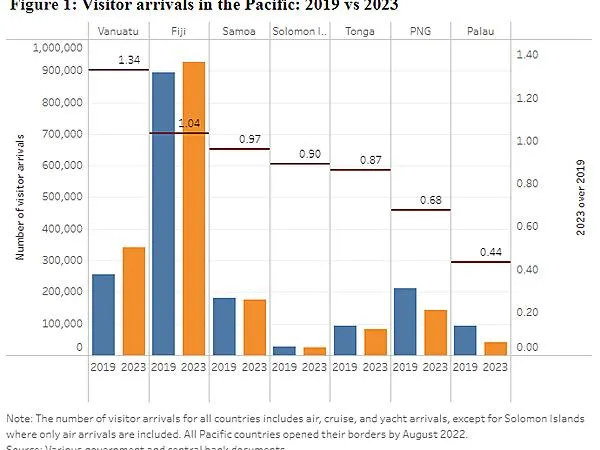
Comparing visitor arrivals in 2023 with those in 2019 (Figure 1 below), it looks like Vanuatu is the biggest winner, but this is misleading. Vanuatu has experienced a surge in cruise tourism, with the number of cruise arrivals nearly doubling from 2019 to 2023 and reaching more than three times the number of air arrivals in 2023. However, cruise tourism in Vanuatu has been “fickle and volatile”. It can strain limited labour resources and generates much less revenue than tourism by air. In 2019, though there were 40% more cruise tourists than air tourists, air tourists generated roughly nine times as much revenue. Meanwhile, Vanuatu’s air tourism arrivals have only recovered to 70% of their pre-COVID levels, with total air arrivals in 2023 at just 64% of 2019 levels.

Fiji has done well to achieve 4% growth from its already high pre-pandemic travel numbers. Holiday arrivals, which constituted over 70% of total arrivals in 2019, experienced a substantial increase of 12% over the same period. Other market segments are still lagging though, attracting only 82% of their pre-COVID visitor levels.

Samoa has also done well with 2023 arrivals only 3% below the 2019 level.

Solomon Islands and Tonga have visitor arrivals nearing but still significantly below pre-COVID levels, with recoveries of 90% and 87% respectively. Solomon Islands benefited from its hosting of the Pacific Games last year. If its November arrivals had been at the average level for the other months of the year, then its 2023 arrivals would have only been 70% of 2019 levels.

That leaves PNG and Palau. PNG is at only 68% of its pre-COVID air arrivals level, and Palau is struggling with just 44%.

To explain Palau’s poor performance, we need to look at the source countries. While visitor numbers from Australia and New Zealand to the region have fully rebounded to pre-COVID levels, visitors from Asian countries have been slow to return. Overall, the total number of visitors from Asia to the seven countries that we have data for has decreased by 44%, with Palau and Vanuatu experiencing particularly steep declines of 67% and 55% respectively. This downturn is particularly significant for Palau, where visitors from Asia accounted for 82% of total visitors in 2019. In contrast, other Pacific countries attract more visitors from Australia and New Zealand. In Fiji, there were 67,513 more Australian visitors in 2023 than 2019, which more than filled the gap left by a reduced number of tourists from Asia.

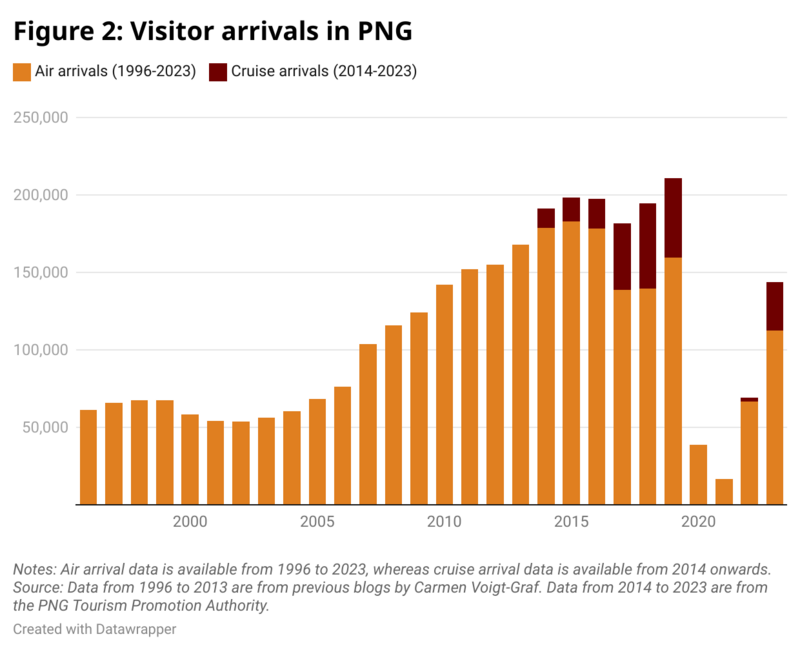
Papua New Guinea is a special case (see Figure 2). Its slow recovery is evident across all source countries and purposes of travel, with 2023 arrivals at 62% (business), 77% (employment), 64% (air tourism) and 61% (cruise tourism) of their 2019 levels. If we look at air arrivals only, 2023 volumes are back at 2007 or 2008 levels. 2007 was at the start of PNG’s air arrival boom, which ended in 2014. Air arrivals have been falling since, so this is not just about the pandemic. Flight disruptions due to fuel rationing, outbreaks of violence and riots,  delayed resource projects and a generally depressed business environment have all deterred travellers.
Businesses, governments and NGOs learned to get by without travel during the pandemic, so it is perhaps not surprising that total travel has not fully recovered. And from a climate point of view, the less air travel the better. But the fall-off in air travel is problematic for the Pacific region if it means less tourism and depressed business conditions. From that point of view, there are some very worrying signs from this travel data for a number of economies, especially Palau, PNG and Vanuatu.


Disclosure: This research was supported by the Pacific Research Program, with funding from the Department of Foreign Affairs and Trade. The views are those of the authors only.

This article appeared first on Devpolicy Blog (devpolicy.org), from the Development Policy Centre at The Australian National University.

Huiyuan (Sharon) Liu is a research officer at the Development Policy Centre, working in the area of economic development.

Stephen Howes is Director of the Development Policy Centre and Professor of Economics at the Crawford School of Public Policy at The Australian National University.
August 26, 2024

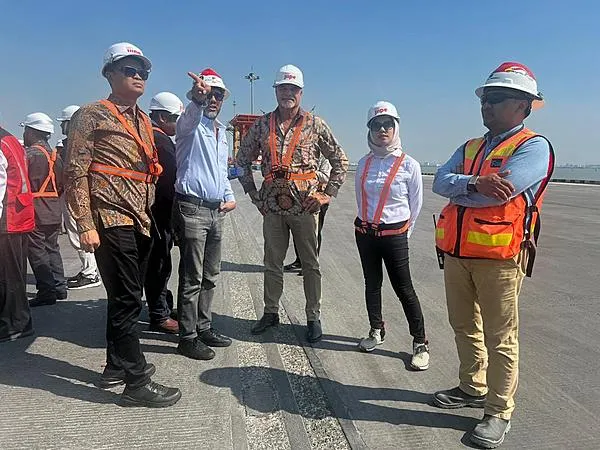
Deputy Prime Minister Hon. John Rosso led a small Papua New Guinea delegation on Monday, August 19, 2024, to a significant meeting with the management of the Java Integrated Industrial and Ports Estate (JIIPE) Special Economic Zone in Gresik, Surabaya, Indonesia. This visit is part of a broader series of engagements aimed at attracting trade and investment into Papua New Guinea by Indonesian companies. The initiative follows recent high-level discussions between Indonesian President H.E. Joko Widodo and PNG Prime Minister Hon. James Marape.

Indonesia, PNG’s closest neighbour, is one of the emerging market economies in the world and the largest in Southeast Asia. As an upper-middle income country and member of the G20, Indonesia is classified as a newly industrialised country. Indonesia nominal GDP reached US$1.371 trillion) in 2023, it is the 16th largest economy in the world by nominal GDP and the 7th largest in terms of GDP (PPP).

The PNG delegation included International Trade and Investment Minister Hon. Richard Maru, Labor Minister Hon. Kessy Sawang, Madang Governor Hon. Ramsey Pariwa, Secretary for International Trade and Investment Jacinta Warakai-Manua, officials from State-Owned Enterprises, PNG Ambassador to Indonesia H.E. Simon Namis, and embassy staff.

During the visit, the delegation received an in-depth briefing from JIIPE management, along with representatives from the mining company PT Freeport Indonesia. The briefing provided insights into the operations of this flagship Indonesian project, followed by a tour of the SEZ.

JIIPE was designated as an SEZ by President Joko Widodo in 2021, marking it as a national strategic project designed to meet industrial needs. The SEZ boasts superior connectivity through multimodal transportation, a connected deep seaport, a one-stop complete utility service, environmental permits, and expedited construction permits. These attributes, along with the availability of essential utilities like power plants, industrial freshwater, waste management, gas supply, and telecommunication networks, have made JIIPE a major investment destination in Indonesia. The SEZ currently hosts over 17 tenants, including Bank of Indonesia and PT Freeport Indonesia.

Deputy Prime Minister Rosso emphasised the significance of the meeting, particularly in the context of PNG's own SEZ development efforts all over the country, including in Madang for fisheries and nickel, and in Lae for the Wafi-Golpu Mine. He remarked on the relevance of Indonesia's experience to PNG's ambitions.

“You (Indonesia) have already gone down that path (SEZ development), learned from your mistakes, and you will be able to teach us. The SEZ here replicates what we are trying to understand and achieve at two of our ports (Madang and Lae),” Deputy Prime Minister Rosso said.

“It has a lot of similarities to two of the SEZs we are trying to build in PNG: One in Madang where we have a nickel mine, and my home city of Lae, which, like Surabaya, is the second-largest city and industrial hub of PNG.”

Minister Maru, who oversees SEZ development in PNG, highlighted the alignment between Indonesia's SEZ experience and PNG's goals for SEZ development.

“In Madang, there is already land and a deep-water port available, which makes it the ideal location for development of a special economic zone for fisheries and other industries,” Minister Maru said.

“We also want to develop a smelter in Lae so that gold and other minerals from Wafi-Golpu, and other mines throughout the country, can be processed at this SEZ. It can also create thousands of new jobs,” Minister Maru added.

“The Indonesia experience is an eye-opener for PNG on what can be achieved, and best of all, they are willing to help us.”

August 26, 2024

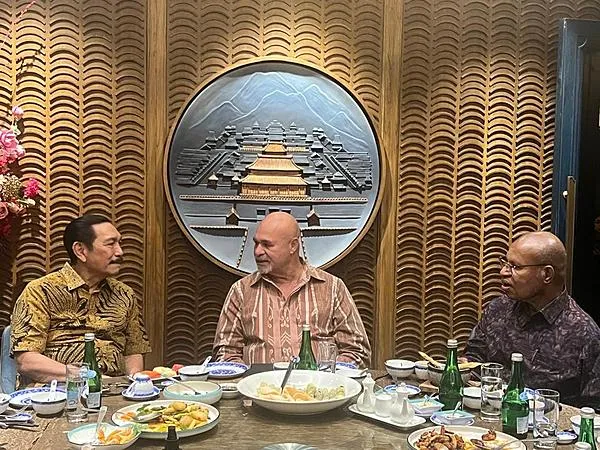
The Indonesia Government has proposed that Indonesia and Papua New Guinea (PNG) establish a high-level Dialogue Cooperation Committe to meet every six months to drive the agenda of growing trade and investment, and all cooperation between the two countries.

Minister for International Trade and Investment, Hon. Richard Maru said: "This committee will provide policy coordination and guidance for the practical cooperation between our two countries. Indonesia has a similar arrangement with China which has seen significant growth in trade and investment between the two countries. According to China Customs, total trade value of the two countries as of October 2022 reached US$122.47 billion, an increase of around 26.12% from the previous year. This shows the very close condition of the trade relations between the two countries riding on the back of this arrangement."

It is proposed that the committee will be co-chaired by Deputy Prime Minister, Hon. John Rosso and the Indonesian Minister for Maritime Affairs and Investments, Luhut Binsar Pandjaitan.

"We are finalizing the Terms of Reference and Deputy Prime Minister Rosso will be taking a submission to the Cabinet upon returning from our high-level trade and investment mission in Indonesia to have the committee established as soon as possible," said Minister Maru.

"This high-level Dialogue and Cooperation Committee will consolidate the relationship between our two countries on a Government-to-Government level and we will have business-to-business and people-to-people relationships developed on the back of this arrangement. It has taken us 50 years to reach this point and I am very excited about this proposal by the Indonesian Government to establish this high-level committee," added Minister Maru.

August 26, 2024

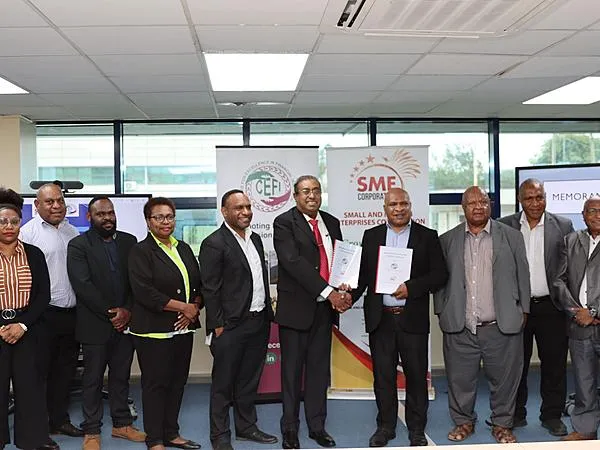
The Centre for Excellence in Financial Inclusion (CEFI) and the SME Corporation (SMEC) will work in partnership together in advancing financial inclusion in Papua New Guinea following a Memorandum of Understanding (MoU).

CEFI Executive Director Mr. Saliya Ranasigne and SMEC Managing Director Mr. Petrus Ralda signed a MoU on Tuesday August 13 at the SMEC Head Office in Port Moresby.

The MoU which will run for three years will see both organizations advancing financial inclusion and fostering the growth of Micro Small and Medium Enterprises across the nation of Papua New Guinea.

Mr. Ranasinghe in his opening remarks stated the partnership between CEFI and SMEC is important as both share the same goals in building and developing skills through their business skills training and financial literacy training respectively.

“We strongly believe that development of MSME sector definitely be the engine of growth of this country in the future. And we really appreciate the contribution made by SME Corporation for driving the Micro, Small and Medium Enterprise.”

“As two national entities, this particular partnership will definitely drive policy influence where we can definitely change the mindset of building this faculty.”

“We are looking forward to this partnership as it will bring a new dimension for Micro Small and Medium enterprise development in PNG and to contribute to a much more prosperous future and a better standard of living for all of the people in this country and also for a better future for the next generation,” Mr. Ranasinghe.

In response SMEC Managing Director Petrus Ralda stated through the MoU, SMEC and CEFI can share resources and will be able to integrate the components of programs host by CEFI and the programs host by SMEC and be able to support the MSME sector throughout the country.

“We have to work together, go back to the basics, see the changes, do the integrations, and then work together, and share resources so that we can be able to achieve our objectives and make a lot of impact at the end of the year.”

“Access to finance is a very key component of MSME development, one of the key constraints in SME policy implementation. Working together like this with your network, with the CEFI’s cooperation network, we can be able to work together, CEFI can achieve its objectives, and SMEC can achieve its objectives, and we can be able to work together and support MSME sector going forward,” concluded Mr. Ralda.

Some of the compelling reasons for this partnership highlighted in the MoU include; complementary objectives, integrated support ecosystem, capacity building, policy advocacy, regional reach and innovation and technology.

According to the MoU, the partnership between CEFI and SMEC has the potential to catalyze inclusive growth, empower MSMEs and contribute to the socioeconomic development of Papua New Guinea, by combing their strengths and resources, they can create a synergistic impact that benefits both MSME sector and the broader economy.

August 26, 2024

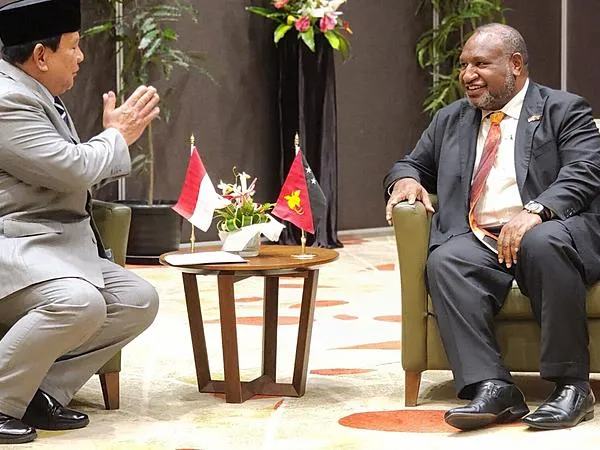
A very warm exchange took place between Prime Minister Hon. James Marape and Indonesia’s President-elect, Prabowo Subianto when the two met recently during the president’s 5-hour stop over visit in Port Moresby.

Prime Minister Marape met the Indonesian leader at Jacksons International Airport to welcome him to Papua New Guinea, and later in a bilateral meeting at Stanley Hotel in Port Moresby. This was later followed by a brief joint press conference soon after.

Both leaders were very cordial with each other and highlighted the agenda discussed in the meeting.

Prime Minister Marape said, “I want to say on behalf of the people of Papua New Guinea, our sincerest appreciation for our closest neighbour and its President-elect coming here in one of his first visits.

“My good wantok, we say thank you for visiting us.”

Prime Minister Marape said he has accepted the invitation to witness the inauguration of the new president in October in Jakarta. A similar invitation had also been put to the Australian Prime Minister Anthony Albanese by the new president and was also accepted.

“We are the three nations living side-by-side on this side of Planet Earth where global conversations rotate around Indo-Pacific and we are in the heartbeat of these Indo-Pacific conversations.

“In that context, I have accepted the invitation on behalf of all of us to attend the inauguration,” said the Prime Minister.

Prime Minister Marape also highlighted that the two leaders also ended a “very good” meet & greet with various ministers of the PNG Government.

“We have touched on the core fundamentals of our two nations’ relationship, respecting the two nations’ sovereignty as we share our common land border and common people-to-people ties.

“The President-elect has given his full assurance that the work of the leaders’ dialogue under Marape-Widodo will carry on. So far, we have had three nation-to-nation meetings and exchanges, and the President-elect has affirmed that these exchanges will continue especially in business-to-business and people-to-people.

“Government-to-government relation has never been better. We have maintained good dialogue and we are fine-tuning in the other areas.”

The Prime Minister also said he has invited the President-elect to join PNG in its celebration of the country’s 50th  Independence anniversary next year 2025. This was also accepted by the new president.

President Subianto was very gracious in his remarks, complimenting the Prime Minister on his leadership.

He said, “My greatest appreciation for the welcome accorded to me because I am not really installed as the head of government yet, but you accorded me a beautiful ceremony at the airport.

“When you were in Jakarta, you chose to visit me in my office, which was great honour.

“In those few minutes, I felt your sincerity, your friendship and your wisdom as leader, and I became convinced that I must foster and enhance this friendship and relationship. Therefore, I made the decision that I must visit His Excellence James Marape as soon as possible even though I have not yet been formally made the president.

“So from Australia I came here, and I think my decision to come here is very correct and productive. I thank you, Prime Minister Marape, for your wisdom.

“I think PNG is very fortunate to have one of the brilliant leaders that I have met. Your experience, your geo-political outlook, your economic ideas are very important and I once again look forward to working with you.

“Your vision of closeness – whatever politics may happen – but the fact is that we are very close neighbours”.

The new president also highlighted that Indonesia was pleased that Papua New Guinea has expressed its intention to join the Association of South-East Asian Nations, and further mentioned Indonesia would continue the dialogue on trade & investment, and the development of agriculture, forestry and fisheries in PNG.

President Subianto also said Indonesia would welcome PNG’s insights on culture and traditional knowledge in relation to people of West Papua.

August 26, 2024

The Papua New Guinea Tourism Promotion Authority (TPA) officially launched the Enga Cultural Festival on Friday 9th August in Wabag, Enga Province.

The festival, renowned for celebrating the rich culture of Enga Province, marked a significant milestone this year with its 30th Anniversary.

Honourable Sir Peter Ipatas, Governor of Enga Province, expressed his gratitude for TPA’s continued support.

“I’d like to thank TPA for its continued support throughout the years, making this annual cultural festival one of the best in the country,” said Sir Ipatas.

TPA’s CEO, Eric Mossman Uvovo highlighted the importance of the festival in reflecting the cultural richness of the Enga people.

“The people of Enga have been through a lot in the past few years, and it is always beautiful to see the vibrant culture of the Enga people come alive through this annual event,” said Uvovo.

Uvovo also emphasized the importance of preserving cultural heritage.

“Shows such as this remind us of our proud culture, and it’s always an honour to see so many young faces proudly dressed in their traditional attire and showing their culture,” said Uvovo.

From Friday 9th to Saturday 10th August, the Enga Cultural Festival showcased a weekend of more than 30 different unique traditional performances, vibrant displays of traditional rituals, traditional craft & artifacts, floral displays and community spirit, reinforcing its reputation as one of the country’s most celebrated cultural events.
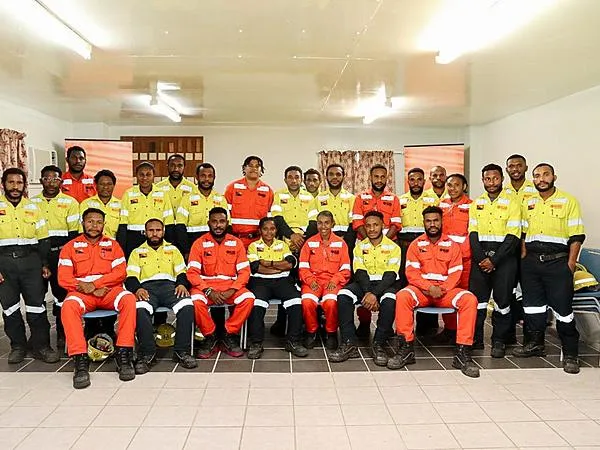
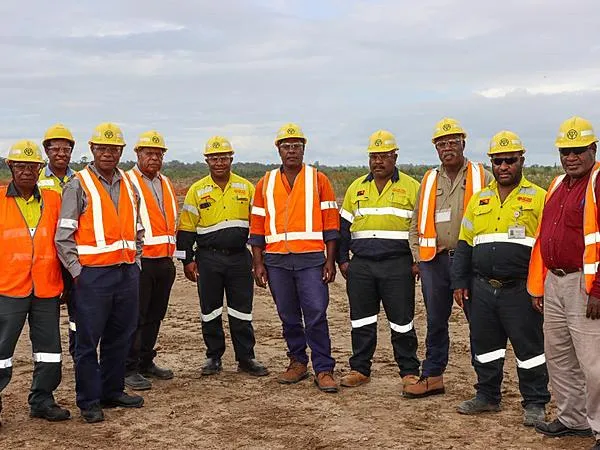
August 26, 2024

The 26 trainee apprentices that recently joined the Ok Tedi Mining Limited’s (OTML) apprenticeship training programme for 2024 have successfully signed their indenture contracts with the company and the National Apprenticeship Trade Testing Board (NATTB) on July 24th in Tabubil.

OTML Manager for Training Capability & Development Ian Strachan encouraged the 2024 cohort to observe company’s values whilst undergoing their training to excel in their careers.

“The training in this program will equip you to be skilful in your trade. Be punctual and learn as much as you can,” said Mr Strachan.

Acting Director of NATTB Brian Clowes, challenged the new recruits to make use of this opportunity.

He said the program will prepare them to contribute to the operation of OTML and other mining operations in PNG in the future.

“Follow your supervisors’ instructions and learn as much as you can from Ok Tedi,” he said.

The 20 males and six females will undergo four years of apprenticeship training, which includes practical placements within the company and block courses that will contribute to the final attainment of their trade certificates.

Ok Tedi takes pride in prioritising people from the Western Province and Preferred Area. Out of the 26 total intakes, 62% are from the Western Province and Preferred Area.

The Trade Areas they fall into include Auto Electrical, Cabinet Making, Carpentry Construction, Electrical Mechanic, Heavy Equipment Fitting, Instrumentation, Maintenance Fitting & Machining, Metal Fabrication & Welding, Plumbing, and Refrigeration Mechanic.

OTML is committed to contributing to sustainable development of human resources of the people of PNG and as such, recruited 1, 179 trainees under its Apprenticeship Program since 1982.

August 26, 2024

Ok Tedi Mining Limited (OTML) hosted a delegation from the East Sepik Provincial Administration on a fact-finding mission to gain insights from the Ok Tedi operations to prepare for the upcoming Frieda River Project in the Sepik Region.

The delegation from the Provincial Administration Mining Desk Team, visited from the 11th – 16th August, to understand the various aspects of the mine operations to address some of their concerns with the upcoming Frieda River Copper-Gold Project.

The Frieda River Project is located in a region shared by both East and West Sepik Provinces, and has garnered significant attention from local communities due to its potential impact on the environment, particularly concerning the Sepik River and its floodplain system.

The delegation visited the Mine, Mill, Ok Menga Hydro Power Station, Bige and Kiunga Operations, and had the opportunity to witness the second stage of regional meetings for the current Community Mine Continuation Agreement (CMCA) Review.

They observed the management of mine waste, pyrite concentrate plant, environment monitoring, community relations activities, national and local content business structure, and community development programs, particularly through the Ok Tedi Development Foundation (OTDF).

Team Lead Mr Martin Torovi said Ok Tedi is of a similar physical setting to the proposed Frieda River Mine and the legacy issues of Ok Tedi are the very concerns and anxiety of the Sepik River People.

“If Environmental Permit is granted, East Sepik Provincial Administration will be tasked with managing a large mine’s environmental “impact” and benefit sharing agreements and negotiations. We Sepiks do not have the experience to manage these issues. As such we reached out to Ok Tedi for the learning experience,” said Mr Torovi.

“Some of the key takeaways from the visit include: The Development of Engineered Waste Rock Dumps; pyrite treatment plant; Bige Dredging; sustainable development projects; and understanding the Equity, Royalty, Trusts and Development Funds structure.”

Mr Torovi added, “We also could not have asked for a better time to conduct this visit. We had the opportunity to observe the CMCA meetings that is very appropriate to the concerns we have.”

Provincial Mine and Lands Minister & President of Gaui LLG Mr Leo Singut said he was appreciative of the opportunity to visit and learn from Ok Tedi.

OTML Managing Director and Chief Executive Officer, Kedi Ilimbit, said “We are pleased to provide the delegation valuable insight into the multifaceted activities of our operation. We believe the visit has provided them valuable information as they prepare for the upcoming Frieda River Project and its impacts in their respective region and province.