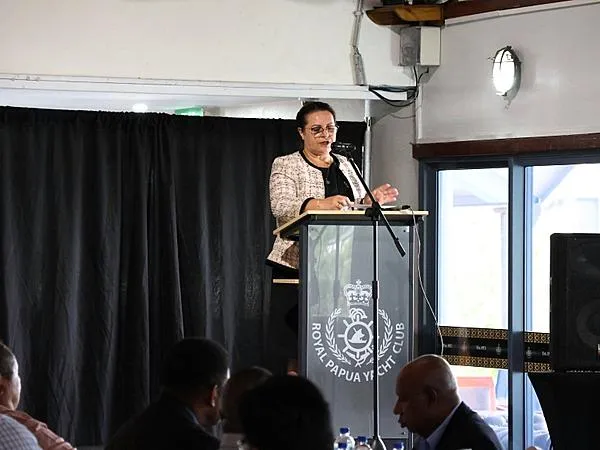
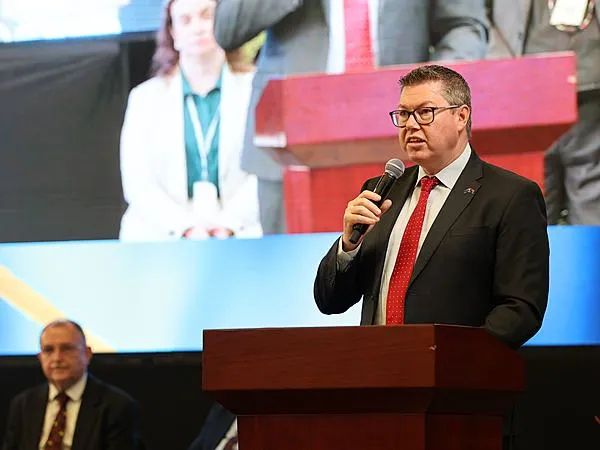
Bank of Papua New Guinea (BPNG) Governor Elizabeth Genia recently outlined the September 2024 Monetary Policy Statement, amid the ongoing economic challenges and the central bank's strategies to stabilize the nation's economy.
The presentation took place on October 7th at the Royal Papua Yacht Club in Port Moresby.
Reflecting on the previous March Monetary Policy Statement, Governor Genia noted the persistent inflationary pressures that necessitated tough monetary decisions.
At that time, the Kina Facility Rate (KFR) was at a historic low of 2.0%. However, she reported that the central bank has since adopted a tightening stance, raising the KFR to 4.0% in September amid the need for price stability.
"We are maintaining our headline inflation projection at 5.0% for 2024, with underlying measures at 5.5%," Governor Genia stated.
While headline inflation has decreased to 0.1% in mid-2024, core inflation measures indicate persistent pressures, particularly from domestic goods.
"A tighter monetary policy stance is necessary to manage these inflation risks," she added, referencing potential global commodity price shocks.
The recent adjustments, including increasing the Cash Reserve Requirement from 10% to 12%, were aimed at tightening liquidity in the banking system. This resulted in rising yields on Treasury Bills and a notable steepening of the yield curve for the first time in years.
These measures help enhance the effectiveness of the monetary policy transmission mechanism, Governor Genia explained.
“The Kina Facility Rate was increased to 2.5% in May, accompanied with an increase in the Cash Reserve Requirement from 10% to 11% of all deposits held with the commercial banks. These complementary measures were designed to absorb some of excess liquidity from the banking system and to assist in strengthening the monetary policy transmission mechanism.”
“In further addressing the long-standing issue of the excess of liquidity in the financial system, the Cash Reserve Requirement was further increased to 12% in June.”
“The more recent increases in the KFR to 3.0% in August and to 4.0% in September helped alleviate some of the pressure on the steepening in the yield curve while aligning our overnight policy rate with those of our major trading partners,” she added.
Genia observed that wholesale interest rates on government securities have returned to pre-COVID levels. However, commercial banks have been slower to adjust their deposit rates, with indicator lending rates ranging from 7.20% to 11.70%.
"The excess liquidity remains a challenge, but we are exploring various policy options to address this," she noted.
Domestic Economic Outlook
On the broader economic outlook, Governor Genia expressed cautious optimism, noting that construction activity and higher agricultural prices, particularly for cocoa and coffee, are contributing to this growth.
“It has been a very difficult year for businesses in PNG. We do, however, believe the worst is behind us. We expect growth for 2024 to land at around 3 percent, driven mainly by the mineral sector, and while the non-mineral sector has experienced a slower expansion, it has been driven by construction activity and higher prices for some agricultural exports, notably cocoa and coffee. Government spending, particularly on construction, has also supported growth this year.”
Genia continued with PNG’s growth forecast for 2025 and 2026 of around 4.3 percent and 3.7 percent, respectively, reflecting increased capacity and full year production from the Porgera gold mine and construction activity in other resource projects.
“The prices of PNG’s agricultural exports remain high, but most are easing from their 2022 peaks. Gold and copper remain strong, while other metals are easing. Oil and gas prices have come down from COVID pandemic highs as supply increases, helping to moderate global inflationary pressures but potentially reducing profitability for PNG’s extractive industries,” she added.
Foreign Exchange:
Governor Genia also said the difficulties in sourcing foreign currency “remain a significant concern."
The introduction of a crawl-like exchange rate arrangement and a weekly foreign exchange auction aim to improve access to FX liquidity. Despite net outflows in the foreign exchange market, she reported that interventions by the Bank have gradually improved the situation.
“We also introduced a weekly Foreign Exchange Auction in May 2024, to provide more frequent and predictable access to FX liquidity – providing increased transparency to the market with those intervention funds used for essential orders only.”
Genia said even though progress has been slow, she was pleased to report these reforms have had a positive impact.
“Access to foreign exchange has very gradually improved, and, while outstanding orders remain high, the extent of the Bank’s intervention with its foreign reserves means there is more foreign currency available in the market, though the excess of demand for foreign currency over that actually available, remains high.”
"Over the eight months to August, inflows into PNG’s domestic FX market amounted to PGK12.8 (or US$3.4) billion, while total outflow was PGK17.4 (or US$4.6) billion. As a result, there was a net outflow of K4.6 (or US$1.2) billion which was primarily met by BPNG’s intervention of K3.8 (or US$1.0) billion.
“We are currently intervening in the domestic foreign exchange market with US$125.0 million each month and we will continue to support the market, with that level of intervention, for as long as is needed.”
Legislative changes to Central Bank Act:
Genia also noted recent legislative changes to the Central Banking Act, which will see the establishment of a new Monetary Policy Committee. This committee “will enhance the independence of monetary policy decisions and require transparency in its operations.”
"We are in a period of transformational change," Governor Genia affirmed, underscoring the need for coordinated efforts between the government and private sector to address structural challenges hindering business growth.
She acknowledged the difficult landscape businesses are navigating but expressed hope for improvement in the second half of the year, driven by various sectors.
"Our focus is on ensuring these reforms are implemented effectively, allowing businesses to access foreign currency and contributing to long-term prosperity for all Papua New Guineans."
BPNG Business Sentiment Survey:
The Bank’s Business Sentiment Survey, conducted in July 2024, suggested that firms are operating in a very high-cost environment which is adversely impacting on their operations.
Governor Genia said: “Prices are expected to remain high while efforts are being made to source cheaper alternatives to manage costs and increase revenue and profit margins.
“It has been a very difficult year but we are expecting further improvement in the second half driven by higher activity in construction, agriculture, wholesale and retail, finance and insurance, and mining sectors.”
She added: “The challenges you face are not unique to PNG; but they are made more difficult by our domestic barriers to business, including excessive red tape and poor infrastructure.”
Attendees included government representatives, CEOs of financial institutions, and members of the diplomatic corps.
Abau District Member of Parliament, Sir Puka Temu, has urged the Papua New Guinea (PNG) government to adopt e-health solutions to overcome the healthcare challenges posed by the country's remote geography.
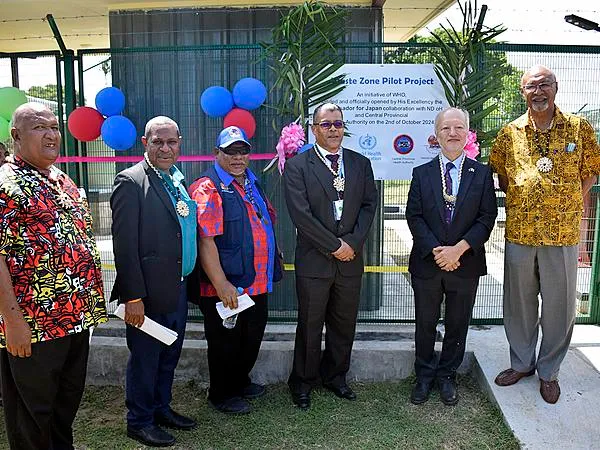
Speaking at the launch of the pilot Waste-Zone Project at Kupiano Health Centre, Central Province, Sir Temu emphasized the need for digital infrastructure to improve healthcare access.
"As a national leader, I strongly recommend that the Marape-Rosso government embrace e-health. Our country's remoteness and limited road access require us to scale up efforts and invest in necessary infrastructure," Sir Temu said.
He also highlighted the need for the National Information and Communications Technology Authority (NICTA) to expedite approval for Starlink, a rural IT service initiative, to improve connectivity. "Why is NICTA delaying this? We need technology to advance healthcare," he asked.
Sir Temu's remarks were part of a broader call for digital transformation in healthcare. He noted that the Communication Minister Hon. Timothy Masiu was hosting a digital transformation conference in Port Moresby and urged him to prioritize telemedicine.
Additionally, Sir Temu advocated for the use of drone technology to deliver vaccines, comparing its use in healthcare to its military applications in conflict zones.
"While drones are often used in warfare, I believe we can use them to deliver vaccines and improve public health," Sir Temu said.
He thanked international partners, including the Japanese government and the World Health Organization (WHO), for their contributions to improving healthcare facilities.
"Every hospital must have proper waste disposal systems, especially for bio-waste," he added, calling for essential infrastructure like oxygen concentrators in hospitals.
Support for E-Health and the Waste-Zone Project
Dr. Edward Warmin, Public Health Manager at the National Department of Health (NDOH), supported Sir Temu’s call for e-health, noting the latter’s efforts in advancing healthcare and highlighted critical health issues such as tuberculosis, cervical and breast cancer, and immunization, which require immediate attention.
"Your request has been noted, and we will ensure it reaches the Health Secretary," Dr. Warmin assured.
Representing Dr. Osborne Liko, the Health Secretary, Dr. Warmin officiated the Waste-Zone Project launch in Kupiano, which aims to improve medical waste management.
Dr. Warmin expressed gratitude to key stakeholders, including the Japanese Government, WHO, the World Bank, UNICEF, and UNOPS, for supporting the project.
"The health sector alone cannot solve all problems. Together, we can improve healthcare services across the country," he said.
The Waste-Zone Project addresses critical issues in medical waste management. Dr. Warmin pointed out that while 90% of healthcare waste is non-hazardous, the remaining 10% poses significant risks, especially in advanced medical facilities.
"Improper healthcare waste management can harm human health and the environment," Dr. Warmin warned.
A 2022 situation analysis revealed that PNG's waste management practices were below acceptable standards. The Waste-Zone Project aims to fix this by providing a comprehensive waste management system, including waste collection, segregation, storage, treatment, and disposal.
Impact on Healthcare Facilities
Dr. Warmin said that Kupiano District Hospital has already met initial waste management standards but stressed the need for further infrastructure improvements.
"Improving waste management practices helps prevent hospital infections and protects the environment from pollution," he explained.
The project models a new healthcare waste management system, the first of its kind in PNG. Dr. Warmin expressed hope that the Kupiano Clinic could serve as a model for other healthcare facilities nationwide.
"I am convinced the Waste-Zone is a sustainable, economical solution that can be replicated throughout the country," he said.
Reflecting on the importance of accessible healthcare, Dr. Warmin shared a personal story from 2017 when a newborn's life was saved due to proper medical care.
"Without that facility and the medicines available, we could have lost that baby," he recalled.
International Collaboration and Investment
Japanese Ambassador Nobuyuki Watanabe, a distinguished guest at the project launch, reaffirmed Japan’s commitment to strengthening PNG’s healthcare system.
In 2021, Japan provided over US$2.7 million (approximately K10 million) to WHO for building a more resilient health system in PNG, particularly in response to COVID-19.
"The Kupiano Waste-Zone Pilot Project aims to improve waste management practices at health facilities to prevent the spread of infections and protect healthcare workers and patients," Watanabe said.
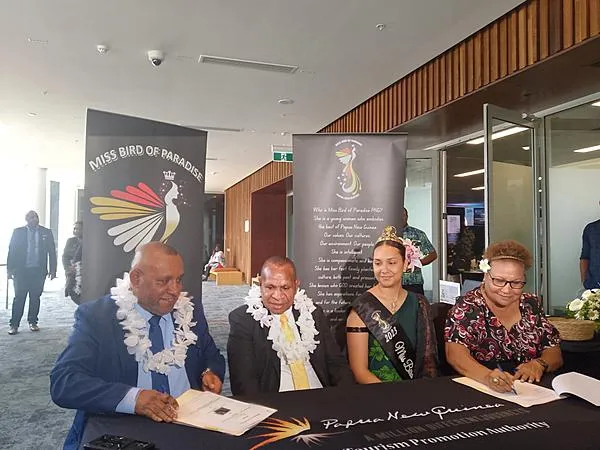
Miss PNG Tyla Singirok, the inaugural Miss Bird of Paradise PNG, has been officially named the Ambassador of PNG Tourism following the signing of a Memorandum of Agreement (MOA) on September 27th at Apec Haus, Port Moresby.
As part of her new role, Singirok will promote PNG’s cultural heritage and natural beauty both locally and internationally.
This collaboration, established between the Tourism Promotion Authority (TPA) and the Miss Bird of Paradise Pageant Committee, is seen as a pivotal step in the lead-up to PNG's 50th Independence anniversary in 2025.
Minister for Tourism, Arts, Culture & Border Security, Belden Namah, pledged K300,000 to support the Miss Bird of Paradise initiative, with the national pageant set for December 3rd, 2024.
Namah emphasized the importance of this initiative in boosting tourism.
“This will be one of the major tourism products in our country. I am proud to support Miss Bird of Paradise PNG with K300,000 for this cause,” Namah said.
The MOA aims to enhance PNG’s visibility on the global tourism stage by leveraging the Bird of Paradise, a symbol of the nation's unique identity.
“Tourism in PNG needs new strategic partners and products. Miss Bird of Paradise PNG can showcase the beauty and culture of PNG to the world,” Namah said.
TPA CEO Eric Mossman Uvovo hailed the partnership as a significant achievement for both TPA and Miss Bird of Paradise PNG, noting its long-term potential.
“Miss PNG will be the Tourism Ambassador for Papua New Guinea, and we look forward to this partnership for many years to come.”
During the event, Singirok emphasized PNG's untapped tourism potential.
“PNG's tourism industry is a sleeping giant in the Pacific,” she said, pointing to the country’s stunning landscapes, pristine beaches, and diverse cultures.
“We are the most culturally diverse country in the Pacific, if not the world, with over 800 languages and 1,000 tribes.”
Singirok’s role is expected to empower young women and enhance their contributions as cultural and tourism ambassadors.
She expressed her commitment to representing PNG on the global stage, stating, “We now take up this mantle with honor, becoming PNG's first-ever cultural and tourism ambassador.”
Miss Bird of Paradise Chairperson, Anna Bias, thanked Minister Namah and TPA CEO Uvovo for their support.
“This partnership is about promoting tourism, and as we celebrate the first anniversary of Miss Bird of Paradise, we aim to involve every province in this journey,” Bias said.
The pageant will also focus on promoting education rights for children with disabilities, furthering its mission to advocate for social causes alongside tourism.
Resource development remains central to Papua New Guinea's (PNG) economic growth, and as the global shift toward greener energy continues, liquefied natural gas (LNG) is seen as a key transition fuel.
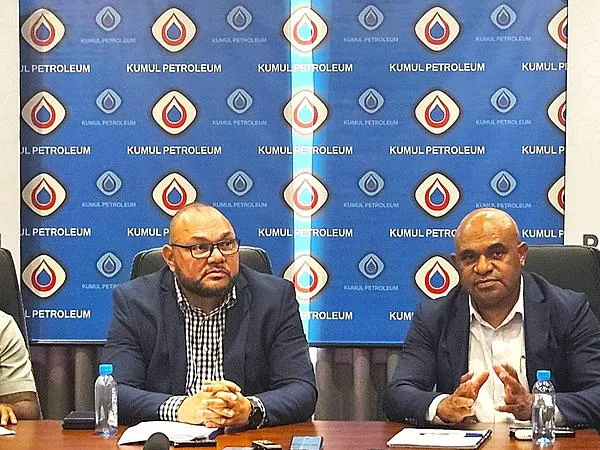
During a media briefing on September 30th, Kumul Petroleum Holdings Limited Managing Director Wapu Sonk emphasized that PNG is ready to welcome investors in its energy and petroleum sectors.
“While PNG transitions to more sustainable energy production, we aim to responsibly market our LNG globally,” said Sonk.
He noted that LNG will continue to play a pivotal role in both domestic and international markets.
The upcoming Petroleum and Energy Conference, scheduled for October 17-18 at the Hilton Hotel in Port Moresby, will serve as a critical forum for discussions on policy updates and new projects.
Organized by Kumul Petroleum Holdings, the event will be the only conference dedicated to the petroleum and energy sectors in PNG.
Policy Discussions and Fiscal Regime Updates
Sonk stressed the need for changes in PNG's fiscal regime to maximize the benefits of resource extraction.
“This conference is an opportunity to discuss existing and new policies that will shape the future of the sector,” Sonk noted.
International speakers, including economist Dr. Fereidun Fesharaki and fiscal regime expert Daniel Johnston, are expected to attend.
Johnston will provide insights on production-sharing regimes and offer comparisons with countries like Indonesia and Qatar to help PNG optimize its resource management laws.
Sonk also expressed excitement about the insights PNG will gain from the University of Victoria’s presentation, which will assess the current state of the PNG LNG project a decade after its inception.
“The government has been discussing fiscal regime changes by 2025. Where do we stand on that?” Sonk asked.
Renewable Energy and Transitioning to Green Solutions
The conference will also address PNG’s transition to renewable energy, as Sonk emphasized the changing global landscape, urging stakeholders to harness PNG’s vast energy resources responsibly.
“Governments worldwide are adapting their policies, and PNG must do the same to remain competitive and ensure long-term sustainability.”
PNG’s renewable energy potential is immense, particularly in hydroelectric, geothermal, and offshore wind energy, and Sonk pointed to the country's significant hydro capacity, estimated at 40-50 gigawatts, and offshore wind potential of up to 300 gigawatts.
Collaboration and Energy Access
Ronald Maketa, Managing Director of the National Energy Authority (NEA), added: “Despite being an exporter for over 20 years, PNG has yet to fully realize the economic benefits of its energy sector.”
Maketa argued that PNG’s energy rates should be lower than those of neighboring countries and that improved energy access is key to driving economic growth.
“Energy powers our economy. It is essential for job creation, industry development, and national prosperity,” Maketa noted.
He also pointed to the Medium-Term Development Plan (MTDP), which prioritizes energy alongside agriculture and industrialization, as evidence of the government's commitment to advancing the sector.
“We need cheaper, reliable, and renewable energy to support our development aspirations,” he added.
Investment Opportunities and Industry Growth
Petroleum and Energy Minister Hon. Thomas Opa highlighted the significant opportunities for investment in PNG’s energy sector, stating that the sector is a major driver of economic growth.
"This industry creates jobs, generates state revenue, and funds infrastructure development across the country,” said Opa.
He confirmed that several exploration licenses are currently being processed, including a significant offshore drilling collaboration between TotalEnergies and Petronas.
“This project will be a first for PNG in many ways,” he remarked, adding that more details on exploration licenses and potential investors would be provided during the conference.
As PNG continues to attract interest from major multinational corporations, Opa emphasized that sustainability remains a key focus. Companies like ExxonMobil and TotalEnergies are actively working to reduce their carbon footprints in PNG, aligning with global efforts to minimize environmental impacts.
The 2024 PNG Petroleum and Energy Conference is set to attract national and international attention, providing a platform for policy discussions, investment opportunities, and networking.
The event will also offer opportunities for brand promotion and enable businesses to showcase their projects to industry leaders and potential investors.
The National Government, through the Ministry of International Trade and Investment, the Madang Provincial Government, and RD Corporation, have reached an agreement to initiate immediate feasibility studies for the proposed Madang Integrated Special Economic Zone (SEZ) in Vidar, Madang.
In discussions recently concluded at the RD Corporation Headquarters in General Santos City, Philippines, the three parties committed to developing a fully integrated SEZ on 650 hectares of land owned by RD Corporation. The SEZ will be modelled after the Java Integrated Industrial Port Estate (JIIPE) in Indonesia.
Minister for International Trade and Investment, Hon. Richard Maru, stated, “This proposed integrated SEZ will include fish canneries, a fuel depot for all purse-seiners, cold storage, a slipway, a shipyard, and various associated businesses such as tin can manufacturing, a packaging factory, and aquatic feed production for aquaculture, including shrimp and inland fish farms. The SEZ will also feature a residential estate, shopping malls, schools, its own bank, and an international wharf. This wharf will serve as an alternative to Lae Port for the Highlands via the Baiyer-Madang Road, reducing freight costs by half due to the proximity of the new wharf compared to Lae Port.”
Minister Maru emphasised, “This SEZ is the highest priority for the National Government and the Madang Provincial Government. It marks the beginning of Madang Town’s transformation into an industrial hub.”
During their two-day visit to General Santos City, Minister Maru and the Governor of Madang, Hon. Ramsey Pariwa, toured RD Corporation's facilities, including their cannery, cold storage, packaging factory, aquaculture farm, and a state-of-the-art shipyard complex equipped with floating dry docks and slipways. The shipyard provides a full range of services, including ship repair and maintenance, and caters to both local and international clients, including the Philippine Navy. The delegation also visited RD Corporation’s bank and hardware operations.
RD Corporation first built its vessel under the RD Fishing Group in 1984 and later expanded its fishing operations by acquiring other fishing companies. Today, it operates the largest and most modern fishing fleet in General Santos City, which is recognised as the Tuna Capital of the Philippines.
Minister Maru highlighted the significance of RD Corporation’s operations in Madang, stating, “What RD Corporation has established in Madang is just a fraction of what they have in General Santos City. The Marape-Rosso Government has made a sound commercial decision by partnering with RD Corporation, a well-established fishing company with extensive facilities, management expertise, and global industry networks. RD Corporation brings years of experience and an in-depth understanding of the global market.”
Minister Maru further stated, “Papua New Guinea (PNG) has missed significant opportunities over the past 49 years by being merely a rent collector in the fisheries sector. We should have fully domesticated our fisheries industry, but we have not. As a result, 80% of our catch is taken overseas, and we have missed out on building additional canneries, losing 50,000 jobs. Our current net revenue is only K300 million a year, but we could be generating K5 billion in revenue. We also lose out on landing fees, shipping licences, jobs, wages, income taxes, corporate taxes, GST, and local commercial opportunities linked to the fishing industry.”
He added, “PNG accounts for approximately 18% of the world’s tuna catch and controls around 15% of the global tuna trade, with an estimated value between USD$4 billion and USD$5 billion (K13.3 billion – K16.9 billion). However, the majority of this catch is rerouted at high seas and processed overseas, depriving PNG of significant benefits. The overall production output of PNG’s fisheries exports has remained steady at over K1 billion since 2016, but most of the revenue comes from resource rents.”
“The Government’s decision to partner with RD Corporation in the fisheries business is a bold step in transitioning PNG from a rent collector to a true Fishing State,” concluded Minister Maru.
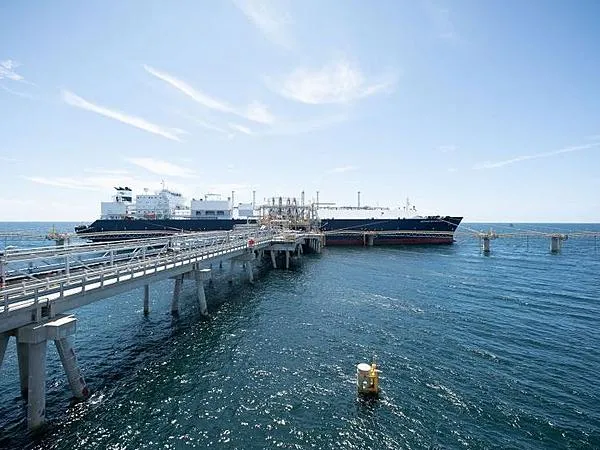
Santos has announced the signing of a mid-term LNG supply contract with TotalEnergies Gas & Power Asia Private Limited (TotalEnergies).
The contract entails the supply of 20 LNG cargoes, or up to approximately 0.5 million tonnes of LNG per annum, over a period of three years plus one quarter. The contract will commence in Q4 2025, with LNG being supplied from Santos’ global portfolio of world-class LNG assets on a delivered ex-ship basis.
Santos Managing Director and Chief Executive Officer Kevin Gallagher said the contract with TotalEnergies marks a new LNG relationship for Santos, building on its existing joint venture partnerships.
“This oil-indexed contract, along with the recently executed long-term LNG Sales and Purchase Agreement with Hokkaido Gas in Japan and the mid-term contract with Glencore, demonstrates Santos’ strong LNG portfolio position and customer relationships in the region. Our portfolio is well-balanced over the short to medium term, with around eighty percent of volumes indexed to oil prices and about twenty percent exposed to spot pricing,” Gallagher said.
“There continues to be extremely strong demand in Asia for high-heating-value LNG from projects such as Barossa and PNG LNG, as countries focus on reducing their carbon emissions. Santos is committed to supporting the energy security of our valued customers across Asia, where gas will play a crucial role in decarbonisation efforts throughout the region,” Gallagher added.
Prime Minister Hon. James Marape recently delivered a stirring call to action, urging all Papua New Guineans to work relentlessly over the next 20 years, starting in 2025, to transform the nation into a high-income economy and shift from being an exporter of raw resources to a manufacturer.
Speaking upon his return from the 79th United Nations General Assembly (UNGA) in New York City, where he addressed world leaders, Prime Minister Marape emphasised the ambitious vision he presented at the global stage: Papua New Guinea will rise as a higher- income nation by 2045, driven by a robust manufacturing economy.
“To make this leap from exporting raw resources to building a manufacturing-based economy, we must secure critical enablers like affordable and reliable electricity, accessible internet, and vital infrastructure such as ports and jetties. We need to reorganise our towns and cities, revamp our education system to prepare our people for industry-specific roles, and ensure our health facilities are prepared for this transformation,” Prime Minister Marape said.
“This will not happen overnight, but the foundation must be laid now. In the next 20 years, divided into four critical phases of five years each, we must chart a course towards achieving this vision. By the time PNG turns 70 in 2045, we must break free from the constraints of being a low-income nation and fully embrace our future as a high-income, thriving economy. I made this commitment to the world at the UNGA, and it is a commitment we must all work towards.”
Prime Minister Marape called upon all citizens—public servants, ministers, community leaders, and the people—to join hands in realising this national vision.
“As Prime Minister, my role is to set the vision, but it is the collective efforts of our people that will make it a reality. We must work together, harder than ever before, to build a better, more prosperous Papua New Guinea,” he said.
Prime Minister Marape paid tribute to the legacy of late Sir Michael Somare, whose Vision 2050 laid the groundwork for PNG’s path toward joining the ranks of the world’s top 50 nations.
“If we work diligently over the next 20 years, we will inch closer to this dream that Sir Michael had when he first articulated the Eight-Point Plan in 1975 and later Vision 2025 in 2010, which I have upheld since assuming office in 2019,” Prime Minister Marape said.
Looking ahead, the Prime Minister highlighted the nation’s potential to manufacture its own wealth from resources such as timber, fish, agriculture, minerals, oil, gas, and energy. He expressed confidence that the next generation of Papua New Guineans will not only be consumers of global goods but creators of industries that propel the nation forward.
“Together, we will redefine Papua New Guinea’s future, from the mountains to the seas. Our journey into this path must begin now,” he said.
Prime Minister Hon. James Marape has underscored the urgency of finalising the Mine Development Contract (MDC) and issuing the Special Mining Lease (SML) for the Wafi-Golpu Mine in Morobe Province, stressing that time is running out to get this critical project off the ground.
During a high-level meeting with the State Negotiating Team, Joint Venture Partners Newmont and Harmony, Deputy Prime Minister Hon. John Rosso, and Mining Minister Hon. Wake Goi, Prime Minister Marape emphasised the importance of immediate action.
“Time is ticking away. As a nation, we have collectively agreed that the Wafi-Golpu project must move forward—on terms that are in line with our laws and policies, especially those that ensure the State and Papua New Guinea secure 55 percent of the project’s economic benefits. I am pleased that the Framework Memorandum of Understanding (MoU), which was signed in 2023, honors this commitment. The project contains over 12 million ounces of gold and three million tonnes of copper. It is a significant undertaking expected to extend beyond 60 years. However, we have agreed to a 40-year lease, contingent on the joint venture partners commencing the project within two years of the SML issuance,” the Prime Minister stated.
Reflecting on past delays, Prime Minister Marape lamented the significant time lost due to legal proceedings and reiterated that further delays were no longer an option.
“I want to make it absolutely clear: we cannot afford to lose any more time. The Wafi-Golpu project must advance without further delay. This is a project of national importance, and moving forward on key milestones is critical to the country’s economic progress.
The Prime Minister set a firm deadline, stating that the MDC and SML for Wafi-Golpu must be finalised before the 2024 Papua New Guinea Investment Week, which is scheduled to take place in Sydney, Australia, from December 6-11. “The Framework MoU signed in 2023 is our roadmap, and it is time to act,” he added.
Prime Minister Marape also highlighted the need to respect the patience of landowners and the
Morobe Provincial Government, represented by Governor Hon. Luther Wenge, who have
waited for years to see the project begin.
“We cannot continue to hold them in suspense. Delaying any further will only invite frustration and discontent from landowners and local authorities,” Prime Minister Marape warned.
Key provisions under the Framework MoU include:
Prime Minister Marape closed by reaffirming his government’s commitment to fast-tracking the Wafi-Golpu project, urging all stakeholders to move with urgency.
“The time for action is now. We have the framework, we have the opportunity, and now we need to execute,” he said.
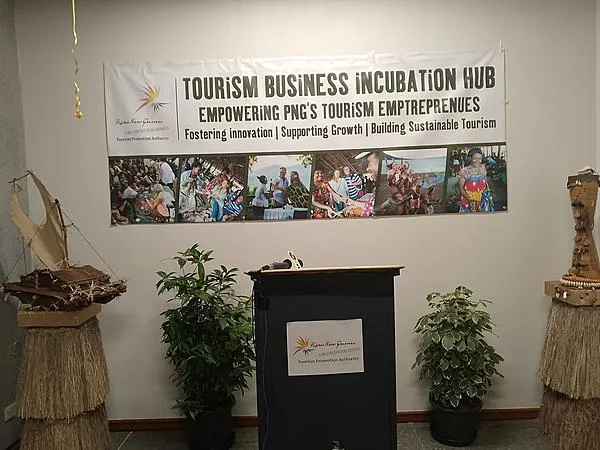
In support of small and medium enterprises (SMEs) in the tourism sector, the PNG Tourism Promotion Authority and the Ministry of Tourism, Art and Culture officially launched the Tourism Business Incubation Center on September 27th in Port Moresby.
Key figures, including the Minister for Tourism, Arts, and Culture, Hon. Belden Namah, TPA CEO Eric Mossman Uvovo, National Cultural Commission CEO Steven Enomb Kilanda, and NCDC Governor Hon. Powes Parkop, were in attendance.
Hon. Namah emphasized the vital role of small businesses in the nation's economic development in his keynote address, as he expressed gratitude to participants for their contributions to the country’s progress.
As the nation approaches its 50th independence anniversary, Hon. Namah reflected on the need for economic independence, acknowledging the political foundation laid by the country’s founding fathers.
“It is time to fully realize our economic potential,” he stated.
The Minister acknowledged the proactive efforts of the Governor of the nation’s capital, highlighting Hon. Parkop’s commitment to inclusive participation and the promotion of tourism, arts, and culture.
He recalled the Governor's enthusiastic engagement upon Hon. Namah’s appointment, particularly concerning the well-known Kokoda Trail.
Hon. Namah also praised the leadership of Uvovo at TPA and Kilanda on the development of the first draft policy for arts and culture, and expressed enthusiasm for ongoing discussions around tourism policy.
“Tourism, art, and culture are inclusive industries,” the minister asserted. “They provide pathways for wealth creation and empower our communities.”
He called for government support to enable local initiatives, noting that even small actions can lead to significant change. The Minister also proposed a new co-location strategy for key agencies involved in tourism and cultural promotion, aiming to streamline operations and enhance service delivery.
He underscored the need for regulatory frameworks to protect PNG's cultural heritage, advocating for the patenting of local designs and products to ensure they are authentically represented.
Hon. Namah stressed the importance of marketing PNG’s tourism internationally and the need for increased government investment in the sector.
“If we want to connect PNG, we must also prioritize tourism alongside agriculture, forestry, and fisheries,” he concluded.
The Minister's vision is to see this initiative expand across all 22 provinces, empowering local communities and enhancing the tourism landscape in Papua New Guinea.
The center aims to provide essential training, registration, and support for local artisans, tour operators, and other small stakeholders in the tourism industry.
The TPA will provide necessary assistance to support small businesses to grow.
Governor Parkop congratulated the Minister and the National Cultural Commission on their efforts. He emphasized the potential of small stakeholders in the tourism industry, including carvers and crafters.
"This incubation center will help many people in the city, especially those working independently," Parkop said.
Hon Parkop also commended the collaborative spirit among stakeholders, saying, "We will call for partnerships to ensure the success of this center," adding that this initiative is just the beginning of a larger journey to empower the local tourism sector.
For further information about the Tourism Business Incubation Center and upcoming programs, please contact the PNG Tourism Promotion Authority.
As the capital city, Port Moresby has the potential to become a leading tourism hub, which the Governor for the Nation’s Capital, Governor Powes Parkop, described as the "Gateway to Papua New Guinea."
He emphasized that this city is the first stop for tourists before they explore other provinces, making it a vital part of the national tourism strategy.
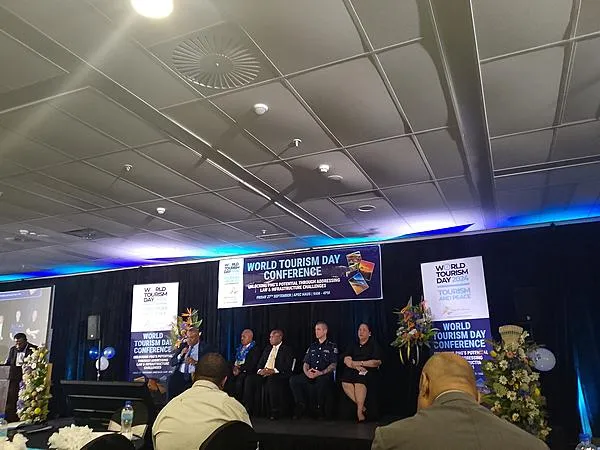
Addressing attendees at the recent World Tourism Day Conference in September, Hon. Parkop discussed the importance of law and order in promoting economic growth and enhancing tourism.
He outlined his vision to position Port Moresby as the premier tourist destination, highlighting its unique cultural diversity.
Governor Parkop stated: “Port Moresby, we have a great product here. We are a city of 1,000 tribes and cultures. That’s why we initiated the Festival of 1,000 Tribes last year.”
He believes that showcasing the rich traditions, cultures, songs, and dances of PNG in one location can attract tourists.
“The tourists can see Papua New Guinea, all our traditions, culture, song, and dance in one place,” he added.
Apart from immediate action to develop and protect this tourism product, he urged stakeholders to focus on making Port Moresby a standout destination, allowing other provinces to learn from its success.
“If security and infrastructure have been hindering the tourism industry, we must concentrate on one location as the tourist destination,” he said.
To further promote Port Moresby as a showcase for the 1,000 tribes, the Governor proposed the establishment of an international airport in the northern part of PNG, potentially in Aitape- Sepik, New Ireland, Manus, or East New Britain.
“I’ve been promoting that we should have an international airport maybe in Aitape,” he noted, pointing out that historical significance as a WWII site could attract additional interest.
“We just need to clean it up and open up that northwest frontier,” he stated. “It faces the big market—China, Asia, Japan—and can facilitate more cost-effective imports to Wewak or Vanimo, distributing goods throughout the country.”
Governor Parkop believes investing in tourism infrastructure is crucial for the industry’s growth. “Let’s not let law and order stop our tourism industry. Small investment, big return—that’s the equation,” he said.
PNG is known for its rich cultural and linguistic diversity, and Governor Parkop reinforced the importance of this heritage. “PNG culture is non-negotiable,” he said.
Tourism Promotion Authority CEO Eric M. Uvovo supported the Governor’s call for collaboration and partnership to develop robust tourism offerings.
The CEO underscored the importance of partnerships with airlines, such as Air New Guinea, to improve flight availability and reliability.
"We have diverse tourism products all over Papua New Guinea that challenge its accessibility and law and order," he noted, reiterating the need for a collaborative approach to overcome these barriers.
"A vibrant tourism sector can help reduce poverty, create jobs, and empower communities, contributing directly to the national peace and security of our nation.”
Uvovo appealed to the industry to remain resilient and collaborative. "Tourism is everybody's business," he stated, urging stakeholders to continue their efforts despite the challenges ahead.
"With this partnership, we can move tourism forward. We have our challenges, but let's not give up."
Papua New Guinea (PNG) is focusing on improving safety and infrastructure to boost its tourism industry.
The Chief Executive Officer of the PNG Tourism Promotion Authority (TPA), Mr. Eric Mossman Uvovo, emphasized the importance of creating a safe environment for tourists during the World Tourism Day Conference on September 27th at APEC Haus in Port Moresby.
Uvovo acknowledged that while the tourism sector brings investments and global attention, concerns over law and order remain a significant barrier.
“Tourists need to feel safe, and businesses must operate without fear of disruption,” he said.
The conference highlighted the role of tourism in PNG’s development and the need for cultural preservation.
The event, hosted by PNG TPA, brought together stakeholders from the tourism sector to address key challenges such as law and order, aviation infrastructure, and the needs of tourism operators.
Uvovo called for cooperation between government agencies, security forces, and local communities to improve PNG’s image as a safe tourist destination.
Tourism as a Catalyst for Peace
Minister for Tourism, Arts, and Culture, Hon. Belden Namah, stressed the link between tourism, peace, and security.
In his keynote address titled Tourism as a Catalyst for Peace and Security in PNG, he stated: “There can be no tourism in the country without peace in our communities.”
He added that peace is essential for tourism to thrive, as “tranquil settings invite tourists and societal order fosters cohesion between communities.”
Discussions at the conference covered government security strategies, updates on aviation infrastructure, and the hurdles tourism operators face, fostering collaboration between public and private sectors.
Infrastructure as the Backbone of Tourism
Reliable infrastructure is crucial for a successful tourism industry, according to Uvovo. He stressed the importance of accessible airports, roads, and utilities to attract international visitors.
Hon. Namah and Uvovo recognized the ongoing efforts to improve PNG’s aviation and transportation infrastructure, despite challenges.
Strategies to Boost Tourism
Governor of the National Capital District, Hon. Powes Parkop, shared his vision to market Port Moresby as a unique tourist destination, calling it the "City of a Thousand Tribes." He proposed re-establishing an international airport at a historically significant location, citing PNG’s World War II heritage.
University of Papua New Guinea (UPNG) tourism expert, Dr. Joyce Rayel, introduced the concept of “Tourism Police” to enhance visitor safety. Her research explored the challenges and potential benefits of this initiative, offering strategic insights on how to implement it successfully.
Enhancing Safety Across PNG
Chief Superintendent Kyle Saltmarsh, Chief of Staff of the Royal Papua New Guinea Constabulary, highlighted the direct link between stable law enforcement and a thriving tourism industry.
“We must maintain stable law and order to support this vital industry,” he said, emphasizing the need for tailored solutions to address the unique challenges in different PNG communities.
Saltmarsh discussed the importance of infrastructure in policing, noting that the government is investing in police stations and housing through the Special Police Assistance Program.
In 2023, this program invested 150 million kina, with an additional 200 million kina planned for the following year. The program also provided 130 new police vehicles in 2023, replacing hire cars to ensure police visibility in the streets.
The Chief Superintendent emphasized quality over quantity in policing, stating, “Police officers are not security guards; quality counts.” He outlined ongoing collaborations with regional police forces to improve professional training for officers.
Tourism operators were encouraged to engage with provincial police commanders to ensure that security efforts support the tourism sector. Saltmarsh called for open dialogue and collaboration to direct resources where they are needed most.
The Minister for Tourism, Art and Culture, Hon. Belden Namah, has emphasized the potential for Papua New Guinea (PNG) to significantly increase its tourist arrivals, stating that the current figure of 24,000 visitors is far below expectations.
“PNG should be receiving 2.4 million tourists annually,” he asserted, noting that neighboring countries like Fiji and Indonesia attract far greater numbers, with Indonesia welcoming 11 million visitors last year alone.
In his keynote address during the World Tourism Day Conference in September, Hon. Namah expressed concern over the number of tourists who bypass PNG while traveling in the region.
“Tourists are overflying us. They are sailing around us. There’s only one reason they are doing that: there is no peace in this country,” he remarked.
According to a recent report from the PNG Tourism Promotion Authority (TPA), 24,407 visitors have arrived in PNG this year through 12 different international cruise lines.
The cruise industry is vital to boosting the nation’s tourism figures, with an additional four cruise ships expected to bring approximately 6,548 more visitors by the end of 2024, the TPA said.
The Pacific Encounter, operated by Carnival Cruise Line, has been the most frequent visitor to PNG's shores, while the French-operated Le Soleal has focused on the luxury market, albeit with fewer passengers.
Leading up to World Tourism Day, the CEO of TPA, Eric Mossman Uvovo, highlighted the country’s unique appeal, saying: “Papua New Guinea offers a truly unique experience, from our rich cultural heritage to stunning natural landscapes.”
Uvovo underscored TPA's efforts to strengthen relationships with the international cruise industry, which he believes will enhance PNG’s position as a must-visit destination.
Hon. Namah also addressed the need for enhanced safety to attract more tourists, emphasizing the importance of law enforcement over new legislation.
“We just need enforcement. Laws are there, but we need to enforce them,” he stated.
He proposed changing three specific laws related to littering, graffiti, and loitering, advocating for these offenses to be classified as criminal acts to improve public order.
“I believe when we change these laws to Criminal Code, like they do it in Singapore, this place will be paradise,” Namah asserted.
He stressed the need for cleanliness and order across all regions of PNG, declaring that “first impressions are lasting impressions” and emphasizing the urgency of creating a safe environment for both locals and visitors.
As the country prepares for the holiday cruise season, both Namah and Uvovo remain optimistic about the potential for growth in the tourism sector, provided that safety and order are prioritized to ensure a welcoming atmosphere for travelers.
Papua New Guinea's latest score on the Corruption Perception Index (CPI) is 29 out of 100, showing a slight improvement of one percent from 28 out of 100 in 2021. Despite this progress, PNG remains among many countries with little to no improvement in tackling corruption.
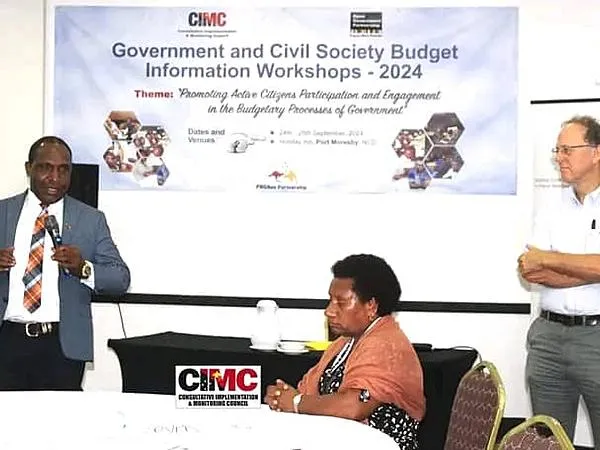
This data was highlighted by PNG National Planning Minister Sir Ano Pala during the Government and Civil Society Joint Budget Information Workshop 2024.
He emphasized the importance of organizations and platforms such as the Open Government Partnership, stating that it “paves the way to address some of these challenges we have faced as a country.”
“Having access to information, participation of civil society organizations in both the budget formulation and implementation and dissemination of fiscal information is still a challenge. Having a consultative approach to decision making and a transparent industry provides the basis for democracy and importantly good governance,” he added.
The Consultative Implementation & Monitoring Council (CIMC), the OGP Secretariat, and the Australian Government through the Australian-PNG Partnership, which aims to build community engagement in PNG, supported the workshop.
The OGP is a multilateral initiative that seeks to secure concrete commitments from national governments to promote open government, empower citizens, fight corruption, and leverage new technologies to strengthen governance.
A key topic during the second day of the workshop was the Extractive Industries Transparency Initiative (EITI), which serves as the global standard for promoting transparency and accountability in countries rich in oil, gas, and mineral resources. It is implemented through the participation of government, civil society, and industry.
CIMC houses the civil society umbrella body, the PNG Resources Governance Coalition, which aims to:
The two-day workshop from September 24th to 25th at the Holiday Inn in Port Moresby had the theme “Citizens Participation in the Government’s Budget Formulation, Implementation & Reporting Process: Opportunities, Learning & Challenges.”
Day one included presentations from civil societies covering:
Day two featured sessions on:
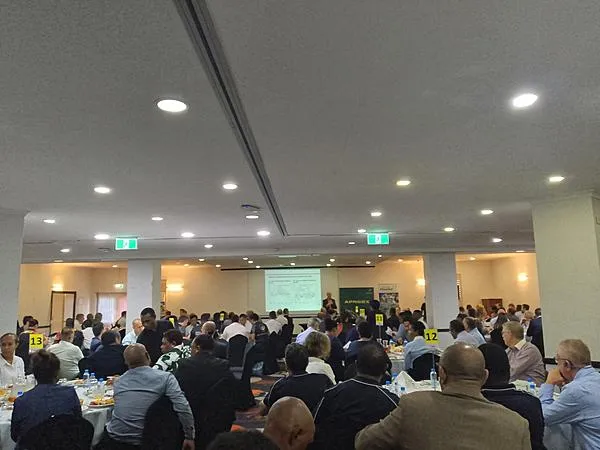
The Australia-Papua New Guinea Business Exchange (APNGBX) recently highlighted opportunities for collaboration and investment in PNG's growing economy. Key discussions focused on infrastructure development, renewable energy, and the broader economic landscape. Key Takeaways included:
Global Economic Trends: Senior Economist Justin Smirk from Westpac Bank analyzed the global economic outlook, emphasizing the need for ongoing investment and adaptation to changing conditions.
Smirk said this in the APNGBX Breakfast meeting, recently co-hosted by the Port Moresby Chamber of Commerce and Industry (POMCCI), which informed the private sector on Australian Government investments in PNG.
In his presentation, Smirk emphasized the significance of geopolitical risks and the ongoing fragmentation of the global economy.
"We are moving to a world where we have been accustomed to low inflation and low interest rates for the past 20 years. This stable environment is shifting; we will see higher inflation and more volatility in energy prices, which means interest rates will rise and become more expensive," he said.
Smirk also noted the trend of aggressive rate cuts in major economies, including the US as a response to global inflationary pressures.
"We are loosening rates to manage inflation while allowing growth to continue," he explained, indicating a shift away from recession concerns in these regions.
Discussing China, Smirk remarked on its transition from housing investment to a focus on infrastructure development. While China continues to play a critical role in global commodity demand, its approach to energy consumption is evolving.
"They want to export electric cars and are investing in wind and solar panels, indicating a significant shift in their economic strategy," he said.
Turning to PNG, Smirk reflected on the nation's economic recovery since earlier this year, despite facing challenges such as security issues and utility constraints.
"While there were concerns about growth, we observed solid employment growth in the early part of the year. However, since then, we've seen a flattening trend."
Smirk also provided insights into currency forecasts, noting that the Australian dollar is expected to rise against other currencies, despite a weaker position against the US and UK dollars.
"On current trends, I am comfortable with how things are unfolding. We expect the Australian dollar to strengthen further," he added.
Australia's Infrastructure Investment: The Australian High Commission highlighted Australia's significant investments in PNG's infrastructure, including power, telecommunications, and transport as presented by Ms Diane Barclay, Minister-Counsellor.
Barclay, whose portfolio includes key sectors such as electrification, telecommunications, and transport, said: "I have both the privilege and challenge of looking after economic infrastructure and health engagement at the Australian High Commission here in Port Moresby."
"The Government of PNG has requested that 50% of our aid funding be directed towards infrastructure investment," she explained, reflecting PNG's urgent need for enhanced planning and development in this area.
Australia invests approximately $200 million annually in infrastructure across various sectors in PNG, alongside an additional $800 million in the pipeline through the Australian Infrastructure Financing Facility.
"Infrastructure investment is a key enabler for economic activity," Barclay said as she elaborated on current projects, particularly in the power sector, aimed at improving the reliability of on-grid power.
"We have been repairing the Rauna hydropower station, which is expected to restore around 15 megawatts of power," adding that another upgrade would bring the total to approximately 25 megawatts.
She also referenced efforts to enhance provincial grids by integrating solar and diesel power to reduce costs and improve reliability.
"In July 2023, the energy power reported less than 50 hours of power outages in our café, down from 500 hours in the same month the previous year." This achievement underscores the positive impact of Australia's infrastructure projects in local communities, she said.
Barclay noted the role of the Coral Sea Cable in improving internet connectivity. "While the Coral Sea Cable has made a significant difference, it remains underutilized," she remarked.
Reducing wholesale internet prices is essential for increasing internet penetration, currently around 25%, she said. "With a three-fold improvement in affordability, internet penetration could rise to 70%, potentially contributing around $18 billion a month to the PNG economy."
Barclay also touched on maritime investments, which are vital for enhancing transportation and trade capabilities within PNG.
Partnerships: The APNGBX24 breakfast meeting is part of a five-day event hosted by Austrade, in collaboration with the Department of Foreign Affairs and Trade (DFAT), to enhance economic ties between Australia and PNG by offering Australian businesses direct access to key players and decision-makers in PNG’s growing economy.
Key collaborators of the event include ANZ, Westpac, and the Chambers of Commerce in Lae and Port Moresby. The event gathered industry leaders, government officials, and business representatives in PNG, focused on expanding business opportunities in renewable energy, infrastructure, and construction.
Delegates attending APNGBX24 had the opportunity to participate in roundtable discussions, networking events, and business-to-business meetings, focusing on PNG’s evolving infrastructure and clean energy sectors.
The country’s development plans and vision 2050, including the Highlands Highway Investment Program and the PNG government’s Connect PNG by roads initiative, present significant opportunities for Australian companies in construction, logistics, and technology.
The delegation also focused on renewable energy projects in regards to PNG’s development-plan to electrify 70 per cent of the population by 2030.
This gave an opportunity for Australian companies specializing in solar, hydro, and other renewable energy solutions to find significant potential in partnering with local stakeholders on these long-term, sustainable projects.
The POMCCI Breakfast meeting was held in September 26th at Holiday Inn in Port Moresby. Follow and check both the PNG Business News Website and POMCCI website for the Next POMCCI Breakfast Meeting.
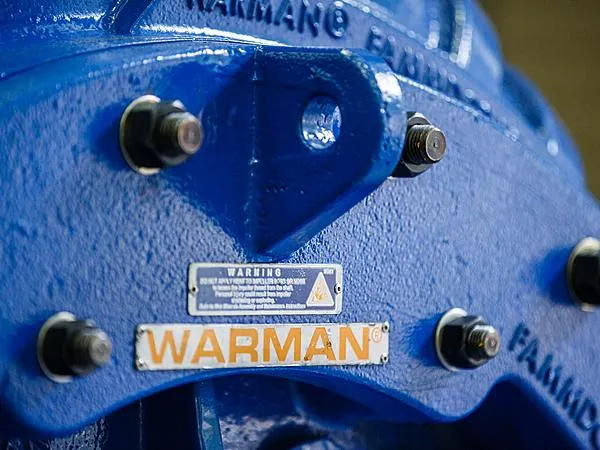
The Weir Group PLC (Weir), a global mining technology leader, has been awarded a £25m contract to provide industry-leading energy efficient, sustainable solutions to the next phase of OCP Group’s Benguerir and Louta greenfield phosphate projects in Morocco. The order will support the continued construction of the Louta project and the trebling of production from the Benguerir project, where Weir has previously provided similar separation and desliming solutions also based on our market leading WARMAN® slurry pump and CAVEX® hydrocyclone technology. The Benguerir expansion will start up following the initial phase of the project which has scheduled first production in 2024, with an estimated total mine life of more than 100 years.
The £25m contract award will be recognised in the order book during the remainder of Q3 2024. After commissioning of the equipment, aftermarket support will be provided via Weir technical experts from our Moroccan service centre, which is located close to the projects.
The receipt of orders associated with the contract award does not result in a change to Weir’s full year 2024 financial guidance as of 30 July 2024.
Commenting on the contract award, Jon Stanton, Chief Executive Officer of Weir said:
“We are pleased to have secured this major contract. It represents a strong endorsement of our WARMAN® and CAVEX® ranges that provide energy efficient separation at scale to support our customer’s productivity and sustainability goals. Along with our industry-leading solutions, we promise our customers world class service; our local team are delighted to continue to deliver for OCP as they commission the initial phase at Benguerir and look to expand these exciting projects.”
Alluvial gold miners in the country have the potential to become billionaires if they diversify their ventures, re-invest wisely, and manage their finances effectively, said Mineral Resources Authority Managing Director, Jerry Garry.
Mr Garry was speaking at the 6th Alluvial Mining Convention & Trade Show 2024 in Goroka, where over 300 miners, government regulatory agencies, gold buyers, exporters, financiers, and other relevant stakeholders gathered to share information, experiences, and discuss regulatory policies, among other topics.
The MD shared an inspiring story about how the former operator of the Porgera Mine, Placer Dome, had humble beginnings in the Wau-Bulolo gold fields in 1926. He explained that two expatriates—an Australian and a New Zealander—ventured into Wau-Bulolo in 1926, recognising the abundant gold resources in the area. The pair formed a company called Placer Development Proprietary Limited. They raised funds, purchased eight dredge machines, and mined the Wau-Bulolo gold fields.
However, Mr Garry emphasised that these men did not limit themselves to gold mining; they diversified into other industries, including cattle farming, fishing, and forestry. The pine trees harvested today by PNG Forest Products in the Wau-Bulolo area were introduced by these two men as part of their business diversification efforts in 1926.
After more than 55 years, Placer Development Proprietary Limited acquired a mining licence to operate the Porgera mine. Some years later, the company merged with another, forming Placer Dome. By 2005, Placer Dome was operating about 16 gold mines across seven countries, with a market capitalisation of USD 6.7 billion.
Mr Garry reiterated that this successful company had its origins in alluvial gold mining at the Wau-Bulolo fields in 1926. He stressed that today’s alluvial gold miners have the same potential to achieve billionaire status, much like those two men.
The MD also highlighted the economic significance of the alluvial mining sector, which at one point contributed around K640 million annually to the country’s economy. Approximately 100,000 people are involved in the alluvial mining sector nationwide.
The Alluvial Mining Convention, an initiative of the MRA, aims to promote and showcase the sector’s potential. It brings all stakeholders together on one platform to share experiences, discuss regulatory policies, and raise awareness about the latest challenges and success stories in the industry.
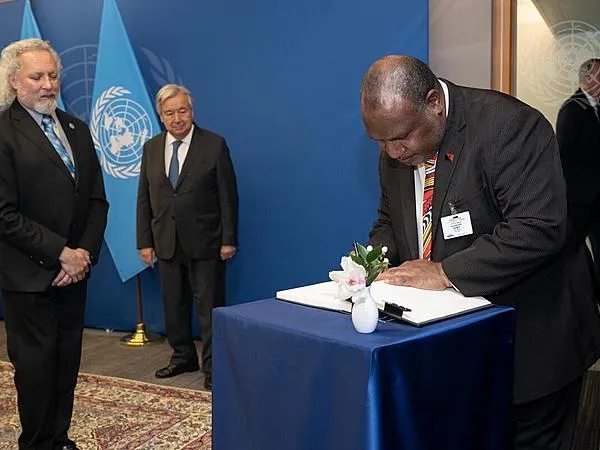
Prime Minister Hon. James Marape recently delivered Papua New Guinea’s Country Statement at the 79th session of the United Nations General Assembly high-level debate.
Speaking along the session theme of ‘Leaving no one behind: Acting together for the advancement of peace, sustainable development, and human dignity for present and future generations’, the Prime Minister highlighted in the statement three main threats facing humanity – religious intolerance, poverty induced by climate change, and geo-political differences and sovereignty con- tests over territories.
Using Papua New Guinea’s environment and biodiversity, cultures and languages, and work of Christian missionaries in the country as backdrop, the Prime Minister highlighted the protection of individual right to freedom of choice of religion stipulated under the Constitution of PNG, which reflects Article 18 of the United Nations Declaration of Human Rights on Freedom of Thought, Conscience and Religion.
He said, “Papua New Guinea is the world’s most culturally and linguistically diverse nation, with a myriad of sub-ethnicities and sub-cultures that are still authentically indigenous.
“In terms of environment, my country hosts up to seven percent of the world’s biodiversity most housed within a tropical rainforest that is the third largest in the world, including a vast marine ecosystem. We sustainable manage our forest, land and sea because our livelihood depends on them. In our own way, PNG teaches the world on living in balance with nature, tolerating cultural diversities, and practicing environmental stewardship.”
On poverty, PM Marape highlighted the general global trend of accelerated overharvesting of Earth’s resources which has led to environmental degradation, deforestation, burning of cheap fossil fuel and pollution, leading to cli- mate-induced problems that, in turn, have contributed to poverty increase.
“Ocean nations like mine continue to live with climate change-induced sea- level rise and weather pattern changes which have now become an existential threat.
“PNG’s vast rainforests, rich biodiversity, marine life, and indigenous peoples and cultures are now at the crossroads of great change – either of preservation, or loss and extinction.
“Last month, the Pacific Island Leaders Forum in Tonga, officially recognized these climate change manifestations as existential threats to our Pacific people,” said Prime Minister Marape.
He continued by highlighting the difficulty PNG and island nations of the Pacific face in accessing climate finance and urged that the United Nations look into this matter with urgency, or Papua New Guinea, as a forest nation, would look at “liquidating our forest and marine resources to achieve our development aspirations, including alleviating poverty.”
“It is for this reason, I speak in solidarity with all forest nations, especially those in Congo Basin and Amazon Basin, for adequate compensation if we are to preserve our forests which, in fact, are the lungs of Earth.”
Prime Minister Marape then made an example of French President Emmanuel Macron’s mobilization of European Union funding for the Managalas conservation project, which he pointed out, was the kind of partnership that is needed to save PNG’s forests.
“Again, I remind the world. The forest of PNG is a global asset, and it must be preserved at a price transferable to improve the lives of my forests people. The conservation on climate change mitigation cannot be had without a conversation on forest preservation; they are the two sides to the same coin.
“I call on others out there, especially those with big carbon footprints, to offset these with preservation of our forests,” said PM Marape
On geo-political differences and sovereignty contests, the Prime Minister emphasized the need for better approaches to de-escalate tensions between people and countries.
“Increasing geo-political conflicts and tensions are fueling fragmentation and protectionism around the world. The restrictions on trade, disruptions in supply chains and growing completion are crippling our local economies.
“Violence begets violence, and is evil no matter what the justification might be. Peace must be achieved by peaceful means, no matter how long or unjust it may seem. We live in a time, where, at a press of a button, an atomic or nuclear bomb, will cause irreversible damage to countries and our planet.
“The United Nations role in this must be respected by all nations, for it was for these very reasons that the United Nations was born – so that the world does not face another world war again,” he said, while calling on the UN to make reforms to its Security Council in the removal of its veto power so members could all contribute to decision-making.
“We must do all we can to restore stability to the far reaches of Earth. Globa conflicts cause domino effects, and the subsequent impacts are felt through- out the world with intergenerational wounds,” stated the Prime Minister.
He said PNG had a similar issue in the matter of Bougainville, but had always used negotiations and peaceful means to settle this matter under supervision of United Nations, and called on governments and leaders to view this as a good example.
Prime Minister Marape also highlighted PNG’s efforts at meeting the 17 Sustain- able Goals of the United Nations, guided by early plans such as the Eight Point Plan of the Independence era, and PNG Vision 2050 of 2010 which compels government to develop PNG to the Top 50 nation by 2050 in terms of Human Development Index.
He said PNG had moved from the least developing nation cluster of nations to a lower middle-income category and aiming to enter into a fast development phase within the next two decades, adding that PNG was looking forward to submitting its full progressive report to the United Nations very soon.
Prime Minister Hon. James Marape announced that discussions on the Pasca A Gas Project, which aims to develop the Pasca A gas-condensate field located approximately 95km offshore from Gulf Province, are progressing well.
The announcement followed a meeting between the Prime Minister, the State Negotiating Team (SNT), and representatives of Twinza, the developer of the project. The Pasca A Gas Project is expected to contribute over K30 billion to the economy and K15 billion directly to the country over the life of the project. The development is being pursued in partnership with the Mineral Resources Development Company (MRDC) through a 50-50 Joint Venture.
“I met today with the SNT Chairman Dairi Vele and representatives of Twinza. The project is at a stage where we are progressing towards the Petroleum Retention License (PRL). This will be followed by the Gas Agreement (GA), Final Investment Decision (FID), and finally the Petroleum Development License (PDL),” Prime Minister Marape said.
“Although there have been some delays, we all agreed that Pasca is part of the four ‘Ps’ of the Marape Rosso Government – Porgera Gold Mine, Papua LNG, P’nyang LNG, and Pasca A Gas Project. The SNT and Twinza are in very advanced discussions. We envisage that before we go to the 2024 Papua New Guinea Investment Week in Sydney, Australia, in December, we should have advanced the Pasca A Gas Project into a stage where it gives confidence to our investors.”
Prime Minister Marape reaffirmed the government’s stance on securing benefits of above 55 per cent for all major resource projects. He further mentioned that during his upcoming visit to the United Nations General Assembly (UNGA) in New York, he will meet with the leadership of ExxonMobil to discuss the PNG LNG Project, Papua LNG, and P’nyang LNG, with the aim of synchronising these major projects.
“Bearing in mind that Papua LNG has been slightly delayed, I want all the other projects to move, and there must be no more delays, especially on P’nyang,” the Prime Minister added.
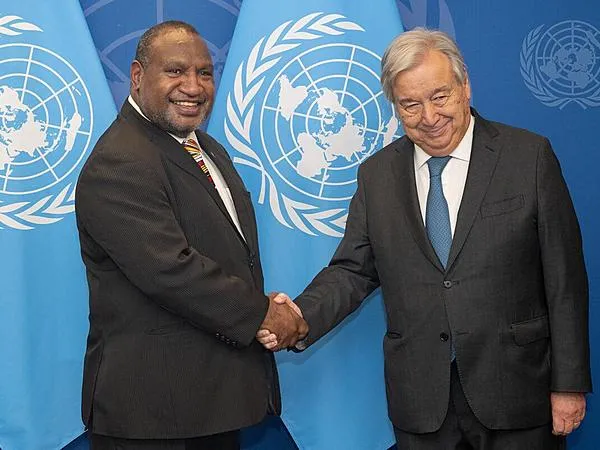
Prime Minister Hon. James Marape has requested the United Nations secretariat to assist forest nations like Papua New Guinea advocate stronger on forest preservation and climate financing to assist these nations in their development aspirations.
The Prime Minister put the special request to United Nations Secretary-General Antoinio Guterres in a bilateral meeting on the margins of the UN General Assembly, soon after PM Marape participated in the high-level assembly debate where he delivered PNG country statement.
Prime Minister Marape brought up the matter of Papua New Guinea’s forest, which as part of the island of New Guinea, is the third largest in the world after Amazon and Congo.
He highlighted the need for the assistance of the United Nations to mobilise support for the preservation of these forests through financing as compensation so people could be assisted with these financing to meet their development needs and aspirations.
Just prior to the meeting, the Prime Minister highlighted the same thing in his address to the general assembly where described these forests as “lungs of earth, needing preservation and called for collective action in this area.
“I remind the world. The forest of PNG is a global asset, and it must be preserved at a price transferable to improve the lives of my forests people. The conservation on climate change mitigation cannot be had without a conversation on forest preservation; they are the two sides to the same coin,” PM Marape had said in his address to the assembly.
In the meeting with Guterres, the Prime Minister touched on his reasons for with- drawing PNG from this year’s UN conference on climate change, COP29, which will be held in November in Azerbaijan.
“We are thinking of abstaining from COP29 because I feel there is silence in these conferences on forest conservation,” he said.
However, Mr Guterres encouraged that if PNG is going to give COP29 a miss, it must consider attending COP30 in Brazil because of the presentation of the alliance of the rainforest nations – Brazil, Congo, Indonesia and Papua New Guinea – which would have a stronger voice in pushing for a more effective global commitment in these matters.
Prime Minister Marape also informed the Secretary-General of PNG’s intention to present to the United Nations its scorecard, a progressive report on its development status in line with the UN’s Sustainable Development Goals.
The Prime Minister ended the meeting with Mr Guterres by thanking him on UN’s continued efforts in the peace process on Bougainville and also generally in the country on national and subnational levels.
A piece of land is being mobilized in Port Moresby for the construction of the UN mission in PNG so the United Nations could have a visible presence in PNG, PM Marape assured.
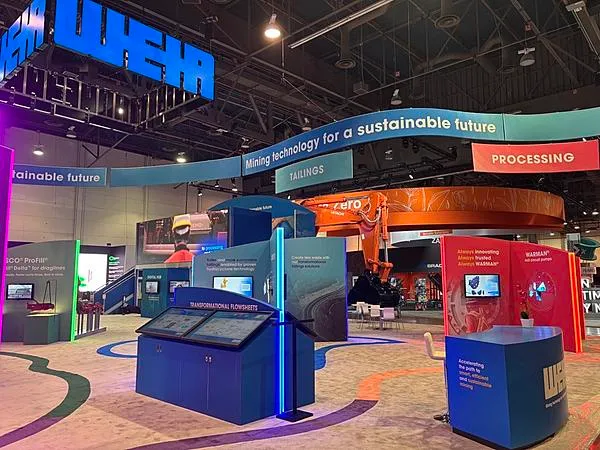
Weir is an innovative, end-to-end solutions provider focused on accelerating sustainable mining. Exhibiting at this year’s MINExpo, in the Central Hall Booth #8833, Weir will be showcasing its marketing-leading brands and unveiling a range of new innovative technologies and solutions.
Weir will launch its ESCO® NEXSYS™ GET Lip System for rope shovel dippers, which lowers lip maintenance requirements, extends tooth and adapter life and, ultimately, provides miners with longer uninterrupted shovel operation.
Weir will also be unveiling its new high-capacity ENDURON® ELITE screen. It’s a double-deck banana screen, available in a range of sizes, the largest of which has a deck measuring 4.3m x 8.5m and weighs nearly 50 tonnes. It’s driven by two exciters, whereas competitor machines of comparable size require three.
It will form an integral part of Weir’s commitment to deliver transformational flowsheet solutions in which traditional tumbling mills are replaced by HPGRs and vertical stirred mills, potentially reducing energy consumption by up to 40%.
Weir’s booth will feature the Digital Hub, which will highlight Weir’s digital offering – MOTION METRICS® and Weir’s new digital brand, NEXT™ Intelligent Solutions.
The new MOTION METRICS® ShovelMetrics™ Gen 3 Payload monitoring solution is designed to optimise truck loading and improve haulage efficiency by reducing both underloading and overloading. And as part of Weir’s commitment to service its customers even in the most remote locations, MOTION METRICS® systems now support connectivity via Starlink, enabling reliable data transmission anywhere in the world.
NEXT™ Intelligent Solutions extend and expand Weir’s current capabilities and transforms its process optimisation services into real-time digital solutions. Weir has developed digital packages for all of its market-leading solutions – pumps, cyclones, HPGRs, screens and hoses and spools – based around key customer needs: Insight, Uptime and Production.
The Digital Hub will use monitors to create a remote operation centre, allowing attendees to experience the same digital platforms and interfaces that Weir utilises to support its customers. Attendees will also have an opportunity to experience an interactive scale P&H 41000XPC shovel model demonstration of MOTION METRICS® ShovelMetrics™ Gen 3, as well as a ShovelMetrics™ model control station, featuring the same touch screen monitor and controller used by operators.
Weir experts from its digital, extraction, processing, comminution, tailings, and flowsheet solutions teams will be available at the booth to continue the conversation about how Weir is partnering with customers to accelerate sustainable mining.
Jon Stanton, Chief Executive Officer of Weir said:
‘MINExpo is a wonderful event and a great opportunity to catch up with our customers and colleagues. We’ve been doing a lot of work to expand our portfolio of innovative, end-to-end solutions to help our customers produce the metals and minerals required to transition to a low carbon economy and it’s exciting to be able to show that off at the world’s largest mining show. ‘It is clear the world needs more metals and minerals but there is a recognition in the industry that we need to mine them more sustainably than we have in the past. That means using less energy, using water wisely and generating less waste. And Weir – with our world-class engineering, advanced materials science and intelligent automation – is at the forefront of helping miners do that.’
‘MINExpo is a wonderful event and a great opportunity to catch up with our customers and colleagues. We’ve been doing a lot of work to expand our portfolio of innovative, end-to-end solutions to help our customers produce the metals and minerals required to transition to a low carbon economy and it’s exciting to be able to show that off at the world’s largest mining show.
‘It is clear the world needs more metals and minerals but there is a recognition in the industry that we need to mine them more sustainably than we have in the past. That means using less energy, using water wisely and generating less waste. And Weir – with our world-class engineering, advanced materials science and intelligent automation – is at the forefront of helping miners do that.’
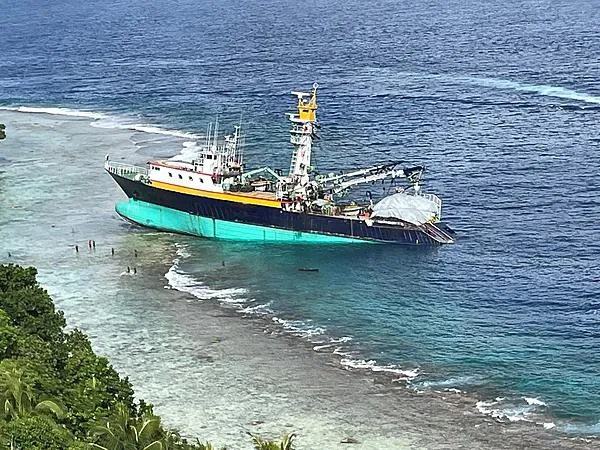
Pacific Towing (‘PacTow’) has been exceptionally busy with salvage projects in its home country, Papua New Guinea. Melanesia’s marine services and salvage market leader performed four salvages across three separate provinces in just two months. The salvages involved international fishing vessels as well as a domestic general cargo vessel.
Three of the recently salvaged vessels had run aground and another was adrift at sea. Two of the vessels were towed back to the capital city of Port Moresby for repairs and the others to Rabaul in East New Britain.
PacTow Manager Gerard Kasnari reports that “vessels running aground reefs, is the leading reason for PacTow’s salvage operations in PNG, and that this is especially so for international fishing vessels.” Mechanical or engine failure is the second most common reason for PacTow’s salvages.
Unfortunately, an engine failure which was experienced by the cargo vessel PacTow recently salvaged occurred during unfavourable weather conditions on its approach to Port Moresby via Basilisk Passage. Strong southeast winds from the stern pushed the ship straight onto the reef at Fisherman’s (Daugo) Island. Two ASD tugs of 62 and 64 tonnes bollard pull were deployed from PacTow’s nearby tug base to refloat the vessel and tow her into Port Moresby. Another of PacTow’s ASD tugs has since towed the vessel to Batam Indonesia for repairs.
The most challenging of the recent salvages performed by PacTow was of one of the international fishing vessels. The 71 metre long tuna purse seiner had run aground on a fringing reef at Emirau Island, part of the remote Mussau Archipelago in New Ireland Province. There was grave concern that the vessel would break up and pollute the traditional fishing grounds and coastline, thus severely impacting the local villagers.
PacTow chartered a helicopter to fly in one of its commercial diving supervisors and veteran salvage master, Ian Perrott to assess the technical requirements of the salvage. PacTow has long partnered with Perrott Salvage on numerous projects throughout Melanesia and also in northern Australia.
This initial stage of the project was also important to build rapport with the traditional landowners. Kasnari stresses that the establishment of trust and positive community relations is essential to the success of any salvage project taking place on PNG’s remote coastlines, especially when people are living nearby and relying on the reefs and oceans for their livelihood.
Following the necessary planning and logistical arrangements, a tug and PacTow’s salvage team and commercial divers from Port Moresby were deployed to refloat the vessel and tow her to Rabaul. Upon arrival in Rabaul the commercial divers were able to conduct a full hull inspection and provide the necessary reports to the vessel’s owners so that an application could be made for the vessel’s return to her flagged state.
Salvage is a core service of PacTow’s and one that frequently requires long distance towage. Kasnari says that “many of the vessels we assist, whether they are adrift at sea due to some sort of mechanical failure, or have run aground a reef, are operating hundreds of nautical miles from any kind of port let alone major ports where there are the right kind of repair services. Sometimes we’ll tow a vessel to a small regional port for initial repairs and then we’ll do a longer tow back to Port Moresby or Lae.”
Depending on the extent of repairs required and under which country the vessel is flagged, PacTow will also transfer salvaged vessels internationally if that’s what the owners want. At times, they’ll just provide an escort service if the vessel can travel under its own power.
PacTow’s fleet of tugs, especially its larger and more powerful ASDs, are central to its salvage operations and long-distance ocean towage capacity. Kasnari, points out that the purchase of most of the ASDs has been part of a strategic re-fleeting program that is now two thirds complete. In addition to owning PNG’s largest tug fleet, PacTow has its tugs strategically deployed at each of its five operations throughout PNG, as well as in Solomon Islands, enabling it to provide a more rapid emergency response service. The company has also established a business in Fiji.
PacTow is Melanesia’s only full member of the International Salvage Union (ISU) and is also a member of the International Spill Control Organization (ISCO).
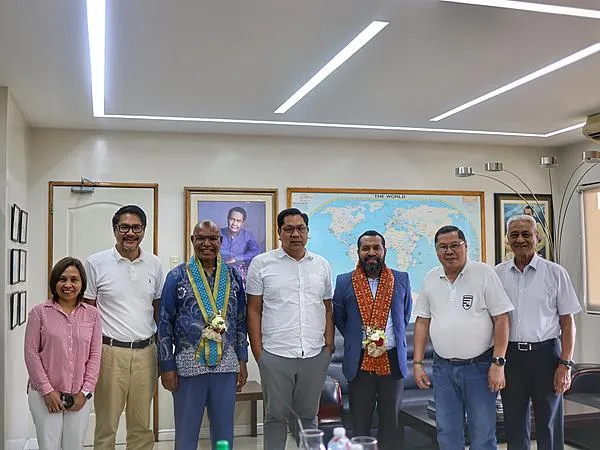
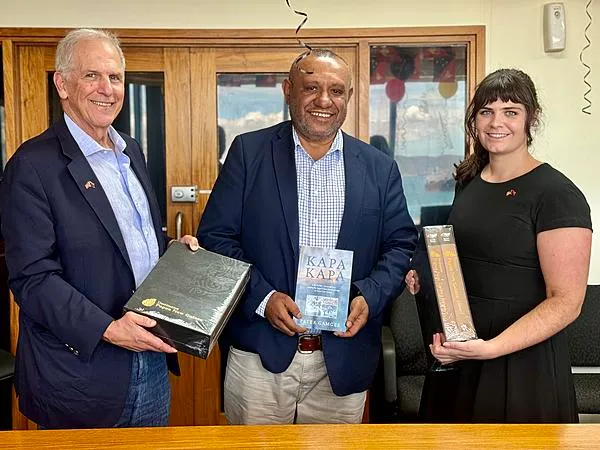
Papua New Guinea (PNG) has the potential to become a key destination for historical tourism, according to Dr. Brent Glass, Former Director Emeritus of the Smithsonian Institution.
Dr. Glass said this during his recent visit to the Papua New Guinea Tourism Promotion Authority (TPA).
“Papua New Guinea’s war history is compelling and holds global interest, particularly in the context of World War II. Developing historical sites that are accessible to tourists will not only preserve this history but also create opportunities for international travelers to engage deeply with it,” he stated.
Dr. Glass emphasized that the PNG government and TPA should consider historical aspects as major attractions for international tourists.
The historian is a prominent figure in the global museum and history community, and has over 35 years of experience in government service.
Although he recently announced his retirement as Director of the National Museum of American History, he continues to serve as a senior advisor to the Smithsonian.
“Now, after more than 35 years in government service, I am excited to explore opportunities to promote history education, historical literacy, and public memory on a global scale, and PNG is one of those destinations,” said Dr. Glass.
Throughout his tenure, Dr. Glass oversaw significant transformations at the Smithsonian, including the creation of new exhibitions, the acquisition of key collections, and the development of online education initiatives.
Under his leadership, the National Museum of American History became a national treasure, achieving record attendance and widespread public engagement.
His visit on Tuesday, September 17, served as an opportunity to discuss the importance of promoting historical literacy and public memory in PNG.
Dr. Glass was accompanied by Claudia Borevina, Acting Public Affairs Officer of the American Embassy, and Public Engagement Assistant Mathias Posu.
TPA’s CEO, Eric Mossman Uvovo, welcomed Dr. Glass and the team from the American Embassy, expressing gratitude for their valuable insights and support in promoting historical awareness in PNG.
"We are deeply thankful to Dr. Glass for sharing his expertise with us. His knowledge of promoting history and public memory is invaluable as we continue to develop our own tourism sector."
Uvovo highlighted the Kokoda Track and other significant WWII sites as major selling points on the global stage.
"Our museums and war memorials hold a rich history that tourists from around the world are eager to discover," he added.
"With the help of experts like Dr. Glass, we can further enhance our museums and war memorials to provide an even greater historical experience. We look forward to building on these connections and continuing to promote Papua New Guinea as a destination rich in history and culture." Uvovo said.
The Minister of Tourism, Arts and Culture, Hon. Belden Namah, emphasized the importance of tourism, arts, and culture, referring to them as “a pot of gold.”
He made this statement to highlight his commitment to reviving the National Kenu & Kundu Festivals (NKKF) in Milne Bay Province, at the southern tip of Papua New Guinea.
Hon. Namah took office as Minister on July 9 and has since been focused on enhancing the tourism industry.
Namah arrived to a traditional welcome ceremony in Alotau on September 20th, to present a cheque of K300,000 to the committee of the NKKF.
Minister Namah made a commitment to support the Festival with an additional K200,000 to the NKKF Committee.
The Member for Alotau Open, Hon. Ricky Morris, in welcoming Minister Namah and addressing the crowd at the Alotau Town Mall area, elaborated on the revival of this festival which is a celebration of culture and heritage in Milne Bay Province.
The day ended with a formal welcome of the visiting P & O Princess Cruise ship and a ship tour organized by the Milne Bay Tourism Bureau and the Alotau PNG Ports team.
The Australian Minister for International Development and the Pacific, Hon. Pat Conroy, officially launched the Australia-PNG Development Partnership Plan (DPP) for 2024-2029 at the Australian High Commission on Thursday 19th September in Port Moresby, Papua New Guinea.
This initiative reinforces Australia’s commitment to PNG as its largest development partner, Conroy's office said in a statement.
With an estimated $637.4 million in Official Development Assistance funding for the 2024-25 fiscal year, and over $2.5 billion in budget support loans since 2019, Australia aims to strengthen PNG’s economic growth and stability.
Minister Conroy emphasized that the DPP is aligned with Australia’s new International Development Policy, which prioritizes locally led development.
He said, “We know that infrastructure is a huge piece of that puzzle, particularly, telecommunications, roads, ports, aviation and energy. This is why we are scaling up investments in critical economic and social infrastructure from $200 million annually to $250 million annually, recognizing the role this will play in PNG’s future prosperity.
“Through this plan we will work with PNG on building access to electricity across the country, but we’ll do it through innovative, smart solutions that use renewable energy and resilient technologies.”
The importance of continued economic growth is central to PNG’s Medium-Term Development Plan. Conroy stated, “Our approach is to be guided by your priorities, your needs, your ambitions.”
“We know you want a stable economy that continues to broaden and generate jobs for your people,” he added.
The DPP outlines a roadmap for Australian assistance over the next five years, with key features including a $200 million bilateral security agreement, an increase in educational investment to $100 million, and intensified efforts towards addressing climate change and promoting gender equality.
Conroy noted, “We’re scaling up investments in critical economic and social infrastructure from $200 million annually to $250 million annually, recognizing the role this will play in PNG’s future prosperity.”
At the launch event, 21 Australian development programs were featured, showing the extensive reach of Australia’s investment in various sectors across PNG.
Conroy addressed the necessity of improving security in PNG, stating that “people need stable, safe and secure societies in which to thrive.”
The $100 million Australia-PNG Law and Justice Partnership will focus on enhancing internal security, police training, and infrastructure across ten provinces.
“This is why we are stepping up our work with you on policing, improving internal security. Through our $100 million Australia-PNG Law and Justice Partnership, we are:
Moreover, the plan seeks to create inclusive communities. Conroy mentioned the ongoing support for women and individuals with disabilities, as over the past six months, the PNG Women Lead program has assisted over 3,000 women and girls in accessing crisis support services for gender-based violence.
On education, the plan will increase investments to help students complete their studies and diversify their skills.
Conroy announced the launch of a new “Diploma in Teaching Primary” aimed at upskilling 15,000 elementary teachers, with funding for the first 400 teachers enrolled in the program.
Conroy reaffirmed Australia’s long-standing commitment to PNG, citing that since 2015, Australia has delivered over $5.6 billion in Official Development Assistance.
The DPP “is a collaborative effort to enhance access to renewable energy, improve infrastructure, and support health services, among other initiatives.,” he said.
Conroy reiterated the partnership and collaboration between both countries. “All of this work we do together, with our PNG partners, to improve the lives of people across Papua New Guinea.
“As we have for all of the 49 years so far since independence, Australia is backing PNG’s economic development and ambition for its people.”
Present for the event were Hon Sir Ano Pala, Minister for National Planning; Hon Kinoka Feo, Minister for Higher Education, Research, Science & Technology and Sports; Hon Lucas Dekena, Minister for Education; and Hon Rufina Peter, Governor of Central Province.
Heads of mission; heads of multilateral agencies; leaders from private sector and civil society were also present.
Follow on LinkedIn:
PNG Business News
Be the "First" to get our exclusive Digital Magazine & Weekly Newsletter.