

November 28, 2025

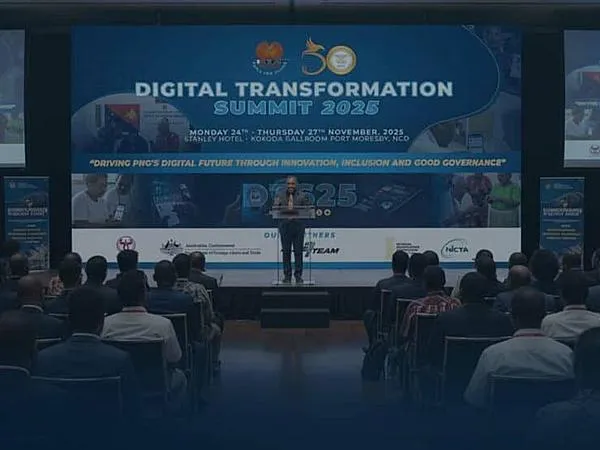
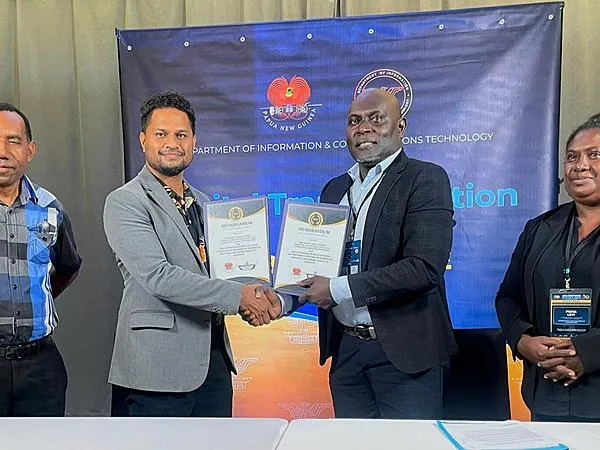
The Autonomous Bougainville Government (ABG) and the Government of Papua New Guinea’s Department of Information and Communication Technology (DICT) on 27 November formally signed a Memorandum of Understanding (MoU) to advance digital development in Bougainville.

The signing took place at the conclusion of the four-day Digital Transformation Summit hosted by the National DICT at the Stanley Hotel in Port Moresby this week.

Speaking at the ceremony, ABG Chief Secretary Kearnneth Nanei said the MoU formalises a collaborative framework between the two governments to advance ICT development in Bougainville. He highlighted the critical role of ICT in the region’s governance, development transition, and long-term readiness.

“As Bougainville progresses its political aspirations, the ABG is also confronted with a rapidly evolving policy environment where the need for real-time data, integrated digital systems and efficient public service delivery is central to effective governance,” he said. “Within this context, ICT is no longer a support function but a critical enabler across all sectors.”

The MoU outlines several joint areas of cooperation, including:

  • A comprehensive audit of Bougainville’s ICT sector and development of the Bougainville ICT Sector Development Programme

  • Technical assistance to develop ICT and broadcasting policies and legislation

  • Training, capacity building, and opportunities for joint research

  • Cooperation in facilitating international ICT-related agreements and investment opportunities

Nanei reaffirmed Bougainville’s determination to build a modern and resilient digital ecosystem.

“This MoU provides us with a platform to work together with the National Department of ICT and partners to share expertise, and align our efforts to ensure that Bougainville builds a modern, secure, and resilient ICT ecosystem,” he said.

Secretary for the National Department of ICT, Steven Matainaho, emphasised DICT’s responsibility under the Bougainville Peace Agreement, noting that the MoU reflects the department’s continued commitment to supporting Bougainville’s development.

“For us at Department of ICT we have been called on under the Peace Agreement and all the consequential meetings that have taken place to work towards empowering ABG and implementing all efforts and so this MOU is part of our commitment to that,” he said.

He added that DICT’s support will align closely with ABG’s priorities and uphold principles of mutual cooperation. “We will be guided by ABG and our counterpart department as to how we can provide that support… consistent with the MOU we have the objectives highlighted in here which relate to promoting equality and reciprocity… capacity building where we can and not just capacity building but sharing resources.”

Secretary Matainaho also stressed that innovation would be central to the collaboration and reiterated DICT’s commitment to translating the partnership into actionable outcomes.

“At the department we are big on fostering innovation… We want to reaffirm our support to this partnership and our support to Bougainville and this MOU marks that milestone for us to translate some of our areas of cooperation into workplanning and implementation," he said.

Nanei commended both teams for their efforts in finalising the MoU and reaffirmed the ABG’s commitment to strengthening Bougainville’s digital foundations, improving public service delivery, and enhancing efficiency. He added that the MoU positions Bougainville to build a future-ready ICT framework by drawing on lessons learned from PNG’s wider digital reform experience.

November 28, 2025

BSP Financial Group Limited has reaffirmed its commitment to ongoing digital transformation, expanding its product offerings to make banking simpler, faster, and more secure for its customers.

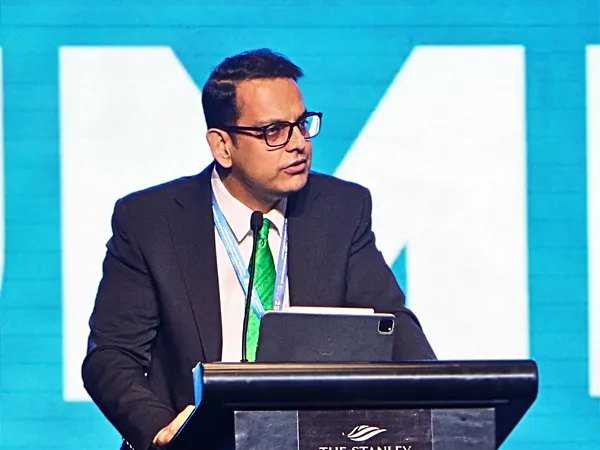
BSP Retail General Manager Ronesh Dayal, while addressing the Digital Summit in Port Moresby this week, said BSP is progressing from foundational digital advancements to the next phase of transformation.

“We are investing in the bank’s Modernising for Growth programme — modern systems, data and AI capability, branch refits, digital banking, and upskilling our people to deliver better products that meet the evolving needs of our customers,” Dayal said.

He added that BSP is continuing to strengthen its fraud awareness and cybersecurity capabilities across all channels, while also modernising core customer services — enhancing customer-facing services such as online loan applications, improved internet banking capabilities, and digital card-management features.

“These new digital services are part of our roadmap to put more convenience and control into the hands of our customers. These enhancements make banking not only more convenient but also more secure," he said.

BSP’s digital transformation is also playing a critical role in public-sector banking, supporting high-volume payments and governance over deposits and loans.

“For example, our partnership with the Department of Finance will see us digitise services such as police clearance fees, demonstrating innovation turning into real outcomes. When public and private sector efforts move in the same direction, the impact is far-reaching," Dayal said.

Dayal emphasised that digitalisation delivers the greatest value when regulation, infrastructure, and market delivery align.

“Banks such as BSP must design inclusive services that still work in the most remote parts of PNG — e-wallets that function offline and agent networks that customers can reach. Likewise, regulatory modernisation in areas like cash management helps money flow more efficiently and supports economic growth,” he added.

BSP’s multi-year transformation programme includes continued upgrades to fraud-detection tools, strengthened cybersecurity, and enhancements to digital channels to ensure more reliable and accessible digital services.

BSP Financial Group Limited (BSP), formerly the Bank of South Pacific Limited, is a leading retail and corporate banking group. Headquartered in Papua New Guinea and founded in 1957, BSP operates in seven Pacific countries.

We have the largest branch network in Papua New Guinea, the Cook Islands, Fiji, Samoa, Solomon Islands, Tonga, and Vanuatu, and employ more than 4,000 people across the Pacific.

BSP is committed to our corporate and social responsibility programmes and is proudly working with communities across the Pacific to change lives for the better. Our branch network is complemented by a sophisticated electronic banking system that meets the banking needs of customers wherever we operate.

BSP operates across the Pacific as follows:
• Over 120 branches
• More than 300 agents
• 550 ATMs and growing
• Upwards of 11,000 EFTPoS machines

BSP serves our corporate banking customers with leading cash management, treasury, lending, and corporate finance capabilities. We have unrivalled knowledge, experience, and commitment to the region, with teams serving our retail, commercial, and corporate customers.

November 26, 2025

Tucked away between the Port Moresby CBD and Motukea Internation Wharf is the former Red Sea Lodge site, now called Green Hills Accommodation Village

While known for hosting corporate guests on short-term assignments, part of the property’s true distinction lies in its high-capacity catering operation, which prides itself on being one of the most professionally managed services in the city.

The kitchen is certified under ISO 22000 and audited annually by TQCSI International in Australia, placing it among the few catering facilities in Papua New Guinea with this level of accreditation.

“When we provide meals, we’re delivering food prepared to an international standard,” says the catering manager Alice Futter , who has more than 25 years of global hospitality experience and over a decade of service in PNG.

Operating since 2020, the kitchen currently produces an average of 600 meals per day for corporate clients, including industrial sites, educational institutions and other commercial operations. Previous and current clients include Puma, Black Swan International (BSI), ExxonMobil, Australian Federal Police and Motukea International Terminal.

To address industry-wide skills shortages, Green Hills has established a structured internal training programme covering food safety, bacteria control, temperature management, hygiene and international kitchen processes.

Delivered on-site over eight hours, the programme equips staff to perform to ISO-certified standards while contributing to the wider development of PNG’s hospitality workforce.

Green Hills is also leading Port Moresby’s shift toward sustainable catering. The company has introduced reusable metal food service containers , wooden cutlery and  offers environmentally friendly packaging, supported by a full recovery-and-sanitisation cycle. This system required careful planning and investment but now forms one of its strongest value propositions for environmentally conscious clients.

Local sourcing remains central to operations. Fresh fruits and vegetables are purchased directly from the Highlands, with additional supplies from local markets. The company also employs workers from communities such as Baruni and Porebada, offering transport to ensure consistent access to employment.

Reliability underpins the Green Hills service philosophy. With a dedicated delivery fleet, the team ensures punctual, consistent meal service across Port Moresby and works closely with clients to maintain quality while meeting budget requirements.

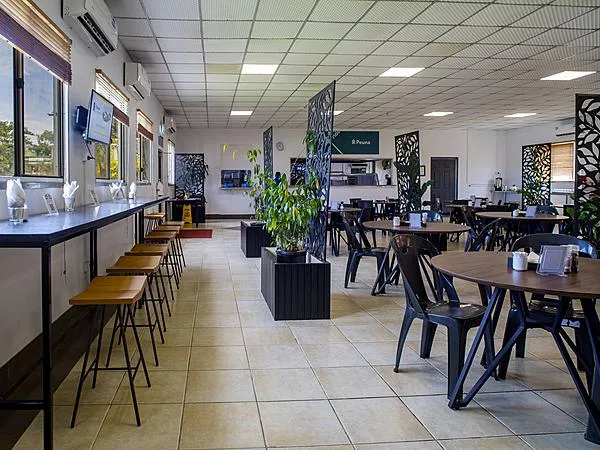
The accommodation village also features a relaxed bar and bistro and a small à la carte kitchen offering pizzas and casual meals, making it a convenient venue for after-work gatherings and small functions.

Green Hills Hospitality Services stands out as a fully-fledged operation distinguished by rare international certification, a sustainable approach, strong local engagement and a well-managed catering service in a market where safe, on-time delivery is vital.

November 26, 2025

Twinza Oil Limited has secured a clear path forward for the Pasca A gas project after its major shareholders and senior lenders agreed to a consensual restructuring, providing certainty for ongoing funding and future development.

The company confirmed that its Senior Lenders, Convertible Redeemable Preference Shareholders (CRPS), and major shareholders have signed a restructuring framework that will recapitalise the business and strengthen the company’s balance sheet.

Under the agreement, existing ordinary shareholders will see their post-restructure stake increase to 7 percent — an improvement from the 5 percent previously proposed. CRPS holders will retain a 10 percent interest.

A key element of the restructuring will see Senior Lenders, led by Tor Investment Management, convert most of their debt into equity, becoming the company’s majority shareholder. They will also provide additional funding to support Twinza’s Front-End Engineering and Design (FEED) work for the Pasca A development.

Pasca A, located in shallow water offshore Papua New Guinea, is a liquids-rich gas project that Twinza aims to advance to a Final Investment Decision by mid-2026. The company said FEED activities are already well underway.

Chairman Stephen Quantrill said the agreement marked a defining moment for the business. “We are incredibly pleased that our stakeholders have come together to agree this historic milestone for the Company. This restructuring will pave the way for Twinza to right-size its balance sheet and allow for future fundraising as we move into project development. This is a great outcome for the company and we’re grateful that our stakeholders were able to come together and work out a collaborative solution.”

With the framework now signed, Twinza plans to complete the restructuring before the end of 2025. The company said further details will be released once the process moves into its implementation stage.

November 25, 2025

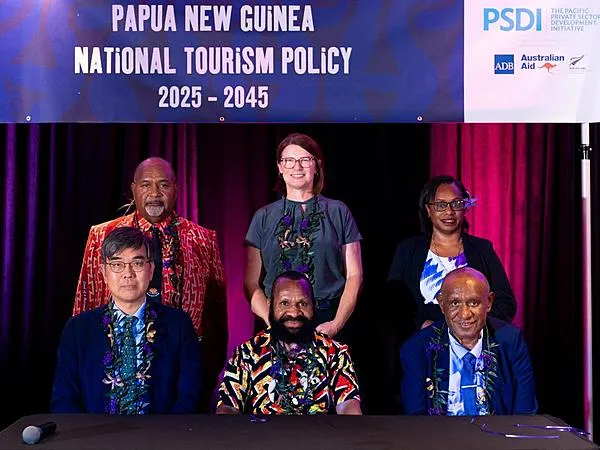
The Papua New Guinea Tourism Promotion Authority (PNGTPA) has officially launched the National Tourism Policy 2025–2045, establishing a 20-year roadmap to develop a resilient tourism sector that promotes sustainable and inclusive economic growth while safeguarding the country’s cultural and natural heritage. The policy was developed with support from the Pacific Private Sector Development Initiative (PSDI).

Writing in the policy’s foreword, PNGTPA Chief Executive Officer Eric Mossman Uvovo said: “As one of the fastest growing socio-economic sectors, tourism has the innate potential to stimulate growth, create decent jobs and business opportunities, and improve livelihoods.”

The policy sets out to increase the supply of quality visitor experiences, achieve global benchmarks in sustainable tourism, enhance PNG’s competitiveness as a niche tourism destination, and boost tourism’s contribution to employment, revenues, and small and medium enterprise development. To achieve these outcomes, the policy is structured around 15 priority areas, with specific actions and responsible partners identified for each.

Minister for Tourism, Arts and Culture, Honourable Belden Norman Namah, said: “Our National Tourism Policy marks a new chapter for tourism in Papua New Guinea. It is focused on maximizing tourism opportunities and will position the sector as a pillar of inclusive and sustainable national development.”

The policy was developed through extensive consultations with public, private, and community tourism stakeholders, reflecting a shared vision for the sector and a whole-of-government commitment to its development. Implementation will be led by PNGTPA and monitored by the Parliamentary Committee for Tourism, Arts and Culture.

In his remarks at the launch, Soon Chan Hong, Asian Development Bank Country Operations Head, highlighted the importance of collaboration:

“The policy’s success will depend on commitment from all stakeholders, not just the Tourism Promotion Authority, to continued dialogue and to ensuring that it is implemented with sustainability and inclusion in mind.”

PSDI began supporting the development of the policy in 2023, assisting PNGTPA with stakeholder consultations and the drafting of the document for government endorsement. At the launch, Mr. Uvovo acknowledged PSDI’s contribution:

“I would like to thank PSDI. Without your support, without your input, I don’t think we would have reached this milestone.”

The National Tourism Policy 2025–2045 positions PNG to harness tourism as a key driver of economic growth, community development, and environmental stewardship over the next two decades.

November 24, 2025

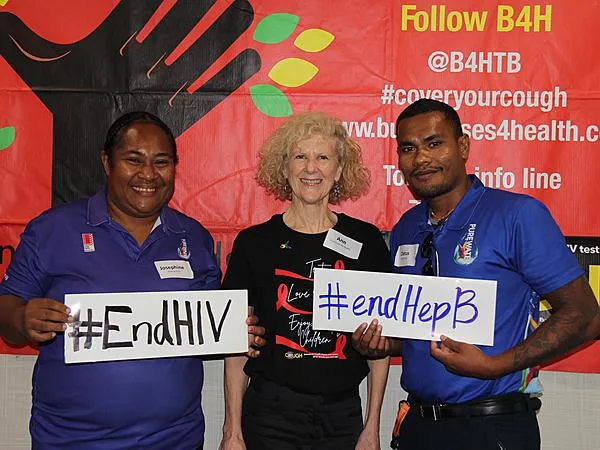
Businesses for Health Papua New Guinea (B4H) Program Manager Dr Ann Clarke has urged stronger national action to eliminate HIV, hepatitis B and syphilis, warning that the country’s future development depends on a healthy workforce.

Speaking at the 2025 B4H HIV Workshop on 5 November at the Gateway Hotel in Port Moresby, Dr Clarke called on workplaces, government agencies and community groups to intensify efforts to prevent the transmission of these infections, particularly from parent to child. More than 100 business leaders, health professionals, advocacy groups and students attended the full-day event focused on learning, awareness and workplace-centred discussions.

Rising HIV infections in PNG

The workshop took place against a backdrop of concerning national trends. Organisers said 11,000 new HIV infections were reported in the country last year, underscoring the need to urgently expand workplace programmes, community education, antenatal testing and STI treatment.

UNAIDS Strategic Information Adviser Peter Zimmbodilion presented the latest findings, saying PNG now has an estimated 120,000 people living with HIV, representing a 1.5% adult HIV prevalence rate — the country’s highest in a decade.

The 2025 PNG HIV factsheet shows an 84% rise in new infections since 2010. New cases increased from 1,800 in 2010 to 2,700 in 2024. Adults aged 15 and above accounted for most infections, rising from 1,500 cases in 2010 to 2,300 in 2024. Women over age 15 consistently recorded higher infection rates than men.

HIV prevalence among adults aged 15–49 rose from 1.0% in 2010 to 1.5% in 2024. The number of people living with HIV increased from 28,000 in 2010 to 55,000 in 2024, again with women slightly more affected. AIDS-related deaths also climbed from 1,100 in 2010 to 1,300 in 2024.

Prevention and treatment gaps

Zimmbodilion said the figures reflect persistent gaps in prevention and treatment. Antiretroviral therapy (ART) coverage remains low at 47%, leaving over half of people living with HIV without treatment. In 2024, only 102,500 condoms were distributed nationwide and several indicators point to continuing vulnerabilities among young people.

According to the testing and treatment cascade, approximately 60,000 people know their HIV status, with an even smaller number on treatment. Viral suppression coverage is lower still, highlighting barriers in access and adherence.

Zimmbodilion acknowledged the progress made by the National Department of Health and partners, noting that PNG currently has 165 clinics providing free ART, more than 400 clinics offering free HIV testing and all 800 antenatal clinics providing HIV screening.

However, he stressed that these services remain largely facility-based and inaccessible to many high-risk groups. “We need to bring testing and HIV prevention outside clinics and to communities, hotspots, nightclubs, and workplaces,” he said.

He added that many areas, particularly outside major centres, still lack condoms, dispensers and information on prevention tools such as PrEP.

Legal barriers and national spending

The report also highlights ongoing legal and policy barriers. PNG’s laws criminalise small quantities of drugs, sex work, transgender people and nondisclosure or exposure of HIV transmission. Parental consent for HIV testing is mandatory for adolescents under 18, and certain permits require compulsory testing. According to UNAIDS, these conditions fuel stigma, reduce access and heighten discrimination.

Total spending on HIV services in 2023 was US$24.1 million, mainly from domestic private and international sources.

Regional comparisons

Zimmbodilion drew attention to broader Asia-Pacific trends, where:

  • 78% of people living with HIV know their status,

  • 88% of those are on treatment, and

  • 97% of those on treatment are virally suppressed.

By comparison, PNG’s figures — 59%, 79% and 93% — place it among a small number of countries where infections are still rising. Zimmbodilion said PNG, alongside Fiji and the Philippines, is classified among “OEC countries” experiencing an Outbreak, Emergency or Crisis in HIV trends.

Five drivers of rising infections

Zimmbodilion identified five major factors contributing to the continued rise in infections:

  1. Limited community-based prevention: Very few services operate outside clinics, leaving high-risk groups unreached.

  2. Lack of condoms in public areas: Many hotspots and workplaces still do not have condoms or information on new prevention tools.

  3. Programme concentration in four provinces: Morobe, Western Highlands, NCD and Eastern Highlands have the most services, while most provinces remain underserved.

  4. Low antenatal attendance: Around half of pregnant women do not attend antenatal clinics, missing opportunities for testing and prevention.

  5. Fear and stigma: People living with HIV, men who have sex with men and transgender individuals often fear discrimination within health facilities.

Expanding HIV prevention tools

Zimmbodilion also highlighted new biomedical tools that could transform prevention in PNG. Oral PrEP is already available in select clinics in Port Moresby, Eastern Highlands and Morobe, with provincial expansion planned by 2026. The dapivirine vaginal ring, effective for 28 days and not requiring partner consent, has shown positive acceptability among female sex workers and is expected to become available following registration. A new injectable PrEP, lenacapavir, which is effective for six months per dose, may soon be accessible after approval for generic production.

“These tools can transform HIV prevention in PNG,” he said.

Strengthening workplace awareness

The workshop aimed to equip companies with practical tools and information as they prepare for World AIDS Day in December and strengthen HIV and STI education throughout the year.

Dr Clarke thanked B4H’s business supporters and acknowledged Coral Sea Hotels, the official venue sponsor. She said preventing absenteeism, reducing long-term illness and creating supportive environments for affected workers are essential to business productivity and national development.

Participants also received the official 2025 World AIDS Day T-shirt, sponsored by the National Capital District Commission. This year’s theme, “Test, Love Safely, Enjoy Healthy Children”, emphasises the importance of early testing, safe practices and consistent antenatal care.

Dr Clarke stressed that PNG continues to see rising numbers of adults and infants affected by HIV, syphilis and hepatitis B. These infections, she said, lead to infant deaths, chronic health issues and long-term impacts on families and the workforce.

“Our goal is for every Papua New Guinean to prioritise HIV testing, know their status, and take proactive steps to protect future generations,” she said. “We imagine a future where healthy workers and their families thrive. Together, we can prevent mother-to-child transmission and end stigma in communities.”

Triple elimination as a national priority

Health experts reiterated that eliminating these infections is achievable through sustained testing, treatment and awareness. Presentations focused on:

  • HIV: Updated data and access to the 2025 HIV Factsheet.

  • Syphilis: The economic burden of untreated STIs on businesses and productivity.

  • Hepatitis B: The value of immunisation and simple awareness drives, with blood donation providing immediate hepatitis B status checks.

Speakers included Dr Garba Safiyanu of UNICEF and Jonathan Wala of the Burnet Institute. Student volunteers from the University of Papua New Guinea’s School of Medicine and Health Sciences supported the discussions.

B4H acknowledged the contributions of KPAC, Marie Stopes, UNAIDS, NACS, SBB Blood Bank and Her Health, all of whom provided information booths and expertise throughout the event.

The organisation also encouraged businesses to join its Red Ribbon Campaign by ordering and selling ribbons to support HIV initiatives.

“With the right commitment, awareness and treatment, we can eliminate vertical transmission and create a healthier future for PNG,” Dr Ann said. “Every business and every family has a role to play.”

November 21, 2025

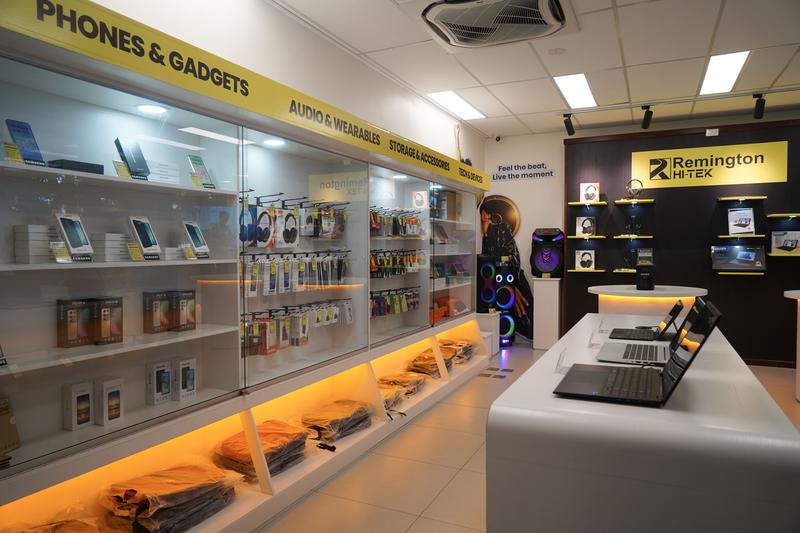
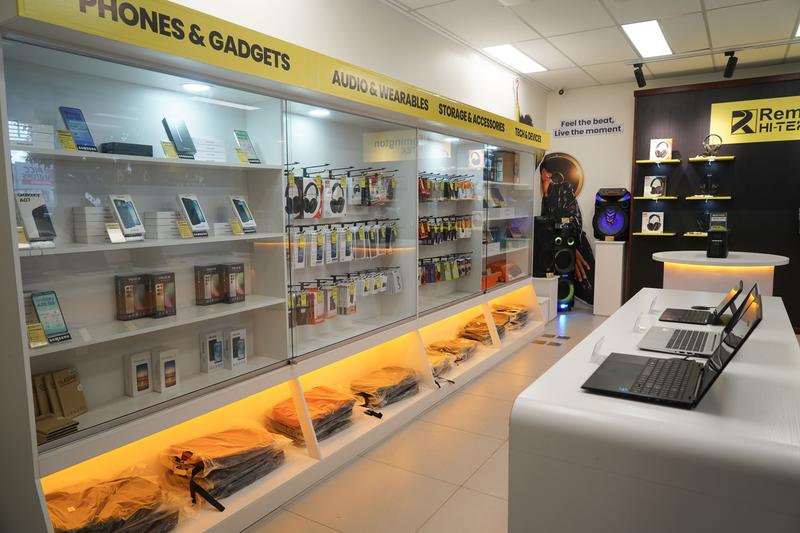
The Remington Group announced the official launch of Remington Hi-Tek, its dedicated technology retail brand, marking a major step forward in making world-class tech accessible, affordable, and supported locally in Papua New Guinea.

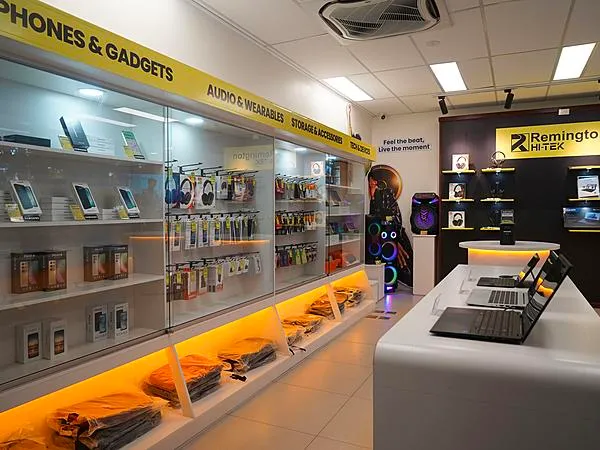
The flagship Remington Hi-Tek showroom has officially opened in Port Moresby, offering a wide range of smartphones, laptops, TVs, accessories, and smart gadgets from leading global brands. A Lae showroom is already on the expansion roadmap, with an online e-commerce store set to follow, bringing convenience and tech accessibility to homes and businesses across the country.

With over 77 years of service in Papua New Guinea, Remington Group has built a reputation for reliability, service, and local commitment. Remington Hi-Tek is the Group’s latest evolution, designed to meet the growing demand for modern tech products backed by trusted after-sales support.

“Technology shouldn’t be something Papua New Guineans need to chase overseas,” said Justin Kieseker, CEO of Remington Group. “With Remington Hi-Tek, we’re bringing global-standard tech retail to PNG, right here, backed by local support, service, and stock. This isn’t just a shop; it’s a long-term commitment to PNG’s digital future.”

The launch signals Remington Group’s confidence in Papua New Guinea’s fast-growing digital economy and the rising need for reliable technology in offices, schools, SMEs, and homes nationwide.

Customers can expect:

  • A modern in-store shopping experience with personal attention
  • Genuine, brand-new global tech products
  • Trusted warranties and local technical support
  • Competitive pricing and corporate supply options
  • A seamless online shopping platform coming soon

“We’ve listened to our customers. People want real tech, fair prices, and someone they can call when things go wrong,” Kieseker added. “Remington Hi-Tek delivers exactly that.”

The Port Moresby showroom is now open and serving customers, with more updates on Lae and the online store to be announced soon.


November 21, 2025

By Robina Hapo

For 31 years, a locally owned company has quietly reshaped Papua New Guinea’s uniform and safety wear industry, growing from a small embroidery shop into the country’s largest and most advanced one-stop production facility. Formerly known as PNG Embroidery, the company now operates as Pacific Safety Wear Limited—a name that better reflects its broad range of services, international reach, and national ambitions.

What began as a humble two-machine embroidery operation in 1994 has evolved into a fully integrated manufacturing hub, supplying uniforms, safety gear, merchandising, corporate wear, and specialized apparel for nearly every sector in PNG. Its client base spans mining, oil and gas, manufacturing, aviation, hospitality, palm oil, shipping, construction, security, defence, police, and education—including graduation gowns for major institutions like UPNG. During PNG’s 50th Independence celebrations, the company supplied nearly half of the nationwide traditional-themed uniforms, proudly integrating local cultural designs into its production.

A One-Stop Industrial Powerhouse Built on Technology and Quality

Pacific Safety Wear operates with the latest global standards, using state-of-the-art embroidery and printing machinery and highly skilled professionals from around the world, who work alongside and mentor young Papua New Guinean talent. This commitment to innovation helped the company achieve a historic milestone, becoming the first and only ISO 9001-certified uniform supplier in Papua New Guinea.

Despite a competitive environment, the company credits its longevity to two non-negotiable principles: uncompromised quality and exceptional customer service.

“We never compromise on quality, and we never compromise on service,” CEO Dr. Mohamed Fazul Jiffry explains. “That is our secret. Many of our customers have stayed with us from day one because they trust our consistency and professionalism.”

Why the Name Change? A Brand Ready for Global Markets

While PNG Embroidery remains an iconic brand under the company, the former name no longer reflected the wide scope of services offered. As the company expanded into safety wear, merchandising, corporate apparel, and large-scale manufacturing, a broader identity was needed.

“Pacific Safety Wear gives international meaning to what we do,” Dr. Mohamed Fazul Jiffry said. “It represents uniforms, safety, corporate wear—everything. We are still PNG Embroidery as a brand, but our company needed a name that matched our growth.”

Today, their products not only serve PNG but also reach as far as Australia and the UAE, with plans for further regional expansion.

Localization at the Heart of the Business

One of Pacific Safety Wear’s strongest pillars is its localization program, designed to uplift communities, empower women, support vocational institutions, and reduce reliance on imported uniforms.

Women’s Empowerment: Building Families, Not Just Careers

“The company intentionally employs more women, particularly middle-aged to elderly women. This group often struggles to find stable employment and is frequently marginalized,” says Mohamed Fazul Jiffry. “By giving them first priority, we are supporting those who need opportunities the most and helping them build their livelihoods with dignity.”

Beyond employment, Pacific Safety Wear donates sewing machines, rolls of fabric, and training support to church groups, particularly women’s groups in rural communities. This initiative helps women start small tailoring businesses producing meri blouses, school uniforms, and custom clothing for local markets. It provides a pathway to self-entrepreneurship, independence, and financial dignity.

Vocational Training: Building the Next Generation of PNG Manufacturers

The company also provides free vocational training for students from vocational centers and trade schools. Students receive three months of hands-on industrial training, exposure to world-class machinery, and certification upon completion.

“We give them first-hand training on the most advanced machines in PNG. This is our way of contributing to the nation’s skilled workforce.”

Supporting SMEs Nationwide

Pacific Safety Wear is also a major supporter of SMEs across all provinces, supplying raw materials, fabrics, accessories, and guidance to help small tailoring businesses grow.

“When SMEs succeed, we succeed. They rely on us for materials, and we rely on them to build local industry. We grow together.”

Expanding PNG Manufacturing into the World

The company recently relocated to new premises to support growing demand and international interest. Their uniforms are now stocked in Australia and sought after in the UAE, a testament to their rising regional presence.

Their Managing Director, Mr. Ahamed Fazil, was also selected to represent PNG in a national trade mission to Fiji alongside the Deputy Prime Minister—a proud milestone highlighting Pacific Safety Wear’s role in the country’s industrial future.

Vision for the Next Five Years

Pacific Safety Wear’s long-term vision is to establish branches or factories in all provinces, strengthen support for local manufacturing, reduce imports, and increase PNG-made products, promoting “PNG Made” as a national brand. This ensures that the company continues to drive high-quality local production and world-class customer service.

“Our goal is simple. We want PNG to stand proudly on the global stage. We want uniforms made here, worn here, and recognized everywhere,” adds CEO Dr. Mohamed Fazul Jiffry.

More than a supplier, Pacific Safety Wear sees itself as a nation-builder. As management often says:

“We don’t just stitch logos. We build identity, pride, and professionalism for PNG.”

From empowering women and upskilling youth to supplying industries nationwide and promoting local manufacturing, Pacific Safety Wear stands as a testament to what dedication, vision, and community-focused leadership can achieve.

Proudly made in PNG and worn with pride everywhere.

November 21, 2025

Papua New Guinea will launch a new investment platform with the inaugural PNG Infrastructure Investment Summit on 11 December 2025 in Sydney. The event is designed to attract institutional investors, infrastructure financiers and regional partners, showcasing major opportunities in telecommunications, transport, energy and defence-related infrastructure.

The summit is part of PNG Investment Week 2025 and will feature senior representatives from Vodafone, Telstra, Google’s Pacific cable programme, Starlink/SpaceX, the Australian and United States governments, the World Bank, the Asian Development Bank, the EU, and PNG Ministers for Works, Planning, Communications & ICT, alongside a counterpart minister from the Australian Government.

Delegates can expect discussions on cheaper mobile services, new undersea cables, satellite broadband for remote communities, defence infrastructure partnerships and the financing tools set to shape PNG’s next decade.

PNG CORE President Anthony Smaré, who is convening the summit, said the event would help coordinate the growing number of infrastructure initiatives involving PNG.

“PNG is entering a cycle of major infrastructure build-out. Investors want clarity, coordination and access to the decision-makers. This summit brings all those elements together in one place where government, industry and international partners can align their work,” he said. “This summit gives us that opportunity, and it comes at a critical time for PNG as we move into a decade of significant infrastructure investment.”

The event aims to streamline engagement and open new investment channels for long-term, large-scale projects.

“It’s the must-attend event for anyone involved in infrastructure, investment or regional development in PNG and the regional Pacific. All the key decision-makers are in one room. If you work in this space, you’ll want to be there,” Smaré added.

PNG CORE, the Papua New Guinea Chamber of Resources & Energy, is the peak industry body representing the country’s mineral resources and energy sectors. Its mission is “to create the understanding, generate the knowledge, and forge relationships which empower Papua New Guinea to capture sustained nation-building benefits from its natural resources.”

Registrations are open, with further details available through PNG Investment Week or via events@pngcore.org.
November 21, 2025

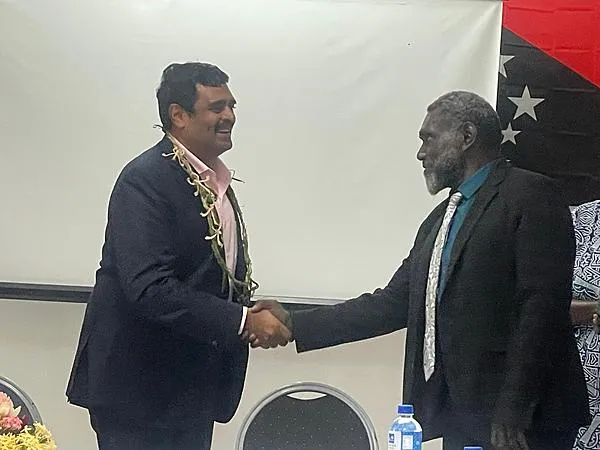
The Autonomous Bougainville Government (ABG) has signed a Memorandum of Understanding with Lloyds Metals & Energy Ltd. (LMEL), creating a formal platform for consultation on major development priorities across the region.

President Ishmael Toroama described the agreement as an important milestone, saying the framework will enable Bougainville to explore development opportunities in a structured, transparent and well-coordinated way.

“Thank you, Lloyds Metal, for us entering into this agreement. ABG has entered into so many agreements, promises that were signed, trying to revive and ensure that they make all agreements work, today the challenge is here with us,” he said.

Under the MoU, the ABG and LMEL will consult on a range of development areas, including infrastructure, social services, economic initiatives and potential large-scale mining projects.

Toroama said the framework aligns with Bougainville’s broader development agenda and complements the support of its long-standing partners. He reaffirmed that the government will continue working with partners who contribute meaningfully to the region’s economic empowerment and its preparations for political independence.

LMEL managing director Balasubramanian Prabhakaran, in a presentation to Bougainville’s political and administrative leadership, acknowledged the region’s difficult history and assured the ABG that the company approaches the partnership with respect for Bougainville’s long-term development aspirations.

Prabhakaran said the company recognises the resilience and innovative spirit of Bougainvilleans, noting that this strength inspires LMEL’s intention to work with the ABG.

Lloyds Metals & Energy Ltd. is an established Indian corporation engaged in mining, steel manufacturing and large-scale industrial operations in India and abroad through its associated entities.

November 20, 2025

Air Niugini proudly supported the successful hosting of the 80th Association of South Pacific Airlines (ASPA) General Session in Port Moresby from 12 to 13 November 2025, showcasing not only the national airline’s leadership in regional aviation but also the unique cultural and economic strengths of Papua New Guinea (PNG).

Over 100 participants representing ASPA member airlines, regulators, service providers, and partners from across the Pacific, Australia, and Europe attended the two-day conference, engaging in strategic discussions under the theme “Digital Takeoff: Navigating AI, Data, and Innovation in Pacific Airlines.”

Delegates included senior representatives from regional carriers, IcelandAir, Airbus, CASA PNG, PNG Air, and others, gathering to explore the future of aviation in an increasingly data-driven and technologically advanced era.

Prime Minister James Marape officially opened the session, thanking ASPA for selecting PNG as the host nation and underscoring the critical role aviation plays in connecting the country’s vast and diverse geography.

“With over 800 languages, hundreds of cultures, and terrain that stretches from highland valleys to vast islands and coastlines, PNG is one of the most diverse nations on earth,” the Prime Minister said.
“Without strong and reliable air transport, our country cannot move forward. Aviation remains the key to unlocking economic opportunity, business, sports, and the unity of our people.”

Air Niugini’s Officer in Charge and Acting Chief Operating Officer, Captain Samiu Taufa MBE, presented “Air Niugini – 50 Years of Aviation,” highlighting the airline’s beginnings, milestones, and its future as a digitally empowered, next-generation carrier aligned with the National Government’s Vision 2030 on digital transformation.

“In many ways, PNG’s diversity reflects the richness of our Pacific region — vibrant, complex, and deeply connected by the ocean and by our people. For 50 years, Air Niugini has been the bridge that links communities across our rugged mountains, scattered islands, and beyond to the Pacific, Asia, and Australia,” Captain Taufa said.

He also highlighted the airline’s fleet modernisation program, including the introduction of the Airbus A220 and preparations for the Boeing 787 Dreamliner.

“What is most exciting is how we’ve embraced transformation. We are modernising every aspect of our operations — from digital flight planning and predictive maintenance, to data-driven decision-making in customer service and logistics. This is how Air Niugini will strengthen its presence beyond our borders, combining advanced aircraft technology with regional partnerships and digital systems that make travel seamless and efficient,” Captain Taufa added.

Beyond its technical evolution, Air Niugini leveraged the ASPA platform to promote PNG as a unique and exciting destination. Delegates were welcomed with an island-themed buffet dinner featuring performances by the Vabukori cultural group, the Bougainville bamboo band, and the Manus Garamut dancers — offering visitors a vivid glimpse into PNG’s rich culture.

National Capital District Governor Powes Parkop also welcomed delegates during the pre-conference reception, highlighting Port Moresby’s rapid transformation and role as a growing Pacific capital.

“Port Moresby is becoming a modern, vibrant, and forward-looking city. Those who were here five or ten years ago will see how much has changed — new roads, hotels, developments, and improved public spaces. Our city is not defined by its challenges but by its spirit, diversity, and ambition,” Governor Parkop said.

Delegates were invited on city tours organised by NCDC, visiting landmarks such as Ela Beach, APEC Haus, Vision City, the Port Moresby Nature Park, and Parliament House, showcasing a city embracing the future while celebrating its cultural identity.

The conference covered topics vital to advancing Pacific aviation, including industry trends, AI-driven innovation, technology and data analytics, regulatory oversight in PNG, and digital transformation systems that improve efficiency, customer experience, and safety.

Captain Taufa also highlighted Air Niugini’s collaboration with Oracle to modernise financial and operational systems, enabling real-time decision-making, streamlined processes, and enhanced service and payment systems across the airline.

ASPA, one of the region’s most respected aviation bodies established in the 1960s, unites national and regional airlines such as Air Vanuatu, Aircalin, Fiji Airways, Solomon Airlines, and Air Tahiti Nui to strengthen collaboration, share expertise, and promote seamless air services across the Pacific.

By supporting the 80th ASPA General Session, Air Niugini reinforced its commitment not only to the growth of regional aviation but also to promoting PNG as a culturally rich, economically dynamic, and strategically significant Pacific hub.

Air Niugini also acknowledged the support of the Papua New Guinea Tourism Promotion Authority (PNGTPA) and the National Capital District Commission (NCDC) in making the ASPA event a success.

November 20, 2025

Nambawan Super Limited (NSL) met with members from the Department of Works and Highways (DoWH) in Port Moresby for a two-day engagement session aimed at supporting their financial well-being and providing Member services to the hardworking men and women of the department.

The DoWH has more than 600 employees in Port Moresby, with many more serving communities across the country who are also NSL Members. They contribute to nation-building by ensuring the safety and reliability of PNG’s roads and transport infrastructure, keeping people and goods moving every day, often under challenging conditions.

NSL Chief Executive Officer Paul Sayer said Nambawan Super was pleased to spend time with DoWH staff, providing on-site services and helping them sign up for digital services to make it easier for them to stay up to date with their super.

“We appreciate the dedication of our DoWH Members who work tirelessly to maintain critical infrastructure for our country. As we approach the festive season, a time for family, reflection, and planning for the future, it was meaningful for us to meet our Members where they work, listen to their needs, and help them prepare for a secure financial future,” Sayer said.

He thanked the DoWH management for allowing Nambawan Super to set up its Member Services booth and deliver a presentation session on superannuation products and services.

“Our goal is to ensure our Members understand their entitlements and feel confident about their retirement. Updating beneficiaries, reviewing Member details, and making voluntary contributions are small steps that can make a big difference to their long-term security. These engagements help bring peace of mind to our Members and their families,” he added.

NSL also offers free Financial Literacy Training (FLT), which helps Members understand topics such as personal finance, budgeting, debt management, saving, superannuation products and services, planning for retirement, buying a home, and financial management for micro, small, and medium enterprises.

“We want our Members to feel empowered, both now and into retirement. Bringing the FLT and services to our Members in their place of work is our way of educating and empowering them to take proactive steps towards a comfortable and financially secure retirement.”

The engagement with the DoWH took place on Wednesday, 19 November, and Thursday, 20 November 2025. The Nambawan Savings and Loans Society (NSLS) and Paradise Foods continued their support from the recent engagement at Port Moresby General Hospital held last week. The NSLS team shared information on short- and medium-term savings options, while Paradise Foods added festive cheer by serving its signature Gala ice cream and Smart Start biscuits to DoWH staff.

NSL said it looks forward to continuing its Member engagement sessions in partnership with employers to provide on-site services across the country, helping Members stay informed about their retirement savings and access the support and knowledge they need for a comfortable and financially secure retirement.

November 18, 2025

The Mineral Resources Development Company (MRDC) has completed the distribution of royalty and equity payments worth K74,147,996 (approximately USD 20.8 million) to landowners from the PNG LNG Plant Site in Central Province, Papua New Guinea, marking a significant step in delivering long-awaited project benefits.

The payments were confirmed by MRDC on 17 November 2025. Representing 40% of total benefits, the funds were transferred directly into the bank accounts of 83 beneficiary clans from the villages of Papa, Rearea, Porebada, and Boera, where the PNG LNG Project’s processing and export facilities are located.

According to MRDC, the disbursements include:

  • Royalty payments from 2022 to 2025 (current)
  • Equity payments covering 2018 to 2025

Under the benefit-sharing structure established by the Oil and Gas Act, only 40% of total royalty and equity entitlements are paid as direct cash benefits. The remaining 60% is allocated equally into two long-term development and savings mechanisms:

  • 30% to the Community Investment Trust Fund (CITF)
  • 30% to the Future Generations Trust Fund (GFTF)

These trust funds are designed to support community projects and ensure long-term financial stability for landowners.

Ahead of the payments, MRDC’s External Affairs team, including petroleum coordinators, conducted awareness sessions in all four plant site villages.

The sessions explained total royalty declarations for each year and how PNG LNG royalty breakdowns are distributed. The payment schedule was also discussed, with confirmation that all future royalty payments will go directly into landowners’ bank accounts.

The National Petroleum Authority (NPA), as the industry regulator, also took part and addressed community questions, ensuring clarity and transparency throughout the process.

MRDC CEO Commends Smooth Process and Community Cooperation

MRDC Managing Director and CEO Augustine Mano praised both MRDC and NPA teams for delivering the programme efficiently over the past two weeks.

He also expressed appreciation to the plant site villagers for their patience and urged recipients to use their funds wisely.

Mano further acknowledged the leadership of Gas Resources Plant Ltd Chairlady Ulato Avei and the Plant Site Directors, noting that their guidance over the past seven years has been crucial in maintaining unity among clans and supporting MRDC’s efforts to deliver benefits fairly and effectively.

Next Phase: Pipeline and Hides Beneficiaries

With the plant site payments now completed, MRDC is preparing the next phase of disbursements to other PNG LNG Project–impacted groups. These include:

  • Pipeline landowners across seven segments in Gulf, Southern Highlands, Western, and Hela provinces
  • Hides PDL 7 landowners in Hela Province

The upcoming payments are expected to follow a similar awareness and direct-payment process.

November 18, 2025

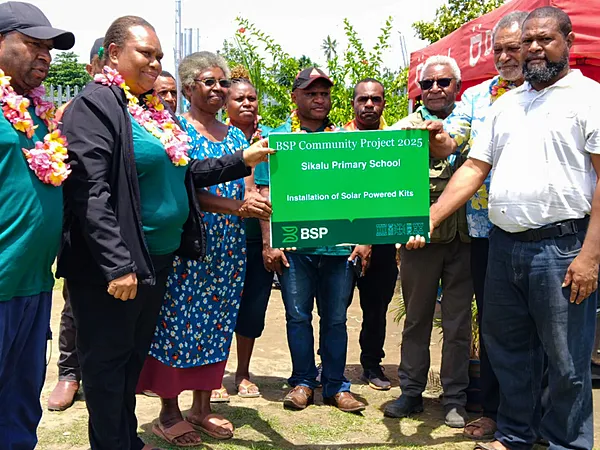
Students and teachers at Sikalu Primary School in Kerema previously faced security concerns due to trespassing. That challenge has now been addressed with the installation of perimeter fencing and solar-powered lighting, creating a safer and more secure learning environment.

The project was a joint effort by BSP’s Gordons Commercial Centre and Waigani Drive branches and also included donations of educational and sports supplies. It was implemented by Jadrem Builders & Supplies and completed in phases over four weeks. Despite logistical challenges posed by the school’s location near mangroves and waterways, mitigation strategies ensured timely delivery.

The official handover ceremony was attended by more than 100 students, teachers, parents, and representatives from the Gulf Provincial Administration and the Department of Education. The event also marked the opening of a new three-in-one classroom.

In his remarks, the school chairman, Jonathan Marko, expressed deep appreciation for BSP’s commitment to community development.

“This is the first time a corporate company has supported a school in the provincial capital. BSP’s presence and contribution have given our community a renewed sense of respect and hope,” he said.

Staff from both branches travelled to Kerema to participate in the handover, engaging directly with students and witnessing the school’s daily challenges. Their involvement was warmly received and highlighted BSP’s dedication to building stronger, safer communities.

“Our engagement with the students and teachers reflects our commitment to community development. The solar lighting and fencing installations are part of our ongoing efforts to support safe and inclusive learning spaces,” said Elape Epe, Deputy Branch Manager at Gordons Commercial Centre. “This initiative will also benefit the wider community, and we trust that these facilities will be well maintained and serve residents for many years to come,” she added.

Through its ongoing support in education and community development, BSP continues to nurture brighter futures and empower local growth.

November 18, 2025

Papua New Guinea is set to establish its first-ever aviation degree programmes as the Government, Unitech and key aviation agencies move to address a critical shortage of local pilots, engineers and aviation professionals. The initiative, led by the Ministry of Civil Aviation, will introduce bachelor’s degrees in aeronautical engineering, aerospace engineering and aviation management.

The move comes as the aviation sector continues to face a long-standing shortage of qualified Papua New Guinean professionals, including pilots, engineers, air traffic controllers, safety inspectors, and aviation managers. With aviation serving as a lifeline for economic activity, service delivery, and national connectivity, leaders say the time is right for an in-country, globally recognised aviation qualification.

The initiative, led by Civil Aviation Minister Wake Goi is considered a vital investment in national skills, safety, and long-term aviation growth.

It directly supports PNG’s Vision 2050, MTDP IV, and the National Aviation Human Capital Strategy 2025–2035, emphasising innovation, localisation of expertise, and the modernisation of the national aviation sector.

Proposed Degree Programme Presented to Industry

On 5 November 2025, the Vice-Chancellor of Unitech, Professor Ora Renagi, PhD, together with Engineering Dean Dr Syed and Dr Khallahle, formally presented the proposed curriculum to civil aviation leaders and industry partners.

Minister Goi welcomed the proposal, saying the programme marks an important step forward for PNG’s human capital development.

“This initiative is timely and critical for meeting our growing aviation workforce needs,” Minister Goi said.

“I encourage open dialogue and cooperation among all agencies to ensure we deliver a robust, future-focused academic framework for our young people.”

Unitech to Lead, Industry to Support

The planned bachelor’s degree in aviation will cover three core streams:

  1. Aeronautical Engineering
  2. Aerospace Engineering
  3. Aviation Management

The programme aims to produce job-ready graduates with strong technical, regulatory, and safety competencies. Key components include:
• Technical and theoretical coursework aligned with ICAO standards and PASO frameworks
• Internship and industrial attachment placements with local aviation agencies
• Training in engineering laboratories, simulators, and workshops
• Safety and regulatory modules based on relevant ICAO Annexes

Unitech will serve as the lead institution, supported by major aviation partners including NiuSky Pacific, the National Airports Corporation (NAC), Air Niugini, PNG Air, the Civil Aviation Safety Authority (CASA PNG), and the Department of Transport. Regulatory oversight will come from DHERST, CASA PNG, and the Ministry of Civil Aviation.

Three-Phase Implementation Plan

The rollout will follow a structured three-phase approach.

Phase 1: Concept Development
This phase includes the formation of an interagency taskforce chaired by the Minister or a representative; finalisation of the programme concept, curriculum, and institutional MOUs; and preparation of a Cabinet submission and budget approval.

Phase 2: Accreditation and Capacity Building
Activities include curriculum validation by CASA PNG, DHERST, and aviation stakeholders; investment in laboratories, engineering workshops, and flight simulation equipment; and academic staff training in partnership with international aviation universities.

Phase 3: Programme Launch
This phase will see the admission of the first 30–50 students, establishment of scholarships, internships, and industry placements, and formalisation of international cooperation to elevate standards.

International Partnerships to Elevate Standards

To ensure global recognition, PNG aims to partner with leading institutions such as RMIT University (Australia), UNSW Aviation, Singapore Aviation Academy, the ICAO Training Centre in Montreal, and institutions in South Korea, the UAE, and Malaysia.

These partnerships are expected to support curriculum design, lecturer exchanges, joint certification, and access to advanced aviation technologies.

Funding Pathways Identified

The programme is expected to receive support through:
• Civil Aviation Development Investment Programme (CADIP III)
• Public Investment Programme (PIP)
• Bilateral assistance under the Australia–PNG Transport Sector Support Programme (TSSP)
• Education sector grants from the Asian Development Bank

Transforming PNG Into a Regional Aviation Education Hub

Once established, the degree programme will produce certified PNG engineers, managers, and aviation specialists, thereby reducing reliance on expatriate workers and strengthening aviation safety and operational efficiency.

Furthermore, the initiative will build long-term national academic and technical capacity and position PNG as a regional aviation education hub for the Pacific.

A key recommendation now before national leaders proposes an interagency working group comprising Civil Aviation, Unitech, and industry stakeholders to finalise and operationalise the programme. The recommendation also directs aviation agencies to contribute technical expertise, training facilities, and placement support, and to advance a Cabinet submission co-sponsored by the Ministry of HERST and the Ministry of Civil Aviation for national endorsement and budget inclusion.

As Minister Goi noted, the initiative marks “a major milestone for Papua New Guinea’s intellectual and human capital development”, signalling a long-awaited transformation in the country’s aviation capability.

November 17, 2025

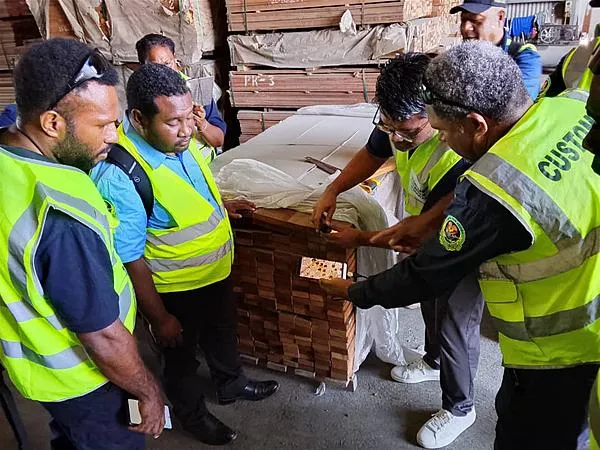
The Papua New Guinea Customs Service (PNGCS) has confirmed to PNG Business News that it has received new support for its frontline border-security operations, following the donation of information technology equipment and drug and precursor test kits from the United Nations Office on Drugs and Crime (UNODC).

The package includes six IT equipment sets and 15 drug-testing kits, provided through funding assistance from the Australian Border Force. The tools are earmarked for the Passenger and Cargo Control Programme (PCCP) Port Control Units, which play a central role in detecting illicit goods and monitoring high-risk cargo and passenger movements across the country’s entry points.

The official handover took place in Port Moresby during the closing of the UNODC-WCO-INTERPOL PCCP Law Enforcement Assistance Programme (LEAP) training in October. The course focused on combating deforestation and illicit timber trafficking—an emerging transnational crime with serious environmental and economic implications for Papua New Guinea.

PNG Customs Chief Commissioner David Towe welcomed the donation, noting that it demonstrates the strong and continuing partnership between PNG Customs and UNODC.

“We appreciate UNODC’s unwavering support through ongoing capacity-building initiatives and now through the donation of the IT equipment and drug test kits,” Towe said.

“These tools will significantly enhance our ability to secure our borders, combat drug trafficking and other illicit activities, and safeguard our communities and the economy.”

The addition of the drug-testing kits will help officers rapidly identify narcotics and precursor chemicals, especially at high-risk transit points. Meanwhile, the upgraded IT systems will improve data processing, intelligence sharing and reporting across PCCP units—essential elements of modern border management.

Building skills to combat forest and timber crime

The donation coincided with a week-long LEAP training attended by 16 customs officers from divisions including regional operations, enforcement, intelligence and targeting, post-clearance audit, and trade excise and valuation.

The wide-ranging course covered timber supply-chain analysis, risk profiling, international trade documentation, concealment methods, physical inspections, crime-scene management and global trends in illegal logging.

Training was delivered by PNG Customs officers Leslie Malo and Jerry Abraham, supported by PCCP Deputy Regional Coordinator Topan Caesar Renyaan and Programme Assistant Jadetayakom Luythong—an approach that reflects PNG’s growing internal training capability.

Commissioner for Border Security and Regional Operations Benjamin Sine underscored the value of such practical instruction in strengthening national enforcement systems.

"These trainings strengthen our enforcement capabilities and collaboration between PNGCS and UNODC in advancing border security efforts. Our focus remains on building internal capacity to ensure sustainable development in the future,” Sine said.

He also commended local trainers for leading the sessions and encouraged participants to apply their newly acquired skills in their day-to-day duties.

As PNG continues to face rising challenges from drug trafficking, illegal logging, wildlife crime and other transnational threats, the new equipment and specialised training represent a timely investment in the country’s security infrastructure. The strengthened partnership between UNODC, Australia and PNG Customs is expected to further reinforce the nation’s ability to protect its borders, environment and communities.

November 17, 2025

Listed Australian miner Augustus Minerals Ltd has moved to expand its exploration footprint in Papua New Guinea with a new application for an exploration licence in the Vanapa River region, about 35 kilometres north of Port Moresby. The application, ELA2955, covers 1,906 square kilometres in the highly prospective New Guinea Metallogenic Belt, one of the world’s most significant corridors for gold and copper deposits.

The company lodged the application following a recent site visit by Augustus Minerals and ACM PNG personnel, who travelled with local landowners to review artisanal alluvial gold workings along the Vanapa River and surrounding tributaries. Artisanal miners continue to recover small amounts of alluvial gold in the region, indicating ongoing mineralisation even though the primary source has yet to be identified.

The New Guinea Metallogenic Belt is known for its large-scale mineral deposits, including Frieda River, Porgera, Kainantu, Hidden Valley and Wafi Golpu. The belt runs for more than 2,300 kilometres along the central mountain spine of New Guinea and its northern foothills. Augustus’ application area is located about 40 kilometres southeast along strike from the Tolokuma gold mine, which has historically produced 1.5 million ounces of gold at high grades, along with 4.3 million ounces of silver.

James Warren, Augustus Minerals’ chief executive officer, said the Vanapa River application marks a significant opportunity for the company.

“We are very pleased to have been invited into the Hira Koiari District by the local landowners and presents Augustus with a rare and unique opportunity to conduct true frontier exploration in an area synonymous with Giant orebodies,” Warren said.

“The application area has had little to no modern exploration activity and we’re excited to be the first company to be allowed to explore the region over such a large area. It is an extremely exciting time for Augustus shareholders as we progress our Mt Kare application whilst continuing to seek out and advance exceptional world class projects in the Land of the Giants," the executive added.

According to the company, known gold deposits in the wider Tolokuma–Saki–Mt Tafa region are typically found in narrow fissure veins formed in an epithermal environment. These veins can be as narrow as half a metre but may widen significantly where they intersect with other structures. At surface, the veins often show oxidised sulphides and visible gold. Copper, lead and zinc sulphides are more common at deeper levels. The host rocks in the area consist mainly of volcanic materials overlying an older metamorphic foundation.

Augustus said the late-October site visit helped shape its decision to apply for the large exploration area. Access was mainly by helicopter, with guidance from landowners familiar with the river systems and artisanal workings. While the company did not identify the main source of the alluvial gold during the visit, it believes the region’s geology warrants systematic exploration.

The Vanapa River application comes as Augustus continues to progress its Mt Kare licence application, situated in Hela and Enga provinces. Through its acquisition of ACM Contract Mining PNG Ltd, Augustus holds ELA2446, the licence application covering the Mt Kare gold project. The application is being reviewed by the Minerals Resource Authority and the Mining Advisory Council in order of submission.

Augustus said it has strengthened its board and executive team as part of its effort to position itself as a preferred partner for developing Mt Kare. The company has also been conducting awareness meetings with landowner groups from Enga and Hela to support the permitting process.

Beyond PNG, Augustus continues to advance exploration projects in Western Australia, including the Music Well Project near Leonora and the Ti-Tree Project in the Gascoyne region. Both areas are prospective for gold, copper, lithium and rare earth elements.

Augustus Minerals describes itself as a company led by directors and executives with international experience in exploration, mine development and corporate strategy.

November 17, 2025

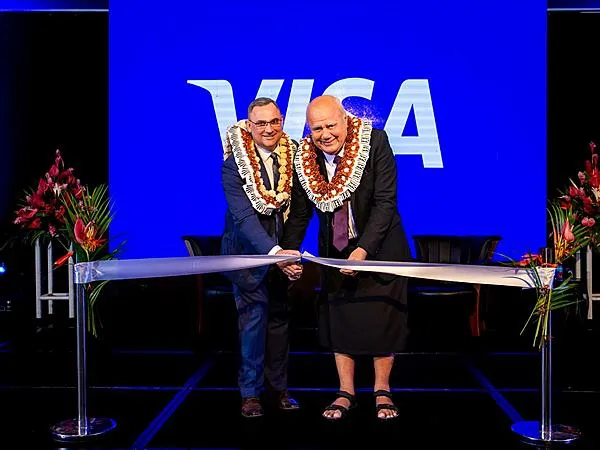
Visa is deepening its presence in the Pacific with the launch of a new regional office in Suva, Fiji, in an investment poised to reshape digital payments and unlock new opportunities for businesses across the Pacific Islands.

The new Fiji hub will strengthen Visa’s ability to support banks, financial service providers, merchants, SMEs, governments and development partners as the region accelerates towards a more connected digital economy.

Visa Country Manager for New Zealand and Pacific Islands Anthony Watson said the new office reflects Visa’s long-term commitment to the Pacific and its confidence in the region’s rapid digital transformation.

“We are proud to be establishing a physical presence in the Pacific Islands, which will enable us to better serve our partners and clients in the region,” he said.

“The Pacific Islands are at the forefront of an exciting transformation, with innovation and growth rapidly shaping the digital payments landscape. We’re proud to play a role in this moment, working alongside local businesses to unlock new opportunities that foster sustainable economic growth across the region," he added.

Fiji’s new status as Visa’s Pacific hub is expected to benefit local businesses by improving access to secure, modern payment technologies that support faster transactions, safer customer experiences, and more efficient cross-border trade.

With digital payments growing rapidly in Fiji, driven by rising internet and smartphone usage, Visa’s on-ground presence will give businesses quicker access to technical support, product upgrades, innovation programmes and partnership opportunities.

Tourism operators, retail businesses, small enterprises and exporters across Fiji are expected to gain significantly from enhanced cross-border payment flows and improved global connectivity.

Supporting Digital Growth Across the Pacific

The regional hub is also designed to serve neighbouring Pacific Island countries, strengthening their integration into the global digital economy.

From Papua New Guinea to Samoa, Solomon Islands to Vanuatu, businesses will benefit from:

  • Improved cross-border payment capabilities

  • Greater reliability and security in digital transactions

  • Access to innovation and financial technology solutions

  • Onshore support for banks and financial institutions

  • Partnerships aimed at financial inclusion and digital literacy

Visa’s financial education partnerships in the region—including its collaboration with Good Return—have already shown strong results. Training programmes have boosted financial capability scores from 6.1 to 7.6 out of 10 and increased trust in mobile payments from 62% to 96%. The Fiji office will further expand these initiatives.

Government Welcomes Visa’s Investment

Deputy Prime Minister and Minister for Tourism and Civil Aviation Viliame Gavoka officially opened the new office, acknowledging the positive impact the hub will have on Fiji’s economy and tourism sector.

"We welcome the new Visa office and the commitment to strengthen Fiji's payments landscape, empower local industry, and enable seamless experiences for visitors and locals alike,” Gavoka said. “I look forward to seeing how this regional hub will further accelerate the momentum we’re seeing across the country, and how new opportunities for innovation will further support economic growth and prosperity.”

Fijian rugby star and Visa sponsorship ambassador Jerry Tuwai also attended the launch event, sharing his experience and role in promoting financial education and empowerment.

As global payment systems evolve, Visa’s expanded presence in Fiji positions the Pacific Islands to take advantage of emerging trends in e-commerce, digital wallets, tourism-related payments and SME digitalisation.

For many businesses across the Pacific, the new hub marks a major step forward towards modern, secure, and inclusive financial services that support long-term growth.

November 17, 2025

Papua New Guinea’s small-scale mining sector continues to provide some of the strongest direct economic benefits to landowners, enabling families to build livelihoods, invest in businesses and uplift their communities, according to the Mineral Resources Authority (MRA).

This message took centre stage on13 November as the MRA celebrated the 15th anniversary of its Small-Scale Mining Training Centre (SSMTC) in Wau, a facility that has become a cornerstone of support for the country’s alluvial mining population.

MRA officials revealed that small-scale mining remains one of the country’s most active resource sectors, with between 100,000 and 200,000 alluvial miners operating across Papua New Guinea.

There are currently 374 active mining leases issued for alluvial purposes, underscoring the scale of participation by landowners working legally on their customary land.

The majority of these miners are based in Wau-Bulolo, the Sepik region, Milne Bay, and the Autonomous Region of Bougainville, though operations are scattered throughout the country.

The MRA says this large, locally driven industry is a major contributor to household incomes, local markets, SME growth and rural economic activity.

MRA Managing Director Jerry Garry highlighted that unlike many other resource industries, alluvial mining allows landowners to benefit immediately from their land.

“Small-scale mining directly supports landowners and rural families,” Garry said. “The gold they produce translates immediately into school fees, medical expenses, household needs and new business ventures.”

He added that the impact of this sector is often underestimated, noting how gold revenues boost rural trade stores, transport businesses, market vendors and local contractors.

Over the past 15 years, the SSMTC has trained more than 7,000 miners in safe mining methods, financial literacy and environmental awareness — skills that help increase incomes and improve decision-making among landowners.

During his keynote address, Garry said small-scale miners in Papua New Guinea have the potential to become billionaires if they make sound investment decisions, diversify into other businesses, and manage their earnings responsibly.

He urged miners to invest their earnings strategically and not rely solely on gold.

Garry shared the story of Placer Development, which began as an alluvial mining operation in Wau-Bulolo before diversifying into forestry, cattle and fisheries. The pine plantations they introduced still support PNG Forest Products today. The company later evolved into Placer Dome, which by 2005 operated 16 mines worldwide and was valued at USD 6.7 billion.

“That journey started here, with alluvial mining,” he said. “The same potential lies with our people. With proper investment and discipline, Papua New Guinean small-scale miners can build enormous wealth.”

Community Celebrates 15 Years of Training and Growth

The anniversary drew over 3,000 people, including miners, families, schoolchildren, local residents and leaders — a reflection of how central small-scale mining is to life in Wau-Bulolo.

A colourful singsing procession welcomed the MRA delegation upon arrival. Formal speeches followed from MRA division heads and representatives of the Morobe Goldfield Small-Scale Miners Association. The event later featured cultural dances, band performances and community presentations.

Wau-Waria MP Marsh Narawec and businessman Justin Parker joined the celebration at midday.

A key highlight was the opening of a new office complex for SSMTC and a new classroom for Grace Memorial School, jointly launched by Garry and Narawec — infrastructure viewed as critical for improving both mining training and community education.

The MRA’s Regulatory Operations Division (MRAD) commended the positive impact of small-scale mining on landowners.

Executive Manager Stanley Nekitel said the sector remains one of PNG’s most resilient income streams. “Small-scale mining gives landowners direct control over their resources and earnings,” he said. “With proper training, miners can operate safely, grow their income and contribute meaningfully to local development.”

MRAD emphasised that communities involved in regulated alluvial mining typically show higher household incomes, better school attendance and increased involvement in local small businesses.

As the SSMTC enters another year, the MRA says it will continue strengthening training programmes, promoting responsible mining and encouraging miners to diversify their investments.

For Wau and other mining communities, the success of the past 15 years demonstrates that PNG’s small-scale mining sector, when properly supported, is not only a source of gold but also a powerful engine for landowner empowerment, rural growth and long-term economic independence.

November 17, 2025

Papua New Guinea’s efforts to strengthen transparency in public asset management took a significant leap forward on 5 November 2025 with the launch of KumulSoft’s Fixed Asset Management Platform.

“Between 2015 and 2019, over 48 percent of our public institutions had unresolved fixed-asset management issues amounting to more than K3.7 billion. In 2018 alone, the value of unaccounted government assets exceeded the national budget allocation by 60 percent,” said Acting Minister for Information and Communications Technology Peter L. Tsiamalili Jr.

“The KumulSoft platform changes that. It will give us real-time tracking, reporting, and accountability across all government agencies — helping to curb waste and improve planning," Tsiamalili said.

Tsiamalili delivered the remarks during the official launch of the platform in Port Moresby, describing the rollout as a landmark achievement in PNG’s national digital transformation journey.

The Minister commended KumulSoft’s leadership team — CEO Rajul Sah, Co-Founder and General Manager Paul Muinepe, and Co-Founder Marsh Narawec — for developing a robust, home-grown solution designed to enhance transparency and accountability across the public sector.

Tsiamalili said the platform directly supports Prime Minister James Marape’s vision for a transparent and connected government, ensuring that every kina invested in public infrastructure and government assets is visible, traceable, and protected.

He explained that the KumulSoft system offers real-time tracking, detailed reporting, and consistent accountability across all government agencies, addressing long-standing issues of waste and mismanagement caused by unresolved asset records.

The Minister also highlighted that the initiative aligns with the Digital Government Act 2022 and the Digital Transformation Policy led by the Department of Information and Communications Technology. The platform connects seamlessly with the government’s SevisPass Digital ID and SevisDEx interoperability platforms, strengthening whole-of-government digital integration.

“KumulSoft embodies what we want to see in Papua New Guinea’s digital economy — local innovation driving national reform. It shows that Papua New Guineans can build world-class systems that modernise governance and deliver value to our people,” he said.

He further acknowledged Prime Minister Marape’s leadership in advancing PNG’s digital transformation agenda and encouraged all departmental heads to adopt the KumulSoft system as the national standard for public asset management.

November 17, 2025

Papua New Guinea’s small-business landscape received significant attention in early November, with the Australian Government reaffirming its long-term commitment to strengthening the country’s micro, small and medium enterprise (MSME) sector. At the 2025 PNG SME Awards in Port Moresby, Australia recognised the ingenuity, resilience, and economic contribution of the nation’s business community — a critical engine for PNG’s economic diversification and growth.

Driven by rising entrepreneurship and increasing participation from grassroots innovators, MSMEs remain central to PNG’s efforts to build a stronger, more inclusive economy. Australia’s ongoing support — from business training to tailored financial assistance — is designed to help the sector grow sustainably and in alignment with the Government of Papua New Guinea’s Medium Term Development Plan IV.

During the awards night, Australia commended all finalists and winners for their contributions to strengthening local enterprise capacity. As part of its support programmes, Australia highlighted several key initiatives currently benefiting PNG’s MSMEs, including the country’s largest-ever MSME survey. More than 2,600 businesses across 21 provinces participated, providing valuable data to guide future business and employment interventions.

Other initiatives include the EmployAbility programme, which has placed jobseekers living with disabilities in roles across ICT, human resources, administration, and sign language training, helping create more inclusive workplaces. Australia has also supported platforms such as the Lily Magazine Homemade Business Competition, which showcases emerging micro and small businesses and celebrates innovative local entrepreneurs.

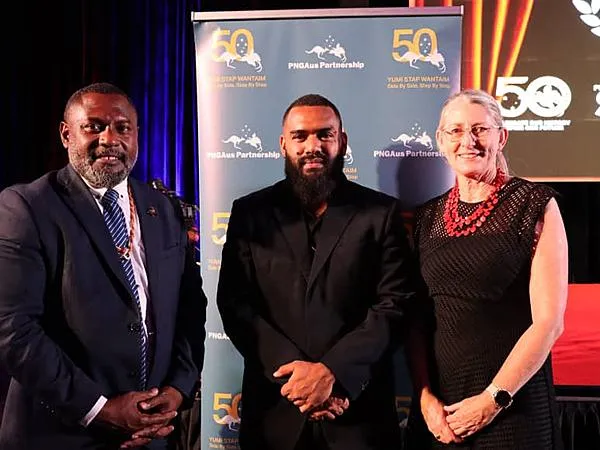
This year’s event also featured a new award category: the inaugural Yumi Stap Wantaim Award, sponsored through the PNG–Australia Partnership. The award recognises SMEs demonstrating strong business growth — measured through turnover, profitability, and market share — while also upholding values of partnership, community engagement, and service. Totalling PGK15,000, the prize includes PGK5,000 cash and PGK10,000 in tailored business development support.

Australian High Commission representative, Acting Minister Counsellor Richelle Turner, presented the award to Chef Nicky Pohonhelan, owner of Nangu Chef Catering. Pohonhelan was recognised for growing his venture from a one-person operation into a team of five, including three dedicated kitchen hands. His business showcases Papua New Guinean cuisine and has demonstrated growth and qualities central to the award’s criteria.

In her remarks, Turner emphasised the essential role of SMEs in advancing PNG’s economy.

“Papua New Guinea’s small and medium enterprises contribute to a dynamic and inclusive economy by driving innovation and excellence every day. The annual SME Awards night places a spotlight on the contribution businesses of all sizes make,” she said.

Accepting the award, Pohonhelan thanked the Australian Government for the opportunity to expand his business capacity.

“As an SME out there, right now I’m thinking of what kind of stove am I going to get, what kind of oven am I going to get. I appreciate the Australian Government for giving me this opportunity to basically wonder how else I can grow my business, because there has been plans, but the issue was finance,” he said.

Australia reaffirmed its commitment to supporting PNG’s entrepreneurs, noting that a vibrant SME sector is fundamental to inclusive and sustainable economic growth. The SME Awards continue to provide a platform that not only recognises business excellence but also strengthens development partnerships aimed at empowering Papua New Guinean businesses from the ground up.

November 17, 2025

The Mineral Resources Authority (MRA) has strengthened its efforts to improve leadership and governance among mining project communities, successfully delivering a comprehensive two-week training programme for landowner leaders of the Hidden Valley mine.

Thirty landowner representatives completed the intensive programme, held from 27 October to 5 November in Port Moresby. The training culminated in a certificate presentation ceremony on 7 November, officiated by MRA Managing Director Jerry Garry.

Fully funded by the MRA, the programme is the first of its kind for this cohort of Hidden Valley landowners and was delivered by three reputable institutions: the PNG Institute of Directors (PNGID), the Centre for Excellence in Financial Inclusion (CEFI), and the Institute of Banking & Business Management (IBBM). Together, these organisations delivered a structured curriculum covering corporate governance, financial literacy, and essential leadership skills.

PNGID facilitated sessions on effective board operations, the role of directors, strategic oversight, financial essentials, risk fundamentals, and diversity and inclusion. CEFI provided practical training on budgeting, cash flow, financial pressures, daily income tracking, and record keeping—critical skills for managing community funds and business entities.

IBBM delivered a wide-ranging leadership programme covering transformational and situational leadership, people management, SMART goal-setting, personal inventory assessments, and an introduction to leadership models by Kouzes and Posner.

According to the MRA, the programme aims to equip landowner leaders to:
• Understand the roles and responsibilities of directors, particularly within NAKUWI—the Hidden Valley landowner umbrella company—and support women and youth groups through transparent, accountable governance.
• Build positive, influential, and effective leadership skills for managing landowner associations and community groups.
• Improve financial literacy and understanding of financial markets and investment principles.
• Contribute collaboratively to the development of a Sustainable Development Plan for Hidden Valley (2025–2030) alongside NAKUWI and key stakeholders.

Garry said delivering such training programmes nationally is a core MRA initiative driven by long-standing challenges within landowner associations. He noted that despite decades of mining projects operating in Papua New Guinea, many landowner groups continue to face issues such as poor leadership, weak management, and a lack of financial accountability—factors that have hindered development aspirations in mine-impacted communities.

He emphasised that the MRA is committed to reversing this trend by ensuring landowner associations are competently managed and better positioned to serve their communities’ interests.

“This program empowers landowners with the right knowledge and mindset to strengthen governance, minimize fraud, abuse, and mismanagement, and ultimately improve outcomes for their people,” he said.

Hidden Valley Landowners Association Chairman Wayang Kawa acknowledged the importance of the training, noting that many of his members had not been formally educated in business or organisational management. He said the programme had equipped them with practical skills they intend to apply when they return to their communities.

PNGID President Clarence Hoot also thanked the MRA for funding the initiative, expressing confidence that the landowners are now better prepared to understand and carry out their leadership responsibilities.

The programme concluded on a positive note, marking a significant step towards building strong, accountable, and visionary leadership within the Hidden Valley project area—an outcome the MRA hopes to replicate across all mining project regions in Papua New Guinea.

November 17, 2025

The Port Moresby Chamber of Commerce and Industry (POMCCI) hosted a special Business Breakfast on 29 October, welcoming a high-level trade delegation from New Caledonia. The event, held at the Royal Papua Yacht Club, brought together government leaders, diplomats, and business representatives from both nations to explore new opportunities in mining, industry, training, and sustainable development.

The breakfast was attended by the President of the Government of New Caledonia, Alcide Ponga; the French Ambassador to Papua New Guinea, Pierre Fournier; the European Union Ambassador to PNG, Erika Hasznos; and other members of the diplomatic corps, including the Korean Ambassador,  Choi Jong-ho, and the Fijian High Commissioner,  Jackson Bernardo Evans.

Representing the Chamber of Commerce and Industry of New Caledonia, Christophe Laurent thanked POMCCI for the warm reception and introduced the delegation of 14 New Caledonian companies eager to connect with PNG counterparts.

“People here are very capable in their own specialties,” Laurent said. “We would like to share our talents, find ways to work together, and be part of the Papua New Guinea landscape.”

Laurent emphasized that New Caledonia aims to be more open to the Melanesian world through stronger economic engagement.

“A lot of relationships can be made, and this morning is a great occasion to do so. Nouvelle-Calédonie wants to be more present in the region, and on the economic side, we will play our role,” he added.

French Ambassador Pierre Fournier expressed his appreciation to POMCCI for facilitating the exchange, noting that the mission marked a milestone in strengthening Franco-Pacific partnerships.

“This trip to PNG has been a long time in the making, and it already seems successful,” he remarked.

Fournier shared that the New Caledonian delegation had held a series of productive meetings with the Prime Minister and the Ministers of Foreign Affairs, Mines, Energy, Education, and PNG Ports. “It was important to listen to what our interlocutors had to say, but also to be heard—to remind people that Nouvelle-Calédonie is not just about political challenges but also about its remarkable industrial and economic capacity,” he said.

He underscored that New Caledonia’s diversity and expertise give it the strength to play a greater role in the Pacific. “Enhancing this role is an essential mission for us as diplomatic actors,” he stated. “This country’s potential is unlimited—it requires patience, hard work, and above all, the quality of personal relationships built on trust and genuine friendship.”

Delivering the keynote address, President Alcide Ponga thanked POMCCI and the people of PNG for their warm hospitality. “Your hospitality made this event more relaxing, with plenty of opportunity for discussion,” he said. Ponga noted that the mission was supported by Team France Export and the CCI of New Caledonia, providing a platform for companies to explore regional markets and collaboration.

He highlighted New Caledonia’s commitment to strengthening ties with Papua New Guinea under the Joint Cooperation Plan signed in 2018, which aims to enhance economic and diplomatic cooperation.

“Our mission reaffirms our commitment to this partnership and to identifying new opportunities for mutually beneficial cooperation,” Ponga said.

The New Caledonian delegation comprised companies from sectors including mining, metallurgy, energy, water treatment, transport, industry, and training—each recognised for technical expertise and innovation. “New Caledonia treasures its relations with the global Pacific, of which Papua New Guinea is a key member and brother,” the President remarked, adding that New Caledonia hopes to learn from PNG’s economic success and share its own experiences in return.

Trade Delegation Showcases Pacific Expertise

The New Caledonia Trade Delegation included representatives from a range of industries — from engineering and construction to education, energy, and animal nutrition. Among the participating companies were: AMC Sud (Ateliers Mécanique & Chaudronnerie), Beca, Beico, CIPAC Formation, Connectic System, Easy Skill, EPC Papua New Guinea, GEMCO, i2F Project Finance, Optifluids, SICA, Trametal, and Yaknoo S.A.Y.

Each company brought technical expertise and innovative solutions aligned with PNG’s infrastructure, industrial, and training needs.

Following the speeches at the breakfast meeting, the visiting companies introduced their work. AMC, represented by Vincent Royard, shared insights into the company’s industrial metalworking expertise. AMC operates a 2,000-square-metre workshop in New Caledonia, specialising in mechanical engineering, structural design, and fabrication of industrial equipment such as tanks, pressure vessels, and mechanical parts. Royard also announced the company’s recent expansion into aluminium shipbuilding, emphasising readiness to collaborate with PNG clients in both industrial and marine engineering projects.

Another company, BECA, represented by Frédéric Poujade, outlined its regional engineering capabilities. Poujade described BECA as a multidisciplinary consultancy with over 4,000 professionals across the Asia-Pacific region.

“In industries like mining, energy, power, and manufacturing, our focus is simple—keep people and plants safe, lift uptime, and drive down unit costs,” he said. “Our approach is practical: start fast, prove value quickly, and use that success to make long-term impact.”

Building Bridges in the Blue Pacific

The visit of the New Caledonian delegation to PNG is part of a broader initiative to enhance regional integration within the Blue Pacific, leveraging economic partnerships, shared environmental goals, and cultural ties.

Through business missions like this, France and New Caledonia seek to expand cooperation with PNG, the Pacific’s largest economy, by encouraging collaboration in sectors such as infrastructure, energy, training, and technology.

The French Embassy in PNG described the engagement as a milestone toward building sustainable partnerships that reflect France’s long-standing commitment to the Pacific region, both politically and economically.

The high-level business and economic delegation from New Caledonia—supported by the French Embassy in Papua New Guinea, the French Development Agency (AFD), and Expertise France—brought together senior representatives from New Caledonia’s government, business chambers, and leading private sector companies for a series of engagements with Papua New Guinean counterparts.

According to His Excellency Pierre Fournier, the French Ambassador to Papua New Guinea, the visit demonstrates the renewed momentum in relations between France and Papua New Guinea following the official visit of President Emmanuel Macron in July 2023.

“This mission is a strong signal of our shared commitment to strengthening ties between France, New Caledonia, and Papua New Guinea,” Ambassador Fournier said. “It also contributes to integrating New Caledonia into its regional environment by promoting its know-how and the expertise of its companies.”

France’s Growing Engagement in PNG

The French Embassy in PNG operates as a Poste de Présence Diplomatique (PPD) — a small yet active diplomatic mission made up of three expatriate staff and two local employees. While its focus remains primarily political, the embassy works closely with France’s Regional Economic Service based at the French Embassy in Canberra, which provides economic and trade support.

The embassy also collaborates with France’s Consulate General in Sydney for consular services and with a newly appointed non-resident defence attaché based in Canberra, tasked specifically with military and security cooperation with PNG.

Ambassador Fournier noted that the recent establishment of offices for both AFD (Agence Française de Développement) and Expertise France in Port Moresby—the first and only in the Pacific Islands—underscores the importance France places on its partnership with PNG. These offices, along with the placement of three technical experts in key government departments such as the Department of National Planning and Monitoring, the National Capital District Commission, and the Prime Minister’s Office, highlight France’s long-term commitment to PNG’s development priorities.

Regional Economic Cooperation and Business Links

The Regional Economic Department, led by Kambiz Mohkam (Head) and Louis Vedel (Deputy Head), operates under the French Treasury and plays a vital role in facilitating trade and investment between France, New Caledonia, Australia, New Zealand, and the Pacific Islands.

This department contributes to developing bilateral economic ties, analysing public policies, conducting market studies, and promoting France as a destination for business partnerships. It also helps French and New Caledonian enterprises identify new opportunities in the Pacific, including in PNG.

The breakfast event included networking opportunities between PNG businesses, corporate representatives, and the visiting companies, fostering new conversations around regional trade and development partnerships.

The POMCCI Business Breakfast once again demonstrated Port Moresby’s growing role as a hub for Pacific economic dialogue, bringing together regional partners committed to collaboration and shared prosperity.

November 14, 2025

Ok Tedi Mining Limited (Ok Tedi) is proud to announce the completion of its Community Mine Continuation Agreement (CMCA) 2026–2033 signing, marking a significant milestone in its enduring partnership with communities across the CMCA regions of Western Province.

The signing of the revised agreement was carried out through concurrent ceremonies across land-based regions—including the Highway Region, North Ok Tedi Region, Lower Ok Tedi Region, and Mine Villages—as well as water-based regions, including Kiwaba Region, Manawate Region, Dudi Region, Suki Fly Gogo Region, and Middle Fly Region. The final signing was held by the Middle Fly Region at Aiambak village on 4 November 2025, concluding the signing phase of the fourth CMCA.

The ceremony was attended by representatives from five distinct ethnic groups within the Middle Fly Region, Middle Fly Member Maso Hewabi, and other delegates, reaffirming Ok Tedi’s commitment to sustainable development, inclusive decision-making, and the pursuit of shared benefits.

The revised agreement ensures continued community support for Ok Tedi Mine’s operations until 2033 and outlines enhanced benefits for both impact and land-owning communities.

Building upon 25 years of collaborative engagement, the CMCA 2026–2033 encompasses several key initiatives, including:

  • Increased compensation and development funding for CMCA communities

  • Expanded education and health initiatives tailored to local needs

  • Environmental safeguards and monitoring programmes

  • Enhanced representation of churches, women, and youth within governance frameworks and development funding

Speaking at the final signing ceremony in Aiambak, Ok Tedi General Manager of Social Performance and Sustainability, Jesse Pile, said: “This agreement reflects our deep respect for the communities that host our operations. It is a testament to the trust we have built and our shared vision for a sustainable future.”

Pile also noted that the revised agreement includes additional Impact Project Agreements (IPAs) signed among stakeholders to support identified projects within CMCA regions.

Since the first CMCA was signed in 2001, Ok Tedi has invested over K1.6 billion in community development, infrastructure enhancement, and environmental rehabilitation. The revised CMCA 2026–2033 builds on this legacy, aligning with Papua New Guinea’s national development goals and the aspirations of the Fly River Provincial Government and the four District Development Authorities.

The revised agreement followed comprehensive consultations facilitated by independent facilitators (Tanorama Ltd), independent observers, representatives from Ok Tedi, shareholders represented by Kumul Mineral Holdings Limited (KMHL) and the Mineral Resources Development Company (MRDC), State representatives, and village delegates.

Its implementation will be overseen by the Ok Tedi Development Foundation (OTDF) to ensure transparency, accountability, and measurable outcomes in community development initiatives.

Pile also thanked all stakeholders, particularly MRDC and KMHL, for their support in achieving this important outcome.