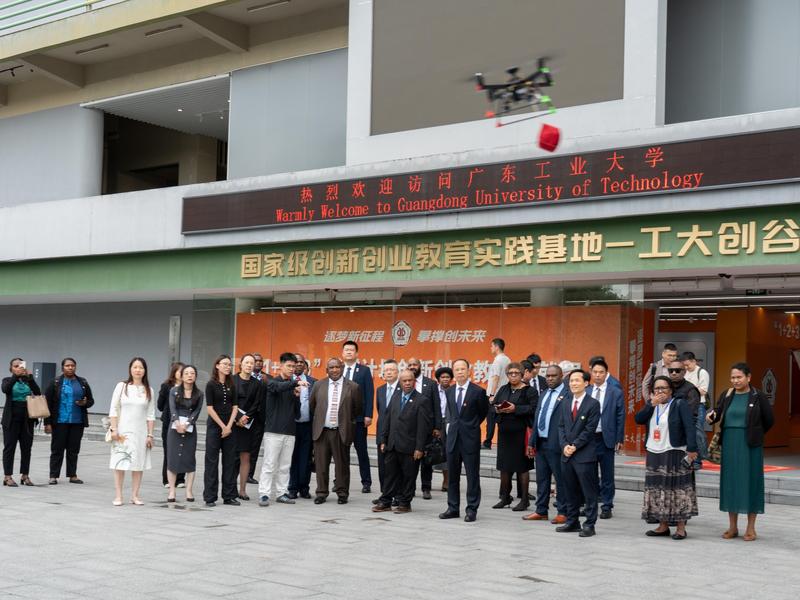
Prime Minister James Marape has reaffirmed Papua New Guinea’s strategic ties with China, calling for faster progress on the Frieda River mining project while seeking to significantly expand agricultural cooperation through Juncao technology during high-level engagements in Guangzhou.
During talks with executives of Guangdong Rising Holdings Group, Marape urged the fast-tracking of the Frieda River Project, describing it as a national priority with the potential to generate employment, export revenue and infrastructure development.
The project, one of the country’s largest undeveloped copper-gold deposits, is linked to the Chinese state-owned conglomerate through its ownership of PanAust. Marape assured investors of full government backing and announced plans to establish a dedicated state taskforce to accelerate approvals and implementation.
He emphasised that resource developments must deliver broad-based benefits, including opportunities for landowners, local businesses and future generations, while meeting environmental and technological standards.
The prime minister also used the visit to reinforce Papua New Guinea’s long-standing diplomatic position, highlighting nearly 50 years of adherence to the One China policy and describing the bilateral relationship as one grounded in mutual respect and continuity since independence.
Beyond mining, Marape signalled a broader economic agenda, identifying agriculture, renewable energy, manufacturing and digital innovation as key areas for expanded cooperation with Chinese partners.
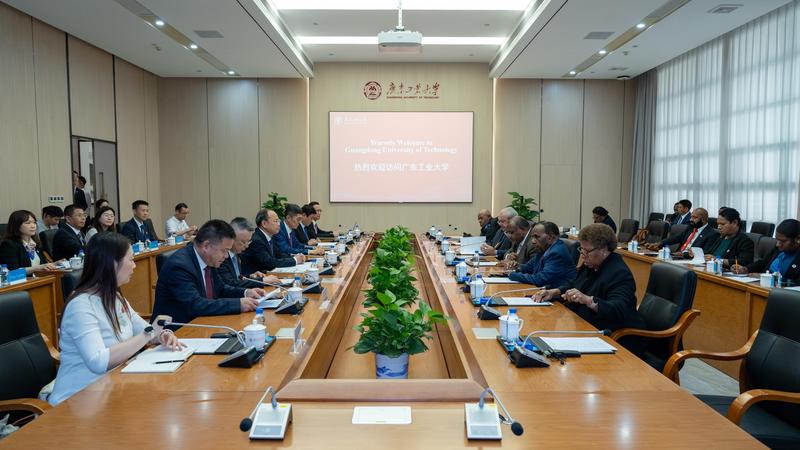
In parallel engagements, Marape met with Professor Lin Zhanxi and called for a major expansion of the Juncao partnership, which has been in place since 1997 and is credited with improving livelihoods and agricultural productivity in Papua New Guinea.
He said the technology has demonstrated long-term value in supporting food production and rural incomes, and should now be scaled up to address emerging global pressures on food security driven by population growth, climate change and land constraints.
Marape warned that global population growth towards 10 billion by 2050 will intensify demand for food, water and energy, positioning Papua New Guinea as a potential regional food supplier if agricultural capacity is expanded through technology partnerships.
He said the country’s natural advantages — including fertile land, year-round rainfall and renewable energy potential — could support large-scale agricultural production for both domestic consumption and export to regional markets such as Indonesia, the Philippines and China.
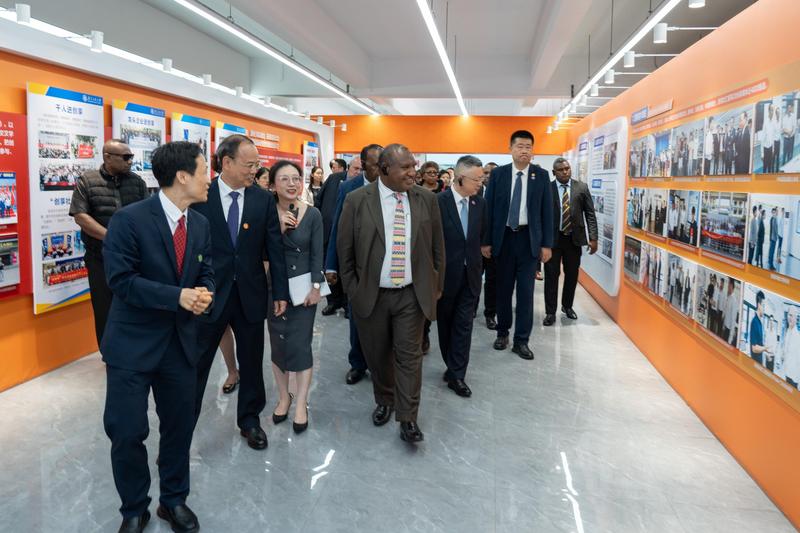
Professor Lin highlighted that the Juncao programme in Papua New Guinea has become an internationally recognised model for poverty reduction and sustainable development, with future plans to extend the technology into energy and industrial applications, including biomass fuel and environmental management.
Marape welcomed these developments, saying expanded cooperation in agriculture, climate resilience and green industry could underpin long-term economic transformation and strengthen regional food security.
The engagements in Guangzhou form part of a broader push by Papua New Guinea to deepen trade and investment ties with China, its largest trading partner, while diversifying growth beyond extractive industries.
Officials said the dual focus on accelerating a major mining project and scaling agricultural innovation reflects a strategy to balance resource-led growth with sustainable, inclusive development outcomes.
The government indicated it will continue pursuing closer government-to-government and business-to-business links with China, while ensuring that investments align with national priorities and deliver tangible benefits to Papua New Guineans.