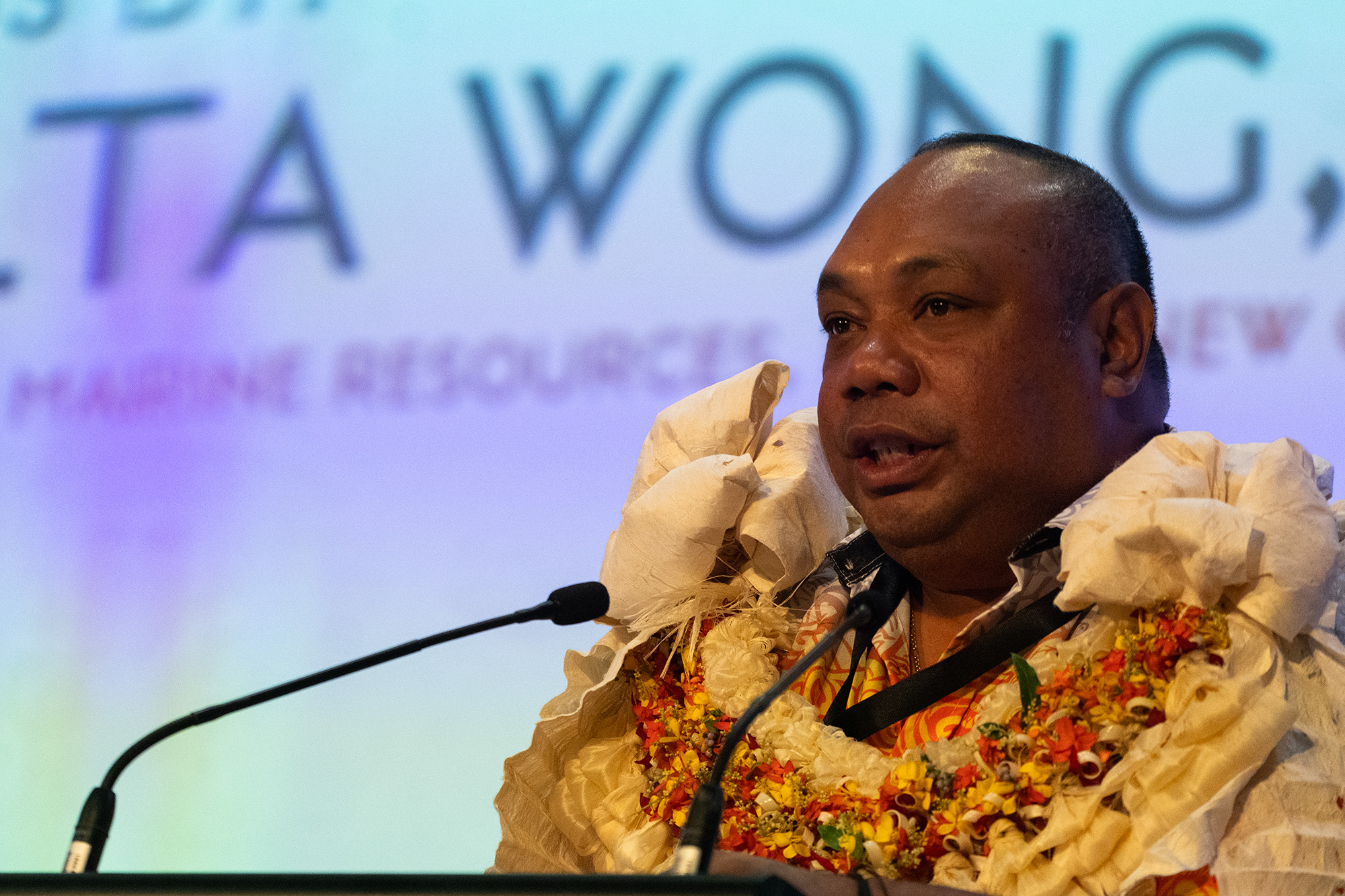
Papua New Guinea is pursuing fisheries reforms and strategic investments to expand domestic tuna processing, attract private investment and retain more economic value from its marine resources, Minister for Fisheries and Marine Resources Jelta Wong said.
In an exclusive interview with PNG Business News, Wong said the government was implementing reforms to strengthen local participation, increase export earnings and create jobs for Papua New Guineans.
The initiatives include the National Tuna Domestication Strategy, the StartFish Memorandum of Agreement (MOA), reforms to the Vessel Day Scheme and the transition to a sustainable Fisheries Incentive Framework.
“These reforms aim to increase domestic tuna processing, attract investment and ensure PNG retains more economic value from its fisheries resources,” Wong said.
A key development is the establishment of Fisheries Capital Limited (FCL), a state-owned enterprise created as the government’s commercial investment vehicle in the fisheries sector.
Wong said FCL would enable the state to invest in fisheries infrastructure, downstream processing and commercial partnerships, generating financial returns while creating jobs and opportunities for local businesses.
The government is also advancing Special Economic Zone (SEZ) initiatives to support large-scale processing and exports, including the Pacific Marine Industrial Zone (PMIZ).
While FCL will focus on commercial investment, the National Fisheries Authority will retain responsibility for regulation and sustainable fisheries management, Wong said.
Together, the initiatives are intended to expand domestic processing capacity, attract private investment and increase opportunities for Papua New Guinean businesses.
“Together, these initiatives aim to increase export earnings, foreign exchange, employment and government revenue, ensuring more Papua New Guineans benefit from the country’s marine resources,” he said.
Expanding opportunities for coastal communities and local businesses
Increasing the economic benefits flowing to coastal communities remains a key challenge despite PNG’s substantial marine resources.
Wong said the government was prioritizing domestic tuna processing, fisheries infrastructure, coastal fisheries development and commercial aquaculture to expand opportunities for local businesses and communities.
He identified the PMIZ and other SEZ initiatives, the StartFish MOA and FCL as key measures to increase local participation and develop the sector’s commercial potential.
The StartFish agreement is intended to encourage more tuna to be landed and processed domestically, helping PNG retain more value from its fisheries resources.
The government is also promoting investment in hatcheries, cold storage, processing facilities and export supply chains to strengthen the industry and improve access to overseas markets.
Wong said these investments would create opportunities for coastal communities, small and medium-sized enterprises and provincial governments to participate more directly in the sector.
Fisheries sector generates more than K1.6 billion in annual exports
Wong said the reforms build on an industry that generates more than K1.6 billion in annual fish and fisheries exports and supports approximately 14,000 jobs.
“Our objective is to ensure more of the value generated from our marine resources stays in Papua New Guinea through increased local participation, employment, investment and foreign exchange earnings,” he said.
The government aims to increase the share of fisheries revenue retained domestically through expanded processing, commercial investment and greater participation by Papua New Guinean businesses.
The extent of these benefits will depend on how effectively the reforms, infrastructure projects and investment initiatives translate into greater domestic processing capacity, stronger local businesses and sustainable employment.
The government’s strategy places tuna processing, fisheries infrastructure, commercial aquaculture and state investment at the center of efforts to increase economic returns from PNG’s marine resources.