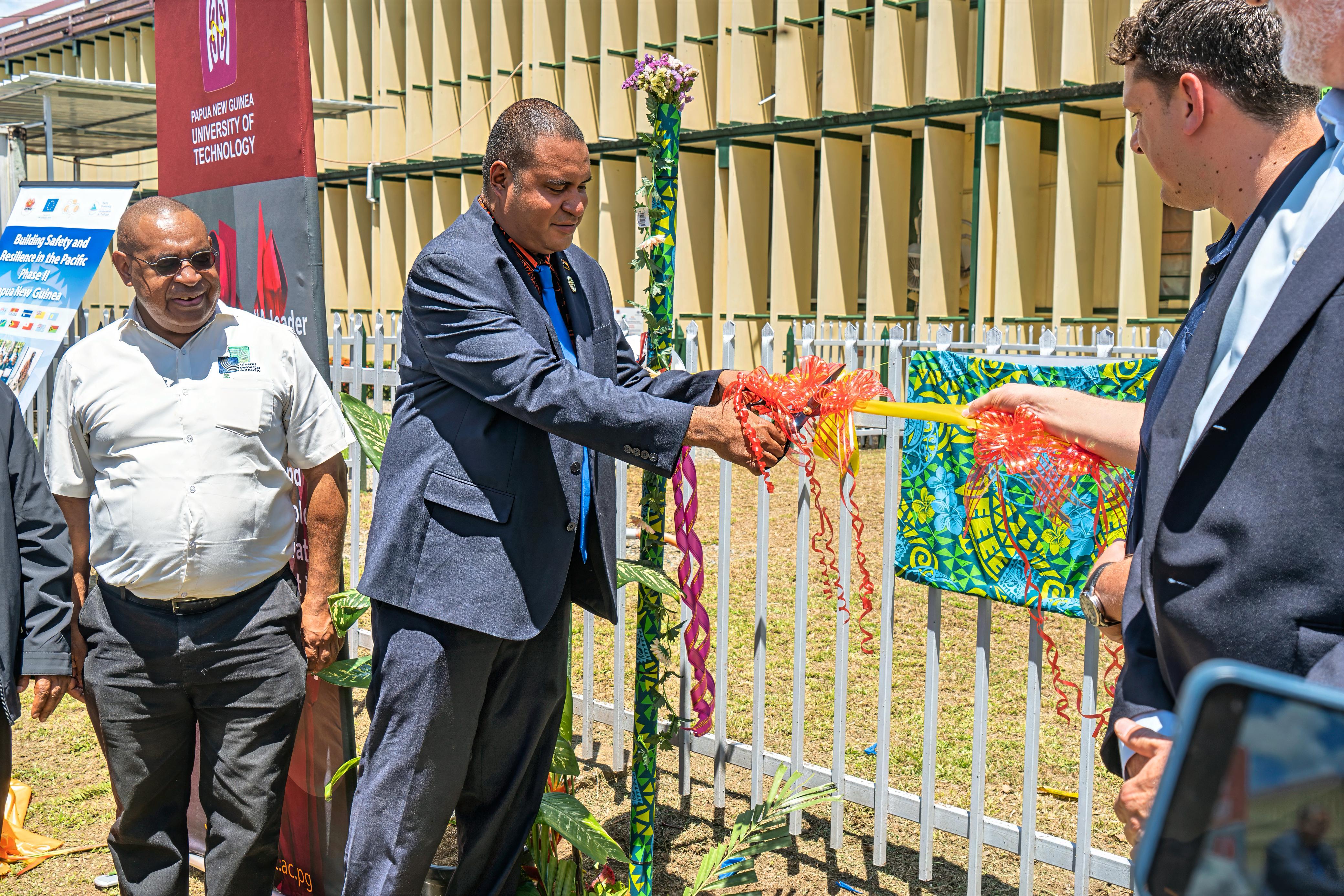
Papua New Guinea has launched its first broadband seismic station in Lae, expanding the country's capacity to monitor earthquakes, assess seismic hazards and strengthen disaster preparedness.
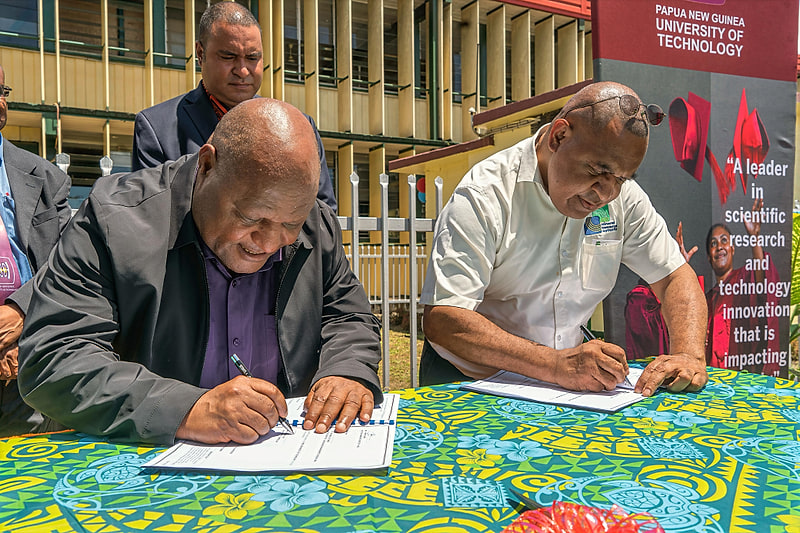
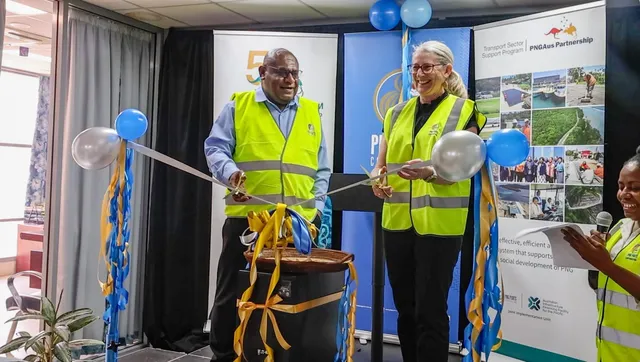
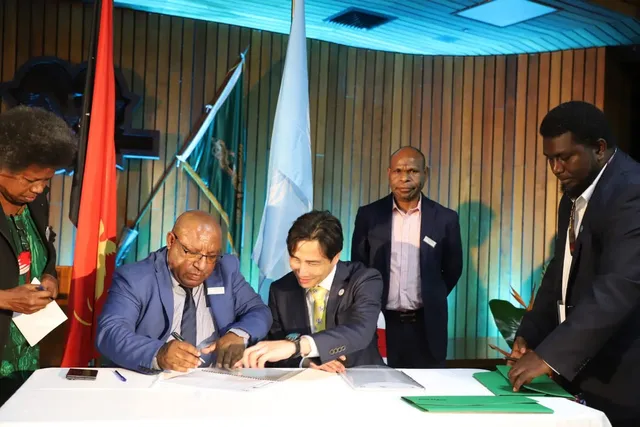
The Mineral Resources Authority (MRA) and the Papua New Guinea University of Technology (PNGUoT) officially launched the Lae Broadband Seismic Station on Nov. 18, alongside the signing of a memorandum of agreement formalizing their cooperation in operating and maintaining the facility.
Located in a bunker behind PNGUoT's School of Applied Physics, the station is the first broadband facility integrated into the country's National Seismic Network, operated by the Port Moresby Geophysical Observatory, a division of MRA's Geohazards Management Division.
MRA Acting Managing Director Harry Kore said the facility would improve the reliability and accuracy of seismic data, supporting scientific analysis, informed decision-making and disaster preparedness.
"Reliable seismic information is essential for understanding earthquake activity and improving disaster preparedness," Kore said.
The station will also provide seismic hazard information, including peak ground acceleration measurements that indicate the intensity of ground shaking during earthquakes. The data can help engineers design buildings and infrastructure to meet earthquake safety standards.
It is also expected to support scientific research and regional earthquake and tsunami monitoring through information sharing with Pacific partners.
PNGUoT Acting Vice Chancellor Garry Sali said the project would strengthen the country's earthquake monitoring capabilities while creating opportunities for research, innovation and student learning.
The initiative brings together MRA, PNGUoT, Geoscience Australia and the Secretariat of the Pacific Community through the Building Safety and Resilience in the Pacific project, funded by the European Union.
Under the agreement, PNGUoT and the Port Moresby Geophysical Observatory will work together on station maintenance and operational matters to ensure the continued collection of seismic data.