Papua New Guinea has launched a biodiversity conservation project targeting more than 272,000 hectares of protected and community-managed areas across three Highlands provinces, with support from the Global Environment Facility (GEF) and the Food and Agriculture Organisation of the United Nations (FAO).
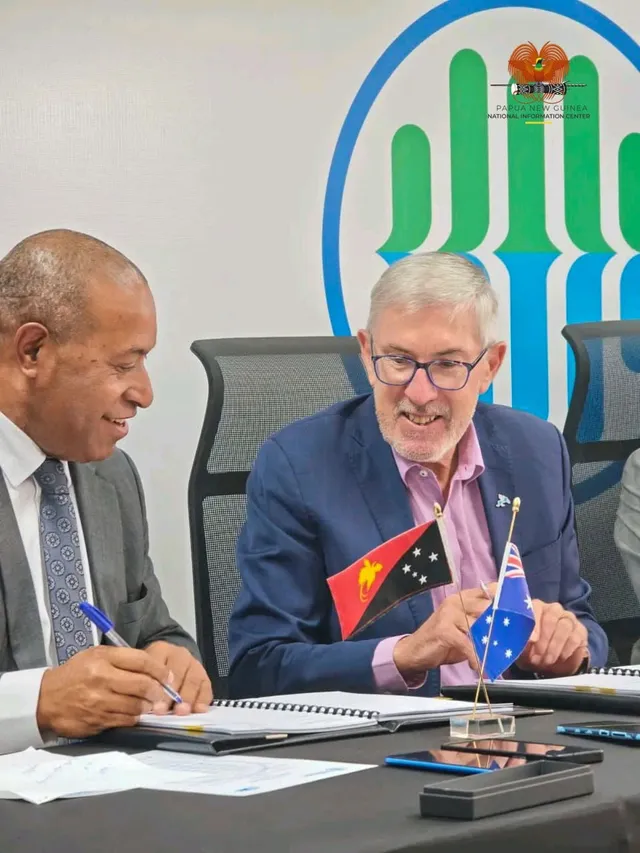
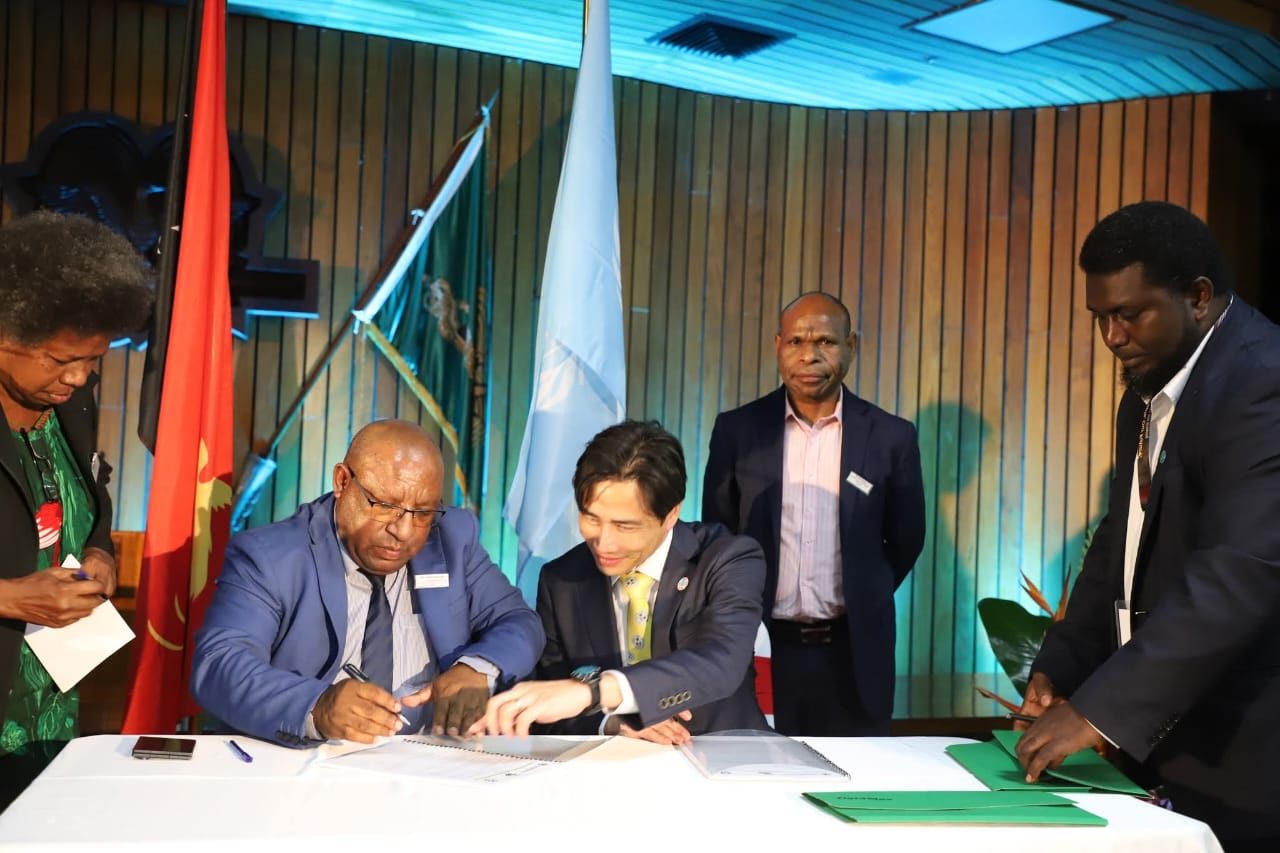
The Government, through the Conservation and Environment Protection Authority (CEPA), signed the project commencement instruments on November 6, formally initiating the Global Biodiversity Framework Fund (GBFF)-supported initiative.
The project, titled "Empowering Indigenous Peoples and Local Communities for Sustainable Management and Conservation of Critical Ecosystems in Three Highland Provinces in Papua New Guinea", will be implemented by CEPA in partnership with FAO in Enga, Chimbu and Jiwaka provinces.
CEPA Managing Director Jude Tukuliya described the initiative as a transformative investment in the country's biodiversity and the Indigenous Peoples and Local Communities (IPLCs) whose traditional knowledge and stewardship are central to conservation efforts.
He noted that approximately 97 per cent of land in Papua New Guinea was under customary ownership, making the participation and leadership of local communities essential to protecting the country's natural resources.
Tukuliya stressed that conservation outcomes would depend on recognising traditional knowledge, strengthening community leadership and supporting local people's active role in managing ecosystems.
The project will contribute to the implementation of the Kunming-Montreal Global Biodiversity Framework, particularly its target of conserving at least 30 per cent of the world's land and sea areas by 2030, commonly known as the 30-by-30 target.
Under the initiative, more than 272,000 hectares of protected and community-managed conservation areas will benefit from improved management, while 5,000 hectares of degraded ecosystems will be targeted for restoration.
The programme will also promote biodiversity-friendly agricultural practices across 7,000 hectares of productive landscapes, linking conservation objectives with more sustainable land use and agricultural production.
Other priorities include strengthening recognition of Other Effective Area-Based Conservation Measures (OECMs), which recognise areas outside formally designated protected areas that deliver effective and sustained biodiversity conservation.
The project will also support the development of sustainable financing mechanisms for conservation and ecosystem services to help ensure the long-term protection of critical ecosystems.
At least 20,000 people are expected to benefit directly from the initiative, with women accounting for 50 per cent of the project's beneficiaries.
The involvement of Indigenous Peoples and local communities is central to the programme, reflecting the importance of customary landowners in protecting Papua New Guinea's forests, biodiversity and other natural ecosystems.
Through the partnership between CEPA and FAO, the project aims to strengthen community-based conservation while supporting sustainable management of critical ecosystems in the three Highlands provinces.