Papua New Guinea is seeking $50 million in investment by 2035 to develop its aquaculture industry and strengthen fisheries infrastructure, as the government pushes for greater regional cooperation to expand sustainable fishing and processing activities.
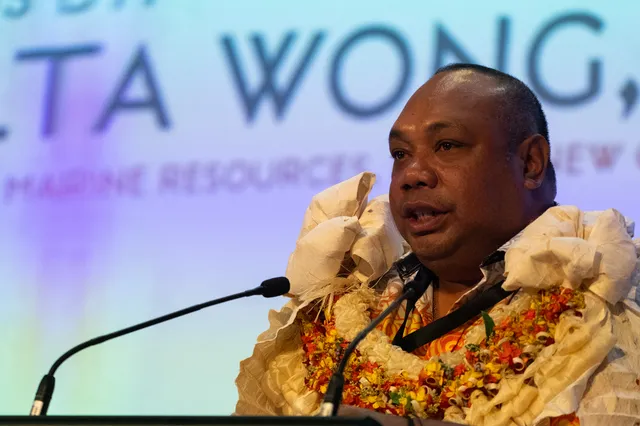
Fisheries and Marine Resources Minister Jelta Wong outlined the investment target during the Pacific Small Island Developing States (SIDS) Solutions Forum in Port Vila, Vanuatu, held from November 3 to 6.
The proposed investment will support essential infrastructure, including hatcheries, feed mills, cold storage and processing facilities, under the country's National Aquaculture Development Strategy.
The strategy also prioritises upgrading existing hatcheries, developing feed-production facilities, establishing three nucleus aquaculture estates by 2029 and completing regulatory frameworks to encourage investment and business growth.
Wong said aquaculture offered significant opportunities for economic development but faced cost challenges, particularly the price of feed, which can account for as much as 80 per cent of total production costs.
He said affordable local feed production would be essential to making the industry commercially viable.
Fisheries and commercial agriculture are among Papua New Guinea's strategic priorities under its Medium-Term Development Plan, with the government seeking to increase production and processing, diversify beyond tuna and strengthen coastal fisheries and aquaculture.
Wong also cited the country's trap-net fishing trials, which have been conducted since 2012-2013 in coastal communities in East Sepik, Morobe, Milne Bay and New Ireland.
The initiative has demonstrated how appropriate fishing technology, community ownership, technical skills and improved market access could increase local fish supplies and generate income.
He said the success of such initiatives would depend on effective governance, continued support and responsible fishing practices.
Regional cooperation is another component of the government's strategy, with Wong identifying the East New Britain Initiative (ENBi) as a platform for collective investment in the Pacific tuna value chain.
The initiative aims to develop regional tuna processing, fisheries hubs and supporting facilities, value-added activities and a possible regional fisheries development fund.
Wong said Pacific countries could retain more economic value from their fisheries resources by expanding local and regional industries in processing, storage, transport and services rather than exporting unprocessed products.
He also highlighted the Pacific Regional Hand-in-Hand Initiative, which brings together 14 Pacific countries and identifies investment opportunities in biosecurity and pest management, digitalisation, certification and traceability, and value-chain infrastructure.
The infrastructure component covers coconut, taro and fisheries value chains.
Wong said unreliable and costly transport remained a constraint on the movement of fish, goods and services within Papua New Guinea and across the Pacific.
Regional shipping solutions, improved post-harvest facilities and cold-chain systems, stronger market connections and more open trade arrangements would help address these challenges.
He added that sustainable industry growth must be accompanied by measures to protect marine ecosystems, including responsible fishing gear, effective monitoring, safe release practices and shared fisheries management.
The government is prepared to work with the Food and Agriculture Organisation of the United Nations, the Pacific Islands Forum Fisheries Agency, regional partners and the private sector to translate these priorities into investments.
Potential opportunities include expanding coastal fishing technologies, strengthening community fisheries enterprises, improving cold storage and processing, and developing higher-value products from tuna by-products.
These include fish oil, marine collagen and aquaculture feed, which could provide additional revenue streams for the regional fisheries industry.
Wong said stronger cooperation and targeted investment would help Pacific countries generate employment, improve food security and ensure that more economic benefits from their marine resources remained within local communities.