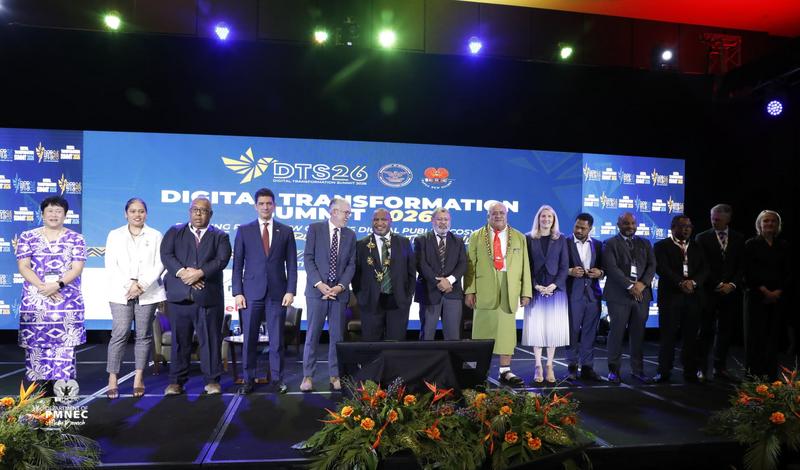
Papua New Guinea is seeking to accelerate investment in its digital economy through stronger regional partnerships, expanded digital infrastructure and greater adoption of artificial intelligence (AI), with the Digital Transformation Summit 2026 (DTS26) bringing together governments, businesses, technology leaders and development partners to chart the country's next phase of economic growth.
The three-day summit, running from 20 to 22 July at the Sheraton Hotel in Port Moresby, has brought together policymakers, technology companies, development partners and regional leaders to discuss digital infrastructure, AI, cybersecurity, digital government and innovation as key drivers of economic development.
Organised by the Department of Information and Communication Technology (DICT), the summit also serves as a platform to strengthen regional cooperation and encourage investment in PNG's growing digital economy.
Digital Transformation to Drive Investment and Regional Cooperation
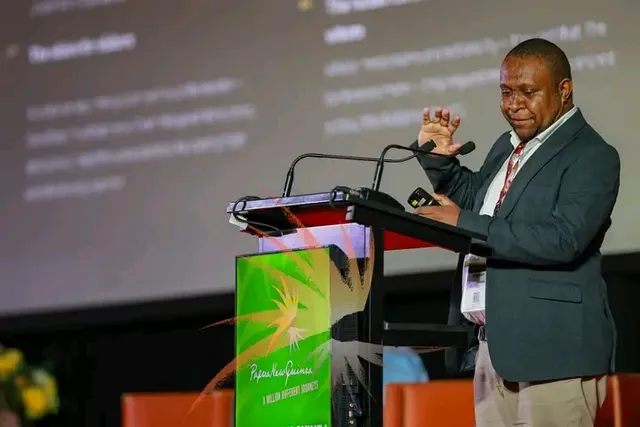
Opening the summit, DICT Secretary Steven Matainaho said the event is more than just a technology conference, describing it as a regional platform designed to strengthen digital cooperation, encourage innovation and unlock new economic opportunities across Papua New Guinea and the Pacific.
"This summit brings together leaders from government, industry, academia and development organisations to share ideas, strengthen partnerships and work on practical solutions that will improve digital services across our country and the Pacific," Matainaho said.
He said this year's programme combines four major regional ICT events under one umbrella—the Digital Transformation Summit, Pacific Cyber Week, the Pacific ICT Ministers Forum and the Pacific Cyber Security Operational Network (PaCSON) annual activities—creating one of the region's largest digital policy and technology gatherings.
According to Matainaho, integrating policy discussions, technical expertise, innovation and cybersecurity into a single programme reflects the growing role of digital technology in economic development, investment, trade and government service delivery.
He welcomed Prime Minister James Marape, ICT Minister Robert Naguri, ministers from Pacific Island countries, senior government officials, and representatives from Australia, the United States, the International Telecommunication Union (ITU), regional organisations, universities, development partners and the private sector.
Matainaho said regional cooperation is becoming increasingly important as Pacific nations face common challenges, including expanding digital connectivity, strengthening cybersecurity, promoting digital inclusion and preparing for emerging technologies such as AI.
He said Pacific Cyber Week will focus on enhancing regional cybersecurity cooperation, while the Pacific ICT Ministers Forum will allow ministers to discuss shared policy priorities and future collaboration. PaCSON activities will also bring together cybersecurity specialists from across the Pacific to exchange technical expertise and strengthen regional cyber resilience.
Youth participation has also become a key component of PNG's digital transformation agenda.
The summit programme opened on Sunday with the DTS26 eGames Championship, the country's largest Call of Duty: Mobile competition, featuring about 20 teams competing in front of hundreds of spectators while thousands more watched online.
Matainaho said the competition aims to encourage young Papua New Guineans to pursue careers in technology and innovation while recognising the growing economic potential of esports and the wider digital industry.
The programme also includes a national hackathon, where software developers are creating digital solutions to local challenges, and a Capture the Flag cybersecurity competition that gives students and ICT professionals an opportunity to develop practical cybersecurity skills.
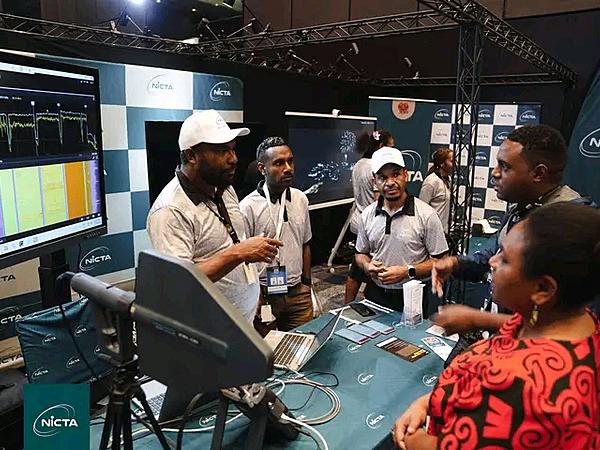
Technology companies, financial institutions, telecommunications providers, universities and government agencies are also showcasing digital products, emerging technologies and public sector innovations throughout the summit.
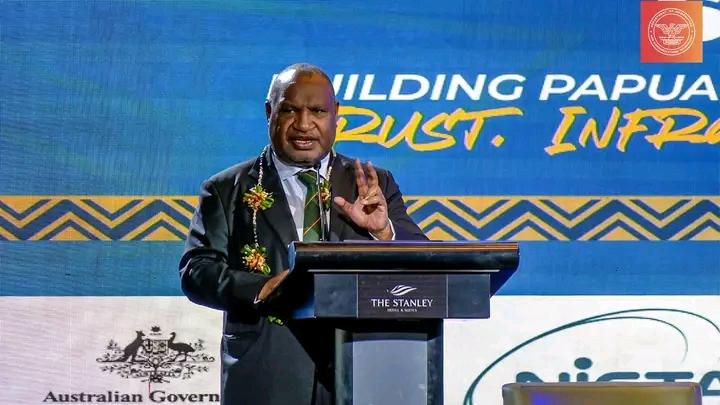
ICT and AI Critical to PNG's Future Economic Growth
Officially opening DTS26, Prime Minister James Marape said digital technology has become one of the world's most important drivers of economic growth and national development, and that Papua New Guinea must continue investing in ICT to remain globally competitive.
He said the COVID-19 pandemic underscored the critical role digital technology plays in supporting healthcare, education, commerce, government services and communication.
"If there was any good that came out of COVID-19, it was the need and the importance of ICT as a driver of health, education, commerce, social connectivity and government work," Marape said.
Drawing on discussions at the World Economic Forum and the World Governments Summit, Marape said artificial intelligence is rapidly reshaping global economies and industries, making it essential for Papua New Guinea to prepare for the next phase of digital transformation.
He said the government is working toward making ICT a central pillar of public administration, reflecting its growing importance in improving service delivery, supporting business growth and driving long-term economic development.
Marape also highlighted significant progress in expanding digital infrastructure, revealing that broadband coverage has increased from about 40% in 2020 to around 80% in 2026 through continued investment in telecommunications networks.
He said the government is extending fiber-optic infrastructure alongside major road and infrastructure projects to improve connectivity nationwide, enabling more Papua New Guineans to access online education, healthcare, financial services, digital government platforms and business opportunities.
While greater connectivity is creating new opportunities for investment and innovation, Marape warned that increasing digitalization also brings heightened cybersecurity risks.
He said protecting government systems, businesses and citizens from cyber threats must remain a national priority as more economic and public services move online.
"The opportunities created by digital technology are enormous, but so are the risks if we fail to secure our systems and infrastructure," he said.
Marape said Papua New Guinea must continue building a trusted digital ecosystem that supports innovation while protecting businesses, public institutions and citizens from emerging cyber threats.
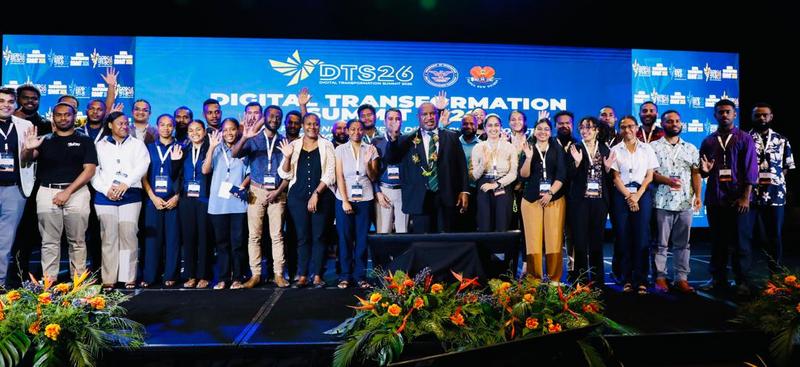
ICT Minister Outlines Four Pillars for Digital Economy
ICT Minister Robert Naguri, delivering his first national address since assuming the portfolio, outlined four strategic priorities that will guide Papua New Guinea's digital transformation agenda.
He said this year's summit theme, "Building Papua New Guinea's Digital Public Ecosystem on Trust, Infrastructure, Innovation and Inclusion," reflects the country's next stage of digital development.
Naguri said trust, digital infrastructure, innovation and inclusion will underpin the government's efforts to expand digital public services while creating an environment that encourages investment, technological innovation and greater private sector participation.
He said strengthening these four pillars would help improve public service delivery, expand digital access and position Papua New Guinea to compete in the rapidly evolving global digital economy.
DTS26 Expo Showcases Innovation and Regional Partnerships
Running alongside the summit at APEC Haus, the DTS26 Expo showcases emerging technologies, government digital initiatives, startup solutions and private sector innovations.
The exhibition provides businesses with opportunities to engage directly with delegates from more than 18 Pacific Island countries, alongside representatives from the International Telecommunication Union (ITU), the Asia-Pacific Telecommunity (APT), the Pacific Islands Forum (PIF) and other regional organizations, creating new opportunities for investment, technology partnerships and regional digital trade.
Throughout the three-day event, participants are attending keynote presentations, policy forums, technical workshops, innovation showcases and business exhibitions focused on artificial intelligence, cybersecurity, digital identity, digital public infrastructure and other technologies expected to shape Papua New Guinea's future digital economy.
As governments, businesses and development partners explore new opportunities for collaboration, the summit underscores Papua New Guinea's ambition to become a leading digital economy in the Pacific by expanding connectivity, embracing emerging technologies and building a trusted, inclusive and innovation-driven digital ecosystem.