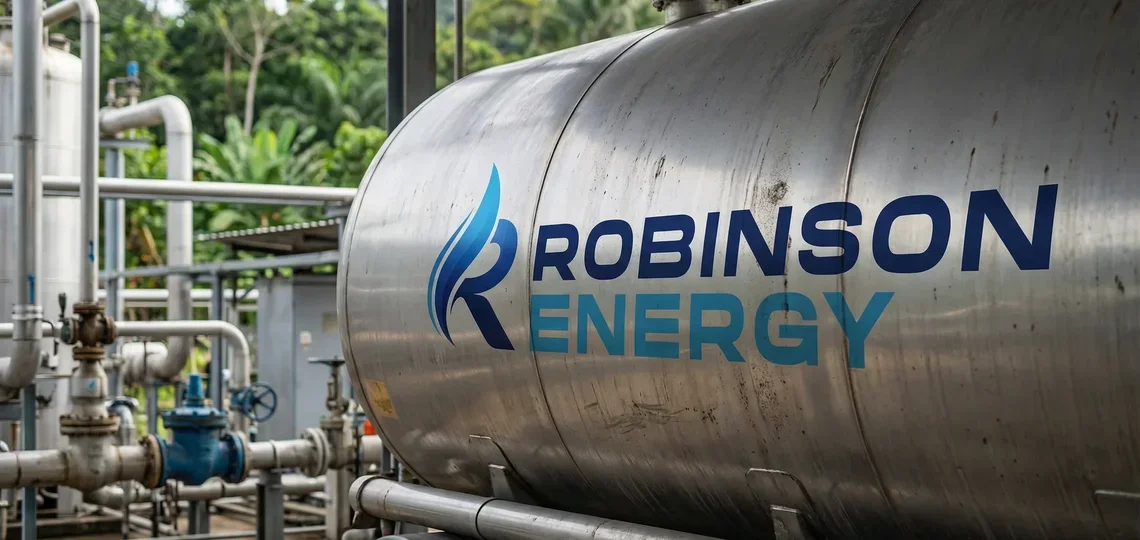
Robinson Energy has received an offer from Papua New Guinea’s Petroleum Minister Jimmy Maladina to be granted a five-year Petroleum Retention Licence covering the Triceratops gas and condensate discovery in Gulf province.
The proposed PRL 68 would give Robinson a 100% interest in the nine-block licence area, subject to the completion of the grant process.
The offer, dated October 2, was made under Section 39 of the Oil and Gas Act 1998 following a report by the Petroleum Advisory Board and was served on Robinson by the National Petroleum Authority on October 5, the Canadian-listed company said.
The licence area was previously held under PRL 39, which lapsed in July.
Under the proposed terms, Robinson would commit about US$52 million to a five-year work programme covering geological and geophysical studies, seismic work, commercial studies and at least one appraisal well.
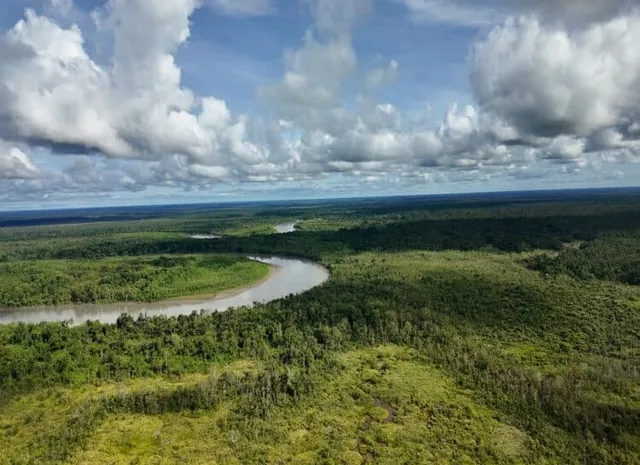
The Triceratops structure is an onshore gas and condensate discovery in the Papuan Basin. Gas has been flowed from three wells drilled over several decades, with the highest reported test rate reaching 28 million cubic feet per day.
BP’s Bwata-1 well, drilled in 1959, flowed gas at up to 28 MMcf/d. InterOil’s Triceratops-2 well recorded a test rate of 27 MMcf/d in 2012, while Triceratops-3 flowed 17.1 MMcf/d of gas and 200 barrels per day of condensate in 2015.
Triceratops is located about 45 kilometres west-north-west of the Elk-Antelope fields, which underpin the Papua LNG project.
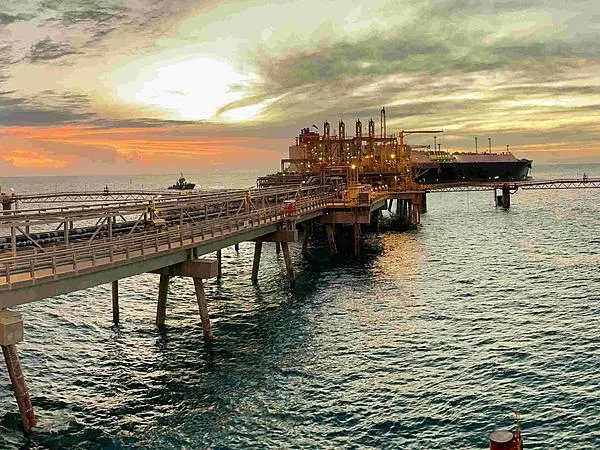
Robinson said it intends to investigate a potential tieback of Triceratops into the Papua LNG system, with gas potentially transported for processing and tolled liquefaction at Caution Bay. Condensate could be transported by pipeline to the Kumul Marine Terminal.
The company plans to seek third-party access for up to 50 MMcf/d of gas.
However, no agreement has been reached with the Papua LNG project operator or its participants, and Robinson cautioned that access may not be secured on acceptable terms or at all.
The proposed development would initially involve recovering and reprocessing historical well logs, test data and seismic information before commissioning a new independent resource assessment.
Robinson also plans to acquire additional 2D seismic and drill the Triceratops-4 and Triceratops-5 wells, subject to the results of its technical evaluation. The company is targeting potential production of up to 50 MMcf/d of gas and associated condensate.
A previous independent assessment by GLJ Petroleum Consultants estimated gross unrisked best-estimate contingent resources of about 352 billion cubic feet equivalent, or 58.7 million barrels of oil equivalent, as at December 2015.
Robinson stressed that the estimate is historical and should not be treated as a current resource estimate. The company said it has not independently verified the underlying data and intends to commission a new evaluation.
The company said the Triceratops project could provide a potential route to production ahead of its broader plans for a Western Province gas pipeline and LNG export system.
Executive chairman Cam Bailey said the discovery had already demonstrated gas flow from three wells and was located on the same trend as the fields supplying Papua LNG.
“Our first priority is to rebuild the technical record and put a current independent evaluation behind the asset,” Bailey said.
The proposed PRL 68 remains subject to Robinson satisfying the conditions of the grant offer, including the formal grant of the licence. The company said development timing would also depend on financing, regulatory approvals, technical results and securing access to existing Papua LNG infrastructure.