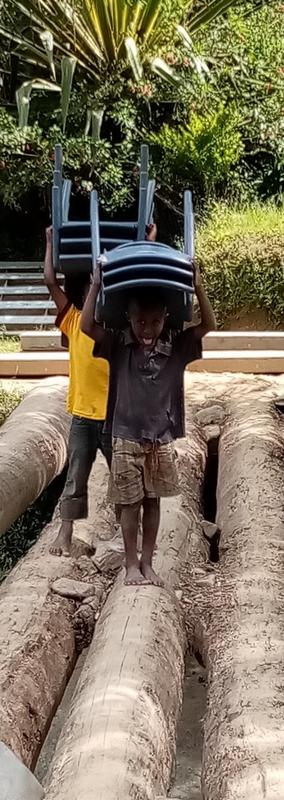
Across Papua New Guinea's remote regions, including many communities located alongside mining and resource corridors, access to quality education is still determined by one simple factor: whether a classroom has the most basic learning tools.
In many rural schools, students attend lessons seated on dusty floors without desks, books, or essential learning materials, while teachers are often required to deliver lessons without whiteboards, storage, or even basic stationery.
These limitations directly impact student engagement, literacy outcomes, attendance rates, and ultimately, long-term economic participation within their own communities.
This is the gap that Project Skul (school), an initiative of Project Yumi, is designed to address. The program works by redirecting surplus, high-quality educational resources from Australia to under-resourced schools throughout Papua New Guinea.
Furniture such as desks, chairs, bookshelves, whiteboards, and classroom learning materials, often discarded because of infrastructure upgrades in Australian schools or businesses, is collected, repurposed, and delivered to communities where it is urgently needed.
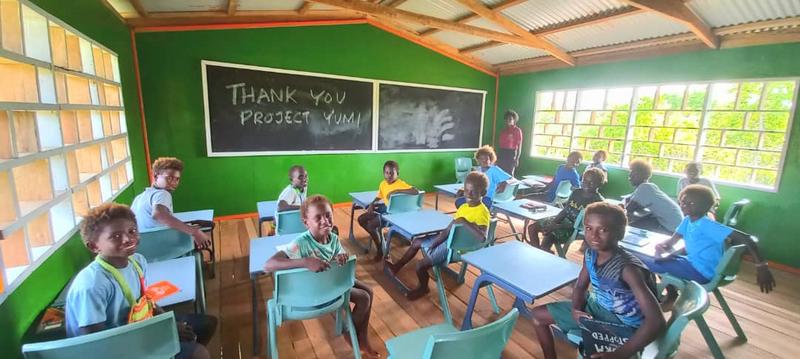
By improving classroom environments, Project Skul supports increased student attendance and engagement, enables teachers to deliver more effective lessons, improves access to literacy and numeracy resources, and helps create safe, functional learning spaces that foster meaningful educational outcomes.
To date, Project Yumi has saved more than three million educational and health resources from landfill, delivered support to more than 150 schools and health centres, and reached communities across all 20 provinces of Papua New Guinea.
For industries operating in remote regions, particularly mining organisations with long-term community investment commitments, access to quality education is widely recognised as a key driver of social stability, economic development, and future workforce readiness.
For both Australian and Papua New Guinean organisations operating across the mining and resource sectors, initiatives such as Project Skul present a practical opportunity to align corporate social responsibility commitments with measurable environmental and social outcomes.
.jpeg)
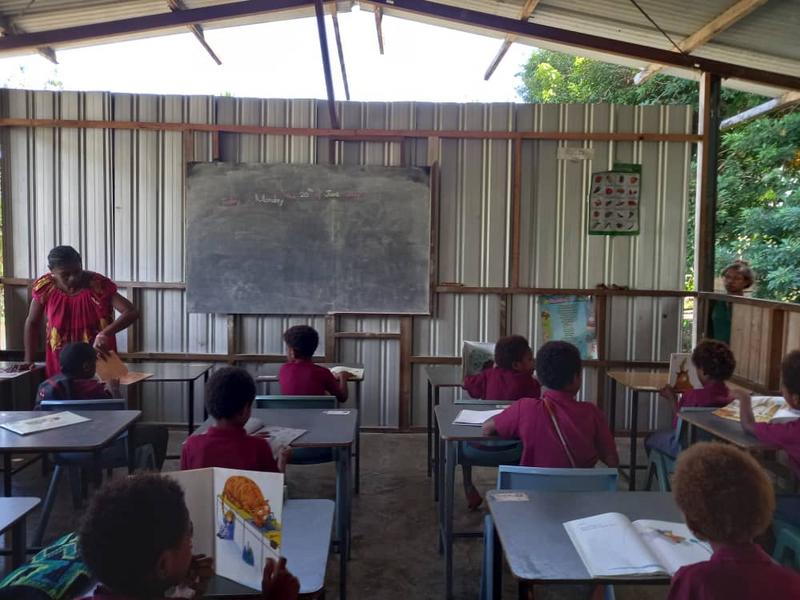
Each year, thousands of desks, chairs, and classroom resources are disposed of across Australia because of refurbishment cycles, infrastructure upgrades, or asset replacement programs—not because they are no longer functional, but simply because they are no longer required.
Through Project Skul, these quality surplus resources are diverted from landfill and delivered to under-resourced schools throughout Papua New Guinea, where they can make an immediate and lasting impact.
By partnering with Project Yumi, companies can sponsor the fit-out of an individual classroom or support the broader delivery of the Project Skul initiative.
These partnerships contribute directly to global development priorities, including the United Nations Sustainable Development Goals: Goal 4 (Quality Education), Goal 10 (Reduced Inequalities), Goal 12 (Responsible Consumption and Production), and Goal 17 (Partnerships for the Goals).
They also enable organisations to play a tangible role in improving access to education in the communities where they operate.
Project Yumi's partnership model is built on collaboration with businesses, community organisations, and local stakeholders in both Australia and Papua New Guinea.
By sponsoring a classroom or supporting resource delivery through Project Skul, mining companies can contribute to long-term education outcomes, future workforce capability, community wellbeing and resilience, and environmentally responsible resource management within their host communities.
Education remains a foundational determinant of economic growth, employment readiness, and community resilience. Through partnerships that transform surplus into opportunity, Project Yumi is helping ensure that the next generation of Papua New Guinean students is not limited by a lack of desks, books, or safe learning environments. Instead, they are empowered through access to education, helping create stronger, more sustainable communities for the future.