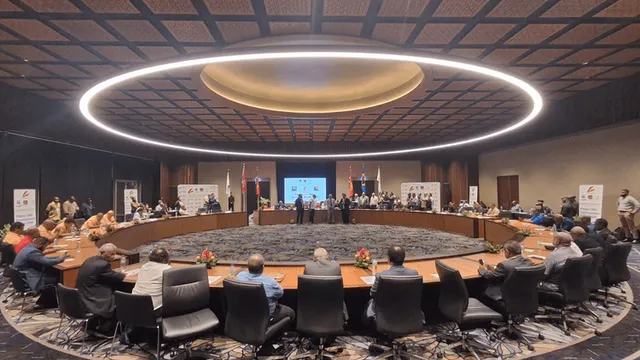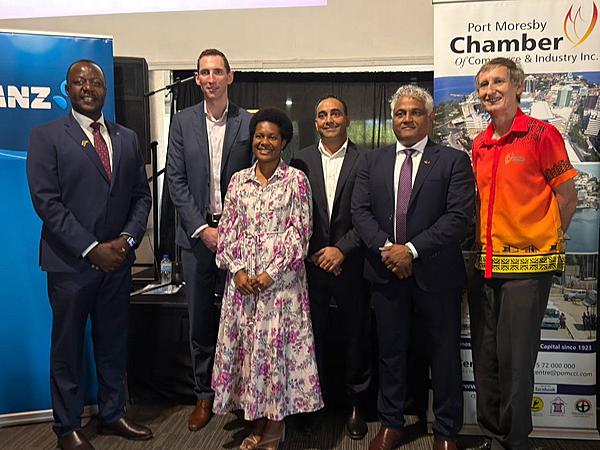
Papua New Guinea’s economic outlook, investment opportunities and long-term development priorities took centre stage during a business breakfast session hosted at the Royal Papua Yacht Club in Port Moresby on Wednesday, May 20, where leading economists and private sector representatives discussed the country’s future through a “Five Ps” framework — Petroleum, Policy, Projects, Produce and Partnerships.
The session featured ANZ PNG & Pacific Economist Dr Kishti Sen, who delivered a presentation outlining the major economic forces shaping PNG’s future. A high-level panel discussion also brought together Deloitte PNG Managing Partner Herbert Maguma, ANZ PNG Country Head Andrew Betteridge, Port Moresby Chamber of Commerce and Industry (POMCCI) President Rio Fiocco, and Dentons Partner Wavie Leki.
Organisers from POMCCI described the event as a forward-looking discussion focused on the opportunities, challenges and priorities facing PNG. Strong participation from members of the business community reflected continued private sector engagement in the country’s economic direction.
Petroleum and global energy risks
A key topic during the presentation was the impact of global petroleum market volatility and ongoing geopolitical tensions on PNG’s economy.
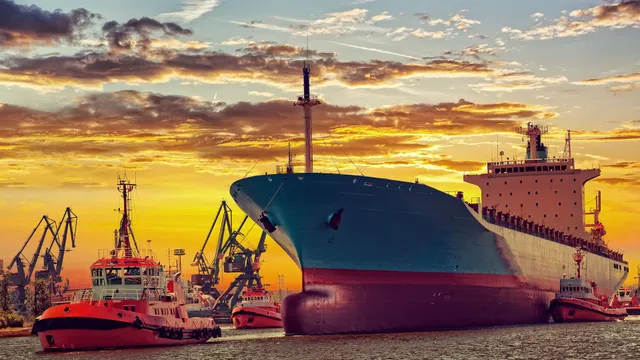
Dr Sen outlined ANZ Research scenarios relating to instability in the Middle East and the Strait of Hormuz, a critical global oil shipping route. Under ANZ’s base-case scenario, a US-Iran agreement would reopen the Strait by June, easing oil prices to below US$100 per barrel while still leaving a geopolitical risk premium in place.
However, ANZ warned that prolonged conflict could trigger major global supply disruptions, potentially pushing oil prices towards US$200 per barrel if international stockpiles are exhausted and infrastructure damage in the Persian Gulf region worsens.
The presentation noted that fuel supply in PNG remains secure for now, although stakeholders were encouraged to prepare for worst-case scenarios, including possible fuel rationing if global disruptions intensify.
Government fuel interventions under scrutiny
The “Policy” component of the framework examined government measures aimed at cushioning consumers from sharp increases in fuel prices.
According to the presentation, the PNG government introduced a PGK1 billion fuel stabilisation package to absorb rising costs for petrol, diesel and kerosene. Data presented showed that between March and April 2026, fuel prices rose sharply before government intervention, with petrol prices increasing by K1.70 per litre, diesel by K3.25 and kerosene by K3.35.
To offset these increases, the government removed GST and fuel excise taxes while also introducing direct subsidy payments to fuel importers.
The combined measures effectively returned fuel prices to March levels, with revised April retail prices set at K4.39 for petrol, K4.44 for diesel and K4.09 for kerosene.
Despite the intervention, the presentation questioned the long-term sustainability of the measures, particularly as the Papua New Guinea kina continues to weaken against the US dollar.
Resource projects and local economic benefits
Discussions also focused heavily on major resource projects and the broader economic contribution of PNG’s mining and petroleum sectors.
ANZ Research data presented during the session showed that PNG’s resource sector continues to generate significant value across the wider economy through direct and indirect employment and business activity.
The presentation estimated that the oil, gas and mining sectors collectively support more than 96,000 formal-sector jobs through direct, first-round and secondary economic effects.
Figures presented showed that oil and gas extraction contributes nearly one kina in economic value for every kina of final demand, while mining delivers similar multiplier effects through indirect economic activity.
Discussion under the “Projects” pillar centred on maximising local participation, ensuring broader economic benefits from resource developments and creating stronger linkages between large-scale projects and domestic industries.
Calls to expand agricultural production
Under the “Produce” pillar, Dr Sen highlighted growing global demand for PNG’s agricultural exports and the need to expand downstream processing capacity.
The presentation noted that high commodity prices are encouraging increased planting activity, with more agricultural seedlings now being planted across the country.
However, several constraints continue to limit PNG’s ability to maximise export earnings, including inadequate downstream processing facilities and infrastructure that is not designed to handle high export volumes.
Participants heard that improving processing capability will become increasingly important as upstream agricultural production expands. The discussion also reinforced the importance of agricultural diversification and value-adding industries as PNG seeks broader-based economic growth beyond the extractive sector.
Trade partnerships driving market access
The final pillar — “Partnerships” — focused on PNG’s growing trade relationships with regional and international markets, particularly across Asia.
ANZ Research data showed Australia remains PNG’s largest trading partner, with trade flows valued at more than PGK25 billion.
Other major trading partners identified during the session included Japan, China, Singapore, the United States, South Korea, Taiwan, Malaysia, Germany and the Netherlands.
Speakers noted that strengthening partnerships with Asian economies is opening new export opportunities for PNG businesses and producers, while regional cooperation remains critical to long-term economic resilience.
Private sector engagement remains strong
The breakfast session also featured discussions on investment confidence, leadership, policy certainty and the importance of collaboration between government and the private sector.
Panel members shared perspectives on the country’s operating environment, business confidence, financial systems, legal frameworks and the role of institutions in supporting sustainable economic growth.
POMCCI said the strong attendance from Chamber members demonstrated continued interest from the business sector in PNG’s economic outlook and future development priorities.
The event concluded with renewed emphasis on the importance of partnerships, policy consistency and long-term planning in unlocking PNG’s economic potential.