After more than two decades working across Papua New Guinea, I’ve learned one lesson repeatedly: investment decisions are only as strong as the information beneath them.
Geospatial data can sometimes be treated as a procurement item rather than a strategic investment. But when tens or hundreds of millions of dollars may be committed to a development, assumptions about terrain, access, drainage, environmental conditions and infrastructure constraints can quickly become significant project risks.
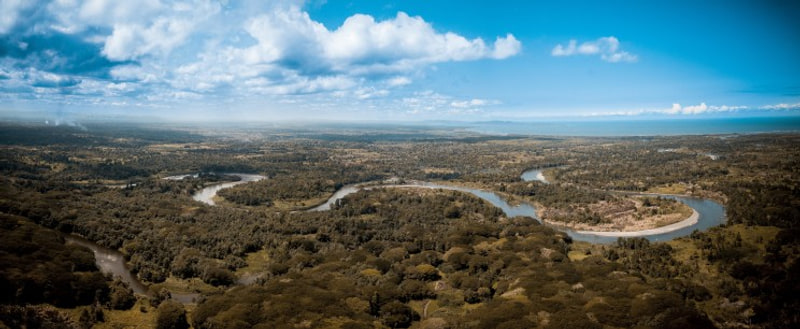
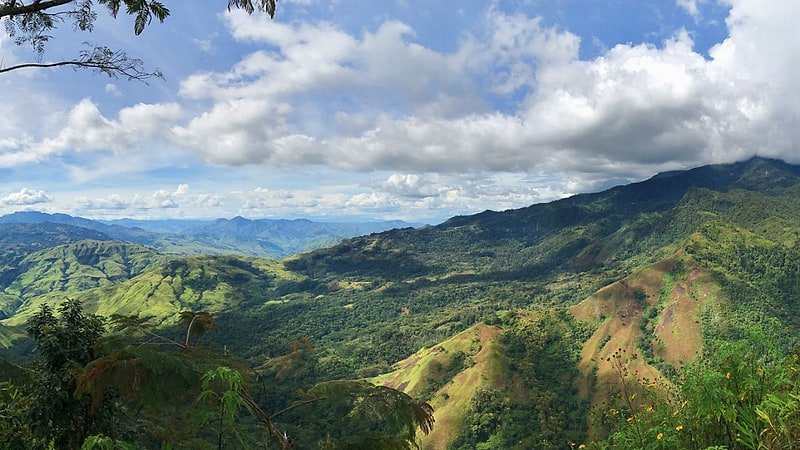
In PNG, those risks are amplified by the environment. Dense vegetation, rugged mountain ranges, extensive river systems, remote coastlines and limited existing survey coverage can make it difficult to fully understand a project area. What appears straightforward on a desktop can look very different when teams arrive on the ground.
That is why high-quality baseline data should be one of the first investments in a development program, not something commissioned after key decisions have already been made.
The application varies by project:
-
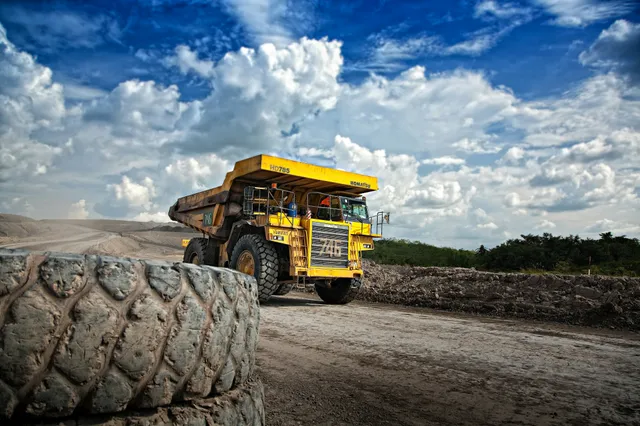
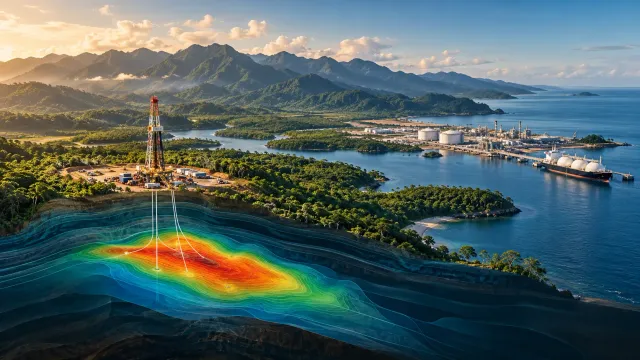
Mining and energy: Better visibility of terrain, drainage, access and potential infrastructure corridors before detailed design begins.
-
Ports and coastal infrastructure: A clearer understanding of seabed conditions, navigation channels and potential dredging requirements.
-
Transport and linear infrastructure: More informed route selection that accounts for terrain, river crossings, constructability and access.
-
Water infrastructure: More accurate catchment, flood and elevation modelling to support resilient asset planning and design.
The value continues well beyond the initial planning phase. A reliable geospatial foundation gives engineers, environmental specialists, contractors, regulators and operators a common reference point. It supports better coordination, reduces the likelihood of redesign and helps identify potential issues while there is still time to manage them efficiently.
Across PNG’s resources, infrastructure and marine sectors, I have seen that projects with strong baseline information make better decisions earlier. They progress with greater confidence because they have invested in understanding PNG’s unique environment before trying to change it.
As PNG enters its next phase of development, opportunities continue to emerge across mining, energy, transport, ports and water infrastructure. Realising those opportunities will require investment, innovation and strong partnerships, but it must begin with a clear understanding of the ground, rivers, coastline and communities connected to each development.
Successful projects are not built on ambition alone. They are built on reliable information, and the earlier that information is captured, the greater the opportunity to reduce risk, avoid unnecessary cost and create better long-term outcomes.
If you’re attending PNG Investment Week in Sydney, I’d love to catch up and explore how we can help de-risk your development in PNG.
Contact me at michael.delacy@woolpert.com.