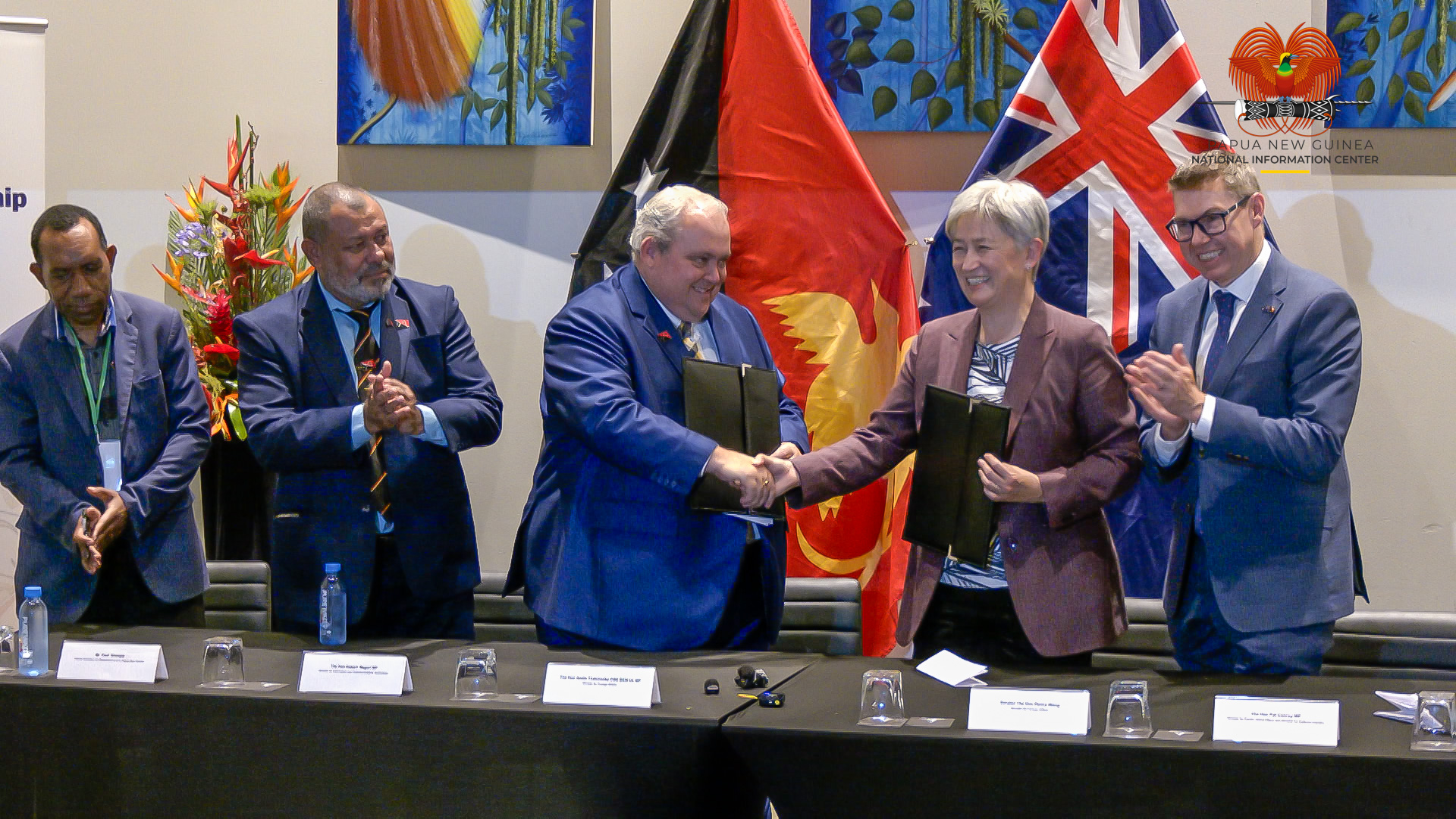
Papua New Guinea and Australia have agreed to deepen cooperation on telecommunications reform, with a joint blueprint targeting cheaper internet, improved connectivity and stronger digital services across PNG.
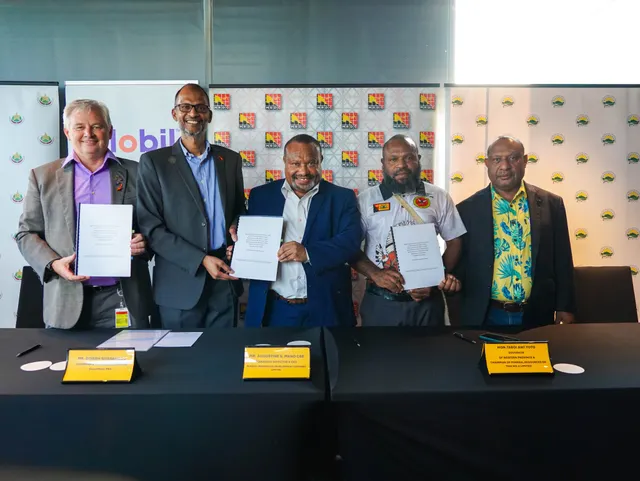
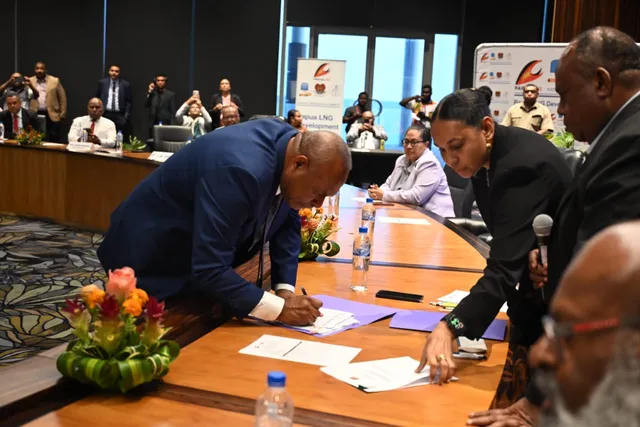
The two governments signed a memorandum of understanding (MoU) on information and communications technology (ICT) on Oct. 20 at APEC Haus in Port Moresby during the 32nd Australia–Papua New Guinea Ministerial Forum.
PNG Minister for Information and Communications Technology Robert Naguri said the agreement would provide a framework for both governments to address challenges in the ICT sector and coordinate efforts to improve digital services over the next 50 years.
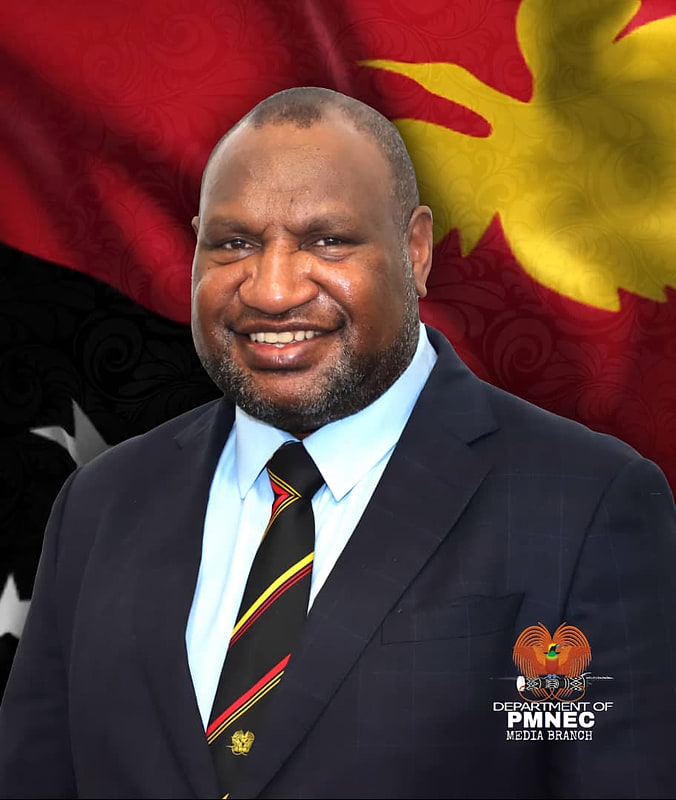
Prime Minister James Marape welcomed what he described as the largest-ever delegation of Australian government ministers to visit PNG, led by Australian Deputy Prime Minister Richard Marles and Foreign Minister Penny Wong, for the ministerial forum.
Marape said the size of the delegation reflected the importance both governments placed on their longstanding relationship and their commitment to strengthening cooperation across defence, security, trade, investment, education, labour mobility and other sectors.
He said the forum provided an opportunity to review existing agreements, assess progress and establish priorities for future cooperation, with an emphasis on translating commitments into practical benefits for both countries.
The prime minister cited the Comprehensive Strategic and Economic Partnership signed in 2020, the Bilateral Security Agreement signed in 2023 and the Pukpuk Treaty, which was signed in October 2025 and entered into force on July 8, 2026, as milestones in bilateral relations.
The treaty established a formal defence alliance between the two countries, Marape said, adding that cooperation extended beyond security to economic development, infrastructure, healthcare, education and people-to-people ties.
Telecommunications reform and affordability
The Department of Information and Communications Technology has been working with Australian counterparts on telecommunications infrastructure, cybersecurity, digital safety and ICT governance.
A key component of the cooperation is the Telecommunications Blueprint, commissioned at PNG’s request to identify gaps in connectivity and recommend measures to improve internet access and affordability.
Australian Foreign Minister Penny Wong said insufficient internet connectivity was holding PNG back in economic development and the delivery of essential services, including healthcare.
The blueprint will be made publicly available and included in the communiqué from the ministerial forum, Wong said.
PNG Foreign Affairs Minister Justin Tkatchenko said the blueprint was intended to identify problems in the telecommunications sector and establish measures to improve services for households and businesses.
He said Australia had adopted the blueprint and would assist PNG in implementing reforms, including measures to encourage competition and keep telecommunications prices down.
“Connectivity creates opportunity,” Wong said, highlighting the role of telecommunications in supporting businesses and improving access to services.
Tkatchenko said the goal was to make internet and telecommunications services more affordable for Papua New Guineans.
“It’s about making telecommunication affordable for everyone,” he said.
The blueprint follows discussions at the 31st Australia–PNG Ministerial Forum in Canberra in October 2025. It is intended to address gaps in telecommunications infrastructure and services, particularly in areas with limited or unreliable connectivity.
The initiative also comes as Australia supports connectivity infrastructure, including investment in the Coral Sea Cable. Wong said improved connectivity would require both physical infrastructure and appropriate regulatory and market conditions.
The two governments are expected to formalise further arrangements over the coming weeks and months, with PNG’s communications department and state-owned enterprises expected to work together on ICT development, Tkatchenko said.
Details of new funding commitments and specific implementation dates for the ICT MoU have not been announced.

Broader bilateral cooperation
The telecommunications initiative forms part of a broader agenda discussed at the ministerial forum, which also covered defence and security, healthcare, education, labour mobility and visa arrangements.
Marape said the two countries’ relationship had grown over decades and that their cooperation should continue to deliver practical outcomes, including stronger economic opportunities, improved public services and enhanced security.
The forum marked the first meeting since Australia and PNG became alliance partners. Both governments pledged to expand cooperation and strengthen their longstanding relationship.