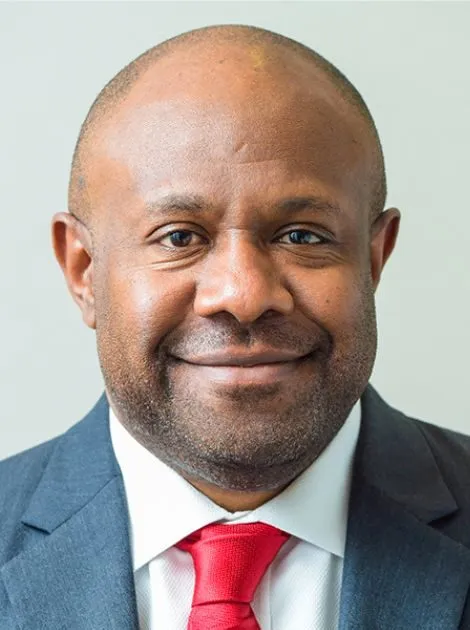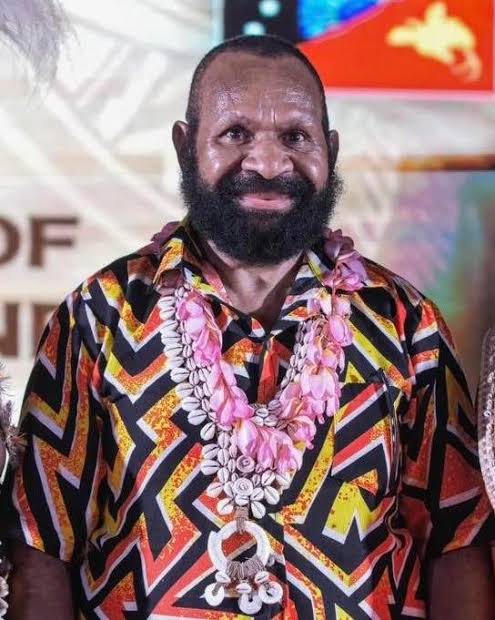
Papua New Guinea’s tourism industry needs stronger private-sector participation and closer collaboration between businesses, government agencies and local communities to turn the country’s cultural and natural attractions into economic opportunities, Tourism Minister Belden Namah said.
In an exclusive interview with PNG Business News on October 13, Namah urged businesses to work with the Tourism Promotion Authority (TPA), National Cultural Commission and National Museum and Art Gallery to promote the country’s heritage, traditions and tourism offerings.
“My direct call will be for the industry people, the business houses to actively participate in collaborating efforts with the Tourism Promotion Authority, National Cultural Commission and the National Museum and Art Gallery to promoting tourism, our heritage, our cultures, our traditions,” he said.
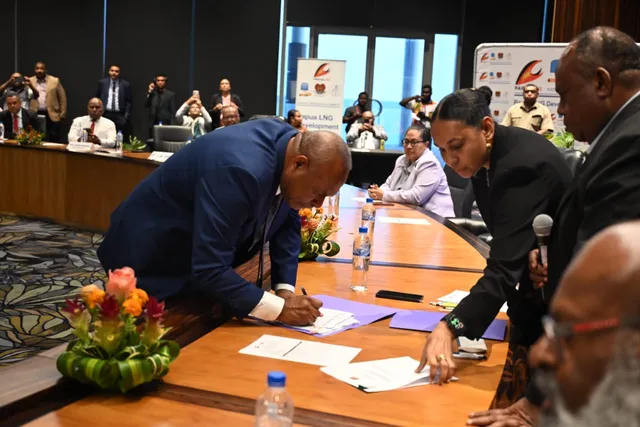
He identified the hotel and hospitality industries as key partners and cited the Mineral Resources Development Company (MRDC) as an example of private-sector participation in tourism.
“By more actively involving the hotel industry, hospitality industry, like what MRDC is doing. That is my call to all the business houses and industry players in the country,” he said.
Improving the visitor experience
Namah said tourism development also requires cleaner public spaces and better public behavior to make towns and cities more welcoming to visitors.
He cited littering, graffiti and loitering as issues that undermine the country’s image, pointing to the condition of public streets in Port Moresby.
“Look at the streets of Port Moresby, they are filthy. So I’m a believer of first impression is the last impression,” he said.
Namah said addressing these problems would help improve the visitor experience and tackle broader law-and-order concerns while preserving Papua New Guinea’s cultural identity.
“We have a beautiful way of life, the Melanesian way, the Papua New Guinea way. But this idea of throwing rubbish everywhere, graffiti, loitering, sitting around doing nothing, it’s not good for the country,” he said.
He stressed that tourism must be inclusive, with communities encouraged to develop their own tourism assets rather than relying solely on government initiatives or major investments.
“So with tourism, it’s people-based, people-centred. So it must be an inclusive business. Everybody must create their tourism asset themselves,” he said.
“We expect things to be done for us, but we must be creative and innovative.”
Stronger partnerships
Namah said improving visa arrangements and the overall visitor experience, alongside stronger cooperation among national, provincial and local-level governments, businesses and communities, would help expand tourism opportunities.
He said international perceptions of Papua New Guinea did not always reflect the experience visitors could have in the country.
“It’s just a perception. But when they come here, it’s a totally different place,” he said.
Namah expressed confidence that stronger industry participation, improved public spaces and greater community involvement would help position Papua New Guinea as an international tourism destination.
“Once we change our mentality, PNG will be the tourist destination for the rest of the world,” he said.