Papua New Guinea’s Minister for Tourism, Arts and Culture, Belden Namah, has called for reforms to tourist visa processes, increased private sector investment and improved infrastructure to unlock the country’s tourism potential and strengthen its competitiveness in the Pacific.
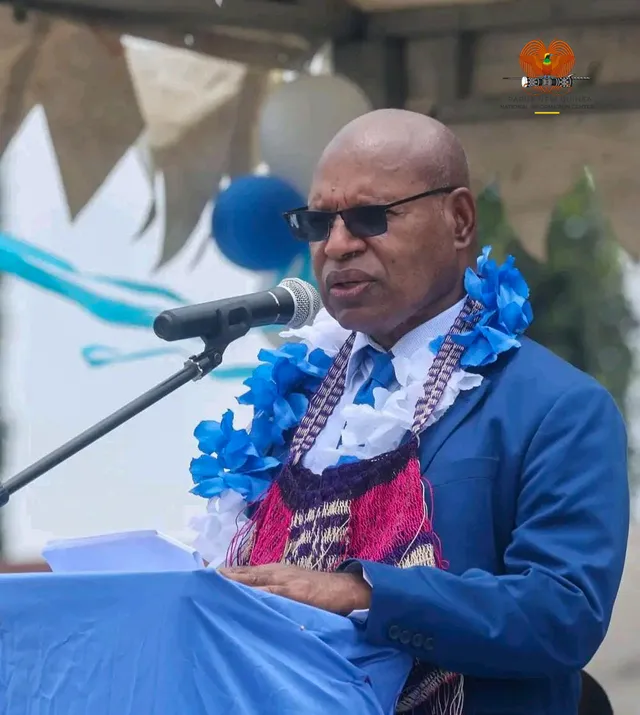
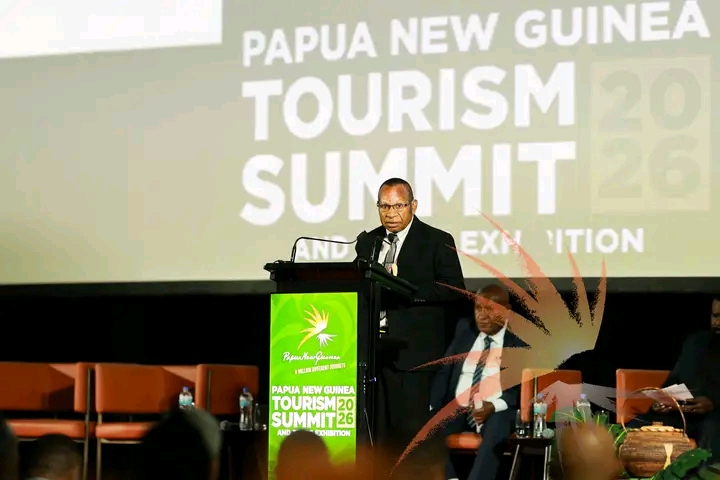
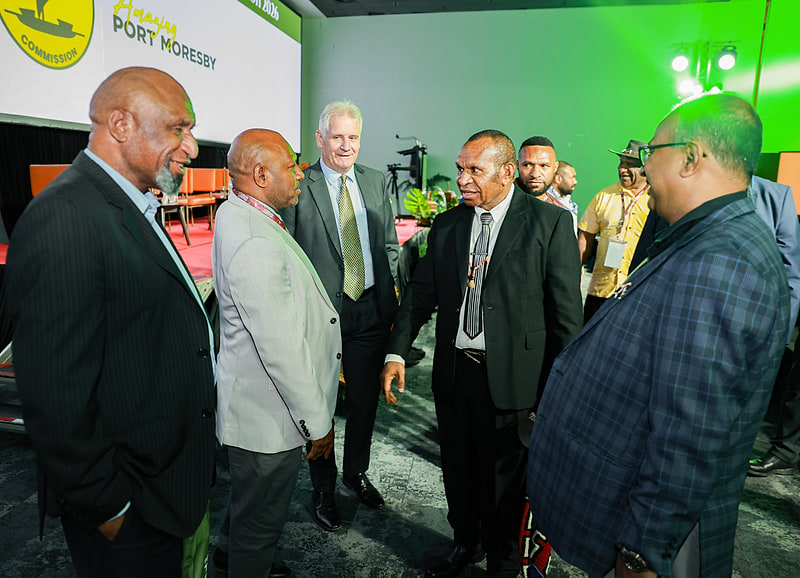
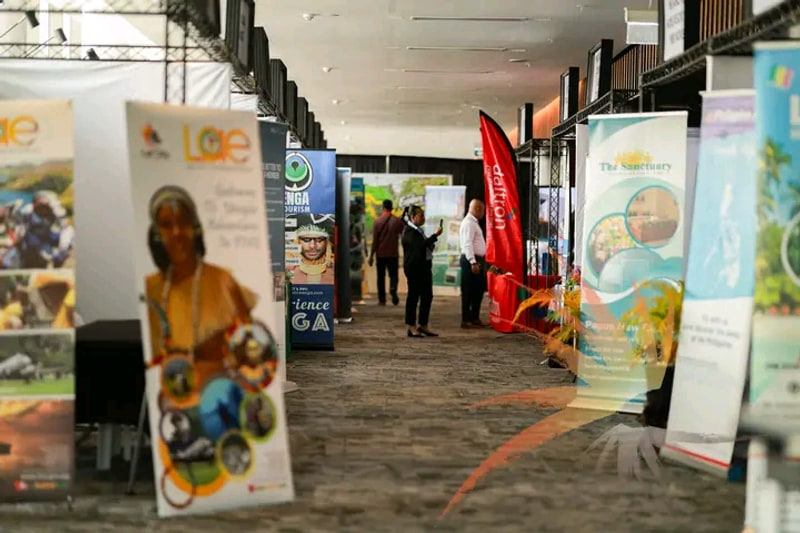
Speaking at the opening of the PNG Tourism Summit and Trade Exhibition 2026 at APEC Haus in Port Moresby on 13 October, Namah said a coordinated approach to tourism development was needed to turn the country’s natural and cultural assets into sustainable economic benefits.
Cumbersome visa requirements, high travel costs, limited connectivity and infrastructure constraints continued to hinder PNG’s ability to attract international visitors, he said.
Namah outlined five priorities for the sector: positioning tourism as a pillar of national development, encouraging private investment, improving connectivity and digital services, protecting natural and cultural heritage, and developing the skills of Papua New Guineans.
“Tourism is not simply about attracting international visitors. It is about creating employment, empowering communities, stimulating local businesses and generating income for our people,” he said.
Tourist visa reforms needed
Namah called for an urgent review of tourist visa application and approval processes, proposing visa-on-arrival arrangements to make PNG more accessible to international travellers.
He said existing requirements discouraged potential visitors and put the country at a disadvantage compared with competing destinations.
“We should now seriously look at giving visa on arrival to our tourists and visitors. Let’s open the doors for our visitors to come and enjoy our natural beauty and the warmth of our country,” he said.
Simplifying travel arrangements would help attract foreign currency, stimulate tourism activity and improve PNG’s competitiveness, he added. The country’s ambition to become a Pacific tourism hub would require practical measures to ensure visitors could reach destinations safely, affordably and reliably.
Private investment and local businesses
Namah said the government could not finance all the infrastructure and facilities needed to develop the tourism industry, making partnerships with private investors, financial institutions and development partners essential.
He recognised the role of Mineral Resources Development Company (MRDC) in advancing tourism investment and called for greater collaboration to develop hotels, resorts, eco-tourism lodges, cultural attractions, conference facilities and other tourism services.
Provincial governments should identify their tourism strengths and work with investors to develop commercially viable projects that protect the environment and benefit local communities, he said.
Namah also urged greater participation by Papua New Guinean-owned small and medium-sized enterprises, particularly in accommodation, restaurants, transport, tour operations and community-based tourism.
Stronger links between tourism, agriculture and fisheries could create domestic markets for local farmers, fishermen, manufacturers and service providers. Hotels and restaurants, for example, could source food, furniture, transport and other supplies from local businesses that meet commercial and quality requirements.
“Our success must be measured not only by visitor arrivals, but also by the jobs created, businesses developed and economic benefits retained by Papua New Guineans,” Namah said.
Connectivity and digital transformation
Improved transport infrastructure and digital services were essential to developing tourism destinations across PNG, Namah said. He called for stronger domestic and international air links and better roads, airports, telecommunications and essential utilities in priority destinations.
He identified East New Britain, Milne Bay, East Sepik, Western Province, the Highlands, the National Capital District and the Autonomous Region of Bougainville as areas with diverse tourism opportunities requiring targeted development.
Investment decisions should be guided by sound planning, visitor demand, commercial viability and local community needs, he said.
Namah also urged tourism operators to strengthen their digital presence as travellers increasingly use online platforms to discover destinations, compare prices and book accommodation and experiences.
Digital technology could help locally owned businesses reach wider markets while improving tourism promotion, customer service and access to information for visitors.
Protecting natural and cultural heritage
Namah said PNG’s forests, marine ecosystems, biodiversity and cultural traditions were among its greatest tourism assets and must be protected as the industry expanded.
Sustainable development should respect customary land rights and ensure landowners and local communities had meaningful opportunities to participate in decision-making and share in the economic benefits, he said.
He highlighted traditional dances, music, carvings, festivals, historical sites and ceremonial practices as expressions of national identity and opportunities for cultural tourism and creative enterprise.
Cultural development must respect the wishes of traditional custodians and avoid commercial practices that undermine the significance of cultural traditions, he said.
Namah also called for greater investment in cultural institutions, heritage sites, museums, galleries and community-led initiatives to preserve PNG’s cultural heritage for future generations.
Positioning PNG as a Pacific destination
PNG has opportunities to expand its presence in cultural and heritage tourism, diving, marine tourism, adventure travel, trekking, birdwatching, nature-based experiences, historical tourism, cruise tourism, business events and sports tourism.
However, Namah cautioned that geography alone would not make the country a regional tourism hub. PNG needed reliable infrastructure, quality services, effective marketing, stronger travel connections and a more accessible visa system to compete successfully.
He encouraged closer cooperation with neighbouring Pacific countries through regional marketing, improved travel links, cruise itineraries and tourism partnerships.
Destination promotion must be matched by professional services, appropriate safety arrangements and reliable visitor experiences to build international confidence in PNG, he said.
Skills development and measurable results
Namah said tourism depended on the skills, professionalism, creativity and hospitality of people working across the industry. He called for investment in vocational education and training in hospitality management, culinary skills, tour guiding, customer service, tourism marketing and business development.
He challenged summit participants to move beyond discussions and declarations by identifying investment barriers, developing priority projects, strengthening partnerships and setting measurable targets.
Government agencies, provincial administrations, tourism operators and development partners needed to work together to translate policy commitments into programmes that generated employment, attracted investment and improved tourism services.
Namah also called for better tourism data to support evidence-based decision-making. Progress should be measured not only by visitor arrivals but also by visitor expenditure, length of stay, employment, local business participation and the economic benefits retained by communities.
He said the summit’s theme, Research for Success: Addressing Papua New Guinea’s Tourism and Hospitality Potential in Africa and the Pacific, challenged stakeholders to examine existing barriers, learn from experience and adopt a more coordinated approach to industry development.
The government must provide leadership and an enabling environment, the private sector must invest and innovate, communities must be empowered to participate, and development partners must support sustainable growth, he said.
“Papua New Guinea must not remain a country of untapped tourism potential. But rather we must become a country that confidently converts that potential into sustainable prosperity,” Namah said.
He urged stakeholders to turn their discussions into concrete action, saying the sector’s success would depend on collective commitment and the delivery of tangible results.
PNG’s long-term goal, he said, should be an inclusive and sustainable tourism industry that creates opportunities for its people and establishes the country as a distinctive Pacific destination.