Papua New Guinea is advancing plans for a National Single Window system to simplify import and export procedures, reduce business costs and improve trade-related services that support the tourism and hospitality industry.
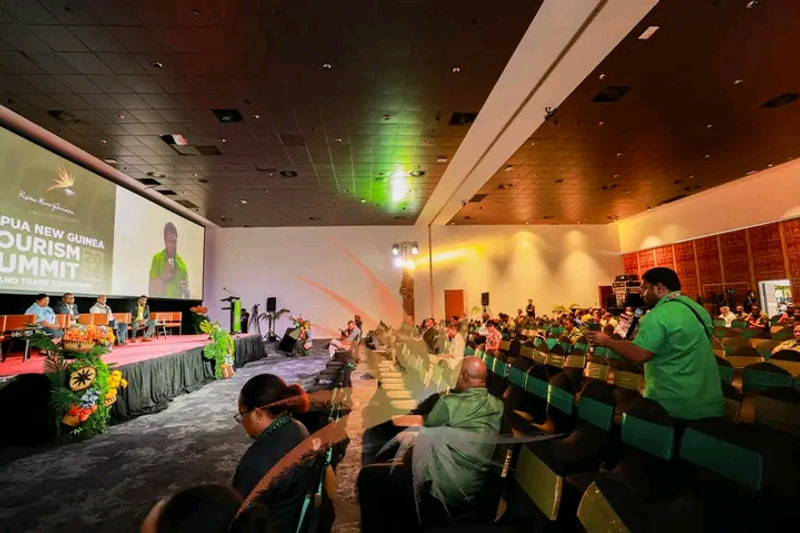
Speaking on the second day of the PNG Tourism Summit 2026 on October 14, PNG Customs representative Wilma Seolo said the proposed digital platform would connect traders with government regulatory agencies, allowing businesses to submit information once instead of approaching multiple agencies for permits, licences and approvals.
The system aims to reduce administrative delays, improve inter-agency coordination and strengthen PNG’s competitiveness as a tourism destination and investment hub.
“For the tourism and hospitality industry, delays can affect the timing of importation of hotel equipment, food supplies, tourism and infrastructure materials, and cruise operations,” Seolo said.
“These inefficiencies increase operational costs and reduce competitiveness.”
One submission for multiple agencies
Businesses engaged in international trade often submit similar information to several government agencies before goods can be cleared for import or export. The National Single Window is designed to eliminate unnecessary duplication by providing a single submission point through which information can be shared with the agencies responsible for reviewing applications and issuing approvals.
The platform is expected to speed up documentation processing and improve the movement of goods across PNG’s borders. For tourism operators, this could mean more efficient imports of hotel supplies, restaurant equipment and other materials needed to maintain tourism facilities, as well as fewer clearance delays affecting cruise operations and deliveries.
Seolo said the project involved more than introducing new technology. It also required changes to how government agencies coordinate their processes and deliver services to businesses.
From blueprint to system development
The National Single Window project began in 2022 with the development of a blueprint involving 37 government regulatory agencies. The initial work examined existing procedures and identified opportunities to simplify and harmonise requirements before building the digital platform.
Consultations with businesses and participants across the trade supply chain underscored the need to address internal government processes before introducing a centralised service, Seolo said.
The project also examined existing Single Window systems in Singapore, Thailand and the Philippines to understand their operations and benefits. However, PNG would need a system tailored to its own trading environment and regulatory requirements.
“Our trade is not the same as in smaller island countries,” Seolo said.
A project management office based at PNG Customs is coordinating the initiative, with participation from the Department of Information and Communications Technology, the National Trade Office, PNG Customs and the Department of International Trade and Investment.
Seolo said the government had supported the project following the completion of the blueprint and the establishment of governance arrangements.
Harmonising regulatory processes
The project has completed its first two phases: developing the blueprint and reviewing and simplifying regulatory processes.
The second phase examined trade-related procedures across 32 government regulatory agencies responsible for import and export licences, permits and approvals. The review identified opportunities to reduce duplicate information requirements and standardise how agencies collect and share data.
The project is now preparing for its third phase, which will involve developing detailed workflows and translating harmonised business processes into technical specifications for system development.
Seolo said completing the necessary documentation and agreeing on business processes were essential before technology specialists could build and implement the platform.
Participating agencies have also worked to establish common data requirements and improve coordination between their regulatory functions. Seolo said agency leaders had supported the data-harmonisation work, helping prepare the project for its next stage.
Digital clearances and advance processing
Under the proposed system, traders would submit import and export documents electronically, allowing relevant agencies to receive notifications, assess applications and issue decisions through a coordinated platform.
The system could eventually allow users to access services through smartphones, reducing the need to visit multiple government offices. It is also expected to connect with other systems involved in shipping, trade and border clearance.
Seolo cited advance submission of shipping information as one potential benefit. If information were entered before a vessel arrived, agencies could begin processing documents and coordinating clearances ahead of time, potentially reducing port delays and preventing goods from remaining at wharves while businesses waited for outstanding approvals.
However, the system’s effectiveness will depend on regulatory agencies participating fully and successfully integrating their processes and digital platforms.
Seolo said the project would eventually engage a broader range of stakeholders, including businesses, banks and shipping operators, as well as communities involved in trade.
Digital services to support tourism
The National Single Window formed part of wider discussions at the PNG Tourism Summit 2026 on how digital government services could improve visitor experiences and support tourism development beyond major urban centres.
Other speakers highlighted the role of digital identification, online payments and accessible technology in helping tourism operators promote their services, manage bookings and transact with international visitors.
For small operators in provincial areas, accessible digital platforms could make it easier to market tourism experiences and enable prospective visitors to research, book and pay for services online.
Delivering these benefits will require government agencies and private-sector providers to connect their systems and develop services that businesses can use without extensive technical expertise.
As the National Single Window project prepares to enter its third phase, the focus will shift towards translating the completed policy and process work into the technical specifications needed to build a platform suited to PNG’s trade environment. If implemented successfully, the system could reduce administrative barriers affecting trade and investment while supporting businesses across the tourism supply chain.