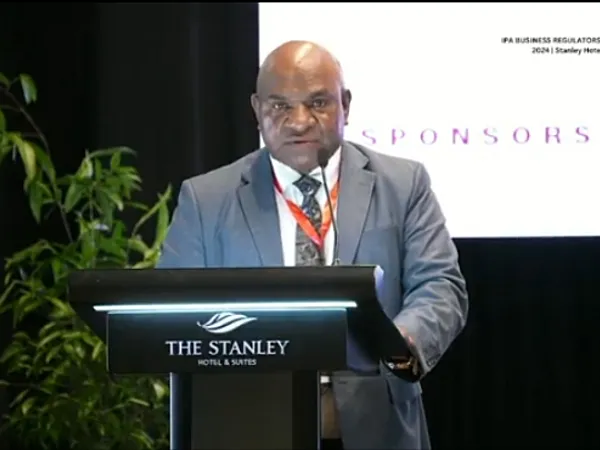
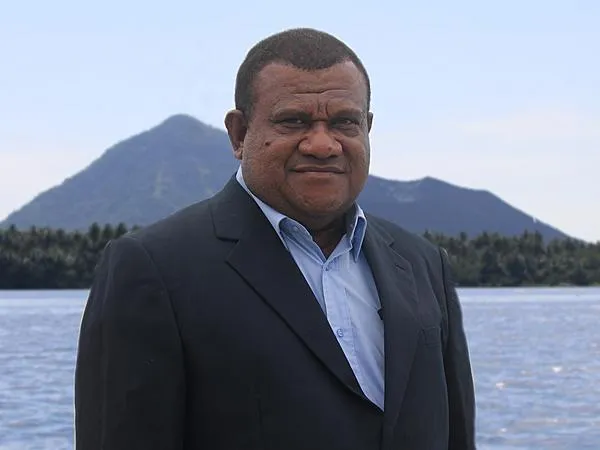
PNG Customs Service Chief Commissioner David Towe stressed Papua New Guinea’s commitment to trade facilitation and border protection during his presentation at the 2024 Business Regulators Summit, Session four on July 31.
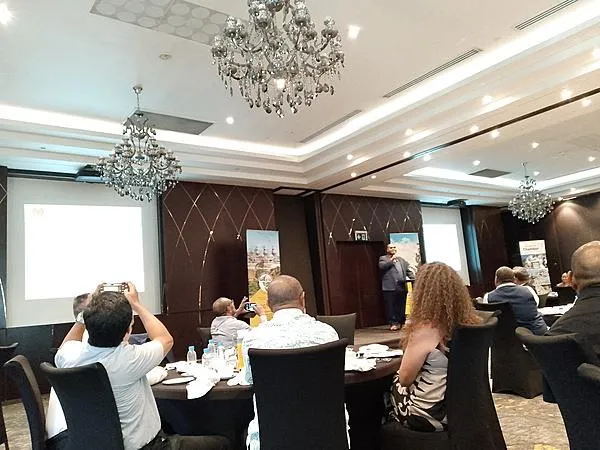
Addressing a diverse audience that included regulatory agency leaders, private sector representatives, NGOs, and media, Towe delivered a presentation with the topic: “Trade Facilitation Connectivity (at the border)” on the pivotal roles and strategic priorities of the Phoenix Customs Service.
He explained: "Phoenix Customs Service is mandated through the Customs Service Act to be one of the premier border security agencies of government.”
“This allows us to control and manage the border, protecting the community from dangerous imports, facilitating international trade, and supporting government funding through revenue collection."
The three primary functions of PNG Customs are border and community protection, trade facilitation, and revenue collection.
Towe highlighted the comprehensive legal framework empowering PNG Customs, including the Public Customs Service Act of 2014, the Customs Act of 1951, and the Customs Tariff Act, which classifies goods and applies relevant taxes.
He underscored the complexity of managing approximately 824 land borders shared with Indonesia and 5,152 kilometers of water, along with operations across 23 ports and a robust air system.
Corporate Plan and International Best Practices
On the agency's strategic priorities, Towe introduced the recently launched Customs Strategic Plan 2024-2028 and the Customs Roadmap for Reform and Organization 2024-2028.
These plans aim to adapt to the evolving global environment, ensuring continued delivery of results. "We have to reform our organization to remain viable and relevant," he stated.
He also stressed the importance of aligning with international best practices, citing the agency's compliance with standards from the World Customs Organization and the World Trade Organization.
"We ensure that our systems and procedures are relevant for business operations, facilitating seamless and efficient flow of goods and people across the border," Towe explained.
Technological Advancements and Trade Facilitation
One of the highlights of Towe's presentation was the development of the electronic single-window platform in collaboration with the National Trade Office (NTO). This platform aims to streamline trade-related processes, reducing the need for traders to navigate multiple agencies.
"We have identified 56 different trade-related processes spread across 26 entities. The single-window platform will automate these processes, making it easier for traders to obtain permits and licenses online," Towe said.
He also mentioned the implementation of advanced technologies like container scanning equipment and risk-based intelligence-led interventions to enhance border security and trade facilitation.
"We use the Asycuda World system to apply risk management principles, targeting high-risk cargo while ensuring 90% of goods pass without customs intervention," Towe noted.
Collaborative Efforts and Future Directions
Towe commended the collaborative efforts of the National Trade Office, ICT department, and other entities involved for the single-window platform.
"This transformative project will make trade easier and the flow of goods across the border much simpler. I encourage all stakeholders to get on board and support this initiative," he said.
Towe reiterated the importance of continuous improvement and adaptation in customs operations. "We are taking steps in the right direction, and I am excited about the future of PNG Customs.”
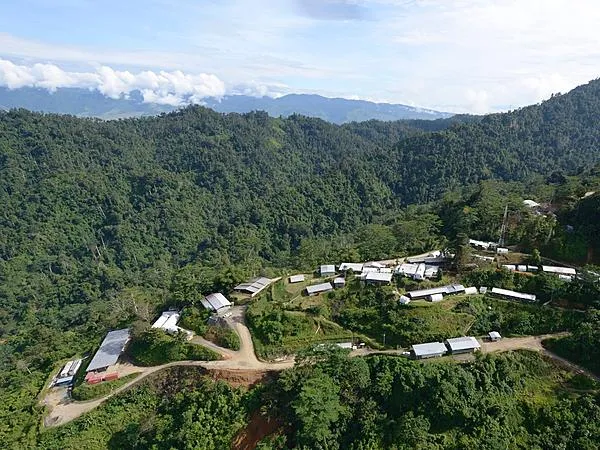
Prime Minister Hon. James Marape, announced on Friday, August 2, 2024, that the State Negotiating Team (SNT) is actively engaged in discussions with Wafi-Golpu mine developers Newmont and Harmony, with the aim of finalising the Mine Development Contract (MDC).
This critical step is part of the preparations for the prompt issuance of the Special Mining Lease (SML).
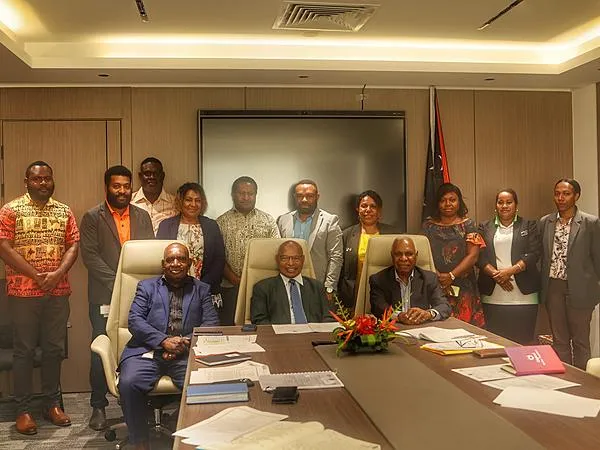
PM Marape made this announcement in Lae during a meeting with Wafi-Golpu landowners, Morobe Governor Hon. Luther Wenge, Deputy Prime Minister and Lae MP Hon. John Rosso, SNT Chairman Mr. Dairi Vele, Mineral Resources Authority (MRA) Managing Director Mr. Jerry Garry, Kumul Mineral Holdings Ltd (KMHL) Chief Executive Officer Mr. Sarimu Kanu, Mineral Policy and Geohazards Management Secretary Mr. Harry Kore, and representatives from the Morobe Provincial Administration. During the meeting, Mr. Vele and Mr. Garry provided comprehensive updates to the landowners on the progress of the Wafi-Golpu Mine. Remarks were also delivered by Governor Wenge, Prime Minister Marape, landowner representative Mr. John Nema, and Deputy Prime Minister Rosso.
Governor Wenge and the landowners expressed their desire for the SML to be issued quicker and for the mine to start. In response, Prime Minister Marape requested Governor Wenge to nominate a representative from the Morobe Provincial Government to be included in the SNT for the final round of negotiations with Newmont and Harmony.
“We are now going through exchanging notes (with Newmont and Harmony) for the MDC Hon Marape stated during the meeting.
“The MDC will form the basis for the SML to be issued.
“They (Newmont and Harmony) have given us their views; we have also given them our views on the proposed MDC.
“I have instructed our team to move fast. In fact, next Tuesday, we’ll be having a meeting on this matter so that we all have a clear view on the MDC. After that, we’ll be ready to sign off the MDC, and then we move to the SML.
“We are almost there, in as far as MDC and SML are concerned”
PM added that once the SML is issued, Newmont and Harmony will have 30 months to announce Final Investment Decision (FID) for the development of the mine.
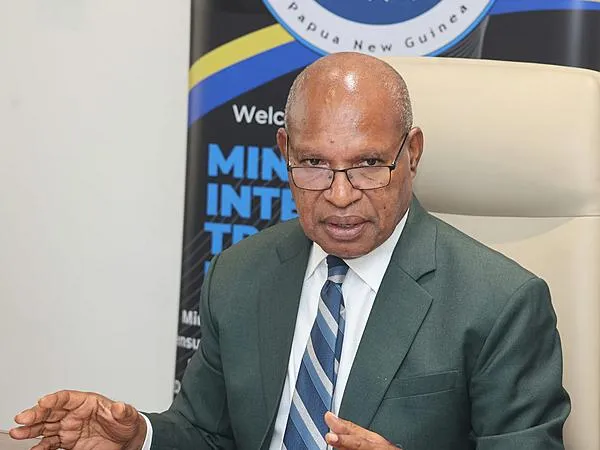
The Minister for International Trade and Investment, Hon. Richard Maru today announced that the National Executive Council (NEC) in its recent Meeting No: 13/2024 approved, in principle, that the Pacific Marine Industrial Zone (PMIZ) in Madang Province will be developed in two phases.
“The Phase 1 of the project will be the establishment of a fishing Joint Venture (JV) between the State and RD. The Marape-Rosso Government first want to start up a PNG fishing company so we can have our own local master fishermen, our own fishing boats, and have the fish security before we can go into processing and canning. The Government has decided to enter a strategic JV fisheries business with RD which is a current established fishing company with established business, facilities, management and industry knowledge, skills and expertise, years of experience, and networking both in the region and globally and understands the global market. It makes good commercial sense for the State to approach RD with all its facilities to enter into a JV. The State for its part would inject equity to get into the fishing business and have its nationals employed and immersed into the business to learn the trade and acquire the expertise so eventually we can have our own people set up and own the fisheries industry in the country. Countries like Australia do not issue licenses to foreign fishing vessels. One day we can reach that point so we can and own our fisheries industry. For now we are only rent collectors.”
“For the State to directly establish itself in the fisheries sector, it would be faced with huge costs of initial capital investment. Establishment costs for wharf would be USD$300 million; for onshore processing facilities will be USD$100 – USD$150 million; for cold storage will be USD$30 million; and to purchase and own fishing vessels- purse seine can range from USD$7 million to USD$25 million. The cost can vary significantly based on several factors, including the vessel’s size, age, and condition, which is estimated to cost around USD$500 million. Infrastructure costs for road, water, electricity and other amenities would add on to the business. The financial costs to set up directly to enter the business would be excessive and untenable for the Government. Added to that, we do not have the management experience nor the technology and skills of commercial fishing enterprise as a country. We need to partner and learn the trade of the commercial fishing business first over a period of time until we are confident to venture on our own. We have to learn to crawl before we can walk,” said Minister Maru.
Minister Maru stated: “Currently, we do not have our own fishing boats, our own master fishermen, we have no expertise in fishing, and in the last 50 years we have never domesticated our fisheries industry and as a result we have missed out in building another ten canneries because 80% of our catch is taken overseas, we have lost 50,000 jobs, we are earning a net revenue of only K300 million a year (after discounts and rebates from our license fish) when we could be earning K5 billion in revenue, and we also lose out on many revenue streams ranging from landing fees, shipping licenses, loss of jobs, wages, income taxes, corporate taxes, GST, fuel, water, electricity, and opportunities for other local commercial businesses revolving around the commercial fishing enterprise. We have our people graduating National Fisheries College in Kavieng but where are they? They are not in the industry- we are all spectators. We have lost all these opportunities because we have never domesticated the industry.”
“We are still a ‘Coastal State’ since both before and after Independence. We are yet to change our status to be recognized as a ‘Fishing State’. Coastal states have jurisdiction over the waters adjacent to their coastlines, usually up to a certain distance known as the Exclusive Economic Zone (EEZ), where they have special rights regarding fishing, mineral exploration, and other economic activities. These states play a significant role in regulating fishing activities, conservation efforts, and resource management within their maritime boundaries. In the context of the fishing industry, a country referred to as a ‘Fishing State’ is one that heavily relies on and actively participates in fishing activities. This term is used to describe a nation whose economy, culture, and livelihood are significantly tied to fishing and the exploitation of marine resources. Fishing states often have a large fishing fleet, extensive coastal waters, and a strong presence in international fisheries management organizations. PNG has missed out big time by being a rent collector and the Marape-Rosso Government has made a very bold decision to shift us from being a rent collector to a ‘Fishing State’.
Minister Maru added: “Whilst RD has established fishing business in Madang and has all the facilities and infrastructure that the State needs to get into the fishing business, it does not have enough vessels and volume of fish caught per day to process at its processing plant which needs 200 metric tons of fish each day to make it viable for it to operate profitably. Fish security is very critical. We have to learn from the experience of Lae-based Majestic Seafood. It closed down because it never had the volume of fish it needed for its 200 metric-ton per day cannery, resulting in 3,000 Papua New Guineans losing their jobs. The plant was not able to source enough fish each day to process to its full capacity- it was only processing up to 15-20 metric tons of fish each day. Most of the fish caught by other companies at sea were taken to other countries for processing. This also underlines the importance of owning our own fishing vessels and our own crew, and introducing the domestication policy so we can land our fish onshore and process it in our cannery and enjoy the maximum benefits of our fisheries resources."
Minister Maru further stated: “If Phase 1 is successful and we are able to catch enough fish, own our own fishing boats, have our own master fishermen, have our own people trained then we can move to Phase 2 which is to build our own cannery and other associated businesses in the 250 hectares of State Land at the PMIZ to take advantage of the Special Economic Zone (SEZ) benefits and incentives that PMIZ can offer before we can invite other investors to come and invest in the PMIZ."
“PNG has a rich and large EZZ of 2.4 million square kilometers in extent, making it one of the most productive in the region. PNG accounts for approximately 18% of the world’s tuna catch and controls around 15% of the global tuna trade with an estimate value between USD$4 billion-USD$5 billion (K13.3 billion – K16.9 billion) (NFA 2022). However, the majority of this catch is re-routed at high seas to other countries, and is processed overseas, depriving PNG of significant benefits. Currently, the revenue from the fisheries sector to the Government has mainly been resources rents all these years. The overall production output of fisheries exports for PNG has remained steady above K1 billion mark since 2016. PNG needs to break this cycle and get into the fishing business and benefit from the K12 billion – K15 billion revenue that is generated from the fish harvested from its EEZ by others.”
Minister Maru commended the Marape-Rosso Government for the decision to develop the PMIZ in two phases and described this decision as ‘an important policy shift’ by the Marape-Rosso Government.
“This the biggest game changer in our fishing industry since independence,” said Minister Maru.
Meanwhile, the NEC also approved the State Negotiating Team led by Chairman, Mr. Dairi Vele to negotiate and finalize the JV company agreement with RD for a 50:50 shareholding in the next four weeks so it can go back to the Cabinet for consideration and approval.
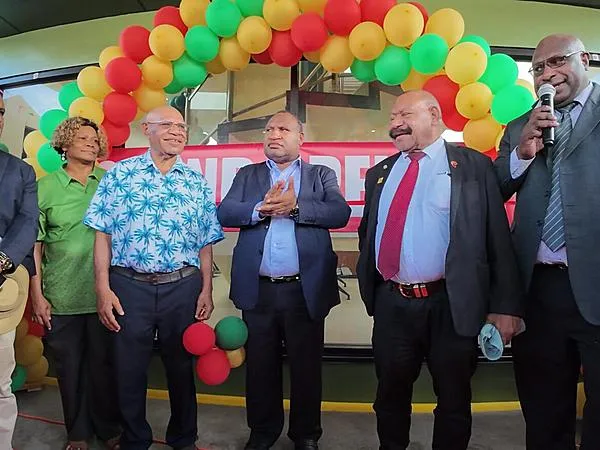
Prime Minister Hon. James Marape on Thursday, August 1, 2024, lauded the Coffee Industry Corporation Ltd (CICL) for its visionary leadership and strategic planning in advancing Papua New Guinea’s coffee industry. The Prime Minister made these remarks while officially opening CICL’s impressive K10.6 million Coffee Exports Office Complex in Lae.
Following his address, an evidently impressed Prime Minister Marape expressed his support for CICL by presenting K10 million to CICL CEO Mr. Charles Dambui, aimed at furthering the corporation’s efforts in growing the nation’s coffee industry.
The newly inaugurated coffee exports building, located on Kisere Street in the heart of Lae, is set to become the central hub for crucial operations, including contract registration, shipment notification, contract verification, physical coffee inspection, sampling, recording/logging, quality analysis, export certification, and overseeing the movement of coffee to the wharf for shipment.
The opening of this complex is particularly timely as China recently lifted all bio-security restrictions on agricultural produce from Papua New Guinea, including coffee. This landmark decision heralds a new era of opportunity for the country’s agricultural sector, facilitating expanded trade relations with China and other global markets. The development also coincides with a growing international demand for coffee.
The significant event was attended by several dignitaries, including Morobe Governor Hon. Luther Wenge, Deputy Prime Minister and Lae MP Hon. John Rosso, Coffee Minister Hon. William Bando, Western Highlands Governor Hon. Wai Rapa, Manus Governor Hon. Charlie Benjamin, Commerce and Industry Minister Hon. Win Daki, Community Development Minister and Huon Gulf MP Hon. Jason Peter, Wau-Waria MP Hon. Marsh Narewec, as well as heads of government departments and agencies, company representatives, Evangelical Lutheran Church of PNG Head Bishop Rev. Dr. Jack Urame, and various other stakeholders.
“I’m happy to witness an occasion that comes about as a result of the hard work of CICL CEO Mr. Dambui and his staff,” Prime Minister Marape stated.
“Such a building could have cost K100 million, yet this demonstrates the wise use of the limited funds provided by the Government to CICL.
“I thank Mr. Dambui and the CICL team for their strategic leadership in wisely using limited funds to achieve such a major project.
“CICL shows us all the we can build major projects if we wisely used limited funds like they have done. This is a challenge to districts, provinces and government departments and agencies
who have been given hundreds of millions of government funding over many years, but have achieved little.
“One of the reasons why Papua New Guinea has not progressed over the last 49 years is that we have been using funds without achieving anything. This is something that we should all be ashamed of.”
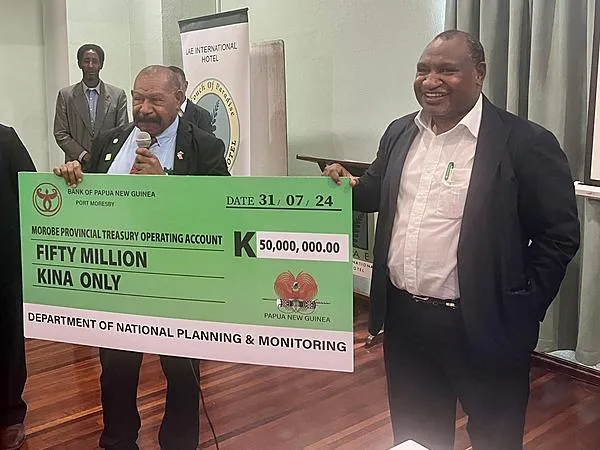
Prime Minister Hon. James Marape on Friday, August 2, 2024, presented a K50 million Infrastructure Development Grant (IDG) to Wafi-Golpu landowners and the Morobe Provincial Government. He emphasised that this is not “free” money but funds intended for infrastructure projects in the six impacted areas and the province. This grant is part of the Government’s K1.2 billion commitment to IDGs and Business Development Grants (BDGs) for Wafi-Golpu landowners.
The presentation occurred in Lae, where Prime Minister Marape addressed landowners, Morobe Governor, Hon. Luther Wenge, and a gathering of key figures, including Deputy Prime Minister and Lae MP Hon. John Rosso, State Negotiating Team Chairman Mr. Dairi Vele, Mineral Resources Authority Managing Director Mr. Jerry Garry, Kumul Mineral Holdings Chief Executive Officer Mr. Sarimu Kanu, Mineral Policy and Geohazards Management Secretary Mr. Harry Kore, and Morobe Provincial Administration. Mr. Vele and Mr. Garry provided comprehensive updates to the landowners on the progress of the Wafi-Golpu Mine, followed by remarks from Governor Wenge, Prime Minister Marape, landowner representative Mr. John Nema, and Deputy Prime Minister Rosso.
Prime Minister Marape urged Governor Wenge to divide the money fairly between the landowner groups and the Morobe Provincial Government. Governor Wenge announced that K25 million would go to the six landowner groups – Babuaf, Hengambu, Yanta, Wampar, Butibam, and Wagang – while K25 million would be allocated to the Morobe Provincial Government.
“I want all of you to agree on what projects are important to the project areas so that your landowner companies participate,” Prime Minister Marape said.
“These projects are in the mountains (Babuaf, Hengambu, and Yanta), down to the valleys (Wampar), and to the sea (Butibam and Wagang). I want all of you to agree on projects that you want to be funded so that monies can be released. I want the landowner companies to build roads, classrooms, put up power lines to bring in power, and other development.”
Prime Minister Marape noted that the Government is supposed to pay K100 million per year for IDGs and BDGs. However, he acknowledged that not all this money has been disbursed: K34 million was released in 2021, K18 million in 2022, and K80 million in 2023.
“I will get a full report of where all this money has gone to and present it to you, as a matter of transparency, because this is public money,” he said.
“You have an envelope of about K1 billion programmed to come ahead of the project so you can prepare schools, youth, landowner companies, and others. At the forthcoming Development Forum, we will indicate the business development grants, which will come ahead of the project like the infrastructure development grants.”
In July, the Global Green Growth Institute (GGGI) launched the Papua New Guinea Climate FIRST project with a series of workshops, starting with the New Ireland Province.
The Climate FIRST Inception and Stakeholder Consultation Workshop, held on July 22 in Kavieng, marked the beginning of the project's implementation across seven provinces: Eastern Highlands, Enga, Manus, Milne Bay, Morobe, New Ireland, and Simbu.
These provinces had signed Memorandums of Understanding (MOUs) with the Climate Change Development Authority (CCDA) and GGGI on June 4 during the project’s national inception meeting in Port Moresby.
The project aims to integrate climate change considerations into provincial plans and budgets and to increase climate investments.
GGGI’s Country Representative for PNG and Solomon Islands, Mr. Saki Tuisolia, highlighted the project's importance, noting: “Climate FIRST is a timely intervention designed to help the province accelerate its climate change agenda through enhanced access to climate finance and investments.”
The workshop, attended by 40 participants, included government officials, district representatives, private sector entities, NGOs, and civil society members. Discussions focused on the project’s components and implementation at the provincial level, aligning expectations and setting the stage for planning and execution.
Mr. Tuisolia expressed gratitude to the Australian Government for its AUD 20-million funding under the PNG-Australia Climate Change Action Plan (PACCAP), and to the New Ireland Provincial Government for its support.
The project, launched by NCD Governor Hon. Powes Parkop on March 11, aims to build climate resilience and foster social inclusion by improving climate finance coordination and expanding access to green investments.
The project also emphasizes gender equity, disability, and social inclusion (GEDSI) to ensure equal benefits for women, people with disabilities, and vulnerable groups.
The Climate FIRST initiative is a collaboration between Australia’s Department of Foreign Affairs and Trade (DFAT), the CCDA, and GGGI.
A Joint Mission Team, including Acting Managing Director of CCDA Ms. Debra Sungi, First Secretary for Climate Change and Forestry at the Australian High Commission Ms. Kashpee Wahid, and GGGI PNG and Solomon Islands Country Representative Mr. Saki Tuisolia, hosted the workshop. They guided discussions on sector priorities and strategic directions to align with local needs.
Ms. Sungi commended the New Ireland Provincial Administration for signing the MoU remotely and emphasized that CCDA had adhered to PNG Government protocols in introducing Climate FIRST to local leaders. She also thanked Australia and GGGI for their support.
Acting Caretaker Provincial Administrator for New Ireland, Ms. Mactil Bais, affirmed the province's commitment to Climate FIRST, noting past benefits from the Australian DFAT-funded Climate Resilience Green Growth (CRGG) project, which had led to the adoption of the CRGG Strategy for climate action.
The First Secretary for Climate Change and Forestry at the Australian High Commission, Ms. Kashpee Wahid, reiterated Australia's strong support for PNG's climate initiatives, underscoring the AUD 20-million funding commitment.
GFC Hosts Fourth TWG Meeting in Port Moresby
On July 24, following the New Ireland workshop, the Green Finance Centre (GFC) held its Fourth Technical Working Group (TWG) Meeting in Port Moresby, focusing on the Inclusive Green Finance Project (IGFP).
The meeting at Hilton Hotel brought together representatives from government, financial institutions, bilateral and multilateral partners, civil society, NGOs, and the private sector.
The GFC, established in March 2024, aims to develop a framework for a green, sustainable, and inclusive financial sector in PNG.
The meeting presented updates on the IGFP’s progress and work plan as the TWG identified five priority sectors for the GFC under the Green Taxonomy, a new system for tracking green lending in PNG that supports climate mitigation and adaptation objectives.
A panel discussion on “Collaborating Inclusive Green Finance and Sustainable Finance in PNG” featured key stakeholders, including:
The panelists discussed their organizations’ roles in advancing sustainable finance and green growth strategies globally and in PNG.
The IGFP, which began in 2021, has now entered Phase 2, focusing on improving financial institutions' readiness to apply the Green Taxonomy and develop green loan products. Supported by ongoing funding from the New Zealand Government, Phase 3 will involve developing a Green Refinancing Facility (GRF) to scale up green loans.
Bank of PNG’s Assistant Governor and Chairperson of the IGFP Steering Committee, Mr. George Awap, emphasized the importance of collaboration and participation in creating a sustainable and climate-resilient financial sector in PNG.
The TWG’s discussions and decisions will guide the IGFP’s continued development and implementation.
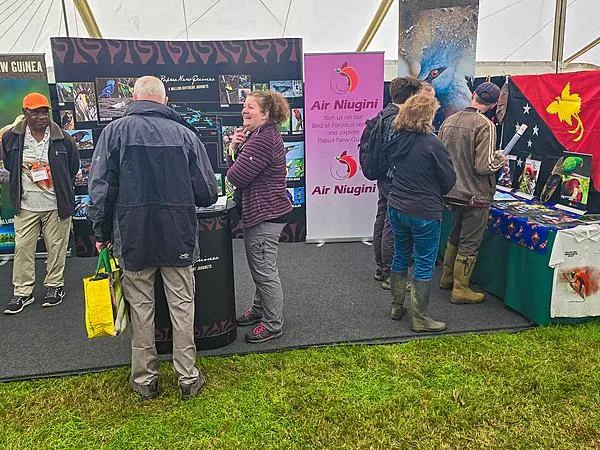
From July 12 to 14, the Papua New Guinea Tourism Promotion Authority (TPA) highlighted the country's exceptional birding opportunities at the Global Bird Fair (GBF) in Rutland, Oakham, United Kingdom.
This major event provided PNG a key platform to engage with international birding tour operators, travel agents, and conservation organizations, enhancing its reputation as a premier birding destination.
TPA's participation proved fruitful, generating over 50 qualified leads from interactions with tour operators, travel agents, conservation groups, media representatives, photographers, and bird watchers.
This exposure significantly boosted awareness of PNG’s birding attractions, facilitated potential future travel packages, and garnered substantial media interest.
A standout feature of the PNG booth was the inclusion of professional bird photographer Dustin Chen. His high-resolution images and expertise drew considerable attention, effectively driving interest towards PNG-based tour operators.
David Monai, TPA's Product Development Officer, noted: “Our booth was a highlight, featuring high-quality photographs of PNG’s diverse birdlife and destinations, complemented by informative brochures, maps, and promotional materials. We offered personalized information sessions to attendees, which added significant value to our outreach.”
Monai highlighted the strategic importance of the connections established at the GBF.
“The relationships formed have paved the way for potential partnerships and initiatives aimed at promoting responsible birding practices and community development in PNG,” he added.
The TPA plans to follow up with interested parties, provide further support to tour operators, and explore collaboration with conservation organizations.
TPA’s CEO, Eric Mossman Uvovo, emphasized the significance of PNG’s participation in the GBF, particularly given the increasing demand from UK and European markets.
"Our success at the event underscores the growing interest in bird watching from these regions. We are preparing early for next year’s fair to build on this momentum. After a hiatus of 5-6 years due to Covid-19, the travel bookings and plans secured this year highlight the importance of ongoing participation,” Uvovo said.
He also pointed out the need for proper training and capacity building for PNG’s birding industry stakeholders, including standard compliance, bird identification, constructing hides near leks, and using solar-powered bird box cameras.
Commending his team, Uvovo concluded, “Our participation at this year’s Global Bird Fair was a tremendous success. It provided a strategic platform to showcase PNG’s exceptional birding potential and establish crucial connections within the global birding tourism industry. This will ultimately support the empowerment of local and rural communities in PNG.”
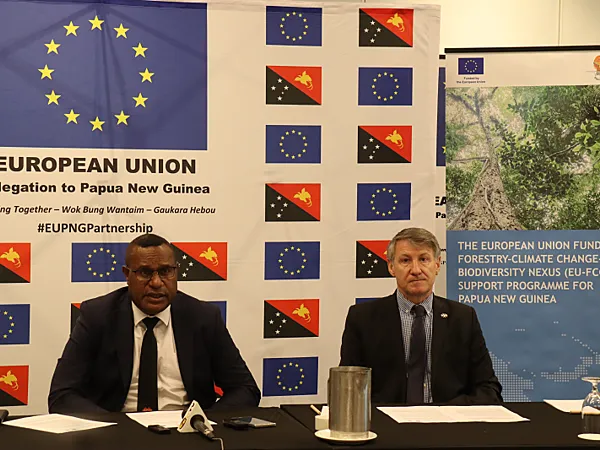
The European Union (EU) and Papua New Guinea (PNG) are deepening their commitment to environmental sustainability with the EU-funded Forestry, Climate Change, and Biodiversity (EU-FCCB) program.
Launched in October 2023, this €55-million initiative aims to integrate forest management, climate action, and biodiversity protection into PNG's development strategy.
A recent program steering committee meeting highlighted significant progress. The program focused on sustainable, inclusive, and gender-responsive green growth, with a particular emphasis on job creation. Key components include:
The programme is implemented jointly by Expertise France (for the national component), Centre for International Forestry Research and World Agroforestry - CIFOR-ICRAF (Managalas Conservation Area / Oro Province component), and the Food and Agriculture Organization of the United Nations (expansion of the National Forestry Inventory in East and West Sepik provinces).
EU Ambassador Jacques Fradin emphasized the program's importance, stating: "The EU is investing as a grant, so it's a donation, 55 million euros, representing almost 220 million kina."
PNG Secretary for National Planning and Monitoring Koney Samuel expressed gratitude for the EU's support, highlighting the country's vast rainforest and the need to balance economic growth with environmental protection.
The EU-FCCB program aligns with PNG's Vision 2050 and its goal of achieving a 200-billion-kina economy by 2030. By combining financial resources, technical expertise, and local knowledge, the program seeks to create a lasting positive impact on PNG's environment and people.
While challenges remain, the partnership between the EU and PNG offers a promising path towards a greener future. As the program progresses, it will be crucial to monitor its impact and adapt strategies as needed.
At its core, the initiative aims to empower local communities in Papua New Guinea to be active participants in environmental conservation and sustainable development.
The program's focus on community-led initiatives is evident in the Managalas Conservation Area project. By training local residents as field officers and providing agricultural training, the program is building capacity and creating opportunities within the community.
This approach is essential for ensuring the long-term sustainability of conservation efforts and fostering a sense of ownership among local people, the EU-FCCB said.
Since its inception in 2022, the Trukai Smart Farmer Program and its partners have so far trained over 400 participants.
Trukai Industries Agriculture team has adopted the irrigated rice farming concept as a sustainable initiative to ensure farmers are introduced to best crop management, quality grain management and pest management systems.
Trukai Industries signed a Memorandum of Understanding with the PNG University of Technology in Lae in 2022 and the Pacific Adventist University in Port Moresby in 2023.
With the aim of building capacity in local rice farming and supporting communities in PNG, the Trukai Smart Farmer Program has certified more than 140 rice farmers in Irrigated Rice Farming.
In June and July, a total of 201 participants attended the fourth batch of the Smart Farmer Program that were held in Lae Unitech and PAU in Port Moresby.
Many local rice farmers from all over the country attended this course with an underlying objective of going back to their areas to grow their rice and ultimately teach their community of these techniques.
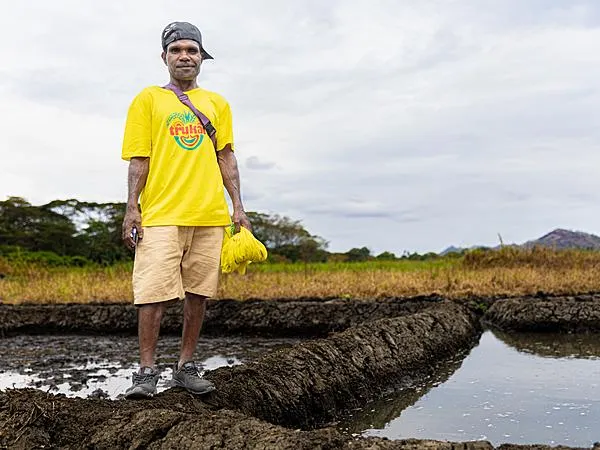
Alex Kuariri, 38, from the East Sepik Province was amongst these farmers. He practices irrigation farming in his village, using this method to nurture oil palm and has a fish farm.
Having underwent the Trukai Smart Farmer Program, Kuariri explains that he has upskilled his knowledge around irrigated farming and can now extend his farming technique into growing rice.
“Though I do irrigation farming, this training from Trukai has thought me a lot about farming rice. I’m excited and I believe I have the knowledge and skills to now grow rice in my village,” said Kuariri.
He added that he plans to teach the skills he has learnt to his family and fellow farmers in his area.
“I will start educating the people in my village and lead them to grow rice. I see two benefits of farming rice, it can be for commercial purposes and the second reason is, I can take home to my family to eat, he said.
Trukai Industries’ Rice Development Manager Aina Davis explained that the Smart Farmer Training has now become accessible to all farmers nationwide because it is being taught in two main centres in PNG.
“We have now seen an increased number of participants because of the accessibility of this training. Participants can now choose their institution of choice depending on their geographical location and transportation accessibility,” said Davis.
Trukai Industries’ CEO Alan Preston described the Trukai Smart Farmer Program as a commitment to supporting local rice farmers and agriculture in Papua New Guinea.
“We continue to support local rice farmers by enhancing their rice cultivation skills, strengthening families, building communities and reaffirming our commitment to PNG through extensive agriculture programs, rice research, science, technology and development through our partnerships with leading institutions in the country,” said Preston.
The partnership with both UniTech and PAU will enable participating farmers of the Smart Farmer Program to share and access classrooms, research laboratories, and farm or field facilities for farmer training as well as undergraduate and postgraduate student training, research and development, and extension activities.
The Minister for Fisheries and Marine Resources, Hon. Jelta Wong, revealed that Mr. Noan David Pakop has been appointed as the first Papua New Guinean Director General of the Pacific Islands Forum Fisheries Agency (FFA).
Mr. Pakop’s appointment, confirmed by the 23rd Forum Fisheries Committee Ministers in Honiara, Solomon Islands, marks a significant milestone for PNG and the broader Pacific region.
Pakop, hailing from Tilienu Island in Manus Province, is the 10th Director General of the FFA since its establishment in 1979. His appointment is historic, as no Papua New Guinean has ever held this prestigious position in the agency’s 45-year history.
Minister Wong expressed his pride in the appointment, stating: "I would like to thank our good Prime Minister, Hon. James Marape, and the Government of Papua New Guinea for their trust and undivided support in endorsing PNG's candidacy."
Pakop emphasized the responsibilities and opportunities his new role entails.
"Firstly, it's a government approach to addressing issues nationally and through the region. Fisheries, as you are aware, is one of the biggest economic drivers in the region, let alone Papua New Guinea."
"Whilst there are initiatives taken at the national level, we have to remain relevant and get all of the Pacific moving in the same direction, noting that this is one of the largest resources that we have.”
“We're generating some portion of the revenue from it, but it's not real. So that is the drive in which Papua New Guinea ends up, to take this responsibility in the region," he added.
Pakop also highlighted the collective efforts that led to his appointment through the commitment of Prime Minister Marape, on his endorsement on the application to take up this role, right throughout the government from Foreign Affairs, Attorney General, as well as the government effort, particularly within the fisheries.
He also thanked the Managing Director and the Board of NFA for the support.
Reflecting on the significance of his new role, Pakop added, "It's a one-year process, but to this very moment, Papua New Guinea has now got the post of the DG, Director General of the FFA. I know the weight and the pressure that is required, but that is also the opportunity to run the organisation in a more transparent, accountable way that gives back to the ministers in the region."
Pakop underscored the broader impact of his leadership on the Pacific communities.
"We demonstrate the complement, the support that they have given to show footprint and to show leadership as well in the region. I know at the end of the day, it's our communities and our people that will benefit from this, and it's how this is being discussed and maneuvered at the regional level, through the FFA and discharging its responsibilities in serving our members and being the premier organisation in the region in terms of fisheries management."
"I look forward to take up this role on behalf of the country. I'll do my best to ensure that we provide a different sense of leadership in the region and build on the success of our cooperation and collaboration that has been done in the past, with a unique trait of administration with a bit more responsibility on our region going forward."
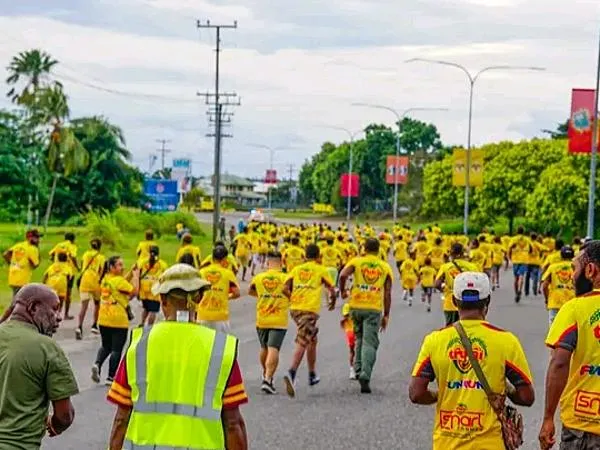
The annual Trukai Fun Run 2024 is not just another community event, but a crucial initiative that underscores the business sector's vital role in supporting national pride and athletic excellence.
The Fun Run took place on July 7 across ten locations in Papua New Guinea, with more than 1,000 participants in each location.
The Fun Run united communities under the inspiring theme "Our Steps, Their Dreams."
This year's event is particularly significant as it raises funds to support Team PNG on their journey to the ongoing 2024 Paris Olympic Games.
Co-hosted by the PNG Olympic Committee and Trukai Industries Limited, the Trukai Fun Run reached its aim to generate essential financial support through the sale of K20 Trukai Fun Run t-shirts.
All proceeds from these sales were directly contributed to Team PNG's Olympic preparation and participation.
The Trukai Fun Run is supported by Theodist, Coral Sea Hotels, Enzo’s Pizza, Trophy Haus, The National, CPL Group, Air Niugini, IBS University in Port Moresby and Vodafone.
Desmond Kaviagu, Secretary General of the PNG Olympic Committee, expressed profound gratitude for the unwavering support from Trukai Industries Limited.
"We are immensely thankful to Trukai Industries Limited for their steadfast support, which has been instrumental in empowering our athletes to strive for excellence and represent Papua New Guinea on the global stage," Kaviagu stated.
Since 2000, Trukai Industries Limited has proudly sponsored the Trukai Fun Run, demonstrating a long-standing commitment to promoting sports, health, fitness, and national pride.
Alan Preston, CEO of Trukai Industries, highlighted the company's dedication to this cause.
“The Fun Run organizing committee and host partners in each of the participating locations have done a tremendous job selling the T-shirts,” he said.
The organizing committee anticipated 40,000 participants to attend the event on Sunday, July 7.
He added, "We would like to thank the host partners and support partners who have worked together with the committee to ensure this will be another successful Trukai Fun Run event.”
The event encouraged nationwide participation, with official Trukai Fun Run t-shirts available for purchase at designated locations in Port Moresby, Lae, Madang, Biala 1 and Biala 2, Mt Hagen, Kokopo, Popondetta, Wewak and Goroka.
In Port Moresby, the Governor for the Nation’s Capital, Hon. Powes Parkop, donated K15,000 to the event and participated in the Fun Run.
The success of last month's t-shirt auctions in Port Moresby and Lae, which raised K277,500 through the sale of 11,100 t-shirts generously donated by Trukai, exemplifies the business community's commitment and generosity.
The Secretary of the Department of Lands and Physical Planning, Hon. Benjamin Samson, recently provided a comprehensive overview of the steps taken towards implementing the new Strata Title Laws.
The Strata Title Laws will provide significant opportunities for investment and employment, broadening the tax income for state and municipal authorities.
Samson outlined the preparation stages, anticipated benefits, and collaborative efforts needed from various sectors to ensure successful implementation.
“This legislation will enhance access to the real estate market, creating a new industry for investment and employment,” Samson explained, calling on finance institutions, property developers, and the business community to collaborate closely with the government.
The secretary also introduced three principal laws: the Strata Title Bill, the Strata Title Management Bill, and the Registration Amendment Bill.
Samson emphasized the importance of long-term planning, urging developers and planners to consider impacts 100 years into the future.
“This is a replacement of what we've done and what we have now in legislation. We are moving at full speed, leveraging technology to automate all our business processes,” Samson stated.
He acknowledged the support from the Deputy Prime Minister and Minister for Lands and Physical Planning, Hon. John Rosso, highlighting the Department’s commitment to modernizing its operations.
Samson said these laws need integration with existing legislation, such as the Land Act 1996, Physical Planning Act, and Building Act, to facilitate seamless implementation. Extensive consultations began in 2019, and by 2021, the National Executive Council (NEC) had approved the new regulations.
The secretary said the new laws would enable the development of integrated projects, featuring residential, commercial, and community services like schools and medical centers, thereby fostering holistic urban growth.
He also appealed to professional bodies in the building and construction industry to familiarize themselves with the new requirements and ensure compliance.
“We invite applications for Strata Title developments across the country. We have established a working relationship with the National Capital District Commission (NCC) to streamline the application process,” he added.
The Secretary emphasized the importance of good dialogue and feedback during the initial stages to identify and address any issues.
Samson acknowledged the technical team and thanked the Port Moresby Chamber of Commerce and Industry (POMCCI) for the platform to share this critical information.
He highlighted the potential of the new Strata Title Laws to transform the real estate sector in Port Moresby and beyond, encouraging businesses to engage actively in the implementation process.
The breakfast meeting, hosted by POMCCI on July 11 at the Lamana Hotel, provided a valuable opportunity for attendees to ask questions and receive direct responses from the presenters.
The next breakfast meeting is scheduled for August 1 at the Lamana Hotel, where NCDC City Manager Ravu Frank will discuss plans to improve roads, education, health, and other services.
To reserve a seat for the upcoming event, interested parties can contact Idau at 7200 0000 or email frontdesk@pomcci.com. The cost is K100 for members and K125 for non-members.
Papua New Guinea (PNG) is set to participate at the World Expo 2025 in Osaka, Kansai, Japan, says the Minister for International Trade and Investment, Hon. Richard Maru in the second inter-agency meeting for Osaka Expo.
Initially, the Government whilst approving PNG’s participation at the Expo also approved a funding of K5.6 million for PNG’s overall participation at the Expo.
Minister Maru stated: “The K5.6 million was based on the understanding that the host country would allow us to display and sell our products within the pavilion itself, however, we have been advised by the host Government that the Expo site will be an artificial island (Yumeshima) and there is a risk of methane gas and more weight may cause the island to sink so they are discouraging selling and displaying of products within the expo site. Only digital exhibition will be allowed in the pavilion at the Expo site. We want to make a bigger impact in the Japanese market and in the world at this Expo so we are exploring an option to lease a commercial centre outside the Expo space at the Osaka Bay Area where we can display and sell our products and services and promote PNG as an exciting tourism and investment destination. We will need funding to lease a commercial centre and the cost is expected to increase given the host Government will not be offering a waiver for some of the domestic laws like taxes, quarantine issues, standards etc- everything will on commercial basis. Hence, we are now looking at the options of having the private sector to come on board and support us.”
An estimate of 28.2 million visits is projected over the course of the Expo, highlighting the Expo’s international significance and appeal. A total of 150 countries and 25 international organizations are expected to participate. To date, over 160 countries and international organization have already confirmed their participation at the Expo.
“This is an opportunity for us to market our products and services, and also to promote our country as a tourism and an investment destination,” said Minister Maru.
Minister Maru further added: “Air Niugini must look at reopening direct flights from Narita and Port Moresby or Nadzab, otherwise it would be impossible to market PNG as a tourism and an investment destination to Japan.”
Minister Maru said this was also an opportunity for PNG to show its commitment to Japan if it wanted to take its relationship with Japan to the next level.
“This Expo is Japan’s premier event that will expose them to the world and they are very keen that all their traditional partners and special friends like PNG supports them in this Expo. Japan is a major export market for our LNG. The trade between PNG and Japan is in our favor. Japan has supported us in times of disasters and Japan through JICA has delivered aid projects with a focus on quality infrastructure with recent examples being the funding of an upgrade of Port Moresby’s dilapidated sewerage treatment capability, improvements to electrical transmission networks in the Ramu grid that serves the industrial city of Lae, as well as upgrading of Nadzab and Tokua airport to international standard. PNG has benefited so much from its relationship with Japan and our attendance and participation at the Osaka Expo 2025 is one chance for PNG to show its commitment to Japan. This expo must also be the start of a move towards a Free Trade Agreement between our two countries,” said Minister Maru.
A team from the Secretariat led by Commissioner-General of Section PNG, Ambassador Gabriel Dusava will be visiting Osaka in the coming week to meet the organizing team of the Expo and also to identify a commercial space for PNG to lease for the six months of the Expo starting in April next year.
“We are six months late in preparation but this is doable if we have the full support of the Government and the private sector. Though slow, the momentum has begun. It will require the total involvement of the Government and the private sector to get the success that we want from Osaka Expo 2025,” said Ambassador Dusava.
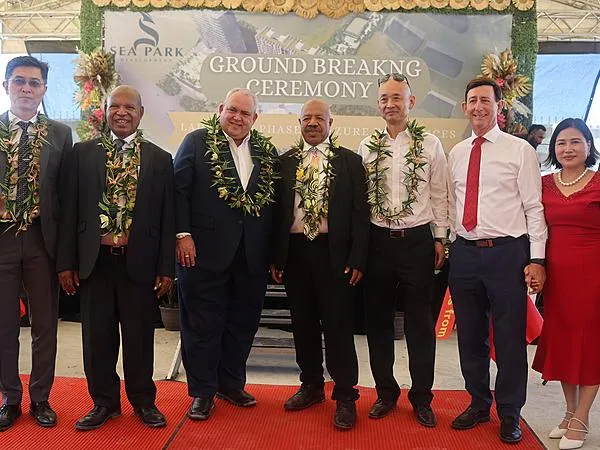
Minister for International Trade and Investment, Hon. Richard Maru is calling on the local investors to invest in the Sea Park Development Project opposite APEC Haus in Port Moresby. Minister Maru made this call today during the groundbreaking ceremony of the phase one of the project- the Azure Residences.
The Sea Park Development Project is a K2.2 billion investment which includes the development of the Azure Residences (launched today), Era Kone Hotel and Walk (Phase 1.5), Era Kone Residences (Phase 2), and the Fountain (Phase 3).
Minister Maru said: “We need Papua New Guinea (PNG) investors to partner the investors at Sea Park Development Project in this exciting journey. I am calling on our super funds- Nasfund and Nambawan Super, our landowner companies, and other PNG investors to partner our investors here as this project still has phases two and three.”
Minister Maru also called on the investors of Sea Park Development Project to submit a formal submission for the Cabinet to consider and endorse this investment as a Special Economic Zone (SEZ) so it can benefit from the SEZ incentive package offered by the Government.
Minister Maru stated: “APEC Haus is now a premier location for all major international conferences and it is used week in and week out so I am insisting on the investors of Sea Park Development Project to complement the National Government’s investment in APEC Haus with a hotel development in their master plan for phase two. This will help me to secure Government approval and support for this project to be an SEZ. In principle I want to assure the investors of Sea Park Development Project on behalf of the Prime Minister, Hon. James Marape and the Cabinet that as soon as we receive their submission, we will give it a priority and make sure they also enjoy the benefits that we are offering to the Paga Hill SEZ. With the K2.2 billion investment they are certainly going to enjoy a 10-year tax holiday and duty-free importation of construction materials- the same incentives offered to Paga Hill SEZ.”
Minister Maru thanked the investors for choosing to invest in PNG at a time when the country needed investments to create jobs and income generating opportunities.
“Our greatest need as a country today is to secure investments because investments will create jobs and opportunities. This year we are looking at our economy to grow between 4 and 5 percent. Assuming we lock in a couple of mining projects and other projects, I can see the economy growing at 6 per cent growth per annum for 10 to 15 years running. Despite our challenges we are going to rise up. For the first time we are offering incentives in SEZs- that is something we have never done before. We are going all out to compete with the rest of the world to attract investment dollars. I congratulate the investors of Sea Park Development Project for this very important investment. The returns for real estate in this country is far higher than most countries and I have no doubt that all the apartments in Azure Residences will be sold prior to the completion of the construction,” said Minister Maru.
Minister Maru also thanked NCD Governor, Hon. Powes Parkop and his team for working with the investors to make the project happen, starting with the launching of phase one today.
“I am a full believer and supporter of the ‘Amazing Port Moresby’ concept that is being promoted by Governor Parkop. If the skyline can change in Singapore, why can’t it change in Port Moresby? The Paga Hill and Ela Beach are the only places that have the opportunity to change the skyline of our beautiful Port Moresby. This is start of a very exciting development. I cannot wait to see phase one, two, and three of this project started and completed because it will change our city,” said Minister Maru.
Prime Minister Hon. James Marape announced that the State Negotiating Team (SNT) is engaged in full discussions with Wafi-Golpu mine developers Newmont and Harmony, aiming to finalise the Mine Development Contract (MDC). This step is critical in preparing for the issuance of the Special Mining Lease (SML) as soon as possible.
Prime Minister Marape also addressed the status of Infrastructure Development Grants (IDGs) for Wafi-Golpu, stating that these funds have not been released yet, pending the outcome of the Development Forum. He emphasised that the IDGs are designated for infrastructure projects and are not “free money” for landowners.
“I want to announce to the people of Morobe, Papua New Guinea and all stakeholders that the SNT, on behalf of Kumul Mineral Holdings Ltd (KMHL), is in discussions with both Newmont and Harmony this week,” said Prime Minister Marape.
“Negotiations are progressing well, according to a brief I got from the SNT today. We hope to have a clearer understanding of the joint venture going forward with the State to have 30 percent, Harmony 35 percent, and Newmont 35 percent. Of the State’s 30 percent, 10 percent will go to the Morobe Provincial Government and landowners. The 10 percent for the Morobe Provincial Government and landowners is a milestone achievement and a very important precedent for resource projects in our country.
“The Framework Memorandum of Understanding we signed in April 2023 ensures that the State will be the biggest winner in Wafi-Golpu, with a 55 percent share of the economic benefits of the project. Wafi-Golpu is expected to generate US$28 billion over the life of the mine, from which we are projected to receive 55 percent through taxes, royalties, and equity distribution.
“Finer details will be announced when we go into consultations with landowners.”
Prime Minister Marape mentioned that the Mineral Resources Authority (MRA) will focus on the Community Development Agreement (CDA) with Wafi-Golpu landowners and the Morobe Provincial Government once the CDA with Porgera landowners and the affected provinces of Enga and the three others are completed.
“In the meantime, we want to complete the Porgera CDA, with the Porgera mine now nearing 100 percent production capacity.
“Discussions with Porgera landowners are now nearing completion as we give them a chance to air their views on equity and royalty distribution.
“Once that is completed, MRA staff will move on to Wafi-Golpu, where we will start discussions with landowners there.”
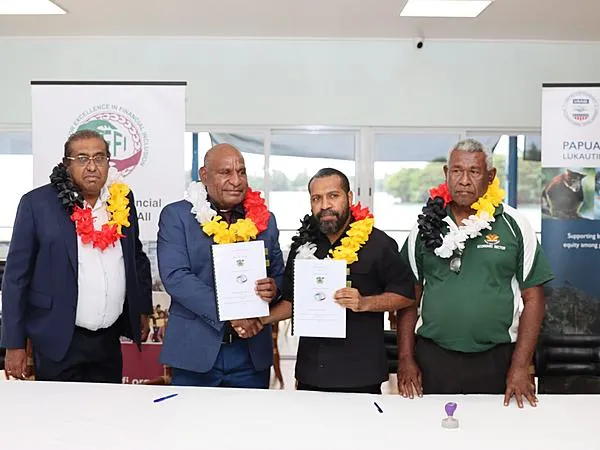
The Centre for Excellence in Financial Inclusion (CEFI) and the Madang Provincial Government (MPG) signed a Memorandum of Understanding(MOU) to introduce financial Inclusion activities in the province.
Madang is the first province in the Momase Region and the sixth province to sign a MoU with CEFI, following Milne Bay, West New Britain, Western Highlands, East New Britain and New Ireland provinces.
Present to sign the MoU in Madang province on Friday 12th July, 2024, included Governor for Madang Province Hon. Mr. Ramsey Pariwa, MP, Assistant Governor, Financial System Stability Group (FSSG), Bank of Papua New Guinea (BPNG) and Alternate Chair CEFI Board, Mr. George Awap and CEFI Executive Director Mr. Saliya Ranasinghe.
Also present to witness the signing ceremony were CEFI Board Members including, CEFI Deputy Executive Director Mr. Peter Samuel, Ms. Susil Nelson Kongoi and Mr. Sanja Pepae.
The objective of the MoU is to forge a partnership in rolling out financial inclusion activities and programs align with the targets set out in the National Financial Inclusion Strategy 2023-207.
And also to advocate and create awareness of financial literature and education with an aim to empower individuals to alleviate themselves from poverty.
The Madang Governor Hon. Mr. Ramsey Pariwa thanked BPNG, CEFI, USAID and other development partners for their collaboration and working with his administration to put in place a plan for financial inclusion for the province.
“The national government in its Medium Term Development Plan IV(MTDP IV) is looking at growing the economy base, through its intervention program on banking and finance and financial inclusion, further the Madang Provincial Integrated Development Plan was aligned to the MTDP IV.
“We have captured banking and finance in our provincial plan, that’s an indication that we are serious in looking at banking and finance and SMES in the province,” said the Hon Governor.
The Assistant Governor, FSSG, BPNG and Alternate Chair CEFI Board, Mr George Awap also emphasized the importance of financial education stressing the need for Papua New Guineans to know how to manage their finances.
“If a population is literate financially, it’s about empowering the people to do their business in the most efficient and cost-effective manner. Because if small businesses incur losses, they will give up hope in business because they have no financial knowledge and the ability to manage their own finances,” Mr. Aawap said
CEFI Executive Director, Mr. Saliya Ranasinghe told Governor Pariwa and members of the Madang Provincial Government (MPG) that CEFI was pleased to sign the MoU with MPG to address the issue of financial inclusion.
“A larger percentage of people in this country are not involved in banking activities. Even though the banks have increased their outreach, a lot of people still do not enjoy the benefits of the banking sector.
“Our main aim is to bring these people into the financial mainstream, so that they can get benefits out of the banks, and we are proud to say that we now have about 4.2 million bank accounts in the country and 38% of those bank accounts are owned by women,” Mr. Ranasinghe said.
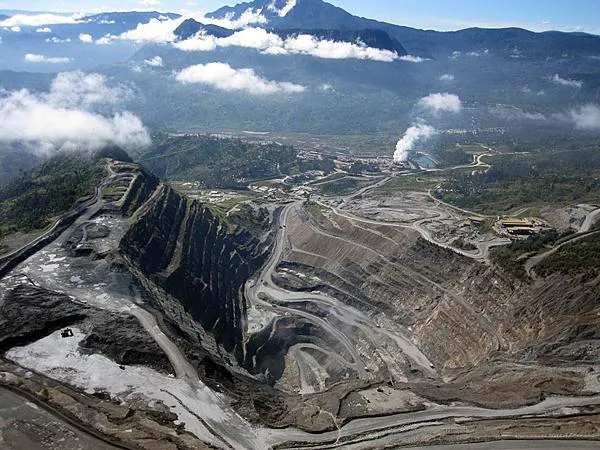
Despite the operational challenges presented by the recent Mulitaka landslide, Porgera Gold Mine has met or exceeded its targets since resuming mining in December last year, with gold production for the first half of the year above guidance and all-in sustaining costs trending lower.
Barrick president and chief executive Mark Bristow, who is in the country to review New Porgera Limited’s (NPL) second quarter results, said keeping Porgera open in the wake of the landslide allowed for a swift response by the mine to the collective recovery effort while sustaining the mine’s contribution to the provincial and national economies.
“Reacting rapidly to the disaster, our teams put into operation an air bridge and a temporary pipe across the slip to be able to supply fuel and essential goods not only to the mine but to local businesses serving the tens of thousands of residents of the Porgera valley. The cooperation of the Mulitaka community is essential to keeping these lifelines open until the permanent bypass road can be completed,” Bristow said, expressing his deepest sympathies to the families and friends of victims of the landslide and reaffirming NPL’s commitment to impacted communities.
“Porgera employees have been on the ground in Mulitaka daily and are embedded at the Enga Provincial Government’s disaster relief center in Wabag to assist with all aspects of the rehabilitation effort. These include the delivery of essential goods and fuel while contributing geotechnical expertise to assist with ground stabilization and the design of the new bypass road. Barrick and JV-partner Zijin also jointly contributed $1 million towards relief efforts, approximately half of which has already been deployed.”
During his visit, Bristow met with Prime Minister James Marape, Enga Governor Sir Peter Ipatas and Provincial Administrator Sandis Tsaka to exchange views on the Mulitaka recovery, the New Porgera Community Development Agreement (CDA) negotiations, and other issues of common interest. It was agreed that the CDA must be consistent with the New Porgera project agreements and ensure that fair and equitable benefits reach all eligible landowners and the wider Porgeran community, as well as provincial and national stakeholders.
“NPL stands ready to pay benefits directly to landowner households, without going through middlemen, once the CDA is executed. The mine would make additional infrastructure contributions to the project footprint area through effective use of the tax credit scheme in collaboration with local and provincial authorities,” Bristow said.
NPL currently employs 2,500 people, of whom 57% are from Porgera and Enga, 40% from the rest of Papua New Guinea and 3% expatriates. First gold, following the resumption of operations at the mine, was poured in January, electricity from the Hides power plant in Hela Province was restored in April and a throughput performance test agreed to with Papua New Guinea was achieved in June, four months ahead of schedule.
Bristow singled out the lack of law and order as the greatest threat to the continued operation and profitability of the mine, requiring the active support of all stakeholders to ensure that Porgera could continue to deliver benefits in line with its potential as a Tier One1 asset.
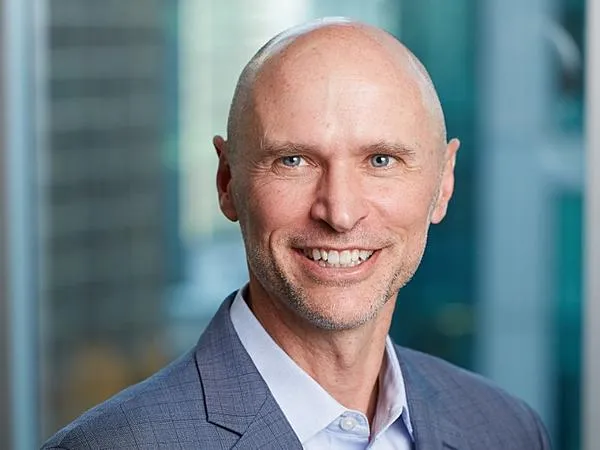
Great Pacific Gold Corp. is pleased to announce the appointment of seasoned mining executive Mr. Greg McCunn as Chief Executive Officer and director of the Company.
Mr. McCunn, a Professional Engineer, has more than 30 years of experience in the international mining sector and an established track record operationally. Mr. McCunn has worked within large mining organizations such as Placer Dome and Teck but has also led multiple junior mining companies from exploration success through the transition to project development, permitting, financing, construction and operations. As an executive, he has had a leadership role putting mines into production on three different continents.
In addition to Mr. McCunn’s strong operational and technical focus, his financial acumen and capital markets ability is proven, and as an executive he has raised over $600 million in equity and debt financing from US and Canadian capital markets. He has also completed over $ 1 billion in merger and acquisitions transactions and has been the Chief Executive Officer of several NYSE and TSX companies including Alio Gold and Galiano Gold. Mr. McCunn holds a Master of Business Administration (MBA) and has had more than a decade of experience in the mining sector as a Chief Financial Officer.
Mr. McCunn states, “Over the past two years, Great Pacific Gold has acquired a large and highly prospective land package in PNG ranging from early-stage exploration projects through to more advanced stage brownfield situations. With licenses now issued, field preparation work done and an in-country team built out, GPAC’s success will be largely about execution. Additional to PNG, of course, the Company has assembled excellent projects in Victoria and over the past four years has advanced the understanding of those projects on the ground through exploration. The recent discovery at Comet is an example of the high quality targets being explored and we look forward to advancing these Australian assets in a systematic and disciplined fashion towards additional discovery.
I am pleased the Board of the Company has entrusted me with the responsibility of taking this company to the next level while developing and executing on a strategic business plan that creates shareholder value.”
Mr. McCunn is a member of the Engineers and Geoscientists British Columbia Canada, Professional Engineer and the Canadian Institute of Mining and Metallurgy (CIM).
This appointment will be effective August 1, 2024. Bryan Slusarchuk, current Chief Executive Officer and Director will resign those roles but will remain actively involved in the company as Capital Markets advisor and will be focussed on the capital markets as well as supporting all aspects of the company’s operations in Papua New Guinea. Mr. Slusarchuk states, “Over the past several months, as GPAC has finalized foundational work in PNG such as licensing and ground preparation, we have been searching for an operationally focussed CEO to take the helm. While it has taken some time to find the right person to assume this leadership role, I am confident we have found that person in Greg McCunn. Greg’s track record building serious businesses will benefit all stakeholders involved in GPAC. His success as an operator and builder is well known and with a great foundation in place, this is a natural progression for the company. With Greg at the helm, I will be very active on the capital markets for GPAC and in PNG, which is something I’m excited to do. This is now the second company I’ve been involved with as a founder and executive over the past decade in PNG and I am keen to be very involved in elevating the understanding of not only the GPAC assets specifically, but also PNG as a great destination for international mineral investment.”
In connection with Mr. McCunn’s appointment as Chief Executive Officer and director, the board has approved the grant to Mr. McCunn of 1,000,000 stock options exercisable at $0.70 per share for a period of five years and the grant of 100,000 restricted share units, vesting one year from the date of grant and exercisable for a period of five years.
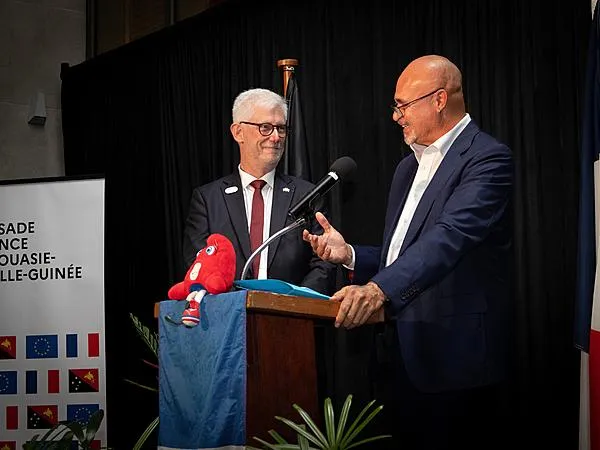
The French Ambassador to Papua New Guinea spoke highly of Franco-PNG relations during the French National Day celebrated in Port Moresby on July 14.
French National Day or Bastille Day is celebrated worldwide and in Papua New Guinea saw a grand event held at the Marriott Executive Desk venue, presided over by French Ambassador HE Guillaume Lemoine and his wife Olivia.
Lemoine reflected on the past year’s accomplishments in Franco-PNG relations, recalling the momentous visit of French President Emmanuel Macron to Papua New Guinea in July 2023.
Macron’s symbolic walk with Prime Minister Marape in Variarata Park highlighted the visit, which Lemoine described as "a profound moment in bilateral relations."
"The frequent meetings between President Macron and Prime Minister Marape—five times in less than 13 months between the APEC Summit of Bangkok in November 2022 and the COP in Dubai last December—underscore the deepening relationship between our nations. It shows how France values the relation with Papua New Guinea. It shows how Papua New Guinea values France as a global player and a nation of the Pacific," he said.
The ambassador also highlighted the economic and development achievements of the past year. He pointed to the progress of the Papua LNG project, led by TotalEnergies, which has been a cornerstone of the economic cooperation between the two countries.
Additionally, he noted Air Niugini’s significant investment in modernizing its fleet with 11 new Airbus A220 aircraft. Other French companies like Easy Skill, AcquaTerra Food, Vinci, CMA-CGM, and Dassault Aviation were recognized for their contributions and sponsorship of the Bastille Day event.
In terms of development, the ambassador highlighted the launch of a Country Package for PNG dedicated to the conservation and protection of forests, nature, and climate. This initiative includes a pledge of at least 100 million USD for funds and projects aimed at benefiting local communities.
Lemoine praised Papua New Guinea’s proactive engagement in this partnership, describing the country as “one of the most advanced of this innovative model of partnership,” mentioning that potential funding pledges would be announced at the upcoming COP in Cali or Baku later this year.
Another key announcement was the recent establishment of the French Development Agency or AFD’s office in Port Moresby under the leadership of Benoit Chassatte. This new office will play a vital role in strengthening bilateral ties and facilitating new development projects.
Lemoine also noted the advancements in military cooperation between France and PNG, underscoring a mutual commitment to regional security.
“Of course, the bilateral relation between France and PNG will continue to improve on different areas of cooperation, also thanks to the increase in the staff of the embassy,” he affirmed.
He also invited attendees to look forward to the Paris 2024 Olympics and Paralympics Games, emphasizing its potential to promote the values of Liberty, Equality, Fraternity, and the Olympic principles of Excellence, Respect, and Friendship.
“We hope that the Olympic spirit will spread on and off the field of play, to inspire athletes and spectators alike, but not only, also among the whole world,” he said, underscoring the opening ceremony and calling it “an amazing show.”
The ambassador also announced his forthcoming departure from PNG. He expressed pride in the achievements of his tenure and gratitude for the strong bilateral relationship that has developed. “I am happy and proud of the work that has been accomplished since I arrived,” he said.
Representing the Government of Papua New Guinea, Acting Prime Minister John Rosso was also present, along with Defence Chief Philip Polewara, German Minister of State at the Federal Foreign Office Katja Keul, members of parliament, the diplomatic corps, the French community, business leaders, non-government organizations, and friends.
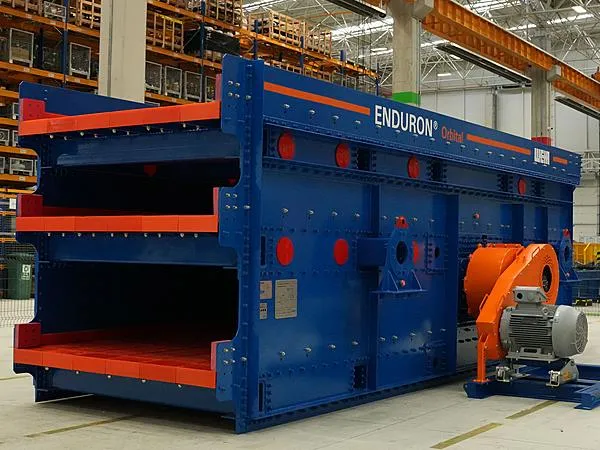
Weir, a global leader in innovative mining technology, has launched the all-new ENDURON® Orbital range of vibrating screens. Engineered for sand and aggregate, construction, and small tonnage mining operations, the new screens are designed to meet the most demanding of applications.
Featuring an all-bolted construction, the screens significantly improve reliability by eliminating welding in high-stress areas, removing the leading mode of failure in vibrating screens. Locking bolts ensure structural integrity and durability, facilitating easy maintenance with quick replacement of individual components without the need for extensive downtime.
The ENDURON® Orbital range is available in two screen types: the E series: Elliptical Motion Horizontal Screens and the C series: Circular Motion Inclined Screens. Both screen types are designed with a commitment to innovation and quality, incorporating the latest technologies to deliver exceptional performance in a broad range of sand and aggregate and mining duties.
A wide operating window provides flexibility to adjust screen settings in line with changing applications or feed conditions, without compromising the equipment’s structural integrity and minimising the risk of structural failure related to harmonic resonance.
The modular screen construction ensures that individual components can be easily replaced. Common interchangeable screen parts reduce inventory overflow and simplify maintenance. Both screens are digitally enabled, including our modular exciter technology, which senses and reports on the condition of the exciter. The exciter itself features a bolt-on/bolt-off design, meaning they can be easily changed on site and refurbished in a mechanical workshop.
All ENDURON® products are fully supported by the Weir service network, offering unrivalled service, support, and local expertise across the globe. Weir continues to lead the industry in providing cutting-edge, high performance solutions that are tailored to meet the unique requirements of our customers.
Corné Kleyn, Global Product Manager for Vibrating Screens said:
“We at Weir are excited to bring this revolutionary new screening technology to the market. The team has worked hard for the past two years to bring our customers a product that is reliable with the lowest total cost of ownership. Our first screen has been successfully installed and commissioned at a large global customer and we are gaining momentum with more units planned for both the European and North-America markets”.
Great Pacific Gold Corp. (GPAC) is pleased to announce the commencement of drilling at its Arau Project in Papua New Guinea (PNG).
Since acquiring Arau, the GPAC team has rehabilitated road access to the project and constructed nine drill pads. With access to exploration target areas complete, a reverse circulation (RC) drill rig was mobilised to the site recently. Following a welcoming ceremony in the community to mark the start of exploration, drilling has now commenced.
This marks the first drilling activity by the Company on its PNG projects. While drilling is underway at the Arau Project, the Company is concurrently preparing the Kesar Creek Project (adjacent to and northwest of the highly prolific K92 Mining Inc. tenements) for its own drilling programme. An ongoing phase 2 soil programme at the Kesar Creek Project is set to complete this week and will further delineate targets for the upcoming drill programme. In addition to the drilling at the Arau Project and the Phase 2 soil programme at the Kesar Creek Project, the Company has initiated road rehabilitation work at the previously producing Wild Dog Project, located in East New Britain Province, in preparation for exploration activities there.
Arau Project
The Arau Project comprises two exploration licences, situated in the Kainantu region, and includes the Mt. Victor Prospect, where previous drilling identified a multiple phase intrusion complex hosting copper and gold mineralisation.
Drilling aims to confirm copper-gold porphyry mineralisation beneath the skarn mineralisation at the project. Previous drilling at Mt. Victor was focused on establishing the gold resource associated with the outcropping skarn mineralisation. A drilling programme of approximately 2000 metres is anticipated.
As part of the Arau Project, in the southern exploration licence, EL2715, an initial extensive soil sampling programme of 377 samples has recently been completed. This programme followed up on previously generated copper-gold geochemical data from stream sediment anomalous drainages and ridge and spur soil sampling programmes. The area is underlain by the highly prospective Elandora porphyry unit, known to host copper porphyry and epithermal gold mineralisation. Assays for this programme are expected in the coming weeks.
In addition to the two exploration licences currently comprising the Arau Project, the Company has also recently applied for further prospective ground contiguous with the existing land package and to the north, via Exploration Licence Application 2834.
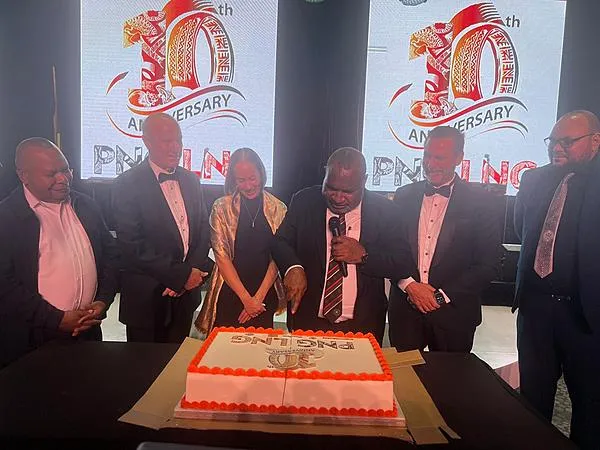
Prime Minister Hon. James Marape announced recently that the “transformational” PNG LNG Project has brought in K26.3 billion in economic benefits to Papua New Guinea since the export of the first gas in 2014. He made the announcement at the Hilton Hotel in Port Moresby while addressing a dinner commemorating the 10th anniversary of the PNG LNG Project.
Prime Minister Marape thanked project developer Exxon Mobil for having faith in PNG since 2008 when it started work on the project up to the export of the first gas in 2014, up until today. He also appreciated all joint venture partners, including Kumul Petroleum Holdings Ltd (KPHL), Santos Ltd, JX Nippon Oil & Gas Exploration Company, and Mineral Resources Development Company (MRDC).
He also thanked all landowners for allowing the project to proceed on their land and acknowledged leaders, including the late former Prime Minister Sir Michael Somare and the late Hela Governor Anderson Agiru, for their vision and foresight.
“The PNG LNG Project is a transformational project. The National Alliance Government of the late former Prime Minister, Sir Michael Somare, must be commended for having the foresight in 2008 to start this project,” Prime Minister Marape said.
“The total value of economic benefits to the country since first production started 10 years ago is K26.3 billion. This includes K1.3 billion for landowner royalties, K1.26 billion in development levies, 2 per cent equity for landowners plus distribution to Mineral Resources Development Company of K1.9 billion, K9.6 billion to Kumul Petroleum Holdings for 16.5 per cent equity, and total tax of K12 billion.
“As of today, after 1069 cargoes, we have received in the country K26.3 billion.
“The economy has grown from under K25 billion in 2008 to K79 billion in 2019 when I took office, to K113 billion now.
“This project was the impetus for the growth of the economy.”
Prime Minister Marape noted that companies, both large and small, have benefited from the PNG LNG Project since its inception. He added that when the project started in 2008, there were many critics and sceptics, who have now been proven wrong.
Prime Minister Hon. James Marape has welcomed to the Pacific Islands Forum its new Secretary General, Mr Baron Waqa.
Prime Minister Marape bid the welcome on behalf of the Government of Papua New Guinea and pledged the country’s support behind Mr Waqa to manage the PIF Secretariat and make sure the Forum continues its work to address issues affecting member countries in the region.
He said PNG is a committed member of the PIF, and as a ‘big brother’ in the region, continues to support the views and aspirations of Forum members.
The Prime Minister was speaking in a meeting with Mr Waqa on the margins of the 10th Pacific Alliance of Leaders Meeting (PALM10).
Prime Minister Marape informed Mr Waqa that PNG stood ready to support him in his leadership as the new Secretary General of the Forum Secretariat.
“We are here to support you in your role and the Forum Secretariat. We do understand the contest that has been going on within the Micronesian region on the position of the forum secretary general.
“But now that you are the new Secretary General, we want to ensure and let the PIF members know that PNG has a consistent policy on our collective views and aspirations to push for a resilient Blue Pacific at other fora in our region,’ said Prime Minister Marape.
Prime Minister Marape added that he was honored to have played an advocacy role for a stronger and united PIF when Micronesian countries boycotted PIF meetings because they wanted the secretary general’s position to be held by one of their leaders.
Mr Waqa thanked Prime Minister James Marape for taking a mediatory and leadership role in bringing the PIF Forum member countries together.
“Prime Minister Marape, I, as the PIF Secretary General, appreciate and want to acknowledge and put on record that the role you played was significant.
“We thank you and the Papua New Guinea government for that and the active and continuous role you play in the Forum’’, said Mr Waqa.
Prime Minister Marape informed the Secretary General that PNG is taking the lead in ensuring the region and other island countries gain maximum benefit from their resources.
He said his government has the vision to go into downstream processing of the region’s marine resources, especially tuna, and wants the smaller Pacific Island countries and PIF members to have their tuna catch sent to PNG for processing.
“PNG, as usual, stands ready to offer its support to our collective views on protecting and preserving our oceans and marine resources including our people and their lives,” he said.
“We are creating Special Economic Zones to cater for fisheries and fish processing facilities in our country so your smaller island countries fish or tuna can be processed in PNG and exported to get maximum value.
“The Pacific has accounted for majority of the tuna export in the region to markets in Europe and Asia but this is not processed rather goes as raw tuna. Now the PIF member countries should move away from dollar grants to down- stream processing and into trade-to-trade relations’’, said Prime Minister Mar- ape.
Mr Waqa is a former PIF leader and Forum chair in his capacity as President of the Republic of Nauru, and is the first Nauruan national to assume the Office of the Secretary General.
He will be working closely with members to progress the priorities of the region in line with the 2050 Strategy for the Blue Pacific Continent, for the benefit of the Pacific peoples.
The PIF’s vision is for a resilient Pacific region of peace, harmony, security, social inclusion and prosperity, that ensures all Pacific peoples can lead free, healthy and productive lives.
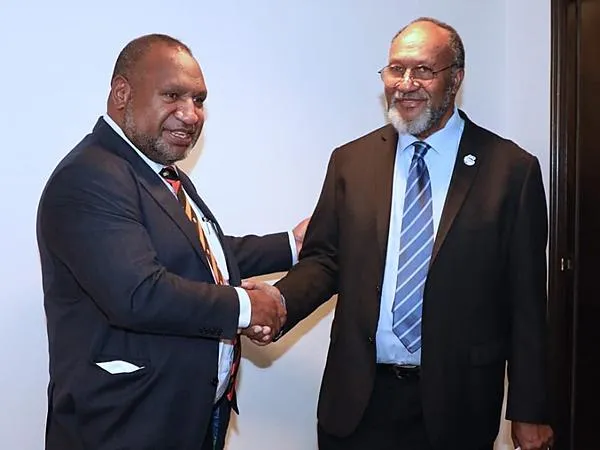
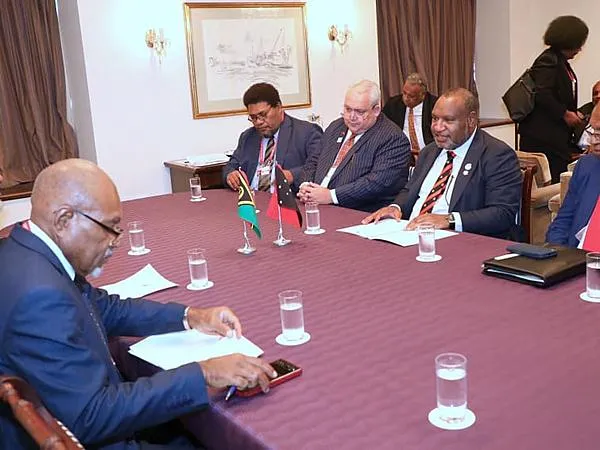
Prime Minister Hon. James Marape has met with the Prime Minister of Vanuatu, Hon. Charlot Salwai on the margins of the Pacific Islands Leaders Meeting (PALM10) in a bilateral meeting.
Prime Minister Marape and Prime Minister Salwai discussed issues of common significance and mutual concern, especially relating to the Melanesian Spear- head Group and the greater Pacific Islands Forum family of nations.
High among them was Prime Minister Marape’s proposal for an Air Services Agreement between Papua New Guinea and Vanuatu to capitalize on PNG’s strategic position as the “bridge” between Asia and the Pacific; and a Development and Technical Cooperation Agreement to explore opportunities in the development of fisheries, especially in the downstream processing of tuna.
PM Marape reiterated to Prime Minister Salwai the importance of the Pacific fully getting into downstream processing.
“We have the biggest marine resources yet we collect grants only. This is why PNG is aggressively pushing to have our fish properly harvested and processed,” said PM Marape, pointing to the upcoming mega-project by the National Fisheries Authority to develop the ‘Pacific Industrial Park’ in East New Britain and Madang provinces which will serve as the processing base for tuna from Pacific Island Forum countries who are part of this project.
Prime Minister Marape also took the time to commend Vanuatu for hosting the seat of the Melanesian Spearhead Group which he acknowledged continues to be of service to Melanesian people in the Pacific, including PNG.
The Prime Minister also invited the Government of Vanuatu to partner with PNG’s superannuation funds in hotel development to capitalize on the tourism market in Vanuatu, also pointing out Fiji’s success in such partnership ventures with PNG in the hotel industry.
In other areas, an outstanding commitment by the Government of Papua New Guinea under the leadership of former prime minister, late Grand Chief Sir Michael Somare also came to the fore in the discussion when PM Marape offered to honour a longstanding pledge to fund the construction of ‘Kumul Highway’. The Kumul Highway is the main thoroughfare through Capital, Port Vila, that Sir Michael committed to constructing in remembrance of PNG’s intervention in helping Vanuatu contain the political uprising of 1980.
Follow on LinkedIn:
PNG Business News
Be the "First" to get our exclusive Digital Magazine & Weekly Newsletter.