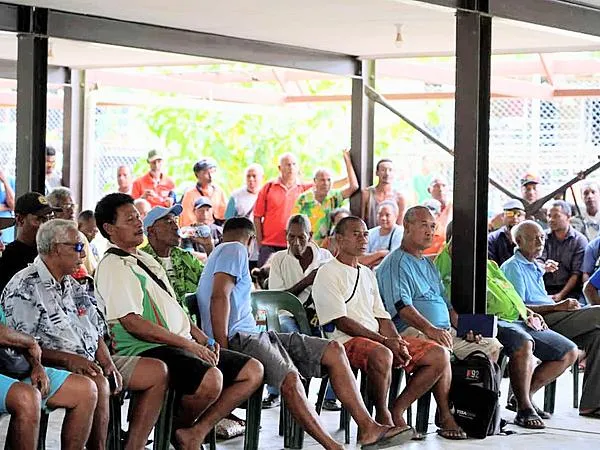
The Mineral Resources Development Company (MRDC) has completed the distribution of royalty and equity payments worth K74,147,996 (approximately USD 20.8 million) to landowners from the PNG LNG Plant Site in Central Province, Papua New Guinea, marking a significant step in delivering long-awaited project benefits.
The payments were confirmed by MRDC on 17 November 2025. Representing 40% of total benefits, the funds were transferred directly into the bank accounts of 83 beneficiary clans from the villages of Papa, Rearea, Porebada, and Boera, where the PNG LNG Project’s processing and export facilities are located.
According to MRDC, the disbursements include:
Under the benefit-sharing structure established by the Oil and Gas Act, only 40% of total royalty and equity entitlements are paid as direct cash benefits. The remaining 60% is allocated equally into two long-term development and savings mechanisms:
These trust funds are designed to support community projects and ensure long-term financial stability for landowners.
Ahead of the payments, MRDC’s External Affairs team, including petroleum coordinators, conducted awareness sessions in all four plant site villages.
The sessions explained total royalty declarations for each year and how PNG LNG royalty breakdowns are distributed. The payment schedule was also discussed, with confirmation that all future royalty payments will go directly into landowners’ bank accounts.
The National Petroleum Authority (NPA), as the industry regulator, also took part and addressed community questions, ensuring clarity and transparency throughout the process.
MRDC CEO Commends Smooth Process and Community Cooperation
MRDC Managing Director and CEO Augustine Mano praised both MRDC and NPA teams for delivering the programme efficiently over the past two weeks.
He also expressed appreciation to the plant site villagers for their patience and urged recipients to use their funds wisely.
Mano further acknowledged the leadership of Gas Resources Plant Ltd Chairlady Ulato Avei and the Plant Site Directors, noting that their guidance over the past seven years has been crucial in maintaining unity among clans and supporting MRDC’s efforts to deliver benefits fairly and effectively.
Next Phase: Pipeline and Hides Beneficiaries
With the plant site payments now completed, MRDC is preparing the next phase of disbursements to other PNG LNG Project–impacted groups. These include:
The upcoming payments are expected to follow a similar awareness and direct-payment process.
The PNG Chamber of Resources & Energy (PNG CORE) congratulates the recently appointed board of the National Petroleum Authority (NPA).
The establishment of the board represents a significant milestone in strengthening governance, accountability, and performance within Papua New Guinea’s petroleum regulatory sector.
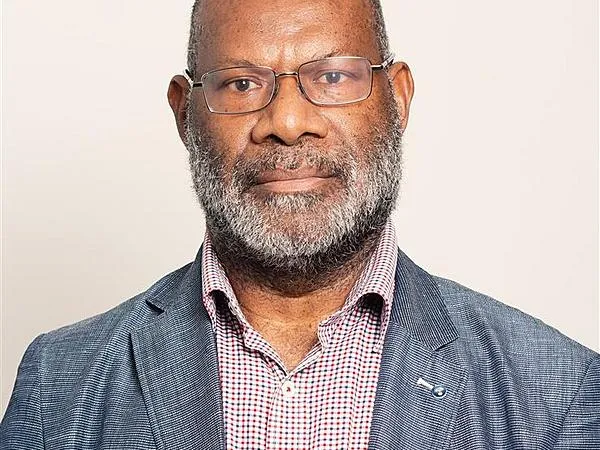
PNG CORE’s Executive Director, Philip Samar, commended the new leadership team led by Chairman Hubert Namani, Deputy Chairman Dairi Vele, and esteemed members Robert Nilkare and Kedi Illimbit. Ex-officio members include David Manau, Acting Managing Director of the NPA; Andrew Oaeke, Secretary for Treasury; and Daniel Rolpagarea, State Solicitor.
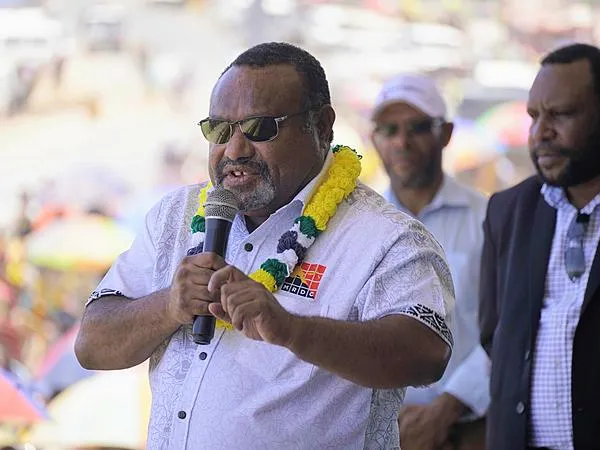
Samar further praised the leadership of the Minister for Petroleum, Jimmy Maladina, stating that the board will provide the strategic governance, transparency, and oversight essential to the effective operation of the authority regulating an industry that contributes immensely to the national economy.
“We congratulate Chairman Hubert Namani, Deputy Chairman Dairi Vele, and all appointed members. Their combined experience, technical expertise, and balanced representation from both public and private sectors for the NPA, industry, and all stakeholders—particularly given the Authority is at a transition stage from a department while simultaneously leading consultations on petroleum sector fiscal reforms—will be invaluable,” Samar said.
Samar also encouraged other regulatory authorities to follow the NPA’s lead and, as required by law, establish their respective boards expeditiously. This fundamental process will elevate accountability, bolster investor confidence, and ultimately deliver optimal outcomes for Papua New Guinea.
PNG CORE stands ready to support the NPA and its newly appointed board in fulfilling its mandate, ensuring that the petroleum sector remains a vital pillar of Papua New Guinea’s economic and social development.
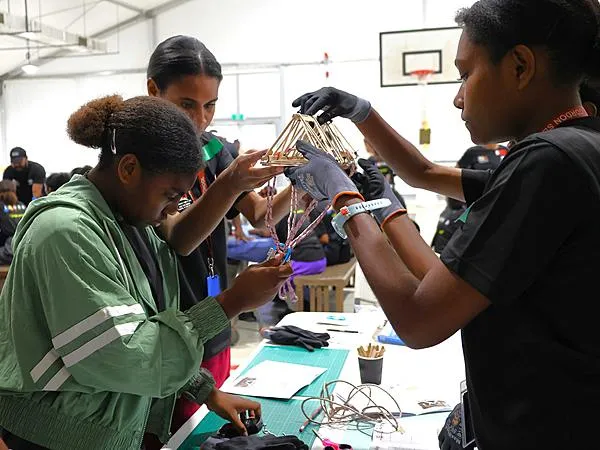
The operator of the PNG LNG Project, ExxonMobil PNG Limited, recently welcomed 75 outstanding ninth-grade girls from five Port Moresby schools for a day of hands-on science experiments, mentorship, and exciting activities designed to spark their curiosity and build their confidence in engineering.
Now in its second year in Papua New Guinea, ExxonMobil’s Introduce a Girl to Engineering Day — held at its LNG Plant at Caution Bay — was a resounding success.
This year’s theme, “Design Your Future,” encouraged students to imagine the possibilities of a STEM career (Science, Technology, Engineering, and Math). Supported by 42 passionate employee volunteers from ExxonMobil’s Women in Energy Network, the students explored key engineering concepts and learned directly from Papua New Guinean engineering professionals.
ExxonMobil PNG Chairman and Managing Director Dinesh Sivasamboo visited the students during their practical sessions and was impressed by both their enthusiasm and teamwork.
“It’s great to see that even though you’ve come from different schools, you have quickly made new friends and learned to work together effectively as a team to solve real-world problems. These are important skills and experiences that will help you excel in your lives and your careers,” Sivasamboo said.
“Papua New Guinea’s energy future looks quite bright, so there will be opportunities for students like you throughout our industry. I hope you will continue to apply yourselves to your studies so that you might join us as engineers one day,” he concluded.
Students expressed their gratitude and excitement about the experience, saying it opened their eyes to new possibilities in engineering.
“I didn’t think much about taking on engineering, but after today, I might have a change of mind,” said Zillar Naku Pa’aka from Gordon Secondary School. “Once we started the practical activities, I really enjoyed it.”
“I really enjoyed the electrical engineering activity with the circuit boards,” added Sylvia Mero from Jubilee Catholic Secondary School. “When the lights lit up, it felt like it lit something in me. I think after today, I’d like to become an engineer.”
The students represented Gordon Secondary School, Charles Lwanga Secondary School, Jubilee Secondary School, Bavaroko Junior High School, and Ororo Junior High School. The day concluded with lunch at the Plant site mess and a small gift pack for each participant to take home.
ExxonMobil PNG is proud to help inspire the next generation of innovators by empowering more girls to dream big and engineer boldly.
The Mineral Resources Development Company (MRDC) has confirmed that the Bank of Papua New Guinea (BPNG) has released accrued royalty payments for landowners in the PNG LNG Project area into their respective trusts managed by MRDC.
The announcement was made on 22 October 2025, with MRDC stating that the release of funds marks a major milestone in ensuring project landowners receive their rightful benefits.
Mandated under the Oil and Gas Act, MRDC manages benefits for landowners in petroleum project areas across the country.
Under the benefit-sharing arrangements established during the Umbrella Benefits Sharing Agreement (UBBSA) in Kokopo before the start of the PNG LNG Project, royalty payments are first paid to the government into a trust account held at BPNG. These funds are then released to the main beneficiaries—landowners (70 percent), and the Hela, Southern Highlands, Gulf, Western and Central provincial governments, along with impacted local-level governments (30 percent).
In line with the Oil and Gas Act and the 2009 benefit-sharing agreement, royalty and equity benefits for landowners are distributed using the 40:30:30 formula: 40 percent as direct cash benefits to clans, 30 percent invested in a Future Generation Fund, and 30 percent allocated to a Community Infrastructure Trust Fund to support local development projects.
MRDC Managing Director and CEO Augustine Mano welcomed the release of the royalty payments.
“The release of the royalty payments is great news for landowners. The early release of these benefits to a number of these groups has been delayed by clan disputes and court cases,” said Mano.
He said the release was timely for the Hides PDL1 landowners, as MRDC will now proceed to complete the clan bank account opening and director election exercises so that payments can be made before the end of the year.
“This exercise commenced in April 2024 but was suspended due to a restraining order from the court obtained by a party. This case has now been resolved and the restraining order lifted, clearing the way for us to resume,” he said.
For Hides PDL7 landowners, royalty benefits for 2014–2021 and equity benefits for 2014–2017 have already been paid. Their royalty benefits from 2022 to the present, and equity benefits from 2018 onward, will now be disbursed following the release of their royalty entitlement. This payment also includes the pipeline and plant site landowners.
However, royalty and equity benefits for PDL2 (Kutubu) and PDL3 and 4 (Gobe) will remain withheld until ongoing disputes are resolved.
Following the opening of MRDC’s new office in Tari, Hela Province, last week, Mano confirmed that all royalty and equity benefit processing for Hela landowners will now be managed locally.
“With the opening of the new MRDC office in Tari, all royalty and equity benefits processing for Hela landowners will now be handled in Tari, not in Port Moresby. I want to encourage all landowners and their clan leaders who are in Port Moresby to return home. We have an office in Tari now. Cooperate and work with us on the ground in Tari for the benefit of everyone,” said Mano.
He also confirmed that the account opening and directors election process for Angore (PDL8) landowners will begin once the PDL1 exercise is completed, while a ministerial determination is pending for the landowners of Juha (PDL9).
Preparations for the highly anticipated Papua LNG Development Forum are now underway as the Government of Papua New Guinea (PNG) moves decisively to advance the project towards its Final Investment Decision (FID).
Minister for Petroleum Jimmy Maladina confirmed on 22 October that the State Team has commenced coordination with project operator TotalEnergies following his directive to begin logistical and planning arrangements for the forum.
Minister Maladina explained that the Development Forum is a mandatory process under the Oil and Gas Act 1988 and must be completed before the issuance of a Petroleum Development Licence (PDL). The forum serves as an important platform for the State, project developers, and affected landowners to discuss and agree on benefit-sharing and development commitments related to the Papua LNG Project.
“The Development Forum is an important step for the Papua LNG Project. It is required under the law and provides the platform for the State, project developers, and affected landowners to agree on benefit-sharing and development commitments,” Maladina said.
He confirmed that initial meetings between the State Team and TotalEnergies have already taken place, focusing on budgeting, logistics, and scheduling arrangements to ensure the forum is held at the earliest opportunity.
“Work on the Development Forum has kicked off with a meeting between the State Team and TotalEnergies. The focus is now on finalising the budget and logistical details to ensure the forum is held soon,” he said.
Minister Maladina reiterated the Government’s commitment to pushing the project forward, emphasising that all necessary requirements are being expedited to support an early FID. He highlighted that the recent signing of the Papua LNG Joint Equity Marketing Agreement between Kumul Petroleum Holdings Limited (KPHL) and TotalEnergies marks a major milestone in that direction.
Maladina Congratulates New KPHL Board
In a related announcement, Maladina also congratulated the new Board of Kumul Petroleum Holdings Limited, led by Chairman Gerea Aopi, on the successful signing of the Joint Equity Marketing Agreement. The Minister described the agreement as a “critical milestone” that demonstrates strong cooperation between the State and its development partners.
“This signing represents a major breakthrough for the Papua LNG Project. It demonstrates renewed commitment by both KPHL and TotalEnergies to advance the project towards the Final Investment Decision,” Minister Maladina said.
The agreement, which had been pending for over a year, now removes a key hurdle in the project’s transition to its development phase. Minister Maladina commended the leadership of the new KPHL Board for its decisive action and acknowledged TotalEnergies for its professionalism and continued partnership with the State.
“I acknowledge the tireless efforts of TotalEnergies’ management teams in Singapore and Port Moresby. Their professionalism and cooperation have been instrumental in bringing the project to this stage,” he said.
According to the Minister, the signing of the Joint Equity Marketing Agreement reinforces investor confidence and signals that the Papua LNG Project is entering a critical stage of progress.
“This achievement gives confidence that the Papua LNG Project is entering its development phase. The Government welcomes this progress as it will pave the way for greater investment, employment, and long-term benefits for Papua New Guinea,” he concluded.
Minister Maladina further assured that the Ministry and the Department of Petroleum are working closely with all relevant government agencies, TotalEnergies, and landowner representatives to ensure that the Development Forum is conducted efficiently, transparently, and in full compliance with legislative requirements.
As preparations gather pace, the Government’s strong stance underlines its determination to deliver the Papua LNG Project, one of the country’s most significant resource developments, taking it into its next phase and bringing tangible economic and social benefits to Papua New Guinea.
The board of Kumul Petroleum Holdings Limited (KPHL) welcomed the decision of the National Court in relation to the cases submitted earlier in the month by suspended KPHL Managing Director, Mr Wapu Sonk.
The National Court’s decision effectively confirms the legal standing of the KPHL Board led by Chairman Gerea Aopi, who was appointed by Prime Minister James Marape as sole trustee on behalf of the State; the Board’s suspension of Managing Director Wapu Sonk; and its appointment of Mr Luke Liria as Acting Managing Director.
“The Board is pleased with the ruling, and the judgement’s comprehensive analysis and consideration of all the actions taken by various interested parties over the last few months subsequent to the issue of the appointment instrument. This demonstrates the integrity of our civil democratic processes," Chairman Gerea Aopi said.
The court judgement related to a request for a judicial review of the instrument appointing a chairman and directors of KPHL, made by Prime Minister James Marape as the trustee of the company on 10 June 2025, and subsequent court actions since that time.
The ruling noted: “The application for leave for judicial review is dismissed as an abuse of court process.”
Aopi said that tthe board of KPHL is now free to pursue its role in overseeing the activities of this important industry entity, and in doing so "will hopefully restore public trust in its operations and its vision" to create value and opportunity from the nation’s petroleum resources for Papua New Guinea and its people.
"Whatever public perceptions or opinions may be, the KPHL Board has always abided by the rule of law — a practice we intend to continue in the coming years of our tenure — to always act in the best interests of KPHL,” said Chairman Aopi.
“Going forward, the Board intends to follow normal good governance practices and ensure accountability for all KPHL’s actions and activities, including any changes that may be necessary in company management. This is particularly important at this present time in the lead-up to the long-awaited announcement of the Final Investment Decision for the Papua LNG Project by TotalEnergies,” Aopi said..
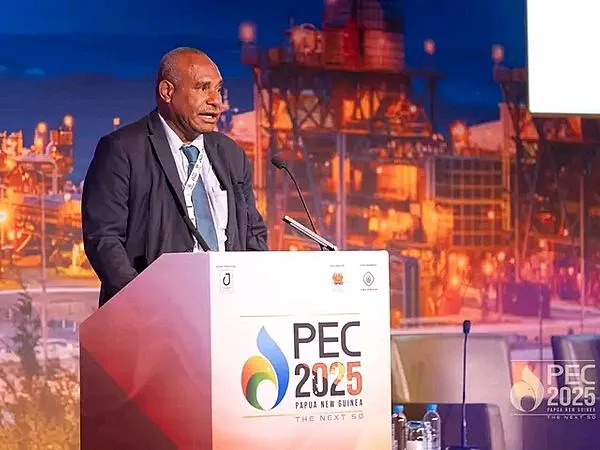
Papua New Guinea’s petroleum sector remains ripe with opportunity despite recent slowdowns in exploration activity, according to David Manau, Secretary for the Department of Petroleum, who delivered a compelling presentation on 8 October at the 2025 Papua New Guinea Petroleum & Energy Conference (PEC) under the theme “Exploration Operations – Is There a Future?”
In his address, Secretary Manau affirmed that exploration indeed has a future, stressing that the challenge lies not in questioning its existence but in shaping its direction through strategic policies, partnerships and investment frameworks.
“Exploration is not just a technical process, it is a strategic choice. It’s about how we position our country, attract investment, and unlock long-term value for our people and stakeholders,” he said.
Secretary Manau highlighted PNG’s strong energy fundamentals, stating that the country holds an estimated 25 trillion cubic feet of gas — among the largest reserves in the Asia-Pacific region. While oil production has declined over the past three decades, PNG’s pivot to liquefied natural gas (LNG) has strengthened its role as a rising energy exporter.
He said Kumul Petroleum Holdings Limited (KPHL) continues to play a traditional key role as the State’s equity holder, while the newly established National Petroleum Authority (NPA) now serves as a dedicated institution to promote exploration and de-risk investment in partnership with industry players.
Untapped petroleum basins
PNG currently has five petroleum basins: Papuan, North New Guinea, Cape Vogel, Bougainville and New Ireland. However, only the Papuan Basin is producing, contributing about 17 percent of PNG’s GDP.
“The other four basins are underexplored, not because they lack potential, but because they lack data and targeted policy support,” Secretary Manau said.
He emphasised that unlocking these basins could diversify national revenue, transform PNG’s energy landscape and deliver tangible benefits for all stakeholders.
Exploration trends and fiscal incentives
Between 2020 and 2025, the country saw a sharp decline in exploration activity, with prospecting licences dropping from 104 to just 40. No high-impact wildcat wells were drilled during that period, except for Mailu-1, which has now been rescheduled for drilling in the first quarter of 2026.
Despite the downturn, exploration spending continued, supported by fiscal incentives under Section 155N of the Income Tax Act, which allowed the amortisation of exploration costs between 2019 and 2023.
“This resulted in over K10 billion in forgone revenue, which is not a loss, but a signal of sustained investor interest,” Secretary Manau explained.
Emerging offshore hotspots
Secretary Manau said PNG’s offshore potential is gaining momentum, with multi-client seismic surveys such as Painimaut 2D and Nanamarope 3D conducted in the Gulf of Papua. These vendor-funded surveys, he said, have attracted growing industry attention.
“These multi-client seismic campaigns are not just technical exercises, they are market signals,” he said. “The Gulf of Papua is rapidly emerging as PNG’s next exploration hotspot. These surveys lay the groundwork for future licensing bid rounds and offshore investment.”
The National Petroleum Authority will continue to support such initiatives as key tools for unlocking frontier potential.
New and proprietary exploration projects
PNG’s upstream sector is showing renewed confidence through new and ongoing exploration efforts. Kumul Petroleum Holdings Limited has completed seismic campaigns in Kimu and Barikewa, while AIE has conducted infill work near P’nyang using advanced Vibroseis technology.
Frontier projects are also progressing, including TotalEnergies’ deepwater Mailu-1 well — a high-impact wildcat estimated to cost between USD 50 million and USD 80 million — and ExxonMobil’s Wildebeest prospect in Gulf Province.
“Mailu-1 could open a new offshore hydrocarbon province,” Secretary Manau said, adding that Petronas’ farm-in to PL 576 validated the project’s significant potential.
He also noted new exploration initiatives across multiple basins: Heritage Oil’s Malisa Prospect near P’nyang (estimated 2 Tcf of wet gas), Peak Oil’s Exotica Prospect in New Ireland and Larus Energy’s Nanamapore Prospect in Central Province.
“These initiatives demonstrate that PNG’s exploration and upstream sector is reactivating,” he added.
Leveraging existing infrastructure
Secretary Manau outlined a brownfield exploration strategy that prioritises near-field prospects close to existing LNG and pipeline infrastructure.
“This approach reduces costs, accelerates development and enhances investor confidence,” he explained.
He cited the Angore Pipeline Tie-in Project and the Agogogo Tie-in as examples of efficient integration, adding that these connections also support domestic gas supply and national energy access.
Secretary Manau said PNG is preparing for a transition to a Production Sharing Regime (PSA) by 2026 — a move expected to balance risk and reward more effectively and attract investors to frontier areas.
“The NPA is preparing bid rounds, facilitating multi-client seismic permits, and advancing data-driven governance to improve transparency and investor engagement,” he said.
He called for strategic government intervention, particularly in frontier regions such as Western Province, where several marginal gas fields exist.
According to Secretary Manau, PNG’s energy future depends on aligning fiscal and regulatory frameworks, leveraging existing infrastructure and positioning the nation as a regional gas hub anchored by major projects like Papua LNG, P’nyang and Pasca A.
“The foundation is in place. The partnerships are forming. The data is improving. Let us move forward with clarity, confidence and commitment,” he concluded.
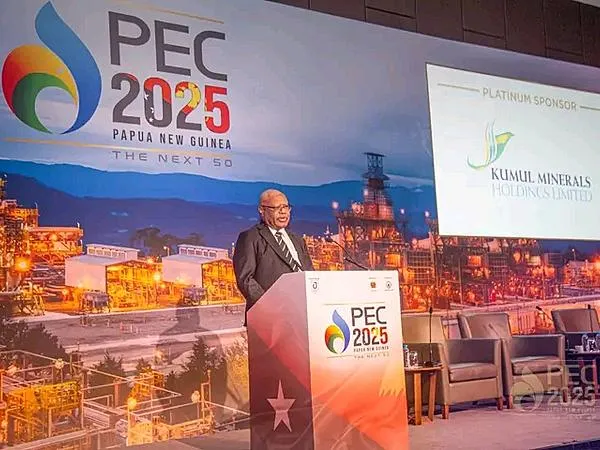
Papua New Guinea’s Petroleum Minister Jimmy Maladina has reaffirmed the Marape-Rosso Government’s commitment to reshape the country’s petroleum industry through a new fiscal and regulatory framework aimed at delivering fairer, more transparent and sustainable outcomes for the State and its people.
Delivering the ministerial keynote address at the opening of the 2025 Papua New Guinea Petroleum and Energy Conference (PEC) on 8 October 2025 at the Stanley Hotel, Port Moresby, Minister Maladina said the Government’s reform agenda would redefine the sector’s contribution to national development over the next 50 years.
“As Papua New Guinea celebrates 50 years of independence, we must look ahead with clarity and purpose,” he told delegates. “The decisions we take today will define the petroleum sector’s contribution to our nation in the next half century.”
Reflecting on 50 years of petroleum development
Minister Maladina acknowledged the petroleum sector’s vital role in the economy since the first oil from Kutubu flowed in 1992 and PNG LNG exports commenced in 2014, noting that hydrocarbons have powered the nation’s growth and connected it to global markets.
However, he said the existing oil and gas fiscal regime had fallen short of expectations, with government revenues often delayed or diluted by deductions extending throughout project life cycles.
“The State’s share of revenues from projects were well below 50 percent and are diluted through deductions that prolong during project life,” Maladina said. “State equity participation in petroleum projects has caused the State to commit to sovereign debt and risk. This must not continue.”
Reforms to reshape the industry
The minister announced a comprehensive reform programme based on three key pillars: institutional reform, fiscal and regulatory reform, and transparency with local participation.
Central to these reforms is the introduction of a Production Sharing Contract (PSC) framework, which will replace the current tax and royalty system for future projects. Minister Maladina described this shift as “the most significant fiscal and regulatory change since independence.”
“The PSC model provides early revenue for the State and landowners, ensures transparency in cost recovery, and maintains investor competitiveness,” he said. “It strikes a balance between national interest and investor confidence.”
He confirmed that the Government had approved the PSC Policy White Paper, which will now guide industry consultations leading to the drafting of new PSC legislation. The National Executive Council (NEC) has directed a State Working Team, led by the newly established National Petroleum Authority (NPA), to spearhead this process.
Key features of the PSC framework
Minister Maladina outlined several key features of the new framework:
“This framework ensures early and reliable revenue for the State, guaranteed participation for landowners, and transparent, competitive conditions for investors,” Minister Maladina emphasised.
Sector updates and emerging projects
Minister Maladina also provided updates on ongoing and upcoming projects that will shape the future of PNG’s petroleum landscape.
He noted that while mature oilfields such as Kutubu, Moran and Gobe are in decline, a new generation of gas projects — including Papua LNG, P’nyang Gas Project, Pasca A and Stanley Gas Project — are progressing well, alongside emerging prospects such as Wildebeest and Mailu.
“These projects represent billions of kina in potential investment. They will redefine PNG’s production capacity and create a strong foundation for the next 50 years,” he said.
According to Maladina, the PSC framework aligns PNG’s petroleum regime with international models used in Indonesia, Malaysia and Brunei, positioning the country as a credible and modern jurisdiction.
He said, “As global LNG competition intensifies and the energy transition accelerates, investors seek predictable and transparent environments. This reform signals to the market that PNG is open, reliable and reform-driven.”
The minister said the petroleum sector would remain a cornerstone of PNG’s economy while supporting diversification and sustainable development.
“Over the next five decades, we will channel petroleum revenues into national wealth creation, expand downstream processing, promote cleaner energy, and build strong institutions that outlast political cycles,” Maladina said.
He concluded his address by reaffirming the Government’s determination to secure fair and lasting benefits for future generations.
“When PNG celebrates 100 years of independence in 2075, let future generations look back and say: this policy was the catalyst that anchored our growth and prosperity, built on fairness, transparency and enduring partnerships,” the minister declared.
As Papua New Guinea (PNG) marks its 50th anniversary, the country’s petroleum sector has received a significant boost with the announcement that Sinopec will establish a subsidiary to undertake drilling and seismic work.
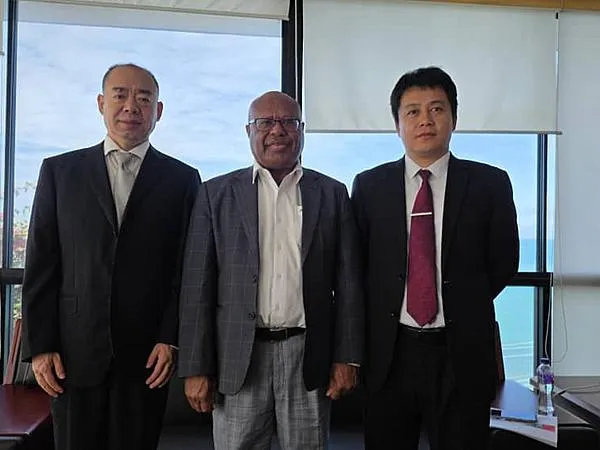
The announcement was confirmed in Port Moresby on 24 September, when Minister for Petroleum Jimmy Maladina met with Xiao Yi, Deputy Director for Geophysical and Engineering at Sinopec.
Maladina welcomed the move, calling it a clear signal of investor confidence in PNG’s resources sector and the government’s policy direction.
“We welcome Sinopec’s decision to establish a subsidiary in Papua New Guinea. This demonstrates investor confidence in our resources sector and the government’s policy direction,” he said.
The minister underscored the importance of the company’s planned activities, noting their role in shaping the industry’s future.
“Drilling and seismic activities are critical to the future of our petroleum industry. Sinopec’s technical expertise and global experience will complement our efforts to grow the industry responsibly and sustainably,” he added.
Xiao reaffirmed Sinopec’s long-term interest in PNG, emphasising the company’s readiness to contribute to the country’s petroleum development.
“Our establishment of a subsidiary in Papua New Guinea reflects our long-term interest. We are ready to contribute our technical strengths and work alongside the government and stakeholders,” he said.
Maladina assured that the government remained committed to supporting investment in the oil and gas sector, saying partnerships such as this would continue to drive growth.
The new subsidiary will operate under Sinopec International Petroleum Service Corporation (Sinopec Petroleum Service), a wholly owned arm of Sinopec Group. With more than 50 years of petroleum service experience, the company has delivered seismic, drilling, construction, and pipeline projects across China and internationally. It is ISO 9000 certified and has successfully executed projects in Africa, the Americas, the Middle East, and Asia.
Sinopec said it was committed to building partnerships that not only strengthen its global brand but also contribute to the responsible and sustainable growth of PNG’s petroleum industry.
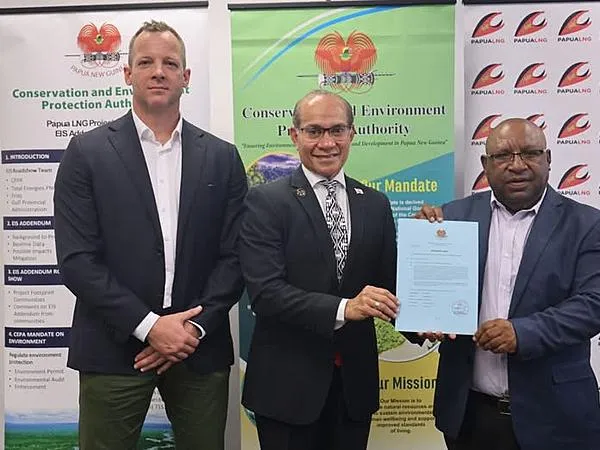
The Conservational and Environmental Protection Authority (CEPA) has granted the Level 3 Environmental Permit for the upstream component of the Papua LNG Project to TotalEnergies EP PNG Limited (TEP PNG), marking a key step toward the project’s eventual Final Investment Decision (FID).
The Level 3, or “L3,” permit is the principal regulatory approval under Papua New Guinea’s Environment Act 2000 for activities declared to be of national significance. It allows companies to proceed — subject to stringent, independently peer-reviewed impact assessments — with mitigation and monitoring measures.
The permit requires the development of Environmental and Social Management Plans (ESMPs), which define how potential impacts will be managed, continually monitored and reported throughout the project’s life cycle. It also enshrines public participation and transparency, giving stakeholders opportunities to raise concerns, contribute local knowledge and engage in project dialogue.
In a formal handover ceremony, CEPA Managing Director Jude Tukuliya presented the permit to TotalEnergies EP PNG’s Public Affairs Manager Richard Kassman in a gesture officials said signified forward momentum for the project.
“This significant milestone will lead to alignment to Prime Minister James Marape and government’s aim of having nearly K200 billion worth of oil, gas and mining projects in the next 15 years,” Tukuliya said.
Observers see the permit issuance as the culmination of a decade of collaboration, regulatory scrutiny and negotiation between CEPA and TEP PNG. It brings the Papua LNG initiative one step closer to full investment approval, although final decisions have yet to be made.
For many observers and stakeholders on the ground, the permit is more than a bureaucratic milestone. It is a sign that hopes for job creation, infrastructure investment and revenue generation for affected communities remain alive — even as environmental and social safeguards remain under close watch.
As Papua New Guinea balances economic ambition with environmental responsibility, the permit’s conditions and the strength of enforcement will be keenly observed by local communities, civil society groups and international partners.
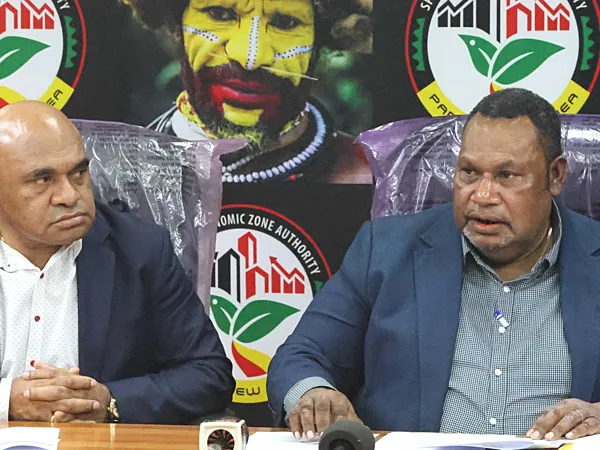
The Special Economic Zone Authority (SEZA) has granted Kumul Petroleum Holdings Ltd (KPHL) a 12-month provisional developer licence to progress the Central Province Industrial Park in the Caution Bay area.
SEZA Chairman Dr Lawrence Sause confirmed the board’s decision in a small ceremony on Wednesday, where he formally presented the licence to KPHL managing director Wapu Sonk.
“We welcome this milestone for Central Province and commend KPHL for taking the lead,” Dr Sause said, noting that the provisional licence will be converted into a full developer licence once the authority receives the required financial documentation.
Sonk said KPHL was committed to operating the industrial park as a dedicated precinct close to the ExxonMobil-operated LNG Plant.
“We are currently constructing a training academy and steel fabrication facility in the area, an investment of US$145 million under Phase 1 of the development,” he said. “This will be the foundation for industrial growth in the SEZ.”
He added that the Caution Bay site was well positioned for large-scale industry. “The area has all the necessary elements for a successful SEZ – road access, reliable power, proximity to the sea and an international wharf – all suitable for industrial development. The fabrication facility will be completed in 2026 and will provide training and employment for an estimated 3,000 local people.”
Dr Sause stressed the importance of ensuring that special economic zones already approved by government are successfully implemented to build investor confidence.
“It is vital that SEZs attract both national and international investors,” he said. “By demonstrating their viability, we can show how this strategy will enable Papua New Guinea to leapfrog into value-adding industries that create jobs and unlock the potential of our natural resources.”
Sonk said the initiative was aligned with Kumul Petroleum’s broader vision of strengthening national content in major projects.
“At Kumul Petroleum, we are planning for the future – preparing for greater participation of qualified Papua New Guineans, as well as developing local steel fabrication capabilities. We can best achieve this in an SEZ,” he said.
He also thanked the Marape–Rosso government for supporting KPHL’s role in driving industrial development.
“We thank the government for their faith in Kumul Petroleum and their willingness to consider awarding us operatorship of the next SEZ,” Sonk said.
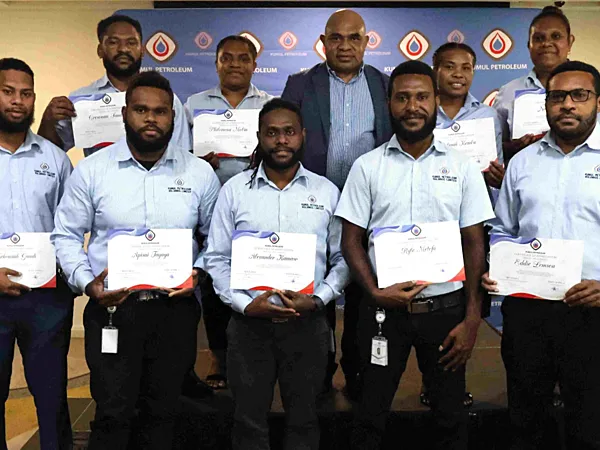
Kumul Petroleum Holdings Limited (KPHL) has marked a significant milestone in its efforts to nurture Papua New Guinean talent, celebrating nine graduates who successfully completed the company’s two-year Graduate Development Programme.
At a ceremony in Port Moresby, KPHL Managing Director Wapu Sonk presented certificates of appreciation to the young professionals and officially welcomed them into full-time roles. He commended their commitment and potential, noting: “This is the beginning of your journey with Kumul Petroleum. It is you young people who will carry the company forward in the future.”
Sonk underscored the company’s wider mission to build national capability in the petroleum and energy sector. “As the national petroleum and energy company, we need people of your calibre to push the company forward, through your work ethic and respective skill sets,” he said.
He further pointed to the strategic importance of upcoming KPHL projects and the graduates’ role in ensuring Papua New Guinea secures maximum benefits from its resources. “Our mandate is to the citizens of this country. We work and do what we do so our people benefit from our projects. Other organisations operate for profit – we have a different calling, a responsibility to our people," he added.
The graduates, who began their journey in 2023, have now taken up positions within the company’s divisions. Two have joined Finance, while seven have entered Operations, specialising in sub-surface and special projects.
Throughout the programme, mentors and supervisors guided their professional growth. Sonk extended his thanks to them, saying: “Your guidance has been instrumental in shaping the future of these young professionals.”
By investing in the next generation, KPHL has reaffirmed its long-term commitment to developing Papua New Guinea’s human capital and securing a sustainable future for the country’s petroleum and energy sector.
In a significant move to empower and invest in the nation’s future leaders, PNG Mining and Petroleum Hospitality Services Limited (PNGMPHSL) has officially launched its inaugural internship programme, welcoming three promising graduates from Divine Word University (DWU), Madang Campus. This initiative is part of a broader awards and internship scheme designed to identify, recognise, and nurture young Papua New Guinean talent.
Demonstrating its commitment to meaningful community engagement and capacity building, PNGMPHSL introduced this initiative to create real pathways for academic achievers to transition into the professional workforce. The programme was launched with a prestigious awards ceremony held at DWU, where four outstanding students were honoured for their exceptional academic and leadership achievements.
The awardees — Jasmine Manuai, Karl Ralewa, Maxwell Gegera, and Patience Hahambu — were carefully selected for their academic excellence, dedication and potential to contribute meaningfully to the workforce. Three of the recipients have since commenced their internship with PNGMPHSL.
Jasmine Manuai, who hails from Manus, Madang and Central provinces and recently graduated with a degree in Tourism and Hospitality Management, expressed her gratitude. “After finishing my final year, I was eager to find employment, but I was not successful with my job applications and eventually gave up. However, winning this award made me very happy and restored my hope," Manuai said.
Karl Ralewa, a Business Management graduate from Central Province, shared a similar sentiment. “When I learned that I was nominated for the PNGMPHSL award, it felt like my hard work was finally recognised. I am learning a lot, and it’s been an amazing opportunity," Relewa said.
Maxwell Gegera, originally from East New Britain and Oro provinces, and a graduate in Information Systems, echoed the pride and enthusiasm felt by his peers, saying “I felt very pleased and proud of myself because it affirmed my dedication and hard work in school. I appreciate the programme as it involves hands-on tasks, and my studies inspire me to excel in this internship.”
The fourth awardee, Patience Hahambu, a valedictorian and recipient of the academic excellence award, has chosen to pursue other opportunities. PNGMPHSL extends its best wishes for her future endeavours.
Speaking on the importance of this initiative, Leonie Baptiste, Training and Development Manager at PNGMPHSL, said that this is the first time the company is implementing such a programme. "Sponsoring awards is our way of giving back to the community while fostering professional development in PNG. As these interns join us, we nurture their growth while benefiting from their skills. We hope to continue this successful programme in the coming years, expanding it to include our joint venture partners," Baptiste said.
The internship will span a full year, offering interns an in-depth and immersive learning experience across all aspects of the company’s operations. Throughout this period, interns will gain hands-on experience in real workplace scenarios and work closely with experienced mentors who will guide their professional development. This comprehensive exposure aims not only to enhance their technical and practical skills but also to provide them with valuable insights into the company’s culture, values, and long-term business objectives, effectively preparing them for a successful career in the industry.
As a landowner company, PNGMPHSL continues to uphold its core values by investing in local human capital. The internship programme is more than just a career opportunity — it is a sustainable step towards national development and a reflection of the company’s long-term vision to empower the next generation of industry leaders.
Lloyds Metals & Energy Ltd, a major player in India’s metals and mining sector, is eyeing investment opportunities in Papua New Guinea (PNG), particularly in the gas sector.
With a legacy spanning more than 50 years, the company is primarily involved in iron ore mining, direct reduced iron (DRI) manufacturing, sponge iron production and power generation, and it plans to expand into integrated steel and pellet production.
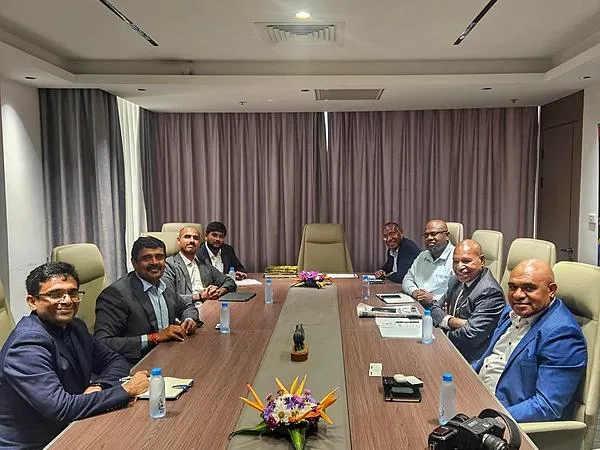
The management team, led by Managing Director Balasubramanian Prabhakaran, met with Minister for International Trade and Investment Richard Maru and Kumul Petroleum Holdings Limited (KPHL) Managing Director Wapu Sonk on 6 August 2025. They expressed interest in partnering with KPHL to purchase gas from PNG and to develop a new gas project in the country as a serious equity partner.
“They are also keen to invest in a steel manufacturing plant within the Caution Bay SEZ, next to the PNG LNG site being developed by KPHL," Minister Maru said.
Maru said that KPHL has commenced work on establishing a steel fabricating plant at the Caution Bay SEZ, which was granted an SEZ licence on Monday.
"Manufacturing steel to supply the requirements of PNG’s manufacturing industry is exciting news, and it has the full support of the Marape-Rosso government as it will fully complement the steel fabricating plant being established by KPHL," he said.
Minister Maru thanked the Lloyds Metals & Energy Limited team for their strong interest in investing in PNG. He also extended an invitation for the company to speak at the second Papua New Guinea Special Economic Zones Summit.
Other potential investors and government officials from India are also expected to attend the summit to meet prospective partners and explore investment opportunities in PNG, the minister said.
Papua New Guinea’s Minister for Petroleum, Jimmy Maladina, has unveiled sweeping legal and institutional reforms to modernise the country’s petroleum sector, with the formal introduction of a Production Sharing Act (PSA) that will serve as the legal and fiscal foundation for all new petroleum projects.
The announcement was made during the PNG Petroleum Sector Update at the 2025 PNG Resources Summit on 31 July at APEC Haus, Port Moresby, and signals a decisive policy shift aimed at improving state revenue, investor clarity, and regulatory oversight.
“Earlier this year, Parliament passed the National Petroleum Authority Act 2025, which established the National Petroleum Authority (NPA) as the new statutory authority to regulate the upstream petroleum sector in Papua New Guinea,” Maladina stated.
He clarified that the new PSA regime will operate independently of the existing Oil and Gas Act, and that it will apply only to future petroleum projects. Existing projects — including PNG LNG, Papua LNG, P’nyang LNG, and Pasca A — will continue to operate under the Oil and Gas Act, retaining their current licences and contractual terms.
National Petroleum Authority: New Central Regulator
The NPA replaces the former Department of Petroleum and will act as the single, dedicated regulator for upstream, midstream, and downstream activities in the petroleum sector. Minister Maladina said the transition to the NPA is currently under way, with the inaugural board undergoing vetting by the Public Services Commission.
“The NPA is designed to be technically strong, commercially responsive, and administratively independent,” he said. “It will be self-funded through a 0.5% levy on the total export value of petroleum products under the PSA regime, ensuring stability, autonomy, and sustainability.”
The NPA will focus on faster and more transparent decision-making, improved coordination between the state and operators, and more rigorous oversight of licensing and revenues. The authority will also work closely with other government bodies such as the Treasury, Internal Revenue Commission (IRC), and state nominees to ensure alignment on project development and revenue collection.
Key Fiscal and Ownership Features of the PSA Regime
The Minister outlined the core fiscal structure of the Production Sharing Framework. All petroleum resources and infrastructure developed under PSA terms will be owned by the state, with acreage awarded via competitive bidding rounds using a standardised PSA template adapted to PNG’s needs.
“Contractors will be entitled to full cost recovery from gross production. After this, the remainder of production becomes profit petroleum,” he noted.
The state will receive a First Petroleum Levy, a fixed share of gross revenue, paid directly into consolidated revenue.
Key features of the PSA regime include:
· Development levies to be paid to provincial and local governments.
· Landowners to receive royalties at 2% of gross sales, without deductions.
· The state’s share of profit petroleum to be paid at the gross level.
· The contractor’s share to be taxed at corporate rates likely between 20–25%, with deductions allowed for levies and qualifying costs.
“This model reflects global best practices. It aligns national interests with commercial incentives and delivers early, equitable, and transparent revenue to the state and the people.”
Tailored Approaches for Diverse Projects
Acknowledging Papua New Guinea’s complex geography and resource diversity, the Minister emphasised that flexibility will be a hallmark of the PSA regime.
“There will not be a one-size-fits-all approach to commercialising petroleum assets. This became very clear during recent due diligence visits to Indonesia and Malaysia,” he noted.
Each project will be assessed according to its specific technical and commercial context, the Minister said.
Among the key provisions to be embedded in future PSAs are:
· Clearly defined roles for contractors and state nominees.
· Mandatory social mapping and landowner identification.
· National content targets with enforceable penalties for non-compliance.
· Domestic market obligations to secure PNG’s energy supply.
· Decommissioning funds to manage end-of-life site obligations.
· Arbitration of disputes under PNG law, with proceedings to be held in Singapore, selected for its neutrality and global standing in commercial arbitration.
Licensing Rounds and White Paper Imminent
Minister Maladina confirmed that once the PSA framework is finalised, PNG will open competitive bidding rounds for new petroleum acreage.
“We aim to attract technically qualified, financially strong developers who can partner with the state to responsibly unlock our resource potential,” he said.
The NPA is expected to release an Industry White Paper shortly to support public and industry consultations. Finalisation of the PSA policy will precede the launch of bidding rounds, which will employ clear technical and financial evaluation criteria to assess bids.
Project Updates and Investment Pipeline
The Minister reaffirmed that several petroleum projects are progressing or entering new phases:
· Papua LNG continues to move forward with strong international support.
· P’nyang LNG negotiations remain active, with fiscal and social terms being aligned to ensure bankability.
· The Pasca A project is undergoing commercial restructuring, with renewed discussions between the state and the developer.
· Mailu Prospect, an offshore target, is scheduled for exploration drilling this year and is seen as a sign of renewed investor confidence in PNG’s frontier geology.
· Wildebeest Prospect, located in Western Province, is undergoing early-stage assessment and shows long-term potential.
· TWL Energy Ventures continues to advance the Western Energy Project, regarded as a new frontier for resource development.
“These projects reflect billions in potential investment and long-term value for Papua New Guinea,” the Minister said. “The message is clear — institutional reform is under way, fiscal reform is imminent, licensing discipline is being restored, and projects are advancing.”
Commitment to Transparency and Growth
Minister Maladina concluded by reaffirming the central role of the petroleum sector in PNG’s future and the government’s commitment to reforms that deliver greater national benefit.
“This government is building a modern, transparent, and investor-aligned petroleum sector,” he said.
He also thanked the PNG Chamber of Resources and Energy for convening PNG Resources Week and sustaining national dialogue on how to strengthen and grow the petroleum and energy sectors for the benefit of all Papua New Guineans.
Prime Minister Hon. James Marape refreshed Papua New Guinea’s connection with key LNG partner Eneos Xplora Inc., formerly JX Nippon Oil and Gas Exploration Corporation.
Prime Minister Marape met with Representative Director and Chair of the company, Toshiya Nakahara, and his team in Tokyo this week as part of efforts to engage directly with Japanese companies operating in Papua New Guinea.
Eneos Xplora, which until recently was known as JX Nippon Oil and Gas Exploration Corporation, is a foundational partner in the PNG LNG project and continues to show interest in the upcoming Papua LNG project.
Marape used the opportunity to invite Eneos to consider business partnerships with state holding companies, Kumul Mineral Holdings Limited or Kumul Petroleum Holdings Limited.
“I want to ask you to be a good support to Kumul Petroleum Holdings and Kumul Minerals Holding. We are restructuring the companies to be major partners with investors overseas so that they bring to the table the security of the country," he said. “As we look forward to life beyond 50 years, we ask that you do not fear some of the reforms we do as we will make sure our investors make a return on their investments.”
The Prime Minister also reached out to other Japanese companies to partner in the Government’s subsidiary businesses, and to venture into the exploration of minerals and gas in the country.
He reassured investors of ongoing reforms aimed at securing the investment environment, including developments in the court system and the introduction of international arbitration to support independent dispute resolution.
PM Marape also mentioned current engagements with the Japan Bank for International Cooperation for additional support to Japanese investors, and encouraged Eneos Xplora to increase its involvement in PNG, given its longstanding presence in the country.
Eneos Xplora is involved in the development and production of oil and natural gas both domestically and internationally, serving as a core operating entity within the ENEOS Group – the largest energy, resources, and materials corporation in Japan.
Follow on LinkedIn:
PNG Business News
Be the "First" to get our exclusive Digital Magazine & Weekly Newsletter.