June 10, 2023

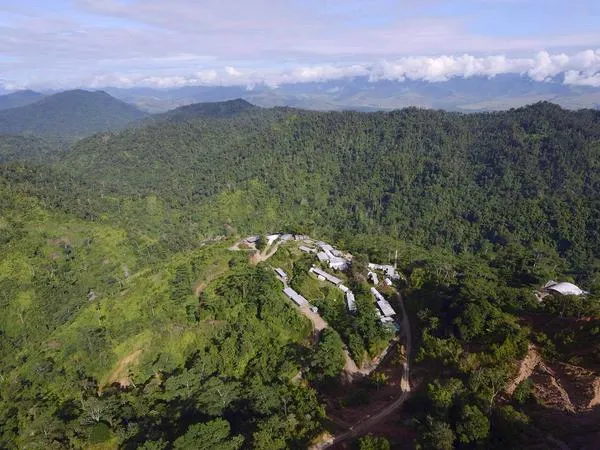
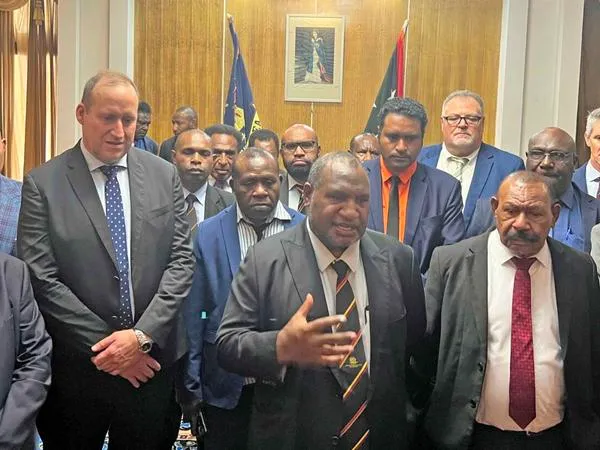
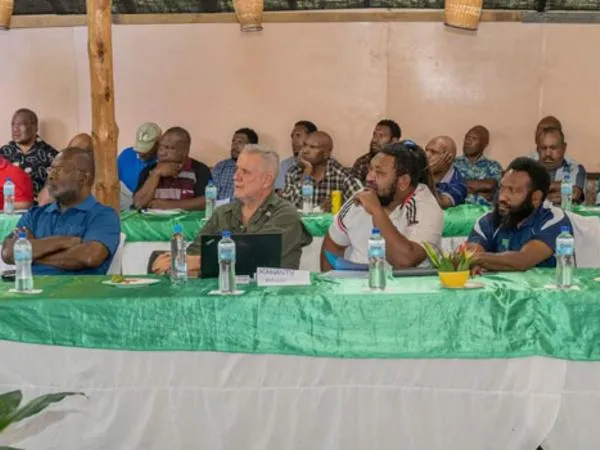
Parties to the K92 Mining project Memorandum of Agreement (MoA), successfully concluded a two-days consultative meeting in Goroka on May 31-June 1, creating a pathway towards finalizing the MoA that was initialed in 2020 in Kokopo, East New Britain Province. 

The parties are the State, the Eastern Highlands Provincial Government (EHPG), the Agarabi Rural Local Level Government (ARLLG), K92 Mine Limited, the Bilimoia Landowners Association (BLA), and the Associated Landowners.

The stakeholders identified key action items which must be completed in two months after which time, it is anticipated that a date for the finalization of the initialed 2020 MoA review will be set.

The action items are: 

1) The National Content (NC): 

  • a) Business Development and procurement/supplies plan/guideline. This is developed by the Department of Commerce & Industry (DCI). The plan is a guide by which landowner companies like the BLA can potentially participate, in business spin-offs contracted out by mines. The DCI will engage with K92 Mine, to ensure that the company’s business development plan is aligned with the NC and relevant laws. The DCI will also engage with the BLA to discuss their business plans and aspirations. 
  • b) Labour & Employment – This is a training plan developed by K92 Mine which the Department of Industrial Relations will engage with K92 Mine on, to ensure labour laws are complied with. The department will also engage with the BLA to discuss their plans in terms of employment and training.

2) Lands Commission (formally Land Titles Commission) – The LC will set a budget for a hearing and circulate to the parties for budgetary commitments and contributions.


3) MoA – The BLA will submit to all parties a list of additional benefits to include in MoA for parties’ consent.


All parties have been urged to work towards completing their tasks so that the initialed MoA can be signed and implemented.


Chairman of the meeting Andrew Gunua, thanked leaders of all parties for their commitment, respect and understanding during the meeting, despite challenges and the different dynamics experienced.


The leaders are the BLA Chairman Johnson Uringke, K92 Mine’s Vice President External Affairs & Sustainable Development, Philip Samar, Eastern Highlands Provincial Administrator Allen Los, Agarabi Rural Local Level Government President Honourable Pangu Edward, leaders of the Associated Landowners, and State Team leader Michael Wau.


The leaders expressed satisfaction on the outcome of the meeting adding that they would work together for the common good of all parties, especially the landowners of the project.


MOAs are benefits packages that parties negotiate. These include royalites, Tax Credit Schemes, Special Support Grants (SSG), business development and training & development amongst others.

May 28, 2023

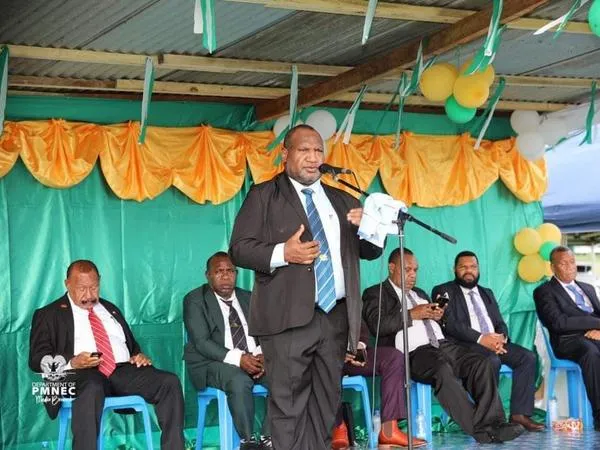
Photo: PNG Government Secures 60 Percent in Wafi-Golpu Mine Project, PM Marape announces

The Papua New Guinea Government has finally settled on the total benefit sharing at over 60 per cent from the Wafi-Golpu project.

Prime Minister James Marape, in addressing the Morobe Tutumang in Lae, said the total benefits sharing included taxes, equity, royalty and also an additional social fee for the environment around the project area.

“The framework that was signed in Port Moresby recently is a guide on how best the Government, the developer and the resource owners will be working with each other to take the project from this point on,” he said. Marape added under the recently signed MoU framework, the Government had secured a “better defined royalty”.

PM Marape also explained that according to the law the developer could only pay two per cent.

“This is the case with resource owners from other projects in the country.

PM Marape said there were three layers of deductions on that two per cent.

The Prime Minister said that was why the Morobe government had pushed for the royalty percentage to be taken up to five per cent and reduce the equity to 20 per cent. He said considering the demand from the Morobe government, the State had to adjust the numbers to add up the monetary value of the total benefit and settled for 3.5 per cent.

PM Marape explained that the 3.5 per cent that was settled for was just K100 million less compared to the original five per cent.

“The Government also secured an additional 10 per cent equity on total benefits sharing because the previous government’s agreement was to forfeit 10 per cent of the benefits as royalty to settle for just 20 per cent equity,” Marape said.

PM Marape explained that was why former governor Ginson Saonu took the matter to court.

“So through the court, we recouped that 10 per cent in equity,” Marape said.

PM Marape confirmed that the financing of that additional 10 per cent would be done similar to the Porgera project.

“Seventy per cent of that additional 10 per cent equity will be raised by the developer while the government balances it,” PM Marape said.

"This additional 10 per cent has been fully secured and is for the people of Morobe.

May 24, 2023

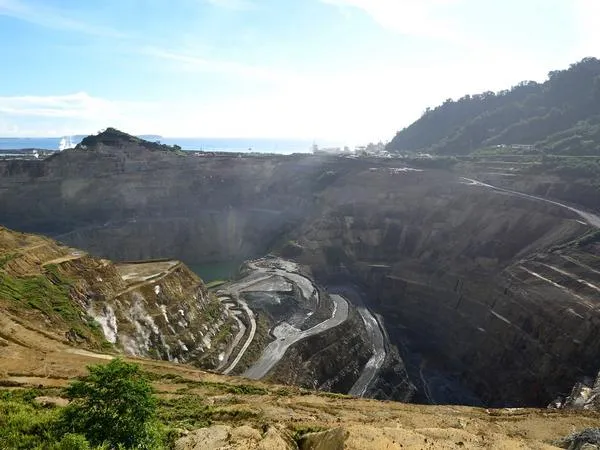
Photo: Lihir Gold Mine. Photo Credit: Newcrest Mining Limited Website

The recently announced acquisition deal between Newmont (NYSE: NEM, TSX NGT) and Newcrest Mining Limited (ASX, TSX, PNGX: NCM) on May 14, 2023, is set to have a significant impact on Papua New Guinea (PNG). The deal involves Newmont acquiring 100% of the issued shares in Newcrest by way of an Australian Scheme of Arrangement. Newcrest shareholders will receive 0.400 Newmont shares for each Newcrest share and a special dividend of up to $1.10 per share paid by Newcrest. This represents a 30.4% premium. The deal is worth A$ 28.8 billion creating the largest-ever gold M&A transaction and solidifying Newmont as the largest global gold producer. Newcrest initially rejected a A$19bn offer from Newmont in February 2023. What does this mean for Newcrest's assets in Papua New Guinea (PNG)?

Strengthening the Mining Sector: Newcrest's assets in PNG have a long-standing presence, with established mining operations and infrastructure in place. Their experience in operating in the country provides them with a deep understanding of the local business environment, regulatory frameworks, and cultural dynamics. This familiarity can be a significant advantage in ensuring smooth operations and stakeholder engagement. The acquisition of Newcrest by Newmont reinforces the position of both companies as leading gold producers and consolidates their presence in PNG. The combined portfolio of assets offers substantial opportunities for optimisation, paving the way for enhanced operational efficiency and increased production.

Lihir Gold Mine: Located on Lihir Island in the New Ireland Province, the Lihir Gold Mine is one of the largest gold mines in the world. It began production in 1997 and has since yielded significant gold reserves. The mine utilizes both open-pit and underground mining methods, and it has substantial processing facilities on-site, including a large-scale autoclave for processing refractory ore. Newcrest creates economic value for PNG and local communities including direct revenues from operations, investments in public infrastructure and services, support of local suppliers and a range of indirect economic benefits. It employs approximately 4,500 people of which around 90% are Papua New Guineans.

Wafi-Golpu Project: The Wafi-Golpu Project is a significant joint venture between Newcrest Mining (50%) and Harmony Gold (50%) in the highly prospective Morobe Province through the Wafi-Golpu Joint Venture (WGJV). It encompasses the exploration and development of a world-class gold-copper deposit. Deep drilling has identified a world-class copper-gold porphyry deposit at Wafi-Golpu (the Golpu deposit) suited to bulk underground mining techniques, similar to Newcrest’s Cadia operations in Australia. 
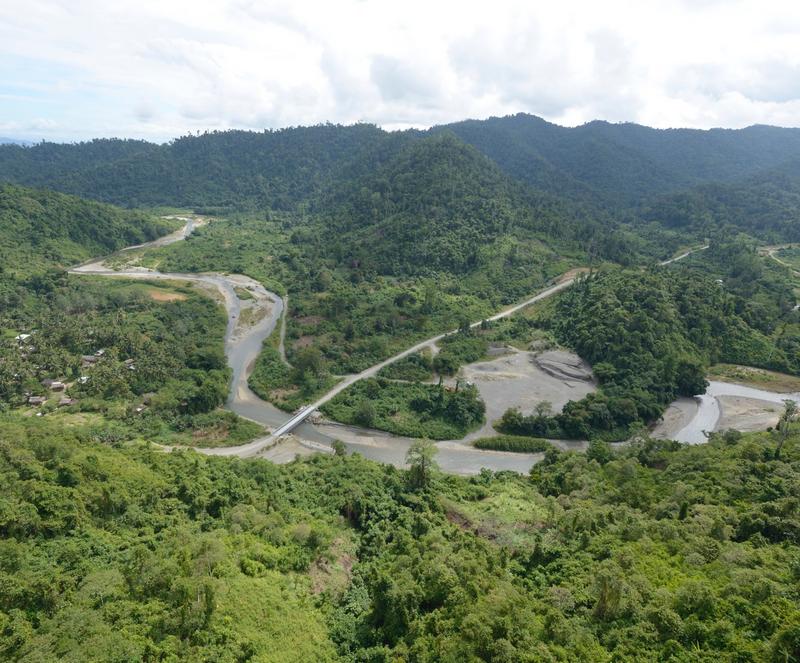
Photo: The Wafi-Golpu Joint Venture (WGJV) hosts one of the highest-grade porphyry copper systems in Southeast Asia.

Economic Growth and Employment Opportunities: Through the acquisition, Newcrest can leverage its existing assets and expand its operations to tap into additional mineral deposits since it now has a bigger market capitalisation. This could lead to increased production, improved economies of scale, and a more diversified portfolio of mining projects thus bringing an economic boost for PNG. Optimised operations, coupled with the expansion of mining activities, can lead to increased job opportunities, both directly and indirectly. This infusion of employment opportunities has the potential to contribute to poverty reduction and overall economic growth in the country.

Synergies and Cost Efficiencies: The consolidation of operations between Newmont and Newcrest creates synergies and cost efficiencies. It is estimated that the deal could generate annual pre-tax synergies of $500 million within the first 24 months. These cost savings can be reinvested into further development, exploration, and sustainable mining practices, benefiting the companies and the local communities.

Sustainability and Environmental Practices: Both Newcrest’s and Newmont's track record as a leader in sustainability and responsible mining practices can bring positive changes to Newcrest's assets in PNG.

Social and Community Development: Both the companies’ expertise and experience in community engagement and social development initiatives will further the development of the community.

The acquisition of Newcrest by Newmont holds promising prospects for PNG's mining industry and economy. The deal's potential to drive economic growth, create employment opportunities, enhance sustainability practices, and optimise operations brings an economic boost to the country's mining sector. However, it is important for all parties involved to navigate the regulatory and stakeholder considerations diligently to ensure a successful and mutually beneficial outcome.


References:

Newcrest Mining Limited. (2023). Wafi-Golpu. Retrieved from https://www.newcrest.com/our-assets/wafi-golpu. Retrieved on 19 May 2023.

Newcrest Mining Limited. (2023). Lihir. Retrieved from https://www.newcrest.com/our-assets/lihir. Retrieved on 19 May 2023.

Newmont Corporation. (2023). Newmont Enters into Definitive Agreement to Acquire Newcrest. Retrieved from [https://www.newmont.com/investors/news-release/news-details/2023/Newmont-Enters-into-Definitive-Agreement-to-Acquire-Newcrest/default.aspx]. Retrieved on 19 May 2023.
May 17, 2023

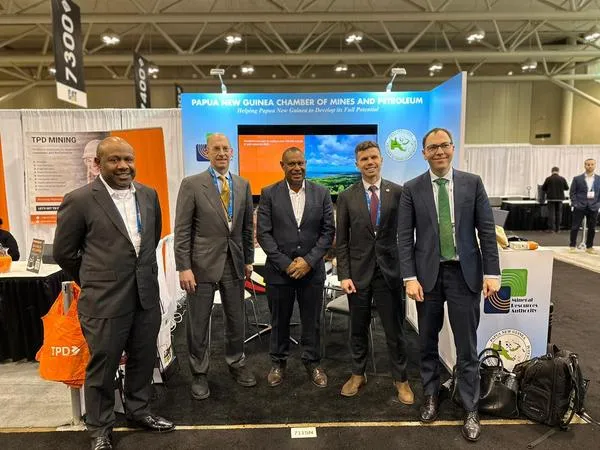
Photo: (L-R) President Anthony Smaré – PNG Chamber of Mines and Petroleum, Paul Hueper – Director of Energy and Mineral Programs for the Bureau of Energy Resources, US Department of State with his colleagues on the right, and MRA’s Managing Director Jerry Garry (centre) at the Prospectors & Developers Association of Canada (PDAC) in Toronto, Canada early in March 2023 promoting investments in PNG’s mineral sector.

Papua New Guinea (PNG) has been ranked as one of the least attractive jurisdictions globally for mining investment according to the Annual Survey of Mining Companies published last week by the Fraser Institute, an independent, non-partisan Canadian policy think-tank.

President of the PNG Chamber of Mines and Petroleum, Mr Anthony Smaré has called for urgent dialogue with National Government and all stakeholders to address this decline in PNG’s international standings. “The results of the Fraser Institute Global Survey shows how much PNG has fallen as an international destination for mining investment and needs to be urgently addressed if we are going to preserve this industry to benefit future generations beyond our current operating projects. If we want this industry to have a future, to continue to provide employment, business opportunities, royalties, dividends, taxes and other benefits for future generations, it is imperative that all stakeholders, led by the National Government, take note of these survey results, and engage in dialogue to urgently address the policy matters deterring investment in PNG, particularly regulatory uncertainty and aspects of our taxation incentives.”

The Fraser Institute’s global mining survey is the most comprehensive report on government policies that either attract or discourage mining investors. This year’s report ranks 62 jurisdictions around the world based on their geologic attractiveness (minerals and metals) and government policies that encourage or deter exploration and investment. PNG is ranked in the bottom seven countries in both Investment Attractiveness and Policy Perception.

In 2018, PNG ranked 41st out of 83 jurisdictions in the Investment Attractiveness Index and has now slipped to 54th out of 62 jurisdictions. PNG has slipped from ranking 61st out of 83 jurisdictions in the Policy Perception Index in 2018 to a new low of 57th out of 62 jurisdictions in 2022.

This decline in PNG’s standings is reflected in the significant drop off in exploration activity in PNG over the last 10 years. Records from the Mineral Resources Authority (MRA) indicate a steady decrease in the number of explorations licenses issued since 2012 from 177 Exploration Licenses (Els) granted and 379 applications awaiting processing to the June 2022 numbers of 158 granted and 112 applications.

The Global Survey assesses how mineral endowments and public policy factors such as taxation and regulatory uncertainty affect exploration investment. The survey was circulated electronically to approximately 1,966 individuals between August 23rd to December 30th, 2022. Survey responses have been tallied to rank provinces, states, and countries according to the extent that public policy factors encourage or discourage mining investment.

An overall Investment Attractiveness Index is constructed by combining the Best Practices Mineral Potential index, which rates regions based on their geologic attractiveness, and the Policy Perception Index, a composite index that measures the effects of government policy on attitudes toward exploration investment.

Neighbouring Australia continues to be the most attractive region in the world for mining investment. Western Australia (2nd), Northern Territory (6th) and South Australia (9th) appeared in the global top 10 on the Investment Attractiveness Index in this year’s survey. Zimbabwe ranks as the least attractive jurisdiction in the world for investment with PNG slightly higher.

The ranking is a result of the survey responses from participants comprising of managers, executives mainly company presidents around the world in companies involved in mining exploration, development, and other related activities. All these respondents indicated that PNG’s legal system, infrastructure, political stability, and quality of the geological database are the main policy factors deterring investment.

Alarmingly, the report is an indication of how low PNG ranks globally, in terms of investability in the mining sector as the survey was designed to identify countries that have the most attractive policies for encouraging investment in mining exploration. And countries that investors assess as relatively unattractive may therefore be prompted to consider reforms that would improve their ranking. The Global Survey can be found here https://www.fraserinstitute.org/studies/annual-survey-of-mining-companies-2022 

April 28, 2023

Photo credit: NIT

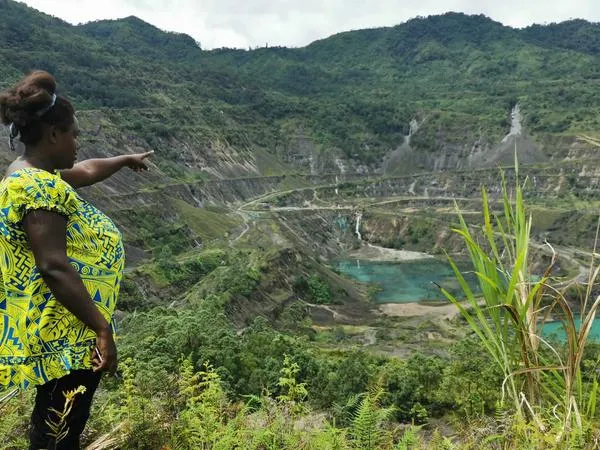
Field research and investigations will begin next week as part of the work being done under the Panguna Mine Legacy Impact Assessment.

The field research will be carried out across mine-impacted areas and will involve identifying and assessing any environmental impacts of the Panguna Mine since mining was stopped in 1989, and the social and human rights that are directly connected to these environmental impacts.  

ABG Member for Ioro Constituency Hon Theonila Matbob says these field investigations are a critical activity to be undertaken under the Assessment.

“We are in full support of the field work team as they begin Phase One of the Panguna Mine Legacy Impact Assessment. The data they will be collecting will play a crucial role in this whole process. It is important that we work together to support this team in doing their work by providing a safe and cooperative environment for them to complete their research. This will help ensure the best data collection possible, helping this process to understand the impacts the mine has had on the surrounding areas and people.”

The field investigations will be completed across the Panguna Mine affected area in selected high-risk areas including: the Loloho port, in and around the Panguna Mine; the river system including the Kawerong River, Jaba River, Kuneka Creek and areas impacted by tailings deposition, and the delta area where the rivers system enters the Empress Augusta Bay.

The field investigations will be carried out by experienced scientists made up of Bougainvilleans, Papua New Guineans and international experts under Tetra Tech Coffey.  

They will be collecting data from water, soil and air samples, as well as conducting interviews with local people from the impacted areas. Additional data collection will also include aerial surveys (from a plane) known as Light Detection and Ranging (LiDAR) surveys, as well as gathering information from weather stations setup for the study.

The data and findings from the completed Phase One of the Panguna Mine Legacy Impact Assessment will be presented in mid-2024 to the Oversight Committee and will be translated and shared back with the impacted communities.

Earlier this month, ABG President Hon. Ishmael Toroama called on all leaders, landowners and people to allow the assessment to be completed, saying that there has to be results that can guide the government and the company to resolving the problems from the mine.

April 28, 2023

Photo: Bryan Slusarchuk. Credit: Bryan Slusarchuk LinkedIn Page

Fosterville South Exploration Ltd (FSX) has recently announced its agreement to acquire a significant 2166 sq. km mineral exploration land package in Papua New Guinea (PNG) from Wild Dog Resources Inc (WDR), a privately held company. This package includes multiple exploration licenses (EL) and exploration license applications (ELAs) containing both early stage and advanced stage exploration targets with high-grade epithermal vein and porphyry style mineralization.

FSX CEO Bryan Slusarchuk is confident that the acquisition will put the company in a strong position to advance the projects on the ground, following up on the substantial amount of fieldwork and development of drill targets already completed by WDR over the past two years. The FSX team members have significant experience operating within Southeast Asian Island arc epithermal and porphyry mineralization environments, and specifically in PNG.

“Papua New Guinea is home to multiple world-class mining, development, and exploration projects and the country hosts some of the most incredible geology on earth," said Slusarchuk. "Through the rapid growth of K92 Mining in PNG, the recent announcement regarding Wafi-Golpu moving forward, and the ongoing corporate discussions between Newmont and Newcrest, the amazing mineral potential of PNG is becoming more widely known. Many shareholders of FSX have invested in the PNG mining sector and we are confident they will share management’s enthusiasm for this acquisition.”

WDR CEO Alan Martin also expressed his excitement for the deal, stating that the company has assembled a commanding land position within the heart of one of the world’s best regions for gold and copper exploration. "Putting together these projects, developing excellent community relations, and then advancing targets through fieldwork has put WDR in a position to now take the next step in PNG. Through this transaction with FSX, we are emerging as a company with a very strong cash position to deploy on the ground and a team with a track record of success in PNG within a superb share structure."

The acquisition will give FSX a strong foothold in PNG, a region with a rich history of mining, development, and exploration projects. The total land package to be acquired by FSX includes both early stage and advanced stage exploration targets with high-grade epithermal vein and porphyry style mineralization present. This provides FSX with a significant opportunity to expand its operations and potentially make significant discoveries.

Moreover, the deal will make WDR shareholders large shareholders of the combined entity, and they will work together with FSX within this well-funded entity to explore for Tier 1 Copper-Gold deposits in PNG. The merger is expected to unlock the potential of the assets, and both companies are optimistic about the outcome.

April 24, 2023

Photo: Porgera Mine

Kumul Mineral Holdings Limited (KMHL), Barrick Niugini Limited (BNL), and the New Porgera Limited (NPL) signing two crucial documents on Friday marks a significant step towards reopening the Porgera mine. The Porgera mine, located in Enga Province of Papua New Guinea, was closed down in April 2020 after the government refused to extend Barrick’s lease for another 20 years. Since then, the parties have been negotiating the terms of reopening the mine.

The documents signed by the parties include the DEED of transfer for the Exploration license (EL) 454 and the DEED of transfer for the Special Mining Lease (SML) 11 and ancillary tenements. The signing ceremony took place in Port Moresby and was attended by KMHL board of directors and BNL Country Manager and Adviser.

Dr Ila Temu, the KMHL Chairman, explained that the SML 11 license that Kumul Mineral holds needed to be surrendered, hence the signing of the transfer to the New Porgera Limited. Dr Temu stated, "The parties have agreed that SML 11 has to be surrendered, and a new SML applied for."

He further explained that the exploration license 454, which had the Porgera license issued on it, belongs to Barrick Niugini Limited, and they have decided to transfer it to New Porgera Limited as part of the consolidation. Once New Porgera Limited receives the exploration license, it will apply for a new SML after surrendering SML 11.

The Mineral Resource Authority (MRA) is now processing the two transfers, and Dr Temu said they have given urgency for the application to be processed within the next two months, hoping that the new SML will be issued within this period.

"The rest of the agreements like the Mining Development contract need to be signed off after the SML is issued and the environment transferred. This is because the environment permit was issued to all SML so it had to be transferred from the old SML to the new SML that will be issued. That should complete the process, and I think it is going to take us a balance of this first part of the year, including quarter 1, 2, and maybe quarter 3," he added.

The reopening of the Porgera mine is significant for Papua New Guinea as it is the second-largest mine in the country, producing around 600,000 ounces of gold and 600,000 ounces of silver per annum. The mine's reopening will generate employment opportunities and contribute to the country's economic growth. It will also bring relief to the local community, which has been severely affected by the mine's closure.

BNL Country Manager and Adviser, Tony Esplin, expressed his satisfaction with the progress made towards reopening the mine. He said, "We are very pleased to have reached this important milestone in the process of reopening the Porgera mine. We look forward to continuing our work with our partners to bring the mine back into operation."

April 20, 2023

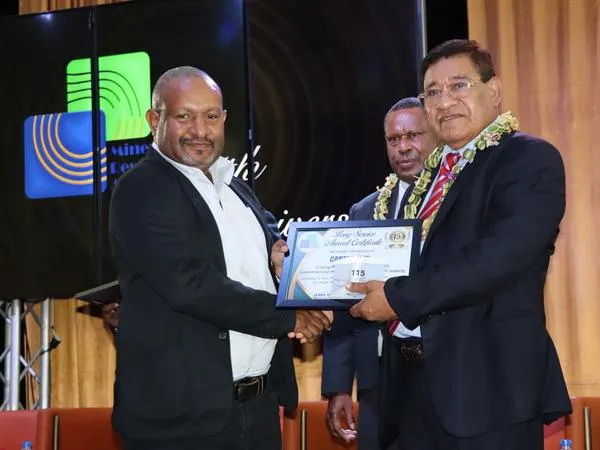
Photo: Minister for Mining Hon Ano Pala (right) awarding the certificate of long service to Mr. Carter Oiee (left) while acting MD Mr. Jerry Garry looks on (back)The Mineral Resources Authority (MRA) on Friday April 14th, celebrated its 15 years of operations in Port Moresby. 

The occasion was graced by the presence of the Prime Minister Honourable James Marape, and the Minister for Mining Honourable Sir Ano Pala. Main highlights of the occasion were the launching of the Mineral Production Data Center, and the MRA Corporate Plan 2022-2027 by Prime Minister Marape.

Other important guests at the event were the MRA Board Chairman Benny Kimisive and the Secretary of the Department of Mineral Policy & Geohazards Management (DMPGM), Harry Kore. The PNG Mining Industry was also represented by the PNG Chamber of Mines & Petroleum executives. Staff based in the mining host provinces were flown into Port Moresby, to join the rest of the MRA staff members at the event.

Staff who have served the organization for 15 years were awarded certificate of Long Service.

Hon Marape congratulated the staff of the MRA saying that the MRA was an important organization in the government set up, as it regulates the very sector that had been driving the country’s economy since independence. He said without MRA, there would be no regulation, supervision and oversight of the mining industry.

Minister Hon Sir Pala told the staff members that they were a special group of people, tasked with an important responsibility to ensure that all systems required to regulate the mining industry, work effectively.

Mr Kimisive said the board had provided strategic guidance to the MRA management to achieve its milestones. These milestones include the completion of the annual financial audits, Public Investments Program (PIP) audits, the setup of the Mineral Production Data Center and the Corporate Plan 2022-2027.

Acting Managing Director Jerry Garry acknowledged and thanked former Prime Ministers, Ministers of Mining, former Managing Directors of the MRA, and former and current staff, who served the State and the MRA since the establishment of the authority.

He said the MRA was what it is today because they all contributed towards building the organization. The AMD said the organization had achieved a lot since its establishment 15 years ago.

He highlighted milestones achieved over the years. These include the transition to online tenements management system, compilation of geology mineral occurrence structures which are available online, establishment of PNG drill-hole data base, improvement in mine safety records, increase in the total export revenue from minerals, increase in mineral exploration activities and expenditure.

Staff representative Vele Gavu thanked past and present political leaders and management of the MRA, for having the foresight in the creation of the MRA, and ensuring that staff well-fare is well taken care of.

April 20, 2023

Photo credit: MRA

Mineral Resources Authority (MRA) managing director, Jerry Garry, has emphasized the importance of exploration in ensuring the future of Papua New Guinea's mining industry. Speaking at the agency's 15th-anniversary celebration in Port Moresby, Garry highlighted the vital role that exploration plays in the development of mines.

"If you do not have exploration, you do not have a mine," said Garry. "Before MRA's establishment, the total exploration Kina spent on grassroots and advanced projects in the country were well below K100 million per annum. After the establishment of the MRA, the exploration expenditure increased and peaked at around K370 million per annum, that in itself is a testimony in MRA's achievement."

Current advanced exploration projects progressing into mine development stage include Wafi-Golpu, Frieda River, Woodlark gold mine project, Central cement lime project, Oro nickel and cobalt project, and Misima mines. Garry also highlighted the importance of alluvial mining in the sector, which has grown from earning less than K100 million to K640 million per annum under the MRA's supervision.

"Looking at the small-scale mining training center (in Wau, Morobe), they have trained and certified more than 6,000 artisanal miners since its establishment in 2008," said Garry. "That is why we have a K640 million export revenue in this sector, it is the effort of the training center."

While Papua New Guinea's mining industry has seen significant growth in recent years, Garry cautioned that all major mineral reserves in the country will be depleted by 2063. "By 2063, all the major reserves we have in the country will be depleted," said Garry. "That includes Wafi-Golpu and Frieda River projects."

Garry stressed the need to invest in the next layer of deposits to sustain the mining business in the country, stating that the only way to achieve this is to explore deeper. "We need to invest in the next layer of deposits to sustain the mining business in the country," said Garry. "And the only way to do that is to go deep because those deposits or assets in the surface have already been tested."

Despite this challenge, Garry was optimistic about the future of Papua New Guinea's mining industry. "We need to look at the future and the next big thing, and we need to invest in exploration," he said. "The future of the mining industry is very bright, and we can only make it happen if we all work together and invest in the right areas."

Garry's remarks were met with support from industry stakeholders. Peter Graham, managing director of Wafi-Golpu Joint Venture, stressed the importance of exploration to the industry's future. "Exploration is the lifeblood of our industry," said Graham. "We are exploring at depths never before contemplated, and our joint venture has the potential to provide significant long-term benefits to the people of Papua New Guinea."

Similarly, Richard Robbins, managing director of Highlands Pacific, emphasized the need for collaboration between the government and industry to ensure the sustainability of the mining sector. "It is essential to maintain a healthy and collaborative relationship between industry and government to maximize the benefits of mining to the people of Papua New Guinea," said Robbins.

As Papua New Guinea's mining industry continues to grow, the focus on exploration and sustainable mining practices will be crucial to ensuring its long-term success.

April 13, 2023

Photo: Aerial view of the Porgera gold mine. Credit: Zijin Mining

In recent years Papua New Guinea has been ranked as one of the most natural resource-dependent economies in the world and has been seen as an example of the cruel ironies that often go simultaneously with big extractive industries which are supposed to lead to the development and lead people out of poverty but yet, on the contrary, the situation only seems to worsen.

PNG is undoubtedly an incredibly beautiful country with pristine beaches along the coastal shoreline and stunning mountain landscapes, valleys, and rainforests up in the highlands, which are sparsely populated in most parts. Natural resources form the backbone of the country's economy, especially mining, timber (logging), and oil with the inclusion of the enormous LNG projects that are in the pipeline which are mostly headed by Exxon Mobil and Total Energies.

Barrick's Inception

Porgera is one of Papua New Guinea’s longest-running goldmines. Operating for over 30 years in the highlands province of Enga, this large mine was expected to produce around 250,000 ounces of gold in 2019. It employed more than 5,000 people and the 5% landowner and provincial equity stake had helped to fast-track the efforts to bring services and education to one of the country’s most remote provinces.

The Porgera Joint Venture (PJV) was created in 1988 with the shareholding split between Placer Pacific (30%), Highlands Pacific (30%), Renison Goldfields Consolidated (30%) and the PNG government had a small 10% equity. [1]

Barrick Gold, a Canadian company that is also the World's largest producer of Gold acquired its interest in the Porgera Joint Venture in 2006 and through its subsidiaries in the country, the company held a 95% stake in the operation with the remaining 5% being held in equal partnership with the Enga Provincial Government and the traditional Ipili landowners. Barrick had agreed to continue production until 2023 before the closure of the mine in 2020. [1]

Since the Porgera Gold mine opened in the 1990s it has likely produced around 16 million ounces of gold and at today's price that would be worth more than K40 billion.

The mine is the vocal point and lifeline of everything that happens in Porgera, 12% of PNG's export earnings had come from the Porgera Gold mine but despite all the wealth it had gained the recent outcry by the people of Porgera the mine reopened has stated otherwise. [2]

Reports since the closure of the mine in the local media still show that the mining township and its surrounding areas still suffer from grinding poverty and a lack of basic government services. [2]

Mine's Closure - Porgera and Politics

Late in April 2020, in the middle of a global pandemic and brewing domestic economic crisis, the PNG government made the surprising announcement not to extend the mining lease on a goldmine that contributes roughly 10% of the country’s total exports. The mine had been closed following the government’s decision not to renew BNL’s special mining lease. A subsequent legal battle and an April 2021 agreement ceded majority ownership of the mine to ‘PNG stakeholders’ while securing BNL’s status as the mine’s operator. [3]

Before the mine's closure, Porgera was a joint venture between Barrick Gold (47.5 per cent), Zijin Mining (47.5 per cent), the Enga government (2.5 per cent), and the Porgera landowners (2.5 per cent) while the Government had no stake or equity in the gold mine. It only earned from what came out of corporate tax.[1]

The announcement not to renew the special mining lease for the Porgera mine was a shock, in particular to the mine’s operator, Barrick Gold, and their joint venture partner Zijin Mining.[3]

The decision on the closure of Porgera was reported widely as being mainly an attempt from the PNG government to harvest more bene benefits from existing projects and issue a stern warning to projects still in negotiation that they mean business.

When Prime Minister Marape was sworn into office in May 2019, he quickly set a narrative to “take back PNG”, arguing that the people of PNG were not getting their fair share of the benefits of the formal economy and major natural resource projects. During that period PNG’s slowly increasing and ongoing economic crisis was set to deepen in the fallout of Covid-19 and it was no surprise that the natural resources sector found itself in the crossfire, in this instance, the Porgera Gold mine was the one to take the fall.

At that time Prime Minister Marape had hoped Barrick would keep the mine operating while negotiating its exit. But the company’s firm refusal of that option and its immediate shutdown of the mine had demonstrated its bargaining power. Since then, Barrick and all stakeholders have been in negotiations with the government to have the mine reopened.[4]

While the government had seemed within its rights not to renew the lease, the unexpected announcement had led Barrick to hit out, by stating the move was the same as nationalization without prior notice and due process. [4]

According to PNG Report, the Porgera closure had cost 4,000 jobs and about K110 million in losses for small and medium enterprises servicing the Barrick-owned mine in Enga Province. Porgera Chamber of Commerce and Industry president Nickson Pakea said those affected included around 700 SMEs and 176 contractors.

Negotiation Process

During the past three years, ongoing negotiations between Barrick Gold and the government to reopen the mine have not yet come to fruition but are eventually taking a favourable course. The issues surrounding one of PNG's longest-serving mines and a significant contributor to the country's GDP have been closely scrutinized by both domestic and foreign interests who have links and have been benefactors of the mine.

Porgera has been on care and maintenance since April 2020 when the government declined to renew its special mining lease to which Barrick Niugini Limited (BNL) has spent more than a billion kina on care and maintenance since the mine was closed in 2019.[5]

Early this year, Deputy Opposition Leader Douglas Tomuriesa had suggested that the government re-negotiate and seek a 25 per cent shareholding in the Porgera gold mine, not 51 per cent.[6]

Tomuriesa pointed out that the Government also needed to be making money.

“Just admit that you were wrong or the advice you were given was wrong and go back and fix this so that the mine can operate again, and the country can make money,” he said.

“Realistically, how can we demand 51 per cent ownership, when we have contributed nothing?

At this rate we are going, we are starting to chase investors out of the country. “Who will want to do business in the country or invest here when our demands are unrealistic?”

Tomuriesa urged the Government to renegotiate a 25 per cent ownership, a 25 per cent share for economic benefits, to allow the mine to start operating.

“They can come up with an agreement where the 25 per cent has to be within the year and leave the other 25 or 26 per cent open for negotiations, which can be something they can go back and forth with but allow the mine to start operating,” he said. [6]

In light of this, Prime Minister Marape issued a statement stating that Barrick is committed to reopening the mine and the Government through Kumul Mining Holdings Ltd as a partner is also committed to reopening the mine. PM Marape is adamant that the re-opening of the mine should occur sometime this year.

In relation, The Lease for Mining Purposes chairman Timothy Andambo said re-opening the multi-million Kina Porgera gold mine would ease the country’s foreign exchange shortage issue. He stated that Porgera was a national asset and can generate the foreign currency ($US Dollars) that this country desperately needs.

Likely Recommencement

After a lengthy negotiation process at the back end of last year (2022) towards the first quarter of this year (2023), The Porgera gold mine has been looking steadily to get on track to resume operations later this year after the government and Barrick Niugini Limited agreed on a partnership for its future ownership and operation. [7]

The early recommencement of the mine, preferably within the first half of this year was critical for the country, as the lead time required for mobilizing resources and the significant start-up capital needed to get the mine back into its full operating capacity would be a challenge.[7]

Under the terms of a binding framework agreement signed by Governor General Sir Bob Dadae and Barrick Gold Corporation President and Chief Executive Mark Bristow, ownership of Porgera will be held in a new joint venture owned 51% by PNG stakeholders and 49% by BNL in which BNL will remain the operator of the mine.[8]

The framework agreement also provides, among other things, for

  • PNG stakeholders and BNL to share the economic benefits generated over the life of mine on a 53/47% basis,
  • BNL to finance the capital required to restart the mine,
  • An increase in the equity allocated to a broad group of landowners who are the customary owners of the land where Porgera is located,
  • And the state retains the right to acquire the remaining 49% of the mine from BNL at fair market value after 10 years.

The parties will now work towards the signing of definitive agreements at which time full mine recommencement work will begin.

Prime Minister James Marape said the framework agreement, reached after months of negotiation, was a historic development, which would benefit PNG for many years to come, and set the precedent for future projects.

“I thank Mr Bristow and his team for recognizing our nation’s aspirations and their willingness to partner with us in realizing this vision at Porgera,” he said.

President and CEO of Barrick Gold Mark Bristow said, on behalf of BNL’s joint venture partners Barrick and Zijin Mining, was delivering on its promise of reaching a fair agreement on the future of Porgera for the benefit of all its stakeholders, notably the local community, Enga province and the PNG government.

“We intend to partner with all key stakeholders to make Porgera a world-class, long-life gold mine,” he said. [8]

Final Outstanding Issue - Taxation

About the news of reopening, it was revealed that there was a clause inserted in the New Porgera framework agreement in which the resolution of Barrick’s old tax liabilities was a condition for reopening the mine. Since then, the taxation matter surrounding Barrick's past operations at Porgera Mine was put under the spotlight.

Internal Revenue Commission (IRC) Commissioner-General Sam Koim when responding to a statement by PM James Marape said the “old Porgera” tax issues relating to Barrick (Niugini) Limited should not be used as an excuse to delay the reopening of the Porgera mine.[9]

These remarks were made by Mr Koim following Prime Minister James Marape’s statement which blamed the delay in the reopening of the mine on a “tax issue”.

“We are almost there. There is just a tax issue standing in the way of Porgera being reopened,” Marape said.

Furthermore, Barrick's chief executive officer Mark Bristow gave an ultimatum to the State parties to resolve all outstanding issues by March 31.

Regarding Bristow's ultimatum, Koim stated that Bristow did not mention what “outstanding issues” were holding up the reopening of the mine.

Barrick has insisted that the IRC accepts its position, even if it goes against the grain of the law but Koim stated “It seems Barrick is seeking a political solution to its legacy tax problems, some of which are very technical matters even for non-experts like me to understand.”

Koim thanked PM Marape and the Government for being “forthright in informing Barrick that the IRC independently administers tax matters, and the Government is not in the business of breaking its laws”.

“Barrick should not use the pressure of reopening the mine to force the Government to address its tax problems. The mine should reopen immediately while Barrick addresses its ‘old Porgera’ tax liability following the due process of law.

in response, Barrick (Niugini) Limited (BNL) said it was “deeply disappointed that the Commissioner-General of the Internal Revenue Commission has chosen to speak publicly about a confidential tax matter.

“The Income Tax Act requires that officers of the Internal Revenue Commission, including the Commissioner-General, treat as confidential the information and tax affairs of all taxpayers.

“BNL has always administered its financial affairs by the laws of PNG and believes the matter should be dealt with by the law and obligations of fairness and confidentiality.” [9]

Whilst the future of Porgera Gold Mine is awaited the outcome of its taxation issue, Marape's justification in simple is to gain better shares for the landowners and the Enga Provincial Government.

Mine Reopening underway

In the first quarter of 2023, during the month of March, Barrick Gold Corporation, the government of Papua New Guinea, and New Porgera Limited signed an agreement on Friday 31st March to resume operations at the Porgera gold mine.

The New Porgera Progress Agreement (NPPA), which was signed, confirmed that all parties are committed to reopening the mine at the earliest opportunity, in line with the terms of the Porgera Project Commencement Agreement and the New Porgera Limited Shareholders Agreement, both of which were concluded in 2022.

The New Porgera project team will now proceed with the filings for a special mining lease and progress the other conditions set out in the Commencement Agreement for the reopening of the mine.

New Porgera's equity at 51% is shared by Papua New Guinea (PNG) stakeholders, including local landowners and the Enga provincial government. Economic benefits will be shared 53% by the PNG stakeholders and 47% by Barrick Niugini Limited, which will operate the mine. [10]


References:

1. http://www.porgerajv.com/Company/Our-Story

2. https://www.pngbusinessnews.com/articles/2023/1/women-groups-in-porgera-call-for-immediate-restoration-of-government-services-in-district-mine-closure-is-not-making-peoples-lives-better

3. http://www.porgerajv.com/Company/Media/Press-Release/Porgera Mine Temporarily Suspends Operations/Saturday, April 25, 2020

4. http://www.porgerajv.com/Company/Media/Press-Release/Update on Porgera Negotiations/Saturday, October 17, 2020

5. https://www.pngbusinessnews.com/articles/2023/1/barrick-niugini-limited-clarifies-its-stance-on-porgera-s-current-progress

6. https://www.thenational.com.pg/renegotiate-porgera-shares-to-25-per-cent-says-tomuriesa/February 13th, 2023

7. Luma.D  https://postcourier.com.pg/porgera-reopening-process-almost-complete-says-vele/February 15th, 2023

8. https://www.barrick.com/English/news/news-details/2021/Porgera-Mine-Set-to-Restart-as-PNG-and-Barrick-Niugini-Limited-Agree-New-Partnership/default.aspx

9. https://www.thenational.com.pg/porgera-mine-tax-debate/ January 27,2023

10. http://www.porgerajv.com/Company/Media/Press-Release/Barrick Steers PORGERA GOLD MINE Back towards world-class production -March 31, 2023

April 12, 2023

Photo credit: Wafi Golpu JV

The State Negotiation Team (SNT) chairman, Dairi Vele, has expressed optimism about the future of Papua New Guinea, stating that the country is currently in a "golden era" of resource projects. Speaking after the signing of the Wafi-Golpu Framework Memorandum of Understanding (MoU), Vele noted that the country has the potential to benefit from significant revenues from a range of projects.

"It’s a golden era of resource projects. I did my first deal in 2008 for the PNG LNG and at that time we were looking at US$30 billion (K105 billion) in revenue over a short period of time," said Vele. "We now have Papua LNG which is just under another US$30 billion in revenue over a period of time. We have P’nyang which overall will get almost US$7 to US$9 billion (K24-K31 billion) and there’s another US$14 billion (K48 billion) in the project."

Vele went on to highlight the potential revenues from the Porgera and Wafi-Golpu projects, stating that Porgera is set to generate US$10 billion (K34 billion) over a 20-year period, while Wafi-Golpu is expected to generate US$23 billion (K80 billion) over a similar period. He also noted that the Golpu deposit, which is part of the Wafi-Golpu project, is still being explored and may yield even greater returns.

Despite the positive outlook, Vele acknowledged that Papua New Guinea must be mindful of the finite nature of its resources. "The only problem with it is that at some stage the resources will run out," he said. However, he emphasized that the country has a unique opportunity to develop and transform its economy in the coming decades.

"So Papua New Guinea, we have no excuse now. We should be developed like Singapore in the next 30 years, I really believe this," Vele said.

April 12, 2023

Photo: Dairi Vele

According to Dairi Vele, the Chairman of the State Negotiation Team (SNT), the structure of the Wafi Golpu gold and copper mine in Morobe Province will be different as the Special Mining Lease will be given early. This means that the developers will be given 30 months to make a final investment decision (FID). Mr. Vele stated, “We will give them 30 months to get the project (going), which is final investment decision. If they don’t do that within 30 months, then the state will take back the licence.” This is a departure from the previous arrangement where the state gave a license but had little recourse if the project did not materialize.

Mr. Vele also explained that the new deal is different from the previous one where Papua New Guinea was only going to get 20% equity instead of the legally mandated 30%. However, the new deal negotiated by the SNT includes the additional 10% equity being given free to the provincial government. To fund the additional 10%, Kumul will pay for the landowners and the provincial government. Mr. Vele added, “Because we have to borrow the money to pay for it and pay our share in the project, Kumul are going to pay for the landowners and the provincial government.”

In summarizing the significance of the new deal, Mr. Vele said, “If you are given a license and you don’t develop a project, then the state will take it off, so that’s what is different now. Now we have to do all those agreements which allow you to get your lease.” This is a unique arrangement as it is not known to have been done before in a mining project.

April 12, 2023

Photo: Panguna Mine. Credit: Stefan Armbruster

Bougainville President Ishmael Toroama has warned against people seeking to destabilise the Panguna Legacy Impact Assessment that is ongoing within areas affected by the now defunct Panguna Mine.

President Toroama issued the statement following the move by several parties who are trying to raise a class action suit against Rio Tinto for their role in developing the Panguna Mine and the effects it has had on the environment and the communities around the mine.

The Panguna Legacy Impact Assessment is being funded by Rio Tinto through Tetra Tech Coffey who are conducting the assessment.

It is also the first time Rio Tinto has made any commitment to Bougainville since the cessation of mining operations in Panguna, Central Bougainville.

President Toroama said that the assessment took a lot of hard work and time to get Rio Tinto to at least take responsibility for its actions in developing the Panguna Mine and the effects of it that continues to the present.

“These people are opportunists who saw no reason for a class action suit until the impact assessment was being conducted and the revelation of probable data being collected by Tetra Tech Coffey,” President Toroama said.

“Our Late Revolutionary leader, Francis Ona sought a K10 Billion class action suit against Rio Tinto because his intention was for the company to take responsibility for its actions and for the extent of damage caused by the mine including the civil war that caused the loss of thousands of lives,” President Toroama said.

“Since the untimely passing of Francis Ona no one has sought to revive the class action suit nor conduct a proper study on the extent of damage done by the mine,” Toroama said.

“I will not let people with vested interests tarnish Francis Ona’s legacy and undermine the legitimate government of the people of Bougainville,” President Toroama said.

“These are so called players who only appear on the scene only when it is convenient for them but never present during the heavy lifting,” President Toroama added.

“I urge our leaders, the landowners, our people and all stakeholders to refrain from disrupting the assessment and to let it be completed,” President Toroama said.

“Let me be clear, my government is not protecting any other interest but the Panguna landowners and the people of Bougainville who suffered as a result of the mine,” President Toroama said. 

President Toroama said that the work into getting Rio Tinto onto the scene must not be in vain. There has to be results that can guide the government and the company to resolving the problems from the mine.

April 09, 2023

Prime Minister Hon. James Marape says the State and Papua New Guinea will be the biggest winners in the giant Wafi-Golpu Mine in Morobe with a 55 per cent take in the economic benefits of the project.

PM Marape said this after the landmark signing of the Framework Memorandum of Understanding between the Independent State of Papua New Guinea and Wafi-Golpu Joint Venture (WGJV) participants Newcrest and Harmony Gold (through their respective PNG subsidiaries).

This momentous occasion was attended by Governor-General Sir Bob Dadae, PM Marape, Deputy Prime Minister Hon. John Rosso and senior Ministers, as well as Morobe Governor Hon. Luther Wenge and members of his Provincial Executive Council.

PM Marape said PNG would win by way of:

  • State and PNG gain 55 per cent of the project economics; 
  • State equity is at 30 per cent with 10 per cent carried;
  • The ten (10) per cent carried equity will be for Morobe and landowners;
  • Two (2) per cent tax for fiscal stability is premium on top of the full 30 per cent tax to be paid;
  • Royalty at three (3) per cent with no deductions;
  • Additional US$394m for social community infrastructure that Newcrest and Harmony are putting on top of Government’s K1.2 billion Infrastructure and Business Development (IBD) grant;
  • A local content forum will be held with developers, Morobe Provincial Government and landowners, where Government will be pushing for local content above 80 per cent in construction period all the way to operations;
  • Additional profits tax was secured but dividends withholding tax was given away;
  • Personal income tax was not treated as company’s contributions, unlike Lihir; and
  • Special Mining Lease (SML) will be issued for only 30 months until investors do Front End Engineering Design (FEED) and Final Investment Decision (FID) to qualify them for extension. After FID, then cash call will be required from Kumul Minerals Holdings Ltd (KMHL)equity contributions.

“Today is a joyous occasion for the people of Papua New Guinea and especially Morobe, as we prepare to celebrate Easter,” PM Marape said.

“A framework has been established whereby Newcrest and Harmony, and the State – on behalf of the Morobe Provincial Government and landowners – will progress Wafi-Golpu Mine development so that it can start at the very earliest.

“This is a major resource, with substantial gold and copper, which will anchor our country for the next 40 years and beyond.

“It took us a while to reach this stage, however good things take time. Sometimes, you have to wait for a while to get the best results, such as today’s agreement.”

PM Marape thanked Vice-Minister for State Negotiations, Hon. Jimmy Maladina, who worked tirelessly with State Negotiations Team (SNT) Chairman Dairi Vele and his team – under Mining Minister Hon. Sir Ano Pala – to make today possible.

“What we have signed today is far better that what my predecessor Peter O’Neill signed in 2018,” he said.

“In Kina terms, this deal is K6 billion better then O’Neill’s 2018 agreement – that I tore apart – in which we had lost 10 per cent equity to the companies. This agreement is also K3 billion better than our own government’s position in April 2022.

“I also appreciate the tireless efforts of Deputy Prime Minister Hon. John Rosso, and the strong Morobe leadership led by Governor Hon. Luther Wenge and Bulolo MP Hon. Sam Basil Jr.

“In our efforts to get back more for our people, we have pushed the bar higher in a green field project, and I want to thank all in Cabinet and Government for your understanding.

“We negotiated fair and hard, and I give it to people like Dairi Vele – who under instructions – fired all cylinders for us to get better results.”

PM Marape thanked joint venture partner investors Newcrest and Harmony for their positive responses to State positions.

“We look forward to all parties working together to complete all statutory requirements to complete Mine Development Contract and SML,” he said.

“I want to also assure all our landowners and the LLGs, Districts and Morobe Provincial Government that we will complete the full requirements of law in respect to your consultations and meetings.”

April 09, 2023

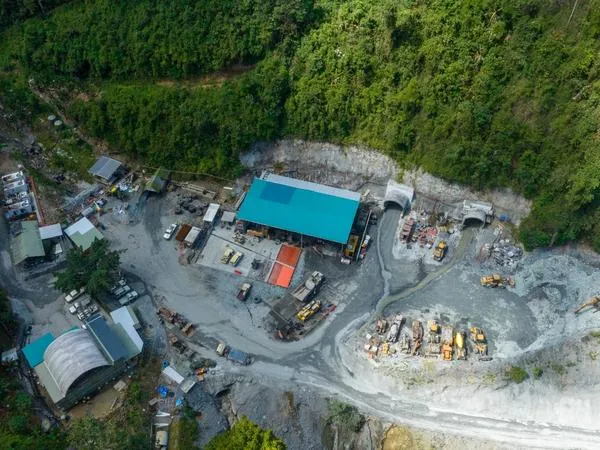
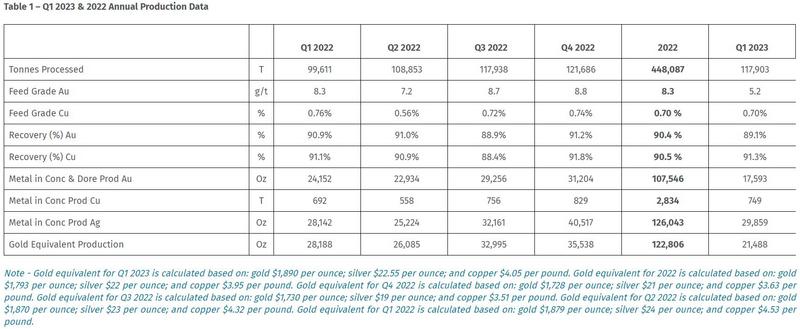
K92 Mining Inc. announces production results for the first quarter (“ Q1 ”) of 2023 at its Kainantu Gold Mine in Papua New Guinea, of 21,488 oz AuEq or 17,593 oz gold, 1,651,297 lbs copper and 29,859 oz silver. Sales during the first quarter were 17,602 oz gold, 1,538,590 lbs copper and 29,164 oz silver.

During the first quarter, the process plant delivered a strong quarterly ore processing rate of 117,903 tonnes or 1,310 tpd, our third highest quarter on record despite experiencing 8 days of combined unplanned maintenance. The unplanned plant maintenance occurred in February due to a mill trunnion bearing failure (2 days downtime) and a limited electrical fire in a cable tray, which damaged a number of cables feeding the wet section of the process plant (6 days downtime) (see February 27, 2023 press release).

After completion of the unplanned maintenance in February, the process plant performed very strongly, setting a new monthly ore processed record of 1,490 tpd in March which is 9% greater than the Stage 2A Expansion design throughput of 1,370 tpd. Additionally, multiple new daily throughput records were achieved during the quarter including 1,726 tonnes processed on February 26, 1,773 tonnes processed on February 28, 1,802 tonnes processed on March 3 and 1,815 tonnes processed on March 11. Importantly these records were achieved prior to the final major upgrade to the Stage 2A Expansion process plant, the flotation expansion to double rougher capacity, which is planned for commissioning in Q2 and is expected to provide a boost to metallurgical recoveries and flexibility to potentially increase throughput further.

Mine performance during the first quarter recorded 117,865 tonnes of ore mined, an 18% increase from Q1 2022, and delivered a total material mined (ore plus waste) of 277,534 tonnes mined, representing an increase of 33% from Q1 2022. During the quarter, operations focused on Kora’s K1 and K2 veins, and Judd’s J1 Vein for a total of 8 levels mined. Mining on Kora was conducted on the 1130, 1150, 1170, 1205, 1265 and 1285 levels, and Judd on the 1285 and 1305 levels.

The operation delivered head grades of 5.21 g/t gold, 0.70% copper and 10.14 g/t silver (6.35 g/t AuEq) in Q1. Metallurgical recoveries averaged 89.1% for gold and 91.3% for copper during the quarter, with recoveries expected to improve upon the commissioning of the flotation expansion planned in Q2 2023. Head grade was notably impacted, during the second half of the quarter, when underground mining encountered an area with more challenging ground conditions than expected, associated with where the K1 and K2 veins almost converge, which impacted our production stoping rates and access to higher grade ore. Generally, in this situation, mill feed would be supplemented by mining from additional mining fronts as we mine through the impacted area more slowly. However, due to development rates being below budget for several quarters during the COVID-19 pandemic, many of the alternative mining areas were not yet developed, therefore supplementing from our low-grade stockpile was required (see March 30, 2023 press release, and see Figure 1).

Operationally, as previously disclosed, we expect Q2 production to be moderately below budget, with the second half of 2023 being our strongest in terms of production and 2023 production being within the bottom half of the guidance range (see March 30, 2023 press release).

The anticipated strength of the second half of 2023 is driven by an expected significant increase to our operational flexibility and stope sequencing. In terms of operational flexibility, it is important to highlight the following positive trends:

  • Significant increase in development achieved over the last two quarters: Q1 2023 and Q4 2022 both set new quarterly records for development, of 2,278 m and 2,221 m, respectively. Development for both quarters was also significantly greater than prior quarters, with Q1 2023 development increasing 48% compared to Q1 2022. Strong development rates is a positive leading indicator for operational flexibility, and we note that there are two new sublevels currently being established.
  • Multiple equipment recently arrived on site: Recent arrivals include a new loader in Q4 2022, and in Q1 2023 a new jumbo, loader, two integrated tool carriers, Normet explosive charging machine, cement agitator truck and very recently a new long hole drill rig. The arrival of the long hole rig is particularly important as it now doubles our long hole drill fleet, which is expected to drive a notable increase in our drilled stocks (stopes drilled and available for immediate blasting, including more stopes available as “backups” to supplement mill feed if required). The majority of this equipment was originally scheduled to arrive in 2022 and in certain cases was considerably delayed due to the global supply chain. The arrivals of equipment are to both replace existing equipment and expand the fleet. During the remainder of the first half of 2023, two underground trucks and one jumbo are also scheduled for delivery.
  • Entirely new mining front to be established in H2 2023: During the second half of the year, we will be accessing the ore body at depth from the twin incline, opening up an entirely new mining front that is serviced by our large and highly productive twin incline infrastructure. As of March 31, 2023, incline #2 (6m x 6.5m) advanced to 2,172 metres and #3 (5m x 5.5m) advanced to 2,230 metres, with development advance during Q1 2023 22% ahead of budget.

John Lewins, K92 Chief Executive Officer and Director, stated, “While the first quarter was more challenging than expected, there were many positives that we can build on for the operation going forward.

Firstly, the performance of the process plant was very strong, setting a new monthly ore processed record in March of 1,490 tpd, 9% greater than the Stage 2A Expansion Rate. Multiple new daily records were also set during the quarter, with the latest record now standing at 1,815 ore tonnes processed on March 11 th . Importantly, this strong performance has been achieved prior to the commissioning of the flotation expansion for the Stage 2A Expansion that is planned for Q2 and is expected to provide a boost to metallurgical recoveries and flexibility to potentially increase throughput further.

On the underground mine, we see operational flexibility significantly improving over the coming weeks and months, driven by our recent record development advance rates, multiple key pieces of equipment now on site, and, a new mining front at depth in H2 serviced by our twin incline that is significantly oversized for not just the Stage 2A Expansion (500,000 tpa) throughput rate but also Stage 4 (1.7 mtpa).

And lastly, we are very excited about our exploration plans for 2023. In Q1, exploration continued to expand the drilled deposit extents at our Kora-Kora South and Judd-Judd South vein system (see February 21, 2023 press release), and porphyry drilling also recently commenced on A1, our top copper-gold porphyry target.”

April 06, 2023

Photo credit: Wafi-Golpu JV

Wafi-Golpu Joint Venture (WGJV) participants, Newcrest and Harmony Gold (through their respective PNG subsidiaries) have today signed a Framework Memorandum of Understanding (MOU) with the Independent State of Papua New Guinea at a signing ceremony which was attended by the Governor General, the Prime Minister and key members of his cabinet, as well as the Governor of the Morobe Province.

The MOU represents a substantial step forward in progressing and signing a Mining Development Contract for Wafi-Golpu and confirms the parties’ intent to proceed with the project, subject to finalising the permitting process and approvals of both the Newcrest and Harmony Boards.

The MOU sets out key terms to be included in the Mining Development Contract, which is a prerequisite for a Special Mining Lease (SML), including:

  • State equity participation, royalty rate, tax package and term and scope of the SML. 
  • Key terms for other related agreements with the State, including provision for stability to underpin the significant long-term investment required to develop and operate the project. 
  • Commitments for the WGJV to invest in infrastructure and social development projects that will deliver long-term benefits to local communities. 
  • The framework for the parties to progress the permitting of the Wafi-Golpu Project as quickly as practicable in accordance with applicable regulatory processes.

Peter Steenkamp, Chief Executive Officer of Harmony Gold Mining Company Limited, said, “This MOU is an important step in progressing the permitting of the Tier 1 Wafi-Golpu project, one of the world’s premier, undeveloped copper-gold deposits. I wish to thank Prime Minister Marape and his Government for the constructive manner in which they have worked with the WGJV partners and for the commitment demonstrated in advancing this important and long-awaited project.”

“This MOU is a pivotal milestone towards the development of one of the world’s premier, undeveloped, copper-gold deposits. Importantly, the project will result in fair and equitable benefits for landowners, communities, local level governments, the Morobe Provincial Government and the Independent State of Papua New Guinea, while also delivering strong returns for investors.” said the Interim Chief Executive Officer of Newcrest Mining Limited, Sherry Duhe.

The MOU recognises that development of the Wafi-Golpu Project will be of major significance to the people of Papua New Guinea and encourages its development to contribute both socially and economically to the community. In addition, it also provides a viable and stable foundation for the long-term development of the Project by the WGJV.